Tag: asia

  • Jollibee bought The Coffee Bean & Tea Leaf

    Jollibee bought The Coffee Bean & Tea Leaf

    Philippine restaurant operator Jollibee Foods is to buy US cafe brand The Coffee Bean & Tea Leaf outright for US$350 million.

    The acquisition is Jollibee’s largest to date, and will involve a $100 million investment in a new Singaporean holding firm to handle the process, constituting an 80 percent equity of the business. The $250 million balance is to be regarded as an advance to the firm, which will issue preferred shares within six to nine months to repay it. The takeover will be financed initially through a bridge loan.

    The remaining 20 percent equity in the new firm will be taken by members of the family operating Jollibee partner Viet Thai International Joint Stock Company, which runs the Highlands Coffee and Pho 24 franchises, primarily within Vietnam.

    An IPO for the new holding company is expected to be made within three-to-five years.

    The Coffee Bean & Tea Leaf is owned by California-based International Coffee and Tea. It recorded revenue of $313 million last year, however, analysts estimate it lost about $21 million.

    “The deal will bring international business’ contribution to 36 percent of worldwide sales and will bring Jollibee closer to its vision to be one of the top five restaurant companies in the world in terms of market capitalization,” said Jollibee Foods Corporation chairman Tan Caktiong.

    “Our priority is to accelerate the growth of The Coffee Bean & Tea Leaf brand particularly in Asia, by strengthening its brand development, marketing, and franchise support system.”

    The Coffee Bean & Tea Leaf operated 1189 locations as of the end of last year, around a third of which are in Southeast Asia.


  • Nissan India Lays Off Over 1710 Employees As Part Of Global Exercise

    Nissan India Lays Off Over 1710 Employees As Part Of Global Exercise

    Japanese auto giant Nissan announced earlier this week that it will downsize its workforce globally by firing 12,500 employees. This includes the manufacturer’s India operations as well. A report by ETAuto now states that over 1700 employees from the Indian subsidiary will be axed from the company, contributing 13.68 per cent to the total job cuts. However, Nissan India has clarified that the downsizing process has been completed in India and was a part of the 2018-19 financial year.

    Back in September 2018, Nissan India had announced the Employee Voluntary Separation Scheme for its employees and this was part of the global downsizing exercise, according to the company. The manufacturer did say at the time that it was letting go manpower from its manufacturing vertical, where the need was less and instead would be looking to hire people for expanding the R&D efforts. carandbike reached out to Nissan for a quote on the layoffs but the manufacturer offered “no comments” on the matter.

    As part of the global downsizing or right-sizing exercise in FY2018-19, Nissan laid off over 1420 employees in the US, over 1000 employees from Mexico, 830 in Indonesia and about 880 employees from its two manufacturing facilities in Japan, according to the data provided by the company. That’s about 6400 employees being fired in the first phase of layoffs, while the company will further reduce its direct workforce by over 6100 personnel across six additional sites between FY2020-FY2022.

    The massive restructuring plan comes amidst a massive fall for the Japanese carmaker volumes and profits. The company’s profits plunged 98.5 per cent to 1.6 billion yen ($14.80 million) for the first quarter of FY2019-20, it’s worst since the loss in the March 2008 quarter during the global recession. Moreover, an ageing product portfolio, slowdown in several key markets including Japan, the US and China have further added to the company’s woes.

    Announcing the layoffs at the Quarterly Results press conference this week, Nissan – Chief Executive Hiroto Saikawa said that it was mainly targeting sites where the brand made investments to produce compact cars as part of the Power 88 plan. The plan was implemented globally in 2011 to revive sales that saw Nissan introduce 51 new car models with focused efforts to increase presence in emerging markets like India and Russia. The automaker also revived the Datsun brand as its new entry-level car brand to take on big wigs like Maruti Suzuki. However, Datsun barely managed to make a dent in the volume-friendly small car segment, which turned out to be big disappointment for the manufacturer. Apart from the workforce, Nissan will also axe its low performing products to realign costs and this includes a number of compact cars, possibly including those sold with the Datsun badge.

    That said, India still remains a key market for Nissan. The carmaker has massively invested in its Oragadam-based facility along with partner Renault and still exports a major chunk of its production from the country. The alliance has collectively invested over ₹ 45 billion over the past seven years and the plant has an installed production capacity of 450,000 units per annum. The company currently holds a 0.75 per cent market share in India.

  • Elon Musk’s Boring Co. Raises $120 Million In First Outside Investment

    Elon Musk’s Boring Co. Raises $120 Million In First Outside Investment

    Elon Musk’s Boring Co. has raised its first outside investment to fund the development of tunnel-based transportation systems. The company authorized the sale of $120 million in stock, according to a securities filing that was obtained by the Prime Unicorn Index, a company that tracks the performance of private U.S. companies, and reviewed by Bloomberg News. The investment is in addition to the $113 million the company raised last year.

    “We are delighted to be an investor in Boring,” said Steve Jurvetson, a venture capitalist with Future Ventures and a director on the boards of Musk’s Tesla Inc. and Space Exploration Technologies Corp. “Boring is a great example of the disruptive playbook we look for.”

    The investment values the company at about $920 million after the new cash injection, according to a Boring Co. spokesman. The chief investors in the round were 8VC, Vy Capital, Craft Ventures, Valor Capital and DFJ.

    Boring’s best-known funding efforts involve less traditional methods including the sale of hats and flamethrowers, which raised $1 million and $10 million, respectively, for the business.

    In May, Boring won its first commercial transportation contract, a $48.7 million mile-long project to shuttle visitors around the Las Vegas Convention Center. The project will provide an important test of whether it can really dig more cheaply than competitors and navigate the government bureaucracy involved in municipal projects.

    Boring Co. has also built a test tunnel near its headquarters in Hawthorne, California. A hoped-for tunnel in Los Angeles was scuttled after opposition from neighborhood groups. In Chicago, a proposed tunnel’s future is in doubt due to the departure of its biggest supporter, former Mayor Rahm Emanuel. A potential project connecting Washington D.C. and Baltimore is in the environmental review process.

    Jurvetson said Boring latest investment was its first big fundraising effort beyond tapping into money from Musk and company insiders.

    Jurvetson, 52, is a long-time friend of Musk’s who has invested early in his companies, including Tesla and SpaceX. Formerly a venture capitalist at DFJ, he resigned from the firm in November 2017 amid allegations of harassment that he has denied. He returned to Tesla’s board from a leave of absence in April.

    “The four-largest tunnel companies in the U.S. were founded in the 1800s,” Jurvetson said. “Like the automotive and aerospace sectors, they haven’t faced a disruptive new entrant in their management’s collective life-time.”

  • Sonos just the start of Ikea’s investment in smart home

    Sonos just the start of Ikea’s investment in smart home

    Ikea Australia is previewing its highly anticipated collaboration with Sonos in its Tempe store, ahead of the national launch of the Symfonisk range in September.

    The range, which includes a table lamp and bookshelf with built-in connected speakers, is just the start of Ikea’s push into the smart home space, the retailer said in a statement circulated on Friday.

    “Ikea sees great potential in the smart home business,” Ikea Australia spokesperson Mark Mitchinson said in a statement.

    “We strive to make solutions for life at home by integrating technology into our home furnishing offer that is easy to use and affordable, thereby making smart home technology accessible to many people.”

    Mitchinson said there will be additional launches, enabling people to build onto their smart home solution in the years to come.

    The Symfonisk range, which Ikea first announced in a video in January, will be available in-store and online from September 27.

    Designed in collaboration with US smart speaker company Sonos, the range aims to “democratize music and sound in the home”, the retailer said in a statement.

    “Sound enhances our life at home and the collaboration will enable many more people to create an atmosphere in the home with great design and sound,” Mitchinson said.

    The range includes a table lamp with a built-in speaker, which Ikea said will help de-clutter homes by eliminating cords. Priced at $269, the lamp-speaker partly springs from the idea of a fireplace, the retailer said – one single piece that spreads warm light as well as sound.

    It also includes a wi-fi bookshelf speaker priced at $149, which can double as a shelf that holds up to 3kg with the bracket. It can also be attached to almost any kitchen rail, the retailer said.

    Both products are compatible with Sonos’ own product range and can be steered through the Sonos app.

    They can also be steered via the Ikea Home Smart app, which is part of the retailer’s range of connected products, from speakers and charging pads to bulbs and light panels. The products are newly categorized under the collective name ‘Home Smart’, and share the common goal of saving customers time, money and energy.

    Customers can experience Ikea’s new Symfonisk range and take part in immersive experiences at the retailer’s Tempe store in Sydney from yesterday, July 25, through to August 4.

  • Yuja Wang shows up in new Rimowa brand campaign

    Yuja Wang shows up in new Rimowa brand campaign

    Rimowa is unveiling a film on renowned pianist Yuja Wang as part of its ‘Never Still’ global integrated campaign.

    Following the launch of last year’s first international integrated brand campaign that marked its 120th anniversary, LVMH-owned Rimowa is continuing its conversation on purposeful travel with three films featuring intimate portraits of well-known friends of the brand. The select cast conveys the belief that mastery is a never-ending journey, and that no one builds a legacy by standing still.

    While the campaign echoes the ethos set forth by Rimowa’s first global brand campaign, this second look focuses on “the hardships of the road, both real and metaphorical, and the resilience and drive required to endure and thrive”.

    Basketball legend LeBron James, artistic director Dior Men’s and fashion designer Kim Jones, and Beijing-born concert pianist Yuja Wang all share an intimate view into their lives on the go, telling how constant challenge drives them toward success. The series is shot across four countries by three different directors who worked closely with each individual icon to put together an emotionally insightful, personal and visually distinct expression of their particular journey.

    The global integrated brand campaign will be featured across paid and owned social and digital channels, Air France, British Airways, and Cathay Pacific in-flight entertainment, select cinemas in the US and Europe, airports in New York, Los Angeles, London, Paris, Nice, Shanghai and Hong Kong, and OOH in key cities like New York, Los Angeles, Paris, London, Hong Kong, Seoul and Tokyo. The campaign will also feature retail activations and exclusive limited-edition stickers.

    Created in partnership between Anomaly in Berlin and Rimowa’s internal creative team, the campaign will be activated globally with special emphasis on the brand’s seven key markets – USA, China, HK, Japan, Germany, UK, and France.

  • DBS Inks Sustainability-Linked Loan in Indonesia

    DBS Inks Sustainability-Linked Loan in Indonesia

    The export financing sustainability-linked loan is the first of its kind in Indonesia. DBS Bank Indonesia has signed a sustainability-linked export financing loan with wooden door manufacturer PT Sumatera Timberindo Industry (STI), the bank said in a press release on Wednesday.

    DBS said the loan is evaluated based on a target of obtaining timber and raw materials from sources certified by the Forest Stewardship Council (FSC). Its interest rate will be reduced for each shipment of raw material that has an FSC certification that the raw material is responsibly sourced.

    STI is a FSC-certified company focused on responsible sourcing, manufacturing and exporting of sustainable-certified products. According to director Hidayat Ang, STI’s synergies with DBS in advancing sustainability support the company’s long-term growth and empower the local community to do good for the environment.

  • Tim Ho Wan to launch in Texas

    Tim Ho Wan to launch in Texas

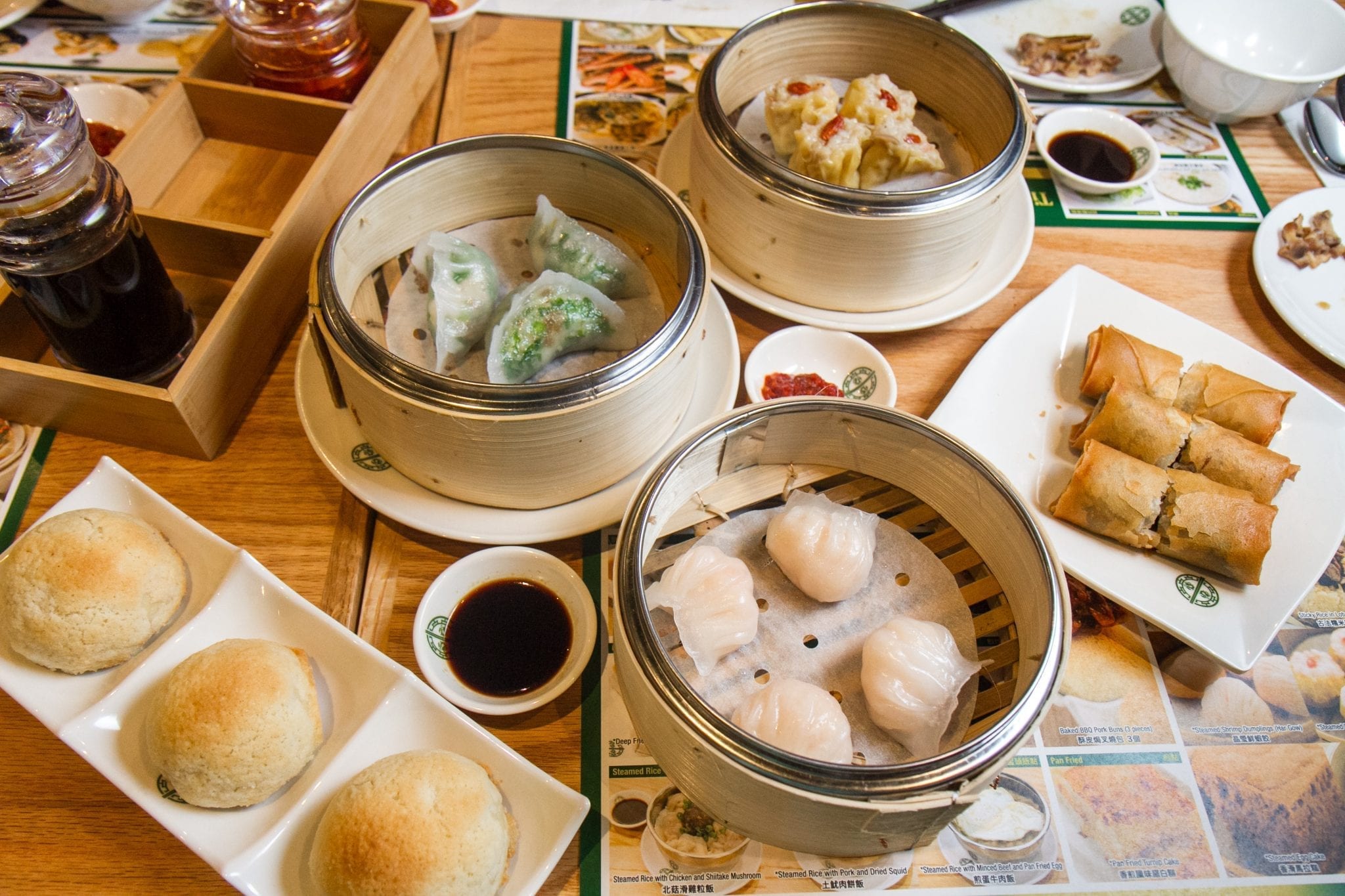
    Dim sum restaurant brand Tim Ho Wan is launching its first Texas location at NewQuest Property’s Katy Grand development.

    The new Katy store is the group’s fourth US location and is expected to open later this year or early 2020. The lease for the 5160sqft outlet has been signed, with plans to include a Zen garden, bringing total leasing of the first of two buildings for Phase 2 of the Katy Grand development to 100 percent.

    Other tenants at the complex are to include 85°C Bakery & Cafe, Kura’s Revolving Sushi Bar and Kinokuniya Books.

  • Michelin Guide Singapore 2019 to be Released in September

    Michelin Guide Singapore 2019 to be Released in September

    Michelin is proud to announce that the star selection of the Michelin Guide Singapore 2019 will be officially revealed on 17 September 2019 at the historically rich Capella Singapore.

    The selected establishments will be recognized at the star-studded Michelin Guide Singapore 2019 Star Revelation and Gala Dinner. The evening’s exquisite six-course dinner will be created by internationally renowned chefs from Michelin-starred establishments around the world.

    The roster of chefs this year includes names that gastronomes will be familiar with, including:

    • Guillaume Galliot (Caprice, 3 Michelin stars, Michelin Guide Hong Kong Macau 2019)
    • Kelvin Au Yeung (Jade Dragon, 3 Michelin stars, Michelin Guide Hong Kong Macau 2019)
    • Sebastien Lepinoy (Les Amis, 2 Michelin stars, Michelin Guide Singapore 2018)
    • Joshua Brown and Greg Bess (CUT by Wolfgang Puck at Marina Bay Sands, 1 Michelin star, Michelin Guide Singapore 2018)
    • Beppe de Vito (Braci, 1 Michelin star, Michelin Guide Singapore 2018)
    • Arisara ‘Paper’ Chongphanitkul (Saawaan, 1 Michelin star, Michelin Guide Bangkok, Phuket Phang-Nga 2019)

    Bringing together their expertise gained in the varied culinary regions of Europe and Asia, the chefs will be presenting a six-course dinner, with each chef showcasing the cuisine that they specialize in. Including French, Italian and Cantonese cuisine, the dishes will be served with an impeccable selection of wines.

    This year’s gala will reflect a trend seen across the world, sustainability, which is also in alignment with one of the Michelin Group’s key commitments: Sustainable Mobility. The company envisions a circular economy to preserve the planet’s resources by reducing, reusing, renewing and recycling the materials needed to produce the Company’s products and services, to avoid leaving a lasting environmental impact.

    To make this possible, one of its visions for the next 30 years is for its tires to incorporate up to 80 percent sustainable materials and for 100 percent of end-of-life tires to be recycled or reused as fuel.

    Fittingly, this year’s gala dinner is themed «Kitchens of Progression», signifying a shift towards sustainable dining and culinary practices. Chefs involved in the preparation are implored to procure ingredients from trusted suppliers and organizations that practice ethical and sustainable farming and be mindful about reducing food wastage – Michelin aims to make this a move in the culinary world, in line with another aspect of its business.

  • Maybank Debuts Wealth Offering in Philippines

    Maybank Debuts Wealth Offering in Philippines

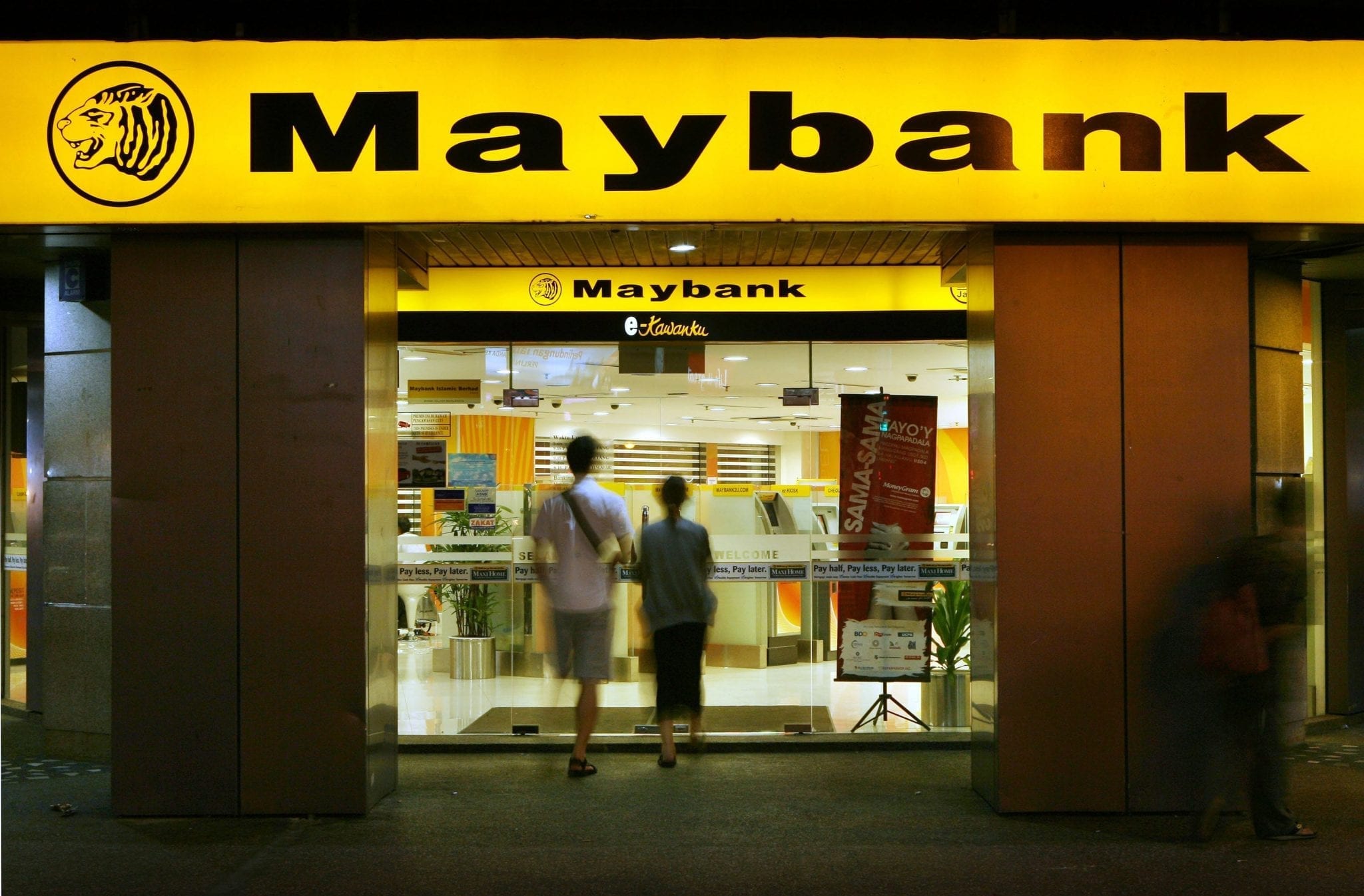
    Maybank launches its first a private wealth management arm in the Philippines, in the midst of trending interest from financial institutions to tap into the nation’s business potential. The bank will open the branch in Makati City in Manilla, which will add to the 67 centers it has in the ASEAN (Association of Southeast Asian Nations) bloc. The «Maybank Premier» brand will be deployed to target high net worth individuals with wealth advisory solutions.

    The bank is projecting continued growth in the region and expects its clients to benefit from the bank’s robust ASEAN connectivity according to its group chief strategy officer and chief executive of the international business Michael Foong.

    The Philippines has been in the spotlight in recent times due to growing interest from others to tap into its market for its financial sector potential across various segments.

    Earlier this week, Pru Life UK was reportedly expected to launch a standalone asset management firm in the country. And also in the same week, the nation completed its first blockchain-based remittance from Singapore’s OCBC.

    This wealth management launch is in line with the bank’s focus to continue to develop our group wealth management franchise to capitalize on the region’s growth trajectory, and the Philippines is one of the fastest-growing economies in the Association of Southeast Asian Nations (ASEAN) with a burgeoning middle class, said John Chong, group chief executive of Maybank.

  • 108 Matcha Saro opens first store in Singapore

    108 Matcha Saro opens first store in Singapore

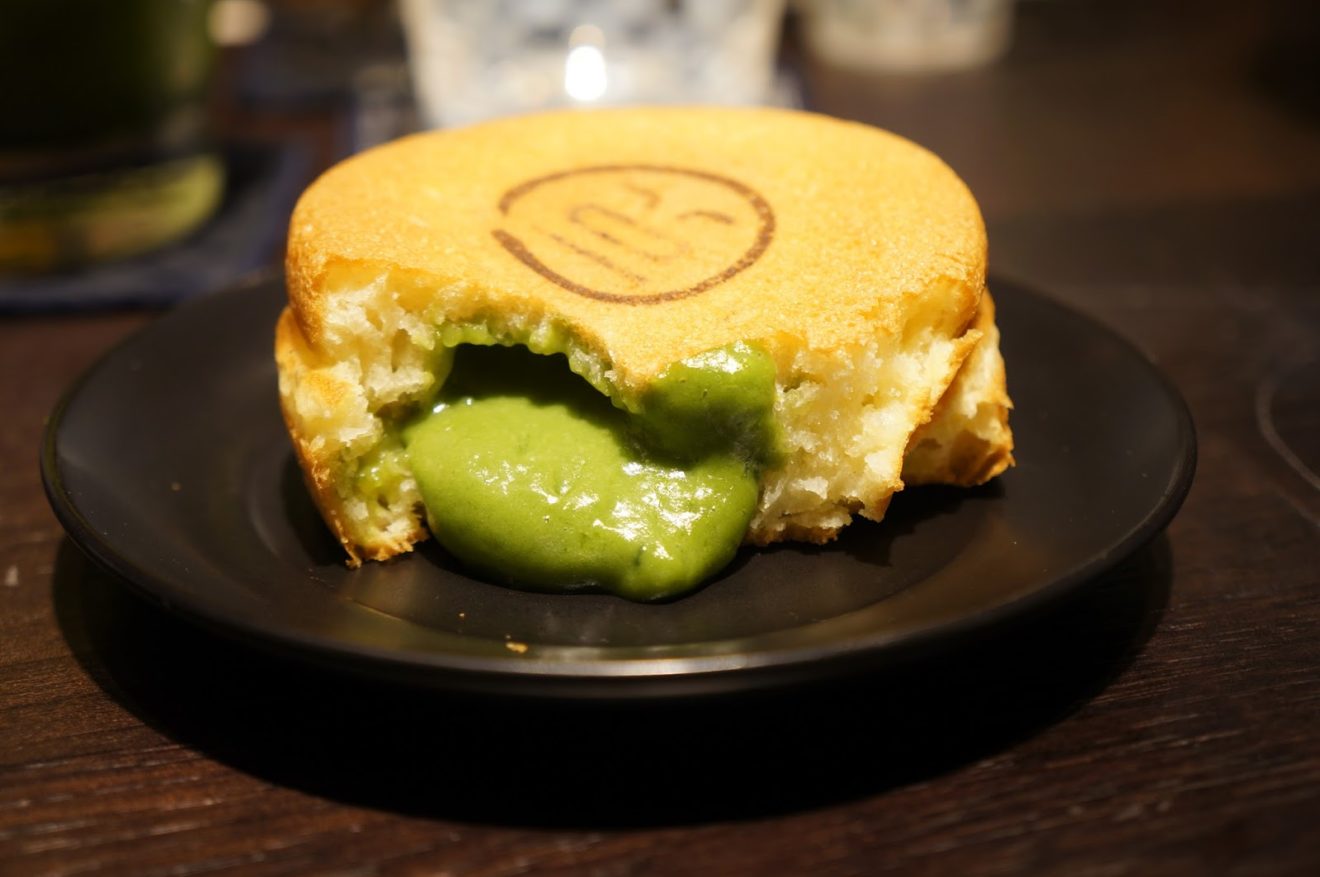
    Japanese cafe chain 108 Matcha Saro is opening its first Southeast Asian store, at Singapore’s Suntec City shopping center.

    Set to open tomorrow (July 26), the take-away concept store will be designed to resemble a traditional ancient Japanese teahouse, located in the basement of the shopping center.

    The 108 Matcha Saro stores in Japan feature four different live stations where passers-by can watch staff making Warabi-mochi or Obanyaki, whisking Matcha and assembling Parfaits and Soft Serves.

    Founded in 2014, 108 Matcha Saro has four stores in Japan, and another four in Taiwan.

  • Thai AirAsia ready for travel growth

    Thai AirAsia ready for travel growth

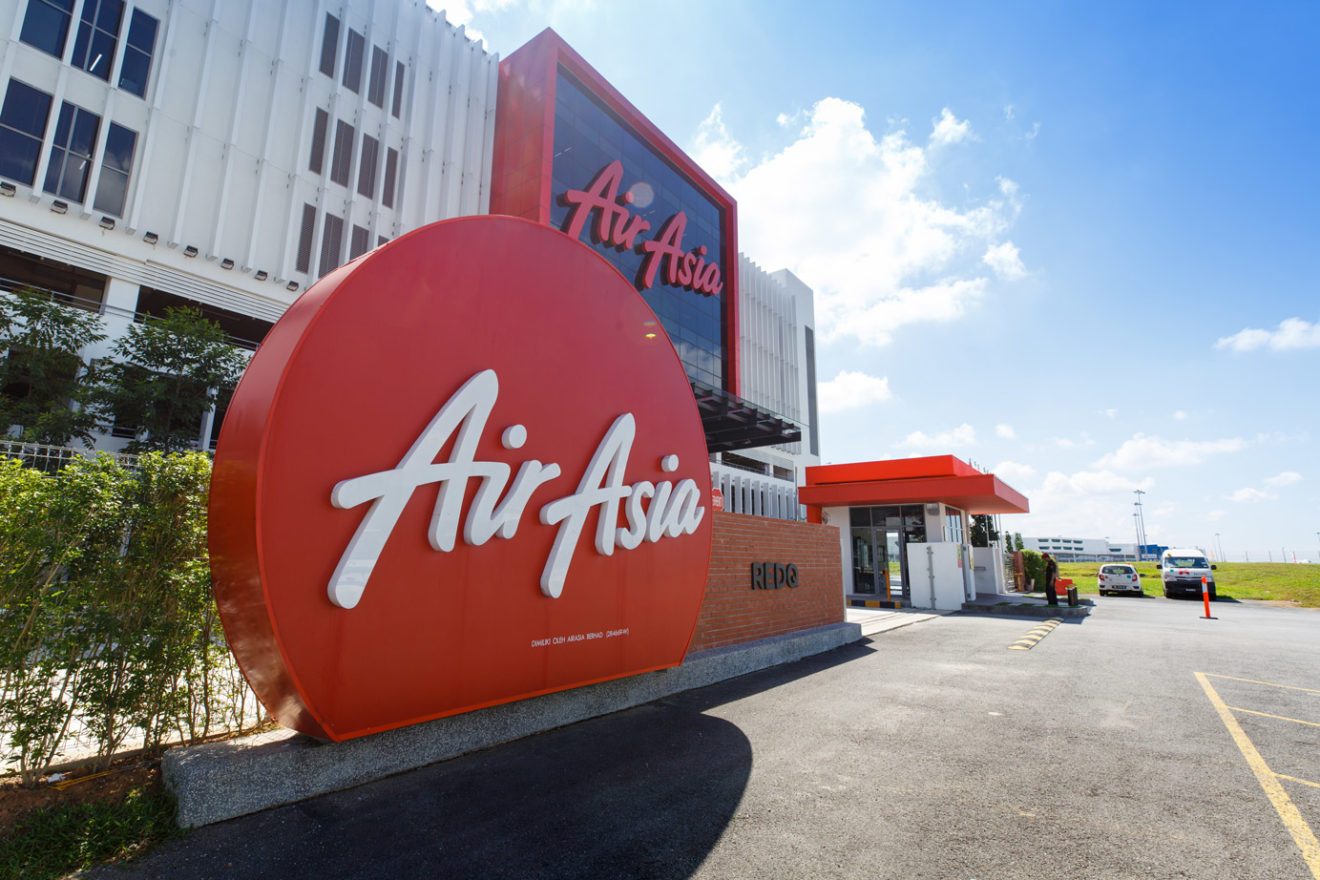
    Thai AirAsia and Thai AirAsia X’s businesses are expected to grow as projected this year, with passengers surpassing 23 million.

    Santisuk Klongchaiya, chief executive of Thai AirAsia, said passengers in the first half this year tallied 11.4 million, with a load factor at 87%. Passenger volume for the full year is expected to reach 23.2 million as planned, 5% growth, with a load factor of 85-86%.

    He said the most urgent issue for the airline is to regain trust from Chinese tourists after the fatal boat accident last year. The baht appreciation has also affected the Chinese market.

    Mr Santisuk said the airline plans to talk with the Tourism Authority of Thailand about creating a special campaign for the Chinese market. Thai AirAsia is also considering opening new routes in South Asia, such as Hyderabad, India and Kathmandu, Nepal, later this year. The airline plans to welcome two more Airbus A321 jets by the end of this year to replace retired aircraft, bringing Thai AirAsia’s fleet to 63.

    Nadda Buranasiri, chief executive of AirAsia X group and Thai AirAsia X, said the fleet for Thai AirAsia X will expand from nine to 14 as part of the plan to create a network in North Asia before moving to other regions.

    Thai AirAsia X, which operates long-haul routes, carried 1.5 million passengers in the first six months.

    Passenger numbers for the full year are projected at 3 million, with a load factor of 85%.

    There are some new routes planned in North Asia or Australia, and more frequencies expected to be added, said Mr Nadda.

    The airline has put off plans to add other long-haul routes to assess market demand after adding four flights a week on the new Airbus A330neo to Brisbane, Australia.

    Thai AirAsia and Thai AirAsia X are budget airlines partially owned by Malaysia’s AirAsia Group Berhad.

    Yesterday, Teleport (formerly known as Redcargo Logistics), a fully owned subsidiary air cargo company under AirAsia Group Berhad, signed a memorandum of understanding with Triple i Logistics to set up a joint venture company, Teleport Thailand.

    The new venture will start services at the beginning of next year.

    Pete Chareonwongsak, chief executive of Teleport, said it offers seamless same-day delivery in e-commerce for both domestic and 140 other destinations in the airline’s network, covering Asia and Australia, with cargo capacity from the 270 aircraft held by AirAsia and affiliated carriers.

    “Utilisation of the airline’s belly cargo is only 15%. We plan to use the remaining capacity to benefit small business operators, aiming to utilise cargo capacity of up to 50% within five years,” he said.

    The partnership will offer a new logistics business model differing from traditional airport-to-airport cargo movement, said Tipp Dalal, chief executive of Triple i Logistics.

  • Thailand’s Dohome launches compact ToGo Store chain

    Thailand’s Dohome launches compact ToGo Store chain

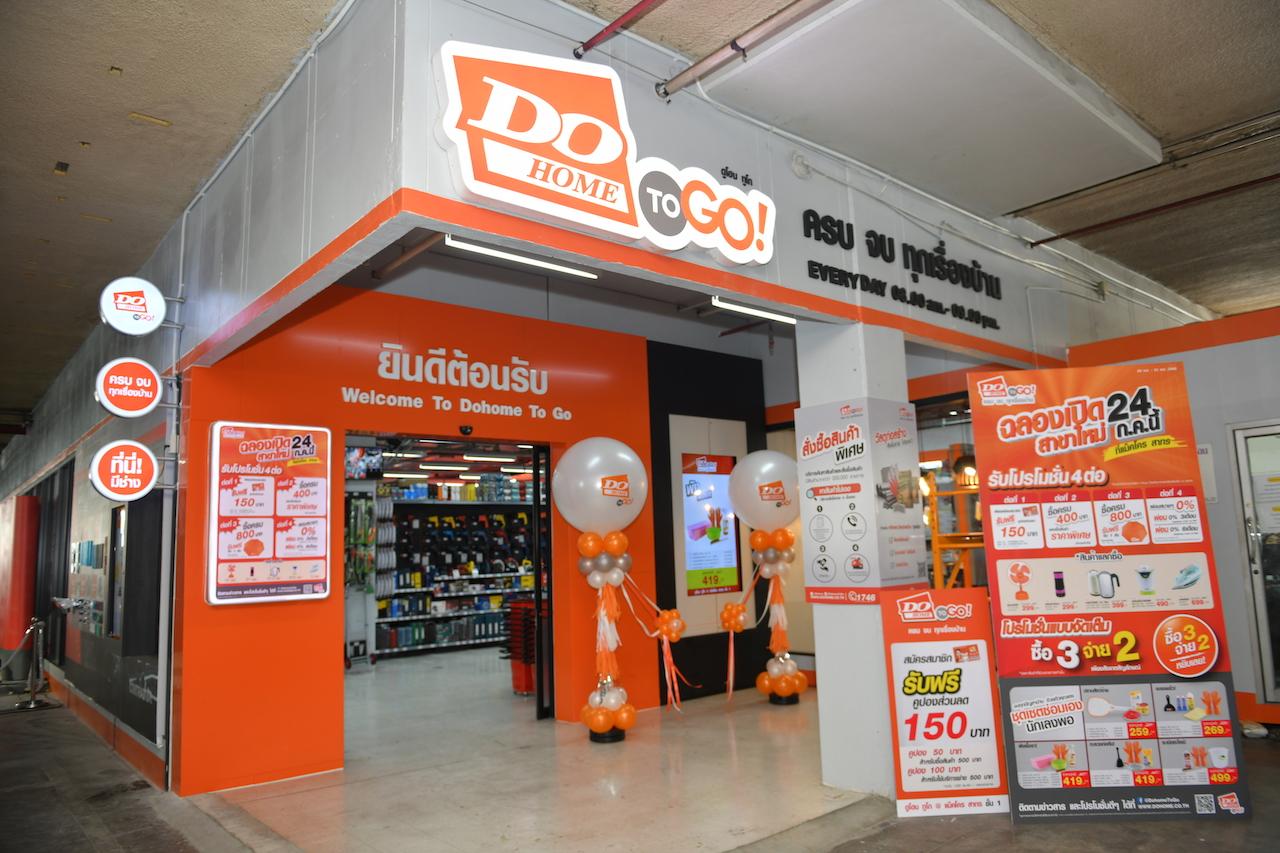
    Thai construction materials and home renovation equipment retailer Dohome is set to expand within the territory by an additional 90 branches by the end of next year.

    The move, partially in response to strong demand from DIY consumers, will introduce the firm’s Dohome ToGo brand with a smaller store format of 300–1000sqm.

    “Do-it-yourself is a rising trend,” said COO Puthada Teravetchakarn. “People want to renovate or repair the home by themselves if they can. It is very easy to use Google or YouTube to find out how to repair something or what materials should be used.”

    The firm is currently seeking suitable locations at department stores, supermarkets and hypermarkets for the new small-concept format, with a budget of up to THB2 million (US$64,650) per branch. The stores will stock around 10,000 SKUs, compared to more than 135,000 SKUs at its nine regular branches.

    “We will survey people living within a radius of three kilometers of proposed locations to ensure demand,” said Puthada. “We will review each month which items are best sellers and revise the selection.”

    Ten new Dohome ToGo branches will open this year, including two locations that have already launched in Bangkok.

    Dohome is in the midst of an IPO, offering 465.04 million shares at THB7.80 each, with a trading opening on August 6.

  • Philipp Plein opens second Bangkok Store

    Philipp Plein opens second Bangkok Store

    Fashion label Philipp Plein has launched its second location in Thailand.

    The new Bangkok store at IconSiam Mall follows the brand’s first outlet in Phuket, which opened in 2016. The opening is in line with Philipp Plein’s general expansion plans in the region, with a store having just opened in Singapore and another to follow in the Philippines later this year.

    The Bangkok store’s shopfront is designed in black marble featuring a giant Swarovski crystal skull.

    The store also displays a Murano skull chandelier, hexagonal tables and metallic displays.

  • Singapore Investors Upbeat About Local Economy

    Singapore Investors Upbeat About Local Economy

    Asian investors (60 percent) are among the world’s most optimistic about the economic outlook, ranking behind only Latin America (77 percent). Despite ongoing concerns about a global trade war, six in 10 Singaporean high net worth investors remain optimistic about the outlook for the local market, while Asia ranks second globally (60 percent) in terms of economic optimism, according to the latest quarterly UBS Investor Sentiment survey, released today.

    A large majority (67 percent) of Asian respondents said a diversified approach to investing was how they expected to manage ongoing risks. According to the bank, Singapore respondents were particularly interested in opportunities in sustainable investing (53 percent), yield or income generation (56 percent) and thematic investing such as medtech, fintech (49 percent).

    Global sentiment improved in the last quarter, with the share of investors planning to invest more growing to 46 percent, up from 42 percent, while the share of investors optimistic about the global economy remaining unchanged at 51 percent.

    The survey, which polled more than 3,800 wealthy investors and entrepreneurs in 17 countries between June 3–July 6, shows Singapore investors cited the global trade war, cybersecurity and market volatility (all 53 percent) as their top concerns.

    Among Asian investors, the top concerns were the global trade war (47 percent), the country’s long term competitiveness (43 percent) and cybersecurity (43 percent).

  • The Nokia 8.2 could land later this year with a pop-out camera system

    The Nokia 8.2 could land later this year with a pop-out camera system

    It’s been almost eight months since HMD Global first introduced the Nokia 8.1 to the world and that means a successor shouldn’t be too far away. According to MySmartPrice, the company is actively developing the smartphone right now and, if everything goes to plan, it could introduce some rather drastic changes.

    After fully embracing the notch on last year’s model, HMD Global reportedly has plans to ditch the controversial design feature in favor of one that’s slightly less intrusive. Specifically, the Nokia 8.2 will apparently represent the company’s first smartphone with a pop-out camera system. This will house a new 32-megapixel selfie camera and ultimately remove the need for any kind of notch or cut-out on the display, thus creating an all-screen design.
    In regards to the smartphone’s internal characteristics, today’s report points towards the presence of 8GB of RAM and 256GB of storage as standard. The Nokia 8.2’s processor wasn’t mentioned but previous leaks suggest a Snapdragon 700 series chip could make the cut alongside support for next-generation wireless networks in an attempt to produce a cheaper 5G device.
    Accompanying all of this will reportedly be stock Android 10 Q straight out of the box as part of the Android One program. The final version of this software is on track for release in mid-August which suggests HMD Global’s next Nokia-branded smartphone probably won’t arrive until September at the very earliest.