Tag: asia

  • AirAsia enters logistics JV for Thailand

    AirAsia enters logistics JV for Thailand

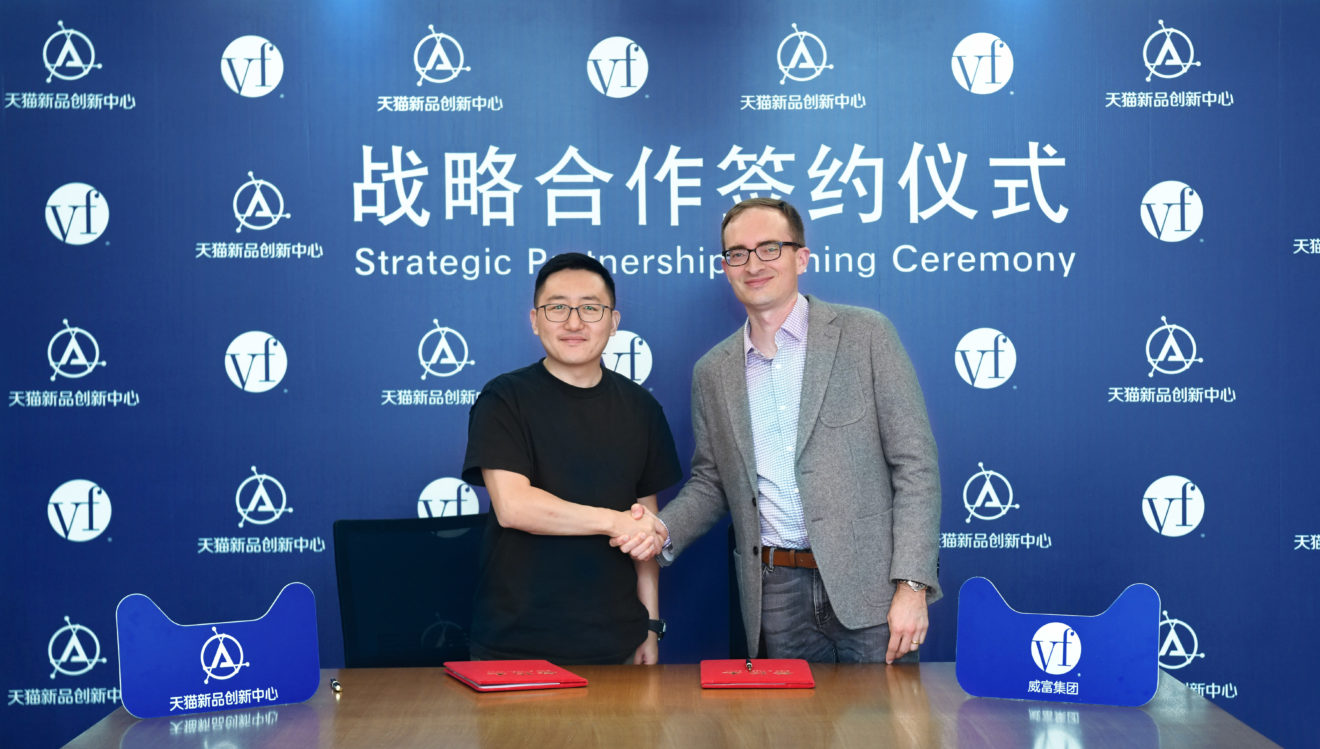
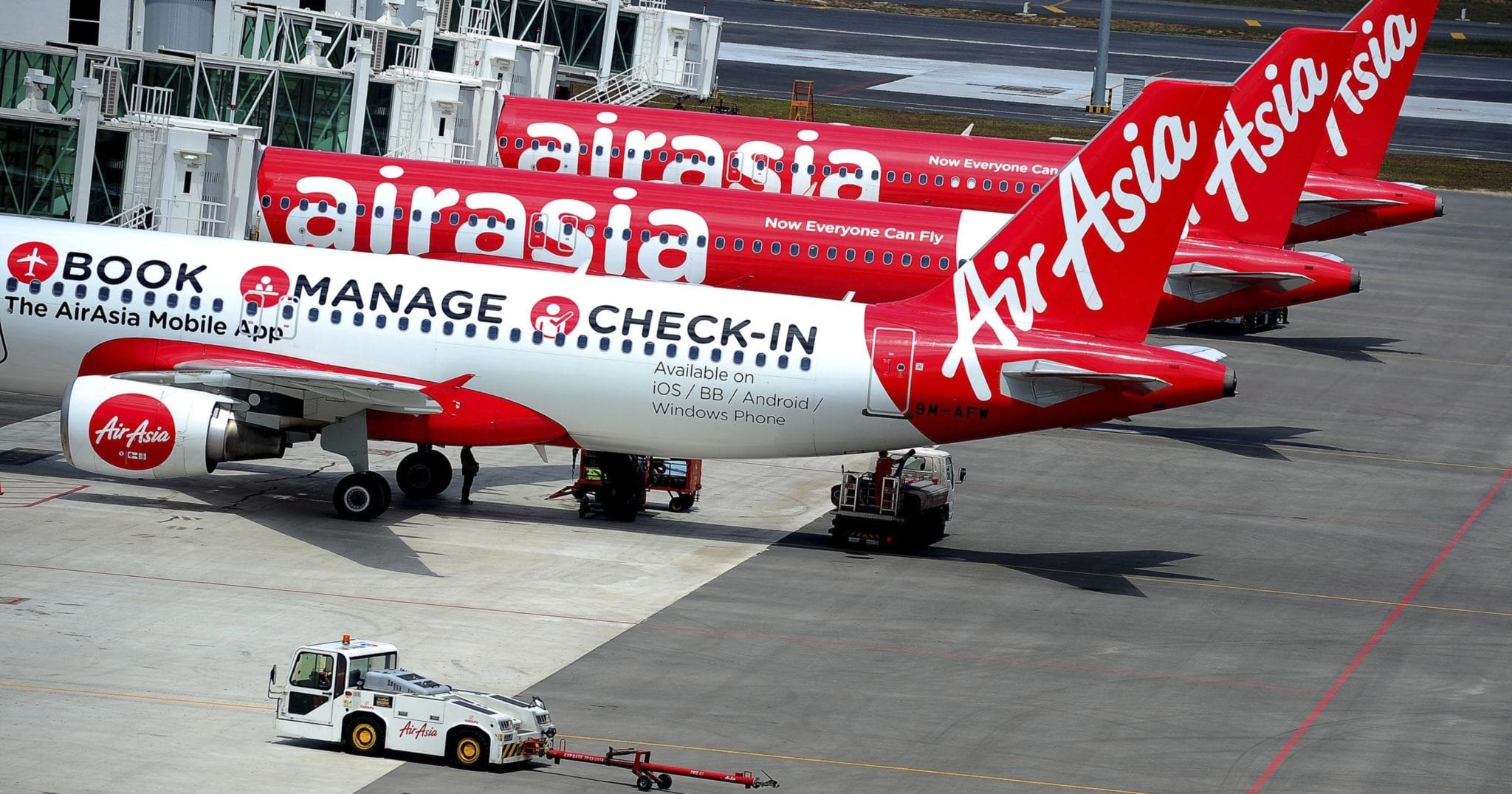
    Airasia indirect wholly-owned subsidiary Teleport Everywhere Pte Ltd has proposed a joint venture with Triple i Logistics Public Company Ltd to provide logistics services to Thai AirAsia Co Ltd (TAA) and Thai AirAsia X

    AirAsia said in a filing with the stock exchange that a memorandum of understanding was signed between the four parties, whereby Teleport and Triple I would establish a partnership in Thailand as a general cargo sales agent for the airlines.

    According to the statement, Teleport is a cargo and logistics services provider while Triple i is a total logistics integrator with 27 years of experience in the international forwarding and logistics industry

    “The MOU aligns with Teleport’s mission to move goods and e-commerce seamlessly throughout Southeast Asia, taking full advantage of AirAsia Group’s network of more than 100 cities and 10,000 weekly flights across Asia Pacific.

    “In particular, it allows Teleport to integrate the rights to the cargo capacity in Thailand for TAA and TAX with the wider AirAsia Group’s network,” it said.

  • Alceon rolling out Lego stores across Australia

    Alceon rolling out Lego stores across Australia

    Alceon Group on Wednesday revealed plans to significantly expand the footprint of Lego stores in Australia.

    New stores are set to open in New South Wales, Victoria and Queensland over the coming months, with South Australia and Western Australia to follow in 2020.

    A store is also set to open in Westfield Newmarket in New Zealand later this year.

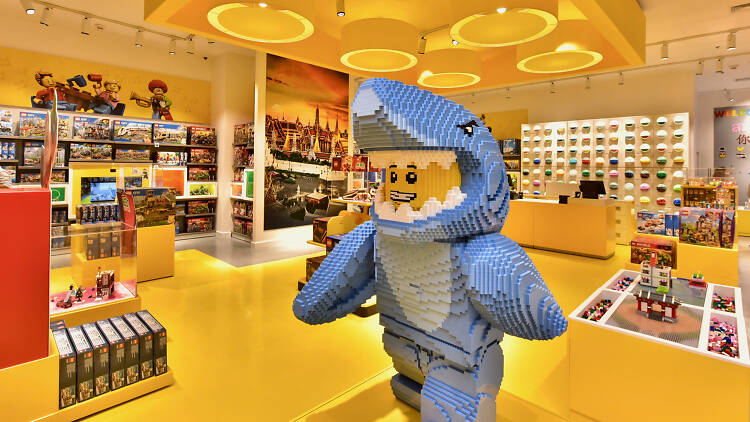
    Alceon, which holds the rights to Lego-certified stores in Australia and New Zealand, opened the first standalone Lego store in Westfield Bondi Junction in March, which executive director Richard Facioni said has “captured the imagination of all generations”.

    The store is centered on providing interactive experiences, with a pick-a-brick wall, build-your-own-minifigure stations and play tables, where kids can assemble their own creations.

    The store has benefited from the growing popularity of the Lego brand in the region, thanks to the arrival of the top-rated Lego Masters reality show, Facioni said.

    Alceon plans to capitalise on this momentum, with the first new store to open in Broadway Sydney in late 2019.

    The company said it has secured prime positioning on Level 2 of one of Australia’s highest performing shopping centers. The store, like the Bondi Junction location, will feature exclusive, customized design elements and brick-built symbols.

    “The introduction of further LEGO Certified Stores in key locations will
    accelerate the reach of this leading global retail concept, as we build on the excitement and emotion intrinsic to the iconic LEGO brand,” Facioni said in a statement about the expansion.

    Alceon Group is an investment firm that is one of the biggest retail companies in Australia, following its acquisition of Specialty Fashion Group’s Katies, Millers, Autograph, Crossroads and Millers brands, James Packer’s Pretty Girl Fashion group and Pumpkin Patch.

    The company also has a controlling stake in Noni B and recently acquired a stake in ethical fashion brand Ginger & Smart.

  • Batman pop-up store at The One marks 80th anniversary

    Batman pop-up store at The One marks 80th anniversary

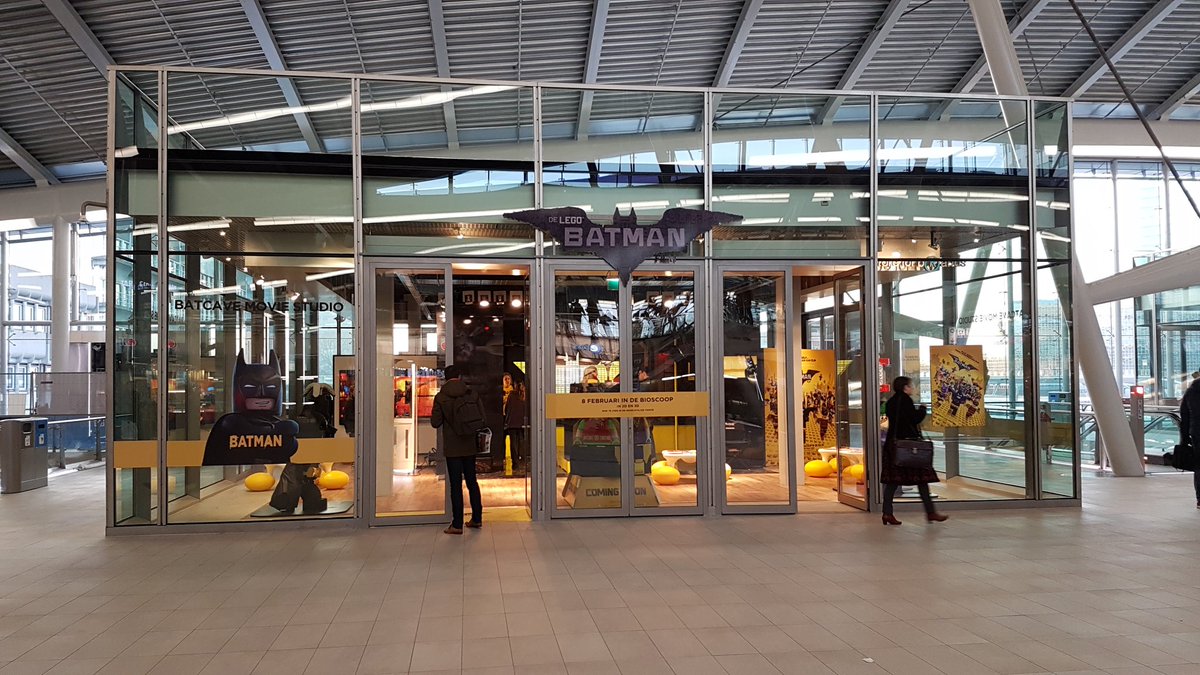
    Comics label DC and Warner Bros Consumer Products are marking the 80th anniversary of Batman with an interactive exhibit at The One shopping complex in Tsim Sha Tsui.

    The Batman pop-up store offers a sneak peek into the Batman universe going all the way back to his first appearance. Selected Batman comic book covers are being reprinted through modern screen-printing technologies in restoring the comic book aesthetics of different eras.

    Sculptor Keo W. has created a series of 1:1 scale Batman figures based on the most iconic Batman looks in animations, movies and video games, some of which are being shown in Asia for the first time.

    Nearly 100 Batman collectibles are included to present a curated experience to the public. A range of creative merchandise includes some items that are launching in Hong Kong for the first time, such as Batman luminous basketballs and chess games.

    The Batman pop-up store is part of a year-long global celebration showcasing the “World’s Greatest Detective” that includes live events, fan celebrations and exclusive branded products.

  • Teavana Bar and Kiosk open in Hong Kong this week

    Teavana Bar and Kiosk open in Hong Kong this week

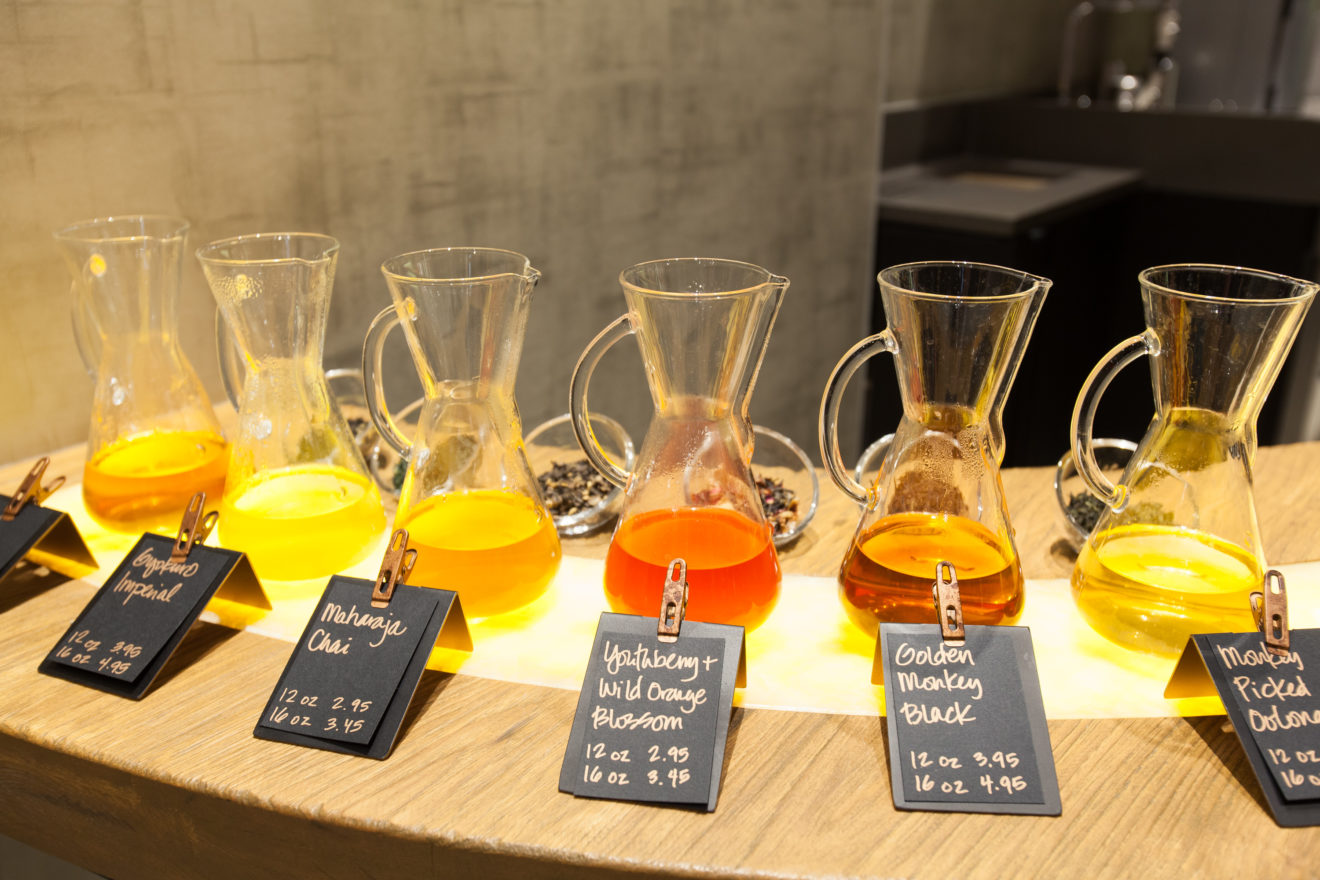
    Three years after making its Hong Kong debut, Starbucks’ Teavana brand is opening two new outlets this week.

    A Teavana Bar opens today inside Starbucks’ revamped store at APM in Kwun Tong, the brand’s first bar in Kowloon.

    The Kwun Tong bar features an open design allowing customers to watch their beverages being made by employees.

    The Teavana Bar is lined with white 3D tiles and copper accents that trace the outline of hibiscus flowers, coffee and tea leaves and botanicals, shining through an arched opening in a terracotta-toned facade.

    Meanwhile, Hong Kong’s first Teavana Kiosk opens at Starbucks’ ISquare outlet tomorrow (July 25). The new retail model offers a grab-and-go service. Designed with a grey terrazzo bar adorned with rose gold accent, set against a pink wall, the decor is aimed at shifting customers “out of work mode” even if only for a quick break.

  • Alibaba targets 30 million US SMEs

    Alibaba targets 30 million US SMEs

    Alibaba has opened its platform to enable US businesses to sell their products to millions of Alibaba.com buyers in the US and around the globe.

    The nearly 30 million small and medium-sized businesses in the US – especially manufacturers, wholesalers, and distributors – can now better access the US$23.9 trillion global B2B e-commerce market, an opportunity that is six times larger than the global B2C e-commerce market.

    Alibaba is also co-producing a series of “Build Up” workshops and webinars with local chambers of commerce and B2B organizations across the country – including Score, one of the nation’s largest non-profit networks of volunteer, expert business mentors.

    “Alibaba aims to empower entrepreneurs and help them succeed on their own terms,” said Alibaba Group’s head of North America B2B John Caplan. “With 10 million active business buyers in over 190 countries and regions, we are reshaping B2B commerce by providing the tools and services needed for US SMB companies to compete and succeed in today’s global marketplace.”

    “Alibaba’s announcement to welcome US sellers onto its B2B marketplace shows the Chinese retail giant’s desire to diversify its product offering,” said Emarketer principal analyst Jillian Ryan.

    “Currently, about 90 percent of the goods sold on the marketplace are from factories in China that are often manufacturing custom goods-to-order for buyers across the globe. Buyers on the platform are from developed nations like the US, Canada, India, Australia, Brazil, and the UK, and these buyers want to be able to source goods from the US.”

    As part of its extended services, Alibaba has streamlined the ability to build and manage a single digital store on the global Alibaba.com platform; added valuable transaction capabilities, including online payment; built CRM and communications tools to facilitate the direct ownership of customer relationships; enhanced digital marketing tools to target any appropriate B2B demand; and provided an option to work with Alibaba.com’s US-based Seller Success team.

  • VF Corporation posts first results after Kontoor spinoff

    VF Corporation posts first results after Kontoor spinoff

    Apparel giant VF Corporation has reported a 9 percent increase in same-store sales on a currency-neutral basis in the June quarter, to US$2.3 billion.

    VF Corporation owns a portfolio of outdoor and activity-based lifestyle and workwear brands, including Vans, The North Face, Timberland and Dickies. In May it spun off its denim business, which includes Lee and Wrangler labels, in a new company called Kontoor Brands.

    The company said its gross margin increased by 140 basis points to 54.4 percent, driven by favorable mix and timing of foreign-currency transaction hedge gains.

    Operating income was $133 million.

    “Our first quarter represents a new chapter for VF following the spin-off of Kontoor Brands and our relocation to Denver, Colorado,” said Steve Rendle, chairman, president and CEO.

    “Our first-quarter results demonstrate the power of VF’s evolved portfolio and our progress along our journey to become a purpose-led, performance-driven, value-creating enterprise anchored in our commitment to be more consumer-minded and retail-centric in everything we do.”

    VF Corporation recorded an after-tax net loss from discontinued operations was of $48 million in the first quarter of fiscal 2020, which reflects the operating results of the jeans business, including $59.5 million of separation costs related to the spin-off.

    Figures in the quarterly results above are compared with comparable trading period last year, after the removal of the discontinued (spun-off) business.

  • Ford Shuts Down Transmission Plant In France

    Ford Shuts Down Transmission Plant In France

    A Ford plant that produced transmissions in southwestern France shut down for good on Wednesday after the carmaker brushed aside efforts save some operations at the facility that had employed up to 3,600 people. The factory in Blanquefort, outside Bordeaux, was scheduled to close on July 31 but “people arrived this morning and were told to go home, and that there was no point in coming back,” union activist Eric Troyas told AFP.

    “People were crying. They were thrown out like trash,” he said, adding that managers of the plant that opened in 1972 and recently employed around 850 people had taken advantage of a thin union presence during the summer months to shut it down early.

    Ford first said it would close the site in February 2018 but until late February this year, there was some hope it could be sold to the Franco-Belgian equipment manufacturer Punch Powerglide, which had floated a plan to save around half the jobs. On Wednesday, “the assembly lines were empty and Ford did not try to keep people occupied, they emptied their lockers and left,” works committee member Gilles Lambersend said.

    A spokesman for Ford France told that the “production is indeed finished,” before noting that the plant had already been operating at a minimum level.

    The French government had tried to come up with a solution for the site and vowed in February to make the US automaker pay for laid-off staff, a clean-up of the plant, and efforts to implant new industrial activity there.

    Ford had received around 15 million euros ($17 million) in state aid in recent years, but the government acknowledged it could not demand it be reimbursed. Ford announced in June it would slash 12,000 jobs across Europe.

  • Marley Spoon brings first meal kit service to Tasmania

    Marley Spoon brings first meal kit service to Tasmania

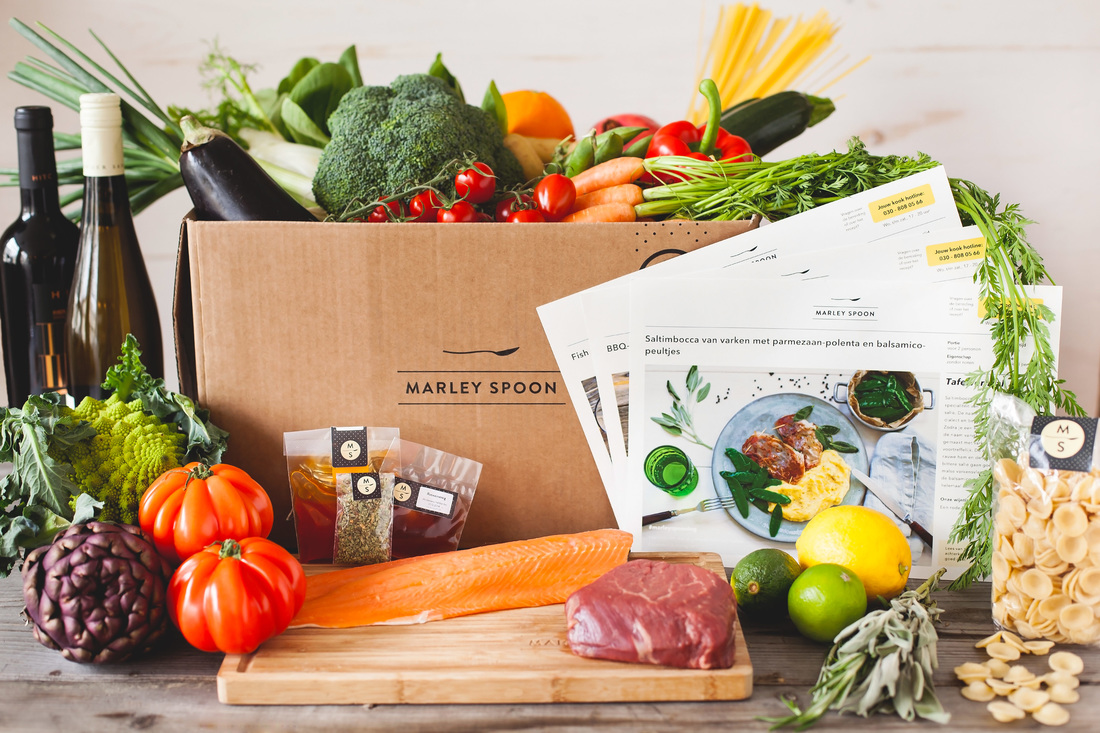
    Marley Spoon launched its meal kit service in Tasmania on Wednesday, making it the first service of its kind available on the Australian island state.

    The delivery service will initially cover the greater Hobart and Launceston areas, but Marley Spoon said it will expand to more locations throughout the state in the near future.

    “Tasmania is known as one of Australia’s premier food destinations, but now locals can benefit from having some of the best products delivered straight to their doors,” Marley Spoon Australia managing director and co-founder Rolf Weber said on Wednesday.

    “We’re excited to bring stress-free, delicious and sustainable cooking to even more Aussie households.”

    Woolworths announced a strategic partnership with the meal kit company last month, along with a $30.05 million investment.

    The meal kit service launched in Australia in 2015 and is available nationally. Customers in Tasmania can pre-order their boxes from today, with the first deliveries to take place on August 5.

  • Ford Results Dented By Restructuring

    Ford Results Dented By Restructuring

    Ford Motor Co on Wednesday reported a lower-than-expected profit, weighed down by charges to restructure its units in Europe and South America, and the automaker gave a full-year earnings forecast that fell short of analyst expectations.

    Virtually all of Ford’s second-quarter pre-tax profit came from North America, its most lucrative market, where highly-profitable pickup trucks drive margins for the Dearborn, Michigan-based automaker and its Detroit rivals General Motors Co and Fiat Chrysler Automobiles NV.

    The automaker also posted a small profit in Europe and a far smaller loss in China versus the second quarter of 2018 as better pricing and new luxury models helped offset a poor performance in that market.

    Ford’s second-quarter sales in China fell 21.7% in the second quarter after a first-quarter drop of 35.8%.

    In April, Ford said it planned to launch more than 30 new models over the next three years to overhaul its vehicle lineup in China.

    Ford’s ongoing restructuring includes cutting costs and overhauling its product lineup in key global markets like China and Europe.

    Last month, Ford said it would cut 12,000 jobs, close five plants and cut shifts at other factories in Europe by the end of next year in an effort to return that region to profitability.

    In May, the company said it would eliminate about 10% of its global salaried workforce, cutting about 7,000 jobs by the end of August.

    Earlier this month, Ford and Volkswagen AG said they will spend billions of dollars to jointly develop electric and self-driving vehicles, deepening a global alliance to slash development and manufacturing costs. The size and timing of the payoff from that alliance remain unclear.

    Ford had previously not provided an earnings forecast for this year. The company said on Wednesday it now expects full-year earnings between $1.20 and $1.35 per share. Analysts have estimated the automaker will earn $1.39 per share this year, according to IBES data from Refinitiv.

    Speaking to reporters, Chief Financial Officer Tim Stone said the company now expects adjusted 2019 pre-tax profit of up to $7.5 billion, compared with $7 billion in 2018.

    “We have a long way to go … to execute on our redesign,” Stone said. “We have a lot of work to do.”

    For the first half of the year, Ford reported a pre-tax profit of $4.1 billion, meaning that, at best, the automaker will deliver a weaker pre-tax profit of $3.4 billion for the second half of 2019.

    The No. 2 U.S. automaker posted a second-quarter net profit of $148 million, or 4 cents per share, down from $1.1 billion, or 27 cents per share, a year earlier.

    Excluding one-time charges, the company earned 28 cents per share. Analysts had expected Ford to earn 31 cents a share.

    Excluding a write-down of its stake in a software company, Ford said it would have earned 32 cents per share.

    Revenue was flat at $38.9 billion, above the $35.07 billion analysts had expected.
  • Kmart opens New Zealand’s first 24/7 store

    Kmart opens New Zealand’s first 24/7 store

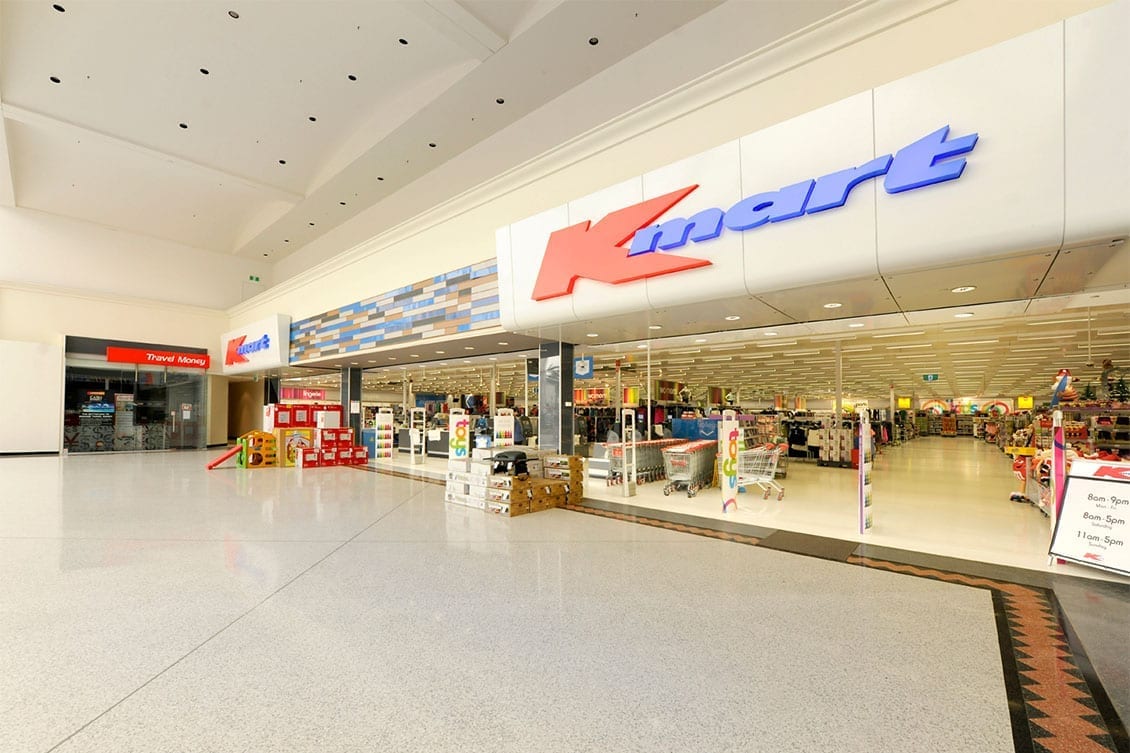
    Kiwis will soon be able to shop at Kmart 24/7 when the retailer’s newly refurbished Sylvia Park store opens on August 15.

    The retailer is billing the store as the first department store in the country to stay open 24 hours a day.

    “For us, it’s about offering better support to New Zealand families who are busy balancing work, family and leisure commitments; and more convenience for shift workers and people working non-traditional business hours,” said Jason Picard, Kmart New Zealand country manager, in a statement about the launch.

    Kmart entered the New Zealand market in 1988 and now has more than 200 stores across Australia and New Zealand. The 5000sqm Sylvia Park store will be the retailer’s seventh location in Auckland when it reopens next month in the space formerly occupied by Countdown Supermarket.

    “At Kmart, we want to make everyday living brighter for our customers, whether that means creating on-trend products at everyday low-prices everyone can enjoy, opening stores in new communities or extending operating hours to make shopping more convenient,” Picard said.

    “We want our customer experience with the brand to be a really positive one, which is why we are proud to offer click and collect services across our entire New Zealand store network; and why we are constantly expanding our online offer.”

    Helen Ronald, Sylvia Park center manager, said the shopping center was “proud to be working with retailers like Kmart that are pushing the boundaries”.

    “This really reinforces Sylvia Park’s standing as New Zealand’s favorite shopping destination.”

    In the last year, the shopping center has added 600 new car parks, ANZ Raranga, and its first office tower. Once the Galleria expansion is complete in 2020, it will have 60 new stores and nearly 5000 car parks.

    Kmart Sylvia Park will open on August 15, celebrating the occasion with a series of family fun activities staggered throughout the day.

    Entertainment will include prize giveaways, face painting from 4 pm, a late-night market, and interactive workshops hosted by the Kmart team.

  • BMW Doubles Battery Production Capacity

    BMW Doubles Battery Production Capacity

    BMW Group said on Wednesday it would double its production capacity for electric vehicle batteries at its U.S. plant in South Carolina as it ramps up manufacturing of plug-in hybrid vehicles to include the X3 vehicle in addition to the X5. BMW said it was investing $10 million in a new battery assembly line which will be capable of operating in a two-shift system ahead of the introduction of the BMW X3 plug-in hybrid vehicle by the end of the year.

    BMW made 15,000 batteries last year with a one-shift system and currently produces a plug-in hybrid version of the X5 offroader. A new version of the X5 will be produced at the Spartanburg plant from August onwards, the company said. BMW said it planned to employ 120 staff to manufacture different types of batteries, and the additional staff gave it the capacity to double production.

    In the past four years BMW workers assembled 45,000 batteries, the carmaker said.

  • Singapore startup Tuzo wants to help retailers hyper-personalise stores

    Singapore startup Tuzo wants to help retailers hyper-personalise stores

    Singaporean tech startup Tuzo is using AI to help retailers hyper personalize stores.

    The firm is focused on harnessing artificial intelligence and machine learning to help retailers tailor shopping experiences to their shoppers’ preferences, using real-time web browsing and shopping data. The hyper-personalized experiences are designed not only to help increase revenues for retailers, but also to generate data and shopper insights to help plan demand.

    “We have seen conversions go up by up to 50 percent, and basket size up by up to 40 percent in a large department store while the customer satisfaction with our BraFit solution was as high as 90 percent,” said Tuzo CEO Mohit Agrawal.

    Tuzo has solutions for apparel, lingerie, beauty, bags, footwear and jewelry – and is targeting department stores, offline fashion retailers and online stores. Tuzo also helps retailers digitize their inventory by tagging the products automatically for catalog creation using computer visuals. It also offers a visual search product, which allows shoppers to search for an item just by taking or uploading a picture, and a style advisor that engages with shoppers at a personal level by advising a complete look based on shopper preferences, retailer inventory and fashion trends.

    “Tuzo leverages algorithms developed using AI and machine learning to bring together the shopper preference, fit and global/regional fashion trends,” said company co-founder Sudhir Jha. “Tuzo solutions drive the omnichannel efforts of retailers. Tuzo will continue to invest in the development of cutting-edge technologies for the retail industry.”

    In its next phase of growth, Tuzo is planning to help hyper personalize stores in other Southeast Asian countries.

  • Starbucks buys stake in retail-technology startup Brightloom

    Starbucks buys stake in retail-technology startup Brightloom

    Starbucks Coffee Company has announced a deal with Brightloom (formerly Eatsa), a San Francisco and Seattle tech company that is working to create a best-in-class end-to-end digital customer experience platform for the restaurant industry.

    Starbucks is granting Brightloom a software license to select components of Starbucks’ proprietary digital flywheel software. In connection with the licensing agreement, Starbucks will take an equity stake in Brightloom and receive a seat on the company’s board of directors.

    Brightloom will combine its existing technology assets with software licensed from Starbucks’ digital flywheel. The combination will lead to the development of a cloud-based software solution for the restaurant industry that will connect customers to their favorite restaurant brands – particularly valuable given the recent hypergrowth of mobile ordering and third-party delivery platforms.

    Brightloom plans on making the software solutions available to Starbucks’ global license partners and will open this platform up to the entire restaurant industry of merchants. Starbucks will continue to drive software development of the Starbucks digital flywheel for all its company-operated markets.

    “We’re delighted to partner with Brightloom and drive a broad innovation agenda that extends relevant customer experiences from brick-and-mortar to a digital-mobile customer connection,” said Starbucks CEO Kevin Johnson.

    “At Starbucks, we have experienced first-hand the power that comes through digital customer connections that are relevant to the customer. The results we’ve seen in customer loyalty and frequency within our digital ecosystem speak for themselves, and we’re excited to apply these innovations toward an industry solution that elevates the customer experience across the restaurant industry.”

  • Body Shop Malaysia and Vietnam operator to list

    Body Shop Malaysia and Vietnam operator to list

    The retailer and distributor of The Body Shop products in Malaysia since 1984 has yet to fix the issue price and the opening and closing dates of the IPO. But local news reports have suggested the IPO may raise up to MYR200 million (US$48.6 million).

    InNature has indicated plans to use any IPO proceeds for capital expenditure, working capital and new business development.

    The firm has 89 locations in Malaysia and 26 in Vietnam, including online platforms. It plans to enter Cambodia later this year.

  • LVMH sales up despite global tensions

    LVMH sales up despite global tensions

    Luxury brand owner LVMH has reported a solid 15 percent increase in sales in the first half of this year, shrugging off gloomy consumer sentiment in many markets.

    The parent of Louis Vuitton, Christian Dior, Bulgari, Sephora, DFS, Moet and a raft of other brands recorded sales of €25.1 billion. Organic growth was 12 percent ahead of the same period a year earlier.

    Second-quarter growth was also up by 15 percent of the beginning of the year, with the US, Asia and Europe all showing good growth and an obvious rebound in France in the second quarter.

    While the company noted a slowdown in demand in Hong Kong and Macau over the past few months, its DFS department-store subsidiary recorded “good” performance during the first half of the year.

    Profit from recurring operations was €5.295 billion for the first half, up by 14 percent, with operating margin reaching 21.1 percent – about the same as last year.

    “These results once again illustrate the effectiveness of our strategy and the exceptional desirability of our Maisons, whose products transcend time,” said chairman and CEO Bernard Arnault.

    “Their constant demand for quality and their consistently refreshed creativity are key to LVMH’s success, always guided by a long-term vision, combining exemplarity and responsibility in all the company’s actions. Despite buoyant demand, we will continue to manage costs and remain vigilant into the second half of the year. We are therefore entering the second half of the year with confidence and count on the talent of our teams and their shared entrepreneurial passion to further increase, once again in 2019, our leadership in the world of high-quality products.”

    The company’s fashion and leather goods business group recorded organic sales growth of 18 percent and profit from recurring operations was up 17 percent. The Louis Vuitton brand business achieved growth in all businesses and regions. Christian Dior had “a remarkable performance during the first half,” the company said, with its new 30 Montaigne line a standout.

    The selective retailing business group achieved organic revenue growth of 8 percent, with profit from recurring operations up 17 percent. Within that group, Sephora recorded strong revenue growth and gained market share in all of its locations, LVMH reported.