Tag: asia

  • Thailand acquisition boosts BreadTalk Turn Over

    Thailand acquisition boosts BreadTalk Turn Over

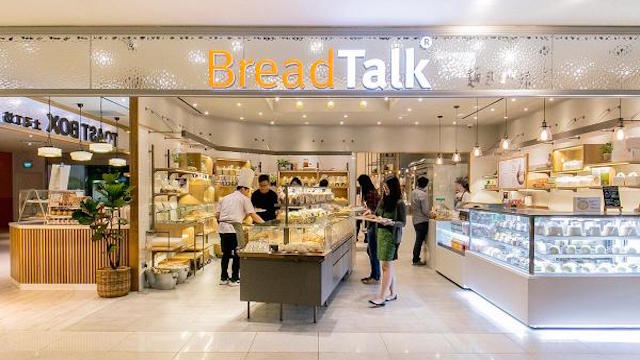
    Singapore’s BreadTalk Group has reported a year-on-year revenue increase of 6.1 percent to S$157.6 million (US$115.56 million) for its first financial quarter this year.

    The group’s net profit increased by 11.5 percent to $1.3 million over the period. Sales at BreadTalk’s bakery division rose 2.3 percent to $72 million ($52.8 million) during the first quarter with the consolidation of revenue from its Thailand bakery business, following the acquisition of the 50 percent interest in BTM from Minor Food Group. Excluding that, revenue would have been lower by 5.7 percent year on year, due to lower revenue from the directly operated stores in Beijing and the franchise business in China, partly offset by stronger revenue by the directly operated Singapore stores.

    The consolidation of the Thailand business added 47 BreadTalk outlets to the group’s direct operated store count.

    “Last year was a year of milestones for us,” said group CEO Henry Chu. “We expanded into new markets such as London with Din Tai Fung and brought our joint-venture partners Song Fa Holdings and Wu Pao Chun Food into strategic markets such as China and Singapore respectively.“With the new partnerships, we laid the foundations to diversify our business portfolio so as to achieve sustainable growth for the group.

    In addition, we embarked on efforts to increase our central kitchen production facilities in China and Thailand. The 6.1 percent increase in group revenue show that these efforts are starting to pay off,” he said.

    “Looking forward, we will continue to strengthen our presence of existing brands in key markets. We will continue to develop in talent development and the setup of our third regional office in Bangkok as we position ourselves for growth in Thailand and greater Mekong-region markets.”

  • Urban Tea to roll out More China Stores

    Urban Tea to roll out More China Stores

    Chinese beverage and baked-goods retailer Urban Tea says it plans expansion from the middle of this year.

    The company will expand its network to 28 stores initially, through a combination of franchise partnerships and opening its own stores, with plans to speed up the rollout next year.

    Last October, Urban Tea set up a subsidiary company Shanghai Ming Yun Tang Tea, which controls Hunan Ming Yun Tang Brand Management Co (Hunan MYT), to focus on catering, along with health, training, retail and wholesale. Headquartered in the Changsha Xingingmen Fanchen International Center, Hunan MYT will integrate strategic brand positioning, offline operations, store management and brand marketing – all which will be used to expand the planned retail cafe network.

    Hunan MYT will operate stores under three brands: Buoyance Manor, Your Ladyship Tea (pictured) and Meet Honey. Buoyance Manor mainly features bakery products and coffee. Your Ladyship Tea sells specialty teas and light snacks and Meet Honey will primarily sell snacks and kitchen goods such as coffee mugs and tea cups.

    Currently, the company operates seven stores itself in Hunan province branded Buoyance Manor, along with a tea shop in Changsha Youyou Township.

    Urban Tea plans to focus on health and nutrition, using fresh, green, high-quality ingredients, positioning itself as an “all-natural baker”. Beverages offered include milk teas, fresh fruit teas and coffee.

    Light meals include salads, sandwiches, tacos, pizza, pastas and other meals primarily drawing from French cuisine and other western cuisines, and emphasising healthy meals and fresh ingredients.

    The company says it has established a research-and-development centre and will place an emphasis on seasonal research and product development, by picking fresh fruits, using seasonal tea, and using in season grains.

    “By offering seasonal menus we ensure fresh delivery to meet customers health and dietary needs to cultivate long term customers,” the company said in a statement.

    Urban Tea CFO Kan Lu said: “Our professional operations and R&D teams have many years of industry experience. We desire to make every product uniquely impressive to our customers, and bring consumers fresh, healthy and beautiful food and beverages.”

  • Indian telcos propose year-long 5G trials

    Indian telcos propose year-long 5G trials

    India’s major mobile operators have both submitted proposals to conduct year-long field trials of 5G services in the market.

    Bharti Airtel, Vodafone Idea and Reliance Jio Infocomm – along with technology partners including Cisco, Samsung, Ericsson and Nokia – have submitted detailed proposals to the Department of Telecom.

    The operators are now awaiting approvals, and it is expected to take an additional initial three months to complete preparations and clearances, the Cellular Operators’ Association of India (COAI) told the publication. COAI is the industry body that represents Vodafone Idea, Airtel and Jio.

    But the Department of Telecom has previously expressed a reluctance to allocate airwaves for 5G trials beyond a 90 day window, which the industry believes would be way too short of a time to conduct the required trials.

    According to COAI, the industry is expected to finally reach an agreement with the DoT on the duration of the proposed allocations, as well as other issues.

    The Telecommunications Regulator of India has recommended the 3.5-GHz frequency range for 5G, and aims to complete an initial 5G auction early next year.

  • Superdry Struggling To Stay in the Game

    Superdry Struggling To Stay in the Game

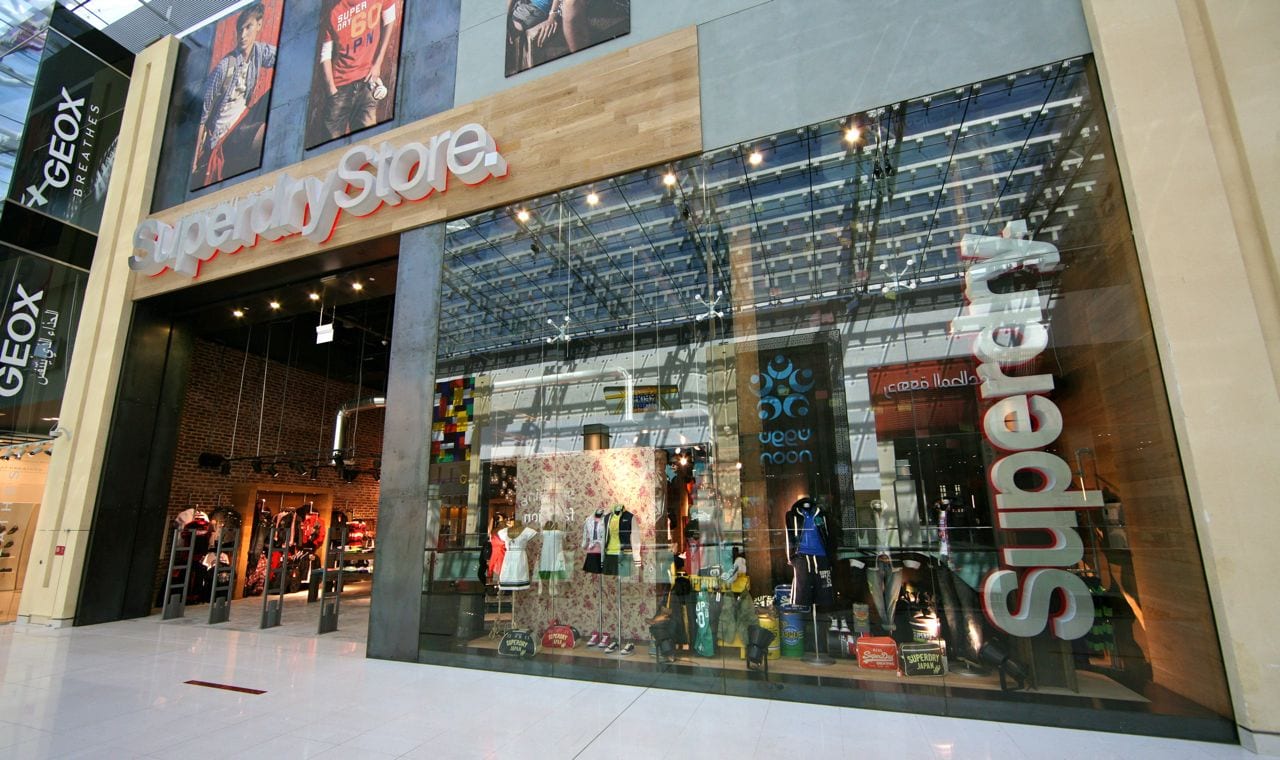
    A poor fourth quarter has resulted in another profit warning from casualwear-brand Superdry and one analyst describes the embattled label as “struggling to remain relevant”.

    Amy Higginbotham, a retail analyst at GlobalData, the data and analytics company, said a poor fourth quarter has exacerbated Superdry’s woes and dragged down overall performance for the year.

    The company, reeling from a mass exodus of board members and senior executives in the wake of co-founder Julian Dunkerton’s return to an active role in the business, now expects its underlying profit before tax for the full year to be about 50 per cent down on last year’s £97 million.

    With the board distracted by the disruption caused by Dunkerton and his eventual return, Superdry’s group revenue dropped 4.5 per cent in the fourth quarter.

    “This was driven by a particularly poor performance in its wholesale and online divisions, which the retailer attributed to an increased volume of product returns and a reduction in promotional activity,” said Higginbotham.

    Group revenue remained flat at £871.7 million, while growth in wholesale and online revenues slowed significantly, and store sales dropped £14.4 million to £373 million.

    “The lack of detail regarding Dunkerton’s long term plans to turn the retailer’s fortunes around is not very reassuring, and investors will no doubt be eagerly awaiting a more detailed update in July with the publication of the retailer’s full-year results,” said Higginbotham.

    “Initial changes made by Dunkerton on his return have included reducing promotions to improve margins and supporting sales with more stock in flagship stores. He also plans to introduce 500 new products within the next six months, though the details of what these products are exactly remains unclear.”

    But she says Superdry will have to do a lot more if it is to regain its relevance amid tough competition from the likes of JD Sports and boohoo.com, which have much stronger brand appeal – and Superdry must be clear about which demographic it wishes to target.

    “Dunkerton has indicated that he does not intend to go ahead with the previous management’s plans to enter childrenswear, and will instead focus on targeting teenagers, though this will require the retailer to justify its high price points, which could be done using brand exclusives and celebrity endorsements.

    “The outlook for Superdry remains challenging. Though a new executive team will take Superdry in a much-needed new direction and eventually provide more stability, the board still lacks a clear strategy to turn the retailer’s fortunes around, and any new initiatives will take time to bear fruit.”

  • SM Prime profit rises 16% in first 3 months this Year

    SM Prime profit rises 16% in first 3 months this Year

    Philippine property giant SM Prime Holdings says its net income in the first quarter increased 16 percent based on higher rental income and residential sales.

    Gross earnings increased 14 percent to PHP26.5 billion (US$508.1 million) during the time period, while total outgoing grew 11 percent to PHP13.6 billion ($260.7 million). Net income attributable to shareholders hit PHP8.8 billion ($168.7 million) in the first quarter, in comparison with PHP7.6 billion ($145.7 million) for the same period a year earlier.

    “SM Prime continues to benefit from the overall growth of the Philippine economy that boosts the household income of most families,” said SM Prime president Jeffrey Lim. “We are optimistic that we will sustain this performance this year as we continuously expand our core businesses in developing provincial cities across the country.”

    The firm plans to launch four new malls this year in Pangasinan, Zambales, Caraga and Zamboanga.

  • HyalRoute to invest up to $2b in Philippines fiber project

    HyalRoute to invest up to $2b in Philippines fiber project

    Singapore-based shared fiber network provider HyalRoute has signed an agreement with the Philippines’ Department of ICT to invest up to $2 billion expanding to the market.

    The company’s subsidiary Philippine Fiber Optic Cable Network (PFCON) signed a memorandum of understanding with the department committing to deploy the network in various phases between 2019 and 2028.

    The DICT has, in turn, agreed to provide assistance in providing the required permits and licenses, and to closely coordinate with PFCON on the implementation of the project.

    HyalRoute was established with the goal of creating the first region-wide, independent shared fiber network platform in emerging Asia. The company currently provides domestic fiber solutions in Myanmar and Cambodia.

    DICT acting secretary Eliseo M. Rio Jr said the planned deployment will support the government’s own telecommunications ambitions.

    “There is a need for more fiber optic cables in this country, thus this partnership will greatly improve our telecommunication services. We can now have cable networks that anybody can use and this jives with our National Broadband Plan,” he said.

    The deployment will also support the DICT’s Free Public Wi-Fi initiative by allowing its expansion to unserved and underserved areas of the country, Rio added.

  • China Mobile International launches iSolutions

    China Mobile International launches iSolutions

    China Mobile International has launched a new cloud network integration solution in Hong Kong designed to provide multinational enterprise customers with self-service deployment capabilities.

    The new iSolutions offering will also allow customers to manage all their cloud and network products on a single platform for enhanced visibility, accessibility and manageability.

    It will allow customers to self-deploy and manage cloud network products from major providers including Microsoft AzureGoogle Cloud, Alibaba Cloud, Huawei Cloud, Tencent Cloud, Baidu Cloud Engine and UCloud.

    The solution initially covers 60 Cloud Connect points of presence across 47 cities worldwide to enable the management of global cloud and network products from the one platform.

    Customers will be able to use the platform to purchase new cloud services and deploy them within seconds, track and monitor service status and usage, troubleshoot problems and manage the product lifecycle.

    The iSolutions Cloud Network Service leverages China Mobile International’s global footprint to provide 99.99% guaranteed uptime, and the operator’s fiber infrastructure in China to provide value-added services.

    “Our cloud service provider partners represent the highest level of service in the global cloud market. CMI has recently increased its investment in cable systems, PoPs and data centers,” China Mobile International CEO Dr Li Feng said at the launch event in Hong Kong.

    “In collaboration with the world’s finest cloud service providers, we will leverage our combined advantages to provide global enterprises with a one-stop carrier-grade cloud-network solution and customizable attentive professional services.”

  • Carrefour China Sale not on the Agenda

    Carrefour China Sale not on the Agenda

    Carrefour has denied business media reports it is considering selling all or some of its Chinese retail business.

    According to an article, quoting “people familiar with the matter”, the French retail giant is mulling options for the future of the Carrefour China business where sales fell 10 percent last year to €3.6 billion.

    Carrefour “is working with an adviser and has begun reaching out to potential suitors”. Its sources asked not to be identified because the deliberations are private.

    However, a spokeswoman for Carrefour responded saying a sale of the business is “not on the agenda.”

    Analysts estimate the Carrefour China business could fetch about US$1 billion if it was sold in total, however, options being considered to include selling a share to a local partner – or do not sell any of it. No final decision has been made as yet.

    The first Carrefour China supermarket was opened in 1995 when the French company was one of the first foreign retailers to enter the market. Since then it has opened about 245 stores, mostly large-format hypermarkets.

    In March, Carrefour reported its Chinese business had boosted profit 11-fold to €45 million.

    “China is a retailing laboratory for the world,” said Thierry Garnier, president and CEO of Carrefour China at the time. “For Carrefour, China is a specific market that has helped us to learn and to understand the future.”

    And last month the company said it was partnering with local electronics retail Gome to open stores-in-stores in Carrefour hypermarkets selling electrical goods after a successful trial in 11 stores.

  • Connected wearable shipments to hit 239m in 2023

    Connected wearable shipments to hit 239m in 2023

    Global shipments of connected wearables are forecast to grow from 116.8 million units in 2018 to reach 238.5 million units in 2023, representing a CAGR of 15.4%, according to research firm Berg Insights.

    Bluetooth will remain the primary connectivity option in the coming years.

    A total of 67.7 million of the wearables sold in 2023 are forecast to incorporate embedded cellular connectivity, mainly in the smartwatch and telecare and medical device categories.

    The connected fitness & activity tracker segment is led by China’s Xiaomi, which has been successful with its Mi Band fitness tracker. Fitbit, a pioneer in the segment, is still also among the largest vendors in the segment along with Huawei and Garmin.

    In 2018, shipments of connected fitness & activity tracker reached 65 million units.

    This product category is now facing fierce competition from smartwatches that in most cases include activity tracking features. Apple entered the connected wearables market in the second quarter of 2015 and quickly became the leading smartwatch vendor.

    In 2018, Apple accounted for almost half of the total 45.5 million smartwatches sold during the year.

    “Apple continues to hold a firm grip on the smartwatch market and is at the forefront of innovation in the industry,” says Martin Bäckman, IoT Analyst at Berg Insight. The competition has responded with increasingly capable and attractive devices from Wear OS vendors including Fossil, LG, and Huawei as well as from vendors betting on other platforms such as Fitbit and Samsung.

    The smartwatch segment is expected to surpass fitness & activity trackers and become the largest device category within wearable technology in terms of shipments in 2021.

    “Technology advancements, increased consumer awareness and wide availability of devices in different price segments will enable smartwatches to reach shipments of 117.7 million units in 2023,” concludes Bäckman.

    Sales of smart glasses and head-mounted displays have so far been modest, but promising use cases in professional markets as well as in niche consumer markets will enable it to become a sizeable connected wearable device category in the next five years.

    A number of vendors including Daqri, ODG, Epson, Google, Microsoft, Kopin and Vuzix are active in the segment. Standalone VR headsets from companies such as Oculus and HTC aimed for the consumer market are gaining traction and accounted for a large share of the total 1.5 million devices shipped in the segment during 2018.

    Berg Insight forecasts that shipments of smart glasses and head-mounted displays will reach 11.9 million units by 2023.

    Annual shipments of medical devices and mobile telecare/mPERS devices are forecast to grow from 1.8 million devices in 2018 to 6.9 million devices in 2023. The segment includes wearables such as cardiac rhythm management devices, ECG monitors and mobile telecare devices.

    Finally, annual shipments of wearables not covered by the above product categories such as authentication and gestures devices, smart rings, wrist-worn computers and scanners, smart jewelry and connected prosthetics are predicted to grow from 3.0 million units in 2018 to reach 13.0 million units in 2023.

  • StarHub launches SD-WAN solution through ngena

    StarHub launches SD-WAN solution through ngena

    Singapore’s StarHub has announced an innovative SD-WAN solution through its partnership with the Next Generation Enterprise Network Alliance (ngena).

    The new solution is designed to meet the needs of multinational companies choosing to set up a global or regional base in Singapore, as well as local companies looking to expand into overseas markets.

    The fully managed SD-WAN service offers robust network connectivity, the ability to scale and a global reach.

    As one of the current 24 partners of ngena, StarHub is connected to a single global network through a common platform that integrates all alliance partners’ networks. This allows the telco to offer end-to-end managed SD-WAN services to promptly serve enterprises with geographically distributed operations.

    “Networking capabilities are crucial to the success of enterprises in the digital era, keeping business operations running and enabling employees to be productive. We are very pleased that with our partnership with ngena, our customers can benefit from StarHub SD-WAN, a global network connectivity service that is secure, stable, scalable and easy to use while they depend on StarHub for local support,” StarHub chief of enterprise business Dr Chong Yoke Sin said.

    As a result, they can realize real gains in increased productivity and lower IT costs as well as enjoy the ease of dealing with one service provider. We are also excited to enable our alliance partners to offer reliable, high-speed, and secure data connectivity services for their customers with Singapore-based operations.”

  • McDonald’s looks to create pipeline of property talent

    McDonald’s looks to create pipeline of property talent

    With $500 million to be spent on new restaurants and refurbishments over the next three years, McDonald’s Australia has established a new property graduate program to create a pipeline of future property leaders within the organisation.

    The fast food chain recently announced the names of the program’s first successful applicants, and it is currently accepting applications for the 2020 intake. Applications close on Sunday, May 12.

    The two-year program provides training in relevant fields, including real estate, construction, design and asset management, and hands-on guidance from experienced mentors in McDonald’s national development team, which maintains a portfolio of over 980 restaurants across Australia.

    Tom Veale, development director of the southern region at McDonald’s Australia, told Inside Retail the program is an important part of the fast food chain’s commitment to new restaurant growth.

    “McDonald’s is committed to new restaurant growth and we wanted to create an opportunity for young talent to come in and grow with our business, developing future property leaders,” he said.

    At a time when many retail and hospitality businesses are looking to “right-size” their store footprints, talented property leaders may very well be a competitive advantage.

    “McDonald’s prides itself on developing and promoting talent and we have so many great people in the system to learn from to give graduates a great kick start to their career,” Veale said.

    “Training graduates allows us to set up a strong pipeline for future success, creating the business leaders of tomorrow.”

    Besides its new property graduate program, McDonald’s Australia also offers a Diploma qualification through its management development program and Certificate II and III in Retail Services.

    “Macca’s is a starting point into the work force for so many young people and, in many instances, turns into a long-term career,” Lisa Althorpe, director of people and culture at McDonald’s Australia, said.

    “Our aim is to set youngsters up with skills for life and a great foundation that gives them the opportunity to build a great career, whether that’s with McDonald’s or externally.”

    Participants in the property graduate program will have the opportunity to continue in a permanent role within McDonald’s Australia upon completion.

    McDonald’s Australia was recently highlighted as a standout performer in the company’s announcement of its Q1 earnings. McDonald’s CEO Steve Easterbrook reported a 5.4 per cent increase in the company’s global comparable sales, and US$4.96 billion (A$7.09 billion) in revenue.

    This reflected the global company’s 15th consecutive quarter of comparable sales growth, but it was 20th consecutive quarter of comparable sales growth for McDonald’s Australia, Easterbrook pointed out.

    He attributed the business’s success to its pioneering initiatives, such as McCafe, which was born in Melbourne in 1993 and is now available in countries all around the world, and delivery via Uber Eats.

    A spokesperson for McDonald’s Australia told Inside Retail the focus has always been on running great restaurants and providing customers with the best possible dining experience.

    “We do this by getting the basics right and innovating in ways our customers want, including through delivery and digital,” the spokesperson said.

    “We’re a customer-driven business; everything – from the food we serve, to the design and facilities in our restaurants – is in response to their needs and is focused on providing the best possible dining experience.

    “We will continue to expand our delivery and digital offerings, as well as grow by investing approximately $500 million in new restaurants and refurbishments over the next three years.”

  • JD.com Closes Australian branch Store

    JD.com Closes Australian branch Store

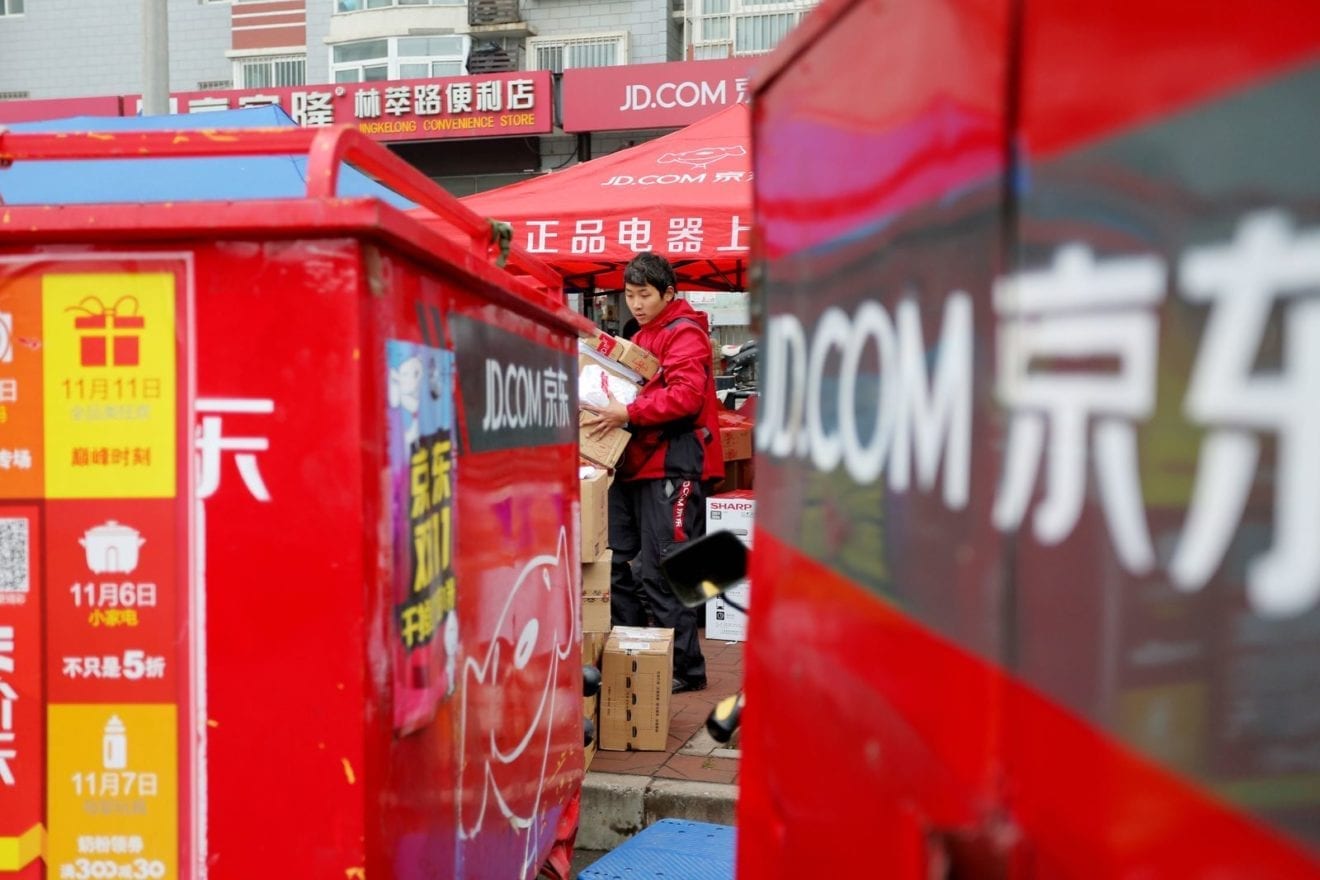
    Chinese online marketplace JD.com has closed its local branch after only 15 months in the market.

    The e-commerce giant launched its Australian office in Melbourne in February 2018, after its competitor Alibaba opened an office in Melbourne in 2017.

    At the time, the opening was seen as a way for JD.com to work more closely with the Australian and New Zealand brands on its platform, and to pitch its business to new brands looking to expand into China.

    A JD.com spokesperson confirmed that the online marketplace is integrating its Australian office into the business in China. The spokesperson said the move didn’t reflect the business’s performance in Australia, nor the region’s importance.

    The retailer’s head of Australian operations Patrick Nestrel is no longer with the business, likely in an effort to ensure management in China is able to fully integrate Australian operations.

    The online retailer is set to report its first-quarter sales results on May 10. It has had a difficult few months recently after founder Richard Liu was arrested in September 2018 in the US for sexual misconduct. He was not charged.

    In April, the Chinese university student who accused Liu of misconduct filed a civil lawsuit against him.

  • Cat Opening First Australian Store

    Cat Opening First Australian Store

    Global workwear brand, Cat, will open its first flagship store on Australian soil this weekend, on Saturday, May 11, at Pacific Werribee shopping centre in Victoria, according to owner Accent Group.

    For a brand that is all about “being on the tools” it was important to create a physical space that reflects the brand’s dedication to Australia’s trade business, according to Accent Group chief executive officer Daniel Agostinelli.

    “We’re committed to growing our local offering to be a leading player in the Asia-Pacific region,” Agostinelli said, noting that Cat was one of the group’s most successful brands.

    The grand opening will offer a free in-store barber service, as well as coffee and donuts to new members, and exclusive gifts for the first 20 visitors to walk through the doors on Saturday and Sunday.

    This is the first standalone store for the brand, though it has traded online and through retail partners, including The Athlete’s Foot, which is also owned by Accent Group, Totally Workwear, Shoes2U and The Hardware Store.

    Wesfarmers has also invested recently in the workwear space, with its commitment to a partnership with custom workwear brand ONTHEGO.

    The partnership initially involved the brand being offered through Officeworks’ website, but has since been expanded to include in-store kiosks at several Officeworks sites, allowing customers to create their own workwear on the spot.

  • Alibaba and Bailian JV Ego stores Debut

    Alibaba and Bailian JV Ego stores Debut

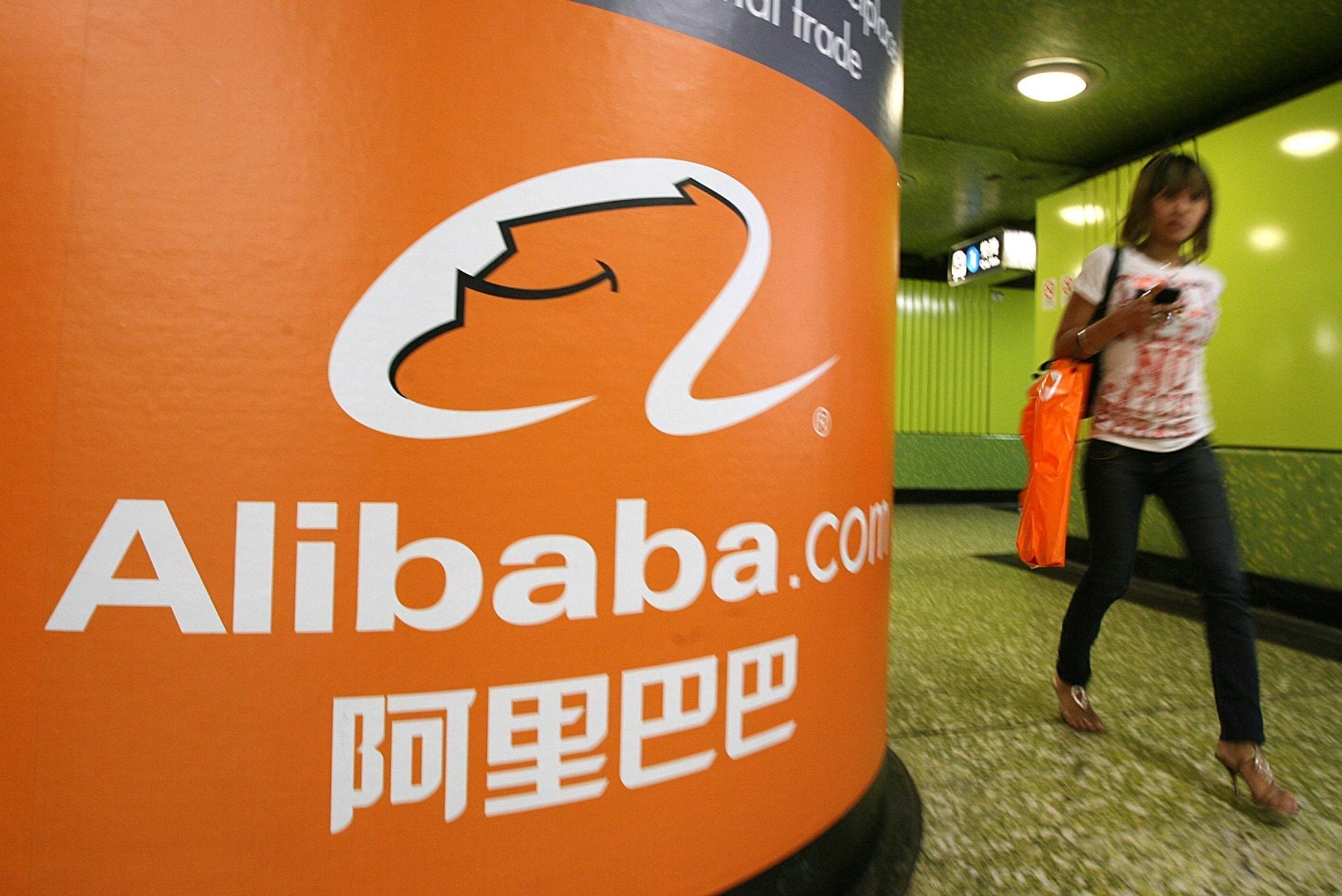
    Take a look inside the first of 500 fresh-food and convenience stores planned by Alibaba and Bailian, which has opened in Shanghai. The fruits of Alibaba’s joint venture with Bailian Group are on show in Shanghai where the first of 500 Ego stores planned this year is now trading.

    According to mainland media reports, the joint venture has leased space for up to 30 outlets under the Ego brand already. Two formats are planned – larger central stores with footprints of between 300sqm and 500sqm, and smaller satellite stores of about 100sqm.

    Analysts say the Ego format – the stores are bannered Ego 逸刻 (which translates to Escape) – will bring together the back-end expertise of Alibaba Group with Bailian’s brick-and-mortar convenience experience.

    Bailian and Alibaba announced their strategic cooperation in February 2017 jointly creating what they described as a “New Retail, new consumption, new future” concept. They pledged to work together to use big data and internet technologies in areas including efficient supply chain integration, customer membership systems, seamless payment interconnections, and logistics synergy.

    “More than two years after Alibaba’s RMB1 billion deal with Bailian Group, we can finally see some fruits of this collaboration,” observed China-based entrepreneur, speaker, coach, and author Dr Mirko Wormuth, who posted these accompanying photos on LinkedIn.

    About two-thirds of the Ego store area is dedicated to fresh or hot products, including coffee, baked bread, and hot meals. The remaining space sells bottled and packaged foods.

    The first store in Shanghai is equipped with three self-checkout machines, in addition to Alipay checkout, and encourages consumers to pay by Bailian wallet.

    The fruits of Alibaba’s joint venture with Bailian Group are on show in Shanghai where the first of 500 Ego stores planned this year is now trading.

    According to mainland media reports, the joint venture has leased space for up to 30 outlets under the Ego brand already. Two formats are planned – larger central stores with footprints of between 300sqm and 500sqm, and smaller satellite stores of about 100sqm.

    Analysts say the Ego format – the stores are bannered Ego 逸刻 (which translates to Escape) – will bring together the back-end expertise of Alibaba Group with Bailian’s brick-and-mortar convenience experience.

    Bailian and Alibaba announced their strategic cooperation in February 2017 jointly creating what they described as a “New Retail, new consumption, new future” concept. They pledged to work together to use big data and internet technologies in areas including efficient supply chain integration, customer membership systems, seamless payment interconnections, and logistics synergy.

    “More than two years after Alibaba’s RMB1 billion deal with Bailian Group, we can finally see some fruits of this collaboration,” observed China-based entrepreneur, speaker, coach, and author Dr Mirko Wormuth, who posted these accompanying photos on LinkedIn.

    About two-thirds of the Ego store area is dedicated to fresh or hot products, including coffee, baked bread, and hot meals. The remaining space sells bottled and packaged foods.

    The first store in Shanghai is equipped with three self-checkout machines, in addition to Alipay checkout, and encourages consumers to pay by Bailian wallet.

  • Pricing Tactics to Boost Sales in E-Commerce

    Pricing Tactics to Boost Sales in E-Commerce

    More than 80% of the purchasing decision depends on price. Especially in the ultra-fast e-commerce arena where businesses showcase and change their prices every 3 to 6 hours. But before changing prices out of the blue you must know that there are certain conditions to do that. Decrease your prices to very low and you’ll leave a lot of money on the table raise them up high and you’ll end up hunting flies.

    The Importance of Pricing

    Let’s start by going through each insight down below to understand why pricing needs more attention ever than before.

    • 90% of consumers invest their time to hunt the best online deals.
    • 80% of “first-time” consumers say it’s important to be able to see and compare prices from different sellers.
    • 70% of consumers believe they’ll get a better deal online than in brick&mortar stores.
    • 50% of consumers will purchase products left in shopping carts if those products are offered at a lower price.

    As you can see pricing is very, very important.

    Let’s get into some tactics on how you can approach pricing to increase your profits margins and sales numbers.

    Charm Pricing

    Have you ever heard about the power of 9s? That is the strategy, where you end a price with a “9” instead of a “0” on the price tag. This is a very common tactic especially in physical stores, but you may also come across it in online stores as well.

    Here’s why! Our brain perceives $50.00 and $49.99 as different values. According to consumer perception, $49.99 seems closer to $40.00, which is cheaper than $50.00 and product prices ending with a “9” are considered “the” deal to not miss.

    Prestige Pricing

    This is suitable for high-end, luxury, emotion-triggering products, where you should apply round prices such as $500, $750, opposite of charm pricing. Setting round prices on products which evokes emotions converts better.

    A study by Kuangjie Zhang and Monica Wadhwa, claims that “A rounded price ($100.00) encourages consumers to rely on feelings when evaluating products, while a non-rounded price ($98.76) encourages consumers to rely on reason. When a purchase is driven by feelings, rounded prices lead to a subjective experience of feeling right,”

    Bundle Pricing

    This psychological trick makes online shoppers search for getting an extra item with the purchased product at the same price. This presents a golden opportunity for the wise e-commerce seller. To reduce this pain and encourage online shoppers to buy your products, use bundling, set your prices accordingly and get these customers to reach deeper into their pockets.

    For example, Amazon has an advanced bundling strategy; it always suggests two or three related items that you may want to purchase at the same time. Most of the online shoppers jump onto these types of offers because they’re amazed by the simplicity of purchasing them all at the same time. Bundle two or three items together with a single price set an adequate discount, and you can start selling less-popular items.

    What’s Next?

    All of the tactics above are some part of the common approaches laid out from the people of Prisync. To learn more about other pricing strategies take the time to read most of their blog posts. When you’ve successfully implemented a strategy, you’ll either address your customer’s emotions or logic. Either way, you will start winning and boosting your conversion rates, sales, and eventually revenue. And if you want to automate that, we recommend you start using a pricing software sooner before its too late.