Tag: asia

  • Toyota Sees Smaller-Than-Expected Profit Rise This Year

    Toyota Sees Smaller-Than-Expected Profit Rise This Year

    Toyota Motor forecast on Wednesday a 3.3 percent rise in operating profit for the current year due to cost reduction measures and changes to its depreciation methods.

    Japan’s largest automaker expects profit to rise to 2.55 trillion yen ($23.20 billion) in the year to March 2020, slightly lower than the 2.61 trillion yen average of 23 analyst estimates compiled by Refinitiv.

    Operating profit was 2.47 trillion yen for the year ended March, below the average 2.51 trillion yen estimate of analysts.

    The automaker also forecasts global group retail sales of 10.74 million vehicles for the current year, compared with 10.6 million in the previous year.

    Toyota’s profit forecast is based on the assumption that the yen will trade around 110 to the U.S. dollar in the current financial year, compared with 111 yen in the year just ended.

  • Belstaff Japan Winding Down

    Belstaff Japan Winding Down

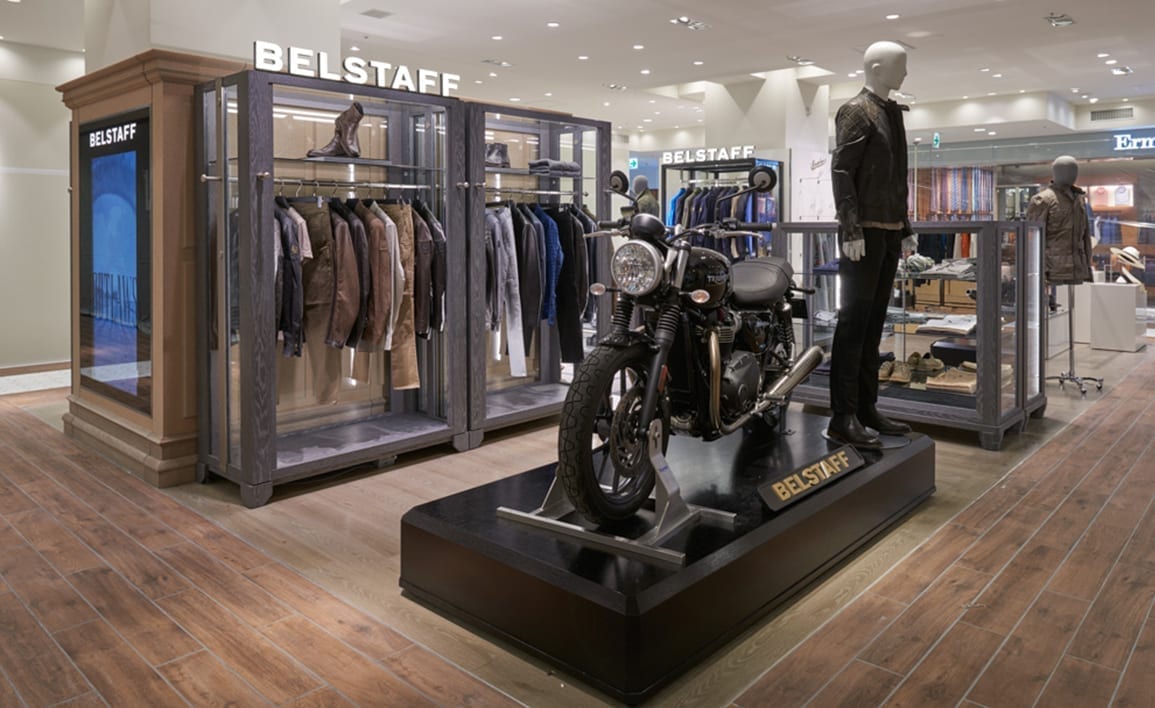
    The British luxury fashion retailer has six stores trading in the market, which it entered back in 2015 via a wholly owned subsidiary, opening its first store in March 2016.

    While the brand is making its direct exit, Belstaff Japan customers will still be able to buy its goods from authorized retailers, supplied from the UK head office.

    Belstaff has previously announced it is shifting its focus to selling online in the US and developing a wholesale distribution channel in Italy. The returns from the Belstaff Japan business were insufficient to continue to operate there.

  • Core categories boost Shaver Shop’s Profit

    Core categories boost Shaver Shop’s Profit

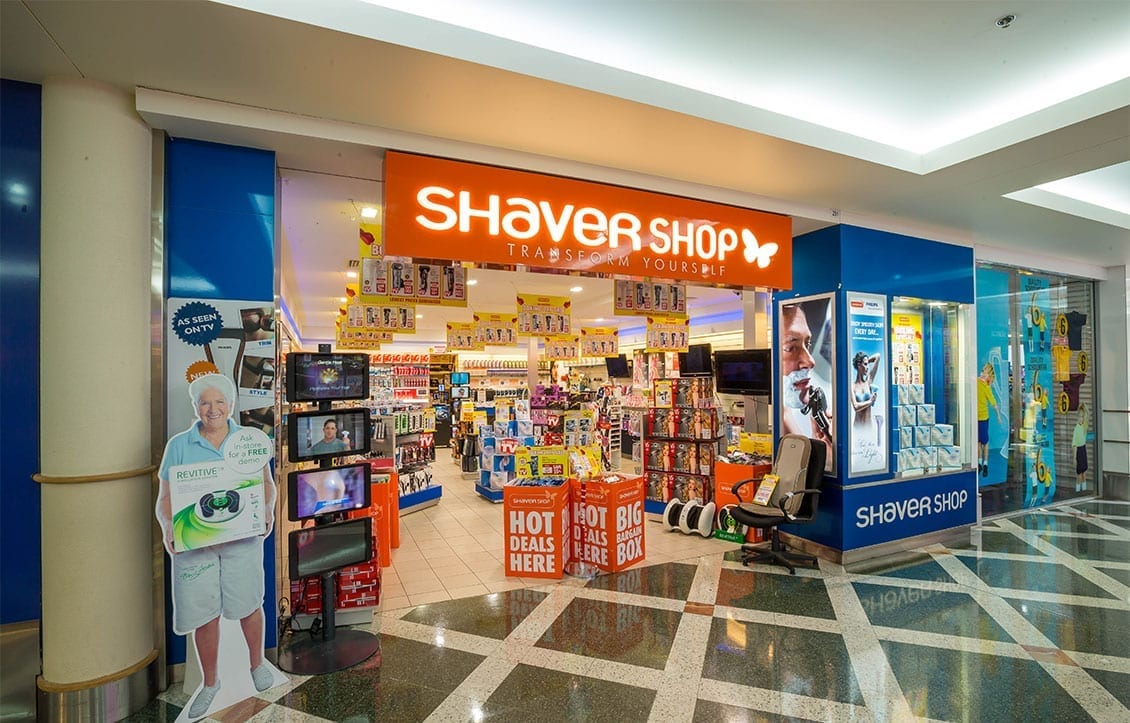
    Strong performance in Shaver Shop’s core hair removal and hairstyling categories has delivered 8.7 percent like-for-like sales growth in the four months ended April 30, 2019, up from 0.8 percent in the same period last year, enabling the specialty retailer to narrow its full-year profit guidance.

    Shaver Shop now expects normalized EBITDA to be between $12.5 million and $14 million for FY19. It previously was expecting between $12 million and $14.5 million EBITDA.

    “I am very pleased that our like-for-like sales growth is predominantly being driven by a number of our core hair removal categories which is where our store teams excel,” Cameron Fox, chief executive and managing director of Shaver Shop, said in a statement on Tuesday.

    “Hairstyling, following the launch of the ghd range around the same time last year, is also performing very well.”

    Big-name brands drive foot traffic

    Ghd, or Good Hair Day, is a leading global brand of hair straighteners, blow dryers and other styling tools. Shaver Shop started selling a range of the high-end products in Australia in late May 2018, and launched a range in New Zealand on Monday.

    Shaver Shop has previously said the addition of the ghd brand is an effort to grow its female customer base. Ghd, along with other big-name – and big-ticket – brands like Dyson, also drives foot traffic to stores, since customers tend to want to touch and feel the products and get expert advice from staff before shelling out hundreds of dollars on the equipment.

    Flair, Shaver Shop’s private label brand launched last year, is gradually replacing the entry-level brands the retailer previously offered. Finding the balance between more profitable private-label sales and foot-traffic-driving brand sales will be a key focus for Shaver Shop going forward, according to Fox.

    “Flair is only going to replace the commodity brands we had in the past. We don’t want it to be a market leader. Those big brands will continue to be the brands that bring shoppers into stores,” he told.

    Shaver Shop’s private label range also includes the Shaver Guard line of lubricants and cleaning products for shavers and beard trimmers and the LumiSkin line of skincare products.

    Investment in CRM solution to drive loyalty

    On Tuesday, the retailer also announced the implementation of its first-ever CRM solution, which it expects will significantly enhance its ability to engage with customers on a more personalized and timely basis across any retail channel.

    Fox told that the solution, provided by software giant Salesforce, will deliver a “quantum lift” in its already 120,000-strong customer database. The solution will also enable the retailer to offer a loyalty program in the future.

    “This is actually something that’s incremental to us,” he said.

    Shaver Shop’s investment in Salesforce represents its commitment to omnichannel retail, which Fox said has delivered solid online sales growth so far this half. Online sales now represent 11-12 percent of total revenue, he said, and the channel continues to grow.

    Besides its own e-commerce site, Shaver Shop also sells through eBay. Fox noted that it has taken some time for the retailer to get its marketplace range right to minimize the erosion of gross profit margin on the sale of exclusive products through this channel.

    “There is the commercial consideration that you’re paying more transactional fees and potentially eroding gross profit margin…but there is a shopper who solely shops through eBay,” he said.

    Store network expanding

    The retailer has also been investing more in staff training and adding more staff to stores to improve its level of customer service, and the effort is paying off, according to Fox.

    “We’re not just measuring whether store staff hit their sales target, but we’re measuring the level of customer service [provided] and how many customers who walk through the door are being converted into a transaction,” he said.

    Shaver Shop currently has 121 stores across Australia and New Zealand. It will open its 122nd store, and its 7th in New Zealand, in Westfield Newmarket in Auckland in early FY20.

  • Taobao helps Brands with Omni Channel Sales

    Taobao helps Brands with Omni Channel Sales

    Taobao has teamed up with local retailers to launch a brick-and-mortar, multi-label store to host independent clothing brands that sell on the Alibaba Group-owned online marketplace.

    Piloting at the Hangzhou Kerry Center shopping mall, the “Taostyle” store currently offers about 350 items from a rotating selection of 20-plus brands. The first batch of partners features some of the most popular and fastest-growing brands on the e-commerce site, such as Lamps, Roaringwild, Ayuko, and Thessnce.

    Taostyle’s fashion buyers determine which brands and products to sell based on a mix of market knowledge and consumers insights drawn from Alibaba’s platforms, refreshing offerings and introducing new products at least twice a month.

    Frequent product reshuffling is only one of the ways that Taostyle is bringing e-commerce shopping experiences offline. Each garment has a unique QR code, which customers can scan with their phones to access its product page on Taobao, find out the price, get detailed product descriptions and customer reviews. The store even allows consumers to place orders online in addition to buying in-store, as it receives the same commission for both online and offline transactions made through Taostyle.

    “We don’t just want to open a traditional shop to sell clothes. We want to explore a new way of merging online with offline,” said Xia Yu, GM of Hangzhou Shunhong, which operates Taostyle.

    Xia said rich visual content, also a common feature when shopping on Taobao, sets Taostyle apart from traditional stores. Large LED screens showcase featured brands, while across every clothing rack, there are smaller screens for brands to display their product images and videos. Xia also built a booth inside the store, where livestreamers, merchants and Taostyle staff promote and sell their products via live streaming.

    “For us, the business doesn’t stop when the mall closes. Using live stream, we’re able to interact with consumers all day, especially between 8pm and 2am when young people are most actively shopping online,” Xia said.

    Jingjing Liu, leasing director at the Hangzhou Kerry Center, said partnering with the experimental store helps the department store engage young, trendy female shoppers, who make up the majority of its customers.

    “We have high hopes for Taostyle,” Liu said. “There has been a lot of buzz around online-to-offline and New Retail, but as a veteran in the retail business, I haven’t been fully convinced by any models before working with Taostyle. This is the closest to the concept that we’ve seen.”

    From Online to Offline

    Most of the showcased brands either got their start on Taobao or scaled up thanks to the platform. Taostyle offers them an offline channel to improve the experience for existing fans and reach new customers, as well as the chance to test the waters before committing to their own brick-and-mortar stores, said Xia.

    “Without strong interactions, it is difficult for brands to build emotional connections with consumers through a screen,” he said, adding that merchants are interested because physical stores complement the limitations of an online store, satisfying the consumer need for immediacy and to check the feel and try on products before they buy.

    Cathy Xu, the founder of indie menswear label Thessnce, said she wants to leverage Taostyle to reach the brand’s target consumers — men that like high-quality, minimalistic styles — who don’t shop on Taobao that often.

    “There are some experiences we can only give consumers through an offline channel, like saving them the wait [for shipments to arrive], so they could instantly try on and feel our designs,” she said.

    The current trend for online shops is to expand offline, Xu noted. But the right tools, such as payments and inventory technology, can be hard for small businesses to attain.

    “Alibaba provides that tech infrastructure here, which would have been very difficult to build on our own,” she said.

    Her brand launched in March last year, and by year-end had totaled RMB20 million in sales. The annual sales goal for this year is 70 million, Xu said.
  • Carousell Strengthens Executive Leadership Team With Appointment of CCO

    Carousell Strengthens Executive Leadership Team With Appointment of CCO

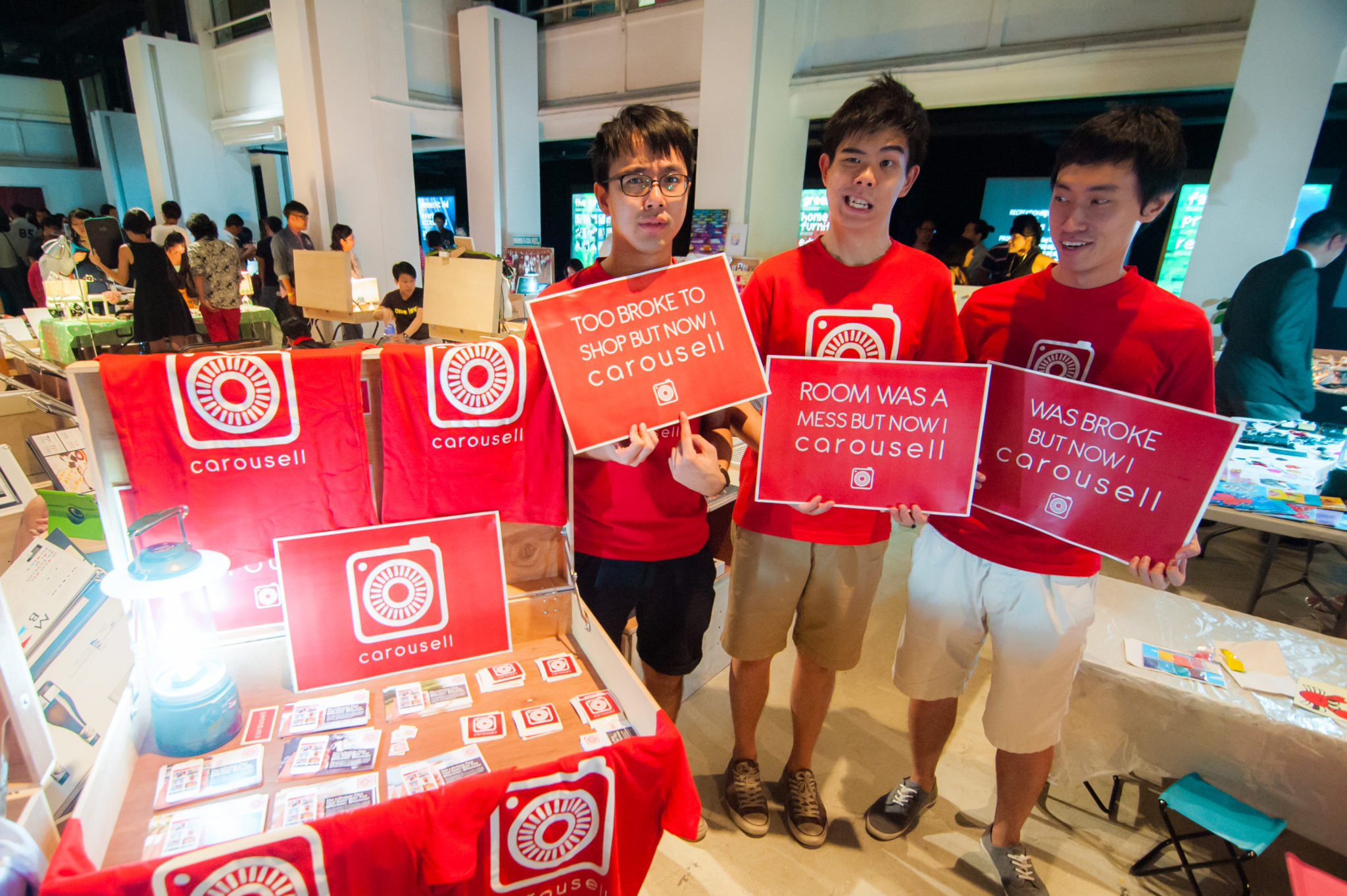
     Carousell, one of the world’s largest and fastest growing classifieds, today announced the appointment of Lewis Ng as Chief Commercial Officer. Lewis will be responsible for all commercial relationships, including high-value verticals, advertising sales and go-to-market partnerships. Lewis will also oversee the transformation of Carousell into a premium publisher by bolstering value-added services and premium products for clients.

    “We are at a stage with strong potential to scale. Currently, 1 in 4 Singaporeans use Carousell monthly, and with rapid growth regionally, it is imperative that we continue to attract top talents that would elevate our positioning and growth. With his extensive understanding of the classified space and business verticals, Lewis has displayed a solid record of growing robust revenue streams and executing high-impact business solutions,” said Siu Rui Quek, Carousell Co-founder and CEO. “There is a significant and growing market for high-value verticals such as Cars and Property, and we look forward to leveraging Lewis’ experience in these areas that pave way to achieve greater success across Southeast Asia.”

    Lewis’ role has been added in response to the increasing demand for business solutions and growth within the company and follows further high profile hires, including the addition of Su Lin Tan as Vice President of Operations.

    Previously Chief Business Officer at PropertyGuru and Commercial Director, APAC at TripAdvisor, Lewis brings over eighteen years of commercial and leadership experience in driving revenue growth across regional markets. Lewis was said to be instrumental in the leading property site’s continued double-digit revenue growth for three consecutive years, spanning roles in Marketing and Client Retention. At TripAdvisor, he was the Commercial Director for the APAC region and one of the first employees in Singapore, where he drove the brand’s revenue growth by triple digits in a period of three and a half years.

    Lewis has led key regional and in-market functions to deliver value to customers and partners and will be leading the overall commercial strategy at Carousell as Chief Commercial Officer. Lewis will be overseeing the Sales and Business Development functions in Carousell and he reports to Co-founder and CEO, Siu Rui Quek.

    “I am excited to join one of the biggest and fastest growing start-ups in Singapore. I really admire how fast and steadily the visionary founding team has grown the business in such a short amount of time, and I’m delighted to be able to contribute to the ongoing success of Carousell. With my experience and expertise, I am looking forward to creating efficient operations and models to help Carousell reach its fullest potential,” said Lewis.

  • Globe Q1 profit grows 44%

    Globe Q1 profit grows 44%

    The Philippines’ Globe Telecom has reported a 44% year-on-year increase in net profit for the first three months of 2019 to 6.7 billion pesos ($129.1 million), partly as a result of strong data revenue growth.

    The company reported revenue for the quarter of 36 billion pesos, up 13% year-on-year. Growth was mainly fueled by increasing data usage across the operator’s service offerings.

    Mobile revenue grew 11% to 27 billion pesos, with mobile data revenues reaching 16.5 billion pesos, representing 61% of gross service revenues. Total mobile data traffic surged to 370 petabytes for the quarter.

    But mobile voice revenues fell 15% to 6.3 billion pesos, with SMS revenues down 22% to 4.2 billion pesos.

    Globe’s home broadband business reported 21% higher revenue of 5.2 billion pesos, with the company’s total subscriber base increasing 22% year-on-year to 1.7 million. Of these, 63% are fixed wireless subscribers. Enterprise data revenues grew 16% year-on-year to 2.7 billion pesos.

    Globe’s capex for the quarter reached 8.8 billion pesos, representing 24% of topline revenues.

    “As we continue to invest in our LTE network, we are also excited with the growth opportunities of our 5G commercial pilot launch in June this year,” Globe CEO Ernest Cu commented.

    “Through this launch, we will be able to offer our customers a whole new ecosystem of devices to enhance the way they experience data to the home. This is in line with our proven strategy of making our customers a priority, by providing them a superior digital and network experience, despite all the industry challenges that we face ahead.”


  • Meituan launches global delivery platform

    Meituan launches global delivery platform

    Chinese e-commerce platform Meituan has officially launched its “Meituan Delivery” global-delivery platform in order to extend service to more industries and more customers.

    Meituan Delivery will open its technology platform, delivery network and value chains to ecosystem partners, enabling them to improve operating efficiency, reduce logistics cost and drive the growth of the real economy.

    “Meituan will open its delivery network to more customers and extend the network to various industries,” said Meituan senior VP and president of the company’s at-home business group Wang Puzhong. “The extension and opening of Meituan’s delivery network will help establish a more flexible delivery platform by customizing services for different industries, upgrading our delivery dispatch system, and improving delivery infrastructure.”

    Meituan’s global on-demand delivery platform is serving more than 3.6 million merchants and 400 million consumers nationwide, covering more than 2800 cities and counties with nearly 10,000 delivery stations and warehouses and more than 600,000 daily active riders. Meituan’s daily food delivery orders exceeded 25 million on April 20.

    “With the opening of our delivery platform, Meituan will leverage our delivery resources to better fulfill diversified needs of users and merchants, while integrating delivery resources to improve the overall urban logistics efficiency,” said Meituan Delivery GM Wei Wei.

    Meituan started to build its own delivery network in 2015 and launched its Premium Delivery service to meet the surging needs for efficient on-demand food delivery. In 2016, Speedy Delivery service was introduced to diversify its delivery services. Meituan launched its first autonomous delivery vehicle “Xiaodai” in 2018.

    Meituan’s delivery platform relies on its “Super Brain” – the real-time intelligent dispatch system that enables Meituan to complete a delivery within 30 minutes on average. The dispatch system can perform about 2.9 billion route planning algorithm operations per hour during daily peak times, and calculate optimized delivery routes in an average of 0.55 milliseconds, according to Sun Zhizhao, CTO of Meituan Delivery.

    In addition, Meituan has developed four delivery models – point-to-point shuttle delivery, galaxy network delivery, integrated warehouse inventory delivery, and smart terminal delivery – to serve convenience stores, super markets, retail stores, and office buildings, which can meet the different needs of merchants, improve delivery efficiency and reduce logistics costs.

  • Kerry Logistics Expands Food Cold Chain Business in China

    Kerry Logistics Expands Food Cold Chain Business in China

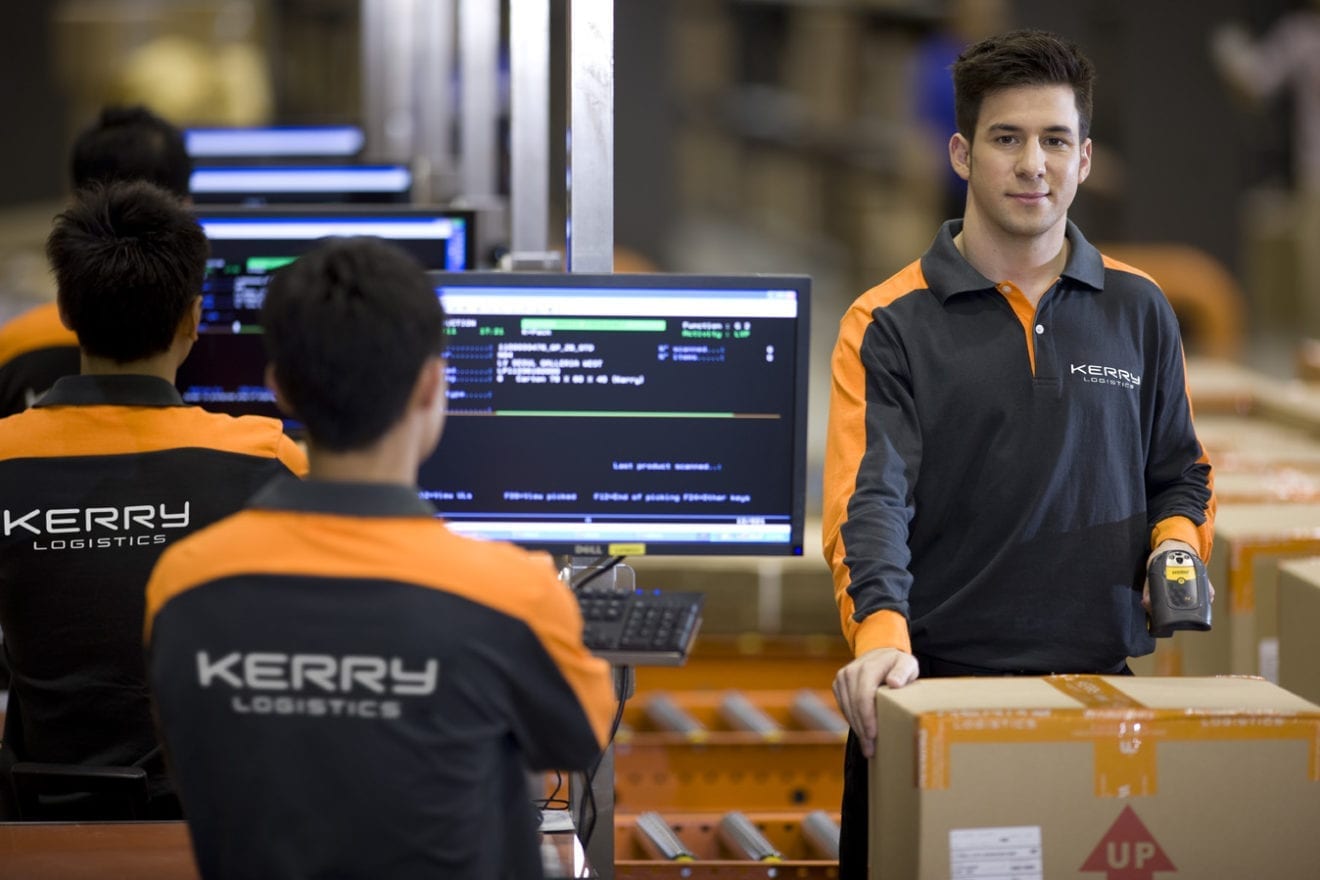
    Kerry Logistics Network Limited (‘Kerry Logistics’; Stock Code 0636.HK) has expanded its food-related cold chain capability in mainland China through the establishment of Kerry Cold Chain Solution Ltd (‘Kerry Cold Chain’), to tap into the fast-growing domestic market of niche food products.

    Kerry Cold Chain is a joint venture company formed with Shanghai Zhizhen Logistics Co Ltd (‘Zhizhen Logistics’) in which Kerry Logistics holds the majority interest. It provides comprehensive integrated cold chain logistics solutions from upstream to downstream. 

    Using self-owned cold chain facilities and partnering with local expertise, Kerry Cold Chain will handle a wide range of food products, from raw ingredients to dairy product additives.

    Edwardo Erni, Managing Director – China and North Asia of Kerry Logistics, said, “The market for food-related cold chain logistics in mainland China is immense with enormous growth potential. There is also ample room for technological growth to reach international standards.

    “Intending to fill a gap in the market, we welcome the collaboration with Zhizhen Logistics, which marks an important strategic step for Kerry Logistics to extend its footprint in the domestic cold chain logistics market, enhancing our service offerings and competitiveness.”

    Kerry Cold Chain currently operates more than 1 million sq ft of ambient and cold chain facilities in China, including a temperature-controlled facility of over 50,000 sq ft in Shanghai featuring automated storage and retrieval systems.

    Founded in 2008, Zhizhen Logistics serves the logistics needs of both domestic and international customers from locations across China including Beijing, Tianjin, Wuhan, Guangzhou, and Shenzhen. It commands a 90% market share for imported food essences in the Shanghai region.

    With a wealth of experience in cold chain logistics, Kerry Logistics offers seamless F&B solutions with complete cold chain integrity to food chain stores and restaurants in Hong Kong as well as hypermarkets and frozen food retailers in Taiwan.

    The Group also runs cold chain facilities of 70,000 sq ft in Oceania, serving supermarket chains, convenience stores, independent retailers, and food importers.

  • Omnichannel startup CitiXsys Opening Offices

    Omnichannel startup CitiXsys Opening Offices

    Fresh from a US$20 million funding injection, omnichannel-solutions startup CitiXsys plans to open six offices across Asia, eyeing region-wide expansion. CitiXsys’ new offices will be located in Singapore, Jakarta, Ho Chi Minh City, Manila, Bangkok, and Kuala Lumpur.

    “Southeast Asia offers an ideal business climate today, with massive opportunity in this important region,” said Kamal Karmakar, CitiXsys CEO.

    “Purchasing a retail-management solution is one of the most important decisions a retailer can make since the future of the entire business hangs on its success.”

    Southeast Asia is the world’s fastest-growing internet region with the e-commerce market expected to reach US$53 billion by 2023.

    “By opening up more local offices and bringing on local product expertise we will be able to better support the needs of our fast-growing client, partner, and distributor base in Southeast Asia,” added Paula Da Silva, executive VP of global partnerships and alliances at CitiXsys.

    “Already this year, the CitiXsys channel partner ecosystem in this region has grown by 30 percent, signaling a need for solutions designed to complement the way retail works in Asia today.”

  • ZTE debuts China’s first 5G smartphone

    ZTE debuts China’s first 5G smartphone

    ZTE has launched the first 5G smartphone in China, the ZTE Axon 10 Pro 5G. The vendor’s flagship 5G smartphone is ready for commercial use on China’s upcoming 5G networks.

    The device has achieved downlink speeds of 2Gbps under China’s 5G experimental network based on EN-DC technology in April, and achieved 100Mbps speeds over 5G at a launch event for the device yesterday.

    ZTE said the ZTE Axon 10 Pro 5G includes a number of innovations designed to overcome the technical challenges involved in supporting 5G networks, including liquid cooling technology and composite phase-change thermal materials to allow the CPU to operate at a high frequency for extended periods.

    In addition, the device includes innovations in electromagnetic compatibility, antenna design and power consumption.

    The device is the first commercial smartphone to use the Qualcomm Snapdragon 855 5G chipset with the chipmaker’s Snapdragon X50 5G modem. It sports up to 8GB of RAM and 256GB of ROM, runs on the Android P operating system and includes a large 6.47”, 2340×1080 AMOLED display.

    “ZTE is always active in promoting and accelerating the 5G end-to-end commercialization process. We have submitted over 3,500 5G patent applications, among which including thousands of terminal-related 5G patents,” ZTE Mobile Devices CEO Xu Feng said.

    “ZTE is keeping open in 5G ecosystem development by cooperation with leading carriers worldwide and industry-chain partners to let 5G happen in the near future.”

  • H&M and Indian marketplaces Collaboration

    H&M and Indian marketplaces Collaboration

    Swedish fast-fashion label H&M is partnering with Indian marketplaces Jabong and Myntra to sell online.

    The association with the two local partners is structured to meet Indian regulations forbidding marketplaces from forming exclusive associations with brands, despite both Flipkart-owned e-commerce firms owning full online rights to eight global fashion brands.

    The Swedish retailer has been trading online in the country for around one year. The new Indian deal – the brand’s second territory permitting online trade on an external platform after China – will allow Jabong and Myntra exclusive access to the brand’s online sales for a period of six years.

    H&M items are expected to begin trading on the Jabong and Myntra Indian marketplaces within three to four months, while the brand makes preparations to open physical stores within India.

  • Spotify starts testing voice ads on Android and iOS devices

    Spotify starts testing voice ads on Android and iOS devices

    Spotify has decided to be more aggressive with its ads and announced over the weekend that it will launch voice-enabled advertisements. They are meant to encourage customers to use verbal commands to take action on the ad’s content available through Spotify.

    TechCrunch reports the audio ads will initially redirect listeners to a branded Spotify playlist or a podcast. These voice ads will only be available to a limited number of Spotify’s free mobile listeners on both Android and iOS platforms, but they required users to have voice controls enabled.

    The good news is Spotify users can opt out of voice ads in the Settings menu by turning off the Voice-Enabled Ads option. Moreover, the app will also allow users to completely disable microphone access via the mobile device’s Settings.

    The voice ads will enable Spotify users to check out the content advertised by saying “Play Now.” If the user doesn’t say the voice command within the required amount of time or says something else, the mic will be turned off and the ad break will continue.

    The voice ads test is live in the United States for free users of the Spotify app and uses the company’s built-in house technology. It doesn’t have a pricing model yet since it’s too early at this time.

  • Eventbrite with Louis Vuitton Launching in Hong Kong

    Eventbrite with Louis Vuitton Launching in Hong Kong

    Global ticketing and event technology platform Eventbrite has launched in Hong Kong, with retailer Louis Vuitton one of its first customers. Eventbrite forged a partnership with the French luxury-goods label under which the ticketing company managed entry to Louis Vuitton’s recent Objets Nomades showcase at Tai Kwun.

    The launch of a localized platform in Hong Kong is the latest move in Eventbrite’s Asian expansion, following the company’s debut in Singapore in February. Eventbrite has processed more than 2.2 million tickets for 34,000 events in Hong Kong. In Hong Kong it has more than 6500 event creators using the platform.

    Located at Eventbrite.hk, the new localized access point will be one of the first in Asia to use Eventbrite’s ‘Publish To Facebook’ feature – an integration allowing event-goers to purchase tickets directly through Facebook – alongside payment processing in Hong Kong Dollars, curated local content and seamless native checkout.

    The company says it has seen strong organic growth in health and wellness, food and wine, and music events in Hong Kong, with events such as The Conscious Festival and Hellodog Fest.

    Phil Silverstone, GM, Asia Pacific, said that as a global city, Hong Kong punches well above its weight.

    “From its vibrant foodie culture to its booming local arts and emerging music scenes, live experiences are a cornerstone of this dynamic, fast-paced city – and we’re excited to launch a platform that will power even more events for locals to enjoy,” he said.

  • China’s most valuable brands Disclosed

    China’s most valuable brands Disclosed

    No prize for guessing who tops the list, but some surprises come further down.

    There is no prize for guessing which brand is China’s most valuable… but there are surprises further down the top-10 list. Alibaba tops the list of China’s most valuable brands for the first time, recording annual growth of 59 percent to US$141 billion.

    The accolade was awarded in the annual BrandZ Top 100 Most Valuable Chinese Brands ranking, published by WPP and Kantar. In the past five years, Alibaba has outperformed the WPP/Kantar Top 100 overall, with it’s brand value climbing 136 percent, compared to the Top 100’s 92 percent rise.

    In the second spot on the list of China’s most valuable brands was Tencent, parent of WeChat. Perhaps the biggest surprise was JD which managed only 10th. (The full table is published below)

    Despite China’s slower economic growth and international trade tensions, the total value of the BrandZ Top 100 increased 30 percent to $889.7 billion, the highest annual rise since the ranking launched in the year 2011. The growth has been fuelled by brands accelerating their expansion into China’s lower-tier cities, which have seen rapid development and rising consumer buying power, and increase positive attitudes to Chinese consumer brands with a global presence.

    On this year’s list of China’s most valuable brands, 13 of the 24 categories increased in value, with entertainment seeing the largest year-on-year growth of 186 percent, followed by education (57 percent) and retail (55 percent). Technology accounted for the most brands out of the Top 100 (11), contributing 26 percent of the ranking’s total value and dominating the top 10 leaders in terms of overseas presence with six brands – double the number last year.

    Innovators in AI, e-commerce, New Retail, and social media performed strongly in the study. The success of many high-performers, according to BrandZ, has been driven by a mobile-centric, convenience-driven Chinese lifestyle.

    There is vast potential for further brand growth overseas as China moves beyond the industrial focus of its Belt and Road initiative towards establishing leadership in areas including AI, robotics, Internet of Things and green energy. The report also shows the investments brands make to build value are measurably rewarded in the stock market.

    “China’s stock market volatility over the past year has provided a real-life stress test for valuable brands, which continued to outperform the market,” said WPP CEO David Roth. “Put simply, valuable brands deliver superior shareholder returns. $100 invested in the MSCI China Index in 2010 would be worth around $128 today. That $100 invested in the BrandZ China Top 100 would now be worth $211.

    “The threshold to enter the BrandZ China Top 100 has more than doubled from $311 million in 2018 to $681 million this year, demonstrating the continued pace of growth for Chinese brands increasingly recognized as leading the way in innovation. Against a backdrop of heightened competition and disruption, building stronger brands is what it takes to stay in the game.”

    Since first appearing in the ranking in 2015 following its IPO, Alibaba’s rise to the number one spot in 2019 reflects the growth of a brand which has contributed to transformational changes in the Chinese market.

    In BrandZ’s ‘Brand Power’ metric of brand equity, Alibaba scored particularly strongly for being ‘meaningful’, suggesting the brand known for coining the term ‘New Retail’ has successfully created closer connections with its consumers.

    The Brand Power metric also looks at how brands perform in being different (distinctive), and salient (coming to mind at the moment of consideration). While Chinese brands generally score well for being meaningful and salient, they do not perform as well in being viewed as truly distinctive from the competition or as trendsetters.

    “Whether going abroad or expanding domestically, the potential for brand growth is huge for China’s most valuable brands,” said the global head of BrandZ at Kantar Doreen Wang, “but realizing it requires the knowledge and expertise needed to surmount new challenges. This report highlights the importance of Chinese brands to build a difference in the domestic and global marketplace.”

  • Jason Wu’s designer brand Jwu Bought by Chinese Investors

    Jason Wu’s designer brand Jwu Bought by Chinese Investors

    New York fashion label Jwu under designer Jason Wu has been purchased by Chinese private equity fund Green Harbor.

    The acquisition was announced on Green Harbor’s WeChat account without disclosing the financial details of the transaction. It is the first time the firm has invested in an American company or an apparel brand.

    “China is a critically important market for luxury brands and is an integral part of our growth plans,”  said Jason Wu CEO Eddie Volchko. “Green Harbor’s knowledge and expertise in the Chinese market will be a significant resource to us as we continue to build Jason Wu’s presence in China.”

    An 11 percent shareholding in Jwu was purchased by Chinese firm Zhejiang Semir Garment Co last year.

    The deal is likely to boost Jason Wu’s presence in China, which is expected to overtake the US as the largest fashion market this year.

    “As Jason Wu further expands its business in the Chinese market,” read the Green Harbor WeChat statement, “our firm’s experience will help the brand reshape its management team, strengthen marketing and sales, and provide resources across media, real estate, and finance to help the label develop in China and obtain commercial success.”