Tag: asia

  • Robinsons Retail plans 150 new stores in Philippines

    Robinsons Retail plans 150 new stores in Philippines

    Robinsons Retail Holdings will launch up to 150 new stores in the Philippines this year.

    The firm published a presentation online revealing plans to invest PHP3–5 billion (US$57.8–96.3 million) on the store openings, following expenditure of PHP4.41 billion ($85 million) on openings last year. As at December, it had 1910 stores, including supermarkets, department stores, do-it-yourself stores, specialty stores, drugstores, and convenience stores. The entire network covers a gross floor area of 1.48 million sqm.

    Robinson’s achieved a 5.9 percent same-store sales growth last year, with help from a 1.5 percent uptick in transaction count and a 6.1 percent increase in basket size in its supermarket business. The group is targeting a 2-4 percent same-store sales growth this year.

    The firm’s net income reached PHP5.11 billion ($98.5 million) last year, an increase of 2.6 percent on the year previous, with a 15.1 percent increase in net sales.

  • Outlook for Android and iOS gaining Fresh Feature

    Outlook for Android and iOS gaining Fresh Feature

    Microsoft is bringing support for a new feature to Outlook for mobile – Actionable Messages. The new feature will be available once the latest update goes live in the App Store and Google Play Store, and it’s meant to allow Outlook users to act fast while on the move.

    For example, whenever you receive an email that has an option to take action (i.e. approving a timesheet, granting system access, answering a survey), you will now be able to respond right inside the email without leaving your inbox or switch apps.

    Moreover, Actionable Message with Adaptive Cards will allow developers to deliver messages in Outlook so that users can stay in context and act fast when they need to. The first brands to work with Microsoft on Actionable Messages are SurveyMonkey, Freshworks, ServiceNow and Sage.

    However, Microsoft is expected to partner with additional brands in the coming months. It’s also worth mentioning that Microsoft will be rolling out Actionable Messages to Android devices in the coming week, while iOS users will be able to take advantage of the new feature starting today.

  • Senators want FTC to send a Massive Fine to Facebook

    Senators want FTC to send a Massive Fine to Facebook

    A couple of days ago we told you that the Federal Trade Commission (FTC) could be days away from announcing a fine against Facebook in the amount of $3 billion to $5 billion. The FTC is trying to decide how much to punish Facebook and is negotiating a settlement with the company. While there have been a number of privacy issues involving the social media app/site over the last few years, back in 2016 it violated a previous FTC consent decree it had signed five years earlier. Under the terms of that deal, Facebook agreed not to use subscribers’ personal data without obtaining consent; however, during the 2016 presidential campaign, 87 million members had their profiles used without permission by political consultancy Cambridge Analytica.

    Two U.S. senators want the FTC to fine Facebook more than $5 billion and force the company to make “sweeping changes.” Senator Richard Blumenthal (D-CT) and Senator Josh Hawley (R-MO), both members of a sub-committee that oversees the FTC, wrote a letter to the regulatory agency today. In the letter, the senators said that Facebook should receive a large enough fine that it would act as a deterrent to prevent future violations. They also want to put limits on Facebook’s use of consumer data, force the deletion of tracking data, stop the practice of collecting certain consumer information and revise its advertising policies. In addition, Blumenthal and Hawley want Facebook to put up a firewall blocking its other apps (like Instagram and WhatsApp) from sharing consumer data with each other.

    “The Commission should pursue deterrent monetary penalties and impose forceful accountability measures on Facebook, including limits on the use of consumer data, managerial responsibility for violations, and other structural remedies to stop further breaches of consumer trust.”-Letter to FTC from Senators Blumenthal and Hawley.

    Considering that the company took in more than $56 billion last year, a $5 billion fine might not be high enough to deter Facebook from committing future privacy violations. In addition, the senators say that Facebook co-founder and CEO Mark Zuckerberg must be held accountable for failing to keep Facebook members’ profiles private. The FTC is also considering taking action against the executive.

    In anticipation of the fine, Facebook took a $3 billion charge against its first-quarter earnings. Even with this adjustment, Facebook reported $2.4 billion in net profits during the three month period running from January through March.

  • A deep dive into Alibaba’s Hema Concept

    A deep dive into Alibaba’s Hema Concept

    The omnichannel buzz word has been omnipresent in most retailers’ vocabulary in recent years. A majority of them are painstakingly trying to integrate multiple online and offline touchpoints from discovery to purchase and services into a seamless and convenient journey for the customer, which is often a costly and difficult job.

    Then in 2017, in a letter to shareholders, Jack Ma announced the “end of E-Commerce as we know it” and the emergence of New Retail, thereby introducing an entirely new buzz word to the world.

    Is New Retail just another avatar of omnichannel or is it something profoundly different? What exactly is New Retail? How does it address customer needs? How does it work? Does it make economic sense? How is it likely to impact our retail environment – if at all?

    To answer these questions, we took a deep dive into Alibaba’s New Retail mothership, the Hema grocery supermarket chain launched in 2016, with its familiar Hippo face logo.

    The Hema concept was developed from scratch by Hou Yi, a brilliant logistics expert hired from rival Jing Dong.

    The Hema store’s value proposition is built on three pillars:

    1.  Superb quality fresh food – particularly seafood – at an attractive price, that you can pick and have cooked to dine in the store or to go.

    2. A completely integrated smartphone-centric experience, from product information (by scanning QR codes on product labels) to automated check-out enabled by RFID tags, to pay through Alipay (although Alibaba was recently forced by regulators to accept other payment platforms and cash).

    3. An extended shopping experience with the download of an application that allows online ordering and free home delivery within 30 minutes within a 3km radius of each store.

    Hema has already opened 88 stores in 14 Mainland China cities and built a customer base exceeding 10 million, generating an average daily revenue per store of RMB800,000 to 1 million.

    Customers love it

    The first thing we looked into was whether customers like the Hema experience. In a nationwide survey of grocery store customers across multiple grocery retailers, we found that the answer was a loud and clear “yes”: They rate Hema above every other grocery chain on almost all criteria: freshness, quality, choice, convenience, service (including in-store cooking and dining), and…. price.

    A lot of this perception is the result of Hema’s smart positioning. A typical Hema store product range is in fact quite limited compared to other grocers, but it is broad in fresh food, particularly in seafood. Also, Hema is a price leader only in fresh (although still 15 per cent higher than at RT-Mart). The company has chosen that as their customer-acquisition weapon focused on health-conscious affluent families.

    Hema is more expensive in almost every other category, yet once a customer is “hooked” on affordable fresh food and downloads the Hema application, they become a regular online customer including for dry food and “long-tail” products (those products that customers don’t buy on a daily basis but often replenish between longer intervals), delivered through Hema’s cloud supermarket platform.

    Customers love that! Hema wins in repeat purchase intention and preference, online and offline, against every competitor. To understand this, we asked a group of customers without Hema experience where they buy their grocery: they nominated a mixture of online and offline retailers, without anyone destination standing out.

    Then we asked the same group after a Hema experience to tell us where they intend to shop for groceries going forward: the answer was an overwhelming 50 percent-plus favoring Hema. Such is the nature of market research, we note these are self-declared intentions and there may be gaps between intent and action. But the message is quite clear: with extended deployment, Hema seems to have the potential to grab massive market share of China’s grocery market.

    First, a Hema store layout is very particular: 50 percent of the store space is dedicated to the “back office” – a huge proportion compared with the 10 percent or so of a traditional grocery store. This back office supports the “front end” store and most importantly the fulfillment of online orders delivered to the local neighborhood. The front end is split between regular retail space and the cooking and in-store dining space, which takes up a third of it.

    Then, there is Hema’s Cloud Supermarket accessible through the Hema application, which gives customers access to a much broader range of products – 20,000+ SKUs, including dry food, non-food and appliances in addition to the stock available in the store. Hema has a next-day delivery promise for these goods, compared with the 30-40 minutes estimate of deliveries from in-store range. Goods from the Cloud Supermarket are shipped from a traditional-style remote warehouse using a similar approach to e-commerce logistics to Tmall’s.

    With this configuration, online is absolutely key to the Hema business model. Based on our analysis, the best-performing Hema stores generate close to 70 percent of their revenue online, compared with about 50 percent for a traditional store.

    Tellingly, based on our estimates, few customers retain an offline-only shopping attitude after experiencing a Hema store. Most of them become omnichannel shoppers and a hefty 25 percent become online-only shoppers. This is an amazing outcome in any retail category: to a retailer, it is a dream come true where you acquire customers using a limited physical footprint and nurture them online!

    Leveraging data

    A disappointing feature of the Hema concept is in the area of leveraging data in order to customize a store offer based on different regional preferences or customer buying patterns.

    In theory, with all the digital integration happening along the Hema value chain, we should see a lot of this… yet we did not. There are no significant differences in stock ranging between stores in different regions, and almost no changes in the products recommended to customers online who adopt different basket habits.

    It is one thing to generate a lot of data, it takes a lot more to dig into it efficiently to create value.

    Many revenue sources

    Thanks to its hybrid business model, Hema has created a broad range of revenue sources: beyond in-store and online retail, Hema generates revenue from processing fresh food, which partially compensates for low margins resulting from its attractive price position. Hema is also offering cooked food and ready-to-eat meals under its private label. And it is generating commission fees from inviting third-party food and beverage brands to operate small stalls on its premises. Already, Hema has collaborated this way with more than 200 restaurant brands, including Starbucks Coffee.

    Beyond retail, Hema has started to leverage its integrated supply chains from farm to store. For example in seafood and pork meat, it has become a B2B supplier to restaurant businesses.

    In future, Alibaba may also start to exploit its comprehensive set of capabilities – cloud computing, software, DC network, ultra-fast delivery, integrated supply chains and access to data to enable better forecasting and planning, etc… then start marketing them to other retailers anxious to enter the New Retail era.

    The profit conundrum

    But how does this all stack up financially? How is Hema performing versus other grocery retailers? And is it making money?

    Based on our analysis, Hema’s best stores are more than twice as productive as RT-Mart’s best-performing stores, and about 50 percent more productive than the average one. Admittedly this is achieved with a different business mix, which includes in-store dining and a large percentage of online sales generated by the store customers.

    However, profitability remains a challenge. Based on our estimates, most of the stores are making a loss before the application of any depreciation and amortization costs. Even best-in-class stores do not generate enough operating margin to absorb their high overheads.

    One of the main reasons is that Hema’s hybrid online-offline business model implies high rent and high labor cost. The rent is high rent because they are basically operating a back-office warehouse in 50 percent of what would otherwise be prime retail space in expensive residential areas. High labor costs because you need a lot of staff to operate a premium retail environment as well as online fulfillment logistics, with a high variable component for deliveries.

    Economies of scale come into play: the larger the online revenue, the better the profitability. As customer density increases within each store’s 3km radius, delivery routes will be able to serve a higher number of customers each trip, thereby reducing the per-delivery cost. But one must expect this customer “densification” will happen at a faster pace than the inflation of labor costs, which is highly speculative. This is an old challenge of last-mile delivery economics.


  • Harvey Norman plans More Expansion in Malaysia

    Harvey Norman plans More Expansion in Malaysia

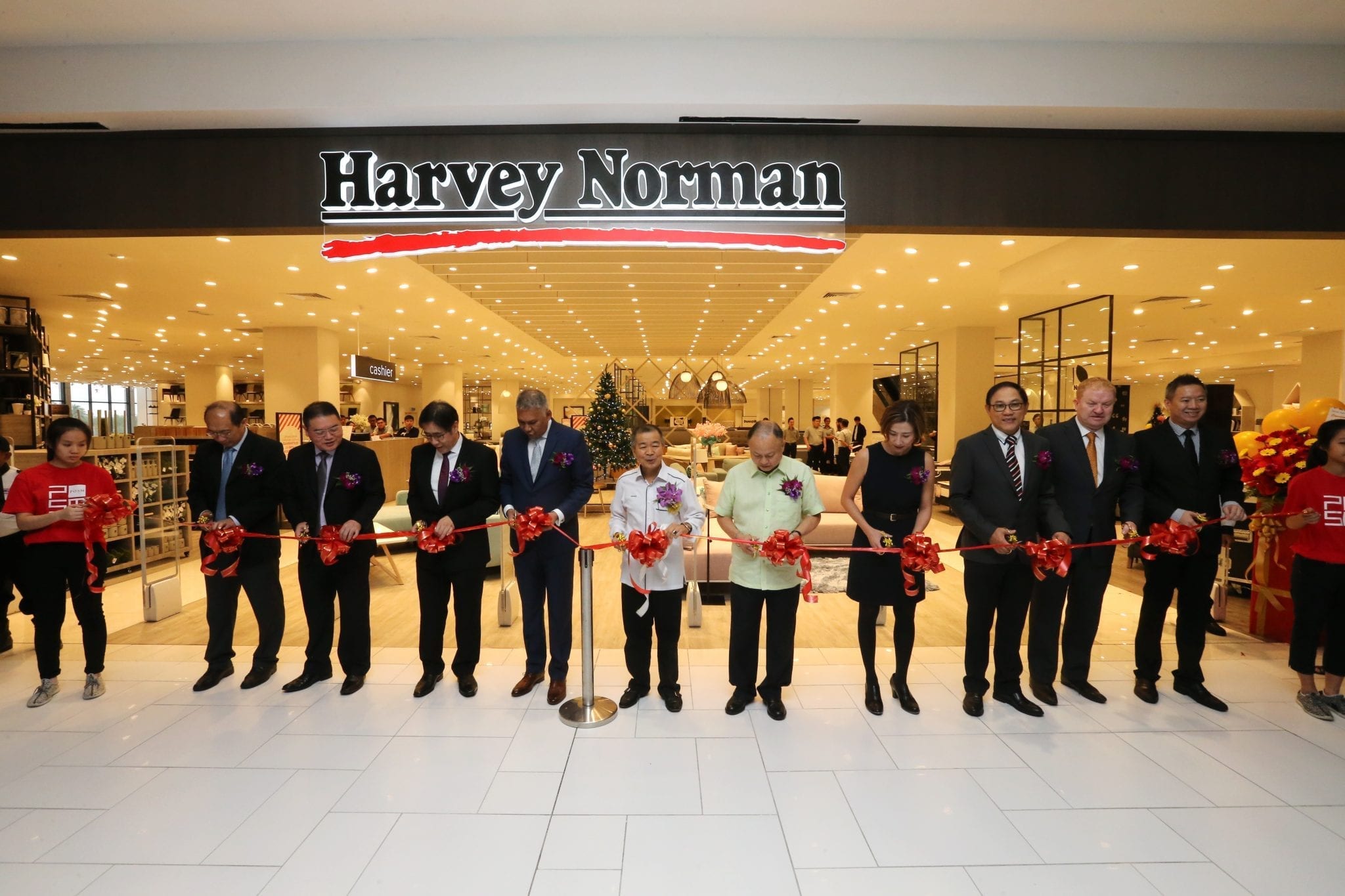
    Harvey Norman Malaysia is planning to open nine stores by the end of next year, taking its network there to more than 50 by the end of 2023. The retailer has expanded into Sarawak with an outlet in Miri Times Square.

    The 40,000sqft store covers a range of products spanning electrical and electronics, as well as furniture and bedding.

    “Harvey Norman has one price point, so regardless of where you buy it in Malaysia, the price is the same and Miri customers will get these benefits,” said Kenneth Aruldoss, Harvey Norman Asia MD.

    “We also cater to Bruneian customers. They can come to Miri and shop at our store, and we’ll give them the same support and quality service including after-sales service.”

    Four other stores – in Tebrau and Southkey (Johor), Ipoh and Kota Baru – will open in the second half of the year.

    Harvey Norman Malaysia sales reached S$152.33mil last financial year, up 10.5 percent year on year.

    “Malaysia is the best-performing country, with Singapore coming in second, in terms of growth and profits (among other indicators),” Aruldoss said.

    After launching in 2003, Harvey Norman Malaysia now has more than 17 stores across the country.

  • Luxury retail brands heading for Melbourne

    Luxury retail brands heading for Melbourne

    Collins Street celebrates its rich blend of global brands, local creatives and diverse business cooperatives, embracing its prestige as Australia’s landmark address. Boasting an unrivalled combination of luxury retail, premium accommodation, world-class dining, top entertainment and major business headquarters, Collins Street is the epicentre of Melbourne’s inspirational lifestyle.

    Collins Street is the heart of retail, hospitality and business past and present, in Australia. Situated in the world’s most liveable city, the people behind the brands and businesses that reside on Collins Street add undeniable soul to the City of Melbourne and all it has to offer. Collins Street is Australia’s premier destination.

    The rush of international luxury brands seeking a bricks-and-mortar presence on the east coast is showing no sign of slowing down in 2019.


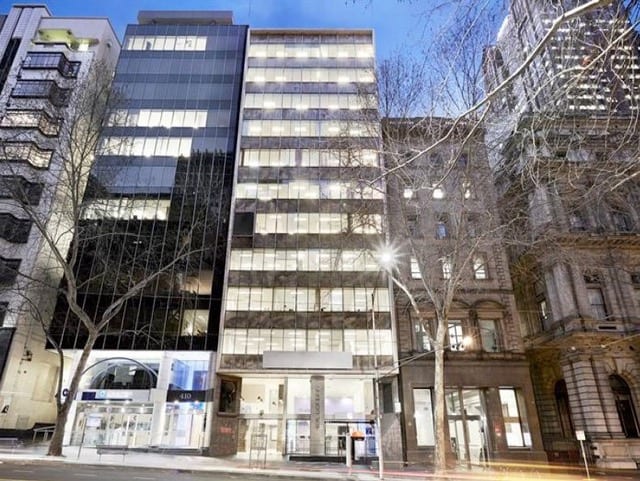
    406 Collins Street, Melbourne is lather latest opportunity located within the heart of the Melbourne central business district. Almost 300m2 on the ground floor of this refurbished office building, the property is located opposite the soon to be completed W Hotel Melbourne.

    For further details, contact Joel Wald +61 412 352 252 / [email protected]

  • Allianz Completes Strategic Partnership Deal in Thailand

    Allianz Completes Strategic Partnership Deal in Thailand

    Firm expands partnership with Sri Ayudhya Capital to enhance local market presence and accelerate growth in Thailand. Allianz has acquired a 19.21-percent stake in Thailand’s Sri Ayudhya Capital (AUYD) to become its largest shareholder, the German insurer and asset manager announced in a press release.

    As part of the deal, Allianz General Insurance will be renamed Allianz Ayudhya Capital and its subsidiary Sri Ayudhya General Insurance will be renamed Allianz Ayudhya General Insurance. The merger will ensure a stronger insurance franchise focused on meeting the diverse and growing protection needs of local customers and enhancing the Allianz proposition in the region the press release said.

    Today represents an important milestone for Allianz’s growth ambitions in Thailand and the wider region.  The closer relationship between both businesses will increase collaboration and expertise, and deliver an improved customer proposition in the country.  These moves reflect the strategic efforts we are making across Asia and we look ahead with confidence, Allianz Asia Pacific deputy regional CEO Solmaz Altin said.

    Thailand is an important and strategic market for Allianz Asia, with strong potential due to its low insurance penetration as well as robust macroeconomic prospects, Allianz said. Allianz and AYUD’s partnership goes back almost 20 years and currently serves more than 1 million customers across the country.

    Veraphan Teepsuwan remains as Chairman of Allianz Ayudhya Capital, while Bryan Smith, President & CEO of Allianz Ayudhya Assurance (the life insurance business), has assumed the role of President & CEO, Allianz Ayudhya Capital and the newly created position of Country Manager, Allianz Thailand. Lars Heibutzki was appointed President & CEO of Allianz Ayudhya General Insurance.

    Allianz made a tender offer to buy 56.93 million AYUD shares at 53.32 baht ($1.66) each, totaling 3.04 billion baht ($95 million).

  • Thai Airways celebrates 59 years of operations

    Thai Airways celebrates 59 years of operations

    Thai Airways International has recognized the airlines’ long-serving staff with certificates at a ceremony to mark the 59th anniversary.

    Thai Airways president, Sumeth Damrongchaitham, presided over a ceremony to present certificates and souvenirs to staff who have completed 35 years and 25 years of service with the national airline.

    The certificates were also given to staff who were commended by customers, and staff who made a significant contribution to the airline’s success over the years.

    Thai conducts the ceremony annually to mark the anniversary of its establishment on March 29, 1960.

  • Ratan Tata Invests in Ola Electric Mobility

    Ratan Tata Invests in Ola Electric Mobility

    Ola Electric Mobility announced that Ratan Tata, Chairman Emeritus of Tata Sons, has invested in the company as part of its Series A round of funding. This investment is in Ratan Tata’s personal capacity in the newly formed Electric Mobility company. Tata is also an early investor in ANI Technologies Pvt Ltd, Ola’s parent company. Tata’s investment in Ola Electric is a significant endorsement of the company’s approach to developing an electric mobility ecosystem, including innovations in charging infrastructure, swapping models, and market-appropriate products. Ola Electric is currently running several pilots involving charging solutions, battery swapping stations, and deploying vehicles across two, three and four-wheeler segments. Investment details are still under wraps.

    Ratan Tata, said, “The electric vehicle ecosystem is evolving dramatically every day, and I believe Ola Electric will play a key role in its growth and development. I have always admired the vision of Bhavish Aggarwal and I’m confident that this will be part of yet another important strategic move into this new business area.”

    Ola Electric Mobility Pvt Ltd raised a sum of ₹ 400 crores led by several of Ola’s early investors, Tiger Global and Matrix India and others, as part of its first round of investment. The company was initially established to enable Ola’s electric mobility pilot program in Nagpur.

    Bhavish Aggarwal, Co-founder & CEO, Ola said, “Mr. Tata has been an inspiration and a mentor to me personally in shaping Ola’s journey over the years. I’m very excited to welcome him on board Ola Electric as an investor and a mentor in our mission of building sustainable mobility for everyone on our planet. He is a visionary who has inspired a generation of entrepreneurs and we are privileged to have his guidance and support once again, as we work towards our goal of a million electric vehicles in India by 2021.”

  • Rynox Introduces Accident Insurance Cover With Purchase Of Riding Gear

    Rynox Introduces Accident Insurance Cover With Purchase Of Riding Gear

    With the growing sale of motorcycles and the awareness and importance of wearing riding gear, more and more motorcyclists choose to invest in the protective apparel beyond purchasing their desired moped. Now, a number of discounts and freebies are commonly given to customers on protective gear, but in an innovative of promoting its product line-up, Indian riding gear maker Rynox is offered accident insurance to its customers. Under the Rynox Wingman initiative, the company will provide a complimentary accident insurance cover of ₹ 50,000 to its customers.

    The Wingman initiative intends to support customers after the unfortunate fall like a wingman would, while it’s protective gear is intended to minimize injuries. The Wingman initiative is available only on the jackets, riding pants or gloves that have a minimum value of ₹ 4000. The insurance will be valid for one year from the date of purchase and covers permanent disability or hospitalization due to an accident. The initiative is applicable to products purchased after May 1, 2019.

    Customers who want to register themselves for the Rynox Wingman initiative need to enter their personal details, purchase invoice details and the 15-digit product code on the company’s website. The Indian gear maker has a variety of products on offer ranging from urban and touring jackets and pants, as well as mesh and leather gloves. Rynox also makes motorcycle luggage including tank bags, saddle bags, utility bags, phone and GPS mounts, protector inserts, and more.

    The initiative is certainly innovative and will be appreciated by many. In fact, as motorcyclists, it is important that you do take an accident policy that helps cover expenses, should there be an unfortunate incident.

  • Axiata Group negotiating mega merger with Telenor

    Axiata Group negotiating mega merger with Telenor

    Malaysia-based Axiata Group has revealed it is in discussion to merge with Telenor’s Asian operations to create a regional powerhouse with total annual revenues of over 50 billion ringgit ($12.05 billion).

    Under the preliminary terms of the proposed merger of equals, Telenor would own a 56.5% stake in the merged company, while Axiata would take a 43.5% stake.

    The combined company would be one of the largest operator groups in Asia-Pacific, with operating subsidiaries in nine countries with a total of 300 million customers and a market reach of over 1 billion people.

    In Axiata’s home market, the merger would involve combining Malaysia’s Celcom Axiata with Telenor’s subsidiary in the nation Digi.Com to create the largest mobile operator in the market.

    Axiata’s subsidiary in Bangladesh Robi Axiata would continue to be managed independently by Axiata.

    The merger is expected to deliver around 20 billion ringgit in synergies through the consolidation of assets as well as the benefits of economies of scale.

    In addition to the retail operations, the merger has the potential to create a top five mobile infrastructure player through the combination of Axiata’s tower company edotco with Telenor’s Asian tower assets.

    In a filing with the Malaysian stock exchange, Axiata Group said discussions are still ongoing and there is no guarantee a deal will eventuate, but that it has opted for early disclosure to provide transparency for shareholders during the negotiations.

    “This proposed mega-merger of equals would create a Global Champion, headquartered right here in Malaysia…Leveraging on the synergies of our combined assets, organizations, talents, best practices, scale and financial firepower, we would create the largest telecom operator in the region,” Axiata president and group CEO Tan Sri Jamaludin Ibrahim said.

    “There is a lot of work ahead of us to conclude this deal, but I am excited as this merger would be unparalleled in the history of telecom in Asia and corporate Malaysia.”

    Subject to due diligence, the two companies aim to have negotiated the terms of a binding agreement by the end of the third quarter.

  • iPhone sales declined in every part of the World

    iPhone sales declined in every part of the World

    As Apple confirmed in its two most recent earnings calls, iPhone sales have been consistently down year-on-year since October. The Cupertino giant blamed this primarily on weak demand in China, but recent SEC filings show this isn’t the full story.

    Apple’s recent Form 10-Q filing with the SEC (US Securities and Exchange Commission) contains a detailed breakdown of performance over the past six months by both product category and geographical region.

    iPhone sales, as mentioned above, have been down for the past six months. The Greater China region which includes China, Hong Kong, and Taiwan has undoubtedly impacted Apple’s total shipments the most, but in actual fact, the company has been experiencing “lower iPhone unit sales in all the reportable geographical segments” since October. This has resulted in year-on-year revenue declines for all regions except the Americas (North and South America), with Greater China being the most affected followed by Europe and Japan.

    In almost every geographical segment, Apple’s lower iPhone shipments were partially offset by improved performance in other product categories. For example, in Europe, the company’s Services and Wearables businesses grew significantly, while over in Japan Services and iPad were key. In the Americas, however, strong Services and Wearables performance managed to entirely offset weak iPhone shipments and push year-on-year growth to a decent 4%.

    Taking a look at the company’s performance over the past three months rather than six, it seems as though Apple’s efforts in certain regions are finally beginning to pay off. Other markets, however, seem to be in decline.

    As mentioned by Apple in its recent earnings call, the company noticed improved demand in Greater China towards the end of the quarter. It didn’t elaborate on the matter, but it seems to have translated into slightly better financial results for the brand as, for the three months ending March 31st, the year-on-year sales decline was 22%. This is still pretty major, but it represents an improvement over the -25% average Apple has experienced in the region since October.

    Another region that has improved in Japan. Over the past six months, Apple’s sales have dropped an average of 2%, but throughout the first three months of 2019 sales were actually up 1%. Similarly, the Americas continued to experience growth throughout the past quarter.

    Moving on to Europe and the Rest of Asia Pacific, these two geographical segments didn’t fare as well. Since October, Apple has experienced an average revenue decline in these regions of 4% and 2% respectively. But during the first quarter of the year, these numbers nosedived to 6% and 9% due primarily to even lower iPhone demand.

    Regarding Apple’s performance throughout the rest of 2019, the Cupertino giant now appears confident that it can improve the situation in Greater China and ultimately slow down its year-on-year decline. Nevertheless, it’s still forecasting a drop for this current quarter and, with business in Europe and the Rest of Asia Pacific seemingly struggling, it’ll remain to be seen how Apple handles the situation.

    Towards the end of 2019, Apple’s next-gen iPhones should provide a decent boost to demand. However, analyst Ming-Chi Kuo recently predicted almost no growth. Instead, Kuo expects iPhone sales to pick up towards the end of 2020 as a result of the first 5G models which should feature modems from both Samsung and Qualcomm.

  • 32 countries agree on 5G security guidelines

    32 countries agree on 5G security guidelines

    Participants from 32 countries from Europe, North America and Asia-Pacific have agreed on a set of proposals for security guidelines in 5G networks, in a move that could spell further trouble for Huawei.

    As part of a non-binding agreement known as the Prague Proposals released during the Prague 5G Security Conference, representatives agreed on an outline of a potential coordinated approach to securing 5G networks.

    Officials from South Korea, Japan, Australia, New Zealand, the US, Israel, the UK and a number of European markets signed the non-binding agreement.

    The proposals state that security of 5G networks is “crucial for national security, economic security and other national interests and global stability,” and stresses the importance of the development of “adequate national strategies, sound policies, a comprehensive legal framework and dedicated personnel, who are trained and educated appropriately.”

    Notably, one of the policy proposals involves ensuring that the “overall risk of influence on a supplier by a third country [is] taken into account.”

    While no vendors were mentioned, the US, one of the signatories to the proposals, has been pressuring its allies to restrict Chinese vendors including Huawei from participating in national 5G rollouts due to unproven concerns that the Chinese government could use the equipment to facilitate cyberspying. Huawei has vigorously denied the allegations.

    The Prague Proposals also include recommendations such as the development of international, open, consensus-based standards for 5G security, a call for regular vulnerability assessments for all components and network systems, and active collaboration and threat information sharing by the participating countries.

  • DBS Rolls Out Customer Center of the Future

    DBS Rolls Out Customer Center of the Future

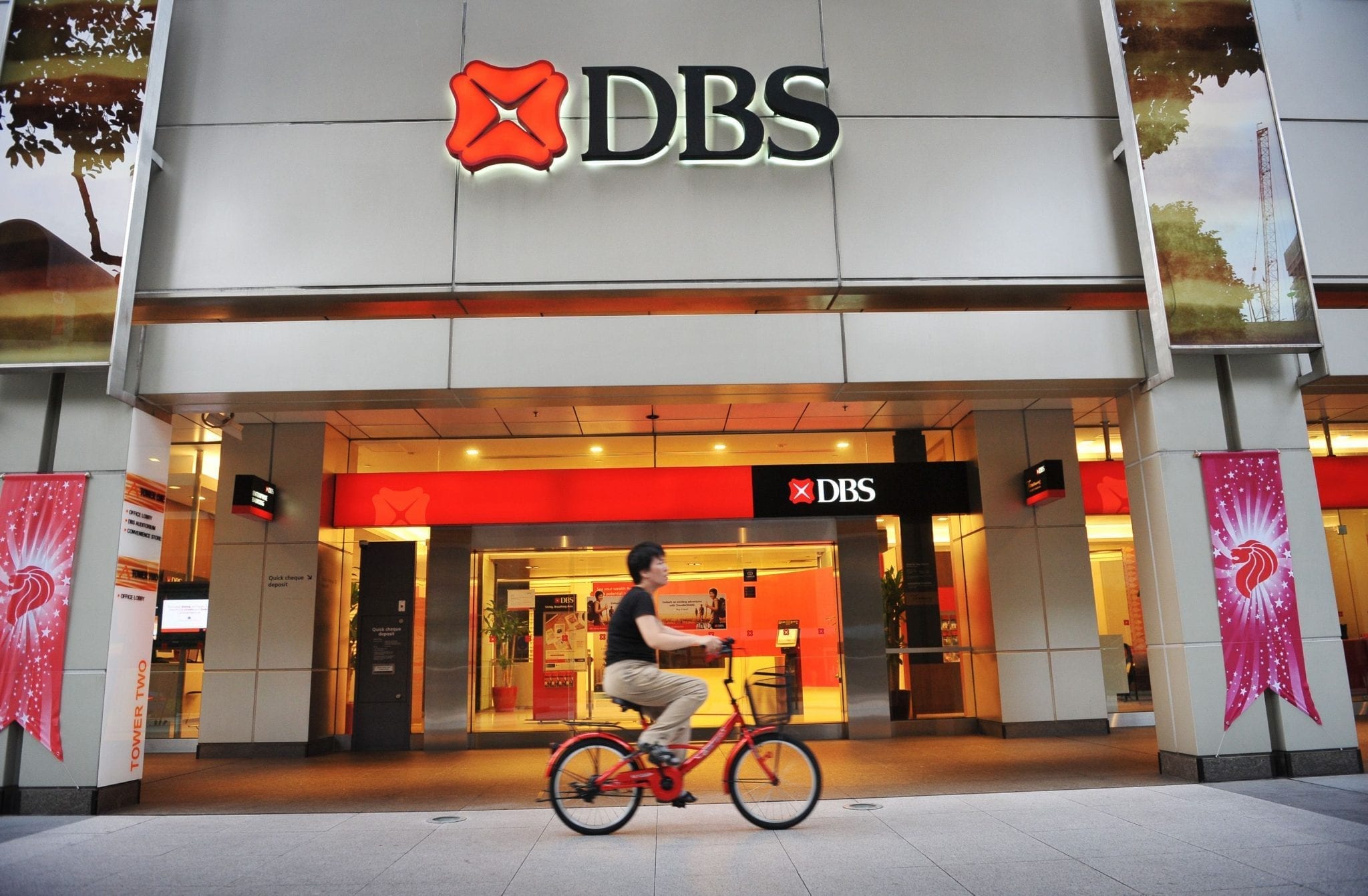
    DBS has retrained its customer center employees to take on new roles as customers become more digitally savvy. Voice biometrics specialists, live chat agents, and customer experience designers are among the 13 new job roles that DBS Bank has introduced in recent years as it creates the customer center of the future, the bank said in a media statement on Thursday.

    As it creates the customer center of the future, the bank has upskilled and retrained over 500 customer center employees and eliminated common customer pain points such as long waiting times. «By investing in our people, we have been able to transform from a labor-intensive department with a high turnover rate to one that is technology-enabled where employees are more fulfilled and armed with future-forward skills,» said Geeta Sreeraman, DBS’ Head of Customer Centre, Singapore.

    Customer centers are traditionally labor-intensive departments. At DBS Singapore, its customer center processes over four million inbound customers’ calls every year. But with new digital initiatives and new roles created, call volumes have dropped 12 percent over the last year. Over the next three years, the bank predicts call volumes will drop by a further 20 percent.

    As customers become more digitally-savvy, DBS has expanded its service channels online and on social media to serve its customers. DBS’ customer center has also incorporated technologies such as voice biometrics, chatbots, and data analytics so that callers can experience shorter call waiting times and opt to resolve their banking queries independently via the bank’s website, on their mobile banking app or through the bank’s Facebook or Twitter channels.

    In 2017, DBS committed to investing S$20 million over five years to equip employees with digital skills to become a future-ready workforce. Since then, the bank has rolled out a company-led Professional Conversion Programme (PCP), an AI-based learning tool available 24/7 and scholarships that encourage peer-to-peer learning.

    The new roles in DBS’ Customer Center are:

    1. Social media relations manager
    2. ‘Live’ chat agent
    3. Customer experience designer
    4. Demand manager
    5. Mobile app developer
    6. Business intelligence lead
    7. Content creator
    8. Knowledge platform designer
    9. Voice biometrics specialist
    10. Natural language processing engineer
    11. Scrum master
    12. Digital evangelist
    13. VTM manager
  • Mahindra XUV300 Receives Over 26,000 Bookings

    Mahindra XUV300 Receives Over 26,000 Bookings

    Mahindra and Mahindra announced that the XUV300 has crossed the 26,000 bookings mark since its launch in February this year. In fact, the XUV300 also became the second-highest selling subcompact SUV in India. Among its 3 variants, the top end variant has seen the maximum demand and accounts for 70 percent of the overall bookings. The petrol variant, equipped with a 1.2-liter turbo-petrol continues to gain traction and now accounts for a substantial share of XUV300 sales and we were the first to drive the petrol powered XUV300.

    Veejay Nakra, Chief of Sales & Marketing, Automotive Division, Mahindra said, “We are thrilled with the XUV300 receiving over 26,000 bookings in just over two months since its launch. Consumers are finding the XUV300 to be an exciting and comprehensive package that offers thrilling performance, first-in-segment safety features and head-turning design, which is reflected in these impressive booking numbers. It is also encouraging to see that a substantial number of bookings are for the petrol variant. As a customer-centric organization, we are constantly working to keep the waiting period at a minimum and to get our customers their XUV300s as soon as possible. I am sure that the XUV300 brand will grow from strength to strength in the years to come.”

    The all-new Mahindra XUV300 is built on SsangYong’s X100 platform which also spawns the SsangYong Tivoli which in-turn means that the XUV300 inherits some of the characters of the Tivoli. However, both are not exactly the same models as Mahindra has made changes to other underpinnings of the XUV300. For instance, it gets a new suspension set-up along with an entirely new steering mechanism.

    The XUV300 is loaded with features in typical Mahindra fashion and gets features like auto-climate control 7-inch touchscreen infotainment system with smartphone connectivity options (Apple CarPlay and Android Auto), cooled armrest box, cruise control, steering mounted audio controls, engine start-stop button, rearview camera and more. Interestingly, this one is also equipped with some first-in-segment features as well which are the dual-zone climate control, a sunroof, front parking sensors along with rear ones and an auto-dimming inner rear view mirror. Moreover, it also gets driving modes to change the weight of the steering. However, the center armrest at the front does not slide and there is no A.C. vent at the rear which would have been an added novelty.