Tag: asia

  • Alibaba ranked China’s most valuable brand by BrandZT

    Alibaba ranked China’s most valuable brand by BrandZT

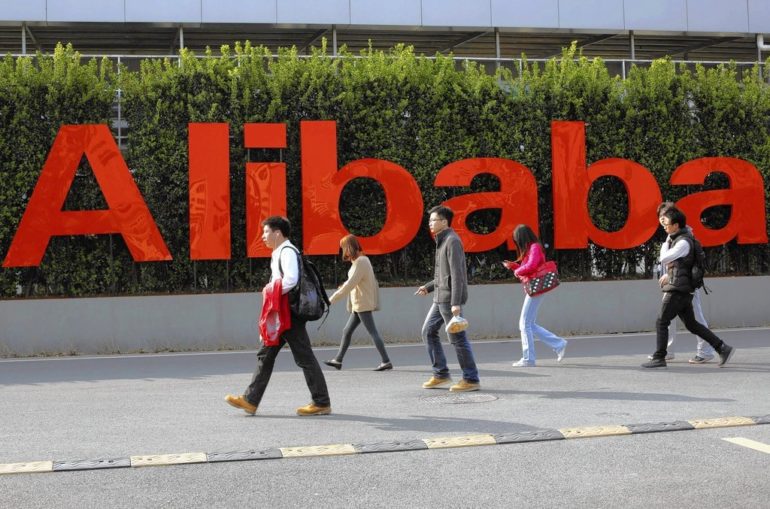
    Alibaba’s rise to the top resulted from growing its brand value by 59%, year-on-year, to $141 million. In the past five years, Alibaba has outperformed the WPP/Kantar Top 100 overall, with its brand value climbing 136%, compared to the Top 100’s 92% rise.

    Alibaba’s number-one spot for 2019 “reflects the growth of a brand which has contributed to transformational changes in the Chinese market,” the Top 100 publishers said.  In BrandZ’s “Brand Power” metric of brand equity, Alibaba’s score was particularly strong “for being ‘Meaningful,’ suggesting the brand known for coining the term ‘New Retail’ has successfully created closer connections with its consumers.”

    The Top 100 results show how digitization and the growing sophistication of Chinese consumers is creating a unique marketplace of products and services available with unprecedented speed and convenience – long a sweet spot for Alibaba. Innovators in AI, e-commerce, New Retail performed strongly.

  • Biofuel consumption rises in HCM City

    Biofuel consumption rises in HCM City

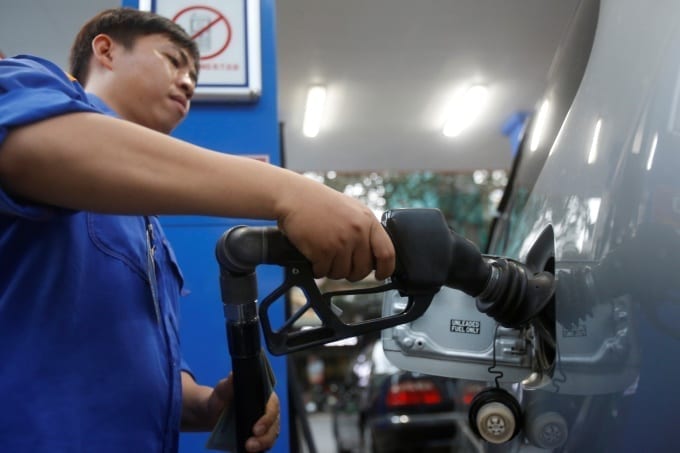
    A survey of multiple HCMC-based filling stations showed that biofuel consumption rose to 40% from the previous 30%, while that of the fossil type RON 95 gasoline declined to 60% from 70%.

    After the price adjustment, the retail price of E5 biofuel was VND1,500 per liter lower than that of RON 95 gasoline, resulting in a rising number of customers using the biofuel. The majority of customers contributing to the increase in E5 biofuel consumption were owners of trucks, coaches, taxis, Grab vehicles and motorcycles.

    To further enhance biofuel consumption to protect the environment from air pollution due to carbon emissions, many fuel outlets have proposed the competent authorities and fuel wholesale firms arrange promotion activities to introduce the quality of biofuel and guarantee the supply and quality of the product to gain customers’ trust.

    A representative of Vietnam National Petroleum Group (Petrolimex) noted that the group is in the process of expanding its direct retail distribution system and cooperating with many traders to boost the sale of E5 biofuel.

    In addition, Petrolimex suggested the Government promote activities that introduce the quality and benefits of E5 biofuel to residents, apart from adopting measures to tighten control over and monitor the quality of biofuel.

    Fuel supply and consumption in the city remain stable, according to the HCMC Department of Industry and Trade.

    The city saw fuel consumption total over 5,700 cubic meters per day, or 171,570 cubic meters per month, last month, with RON 95 gasoline and E5 biofuel amounting to 3,600 and 2,050 cubic meters per day, respectively.

  • Sprayground opens Chinese Stores

    Sprayground opens Chinese Stores

    Retailer Sprayground eyes global expansion

    “Creative rebel” travel-and-fashion label Sprayground opened three retail stores in China on May 1, and is eyeing global expansion.

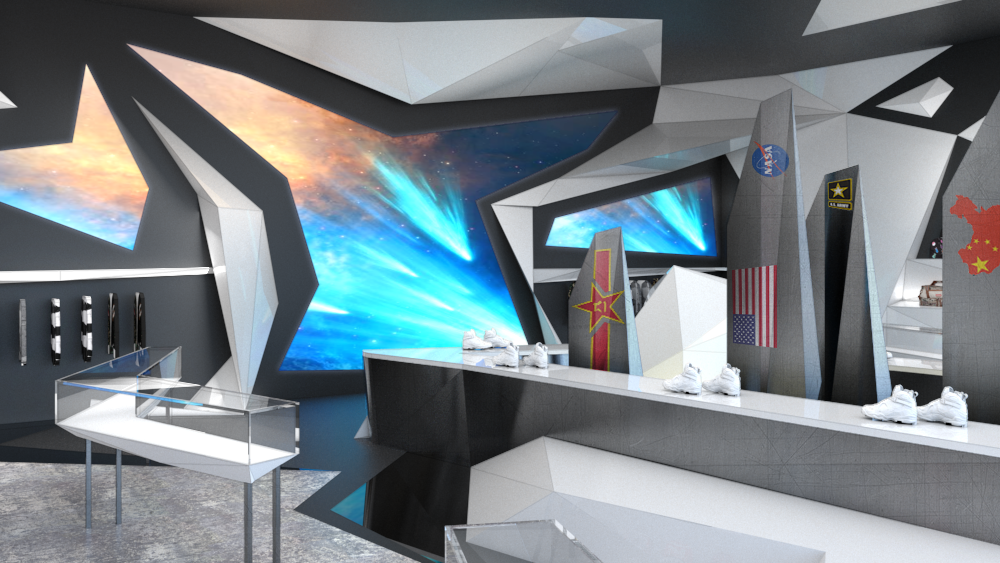
    The brand presents niche offerings as limited-edition collectibles in its capacity as an “authority in fashion-forward backpacks and accessories”.

    With distribution to more than 30 countries and a growing fanbase, the new Chinese locations have already made an impact. The brick-and-mortar stores are in Beijing’s Xicheng district, Hefei’s Shushan district, and the Minhang District in Shanghai – and more than 100 retail stores are set to launch there over the next three years.

    Sprayground’s founder and creative director David Ben David will visit all three stores during the simultaneous grand openings and plans to greet team members and shoppers throughout the initial week before attending China’s very first Sneak-Con, which kicks off on May 18.

    Part of Sprayground’s mission is to expand the creativity to the “creative outcasts of the country” and elevate the game in China by infusing New York-style streetwear and hip-hop.

    Sprayground collaborations have featured some of hip hop’s favorites such as Saweetie, Young Dolph, Young Thug, and Dave East.

  • Louis Vuitton sues Belle International For Copycatting

    Louis Vuitton sues Belle International For Copycatting

    French luxury retailer says Hong Kong company’s shoe designs too similar to its own to be coincidental.

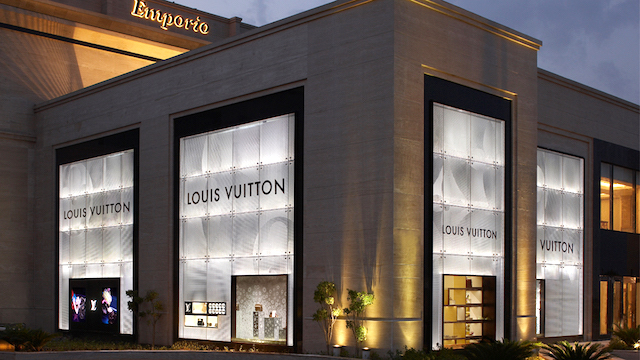
    Luxury fashion house Louis Vuitton is suing two Belle International subsidiaries for copyright infringement.

    The Chinese footwear brands are being taken to court over the design over a pair of trainers valued at HK$8950 (US$1140).

    A High Court document described the case accusing Hong Kong-registered firms Belle International (China) and Best Able Footwear of retailing sneakers substantially similar to its LV Archlight trainers. Louis Vuitton has demanded the firms cease all infringements and hand over or destroy the alleged copies.

    The trial date has yet to be scheduled.

  • Shopee, Tiki solidify positions as top e-commerce sites in traffic in Q1

    Shopee, Tiki solidify positions as top e-commerce sites in traffic in Q1

    Shopee and Tiki maintained their positions as the two leading sites in terms of traffic in Vietnam’s e-commerce sector in the first quarter of this year.

    According to the latest figures from the Map of E-Commerce released recently by iPrice Group – a meta-search website operating in seven countries across Southeast Asia, Shopee still held the dominant position in Q1 2019 with 40.7 million visits per month on average. Tiki followed with 35.6 million visits monthly.

    Lazada ranked third with 29 million visits, closely followed by thegioididong.com (28.8 million visits) and Sendo (25.3 million visits).

    Q1 2019 also saw several positive trends in the performance of local players, especially Tiki, Sendo, and Adayroi. iPrice’s latest data showed through the first quarter included the Tết (New New Year) holiday period, which is usually a tough time for e-commerce businesses in general, those three merchants still managed to maintain their good results from the previous quarters.

    Doing the best in this regard was Tiki. Similar to the previous quarter, the website continued to achieve over 35 million visits per month on average for Q1 2019, helping its web traffic grow at a rate of 23 percent per quarter on average since the second quarter of last year.

    Aside from Tiki, other notable local companies Sendo and Adayroi have been showing encouraging signs. According to iPrice’s Map of E-commerce, the two companies both have an average traffic growth rate of over 16 percent per quarter for the past four quarters.

    Sendo’s CEO Trần Hải Linh also confidently told IT website Tech in Asia recently that his company was on track to achieve US$1 billion in GMV (gross merchandise volume) much earlier than the previously projected target of 2020.

    This year would be an inflection point for the Vietnamese e-commerce market, Linh said, adding the market would grow much faster.

    “We will see sizable businesses becoming comparable to regional players [and] customers becoming more familiar with e-commerce,” Linh told.

  • Brooks Running moves China footwear production to Vietnam

    Brooks Running moves China footwear production to Vietnam

    The chief executive of Brooks Running, part of Warren Buffett’s Berkshire Hathaway Inc, said his company will shed much of its presence in China by moving running shoe production to Vietnam, a result of the trade dispute between China and the US.

    Jim Weber, who has run Brooks since 2001, said in an interview that Brooks made the decision in January when US President Donald Trump was threatening to boost tariffs on the shoes to 45 percent from 20 percent.

    Weber said the tariff threat weighed “massively” because Brooks cannot simply raise prices on its shoes, which typically retail for US$100 to $160 a pair, and though trade tensions have cooled, the company could not wait for a resolution.

    “We’re going to pull most of our production out of China,” he said. “We’ve had to make a long-term decision on this picture. It’s disruptive, but the reality. So we’ll be predominantly in Việt Nam by the end of the year.”

    About 8,000 jobs will also move to Vietnam from China, Weber added.

    Việt Nam is emerging as a preferred destination for companies looking to move production because of tariff concerns.

    The country generates about 55 percent of Brooks’ running shoe production, with China accounting for the remainder. Brooks shoes are sold in 56 countries and account for the bulk of the Seattle-based company’s annual revenue, which grew 26 percent last year to $644 million.

    Revenue from January to April is up 22 percent in 2019, and Weber is targeting full-year revenue of just under $750 million. He hopes revenue will reach $1 billion by 2021. Brooks also sells apparel.

    Weber said Brooks may start shoe production in a third, yet-to-be-determined country next year. The eventual breakdown could be 65 percent from Việt Nam, 10 percent from China and 25 percent from the third country, he said.

    Brooks plans to continue research and development, as well as small production runs of shoes, in China.

    Weber also said Brooks hoped to “prototype small, custom personalized shoe runs” in the US within the next several years, but much of the company’s technical know-how and automation is in Asia. “Volume is a long ways away,” he said.

    Brooks became part of Berkshire in 2006 when Berkshire’s Fruit of the Loom unit bought its parent at the time, Russell Corp. Berkshire spun out Brooks as a standalone unit in 2012.

    Weber began reporting last year to Berkshire Vice Chairman Greg Abel, after previously reporting to Buffett.

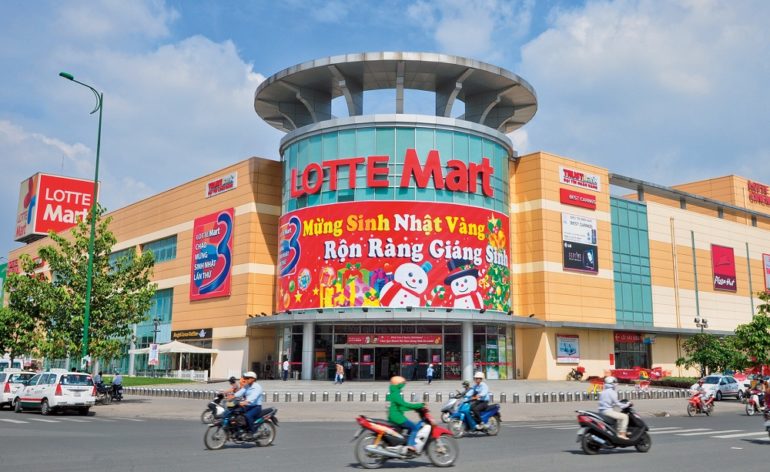
  • China ends Lotte Markt Sanctions

    China ends Lotte Markt Sanctions

    Lotte sanctions imposed by the Chinese government two years ago have now been lifted.

    Authorities in Shenyang have allowed South Korea’s Lotte Group to resume work on a US$2.6 billion retail and leisure development in the region following the lifting of sanctions against the firm by the Chinese government last month.

    The Lotte sanctions were imposed two years ago after the group yielded land to a US anti-missile defense system.

    Shenyang, a capital city in China’s Northeast, has now permitted the resumption of work on the Lotte Town development, although Lotte has not yet formally indicated whether or not it intends to restart construction, which has been on hold while the sanctions have been in place.

    The first phase of the project was completed in 2014, while the theme park, flats, and hotel planned for the site remain unfinished following Lotte’s sale of land in Seongju county to the South Korean government to allow the deployment of the US Terminal High Altitude Area Defence system.

    The Lotte sanctions prompted the South Korean company to announce its withdrawal from Mainland China last year, although it now insists that no final decision has been made.

  • Peugeot manufacturing plant debuts in Quảng Nam

    Peugeot manufacturing plant debuts in Quảng Nam

    The Trường Hải Automobile Corporation (Thaco) in co-operation with French car manufacturer Peugeot Group (PSA) officially inaugurated a new manufacturing plant and rolled out two made-in-Vietnam models – the Traveller Luxury and Traveller Premium – in the central province of Quảng Nam yesterday.

    The luxury European car brand’s plant, which cost VNĐ4.5 trillion (nearly US$200 million), was designed with a total capacity of 20,000 cars per year for domestic use and export.

    The general director of Thaco Phạm Văn Tài said the plant was thanks to the relationship that had been built between Thaco and Peugeot since 2013.

    “The newest Peugeot models follow the successful introduction of SUVs  Peugeot 3008 and 5008 in Việt Nam. The plant is equipped with modern production lines and updated automation technology to meet the luxury brand’s standards under the supervision of French technical experts,” he said.

    He also added that 4,500 Peugeot 3008 and 5008 were sold in Vietnam in 2018, leading the European luxury car brand segment in the domestic market.

    General director and CEO of PSA Laurence Noel said the introduction of the Peugeot Traveller marked an important step in the development of Peugeot and positive co-operation with Thaco.

    She said the debut of the two models was a result of the latest interest in the newest French car brand in Vietnam after the successful debut of the SUV models.

    She said the Peugeot Traveller had made an impressive start in the European and global markets after it was introduced at the Geneva Motor Show in 2016.

    Laurence also said the latest made-in-Vietnam MPVs conformed to the strict control standards of the PSA and network of PSA plants around the world.

    Thaco has been an exclusive agent for the French car giant’s return to the local market in 2014.

    The local manufacturer has already opened 13 Peugeot showrooms with 3S (sales-services-spare parts) facilities across the country.

    Thaco has produced and distributed vehicles for Kia from South Korea, Mazda from Japan, Peugeot and BMW.

    The local carmaker has invested VNĐ17.478 trillion (US$773 million) to build an agricultural and forestry industrial park, the expansion of the Thaco-Chu Lai Mechanical Automotive Industrial Park, the new wharf at Chu Lai-Trường Hải Port and residential quarters for workers in Quảng Nam Province’s Chu Lai Open Economic Zone (OEZ).

    It has also built 32 automobile manufacturing and support industry plants in the OEZ, creating 8,000 jobs and contributing $700 million to the provincial budget each year.

  • Moody’s backs Vietnam’s strict proposal on unsecured consumer lending

    Moody’s backs Vietnam’s strict proposal on unsecured consumer lending

    The State Bank of Vietnam has proposed changes to regulations on personal unsecured lending by consumer finance companies. The proposed changes include limiting unsecured personal loans in cash to existing customers with good credit and no overdue debt; and limiting the maximum amount of such cash loans to 30 percent of total loans.

    The central bank has not specified when it intends to carry out the new regulations.

    According to Moody’s, the proposal is credit positive for Vietnamese finance companies because the stricter regulations will help alleviate asset quality pressure by curbing excessive growth in the riskier consumer-loan segment, which will lead to stronger risk-adjusted returns and will support internal capital generation in the future.

    The rating agency also said that the bottom-line profitability of finance companies was expected to decrease in 2019 as companies adjust to the new rules.

    VPBank Finance Co Ltd (FE Credit) has the highest proportion of personal loans in its loan portfolio among the three largest finance companies by total loans in Viet Nam. The other two companies are Home Credit Vietnam Finance Co Ltd (Home Credit) and HD Saison Finance Co Ltd

    All three companies will need to make adjustments to their businesses by focusing on lower-yield products such as consumer durables and motor vehicle loans. Moody’s expects that FE Credit will need to make the most significant adjustments to comply with stricter regulations because of the higher amount of personal loans on its books.

    The three companies are also market leaders in other consumer finance segments in Viet Nam and will have to make fewer adjustments to their business practices than smaller finance companies as a result of the new regulations.

    These smaller companies have been more reliant on personal loans for business growth and will have greater pressure on their revenue than the top three companies.

    Revenue growth of finance companies remains supported by strong consumer demand for credit, while credit costs will be contained by the tighter lending requirement. Both factors will drive stronger risk-adjusted returns for finance companies, according to Moody’s.

    Vietnam’s consumer finance industry grew at a compound annual rate of 41 percent between 2013 and 2017 on the back of higher personal income and greater penetration of services.

    Moody’s expects growth in personal loans to slow significantly when the new regulations come into effect, after far exceeding growth over the past three years for other less-risky consumer loans, such as those for the purchase of motorcycles and durables.

    The demand for consumer finance is strong and supported by the buoyant Vietnamese economy.

    Now, finance companies constrained from extending new personal unsecured loans because of the new regulations will focus on growing other product segments and will benefit from increased diversification in their lending portfolios and more emphasis on lower-risk products.

  • Daniel Wellington launched Moments of Love Concept

    Daniel Wellington launched Moments of Love Concept

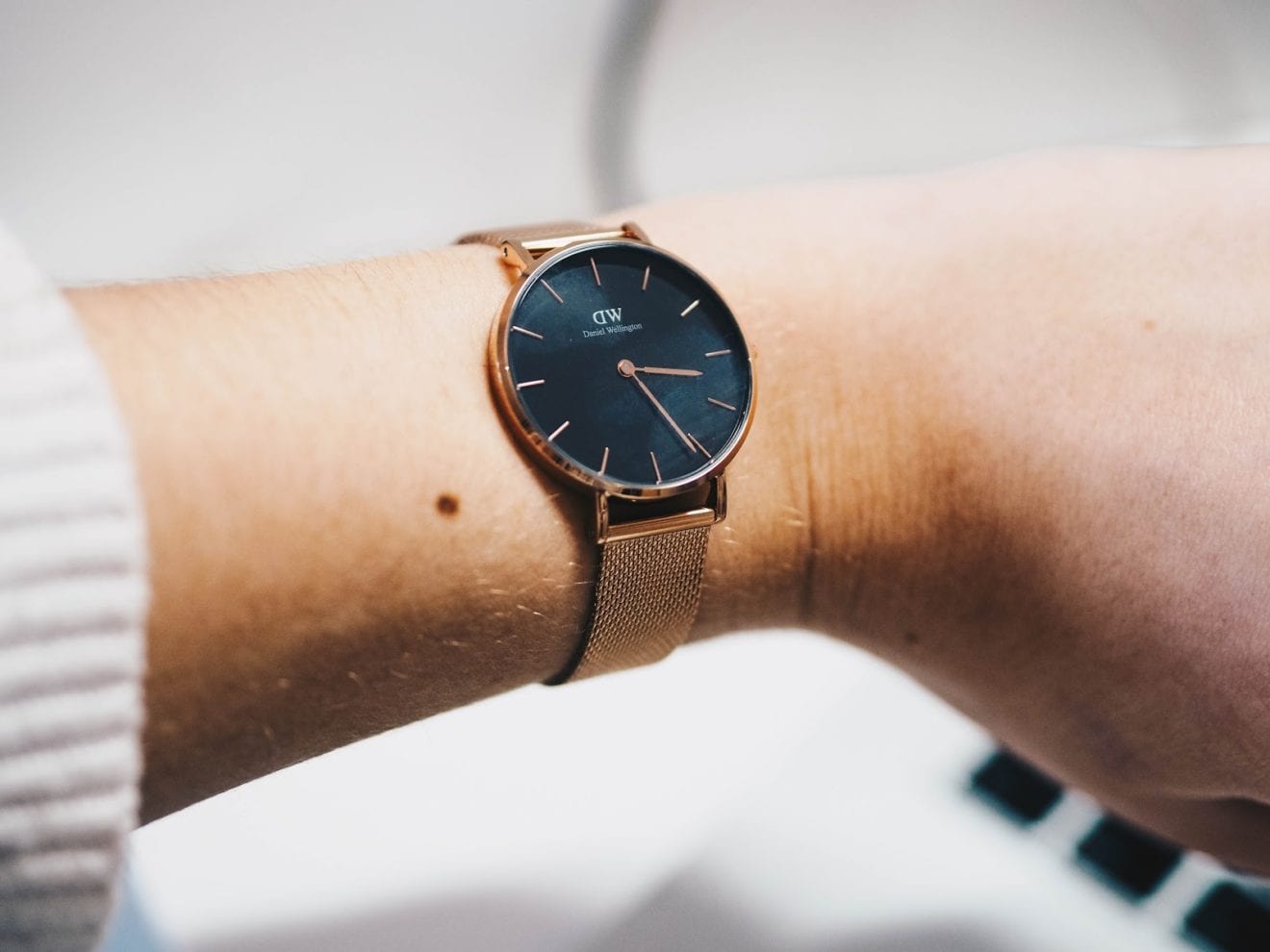
    Watches and accessories retailer Daniel Wellington has launched a new pop-up with Shinsegae Myeongdong in Seoul. The DW Moments of Love pop-up will run from May 1 to July 3, in line with the brand’s #DWMoments global campaign designed to encourage influencers to open up and share a “true, personal, special moment that they cherish”.

    The campaign features in-depth interviews with different influencers from diverse backgrounds and different corners of the world sharing the most significant moments of their lives, and letting fans see the people behind the Instagram filters and hear the moments that shaped them as human beings.

    “When customers visit Shinsegae Duty-Free, they can meet the hottest brand – Daniel Wellington at our exclusive Moments of Love pop-up,” said Shinsegae’s watch and jewelry GM Sunyung Hong. “I am happy to open this pop-up together with DW, where not only couples but also friends and family can share their precious moments.”

    “With engagement being at the core of our brand, an authentic connection with our fans is a part of our DNA – whether it be online, or offline in our travel retail locations,” stated a press release issued by Daniel Wellington.

    “We believe in meaningful retailtainment, and it is wonderful that our fans can capture their moments through the bullet time cameras, and add their personal meaningful touch on their DW gifts to their loved ones through the ribbon printing service which will be exclusively available at the pop-up!”

    The event concept and offers will be exclusive to Shinsegae for the duration of the pop-up.

  • Vietnam’s Petrolimex plans Countrywide Convenience Stores

    Vietnam’s Petrolimex plans Countrywide Convenience Stores

    Vietnamese petroleum retailer Petrolimex is planning to build a convenience-store chain.

    After five years of research, the group plans to open stores across its network of 5200 gas locations across the country.

    “Petrolimex will expand into this sector, each store will host 1500 to 2000 products,” a Petrolimex representative said during a conference.

    “Our strategy partner JX Nippon Oil will support us to set up the chain in the most optimal way.”

    Petrolimex has tested the industry with its P-Mart in Hanoi’s Hoai Duc district. The store only sells Petrolimex-branded products such as oils and a limited range of snacks and beverages.

    There is no official information if Petrolimex will base its chain on this concept or build a different one.

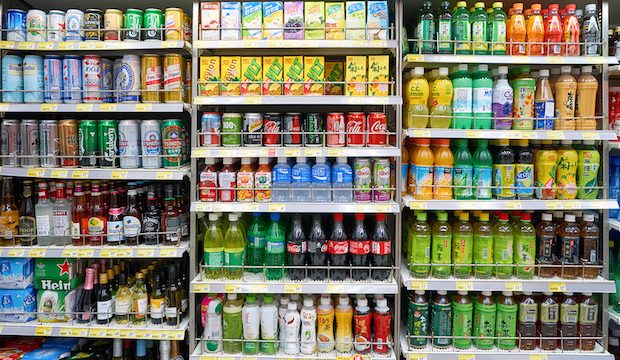
    Stepping into the convenience-retailing sector, Petrolimex will compete with experienced players such as Circle K, 7-Eleven, VinMart + and FamilyMart, but none of those brands are affiliated with service stations.

  • Vietnamese good to be displayed at Japanese supermarket chain

    Vietnamese good to be displayed at Japanese supermarket chain

    A week for Vietnamese goods this year will be held at the Aeon supermarket chain in Saitama prefecture and Kanto region in Japan from June 5-12, according to organizers.

    During the week, Vietnamese goods will be highlighted at 40 outlets in the Aeon distribution system, along with many activities such as plant tours, product assessment, and consultations.

    Business-to-business contacts between Vietnam and Aeon importers, the introduction of Vietnamese products and capacity, popularisation of standards for imports, and agreement signing, along with food shows, tourism promotion, and art performances will be held within the framework of the week.

    After the week, enterprises will be supported to connect with Aeon so as to supply their products to the supermarket chain. AEON committed to raising Vietnam’s export turnover through the group’s system to US$500 million in 2020 and $1 billion in 2025, following a memorandum of understanding (MoU) inked between the Japanese group and the Ministry of Industry and Trade.

    In order to help Vietnamese businesses to join the AEON supply chain and become a supplier for the over 1,000 AEON supermarkets around the globe, the group has built a plan including a number of activities to increase the presence of made-in-Việt Nam goods, Yuichiro Shiotani, General Director of AEON Topvalu Vietnam, said at a recent conference in HCM City.

    AEON has also provided technical support to improve the production capability of Vietnamese suppliers and help them access Japanese customers, as well as boost the purchase of Vietnamese goods to sell at its stores in Japan and other countries, he said

  • Burger King slammed for ‘racist’ ad promoting Vietnamese burger

    Burger King slammed for ‘racist’ ad promoting Vietnamese burger

    The clip shows several people tying and failing to eat a burger with large, red chopsticks. A caption accompanying the video read “Take your taste buds all the way to Ho Chi Minh City with our Vietnamese Sweet Chilli Tendercrisp.”

    The video, shared by Maria Mo via the account @mariahmocarey, has received more than 2.7 million views. Mo told that she shared the clip as she was tired of large corporations portraying Asians in an offensive manner.

    “I could not believe that such a concept was approved for such a big, well-known company. It says a lot about what kind of demographics they must employ across the board for their ads.”

    Other social media users were quick to slam the fast foot retailer for making fun of a utensil that has been used across Asia for thousands of years.

    Viet Thanh Nguyen, the Pulitzer Prize-winning Vietnamese-American novelist, shared the clip with the comment “What’s worse, this ad or using chopsticks in your hair?”

    The advertisement was later removed from all of Burger King NZ’s social media platforms.

    Respond to the controversy, Burger King released a statement, saying: “The ad in question is insensitive and does not reflect our brand values regarding diversity and inclusion. We have asked our franchisee in New Zealand to remove the ad immediately.”

    Burger King New Zealand’s Chief Marketing Officer James Woodbridge expressed regret.

    “We are truly sorry that the ad has appeared insensitive to our community. We have removed and it certainly does not reflect our brand values around diversity and inclusion.”

    Burger King entered the Vietnamese market in 2011 but has struggled to win over local consumers. The firm hoped to have 60 outlets in the country by 2016, but as of 2018 had only 11.

  • Ford Vietnam reports 39 per cent jump in sales

    Ford Vietnam reports 39 per cent jump in sales

    Sales surged by 39 percent year-on-year to 7,501 vehicles in the first quarter, Ford announced on Thursday. The US automaker said its main products, pickup truck Ranger, premium large SUV Explorer and commercial van Transit remained top sellers in their respective segments.

    The strong performance was capped by all-time high retail sales in March of 2,501 units, a 32 percent year-on-year increase.

    “The launch of Ranger, Raptor, and Everest gave our sales an additional boost heading into the year-end, and that momentum carried through into the first quarter and helped drive our overall performance,” Phạm Văn Dũng, managing director of Ford Vietnam, said.

    The Ranger’s sales edged up to 2,786, the recently launched new Everest accounted for sales of 1,535 units and Transit saw sales of 1,208 vehicles. The EcoSport compact SUV delivered 43 percent higher sales of 1,077 vehicles.

    Focus, equipped with a 1.5L EcoBoost engine, saw sales jump by 114 percent to 543.

    The imported Explorer saw sales rise 24 percent to 350.

  • New iPhones to feature new antenna structure For Better Indoor Navigation

    New iPhones to feature new antenna structure For Better Indoor Navigation

    With just over four months to go until Apple’s next-gen iPhones are officially introduced, renowned analyst Ming-Chi Kuo is back today with his latest research note which focuses on the antenna technology Apple will use.

    Inside the iPhone XS, iPhone XS Max, and iPhone XR there are currently two upper antennae and two lower ones, all of which are manufactured from Liquid Crystal Polymer (LCP). According to Kuo, though, the 2019 iPhone series will introduce some major changes to this structure. Specifically, it’s predicted Apple will use a single LCP and modified polyamide (MPI) unit for the upper antenna and three MPI units for the lower ones.

    The reason for this sudden switch to MPI technology reportedly has something to do with production. In his research note, Kuo explains that the current-gen iPhones are being held back by LCP manufacturing issues which cause problems for high-frequency cellular transmission and ultimately affect yield.

    The focus on the modified-PI structure this year should result in similar 4G LTE performance and fewer production problems. Theoretically, the technology is also cheaper to produce, although Kuo believes the overall antenna production costs will rise between 10% and 20% due to new ultra-wideband upgrades that will improve indoor navigation performance. Speaking of which, recent Apple patents suggested the company was working on a feature that’d allow individual store and mall apps to integrate indoor mapping and location tracking.

    Another benefit that’ll come from the switch is a more diverse set of suppliers – Apple will apparently go from having just two suppliers to a total of five. Murata, who is already one of Apple’s suppliers, will continue to supply LCP for the upper antenna, while Flexium, Avary, and ZDT will split orders for the MPI part. Regarding the bottom MPI units, orders look set to be split between Avary, ZDT, and DSBJ. Current LCP supplier Career has been cut from Apple’s order list, according to Kuo, and will not receive new orders for the iPhone, iPad, or Apple Watch this year.

    The focus on MPI this year is a pretty major move for Apple, but according to Ming-Chi Kuo, it’s only temporary. In fact, come next year the Cupertino giant will reportedly switch back to LCP once materials have been improved and production issues resolved. This technology will then be used inside the next-gen iPad Pro models that are due to arrive in Q1 2020 and Apple’s first 5G iPhones later on in the year.

    While on the topic of 5G iPhones, it’s worth pointing out that the modem situation for these has changed quite drastically over the past month. Following Apple’s legal battle with Qualcomm which resulted in the latter refusing to supply the former with modems for its 2018 iPhone series, the expectation was that the Silicon Valley-based company would continue to use Intel modems as it introduced support for the next-generation networks next year.

    Towards the middle of April, however, Apple and Qualcomm surprisingly announced that they had reached a six-year agreement for chips. This quickly led to Intel’s exit from the mobile 5G modem market and now, according to Kuo, Apple will use both Qualcomm and Samsung 5G modems next year.

    Eventually, support for the next-gen networks will also be expanded to the iPad Pro lineup. However, Kuo believes this won’t happen until the tablets are refreshed in 2021.