Tag: asia

  • JK Tyre Launches Blaze Rydr For Premium Indian Motorcycles

    JK Tyre Launches Blaze Rydr For Premium Indian Motorcycles

    JK Tyre has announced the launch of the new ‘Blaze Rydr BR43′ tyre for premium motorcycles in India. These are new radial tubeless tyre and the company will be offering them in size 140/70-17 and will be targeted towards performance-oriented riders. The Blaze Rydr tyre comes with rigid shoulder design for better grip, cornering stability and a specialized tread pattern for better traction and smart water channelling. The company says that the tyre is best-suited for customers who are riding in the cities and highways.

    Vikram Malhotra, Marketing Director, JK Tyre & Industries said, “We develop products that enhance our customers’ driving and riding experience. We have entered the two-wheeler tyre segment recently and the response from the market has been very encouraging. The Blaze Rydr BR43 is another addition to fulfill the requirements of higher CC motorbike riders and we are confident that it will further improve the riding experience of customers. This further reinstates our commitment to meet the emerging needs of the market and introduce tyres that help to maintain pace with changing market requirements.”

    The new tyre comes with advanced cross over groove pattern for enhanced performance and is developed with superior tread rubber. Furthermore, the new Blaze Rydr tyres have been tested in rigorous condition to check for superior ride and handling, and it’s 100 per cent run-out tested against vibration and wobbling as well. The company says that the tyres were even tested on the race tracks by professional riders to determine speed, precision and consistency, and claims that they will allow the riders to experience a comfortable ride with total control.

    JK Tyres has also announced that the complete Blaze two-wheeler range of tyre range comes with a lifetime warranty against manufacturing and non-manufacturing defect under terms and conditions.

  • Tata Tiago & Tigor Updated With Apple CarPlay

    Tata Tiago & Tigor Updated With Apple CarPlay

    Tata Motors top-selling Tiago hatchback and its sibling Tigor have been updated with a touchscreen system on the range-topping XZ+ variants. The Tata Tiago XZ+ is priced from ₹ 5.71 lakh, while the Tata Tigor XZ+ has been priced at Rs 6.75 lakh (all prices, ex-showroom Delhi). As a result, the new system is not only better in terms of use but also gets the much awaited Apple CarPlay compatibility feature. The Tata Tiago XZ+ variant was launched last year with the new 7-inch touchscreen infotainment system but only offered Android Auto connectivity. The new compatibility option will allow iPhone users to connect their smartphone with the car that makes for distraction-free driving.

    Interestingly, existing owners of the Tiago and the Tata Tigor XZ+ variants can update their existing infotainment systems to access Apple CarPlay. Owners will have to head to a Tata Motors service centre to for a software update. In addition to the touchscreen system, the Tata  Tigor and the Tiago XZ+ variants come with new headlamp styling, and diamond cut alloy wheels.

    Apart from the feature additions, the Tata Tigor and the Tiago continue to use the same mechanicals. Power comes from the 1.2-litre three-cylinder Revotron petrol engine that belts out 83 bhp and 114 Nm of peak torque. The 1.05-litre three-cylinder Revotorq motor is tuned for 69 bhp and 140 Nm of peak torque. Both engines are paired with a 5-speed gearbox, while an AMT unit is optional.

    With the new system updated across the Tiago and Tigor family, only the performance-friendly JTP versions are yet to get the feature. The Tata Harrier too will get the update in a few weeks.The Tata Tiago is quite the seller and locks horns against a number of offerings including the Maruti Suzuki Wagon R, Hyundai Santro, and the likes, while the Tata Tigor takes on the Ford Aspire, Maruti Suzuki Dzire, Hyundai Xcent among other sub 4-metre sedans.

  • Honda Car India’s Sales Grow By 23% In April

    Honda Car India’s Sales Grow By 23% In April

    Honda Cars India registered monthly domestic sales of 11,272 units in April 2019 as against 9,143 units in April 2018 registering a growth of 23 per cent. The company has seen a strong sales growth thanks to the new-gen Amaze as also the WR-V. The company even exported 220 units in April 2019.

    Rajesh Goel, Senior Vice President and Director, Sales and Marketing, Honda Cars India Ltd said, “HCIL’s April sales growth is primarily due to lower base effect, as there was no Amaze in corresponding month last year during model runout. The ongoing elections and overall subdued market sentiment continues to affect the sales momentum. Going forward, the industry is heading towards a tougher year impacting sales due to volatility in fuel prices, increase in car prices owing to new regulations and stricter inventory control for smooth switchover to BS6 regime by year end.”

    The company plans to bring more cars to India in 2019. In fact the company had already announced that there would be 6 new models in three years starting 2018. The company has already launched 3 new models in the country in the form of the new-gen Amaze, CR-V and even the Civic. We wait to see what more the company brings to the table.

  • Instagram just Added Three New Features

    Instagram just Added Three New Features

    Over 500 million Instagram users now use Stories on a daily basis to freely express themselves and check in on the lives of friends, family, and influencers. Today, with the goal of keeping these users hooked, some additional features have been announced.

    Unless you select the dedicated ‘Type’ mode in Stories, currently the only way of sharing something to Instagram Stories is by taking a picture or filming a short video. But pretty soon this is about to change.

    As part of a new UI, Stories will soon be divided into three separate modes dubbed ‘Live,’ ‘Camera,’ and ‘Create.’ The first, as its name indicates, will offer Instagram’s current live streaming option while the new ‘Camera’ mode will encompass all other features that are available at the moment. This means that Boomerang, Superzoom, Focus, Rewind, and all other quirky options can be found here.

    As for ‘Create,’ this will encourage sharing without taking photos or videos. It’ll offer colorful backgrounds and include features such as Type and Archive, interactive stickers like Polls and Questions, and much more.

    Instagram has confirmed that the new Stories UI and Create mode will be rolling out globally to users in the near future. Joining the revamped Stories are new Donation Stickers. Starting today in the US, Instagram users can raise money for nonprofit organizations by simply adding a sticker to their posts.

    Users will be given a list of nonprofit organizations which displays the ones they currently follow along with a bunch of other organizations that are popular at the moment. If you can’t find the one you’re looking for, a search bar will also be available.

    Once posted, users will be able to swipe up on the Story to view how much money has been donated. According to Instagram, the amount displayed will be donated in full to the chosen nonprofit.

    On an unrelated note, Instagram is also introducing a new feature called Shopping from Creators. As the name suggests, it’ll allow users to purchase products from influencers such as Kim Kardashian, Kylie Jenner, and Gigi Hadid directly. In order to do so, Instagram users simply need to tap on a post and click one of the tagged items. Then it’s as simple as using the built-in checkout process to buy it.

    This new feature will begin rolling out to users next week but will initially be limited to a small group of creators. In addition to the three mentioned above, Kris Jenner, Chiara Ferragni, Camila Coelho, and Katie Sturino will all have access to the tools. Publishers Elle, GQ, HypeBeast, and Refinery29 will also be able to tag products.

    Tagged items can only be from the brands that are participating in the Instagram checkout beta. These include Adidas, Nike, Burberry, Prada, Michael Kors, Mac, Kylie Cosmetics, H&M, and Zara at the moment

  • Ex-AirAsia executive joins Malaysia Airports as COO

    Ex-AirAsia executive joins Malaysia Airports as COO

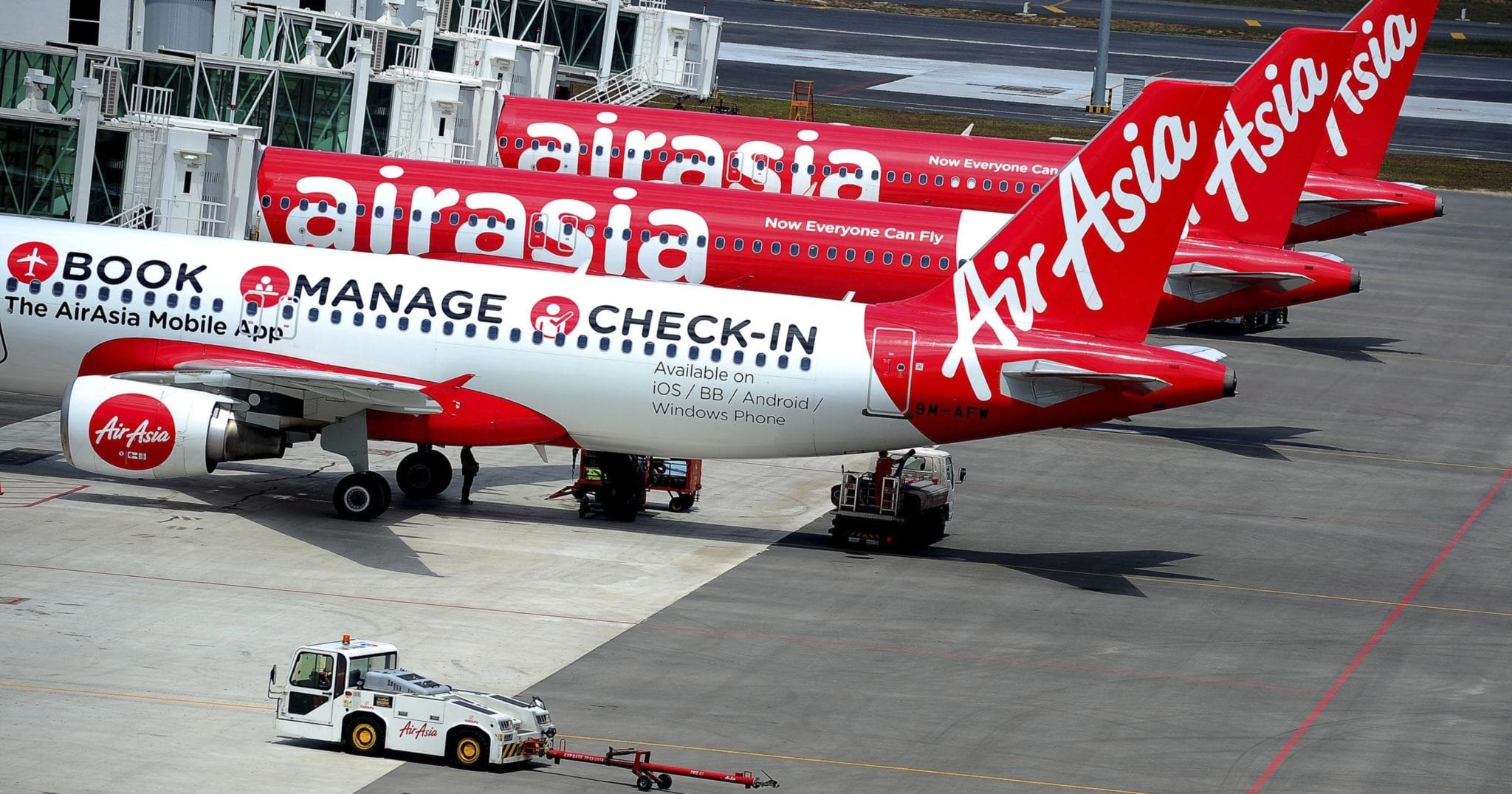
    Malaysia Airport Holdings (MAHB) has appointed former AirAsia executive Mohammed Shukrie Mohammed Salleh as its new chief operating officer.

    MAHB says that Shukrie will oversee strategies related to airport operations, safety and security, as well as planning and development.

    Shukrie was formerly AirAsia Malaysia’s chief operating officer, before moving to the current position.

    It is the second senior leadership appointment at the airport operator in 2019. In January, MAHB appointed its former finance chief Raja Azmi Raja Nazuddin as its chief executive.

    On Twitter, AirAsia group chief executive officer Tony Fernandes lauded the move, saying that he was “thrilled” that Shukrie would be joining MAHB.

    “He values partners, can communicate well and is a positive human being and a team player. These are qualities that have been lacking in MAHB so I’m sure with him there now things will improve,” he adds.

    AirAsia and MAHB have been embroiled in a legal spat over passenger service charges and service levels at Kuala Lumpur International airport. MAHB has initiated court action against the budget carrier over unpaid passenger service charges, while the low-cost carrier then responded with a counter-claim against the airport operator and has been pushing for mediation.

    MAHB manages 39 Malaysian airports, including those in Kuala Lumpur, Penang, Kuching, and Kota Kinabalu.

  • AirAsia India Desire Jet Airways’ Boeing 737s

    AirAsia India Desire Jet Airways’ Boeing 737s

    A joint venture of Tata group and Malaysian Air Asia, AirAsia India is planning to induct some of the Jet Airways’ Boeing 737s that have now been repossessed by lessors. The move comes at the time when full-service Vistara is also planning to induct some of Jet’s Boeing 737s in its fleet.

    AirAsia India Pvt Ltd’s (AAIPL) flying license has listed Airbus fleet for its operations. The low-cost carrier (LCC) has applied for operating Boeing aircraft and the ex-Jet B737s to aviation regulator Directorate General of Civil Aviation (DGCA), according to a ToI report.

    It is to be noted that currently, AAIPL has 20 Airbus A320s and may also add five more of these planes. It is looking at ex-Jet B737s as well.  The suspension of operations by Jet Airways has suddenly freed up slots at India’s busiest airports- Delhi, Mumbai, and Bengaluru. The government has linked a temporary granting of these slots to other airlines’ to add to the capacity and to help to control the fares. The domestic market shares of AAIPL was 5.9 percent and that of Vistara was 4.2 percent in March 2019.

    This summer, AAIPL will complete its five years and become eligible to fly abroad. Full-service Vistara has already got government’s nod to fly abroad. Vistara was the first private carrier to get permission for overseas flights under the amended rules. In 2016, the government amended the 5/20 rule, which required an airline to complete fives years of operations and has 20 planes in its fleet, to fly abroad to 0/20.

    Worth mentioning here is that Jet Airways had a significant number of flights to the Gulf and Southeast Asia, and bilateral to both these places had been exhausted. If in the coming weeks and months, Jet Airways does not revive then its rights for international flights would also be distributed to other airlines.

    Air India was also looking at ex-Jet B777s and AI Express at B737s, but so far they have not taken these planes.

    In a circular dated April 25, Pawan Hans management stated to its employees that the company is not in a position to disburse employees’ salaries for the April month due to the uncomfortable financial position in Pawan Hans.

  • South Korea already has 260,000 5G subs

    South Korea already has 260,000 5G subs

    South Korea’s mobile operators have already racked up over 260,000 5G subscribers since launching full-fledged services on April 3, government figures indicate. SK Telecom, KT and LG Uplus have been rapidly adding 5G customers during the first month of commercial 5G operations.

    Meanwhile the number of 5G base stations in the market has increased to over 54,200, up 7% from April 22. But coverage remains restricted to urban and dense population areas in capital city Seoul.

    But South Korean operators’ haste to be first to market with 5G for smartphones has led to some initial complaints over the coverage and speed of the 5G networks.

    According to the Ministry of Science and ICT, many of these initial complaints are being addressed, but more are expected to come to light as more people start using the networks.

  • Supermarkets lose Liquor Sales

    Supermarkets lose Liquor Sales

    Independent liquor retailers took back around 130,000 customers from supermarket chains over the 12 months to December 2018, increasing their market share from 9.8 per cent to 12.9 per cent, according to research firm Roy Morgan.

    Supermarket-owned chains, including Woolworths Group’s BWS and Dan Murphy’s, Coles Group’s LiquorLand, First Choice and Vintage Cellars, as well as IGA and Aldi, lost around 1.8 per cent of the market over 12 month period, according to Roy Morgan’s Alcohol Retail Currency report.

    “While the big two supermarket chains are competing, it appears to be largely at the expense of Aldi, IGA and other supermarkets all of whom lost share over the last 12 months,” Norman Morris, industry communications director at Roy Morgan, said.

    “Our research shows a number of drivers of buying behaviour in this market, including proximity to other shops, low prices, an easily browseable range, special offers, expert staff knowledge and good service.”

    Coles Group bucked the trend as the only major retailer to gain share over the year, jumping from 16.5 per cent to 18.1 per cent.

    And while Woolworths Group remains the clear market leader, with almost half of the alcohol market (48.3 per cent), its Dan Murphy’s brand lost 4.2 per cent of share during the period.

    Woolworths said yesterday that while Dan Murphy’s sales momentum improved over the 13 weeks to March 31, 2019, it is still expecting its Endeavour Drinks group EBIT to be below the prior year as it focuses on improving its range, service and convenience for customers.

    Likewise, Coles noted its Liquorland brand has struggled with a subdued market and lower promotional intensity in the beer category, especially over the New Year’s Eve period, which it said underperformed.

  • Angry Birds augmented reality mobile game Launched

    Angry Birds augmented reality mobile game Launched

    Rovio, the Finnish company behind the Angry Birds smash hit, announced last month that their first augmented reality mobile game is available for pre-order. Dubbed Angry Birds: Isle of Pigs, the game has now been released in the App Store and is available for free.

    Angry Birds AR uses Apple’s ARKit framework and is fully compatible with iOS devices like iPhone 6s and newer, as well as iPad 5th generation and later. Since this an Apple prime exclusive, it’s not available on Android and won’t be for a while. However, Rovio says that it’s exploring other platforms like Android, so we can expect the Finnish developer to expand the game’s availability to Google’s operating system too.

    As far as the gameplay goes, Angry Birds: Isle of Pigs takes players to a remote island where the greedy green pigs vacation in over 40 levels. You’ll meet some of the birds you already know and love, but in a more realistic environment that brings Angry Birds to life like never before.

    Thanks to the augmented reality technology, players can physically walk around structures overlaid onto objects in their own environment to find weak elements, identify different angles for the best accuracy, or discover hidden surprises that will allow them to take on the green pigs, earn more points, as well as unlock additional content.

    Keep in mind that the game may require internet connectivity and subsequent data transfer charges may apply. Even after the initial download, additional content may be downloaded, which may include data charges.

  • NOW Telecom details “NVNO” model

    NOW Telecom details “NVNO” model

    The Philippines’ NOW Telecom has introduced a new model aimed at partnering with small and medium sized businesses to deliver wireless broadband services to individual areas.

    The company’s new NOW Virtual Network Operator (NVNO) model will see the operator partner with SMEs and even individuals to bring NOW’s fixed wireless broadband technology to a particular area.

    The SMEs will be given exclusive distributorship rights over the broadband services in the given areas, which could be an office building or a local village area.

    NOW plans to enter five year business partnerships under a revenue sharing model. The business partner would be responsible for selecting the area, selling the product, marketing and installing the service and ensuring payment by subscribers.

    NOW’s Fiber in the Air service is a fixed wireless broadband internet service that provides guaranteed broadband internet for enterprises with a capacity of 2.4Gbps.

    To be selected, business partners will have a local business in the area and a strong local influence.

  • Unicom, Ericsson to collaborate on 5G development

    Unicom, Ericsson to collaborate on 5G development

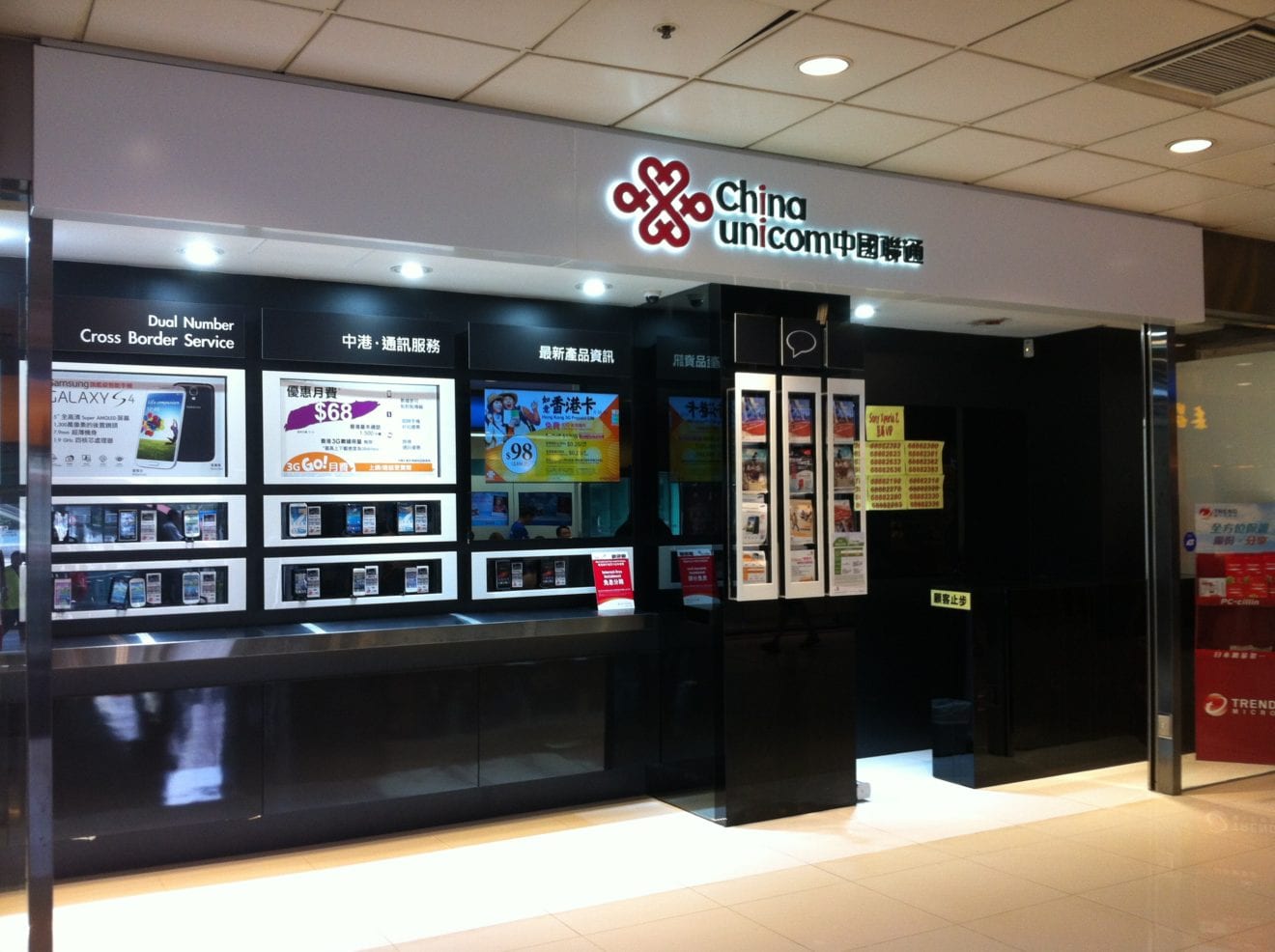
    China Unicom and Ericsson have signed an agreement to accelerate the development of commercial 5G technology.

    The agreement signed at China Unicom’s 5G Innovation and Cooperation Conference in Shenzhen involves further co-operation on a 5G test network.

    The companies have already completed innovative 5G projects, such as the live 4K HD broadcast of a marathon; live 8K HD broadcast of the Women’s World Club Volleyball Championship; 360 degree panoramic live broadcasting, and driving demos.

    Meanwhile China Telecom and Ericsson announced they are collaborating to provide an end-to-end 5G network for the Beijing Expo 2019 horticultural exhibition in Beijing’s Yanqin district.

    The two companies are providing an end-to-end 5G network for the expo offering a combination of garden art and 5G mobile edge computing (MEC) technology to provide visitors with 360-degree panoramic UHD video VR live broadcasting, 5G+VR live broadcasting, and 5G cloud gaming services.

  • Google adds Tiles to Wear OS To Show Useful Information

    Google adds Tiles to Wear OS To Show Useful Information

    From a totally redesigned UI and battery life improvements to faster Google Pay and bug fixes, no matter how big or small the update there’s no denying Wear OS by Google, as it’s now called, has come a long way since it was first introduced back in 2014 under the Android Wear branding.

    Today, to help improve the overall experience even more, the Silicon Valley-based giant has announced another pretty big update to its wearable-focused OS.

    Around eight months ago, as some of you may remember, a new Wear OS design was introduced that provided users with swipeable access to a variety of things. A swipe from the bottom of the screen showed recent notifications and Quick reply suggestions, while a swipe down displayed a variety of Quick Toggles. Similarly, a swipe over to the left side of the panel brought up the Google Assistant and over on the right sat Google Fit.

    The response to this new design since its launch last summer appears to have been largely positive, and now Google is building upon it with a cool new feature that it’s calling Tiles.

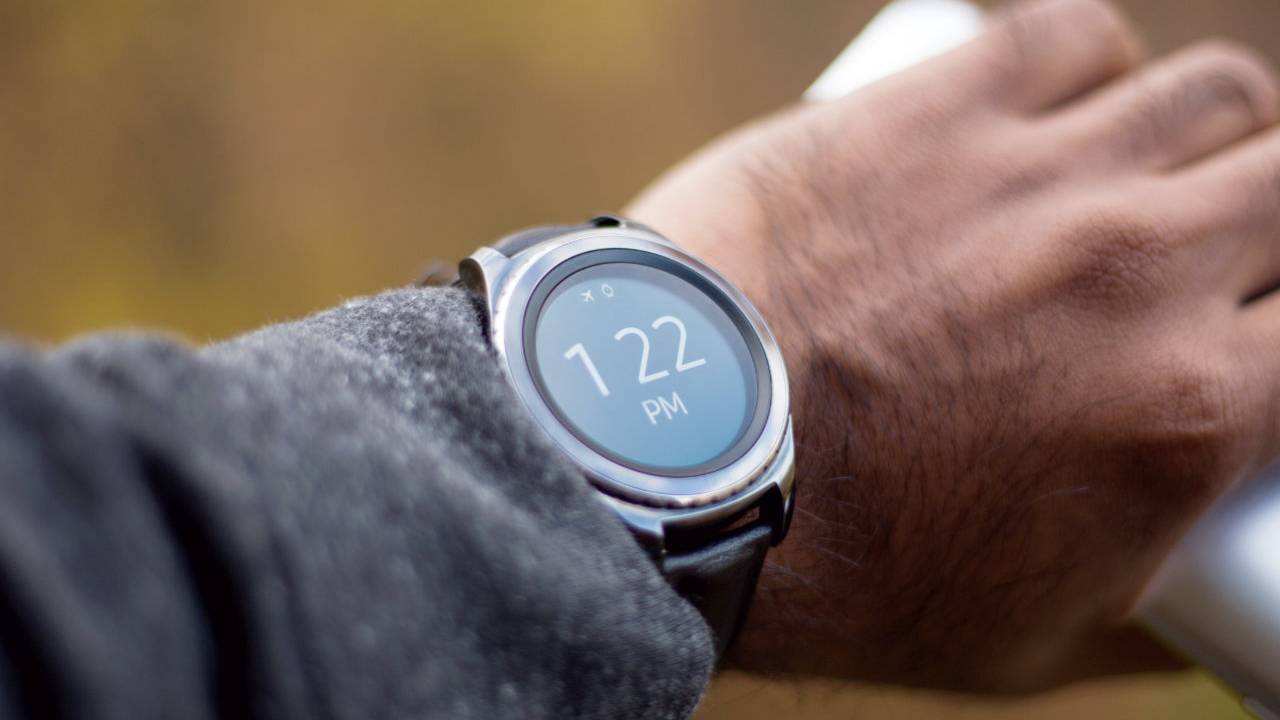
    As the name suggests, Wear OS by Google will soon integrate a number of tile-like cards into its UI that users can easily swipe through to see various bits of information that may interest them. Tiles are accessible by simply swiping to the left and, if users aren’t happy with the default order, they can be rearranged freely by long-pressing them and dragging each one individually until they are in the desired order. Alternatively, smartwatch owners can switch them around inside the Wear OS by Google app on their smartphone.

    According to Google, the initial rollout will include a total of six individual tiles. The first, called Goals, works just like the current Google Fit screen, allowing users to view their daily workout goals and start a physical activity with a simple tap.

    Another fitness-focused feature comes in the shape of the Heart rate Tile which, as expected, shows users their current heart rate. However, in order to use this one, consumers need a smartwatch with a built-in heart rate monitor. Alternatively, Bluetooth heart rate sensors such as straps can also be used.

    Joining Heart rate will be Next event and Forecast. The former does exactly what it says on the tin by displaying the next event in the calendar, while the latter allows users to prepare for the day by providing the local weather forecast.

    Completing the lineup of Tiles is Headlines which will constantly display the latest news headlines from a variety of different sources throughout the day. Also arriving as part of the update is the Timer tile which, as its name suggests, allows users to quickly set timers on their respective smartwatches.

    The new Tiles feature will begin rolling out to Wear OS watches across the globe over the course of the next month. An exact start date for this is yet to be confirmed, but Google does plan on showing the feature off at Google I/O next week where it’s also expected to announce the Google Pixel 3a and Pixel 3a XL, which will act as the company’s first mid-range smartphones.

    Regarding the future of Tiles, Google has confirmed that, over time,it’ll expand upon the current list of six by introducing new ones that center around different features. Eventually, users should have a Tile for every need.

  • First Asian Samsonite Premium store Coming to The Jewel

    First Asian Samsonite Premium store Coming to The Jewel

    The first Samsonite ultra-premium store in Asia is to open at Jewel Changi.

    The luggage brand is also planning one more outlet at Changi, raising its store network at the airport to five.

    “Every time we come up with something new, something big, we launch it first in Singapore,” Subrata Dutta, president and CEO of Samsonite Asia-Pacific told.

    “This is a new retail concept that further elevates the look and feel of the brand to something more luxurious. At Jewel, we get travel traffic from around the world. When you do something in Singapore, you get noticed by the right people.”

    Samsonite has also opened an American Tourister outlet at Jewel Changi, and will open a store at the revamped Funan mall, scheduled to open in the second half of this year.

  • CMR says most smartphones in India go for below industry ASP

    CMR says most smartphones in India go for below industry ASP

    The CyberMedia Research (CMR) report, “CMR India Mobile Pricing Index 2018”, revealed that 80% of smartphone brands are selling their handset below the average price of smartphones in India.

    Consumers want sleeker and cheaper devices, even as they demand overall better user experience, all contributing to increased average sales value of smartphones. CMR says in CY2018 India was one of the few major smartphone markets that grew by around 10%. It expects 2019 to be no different.

    According to Narinder Kumar, lead analyst -IIG CMR, “CY2018 witnessed growth in average sales value (ASV of smartphones largely due to upgradation. A majority of the current smartphone shipments are essentially upgrades, driven by consumers seeking more from their smartphones.”

    Indian and Chinese brands contributed the most to below industry average ASV, whereas 60% of brands in above ASV segment were global brands, including Apple, Google and Samsung.

    “The decline in above ASV percentage can be attributed to increasing market consolidation. There was around 10% decline in numbers of brands operating in the 4G Smartphone space. With top 10 players contributing 80% – 85% of market, there is stiff competition for rest of brands,” stated Narinder.

    CMR anticipates growth in ASV in CY2019, driven primarily by increasing consumer demand.

  • Mi Band 4 about to Arrive

    Mi Band 4 about to Arrive

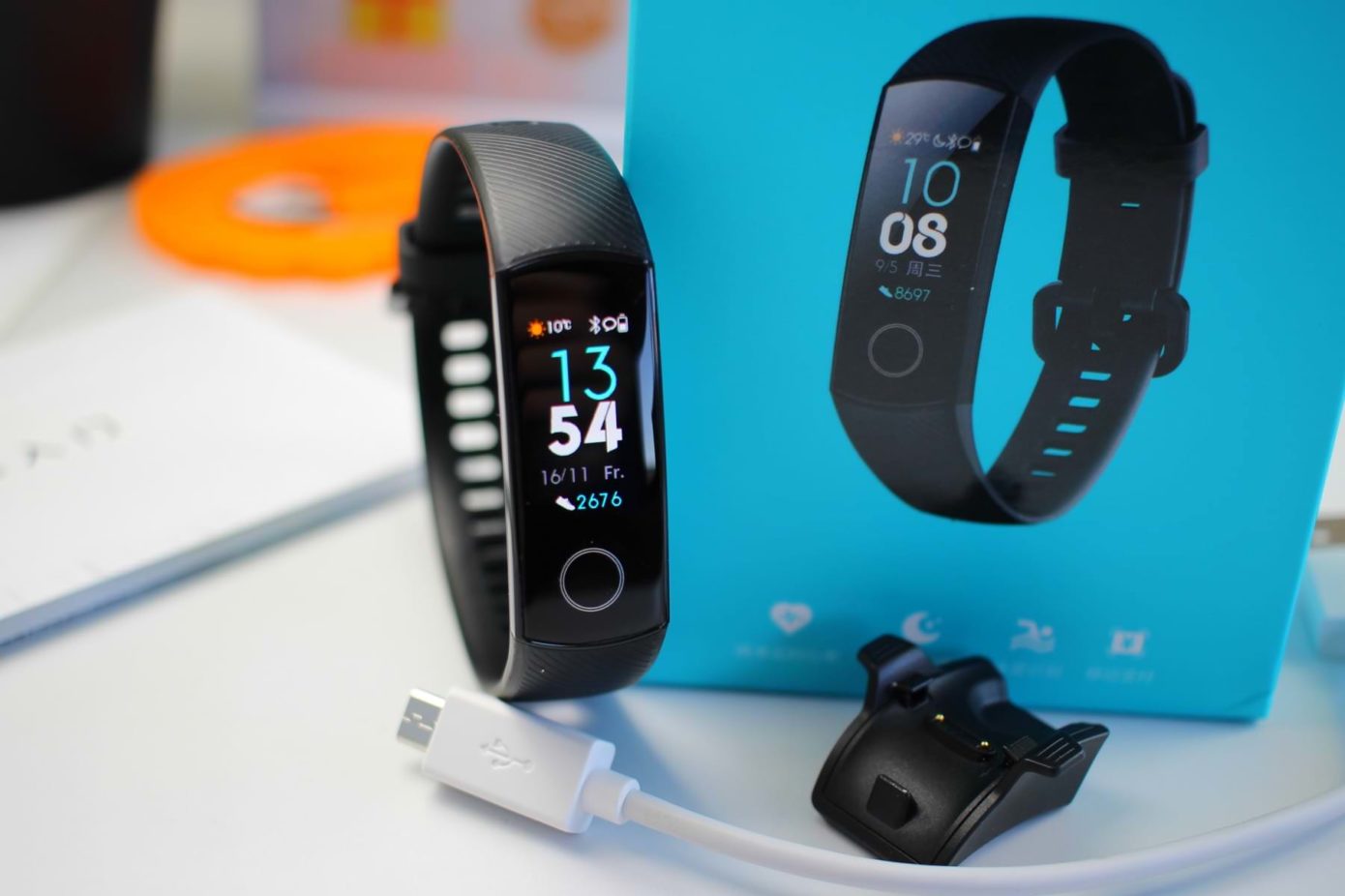
    Back in March, we told you that the Xiaomi Mi Band 3 fitness tracker is selling so briskly, Xiaomi was in no rush to release the sequel. One reason for the heavy demand is the wearable’s low price. Sold for $30 on Amazon, the device measures a user’s heart rate, counts the number of steps he or she has taken, monitors sleep quality and much more.

    But even the Mi Band 3 must step aside for a newer version with even more features. And today, spotted by DroidShout,  one of the two Mi Band 4 variants received certification by Taiwan’s National Communications Commission (NCC).

    The Mi Band 4 that was certified is model number XMSH07HM; this is the unit without NFC support. Another version with the model number XMSH08HM will come with NFC support, most likely so it can be used with the Xiaomi Pay mobile payment service. That model will be sold in China only. Both units received certification in March from the Bluetooth Special Interest Group, revealing that the Mi Band 4 will be equipped with Bluetooth 5.0 LE (Low Energy). The current model uses Bluetooth 4.2 LE.

    The NCC certification included several pictures of the Mi Band 4’s main module. There has been speculation that the Mi Band 4 will come with an electrocardiogram (ECG) scanner, similar to the one on the Apple Watch series 4. This is used to detect conditions like Atrial Fibrillation (AFib), an abnormal heart rhythm that can lead to strokes, blood clots, and death.

    Now that the Mi Band 4 is beginning to get the thumbs up from various organizations, its unveiling and eventual release surely can’t be too far away.