Tag: asia

  • New Google Feature will Automatically Delete your Personal Data

    New Google Feature will Automatically Delete your Personal Data

    It isn’t a secret that Google tracks your location, activities and web usage through your phone. By allowing the company to monitor your Location History, Google can recommend a nearby restaurant, and allowing the company access to your personal data makes other Google apps more useful to you. At least that is what Google says. There already is a way for you to manage this information, but in a new blog post that Google published today, the company said that it has received feedback from users who want an easier way to manage or delete their personal data.

    You can already manage this data using your Google Account. On an Android phone, go to Settings > Accounts > your Gmail address > Google Account > Manage your data & personalization. From there you can opt-out of Web & App Activity, Location History, Voice & Audio Activity, Device Information and YouTube Search History. Click on the section titled Manage your activity controls to stop Google from tracking your use of Chrome and other apps.

    But the auto-delete tools that Google announced today will allow you to select how long you want Google to save your personal data. You can choose to save it for 3 months, 18 months, or until you manually delete it. If you pick 3 months or 18 months, any data older than the option you select will automatically be deleted on an ongoing basis.

    “Whether you’re looking for the latest news or the quickest driving route, we aim to make our products helpful for everyone. And when you turn on settings like Location History or Web & App Activity, the data can make Google products more useful for you—like recommending a restaurant that you might enjoy, or helping you pick up where you left off on a previous search. We work to keep your data private and secure, and we’ve heard your feedback that we need to provide simpler ways for you to manage or delete it.”-Google

    This new feature will first be made available for Location History and Web & App Activity and Google will start pushing it out in a few weeks.


  • The Motorola One Vision Will be Announced Soon

    The Motorola One Vision Will be Announced Soon

    Motorola has released a total of three Android One smartphones since 2017 – the Motorola One, One Power, and Moto X4 – but soon this list could expand with the launch of the Motorola One Vision.According to one Twitter user with a seemingly solid track record, the Motorola One Vision will make its official debut at an event held in São Paulo, Brazil on May 15th. To further back up his claim, an official-looking invite to the event was provided.

    Brazil isn’t typically the first place manufacturers head to for device announcements, but for Motorola it’s nothing out of the ordinary. Since mid-2014, the Chicago-based brand has been the second-largest smartphone vendor in Brazil behind Samsung. Most of this success is down to the budget Moto G and Moto E lineups, but from the look of things Motorola now wants to increase its sales in the mid-range segment.

    As specified by recent leaks, the Motorola One Vision should arrive equipped with a large 6.2-inch display that boasts a tall 21:9 aspect ratio and a small cut out in the top corner. It’s unclear at the moment what kind of selfie camera the latter will house, but rumor has it the smartphone will come equipped with a 48-megapixel sensor on the rear that’ll be paired with a dedicated depth sensor.

    On the internal side of things, the One Vision looks set to be Motorola’s first smartphone with a Samsung processor in side. Specifically, the Exynos 9610 that was recently used inside the Galaxy A50 was rumored. Performance-wise, this should be on par with the Snapdragon 660.

    Also to be expected is stock Android 9 Pie and a decent 3,500mAh battery. Additionally, 3GB of RAM and 32GB of storage are expected, although variants with 4GB of RAM and either 64GB or 128GB are said to be on the way too.

    Lastly, regarding the pricing and availability, the Motorola One Vision will apparently be sold in both Blue and Gold and could potentially be sold in the US in addition to Europe, Latin America, and China. The smartphone’s pricing currently remains a mystery, but this device could potentially replace the original Motorola One which means a $399 price tag seems likely.

  • CX is Critical to Cuccessful for Etailers

    CX is Critical to Cuccessful for Etailers

    Why a personalised and convenient engagement with shoppers is critical in online stores. Consumers are expecting more personalised and convenient experiences from retailers and brands in the B2B space.

    Research shows 58 per cent of online shoppers expect retailers to provide a more personalised user experience while 64 per cent of consumers have purchased online because of free shipping.

    That’s one of the key conclusions shared at a recent seminar in Hong Kong jointly organised by digital retail-experience agency Moni and e-commerce platform Magento, to share best practices in the industry and guide retailers on successful strategies for rolling out an e-commerce platform in Asia.

    Ensuring a superior customer experience cannot be achieved by adopting a one-size-fits-all prospect. It is critical to deliver consumers an excellent experience across every channel, including e-commerce.

    “Experience-driven commerce provides a comprehensive and flexible platform to make every moment personal and every experience shoppable,” says Mel Lim, enterprise sales manager – APAC at Adobe Magento.

    Delivering a personalised, customised experience of providing product recommendations based on a customer’s browsing history, presenting a dynamic call to action and saving abandoned carts, for example, are just some of the prime goals for online retailers in today’s multi-channel environment.

    Today, 77 per cent of consumers expect retailers to provide an end-to-end, connected experience which is consistent and integrates in-store and online.

    “Designing a true omnichannel experience is to provide customers what they want, when they want and where they want it – by delivering seamless experiences across all channels,” says David Francois, MD at Moni.

    The success of an omnichannel initiative depends on a combination of the brand’s presence – not only through an e-commerce store, but also on marketplaces, by initiating social commerce and by how well the online and offline experience is in sync, he says.

    Marketing automation can boost sales

    Cart abandonment is a constant challenge for e-commerce companies worldwide, with US$4.6 trillion worth of merchandise left unpurchased in online carts every year. The 77-per-cent cart-abandonment rate can be minimised by optimising an online store, taking steps such as simplifying the check-out processes and implementing marketing-automation tools to capture the lost sales.

    Magento has more than 4400 extensions to empower the platform, including an abandoned-cart automation tool powered by Dotmailer that produces professional, personalised email communications and reports user data from a company’s Magento store.

  • Vodafone’s reveal keeps the pressure on Huawei

    Vodafone’s reveal keeps the pressure on Huawei

    In this week’s news is yet another story about Huawei and security as European telecommunications operator and regulators continue to scrutinize the gear in advance of 5G deployments. This one is historical though. Apparently Vodafone found security flaws in Huawei gear its Italian unit bought back in 2011 and 2012.

    In the technical sense, this is hardly a surprise. Vulnerabilities and patches are an ongoing part of pretty much all software development, and in this case the problem came with the telnet protocol. There was a day when telnet was a thing for everyone, but these days it’s more a diagnostic thing. According to Vodafone, the flaw would not have been accessible via the internet and was quickly patched. All vendors have processes to handle exactly this sort of thing, and all have done so many times. So the fact that it happened eight years ago in this case is news today only because it was Huawei.

    But the pressure to block Huawei from 5G deployments continues unabated. The contention is that because China requires all its companies to help its national security apparatus and Huawei (like every major Chinese company) has deep ties to that apparatus. On the one hand, it’s easy to envision spies doing this sort of thing. On the other hand, it’s very hard to imagine such deliberate vulnerabilities remaining undetected for long in a suspicious world.

    The most recent development came a few days ago when KPN decided Huawei gear was fine for radios and antennas, but not when it comes to the gear in its core 5G network. They’ve got a deal in place, but with an exit clause in case regulators or lawmakers act to ban Huawei entirely. That seems to have emerged as the consensus response of European telcos to all this pressure, a way to keep Huawei in the mix while still mollifying critics and covering themselves legally.

  • Outdoor Retailers Fighting for Market Share

    Outdoor Retailers Fighting for Market Share

    Outdoor retailers Kathmandu and Decathlon are vying for a piece of Australia’s ski and snowboard market this winter.

    Both businesses are launching inaugural snow collections, despite the fact that less than a million Australians regularly or occasionally ski or snowboard, according to 2018 data from Roy Morgan.

    On Thursday, Kathmandu launched its inaugural snow collection called Styper, which includes ski jackets and pants for adults and kids, as well as goggles and snow luggage.

    “Designed to suit beginner and intermediate levels, as well as the more sophisticated skiers, the pieces connect seamlessly together to keep warmth in and snow out, and are made with sustainable, state of the art ngx2 fabric technology that is waterproof, wind-proof and breathable,” the retailer said in a statement.

    The launch comes on the heels of Decathlon’s announcement that it is introducing more than 100 ski and snowboard-specific product lines from its Wed’ze brand available in Australia this year.

    The European discount retailer described its offer as an affordable option for people who want a trusted brand and good advice. The range will include adult ski jackets and pants for under $100, adult ski gloves for less than $40, kids’ ski gloves for less than $20, neck warmers and beanies for $10 and ski and binding packages for under $500.

    The price point is considerably lower than Kathmandu, which starts at $199.98 for kids and $349.98 for adults.

    Kathmandu’s collection is available in-store in Australia and New Zealand, while Decathlon’s collection is available in-store and online in Australia.

    Fashion brand SuperDry has been selling its snow range in Australia and New Zealand for the past three years.

  • Ikea’s first small-format store Without Check-Outs

    Ikea’s first small-format store Without Check-Outs

    Ikea Australia officially opened its first small-format store on Friday at Warringah Mall on Sydney’s Northern Beaches.

    The 98sqm store is the retailer’s first Home Planning Studio, where customers can book one-on-one planning sessions with staff to design their dream kitchen or bedroom storage solution.

    The store lacks many of the signature features consumers have come to associate with the Swedish flatpack giant, including a warehouse, blue plastic ‘Frakta’ bag and meatballs, not to mention checkouts.

    Instead, customers purchase their kitchen or storage solutions online at the studio, with the items delivered directly to their home. Customers can also shop a digital wall of homewares, which they can add to their virtual bag and transfer to their mobile device for checkout.

    This digital-first, highly personalised shopping experience is geared towards a different type of customer than the typical Ikea shopper, according to Jan Gardberg, country manager of Ikea Australia.

    “With the Ikea Home planning studio we have reinvented the traditional Ikea experience for a different audience, with different shopping needs putting digital at the heart of the customer’s journey. However, the digital experience is delivered in our most personalised approach yet,” he said.

    “The customer’s wants and needs for their kitchen or bedroom storage solution are the starting point, and the experience they will receive in the Home Planning Studio will be personalised from there.”

    Customers are advised to book their kitchen and storage consultations in advance, but they can also drop in and browse. It costs $99 for a two-hour kitchen planning session, which is refunded on the purchase of a kitchen within the session.

    The studio also includes a projector tool, which allows customers to envision what their ideal wardrobe will look like by projecting it onto a wardrobe front.

  • Online fashion retailers Starting to Limit Free Deliveries

    Online fashion retailers Starting to Limit Free Deliveries

    Zalando, Europe’s largest online-only fashion retailer, has said it will begin to charge delivery for smaller orders across more markets in response to shrinking order size.

    The e-commerce business initially enjoyed rapid growth due to its free delivery and returns, but the rise of mobile commerce has changed customer behaviour, with the size of orders getting smaller, driving up logistics costs.

    Zalando has already introduced a minimum order value to qualify for free delivery in Italy, Spain, Britain and Ireland, which has had no effect on customer satisfaction, according to the company’s finance chief David Schroeder.

    The initiative now will be extended to Denmark, Sweden, Finland and Norway at the end of May.

    The move echoes H&M’s announcement last month that it would reintroduce delivery fees for its loyalty club members to cut down on similar logistics costs and restore profitability.

    “We have a lot of logistics around the customers that shop online,” H&M head of customer loyalty Samuel Holst told.

    “For the plus level, deliveries will remain free for all purchases, but for the base level there will be a cap. You will need to shop for a certain amount to get free delivery.”

    While many retailers have invested significant sums in designing their websites and ad campaigns for mobile, these changes suggest that more work is needed to adapt retail businesses to the smartphone era.

  • Samsung Galaxy Note 10 Going back to a Curvy Display

    Samsung Galaxy Note 10 Going back to a Curvy Display

    Ever since the debut of the Galaxy Note Edge, curved displays have been a trademark of Samsung flagship phones. And although in recent years the company seemed to be moving away from the extreme slanted edges of the aforementioned model and some of its successors, the upcoming Galaxy Note 10 may actually draw inspiration from Samsung’s older designs.

    The Samsung Galaxy Note 9 and Galaxy S10 and S10+ have very subtly curved displays that serve mostly to accentuate the extremely thin side bezels and as an excuse for the Edge Screen to exist. With the initial “wow” factor of the curved design gone, it made sense for Samsung to dial back the exaggerated contours in favor of a more restrained look.

    All that said, according to resourceful leakster @UniverseIce, the Samsung Galaxy Note 10 may flaunt a “more aggressively curved display than the Note 7.” The unfortunate Galaxy Note 7 didn’t have an extremely curved screen, at least when compared to some older designs, so it would be interesting to see what the Samsung does with the Note 10. If the company is going back to displays with more pronounced curved edges, we’re hoping that it does so with a clear idea of how to enrich the user experience. When the Galaxy Note Edge launched, its slanted screen was certainly new and different from anything else on the market, but the company itself later proved that the functional aspects of the Edge display can be successfully replicated on more subtly curved designs.

    Another interesting remark that Ice Universe makes is that “more than one brand” will follow Samsung’s example and launch a device with a “more aggressively curved display.” This trend didn’t really take off in the past, but if the Note 10 does, indeed, do something very creative or convenient with this rumored design, then more companies may follow suit. We’ve been hearing rumors the OnePlus 7 may have a curved screen, though they are conflicting.

    Earlier this year, we envisioned what the Samsung Galaxy Note 10 may look like, based on rumors and preliminary information. We suggested that the Note 10 might have a hole-punch selfie camera, akin to that of the Galaxy S10+. However, Ice Universe later told us that he expects the Note 10 to have a smaller camera opening than the Galaxy S10. He didn’t specify whether that means a single front-facing camera or just a smaller opening for the two lenses.

    Last month, Ice Universe tweeted: “Da Vinci is symmetrical.” This may seem cryptic at first, but since the Galaxy Note 10 is codenamed Da Vinci, this could be a hint that the phone’s front-facing camera may be centered, rather than offset like on the Galaxy S10. Many people wanted the S10 models to have centered selfie-cameras—if only for symmetry’s sake—and this may actually happen with the Note 10.

    What do you make of all this? Do you miss the more rounded screen edges that some Samsung phones had in the past, or are you just fine with the more subtle designs of the past couple of generations? What about the screen camera punch-hole? Centered or offset to the right? Yes, we know, you’d rather it disappeared for good, but that’s not happening this year, apparently. Tell us what you think in the comments below!

  • HelloFresh to monetise Tasty Perks

    HelloFresh to monetise Tasty Perks

    HelloFresh has launched a new in-box sampling service called Tasty Perks, which allows brands to test new products on the meal kit company’s customers for a fee.

    The in-box advertising program creates a new revenue stream for HelloFresh and gives it additional insights into its customer base. For food and beverage brands, it presents an opportunity to bypass the supermarket shelf and reach customers in their kitchens.

    “Our in-box sampling breaks through the clutter of all other marketing forms because it enables customers to try new brands risk free,” David Williams, HelloFresh senior manager of loyalty and partnerships, said.

    “We generally ask for at least two samples per box to ensure the products get a change to resonate with our customers. To support, we also offer an in-box flyer and social media amplification as part of the package.”

    Customers are incentivised to complete a tailored questionnaire to gain their feedback on products, which HelloFresh’s data analysts can analyse.

    HelloFresh claims to have served 2.04 million active customers worldwide during Q4 2019.

    A HelloFresh spokesperson told this service is offered in other markets, but has been refined over the last six-months to give the best experience in Australia.

  • Ebay launches e-commerce training program in Singapore

    Ebay launches e-commerce training program in Singapore

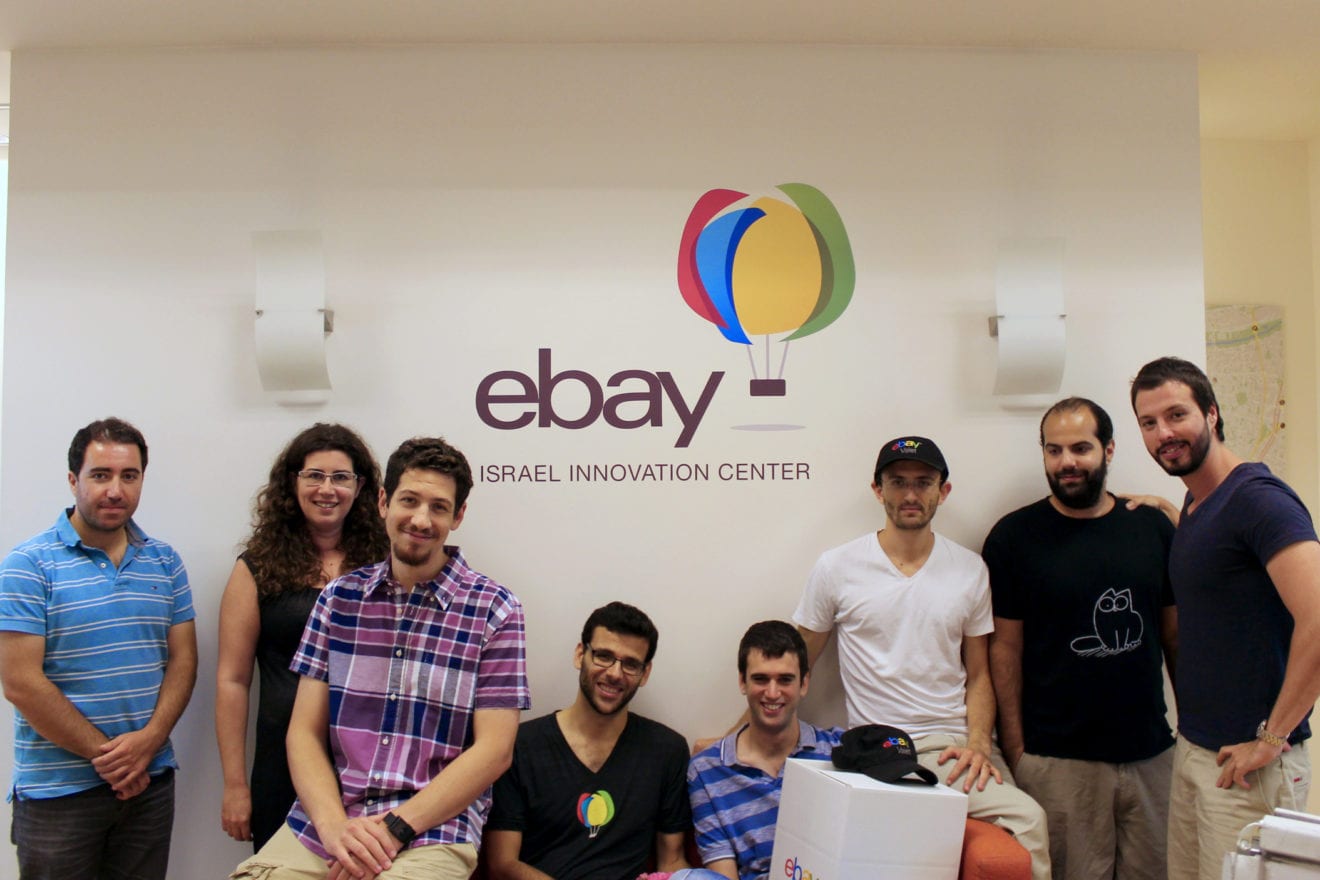
    Ebay Singapore and the Institute of Retail Studies have partnered in an e-commerce training program.

    Called “Let’s Ebay with SIRS”, the full-day workshop aims to help aspiring entrepreneurs kickstart their e-commerce business and connect with the global marketplace of active buyers.

    The program was designed for small businesses and entrepreneurs who have little or no e-commerce experience but want to learn directly from the source.

    Singapore’s e-commerce market is expected to grow by 48 per cent to S$10.04 billion by 2022.

    “Singapore’s cross-border trade continues to grow and there is a huge opportunity for more small businesses to join the ranks of Ebay sellers,” said Wong Mei Inn, Ebay‘s head of Southeast Asia seller growth.

    “By listing their products on Ebay’s global marketplace, Singaporean businesses can reach 180 million active buyers all around the world.”

    SMEs contribute to 72 per cent of Singapore’s employment, and added a nominal value of $213.6 billion, or 48 per cent to the economy last year.

    “E-commerce has been recognised as one of the key growth opportunities under the 2020 vision of the Retail Industry Transformation Map launched by Spring Singapore (now Enterprise Singapore),” said Megan Ong, Nanyang Polytechnic’s Singapore Institute of Retail Studies director.

    “By partnering with Ebay, we will be able to encourage retailers in Singapore to adopt e-commerce and omnichannel strategies to succeed in today’s digital context.”

    Following the workshop, the two parties launched an Ebay onboarding program which further enables SMEs to optimise cross-border selling and manage operations.

  • Personalisation trend hits photo booths With Disney

    Personalisation trend hits photo booths With Disney

    Kmart shoppers are now able to personalise a range of stationery, mugs, photos and other products with characters and motifs from Disney, Pixar, Star Wars and Marvel movies, cartoons and comics.

    The offering is the result of a partnership between Kodak Moments, which operates the photo kiosks in Kmart stores nationwide, and The Walt Disney Company in Australia and New Zealand.

    It is the latest example of brands’ and retailers’ efforts to differentiate their products, and convert customers, by forging an emotional connection wtih shoppers and giving them the option to put their personal stamp on items.

    “This fantastic collaboration not only provides children with a fun photo and learning opportunity… but also allows our cherished characters to be part of Australian stories,” Megan Sanders, vice president and general manager for Star Wars and consumer products commercialisation at The Walt Disney Company Australia and New Zealand, said.

    The customisable range includes 2800 designs for educational charts, party invitations, greeting cards, border prints, posters, magnets, and mugs.

    “Everyone has a favourite photo that instantly delivers warmth, comfort and a special memory,” Gavin Wulfsohn, Kodak Moments sales and marketing manager for Australia and New Zealand, said.

    “Adding these Kodak Moments – alongside a touch a Disney magic – to our educational charts can make all the difference in encouraging children to read and count while developing a lifetime love of learning.”

    Kodak has served as the in-store photo provider for Kmart’s photo centres since 2015, allowing customers to create a range of photo products including prints, posters, books, canvas and mugs.

  • Kyoto Ichinoden chooses Hong Kong

    Kyoto Ichinoden chooses Hong Kong

    Japanese restaurant chain Kyoto Ichinoden has opened its first overseas restaurant in Hong Kong.

    The launch celebrates the brand’s 100th anniversary while also tapping into the city’s unique role in the region and its close ties with the Mainland market for future expansion.

    Kyoto Ichinoden’s debut local restaurant has opened at Ocean Terminal, Harbour City, in Tsim Sha Tsui. It serves traditional Japanese cuisine including Kyoto kaiseki (multi-course dinner) and traditional Kyoto dish saikyozuke (seasonal meat or fish fillet pickled in Saikyo miso).

    “Hong Kong is a vibrant city situated in the heart of the region,” said Kyoto Ichinoden HK president Jumpei Tanaka.

    “Strategically, Hong Kong is our first choice for expansion because of its geographical and economic advantages. Moreover, there is a strong passion for Japanese food, so this gives Japanese restaurants a very good head start to set up a presence here. The city is also very strong in terms of logistics and transportation, ensuring efficient supplies of fresh ingredients – essential for the operation of high-grade Japanese restaurants like ours.

    “We expect that soon we may reach out to the Mainland market and other places in East Asia from Hong Kong, given that the city is close to the Mainland market and a major business hub in Asia.

    “As the Greater Bay Area (Guangdong-Hong Kong-Macao Greater Bay Area) has become an important development and that Hong Kong plays a key role within it, having a first overseas base in Hong Kong will also help our brand build solid customer confidence and spread quickly to the Greater Bay Area in the near future.”

    InvestHK helped Kyoto Inchinoden launch in Hong Kong.

  • Muji Singapore opens Large store at The Jewel

    Muji Singapore opens Large store at The Jewel

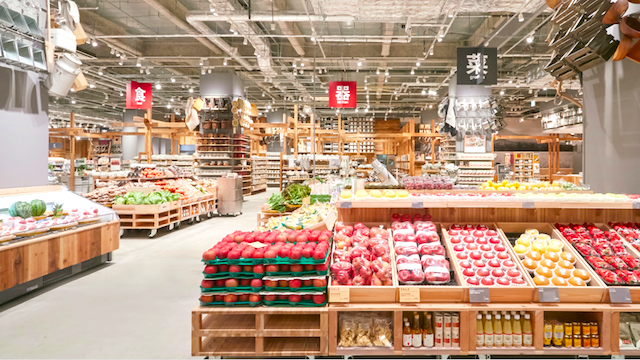
    Muji Singapore has opened a two-storey store at Jewel Changi. The 12th outlet of the popular Japanese minimalist brand houses more than 4000 products and an 88-seat Cafe&Meal dining area.

    The product range includes apparel, furniture, kitchenware, toiletries, stationery and food items.

    Designed by Tokyo-based design company Super Potato, the store also offers the largest range of Muji’s fitness line, the Walker series.

    The store also features an interior-advisory service, available to recommend customisable solutions to customers.

    Muji Singapore chose Jewel Changi as its newest location to showcase the ‘world of Muji’ to Southeast Asian customers.

    Naoki Kadoike, MD at Muji Singapore and Malaysia, expects about 40 per cent of customers will be tourists, the remainder locals.

    “When I was posted here in January, I realised how similar Singaporeans are to the Japanese. People are very conscious of having a good lifestyle and there is a common understanding of Muji’s philosophy,” Kadoike said.

    Meanwhile, Muji Singapore plans to introduce the Muji Passport app, providing local customers with information about the brand and promotions, along with weekly newsletters.

  • Apple to open Beats Powerbeats Pro Orders

    Apple to open Beats Powerbeats Pro Orders

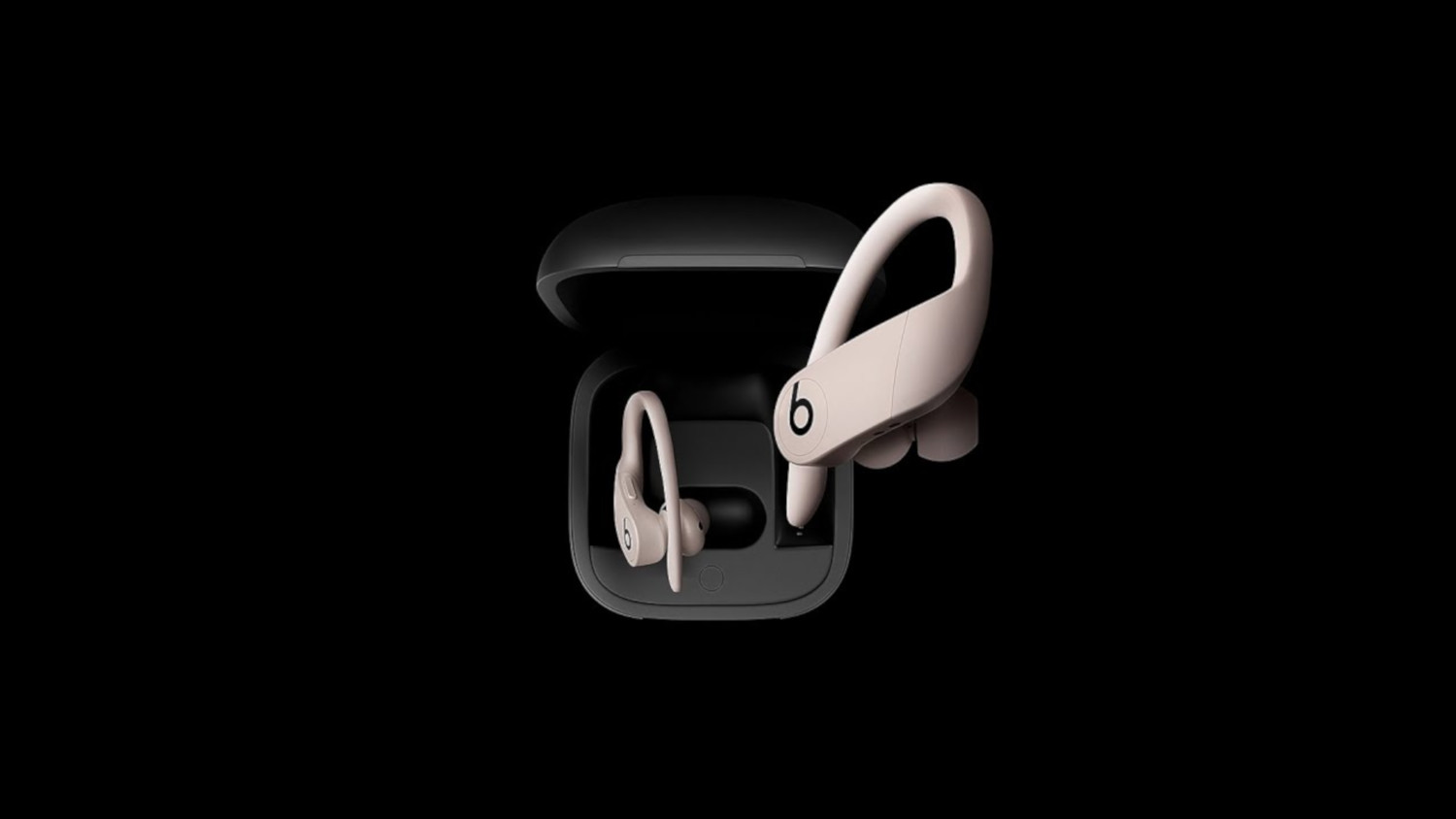
    Unveiled early this month, the Beats Powerbeats Pro earphones will make their debut on the market in May. However, Apple didn’t say when exactly customers will be able to purchase the earphones, but it did confirm they will be available for $250.

    The Powerbeats Pro will be up for pre-order in the United States and Canada starting May 3 for the price mentioned above. Also, those who want to wait get the earphones directly from the stores will be able to do so beginning May 10.

    Apple also announced that only the Powerbeats Pro in Black will be available for purchase in May, while the Ivory, Moss and Navy will go on sale “this summer.” Of course, price and specs remain the same for all color options.

    Speaking of specs, the Powerbeats Pro are equipped with the same Apple H1 chipset that comes inside the AirPods 2 and offers up to 9 hours of battery life (charge 5 minutes for up to 1.5 hours of battery life). They’re sweat and water resistant, and feature full “Hey Siri” support on iOS devices, as well as voice capability with the push of a button.

    The earphones come with charging case and a lightning to USB-A charging cable. You’ll also notice that the earphones feature volume and track controls on each earbud so you can play both sides on just one at a time.

  • The HTC Exodus 1 blockchain phone is getting a second generation

    The HTC Exodus 1 blockchain phone is getting a second generation

    If you don’t remember the HTC Exodus 1 don’t worry, you’re probably not alone. The $699 flagship-level device was announced last October and represents HTC’s first attempt at a so-called blockchain-powered smartphone.

    This unique focus undoubtedly limits the product’s appeal quite heavily. In fact, for the first few months the smartphone could only be purchased using cryptocurrencies. HTC, nevertheless, still seems pretty pleased with how it performed – the smartphone has already met the company’s sales target – and has now confirmed that a second-generation device is indeed on the way.

    According to the person leading HTC’s blockchain efforts, Chief Decentralized Officer Phil Chen, the Exodus 2 will be released before the end of 2019 in the hope of boosting both the brand’s blockchain ecosystem and smartphone sales. Specifics about the design or specs weren’t provided, but it seems likely that it’ll be based on the company’s next-gen flagship.

    Regarding features, the current-gen Exodus 1 focuses primarily on the management of cryptocurrencies and virtualized personal electronics wallets. But with the new phone, blockchain support will be extended to include other areas such as browsing, messaging, and even social media.