Tag: asia

  • Trump’s threat could lead to higher Apple iPhone prices

    Trump’s threat could lead to higher Apple iPhone prices

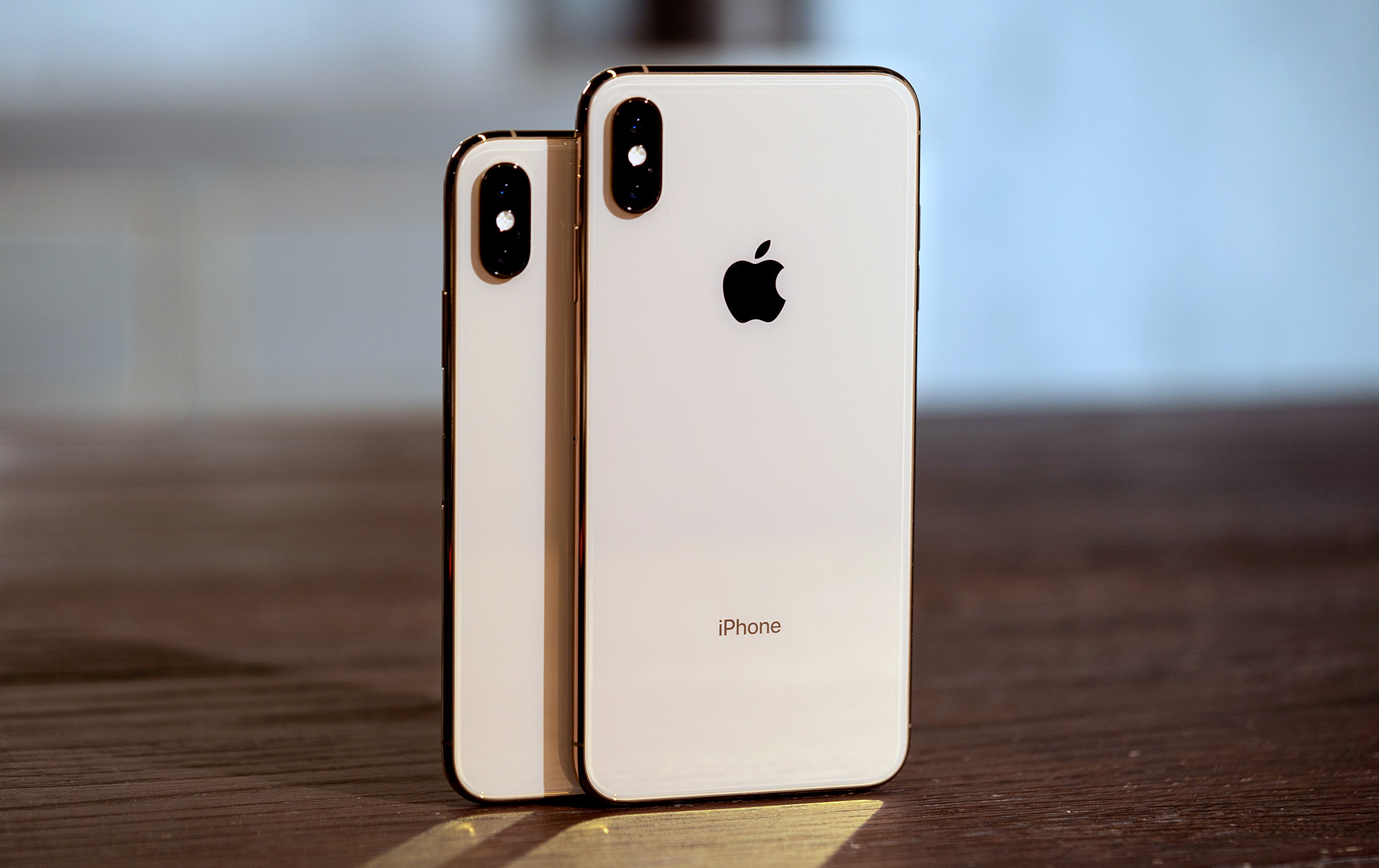
    If you live in the U.S., be prepared to pay more for the Apple iPhone. A multi-part tweet disseminated today by President Donald Trump revealed that starting next Friday, $200 billion of Chinese goods imported into the U.S. will be taxed at a 25% rate, up from the current 10%. Trump also noted that $50 billion of hi-tech goods from China that are imported by the U.S. already are taxed at 25%. While the Apple iPhone and other Apple devices have managed to evade the tariff charges, Trump is now talking about taxing hundreds of billions of dollars of additional Chinese products imported into the states, possibly including the iPhone. While Apple designs its products in the U.S., they are assembled by contract manufacturers in China and imported into the U.S.

    Trump could be merely seeking to raise the pressure on China to reach an agreement with the U.S. A negotiating team from the country will travel to Washington this week for a round of talks. This could be the last chance for both nations to reach an agreement and end a trade war that has weakened China’s economy. That weakness has hurt Apple’s business in the country. During the company’s fiscal second quarter, which ran from January through March, Apple saw its sales in China declined by 21.5% from $13.02 billion to $10.22 billion.

    The trade war between the U.S. and China went into high gear last March when the president announced a 25% tariff on $50 billion of Chinese tech products sent to the states. A couple of weeks later, the Chinese retaliated by adding a tax on 128 products imported from the U.S. The Times reported last summer that Trump had told Apple CEO Tim Cook that he would not place a tariff on the iPhone (he uses two of them, one for tweeting), although that report was later denied by the White House.

    So why has Trump decided to engage in a trade war with China? The U.S. has run a large trade deficit with China for years, and while many economists will say that this shows that U.S. consumers are wealthier than their Chinese counterparts and can afford to purchase more goods from that country, the president sees it differently. He views the trade deficit as a scoreboard showing that the U.S. is losing when it comes to trade with China.

    The president also could be losing patience with Apple CEO Tim Apple Cook. Trump has said numerous times that Apple needs to move the production of its products to the U.S., and tweeted last September that Apple could avoid tariffs by moving jobs to the U.S. And in a bizarre episode that has never been explained, back in June of 2017 the president said that he was told by Tim Cook that Apple would build “three big plants, beautiful plants” in the U.S.The president said at the time that he couldn’t say where the factories would be located, or what they would produce. There was a good reason for that; Apple denied that this conversation ever happened. But to illustrate how the president thinks, he had previously told that he wanted Apple to build its best factory in the states “even if it’s only a foot bigger than someplace in China.”

    While the U.S. has been pressing China to buy more American made goods, it also wants the country to stop demanding U.S. trade secrets and technology as a condition for doing business in China. And while there is no doubt that Trump sees the tariffs as a way to twist the arm of Chinese president Xi Jinping, the data indicates that Americans are being hurt by the price hikes being passed on to them because of the tariffs. And if the iPhone ends up on the list of products getting taxed, U.S. consumers will end up paying more for the device. How much more would depend on how much of a tariff Apple would decide to eat.
  • Siemens helps Vietnam build smart infrastructure

    Siemens helps Vietnam build smart infrastructure

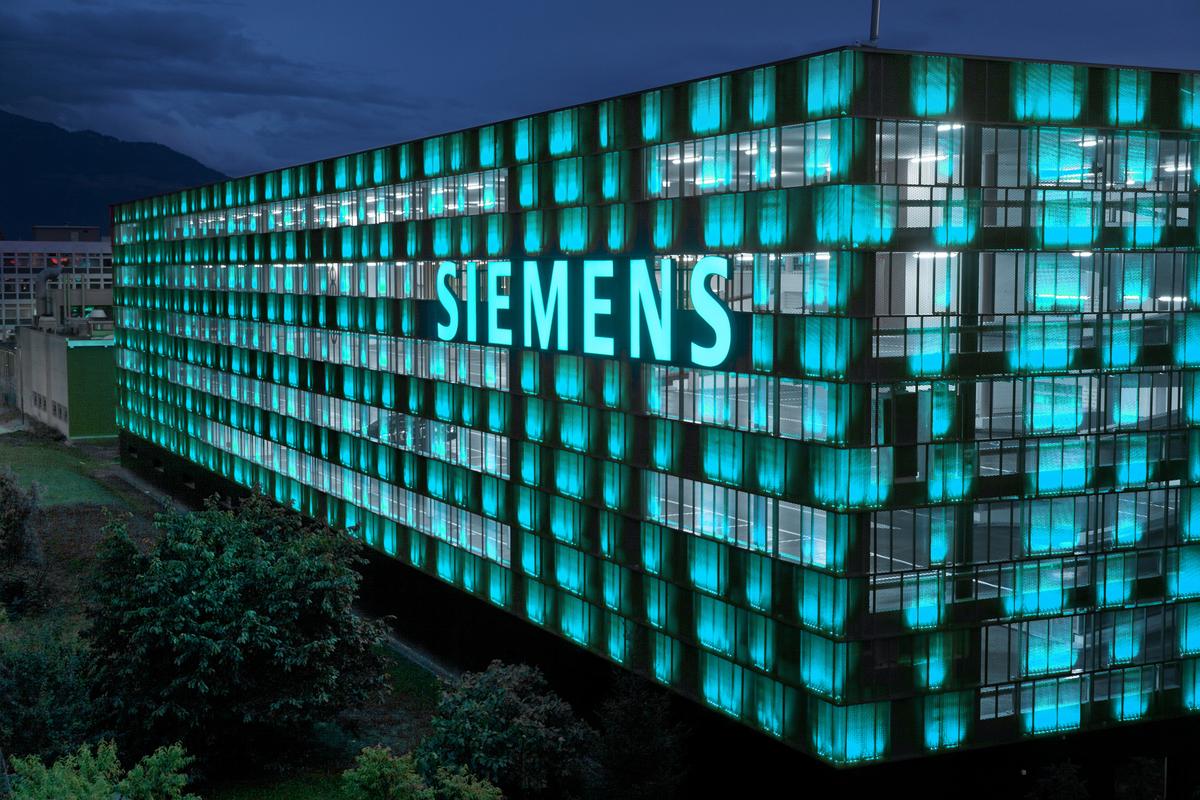
    The deal, inked by Minister of Industry and Trade Tran Tuan Anh and a representative of Siemens AG, is part of the roadmap towards realizing the joint statement issued by the Ministry of Industry and Trade and the German Ministry of Economic Affairs and Energy last month.

    Smart infrastructure development for Vietnam is made based on the country’s economic, energy, and industrial production situation with a view to making Vietnam an industrialized economy that pursues sustainable development in the near future.

    It looks to ensure sufficient and sustainable energy, train high-quality human resources, and carry out the Green Growth Strategy and infrastructure development plan in the country.

    Before the signing ceremony, Minister Anh had a working session with German Minister of Economic Affairs and Energy Peter Atmaier and leaders of Siemens AG, during which they reviewed cooperation between the two sides under the joint statement, and urged the engagement of the German corporation in smart infrastructure building in Vietnam.

  • Elon Musk Owes $507 Million To Banks Helping Tesla Raise Capital

    Elon Musk Owes $507 Million To Banks Helping Tesla Raise Capital

    Tesla Chief Executive Elon Musk personally owes $507 million to Wall Street banks involved in Tesla’s stock and debt sale, backed by his stake in the electric car maker, a company filing showed on Thursday.

    The lending was disclosed in Tesla’s prospectus on Thursday to raise up to $2.3 billion with new shares and convertible debt, and it was $117 million less than the personal loans to Musk disclosed in Tesla’s previous prospectus in 2017.

    Still, Tesla said that if the price of its stock falls and the banks force Musk to sell some of his shares, that could create additional pressure on the stock.

    Tesla jumped over 4% after Tesla disclosed capital raising plans, which soothed investors’ recent concerns about the Palo Alto, California company and pulled its stock up from two-year lows.

    Musk, who owns 20% of Tesla, has taken personal loans from Wall Street banks for years. A Tesla 2017 prospectus showed $624 million in loans to Musk.

    The filing on Thursday showed Musk owed money to three banks working on the capital increase.

    Goldman Sachs Group Inc has $213 million in loans outstanding to Musk, while he owes Morgan Stanley $209 million, and another $85 million to Bank of America Corp . Goldman was not mentioned as a personal lender to Musk in the 2017 filing.

    Those loans are backed by Musk’s shares in Tesla, currently worth a total of around $8 billion. If Tesla’s stock declines, then Musk could be forced to sell some of those shares under terms of the loan, according to the Tesla filing.

    Mark Williams, a professor of finance at Boston University, said that investment banks can run into conflicts of interest with their deals with companies, their founders and CEOs, testing their rules to keep different businesses separate.

    “This is particularly true in the case of Tesla where you have an aggressive and vocal CEO who is prone to pushing the legal limits and gain terms that might run counter to Goldman’s conflict of interest policies,” Williams said.

    Goldman and Citigroup Inc, the top-line book runners in Thursday’s capital raise, both have “sell” ratings on Tesla’s stock, which is unusual but not exceptional on Wall Street.

    At the end of 2018, Musk and his trust had 13.4 million Tesla shares pledged as collateral for personal debts, according to another filing. That is down from 13.8 million shares at the end of 2017.

    Tesla, Morgan Stanley and Goldman Sachs declined to talk about the loans. Tesla has a policy that caps executives’ borrowings at a quarter of the value of the shares pledged as collateral.

    With Tesla repeatedly pushing back forecasts for turning a profit, its stock has dropped 27% year to date.

    Musk plans to buy another $10 million worth of shares as part of the sale announced on Thursday.

  • Vietnamese real estate market attracts Japanese firms

    Vietnamese real estate market attracts Japanese firms

    In an interview with correspondents from the Vietnam News Agency on the sidelines of the TMS Group’s investment promotion workshop in Osaka on April 9, Nakata said that it is not just Vietnam’s real estate market, but those in some Asian countries like Cambodia, Indonesia also have good prospects.

    However, he believed that Vietnam is the most attractive due to its safe and stable investment environment. According to Nakata, the real estate industry in Vietnam has been developing to become the number one investment channel.

    Kako Sasai, head of the business information division of the Japan External Trade Organisation (JETRO), said foreign investment in Vietnam’s real estate could increase in the time ahead.

    She noted that Japan’s investment in Vietnam went up rapidly from 2016 to 2018. The number of Japanese firms investing in the Southeast Asian country has surged, resulting in the increasing demand for offices and houses.

    Most Japanese investors in Vietnam evaluated that the country has lots of potentials and brings stable profits, she said.

    The Vietnamese Government and enterprises have been focusing on attracting more overseas firms to invest in Vietnam beyond the field of real estate, she added.

    According to the latest survey of JETRO, Japan’s direct investment in Vietnam has increased in terms of the number of businesses and the amount of capital. As many as 70 percents of Japanese businesses plan to expand operations in Vietnam, while 88 percent expect their revenues in the market will increase in the future.

    Toru Tomita, director general at the Osaka-based O.M.NET cooperative business association, described Vietnam as a young nation with abundant labor supplies.

    In the future, more Japanese businesses will come to invest in Vietnam, he said.

    The investment promotion workshop in Osaka is part of activities of the TMS Group to introduce the investment environment in Vietnam and seek potential partners in real estate projects that the group is implementing in Vietnam.

    Vietnamese Consul General in Osaka Vu Tuan Hai affirmed that the Vietnamese Government will create an open and equal business environment for Japanese investors.

    The Vietnamese Consulate General will continue supporting and accompanying Japanese businesses in studying, preparing and implementing business investment plans in Vietnam, he said.

    TMS Group has been cooperating with Japanese partners over the past 15 years and it has been serving as a bridge to connect Vietnamese businesses with Japanese partners in the fields of their strengths such as real estate, human resources supply, education-training, trade, services, healthcare, and high-tech agriculture.

  • Grab may be categorized as e-charter transport operator

    Grab may be categorized as e-charter transport operator

    The Ministry of Transport organized the meeting with other ministries, transport operators and associations to collect feedback for the eighth version of the draft decree before presenting it to the prime minister prior to April 15 as scheduled. Many participants at the meeting proposed Grab be listed as an e-charter transport operator.

    A representative from the Ministry of Public Security (MPS) noted that Grab was a new transport service provider that applies technology to its operations. Its services are widely used by the local people thanks to its convenient features.

    The MPS representative suggested the relevant agencies clarify Grab’s business structure and categorize it in accordance with prevailing regulations while imposing stringent management policies on the firm in terms of safety requirements for vehicles and drivers, service costs and tax and financial obligations to the State.

    Representing Grab Vietnam, Nguyen Ngoc Trang asserted that Grab functions as an e-commerce trading floor as it was previously registered with the Ministry of Industry and Trade. He also pointed out that some terms stipulated on the draft decree were redundant and illogical.

    Meanwhile, some participants at the meeting voiced their opposition to the suggestion to list Grab as an e-charter transport service provider.

    Nguyen Cong Hung, chairman of the Hanoi Taxi Association, was quoted by Nguoi Lao Dong Online as saying that the application of electronic features to operations is merely a transport connection method. It is illogical to name a new transport service type based on the connection method, Hung said.

    Also, Khuat Viet Hung, vice chairman of the National Traffic Safety Committee, stated that the five types of transport services regulated in the Law on Road Traffic were enough and creating a new service type was not needed.

    Wrapping up the meeting, Deputy Minister of Transport Le Dinh Tho remarked that the unit compiling the draft decree will take the feedback into consideration. He suggested the relevant parties continue to work on the draft decree before sending it to the prime minister.

  • Asia In Charge Of Electric Car Battery Production

    Asia In Charge Of Electric Car Battery Production

    Global production of batteries for electric cars is concentrated in Asia, with Chinese, Japanese and South Korean firms dominating the sector and building factories in Europe to conserve their supremacy. However, Europe is looking to strike back, with France and Germany saying on Thursday they would form an alliance to develop next-generation batteries in a bid to counteract Asia’s dominance.

    Lithium-ion batteries are a — if not the — crucial component of electric vehicles, but few companies have ventured into actually making them given the huge cost of setting up manufacturing facilities and the still limited demand. Car manufacturers have prefered to have a choice of several specialised suppliers, especially as battery technology is rapidly evolving.

    China, where half of electric cars are currently being sold, requires car manufacturers to use locally-built batteries and is calling the shots in the industry with two-thirds of the world’s production capacity of lithium-ion cells for batteries. Only Asian firms appear in the top 10 of the industry: China’s Contemporary Amperex Technology (CATL) accounted for 23 percent of global production last year, edging out Japan’s Panasonic at 22 percent.

    China’s BYD followed at 13 percent and is the only car manufacturer to have prospered in making batteries. South Korea’s LG Chem came in at 10 percent while Samsung SDI had 5.5 percent, according to the US-based Center for Automotive Research (CAR). Europe accounts for only one percent of global production. The United States also remains marginal on a global scale despite the Gigafactory that Tesla developed with Panasonic.

    Another key factor in China’s supremacy: control over the raw materials needed to manufacture the batteries: lithium and cobalt.

    According to Bloomberg, the Chinese firms Ganfeng and Tianqi control 17 and 12 percent respectively of the world production of lithium thanks to their investments in mines in Australia and South America.

    Tianqi bought a 24 percent stake in Chilean miner SQM for $4.1 billion in December. Together with the US firm Albemarle it also controls the huge Greenbushes mine in Australia.

    Meanwhile, Chinese firms control at least half of the cobalt extracted in the Democratic Republic of Congo, where 70 percent of global output comes from, according to estimates cited by Bloomberg.

    China Molybdenum bought a major site from the US firm Freeport-McMoran for $2.65 billion in 2016. China also has 80 percent of the world’s capacity to produce refined cobalt using chemical processes.

    Concerned over their access to supplies, several carmakers have concluded long-term deals with Chinese firms: Volkswagen announced at the beginning of April a 10-year deal with Ganfeng for lithium that it can provide to battery manufacturers of its choice.

    According to the BCG consultancy, the global auto battery market could reach 45 billion euros in value in 2027, with Europe accounting for 20 to 30 percent, but Asian firms are expected to benefit most.

    CATL is investing some 240 million euros to build a factory in the central German city of Erfurt that will supply BMW from 2022. The luxury carmaker has concluded a contract worth four billion euros with CATL, including 1.5 billion from the Erfurt site.

    LG Chem has been manufacturing batteries for Daimler, Volvo, Audi and Renault from a site in Poland since last year.

    Samsung SDI has a factory in Hungary, where fellow South Korean firm SK Innovation is investing $1.5 billion into two factories that could end up serving Volkswagen.

    One of the rare European specialists in batteries is Swedish firm Northvolt. It is currently building what will be Europe’s largest facility in Sweden together with Germany’s Siemens.

    Expected to cost at least 1.6 billion euros, the facility is to begin turning out batteries in 2020 and when it reaches capacity in 2023, it should be double the volume of CATL’s German factory.

    Founded by two former Tesla employees, Northvolt joined forces with Volkswagen in March to create a “European Battery Union” to promote research. Northvolt also collaborates with BMW.

    Meanwhile the Dutch firm Lithium Werks, which has already built a massive factory in China, has been in talks to build a billion-euro facility in Poland.

  • Airtel, Vodafone may sell stakes in merged tower company

    Airtel, Vodafone may sell stakes in merged tower company

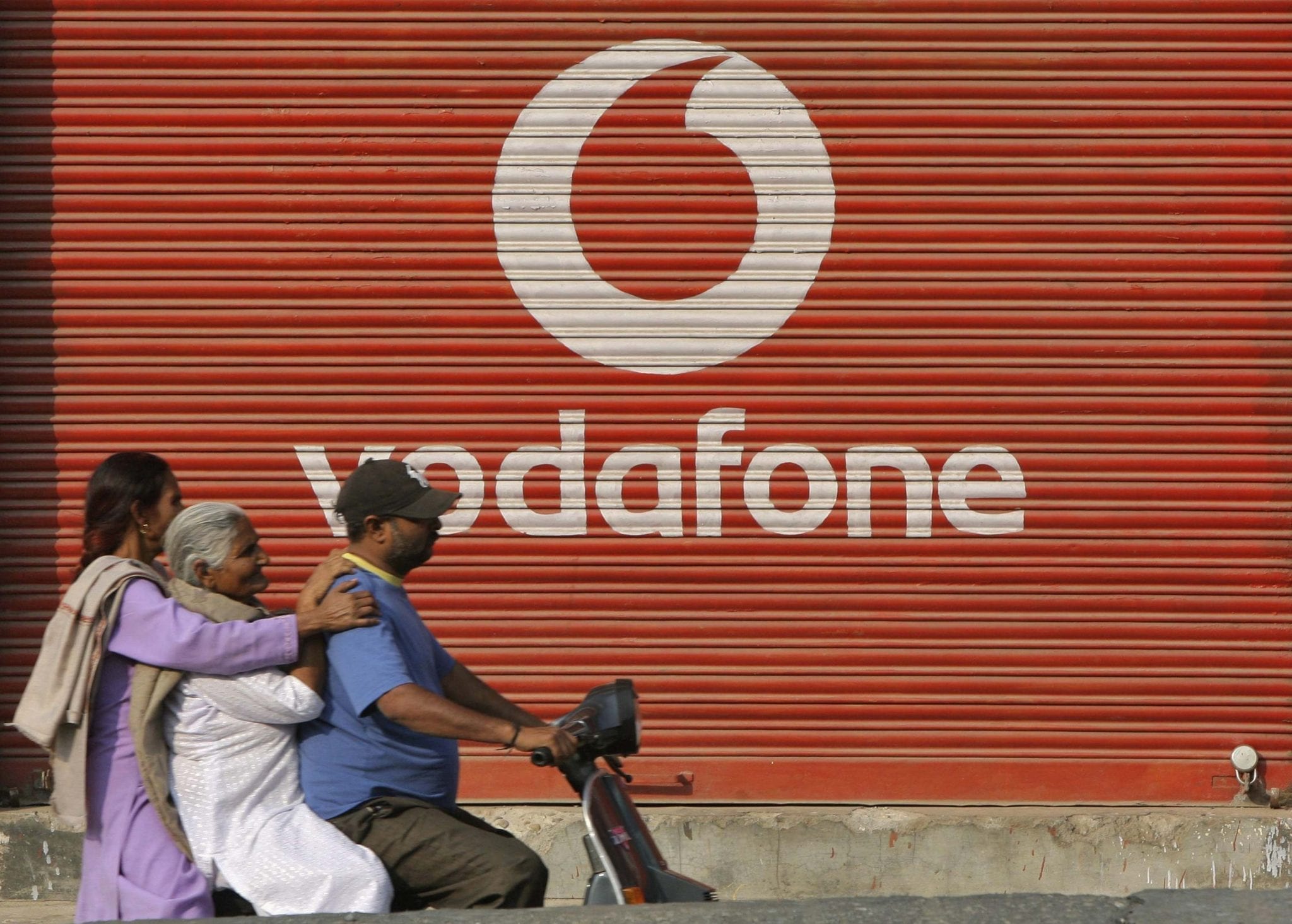
    India’s Bharti Airtel and Vodafone Group are reportedly in talks to sell more than half of their respective stakes in the tower company that will be created through the merger of Bharti Infratel and Indus Towers.

    Bharti Infratel is Bharti Airtel’s tower division, while Indus Towers is an independently managed tower company jointly owned by the Bharti Group and Vodafone Idea.

    The combined entity is expected to have a market valuation of $12 billion to $13 billion and have a portfolio of over 160,000 towers.

    According to a report, which cites unnamed sources, Bharti Airtel and Vodafone Group are aiming to bring their stakes in the combined company down to around 13% each after the merger.

    The operators are looking to sell part of their stakes primarily to existing investor, global investment firm KKR, the sources said.

    KKR could eventually hold between 25% and 32% of the combined company, with minority stakes held by the Canada Pension Plan Investment Board (CPPIB) and some other investors.

    The stake sales could be worth around $3.2 billion for Bharti Airtel and $2.1 billion for Vodafone Group, the report states.

    It also asserts that the Vodafone Group may plan to eventually exit its investment in the company, and that the merger is likely to close in June.

  • Tata Harrier Updated With Apple CarPlay Compatibility

    Tata Harrier Updated With Apple CarPlay Compatibility

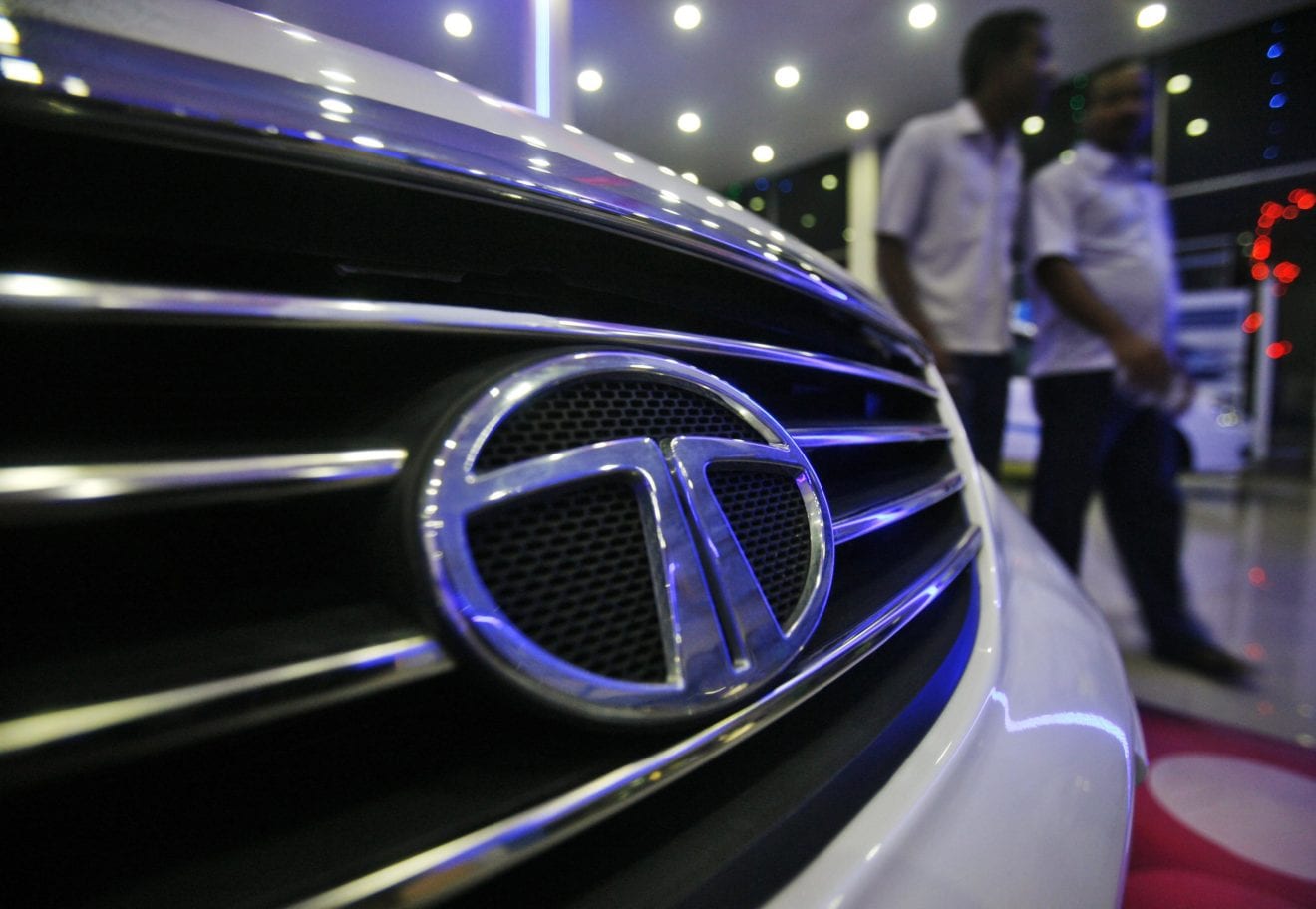
    It is likely that the first batch of Tata Harriers already sold will be able to get the connectivity system with a software update. There are no changes to the infotainment system on the SUV that continues to be offered with the 8.8-inch floating touchscreen display and has been developed by JBL. The infotainment system is offered on the XZ or higher trims.

    More recently, Tata announced that the Tiago and Tigor XZ+ variants now come with Apple CarPlay as well, having been updated with the larger 7-inch touchscreen infotainment system previously. Like the Harrier, the top variants of the Tiago and the Tigor were only offered with Android Auto on the XZ+ trim.

    Apart from the feature addition, expect no major changes on the Tata Harrier. The SUV is powered by the Fiat sourced 2.0-litre diesel motor tuned for 138 bhp and 350 Nm of peak torque. The motor is paired with a 6-speed manual transmission. A 7-speed version of the Harrier is due for launch later in the year and was revealed as the Tata Buzzard. The new offering could see an automatic transmission being introduced on the SUV.

  • Tata Motors Sales Drop By 20%

    Tata Motors Sales Drop By 20%

    These are trying time for the Indian auto industry that has been consistently witnessing drop in sales figures over the past months. April 2019 has seen a significant drop for most manufacturers with the latest being Tata Motors that saw a 20 per cent decline in volumes. The automaker sold 42,577 units last month, as against 53,511 units that were sold in April 2018. The company attributed to the drop in numbers to the weak consumer sentiment. The decline in sales is significant and the second highest reported yet, less than Toyota’s 23 per cent drop in sales, and higher than Maruti Suzuki, which reported a 19.6 per cent decline.

    Passenger Vehicle (PV) sales took a hit of 26 per cent in April this year as Tata Motors sold 12,694 units as opposed to 17,235 units sold during the same period last year. This, despite the company kick-starting the new calendar year with the launch of the Harrier SUV. Meanwhile, Commercial Vehicle (CV) sales in the domestic market dropped by 18 per cent, from 37,276 units in April 2018, to 29,883 units in April 2019. The manufacturer said that the on-going general elections also impacted demand generation in the market for both PV and CV sales.

    Sales for Medium and Heavy commercial vehicles (MHCV) stood at 9403 units last month, a drop of 33 per cent when compared to 14,028 units that were sold in April 2018, due to the revised axle norms. The Tipper segment showed growth as Tata sold 3428 units in April 2019, up by 1 per cent over last year, but sales were down overall with road and infrastructure projects slowing down in recent months.

    The I&LCV truck sales in April 2019 recorded a growth of 10 per cent at 3546 units as compared to 3,229 units sold in April 2018 and remained largely unaffected by the low market demand thanks to the growth of the e-commerce sector fuelling the sales. The SCV Cargo and Pickup segment witnessed a drop in sales at 13,996 units, down by 4 per cent over 14,620 units sold during the same period last year.

    In the commercial passenger carrier segment, Tata Motors sales stood at 2983 units in April this year, down by 33 per cent over the same month last year. The MCV bus segment has also seen a slowdown, while sales for school buses are expected to increase in the months to come on the school season begins. The automaker also announced that it is gearing up to supply vehicles that meet the safer AIS 153 regulations. Lastly, Tata’s Winger ambulances continue to see a strong demand of 2500 units, the new 15-seater Winger has seen good traction.

    Tata Motors exports saw a sharp decline in volumes at 53 per cent with 1402 units sold. Multiple factors like high stocks in Bangladesh because of the contraction in retails during the last quarter due of elections, security concerns in Sri Lanka and slump in Middle East have affected the overall industry volumes in these markets.

  • Apple shares Down Since Long

    Apple shares Down Since Long

    Apple reported that it barely topped Wall Street estimates for iPhone and Services revenue during its fiscal second quarter, which ran from January through March. The company took in $31.05 billion from sales of its smartphones during the quarter, barely topping the $31.03 billion that Wall Street expected. Since the end of the fiscal fourth quarter, Apple has stopped revealing how many iPhone units were sold during the period. The revenue figure is a 17% decline from the same quarter last year.

    While iPhone sales have been struggling, Apple has been focusing on its Services business, which includes AppleCare, iTunes, the App Store, Apple Music, Apple News+, Apple TV+ and Apple Arcade (starting this fall). Apple has had a goal of reaching $50 billion in Services revenue, which would double the $25 billion it took in during fiscal 2016. For the fiscal second quarter of 2019, Apple generated $11.45 billion from the Services unit, its second largest and most profitable division. That not only topped the $11.37 billion that Wall Street was looking for, but it was also a 16% boost from the $9.85 billion that the Services unit brought in a year ago. By adding more subscription services such as Apple News+ and Apple TV+, the company is looking to take advantage of an installed base that is now numbered at 1.4 billion devices. Apple had 390 million paid subscriptions during the three months.

    During the quarter, Apple garnered $4.87 billion in iPad revenue. That was a healthy and surprising 22% improvement from the $4 billion that the tablets brought in during the fiscal second quarter of 2018, and beat analysts estimate of $4.21 billion in sales. It also was the highest growth rate for the device in six years. The Wearables unit, which includes the Apple Watch and the AirPods wireless Bluetooth earphones, had $5.13 billion in revenue for the three month period. Last year, the division grossed $3.94 billion. That works out to a strong 30% year-over-year growth rate for the unit and easily topped the $4.79 billion that Wall Street was looking for.

    “Our March quarter results show the continued strength of our installed base of over 1.4 billion active devices, as we set an all-time record for Services, and the strong momentum of our Wearables, Home and Accessories category, which set a new March quarter record. We delivered our strongest iPad growth in six years, and we are as excited as ever about our pipeline of innovative hardware, software, and services. We’re looking forward to sharing more with developers and customers at Apple’s 30th annual Worldwide Developers Conference in June.”-Tim Cook, CEO, Apple

    With the problems that Apple has had in China, where it had to cut iPhone prices at the wholesale and retail levels, sales in the country declined from $13.02 billion to $10.22 billion. Sales rose slightly in the Americas and Japan while declining in Europe and Asia (minus China).

    Overall, Apple earned $58.02 billion in the quarter, down more than $3 billion from the same quarter last year. While net income declined to $11.56 billion from $13.82 billion year-over-year, the $2.46 earnings per share figure topped Wall Street consensus forecasts by a dime.

    Investors ate up the report, along with the news that the company raised its quarterly dividend by 5% to 77 cents a share. While Apple closed the regular trading day at $200.67 a share, down 1.9%, after the report was released the stock rose 4.8% or $9.61 to $210.28 a share. At that price, Apple is worth $987 billion and is closing in on a trillion dollar valuation for the second time.

  • Facebook is making changes to the App

    Facebook is making changes to the App

    Besides unveiling a new quicker and lighter Messenger app with end-to-end encryption, and new features for Instagram and WhatsApp, Facebook announced today some changes that are being made to its flagship app. The new focus of the Facebook app will be on groups, and FB5 will feature new ways to bring together people offline. With 400 million users subscribed to over ten million active groups, the redesigned app will make it easier for users to access the groups they belong to and find new ones to join. The groups tab will show a feed from all of the groups a member has joined, with recommendations for new groups to sign up with. Starting today Facebook users will see in their News Feed more content from the groups they belong to, and content from the feeds can be sent to these groups.

    Facebook will add new features for certain groups. HealthSupport Group members will be able to make anonymous posts about their medical conditions. Job groups will have a template to allow employers to post job openings; those interested in a particular job can message the employer and apply for the job through Facebook. Gaming groups will have a new chat feature, and Facebook is looking at ways to allow buyers on Facebook Live to find out more information about a product and make a purchase without leaving the live stream. Opting into the Meet New Friends feature will allow Facebook users to meet others that they share a community with like a school, office or city. Facebook has been testing Meet New Friends and a wider rollout is coming soon. Facebook Groups will be integrated so that users can meet people they share similar opinions with.

    The company also announced the expansion of Facebook Dating to 14 new countries. Facebook Dating is available in Colombia, Thailand, Canada, Argentina, Mexico, Philippines, Vietnam, Singapore, Malaysia, Laos, Brazil, Peru, Chile, Bolivia, Ecuador, Paraguay, Uruguay, Guyana, and Suriname. This feature allows you to find potential matches from your Facebook groups, friends of friends and more. Facebook also is launching a Secret Crush feature that allows you to designate up to nine friends as Secret Crushes. If any one of the nine has opted into Facebook Dating, they will receive a notification alerting them that someone has a crush on them. If one of your crushes then adds you to their Secret Crush list, a match is made. If a crush isn’t on Facebook Dating or doesn’t add your name to his/her Secret Crush list, your interest is never revealed.

    Those using Marketplace to sell items will be happy to hear that they will soon be able to ship their wares anywhere in the continental U.S. and get paid on Facebook using a secure platform. And lastly, a new Events tab will show you things taking place around you and even recommend places to go and things to see. The tab will help you make plans with friends to meet up at an event. Some of the new features will be available right away, while others will be found on the app in a few months.

    Last week, we told you that 2.1 billion people use Facebook, WhatsApp, Messenger or Instagram on a daily basis. 2.7 billion use one of these Facebook properties on a monthly basis. The company does expect to be fined $3 billion to $5 billion for failing to comply with an FTC Consent Decree it signed back in 2011. With the latter, Facebook promised not to use member profiles without users’ approval. But during the Cambridge Analytica scandal, 87 million Facebook members had their profiles sold without permission to Cambridge Analytica and the data used to create psychological profiles.

  • Hansen Technologies acquires Sigma Systems for $117m

    Hansen Technologies acquires Sigma Systems for $117m

    Australia’s Hansen Technologies has agreed to acquire catalog-driven software vendor Sigma Systems for C$157 million ($116.8 million).

    Found in 1996, Sigma provides enterprise catalog-driven software products to the communications, media and high-tech sectors.

    The Toronto-based BSS firm has over 70 customers in 40 markets, including  Tier 1 telcos such as Vodafone, Liberty Global, Telstra (Australia), Altice, Cox Communications (USA), Ziggo (Netherlands), Telkomsel (Indonesia), J:Com (Japan), Inmarsat (UK), Telmex (Mexico), Tiscali (Italy), Telus (Canada), Sky (UK), EWE TEL (Germany) and ViaSat (USA).

    It has 480 employees with offices located in Toronto, London and Wales (UK) and Pune, India.

    Andrew Hansen, chief executive officer of Hansen Technologies, said the acquisition is a strategic move to enhance the company’s proposition to the telecoms, pay TV and energy verticals.

    Hansen said the company has driven an exceptional growth strategy through acquisitions over the past 10 years, achieving a compound annual growth rate of 28% over the last four years.

    “Bringing Sigma Systems onboard further strengthens our ability to provide valuable solutions to our customer base and creates new expansion opportunities to cross-sell Sigma’s software solutions into our broad base of energy customers,” he said.

    In 2018, Sigma reported revenue of C$73.1 million and an EBITDA of C$18.8 million.

    Through the acquisition of Sigma, Hansen Technologies expects to “significantly” expand its scale and scope in the telecoms sector.

    “Sigma’s proprietary products sit within or adjacent to the company’s core business of billing and customer management, and are well designed to capture growth opportunities from the rollout of new telecommunications services such as 5G,” the company said.

    The acquisition is set to close on May 31. Hansen Technologies said the acquisition will increase its pro-forma basis share of revenue from the telecoms sector to 38% from a reported 17% in 2018.

  • Hyundai Venue Pre-Launch Bookings Open

    Hyundai Venue Pre-Launch Bookings Open

    The all-new Hyundai Venue will be launched in India on May 21 and the Korean carmaker has finally started accepting bookings. Pre-launch bookings for the Venue start today for an amount of ₹ 21,000 online on the company’s website as well as dealerships across India. The Hyundai Venue will be offered in India in four variants and seven exterior colour options- Denim Blue, Lava Orange and Deep Forest along with three Dual Tone options.

    Hyundai will offer the Venue in India with two petrol and one diesel engine options. The latest of all is the 1.0-litre, three-cylinder Turbocharged engine which puts out 118 bhp and 172 Nm of peak torque and gets a seven-speed dual-clutch transmission as an option. It also gets the i20 sourced 1.2-litre, four-cylinder kappa engine which develops 82 bhp and 114 Nm of peak torque and is mated to a five-speed manual gearbox and a 1.4-litre, four-cylinder CRDi engine which churns out 89 bhp and 220 Nm of peak torque and is mated to a six-speed manual gearbox.

    The Venue will be India’s first connected car with 33 connected features out of which 10 will be India specific. It will come equipped with an electric sunroof, cruise control, rear AC vents, Projector headlamps, cornering lamps and a cooled glovebox. The long feature list is expected to add strength to the Venue and help it compete against the competition. In India, the Hyundai Venue will rival the likes of the Maruti Suzuki Vitara Brezza, Mahindra XUV300, Ford Ecosport and Tata Nexon.

  • Global smartphone sales still in freefall

    Global smartphone sales still in freefall

    The global smartphone market remains in “freefall”, having experienced its sixth consecutive quarter of declining shipments during the first quarter, according to Canalys.

    Total unit shipments fell 6.8% year-on-year to 313.9 million during the quarter, the lowest result in nearly five years, the research firm said.

    Apple was the hardest hit of the big smartphone vendors, with iPhone shipments dropping 23.2% year-on-year to 40.2 million units, which marked the largest single quarter decline in the history of the iPhone.

    But market leader Samsung also experienced a 10% decline in shipments to 71.5 million.

    By contrast, Huawei had a strong performance during the quarter, with shipments growing 50.2% during the first quarter to 59.1 million.

    Huawei has publicly set its sights on overtaking Samsung as the world’s top smartphone vendor by unit shipments by 2020, but it will not be an easy battle, the research firm said, with its chance of success hinging on its ability to take customers in the low to midrange price bands.

  • Ford India Will Continue To Sell Diesel Cars

    Ford India Will Continue To Sell Diesel Cars

    Maruti Suzuki’s move to phase-out all diesel models within a year has certainly raised eyebrows. Tata Motors also in the past has said that it will only convert its 1.5-litre and above displacement diesel engines to BS6 and the low displacement diesel engines won’t make it beyond the timeline. There were several speculations about other carmakers as well. However, Ford India has stated that it will go ahead with diesel models in India and won’t pull the plug on any model. The American carmaker will be ready with BS6 powertrains well ahead of the April 1, 2020 deadline.

    Speaking with PTI, Vinay Rana, Executive Director, Ford India said, “We will continue to offer the power of choice to consumers and will not stop diesel models. Ford will also be fully ready with its range of BS-VI compliant diesel powertrains ahead of April 2020 implementation.” Raina believes that customers of Utility Vehicles traditionally prefer diesel engines. He added, “For instance, over 65 per cent of the consumers today buy EcoSport diesel variants compared to petrol. Despite government lifting subsidies on diesel over the years, we have seen the demand for diesel stay and expect the same to continue in 2020 and beyond.” However, he said that the company is expecting the prices of passenger vehicles in the industry to increase by up to 8 to 10 per cent.

    He also pointed out that Ford has launched its first CNG vehicle- the Aspire to support any possible shift from diesel and will continue to launch petrol versions of the models to complement diesel cars. “Ford – with the introduction of EcoSport in 2013 – was among the first to bring petrol engines into the consideration set of UV buyers. To complement the diesel technology, we will continue to deepen the portfolio of petrol engines and offer more BS-VI compliant petrol engines options to our consumers,” Raina added.

    Ford has also tied up with Mahindra to develop a new C-segment SUV for India and other developing markets. The new SUV will be developed on Mahindra’s platform and it will also supply the powertrain to Ford.