Tag: asia

  • Suning.com’s Online Sales Soars

    Suning.com’s Online Sales Soars

    Suning.com’s first-quarter online sales soared 40.87 per cent as the company’s smart-retail strategy continues to drive the rapid growth.

    Operating income of RMB 62.2 billion (US$9.2 billion), represented a 25.44 per cent increase on the same period last year. First-quarter net profit was RMB 136 million.

    In a statement, Suning.com said during the first quarter of this year, the overall domestic consumer market in Mainland China still exhibited potential for growth.

    “Despite the softer market environment, Suning’s online and offline businesses maintained relatively rapid growth.”

    Off-line, Suning continued its large-scale expansion, its network comprising 9758 self-owned stores and 2571 franchise stores as at March 31. A standout was the Redbaby store, whose sales increased by 15.7 per cent year on year.

    “In the online market, with the enhanced industrial synergy and the improved efficiency brought by resource integration, the growth rate of Suning’s sales clearly outpaced the industry average,” the company said.

    During the quarter, the company set up five major product groups including household appliances, consumer electronics, FMCG, clothes and accessories, and international items to streamline product management.

    In the FMCG sector, Suning strengthened its brand and achieved dual online-offline growth through centralised procurement, purchasing directly from the manufacturer and strategic cooperation, which helped grow its network of offline stores.

    “In the same period, Suning has further optimised the supply chain management of online and offline stores through the acquisition of 37 Wanda stores, marking a significant success for Suning’s all-categories product portfolio operational strategy.”

  • Spotify now has 100 million Premium Global Subscribers

    Spotify now has 100 million Premium Global Subscribers

    Twelve months after it first reached 75 million subscribers, Spotify has today announced that 100 million users now pay for its Premium service across the globe. The news represents year-on-year growth of 32% and has helped push Spotify’s revenue figures up an equally impressive 33% to €1.51 billion ($1.67 billion).

    Including users of Spotify’s ad-supported service, the streaming company now has a total of 217 million monthly active users. This figure is up 10 million from last quarter and 44 million when compared to twelve months ago.

    Once again, Europe continued to be Spotify’s most important market followed by North America and Latin America respectively. In North America especially, Premium subscriber growth was driven by Spotify’s continued partnerships with Samsung, Google, and Hulu.

    Specifically, Samsung agreed to pre-install the Spotify app on millions of its smartphones including the recently-released Galaxy S10, buyers of which receive six months of free Spotify Premium. Google, on the other hand, offered Spotify Family Plan users a free Google Home Mini, a promotion which has since been expanded to both the UK and France due to its popularity. Lastly, Hulu and Spotify recently lowered the price of their bundle offer which has boosted interest.

    By the end of this current quarter, Spotify expects to have between 222 and 228 million users, of which 107 to 110 million should be Premium subscribers. Driving this growth will continue to be promotional offers like the ones mentioned above and India, where Spotify registered 2 million users in the month following its launch.

  • Blue Bottle Coffee Taking Off in Seoul

    Blue Bottle Coffee Taking Off in Seoul

    The first South Korean cafe for Blue Bottle Coffee has launched today.

    The brand’s 14,000sqft headquarters in Seoul includes a roastery and training lab, which is open for public tours, classes, and tastings. Blue Bottle will open a second cafe in Seoul later in the second quarter and has plans for more by the end of the year.

    South Korea is the second international market for the company, which opened its first Tokyo cafe in 2015, inspired by the hospitality of traditional Japanese kissaten (coffee house) culture.

    “Every time we visit Korea, we are deeply honored by the enthusiasm and love for our brand,” said Blue Bottle Coffee CEO Bryan Meehan. “Our Instagram account has more followers in Seoul than any other city in the world. South Korean guests have travelled thousands of miles to meet us in the US and Japan. Finally, we are bringing Blue Bottle to our loyal Korean guests.”

    The industrial, red-brick building that Blue Bottle Korea has launched in is located in the Seongsu neighbourhood, often referred to as the “Brooklyn” of Seoul. The space, designed by Jo Nagasaka of Schemata Architects, displays the brand’s signature emphasis on natural light and warm minimalist design.

    Featuring an open atrium with glass separating the first and second floors, the building offers a transparent view from street level into Blue Bottle’s roastery. Guests may descend a staircase into the intimate below-ground cafe featuring classic walnut chairs and tables.

    Seongsu is situated next to the idyllic Seoul Forest, an urban green space frequented by families of all generations.

    Blue Bottle sees huge potential for growth in the Korean coffee market, which is quickly emerging as an international destination for specialty coffee. Koreans consume more than 25 billion cups of coffee per year, and more than half of the world’s Q-graders – coffee specialists licensed to purchase premium green coffee beans – live in South Korea.

    With more than 18,000 coffee shops already trading in Seoul alone, Blue Bottle Coffee has entered a highly competitive market. It intends to differentiate itself by quality and sustainable practices, bringing expressive blends and rare single origins sourced through direct trade to the country.

  • Hyundai Introduces Smartphone Based EV Performance Control Technology

    Hyundai Introduces Smartphone Based EV Performance Control Technology

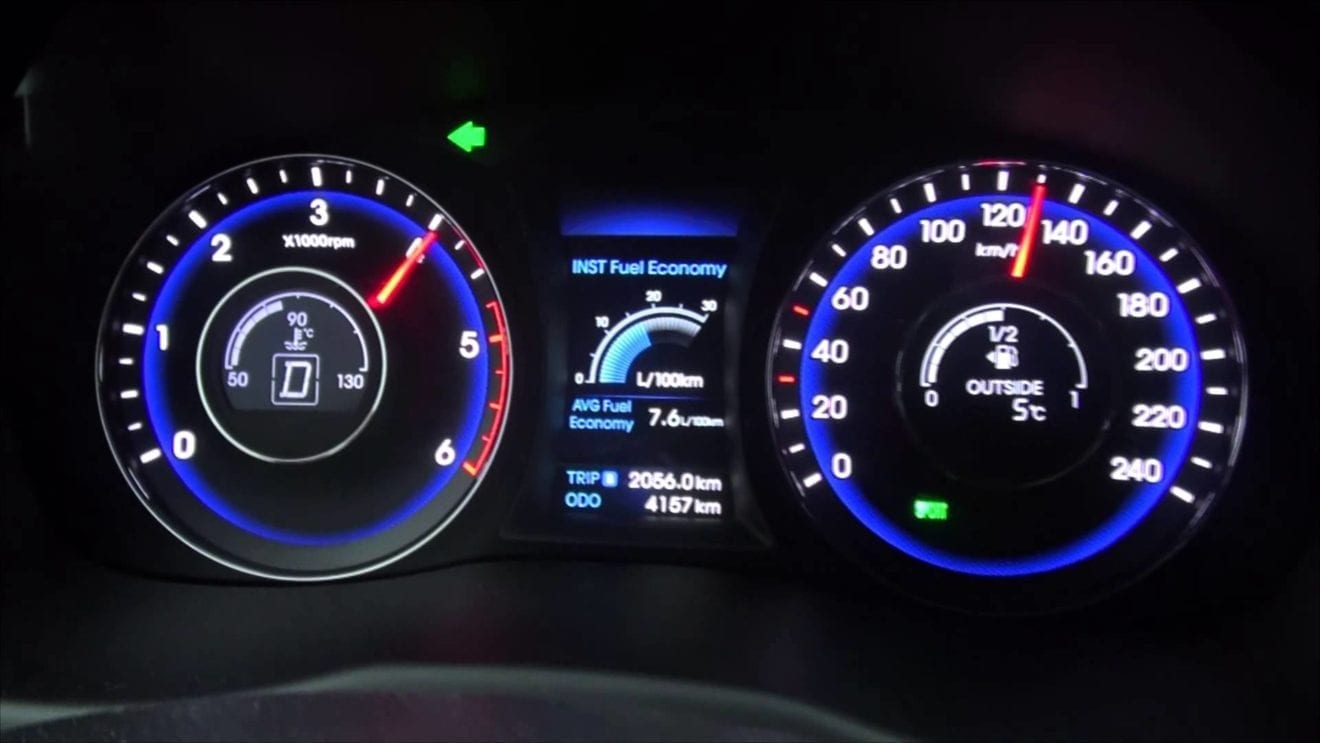
    Hyundai Motor Group has announced the development of ‘smartphone-electric vehicle pairing based performance adjustment technology,’ which allows users to customise primary functions through a smartphone app. The company says that it is in fact an industry first innovation. Drivers can use this technology to adjust seven performance features including the maximum torque output of the motor, ignition, acceleration and deceleration abilities, regenerative braking capacity, maximum speed limit, responsiveness, and energy use on climate control.

    As electric vehicles continually expand their market share, especially in rental or car-sharing industries, the new technology will allow drivers to use their custom settings in whichever electric vehicle they drive by downloading their profile from the server. The application provides optimised settings for a designated destination by analysing the remaining distance and electric energy requirement. It can also accommodate sportier driving by recommending tailored performance settings.

    The application provides optimised settings for a designated destination by analysing the remaining distance and electric energy requirement

    Beyond the driver’s seat, users can share their customisation settings online as well as try out other users’ custom settings. Customers can also apply recommended settings by Hyundai based on the condition of roads, from country roads to the city centre or mountain ranges. Hyundai Motor Group will utilise blockchain technology to prevent security issues while users upload and share their custom sittings on the server.

    In the process of uploading and sharing custom settings, the system encrypts major performance parameters in a blockchain network by creating new data blocks and stores them in the distributed data storage system to block unauthorised manipulation.

  • Porsche Celebrates 10 Years Of The Panamera

    Porsche Celebrates 10 Years Of The Panamera

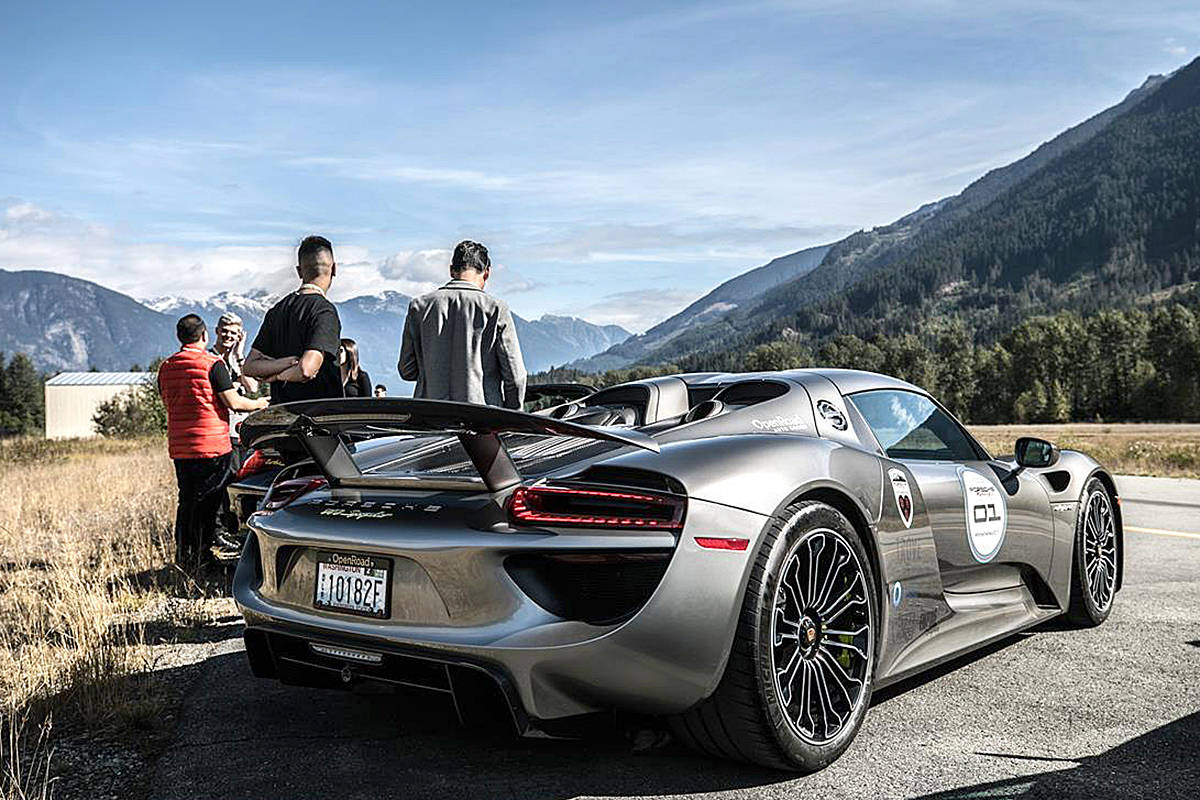
    The Porsche Panamera celebrates 10 years today and it was in April 2009 that the company first presented this Gran Turismo to the world. While Porsche initially planned production of 20,000 units per year, the Panamera clearly exceeded those expectations. More than 2.35 lakh cars have been delivered to date worldwide and the demand is clearly increasing. Put it was a tough battle to get this car on the production line. Porsche engineers kept coming back to this idea.

    In the 1950s, they developed a comfortable four-seater based on the 356. The Type 530 had a lengthened wheelbase, larger doors and a raised roof at the rear. Others followed, including a four-door prototype based on the 911 and, in the 1980s, lengthened variants of the 928. Ferry Porsche used one of these as his private car. In 1988, Porsche made a new attempt with the Type 989: the four-door coupe offered space for two full seats in the rear. The drive power was provided by a V8 front engine. Design elements from the 989 were later incorporated into the 911 of the 993 generation. Like all similar concepts before it, however, the 989 remained a prototype. For economic reasons, development was discontinued at the start of 1992.

    Then in the early 2000’s, Porsche conducted market studies, analysed the competition and decided to develop a four-door hatchback saloon and that saw the emergence of the Panamera. The Panamera’s first official appearance was on April 19, 2009 in Shanghai. The first model, internally known as G1, set standards in its class thanks to the wide spread between sportiness and comfort. It was packed with innovations: for the first time, a luxury class production model was offered with a transmission and start-stop system. The top model Panamera Turbo also introduced air suspension with additional air volume on demand, as well as an adjustable, multi-dimensionally extendable rear spoiler. The Gran Turismo also set the course for all other Porsche model lines with its new display and operating concept.

    The model range grew rapidly and sustainably, culminating in an engine range covering power output from 250 to 550 horsepower with petrol, diesel and hybrid drives as well as rear-wheel and all-wheel drive. In the beginning, the naturally aspirated V6 and V8 engines were available with a six-speed manual transmission. Most customers opted for the seven-speed Porsche dual clutch transmission PDK. Diesel and hybrid drives were available in combination with an eight-stage automatic transmission.

    Of course, there was a second generation to be made that it made its world debut on June 28, 2016. The development involved multiple streams: in addition to the Gran Turismo with a standard and extended wheelbase, a third variant was developed on the same platform: the Sport Turismo. From 2017, its avant-garde design and body concept brought more versatility to the luxury vehicle class.

    Thanks to chassis systems like the three-chamber air suspension, rear-axle steering and the PDCC Sport electromechanical roll stabilisation system, the Panamera was as at home on the streets as it was on the track. This was underpinned by a lap time of 7:38 minutes on the Nurburgring-Nordschleife – set by Porsche works driver Lars Kern in a standard Panamera Turbo. The engine range was consistently optimised, while the power output values were increased: new engines were introduced across the range, and the transmission was now an eight-speed PDK. The power output spectrum started at 330 hp, today the top model is a 680 hp plug-in hybrid.

    Now, for Porsche, it’s all going to be about electric mobility solutions and of course, the Panamera too has already gone that way. It’s just the beginning for the decade old Panamera and wait to see what more comes from this very capable luxury saloon.

  • Maruti Suzuki Vitara Brezza To Be Manufactured At Toyota’s Plant

    Maruti Suzuki Vitara Brezza To Be Manufactured At Toyota’s Plant

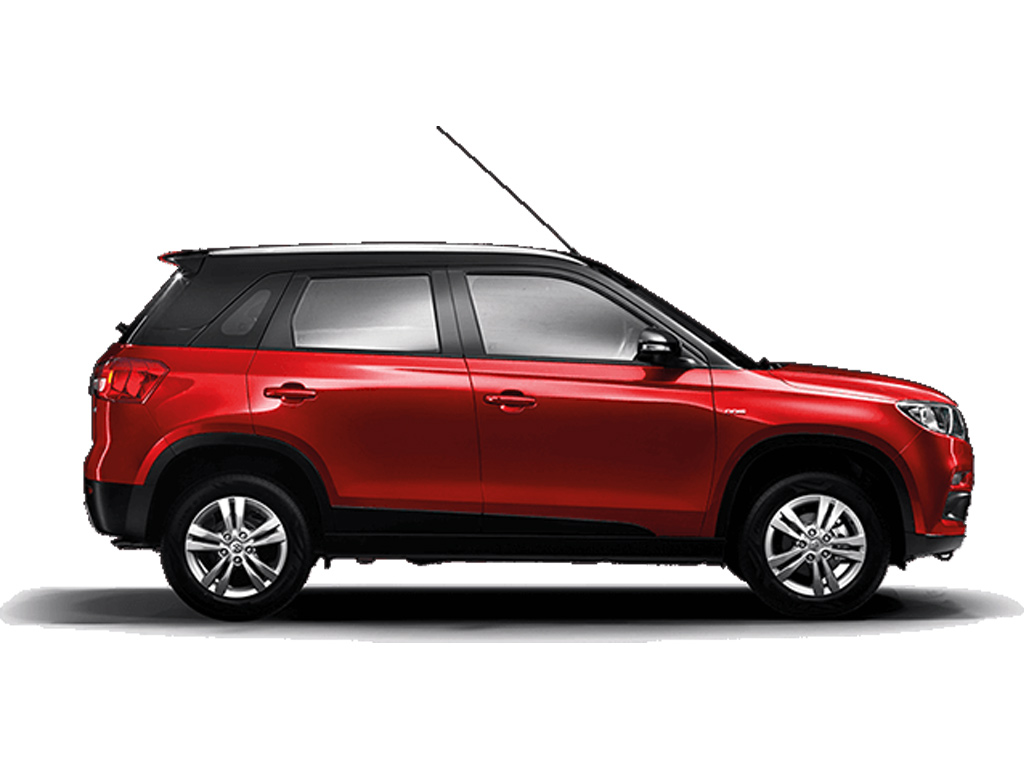
    It was in 2017 that Toyota and Suzuki showed interest in working together in several markets including India and two years down the line the alliance is about to bear fruit. Both companies have spelt out the areas of collaboration and it is known that Maruti Suzuki will share the Ciaz, Ertiga, Baleno and Vitara Brezza with Toyota for India and other developing markets. Maruti Suzuki has also shared that it will make use of the unutilised production capacity of Toyota’s Bengaluru plant to assemble the Vitara Brezza.

    Speaking with carandbike, R.C. Bhargava- Chairman, Maruti Suzuki India said, “Toyota has some spare capacity in their Bangalore plant. We will use that capacity to manufacture the Brezza. That saves us the investment which otherwise would have been required. We will utilise that capacity, so it’s a win-win for both of us. We get cars without making any investment and they get something to use their capacity. So we are all looking always to maximise the efficiency of the total system.”

    Toyota Kirloskar Motor’s total annual production capacity is 310,000 units. The first plant which started production in 1997 has a production capacity of 100,000 units and operates at full capacity to assemble the Innova Crysta and Fortuner. The second plant which started production in 2010 is used to manufacture Toyota’s sedan and the Etios Liva hatchback and has a production capacity of 210,000 units. Maruti Suzuki is likely to manufacture the VItara Brezza in this plant as more than half of its capacity is left unexploited.

    Maruti Suzuki has confirmed that it will phase out current diesel engines from its line-up by April 1, 2020. The company has also reaffirmed that the Vitara Brezza will soon be offered with the petrol engine and chances are that the company may introduce the in-house developed 1.5-litre DDiS 225 diesel engine if it sees substantial demand for diesel variants in the segment. Since Toyota badged Maruti Suzuki vehicles are expected only by late 2019 or early 2020, there is a possibility that Maruti will manufacture the Vitara Brezza with new engines at Toyota’s second plant in Bengaluru.

  • Honda BR-V Facelift Unveiled In Indonesia

    Honda BR-V Facelift Unveiled In Indonesia

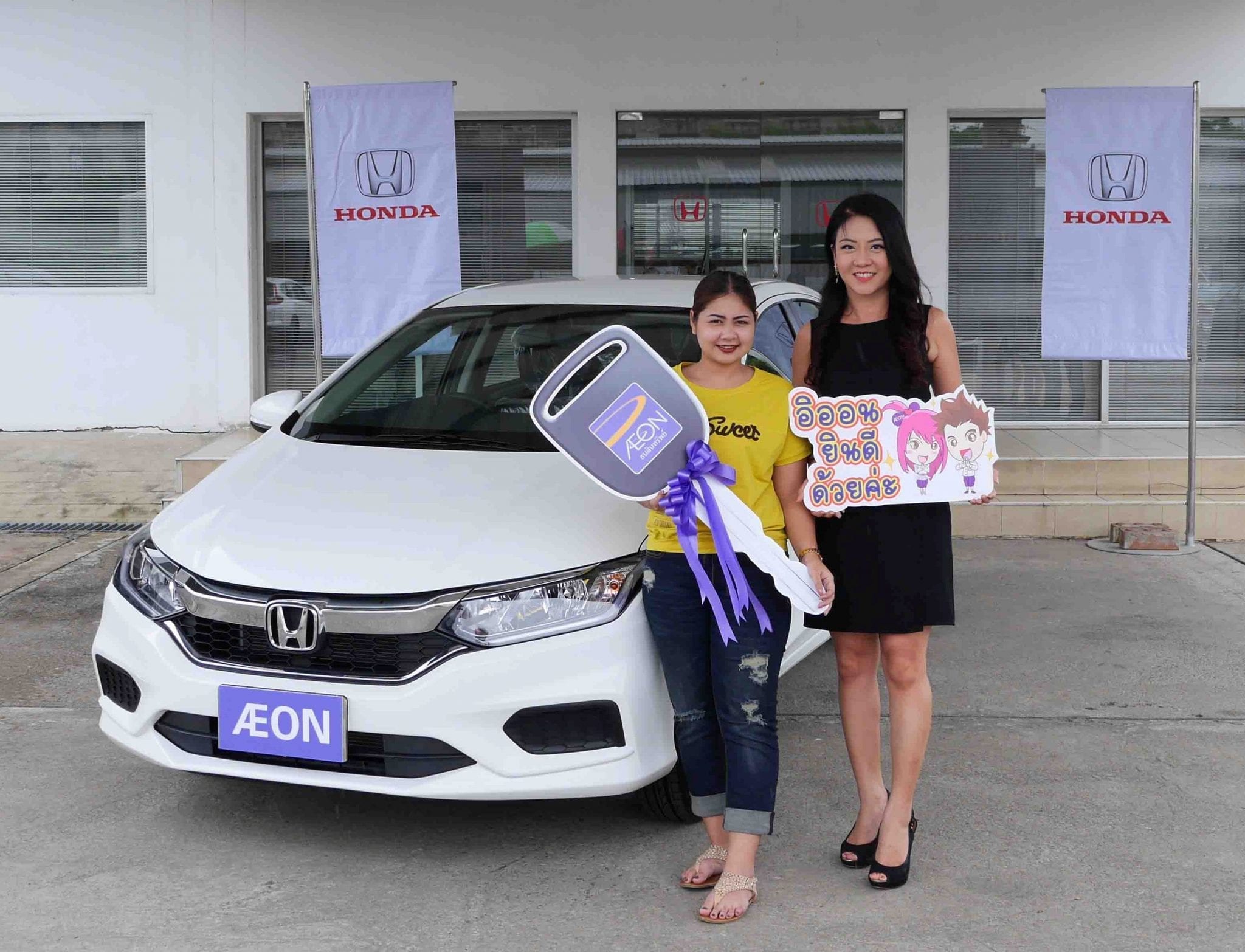
    Honda has revealed the updated BR-V at the 2019 Indonesia International Motor Show. The BR-V has not been doing great in terms of sales in India. The company has been selling close to 500 cars on an average and a facelift might just help in lifting those sales figures. However, we don’t yet know if this facelift will make to India yet as there’s no confirmation from the company. The BR-V does look prettier than before and the revised front grille and even the new bumper add to the design of the car. It looks bolder and the chrome that’s spread around the fog lamps, and even the slat on the front grille, adds to the premiumness of the BR-V.

    There’s a trapezoidal air dam and a silver scuff plate too. From what we can see, the facelift of the BR-V gets projector headlamps with L-shaped daytime running lights. The company has also tweaked the rear bumper slightly, so the BR-V still has the muscles and the character lines make sure that the car still oozes that SUV-ness. The BR-V facelift also gets 16-inch dual tone alloy wheels.

    There aren’t many changes made to the cabin of the BR-V as it retains the all-black dashboard and the touchscreen infotainment system. While the car launched the Indonesia is a 1.5-litre petrol, the one available in India is a 1.5-litre diesel as also a 1.5-litre petrol. With the new regulations coming into the country, carmakers are making sure that the line-up it brings to the market will be sustainable as also will boost its sales in the market. We wait to see what the company retains for the Indian market

  • Garmin expands Forerunner line with five new GPS models

    Garmin expands Forerunner line with five new GPS models

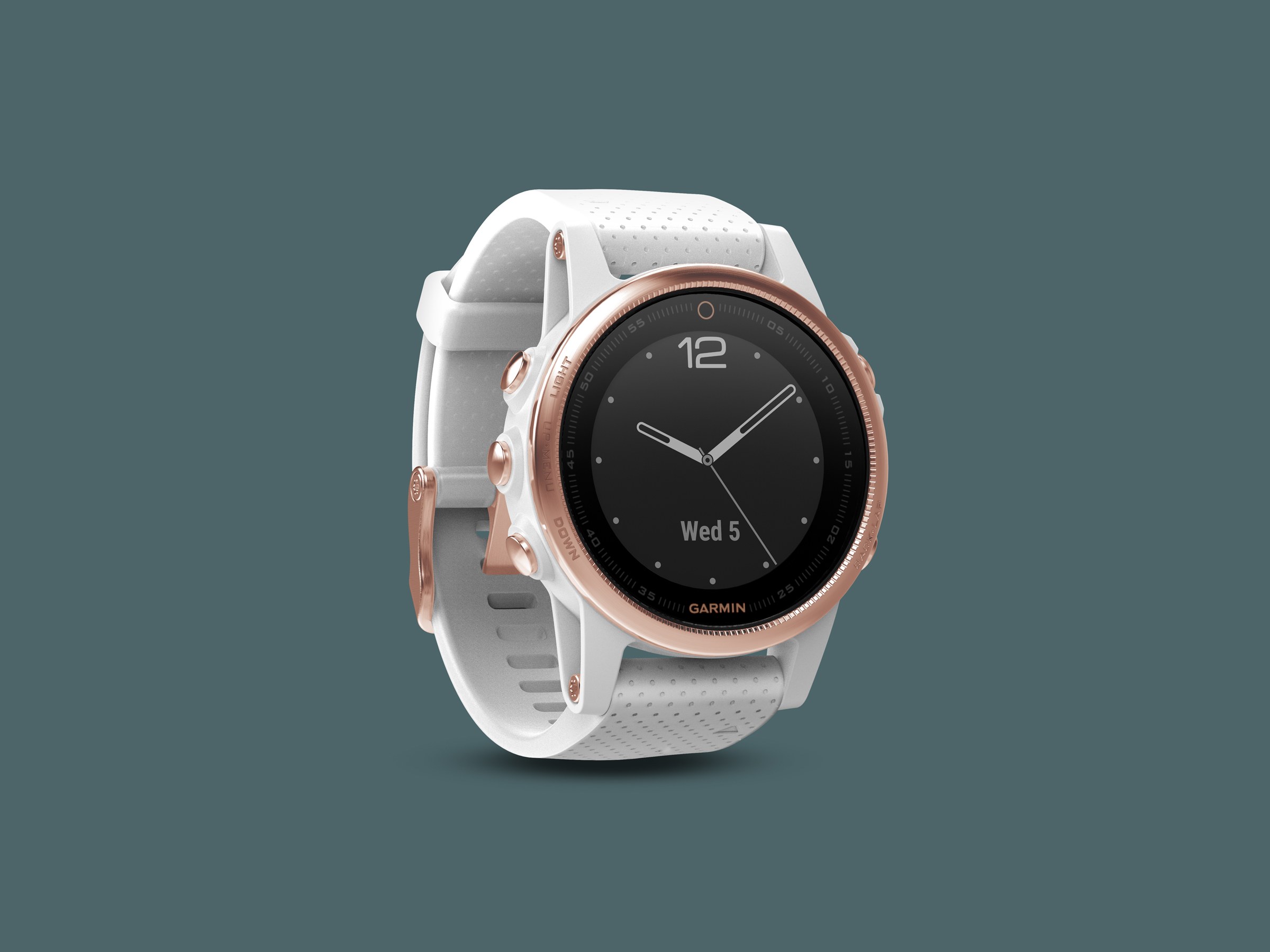
    While Garmin makes all kinds of wearable devices, ranging from super-basic activity trackers to luxury smartwatches, its central focus remains on so-called GPS running watches, designed to take on the likes of the Fitbit Versa rather than the global market-leading Apple Watch family.

    But not all athletes have the same passion, drive, and needs, which is why Garmin is today vastly expanding the Forerunner lineup with five new models ranging in price from $199.99 to $599.99. These are joining the entry-level $100 Forerunner 25, mid-range $350 Forerunner 735XT, and a $450 Forerunner 645 Music that lets you store your favorite tunes directly on your wrist, as well as supporting contactless payments.

    Obviously, the newly unveiled Garmin Forerunner 45 and Forerunner 45S come with no such advanced features, although their built-in heart rate monitor and standalone GPS functionality are arguably enough to justify a $200 price tag. In case you’re wondering, the main difference between these two models is the smaller 39 mm case of the 45S (compared to a 42-milimeter “standard” Forerunner 45 variant).

    Not exactly the world’s most stylish wearable products, the Forerunner 45 series also comes with “chemically strengthened” glass, a silicone strap, relatively small display, top-notch water resistance, lengthy battery life (up to 7 days in “smartwatch mode”), and all the elementary fitness tracking features a casual runner would ever need.

    At $350, the Garmin Forerunner 245 Music adds the ability to hold up to 500 songs into the equation, as well as more “advanced features to help runners improve.” Basically, you can get personalized recommendations on smarter ways to train and recover after intense workouts, not to mention a larger and sharper screen, stronger Gorilla Glass 3 lens protection, and improved battery life in “GPS mode.” There’s also a non-Music Forerunner 245 version available in exchange for $299.99.

    Last but certainly not least, the $600 Garmin Forerunner 945 is purportedly “made for the driven, the qualifiers, and the elite”, holding up to 1,000 songs (with both Spotify and Deezer support), while aiming to take your training to the next level with all the state-of-the-art activity tracking technologies and sensors available today, from VO2 Max to Pulse Ox and a bunch of complex performance monitoring tools.

    The Forerunner 945 can keep the lights on for up to two weeks on a single charge with the GPS switched off, while supporting wrist payments and boasting an extra-robust body with Gorilla Glass DX protection.

  • Google struggled to sell Pixel 3 smartphones

    Google struggled to sell Pixel 3 smartphones

    Apple, Samsung, LG, Sony, HTC… The list of smartphone manufacturers that have experienced a decline in sales at some point throughout the past year is already pretty long but today it grew by one.

    During Alphabet’s earnings call earlier today, the company’s Chief Financial Officer Ruth Porat revealed that Google experienced a year-on-year decline in Pixel smartphones sales during the first quarter of 2019. Specific numbers weren’t provided, but the negative results do appear to have dragged down the company’s hardware business as a whole.

    Regarding the cause of this drop, Google didn’t mention any concrete details but it did highlight the general “pressures in the premium smartphone industry” at the moment. Moreover, it noted the “heavy promotional activity” by competitors which have been struggling to keep sales up recently.

    Another factor that wasn’t mentioned but one that may have negatively affected Pixel 3 smartphone sales is design. Although Google’s smartphone cameras have once again received almost universal praise, the larger Pixel 3 XL has been heavily criticized since before it even launched due to the large notch and huge chin that it features.

    The Google Pixel 3 and Pixel 3 XL were also plagued with memory management issues, something that affected day-to-day use by prematurely closing apps running in the background.

    Despite the lack of Pixel sales, Google pointed out that it was pleased with the “momentum for Assistant-enabled home devices, particularly the Home Hub and Mini devices.” It also mentioned plans for hardware announcements on May 7th at Google I/O, essentially confirming the Pixel 3a’s debut at the event.

    The Google Pixel 3a and Pixel 3a XL, for those of you that don’t already know, are expected to represent Google’s first entries in the mid-range smartphone segment. Building upon the reputation of flagship Pixels, both Pixel 3a smartphones are expected to carry the same rear camera as the Pixel 3 and support software features such as Night Sight. But in order to keep costs down, a number of modifications have been made internally.

    Rather than utilizing Qualcomm’s flagship-level Snapdragon 845, the Pixel 3a duo is expected to include the Snapdragon 670 which will be paired with 4GB of RAM and either 32GB or 64GB of internal storage. This will then be accompanied by stock Android 9 Pie, eSIM support, Google’s dedicated Titan M security chip, and the Active Edge squeezable frame. The smartphones also look set to support 18W fast charging. Speaking of which, the 5.6-inch Pixel 3a will carry a 3,000mAh battery while the 6-inch Pixel 3a XL should feature a larger cell, although its capacity is yet to be specified.

    Pre-orders for the Google Pixel 3a and Pixel 3a XL are expected to commence immediately after their announcement at Google I/O next week. Regarding official pricing, US market details are yet to leak. However, previous information has pointed towards price points of $400/€450 for the Pixel 3a and $500/€550 for the Pixel 3a XL.

    In terms of availability, the devices were previously rumored to be Verizon exclusives. However, more recent reports suggest T-Mobile will also carry them. And for those of you out there that aren’t fans of carriers, the smartphones should be sold unlocked via the Google Store too.

    At the price points mentioned above, the Pixel 3a and Pixel 3a XL probably won’t become runaway successes. But with Google’s smartphone business currently struggling, a boost from the mid-range segment could be all it needs to get back on track.

  • Toyota Glanza Spotted For The First Time

    Toyota Glanza Spotted For The First Time

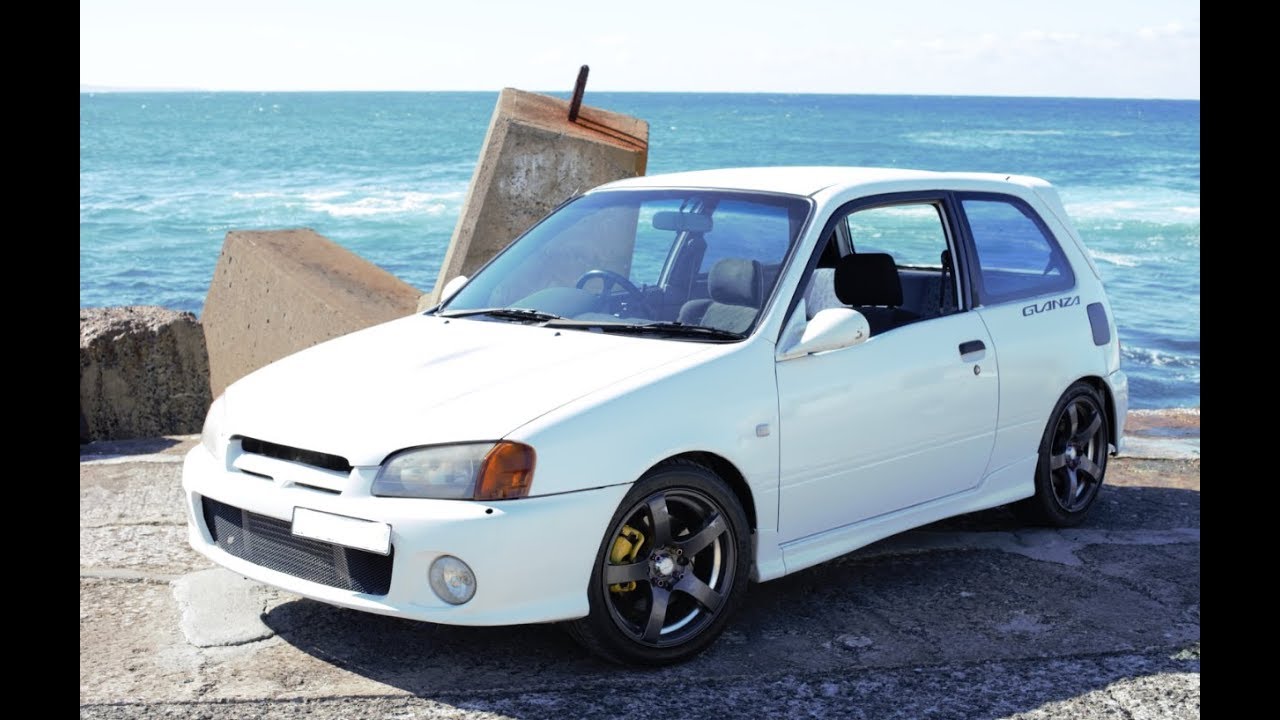
    Toyota is all set to bring in the Glanza hatchback to India. Essentially a Toyota-badged version of the Maruti Suzuki Baleno, the new Toyota Glanza is the first model to come out as part of the Toyota – Suzuki alliance which was announced in 2017. While a teaser has already been released, the Glanza has not been seen in the flesh in its entirety, well until now.

    The Glanza hatchback was spotted in a car park and yes, this is the first time you get to see what it really looks like, up front and the rear. Up front, you see it get a a new grille and slightly tweaked face, in order to differentiate it from the Baleno. So, we can see the two chrome slates which gets the Toyota badge right in the centre of the car. Much of the rest of the details on the car remain the same as on the Baleno. So the chrome strip, the headlamps, the fog lamps and even the lower air dam, remains identical to the Baleno.

    The similarity continues at the rear as there are no changes apart from the variant and brand badging. The Toyota Glanza will compete with the likes of the Maruti Suzuki Baleno, Hyundai i20, Honda Jazz. Considering that Maruti Suzuki has had great success with the Baleno and manages to sell close to 18,000 units a month on an average, it will be interesting to see how Toyota manages to boost its sales figures with this car.

    While the cabin of the car too is likely to remain unchanged, there will be a few tweaks made to make it feel more like a Toyota. As far as engine options go, the Toyota Glanza is expected to be launched in two petrol options, which will include Maruti Suzuki’s 1.2-litre, four-cylinder K12 petrol engine which powers the Baleno. The other one could be Toyota’s 1.2-litre four-cylinder petrol engine that is tuned to make 79 bhp and 104 Nm torque.

    The Toyota and Suzuki partnership extends not only to sharing vehicles but also technological development, vehicles production and market development. An MoU signed in November 2017 further expanded the partnership to consider a cooperative structure for introducing battery-powered electric vehicles.

  • Google adds Dark mode to an Android Apps

    Google adds Dark mode to an Android Apps

    If your eyes feel strained at the end of every day, it could be because of Google’s Material Design, which it is using on many of its core apps. Because Material Design uses plenty of bright white background, it can be blinding to look at at night or in a dark room. Not only can the light hurt a phone user’s eyes, but it can also be annoying to other people in a dark room.

    To combat this, Google started adding a Dark mode feature on apps that it gave a Material Design makeover. This changes the appearance of an app from having black text on a white background, to show white text on a black background. While many only use Dark mode at night or in a movie theater, others just like the look and keep the setting enabled on all compatible apps at all times.

    And thanks to the use of the black background, those using a phone sporting an AMOLED screen could end up extending their battery life. The color black is created on an AMOLED display by turning off the RGB sub-pixels in the screen. This means that battery power is not needed to make an OLED panel display the color black. An LCD screen uses a backlight and when the color black is called for, the pixel turns opaque blocking the LED light from being seen on the display. In this case, there is still a draw on the battery to power the backlight.

    The latest Android app to receive the Dark mode option is the Google Calculator app for Android. This is a must-have for the calculator, which has a huge white box that covers the top 40% of the screen. Dark mode can be found in version 7.6 of the utility app, although only version 7.5 is currently available from the Google Play Store. Once the new version is installed on your Android phone, open it and tap on the three-dot overflow menu in the upper right corner. You’ll see a box with several options; click on Choose theme. You can select from the regular retina melting Light theme, Dark theme or Set by Battery Saver. The latter is supposed to turn on the Dark theme once the battery saver feature is enabled.

    Android Q and iOS 13 are both supposed to include a system-wide Dark mode. We should learn more at Google I/O and WWDC, which start May 7th and June 3rd, respectively.

  • Trump Again Goes After India

    Trump Again Goes After India

    President Donald Trump has criticised India’s “big tariffs” on American paper products and the iconic Harley-Davidson bikes, saying the US has been losing billions of dollars to countries like India, China and Japan. Addressing a Republican political rally in Wisconsin state’s Green Bay city on Sunday, Trump alleged that every country has been ripping off America for years.

    The President has repeatedly claimed that India is a “tariff king” and imposes “tremendously high” tariffs on American products. “For so many decades we’ve been losing tens of billions of dollars to China and Japan, and India, and name any country and we lost, but we’re not losing anymore,” he said to his cheering supporters. He said that the US was being charged high tariffs on foreign paper products.

    “We charge other countries zero tariffs on foreign paper products, but when Wisconsin paper companies export it abroad… China charged us big tariffs, India charged us big tariffs, Vietnam charge us massive tariffs,” Trump said. He claimed that people of the US demanded a government that puts America first. “And we’re doing that with China, we’re doing that with India, we’re doing that with Japan, we’re doing it with a great new trade deal, that hopefully will get approved in the house,” the President said.

    Early this year at a White House event to announce his support for reciprocal tax, Trump had said that he was satisfied with the Indian decision to reduce the import tariff on high-end Harley-Davidson motorcycles from 100 per cent to 50 per cent. The President said that he called up Prime Minister Narendra Modi on the issue of tariffs on Harley-Davidson motorcycles. “Look at Harley-Davidson. I met with them three years ago, they would tell me tough to do business in certain kind. I asked ‘How you’re doing in India?’ and they said, ‘Oh, we don’t do any business’. They weren’t even complaining because so many years.

    “So India charged a 100 per cent tariff on Harley-Davidson, but when they send their motorcycles and they may come to us, we charge them nothing,” Trump said. “So I called up Prime Minister Modi, I said unfair, he cut it 50 per cent… But that’s not good enough because look, it’s 50 per cent to nothing. And what we’re doing is changing all of that stuff, changing all of that rapidly,” he added.

    India is pressing for exemption from the high duty imposed by the US on certain steel and aluminium products, resumption of export benefits to certain domestic products under the Generalised System of Preferences (GSP) programme, greater market access for its products from agriculture, automobile, automobile components and engineering sectors.

    On the other hand, the US is demanding greater market access through a cut in import duties for its agriculture goods, dairy products, medical devices, IT and communication items. India has stated that it would be difficult for them to cut duties on IT products.

    India’s exports to the US in 2017-18 stood at USD 47.9 billion, while imports were USD 26.7 billion. The trade balance is in favour of India.

  • Pininfarina Battista Launched In The Middle East

    Pininfarina Battista Launched In The Middle East

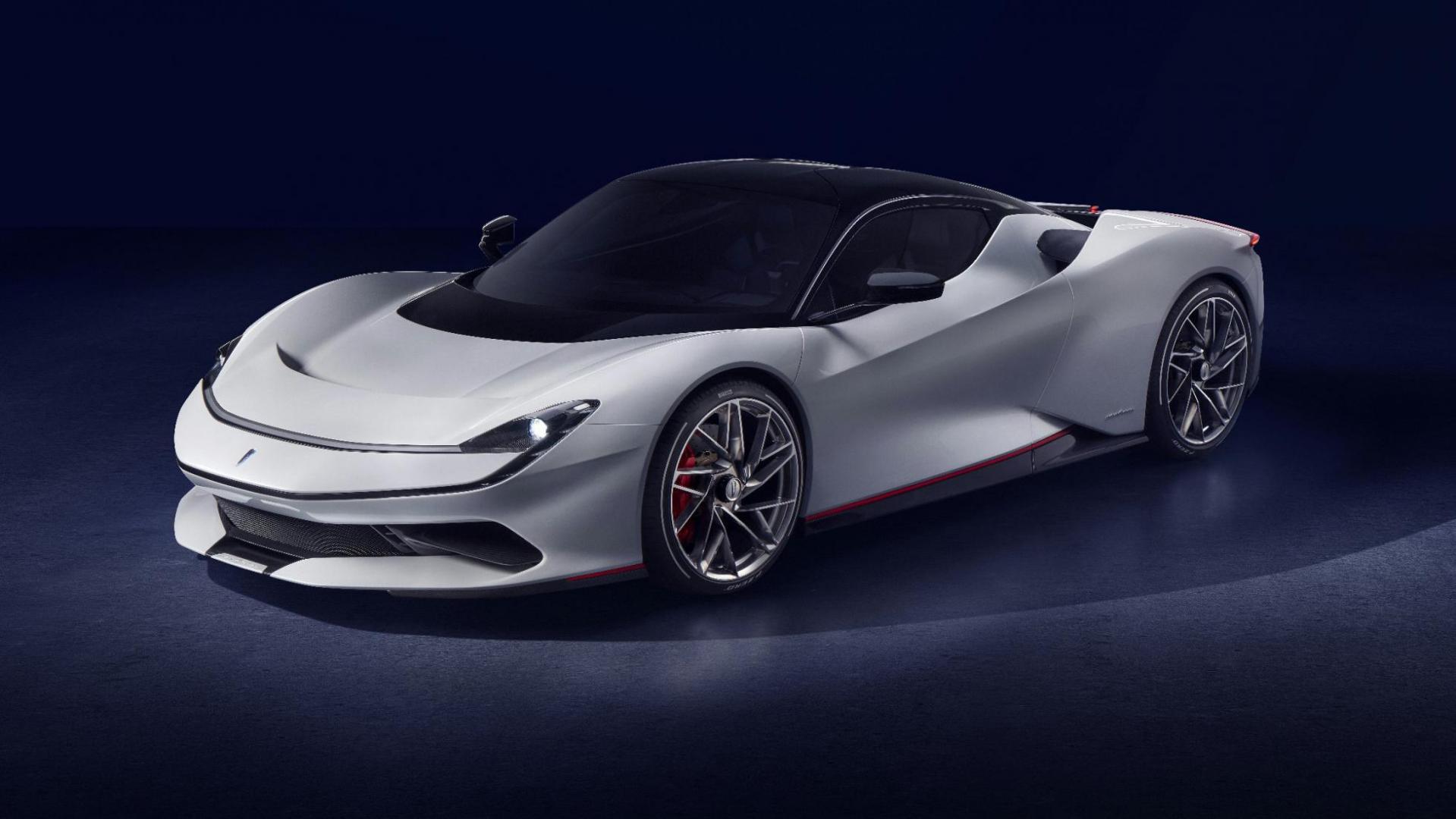
    Automobili Pininfarina has announced the introduction of its fully-electric hypercar, Pininfarina Battista, in the Middle East market. Expected to be priced around $2 million ( ₹ 13.95 crore approx.), the Italian marque’s zero-emission electric hypercar was launched in Dubai, at specialist luxury car retailer Adamas Motors showroom. The new Battista electric hypercar is slated to enter production in the second half of 2020 at Pininfarina’s Cambiano facility in Italy. Initially, the carmaker will be producing a maximum of 150 units, out of which only 50 are anticipated to be available to cover the Middle East and Asia markets, so the company expects the demands to be exceptionally high.

    Talking about the Luca Borgogno, Design Director, Automobili Pininfarina, said, “We are proud to be in Dubai for the Battista’s Middle East debut. Just a few weeks after it was launched at the Geneva International Motor Show, where it received an amazing reception, we have arrived in one of the world’s most discerning countries for supercars and luxury cars. The Battista’s classic hypercar proportions combined with cutting-edge technology that delivers 1,900 hp and zero emissions will be a new experience for its owners in the UAE, and we believe will make them fall in love with ultra-high-performance electric vehicles.”

    In addition to Adamas Motors as the brand’s retail partner for the UAE, Pininfarina will soon announce a second retail partner for the Middle East, which will cover the important Saudi Arabia market. Meanwhile, potential customers are invited to apply to own a Battista using an online service within the company’s website.

    The Pininfarina Battista will be the first of the Italian marque’s pure-electric luxury cars, and it comes with a 120-kWh battery providing power to four electric motors – one for each wheel – offering a combined output close 1,900 horses while developing 2,300 Nm of peak torque. Pininfarina claims that the Battista electric hypercar is faster than a current Formula 1 race car. While 0-100 kmph is achieved in under two seconds, 0-300 kmph takes less than 12 seconds and it can reach a top speed of 350 kmph. As for the range, the company claims that the Battista has a potential zero-emissions range of up to 450 kilometres.

    The Battista comes with the classic Pininfarina design, using the same principle of form and function coming together, as seen in classic Pininfarina cars reaching back to the Cisitalia 202 of 1947 and through more than 100 Ferraris. The car also comes with a futuristic-looking cabin with a completely driver-oriented dashboard with two displays positioned behind the steering wheel offering a host of information. The hypercar features dual tone black and brown interior using high-quality leather. Plans are in place for the opportunity to fully personalise each car at Pininfarina SpA’s Cambiano headquarters.

  • Chatime facing allegations of Employee Underpayment

    Chatime facing allegations of Employee Underpayment

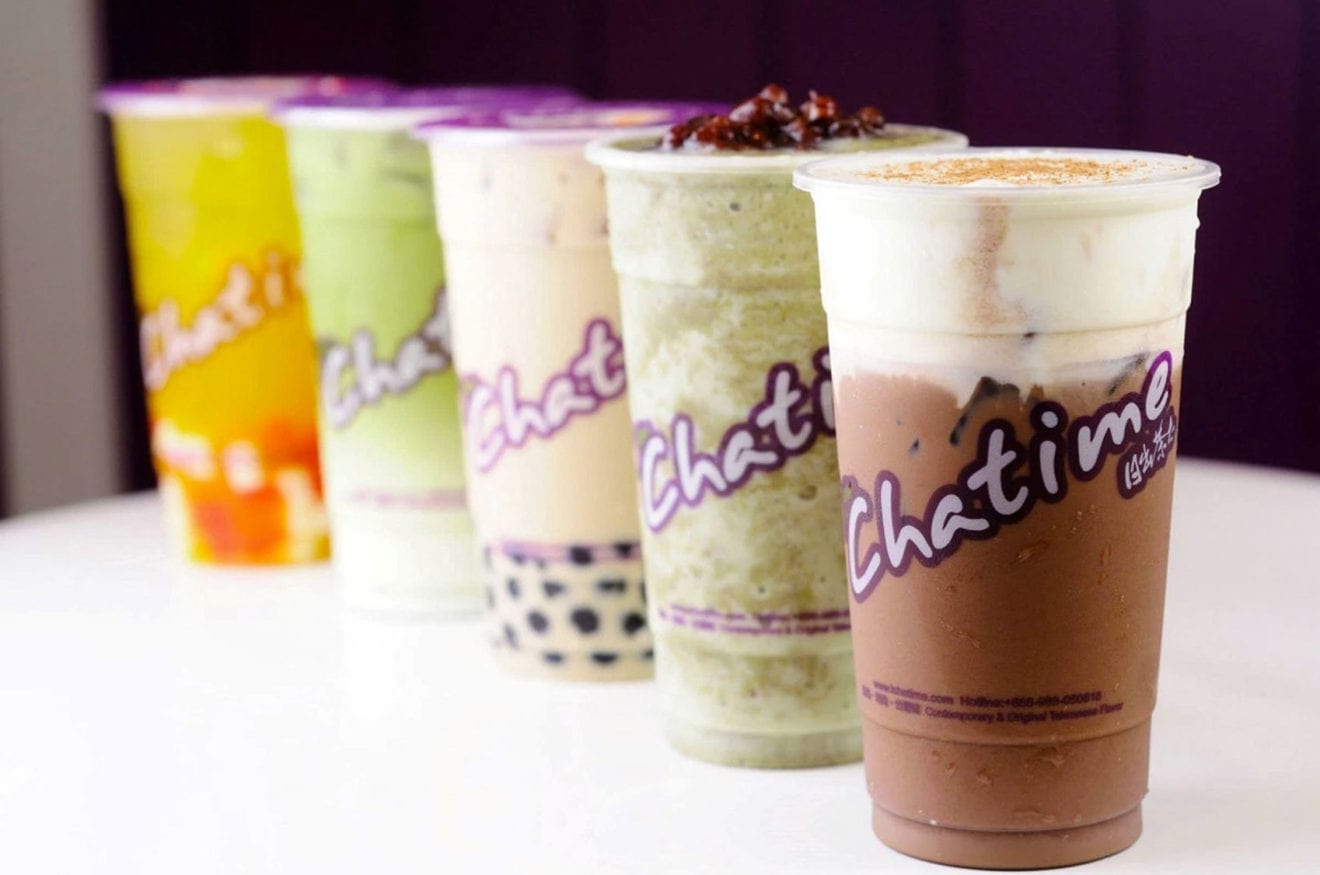
    Bubble tea chain Chatime is the subject of the latest underpayment scandal, after an in-depth report alleged rampant underpayment in both corporate-owned stores and the franchisee network stretching back to 2009.

    Employees of the Taiwanese company’s Australian subsidiary – Infinite Plus – are owed more than $10 million, according to the report. Many of the underpaid workers are foreign students on visas from China and Taiwan, who were too afraid to complain to authorities, the report said.

    A spokesperson for the Fair Work Ombudsman (FWO) told it has a current investigation relating to Infinite Plus, so could not comment further on the matter at this stage.

    The report comes after a parliamentary inquiry earlier this year called for a total overhaul of the franchise sector, after a series of underpayment scandals at 7-Eleven, Retail Food Group, Domino’s Pizza Enterprises Ltd and other franchise businesses.

    Chatime had not previously been insinuated in the underpayment scandals, but according to the report, the bubble tea business had in fact received a formal complaint from the Fair Work Ombudsman (FWO) in 2018, after an audit of its corporate-owned stores from August to December 2016 revealed 150 workers had been underpaid.

    Chatime was told to back-pay workers an estimated $113,494 in NSW and $62,975 in Victoria, the report stated, but was not further penalised by the FWO. The Ombudsman also chose not to make the finding public.

    Earlier this month, however, the regulator commenced legal action against a Chatime franchisee in Sydney, which it alleged underpaid 17 workers more than $46,000. A Chatime insider told, “It’s pretty standard picking on the little guys, not the big guys”.

    The spokesperson for the FWO told it is examining the rapid establishment and expansion of overseas franchise businesses.

    “These businesses often implement operating models and workplace practices associated with their countries of origin,” the spokesperson said.

    “In combination with employing migrant workers, who may be unaware of their rights, there is significant potential for non-compliance. We are proactively auditing several emerging franchisees in the fast food, restaurant and café sector to check compliance of their business models with Australia’s workplace laws.”

    The spokesperson said recent litigations commenced against PappaRich and Chatime franchisee outlet operators are the result of this activity.

    The spokesperson also confirmed that the FWO investigated Bakery Venture, a business that Infinite Plus’s key shareholders – Charlley Zhao and Iris Qian – were involved directors of and key shareholders, last year.

    The Ombudsman secured $350,000 in back-pay for employees and former employees of Bakery Venture, trading as Dough Collective, but further enforcement options were limited, since the company went into liquidation during the investigation.

    We asked Chatime for comment, but had not received a reply by the time of publication.

  • Central Phuket opens luxury VIP Zone

    Central Phuket opens luxury VIP Zone

    Thai property developer and the operator of Central Phuket shopping centre, CPN, has celebrated a new luxury zone with the launch of a range of world-class brands.

    The company says the new stores are being introduced in line with “the rapid growth and high demand of the affluent world tourist market in support of Thailand’s tourism industry’s move to elevate Phuket city as a global beach lifestyle destination comparable to the French Riviera, Miami, and Hawaii”.

    “As a global player, we aim to elevate Central Phuket to become one of the most complete travel destinations in the world,” said CPN deputy CEO Wallaya Chirathivat. “Central Phuket has the concept of ‘The Magnitude of Luxury & Leisure Resort Shopping Destination’ in the form of a ‘Beach Lifestyle’, which perfectly matches with Phuket as a beach city comparable to the world’s greatest beach cities. We truly appreciate that the global luxury brands have placed trust and confidence in our project as the first luxury mall located outside Bangkok, Thailand.”

    To mark the occasion, Central Phuket held a grand celebration entitled “The Unveiling of the New World of Luxury” highlighting the prestigious “Universe of Sirivannavari: The First View from Paris to Phuket” exhibition. HRH Princess Sirivannavari Nariratana allowed the exhibition to be held for the first time in Thailand at Central Phuket Floresta from April 28 to May 26.