Tag: asia

  • McDonald’s Malaysia Opens 20 More Restaurants

    McDonald’s Malaysia Opens 20 More Restaurants

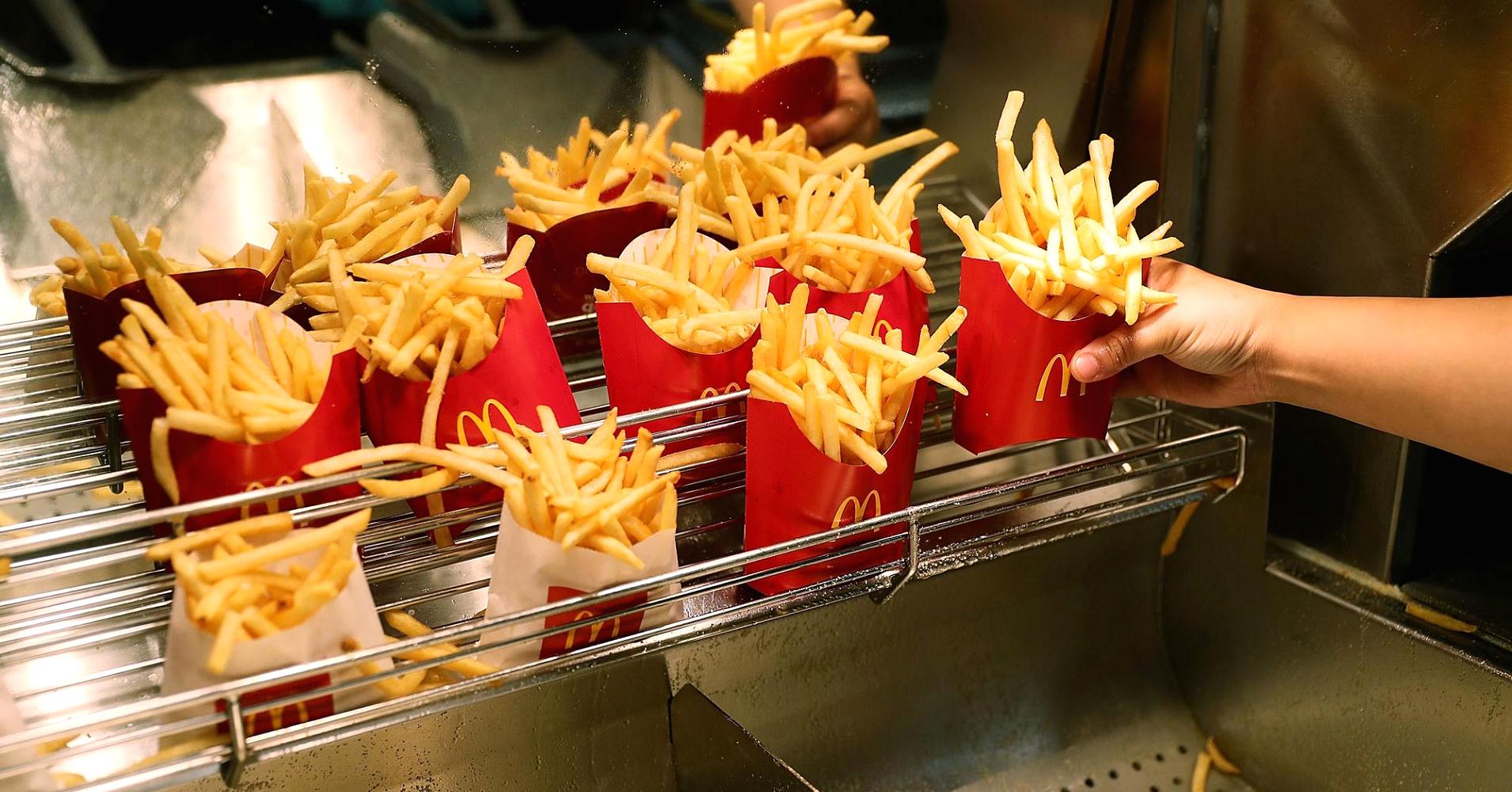
    McDonald’s Malaysia will launch 20 new McDonald’s Drive-Thru restaurants before the end of the year.

    “Drive-Thru window sales have contributed almost 50 per cent of total sales at 167 restaurants,” said regional MD and local operating partner Azmir Jaafar. “On top of this, we’ve seen an average 10 per cent year-on-year growth in drive-thru sales in the first quarter of 2019.”

    McDonald’s Malaysia opened its first Drive-Thru in Titiwangsa in 1988. The franchise now plans to include a drive-through facility in nearly three quarters of its restaurants by 2021, anticipating a 10–15 per cent increase in vehicle count.

    A Drive-Thru Weekend Challenge held from April 26–28 saw 473,860 cars stopping at a McDonald’s Drive-Thru nationwide for a meal, earning the franchise a spot in the Malaysia Book of Records.

  • Texas Chicken Indonesia opens New Restaurant in Bandung

    Texas Chicken Indonesia opens New Restaurant in Bandung

    A Texas Chicken Indonesia franchisee will be among the first in the world to display the brand’s new look and feel.

    The company’s new ‘Blaze’ concept will make its debut in central Bandung, in a popular town-square style area known as Alun Alun Bandung. Quick Service Restaurant, an affiliate of the Texas Chicken franchisee in Malaysia, Envictus International Holdings Limited (EIH), will be the official franchisee for the new restaurant.

    “This has been an exciting opportunity to introduce a new audience to an ever-evolving brand like Texas Chicken which is known and respected for its quality and superior guest experience,” said Quick Service Restaurant’s country head Daniel Harris Ishak.

    The new Texas Chicken in Bandung is part of a much larger franchise development deal that will bring 80 Texas Chicken restaurants to Indonesia over the next 10 years – mainly in Jakarta, West Java, Banten, Lampung, South Sumatra, and Bengkulu provinces.

    The 150-seat restaurant, located on the first floor of The Kings Shopping Centre, will be the first in Indonesia to feature the new logo, new store design, and the latest international menu.

    “QSR is an extension of one of our most proven franchisees – which made them an excellent choice for piloting this new design,” said Texas Chicken’s executive VP of international business Tony Moralejo.

    “We look forward to bringing our quality food and authentic flavours to our guests in ways that are fresh and engaging.”

  • Pizza Hut Malaysia Plans More Store Openings

    Pizza Hut Malaysia Plans More Store Openings

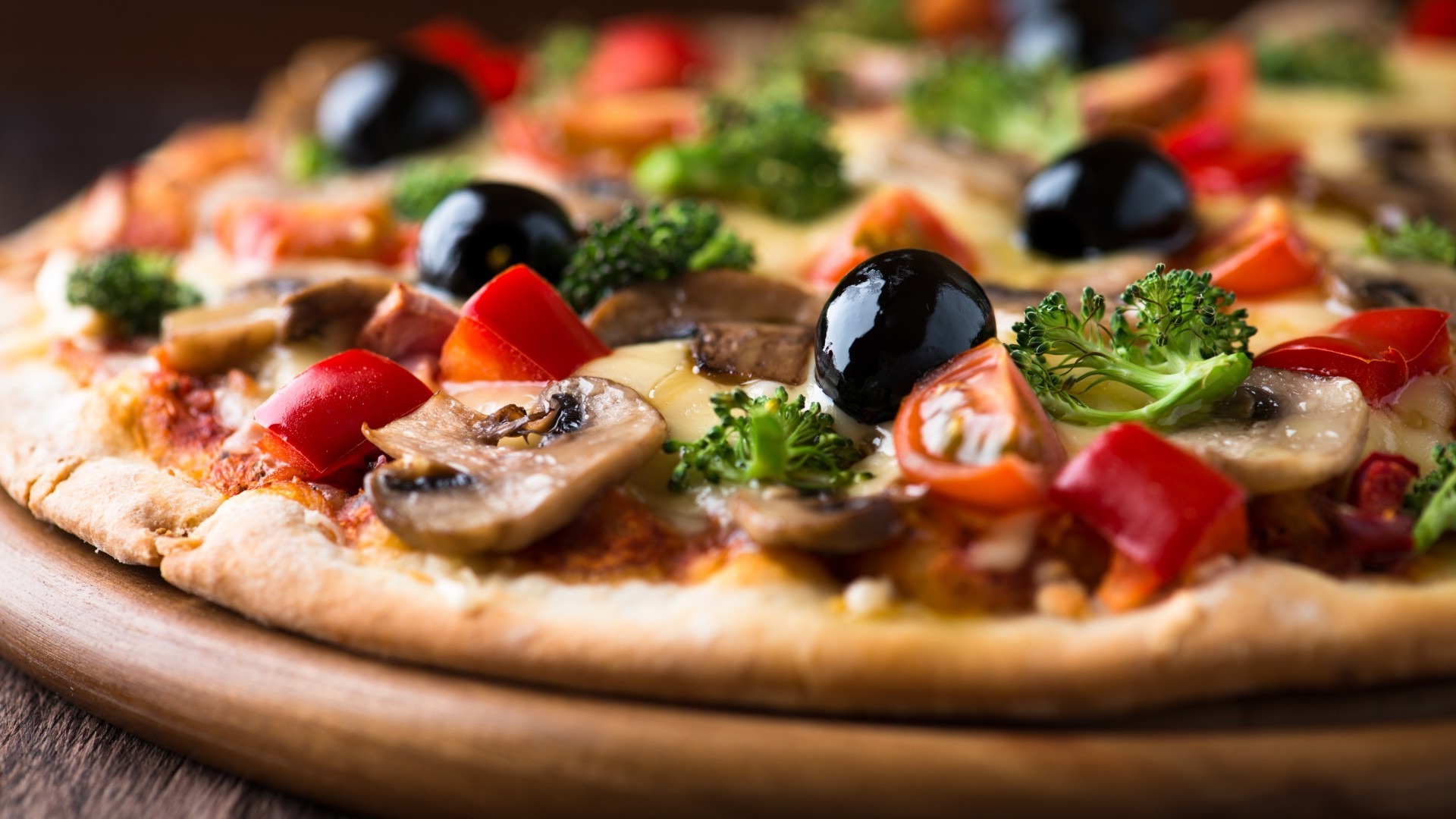
    The 400th Pizza Hut Malaysia store has opened at Central I-City Shah Alam.

    To celebrate the landmark moment in the franchise’s history, Pizza Hut is giving 4000 pizzas to diners, as well as an additional 400 pizzas to 10 local charities. It was also selling its personal-sized pizzas for just RM4 (around US$1) at the end of last month.

    A statement by COO Loi Liang Tok revealed that the brand intends to open its 408th store by the end of the year, with new locations in Sabah, Sarawak, Perak and Penang. The brand is also rolling out an upgraded serving system in its fast casual delco stores, equipped with faster food preparation equipment and some self-service features.

    “The expansion of offerings through our new store format and the enhancements of our existing stores enable us to up our ante in staying relevant and help us to serve our community better,”

    QSR Brands MD Dato’ Seri Mohamed Azahari Mohamed Kamilw, “while offering vibrant dining experiences and staying delightful.”

  • Xtep Takes Over Footwear brands Palladium, K-Swiss and Supra

    Xtep Takes Over Footwear brands Palladium, K-Swiss and Supra

    Palladium, K-Swiss and Supra brands sold by South Korean’owned E-Land Footwear USA.

    Hong Kong-listed sportswear giant Xtep International has bought three US footwear brands from South Korea’s E-Land USA.

    The Chinese company will pay US$260 million for all the outstanding shares in E-Land Footwear USA Holdings, which owns the K-Swiss, Palladium and Supra brands. Settlement is due by the end of July.

    Xtep chairman and CEO Ding Shui Po said the purchase marked the company’s move into “a new era of business” following a three-year strategic transformation.

    He said the brands would complement Xtep’s product portfolio “and elevate us as one of the leading global multi-brand sportswear companies”.

    “Not only will it strengthen Xtep’s foothold in the expanding Chinese sportswear market, but will also provide us with growth opportunities in untapped overseas markets such as Southeast Asia. In other words, Xtep has what it takes to speed up business growth both domestically and overseas in the years to come.”

    All three brands have global name recognition and are target the high end of the market.

    K-Swiss, a heritage athletic shoe brand which was founded in California in 1966, offers performance tennis footwear, lifestyle and fitness footwear targeting athletes and trendsetters. Palladium is one of the best-known global pampa boot brands established in France in 1947. Between them, the brands have a global presence covering more than 80 countries and territories.

    Ding Shui Po said the brands’ distinctive positioning and different target customer groups are highly complementary to Xtep’s brand portfolio.

  • Honestbee CEO Departing to get more Funding

    Honestbee CEO Departing to get more Funding

    Interim replacement from cornerstone investor, suggesting much-needed funds will soon be injected to save the startup.

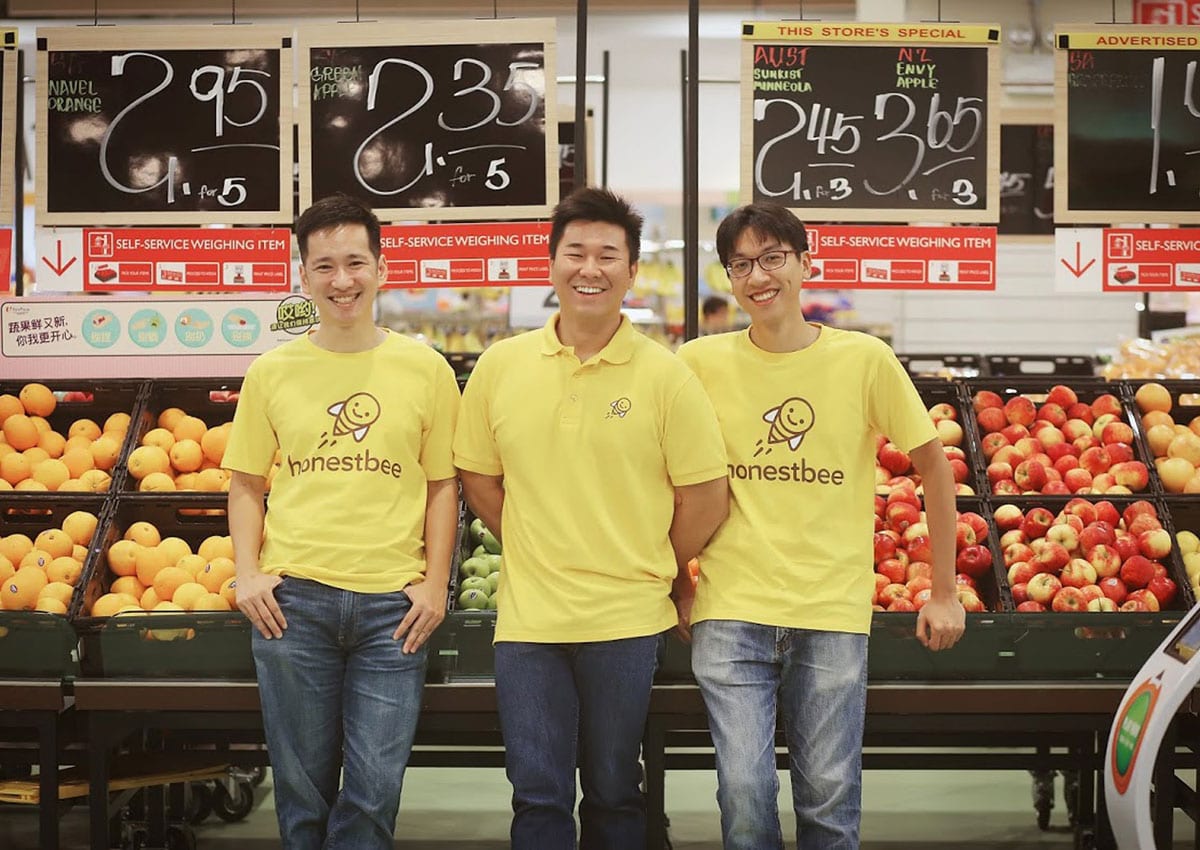
    Honestbee CEO and cofounder Joel Sng has stepped away from the business, clearing the way for a fresh round of investment which would ensure the startup’s survival.

    His place has been taken by Brian Koo, the grandson of the founder of South Korean industrial giant LG and who oversees US-headquartered investment fund Formation Group, one of the key investors and shareholders in Honestbee. Koo’s role has been termed “interim CEO”.

    While Honestbee in an unattributed statement said Sng was “stepping down” as Honestbee CEO the exact circumstances of his departure are less clear.

    The Straits Times reported early yesterday that Sng had sent an email to staff signalling his intention to leave the role, while TechCrunch, which has been reporting extensively on Honestbee’s challenges in recent weeks and is well connected with inside sources, said Sng had been fired and had vacated his desk on Tuesday.

    DealStreetAsia quoted an email from Sng which it had seen, in which Sng apologised to the Honestbee team: “Over the past year, our business has grown significantly, and operating and scaling across eight countries is not without its challenges. We acknowledge that the board could have provided the company more guidance and we apologise for not doing more.

    “…All of you have given blood, tears and sweat to get us this far. These are the moments when we have to be strong. I want all of you to know that I am in this with you, fighting every day beside you. We might be judged by our mistakes, but we will be remembered by our success in the future,” he said.

    Earlier reports had suggested concerns about financial decisions and management of the business had proved a major barrier to attracting urgently needed funds to keep the business running, in particular a scheduled funding round in January from a Japanese investor.

    Brian Koo took over the role yesterday in a move at least one observer is seeing as a precursor to Formation Group injecting more capital.

    Earlier this week, Honestbee confirmed it was shutting its operations in five markets – Thailand, Hong Kong, Japan, Indonesia and the Philippines. However a spokesperson in an emailasked to clarify that the company had not decided to exit those markets, rather it had “halted or temporarily suspended operations” in them.

    Regardless of the exact circumstances of Sng’s departure, Koo was magnanimous in recognising the cofounder’s role in establishing the business.

    “I would like to express my appreciation for Joel, as he steps away from his current role, for taking Honestbee from zero to one,” he said in a statement.

    “I will be working with the executive team to conduct an in-depth review of our business to focus and align our strategic interests across our various geographies and verticals, and take the opportunity to articulate a clear vision for the future of honestbee.”

    In the same statement Sng said Koo had been Honestbee’s earliest supporter and a key investor.

    “He was also instrumental in helping us define Honestbee’s purpose and mission from day one. I am confident that he would (sic) be able to bring the company to the next level, supported by the newly appointed executive team comprising key leaders of our organisation.”

    “We will continue to innovate and improve our business to stay relevant in today’s rapidly changing business environment. We remain committed to making great food experiences accessible to customers across Asia.”

  • Zwilling Shanghai flagship store Gets Rewarded

    Zwilling Shanghai flagship store Gets Rewarded

    Shanghai flagship store wins international retail design accolade. The Zwilling Shanghai flagship store has been selected as one of the world’s three best retail store designs in the annual EuroShop RetailDesign Awards.

    The store blends retailing with cooking classes and a restaurant, with a focus on traditional western and eastern themes combined with “a puristic and understated interior”.

    The store’s achievement was announced at a function in Shanghai coinciding with the C-star retail industry trade show. Organised by research and training company EHI and Messe Dusseldorf the awards select three stores out of 71 nominees, with all three equally recognised. The other winners this year were L&T Sport in Osnabruck in Germany and Jigsaw’s The Shop at Bluebird in London.

    Of the Zwilling Shanghai store, the judges said “dynamic changes in colours, materials and music provide contrast to differentiate individual areas of the store”.

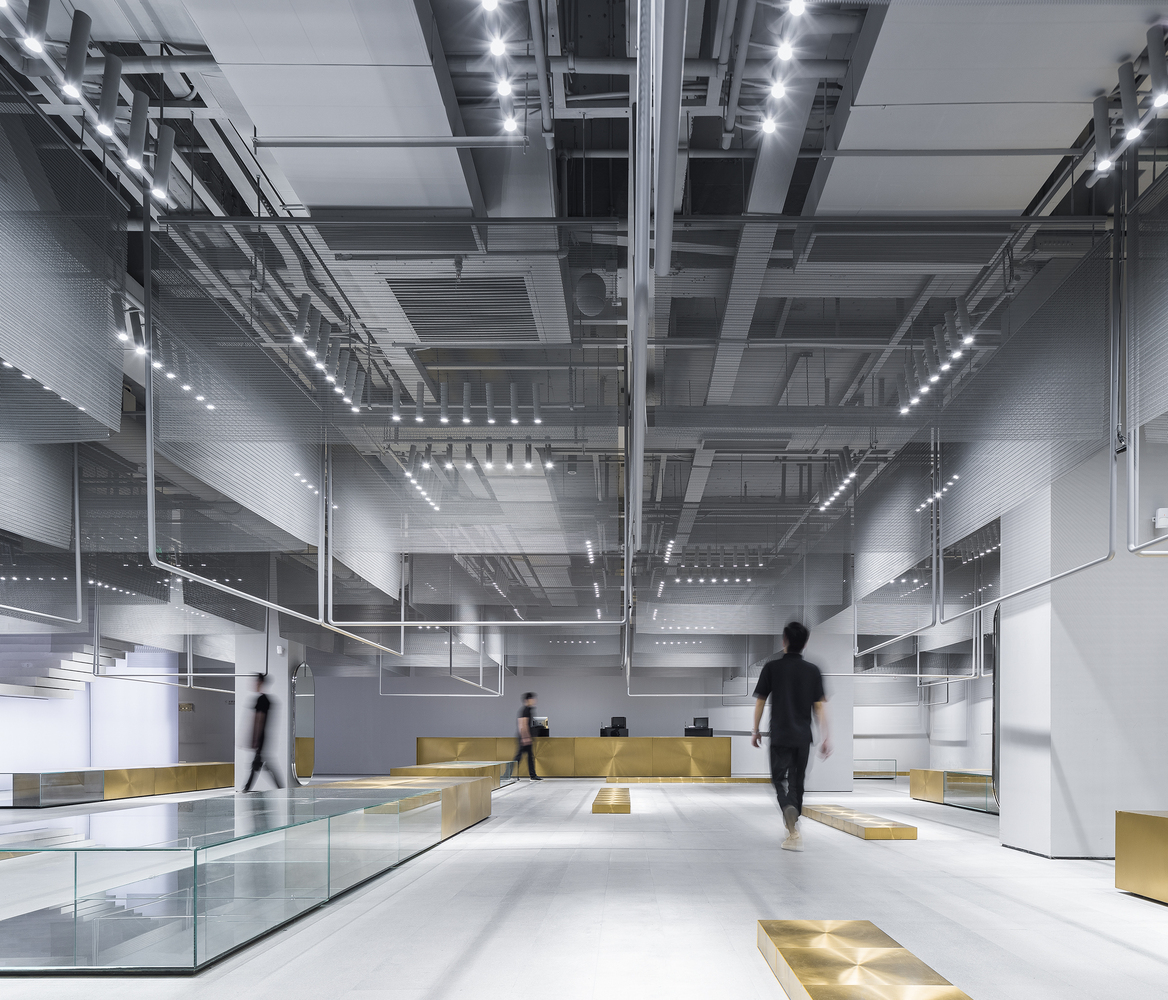
    “Bathed in light, the ground floor features light oak and dark walnut, a sand-coloured terrazzo floor, and steel and brass frames, which all serve as a backdrop for the products, providing a warm, Mediterranean atmosphere. Dedicated to various food concepts, the upper floor is characterised by varying floor heights and seating.”

    With tabletops made of blue glass and lighting elements made of brass, the store’s overall design is reminiscent of Shanghai’s Art Deco heritage.

    A 36-metre-long wooden table with teal velvet chairs adds a rustic touch to a fine-dining area, where visitors are invited to enjoy a meal.

    “The customer encounters the brand’s product world authentically – through a culinary adventure or hands-on cooking school experience.”

    Surfing in the city

    L&T Sport’s store, created by German fashion house Lengermann + Trieschmann, features 5000sqm of retail space over five floors. One of the store’s main attractions is the Hasewelle, a wave pool where surfers can test the latest boards right there in the store. Polygonal lines form the basis of the store design. The railings, whose lines are shaped in accordance with this design, are staggered across the floors in such a way that each floor and each position provides a new view of the Hasewelle pool.

    In order to integrate the individual sporting goods brands into the design, the store refrains from the usual shop-in-shop brand solutions. Members can train in high-altitude conditions in an 800sqm Premium City-Gym. Separated from the store by nothing more than glass walls, the gym is part of the sporting goods store while also serving as an extension of its core business.

    A cabinet of curiosity

    The Shop at Bluebird is owned by British fashion company Jigsaw and specialises in high-end brands from the worlds of fashion, beauty, art and design. The concept store’s diverse offerings are housed in a heritage-protected 19th-century historical coach house on Floral Street in Covent Garden, London.

    “Striking, opulent decor and design elements combine to create a ‘cabinet of curiosity’,” the judges said.

    An atrium filled with natural light and a cobblestone floor creates an open-air ambience in the middle of the store. A custom-made, cube-shaped installation with 20 reflective surfaces hanging from the ceiling creates an artistic effect by reflecting and distorting its surroundings.

    “The design concept plays with geometric forms and curved lines, combining traditional and modern elements harmoniously. Wallpapers in coordinated colours and textures complement the multifaceted aesthetic, consisting of elegant Art Deco patterns and floral Victorian motifs.”
    The Zwilling Shanghai flagship store has been selected as one of the world’s three best retail store designs in the annual EuroShop RetailDesign Awards.

    The store blends retailing with cooking classes and a restaurant, with a focus on traditional western and eastern themes combined with “a puristic and understated interior”.

    The store’s achievement was announced at a function in Shanghai coinciding with the C-star retail industry trade show. Organised by research and training company EHI and Messe Dusseldorf the awards select three stores out of 71 nominees, with all three equally recognised. The other winners this year were L&T Sport in Osnabruck in Germany and Jigsaw’s The Shop at Bluebird in London.

    Of the Zwilling Shanghai store, the judges said “dynamic changes in colours, materials and music provide contrast to differentiate individual areas of the store”.

    “Bathed in light, the ground floor features light oak and dark walnut, a sand-coloured terrazzo floor, and steel and brass frames, which all serve as a backdrop for the products, providing a warm, Mediterranean atmosphere. Dedicated to various food concepts, the upper floor is characterised by varying floor heights and seating.”

    With tabletops made of blue glass and lighting elements made of brass, the store’s overall design is reminiscent of Shanghai’s Art Deco heritage.

    A 36-metre-long wooden table with teal velvet chairs adds a rustic touch to a fine-dining area, where visitors are invited to enjoy a meal.

    “The customer encounters the brand’s product world authentically – through a culinary adventure or hands-on cooking school experience.”

    Surfing in the city

    L&T Sport’s store, created by German fashion house Lengermann + Trieschmann, features 5000sqm of retail space over five floors. One of the store’s main attractions is the Hasewelle, a wave pool where surfers can test the latest boards right there in the store. Polygonal lines form the basis of the store design. The railings, whose lines are shaped in accordance with this design, are staggered across the floors in such a way that each floor and each position provides a new view of the Hasewelle pool.

    In order to integrate the individual sporting goods brands into the design, the store refrains from the usual shop-in-shop brand solutions. Members can train in high-altitude conditions in an 800sqm Premium City-Gym. Separated from the store by nothing more than glass walls, the gym is part of the sporting goods store while also serving as an extension of its core business.

    A cabinet of curiosity

    The Shop at Bluebird is owned by British fashion company Jigsaw and specialises in high-end brands from the worlds of fashion, beauty, art and design. The concept store’s diverse offerings are housed in a heritage-protected 19th-century historical coach house on Floral Street in Covent Garden, London.

    “Striking, opulent decor and design elements combine to create a ‘cabinet of curiosity’,” the judges said.

    An atrium filled with natural light and a cobblestone floor creates an open-air ambience in the middle of the store. A custom-made, cube-shaped installation with 20 reflective surfaces hanging from the ceiling creates an artistic effect by reflecting and distorting its surroundings.

    “The design concept plays with geometric forms and curved lines, combining traditional and modern elements harmoniously. Wallpapers in coordinated colours and textures complement the multifaceted aesthetic, consisting of elegant Art Deco patterns and floral Victorian motifs.”
  • Honestbee Shutting Down in Several Countries

    Honestbee Shutting Down in Several Countries

    Singapore grocery-picking startup puts a positive spin on its predicament as it seeks investors.

    Honestbee has shut down or suspended operations in five countries as it seeks funding to continue to trade in its core markets, including home base Singapore.

    As previously reported by Inside Retail Asia, Honestbee has suspended operations in Hong Kong and Thailand. Yesterday, the company clarified that it had “halted services” in Indonesia and Hong Kong and its food vertical in Thailand. Services in Japan and the Philippines have been suspended.

    The grocery-delivery startup founded in 2015 has run out of cash but is putting a positive spin on its predicament.

    “Over the past four years, we have demonstrated commitment to our staff, partners and customers, and continue to innovate and improve our business to stay relevant in today’s rapidly-changing business environment,” the company said in a statement.

    “The launch of Habitat by Honestbee in Singapore last October marks the next phase in our evolution as a food company.”

    Honestbee said 10 per cent of its staff had been laid off. It did not refer to the number of resignations over recent months, which have included senior management, such as the head of the Philippines operation. One media outlet reported that between 50 and 70 staff had voluntarily resigned.

    The company said the curtailment of operations in five markets was necessary “to help us focus and align our regional business, and more importantly, to enable us to better meet our customers’ needs”.

    “The status of Honestbee’s business in the remaining markets stands unchanged.”

    Honestbee said media reports regarding a delay in employees being paid were untrue.

    “We will ensure that all employees across all markets, including Singapore, are paid in a timely manner. In addition, we are also committed to fulfilling our financial obligations to all Bees (store pickers), partners and vendors.”

    Meanwhile, the hunt for new investors continues. According to DealStreetAsia, Grab has been approached, but declined to be involved, as it is a shareholder in Honestbee’s rival HappyFresh.

  • La Chapelle sales Slump Again

    La Chapelle sales Slump Again

    La Chapelle sales slumped 21 per cent in the first quarter to RMB2.372 billion (US$352 million) as the Hong Kong-listed fashion retailer continued its restructuring.

    The troubled retailer has closed 1877 loss-making and inefficient stores in the past year, leaving it with 9540 at the end of March, and representing the shuttering of one in five directly operated outlets.

    Net profit attributable to shareholders plunged 94.4 per cent to RMB9.751 million (US$1.44 million).

    In a shareholder update, La Chapelle said weak consumer confidence and the continued overall negligible growth of apparel spending compared with the second half of last year had also impacted on sales in the March quarter.

    According to the National Bureau of Statistics data, Mainland China sales of shoes, hats and apparel grew by just 3.3 per cent year on year, a rate five percentage points less than the growth rate of all consumer goods sales.

    “Furthermore, the Chinese New Year holiday of 2019 was 11 days earlier than that of 2018, which had an adverse effect on the sales of winter products for the first quarter. The revenues of the ladies’ apparel brands such as La Chapelle, Puella, 7 Modifier as well as La Babite for the first quarter had a year-on-year decrease of 26.65 per cent, 29.76 per cent, 22.91 per cent and 23.06 per cent respectively, which is mainly due to the decrease in direct-sale stores, the change in numbers of ultimate consumers, and the increase in proportion of sales of obsolete inventories,” the company said.

  • Amore Pacific launches Etude House

    Amore Pacific launches Etude House

    Amorepacific Group, the largest global beauty company headquartered in Korea, has launched Etude House in India.

    Etude House has become the third Amorepacific brand introduced to India after Innisfree and Laneige. The brand made its debut on the Indian market on April 30th exclusively through beauty retailer Nykaa.

    Amorepacific plans to expand e-commerce channels to increase reach with millennial customers in the territory, communicating with Indian consumers through Instagram.

    “The Indian beauty market is growing by nearly 10 per cent every year, and this fast growth is driven by millennial customers with increasing disposable incomes and growing interests in global beauty,” said Amorepacific’s group strategy unit head Lee Chang-kyoo. “We see tremendous potential in India to support our goal of strengthening the experience of Asian beauty in the region.”

    “With the launch of Etude House in India, we seek to offer the best beauty experience to our Indian customers – with products that are backed by over 70 years of studies in natural ingredients and world-class innovative technology. This year, we plan to boost our brand operations through online channels.”

    Nykaa chief business officer Nihir Parikh added: “Over the last two years, Nykaa brought Korean beauty to India, introducing customers to their unique innovations and ingredients. The category has been a great success with our customers, who are keen to experience such global trends.”

  • MCM Japan opens Their Largest Store in Tokyo

    MCM Japan opens Their Largest Store in Tokyo

    MCM Japan has launched its largest flagship yet in Tokyo. The German luxury accessories brand’s new boutique, follows new locations in Berlin and Los Angeles earlier this year, presents a new architectural landmark with a nine-storey, 2880sqm space. Ginza Haus I is located in Tokyo’s tourist district, which plays host to the city’s luxury fashion precinct.

    The store facade features granite grey marble with oversized LED panels displaying the brand’s logo, while the store’s interior features wood and marble fixtures in a fusion classical/modern design aesthetic.

    The flagship’s lower floors are dedicated to seasonal collections, while upper floors include a showroom, a VIP lounge, experience-driven retail installations, and a cafe, as well as a gallery and performance space.

  • Tricker’s Tokyo Opens British footwear brand’s first Store

    Tricker’s Tokyo Opens British footwear brand’s first Store

    British footwear brand Tricker’s has opened its first shop outside the UK, choosing Japan.

    Tricker’s Tokyo store opened last Thursday, an exact replica of its London Jermyn Street shop.

    “Japan has been our biggest export market for more than 30 years,” read a notice on the brand’s Twitter account. “This is a bold development for a small business such as ours.”

    The opening celebrates the heritage brand’s 190th anniversary. It is known for its quality heavy brogue shoes and boots, and counts Prince Charles among its patrons.

  • Chinese KFC restaurants struggles as chicken prices Increases

    Chinese KFC restaurants struggles as chicken prices Increases

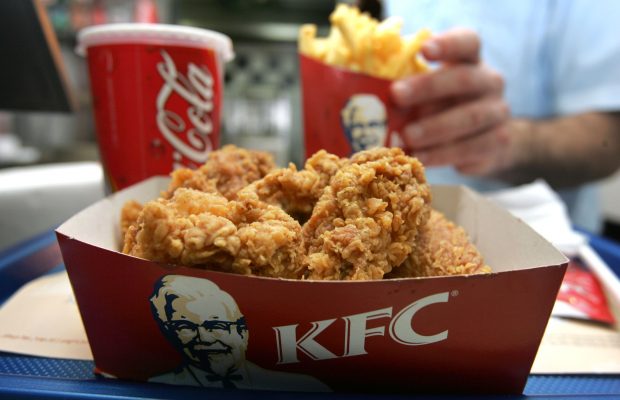
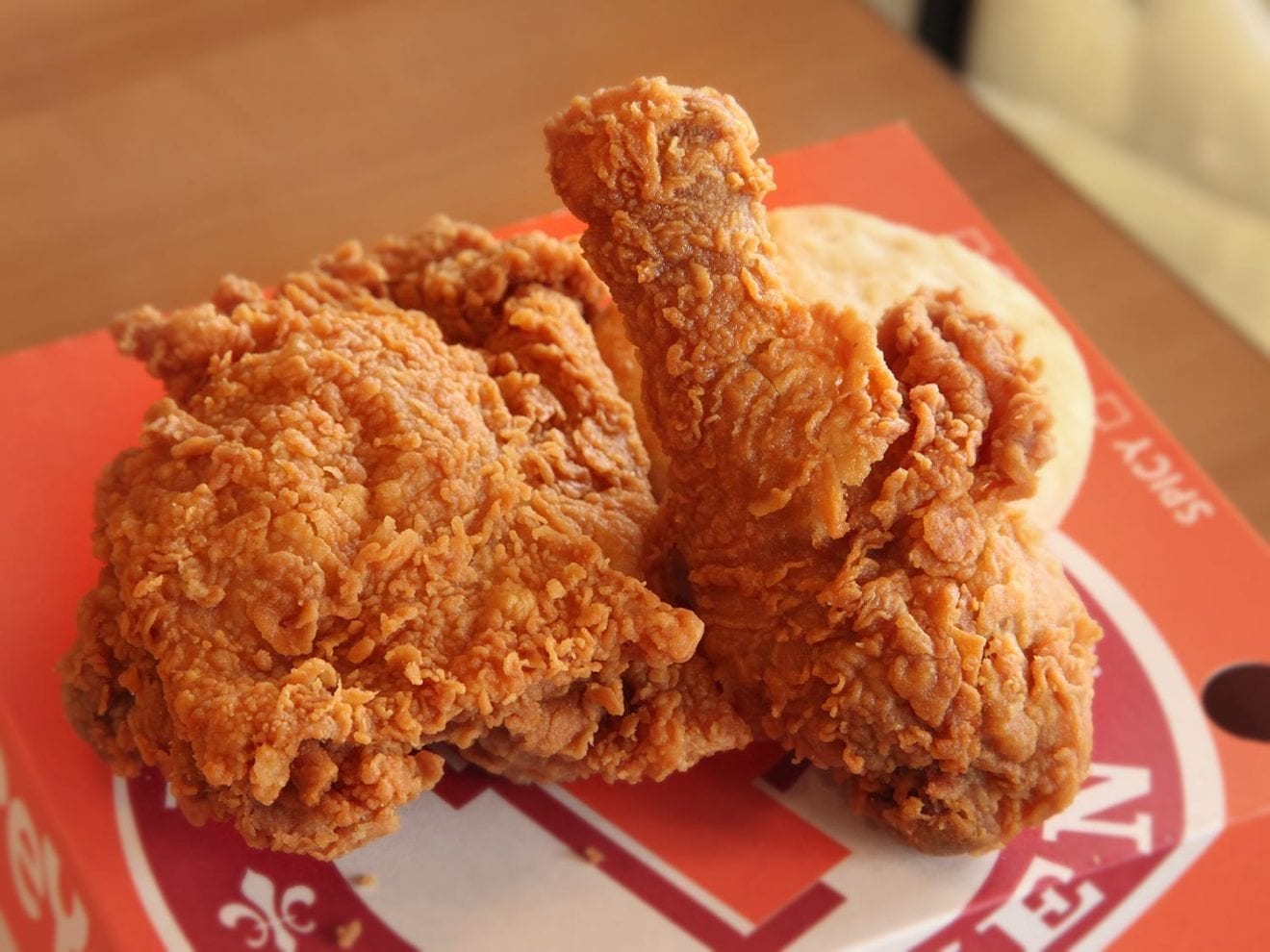
    Chinese KFC restaurants have begun serving parts of chickens not used before in response to rising costs.

    According to Yum China CEO Joey Wat, the KFC brand introduced new chicken cuts in the first quarter from “a part of the chicken that we somehow have not used in the last 30-some years”. The cut is a portion between the wing and the breast.

    The elevated poultry costs are largely attributed to a spin-off effect from the impact of African Swine Fever on the pork market as well as the current trade war with the US.

    The costs have seen KFC’s operating margin reduced to 18.7 per cent from the previous 20.6 per cent, despite a rise in same-store sales of 5 per cent. KFC has faced commodity inflation of 5 per cent in the first quarter, according to the company’s earnings call.

    “We expect poultry inflation to weigh on margins for the rest of the year,” said Yum China CFO Jacky Lo.

    Wat stated that the chain may be turning to new technology to save its declining margins in the hope that such technology can provide “another way to cut out chicken.”

    The brand may also introduce “some sort of ingredient” other than chicken “that probably has not been used before.”

  • Asean countries fight against Counterfeit Goods

    Asean countries fight against Counterfeit Goods

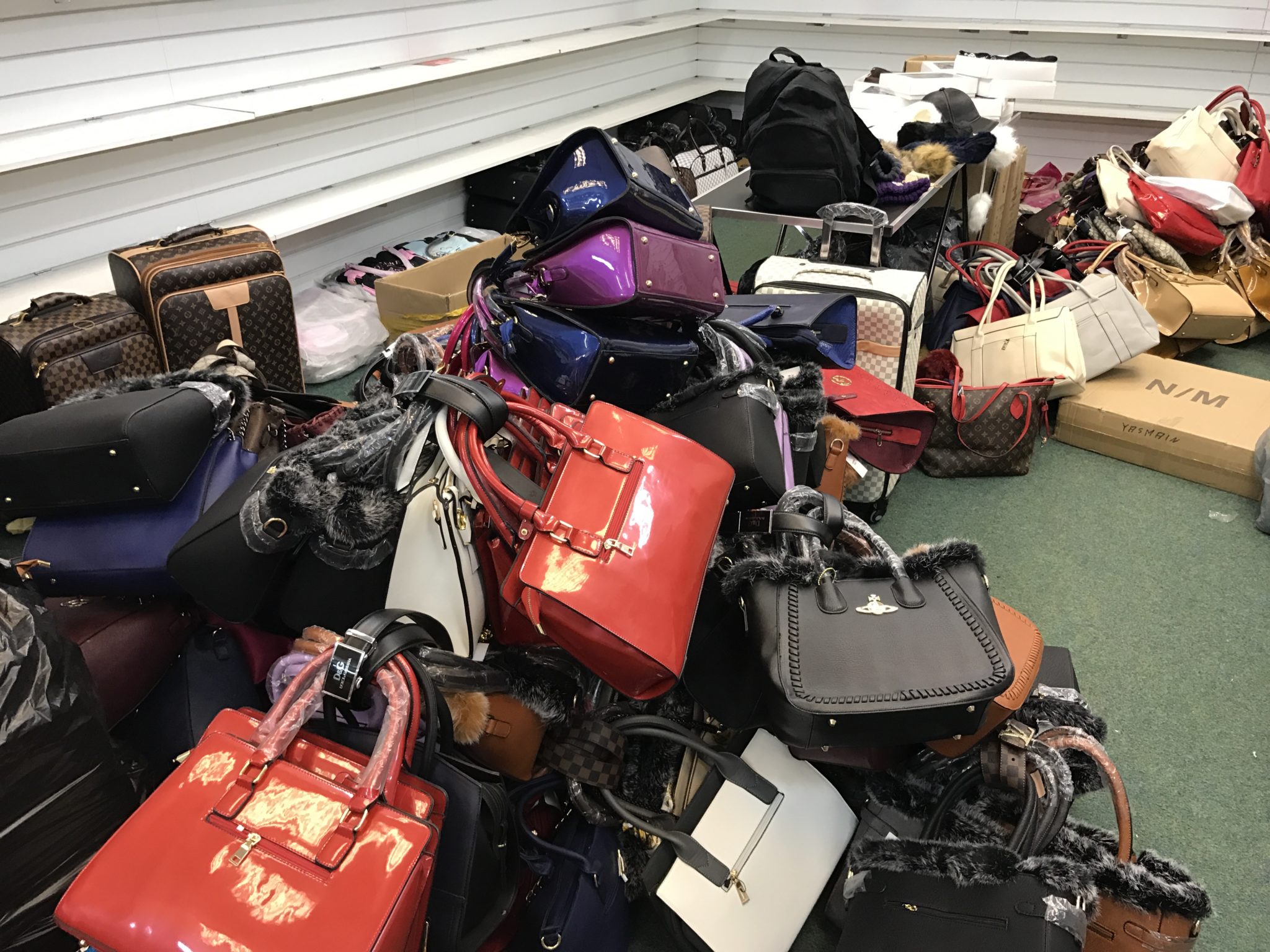
    Enforcement officials, investigators, and prosecutors from across the Asean region discussed best practices for addressing the trade in counterfeit goods at a workshop on the enforcement of intellectual property rights held in Manila last week.

    The talks covered online business models used for the infringement of IP rights, investigative techniques and intelligence gathering, as well as measures to combat infringement, particularly in the online environment.

    According to a statement released by the workshop, the trade in counterfeit products diverts revenue from legitimate businesses, depletes innovation and development, and underpins organised crime networks. In addition, counterfeits are generally of low quality and are potentially harmful to consumers.

    A wide range of products are affected, including footwear, clothing, electrical machinery, pharmaceuticals, cosmetics, and toys.

    A report released this year by the European Union Intellectual Property Office and the OECD estimates that counterfeit and pirated goods represented up to 3.3 per cent of world trade in 2016. This share has grown significantly, from up to 2.5 per cent estimated in 2013.

    “Strong IP enforcement legislation in the EU provides police and customs agencies with the powers they need to successfully intercept counterfeit goods,” said IP enforcement expert Erling Vestergaard, highlighting a number of EU initiatives that address the issue.

    World Intellectual Property Day is held annually on April 26 to highlight the importance of IP in encouraging innovation and creativity. The global theme for this year is IP and Sports.

  • Telephoto zoom cameras are Fantastic

    Telephoto zoom cameras are Fantastic

    But here’s the thing: all of these additional cameras are not necessarily better cameras. A monochrome secondary camera is more sensitive to light, but it shoots in black and white only. A wide-angle second cam has a wider field of view, but noticeably distorts images. And those tiny cameras for collecting depth information, well, we’re not even sure if they do anything.

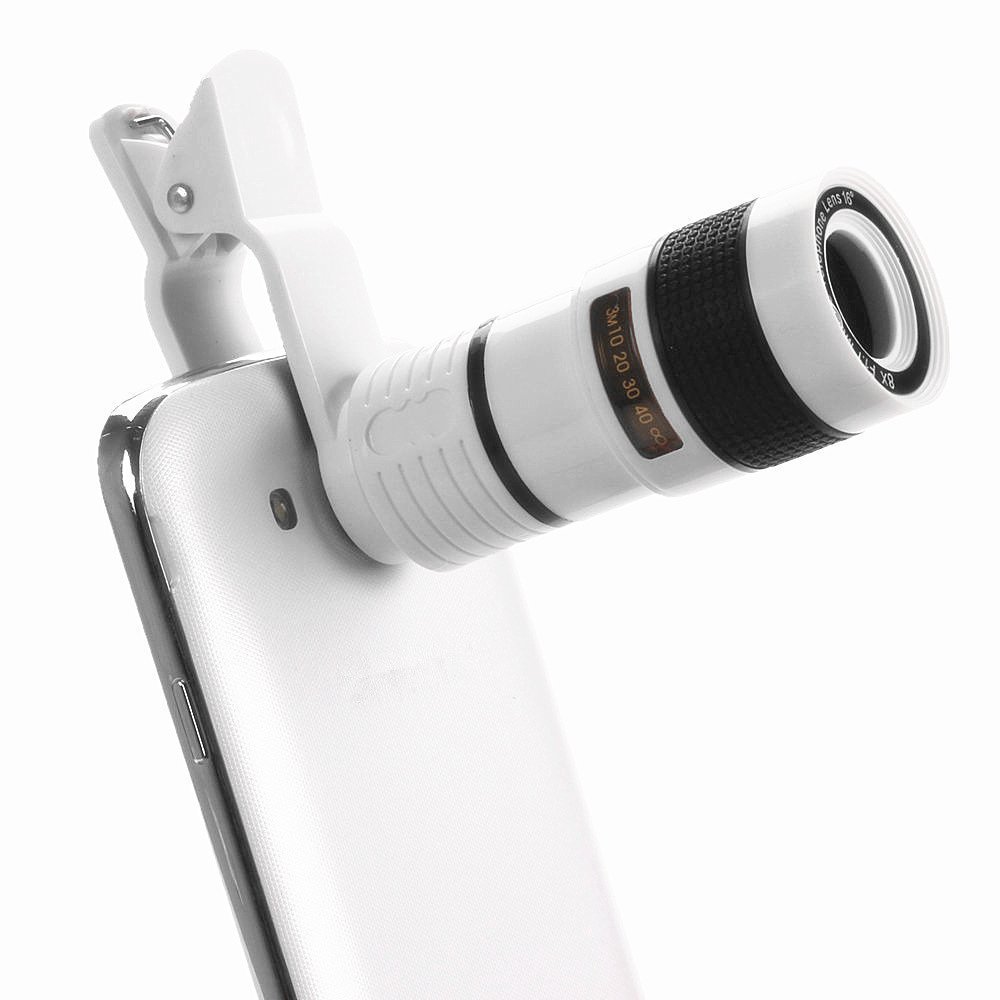
    Telephoto lens cameras – the kind that Apple popularized with the iPhone 7 Plus – can be useful in many cases, but they aren’t perfect either. Here’s why.

    Telephoto cameras on smartphones are great at two things. One is that they let you zoom in on your subject without as much degradation in quality as digital zoom would otherwise introduce. We’ve seen phones with 2x zoom, 3x zoom, and even 5x telephoto zoom in the recently announced Huawei P30 Pro. Secondly, telephoto cameras have a narrower field of view, which makes them ideal for portraits – their optical properties introduce less lens distortion and allow for a narrower, thus less distracting background.

    In photography, lenses tend to fall under two general categories: zoom lenses and prime lenses. Zoom lenses have an actual lens element that physically moves to magnify your subject. This is called optical zoom. In contrast, prime lenses are fixed and can’t zoom optically. Practically all cameras in modern smartphones, including telephoto ones, use prime lenses since they’re smaller and easier to make. Yes, you do get actual zoom with your phone’s telephoto camera relatively to its main one, but only at a fixed point.

    What this means is that if your phone has a 2x zoom telephoto cam, photos shot at anything between 1x and 1.9x will be zoomed digitally, as if your phone didn’t have a telephoto camera at all. Only photos at 2x and beyond will take advantage of the phone’s telephoto lens. That’s better than nothing, of course, but it’s easy for an inexperienced user to wrongly assume that their phone’s telephoto hardware is of benefit every single time they zoom in. That’s not the case, sadly.

    In most cases, a bigger camera sensor is a better camera sensor. Its greater surface area lets it absorb more light, and having more light translates into better photos with more detail and less noise. But telephoto cameras on phones tend to use smaller image sensors – ones that pick up less light and are more susceptible to digital noise. They have to in order to achieve the level of magnification their telephoto lens is designed for without the camera module sticking out too much.

    Because of this, telephoto cameras rarely work in low-light situations. When the phone’s camera software detects that the light in the frame is insufficient, it will not use its telephoto cam for zooming. Instead, it will only do digital zoom with its main camera, and you might not even notice until you later take a closer look at your suspiciously fuzzy-looking photos.

    I remember how when I got to test the iPhone 7 Plus for the first time, I tried taking some artsy photos of rain droplets on a flower’s petals. I did 2x zoom, assuming that the telephoto lens would let me get a much more detailed shot. I was wrong.

    While a typical smartphone camera can focus on an object as close as 3 inches away from it, the telephoto cameras on all phones I’ve tested through the years have needed to be at least 1-2 feet away from anything to focus on it. If you’re too close and zoom in, your phone will simply do digital zoom with its main camera instead of using its telephoto lens. Again, your phone will give you no indication that you’re not zooming with the telephoto lens for the shot.

    The purpose of this brief article is to expose the fundamental flaws in phones’ telephoto cameras (and there’s more of them) – as I’m sure that knowing what they can and can’t do will make you a better photographer. Convincing anyone that there’s no point in having a telephoto lens was never my intention. On the contrary, I’m strongly in favor of phones having additional cameras – telephoto, wide-angle, whatever – as it’s one of the few realistic ways of improving a phone’s photographic potential without ruining its design and appearance.

    Still, I wish that the limitations of these lenses were made clearer to the user – in both the flashy ads we’re bombarded by and in the camera apps of our phones. But perhaps that could be just me. Anyway, let me know in the comments below if you learned something new.

  • Ford Puts Pre-Collision Assist Technology On Shopping Carts

    Ford Puts Pre-Collision Assist Technology On Shopping Carts

    When it comes to raising the blood pressure, for parents, the weekly shop is right up there with getting the kids to bed and meal times. And while toddler meltdowns and trips to the sweet aisle are trying, few moments can be more worrying than seeing your child career off at high speed on a supermarket trolley.

    But now Ford has come out with a solution to ease your stress and it’s used car technology in a shopping cart. Ford has used the Pre-Collision Assist technology which is seen in most of its cars on a trolley. The technology uses a forward-facing camera and radar to detect vehicles, pedestrians and cyclists in the road, and automatically applies the brakes if the driver does not respond to warnings.

    The self-braking trolley uses a sensor to achieve a similar outcome – to scan ahead for people and objects and automatically apply the brakes when a potential collision is detected. Just a prototype for the time being, the self-braking trolley is part of a series of Ford Interventions; applying automotive expertise to solve the day-to-day problems we all face.

    Anthony Ireson, director, Marketing Communications, Ford Europe said, “Pre-Collision Assist technology can help our customers avoid accidents or mitigate the effects of being involved in a collision. We thought that showing how similar thinking could be applied to a shopping trolley would be a great way to highlight what can be a really useful technology for drivers.”