Tag: asia

  • Joy City reveals management Revamp

    Joy City reveals management Revamp

    Hong Kong property company Joy City has revealed new management appointments and the departure of its CFO.

    Two new deputy GMs have been appointed: Song Bingxin and Guo Fengrui.

    Song, 49, joined Cofco Corporation, Joy City’s controlling shareholder, in 1994. From December 2016 to April this year, she was deputy GM at Grand Joy Holdings.

    Guo, 50, served as GM of the operations management from February 2015 and acted as the GM assistant from April 2019 at Grand Joy Holdings.

    At the same time, CFO Xu Hanping has ceased her role “due to work reallocation”, according to a stock exchange filing by Joy City.

    “Ms Xu confirmed that she has no disagreement with the board and there is no matter in relation to her cessation as the CFO that needs to be brought to the attention of the shareholders of the Company,” the statement read, before expressing gratitude for her service.

    Zhang Jianguo, 53, has been appointed as her replacement. He joined Grand Joy Holdings in 1994 and most recently served as CFO at Grand Joy Holdings.

    All the changes took effect on April 26.

    The Joy City management team now comprises Zhou Peng (GM), Yao Changlin, Song, Guo and Li Wenyao as deputy GMs and Jianguo as CFO.
  • Under Armour Singapore showcases Rush

    Under Armour Singapore showcases Rush

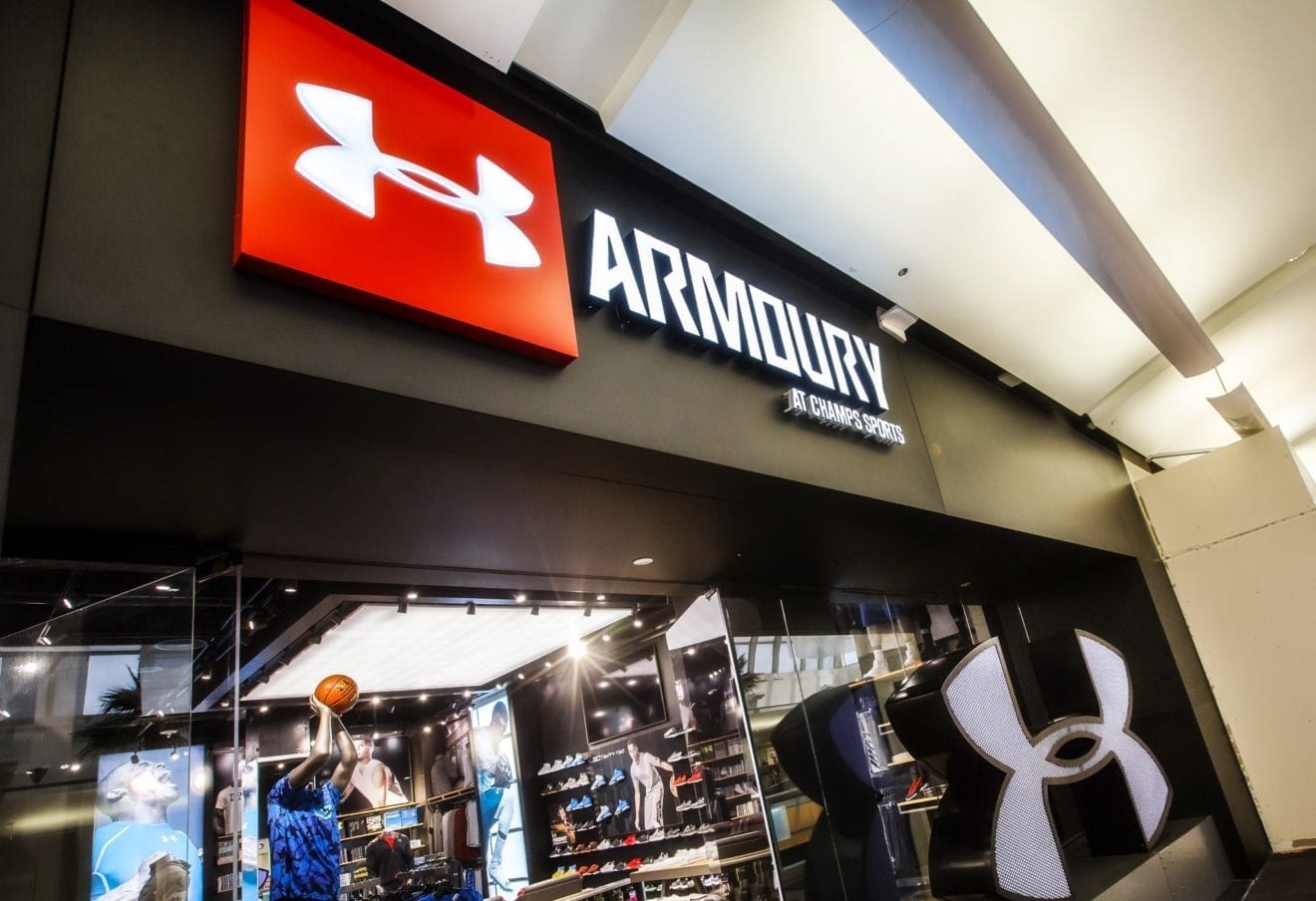
    Under Armour Singapore has partnered with Celliant to create performance apparel line UA Rush and Recovery.

    Designed to enhance performance, the collection includes men’s and women’s fitted tees, long-sleeved shirts, leggings and tights and more.

    All pieces will range from S$69-$199, and are now available for purchase on Under Armour Singapore’s online store, retail stores in Orchard Central, Bugis Junction, VivoCity, and through authorised Under Armour resellers.

    In conjunction with the launch, Under Armour is hosting an admission-free “Rush & Recovery Experience” at Orchard Central Discovery Walk until May 2.

    The interactive exhibits bring to life the inner workings of Rush technology. Distinct experiential zones will showcase how the technology generates performance improvements for the wearer, and helps power recovery.

    Another zone, “Test of Will”, features Under Armour’s annual advanced urban fitness challenge where visitors can see a preview of this year’s unique challenges and put their grit, strength and determination to the test.

    Under Armour’s Rush-and-Recovery-engineered fabric promotes improved performance and energy return. It is intended to provide the same benefits to the body as an infrared sauna.

    “The introduction of UA Rush is our commitment to giving athletes 360-degrees of training support both in the gym and beyond,” said Dan Leraris, GM of men’s training at Under Armour.

    “With the launch of UA Rush, we now complete the training cycle – there is now UA gear designed to optimise human performance at every training occasion.”

    Under Armour athletes from around the globe have been training in UA Rush including Singapore Athletic Association athletes such as swimmer Amanda Lim, marathon runner Jasmine Goh, master coach at Ritual Gym, Shrek Ismail, and SuperheroRunners founder Nelson Wong.

  • Low-cost imports challenge Furniture Retailers

    Low-cost imports challenge Furniture Retailers

    The furniture retailing industry may face a tough trading environment in 2019-20 with revenue expected to decline by 3.3 per cent during the period, according to IBISWorld analysts.

    Mounting internal and external competition is expected to continue to threaten the viability of furniture operators in the current year, with revenue expected to decline to $890.0 million as the industry continues to struggle with a challenging operating environment.

    Bao Vuong, IBISWorld senior industry analyst, said the rising volume of low-cost furniture imported into New Zealand is also forecast to hinder the industry’s performance in the current year.

    “The availability of low-cost furniture imports is projected to heighten industry competition,” Vuong said.

    Industry revenue is also likely to be suppressed by slower growth in residential building construction, which will reduce retail demand for furniture items.

    An IBISWorld furniture retailing industry report last year showed it has faced a tough trading environment over the past five years, with revenue growth stifled by increasing competition.

    Within the industry, players typically compete on the basis of price and product range.

    External competition comes from a range of other operators that sell furniture as part of their operations, including department stores, auction websites and online-only players.

    In the next five years through 2023-24, IBISWorld analysts forecast the furniture retailing industry to be operating within a challenging environment .

    “Mounting internal and external competition is projected to continue threatening the viability of operators over the period,” analysts said.

    The report also showed softer real household discretionary income growth could hinder retail demand for furniture products during the period.

  • Easter spending up 4.6 per cent over Last Year

    Easter spending up 4.6 per cent over Last Year

    While nationwide spending was down year-on-year over the week to Easter Monday, the holiday period performed better compared to its 2018 counterpart, according to nationwide spending data from Paymark.

    The seven days to Monday, April 22, 2019, saw spending increase by 4.6 per cent compared to the Easter week in 2018, which ran to April 2. This is down slightly from the 4.9 per cent year-on-year spending increase in 2018.

    Gisborne saw the strongest growth at 14.6 per cent, followed by Marlborough at 13.3 per cent, when comparing Easter periods.

    Spending was also up across clothing and footwear stores (13.8 per cent), and liquor retailers (9.9 per cent).

    Compared to the exact same week in 2018, rather than last year’s East period, spending in the Canterbury region was down 7 per cent, with Kiwis spending a total of $125.1 million in the region over the week.

    Wellington brought in $106.2 million, a 5.9 per cent drop, while Auckland brought in $454.1 million – a 6 per cent drop compared to the same period in 2018.

    Auckland made up about a third of the spending in the country, with Paymark recording $1.19 billion spent over the week (0.8 per cent down on 2018), though the region was far outstripped in terms of overall growth.

    The Bay of Plenty saw spending grow to $92.9 million – a 14.5 per cent increase year over year. Gisborne enjoyed 19.6 per cent spending growth to $11.7 million, while Otago brought in $76.6 million, or an increase of 7.1 per cent.

    According to Paymark, grocery, fuel and hospitality providers, drove almost all of the spending increase.

    “This year these merchants recorded $43 million more spending (up 15.7 per cent) outside of the three largest Paymark regions,” Paymark said.

  • New Zealand Food Basket launches Tmall Store

    New Zealand Food Basket launches Tmall Store

    Some of New Zealand’s most popular food and beverage brands now have direct access to Chinese customers through a new flagship on the online marketplace, Tmall.

    The online flagship, which opened last week, is the result of a joint venture between Tmall Fresh and New Zealand Food Basket Ltd, a consortium of 18 food and beverage brands.

    “It will significantly improve our reach and shorten the supply chain in a way that each brand couldn’t achieve alone,” Nicola O’Rourke, chairperson of the consortium, said.

    Nine brands were available for sale at launch – Babich, Vogel’s, Rockit, Future Cuisine, Pāmu, Zealong, Fiordland Lobster and Oha Honey – while the remaining nine brands are set to begin selling on the marketplace in June.

    They include Zespri, Sanford, Lewis Road Creamery, Kāpiti, Sealord, Alliance, Shott Beverages, Wild Catch and Cherri.

    Tmall is owned and operated by Alibaba, China’s biggest e-commerce company, with nearly 700 million monthly active users.

    The flagship store is expected to boost awareness of the brands in a market where demand for New Zealand products is high, but it can be difficult for even big companies to get cut-through.

    “Together, we want to help these brands deepen their engagement with the Chinese consumer, so shoppers in China can gain a greater appreciation of the premium high-quality products that New Zealand offers,” Maggie Zhou, Alibaba’s managing director for Australia and New Zealand, said at the signing ceremony in Shanghai last week.

    According to New Zealand’s official data agency, Stats NZ, in 2018, China was the country’s single-biggest export market, accounting for around one in every five dollars of sales of goods and services.

    At $16.6 billion, New Zealand’s export to China for the year ended September 30, 2018, was $2.6 billion more than Australia and nearly double the sales to the US.

  • AuMake doubles digit Profit

    AuMake doubles digit Profit

    AuMake more than doubled its profit and nearly doubled sales in Q3, compared to the previous corresponding period.

    The daigou-focused retailer reported $1.68 million in profit in the March quarter, 104 per cent up on the same period last year, and $9.9 million in sales, up 93 per cent on the same period last year.

    Almost a third of AuMake’s total sales in Q3 were made online, primarily coming from the Chinese social media app, WeChat.

    AuMake grew its online customer database more than six times over, from 20,000 to 130,000 over the quarter, and is investing heavily in its online infrastructure to continue such growth. This includes a larger online customer service team, improvements to its various online sales platforms, such as WeChat and JD.com, and a new packaging facility.

    According to AuMake, the March quarter is typically a slower one for the business, as it includes a four-week period surrounding Chinese New Year when Chinese logistics companies close, and a large number of daigou shoppers return home for the holiday.

    As such, the brand expects to see a material improvement over the upcoming June quarter, particularly as the recent $14.2 million acquisition of competitor Broadway will take effect in June.

    AuMake said the acquisition makes it the “largest China-focused offline and online retail platform in Australia”, and that it will utilise Broadway’s existing relationships with over 100 travel agencies in China to reach new customers.

    “The acquisition of Broadway has transformed AuMake into a significant and influential business in the ANZ Chinese tourist and diagou market,” AuMake executive chairman Keong Chan said.

    “However, AuMake is more than a simple retail business. AuMake’s Chinese focussed retail platform is underpinned by a unique business model that utilises the strength of its online and offline sales to incubate, promote and sell ANZ brands to Chinese consumers.”

    According to a strategy update issued by AuMake on Tuesday, the retailer aims to grow its online channel to half of total sales, and to grow its own-brand product revenue to $15 to $20 million by FY20. Own-brand products brought in $4 million in FY19.

    The retailer is also exploring opportunities to open co-branded offline stores and products with JD.com, and to synergise the supply chains of the two brands.

  • Hong Kong designers showcased at Arab Fashion Week

    Hong Kong designers showcased at Arab Fashion Week

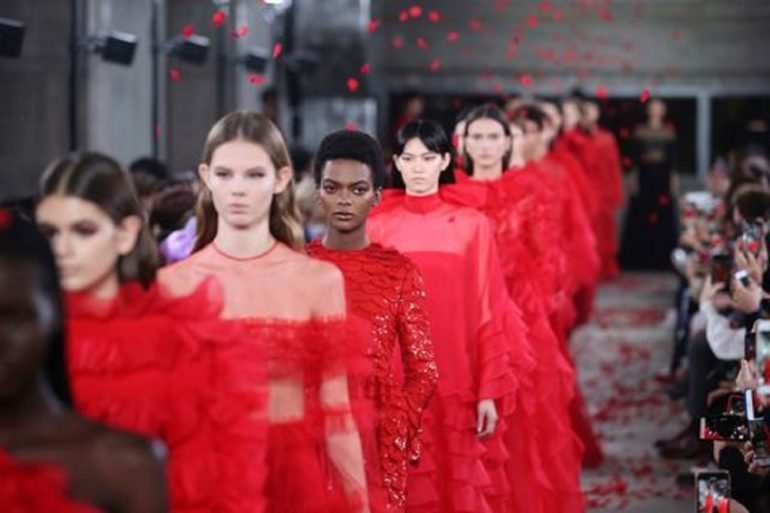
    Fashion Farm Foundation present international program at Dubai. Fashion Farm Foundation has showcased Hong Kong designers in international fashion program HKFG Dubai AW19 during Arab Fashion Week.

    Two Hong Kong local brands, Car|2ie and YLYstudio, presented their latest collections to showcase their works to the fashion media, buyer, insider and fashionistas. A cocktail reception was also arranged to feature eight Hong Kong local brands, introducing their designs to the invited guests.

    While the theme of the Car|2ie AW19 collection “The Proud Rose” is inspired by the Hong Kong movie “Lost Romance” and the main character Rose’s curiosity about love, the YLYstudio collection “Project” attempts a timeless and classic design without the frame of time.

    Famous Arab actor Ali Alketbi, Italian influencer Marco Parrino and singer Ghazal Sadat showed up at the event to show support for Hong Kong’s fashion design.

  • Aldi takes Union to court over misleading Commercials

    Aldi takes Union to court over misleading Commercials

    Aldi has taken the Transport Workers Union to Federal Court, following what the supermarket claims is a string of false and misleading claims.

    The TWU has made a number of claims toward Aldi, including that its drivers have faced harassment when they have raised concerns over fatigue with management, with one driver quoted as being told, “Everyone else is doing it. You are the only one with a problem.”

    However, the supermarket has refuted these claims and said it will let the courts determine the matter.

    “The TWU has made a series of allegations against Aldi,” an Aldi spokesperson told. “We say these allegations are false.”

    According to the TWU, the supermarket’s alleged actions could have far-reaching consequences for those who raise concerns about safety in the workplace, environmental or rights abuses.

    “Transport workers are sending a clear message to Aldi to take road safety seriously and make sure its transport workers, the transport workers in its supply chain, and other road users can return home to their families in one piece,” Nick McIntosh, TWU national assistant secretary, said in a statement to Aldi over the Christmas period.

    “Coles and Woolworths have recognised their critical role in improving road safety. Aldi needs to stop attacking truck drivers and instead sit down in good faith and be part of the solution.”

  • Esprit’s restructuring shows first Results

    Esprit’s restructuring shows first Results

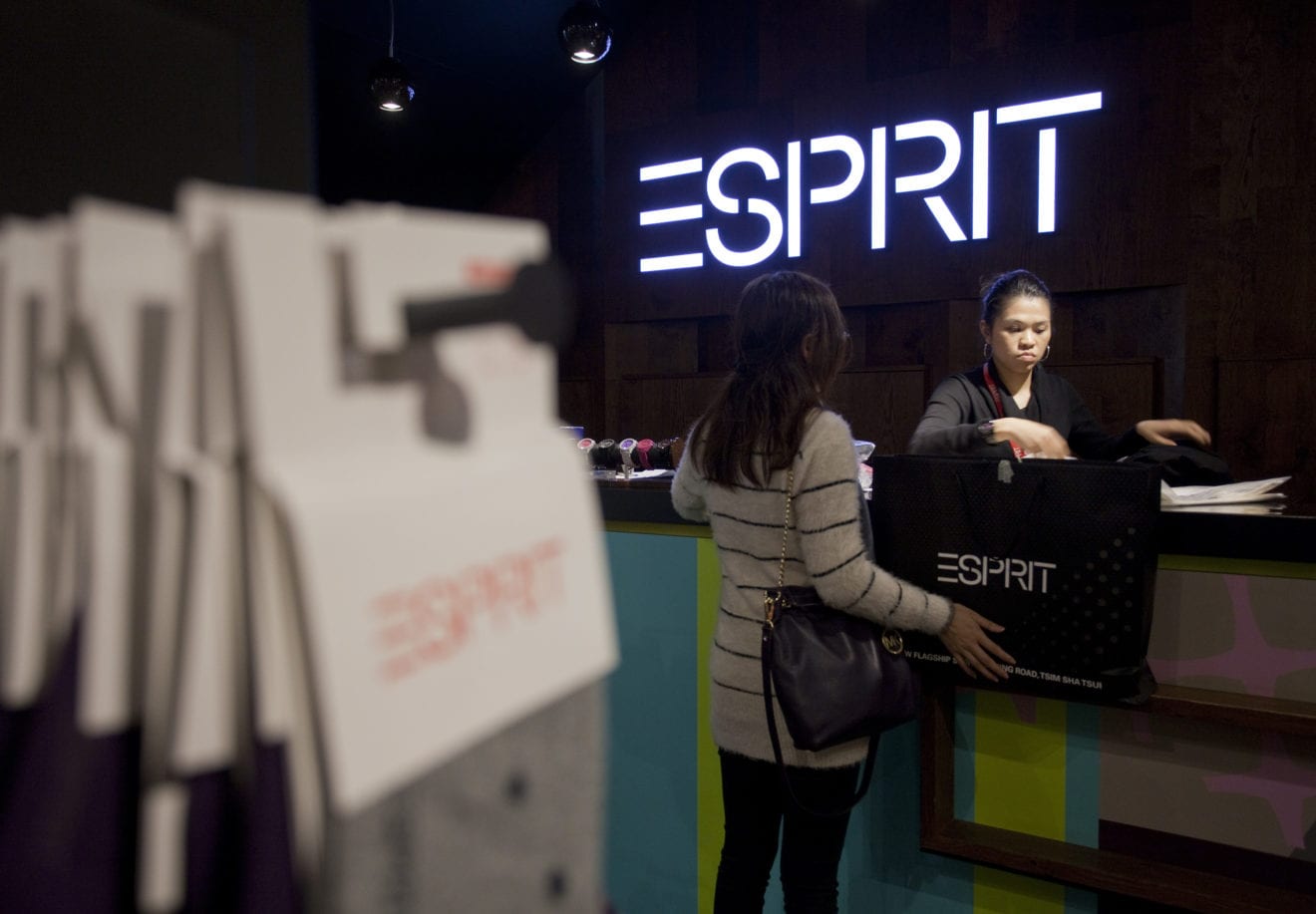
    Esprit’s restructure is beginning to pay off, the company says, despite another quarterly same-store-sales decline.

    For the three months to March 31, Esprit sales were HK$3.156 billion (US$402.3 million), down 11.6 per cent in local currency on the same period a year earlier. However, the company said that marks an improvement on the 12.4 per cent reduction in retail space occupied by the fashion brand.

    “This is the first-time since the first quarter of 2017-18 where the group recorded a quarterly revenue decline that is less than the corresponding space reduction,” the company said in a stock-exchange filing.

    “It is worth noting that while the quarter recorded a revenue decline, the rate of decline has continued to narrow quarter-on-quarter, reflecting a positive trend of improvement.”

    During the first quarter to September 30, sales declined 16.2 per cent, in the next quarter by 12.5 per cent and now to 11.6 per cent.

    The “improvement” was mainly driven by Germany which accounted for the largest share of the group’s sales. For Asia Pacific, the higher rate of revenue decline in the second quarter and third quarter was mainly due to the group exiting Australia and New Zealand, where all stores were closed by the end of last September as part of Esprit’s restructure.

    The company said it remains focused on the execution of its Strategy Plan to restore Esprit to sustainable growth and profitability.

    “Management is encouraged by the quarter-on-quarter improvements seen in different aspects of the business … and the progress of the strategic initiatives are progressing well and on track.

    The group is encouraged by the initial progress achieved during the early stages of the Strategy Plan, and this gives us confidence that we are on the right track. However, it is important to appreciate that the strategic closure of loss-making stores will exert pressure on our top-line in the short term, and as other initiatives are still work-in-progress at this stage, it will require time to make the corresponding improvements in brand and product visible to our customers for attracting them back into Esprit stores.”

  • Puma profit Down

    Puma profit Down

    Sportswear giant’s sales and profit soar, with China one of its greatest performing markets.

    Puma is celebrating its “best quarter ever” as sales, gross margin and profit reached record levels.

    On a currency-adjusted basis sales reached €1.319 billion (US$1.476 billion) up 15.3 per cent, while on a reported basis, sales growth was 16.6 per cent.

    The German-headquarted sportswear retailer said the increase reflected continued growth in all regions and product divisions across the business.

    Gross profit margin improved by 80 basis points to 49 per cent and EBIT by 27 per cent to €143 million. Net earnings rose 40.1 per cent to €94.4 million in the quarter.

    “The first quarter of 2019 was the best quarter Puma has ever seen,” said Bjorn Gulden, Puma’s CEO. “Revenues … were the highest Puma has ever achieved in a quarter and the EBIT … was also the highest absolute EBIT Puma has ever achieved. So, it has been a very good start into the year.”

    By region, Asia-Pacific – driven by China – and the Americas contributed with double-digit sales growth, while sales in Europe, Middle East and Africa increased “solidly,” the company said.

    By division, apparel was the main growth driver in the quarter, followed by accessories and footwear. The categories running and training, teamsport, motorsport and golf on the performance side, as well as sportstyle all recorded strong growth.

  • NZ dollar slides Again

    NZ dollar slides Again

    The New Zealand dollar has fallen slightly against the US dollar Tuesday, trading at 66.70 US cents at 0750 in Wellington from 66.79 US cents at 1700 yesterday. The trade-weighted index was at 72.71 points from 72.82.

    The local currency was at 94.46 Australian cents from 94.85 and was at 51.54 British pence from 51.63.

    The kiwi was at 59.60 euro cents from 59.85, at 74.45 Japanese yen from 74.53 and at 4.4897 Chinese yuan from 4.4938.

  • Oaktree and Alceon acquire Decor and Willow brands

    Oaktree and Alceon acquire Decor and Willow brands

    Investment companies Oaktree Capital Management and Alceon Group have made a move into homewares with their acquisition of Marlin Management Services (Marlin Brands), a wholesaler whose portfolio includes Decor and Willow, among other leading kitchen and home brands.

    Oaktree and Alceon own a number of iconic Australian apparel brands, including Billabong and Quiksilver (Oaktree), and Noni B (Alceon).

    Marlin Brands owns the more than 60-year-old Decor brand, which makes reusable plastic containers, the more than 100-year-old Willow brand, which makes jugs, coolers and rubbish bins, and the Albi brand, which supplies more than 3000 retailers with home and kitchen products, fashion accessories and jewellery.

    Marlin also owns Independence Studios, a giftware and toy brand, and Pacific Optics, which distributes general merchandise such as sunglasses, hats and phone accessories to petrol and convenience stores.

    The acquisition will see Oaktree and Alceon focus on growing Marlin Brands’ online and international sales.

    “We are excited about the next phase of growth under Oaktree and Alceon’s stewardship,” Greg Kerr, chief executive of Marlin Brands, said.

    The companies’ growth strategy entails growing Decor and Willow’s international operations, particularly its penetration into the US market, and further growing the company’s direct-to-consumer sales through online marketplaces. Marlin Brands already has more than 2600 SKUs listed on Amazon.

    “Together our strategy is to accelerate Marlin Brands’ growth via supply chain transformation and cater to an omnichannel approach to ensure our consumers can be consistently delighted by Marlin’s products in Australia and increasingly internationally,” Kerr said.

    In a statement released on Monday, the investment companies highlighted their expertise in optimising group logistics, warehousing and supply chain management, and branded wholesale and direct-to-consumer sales, as key factors that will enable them to grow the newly acquired business.

    Marlin Brands currently serves more than 18,000 retailers throughout Australia and New Zealand, with more than $260 million of annual revenue.

    Coast2Coast Capital, the South African investment company that owns Marlin Brands, put the wholesaler up for sale last September after abandoning plans for an initial public offering.

  • Klasse14 Store opens in Japan

    Klasse14 Store opens in Japan

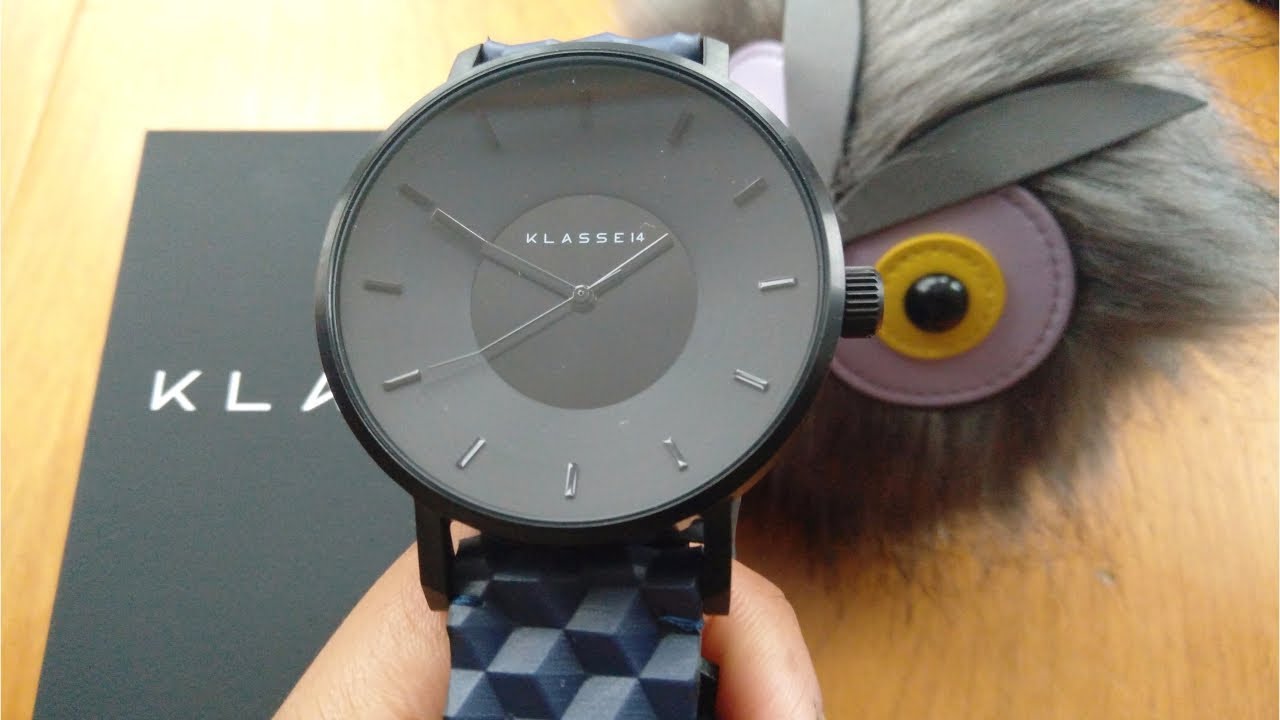
    Timepiece maker Klasse14 has opened a flagship store in Shibuya, Tokyo.

    The new flagship joins the brand’s more than 350 points of sale in Tokyo, with a design representing the brand’s new minimalist, urbanised creative direction with black, white and wooden motifs.

    The brand has established markets throughout Asia, Australia, and the US via e-commerce sales and hundreds of points of sale and kiosks with its retail partners. Its momentum is largely driven by millennial fans spreading information about the brand online.

    Admirers of the brand are expecting a number of brand activation events to be held later this year.

  • Four Bidders shortlisted in Metro China sale

    Four Bidders shortlisted in Metro China sale

    Germany’s Metro has shortlisted four prospective bidders for its China business, including two of Mainland China’s largest retail groups.

    The Metro China sale has been in planning since last September, with formal bids invited in March as the German retail giant looks to quit the challenging market.

    Metro AG has invited Suning Holdings, Yonghui Superstores, Wumart stores and Meicai to submit bids before a deadline of late May, early June. Some of the bids may be lodged in partnership with private equity investors.

    Meicai is an unexpected inclusion in the shortlist. A local startup that acts as a conduit between farmers and restaurants, Meicai was founded by Liu Chuanjun, a local entrepreneur in 2014. According to a Bloomberg News report last October, the startup last year raised at least $600 million in a funding round led by Tiger Global Management and Hillhouse Capital, which would have valued the business then at about $7 billion.

    The Metro China sale is expected to net the Germany owner about $1.5 billion. The cash-and-carry business has 95 stores and reported $3 billion last financial year.

  • China Helps Hermes to Recover

    China Helps Hermes to Recover

    Hermes sales soared 13 per cent last quarter after an especially strong performance across Asia.

    The French high-fashion luxury-goods manufacturer achieved consolidated revenue for the first quarter of €1.610 billion (US$1.796 billion). While all regions recorded sustained growth during the period, Chinese sales drove double-digit growth throughout Asia excluding Japan.

    According to the firm, the group benefited from store extensions completed last year, in particular on the Shanghai IFC as well as Singapore Marina Bay Sands and its new store in Phuket Floresta, Thailand, which opened last month.

    “Driven by the success of its collections among all its customers,” said the group’s executive chairman Axel Dumas, “Hermes achieved an acceleration of its sales over the first quarter, which shows the continuation of a dynamic trend, particularly in China.”

    Hermes launched a new digital platform in China last October that is being rolled out across Asia.