Tag: asia

  • What Makes Dropshipping the Future of E-commerce

    What Makes Dropshipping the Future of E-commerce

    There are plenty of articles floating around on the internet with numbers that reveal how much dropshipping is making. And those who believe that e-commerce is a thing in just North America and Europe are wrong. It is a global phenomenon and will continue to be one of the cornerstones for the future. But what makes drop shipping so popular for both individuals who are looking to make some extra money on the side and massive companies that dominate their area of expertise? The answer is not that simple as there are quite a few reasons why that is. The most attractive aspect of this business model is that the best dropshipping products can be found anywhere: Google, YouTube, AliExpress, etc. You don’t have to look far to find a winner!”

    Product Sourcing

    If you consider how regular e-stores operate, it can become quite problematic for those who get their products from other manufacturers and sell them after. The whole thing becomes even more of a headache if it is in another country. Items are delivered in bulk, so calculating how much you are going to sell beforehand is crucial. And who is capable of doing calculations that are perfect? The more you delve into it, the clearer it becomes how much money, time, and other resources it takes.

    Meanwhile, dropshipping eliminates all these problems and allows you to focus on marketing and profits. Even if you do have to deal with issues that arise with the products, it is no more than a couple of emails every day or so.

    Storage

    While this point has been mentioned above, it would still be worth emphasizing how much of a difficulty it can be to store your products. Take used car parts for instance. There will be another issue besides the lack of space. It is not that great for the environment, so if certain agencies get the hang of what you have, you might end up in trouble. And there are a number of products that would cause this.

    Order Fulfillment

    Packing, going to the post office, etc. is not that big of a problem if you have just a few items to ship every other day. However, as soon as things start to pick up, you will more than likely not have enough time for all of that. And if you are stuck all day dealing with order fulfillment, there will not be enough time to focus on the website and marketing. Once the scaling begins, it will be physically impossible to deal with everything yourself, and hiring others will mean paying them. Again, this is another problem that does not exist in dropshipping. Logistics are not the same.

    Photos and Cataloging

    To shine in the world that is dominated by big companies, a new e-shop owner will have to put as much effort as possible. Products will need to appear as attractive as they can, which means that there will be a need for an expensive camera, and even a professional photographer. It would not be a stretch to say that you will need to get an entire studio for things to work out in your favor. Meanwhile, drop shippers have it easy thanks to the amazing product importing feature app. This app allows for photos to be instantly imported.

    Potential to Scale

    The potential to become a powerhouse in e-commerce by drop shipping is massive. There are plenty of companies that started out as nothing but an individual or a group of people who had the same goal. Since the method requires very little money to invest, a lot of money can be used for expansion. The more time you spend learning about how it works, the easier it will become to make your dream a reality.

    Testing Different Products Without Spending

    It is more than likely that you will not have a lot of success with your first venture. But that is not a bad thing as it will be a good experience for the future. Dropshipping allows you to sell and test without spending money yourself. Finding the perfect product to focus on will take time, but if there is one method that allows you to do so without worrying about financial loss, it is this one.

    All in all, it should become clear why dropshipping is such a great thing and will continue to be one of the cornerstones of e-commerce in the future. What is dropshipping is the question that first-timers might pose, but it is thoroughly explained in the second chapter of the ebook by Oberlo titled “Dropshipping 101: Ecommerce Without Inventory”. So if you are interested in starting something of your own, give this ebook and other sources of information a read.


     

  • Echelon Bangkok roadshow showcases the bright new stars in Thailand’s ecosystem

    Echelon Bangkok roadshow showcases the bright new stars in Thailand’s ecosystem

    Recently, Echelon, the tech event startup organizer from Singapore held an event at WeWork Asia Centre in Bangkok. The Echelon Roadshow is part of a series of international stops leading up to the annual Echelon Asia Summit happening in May.

    The event brought together the local startup ecosystem over a night of networking, Thailand top 100 startup, plus a panel discussion with feature founders sharing their startup journeys – from how they scaled their company to how they addressed obstacles such as building a sustainable team. The panellists included Surasit Sachdev, CEO of Hungry Hub, Casey Liang, co-founder of Pomelo, and Bond Thaiyanurak, CEO&Founder of Box24. The discussion was moderated by PachareePantoomano, BrandNow.asia’s Director of Make it Happen, the agency that launched large startups such as Grab, Lalamove, and Honestbee in Thailand.

    The panel discussion tackled Founders Confessions which panellists shared their experiences as part of starting up. Bond talked about working with the right partners and having the right chemistry. He’s had to resolve a conflict with a shareholder. Surasit confessed that when he initially started the company, he did not do market research and that causes him to burn through his investment quickly. He advised anyone thinking about starting up should do the research and work on the proof of concept from the beginning. When Pacharee asked the panellists if they started their companies for love or money, Casey said that it was a bit of both. However, it’s the love for growing the business that keeps him going. The life of a start-up can be a bumpy one and he said that if you love what you do, it will help you stay true to your goal.

    Thaddeus Jit Siong Koh, the co-founder of e27, shared “The journey for these winners has only just begun. We are excited to see them compete against the other bright new stars of Southeast Asia’s ecosystem in Singapore — at our Echelon Asia Summit 2019 which is taking place on May 23rd and 24th at Singapore Expo. We also hope that these startups will be able to level up through absorbing insights from thought leaders, corporate business matching, and more”

    Pacharee added, “It is important that we continue to contribute, develop and grow the ecosystem locally, regionally and globally. These events and competitions bring about better products and services for businesses and consumers. We are delighted to be Echelon’s media and community partner in Thailand. It is an opportunity for us to support our local startup scene and do our part in fostering the digital economy”.

  • Daimler Opens Mercedes-Benz Plant In Moscow Area

    Daimler Opens Mercedes-Benz Plant In Moscow Area

    German automaker Daimler officially opened a Mercedes-Benz factory near Moscow on Wednesday at a ceremony attended by President Vladimir Putin, marking a rare foreign investment into Russia’s car industry. The plant in the town of Esipovo 40 kilometers north west of Moscow is the first in years to be opened by a foreign carmaker in Russia where investment into the once burgeoning auto industry dried up amid western sanctions and a stagnant economy.

    Speaking at the inaugural ceremony, Putin said the plant would produce 25,000 cars a year and that investment in the project had totaled 19 billion roubles ($291 million).

    Putin said the factory, built after Daimler signed a deal with Russia’s authorities in early 2017, would employ almost 1,000 people.

    Most global automakers opened plants in Russia in the first half of the 2000s, but after peaking in 2012 car sales slumped to a ten-year low of 1.42 million in 2016. The market is picking up again, and a total of 1.8 million cars were sold last year.

  • Mitsui Sumitomo Insurance sets up Global Digital Hubs in Singapore &Tokyo

    Mitsui Sumitomo Insurance sets up Global Digital Hubs in Singapore &Tokyo

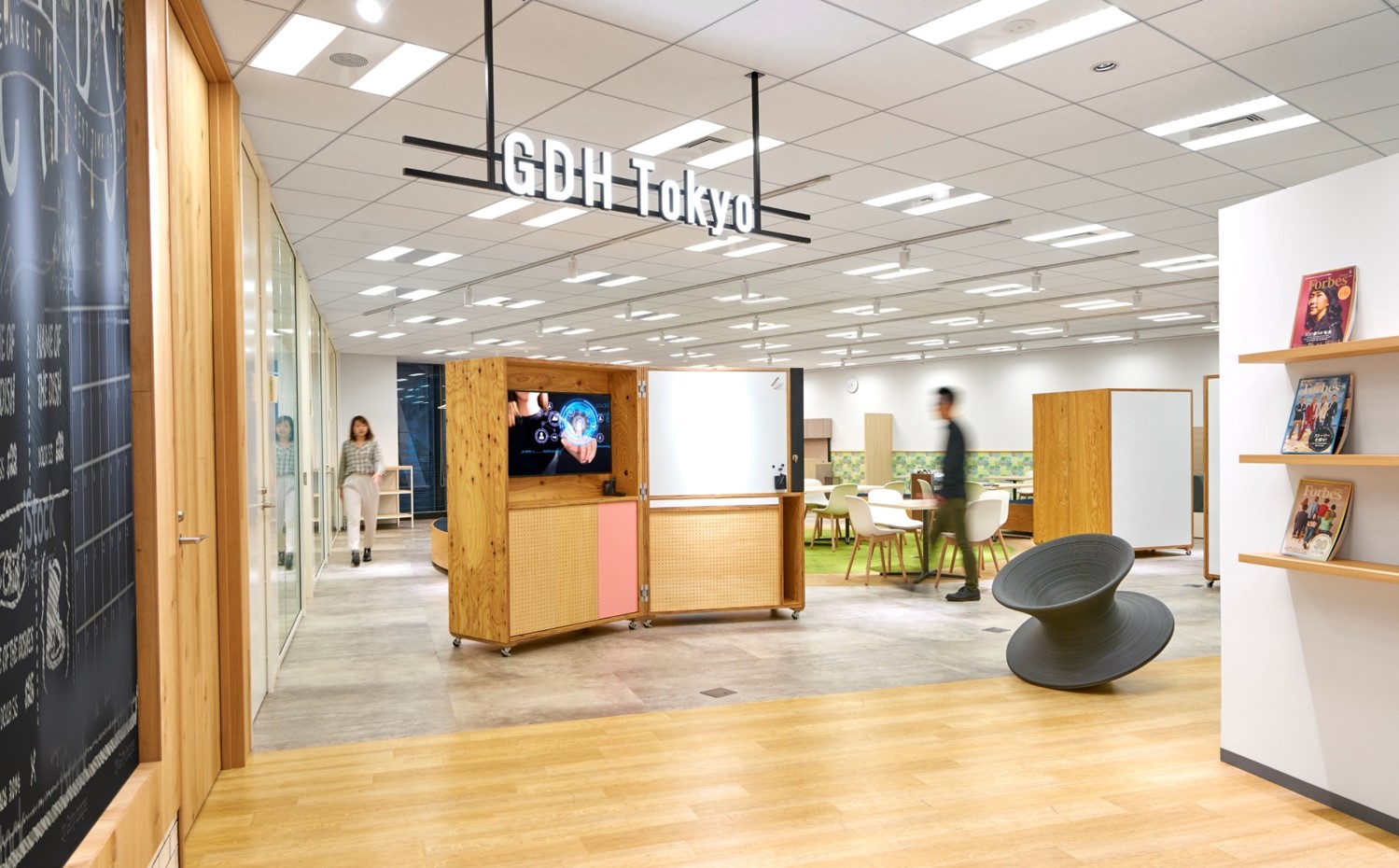
    Mitsui Sumitomo Insurance Co., Ltd. (President: Noriyuki Hara, “MSI”), a member of MS&AD Insurance Group, sets up two Global Digital Hubs (“GDH”) in Singapore and Tokyo as bases to support global digitalization.

    In April 2018, MSI established a Digital Strategy Department to promote digitalization focused on enhancing customer experience and business productivity. In order to further accelerate its digital activities, MSI launched the Singapore GDH in February this year to support the ASEAN markets, and will launch a GDH in Tokyo to promote the adoption of digital technology by employees and agents.

    Through the two GDHs and other advanced initiatives, MSI will continue its commitment to promote digitalization and help address societal challenges.

    GDH Singapore will contribute to the development of digital initiatives in the ASEAN region, leveraging on MSI’s broad network in all ten ASEAN member countries. It will support the Asia regional office in developing digital strategies to drive continued growth of the business in this region.

    GDH Singapore aims to enhance customer experience in the ASEAN markets to cater to the rapid rise of digitalization. It will help facilitate the development of innovative insurance products and services through collaboration with business partners and open innovation with startups.

    GDH Tokyo will be the innovation epicenter of MSI to find new ways of adding value to our
    clients through the use of digital technology and big data. By way of collaborating with startups,
    MSI aims to develop innovative products and services that will help address social issues and
    contribute to society as per the UN’s Sustainable Development Goals (SDGs).

  • H&M disclosing to customers where their clothes were made

    H&M disclosing to customers where their clothes were made

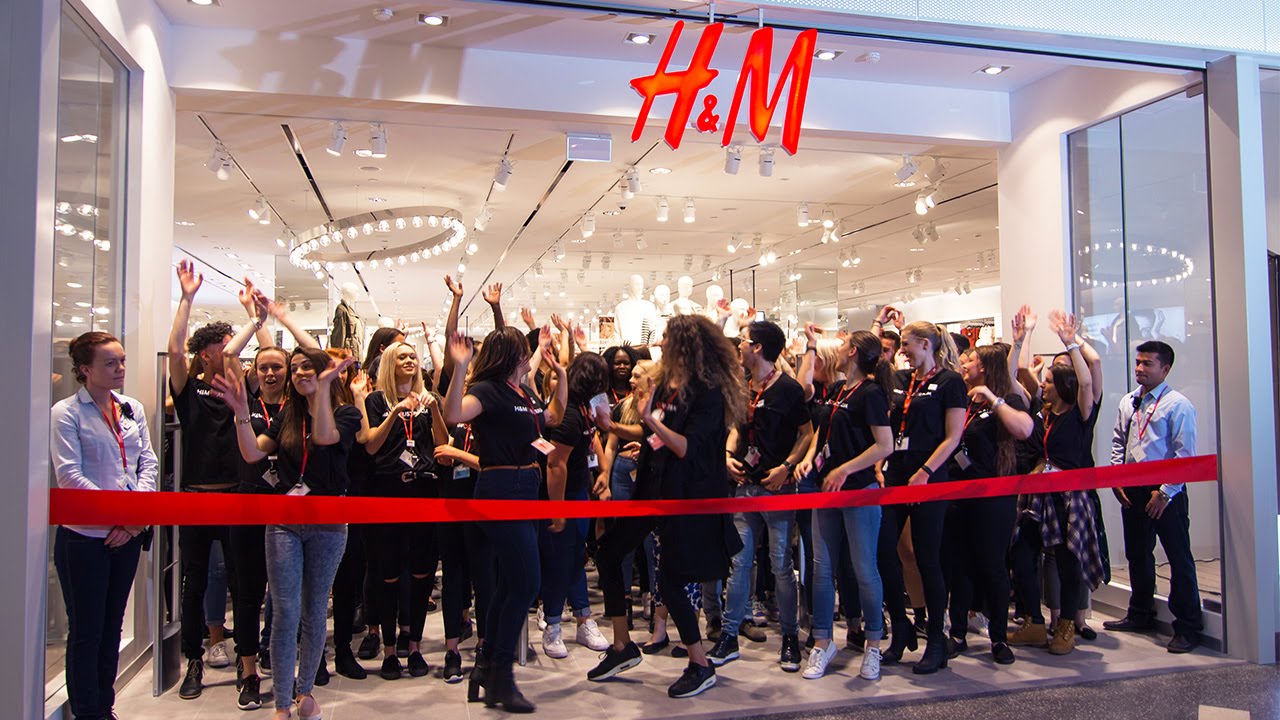
    Swedish fast fashion retailer H&M announced it will add more information to its products on its website later this month as part of a move to create greater product transparency.

    The new information will allow H&M customers to find out which factory produced a given garment, the material composition and solutions for re-using and recycling products that are worn-out, the company stated on its latest sustainability report.

    According to H&M, the company is making strong progress toward its goal to use 100 per cent recycled or other sustainably-sourced materials by 2030.

    H&M said it saw a 35 per cent increase in its goal to use recycled and other sustainably sourced materials for products, with 57 per cent of all materials classified as “sustainable” in 2018.

    The equivalent figure for cotton was 95 per cent, close to the company’s goal to reach 100 per cent next year.

    “Recycled materials are truly a win-win: they stop waste material from going to landfill and reduce the use of virgin raw materials,” said Cecilia Brännsten, H&M’s environmental sustainability manager.

    “However, for many types of textiles, viable recycling solutions either do not exist or are not commercially available on a large scale.”

    Brännsten said the company has been collaborating with scientists and innovators to increase alternative sustainably sourced materials as quickly as possible.

    H&M has also reported it has reduced its CO2 emissions from operations by a further 11 per cent and has set additional green goals, such as reducing the absolute greenhouse gas emissions in the company’s operations by another 40 per cent by 2030.

    The new goals, which are part of H&M’s vision to become climate positive by 2040, were approved by the Science Based Targets Initiative.

    The company said it also wanted all packaging used to be made of 100 per cent recycled or sustainably sourced materials by 2030, a goal which is part of a newly developed packaging strategy.

  • Mobility driving China’s economic growth

    Mobility driving China’s economic growth

    China’s mobile ecosystem added 5.2 trillion yuan ($750 billion) in value to the country’s economy in 2018, according to a new GSMA report.

    Mats Granryd, director general of the GSMA says the report confirms how China’s mobile industry has been a key driver of economic growth, inclusion and modernization – creating a new generation of digital consumers and transforming industry and society.

    Grandryd says China’s mobile operators will invest a further 401 million yuan with the rollout of 5G.

    Numbers speak volumes

    • China is the largest mobile market in the world with 1.2 billion unique mobile subscribers at the end of 2018, about 82% of the country’s population;
    • 69% of mobile connections in China are smartphones, with smartphone adoption expected to reach 88% by 2025;
    • 4G networks cover 77% of China’s connections peaking in the coming years before falling as consumers migrate to 5G services;
    • By 2025, there will be 460 million 5G connections – this will, however, only account for 28% of China’s total network connection;
    • By 2023, mobile connection will contribute 6 trillion yuan to the economy, up from 5.2 trillion yuan in 2018;
    • China’s mobile ecosystem directly and indirectly supported 8.5 million jobs in 2018 and contributed 583 yuan in tax revenue;
    • The number of licensed cellular IoT connections in China stood at 672 million at the end of 2018, supporting various industrial and smart cities applications.


  • Global fixed broadband subs to reach 1b by year-end

    Global fixed broadband subs to reach 1b by year-end

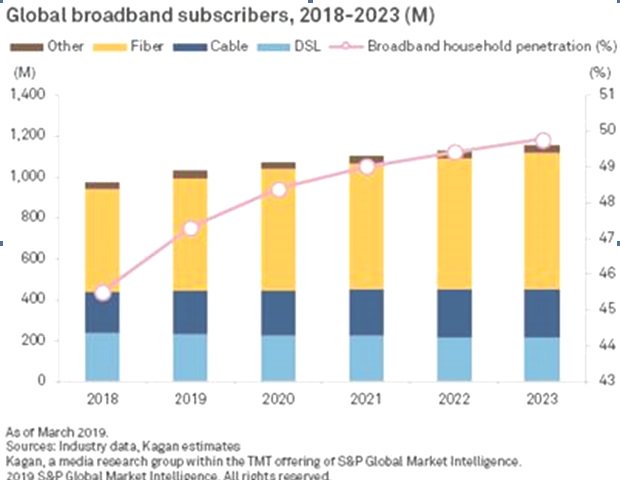
    The global fixed broadband market is on track to reach 1 billion subscribers by the end of 2019, driven by unprecedented growth of fiber connections in Asia Pacific, particularly China, according to Kagan.

    At the end of 2018, broadband subscriptions reached 974.7 million while broadband household penetration reached 45.5%, up from 43.2% in 2017. However, household penetration is projected to remain under 50% until 2025, the S&P Global Market Intelligence research unit said.

    Kagan: Global broadband subscirbers 2018-2023

    Source: Kagan

    China and US remain by far the largest fixed-broadband markets, together accounting for half (50.7%) of the global total in 2018. China alone claims 40.1% of the global total and 74.4% of Asian broadband subs due to large-scale fiber deployments as part of the country’s national Broadband China project.

    Singapore maintains the highest fixed-broadband household penetration in the world, at over 100%.

    In terms of access technology, 51.4% of the global fixed broadband subscribers are using fiber-to-the-premises (FTTP), which overtook DSL in 2016 to become the largest fixed-broadband platform on a global scale.

    FTTP remains the fastest-growing fixed-broadband platform, growing by 13.8% year over year in 2018.

    According to Kagan, fiber subscriptions have overtaken DSL in Asia and Eastern Europe, with China, Japan, Russia, South Korea and US being the five largest fiber-optic markets in the world.

    Western Europe, the Middle East and Africa are still in favor of using DSL, making it the dominant multichannel platform in these continents, while cable leads in North America and Latin America.

  • AirAsia, Vistara cash in on crisis-hit Jet Airways slots

    AirAsia, Vistara cash in on crisis-hit Jet Airways slots

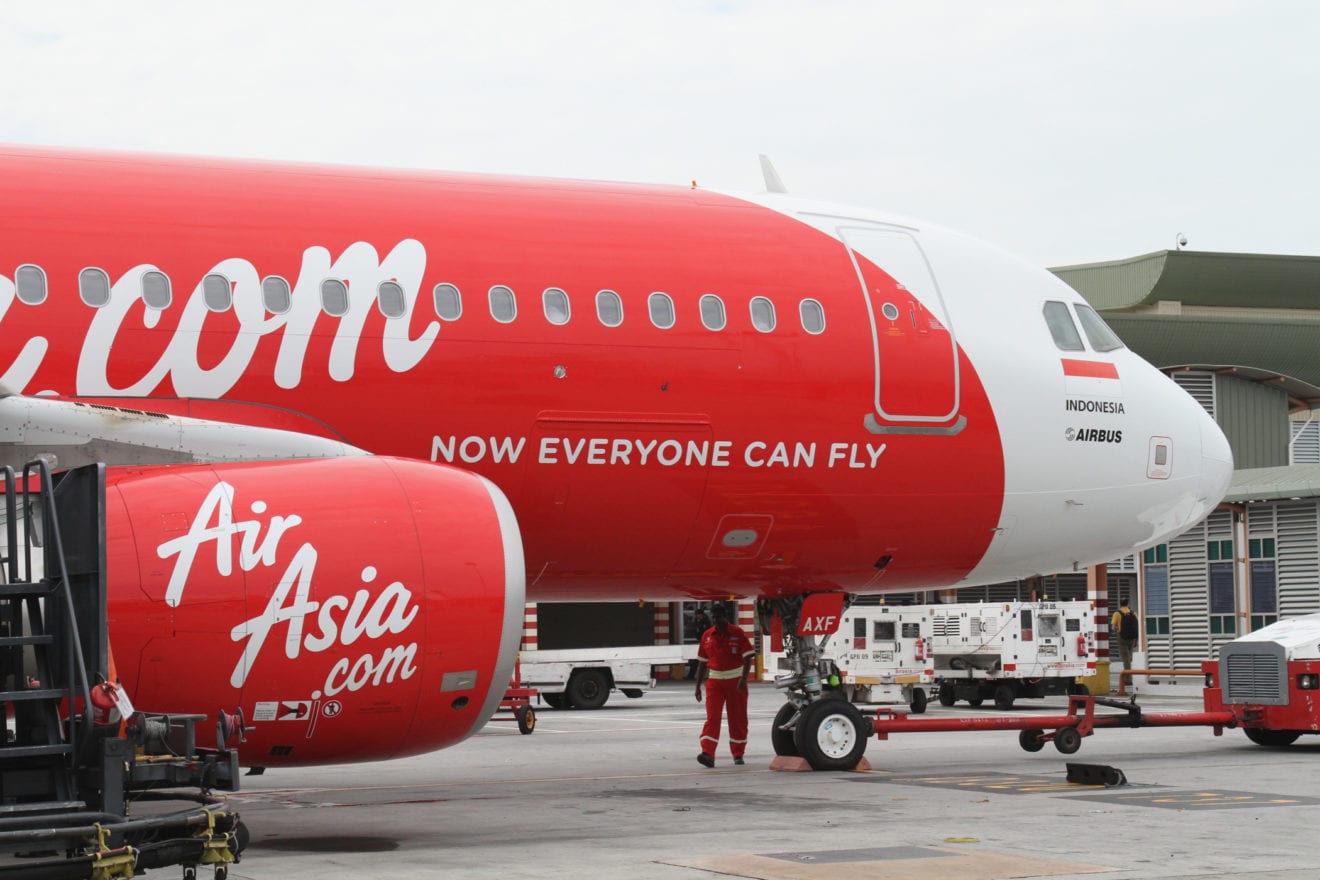
    Tata-group owned airlines AirAsia India and Vistara have announced 11 new flights from Mumbai after the airport operator released unused slots belonging to Jet Airways. The slots have been released to the airlines on a temporary basis.

    Private airport operators in Mumbai and Delhi and the Airports Authority of India have held several rounds of discussions with other airlines to fill up the capacity shortage caused due to grounding of Jet Airways fleet. While reduction of flights led to a hike in fares, it affected airports too. Fewer flights means lower revenue by way of landing fees and less passenger footfalls

    Over 70 per cent of the airline’s fleet has been grounded, leading to massive cancellations. Jet has been a dominant carrier in Mumbai and its daily departures are down to 24 from the earlier 140. Delhi airport, too, is finalising the issue of slots belonging to Jet.

    Other private airlines also have been offered slots by Mumbai airport but are yet to announce new flights. Schedule changes depend upon aircraft utilisation and availability of pilots among other things. A source said airlines were advised to operate flights on routes flown by Jet prior to its crisis with a view to maintain capacity on routes.

    On Thursday, Vistara announced launch of five flights between Mumbai and Bengaluru and one new flight from Mumbai to Hyderabad and Kolkata. These would operate from April 16 to July 15. Currently, Vistara flies to Delhi and Amirtsar from Mumbai and its market growth has been stunted due to non-availability of slots.

    Vistara will be reducing frequencies on other routes to operate these additional services from Mumbai.

    AirAsia India announced three additional flights to Bengaluru and a new flight to Kochi from Mumbai, beginning April 15. The airline did not mention until which date these flights would remain in operations.

    “There is precedence for grant of slots on a temporary basis. During SpiceJet crisis, its unused slots were temporarily given to other airlines and IndiGo was the main beneficiary that time,” said aviation expert Ameya Joshi.

  • New Deliveroo Subscription Service gives Food Lovers Free Delivery

    New Deliveroo Subscription Service gives Food Lovers Free Delivery

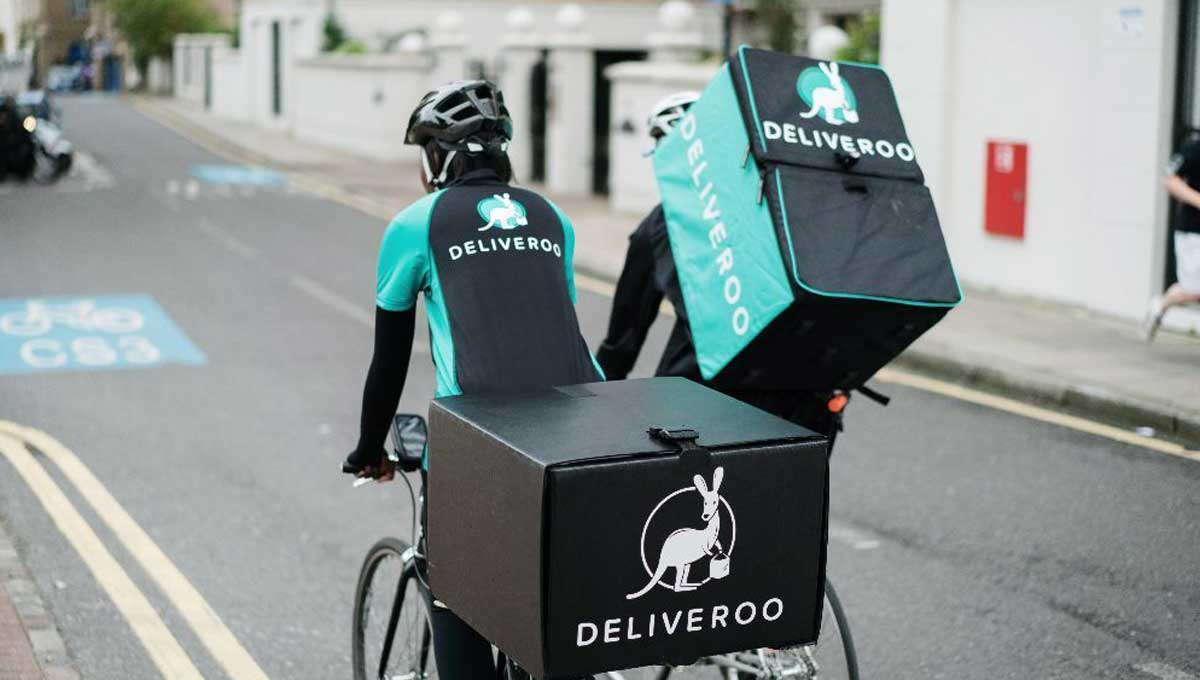
    Deliveroo the leading food-delivery company is today launching Deliveroo Plus, a new subscription service available for food lovers across Hong Kong. The new service, priced at HK$98 a month, will enable customers to get unlimited free delivery. Customers will be able to benefit further by trialling Deliveroo Plus free for two weeks or more.

    Deliveroo Plus is being rolled out following a successful launch in the UK. During their first two months of signing up to the pilot, half of all customers saved nearly £25 (around HK$ 260) over the time period, whilst one in ten saved over £75 (around HK$ 770).

    Brian Lo, General Manager, Hong Kong at Deliveroo said, “At Deliveroo, we are continuously striving to innovate our offer as well as expand our delivery platform. Through the launch of Deliveroo Plus, Deliveroo aims at rewarding our users with a better value for money. This new subscription service provides a more affordable option to the frequent users while the earnings of riders is expected to rise with the increasing demand for food delivery.”

    Customers throughout Hong Kong wishing to subscribe to Deliveroo Plus will see the option to sign up to the service on their basket at checkout and in the ‘Account’ section of the app and website.

  • Vinomofo partners with US wine Startup

    Vinomofo partners with US wine Startup

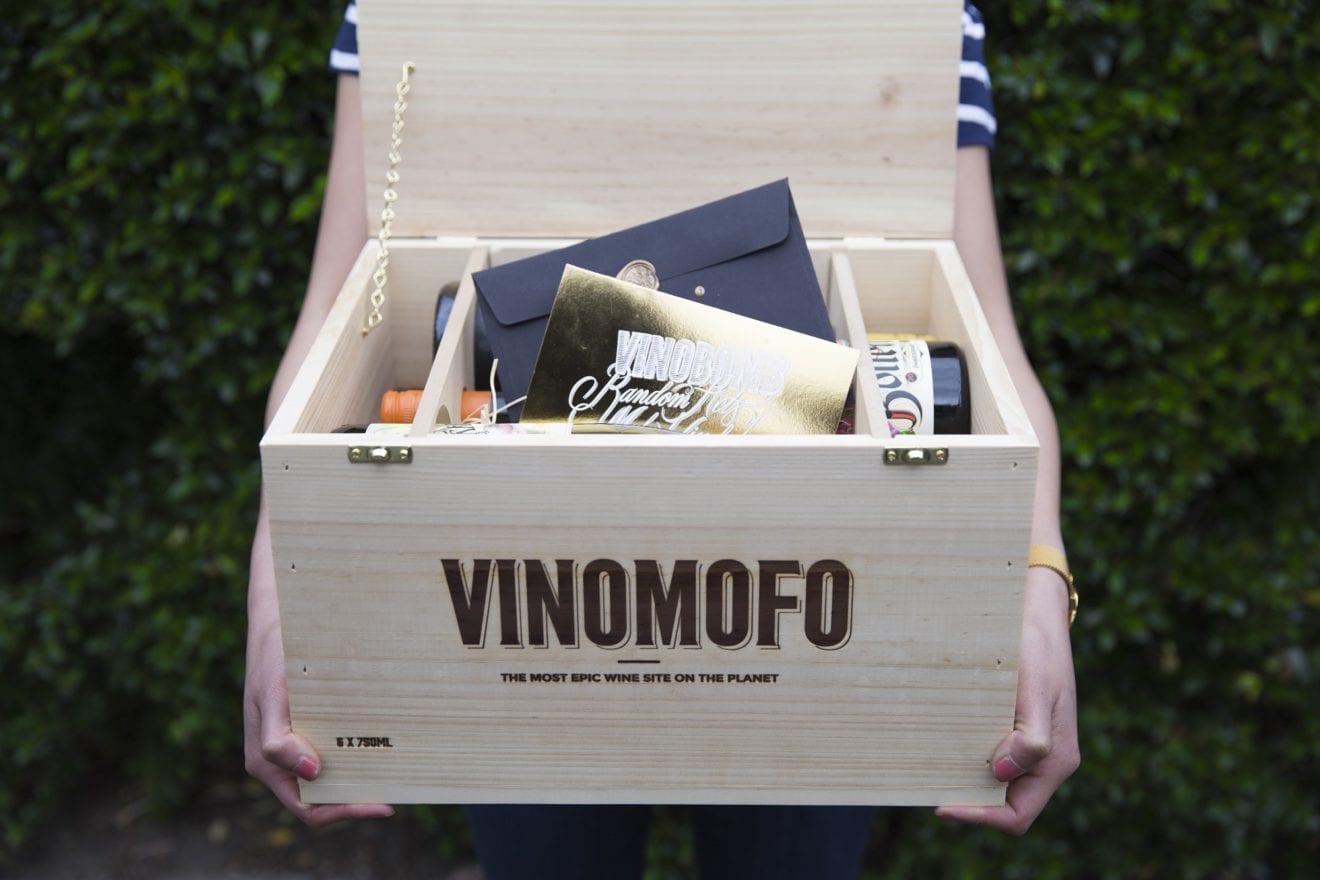
    Online wine retailer Vinomofo has partnered with US wine media mogul Gary Vaynerchuk to bring the inaugural wine from his label, Empathy Wines, to its customers in Australia, New Zealand and Singapore.

    The wine, which Vinomofo is launching this month, is available exclusively for pre-order from the online retailer.

    Vinomofo co-founder and CEO Justin Dry said the partnership was fitting, since Vaynerchuk’s approach to the industry aligns perfectly with Vinomofo’s mission to offer great wine at the right price.

    “The inclusion of Empathy Wines is an exciting one for us,” Dry said in a statement.

    “It strengthens our offering as well as supporting Californian winemakers who’ve been devastated by fires recently and cements our commitment to bringing really cool wines to our wine lovers.”

    This is just the first step in a bigger effort to introduce more wine from overseas to Vinomofo’s customers in Australia, New Zealand and Singapore, Dry told

    “We’re currently buying for our second container – after filling the first one with Gary Vee’s Empathy Wines Rosé – so look out for some super cool wines by iconic US winemakers like André Hueston Mack hitting our shores in 2019,” he said.Adtech Ad

    But there is still no word on when Vinomofo will officially launch in the US market, which it had previously planned to do in 2018.

    “We have some very exciting things happening in the background at Vinomofo. We will share these with you as soon as we can,” Dry said.

    “In the meantime, we are super excited to be forming this partnership and can’t wait for what’s ahead.”

    Gary Vaynerchuk, also known as Gary Vee, took his parents’ liquor business in the US, Shopper’s Discount Liquors, online in 2006, and started Wine Library TV, a daily webcast covering wine.

    He later started a digital ad agency, which provided social media and strategy services to several Fortune 500 companies, including Anheuser-Busch, Mondelez and PepsiCo.

  • The dying art of a good conversation

    The dying art of a good conversation

    What with Facetime, Skype, Whatsapp and Snapchat, for many people, face-to-face conversation is used less and less often.

    These apps allow us to converse with each other quickly and easily – overcoming distances, time zones and countries. We can even talk to virtual assistants such as Alexa, Cortana or Siri – commanding them to play our favourite songs, films, or tell us the weather forecast.

    Often these ways of communicating reduce the need to speak to another human being. This has led to some of the conversational snippets of our daily lives now taking place mainly via technological devices. So no longer do we need to talk with shop assistants, receptionists, bus drivers or even coworkers, we simply engage with a screen to communicate whatever it is we want to say.

    In fact, in these scenarios, we tend to only speak to other people when the digital technology does not operate successfully. For instance, human contact occurs when we call for an assistant to help us when an item is not recognised at the self-service checkout.

    And when we have the ability to connect so quickly and easily with others using technological devices and software applications it is easy to start to overlook the value of face-to-face conversation. It seems easier to text someone rather than meet with them.

    Bodily cues

    My research into digital technologies indicates that phrases such as “word of mouth” or “keeping in touch” point to the importance of face-to-face conversation. Indeed, face-to-face conversation can strengthen social ties: with our neighbours, friends, work colleagues and other people we encounter during our day.

    It acknowledges their existence, their humanness, in ways that instant messaging and texting do not. Face-to-face conversation is a rich experience that involves drawing on memories, making connections, making mental images, associations and choosing a response. Face-to-face conversation is also multisensory: it’s not just about sending or receiving pre-programmed trinkets such as likes, cartoon love hearts and grinning yellow emojis.

    When having a conversation using video you mainly see another person’s face only as a flat image on a screen. But when we have a face-to-face conversation in real life, we can look into someone’s eyes, reach out and touch them. We can also observe the other person’s body posture and the gestures they use when speaking – and interpret these accordingly. All these factors, contribute to the sensory intensity and depth of the face-to-face conversations we have in daily life.

    Speaking to machines

    Sherry Turkle, professor of social studies of science and technology, warns that when we first “speak through machines, [we] forget how essential face-to-face conversation is to our relationships, our creativity, and our capacity for empathy”. But then “we take a further step and speak not just through machines but to machines”.

    In many ways, our everyday lives now involve a blend of face-to-face and technologically mediated forms of communication. But in my teaching and research I explain how digital forms of communication can supplement, rather than replace face-to-face conversation.

    At the same time though, it is also important to acknowledge that some people value online communication because they can express themselves in ways they might find difficult through face-to-face conversation.

    Look up from your phone

    Gary Turk, is a spoken word poet whose poem Look Up illustrates what is at stake by becoming entranced by technological ways of communicating at the expense of connecting with others face-to-face.

    Turk’s poem draws attention to the rich, sensory aspects of face-to-face communication, valuing bodily presence in relation to friendship, companionship and intimacy. The central idea running through Turk’s evocative poem is that screen-based devices consume our attention while distancing us from the bodily sense of being with others.

    Ultimately the sound, touch, smell and observation of bodily cues we experience when having a face-to-face conversation cannot be fully replaced by our technological devices. Communicating and connecting with others through face-to-face discussion is valuable because it is not something that can be edited, paused or replayed.

    So next time you’re deciding between human or machine at the supermarket checkout or whether to get up from your desk and walk to another office to talk to a colleague – rather than sending them an email – it might be worth following Turk’s advice and engaging with the human rather than the screen.

  • Ex-Nissan Chief Ghosn Rearrested In Tokyo

    Ex-Nissan Chief Ghosn Rearrested In Tokyo

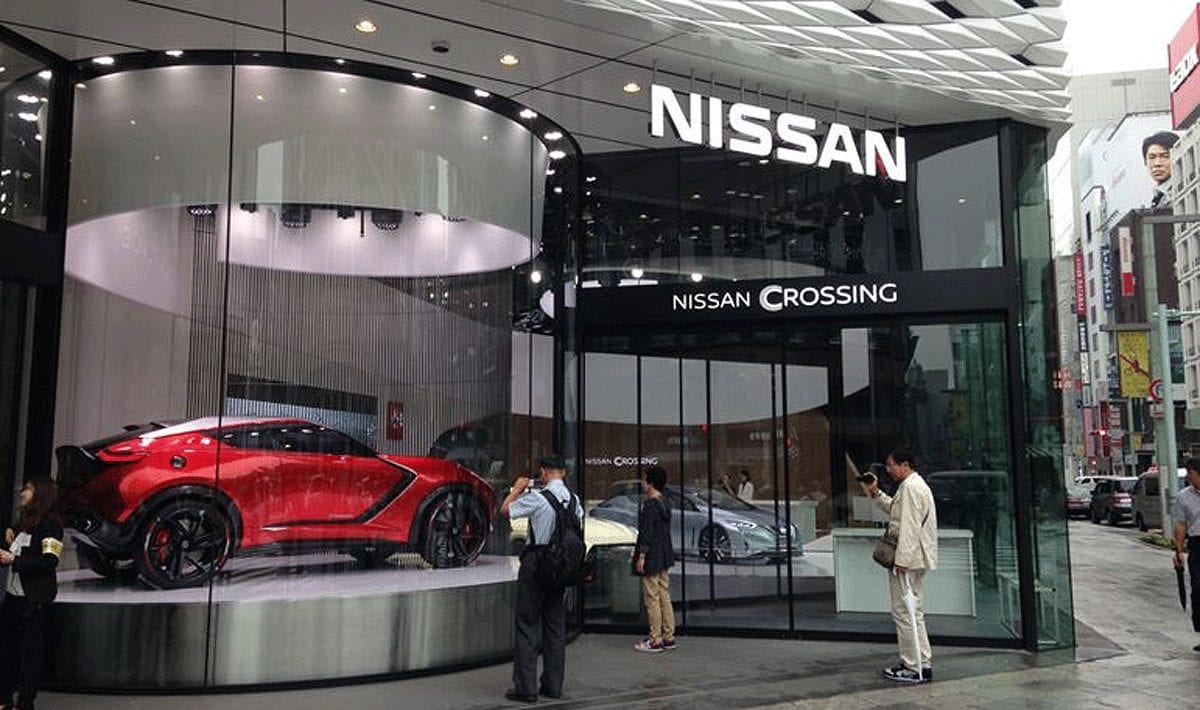
    Former Nissan chief Carlos Ghosn was rearrested early Thursday in Tokyo on fresh financial misconduct allegations, with the auto tycoon slamming his detention as “outrageous and arbitrary”.

    Authorities arrested the 65-year-old less than a month after he was dramatically freed on bail following more than 100 days in detention. Local media said prosecutors had entered Ghosn’s temporary accommodation in central Tokyo early Thursday morning and that he left with them by car shortly afterwards.

    An AFP reporter outside the home saw three men in dark suits guarding the entrance to the building’s car park and a police officer patrolling, as dozens of journalists gathered. Ghosn issued a statement through his representatives after the arrest calling it as “outrageous and arbitrary”.

    “It is part of another attempt by some individuals at Nissan to silence me by misleading the prosecutors. Why arrest me except to try to break me? I will not be broken,” he said, insisting that he is innocent of the claims against him. Reports emerged Wednesday that prosecutors were weighing rearresting Ghosn as they investigate claims related to at least $32 million in Nissan funds transferred to a distributor in Oman.

    According to a source familiar with the matter, some of this money is believed to have been used to buy a luxury boat for Ghosn and his family. The former high-flying executive already faces three charges of financial misconduct related to allegations he under-reported his compensation and sought to transfer losses to Nissan’s books.

    He has denied any wrongdoing and took to Twitter for the first time Wednesday, using a newly created account that his spokespeople confirmed was authentic, to announce plans for a press conference.

    “I’m getting ready to tell the truth about what’s happening. Press conference on Thursday, April 11,” said the tweet, sent in English and then Japanese.

    The ‘Razor’

    Ghosn currently faces two separate charges of deferring his salary to the tune of nine billion yen ($81 million) and not revealing this in official documents to shareholders. The Brazil-born auto sector pioneer, widely credited with saving Nissan from the brink of bankruptcy, also faces a charge of seeking to shift personal investment losses onto Nissan’s books and then using company funds to pay a Saudi associate who stumped up collateral for him.

    The case has been a rollercoaster ride of unexpected twists and turns from the moment Ghosn was first arrested at a Tokyo airport out of the blue on November 19.

    He has since been re-arrested on multiple occasions over a series of allegations, employed a little-used article of Japanese law to force a day in court and emerged on bail dressed in a workman’s uniform and cap in a bizarre attempt to avoid the media.

    Since his release on bail on March 6, he has kept scrupulously quiet despite daily attempts by local and international media to interview him. His lawyer Junichiro Hironaka, known as the “razor” for his mental sharpness, has done the talking for him, appearing twice in front of the foreign media to plead his client’s innocence.

    In his latest appearance on Tuesday, Hironaka announced he had filed a petition with the Tokyo District Court so that Ghosn’s case would be heard separately from that of Nissan and his former right-hand man Greg Kelly. Nissan has been indicted alongside Ghosn, as they filed the shareholders’ documents that allegedly mis-stated the then chairman’s income.

    Hironaka said this would not be a fair trial as Nissan has effectively sided with the prosecutors by providing them with documents they say show further malpractice.

    – ‘Trap’, ‘plot’ –

    Under Ghosn’s management, Nissan recovered and formed a three-way alliance with Renault and Mitsubishi Motors that has become one of the world’s top-selling auto groups.

    In an interview with AFP from his detention centre in January, Ghosn denounced a “trap” and a “plot” by Nissan prompted by opposition to his plans to bring the companies closer together.

    He was removed as chairman by Nissan and Mitsubishi Motors almost immediately after his arrest. Renault was slower to react but Ghosn eventually himself resigned from the head of the French firm.

    Ghosn’s arrest and a string of alleged financial misconduct has sparked questions over Nissan’s own corporate governance and the company established an independent body to propose changes to prevent a recurrence.

    The advisory group suggested doing away with the vacant role of chairman and laid the blame for the lapse in governance at the feet of Ghosn.

    The main cause of the misconduct was “the concentration of authority in Ghosn”, the group concluded.

    “He created a situation in which it would be difficult to detect his pursuit of personal gain.”

  • Google Assistant finally gets the celebrity voice

    Google Assistant finally gets the celebrity voice

    Back at Google I/O in May of 2018, Google promised users a special treat with Google Assistant — the addition of John Legend’s voice as an option for Google Home products and the Assistant on your phone. We’re now just about one month away from Google I/O 2019 and that promise has finally become a reality.

    All you have to do to get John Legend’s voice is to ask your Assistant to “talk like John Legend.” After that, you’ll have John Legend’s voice for a limited selection of things like giving weather updates, answering questions, and telling jokes, while “the regular Assistant” does everything else. We tested it out for a couple minutes and the general voice does sound like John Legend, even if it is a bit robotic, and there are fun Easter eggs to find, like when you ask “Do you like Chrissy Teigen?” or “What’s your middle name?” or “What’s your favorite song?” or “Serenade me.” In generally, questions about music will get something good from the voice.

    The one thing to remember is that Google has said this special voice will only be available for a limited time, although there’s no indication what that actually means. However, it seems like John Legend won’t be the only celebrity voice for the Google Assistant because this is Google’s way of showing off its WaveNet voice synthesis engine. The idea is that with a certain amount of data, it can impersonate anyone, so maybe at next month’s Google I/O we’ll hear about new voices in the works.

    https://www.youtube.com/watch?v=AgHghcYqeto&feature=youtu.be

  • BMW F 850 RS Patented In Brazil

    BMW F 850 RS Patented In Brazil

    BMW Motorrad has applied for a patent for the F 850 RS in Brazil with the National Institute of Industrial Property (INP). Yes! It spawns from the company’s F 850 GS motorcycle but while the GS is an off-road biased model, the F 850 RS will be a tarmac loving sport-touring machine, somewhat similar to the BMW S 1000 XR. The F 850 RS began life as the stunning 9Cento concept which was showcased in May 2018 at the Concorso d’Eleganza Villa d’Este in Italy which had a rather sexy, head-turning design. In fact, the production version of the 9Cento concept was spied testing sometime in November 2018 and then, it was rumoured to be called the F 850 GT, but a leaked dealer brochure confirmed the name of the new motorcycle as the F 850 ₹

    The patent image shows that the overall look and design of the F 850 RS will be quite similar to the 9Cento concept. And the engine on the F 850 RS will be the same as the one on the F 850 GS, which is a 853 cc parallel-twin, liquid-cooled motor making 93 bhp of max power and 92 Nm of peak torque while being paired to a six-speed gearbox. Expect the engine to be tuned differently for on-road touring. Also, the RS could be wearing thicker on-road rubber with alloys instead of spoked rims and dual-purpose tyres that the F 850 GS is shod with. We expect the BMW F 850 RS to be unveiled at the 2019 EICMA Motorcycle Show in November this year. Once it is internationally launched, we expect BMW Motorrad to eventually bring the F 850 RS to India sometime later in 2020 as well.

  • Walmart partners with Google for voice shopping

    Walmart partners with Google for voice shopping

    US retail giant Walmart and tech company Google have collaborated on voice technology to assist customers with grocery shopping.

    Starting this month, Walmart Voice Order will allow consumers to order groceries through Google Assistant by saying, “Hey Google, talk to Walmart”.  Google Assistant will then follow the orders directly and add grocery items to their Walmart Grocery cart.

    “We continue to innovate for the future and look to technology to make great services even better in the future. Introducing: Walmart Voice Order,” said Tom Ward, senior vice president, Digital Operations, Walmart US.

    “With the new voice ordering capabilities we’re building across platforms with partners like Google, we’re helping customers simply say the word to have Walmart help them shop … literally.”

    “Best of all, customers can be extra confident that we can quickly and accurately identify the items they are asking for with the help of information from their prior purchases with us. The more you use it, the better we’ll get,” added Ward.

    When shoppers say “add milk to my cart,” the Google Assistant will add the specific milk brand the customer usually buys, meaning there is no need to continually repeat the brand, volume and whether it’s a low fat or whole milk.

    Shoppers can use Walmart Voice Order on Smart Displays like Google Home Hub, Android phones, iPhones, watches, etc.

    “We know when using voice technology, customers like to add items to their cart one at a time over a few days – not complete their shopping for the week all at once. So, this capability aligns with the way customers shop. We can’t wait to hear what they think about it and how it’s making shopping easier for them,” Ward explained.

    Walmart, Amazon competes in the US grocery sector

    Walmart’s latest move comes in light of Amazon’s plans to slash prices at Whole Foods Market and to give major discounts to Amazon Prime members. Amazon also offers voice-activated shopping using its own Alexa-enabled devices, which dominates the US smart speaker market, with 67 per cent market share in 2018.

    “We still don’t see a lot of people shopping and buying with smart speakers yet, but this may change if more lower-cost models begin to incorporate screens. We’re also likely to see people doing more things with their voice assistants as they find their way into cars and other home-based devices,” said analyst Victoria Petrock.

    There are still a minimum number of shoppers who are using speakers to shop. Voice commerce in 2018 accounted for approximately 0.4 per cent of US e-commerce sales. Analysts expect it to increase in the next few years.