Tag: asia

  • Apple’s Melbourne flagship Delay Due to Cultural Reasons

    Apple’s Melbourne flagship Delay Due to Cultural Reasons

    The Andrews Labor Government has said it will launch a review of Melbourne’s Federation Square after Heritage Victoria blocked the construction of an Apple flagship on the site, citing adverse effects on the square’s cultural heritage.

    The plan, which would have seen the three-storey Yarra building demolished to make room for the tech flagship, was denied on Friday when the Heritage Victoria deemed the construction would cause “an unacceptable and irreversible detrimental impact on the cultural heritage significance of Federation Square.”

    Apple said it was disappointed by the decision, but would remain committed to customers in Melbourne and Australia.

    The tech retailer currently runs five stores across Melbourne, in Chadstone Shopping Centre, Highpoint Shopping Centre, Westfield Southland, Westfield Doncaster, and Westfield Fountain Gate.

    Victorian minister for tourism, sport and major events Martin Pakula said the of Federation Square will examine how it looks, how it is funded and how it operates in an effort to ensure it continues to stand out as an attraction to Melbourne.

    “Since its opening in 2002, Federation Square has hosted creative events and world leading attractions,” Pakula said.

    “The review will ensure this much-loved space can thrive as a civic, cultural and commercial hub for years to come.”

    After the 2017 plan for an Apple flagship was put through without public consultation, Victorians will be given the opportunity to have their say in the review, which is set to be completed by the end of 2019.

    Victorian shadow minister for planning and heritage Tim Smith said the decision was a “humiliation” for the state government on Twitter.

    “After years of secret negotiations, with one of the world’s iconic brands, Apple, Daniel Andrews has been forced into a cringe worthy climb-down because his ministers didn’t do their due diligence,” Smith said.

    Smith also called on Heritage Victoria for having fast-tracked such a nomination when it is “often missing in action when it comes to protecting heritage homes.”

  • Woolworths Heads First in Taking on Kaufland

    Woolworths Heads First in Taking on Kaufland

    Woolworths and Aldi have increased their share in Australia’s grocery market, while Coles and IGA have slipped slightly, according to the latest research from Roy Morgan.

    Woolworths remains Australia’s top grocery retailer, increasing its share of the market to 34 per cent in 2018, up 1.4ppts, while a newly independent Coles now has a share of 27.6 per cent of the total grocery market, down 1.6ppts on a year ago.

    Aldi grew its grocery market share to 11.4 per cent in 2018, up 0.5ppts from a year ago, while Other Supermarkets outside the ‘big four’ such as Foodland and Foodworks have increased their share to 9.1 per cent, up 1.2ppts. IGA’s grocery share was down 0.4ppts to 7.1 per cent.

    Woolworths’ dominance in key fresh food categories has helped its strong lead. The retailer holds the largest market share in dollar terms for fresh meat, fresh deli, fresh bread and fresh fruit and vegetables ahead of Coles, Aldi and IGA supermarkets. The big two currently dominate Australia’s fresh food markets holding over 50 per cent of each of the fresh food markets.

    Michele Levine, Roy Morgan CEO, said Woolworths’ impressive performance places it in a strong position to deal with the entry of German hypermarket Kaufland into Australia’s more than $100 billion grocery market.

    “The demerger of Coles Group from industrial conglomerate Wesfarmers in the December quarter of 2018 means Australia’s second largest supermarket chain now has the opportunity to refocus on its core business ahead of the imminent arrival of German retailer Kaufland,” Levine said.

    Kaufland is following in the footsteps of fellow German retailer Aldi with plans to open six hypermarkets in Victoria over the next two years and more stores Australia-wide in the future.

    Levine also expects the anticipated rollout of ‘Amazon Fresh’ in the Australian grocery market in the near future to further disrupt the market. The online retail giant launched a food and grocery segment (excluding fresh food) late last year.

  • Shiseido and Alibaba Collaborating to Please Chinese Customers

    Shiseido and Alibaba Collaborating to Please Chinese Customers

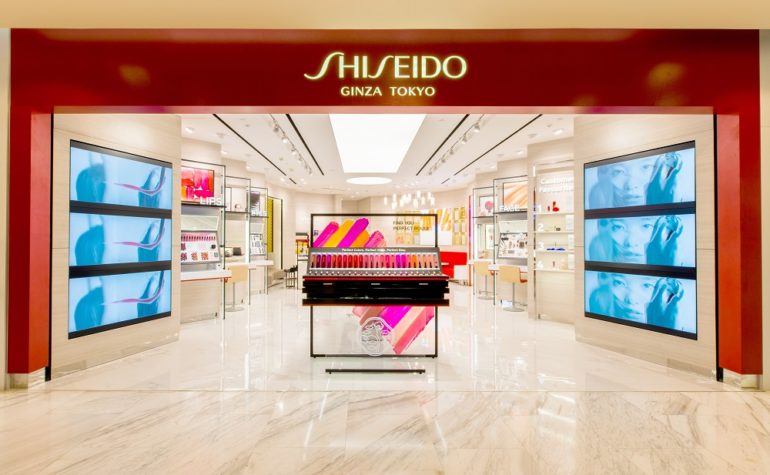
    Japanese cosmetics giant Shiseido on Sunday become the world’s first multinational cosmetic company to open a dedicated office in Hangzhou to work with Alibaba Group and co-create products specifically tailored for Chinese consumers.

    The Shiseido and Alibaba office, within walking distance of the Alibaba Xixi headquarters, will house a team of around 20 Shiseido employees by next year. The purpose is to tighten collaboration with Tmall, Alibaba’s B2C marketplace and better position Shiseido in China, said the makeup company’s China region CEO Kentaro Fujiwara.

    “China is Shiseido’s biggest and most-important market [outside of Japan]. By combining Alibaba’s strengths in digitisation and consumer engagement with Shiseido’s world-class standards in research and development, we can create products that can precisely capture the appetite of the Chinese consumer,” he said. “I hope this unprecedented collaboration will pave the way for further innovations for the entire [Shiseido] group.”

    According to Shiseido, its China business saw the fastest acceleration in 2018 with sales growth of 32.3 per cent year-on-year to RMB 11.6 billion (US$1.73 billion). China accounted for 17.4 per cent of Shiseido’s total net sales last year, making it the profitable country market, following its home market Japan. Shiseido said it expects e-commerce to generate 40 per cent of its China sales by next year.

    “Without a doubt, whether it be e-commerce or digital innovation, Alibaba is the leader. Alibaba is one of the most important strategic partners for Shiseido China as well as for the entire group,” said Fujiwara.

    Mike Hu, president of Tmall’s fast-moving consumer goods division, said Shiseido’s leadership position in the industry and its quick adaptation to digital transformation is a common value shared by Alibaba.

    “Our primary mission is to enable others, and we are always eager to work with the world’s leading companies to help them bring their best products into the China market in the most effective and efficient way. This definitely includes Shiseido, a reputable brand that is synonymous with high standard and high quality,” he added.

    “The opening of the Shiseido and Alibaba office represents an important and historical milestone of our long-term collaboration,” Hu said.

    One of Shiseido’s cosmetics brands, Za, opened a Tmall flagship store in September 2011. Since then, 12 flagship shops and 15 major brands also launched on the platform. Fujiwara said there is a plan to bring Shiseido’s mother-and-baby product brand into China later this year via Tmall.

  • Sotheby’s Hong Kong Sets Record Spring Sale

    Sotheby’s Hong Kong Sets Record Spring Sale

    International auction house Sotheby’s has established its second highest total sales in company history for its Spring 2019 Hong Kong auction series.

    Second only to the firm’s landmark 40th anniversary sales total in Autumn 2013, Sotheby’s Hong Kong concluded the season with a total of HK$482 million, exceeding the pre-sale estimate for the series of $428 million.

    The sales were marked by healthy activity across all categories and from all corners of Asia, with a strong combined sell-through rate of 90 per cent.

    “These superb results are up on what were already very strong results last spring, despite the fact that the estimates were lower than a year ago,” said the firm’s CEO Tad Smith, adding “our excellent performance against low estimate is a clear indicator of the health of the market in Asia and bodes very well for our important upcoming May auctions in New York.”

    “With all eyes firmly fixed on our Hong Kong sales for this first indicative season, I think we can say that the Asian market did not disappoint,” commented CEO of Sotheby’s Asia Kevin Ching. “Our total follows what was already a record year for Sotheby’s in Asia, with this season’s results now sitting among the top results we have ever achieved here in Hong Kong – a testament to the fact that, when you get it right, collectors from across Asia remain ready to go the extra mile.”

    Sotheby’s Asia chairman Patti Wong added: “When building the sales for these big seasons, we try to keep our finger firmly on the pulse of our collectors so as to understand, not only what they want right now, but also where their interests are taking them, so our offerings reflect both where the market is and where it is going. That is why we are bringing an ever-more diverse range of material to Hong Kong, along with an ever-wider range of possibilities for collectors to engage with us. This, for me, is what is so exciting about these seasons – they are not only a data point for the Asian market, they are also a testimony to the excitement, and opportunity, that exists within it.”

    Among the highlights of the Sotheby’s Hong Kong season:

      • The auction house staged 20 auctions in nine categories featuring 4331 lots and attracting more than 35,000 visitors.
    • Six lots sold for in excess of $100 million.
    • Wine sales totalled $273 million, setting a new world auction record.
    • Sales of modern art realised $851 million, the top lot being Wu Guanzhong’s Lotus Flowers (I), which fetched $130.8 million, more than 8.5 times the estimate.
    • The highest-totalling series of Contemporary Art sales staged in Asia, realising $802 million.
    • A record for a work by a female artist sold at auction in Asia: Kusama Yayoi’s Interminable Net #4 sold for $62.4 million.
  • Khun Thai Tea appoints First Indonesian Franchise

    Khun Thai Tea appoints First Indonesian Franchise

    Entrepreneur Amelia Fransisca has been appointed master franchise holder for Khun Thai Tea Indonesia.

    Fransisca, who has a 10-year tenure in the foodservice industry, said she chose Khun Thai Tea for its novel, fresh taste despite its low sugar content compared to other competitors, amidst trending consumer demand in Indonesia for original tea and healthier beverage options.

    “This brand will be huge as an option for fresh tea and healthier choices,” said Fransisca. “I believe the brand will also become more recognizable to our people (especially among young people) because it is introduced and organized by a great team and a great plan.”

    Indonesia is already home to four Khun Thai Tea outlets – three in Jakarta and one in Bali. Fransisca plans to spur growth by focussing her efforts in Indonesia’s cities and suburban areas, with special care given to the Jakarta, Bogor, Tangerang and Bekasi areas, where she says new outlets will help the brand gain more recognition.

    She has also chosen to open in these areas first due to local consumers’ strong buying power, range of food and beverage choices and exposure to product innovation. They are also well-positioned in terms of proximity, allowing closer supervision of procedures, services, and product quality.

    “The food and beverage business still has lots of room to develop and innovate nowadays, especially in Indonesia. That is why F&B is a good business,” she said. “Selling drinks is also simpler, and delivers good margins for comparatively average business costs … Compared to starting up a new business, it is also safer to choose a franchise.”

    “According to recent research conducted through social media in Indonesia, a glass of milk tea with boba is still the number-two most-wanted product on most Indonesians’ must-buy list, after famous chicken dishes called ‘Ayam Geprek’.”

    Khun Thai Tea is currently amongst the fastest-growing beverage store brands in Singapore, Malaysia, and Indonesia.

  • Roots Canada To Open First Hong Kong Store

    Roots Canada To Open First Hong Kong Store

    Premium outdoor lifestyle brand Roots Canada has opened its first Hong Kong store this month, at Harbour City.

    The store was opened with Fung Retailing’s Branded Lifestyle Group, its Asian retail partner.

    Roots Canada’s brick-and-mortar debut in the territory coincided with the launch of an online store with Zalora Hong Kong.

    “Opening a store at the largest and most diverse shopping mall in Hong Kong is an important first step in what has the potential to be a multi-store market for Roots,” said Jim Gabel, president and CEO of Roots Canada.

    “Further, with an online store on Zalora, customers can go beyond the physical location to connect with our brand anytime and from anywhere in Hong Kong. Our expansion into Hong Kong is a testament to the continued success of our longstanding partnership with Branded Lifestyle Group.”

    The new Roots retail space brings together “cabin comforts and city conveniences” to create a space that feels like home, the company said in a statement. The store showcases Roots’ character and heritage by immersing shoppers in the more than 40 years of the brand’s stories and products.

    The brand’s collection is curated into four main areas in store, each telling a different Roots story, including a Cooper Beaver Collection that pays tribute to Roots iconic logo the Cooper Beaver, Roots Original Salt & Pepper Sweats, handcrafted leather, as well as seasonally relevant products that embody Roots unique comfortable cabin-meets-city style.

    “Leveraging our strong network and local resources, we are excited to bring the world-renowned Roots brand to Hong Kong,” said Sunny Wong, CEO of Branded Lifestyle Group.

    “The leisure-and-lifestyle-apparel trend continues to gain momentum in Asia, and we believe Roots focus on comfort and style is a perfect fit for the Hong Kong market.”

    Starting from a small cabin in Algonquin Park, Canada, in 1973, Roots has grown to become a global brand with 114 corporate retail stores in Canada, seven corporate retail stores in the US, 117 partner-operated stores in Taiwan, 37 in China and a global e-commerce platform.

    Branded Lifestyle Holdings represents five brands: Hang Ten, H:Connect, Arnold Palmer, Hunter and now Roots. It owns or franchises more than 1000 retail outlets across Greater China, South Korea, Southeast Asia and the Middle East.

  • Adidas and Beyonce Relaunch in Ivy Park

    Adidas and Beyonce Relaunch in Ivy Park

    Adidas and Beyonce are teaming up to relaunch the superstar’s Ivy Park label.

    The sportswear firm has announced a multi-layered partnership with the performer to “inspire and empower the next generation of creators; drive positive change in the world through sport; and identify new business opportunities”.

    “This is the partnership of a lifetime for me,” said Beyonce. “Adidas has had tremendous success in pushing creative boundaries. We share a philosophy that puts creativity, growth and social responsibility at the forefront of business. I look forward to re-launching and expanding Ivy Park on a truly global scale with a proven, dynamic leader.”

    The partnership will result in the co-creation of new products – from performance to lifestyle – and a unique purpose-driven program focused on empowering and enabling the next generation of athletes, creators and leaders.

    According to a joint statement, meaningful and rich storytelling will be the foundation for both Beyonce’s collection with Adidas as well as the re-launch of her Ivy Park brand.

    “As the creator sports brand, Adidas challenges the status quo and pushes the limits of creativity through its open source approach,” said executive board member – global brands Adidas Eric Liedtke.

    “Beyonce is an iconic creator but also a proven business leader, and together we have the ability to inspire change and empower the next generation of creators.”

  • Lush Prepares Itself for Growth

    Lush Prepares Itself for Growth

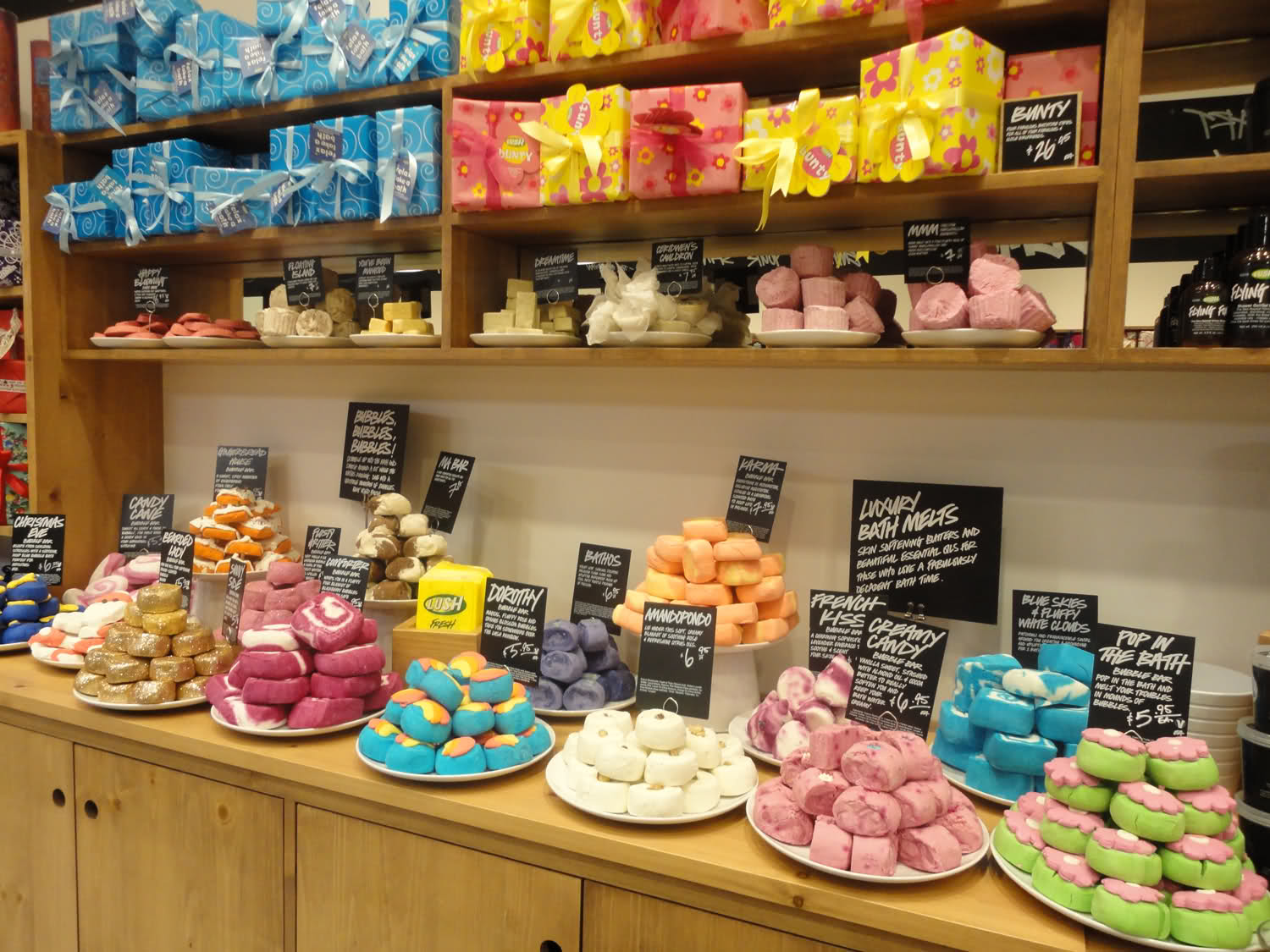
    Global beauty business Lush posted a £3.9 million (A$7.17 million) operating loss in the year to June 30, 2018, compared to an operating profit of £22.6 million ($41.54 million) the year prior.

    The decline was due to the rising cost of goods, manufacturing, staff, rent and administrative costs, and a slowdown in the US market, which outpaced a 6.6 per cent increase in turnover on a constant currency basis to £524.4 million ($963.9 million) in FY18.

    This reflects a 4.4 per cent in like-for-like sales and 9.6 per cent increase in online sales, compared to the previous corresponding period.

    Still, GlobalData retail analyst Emily Salter called this a “solid year” for the brand off the back of its investment in stores and innovation.

    “The retailer relocated 11 UK stores to larger units during the period which saw an impressive 39.6 per cent increase in like-for-likes, indicating Lush’s dedication to the offline channel as it seeks to further differentiate its unique offering and drive customers to stores,” Salter said.

    Salter also pointed to the recent launch of a new global website, which she expects to bolster conversion and increase basket sizes thanks to the “more attractive, aspirational and easy-to-navigate site”.

    She believes the brand is in a good position for growth due to its strong brand identity, and commitment to vegan and ethical practices.

    There is a downside to this, however, as Salter said the brand’s focus on natural ingredients was partly to blame for the increased costs.

    “The retailer must work to return to profitability in its current financial year, although the increased ingredient costs will be hard to navigate due to Lush’s focus on natural and good quality ingredients,” Salter said.

    While performance in Lush’s largest retail market, the US, was disappointing – with declining footfall contributing to sales falling by 7.5 per cent – its UK business fared slightly better.

    Lush Australia was contacted for comment.

  • Netflix removes key feature from its iOS app

    Netflix removes key feature from its iOS app

    AirPlay is a feature found on iOS and Mac devices that allows users to send audio, video, photographs, screenshots and more between Apple devices sharing a similar network. Using Bluetooth and Wi-Fi, AirPlay will let a home with multiple HomePod speakers in different rooms, share the same song throughout the house. And with several smart TV manufacturers adding support for the feature, content from an iOS or Mac device can be viewable on certain large-screen smart TVs.

    There have been a number of complaints from iPhone and iPad users stating that AirPlay was no longer working with Netflix. That was unusual because the iOS version of the streaming video app has supported AirPlay since 2013. The complaints from iOS users state that when they tried to use AirPlay in the Netflix app, a pop-up error message appeared that said, “Cannot play title. Please try again later.”

    But there is a reason why AirPlay no longer works with Netflix. As a result of what it is calling “technical limitations,” Netflix has pulled AirPlay support from its iOS app. This is actually noted by the video streamer on its support page. Considering that this was an iOS feature that Netflix had supported for over five years, it is strange that AirPlay would all of a sudden no longer work with Netflix. The company has not divulged the details of the “technical limitations” that have forced it to stop offering AirPlay support (more on that later).

    This isn’t the end of the world for Netflix subscribers used to employing AirPlay. After all, the Netflix app can be installed or is already installed on a number of smart television sets. But using AirPlay does make it easier for iOS users with Netflix to stream content from their own account to a smart TV that does not have their Netflix login information.

    “We want to make sure our members have a great Netflix experience on any device they use. With AirPlay support rolling out to third-party devices, there isn’t a way for us to distinguish between devices (what is an Apple TV vs. what isn’t) or certify these experiences. Therefore, we have decided to discontinue Netflix AirPlay support to ensure our standard of quality for viewing is being met. Members can continue to access Netflix on the built-in app across Apple TV and other devices.”-Netflix< The Netflix support page lists some other options that iOS users can try in order to cast Netflix from their phone or tablet to a compatible television. With the Netflix 2nd Screen option, subscribers open the Netflix app on their iOS device and television, signing into the same account on both devices. The mobile device and the TV must share the same Wi-Fi network. On the mobile device, the user needs to tap on "Cast" found in the upper or lower right of the screen, and select the television that he/she wants to view Netflix on. After deciding which show or movie to watch, the user hits play and the selected content will appear on the TV. Another option, found on Philips, Polaroid, Sharp, Skyworth, Soniq, Sony, Toshiba, and Vizio TVs, will allow you to Chromecast Netflix from your iOS device to your television. Simply open the Netflix app on your iOS device, and tap on the "Cast" icon in the upper or lower right hand side of the screen. Select the device you want to watch Netflix on, choose a television show or movie, and hit play. Last month, Apple became a Netflix competitor by unveiling Apple TV+. This is a video streaming service that will be available this fall on iOS devices along with certain smart TVs. There will be new, original programming from Apple along with content from HBO, Showtime and others. Could this new rivalry be behind the "technical limitations" that forced Netflix to stop supporting AirPlay? After all, it does seem strange that Netflix was able to support AirPlay for from 2013 until now, just when Apple introduces a service that will compete with it. Netflix, of course, will never admit to this. And regardless what the true reasons are, the bottom line is that iOS users will have to resort to the aforementioned alternatives if they want to cast any streaming Netflix content from their iPhone or iPad to their smart TV.

  • Snapchat announces Snap Games and Snap Originals programs

    Snapchat announces Snap Games and Snap Originals programs

    Snap, the company behind the Snapchat social network and services, announced earlier today a host of new features that will come to its mobile apps in the coming weeks. During its Snap Partner Summit, the social network company revealed two new programs that will be available to all Snapchat users, Snap Games, and Snap Originals.

    Another major announcement concerns important improvements to the popular Snap Lenses. Also, a new set of development tools grouped together as Snap Kit, which will allow developers to include Snapchat functionality directly in their apps. But let’s start with the first major feature that Snapchat users will be given access to very soon: Snap Games. The new feature will be available right from the Chat bar within the Snapchat app on Android and iOS devices.

    What’s really interesting about Snap Games is that you won’t have to install anything. Also, you’ll be able to see all your friends who are playing games, send them a message, play with them instantly and even talk like with voice chat.

    Initially, Snap Games will be available with six mobile games: Bitmoji Party, Tiny Royale, Snake Squad, C.A.T.S. Drift Race, Zombie Rescue Squad, and Alphabear Hustle. Since Snap Games will begin rolling out for Android smartphones and iPhones today, you can expect to be able to check out the new feature very soon.

    Snapchat starts offering original shows watchable on the go

    Snap Originals is a series of shows such as documentaries, comedies, and teen dramas, which, as the name suggests, will be original. Snap also mentions that this original content will clearly stand out from the rest because of the way they’re told: “they’re personal, intimate, and made for the way you use your phone today.”

    No less than 10 shows will be available at launch for those who want to check out Snap Originals: Two Sides, Can’t Talk Now, Sneakerheads, Commanders, Denton’s Death Date, While Black, BuzzFeed, Dead of Night, Compton Dreams, and Stranded with Sam and Colby.

    The new Snap Originals will be available starting this week, but more series will be added in the coming months. Remember that you can watch these shows anywhere you are directly from your smartphone, as long as you have access to the internet.

    Snapchat Lenses get upgraded to the next level

    As far as the Lenses go, Snap announced that in just over a year after the feature was made available to users, more than 400,000 Lenses have been created by the Snapchat community. Moreover, users have played over 15 billion times with these Lenses.

    To advance Lenses to the next level, Snap announced the addition of Creator Profiles, a new way to help Lens Creators to showcase their work and learn more about their audience.

    Also, Snap introduced an easier method to find the right Lenses when you need them. Simply press and hold on your camera screen to scan the world around you. For example, you can scan a math problem to get the answer, or a product to see it listed on Amazon and learn about its price. You can even scan your dog to give it glasses, or a song to see who sings it.

    Last but not least, Lens Studio has been updated to include more templates for those creators who prefer augmented reality over traditional Lenses, including Landmarkers. The update adds new templates for hand-tracking, body-tracking, and more, which can be used to create Lenses that might pop up when Snapchat users use Scan.
    But there are more changes coming to Snapchat, such as App Stories, which allow users to share content directly from the Snapchat camera to a Story inside another app. And for creators, there are a few new kits that will allow them to share their custom stickers from their favorite services directly on a Snap.

    The Creative Kit, Bitmoji Kit, and Ad Kit are now available for creators, each allowing Snapchat users to interact easier than ever with customized Snaps.

    As mentioned earlier, all features announced today by Snap will be available starting this week, but some Snap Originals shows will go live in the coming months.

  • Maruti Suzuki Cuts Vehicle Production By Around Half

    Maruti Suzuki Cuts Vehicle Production By Around Half

    The country’s largest car maker Maruti Suzuki India (MSI) cut vehicle production by around 21 per cent across its factories in March due to subdued demand. The auto major produced a total of 1,36,201 units in March, including Super Carry LCV, down 20.9 per cent from 1,72,195 units in the year-ago period, it said in a regulatory filing. The production of passenger vehicles, including Alto, Swift, Dzire and Vitara Brezza, declined by 20.6 per cent to 1,35,236 units as compared with 1,70,328 units in March 2018.

    The compact segment saw 7.5 per cent decline in production to 81,163 units, while utility vehicle witnessed a drop of 26.4 per cent to 17,719 units in March.

    However, production of vans rose by 6 per cent to 15,710 units last month as compared with 14,822 units in March 2018.

    When contacted, MSI declined to comment on the reason for decrease in production.

    In February, MSI had cut production by over 8 per cent to 1,48,959 units from 1,62,524 units produced in the year-ago period.

    In January, the company had reported a total production of 1,83,064 units, up 15.6 per cent from 1,58,396 units produced in January 2018.

    MSI’s installed manufacturing capacity at its two plants in Gurgaon and Manesar stands at 15.5 lakh units per annum. Besides, the Suzuki-owned Hansalpur (Gujarat) plant also has an installed capacity of 2.5 lakh units from the first line.

    The second production line has been commissioned at the plant, but is yet to reach its peak capacity of 2.5 lakh units per annum.

  • Integration will define the 2019 smart home

    Integration will define the 2019 smart home

    IDC says the global market for smart home devices will grow 26.9% year over year in 2019 to 832.7 million units shipped. The analyst predicts consumers to adopt multiple devices within their homes, which will result in 1.6 billion devices shipped by 2023.

    “2018 was all about getting products into consumers’ homes and both Amazon and Google excelled at this through low-cost smart speakers and multiple bundles across device categories,” said Jitesh Ubrani research manager for IDC Mobile Device Trackers. “However, 2019 will be more about tying the various devices together to form a more cohesive experience and more importantly, layering in additional services.”

    The smart home will be dominated by the likes of Amazon and Google, with Apple following suite. The popularity of iOS and macOS devices combined with the availability of Apple apps/services on non-Apple products will help the company slowly entice more consumers into their ecosystem while also attracting third parties to build compatible devices.

    “One important trend to watch is how smart assistants become integrated throughout the home,” said Ramon T. Llamas, research director for IDC’s Consumer IoT Program. “Smart assistants will act as the point of contact with multiple smart home devices and essentially become the cornerstone of the smart home experience. Already we’ve been seeing that with smart speakers and this will eventually move on to appliances, thermostats, and all sorts of video entertainment.”

  • Argomall partners with CoinGate to adopt Bitcoin and cryptocurrency payments

    Argomall partners with CoinGate to adopt Bitcoin and cryptocurrency payments

    Online shopping website Argomall.com now takes payment in cryptocurrencies and is the first Filipino online retailer in Southeast Asia to accept Bitcoin and around 50 other cryptocurrencies as payment.

    In line with Argomall’s value proposition of personalized convenience, it has added cryptocurrencies, also called Altcoins, to its already wide list of payment options, which include cash on delivery (COD), credit/debit cards, online installment via Home Credit, online banking, over-the-counter payments in banks and non-bank institutions, G-cash and PayPal.

    This option became available on April 1 and is only available for straight payments.

    Argomall partnered with CoinGate to make this project possible. CoinGate is an online trading platform for Bitcoin, Ethereum, Litecoin, XRP and other coins like: Bitcoin Cash (BCH), Sirin Labs (SRN), Telcoin (TEL), Nano (NANO), TRON (TRX), Dai (DAI), Bitcoin SV (BSV), Zcash (ZEC), Ethereum Classic (ETC), Augur (REP), Dogecoin (DOGE), Golem (GNT), DigixDAO (DGD), Wings DAO (WINGS), iEx.ec (RLC), Decred (DCR), Stellar (XLM), Basic Attention Token (BAT), Aragon (ANT), Bancor Network Token (BNT), Civic (CVC), EOS (EOS), TenXPay (PAY), OmiseGo (OMG), Monaco (MCO), 0x Protocol Token (ZRX), Qtum Ignition (QTUM), Storj (STORJ), FunFair (FUN), Salt (SALT), Bitcoin Gold (BTG), DigiByte (DGB), district0x (DNT), Power Ledger (POWR), Populous (PPT), Bread (BRD), Noah (NOAH), Binance token (BNB), Polymath (POLY), Kyber Network (KNC), TrueUSD (TUSD), Mithril (MITH).

    In a report by Entrepreneur magazine: “Compared to its Southeast Asian neighbors, the Philippines has been relatively more open to using Bitcoin and other cryptocurrencies, according to a report in FT.com, the Financial Times newspaper’s online site.” It will be recalled that the Bangko Sentral ng Pilipinas (BSP) released a circular in February with regulations for businesses that want to sign up as a virtual currency exchange. It is the only central bank in five countries cited in the FT.com report to do this.

    Some 2.9 percent of Filipinos are adopting Bitcoin, according to a survey conducted by FT.com, second only to the 3.3 percent of Indonesians doing the same. Overall, Southeast Asia’s cryptocurrency adoption rate is 2.5 percent.

    According to a report written by Financial Times’ Confidential Research analysts Prinz Magtulis and Andi Haswidi: “Among the five ASEAN countries we survey, the Philippines has made the most regulatory progress. Since February, its central bank has required all exchanges to obtain a permit for trading cryptocurrencies and to register with the country’s Anti-Money Laundering Council. They are also subject to annual fees. We expect the rest of Asean-5 to follow, in response to concerns that Bitcoin is being used to fund terrorism and other crimes.”

    Prominent global companies that accept Bitcoin include Microsoft, British Airways, McDonald’s and Shopify.

    Established in November of 2015, Argomall grew out of a creative dream by the Filipino-owned conglomerate Transnational Diversified Group to deliver trustworthy and efficient solutions to the discerning Filipino tech shopper.

    “These solutions,” Argomall Chief Argonaut Karel Holub said, “now include the opportunity to pay in Bitcoin and around 50 more Altcoins, because it is part of our mission and vision at Argomall to make the discovery, selection and purchase of smartphones—or any other related gadget—in the Philippines easy, while providing the best service on the internet to our consumers.”

    “Enabling online shoppers in the Philippines to pay with Bitcoin and around 50 more Altcoins is our way of providing good service, as well as opening up another means by which to earn,” Holub said. “This, to us, is a win-win situation where everyone gets good benefits. After all, our vision is that anyone in the Philippines will be able to easily upgrade their smartphone from anywhere, anytime—and that includes giving our customers all the ease and convenience they need to do just that. We aim to make their new device shopping journey as easy and comfortable as possible.”

    CoinGate Marketing Manager Veronika Mishura said this partnership with Argomall is a large step for cryptocurrency adoption, adding that this is CoinGate’s first such integration in Southeast Asia. Moreover, Mishura said, using cryptocurrencies as payment for online purchases present a cheaper and faster alternative to traditional payment methods.

    “Crypto-adoption among retailers is definitely what we need to strive for,” Mishura said. “When more stores accept digital currencies, more users are prompted to buy all types of goods with cryptocurrency. This is exactly what crypto-industry needs for recognition that would lead to it becoming a standard payment method along with credit cards.”

    “Technologies like Lightning Network have already made it more convenient and profitable for businesses to accept cryptocurrency rather than fiat,” she added. “We are thrilled to have Argomall on board. Hopefully, Philippine crypto enthusiasts won’t stay aside, and will start using this new payment method!’

    While Argomall does not endorse the purchase of Bitcoin or any of the other 50 or so Altcoins, the company provides opportunities for those who do have these cryptocurrencies to pay with them at argomall.com in a safe way.


  • Android Q will bring an iconic Apple iPhone feature

    Android Q will bring an iconic Apple iPhone feature

    Introduced in 2015 with the Apple iPhone 6s and iPhone 6s Plus, 3D Touch allows iOS users to press the screen to see previews, details, and shortcuts. Some applications allow users to Peek and Pop. For example, you can get a preview of an address in the Maps app. That’s a “Peek.” Applying a little harder force will “Pop” you into the app. Note that for technical reasons related to the Liquid Retina display on the iPhone XR, that model does not feature 3D Touch.

    In Android 8 Oreo, Google added a long press gesture that allows Android users to see shortcuts related to certain apps. That feature was continued on Android 9 Pie. For example, press hard on the YouTube icon in either build, and you’ll see shortcut options that can take you to the app’s search feature, and a list of your YouTube subscriptions. Documentation for Android Q reveals that the next Android build will allow users to see the same information, only faster, with a “deep press.”

    Found inside documentation for MotionEvents is a statement that says a touch on the touchscreen can be classified as a “deep press” when a user presses harder on the screen intentionally. This will “accelerate the long press behavior.” In other words, a “deep press” will reveal the same information as a long press, only quicker. Unlike 3D Touch, it doesn’t appear that Android devices will be able to distinguish between a light press, a medium press, and a hard press.

    Google could turn to algorithms to determine whether a user is using enough force to count a touch as a “deep press.” Or, the new feature might require specialized hardware. Either way, we could hear more about this during Google I/O. The annual developer conference will run from May 7th through May 9th. During the conference, Google traditionally reveals new features that will be found on the upcoming Android build.

    Just the other day, Google disseminated the second beta preview for Android Q. This included a foldable device emulator to help developers see how their apps will look on one of the new foldable phones that will be released soon. That includes the Samsung Galaxy Fold, due out on April 26th, and the Huawei Mate X. That model will be launched sometime this summer. Another feature called Bubbles allows you to take the functionality of certain apps with you from screen to screen on Android Q.

    Google plans on releasing six beta versions of Android Q with the final version scheduled to drop during the third quarter. If you have a Pixel handset, you can quickly sign up to receive the Android Q beta versions OTA. Simply head to the Android Beta for Pixel website and click on the Devices tab. Scroll down to “Your Eligible Devices” and tap the Opt-in button. Expect to wait up to 24 hours before the update arrives. When you’re ready to return to the public version of Android, repeat the process and tap on the Opt-out button. Keep in mind that the beta versions of Android are unstable and many of the features that you might depend on could fail to work. As a result, you might want to think twice before signing up to receive the Android Q beta previews.

  • AirAsia Indonesia Under Pressure From Its Airspace Rivals

    AirAsia Indonesia Under Pressure From Its Airspace Rivals

    Low-cost airline AirAsia appears to be facing increasing pressure from its Indonesian rivals Garuda Indonesia and Lion Air. Skift reporting recently claimed that Indonesia’s largest airline, Lion Air, and Garuda Indonesia had allegedly prevented Indonesia’s largest online travel agencies from listing AirAsia’s cheap Indonesian flights. The two sites were Traveloka and Tiket.com. AirAsia responded by removing its flight listings from Traveloka’s website.

    AirAsia Indonesia President Dendy Kurniawan said:

    We observed through social media messages how customers who enquired about the unavailability of AirAsia flights were recommended by Traveloka to book with other airlines instead.

    Subsequently, AirAsia  met with both Traveloka and Tiket.com but didn’t return comment on the meetings. Skift says an internal source claimed that AirAsia discovered that both travel agencies are under pressure from Lion Air and Garuda to drop AirAsia’s Indonesian routes. And, that the agencies risk losing the flights from the two rivals. A Garuda spokesperson denied the claims.

    High Operating Costs Could be Fuelling the Fight

    Speculation points to AirAsia’s rivals hoping to increase fares to combat high fuel costs. But, AirAsia’s lower prices could prevent them from doing so successfully. Industry experts say the airlines rely on online travel agencies, rather than direct bookings, for custom.

    Domestic flight prices in Indonesia have risen by between 40% and 120%, according to Skift and data from the Indonesia National Air Carrier Association. Skift also says that AirAsia flights don’t seem to be appearing on other websites, and Tiket.com. AirAsia remains committed to its low-price promise and encourages customers to book directly.

    Data from Wonderful Indonesia shows AirAsia carried the most passengers in Indonesia in 2017, at 3.8 million. And, AirAsia carried the most foreign tourists into Indonesia in 2017, at 2.9 million.

    A Political Issue?

    The rising cost of airfare is a campaign issue in Indonesia’s upcoming April general election. One Mile at a Time reported in February that state-owned Garuda was cutting domestic flight prices by 20% at the request of Indonesian Democratic president Joko Widodo. Garuda Indonesia’s CEO said at the time:

    This is in line with the aspirations of Indonesians, a number of national industry associations, and the (wishes of) the president of Indonesia, who wants a reduction in flight prices to support economic growth, especially in the tourism sector.

    In addition, Garuda Indonesia has reported losses over recent years. Political pressure is added to state-owned Garuda to turn a profit and remain competitive.

    AirAsia issued a statement in March reaffirming its low prices, adding that prices include 15kg free baggage and the passenger service charge for domestic Indonesian travelers. AirAsia Group’s head of communications, Audrey Progastama Petriny, says:

    While our withdrawal from Traveloka has not significantly impacted our sales, it does affect the traveling public as there are now fewer options to choose from on the online travel agency.

    Also, Traveloka called the withdrawal of AirAsia flights a “setback” for its value proposition to provide the widest range of offerings.

    To date, the figures point to AirAsia’s low-price strategy allowing it to dominate the market in Indonesia. And so far, the pressure from its Indonesian airspace rivals doesn’t appear to be impacting sales. Savvy consumers could be increasingly booking directly. AirAsia says its website is seeing a 50-60 percent increase in traffic.

    That said, just days ago Indonesia raised its price floor on over 1,000 domestic flights from 30% to 35%.  This in a direct move to protect Indonesia’s national airlines from rising fuel and operating costs.