Tag: asia

  • Cebu Pacific Set To Accelerate Expansion with Neos

    Cebu Pacific Set To Accelerate Expansion with Neos

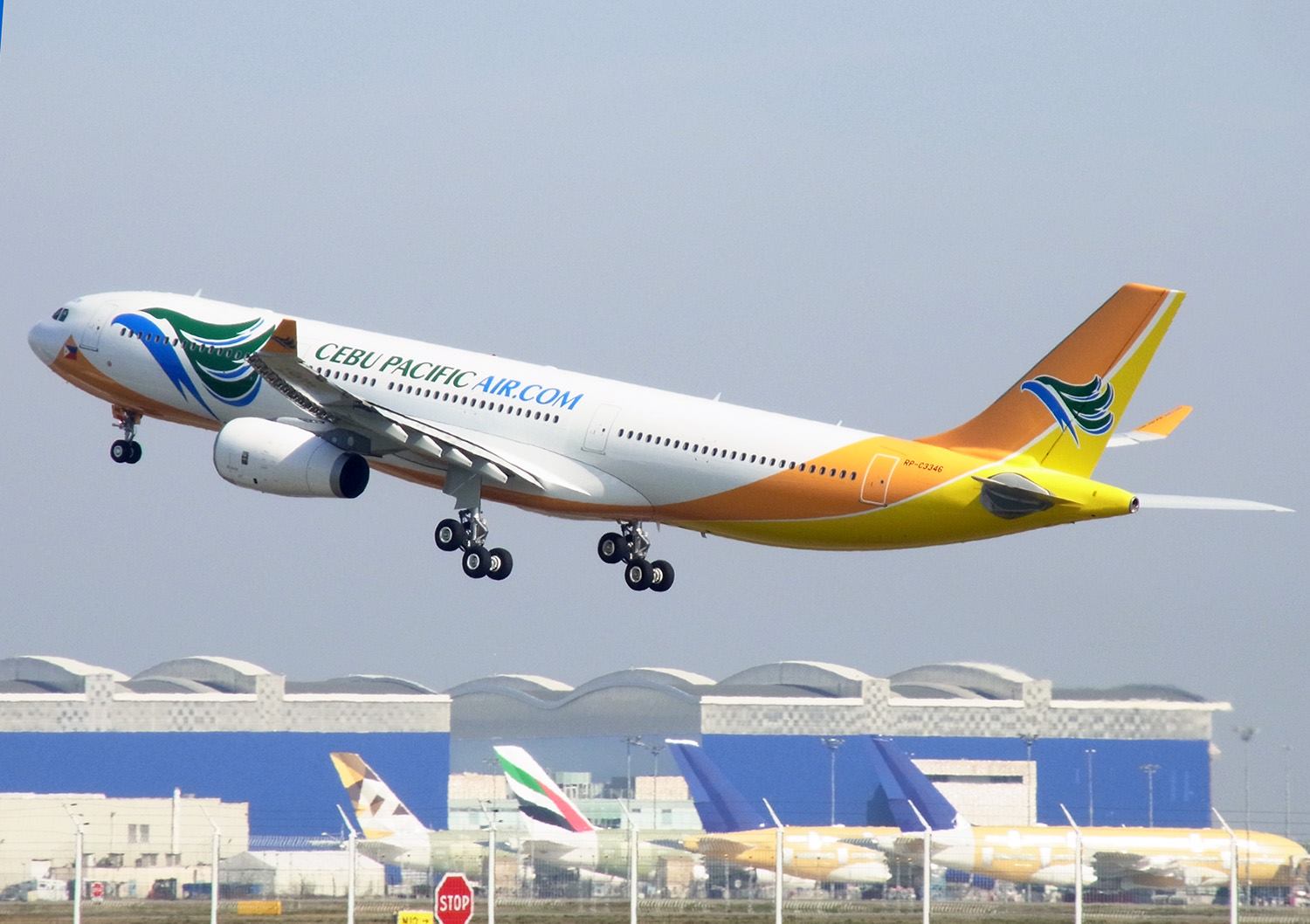
    The Philippines’ Cebu Pacific Air plans to add at least 10 new-generation aircraft to its fleet this year, as it steps up its fleet renewal and expansion plans in a bid to accelerate growth. The country’s largest airline expects to take delivery of five A320neos and five A321neos as part of an ongoing strategy to replace aging aircraft, broaden its network, and up-gauge flights at Manila’s congested Ninoy Aquino International Airport.

    In January, Cebu Pacific took delivery of its first A321neo from Airbus as part of a larger order for 32 of the type. Additional plans call for one ATR 72-600 to arrive sometime this year. The airline now operates a fleet of 35 Airbus A320s, seven A321s, eight ATR 72-500s, 12 ATR 72-600s, and eight A330 widebodies.

    In a securities filing on Monday, the airline announced a 50 percent decline in earnings in 2018, citing challenging market conditions such as high fuel prices, increased competition, the six-month closure of Boracay Airport, and operational limitations at key airports. Net profits fell to $73.8 million from 2017’s $149 million while passenger revenue rose 9 percent year-over-year to $1.4 billion; ancillary revenue grew by 6 percent. The airline generated a 19 percent increase in cargo carried, while passenger numbers rose by 3 percent to 20.3 million.

    “Despite the pressures posed in 2018, we remained resilient,” said Cebu Pacific COO Michael Shau. “We were able to expand our network by up-gauging our flights touching congested airports. 2019 will be a different story though; we have already received the first of our fuel-efficient A321neo orders from Airbus and we expect 10 more new-generation aircraft this year. We also just announced four new domestic routes; 2019 is definitely the year we accelerate our growth.”

    While the airline is planning to add more passenger flights out of its Clark and Cebu hubs, it also sees more opportunity in cargo, reflected in plans to convert two of its ATR 72-500s to large-cargo-door freighters. Once it completes the conversion, Cebu Pacific will become the first low-cost carrier in the world to operate freighters of any type. With operations set for the first quarter of this year, the incoming ATRs will allow the airline to serve smaller airports in the Philippines, thereby allowing for new routes and increased connectivity.


  • Starbucks opens 30,000th store, somewhere in China

    Starbucks opens 30,000th store, somewhere in China

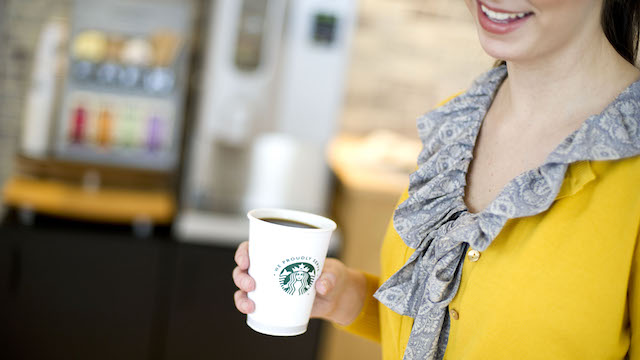
    Starbucks has opened its 30,000th store – launched in Shenzhen, China.

    The new Starbucks Reserve Shenzhen Bay Mix City location in the largest growth market for Starbucks globally serves to demonstrate the continued momentum in the firm’s global growth agenda. The new store is inspired by Shenzhen harbour, the spirit of the city as a technology hub, and the modern life of its community.

    Starbucks first opened in China in 1999, and has since grown to more than 3700 stores in its 20 years in the market.

    “The opening of Starbucks’ 30,000th store is a proud moment for all Starbucks partners,” said the firm’s president and CEO Kevin Johnson. “Over the past 48 years we have worked to build a different kind of company based on a mission grounded in the human experience, the world’s finest coffees, and a constant of pursuit of doing good.

    “Starbucks now serves more than 100 million customer occasions across 78 markets around the world. It all started with our first store in Seattle, Washington, and today we celebrate the 30,000th store that just opened in Shenzhen, China.”

    Starbucks drives net new store growth of 6–7 per cent annually, including a variety of different formats.

    Recently three new Starbucks Reserve roasteries opened in Milan, New York and Tokyo, along with a first-of-its-kind coffee sanctuary in Bali, Indonesia. A second ‘signing store’ providing employment opportunities for the deaf and hard of hearing also launched recently in Washington, DC.

    As Starbucks celebrates its 30,000th store, the company’s more than 380,000 employees deliver the brand experience to more than 100 million customers weekly across 78 markets around the world.

  • Sigma confident of turnaround plan

    Sigma confident of turnaround plan

    Pharmaceutical retailer Sigma Healthcare’s net profit fell 33.1 per cent to $37 million in FY19, down from $55 million in the prior corresponding period.

    Total revenue also decreased in the year to January 31, 2019, falling 2.9 per cent to $3.98 billion, compared to $4.09 billion in FY18.

    The business declared a final dividend for FY19 of 2 cents per share, and Sigma chairman Brian Jamieson stated the business remained committed to returning a high proportion of its NPAT to shareholders.

    Sigma also shared with investors further details about Project Pivot, the turnaround initiative it unveiled after dropping its Chemist Warehouse contract in September 2018, including over $100 million of efficiency gains to be enacted over the next two years.

    “Whilst a large proportion of the cost savings come from extracting costs incurred to directly deliver services to, additional cost savings will come from a restructure of functional areas within Sigma, and changes within our DC network,” Sigma chief executive and managing director Mark Hooper said.

    “This work has already commenced with plans and timeframes communicated to our DC team members in March.”

    As part of these changes, Sigma will cut staff and close three distribution centres, in Shepparton, Newcastle and Launceston, by October 2019.

    The retailer recently refused an offer to merge with Priceline owner Australian Pharmaceuticals Industries on the grounds that it undervalued its long term prospects, and that the $60 million of savings the combined company was forecasted to make was not as efficient as its own $100 million savings plan.

    API countered this claim last week, stating that the cost savings Sigma cites are uncertain and unclear, and that the company has so far released little information in regards to its restructure.

    “While the Sigma Board is not philosophically against industrial consolidation, the assessment of management, the Board and our advisors was united – this proposal was not in the best interest of Sigma shareholders,” Jamieson, the company’s chairman, said.

    “Our Project Pivot review and the cost efficiencies to flow from it, along with the structural reforms we are implementing to provide step change to our operations, give us great confidence in the direction we are heading and the future of our business on a standalone basis.”

    Sigma has reaffirmed its EBITDA guidance for FY20 of $55-60 million, with the savings of Project Pivot not likely to come into effect immediately. Hooper had previously stated it was unlikely EBITDA would return to FY19 levels until FY23.

  • Thinking about creating an e-commerce shop in Asia?

    Thinking about creating an e-commerce shop in Asia?

    Thinking about how to create your e-commerce store in Asia? This exclusive event has all your answers.

    Moni, a digital commerce and brand experience agency, providing an end-to-end suite of e-commerce services in the region, is set to take centre stage on April 2 in Central, Hong Kong.

    Moni, with more than 12 years of experience of delivering digital-commerce experiences, joins together with Magento – the world’s No 1 e-commerce platform – to host an exclusive event to teach merchants how to kickstart and grow their online store. The insightful event will also explore the best practices of ever-evolving online shopping experiences. Moni is one of the few Certified Magento Partner Agencies in Asia.

    Who should attend?

    Retailers, B2B companies, and brands who are looking to expand their online presence and reach through e-commerce, or who are interested in understanding the nuances of Magento platform.

    Join the conversation and network with knowledgeable community members who will help you grow your business to the next level. The event will help you discover why Magento is right for your business, how to drive traffic and sales to your e-commerce store, with some of the best practices detailed along with case studies to learn from.

    The event hosts developers, system integrators, subject-matter experts, merchants, service providers, speakers and technology partners from Hong Kong and Singapore under one roof. Moreover, the event will also host an interactive talk session enabling attendees to get the queries answered in real-time.

    What will you gain?

    The session will equip attendees with a broad understanding of the Magento platform and its benefits such as modernised technology stack, better performance and scalability, smooth customisation, seamless integration and minimised testing efforts.

    David François, MD at Moni, will direct the audience through several successful e-commerce projects in Asia. For more than 20 years he has specialised in helping brands create digital customer experiences that drive tangible results and outcomes.

    Mel Lim, enterprise sales manager at Magento, comes from Singapore, and will share details about the full suite of Magento capabilities. She has a decade of experience working with brands across Asia Pacific on their digital-transformation journeys, specialising in commerce customer experience.

    Each merchant today can capitalise on commerce system flexibility, buying patterns, maximising gross margins, driving innovation and meeting end-to-end customer expectations.

    To attend this exclusive event, click here to RSVP.

  • Superdry to open second New Zealand Store

    Superdry to open second New Zealand Store

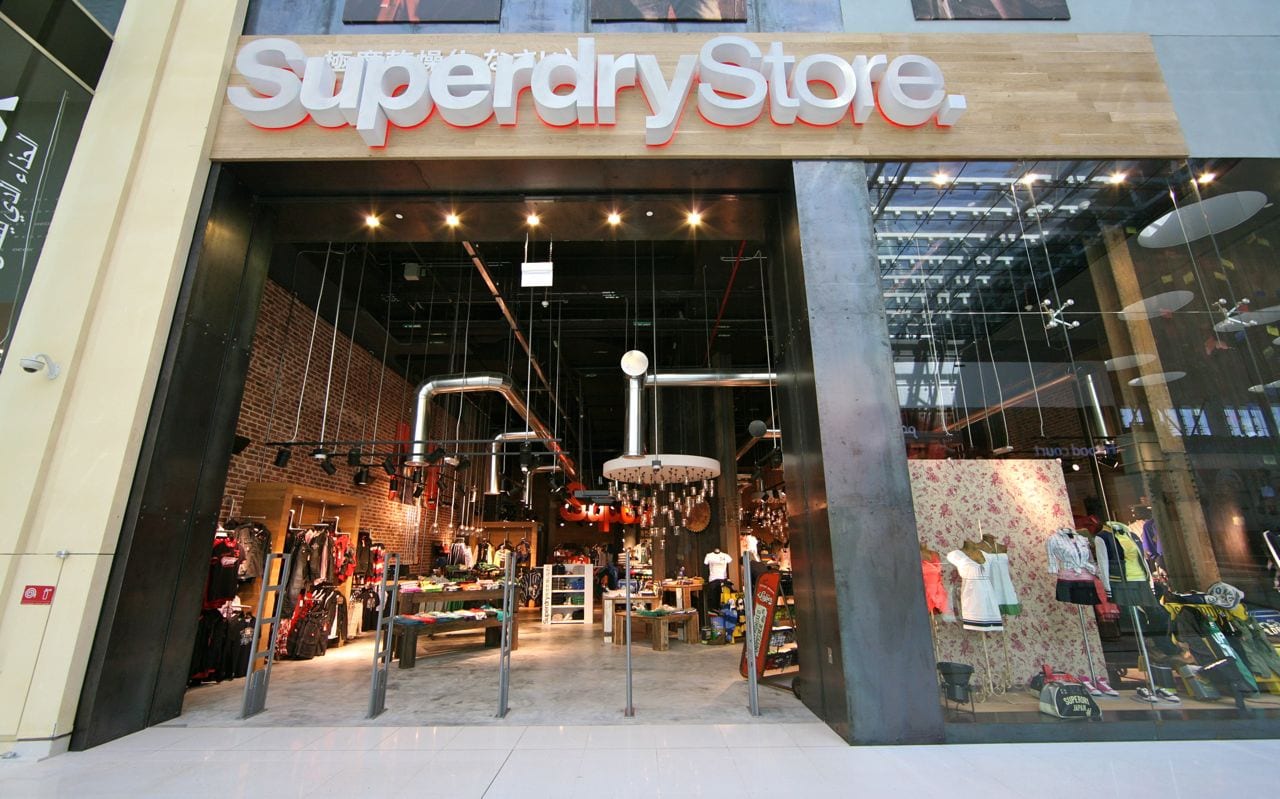
    Sports fashion brand Superdry has revealed it will open another store in New Zealand in Queenstown. The date for the opening has not been disclosed, but brand general manager Antony Hampson said Brand Collective, which holds the licence for Superdry in Australia and New Zealand, is actively looking for locations in the area. According to Hampson, Superdry could roll out more stores in the country depending on how the market responds to the brand.

    “For now, it would just be Auckland and Queenstown so we have representation across both the North and South islands,” he said.

    Superdry announced earlier this month it will open its first store in New Zealand in April in the heart of Auckland’s Queen Street shopping district.

    The 193sqm store will be split into two levels, with the menswear department on the first level and a glass staircase leading consumers to the womenswear section on the second level. The Superdry Auckland store will also offer a selection of Superdry Snow, which features fashion forward, technical alternatives to traditional snow gear.

    “The store will incorporate the latest Superdry fit-out which involves a more digitised experience for our customer and clearer layout,” Hampson said.

    “There will also be a strong emphasis on our snow collection which is going from strength to strength and of course we will continue to ensure we present the product categories we are most renowned for: fleece, jackets and t-shirts.”

    Hampson said the brand is confident it will deliver strong sales, given the demographic there. He said the climate suits the brand as well.

    “The brand is not new to the market, we have a healthy wholesale business and strong partnerships with a number of key retail partners over the past 10 years,” he said.

    “We know there is demand for the brand and we feel that the opportunity is now to present the full collection of products to the customer base there which is what a concept store gives us the ability to do.”

    Superdry is also in the process of bringing over its e-commerce operation to run out of Melbourne to improve its speed of service. It is currently run out of the UK.

    “This will enable us to communicate consistently to our customer base both in Australia and New Zealand,” Hampson said.

    In a tussle for leadership of the company in the UK, former CEO and co-founder Julian Dunkerton and the board have each made disparaging remarks about the brand’s performance of late, alternately laying the blame for slowing sales on misguided strategy and undifferentiated product that no longer appeals to customers. But Hampson said it doesn’t directly affect Superdry stores in Australia and New Zealand.

    “Superdry is operated under Brand Collective Pty Ltd who has the license for Superdry within Australia and New Zealand, so this doesn’t directly affect us here.

    “UK retail has been tough in general with a much warmer than expected summer which has had an impact on high street sales, particularly in those winter product types which Superdry is synonymous with,” he said.

    “It is important to note that the brand is still very profitable and is continuing to stay true to its values around innovation, quality and design. The product is evolving for the better.”

    Superdry UK announced last December it may close or relocate some of its stores after its annual profits came in £30 million ($58.2 million) below expectations.

  • Starbucks launches a New $100 million equity fund

    Starbucks launches a New $100 million equity fund

    Starbucks has launched an investment fund to boost food and retail startup technology companies.

    The new entity, Valor Siren Ventures, will be managed by Valor Equity Partners, a growth-focused private equity investment firm that was among the first investors in food technology. Starbucks has contributed an initial US$100 million into the fund, which will identify and invest in companies developing technologies, products, and solutions relating to food or retail.

    “These verticals are increasingly relevant to Starbucks as it seeks to support its world-class talent with an innovation agenda accelerated by external relationships,” the company said in a statement.

    Valor Siren Ventures will seek to raise an additional $300 million in the coming months from other strategic partners and key institutional investors.

    Separately, Starbucks will also explore direct commercial arrangements with these start-ups. Starbucks president and CEO Kevin Johnson says the company is embracing new ideas and innovations that are relevant to its customers, inspiring to its partners, and meaningful to its business.

    “We believe that innovative ideas are fuel for the future, and we continue to build on this heritage inside our company across beverage, experiential retail, and our digital flywheel,” he said.

    “At the same time, and with an eye toward accelerating our innovation agenda, we are inspired by, and want to support the creative, entrepreneurial businesses of tomorrow with whom we may explore commercial relationships down the road. This new partnership with Valor presents exciting opportunities, not only for these startups, but also for Starbucks, as we build an enduring company for decades to come.”

    Over 20 years, Valor’s team has worked with companies, principally in the consumer, engineered products, and services sectors. Its investments in food and retail technology include GoPuff, Fooda and Sizzling Platter.

  • Afterpay starts cross-border payments

    Afterpay starts cross-border payments

    Buy now, pay later provider Afterpay is enabling shoppers to make cross-border payments through the service, following a successful trial.

    The feature means that businesses that offer Afterpay at checkout will now be able to offer the payment method to customers in other countries where Afterpay is active.

    The feature is initially limited to Australian and New Zealand businesses, where a combined 2.7 million people use Afterpay, but will eventually be extended to include businesses in the US and later the entire Afterpay network.

    “We are confident that [this] will add value to our retail partners, and open up the opportunity for them to seek and delight new customers from different countries,” Afterpay chief executive Nick Molnar said.

    “Customers will be able to pay directly in their currency and not be hit with any additional foreign exchange fees after the payment is processed.”

    The payment provider also will remove the complexity of foreign exchange, through a proprietary global payments solution that allows funds to be settled in their country of origin.

    Afterpay’s support for cross-border payments is expected to be a boon for online retailers looking to grow their sales outside of the domestic market.

  • Lego store opens with giant figurines in Sydney

    Lego store opens with giant figurines in Sydney

    Lego Group unveiled the first Lego store in Sydney at Westfield Bondi Junction on Tuesday evening, ahead of the official opening on March 21.

    The store includes several features aimed at enabling creativity, including a room with play tables called The Brick Room where kids can build their own creations, the Pick-A-Brick wall, where customers can get exact brick they need and Build-Your-Own Minifigure stations.

    Lego Group vice president and general manager Australia and New Zealand Claus Kristensen said the group was excited about a fantastic year to come.

    “There’s going to be a lot of exciting offerings to all kids and adults,” Kristensen said.

    “It’s fantastic to have a place like this where we can showcase the brand and give everyone that great experience as we continue to inspire the builders of tomorrow.”

    The store features several bespoke creations, including a number of large-scale Lego figurines, some displays of the larger sets that can be purchased, and – as with all Lego stores – a mural showcasing the city the store is located in.

    The Bondi Junction store features a 62,300-brick mural of a Sydney Harbour sunset, which took 282 hours (more than seven standard working weeks) to build.

    “Lego stores around the world are renowned for drawing from local landmarks for a bit of inspiration,” Alceon Group executive director Richard Facioni said.

    The store is the result of a partnership with Alceon Group, which acquired the rights to Lego certified stores in Australia and New Zealand. Kristensen explained that Alceon “understood the importance of the brand”, and noted he believed the group had made the right choice.

    “I’m sure it’s going to be very exciting to see the opening on Thursday,” Kristensen said.

    “I think it’s going to be a bit crazy, we all hope so.”

  • Deloitte forecasts forgettable year in Retail

    Deloitte forecasts forgettable year in Retail

    2019 is shaping up to be a ‘gap year’ for Australian retail, according to Deloitte’s latest Retail Forecast for the year ahead. Retail turnover is expected to slip from 2.2 per cent during 2018 to a more modest 1.6 per cent, before lifting back up to 2.2 per cent in 2020, according to Deloitte Access Economics partner David Rumbens.

    “It’s fair to say retailers have only survived the last few years because consumers have lived beyond their means. But that ship has now sailed,” Rumbens said.

    “Labour income growth is good, but not good enough yet to avoid some damage to retail growth in the absence of an excuse to run down savings further. And when overall net wealth is heading downwards, it provides a fairly strong incentive for people to be more prudent with their cash.”

    This isn’t likely to affect every facet of the retail sector equally, with businesses that offer more essential items, such as supermarkets, unlikely to feel the downturn in the same way as those that offer bigger ticket items such as furniture. Retailers that have some flexibility in the stock that they carry, such as department stores, may wish to re-evaluate and refocus on more essential items, as discretionary spend continues to tighten. However, it doesn’t have to be all doom and gloom for retailers, as such a year affords the opportunity to make calculated changes to prepare for a predicted upturn in sales in 2020. One of the key things retailers can do over this ‘gap year’ is to analyse and improve the link they have with their customers, as well as the relationship they have with their employees and supply chains.

    “There has been… an increase in focus on payments to staff and suppliers, are there issues there that retailers need to investigate to put themselves on a more sound footing going forward?” Rumbens said.

    “Retailers should investigate activities which will support the business so that it’s better able to react when sales growth does move back up to a faster pace.”

    One way retailers can offset some of the strain of operating in the Australian retail environment is to utilise a digital international expansion into other markets.

    “With digital commerce, we’ve clearly seen a lot of great overseas presence in Australia, and I think there’s a lot that Australian retailers can explore there,” Rumbens said.

    “You’ve got quite strong economic and consumer spending growth through China, and a significant market in India. These are not activities to be undertaken lightly, but if you consider the 700 million internet users in China… is it time to start considering that market?”

    Rumbens also believes the Federal Government could offer a stimulus to the Australian public, which could provide support for retailers at a time when growth is slow.

    “There is a strong prospect of some government stimulus coming through and supporting the sector mid-year,” he said.

    “It’s likely to happen, but we’ll have a fair idea in the next couple of weeks when the Federal Budget is handed down.”

  • Canon Australia launches Renting Service for cameras

    Canon Australia launches Renting Service for cameras

    A picture may be worth a thousand words, but in terms of actual dollars, it could be worth many times that, once you consider the cost of all but the most entry-level DSLR cameras, lenses and other accessories. But now, a hefty price tag need not be an obstacle for budding photographers, thanks to a new sharing platform launched by Canon Australia on Tuesday. The platform, called Kyōyū, the Japanese word for “share”, aims to be the Airbnb for Canon cameras and accessories. Camera owners can use it to rent out their gear and get a return on their investment, and would-be owners can use it to borrow or try out items without needing to buy them outright.

    “At Canon, we believe in constantly innovating to create the ultimate user experience,” Jason McLean, Canon Australia’s director of consumer imaging, said in a statement.

    “We don’t want ownership to be the only reason to experience our goods and services,” he said.

    The platform was created in partnership with design agency, The Diner, and has been in the works for over a year.

    According to McLean, Kyōyū is an extension of the brand’s long-held goal of building a community of passionate photographers, which saw it launch the Canon Collective in 2013 to bring like-minded people together for workshops and other events, and open its first experience centre in Melbourne in 2018.

    “For years, we’ve been looking at our brand and how can we do more with the products people buy. We created Canon Collective and opened the experience centre for that reason, and this is the next evolution of that,” he said. 

    The concept is currently exclusive to Australia, but McLean said it could be rolled out in other markets if it proves successful.

    More than 230 members have already signed up to the platform, primarily across Sydney, Melbourne and Brisbane, and the company aims to have 1500 registered users by the end of 2019.

    Canon charges a small fee on each transaction to cover the cost of managing the platform and providing up to $15,000 of insurance on every rental.

    “One of the greatest concerns we heard through our early research was what happens if something goes wrong, if something accidentally gets damaged, or stolen,” McLean said.

    Canon has taken this same “test and learn” approach to its other offerings, such as the experience centre that opened in Melbourne last year.

    “It’s hitting the mark,” McLean said about the store, a 320sqm space where customers can touch and feel Canon’s product range without having to ask store staff to take them out of a locked cabinet.

    “Customers love the staff, they love that staff are not pushy. What we’re working on now is building awareness. It’s the best kept secret in Melbourne,” he said.

    Canon Australia will continue testing the offering in Melbourne for another six or so months before deciding whether to launch experience centres in other capital cities around Australia.

    Meanwhile, the Canon Collective has taken on a life of its own. According to McLean, nearly 50,000 people are part of a closed Facebook group, where they share advice and support one another, without needing much moderation or guidance from Canon itself.

  • Sushi Sushi acquired by Odyssey

    Sushi Sushi acquired by Odyssey

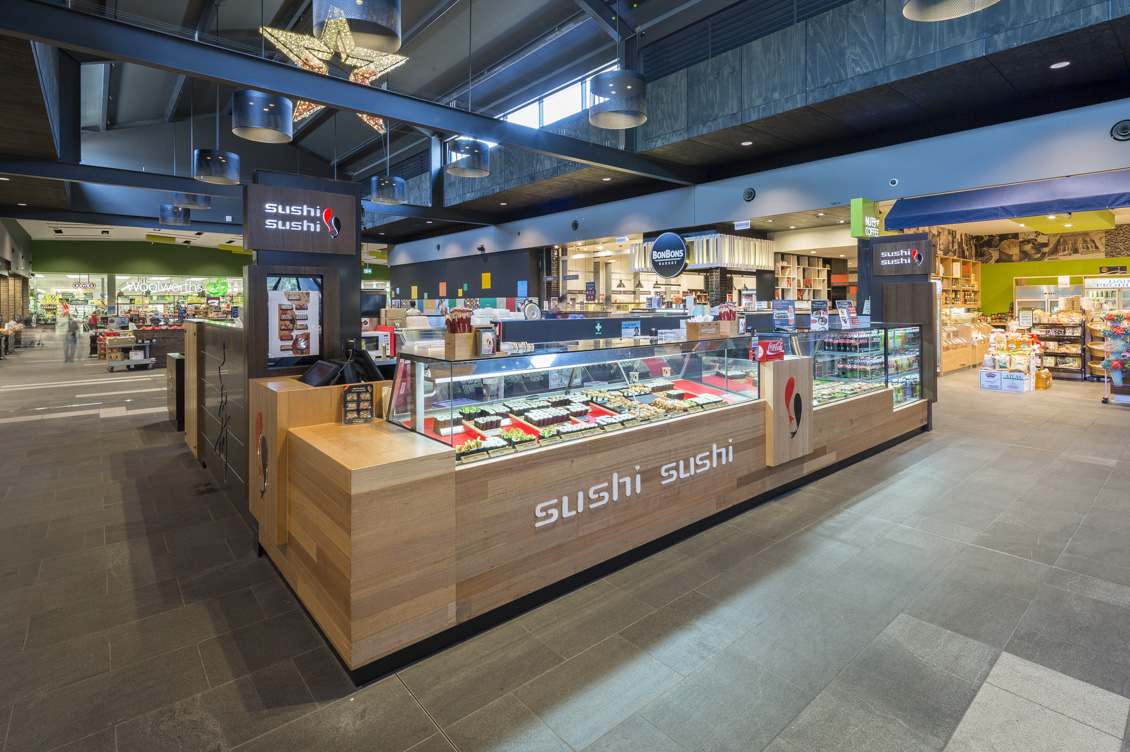
    Sushi Sushi has announced an expansion into New South Wales, and New Zealand, alongside an agreement to sell a majority share to Odyssey Private Equity. Founder Anna Kasman said she is confident the business will continue to prosper under Odyssey, and that she is grateful to its dedicated and passionate team and franchise partners.

    The acquisition is expected to be finalised by the end of the month, while the New Zealand store will open in May, followed by New South Wales store openings later in the year.

    Sushi Sushi chief executive Scott Meneilly said the team was very proud of what they had achieved with the Japanese food market business, and are looking forward to working with Odyssey moving forward to grow the business, signalling that “2019 is set to be very exciting.”

    Meneilly had previously indicated that the brand had intended to grow into New South Wales during 2018, and had formed relationships with potential partners across Malaysia, the UK, the US and Dubai in the lead-up to an international expansion.

    “When you take a brand overseas, you’re relaunching it and you need to get the nuances right within those regions,” Meneilly said.

    “What worked in Australia won’t necessarily work overseas, you have to tailor it. It takes an incredible amount of focus and resources to get it right.”

    Odyssey partner Paul Readdy said that the acquisition was a great change to work with the experienced management team, with executives who have previously held positions in Boost Juice and Retail Zoo.

    “The growth in demand for sushi and Japanese inspired food more generally is being driven by consumers’ demand for healthy and convenient meals,” Readdy said.

    “We believe that Sushi Sushi’s commitment to innovation, consumer experience and quality food will continue to fuel the company’s growth.”

  • Instagram users can now buy items from ads inside the App

    Instagram users can now buy items from ads inside the App

    Instagram is taking its Shopping ads one step further by making it possible for people to buy the products in the ads without leaving the app.

    The feature, called Checkout on Instagram, is currently being tested in a closed beta program by nearly two dozen businesses and is only available to users in the US.

    Retail News has asked for details about if and when the feature will be available outside the US but had not received a reply at the time of this writing.

    Adidas, Burberry, Dior, H&M, Michael Kors, Nike, Outdoor Voices, Uniqlo and Zara are among the 23 fashion, beauty and accessories brands now rolling out the feature. Others will be added in future, according to Instagram, which is owned by Facebook.

    When users tap on a product in a Shopping ad from one of these businesses, they now see a “Checkout on Instagram” button. By tapping the button, they can select the size and colour of the item they want and enter their payment and shipping details to purchase.

    Users receive notifications about shipment and delivery within the Instagram app, and the platform saves all their information for future purchases.

    In the past, if users wanted to purchase a product linked to a Shopping ad, they were redirected to the brand’s website. The new feature removes this step and – crucially for Instagram – keeps consumers in the app.

    “Social selling is really taking shape both in Australia and globally and it’s great to see Instagram leading the way through the next stage of the social selling journey. Giving consumers the option to complete a purchase right then and there in the app will simplify the shopping process and allow brands to connect more easily with shoppers,” said Jordan Sim, group product manager at BigCommerce, an e-commerce platform that has been active in offering integrations with Shopping on Instagram to its users.

    “We’ve seen our merchants both globally and locally in Australia have a great deal of success using BigCommerce’s integration with Shopping on Instagram and are looking forward to unlocking the power of this new integration for our Aussie retailers in the near future. We know the value of simplifying the checkout process to drive sales and this new function on Instagram will facilitate just that.”

    Many brands have said that Shopping ads drive sales, but there’s a trade-off: visibility and control over their customer data. As Instagram continues to make the purchasing process more seamless – that is, takes control of the process – some businesses will undoubtedly question whether the trade-off is worth it.

    It is unclear whether the Checkout feature applies to Shopping posts in Instagram Stories, or only to posts in the feed. Last June, Instagram revealed that of the 500 million people using Instagram every day, 300 million use Stories every day.

  • Metro China For Sale

    Metro China For Sale

    German wholesaler Metro has called for bids for its China operations.

    The firm was reported last September to be considering exiting its Metro China retail business as part of a plan to focus on wholesaling activities worldwide. The sale is partially in response to the emerging strength of e-commerce in China.

    According to industry insiders, Metro is seeking a deal in a deal that would value the business from US$1.5–2 billion, covering 95 stores in the territory as well as real estate assets in several major cities. Some observers have estimated the Metro China business to be worth up to $3 billion.

    Several local retail chains and private equity firms are expected to be among potential bidders, although none of the named firms responded to requests for comment for a report. E-commerce giant Alibaba has previously held talks with Metro over a possible stakeholding in the business and tencent has been linked to a bid.

    First-round bids should emerge next month.

    In related news, the firm announced the opening of a new warehouse in Yangon last week, aiming to serve local professional customers in the fast-growing hospitality and tourism sectors in the region. Metro Myanmar will not run wholesale stores but provide a virtual shopping experience for customers through its e-commerce and delivery systems.

  • Jollibee Guam flagship Restaurant Opening Early April

    Jollibee Guam flagship Restaurant Opening Early April

    Filipino fast food chain Jollibee, the largest and fastest-growing Asian restaurant company in the world, is soon to open its flagship brand in Guam.

    The first Jollibee Guam outlet will launch at Micronesia Mall on Saturday, April 6.

    “We’ve seen people queue even in extreme weather to enjoy our unique and tasty food,” said Jollibee Foods Corporation’s president and head of international business Dennis Flores. “We invite everyone – Chamorus, Micronesians, mainland Americans in Guam; everyone here in Guam – to come taste and see for themselves why people are willing to wait and line up for our food.”

    With Jollibee operating in Guam – where America’s day begins – the company says it can claim that it is serving food to more diners on American soil at any given moment of the day or night. Jollibee has 37 stores in the US.

    Jollibee, from its humble beginnings as an ice cream house in 1975, quickly grew into a fast-food giant with more than 1300 stores worldwide. Its openings have drawn queues with people lining up to 20 hours for a taste of their Jollibee favourites.

  • Japan’s NETSTARS joins Singtel’s VIA alliance

    Japan’s NETSTARS joins Singtel’s VIA alliance

    Singtel‘s cross-border mobile payments alliance VIA has expanded into Japan through a partnership with Tokyo-bassed mobile payment technology NETSTARS.

    The addition of NETSTARS to the alliance will add 100,000 stores to the network’s current 1.6 million merchant partners in Asia.

    With the agreement, users of mobile wallets supported by VIA, including Singtel’s Dash and AIS Global Pay, will be able to use their respective wallets at merchants including airports, shopping malls, transportation modes and food and beverage outlets.

    Users will be able to pay instantly in their local currency with competitive foreign exchange rates in Japan.

    NETSTARS aims to grow its merchant base to 1 million stores throughout Japan by the end of next year

    As well as Dash and AIS Global Pay, Thailand’s Kasikornbank and Malaysia’s Boost will soon be adding their mobile wallets to the VIA alliance.

    Singtel Group plans to expand the VIA alliance to include other mobile regional associates including Airtel in India, Globe in the Philippines and Telkomsel in Indonesia, as well as more non-telco partners.