Tag: asia

  • SingPost Looks to Plug Last-Mile with More Delivery Options

    SingPost Looks to Plug Last-Mile with More Delivery Options

    The resurgence of e-commerce in Southeast Asia has helped mitigate the decline in postal mail volumes, but it has also raised last-mile delivery challenges. To address this, Singapore Post (SingPost) is looking to build up its network and offer more options for consumers to receive and send packages.

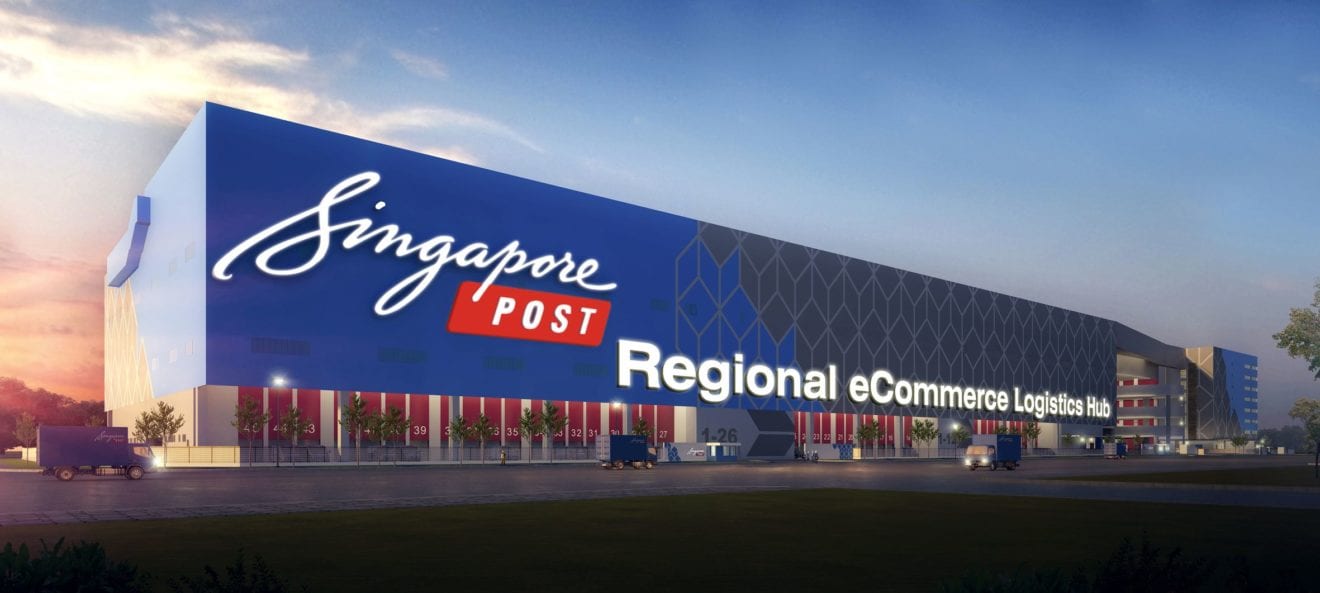
    Established more than 160 years ago, SingPost in 2016 launched its Regional E-commerce Logistics Hub, which has a sorting capacity of 100,000 parcels a day. Parcel volumes in November 2018 climbed 25% year-on-year and the highest volume of parcels processed in one day clocked at 40,000. During the peak period of November to December 2017, some 2,700 tonnes of parcels were delivered.

    In this Q&A with Retail News, SingPost’s group chief digital and technology officer Alex Tan discusses how the postal service provider has been working to keep pace with the region’s e-commerce boom and address challenges in last-mile delivery.

    In what ways have the rise of e-commerce impacted SingPost and the company’s growth and technology roadmap?

    Alex Tan: E-commerce presents a huge opportunity for us and we are driving a lot more e-commerce traffic through our postal and logistics networks. This mitigates the decline in letter mail volumes that is seen all over the world.

    It’s also why we are progressing on a three-year transformation strategy to shore up our footprint in e-commerce logistics. Our vision is to be the regional last-mile delivery and urban logistics platform of choice for Southeast Asia. Our current suite of e-commerce logistics solutions includes frontend web management, warehousing and fulfilment, last-mile delivery, and international freight forwarding.

    In November 2018, we unveiled our latest next-generation logistics platform Last Mile Platform (LaMP), which consolidates various last-mile delivery services such as courier services, parcel lockers, and brick-and-mortar collection points, onto a single platform. Being technology-agnostic, LaMP can integrate services from different retailers and logistics providers to provide greater convenience, flexibility, and control to customers.

    The platform is also location-agnostic and can connect last-mile partner services across Southeast Asia. Through LaMP, retailers can offer their customers the ability to receive their online purchases via any last-mile delivery node in the network, in any country within the region. Consumers may even redirect en-route deliveries to an alternative delivery node on the platform.

    In 2016, we also opened our SGD$182m (£104.08m) Regional E-commerce Logistics Hub, which is fully automated and harnesses the latest warehouse fulfilment and parcel sorting technologies, integrating warehousing and parcel sortation systems for greater efficiency.

    We are also building on our partnerships with our major shareholders, Singtel and Alibaba Group, working closely with them on cross-border e-commerce and digital innovation, in areas such as big data, warehouse robotics, and artificial intelligence (AI).

    There has been numerous customer feedback on SingPost’s delivery service, most of which revolved around non-deliverables or failed/missed deliveries even when the recipient was home. What challenges does SingPost face in fulfilling the last-mile delivery component, which is especially crucial in e-commerce, and how are you looking to resolve these with technology?

    Providing integrated solutions for last-mile delivery is one of the biggest challenges faced by postal and logistics providers. To improve the last-mile delivery experience, we have installed over 160 POPStation parcel lockers across Singapore. These enable our customers to collect, return, and ship parcels at their convenience. In addition, we are working with the Infocomm Media Development Authority on a pilot for the Locker Alliance, an open access delivery network of 43 lockers in Punggol that residents can use to receive and return parcels conveniently, regardless of which logistics firm handles the delivery. We continue to expand on our network of parcel lockers, installing them in more housing estates and developing new features that facilitate e-commerce services beyond online shopping.

    To enhance customer experience, service quality, and operational efficiency, we launched SmartPost in November 2018, which is an integrated suite of solutions that harnesses mobile and digital technologies. In the current phase, it enables better tracking of deliveries and electronic signing-over of registered mail. It also upskills our postal staff with new tools and technologies that elevate their efficiency and capabilities. To date, we have equipped all of our 1,000 postal employees with a proprietary mobile app that works with Near Field Communication (NFC) tags installed at around 15,000 delivery points across the island.

    Looking ahead, we are working towards providing delivery alerts and status updates to customers via SMS or email, as well as electronic notifications, to collect missed deliveries – replacing physical delivery notes that are currently used.

    In addition, LaMP will augment the online shopping experience, empowering customers with greater choice of delivery options and collection locations, including the option to make changes while a delivery is underway. Leveraging AI, LaMP will soon provide customers with SMS alerts half an hour before their courier arrives.

    With customers today wanting a more seamless, digital experience, we are expanding our Smart Post Office network, which combines our physical branch network with our SAM Omnichannel platform, It comprises self-service kiosks, mobile app, and web portal.

    How has the introduction of drone deliveries improved the last-mile fulfilment? Can you provide an update on SingPost’s deployment of drone deliveries?

    There is huge potential in UAV (unmanned aerial vehicle) technology to provide game-changing urban logistics solutions for last-mile e-commerce and mail delivery in the future. We are working with Airbus’ Skyways project to explore how drones can be used to move collect and deliver items autonomously within cities. After a successful flight demonstration in February 2018, we are working towards operating a trial e-commerce delivery service at the National University of Singapore in the coming months.

    Alibaba made significant investments in SingPost in 2014 and 2015. How have the funds been deployed and how has the partnership materialised in terms of the number of deliveries SingPost fulfils from Alibaba’s online marketplaces?

    We have been working closely with Alibaba and its extended ecosystem, which includes Cainiao Network, 4PX, and Lazada.

    Together, Alibaba and its ecosystem have brought in significant cross-border e-commerce volumes for SingPost. We also are collaborating with Alibaba and its technology affiliates on several projects involving AI, warehouse robotics, big data, and cloud computing with the aim to create more opportunities for us to digitally transform our business.

    Alibaba’s investments into SingPost are focused on strengthening our regional e-commerce logistics infrastructure and network, so we can grow and enhance our e-commerce logistics capabilities to better serve the region’s rapidly growing online retail markets.

    What new technologies are you looking at in the next year and how will these be deployed at SingPost?

    We are integrating AI into LaMP to provide parcel traceability and reliability for our customers across Southeast Asia.

    The platform will be able to autonomously plot optimised courier delivery routes based on multiple factors such as parcel destinations, customers’ preferred delivery times, and real-time ground data including traffic and weather conditions. It will be able to analyse and proactively alert all stakeholders on courier movements, and allow customers to receive an alert half an hour before their parcel arrives. This a significant improvement in terms of convenience, especially in dense cities such as Bangkok and Jakarta, where customers are typically provided vague parcel arrival times due to myriad reasons such as traffic jams and extreme weather conditions. On LaMP, all of these will be managed from a single screen called the ‘control tower’, providing enhanced visibility and connecting multiple GPS-tracking systems and APIs.

    On a personal note, when you buy something online, what kind of services do you think these sites should provide in terms of delivery/logistics?

    People want flexibility and control, whether it is choosing the time and location or the mode of delivery, and with the option to change your mind along the way. There is growing agnosticism with regards to geography, where e-commerce shoppers want to be able to shop at online stores in any country and expect a seamless experience no different from buying on a domestic website.

    This calls for a transformation of the logistics industry, and it is why SingPost is harnessing digital technology across the entire supply chain – from transforming our last-mile infrastructure for greater efficiency and responsiveness, to creating agile and open platforms that integrate delivery networks across organisations and geographies.

  • Lion Air offers discounted flight tickets from Jakarta to Medan

    Lion Air offers discounted flight tickets from Jakarta to Medan

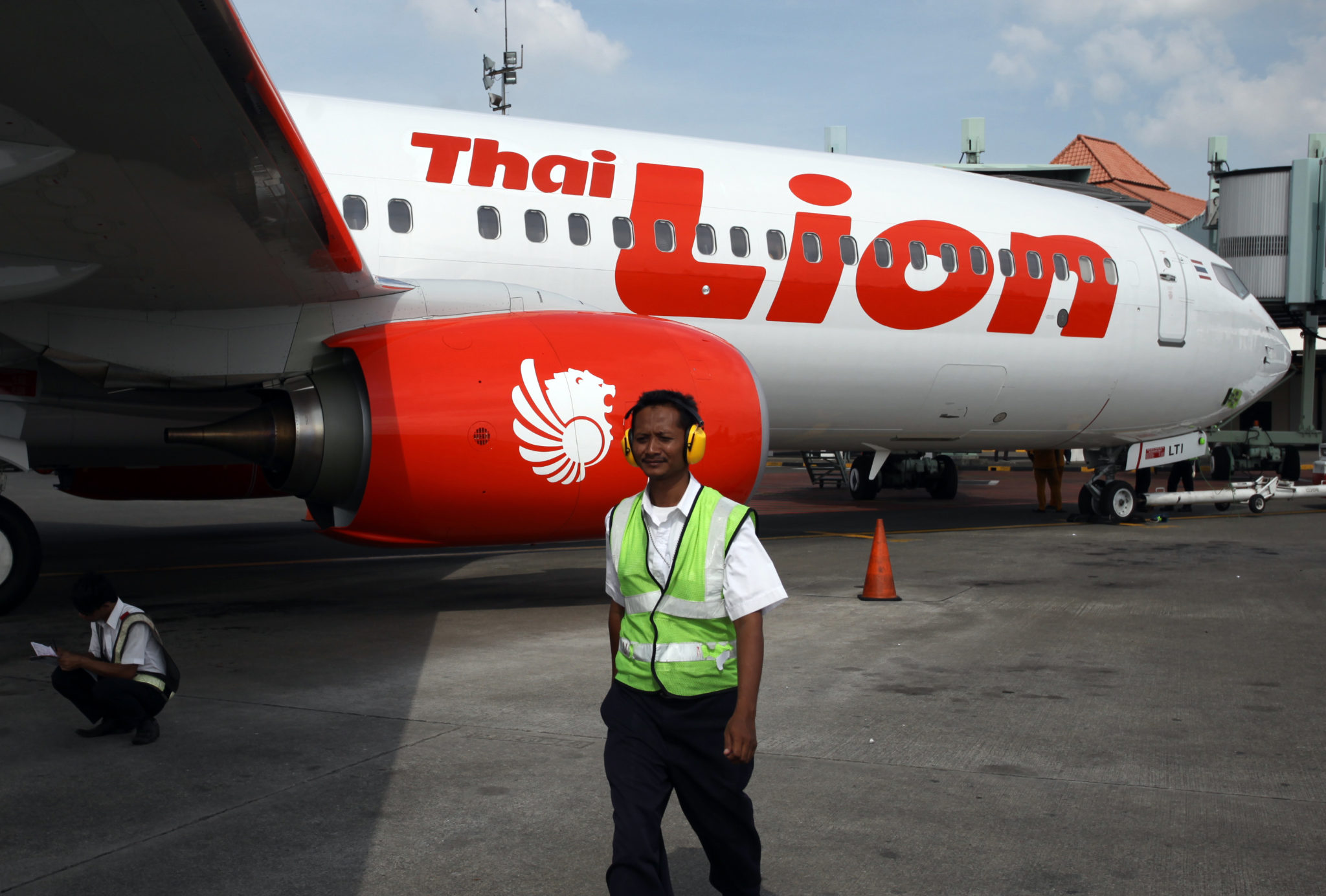
    Following Garuda Indonesia’s recent decision to lower its ticket prices for flights connecting Jakarta and Palembang, South Sumatra, the country’s largest low-cost carrier, Lion Air Group, announced a promotional program called #liburanmakinmurah (vacationing gets cheaper)  that will start on Friday.

    According to Lion Air statement, the airline will offer 50 percent discounts on a number of domestic routes, with flights from Jakarta to Medan, North Sumatra, for example, starting from Rp 880,000 (US$62.54) and flights connecting Jakarta and Jayapura, Papua, starting from Rp. 2.28 million. These prices do not include both excluding passenger service charges (PSC), value-added taxes (PPN) and insurance.

    “This move is part of Lion Air’s efforts to support the government’s campaign to increase foreign and domestic tourist arrivals, therefore, boosting both the local and national economies,” the statement read.

    The promotional tickets can be purchased on the airline’s official website, Lionair.co.id, ticketing offices and travel agencies.

  • VinFast rolls out its first made-in-Vietnam car

    VinFast rolls out its first made-in-Vietnam car

    Vietnam’s first full-fledged carmaker has started trial runs in its Hai Phong factory, preparing to deliver preordered vehicles later this year. The Lux SA 2.0 SUV, which has a 228 horsepower engine and an 8-gear automatic transmission, started its first run Wednesday at VinFast’s factory in the northern port city of Hai Phong.

    Commercial versions of both the SUV and a sedan will be delivered in the second and third quarter this year to customers who have pre-ordered.

    VinFast, a unit of Vietnam’s largest private conglomerate Vingroup, claims to be the first auto manufacturer in Vietnam with a closed, synchronous and complete cycle of production.

    The first cars will be tested in several countries including Australia, Austria and South Korea to make them European standards. They will also be tested in Vietnam for endurance in various climates and conditions.

    VinFast showed off prototypes of its first two car models at the Paris Motor Show in France last October, just a year after the company’s incorporation.

    A limited edition of its Lux SA 2.0, called the Lux V8 with a 455 horsepower V8 engine, is being displayed at the Geneva Motor Show 2019 this week.

  • DHL renews partnership with Africa’s largest e-commerce event

    DHL renews partnership with Africa’s largest e-commerce event

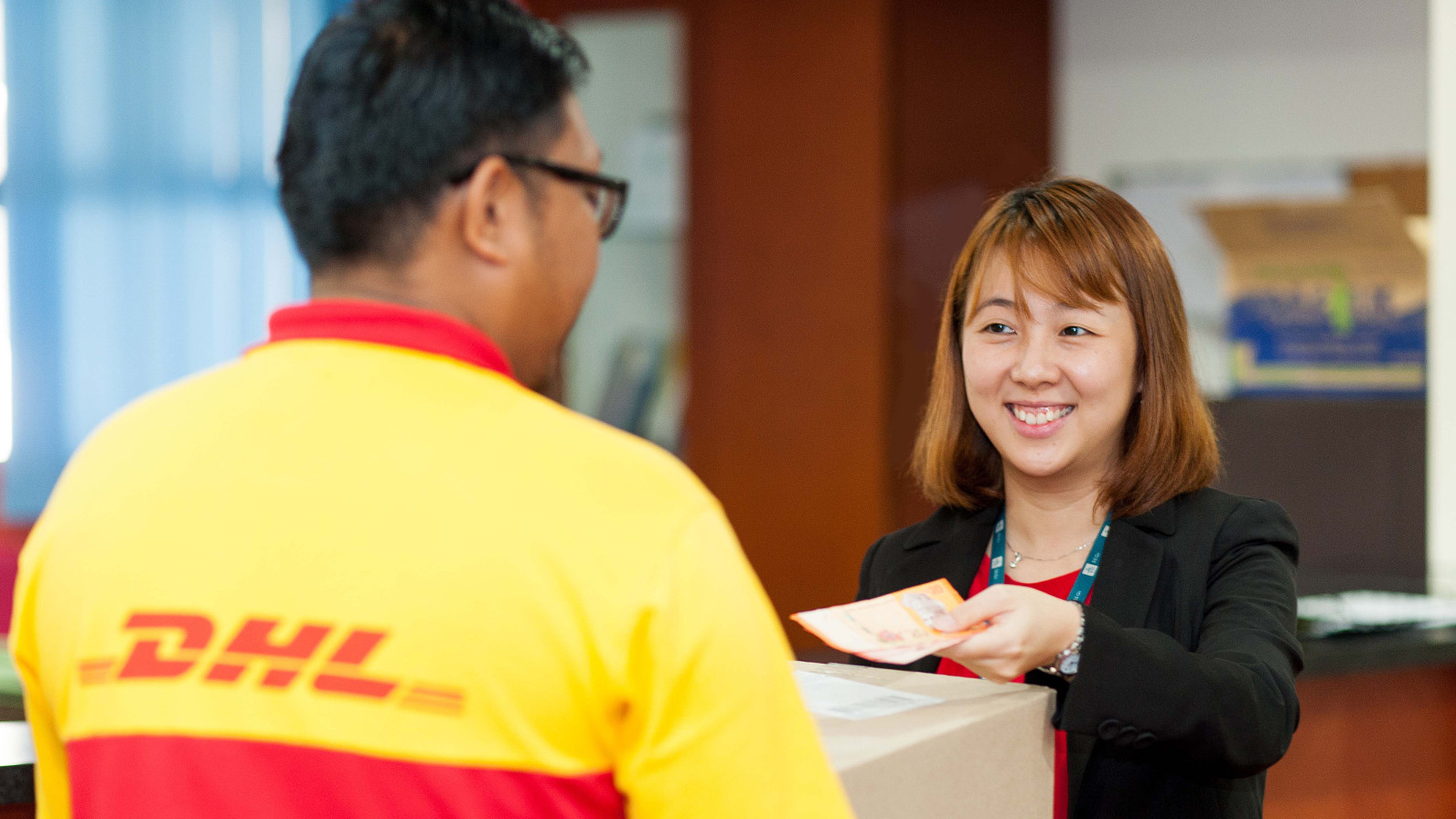
    DHL Express in Sub-Saharan Africa (SSA) has announced that the company has once again signed on as lead sponsor for the 2019 DHL eCommerce Africa Conference and Exhibition, which will be held at the Cape Town International Convention Center on the 19thand 20thof March 2019.

    The eCommerce Africa Conference and Exhibition, delivered by DHL, is hosted by South African conferencing company, Kinetic, and is one of Africa’s biggest opportunities to bring stakeholders in the ecommerce sector together. Later in the year, Kinetic will also bring the conference to Kenya, with the eCommerce East Africa Edition, also delivered by DHL, set to take place in Nairobi on the 12thand 13th of June 2019.

    This year’s event offers participants an opportunity to learn from world-class thought leaders, both from Africa and the rest of the globe, on the innovative strategies that will unlock e-commerce opportunities over the years to come. Delegates from some of the continent’s biggest tech, retail, banking and legal firms will be in attendance to share their experience and engage with attendees to exchange knowledge.

    According to the McKinsey Global Institute’s report, Lions Go Digital, e-commerce and fintech represent two of Africa’s biggest growth opportunities, with the growth of the mobile technology market driving both of these sectors. “More than half of urban African consumers already have Internet-capable devices and this number is increasing. Online shopping in Africa could account for up to $75 billion in retail sales by 2025.”

    Steve Burd, Vice President Sales for DHL Express Sub-Saharan Africa, explains that the ongoing partnership between DHL and eCommerce Africa is a good fit. “As the market leaders in express logistics in Africa, we have extensive first-hand experience of the positive impact that ecommerce has on the continent. The massive growth in cross-border and international ecommerce in Africa sees DHL working with thousands more customers across the continent each year, helping them to expand their brand across borders.”

    He adds that the development of ecommerce in Africa continues to unlock major opportunities for growth. “E-commerce allows entrepreneurs and SMEs to connect with a large customer base and scale up rapidly, which accelerates the need for support services. E-commerce growth therefore has a ripple-effect on many other industries on the continent.”

    “DHL’s partnership with eCommerce Africa provides us with an additional platform to connect with organisations and help them to understand key logistics considerations, and learn how to plan for and overcome any logistical challenges,” adds Burd.

    Terry Southam, Kinetic Managing Director, says that the collection of thought leaders and the topics under discussion this year are aimed at creating an immediate impact for African ecommerce companies.

    “From marketing to fulfilment, the world’s best will be on stage sharing best practice and innovative hacks to drive online growth. It is quite remarkable to have all of these industry leaders on the same stage – not only willing to share but actively working to grow the industry and ensure African customers receive a world-class online shopping experience. This year’s theme for the conference is ‘Conquering Scale’ and we couldn’t be happier to have a market leader like DHL on board, to help us deliver 2 key e-commerce events on the continent this year,” he concludes.

  • All Vietnamese commercial banks to be listed before 2020

    All Vietnamese commercial banks to be listed before 2020

    A Prime Minister approved plan requires all commercial joint stock banks to be listed before 2020 towards increased transparency and diversity. This is one of a series of solutions set out in the scheme to “Restructure the stock market and insurance market by 2020 with orientation towards 2025” approved by the Prime Minister late last month.

    Accordingly, commercial banks are required to list on any of Vietnam’s three official stock exchanges – the Ho Chi Minh Stock exchange (HOSE), Vietnam’s main exchange which accounts for over 90 percent of total market capitalization; the Hanoi Stock Exchange (HNX), which houses remaining listed companies; and the Unlisted Public Company Market (UPCoM), which is set up to encourage unlisted public firms to participate in the securities market so that they can later transfer to one of the two main stock markets.

    Currently, only 17 of 31 banks are registered for trading on all three floors.

    The Prime Minister has assigned the Ministry of Finance and the State Bank of Vietnam (SBV) to supervise and direct banks on listing, securitizing debts, provision of required services for derivatives trading, as well as monitor domestic and capital sources on the market.

    Last year, PM lauded Vietnam’s stock market for outperforming other Southeast Asian nations in capital mobilization, with a market cap of 72 percent of GDP at the end of 2-10.

  • Kasikornbank aims high as K Plus users pass 10 million

    Kasikornbank aims high as K Plus users pass 10 million

    Thailand’s fourth-largest bank by assets – by loans and deposits it also ranks fourth – has set some eye-catching targets. Take its K-Plus mobile banking offering. Already K-Plus has 10 million customers; that in itself is an already impressive number, given that Kasikornbank has around 14 million customers in total. And it represents impressive annual growth: the bank ended 2017 with 7.3 million users, up from 4.6 million the previous year, but it is a drop in the ocean compared to the target it has set.

    The bank believes it can grow K-Plus numbers to up to 100 million by expanding it to the regional market via partnerships. It is also continuing to target low-income earners who are not currently Kasikornbank customers.

    Organic growth targets for retail loans are in the range of 9-12% for 2019, and it is using machine lending and artificial intelligence technology to initiate financial and life solutions related to customers’ lifestyles and needs.

    K Bank grabs ride-hailing deal

    And then there is the investment in Grab: in November last year, K Bank invested $50m in the ride-hailing firm, with an aim to help launch the GrabPay electronic wallet in its sixth South-East Asian market in 2019.

    The deal also enables K Bank to use Grab’s data on merchants and drivers. The goal is to craft loan products while minimising non-performing loans with optimised use of data. So the Grab app will be integrated with the K Plus app and the bank will offer loans via the apps.

    Other 2018 highlights included a local chart-topping success in the Apple App store. K Plus is Thailand’s most popular app on Apple’s iOS platform outside the gaming segment, ahead of local rival banks Siam Commercial, Krung Thai Bank and Bangkok Bank.

    But it is the use of data and its potential for monetisation that really is attention-grabbing. K Bank really is aiming high in terms of becoming what it terms a ‘data-driven bank’, and believes that project data-driven data will account for one-half of its income by 2020.

    Such ambitions do not come cheap. K Bank’s IT group has set an investment budget for tech development this year of around $160m. It is, admittedly, a modest sum by Chase or Citi standards, but in the context of the Thai market, it is a significant investment. And if K-Plus can grow user numbers to anything approaching 100 million, and get close to its data revenue targets, K Bank will certainly put itself on the map.

    Mastercard trumps Visa for Earthport

    As EPI goes to print comes news that Mastercard looks to head off rival Visa as it attempts to buy Earthport for £233m ($306m).

    Over the Christmas period, Visa made an unexpected £198m bid for the company. The offer was recommended by the Earthport’s board and put to shareholders; however, in a statement to the market on 25 January, Earthport’s board withdrew its recommendation for Visa’s offer and urged shareholders to instead take Mastercard’s deal, which is at a 10% premium to Visa’s. Earthport’s shares, which have risen four-fold since Visa first offered to buy the company, rose another 30% to £0.36.

    Earthport has been around the block a few times since it was founded in 1997. It floated on AIM in 2009, and its adjusted operating loss for 2018 rose by 33% to £8.4m (FY2017: £6.3m). Its share price stumbled around single-digit territory for much of 2018, reaching a low of £0.055 in December, having peaked at £0.48 in April 2015.

    Earthport provides cross-border payment services in the UK, Europe, North America and internationally, operating through two segments: transactional and professional services. It does this through a combination of a network of segregated bank accounts in various geographies, software that mirrors movements of funds from bank to bank, and a knowledge base embedded in the platform and organisation related to each country.

    A deal for either Mastercard or Visa makes sense from the perspective of growing revenue from international money transfers. In other words, Earthport offers a revenue stream not dependent on traditional plastic cards. At the figures being canvassed the purchase price does seem steep, but is quite a coup for the new management team that took over at Earthport last year.

  • DHL Express Opens €93 Million Hub in Spain

    DHL Express Opens €93 Million Hub in Spain

    DHL Express has opened a new hub at Barajas Adolfo Suarez Airport in Madrid, creating 200 new jobs and strengthening the position of Madrid as a hub for international commerce, particularly between Europe and Latin America.

    By investing in high-quality infrastructure and the newest technologies, DHL Express will quadruple its capacity in Madrid. The 14,500 m2 building, which includes offices, will facilitate the sorting of 24,500 packages per hour.

    John Pearson, CEO of DHL Express said:  “With this latest investment in our infrastructure, we are further expanding the capabilities of our European and global network, enabling continued growth supported by a platform of quality. Customers from our traditional sectors as well as e-commerce customers in both private b2c as well as businesses who are driving their own b2b growth agendas through e-commerce will benefit from the investment. With this new hub in Madrid, we are connecting sellers and consumers around the world with even greater speed and efficiency.”

    The new hub has a total of 176 loading docks enabling 160 road movements each day, as well as 10 daily flights operated by DHL’s own aircraft, and 30 daily commercial flights servicing 20 international destinations, mostly in Latin America.

    “We are investing in infrastructures to increase efficiency and to improve our delivery capability. This will allow us to provide an even better service to our customers,” adds Miguel Borrás, Managing Director, DHL Express Spain and Portugal. “This new hub is a critical nexus between Europe and the LatAm countries. Thanks to this, we could connect businesses from all industries and private consumers alike, and enable them to leverage from the increasingly growing e-commerce worldwide”.

    In accordance with DHL’s GoGreen Program the new hub will help to reduce the company’s carbon footprint thanks to the use of new and more efficient sorting technology, improved building insulation, and more efficient energy systems to manage the consumption of electricity, water and cooling systems.

  • Select Vietnamese sellers to get Amazon training support

    Select Vietnamese sellers to get Amazon training support

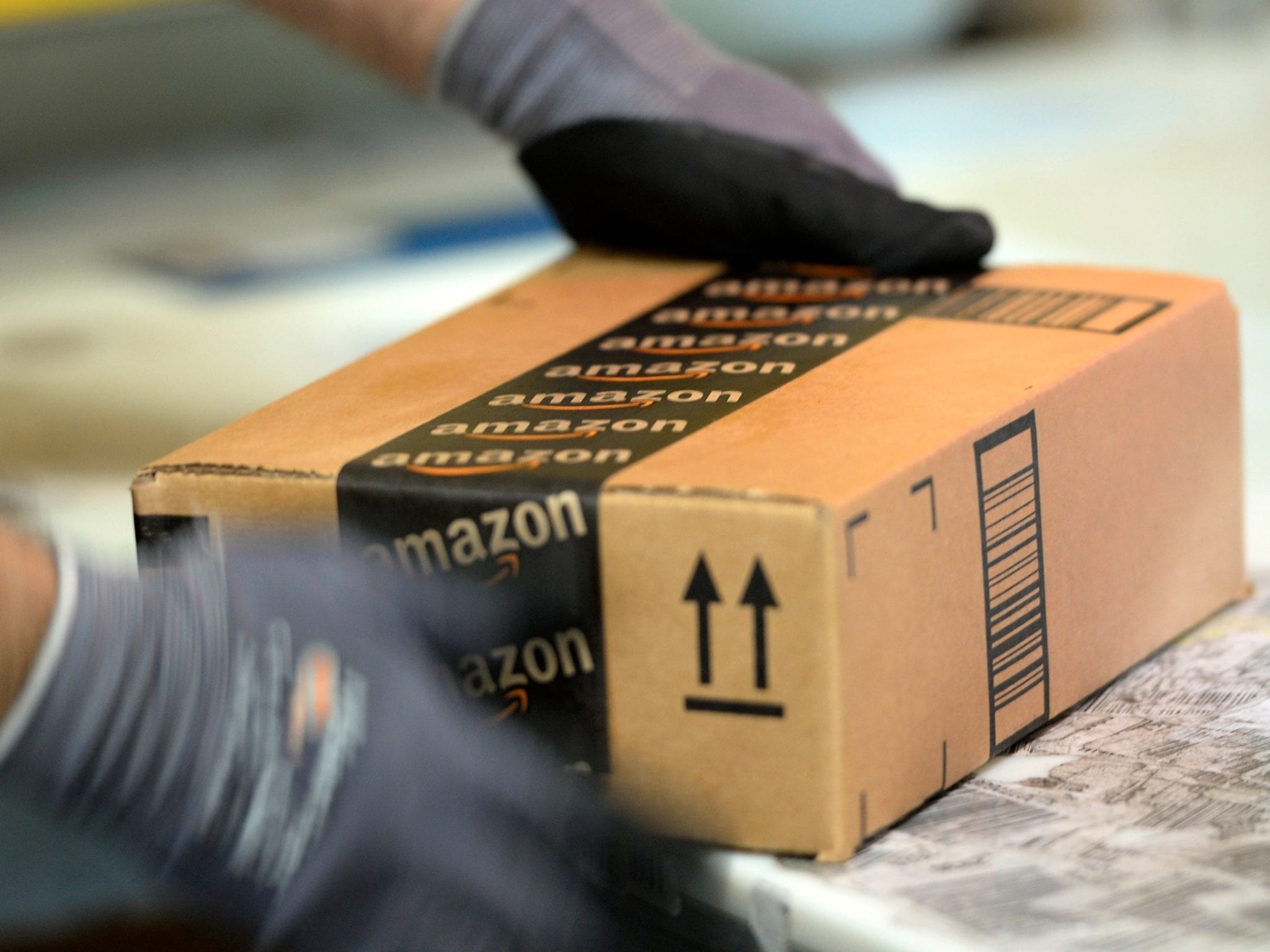
    100 selected Vietnamese businesses will participate in a support program to help them reach more customers on Amazon. These businesses will receive offline or online training, with in-depth support from Amazon and discounts from local service providers, according to a statement jointly released Wednesday by the Vietnam Trade Promotion Agency (Vietrade) under the Ministry of Finance and Amazon Global Selling.

    The program aims to help local businesses, especially in handicraft, textile, footwear and consumer goods, improve their export capabilities through selling on Amazon.

    They will also have the opportunity to participate in the second stage of the program, which will help them develop their brands.

    Other sellers who are interested can also join an online training program starting next month to get equipped with the basic knowledge of selling on Amazon.

    Bernard Tay, Amazon’s regional director for Southeast Asia, said that the young, tech savvy population in Vietnam and strong development of the manufacturing sector generate great e-commerce potential in the country.

    However, a lack of knowledge and experience prevents them from reaching out to the global market, he said.

    Vu Ba Phu, director of Vietrade, said that the support program will open up new potentials for local companies in expanding their businesses internationally.

    There are 300 million Amazon accounts in 185 countries and territories at present. Amazon also has 175 fulfillment centers worldwide.

    Vietnam has more than 700,000 businesses, of which 98 percent are small and medium enterprises, according to Vietrade.

    The country’s e-commerce market grew by 25 percent in 2017 and is expected to maintain this growth momentum over the next three years, according to the Vietnam E-commerce Association (Vecom).

    It also estimates online retail revenues to hit $10 billion by 2020, accounting for five percent of the country’s retail market.

  • Vietnamese women’s presence in senior management ranks second in Asia

    Vietnamese women’s presence in senior management ranks second in Asia

    With 36 percent of senior management teams in Vietnam including women, the country ranks second in Asia in female representation. In Asia, Vietnam’s proportion of women in senior management positions is only below Philippines at 37.46 percent. It is higher than countries like Singapore at 33.04 percent, Indonesia 31.85 percent and South Korea 29.89 percent, according to a report released Thursday by Grant Thornton International.

    Vietnam’s ration in this regard is also higher than the global average of 28 percent.

    The top four roles of Vietnamese women in business are Chief Finance Officer (36 percent), Chief Executive Officer or Managing Director (30 percent), Human Resources Director and Chief Marketing Officer (25 percent).

    “In Vietnam, women in business always play significant parts,” said Nguyen Thi Vinh Ha, national head of Advisory Services and deputy general director, Grant Thornton Vietnam.

    “We are proud of having many influential and inspirational female in general and look forward to a generation of successors.”

    However, Vietnamese women in senior positions still face many challenges, the report said.

    It said 40 percent of Vietnamese women lack access to “developmental” work opportunities, higher than the global proportion at 27 percent.

    Thirty-five percent lack access to networking opportunities, while the global rate is 26 percent.

    They also have caring responsibilities outside of work, at 39 percent in Vietnam versus 25 percent in the world.

    “If we want to continue seeing female representation trend upwards in senior positions, more deliberate action needs to be taken and leaders will play a critical role,” said Kenneth Atkinson, executive chairman of Grant Thornton Vietnam.

    “Policies that address equal opportunity in career development, bias in recruitment and flexible working can’t just be a nice to have. To achieve meaningful progress, they must be adhered to, enforced and regularly revisited to assess their effectiveness.”

  • Meet Scout, Amazon’s new delivery robot

    Meet Scout, Amazon’s new delivery robot

    Amazon is field testing a new delivery robot called Scout, which the company describes as a “fully-electric delivery system” designed to safely get packages to customers using autonomous delivery devices.

    Six robots are initially being tested in a Snohomish County neighbourhood in the U.S. state of Washington, where they’ll be delivering packages Monday through Friday during daylight hours. The devices will autonomously follow their delivery route but are initially being accompanied by an Amazon employee.

    Customers in Snohomish County order just as they normally would and their Amazon packages will be delivered either by one of Amazon’s partner carriers or by Amazon Scout.

    The robots, which are the size of a small cooler box, were created at Amazon’s research and development lab in Seattle. They’re designed to roll along sidewalks at a walking pace and safely navigate around pets, pedestrians and anything else in their path.

  • Vietnamese fresh grad income one-sixth of Singaporean peer

    Vietnamese fresh grad income one-sixth of Singaporean peer

    A newly-graduated college student in Vietnam makes one-sixth the income of his Singaporean counterpart, a report says. The minimum base salary of an entry-level position in Vietnam for the first six months last year was $250 a month, according to job advertising company JobStreet, which operates in five countries in Southeast Asia.

    The corresponding figure was $493 in Malaysia, $605 in Thailand and $1,481 in Singapore.

    Among the five countries surveyed, Vietnam’s minimum entry-level salary was only higher than that of Indonesia, which was $225.

    The report found that an entry-level worker was able to earn the most in the real estate industry, with a minimum salary base of $378.

    Information technology and secretary positions followed at $296 and $286 respectively.

    Fresh graduates who work in food technology and sales earned $280 a month.

    The minimum salary base for four employment levels in Vietnam showed increases from the full salary data of 2017.

    Entry-level salary increased by 11 percent, that of junior executive (with 1-3 years of experience), up 6 percent, manager, up 7 percent, and senior manager, up 30 percent.

    The report said that for non-managerial positions, Malaysian employers offered higher salaries than Vietnam.

    But for manager position and above, the Vietnamese market showed greater increments due to high demand, reducing the gap with Malaysia, compared to 2017.

    Although Vietnamese labor productivity increased across the economy in 2018, 48 percent of employers said they faced difficulties in recruiting qualified skill candidates.

    The report used data from 40,000 job advertisements in 50 industries.

  • AEON Credit’s 5-minutes Sweep till you drop!

    AEON Credit’s 5-minutes Sweep till you drop!

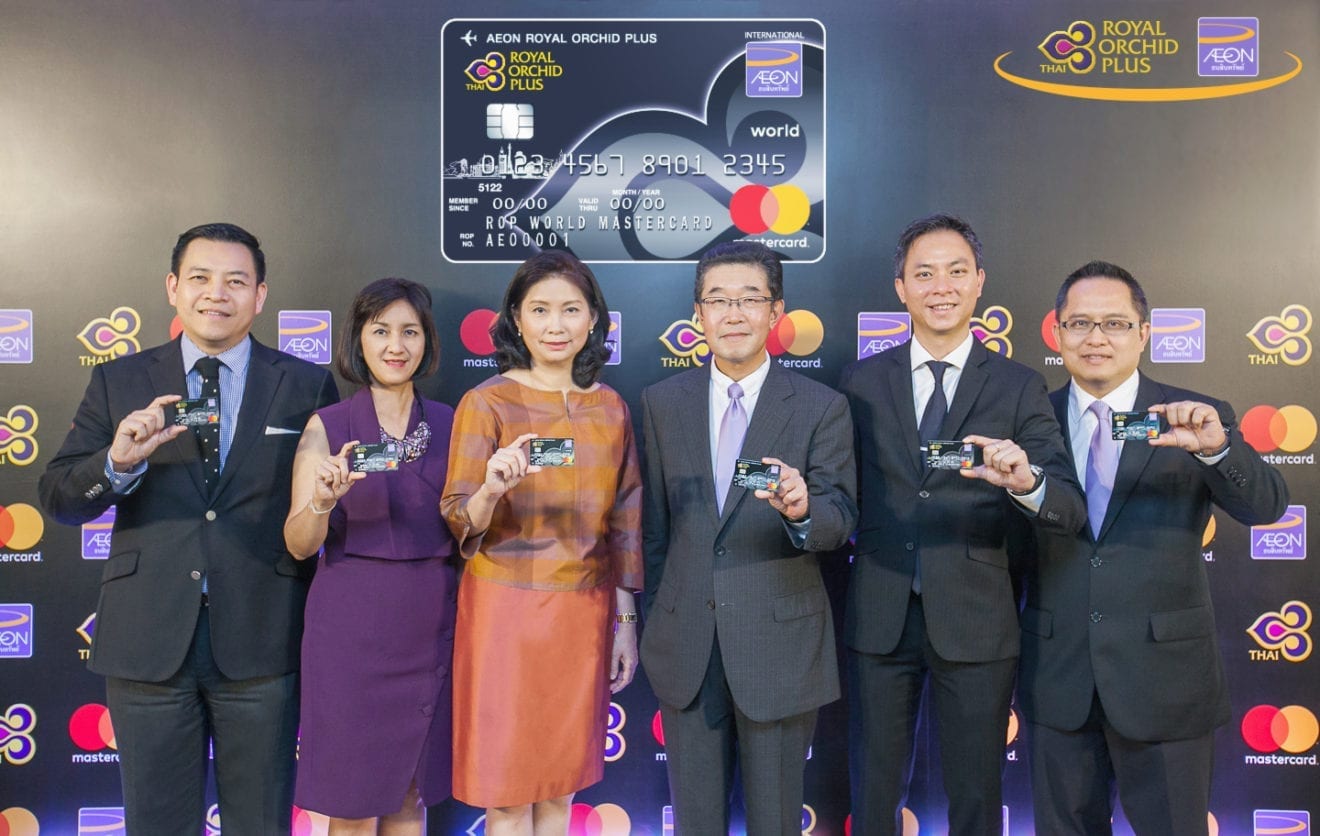
    The highly-anticipated AEON Credit #MyFestiveMania Supermarket Sweep Challenge returned for its’ second round, giving out more than RM20,000 worth of prizes to 10 lucky winners. Winners stood a chance to fill up their shopping carts with as many groceries and household items as they can within 5 minutes time at the AEON Big Subang Jaya. Each cardholder is entitled to bring one partner to participate in the sweep challenge to help them grab any items within the time duration given.

    The campaign, which runs since December 2018, allows customers using any types of AEON Credit Cards to earn chances for every RM50 spent in a single receipt. The chances are entered into a draw to earn one of the 20 spots in the #MyFestiveMania Supermarket Sweep Challenge.

    “We received tremendous public response in the first round of #MyFestiveMania Sweep Challenge that was held on 26th January 2019, hence, we decided to hold a second round as way to show our appreciation towards our customers because at AEON, customers comes first. In total, we have 20 cardholders who won the spots and brought home more than RM2,000 worth of prizes,” said Shiro Ishida, Chief Marketing Officer of AEON Credit Service (M) Bhd.

    The 10 lucky winners for the second round of the #MyFestiveMania Sweep Challenge are Goh Wei Tin, Soon Chiew Giok, Ahmad Salahuddin Bin Hairai, Aida Fazliza Binti Mat Fadzil, Chew Lee Ching, Goh Chien Long, Sim Tan Qi Zhi, Ong Kee Wah, Chew Swee Har and Lee Chin Wah who are all AEON Credit Cardholders.

    For the second time around, AEON Credit Service together with AEON Big who has a long history of being an established and well-known brand in Malaysia. “We are pleased to once again be able to partner with AEON Big to bring a festive campaign to both our mutual customers that incorporates an element of excitement”, added Shiro Ishida.

    In the first round of the Supermarket Sweep Challenge that was held on the 26th January 2019, a total of 10 winners won a prize worth of RM2,880 each during the 5-minute sweep.

  • Porsche to hike Taycan output

    Porsche to hike Taycan output

    Porsche AG will increase production of the Taycan after more than 20,000 potential buyers registered to purchase the brand’s first electric car, matching the entire annual output initially earmarked for the four-door sedan.

    “The overwhelming interest in the Taycan shows us that our customers and fans are just as excited about the first Porsche electric athlete as we are,” Porsche sales chief Detlev von Platen said Friday in a statement. “We’ve therefore increased our production capacities.”

    The Taycan will be unveiled in September with a price range between the 74,800-euro ($83,866) Cayenne SUV and the 97,800-euro Panamera coupe to compete with Tesla Inc.’s Model S. The car is part of a wave of new models from Jaguar, Mercedes-Benz and Audi that’ll challenge Tesla’s electric-car leadership.

    Porsche is parent Volkswagen AG’s most profitable brand and its success is vital for the group to pull off the industry’s most aggressive push into electric vehicles. VW has allocated some 40 billion euros for electric and connected cars and targets 50 battery-powered models by 2025. To help drive uptake, Porsche is installing fast chargers at its dealerships in the U.S. and Europe that’ll get the Taycan’s battery up to 100 kilometers (62 miles) in four minutes. The car’s overall range on a single charge stands at 500 kilometers.

    The model’s planned production of 20,000 vehicles per year is based on a two-shift system at Porsche’s main site in Stuttgart, Germany, and can be expanded if needed, production chief Albrecht Reimold told reporters last year. Porsche also confirmed recently it will offer a fully-electric version of its best-selling Macan SUV.

    Interested Taycan buyers are required to make a down payment of 2,500 euros in Europe to register.

  • Vietnam media giant could lose $20 mln as YouTube pulls plug on deal

    Vietnam media giant could lose $20 mln as YouTube pulls plug on deal

    Digital media conglomerate Yeah1 is set to lose 28 percent of future revenues after YouTube unilaterally terminated its content hosting agreement with it. The company’s financial statements for 2018 showed that activities connected to YouTube generated around VND462 billion ($19.93 million) for Yeah1, or nearly 28 percent of its revenues.

    Profit after tax from these activities were worth VND92 billion ($3.9 million), accounting for more than half of its total profits.

    The termination came after YouTube claimed SPRINGme Pte. Ltd, a Thai multichannel network (MCN) in which Yeah1 owns 16.93 percent had violated its policies with some of its channel management activities.

    Yeah1 Group shares plummeted on Monday following Youtube’s announcement, losing 7 percent. The share fell by 7 percent each in the next two trading sessions too.

    Yeah1 started offering entertainment services combined with advertising after becoming YouTube’s MCN partner in 2015.

    An MCN acts as an intermediary connecting creators of video content and YouTube for a cut. Content creators in return receive benefits such as copyright protection, income tax support, access to IP licensed contents to develop new products, and optimized advertising.

    For Yeah1, views from Vietnam account for nearly 73 percent of total views but only contribute about 18 percent of revenues. The rest comes from ad revenues generated in 150 other countries, with the U.S., Germany and Canada being the main contributors.

    Founded in 2006, Yeah1 is Vietnam’s largest MCN ecosystem, operating TV channels, movie studios, YouTube networks, and digital news.

    It was also the first media company to go public, listing on the Ho Chi Minh Stock Exchange (HOSE) last June.

  • Tiger Sugar to open first Korea store next month

    Tiger Sugar to open first Korea store next month

    Bubble milk tea brand Tiger Sugar Korea will open first branch in Hongdae, a bustling university town of Seoul.

    Located at a popular hang-out area for young people, the Hongdae store will offer the same taste as that in Taiwan and use premium ingredients to “become the hottest dessert drink this year”.

    In order to do that, Tiger Sugar Korea will be competing with another original Taiwanese chain Gong Cha, which is now popular among locals.

    First opened in Taiwan in 2017, Tiger Sugar is known for drinks with dark-brown sugar syrup inside. The chain now has branches in eight countries including Hong Kong, Singapore, and Korea.

    It also plans to open stores in the US and China.