Tag: asia

  • Starbucks Reserve Roastery in Tokyo opens

    Starbucks Reserve Roastery in Tokyo opens

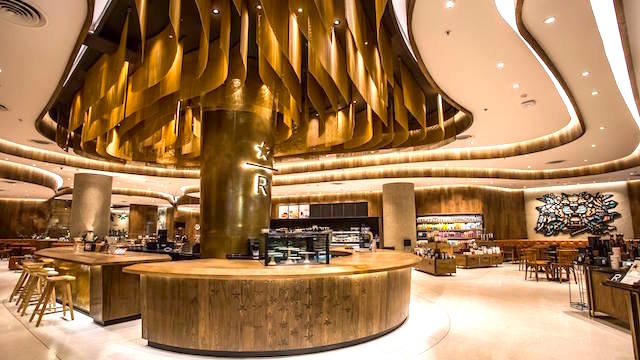
    Starbucks opens a four-story fully-immersive Starbucks Reserve Roastery in Tokyo today.

    Located in the Nakameguro neighborhood, the new venue offers more than 100 unique coffee and tea beverages and merchandise exclusively available in store. It will be the fifth Roastery globally, home to the largest Teavana Bar in the world and Japan’s first Princi Italian bakery.

    It also introduces Starbuck’s first Amu Inspiration Lounge, a full floor dedicated to community gathering – and is planned as Starbucks’ first Specialty Coffee Association certified training location in Japan in the near future.

    “As the first international market outside of North America, Starbucks Japan has contributed 23 years of innovation for the company globally,” said Starbucks CEO Kevin Johnson. “The opening of the Tokyo Roastery will further amplify what Starbucks Japan has done across all stores in the market for more than two decades – innovating and delivering the finest quality coffee one person, one cup and one neighbourhood at a time.”

    “The Roastery will amplify and inspire coffee passion across all Starbucks stores, and will serve as a catalyst for a new wave of growth centered on the customer experience and passion for coffee and service,” added Starbucks Japan CEO Takafumi Minaguchi. “Beginning with the ‘Make it Yours’ campaign that will commence at every store in Japan upon the opening of the Roastery, customers will be invited to experience the first Starbucks coffee roasted exclusively in Tokyo, for Japan, and available in a variety of coffee beverage styles.

    “The Roastery signifies our commitment to fostering moments of human connection over a cup of coffee and using these moments to create positive social impact in the communities we serve.”

    The Starbucks Reserve Roastery in Tokyo  is the only one designed in collaboration with a local architect from the ground up. Inspired by the famous cherry-blossom trees lining the Meguro River, the building’s glass walls and terraced floors fold into the fabric of the neighbourhood, bringing visitors eye-level with the cherry blossoms and the four seasons of the river to reflect the natural beauty and sense of harmony found across Japan.

    The coffee journey at the Starbucks Reserve Roastery in Tokyo is an immersive experience and education in coffee, and its process – from green bean to cup – which begins at the Main Bar on the first floor. The open floor plan draws customers into the immersive experience, introducing them to the art of roasting, brewing and hand-crafting beverages. The terraced third floor features Starbucks Japan’s first cocktail bar, Arriviamo.

    Japan is the fourth largest market in terms of store count for Starbucks globally – behind the US and China – and today has more than 1400 Starbucks stores.

  • AirAsia offering five million promotional seats

    AirAsia offering five million promotional seats

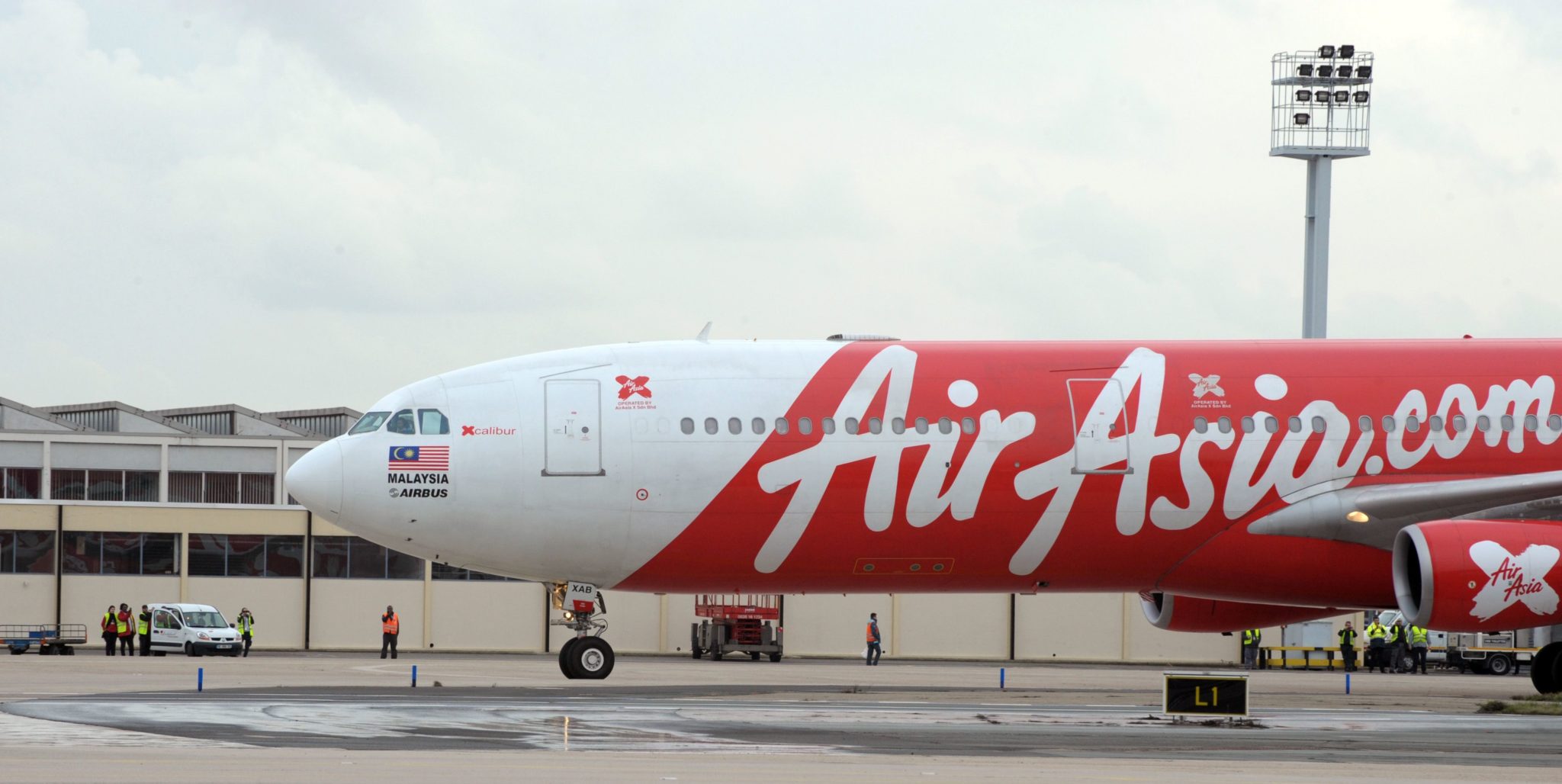
    Budget airline AirAsia is offering five million promotional seats and this time with a bundle of discounts for hotels, add-ons and duty-free products.

    Promotional all-in members fares are up for grabs from as low as RM12 for flights from Kuala Lumpur to Kuantan, Johor Baru, Kota Baru and Penang, and from RM36 for flights to Can Tho, Padang, Hua Hin, Siem Reap, Banda Aceh, and many more.

    “Fly with AirAsia X (long-haul, low-cost affiliate affiliate of AirAsia Bhd) from as low as RM199 for flights from Kuala Lumpur to Tianjin, Gold Coast, Osaka, Seoul, Honolulu and others.

    “For comfort and perks, the Premium Flatbed from Kuala Lumpur to Jaipur, Taipei, Chengdu, Fukuoka, Jeju from only RM699,” AirAsia said in a statement today.

    Bookings can be done at airasia.com and the AirAsia mobile app from March 11-17, 2019 for travel between September 1, 2019 and June 2, 2020.

  • KBank holds exam for eight graduate scholarships

    KBank holds exam for eight graduate scholarships

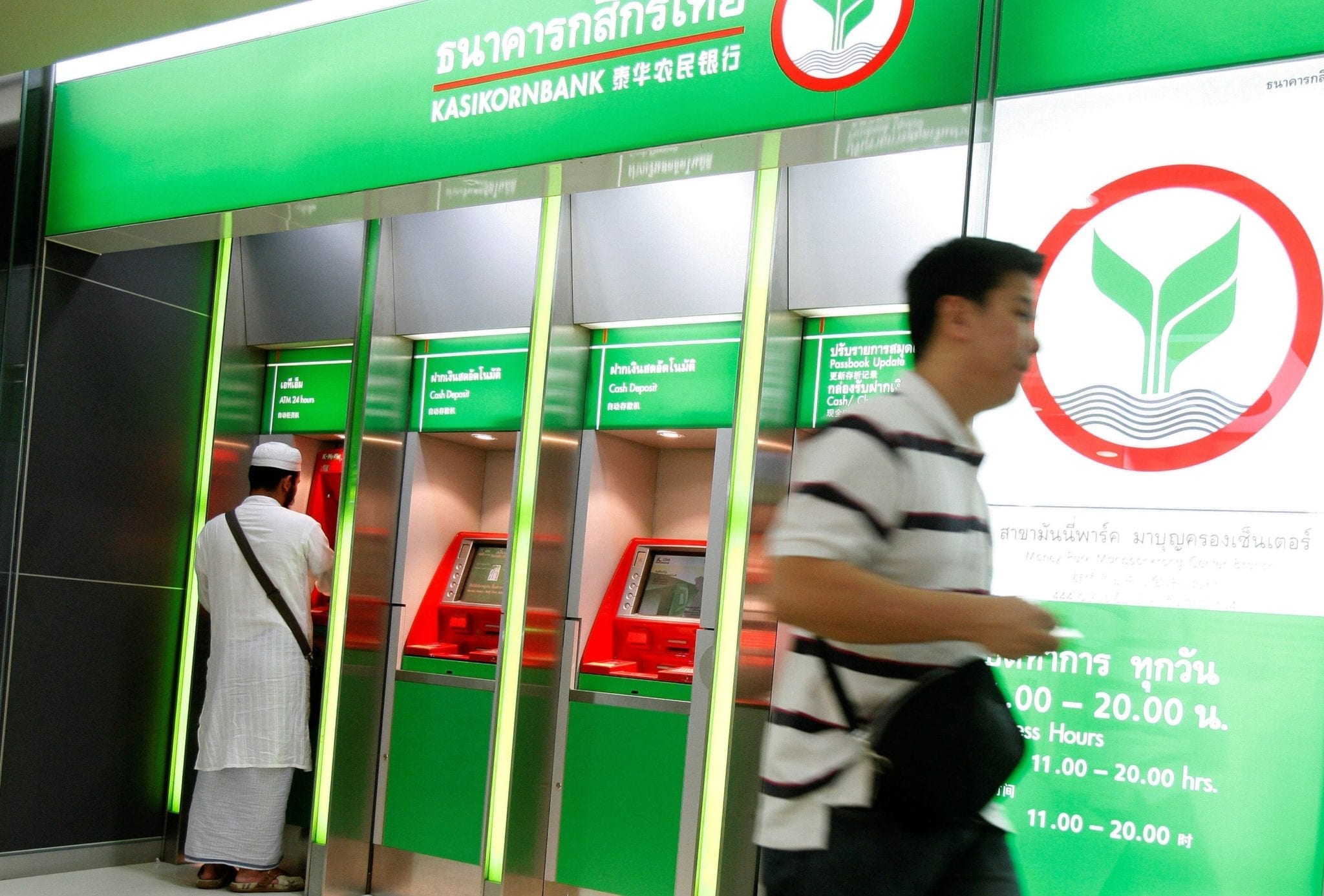
    KBank will hold an examination for eight graduate scholarships for 2019 at both local and international institutes in many fields, including business administration, finance and IT, the bank said in a press release on Thursday.Scholarships in business data analytics are offered for the first time this year to seek a new generation of employees with competencies to help KBank press ahead with the strategies to be Customers’ Life Platform of Choice and a Data-Driven Bank. Applications are open from now until April 9, 2019.

    Kattiya Indaravijaya, KBank President, said that because human resources are the nexus of any organizations and national development, KBank is offering eight full scholarships for master programs at both local and international institutions, as follows:

    Graduate scholarships at international institutes in countries determined by KBank, namely the US, UK, France, Switzerland, Japan, China, Hong Kong Special Administrative Region and Singapore, for 14 fields, including business administration, finance, financial engineering, international business, risk management, mathematics, statistics, data analysis, computer science – artificial intelligence (AI), machine learning, human computer interaction or UX UI design biometrics, computer systems and computational linguistics. Graduate scholarships in business data analytics are offered for the first time in 2019 in response to KBank’s operations to use big data in mobilising the business.

    For local institutes, KBank offers scholarships for students to study at Sasin Graduate Institute of Business Administration of Chulalongkorn University and Thammasat University in four academic fields, namely Master of Business Administration Program (MBA), Master Program in Financial Engineering (MFE), Master of Science in Finance (MSF) & Master in Finance (MIF) and Master of Science Program in Marketing (MIM).

    Qualified applicants for business data analytics study must not be older than 28 years old, while applicants for study in other academic fields must not be older than 30 years old and must be a Thai citizen with a bachelor’s degree in any field and a minimum of 3.0 GPA.

    People applying to study abroad must submit their test scores of language proficiency, GMAT or GRE per the criteria together with their applications. Interested persons can fill the application forms at www.kasikornbank.com and find additional information from KBank’s announcement or KBank’s Human Resource Development Department, tel. 02-470 3172 or [email protected] from today until April 9, 2019.

  • Fintech helps the informally employed to access to finance

    Fintech helps the informally employed to access to finance

    The real scale of informal employment in developing countries is incomparably higher than the volume of goods and services produced in the informal sector. The longer traditional methods of assessing the real earnings of the population fall behind, the more customers alternative lending can expect, found Robocash Group.
     
    The share of the informal economy in Indonesia stated by the IMF in 2015 amounted to 14.8% of GDP, which was close to the level of many Western countries (e.g., Latvia had 16.6%). However, surveys of BPS-Statistics Indonesia showed that in the non-agricultural sector in 2017, there was 38.5% of the population informally employed in urban areas, and 54.8% in rural areas.
     
    There is a similar situation in the Philippines. According to the Philippine Statistics Authority, in April 2018, 56.2% of all self-employed worked in the service industry and 39.1% in agriculture. The number of family enterprises was 60.9% in agriculture and 30.3% in services.
     
    The utter lack of unemployment benefits across the region facilitates a high level of employment among the population. However, official earnings are often low that makes people look for an additional source of income. In turn, this situation brings forth a common problem for the entire lending industry in developing countries — a qualitative assessment of the real income of borrowers.
     
    The Philippines is a bright example where the underperformance of traditional banking methods has led to a decrease in bank lending and an increase in customers for alternative lending companies using new methods for assessing solvency.  According to Bangko Sentral ng Pilipinas, only 0.6% of the adult population had a bank loan in 2017 (2015 — 2.1%). At the same time, there was an increase in the number of clients of microfinance organizations, which include fintech firms providing alternative lending, to 7.6% in 2017 (2015 — 4.7%).
     
    Commenting on the findings, Sergey Sedov, CEO of Robocash Group said, “The experience of Robocash Group in Asia has shown that the use of algorithms based on artificial intelligence and machine learning serves as a bridge between the interests of business and society. We collect and study scattered information about customers to provide them with an opportunity to access to finance and accumulate credit history. In turn, this helps to overcome the paradox when people cannot borrow because of any credit history, which they cannot have due to the inaccessibility of loans. Speaking long-term, the expansion of fintech in Asia will significantly boost financial inclusion and thus accelerate subsequent economic growth by increasing the penetration of financial products into people’s lives.”
  • Retail brand Penshoppe signs deal with Kendall Jenner

    Retail brand Penshoppe signs deal with Kendall Jenner

    Global fashion retail brand Penshoppe has unveiled the latest addition to its roster of international ambassadors – 23-year-old world’s highest-paid supermodel and one of the most followed celebrities on social media, Kendall Jenner.

    The model initially appeared on Penshoppe’s DenimLab campaign in 2015, and is now headlining the brand’s Spring Summer 2019 Campaign with Zayn Malik, Paris Jackson, Nam Joo Hyuk and Sandara Park.

    “As we move from strength to strength, we couldn’t think of a better addition to our growing list of global ambassadors”, said Golden ABC’s VP for brand management Jeff Bascon. “It’s good to have you back, Kendall!”
    Penshoppe has more than 400 locations across Bahrain, Cambodia, Indonesia, Saudi Arabia, Myanmar, Thailand, Vietnam and the Philippines. The brand is available online in Singapore, Malaysia, Hong Kong, Taiwan and Indonesia.

  • Feel International brings Myanmar cuisine into Thailand

    Feel International brings Myanmar cuisine into Thailand

    Myanmar restaurant chain Feel International is set to open in Thailand. Opening in the popular Bangkok tourist area of Pratunam on Thursday (January 24), the group intends to introduce Myanmar cuisine to Thai consumers and foreigners.

    “At present, many restaurants are attempting to cater to the needs of tourists from China, however there are eight flights to Bangkok from Yangon every day, and there are tens of thousands of Myanmar citizens working and studying there, so there is a potential market for Myanmar cuisine”, said Feel International operations director Ko Johnny.

    “This is the very first Myanmar restaurant opened in a foreign capital city. Bangkok is one of the biggest restaurant markets in the world. It offers a wide variety of cuisine, even something as exotic in Asia as Ethiopian. Bangkok is the first step for Myanmar traditional food to penetrate the international markets”, he said.

    The restaurant intends to serve lunch boxes with Myanmar favourites for Myanmar people working in companies and offices around the area.

    Discussions are being held to open further restaurants in Chiang Mai and Mesauk.

  • International sales bolster McDonald’s results

    International sales bolster McDonald’s results

    Strong international sales ensured respectable McDonald’s results in the latest quarter as the fast-food giant encountered challenges in its core US market. Global sales slipped 3 per cent in the three months to December, to US$5.16 billion, although this was largely due to currency translations, without which sales would have been flat.

    While the company did not break out Asian performance, it said international same-store revenue rose 5.2 per cent.

    Same-store sales in the US rose 2.3 per cent, primarily due to increased prices, given foot traffic in stores fell by 2.2 per cent. Global visitor numbers crept up by a mere 0.2 per cent.

    Breakfast remains its most challenging category, with the chain struggling to attract diners in the mornings. While that mealtime accounts for about a quarter of its total sales, the breakfast market is experiencing fierce competition among rival chains.

    “We’re doing well with average check growth but we really want the customer to come back and more often,” CEO Steve Easterbrook said in an investor presentation about the McDonald’s results.

    He said McDonald’s is trying to recover breakfast customers by trialling different price promotions, launching localised advertising campaigns and improving the drive-through service.

    More stores, more kiosks

    Globally, McDonald’s plans to open a net 750 new stores this year. It will also speed up the rollout of its digital touchscreen ordering systems. Easterbrook says stores with self-ordering kiosks were achieving higher sales than those without.

    Commenting on the McDonald’s results, Neil Saunders, MD of GlobalData Retail, said the kiosks and order-by-app services need to be rolled out faster.

    “This isn’t just a case of installing and implementing the technology, it is about getting customers to actually use it. Consumers need to be given more incentives to use the new ways of ordering, especially mobile, as many still shun the technology,” said Saunders.

    “Longer term, more automation in the kitchen is also critical – something that will be particularly beneficial now McDonald’s menu options are more varied and complex.”

    Saunders described the latest McDonald’s results as “reasonable”. But he said a 6.7 per cent decline in operating income suggests that McDonald’s is having to work harder for much slimmer rewards.

    “In our view, this does not sit well with the increasing complexity and higher levels of capital expenditure the company is introducing into the business.”

    Saunders believes McDonald’s is on the right track. “However, this year will be a more challenging year than last and it will be a balancing act between keeping both customers and franchisees happy.”

  • King Power monopoly ending at Bangkok’s airport

    King Power monopoly ending at Bangkok’s airport

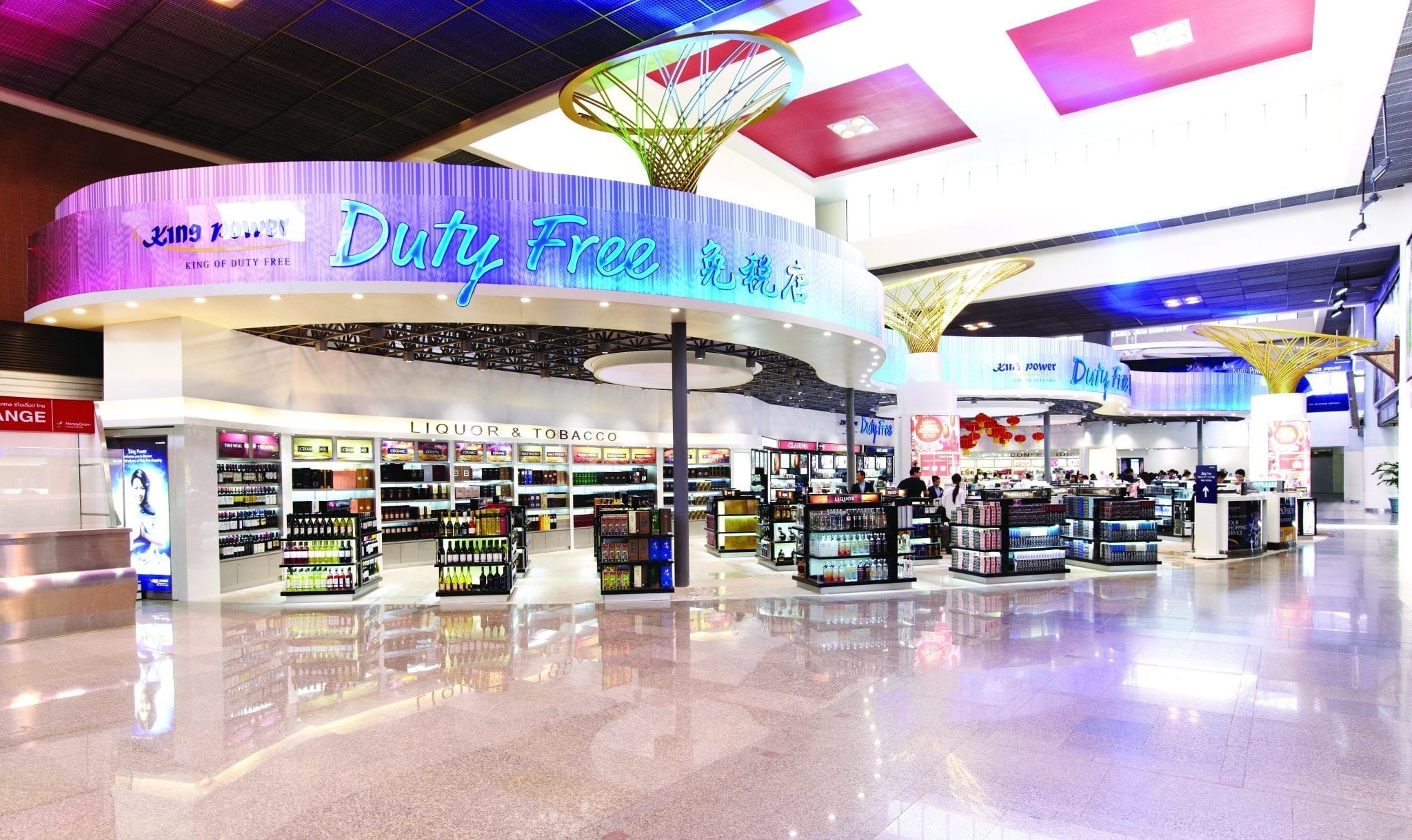
    Thailand’s much-maligned airport duty-free monopoly appears set to be nearing an end.

    For years, major Thai retailers have complained that incumbent operator King Power has controlled the retail offer – and prices – at Thailand’s largest airports, especially Suvarnabhumi outside Bangkok. Frequent travellers often comment that airport ‘duty-free’ prices are higher than at other airports in the region, including Singapore and Hong Kong.

    On Wednesday, state-owned Airports of Thailand (AOT) approved guidelines for concessions for duty-free and commercial activities at its airports, the first step in opening up retail spaces to other companies.

    According to Reuters, AOT will offer three retail licences at an upcoming auction, clearing the way for Thai retail giants Central Group and The Mall Group, along with South Korea’s Hotel Shilla, to enter the fray.

    King Power’s current licence ends next year.

    AOT says contracts will cover duty-free retail, commercial businesses such as food and beverage outlets and pick-up counters for shoppers who buy goods in town and collect them at the airport after clearing customs and immigration.

  • Smartphone brand Realme expanding in Southeast Asia

    Smartphone brand Realme expanding in Southeast Asia

    BBK Electronics’ budget smartphone brand Realme is eyeing expansion into Southeast Asia, Africa and Europe.

    The company’s online distribution strategy has brought it success in the Indian market and makes broader expansion possible, according to Realme global CEO Sky Li Bingzhong.

    “The company’s asset-light operations and focus on online sales allow it to keep costs low. That way, more young consumers can afford its products, which makes the brand more competitive in the market,” said Li.

    Realme launched in India in May last year with handsets priced at INR8,990 (US$129) – becoming the second top-selling smartphone brand during the Diwali festival season from October to November. The brand has joined a number of Chinese phone manufacturers seeking to build strength in the Indian market as they challenge more established international competitors in more saturated markets.

    BBK also owns the Oppo, Vivo and OnePlus brands, selling mid- to high-end models. Independent Realme runs its own R&D operations, but partners with Oppo in smartphone production. Its expansion moves are indicative of Chinese phone manufacturers’ larger strategy to deploy varying brands that each target specific markets globally.

  • First Lenovo Legion store in Philippines

    First Lenovo Legion store in Philippines

    The first Lenovo Legion concept store in the Philippines has opened as the tech company strengthens its gaming business.

    The Quezon City outlet, at less than 40sqm on the fourth floor of the Annex Building, showcases the brand’s Legion gaming machines in a setting that allows customers to personally examine and experience the products. Lenovo intends to host mini tournaments at the venue to “engage the local gaming community,” according to its statement on the opening.

    Lenovo Philippines GM Michael Ngan expressed the firm’s intentions to open as many such stores in the territory as possible, depending on available spaces, with a possible four outlets planned for this year. He added that the Philippines is seen as a strong growth space for the company’s Lenovo Legion gaming sub-brand. He hinted that the firm’s Legion of Champions e-sports tournament may be held in the Philippines.

    “We’ve had a lot of customers asking why don’t we host in the Philippines … so I’m lobbying that we can have the opportunity to host the fourth edition here in Manila,” he said.

  • Retail slow in January despite Luxury growth

    Retail slow in January despite Luxury growth

    While several retailers have talked about conditions improving since a somewhat dismal holiday trading period, the Australian Bureau of Statistics have released a more muted view of month of January, with retail sales having improved by 0.1 per cent.

    This increase followed a fall of 0.4 per cent over December 2018, and a 0.5 per cent increase in November off the back of successful Black Friday and Cyber Monday sales events.

    “While January hasn’t proved to be a ground-breaking month by any stretch, on the plus side it does indicate that retail is slowly picking itself up and heading in the right direction,” National Retail Association chief executive Dominique Lamb said.

    Department store spending saw a 2.1 per cent decline over the month, while spending on clothing, footwear and personal accessories dipped 0.3 per cent.

    Food retailing and cafes, restaurants and takeaway services saw spending 0.3 per cent higher than the month prior, while ‘other retailing’, which brings together several industries such as pharmaceuticals, books and recreational goods, saw a jump of 0.7 per cent.

    The increase in cafe spending could be indicative of consumers beginning to feel more comfortable spending on ‘little luxuries’, according to Australian Retailers Association executive director Russell Zimmerman.

    “We hope this trend will continue to increase and spill into other retail categories across the retail sector,” Zimmerman said.

    The NRA’s Lamb went on to point to the upcoming Federal Budget, stating the importance that the Government puts a focus on encouraging consumer spending.

    “Measures such as tax cuts, infrastructure spending and initiatives that ease the burden on small businesses can all help improve the economy and assist retail in getting out of this sluggish phase it’s experiencing,” Lamb said.

  • Regulating Facebook could hinder small businesses

    Regulating Facebook could hinder small businesses

    Digital platforms provide a host of challenges for governments. Questions about how to best protect privacy, democracy, and speech online become more pressing every year.

    But policies that affect online platforms also affect international trade. Many Australian small businesses rely on digital platforms to stay on par with their international competitors.

    As Australia starts tackling the challenges wrought by digital platforms, policymakers should be careful not to undo the good things that stem from an evermore connected world. That includes the critical role of these platforms in helping retailers sell their products to overseas customers.

    Platforms facilitate exports

    As my new research with colleague Danielle Parks shows, digital platforms appear to significantly reduce the economic distance and trade costs between buyers and sellers.

    Take Facebook, for example. Facebook is both a social networking platform and digital market platform, where Facebook’s Marketplace helps business owners connect with potential customers.

    The social networking interface allows buyers and sellers to message each other and exchange information about what the seller has, and what the buyer wants. Meanwhile, Marketplace features like identity verification and buyer ratings help to facilitate connections more quickly, and with more trust, than might otherwise be possible.

    There isn’t a lot of large-scale data on cross-border e-commerce, so researchers must get creative to study digital platforms and trade. The findings are extraordinary.

    One study found that 97% of US-based eBay sellers export product to overseas buyers. Another found the “economic effect of distance” to be 65% smaller on eBay. In other words, the digital platform reduces the challenges of selling to people in other countries.

    Research conducted by PayPal showed that 79% of US small businesses on its platform sell to foreign markets. And PayPal merchants that exported, outperformed businesses in general. Interestingly, that finding held for coastal and non-coastal businesses, and for rural and urban businesses alike.

    In our new study, we surveyed Australian businesses on Facebook. We found that those with a Facebook presence were 63% more likely to export their products internationally than other businesses. The propensity to export was higher across all business sectors and nearly all company sizes.

    This emerging pattern shows how world markets are opening up to smaller businesses that might not otherwise be able to compete with their larger, multinational rivals. These findings can partly be attributed to export-prone firms being more likely than others to use digital platforms. But there is no question that the platforms can also enable trade.

    Most governments recognise the need to dismantle barriers to foreign market access, and any new policies regarding digital platforms should not make it harder for small and medium sized businesses to engage in trade.

    How regulation could hurt small businesses

    The Australian Competition and Consumer Commission (ACCC) is currently conducting an inquiry into digital platforms at the request of the treasurer.

    The ACCC’s preliminary report recognises how digital platforms have revolutionised the ways consumers and businesses communicate with one another. The report also highlights concerns over data privacy and the influence of bad actors producing and spreading misinformation.

    The final report, expected in June, will make policy recommendations that aim to address these concerns. But these policies could also inadvertently threaten the revenue streams of businesses that advertise on these platforms or that use them to facilitate online sales.

    Restrictions on the cross border flow of consumer information could interfere with everyday business practices. For example, a key advantage of e-commerce, especially for small businesses, is using search engine techniques to reach larger audiences, and target potential customers. So, search engine restrictions could limit the way businesses target customers with advertising, therefore limiting a business owner’s ability to reach customers abroad.

    Other regulations could restrict business owners from storing the personal information of customers – such as credit card information, consumer preferences and purchase history. That would then limit businesses in how they interact with customers at home and abroad.

    What’s happening at the moment

    Australia is not alone in considering these tough issues. The landscape of digital data flows, data privacy, and e-commerce is a work in progress for governments across the globe.

    The EU recently enacted data privacy regulation called the General Data Protection Regulation (GDPR), which is designed to:

    […] fundamentally reshape the way in which data is handled across every sector, from health care to banking and beyond.

    Meanwhile, the United States Congress will likely consider new internet privacy legislation this year.

    Provisions on digital data flows have been included in major recent international trade agreements. Both the United States-Mexico-Canada Agreement (USMCA) and the Trans Pacific Partnership (TPP) bar data localisation requirements. That means foreign companies would only be allowed to work in a country if they built out or leased separate data infrastructures in that country – a costly endeavour, especially for smaller businesses.

    On the other hand, USMCA and TPP do not allow participating countries to require that platforms disclose their source code or algorithms. These provisions do not necessarily preclude countries from adopting privacy protections, but they do make it easier for platforms like Facebook to operate without fear that they will be asked to handover important intellectual property.

    As the government considers the Australian Competition and Consumer Commission report, one thing should be clear: any policy changes should not overlook the role of these platforms in helping Australian small businesses sell goods to customers in the global marketplace.
  • Three Kaufland sites got approved for Victoria

    Three Kaufland sites got approved for Victoria

    The big players on the Australian supermarket scene will be buckling up for some stiff competition this Friday morning, with the announcement that German hypermarket Kaufland has received planning approval for its first three stores in Victoria and Australia’s largest distribution centre.

    The first stores at Chirnside Park, Dandenong and Epping received planning approval after an independent Advisory Panel process and despite the objections of many other players in the market.

    The state-of-the-art distribution centre to be located in Mickleham, will be the largest in Australia and will act as the point of consolidation and distribution of goods to its supermarkets.

    The proposed Melbourne headquarters was also approved.

    Kaufland Australia managing director Julia Kern celebrated the news today with Treasurer of Victoria and Minister for Economic Development, Tim Pallas.

    “Kaufland is committed to long term investment both in Victoria and across Australia. The development and approval of our first three stores, our distribution centre and our proposed future headquarters in Victoria will result in the creation of up to 1,600 Victorian jobs,” Kern said.

    “Our initial investment of $459 million will create opportunities for local businesses and stimulate much needed competition and consumer choice in Australia’s supermarket sector.”

    Kern thanked the Victorian Government and everyone who participated in the independent Advisory Panel process. She said she was looking forward to opening Kaufland stores in Victoria in due course.

    Kaufland supermarkets will have a total store area of 4,000 square metres and will be stocked with local, regional and international products at discount pricing. Each store will include a bakery, butcher and liquor areas.

    A number of independent local businesses such as cafés, sushi bars or nail salons will compliment the overall shopping destination.

    “Kaufland will be a one-stop destination supermarket. Our aim is to provide all Australians with more service and choice, highlighted by our principles of simplicity, quality, variety and price.”

    “Kaufland is delighted to call Australia our new home. We look forward to continuing our commitment to partner with local businesses and the wider community to ensure we create the best outcome possible.”

    “Being customer centric is at the heart of all that we do – driven by our values of Performance, Dynamics and Fairness, we aim to increase choice, provide high quality service and promote fair competition to ensure that the customer is always the winner,” Kaufland said in a statement.

    Three further proposed Kaufland sites, at Oakleigh South, Coolaroo, and Mornington, are currently being reviewed by the Advisory Panel.

    The supermarket this week began advertising for Area Manager positions after receiving an additional $145 million capital injection from its German parent Schwartz Group for its ambitious plans down under.

    The family-owned business currently operates 1,200 stores in 7 countries, with over 150,000 employees across Europe.

  • Tesco Asia sales slip further, but profit up

    Tesco Asia sales slip further, but profit up

    Tesco Asia like-for-like sales continue to decline while the UK-headquartered company repositions its offer – masking a stronger underlying performance for the business.

    “We have made good progress in our discussions with suppliers towards a new commercial approach,” explained Tesco CEO Dave Lewis in a quarterly update.

    “We also accelerated planned changes to our operating model in Thailand, helping to reduce costs and underpinning our profit recovery.”

    Lewis said that despite minor changes to the government-issued welfare cards scheme during the third quarter, Tesco Thailand sales fell by about 1 per cent for the 19-weeks including the key Christmas trading period.

    Restructured Thailand store operations have led to reduced costs, underpinning profit recovery at the expense of sales.

    Referring to Tesco’s global operations, Lewis added: “We have more to do everywhere but remain bang on track to deliver our plans for the year and as we enter our centenary we are in a strong position.”

    The December quarter represented the 12th consecutive quarter of like-for-like sales growth for Tesco globally, with sales up 2.6 per cent.

  • Gong Cha bubble tea could fetch US$442 million

    Gong Cha bubble tea could fetch US$442 million

    South Korean private equity firm Unison Capital is selling its Gong Cha bubble tea franchise in a deal likely to fetch up to US$442 million.

    The company purchased the brand four years ago for KRW34 billion ($30 million), before taking over its global headquarters in Taiwan in a KRW40 billion ($35.45 million) deal in 2017. The brand’s HQ operates stores in 16 countries.

    The offer has attracted interest from major South Korean F&B players, considering the brand’s stable cash flows and EBITDA margin of 24–25 per cent, compared with Starbucks’ 21 per cent.

    The brand runs 448 outlets within South Korea, and derives 70 per cent of its sales from directly managed stores within Korea and Japan. The firm plans to expand its global store count from 900 to 1700 by 2021, expanding into 10 more countries during the period – with concrete plans to establish stores in the UK, Mexico, Thailand, Indonesia and Cambodia.

    Sales are forecast at KRW180 billion ($159.54 million) this year, compared to KRW134 billion ($118.77 million) last year.