Tag: asia

  • Card-not-present fraud will cost retailers US$130 billion

    Card-not-present fraud will cost retailers US$130 billion

    Increasingly complex card-not-present fraud will cost retailers US$130 billion globally in digital sales over the next five years. A Juniper Research study predicts that retailers’ slow pace in keeping up with new fraud prevention requirements will allow cybercriminal practices to become more widespread as more and more consumers shop online. It observes that established point-of-sale vendors will need to move towards mobile POS technology in order to expand their reach into fresh markets and reduce their exposure to card-not-present fraud.

    “A layered fraud detection and prevention (FDP) solution naturally helps directly preventing fraud, but it also offers major gains in terms of recovering potentially lost revenue through false positives,” said the report’s author Steffen Sorrell. “This is something about which retailers remain undereducated, and has allowed fraudsters to capitalise on relatively low FDP spend”.

    An implication of the Juniper research is that a low understanding of FDP investment return is causing the low uptake of the technology. the report anticipates digital payment players will be spending $9.6 billion annually on FDP solutions by 2023.

  • Blue chip stock plummets after YouTube ‘incident’

    Blue chip stock plummets after YouTube ‘incident’

    YEG shares of Vietnam’s Yeah1 Group lost over $22 million in Monday’s trading session following a YouTube incident. The incident arose after YouTube claimed SPRINGme Pte. Ltd, a Thailand-based company, indirectly owned by Yeah1 (16.93 percent), had violated its policies with some of its channel management activities, according to YouTube.

    While a series of stocks surged in Monday’s trading session, YEG was one of the few that lost out the most, down seven percent by the end of the session.

    This was equivalent to a drop of VND17,100 ($0.74) per share, down to VND227,900 ($9.82), bringing YEG’s market capitalization down by VND520 billion ($22.42 million).

    YEG shares plummeted in response to YouTube announcing it was terminating all Content Hosting Services Agreements (CHSA) after March 31 with all YEG’s subsidiaries or investment companies with business activities related to YouTube Adsense, the program that allows publishers on the video channel to serve advertisements by third parties, which in turn generate revenue for the content provider.

    The termination would apply to several of YEG’s multi-channel network (MCN) companies it has control over, such as Thailand-based SPRINGme, US-based ScaleLab, and organic Yeah1 Network Pte Ltd.

    The Yeah1 Group management has said it is seeking further clarification with YouTube regarding this action, and actively working with the video hosting website to prolong the CHSA’s after March 31.

    In 2018 alone, YEG’s YouTube AdSense business contributed about $1 million to its revenue, equivalent to 13 percent of the group’s after-tax profit. However, the digital conglomerate has also diversified and pledged to generate revenue through different channels to ensure its overall development.

    At the end of 2018, Yeah1 reported VND1.66 trillion ($71.58 million) in revenue, up 97 percent over the previous year; and VND180 billion ($7.76 million) in after tax profits, up 119 percent.

    Founded in 2006, Yeah1 is Vietnam’s largest multi-channel media ecosystem, operating TV channels, movie studios, Youtube networks, and digital news.

    It was also the first media company to go public, listing on the Ho Chi Minh Stock Exchange (HOSE) last June.

    YEG shares are currently the second most expensive stock on HOSE, behind SAB shares of Vietnam’s largest brewer Sabeco.

  • Singtel, Optus complete international 5G AR video call

    Singtel, Optus complete international 5G AR video call

    Singtel and its wholly-owned Australian subsidiary Optus have completed a 5G augmented reality video call between Singapore and Australia as part of their preparations for the introduction of the next generation mobile technology.

    The joint trial was conducted using Ericsson networking equipment as well as OPPO 5G test devices running on Qualcomm’s inaugural Snapdragon 5G chipset.

    Augmented reality technology was used to provide instant on-screen annotations during a call conducted at the operators’ respective live 5G sites.

    According to the companies, the technology has the potential to open up a range of new possibilities for enterprises, such as the ability to deliver live on-the-job training and remote assistance.

    In the consumer space, augmented reality communications use cases will include holographic calls and the ability to deliver a virtual tactile shopping experience.

    “This call is a significant marker in our journey to 5G as we develop a robust 5G ecosystem to ensure that our enterprise and consumer customers will enjoy an enhanced connectivity experience,” Singtel group CTO Mark Chong said.

    “5G is a key enabler that will bring the future of augmented reality, autonomous vehicles and smart cities closer to reality.”

    Singtel and Ericsson launched a 5G Centre of Excellence in Singapore in 2017, and recently opened the first live 5G facility in the market in collaboration with Singapore Polytechnic.

  • DHL Global Forwarding appoints Fabian Rybka to head Bangladesh and Sri Lanka

    DHL Global Forwarding appoints Fabian Rybka to head Bangladesh and Sri Lanka

    DHL Global Forwarding, the leading international provider of air, sea and road freight services, has appointed Fabian Rybka as Cluster Head for DHL Global Forwarding’s operations in Bangladesh and Sri Lanka, along with partner operations in Bhutan, Nepal and the Maldives.

    Rybka brings to the role more than 10 years of experience at DHL Global Forwarding in both Asia and Europe, serving most recently as Head of Business Strategy and Development for DHL Global Forwarding ASEAN and South Asia, where he spearheaded successful growth initiatives in Bangladesh and Sri Lanka amongst other markets. Previous roles saw him specialize in designing and executing growth plans for DHL Global Forwarding’s high-potential markets including Italy, India, Singapore, Bangladesh, Indonesia and the Philippines, as well as key operations in European markets.

    “Fabian has built up a formidable track record for turning even the most challenging business situations into environments of high growth and customer satisfaction,” said Thomas Tieber, CEO, DHL Global Forwarding ASEAN and South Asia. “He has already proven that ability in guiding our teams in Bangladesh and Sri Lanka to significant results while understanding the nuances of the local market operations. I can think of no better individual to lead these growth markets and further build on our strong market position.”

    In the new role, Rybka will apply his extensive business development expertise to further boost productivity and expand DHL Global Forwarding’s range of services in the markets under his leadership, focusing particularly on developing key products in ocean freight and value-added services like customs and integrated warehousing. He also continues to lend his business turnaround skills to projects throughout the broader South Asia and Asia Pacific regions.

    “I firmly believe Bangladesh, Sri Lanka and the surrounding markets of Bhutan, Maldives and Nepal hold opportunity for substantial growth. We have a role to play to connect these economies to the rest of the world, supporting foreign businesses to invest in these markets, and also encouraging exports from local businesses overseas,” Rybka said. “Bangladesh’s GDP is growing faster than almost anywhere else in Asia at 7.3% per annum, while Sri Lanka continues to see steady increases in both imports and exports[2] that point to its growing connectedness and market opportunity within the global economy. As business optimism grows, my goal is to ensure we make our world-class logistics services as accessible and reliable as possible to enterprises of all sizes throughout the cluster.”

    Rybka holds an MBA from the University of Cooperative Education in Stuttgart, Germany, as well as a Global DHL CEO Award for his work in CSR and sustainability. Formerly one of Germany’s top junior football coaches, he also organizes and hosts youth football competitions — including one of the world’s largest, in Switzerland — to support the community work of SOS Children’s Village, a DHL GoTeach partner organization with whom he has volunteered for more than 10 years.

    Read more at https://vietnamnews.vn/media-outreach/505358/dhl-global-forwarding-appoints-fabian-rybka-to-head-bangladesh-and-sri-lanka-operations.html#qzaaIQjDkqMUVr8X.99

  • Thai AirAsia says it will not buy shares in Nok Air

    Thai AirAsia says it will not buy shares in Nok Air

    Asia Aviation, majority shareholder of budget airline Thai AirAsia, said on Wednesday that it would not proceed with an acquisition of shares in rival carrier Nok Airlines, sending Nok’s shares down.

    Nok’s shares fell more than 12% and Asia Aviation’s prices slid nearly 3% in the morning trading session.

    Asia Aviation said in February that it was in talks to buy Nok shares, although Nok had said at the time that it was “not aware of any details in this respect”.

    Nok is 53% owned by the Jurangkool family, which also controls Thai Steel Cable PCL and unlisted auto parts maker Thai Summit.

    Intense competition among budget airlines has led to quarterly losses since 2015 for Nok.

    Asia Aviation owns 55% of Thai AirAsia, with the remainder held by Malaysia’s AirAsia Group Bhd.

  • Telstra to trial 5G in banking sector

    Telstra to trial 5G in banking sector

    Australia’s Telstra has used this week’s Mobile World Congress to announce a partnership with Commonwealth Bank of Australia And Ericsson to trial 5G edge computing technologies in the financial services sector.

    The three-way collaboration will involve testing end-to-end banking solutions over 5G technology in an effort to explore the future of banking.

    The companies will evaluate how 5G edge computing can help reduce the network infrastructure currently required at bank branches to support high-speed transactions.

    Speaking at the event, Telstra group executive for networks and IT Nikos Katinakis said 5G has the potential to transform the global financial services sector.

    “5G edge computing is all about bringing the network closer to the user or application. For financial institutions like Commonwealth Bank, it will help to enhance existing banking applications as well as deliver new use cases such as artificial intelligence, all supported by a range of software defined networking solutions,” he said.

    “Together with Ericsson, we are pleased to be working closely with Commonwealth Bank, an industry leader, to help them design and deliver the next generation of banking services, powered by Telstra’s 5G technology and using edge computing.”

    Katinakis added that the lessons learned from the collaboration will be applicable to other industry verticals beyond financial services.

  • Indonesian airline Garuda talking with Go-Jek to provide logistics support

    Indonesian airline Garuda talking with Go-Jek to provide logistics support

    Indonesia’s national carrier Garuda and Go-Jek are in talks for a partnership that will make it easier for the ride-hailing and e-commerce app to move goods to customers within the 17,000 islands of the sprawling Southeast Asian archipelago. Garuda chief executive Ari Askhara told Reuters the talks are in an advanced stage and an agreement is expected to be finalised by the two companies in the next few months. Askhara said Garuda was developing a new technology relating to e-commerce and logistics. The partnership would enable goods ordered via Go-Jek’s app in one city in Indonesia to be delivered in another using Garuda’s fleet, he said. The CEO did not provide more details.

    Started in 2011 in Jakarta, Go-Jek has evolved from a ride-hailing service to a one-stop app through which its customers can make online payments and order everything from food, groceries to e-commerce goods.

    Go-Jek, which is valued at between US$9 billion and US$10 billion according to sources, declined to comment.

    E-commerce has been growing rapidly in Southeast Asia’s biggest economy, but one of the main obstacles is logistics as the islands are sprinkled across an area bigger than the European Union.

    Go-Jek recently raised over US$1 billion in a funding round as it challenges Singapore-based rival Grab for a larger share of the region, sources told Reuters.

    The Go-Jek proposal is one of several being explored by Garuda to cut its dependence on passenger traffic as the airline tries to grow its profits after a bumpy 2018.

    The airline has been battling for market share against local market leader Lion Air, which in October suffered a crash of a Boeing Co 737 MAX jet, killing all 189 people on board.


  • Hong Kong’s Hui Lau Shan launching in Philippines

    Hong Kong’s Hui Lau Shan launching in Philippines

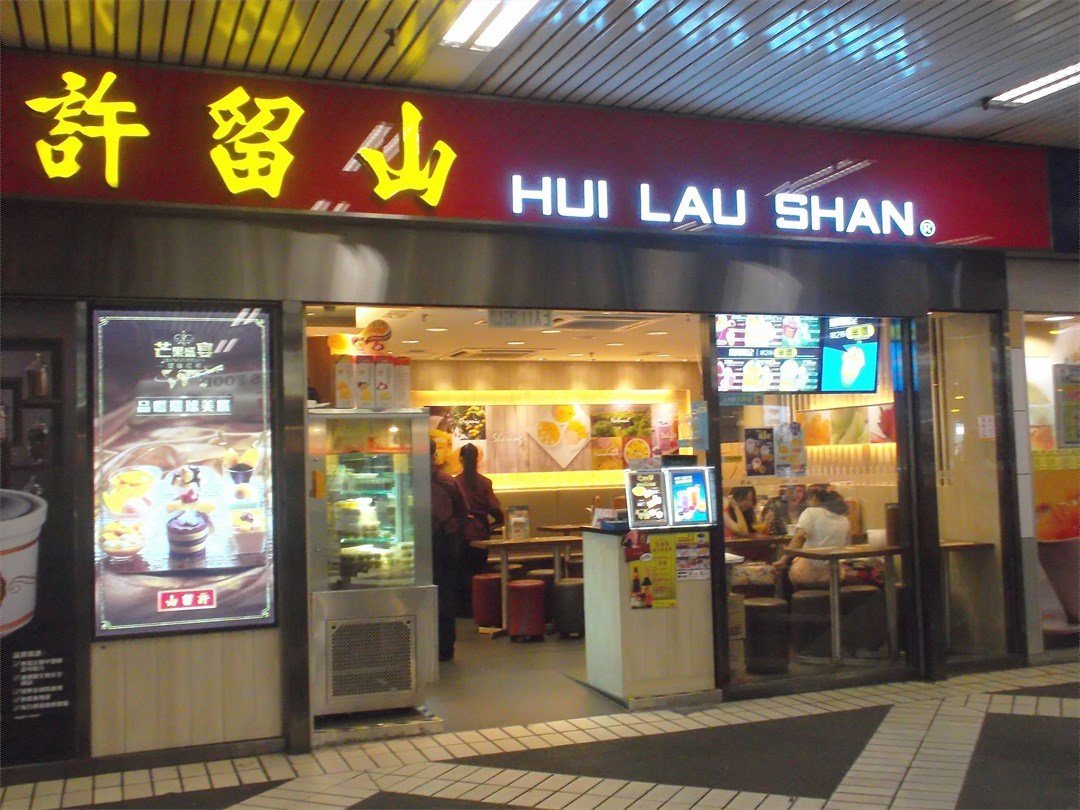
    Hong Kong dessert chain Hui Lau Shan will launch in the Philippines in February. The franchise, best known for its mango-based treats,will open at SM Megamall in Mandaluyong City with a range of desserts that are expected to draw on local fruits.

    Mango desserts have proven popular in the region recently, with prominent social media coverage of long queues for mango floats.

    Hui Lau Shan is a heritage brand originating from a herbal tea & tea trolley that traded in Hong Kong’s Yuen Long back in the 1960s.

  • Ted Baker’s CEO resigns

    Ted Baker’s CEO resigns

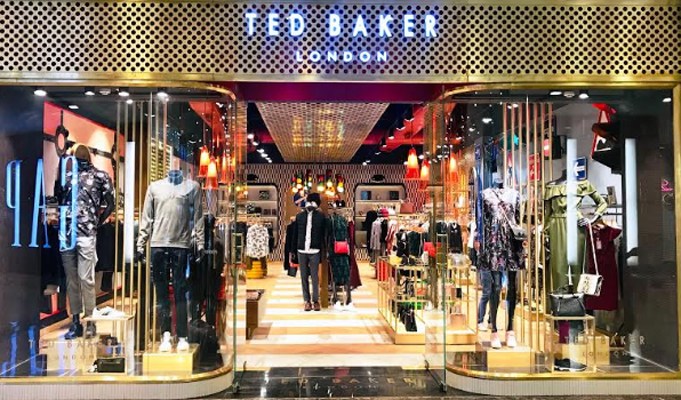
    Ray Kelvin has stepped down from his position as CEO and director of UK fashion label Ted Baker amid allegations of misconduct. The company’s founder and former CEO had been taking a voluntary leave of absence after employees launched an online petition in December 2018, accusing him of inappropriate comments and conduct, including forced hugging.

    An ‘independent committee’ within the business has been in the process of investigating the allegations over the past three months. The committee commissioned the law firm Herbert Smith Freehills (HSF) to investigate the allegations and the comapny’s policies, procedures and handling of HR-related complaints.

    The investigation will continue, with the primary focus now on Ted Baker’s policies, procedures and handling of complaints. It is expected that HSF will conclude its investigation at the end of Q1 or early in Q2 2019.

    Kelvin has denied all allegations of misconduct, but he resigned on Monday with immediate effect. Acting CEO Lindsay Page has agreed to continue in her role, and director David Bernstein has been asked to act as executive chairman to provide additional support to Page.

    Bernstein said he will continue in this position until no later than 30 November 2020, by which time a successor will be appointed. In a regulatory statement. Bernstein attempted to toe the line between thanking Kelvin, and expressing his support for Ted Baker’s staff.

    “Ray Kelvin founded the business 32 years ago and has, together with the fantastic team around him, been the driving force behind it becoming the global brand it is today,” Bernstein said.

    “As founder and CEO, we are grateful for his tireless energy and vision. However, in light of the allegations made against him, Ray has decided that it is in the best interests of the company for him to resign so that the business can move forward under new leadership.

    “As a board of directors, we are committed to ensuring that that all employees feel respected and valued. We are determined to learn lessons from what has happened and from what our employees have told us and to ensure that, while the many positive and unique aspects of Ted’s culture are maintained, appropriate changes are made.

    “Sharon Baylay has agreed to act as the designated non-executive director for engagement with the Ted workforce. Led by Lindsay, we are confident that the strong and experienced team we have in place will build the Ted culture and move the business forward.”

    Taking such a middle-of-the-road position, however, seems untenable in the long run. Just last month Karren Brady stepped down from her position as chair of Taveta Investments, the holding company of Sir Philip Green’s Arcadia Group, which in turn owns the UK fashion retailer Topshop, amid ongoing allegations that Green has sexual harassed and made racist remarks to in-store staff.

    There are new calls for Green to lose his knighthood and step down from his position.

  • Vodafone Idea taps Ericsson for 5G-ready LTE upgrade

    Vodafone Idea taps Ericsson for 5G-ready LTE upgrade

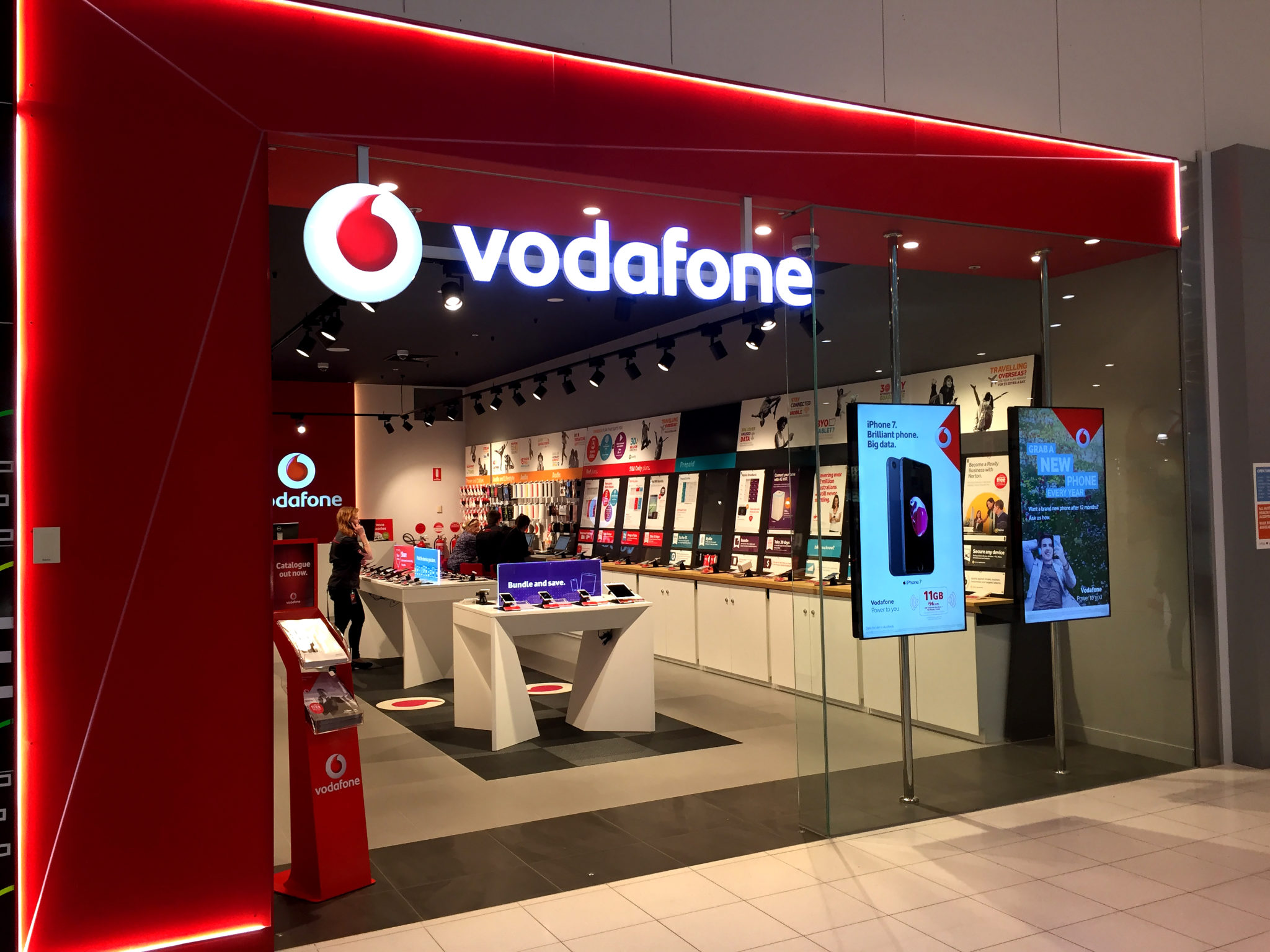
    Vodafone Idea has contracted Ericsson to deploy 5G-ready LTE equipment as part of its network consolidation and modernization program. Under the agreement, Ericsson will help integrate the networks of the merged Vodafone India and Idea Cellular. As part of the contract, Ericsson will supply radio systems and transport equipment from its 5G-ready Ericsson Radio System portfolio.

    The deployments will provide Vodafone Idea with high capacity, low latency microwave backhaul and an easy upgrade path to 5G.

    Vodafone Idea plans to consolidate its existing deployed 2G and 3G network to maximize spectrum availability for LTE. This will be followed by ongoing optimization of the network in order to enhance end-user experience.

    “We have been strategic partners to both Vodafone India and Idea Cellular for several years, and now we enter a new phase of partnership with this deal with Vodafone Idea,” Ericsson head of SEA, Oceania and India Nunzio Mirtillo said.

    “The 5G-ready solutions in the Ericsson Radio System portfolio will help boost the capacity of Vodafone Idea’s LTE network and broaden the availability of high-quality mobile broadband services for its customers. These deployments will play an important role in building [the operator’s] future-ready 5G network.”

    Vodafone India and Idea Cellular completed a $23 billion merger in September, but the combined company is currently operating both the Vodafone and Idea brands independently.

  • Australian dollar lost

    Australian dollar lost

    The Australian dollar has fallen against its US counterpart Tuesday, buying 70.91 US cents from Monday’s 71.11 US cents. The local currency is at  79.39 Japanese yen, from 79.23 ; 62.40 euro cents, from 62.36 ; 53.57 British pence, from 53.48 and 104.16 NZ cents, from 104.04. Last Friday, the local currency has been given a lift after a survey of Chinese manufacturing surprised on the high side.

    The Caixin/Markit Manufacturing Purchasing Managers’ Index (PMI), released on Friday, rose to 49.9 in February, from 48.3 in January, topping expectations. It was enough to hoist the Aussie dollar up to 71.05 US cents from a low of 70.90 US cents, though it was still down 0.4 per cent on the week. The US currency rose overnight when data showed US economic growth beat forecasts in the December quarter, supported by strength in household consumption.

    In contrast, Australian households have been reining in spending amid sluggish wage growth and sliding home prices. CoreLogic property data out on Friday showed home prices across the country fell another 0.7 per cent in February, though that was a small improvement from January’s 1 per cent drop. The Reserve Bank of Australia recently warned that a further significant fall in prices could undermine household wealth and spending.

    The weakness in consumption is one reason analysts suspect figures for GDP out next week will indicate annual growth slowed to about 2.6 per cent last quarter.

    “We expect home price falls to double to 14 per cent, peak to trough, making a negative household wealth effect on consumption likely,” said UBS economist George Tharenou.

    “We expect GDP to clearly slow to a below-trend 2.3 per cent in 2019, seeing unemployment rise and the RBA cut in November, with risk of earlier easing.”

    Investors have already moved to price in the risk of a cut in interest rates this year, with futures implying about an 80 per cent probability of a quarter point easing in the 1.5 per cent cash rate. That in turn has pushed down Australian bond yields and fattened the premium offered by US debt. Yields on Australian 10-year bonds are now 56 basis points below those on US paper, compared with 36 basis points at the start of the year. Australian government bond futures dipped in line with Treasuries, with the three-year bond contract easing 3.5 ticks to 98.330 while the 10-year contract fell 5 ticks to 97.8550.

  • Karma queues up 3 vehicles for Shanghai auto show

    Karma queues up 3 vehicles for Shanghai auto show

    Karma Automotive is prepping three vehicles — a concept car developed with Italian design house Pininfarina, the next-generation Revero electric car and the Karma Vision concept – that it hopes will propel the brand in a new direction.

    They will debut next month at the Shanghai auto show.

    “Taken together, Karma’s Shanghai Big Three represents our transformation from an old-value car manufacturer to a company building long-term value in part by becoming an open-platform luxury high-tech automotive incubator,” Karma CEO Lance Zhou said in a statement.

    Karma Automotive, headquartered in Irvine, Calif., was founded after the demise of Fisker Automotive, created by noted designer Henrik Fisker. The company’s sole product was the gasoline-electric Fisker Karma luxury car. Chinese supplier Wanxiang Group bought Fisker Automotive in a bankruptcy auction and put a revised version of the Karma back into production as the Revero in 2016.

    Karma plans to introduce a revised version of the Revero this year. The car is sold through a network of 19 stores in the U.S., Canada and Chile.

    The company released little information about the three vehicles scheduled for the Shanghai auto show, which opens April 16.

  • GrabFood grabs pole position in Vietnam food delivery market

    GrabFood grabs pole position in Vietnam food delivery market

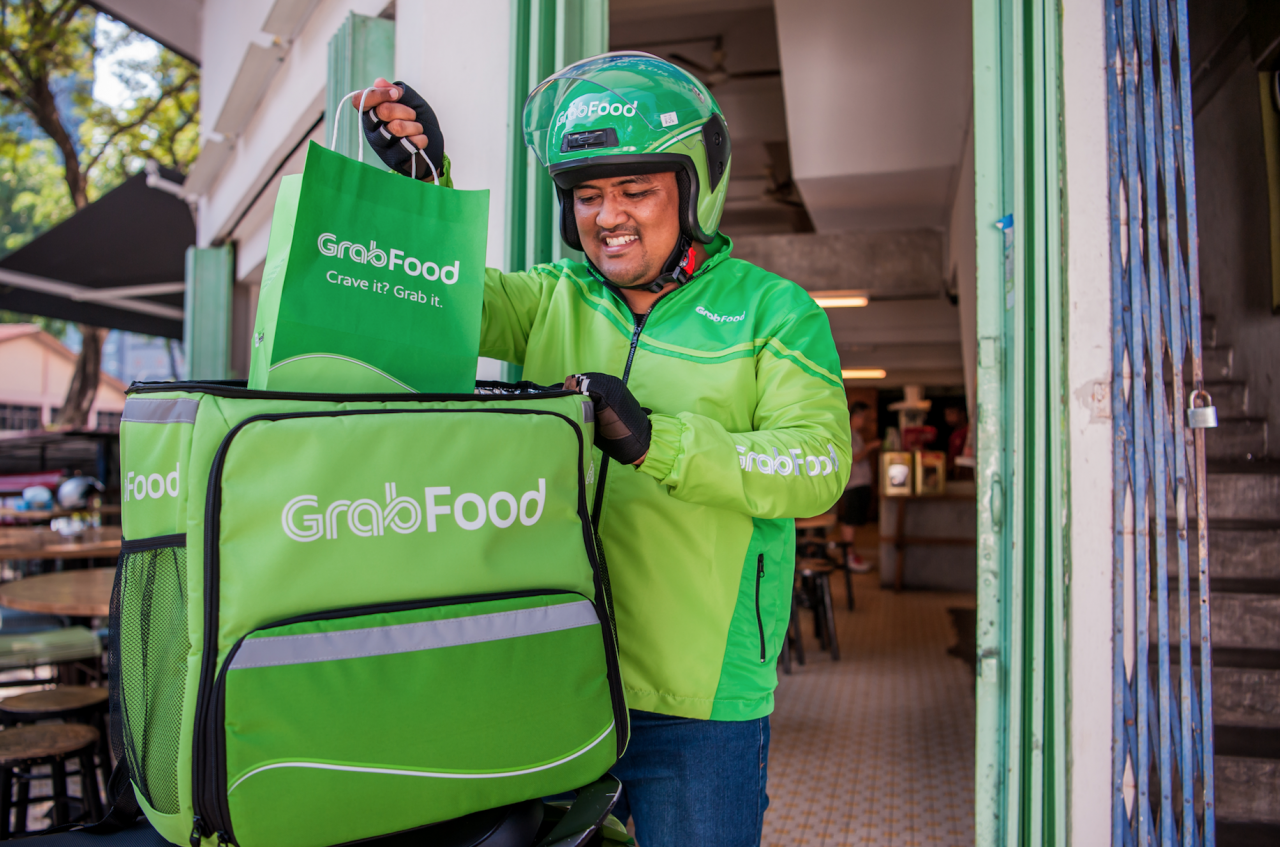
    Despite being a new entrant, GrabFood has experienced rapid growth in the online food delivery market. GrabFood recently announced that it has grown 25 times since June 2018, in terms of orders received. A survey by Kantar TNS in January 2019 found that GrabFood was the most often used food delivery service in Hanoi and Ho Chi Minh City, as cited by 68 percent of respondents.

    The GCOMM market research company, which polled 600 people in Hanoi and Ho Chi Minh City, said in a recent report that 98 percent were satisfied with GrabFood’s service.

    This was a surprising outcome, given that GrabFood is a new entrant in Vietnam’s food delivery market, which is witnessing fierce competition with the likes of Foody.vn, Now and Vietnammm all in the fray.

    Grab’s ecosystem with a large network of driver-partners has greatly contributed to this success. More than 175,000 driver-partners in 15 cities and provinces have joined GrabFood’s network within seven months. The problem of recruiting a huge number of partners, which demands a large recruitment team and financial resources and yet takes many years, has been overcome.

    Driver-partners also saw a 20 percent increase in income from delivering food and parcels, according to latest statistics from Grab.

    Instead of offering a slew of discounts and other promotional programs to attract customers, GrabFood competes based on creative strategies, adapting to the diverse demands and tastes of customers in the various regions. GrabFood has also focused on building a network of merchant-partners. According to a Grab representative, an expansion in the number of merchant-partners was imperative for further growth. GrabFood cares about its partners’ growth and wants to build a win-win relationship so that they can grow together, the representative said.

    For example, GrabFood has many exclusive menus of well-known restaurants with “GrabFood Signatures”. These co-created dishes and drinks are constantly in the top three of most ordered items at big partners like Gong Cha and MeetFresh.

    In addition, GrabFood has reduced the average delivery time to just 20 minutes, which means customers can enjoy their favorite food delivered fresh and delicious. This, in turn, means that merchant-partners can retain customer loyalty. At the same time, marketing campaigns undertaken in cooperation with GrabFood help them increase their customer base.

    The Grab representative also said that on average, merchant-partners earn up to 300 percent in incremental revenue within two to three months of being on the platform.

    GrabFood has the advantage of being a technology mobile platform to which smart functions have been integrated, including locating the nearest restaurants, updating status of orders and chatting with drivers via GrabChat.

    Cashless payment for food delivery via GrabPay by Moca has been beta tested in Hanoi, and will soon be expanded to all three cities GrabFood currently operates in.”Our goal is to become the number one on-demand food delivery service in Southeast Asia and Vietnam in 2019,” the representative said.At the beginning of 2019, GrabFood announced that it was expanding its network to 15 cities and provinces.

    “On the whole, Grab’s management has made good moves. Expanding into payments and food delivery are smart, synergistic moves,” said Nitin Pangarkar, Associate Professor, Department of Strategy and Policy at the National University of Singapore (NUS) Business School.

  • Vietnam is Nestlé’s fastest-growing market in South East Asia

    Vietnam is Nestlé’s fastest-growing market in South East Asia

    Nestlé South-East Asia posted solid growth last year underpinned by double-digit growth in Vietnam. The growth was based on strong momentum gained by five of its biggest brands, MILO, NESCAFÉ, MAGGI, NAN and Nestlé itself. This year, the Swiss giant plans to improve organic sales growth and underlying margins as it progresses toward its 2020 target.

    Chris Johnson, Executive Vice President, Chief Executive Officer Zone, Asia, Oceania and sub-Saharan Africa (AOA), speaks to Retail News about how one of the biggest companies in the world has set its business goals for 2019 and contributes to the Vietnam’s overall socio-economic development.

    Can you share the highlights of Nestlé’s business performance last year?

    Nestlé Vietnam has had strong performance in the last four years and we are among the fastest growing food FMCG companies in Vietnam.

    Although Vietnam is not a huge market for Nestlé, it is the fastest growing market in Asia. And its contribution to growth has been important. We have much confidence in the growth potential of Nestlé Vietnam based on a strong and growing economy and burgeoning middle class and population.

    If we look at other countries, sometimes we are strong in one or two categories, but here we have a broad presence in a number of categories. MILO is the strongest brand for Nestlé Vietnam along with four other brands including NESCAFÉ, MAGGI, Nestlé itself and NAN – infant nutrition.

    Last year our efforts were recognized by the government with an award for being the 59th biggest corporate tax payer from the Ministry of Finance, a Certificate of Merit for significant contribution to the FDI sector over the last 30 years in Vietnam from the Ministry of Investment and Planning, a place in the list of top 10 sustainable businesses in Vietnam by the Vietnam Council for Sustainable Development, and an award for prominent employer in manpower development from the Ministry of Labour.

    This year we expect Vietnam will continue to be an important, growing contributor to Nestlé.

    Nestlé Vietnam is a key contributor to not only the growth of Zone AOA but also the Nestlé Group.

    What is Vietnam’s role in the development of Nestlé in Asia?

    Vietnam is important not only because we have a strong business here but also because of the coffee landscape. Vietnam is the second biggest coffee producer in the world and the biggest in robusta. Nestlé is the biggest buyer of coffee in Vietnam with an annual purchase volume of 20-25 percent of the total coffee output. We also invested above $600 million into the economy via coffee purchase and exports.

    In 2011 Nestlé unveiled the NESCAFÉ Plan, among whose important aspects was helping Vietnamese farmers with their crops. Our agronomists provide farmers with training in good agriculture practices and technical assistance. We have distributed 27 million high-yield plantlets since 2011, encouraged farmers to reduce water usage 20 percent and increase their income and resilience through better farming practices, and have provided 200,000 training sessions to farmers to develop the industry.

    The reason we do this, the core philosophy of Nestlé, is that this is not about donations, it is good business for us that Vietnamese coffee farmers do well. That assures we have good-quality supply for the world. Vietnam is a good example of how Nestlé operates well for other countries.

    How does Nestlé plan for short-term and long-term investments in Vietnam for 2019 and subsequently?

    We have a long-term vision and a firm belief in the potential of the country. In 2017 we inaugurated the Bong Sen factory in North Vietnam and a new distribution center in the South.

    In 2018 we further expanded our business, notably through a new distribution center in the northern province of Hung Yen and the NESCAFÉ Dolce Gusto production line in the southern province of Dong Nai. This year will be another year of growth with more and more capacity in line with our ambition in Vietnam.

    Our growth priority remains, and our 2019 activities will continue our long-term strategy that is set for 2017-2020. We want to introduce new products that meet new consumer needs, and Creating Shared Values – CSV will always remain a big driver of our goals.

    Once again, as the world’s top conglomerate in nutrition, health and wellness, we aspire to take a holistic view of our product offerings. This means we must improve our recipe to increase good nutrients, while reducing fat, sugar and salt. At the same time, we want to promote a healthier lifestyle for our Vietnamese consumers and Nestlé looks forward to more collaborations to fulfill this mission.

    The overall plan is to continue to grow, continue to focus on our five core brands in Vietnam. We believe Nestlé Vietnam can reach mid-double-digit growth in 2019.

    What activities have been undertaken in support of the United Nations’ sustainable development goals?

    Since its inception in 2011, the NESCAFÉ Plan has been hailed as one of the most successful public-private partnerships by the Ministry of Agriculture and Rural Development. In eight years we have distributed over 27 million high-yield, disease-resistant plantlets to help farmers replant over 21,000 hectares of aging coffee trees.

    In addition to supporting sustainable farming practices in accordance with international 4C standards, the program also assists farmers in managing coffee quality and supports them in updating market information.

    We see this initiative as a win-win situation because farmers can get a better life and improve their income by 30 percent while Nestlé benefits from high-quality coffee products.

    In addition to the NESCAFÉ Plan, MILO via the Activ Vietnam program in conjunction with the Ministry of Education and the Government’s Project 641 have embarked in grassroot sports development and promoting a healthier lifestyle in school.

    Nestlé Vietnam provided the market with two billion fortified servings in 2018 and has been collaborating closely with the Ministry of Health and the National Institute of Nutrition in the proposal of the national Recommended Daily Allowance (RDA).

    We also promote woman entrepreneurs under the NESCAFÉ Plan, improve women’s incomes in rural areas through the “Go rural” project with the Women’s Union. We are also a signatory to UN Women Empowerment Principles. We recognise that among others, gender equality and women’s empowerment are critical to Creating Shared Value for our business with a respect for diversity.

    How do you view the challenge of competition from local and foreign firms in the coming years?

    We always welcome competition. At the end of the day consumers benefit from competition because they have more choices. More importantly, that drives us to work hard and be competitive every day. We have been trying to do the right things in producing high-quality products while the market is becoming stronger and stronger thanks to competition.

    This is your first trip to Vietnam since you took over as Executive Chief Officer Zone Asia, Oceania and sub-Saharan Africa (AOA) in January. What is your most valuable takeaway from the trip?

    I have only been in the job now for about two months and Vietnam is the third market I have visited after China and India. The most valuable thing for me is to connect with the people working here. We have over 2,300 employees and I am very proud of the team here.

    The next step will be making sure that Nestlé Vietnam continues to cooperate with the government and farmers to ensure successful operations and make social contributions when doing business in the country.


  • Cisco announces $5b financing for operators’ 5G transition

    Cisco announces $5b financing for operators’ 5G transition

    Cisco announced that it is planning to fork out $5 billion funding over the next three years to help its customers for network transitions to 5G. Cisco said “the 5G movement is in steep ascent and service providers face significant financing pressures as they prepare for this 5G revolution.”

    Cisco’s recent Mobile VNI Forecast shows that by 2022, the average 5G connection (22 GB/month) will generate nearly three times more traffic on the networks than the average 4G connection (8 GB/month).

    Service providers must expand their networks to support this growth. At the same time, they must invest in new 5G services to stay competitive, the vendor said in a statement. Cisco said it is planning to commit $5 billion in 5G funding via Cisco financing over the next three years to help its customers succeed with their network transitions to 5G.

    Meanwhile, Cisco has also announced a raft of announcements with Asian mobile carriers including Bharti Airtel, KT, Softbank and Rakuten

    Cisco is helping Bharti Airtel to build India’s largest 5G-ready, IP-based automated network. Airtel aims to deliver enhanced subscriber experiences and offer high-speed mobile access for its mobile customers in the country.

    Airtel’s IP-based network architecture will enable new functionality, including segment routing, traffic engineering and Ethernet VPN that helps ensure seamless interoperability and the ability to leverage existing investments in its MPLS-TP network. The automated IP network architecture will also give Airtel the ability to enhance its services to SMBs and enterprises.

    The deal with KT will see Cisco transitioning KT’s network architecture to better manage 5G traffic with advanced routing and automation software, intelligent analytics and machine learning.

    The network includes a 5G routing backbone with Cisco Network Convergence System Router 6000 and ACI on Nexus 9000 switching platform at KT’s distributed data centers in the country.

    In Japan, Cisco is helping SoftBank to deploy Segment Routing IPv6 (SRv6) in its 5G mobile network to help the Japanese telco reduce capex and opex. It is also helping Rakuten Mobile Network to launch the world’s first virtualized, cloud native mobile network by October 2019.

    Cisco is also using the MWC2019 to unveil a host of products and services covering 5G, WiFi 6, smart city and connected cars.