Tag: asia

  • WhatsApp starts rolling out the ability to pin messages

    WhatsApp starts rolling out the ability to pin messages

    Meta has just announced that pinned messages are debuting on its WhatsApp messaging app. The new feature is currently rolling out to users, but it will take some time for everyone to see it in their app.

    An extensive FAQ related to the new feature is now available for users to peruse in order to learn how pinned messages work. The procedure is quite simple on both iOS and Android platforms.

    Android users can tap and hold the message, tap the three-dot icon, choose Pin, and then select the pin duration: 24 hours, 7 days, or 30 days. On the other hand, iPhone users must tap and hold the message, tap More options, then tap Pin and select the pin duration: 24 hours, 7 days, or 30 days.

    To unpin a message before the time runs out, simply tap and hold the message, and choose Unpin. iPhone users will find Unpin in the More options tab after tapping and holding the message. For web and desktop users, head to the message that you want to unpin, click the arrow down icon, and choose Unpin.

    As far as group chats go, WhatsApp mentions that group admins can choose to allow members to pin messages in group chat. This option is available on Android devices by turning Edit group settings on or off in the Group Settings menu.

    On iPhones, the option is available in the Group info / Group Settings / Edit Group Settings / select All members or Only Admins. Remember that when a message is pinned in a group chat, a system message will be shared with everyone on the chat.

  • Instagram starts testing the ability to control who can see your likes

    Instagram starts testing the ability to control who can see your likes

    Instagram plans to introduce a new privacy feature that will allow users to select who can see their likes on posts and reels. The ability to control who gets to see your likes is meant to boost privacy and, hopefully, improve engagement.

    A couple of screenshots captured from a beta version of Instagram confirm the new feature will offer four different options that users can choose from. Judging from the screenshots, you will only be able to choose one option from the four presented, unless Instagram decides to change things by the time the new feature goes live for everyone.

    However, the four options below offer enough variation to allow users to customize their privacy settings as they see fit:

    • Allow everyone to see likes
    • Allow people that you follow to see likes
    • Allow close friends to see likes
    • Don’t allow anyone to see likes

    Instagram is testing new features all the time. Some never see the light of day, while others go through many iterations that, in some cases, change the way they originally worked.

    Obviously, it’s difficult to say when exactly the ability to control who is going to see your likes on posts and reels will come out, but at least we know Instagram is working on a feature that will actually be helpful to many of its users.

  • Chinese tea chain Heytea expands into the US

    Chinese tea chain Heytea expands into the US

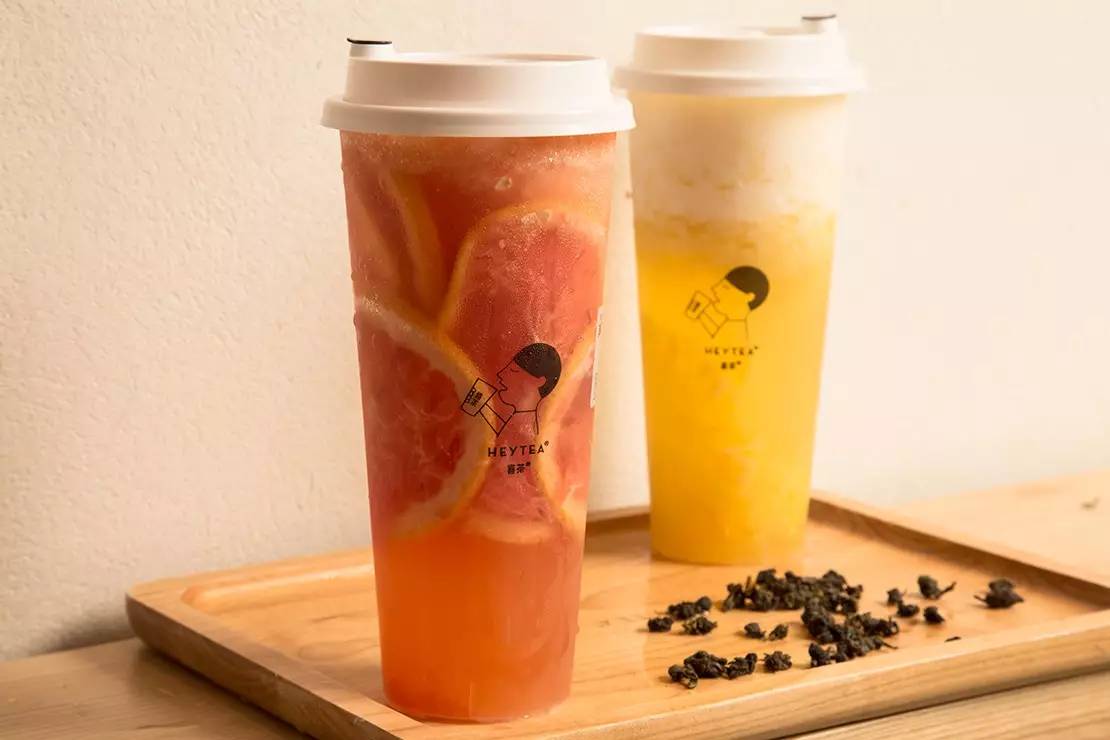
    Chinese tea company Heytea has launched its first store in the US – in the heart of Broadway, New York, – as it continues its rapid international expansion, including into Malaysia, Australia, Canada, and London.

    The brand marked its US debut with a Times Square billboard and chose a location just a 10-minute walk from major New York landmarks.

    Heytea described its US entry as a success after selling 2500 cups at Broadway on opening day.

    “As the initial entry point for Heytea into the US market, New York City holds extraordinary significance for the growth of our brand,” said Yujia Gu, VP of strategy at Heytea.

    “By providing high-quality products and services, we aspire to deliver a joyful brand experience to consumers in NYC and beyond, contributing to the ongoing development of the US tea industry,” he said.

    By expressing their experiences on ‘Teaholics shared photos of the store on social media channels including TikTok and Instagram.

    Gu said the brand plans to keep expanding the tea market in the US.

    Established in 2012 and based in Jiangbianli, Guangdong, Heytea has 3000 stores worldwide.

  • The Apple TV app gets a complete visual revamp

    The Apple TV app gets a complete visual revamp

    Apple TV users rejoice as the app has just received a complete visual revamp to make navigating easier. The new app looks different on all iOS devices, so you’ll benefit from all the changes no matter where you prefer to watch your favorite series and films.

    The most obvious change is the new, simplified interface that features a sidebar to make it easier for users to navigate the app quickly. The new sidebar provides access to Apple TV+ (home of Apple Original series and films), MLS Season Pass (home of Major League Soccer), Store (where users can buy and rent popular movies), and shortcuts to channels and apps viewers already have, including Disney+, Paramount+, and Max.

    In addition to all the shortcuts, the new sidebar introduces the app’s new hub simply called Home, which is basically a unified guide for all the shows, movies, and sport.

    The new hub features a Channels & Apps section, allowing users to browse their subscribed channels or connected apps. Also, sections like New Shows & Movies, Top Charts, Trending, and For You are also available within Home.

    For those owning living room devices, the sidebar features profiles to make it easier to switch between users to better personalization in Up Next and content recommendations across the app.

    Furthermore, the Store tab in the Apple TV app now combines movies and TV shows into one place so that users can easily access everything they wish to buy or rent. The same tab is also home to a new Add Channels & Apps shelf where users can explore popular streaming services

    Finally, Apple announced that starting today, the iTunes Store app on iPhone and iPad, as well as the iTunes Movies and iTunes TV Shows app on Apple TV 4K and Apple TV HD, will redirect users to the Apple TV app.

  • New transmission line proposed to import more electricity from Laos

    New transmission line proposed to import more electricity from Laos

    The Ministry of Industry and Trade has proposed installing another power transmission line to Laos to increase supply.

    It would help ensure energy security for northern Vietnam, especially during the dry season, as no new major power plant is set to go on stream until 2025, Minister of Industry and Trade Nguyen Hong Dien said at a recent meeting.

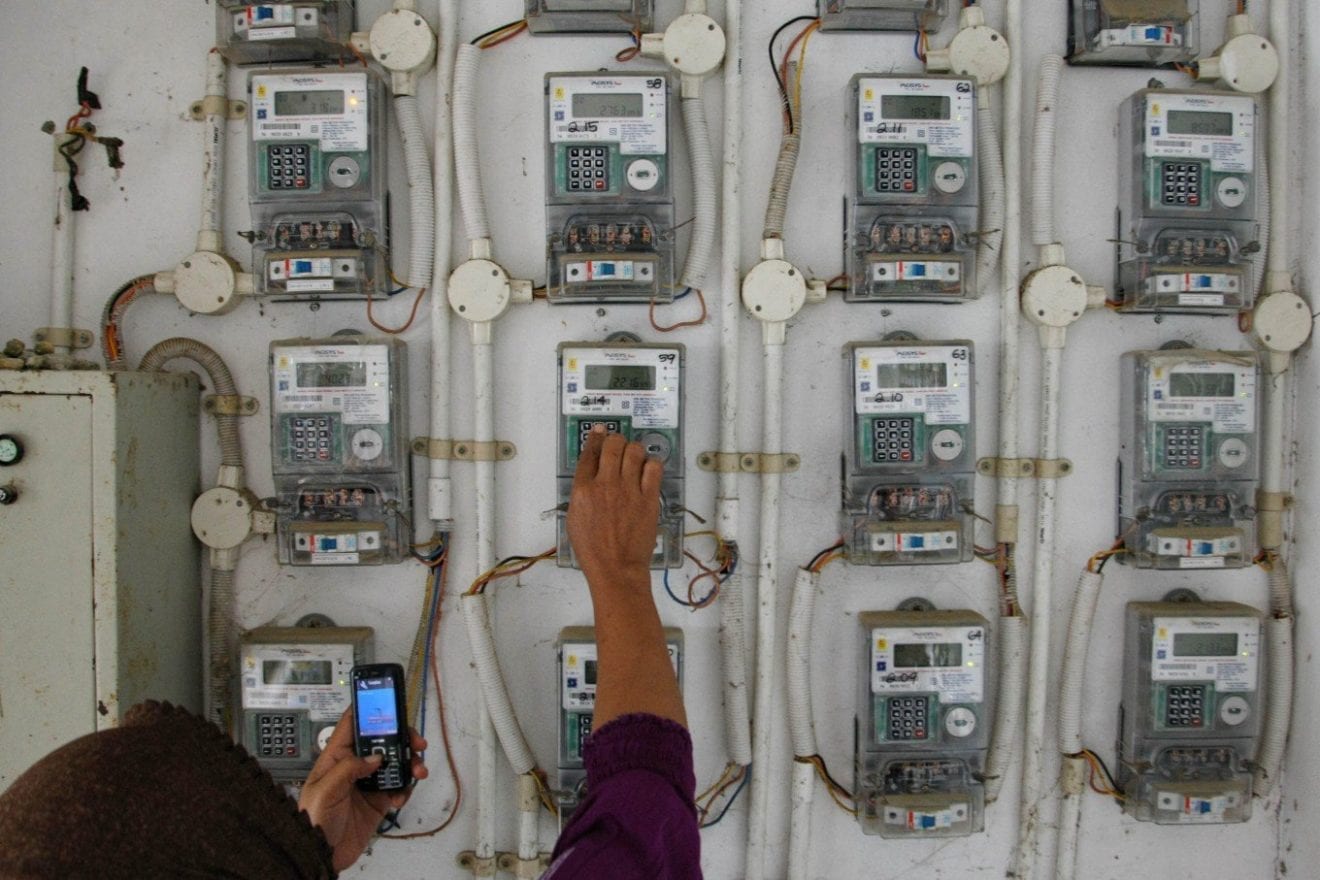
    Vietnam imports 3,000 megawatts of electricity from Laos through a 220-kilovolt line.

    In October Vietnam Electricity already began laying a 500-kilovolt line strong spanning 45 kilometers to connect the two countries.

    The work, to cost VND1.1trillion ($45.26 million), will be completed by the end of next year when it will increase import capacity to 2,500 MW a year.

    Vietnam signed a deal with Laos in 2019 to buy 3,000 MW until 2025 and 5,000 MW a year in 2026-30.

    In the first 11 months of this year Vietnam’s imports – also from China — accounted for 1.5% of total electricity supply.

  • Levi’s sets date for CEO transition

    Levi’s sets date for CEO transition

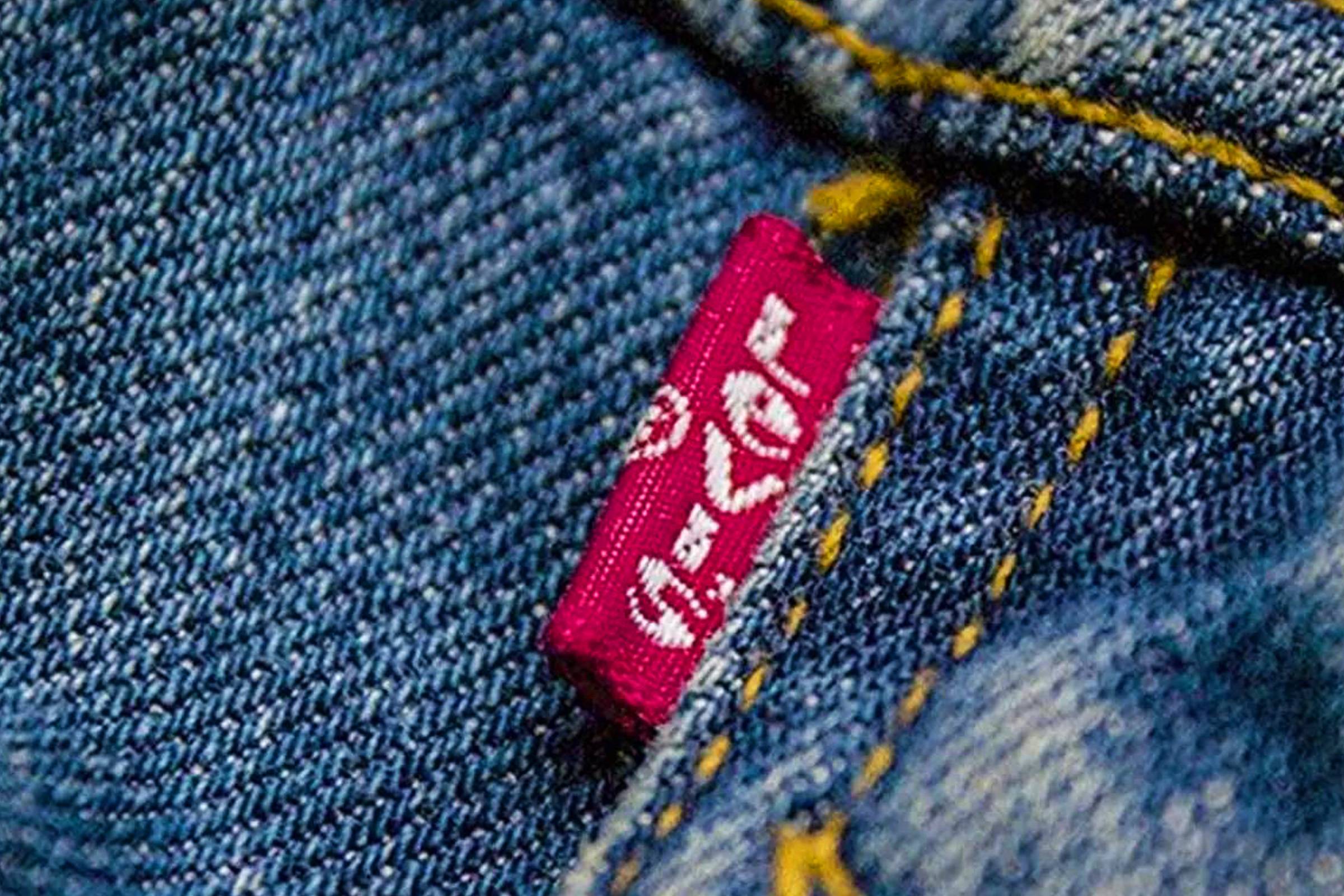
    Levi Strauss & Co has named Michelle Gass as president and CEO, effective January 29 next year, replacing Chip Bergh.

    Bergh is set to retire on April 26 next year. He has been elected to serve as executive vice chair of the board until his retirement date, after which he will transition to a senior advisor role until the end of fiscal FY24.

    “It has been an incredible privilege to lead this great company as CEO for the last 12 years. I want to especially thank my team, the board of directors and the family shareholders for all their support through the years,” said Bergh.

    “While I’ve known Michelle for more than a decade, my time working closely with her this past year has given me great confidence that her experience, track record of innovation and impact, and passion for the business will position the company for sustainable, profitable growth and significant shareholder and stakeholder value creation.”

    Gass has been the president of Levi Strauss & Co since January this year. Before that, she held senior positions at Kohl’s and Starbucks.

    “I am honored to be stepping in to lead this iconic brand and company, one that I have deeply admired and respected for many years. Levi’s is more than a denim icon; it’s part of our cultural fabric and an enduring symbol of quality, innovation and progress,” said Gass.

    “I am incredibly excited to lead our amazing team and to reali

  • Apple to move key iPad engineering resources to Vietnam

    Apple to move key iPad engineering resources to Vietnam

    Apple is allocating product development resources for iPad to Vietnam, Nikkei reported on Friday, citing sources briefed on the matter.

    Apple is working with China’s BYD, a key iPad assembler, to move new product introduction (NPI) resources to Vietnam, the report said, adding that this is the first time the company has shifted NPI resources to Vietnam for such a core device.

    Engineering verification for test production of an iPad model will start around mid-February and the model will be available in the second half of next year, it said.

    Apple and BYD did not immediately respond to Reuters’s request for comment.

    Apple suppliers including Luxshare and Foxconn also invested in the Southeast Asian country earlier this year to further diversify production away from China.

  • Local car market still sees sluggish sales as Tet nears

    Local car market still sees sluggish sales as Tet nears

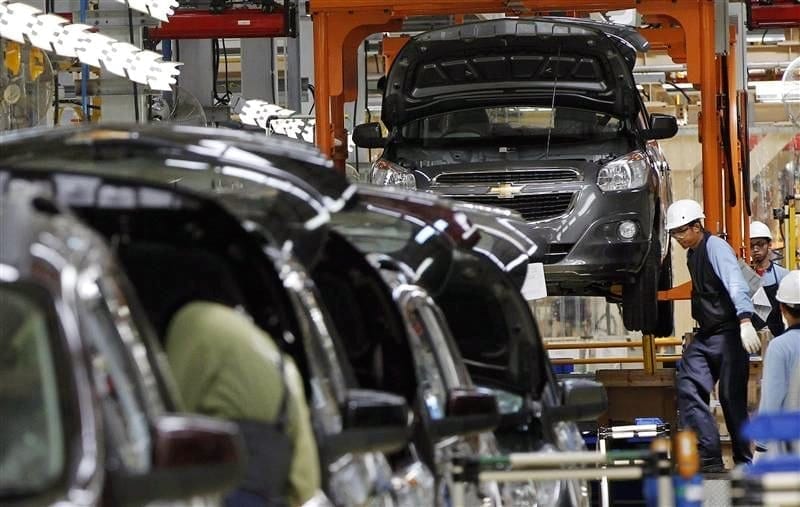
    The domestic auto market in Vietnam is experiencing a decline in car sales due to sluggish customer demand compared to previous years, according to local car experts.

    The experts said the number of customers visiting car dealerships has not increased compared to previous years, despite price reductions and promotions offered by car manufacturers during the peak shopping season.

    According to a car sales staff at Toyota dealerships in the central area of Hanoi, cars priced under VND1 billion (US$40,983) are particularly challenging to sell. They attribute this trend to the difficult economic conditions and the reluctance of people to spend money on purchasing cars.

    Anh Duc, a car salesman in Pham Hung Street, expressed surprise at the low sales, mentioning that in previous years, they could sell hundreds of cars each month at this time, but recently the numbers have not been reaching even half of that.

    Many dealers hope that demand for cars will increase at the end of the year and the market will become boisterous; however, it is so far still quiet. To reduce their inventory and recover some of their costs, dealers may resort to reducing prices and offering discounts or incentives to attract buyers. In some cases, they may even have to sell cars at a loss to move inventory and free up capital.

    Car consumption in Vietnam has experienced a deep decline this year, despite various efforts to stimulate sales such as launching new models, offering discounts, and providing registration fee support and attractive gifts.

    Specifically, Toyota Vietnam has initiated a program starting in December to offer a 50% discount on registration fees for certain car models. In addition to this discount, there is also a 50% reduction in registration fees for domestically assembled cars as part of the general policy. This policy will be in effect until the end of 2023.

    Honda Vietnam has also announced a 50% registration fee discount program for all car models on sale starting from Dec. 5. Additionally, domestically produced and assembled vehicles are still receiving 50% registration fee support from the government.

    As for Hyundai, the Hyundai Stargazer model had a listed price of VND75-685 million ($23,565-$28,073). In November, the price was reduced by up to 130 million, but it still faced difficulties in selling. In December, the price was further reduced by another VND10 million. Furthermore, the high-end diesel version of the Santa Fe model, which was produced in 2022, is being reduced by VND210 million.

    The decrease in car purchasing power compared to the same period in 2022 is a concerning trend, especially considering that car sales were lower than during the period when the market was affected by the Covid-19 pandemic.

    The statistics from the Vietnam Automobile Manufacturers Association (VAMA) indicate a significant decline in car sales, with a 29% decrease in the first 10 months of 2023 compared to the same period last year, equivalent to the absolute number of 70,000 vehicles.

    Among the car manufacturers, Toyota Vietnam seems to be the most affected, with a 42% decrease in sales during the first 10 months of 2023, amounting to nearly 30,300 vehicles. Other brands like Kia, Honda, and Mitsubishi also experienced significant declines, with decreases of 39%, 36%, and 28%, respectively.

    Hyundai is another car company facing challenges, with a sales decrease of approximately 25%, equivalent to more than 16,000 vehicles. These figures suggest that the automotive market in Vietnam is currently facing obstacles and uncertainties.

    Economist Ngo Tri Long said that the selling prices of many car models have reached their lowest level in nearly 10 years in 2023.

    Some businesses and dealers may have hinted at cutting incentives at the end of the year due to anticipated increased demand; however, car discount promotions are still prevalent and becoming even deeper.

    The difficulties are expected to continue into 2024. High inventory levels can also be a challenge for auto businesses. If consumer demand is lower than expected, dealerships and manufacturers may face excess inventory, which can lead to increased costs and reduced profitability, according to industry insiders.

  • Citi organizes Vietnam Digital Leaders Summit 2023

    Citi organizes Vietnam Digital Leaders Summit 2023

    Citi brought together about 100 leaders in the Vietnam technology landscape, including founders, management teams, and investors, to discuss how the new economy is shaping the future of Vietnam.

    The Vietnam Digital Leaders Summit 2023, hosted by Citi Commercial Bank (CCB) and Citi’s Investment Bank, featured keynote speeches and lively panel discussions covering various topics, from scale-up journeys and macroeconomic challenges to fundraising strategies.

    Speakers and panels also touched on investor perspectives on opportunities in Vietnam and stories on the strategic shift in focus from exponential growth to sustainable profitability. Many speakers addressed the opportunities and pitfalls of harnessing AI throughout the day.

    Shervone Saw, CCB’s Asia Digital Head, highlighted that Citi established its technology industry vertical eight years ago to support the startup ecosystem. The unit supports technology startups from infancy to maturity, offering customized solutions for every step of the journey.

    Citi’s global network powers companies as they expand into new geographies. Citi is a pioneer in the technology industry in Vietnam, witnessing the rapid rise of companies to the unicorn stage.

    At the event, James Perry, APAC Co-Head of TMT Investment Banking, showed that in 2023, private investment into technology companies in Southeast Asia is on track to surpass pre-Covid levels, despite substantial declines from the peak levels in 2021.

    “We understand the importance of having a structured and dedicated approach to support the demands of fast-growing tech firms, particularly in a low-growth and volatile macro-environment. Our goal is to work with clients to form a winning strategy, to achieve new milestones, and to help them deliver their strategic objectives,” said Lin Hsiu-Yi, ASEAN & Singapore Head of Citi Commercial Bank.

    In Vietnam, Citi has supported and served clients for nearly three decades, helping them navigate the opportunities and challenges of rapid growth and international expansion by enabling them to scale faster.

    This flagship event served as a platform for engagement, connection, and exploration of new growth opportunities for clients, investors, industry veterans, and the Citi team.

    “Whether clients are considering expansion, exploring partnerships, or seeking strategic financing, our dedicated team is ready to support their needs and enable their businesses to get into the next phase of growth,” said Ramachandran A.S., Vietnam Citi Country Officer.

  • Indonesia’s GoTo in talks with TikTok over potential e-commerce partnership

    Indonesia’s GoTo in talks with TikTok over potential e-commerce partnership

    Indonesia’s biggest tech firm GoTo Gojek Tokopedia said on Friday it was in talks with short video app TikTok over a potential e-commerce partnership in the Southeast Asian country.

    No final deal has been reached, GoTo added in a statement. The company also said the discussions did not include a takeover plan or any sale of more than 50 per cent of its shares to any party.

    Indonesia in October banned online shopping on social media platforms to protect smaller merchants and users’ data, after which TikTok had to close its e-commerce service TikTok Shop. TikTok has 125 million users in the country.

    Indonesia’s small and medium enterprises minister Teten Masduki told Reuters in November that TikTok had spoken to five companies including GoTo, Bukalapak.com and Blibli about possible partnership.

    Bloomberg earlier this week said TikTok had struck an agreement to invest in a unit of GoTo, citing people familiar with the matter.

    Indonesia’s e-commerce market is expected to grow to around $160 billion by 2030 from $62 billion this year, according to a report on Southeast Asia’s internet economy by Google, Singapore state investor Temasek Holdings and consultancy Bain & Co.

  • Deliveroo announces the appointment of Nick Price as General Manager for their Hong Kong operations

    Deliveroo announces the appointment of Nick Price as General Manager for their Hong Kong operations

    Deliveroo today announced the appointment of Nick Price as General Manager for Deliveroo’s operations in Hong Kong. In his role, Nick will oversee Deliveroo’s business in Hong Kong, with a focus on growing the business and further establishing Deliveroo in the Hong Kong market.

    Nick joined Deliveroo as Finance and Strategy Director in May 2021, since then, Nick has played a pivotal role in accelerating Deliveroo’s growth in Asia. After stepping into the role of Interim General Manager for Deliveroo Hong Kong in July 2023, Nick assumed responsibility for strategic planning, operations, marketing, commercial development, and staff development, as well as being tasked with building relationships with restaurants, riders and customers.

    Nick Price, General Manager, Deliveroo Hong Kong, said, “Deliveroo has established ourselves as a household name in Hong Kong by delivering Hong Kong people with what they need, helping our merchant partners to grow and enabling our rider partners to have more earning opportunities. I am excited about the journey ahead, and thrilled to work closely with the amazing team to realise our vision.”

    Eric French, Chief Operating Officer, Deliveroo, said, “Nick’s breadth of knowledge about the Hong Kong market and leadership skills have been instrumental to our development and success in Hong Kong. We celebrated our 8th anniversary in Hong Kong in November, and we saw record breaking orders with our anniversary campaigns. 2024 is sure to be an exciting year for Deliveroo Hong Kong with Nick at the helm.”

  • Thai fashion brand Pomelo opens in Cambodia

    Thai fashion brand Pomelo opens in Cambodia

    Thai omnichannel fashion retailer Pomelo will launch in Cambodia in the first quarter of next year with physical stores and an e-commerce platform.

    The company has signed a partnership agreement with local distributor Zando Group to make its Cambodian debut and the launch is also part of a strategy to expand further within Southeast Asia.

    Pomelo, founded in 2013 by David Jou and Casey Liang, has developed from an internet-only fashion firm to a major Southeast Asian omnichannel retailer, with physical stores in Thailand, Singapore, Malaysia, and Indonesia, as well as online shipping to 50 countries.

    The brand opened its first store in Thailand in 2018 with the Tap, Try, Buy concept, which allows customers to order an infinite number of things online without paying anything upfront.

    Due to its growing economy, rising middle class, and increased demand for high-quality products, Cambodia’s retail sector has attracted major foreign labels in recent years.

    MLB, a South Korean streetwear brand, also opened its first physical store in Cambodia earlier this year, in collaboration with Vietnamese distributor Maison Retail Management International (MRMI).

  • Prada looks to double China business in the medium term

    Prada looks to double China business in the medium term

    Prada is looking to double its business in key luxury market China, Chief Executive Gianfranco D’Attis said on Wednesday, even as the country faces slowing growth in luxury demand and significant economic headwinds.

    “We have a lot of ambitions here in China, to double our business in the upcoming mid-term future. And with that comes also increasing our investments,” D’Attis told reporters in Shanghai.

    He did not give an exact timeframe for the ambition but said increased investments would not necessarily mean a major uptick in the number of stores opening across the country.

    “Not only the number of stores is important to us, but the quality of stores, bigger stores with more categories, with more localized products, with more experiences, with more hospitality, more events, more special capsules,” he said.

    D’Attis, a former Dior executive who took the helm at Prada in January, was speaking at a preview of the brand’s Pradasphere II exhibition in Shanghai. This is the second iteration of a concept that first showed in London.

    As well as a deep dive into the brand’s archive and identity, Pradasphere II, which is showing at a museum on Shanghai’s Huangpu River, also includes a Prada-themed cafe and a gift shop in a repurposed train parked alongside the museum.

    According to D’Attis, this likely won’t be the last time fans of the brand in China get to enjoy something like the Prada cafe, which boasts premium Italian coffee. Developing a hospitality concept is on the agenda for the brand worldwide, including in China, he said, possibly in 2024 or 2025.

    The Prada Group, whose brands also include classic English shoemaker Church’s, reported a 10% rise in third-quarter revenues in November, saying a strong performance in Asia and Europe helped to compensate for weakness in the Americas.

    According to consultants Bain, China is forecasted to account for almost 40 percent of global luxury sales by 2030.

    D’Attis is hopeful Chinese consumers will return to traveling and shopping in greater numbers in Europe, but said that wouldn’t necessarily impact sales at home.

    “Because we have such a different offer abroad than the local offer that we have, we believe that there is no cannibalization,” he said.

    “They will continue to spend locally, they will continue to be treated like kings and queens in China and when they travel, they get a different product… than they can find in China. So it’s very complementary.”

    Prada is not alone in remaining optimistic about China’s post-pandemic market. Even as luxury growth slows in the world’s second-largest economy, spooking investors, global brands from Louis Vuitton to Chanel have all recently staged events in cities such as Shanghai and Shenzhen.

  • Christian Louboutin forms joint venture with ABFRL

    Christian Louboutin forms joint venture with ABFRL

    Christian Louboutin has transferred its current Indian business into a joint venture with Indian fashion brand operator Aditya Birla Fashion and Retail Limited (ABFRL).

    Although the deal’s details have not yet been disclosed, ABFRL said the partners will hold an equal stake. Christian Louboutin’s Group CEO, Alexis Mourot, referred to India as an important market for the business.

    “This partnership reflects our commitment to offering our discerning customers the very best in elegance and style,” said Ashish Dikshit, MD at ABFRL. “It also exemplifies our ambition to develop and shape the future of the luxury market in India.”

    Founded in 2991 in Paris, the French label is known for its signature red-soled shoes. The brand, retailing footwear, leather goods & accessories, and beauty products, has a presence in more than 30 countries.

    Christian Louboutin will join ABFRL’s existing portfolio of international brands, including Ralph Lauren, Hackett London, Ted Baker, Fred Perry, Forever 21, American Eagle, Reebok and Galeries Lafayette.

    Earlier this year, the Indian fashion retail giant acquired a 51 percent stake in TCNS Clothing, which owns ethnic brands W, Aurelia, Wishful, Folksong, and Elleven.

    The country’s luxury market has received an influx of investment in the past few months. SMCP, which owns Sandro, Maje, Claudie Pierlot and Fursac, has recently expanded its reach to India in partnership with retail conglomerate Reliance Brands, betting on the country’s growing luxury market.

    Euromonitor International estimates India’s luxury market to generate US$8.5 billion this year, making it one of the fastest-growing markets in the world.

  • Miracle Coffee opens flagship store in Singapore

    Miracle Coffee opens flagship store in Singapore

    Miracle Coffee has launched its flagship store in Singapore, succeeding the brand’s pop-up kiosk at the ArtScience Museum in Singapore’s Marina Bay Sands, which opened in September last year.

    The flagship location, created by Singapore firm Parable Studio, includes The Miracle Lab as a sharing platform to promote coffee and innovation conversations.

    Miracle Coffee, founded in 2017 by Singaporean musician JJ Lin, launched its first store in Taipei in 2017 and now has five locations in Taiwan and China.

    With a population of nearly 6 million, Singapore is an important market for foreign coffee brands due to its coffee-drinking culture. In the last 12 years, several coffee brands have arrived in the country, including Luckin Coffee, the South Korean business Compose Coffee, and Kenangan Coffee.

    However, in October, Singapore-based ‘tech-driven’ coffee business Flash Coffee closed all 11 outlets across the city-state, citing the need to “double down” on more promising areas.