Tag: asia

  • Back to the future going trendy in 2019

    Back to the future going trendy in 2019

    In 2019, retro will remain hot, and gender-neutral fashion will become ever more neutral, according to Lee Hyang-eun, a design engineering professor at Sungshin Women’s University, and professional speaker and consultant Kim Yong-sub. Other themes they see are the environment, data and consumers becoming even more demanding than they have been in the past. The JoongAng Ilbo sat down with the two trend analysts to discuss their forecasts for the new year.

    Lee is a co-author of “Trend Korea 2019,” an annual trend report published by Seoul National University’s Consumer Trends Analysis Center. Kim is the author of “Life Trend 2019,” another comprehensive trend report. He has also spoken at over a thousand seminars hosted by large companies, including Samsung Electronics.

    Newtro

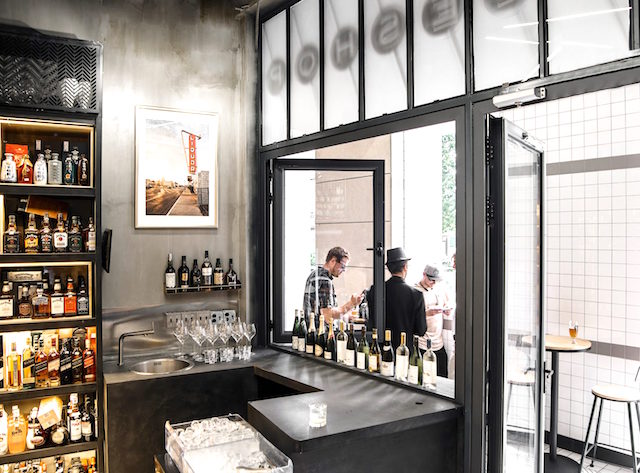
    A retro wave has swept over Korea in the past few years, as cafes and restaurants began adopting designs from the 1970s to the ’90s. Many have enjoyed success.

    Lee Hyang-eun expects “newtro,” the term used to describe the return of the retro, to continue winning over fans from all age groups this year.

    “The return of the 1970s-to-’90s style brings back memories for older generations, but offers a whole new culture for young people in their teens and twenties,” said Lee.

    “A new form of retro with a youthful touch will be all the rage in 2019.”

    The key to newtro is not bringing back the past as it was, but polishing it to suit contemporary tastes. Good examples are Dosan Bunsik, a casual restaurant that rose to social media fame last year, as well as Fila’s Disruptor 2, a fresh take on a shoe originally released in the 1990s.

    “The trend is positive for brands, which can target new customers, and for young consumers as well, who can develop a sense of respect for cultures and objects that are older than them,” said Lee.

    Chamelezones 

    Chamelezones, or spaces that transform beyond their intended purpose, is another trend to keep an eye out for in 2019.

    Dongchoon 175 is a warehouse-turned-shopping mall in Yongin, Gyeonggi, that is becoming a huge hit with women in their 30s and 40s. Previously a logistics warehouse, the building now hosts everything from clothing stores to a trampoline park and a Finland-forest inspired lounge.

    “As chameleons change color based on their surroundings, these spaces transform according to different situations” said Lee.

    Businesses can also use chamelezones to win customers back to brick-and-mortar stores by encouraging interactive experiences and hosting regular exhibitions and concerts.

    “It’s important to breathe new life into spaces and attract people by adopting new concepts and technologies,” said Lee. “The key here is to create experiences and satisfy the five senses.”

    Data intelligence 

    Data intelligence is expected to be a dominant theme this year.

    This technology combines data analysis capabilities with voice and facial recognition tools to personalize a user experience and give businesses a better idea of consumer preferences.

    “When you process data once, it becomes information, and when you process it once more, it becomes intelligence,” said Lee. “Do it once more, and you get wisdom.”

    Data intelligence-powered services are already offered by the world’s biggest companies.

    Amazon’s Echo Look, for example, processes and analyzes a user’s outfits to make style recommendations, while new makeup apps can now apply eye shadows and lipstick on users virtually and recommend foundation shades based on skin tones.

    Gender neutral 

    Gender neutrality, a long-running theme, seems to be evolving and going beyond the simple idea of swapping dominant colors and dressing up.

    “Even with what we call unisex fashion, women just end up wearing men’s clothing,” said consultant Kim Yong-sub. “Gender neutral seeks to erase the distinction between the genders itself, and this trend is quickly expanding across not only fashion and beauty businesses but corporate structures in other sectors.”

    Kim predicts that the movement to look beyond people’s genders will gain traction in 2019, especially after the Me Too campaign and claims of harassment have shaken Korea.

    “There are times where trends stop being limited to a social issue and become economic, and that is happening with gender issues today,” he said.

    Single origin

    People will become more selective about what they eat too, Kim says.

    Starting around 2016, Koreans started pursuing their preferences in consumption instead of simply following the masses. Kim believes 2019 will be the year when people have fully developed preferences and adjust their lifestyles accordingly.

    He calls this preference-based consumption.

    “The tendency to prioritize personal preferences will become especially evident in food consumption, leading people to try to identify the origin, types and the processing methods of whatever they eat,” he said.

    The rise of the single-origin coffee attests to the growing power of personal preferences.

    Single-origin coffee is made with beans grown from a single farm, geographic area or country. Many consumers seek them out as they want to taste the flavors of a certain region instead of blends, which are made of coffee beans from several places.

    Plastic alternatives

    Environment-wise, 2018 was the year of awakening for Korea, especially on matters regarding plastic waste.

    Cafes stopped offering plastic cups in stores last year, while franchises replaced plastic straws with paper straws. Many companies are expected to continue going green this year.

    “In the past, only a small minority demonstrated an interest in environmental issues, but now celebrities and the wealthy also talk about them,” said Kim.

    As popular figures show interest, it will become fashionable to talk about the environment, Kim predicts.

    “Now, corporate interest in the environment is not a matter of choice but also of survival,” he continued. “Only businesses that actively react to environmental issues will attract consumers.”


  • Amazon sees ‘record breaking’ holiday season

    Amazon sees ‘record breaking’ holiday season

    Global online marketplace Amazon has announced a record-breaking holiday season, with customers shopping en-masse across both the Christmas and Boxing Day sales events on the storefront. “This season was our best yet… we are thrilled that in the U.S. alone, more than one billion items shipped for free this holiday with Prime,” Amazon chief executive of worldwide consumer Jeff Wilke said.

    While the online store didn’t provide sales figures, Australian purchases saw a love of gaming push sales of the Nintendo Switch and New 3DS XL consoles dominate the holiday period, as well as Sandisk memory cards and various video games compatible with the systems themselves.

    Fashion brands Birkenstocks, Bonds, Champion, Nike, Tommy Hilfiger and Puma were also noted as being “particularly popular” through the period.

    “We were delighted to see so many Australian consumers shopping across all categories on Amazon.com.au in the run up to Christmas [and] during our Boxing Day Sale Event,” Amazon Australia country manager Rocco Braeuniger said.

    “Our first year in Australia saw us increase selection five-fold to over 100 million products and introduce many new products and services for customers to enjoy, [and] we look forward to bringing much more to Australian consumers in 2019.”

    In the lead up to the event, research from PayPal noted that it expected a quarter of Australian shoppers to head online on Boxing Day, with 70 per cent of those surveyed stating that online shopping is less stressful.

    “Australians are looking for the best deals, not the stress that’s traditionally associated with heading out to the shops for the Boxing Day sales,” PayPal shopping expert Liz Lefort said.

    “Increasingly those deals, or better deals can be found online, and Aussie shoppers are taking heed of that.”

  • Startups blooms in Vietnam, liked by youngster

    Startups blooms in Vietnam, liked by youngster

    An increasing number of young Vietnamese are taking the startup route, willing to take risks and wait for rewards. Pham Khanh Linh seemed to be all set on a rewarding career, finding a job at global financial firm Goldman Sachs after graduating from the Cambridge University. But she quit the job in less than a year. Instead of pursuing a corporate employee path, the 25-year-old decided to return to Vietnam and start her own business, which she did last year.

    She said her ambition is to make a difference in her country.

    “I didn’t feel like I could make a difference with a corporate job. I wanted to influence more people,” she said.

    Linh is the founder and CEO of Logivan, a logistics service which optimizes trucks’ routes and reduces their empty load return rates. She came up with the idea after observing that about 60-70 percent of truck drivers in Vietnam go back to their base with empty trunks, because they cannot be connected with potential customers.

    “I saw a big problem for the logistics sector in Vietnam, but also an opportunity to make an impact.”

    Linh is one among an increasing number of aspiring entrepreneurs in Vietnam who are seeking to make a difference with startups in a country that is encouraging young people to start their own businesses.

    Le Anh Tien is another. While many of Tien’s friends at the University of Science and Technology in the central city of Da Nang began a quest for a stable corporate career immediately after graduation, he demurred.

    Tien joined with two other partners to found Chatbot Vietnam last year, a startup which provides solutions for businesses on Facebook Messenger to answer customers’ questions and help them order a product without the need for a customer service officer.

    With 13 employees, the 28-year-old plans to expand the service to Indonesia and the Philippines next year. “There are investors who are interested, but I haven’t said yes to them. I’m waiting for someone who could offer me a million-dollar investment.”

    About 75 percent of fresh graduates in Vietnam are interested in starting their own business, according to a recent survey by Navigos Search, a leading provider of executive search services in Vietnam.

    Fifty-two percent of them have never attempted a startup before but want to in the near future, while 22 percent of them have attempted at least once, said the survey, which polled 1,600 graduates with less than two years working experience.

    Nguyen Phuong Mai, managing director of Navigos Search, said that Vietnam is seeing a young generation of entrepreneurs who are determined to pursue the startup path.

    “These young people have a strong entrepreneurship spirit. We can observe this spirit in large companies, and even in our own,” she said.

    Supporting environment

    What motivates these people to start up is the support from the government and local companies in recent years, Mai added.

    At the Youth Startups Forum 2018 in Hanoi last November, Prime Minister Nguyen Xuan Phuc said that the Vietnamese government is willing to make changes in regulations to facilitate timely funding for startups.

    “We need a breakthrough innovation in policies from government bodies to help startups succeed with their ideas,” he told the forum, which attracted 300 entrepreneurs from across the country.

    Investment funds are also ready to pour cash and back aspiring young entrepreneurs. In August, Linh’s Logivan, dubbed “Uber for trucks,” received an investment from the Vietnamese fund VinaCapital Ventures, which has set aside $100 million to invest in technology startups.

    Singapore-based Ethos Partners and Singapore-based Insignia Venture Partners have also invested in the startup, bringing the total investment that Logivan has raised in the second round to $1.75 million, after raising $600,000 for the first round in March.

    In early December, Logivan became one of four winners of Pitch@Palace Global 3.0, a platform hosted by the Duke of York to accelerate the work of international entrepreneurs.

    Linh became the only Vietnamese representative to win the Entrepreneur of the Year title in a competition of 23 entrepreneurs from countries like Australia, China, Hungary and Singapore and the U.K.

    Tien’s startup, Chatbot Vietnam, also received financial support of $30,000 last year from Amazon and Facebook in the FbStart program, which is designed to assist mobile startups in their early stage.

    Another reason why more young people, aging from 26 to 35 years old, want to open startups is a desire to make an impact in their own country, said Mai of Navigos Search.

    Although there are a high number of young people who found a startup because they want to be successful and rich, Navigos surveys show that other popular reasons are “wanting to be a boss” and “wanting to have a personal value on the market,” she said.

    Inevitable failures

    The number of Vietnamese startups successful in attracting investment has been increasing in recent years, reaching 92 in 2017, a 45 percent increase over 2016, according to the Topica Founder Institute, which organizes an annual program that trains and connects startups with potential investors.

    The total value of the deals was $291 million in 2017, up 42 percent from 2016, the institute said.

    However, challenges are unavoidable for the new companies. Mai said that with a large number of people attempting startups, venture funds can only select a small number, leaving the rest to their own devices.

    The lack of funds is a vital challenge to startups. “80-90 percent of startups fail in the early stages because they don’t have enough funding to move on to the expansion stage,” Phan Hoang Lan, head of the Financial Planning Division under the Ministry of Science and Technology’s Market Development Department, said at a forum earlier.

    Mai added that most startups also fail because young leaders, no matter how passionate, lack the skills to manage a new company as well as the capability to create a complete product that is well-received by the market.

    Tien’s knows this struggle too well. His previous startup, a service which connects laborers with potential workplaces, could not continue due to a lack of funds. Other projects have also failed because the team members weren’t on the same page.

    But the failures are not in vain.

    Tien’s goal to pursue his own dream seems to have been partly achieved when Chatbot Vietnam became one of the top five companies in the Startup Viet 2018 competition in November. It also received a prize from Grab Venture, an innovation arm of ride-hailing firm aimed at supporting Southeast Asia’s startups.

    “Every time my startup fails, I learn something which I could never have known without the failures. Starting a business helps me become more versatile and complete.”

    “If this startup fails, I’ll do another. I still have a couple of ideas left,” he said.

  • Artificial intelligence is $300 billion cost-saving opportunity

    Artificial intelligence is $300 billion cost-saving opportunity

    The use of artificial intelligence in the retail sector is a $300 billion cost-saving opportunity for retailers which are able to scale and expand the technology, though just 1 per cent of retailers have achieved the necessary level of development, according to research from Capgemini Research Institute. The study looked at 400 global retailers, and how they are implementing the burgeoning technology at different stages of maturity, and found that over a quarter of retailers are deploying AI in their businesses – a seven-fold increase from 2016.

    “For global retailers, it appears reality has kicked in regarding AI, both in terms of what the technology can achieve and what they need to do to get there,” Capgemini vice president global consumer products and retail sector Kees Jacobs said.

    “Of course, deploying and scaling will be the next big objective, but retailers should be wary not to chase ROI figures without also considering the customer experience.”

    According to the research, retailers deploying AI systems were eight times more likely to be working on high-complexity projects rather than smaller projects which are easier to scale, and generally lack a focus on customer usability.

    Only 10 per cent of such retailers noted customer experience as a driving factor of these developments, and only 7 per cent noted customer pain points as a priority. Meanwhile, cost (62 per cent) and ROI (59 per cent) are driving most investment into the space.

    Despite this, 98 per cent of retailers surveyed expect customer complaints to decrease, while 99 expect to see an increase in sales, as a result of investment into AI – far ahead of the more contrasted expectations noted in 2017.

  • Kathmandu Australia drops expectations after slow holiday sales

    Kathmandu Australia drops expectations after slow holiday sales

    Outdoor retailer Kathmandu has seen sales fall over the first 15 weeks of the 2019 fiscal year after sales during the December Summer Sale failed to reach expectations, deflating the retailer’s projections for 1H2019. Same store sales for the 22 weeks ending 30 December fell 1 per cent year on year, falling 0.2 per cent in Australia and 2.4 per cent in New Zealand.

    “Following strong same store sales growth in Q1, we are disappointed in trading results in Australia and New Zealand over the Christmas and Boxing Day period,” Kathmandu chief executive Xavier Simonet said.

    “Despite sales being below expectation it is pleasing to see the improvement in retail gross margin and continuing strong growth from the recently acquired Oboz business.”

    Gross margin improved to roughly 64 per cent over the period, partially offsetting the lower than expected sales to date for the 2019 year.

    First half sales in US footwear brand Oboz are now projected to grow 35 per cent to approximately $23.5 million (NZ$27.5 million), and see a gross margin of 40 per cent.

    Total group profits are expected to reach approximately 4 – 8 per cent above 1H2018, assuming current trends continue.

  • China Slowdown, Trade Disputes Weigh on Asia Factory Activity

    China Slowdown, Trade Disputes Weigh on Asia Factory Activity

    Factory activity weakened across Asia in December as the Sino-US trade war and a slowdown in Chinese demand hit production in most economies, strengthening the case for a pause in interest rate hikes in the region in 2019. A series of purchasing managers’ indexes (PMI) for December released on Wednesday mostly showed declines or slowdowns in manufacturing factory activity across the region. In China, the Caixin/Markit PMI slipped into contraction territory for the first time in 19 months, broadly tracking an official survey released on Monday.

    China’s weakness spilled over to other Asian economies, with Malaysia’s manufacturing activity shrinking to its weakest pace of expansion since it launched the survey in 2012 and Taiwan contracting to its lowest since September 2015.

    Meanwhile, official economic data out of Singapore showed its gross domestic product grew more slowly than forecast in the fourth quarter as the city-state’s manufacturing sector contracted on a quarterly basis.

    In other regions, the eurozone was expected to post steady manufacturing activity growth, while US activity was seen a tad slower, but firmly in expansion territory, in a sign that so far China has suffered more bruises from its trade frictions than the United States.

    With growth slowing and inflation below or barely within the target in most countries, Asian central banks are unlikely to continue their tightening cycle this year, barring any shocks in currency markets.

    “We are really seeing a global slowdown into this year, and in Asia, particularly export-oriented countries are hurting,” said Irene Cheung, Asia strategist at ANZ.

    “Our expectation for central banks is that most of them won’t change policy in 2019 and these numbers coming out on the weak side won’t change that outlook.”

    The world’s two largest economies agreed at the start of December to a 90-day truce following tit-for-tat tariffs that have disrupted the flow of hundreds of billions of dollars of goods between the two countries.

    The two sides have pledged to hold frequent talks in the next two months, but uncertainty over whether they can bridge massive differences over commercial practices and intellectual property rights remains very high, despite US President Donald Trump noting “big progress” in a tweet.

    Tariffs are not the only drag on China’s economy. Beijing’s sustained drive to reduce debt risks in the economy has cooled the property market and curbed credit flows to the private sector. Meanwhile, the government’s intensified crackdown on pollution has dented industrial activity.

    In a key annual conference last month, China’s top leaders said they will boost support for the economy in 2019 by cutting taxes and keeping liquidity ample while promising to continue negotiations with Washington.

    “The People’s Bank of China may have to ease further to offset the impact of tariffs,” said Robert Michele, chief investment officer and head of fixed income, J.P. Morgan Asset Management.

    China’s economic growth slowed to 6.5 percent in the third quarter of last year, the weakest since the global financial crisis. As reported, government advisers had recommended a growth target of 6.0-6.5 percent for this year at the annual meeting, though the final figure won’t be made public until the annual parliament meeting in early March.

    Oil Drive

    A sharp drop in the crude price at the end of last year has helped sentiment in Asia’s oil-importing economies, where trade deficits are a key vulnerability.

    Indonesia’s PMI index, although still weak historically, rose to 51.2 from November’s 50.4, a four-month high. India’s declined to 53.2 from 54.0 but capped the strongest quarter for the country’s manufacturing sector since late 2012. Philippines PMI was also 53.2.

    But Malaysia, which relies heavily on oil revenues, saw its weakest reading ever at 46.8.

    Taiwan and South Korea, which are heavily focused on tech production, also saw their activity shrink. The US-China trade war affects chip orders and coincides with a slowdown in demand for smartphones globally.

    The contraction in South Korean manufacturing activity continued last month albeit at a slower pace, its PMI showed, with new export orders declining for a fifth consecutive month. Taiwan’s PMI, meanwhile, fell to its lowest since September 2015. Japan publishes PMIs on Jan. 4.

    Vietnam’s PMI fell to 53.8 from November’s 56.5, but the index’s 2018 average was the highest since the survey’s debut in 2011.

    The Southeast Asian economy is widely seen as benefiting from the US-China trade war as companies look to establish operations in the country to avoid the tariff crossfire.

  • Korea e-commerce hits high of 10.62 trillion won in November

    Korea e-commerce hits high of 10.62 trillion won in November

    The total value of online shopping in Korea reached a record high in November, government data showed Wednesday, in the latest sign that a growing number of Koreans are using computers or mobile devices to buy things ranging from clothes to electronic goods. Total online transactions reached 10.62 trillion won ($9.5 billion) in November, up 22.1 percent from a year earlier, according to the data compiled by Statistics Korea.

    The reading marked the highest amount since January 2001 when the statistics office started collecting data on online shopping.

    Sales of electronic goods and computers rose 22.7 percent on year to 1.68 trillion won, and demand for clothes jumped 10.4 percent to 1.45 trillion won in November, while online sales of food and beverages surged 32.3 percent to 911.4 billion won.

    Purchases made through smartphones, tablets and other mobile gadgets soared 28 percent on year to a record 6.59 trillion won, accounting for 62.1 percent of all online sales in November.

    Korea is one of the most wired countries in the world, with one of the highest smartphone penetration rates.

    The number of smartphones in Korea came to 50.5 million as of October, compared with 48.3 million a year earlier, according to separate government data.

  • Yum! appointed new leader for Pizza Hut Asia Pacific

    Yum! appointed new leader for Pizza Hut Asia Pacific

    Pizza Hut International on Tuesday announced that Unnat Varma, Managing Director, Pizza Hut India Subcontinent has been elevated to the position of Managing Director, Pizza Hut Asia Pacific effective 1 January 2019. In his new role, he will be responsible for steering Pizza Hut to the next phase of growth across the Asia Pacific region. Varma will be based in Pizza Hut APAC headquarters at Singapore and will report to Vipul Chawla, President, Pizza Hut International. As part of the APAC growth strategy, Pizza Hut India-Subcontinent will now be inducted under the Asia Pacific Business Unit. In total, Varma will oversee over 5500 stores across 22 countries.

    With Varma at the helm since 2015, Pizza Hut India-subcontinent has achieved strong business results with 10 successive quarters of positive Same Store Sales Growth. The brand has also expanded its physical store footprint – having recently launched its 500th physical store in the Indian Subcontinent.

    Under his stewardship, Pizza Hut has also pioneered the Fast-Casual Delco (FCD) concept in India, which offers a seamless integration of dine-in, takeaway and delivery channels, all under one roof and also upgraded all its digi-tech assets including the website, m-site and mobile app.

    These initiatives have enabled Pizza Hut to deliver on the promise of providing the Easiest, Fastest and the Tastiest pizza experience to consumers in India. As a result, Pizza Hut has been voted the most trusted brand in India for the 12th time in a row (as per a reputed media house) and was awarded the prestigious EFFIE Gold in the Foods and Confectionery category in 2018 for its outstanding consumer-centric performance.

    Varma is a respected and credible leader with over 24 years of industry experience. He joined Yum! in February 2006 and was elevated to Director Marketing, KFC, India Subcontinent in 2008. In February 2011, he took over the role of General Manager – Taco Bell and was responsible for launching the brand as the next growth engine for Yum! in India.

    After successfully establishing a strong foundation for KFC and Taco Bell, Varma was appointed as General Manager – Pizza Hut, India Subcontinent in December 2015and thereafter promoted as Managing Director – Pizza Hut, India Subcontinent in February 2016.

    Varma is also the Chairman of FICCI Task Force on Food Service Retail. Prior to joining Yum!, he worked with Gillette in India for 12 years across sales and marketing functions.

  • Sears US to close further 80 stores by March

    Sears US to close further 80 stores by March

    Bankrupt US retailer Sears has informed 80 further stores of impending closure, in addition to the 40 store closures already announced. The second batch of closures is expected to be finalised by late March 2019, with liquidation sales expected to begin in early January 2019. The closures have been made in an effort to accelerate and facilitate the ‘strategic transformation’ of the business, as well as assist its financial restructuring, though GlobalData Retail managing director Neil Saunders notes that the brand is now at rock bottom.

    “As a last roll of the dice, Sears has attempted to shrink its way to success by closing stores,” Saunders said.

    “While closure sales have helped to temporarily boost footfall and revenue at some shops, they have done nothing to put the firm on a sound footing. Nor have the efforts improved perceptions.”

    According to data from the research firm, overall customer usage of both the Sears and Kmart brands has fallen over the holiday period, and brand perception has fallen below the year prior.

    “Ultimately, reinventing Sears now would be akin to raising the Titanic and making it seaworthy again: a thankless and rather pointless task,” Saunders said, continuing that liquidation is the most likely outcome at this point of the bankruptcy process which began in October 2018.

    “In our view, the lack of bids and the difficulties [Sears chairman] Eddie Lampert is having in raising finance for his own offer reflects the fact that Sears is essentially worthless.”Adtech Ad

    Lampert stepped down as company chief executive when it filed for bankruptcy in October, and made a last-minute US$4.4 billion bid to buy the retailer in late December.

    The bid would “offer employment to up to 50,000 associates”, according to CNBC, and may divert the liquidation process should Sears’ advisors decide the bid to have come from a “qualified bidder”.

  • Vietnamese platform FastGo expands to Myanmar

    Vietnamese platform FastGo expands to Myanmar

    FastGo, Vietnam’s first ride-hailing service, has kicked off operations in Myanmar as part of its Southeast Asia expansion plans. Its joint venture with Myanmarese conglomerate Asia Sun Group began offering services on December 28. CEO Nguyen Huu Tuat said at the launch that Myanmar is a promising market with the e-commerce, travel and retail sectors all growing rapidly. With a population of 50 million, transport demand in the country is expected to rise, he said.

    FastGo targets major cities and provinces and expects to sign up two million users and 100,000 drivers.

    It pursues the same business model as in Vietnam, only taking a fixed service cost from drivers and not commissions on each ride and guaranteeing them higher fares during rush hour and bad weather.

    It allows users to tip drivers, and offers a priority service for certain customers.

    Tuat said FastGo has tied up with Asia Sun because the group has experience in various sectors, deep pockets and an understanding of the local market and culture.

    He expected the venture to benefit Myanmar’s digital economy.

    FastGo was launched in Vietnam last June and now has over 40,000 partner drivers in 10 provinces and cities.

    It aims to be more than just a ride hailing app, offering other services such as food delivery.

    FastGo Vietnam Joint Stock Company was established in April 2018 with its headquarters in Hanoi. The company belongs to a wide network of services provided by Nextech, a leading tech firm in Vietnam.

    The Nikkei Asian Review reported that the company hopes to make its service available in 20 cities in Vietnam and five other Southeast Asian markets, including the Philippines, Cambodia and Thailand, by the end of 2019.

  • AirAsia eyes Vietnam launch, turnaround India and Japan units

    AirAsia eyes Vietnam launch, turnaround India and Japan units

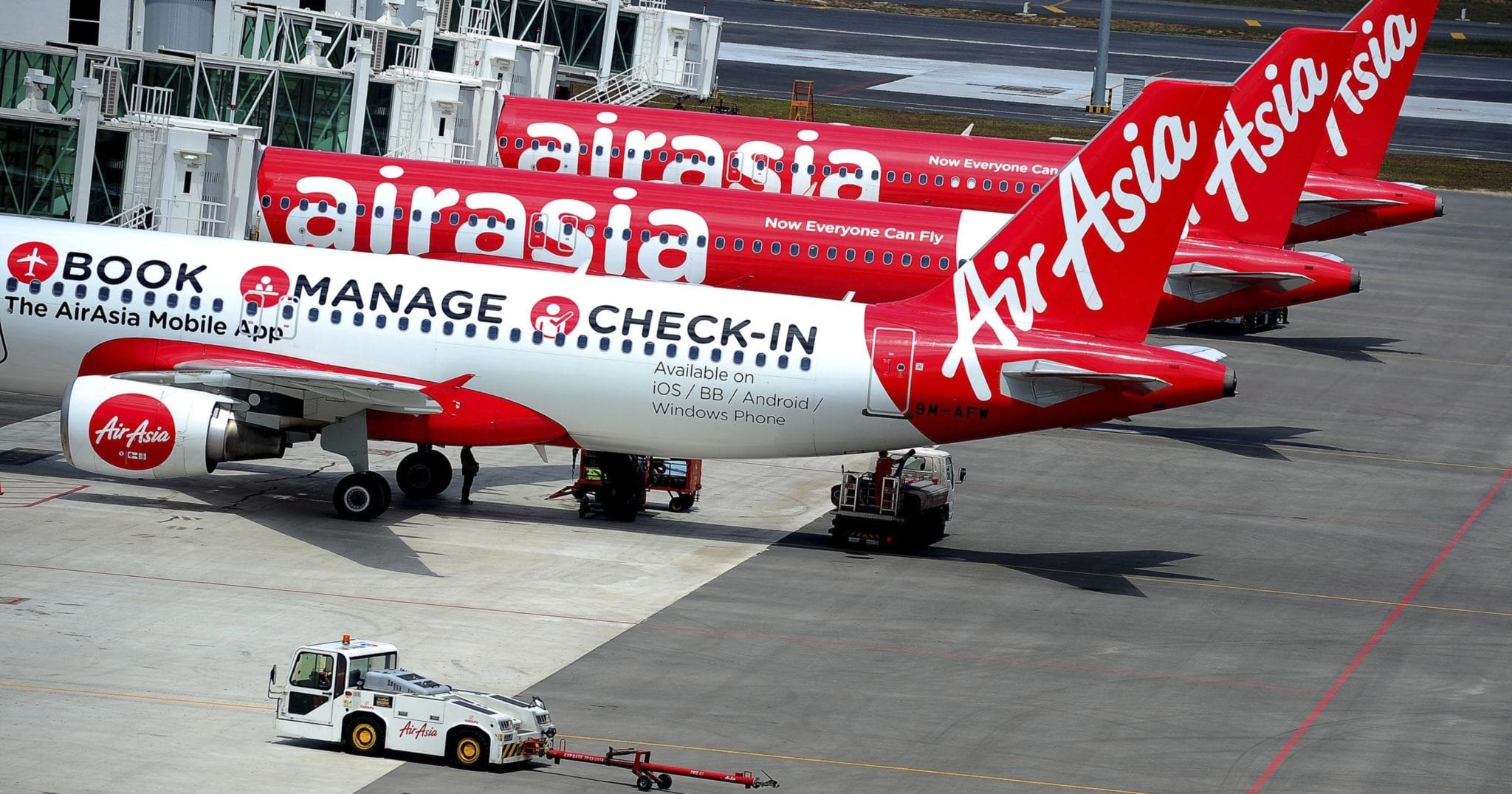
    AirAsia Group chief executive Tony Fernandes says the group has no plans to establish new subsidiaries over the next three years, apart from a unit in Vietnam. In a series of tweets, Fernandes says the low-cost carrier will focus its efforts on launching AirAsia Vietnam, as well as making Indonesia AirAsia and AirAsia Philippines “very profitable”. Last December, AirAsia signed a memorandum of cooperation with Thien minh Travel for a Vietnamese joint venture.

    Meanwhile, AirAsia‘s Indonesia and Philippines units, which have suffered losses over the years, have had their financials incorporated into the Group since the start of 2017. AirAsia has said that it is planning for a secondary listing for its Indonesia operations in fiscal 2019.

    Fernandes is also expecting AirAsia India and AirAsia Japan to be profitable by 2021. AirAsia India is working towards launching international services while AirAsia Japan plans to start connecting to points in North Asia.

    “We have a great seam[less] franchise. Indonesia, Malaysia, Thailand, Philippines and Vietnam… All the major populations and growing economies. Coupled with two great countries to enable us to cover the world – India and Japan.”

    The AirAsia Group previously had plans to launch a China unit and signed a MoU in May 2017. The pact with China Everbright Group and the Henan Government Working Group however lapsed in August 2018.

  • China’s first ‘Audio Library’ in a shopping mall opened

    China’s first ‘Audio Library’ in a shopping mall opened

    In the age of digitalization, shopping malls have evolved from a place for consumption to the “Third Space” in people’s everyday lives. Shopping malls provide a comfortable and relaxing environment with humanitarian touches by truly connecting with customers. CityOn.Xi’an has recently collaborated with the nationwide famous audio sharing platform Himalaya to build China’s first ‘Audio Library’ in a shopping mall, enabling customers to enjoy a literary cultural experience while shopping.

    As a well-known audio sharing platform in China, Himalaya currently has 480,000,000 mobile users and its market value grew 1,000 times since its establishment five years ago. As a typical unicorn company, the Xi’an Municipal People’s Government signed a strategic agreement with Himalaya in 2018, in which the ‘Audio Library’ created by CityOn.Xi’an and Himalaya has brought the consumption culture in Xi’an to the next level.

    CityOn.Xi’an creates a real-life library setting through its infrastructure development. Customers just need to scan the QR code upon entrance of the audio library, and they can gain access to Himalaya’s different free audio book channels created exclusively for CityOn.Xi’an customers. The wide variety of selection includes literature, education, food and beverage, travel, fiction, etc. allowing customers to enjoy extraordinary audio entertainment as they shop or dine.

    In addition, the best-seller reads that are popular among young customers that would normally require payment such as ‘Ma Dong’s Career Plan B’ or ‘Kevin Tsoi’s 201st EQ Lesson’ are free to listen for customers in CityOn.Xi’an. To provide a better interactive experience, CityOn and Himalaya exclusively created ‘audio card’, where customers at CityOn.Xi’an can design and customize their own audio greeting cards to send blessings to their loved ones just through a scan of the QR code.

    CityOn.Xi’an’s extensive collaboration extends beyond offline to online, where customers are offered a brand-new way to receive messages from the mall. CityOn.Xi’an utilizes Himalaya’s platform to create an exclusive radio channel for CityOn.Xian, enabling customers to receive messages, member benefits, brand details, and customer service information immediately. Customers can either use offline QR code scan or manual search on Himalaya APP to gain first hand information on the happenings of CityOn.Xi’an.

    The breakthrough approach completely transforms communication between a shopping mall and customers, where message delivery is now easier and livelier.

    CityOn.Xi’an’s General Manager Xu Jing Dong said, “CityOn.Xi’an has always been at the forefront of new retail and has achieved numerous firsts in the nation. For example, CityOn.Xi’an innovatively implemented APP technology in a wide variety of services, such as launching the world’s first offline experience store for DiDi, China’s first SF Express delivery customer service store, and the first to have a smart electric bike stop, motorcycle charging facility, and Ponycar flagship store in China’s north-west region.

    These O2O collaborations have brought CityOn.Xi’an and customers closer together, successfully converting online traffic to offline footfall and achieved record-breaking performance in customer traffic and sales.

    ‘Audio Library’ represents CityOn.Xi’an’s mission of being customer-centric and innovative, striving to be the commercial landmark of Xi’an and the whole of China’s north-west region. The collaboration truly reflects CityOn.Xi’an’s commitment and effort in bringing outstanding retail experience to customers through partnerships with different third parties, and to set the benchmark of customer service in the industry.

  • DHL announce ecommerce service expansion in Turkey

    DHL announce ecommerce service expansion in Turkey

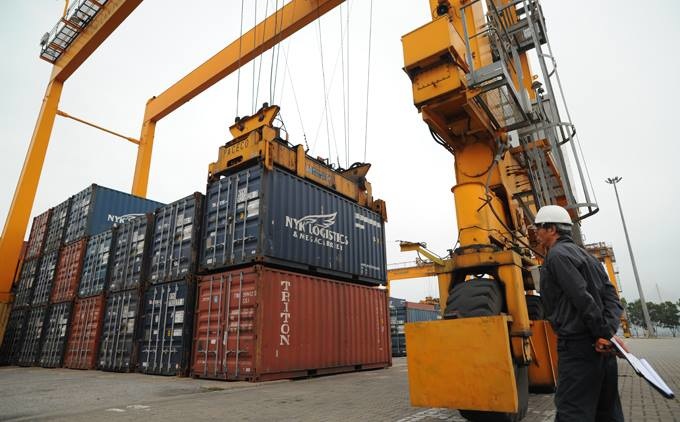
    German based logistics firm DHL Express has said it will be investing more on ecommerce operations and infrastructure in Turkey in a bid to expedite parcels passing to and from Europe and several other parts of the world. A key part of the innovations and improvements will be a new operations hub at Istanbul airport but more developments are planned.

    The announcements were made at the DHL International Cross Border eCommerce Summit, which took place in Istanbul during December. And it was noted that the importance of Turkey is its strategic position as the meeting point between Europe, Africa and Asia. As a crucial trading hub, they reckon that DHL will be able to move consignments to numerous destinations in the Middle East and Africa more quickly by operating through Turkey.

    This makes Turkey a very important country for us, and we are working to make it a regional hub,” Leendert van Delft, VP Global Sales Programs DHL Express said. The operation center at the airport in Istanbul will be the first step in that direction the vice president announced. “Today, when you look at the world, everyone speaks of the US and China as ecommerce markets. But in the case of Turkey, you’re not at the initial phase of this journey, but you have actually moved from the infancy to the stage of walking. It is time for Turkey to run now.

    DHL says that their current share of global ecommerce deliveries is estimated to be in the region of 29% but they they hope to achieve something closer to between 40-50% by the end 2020. They also note that the DHL portion of same stood at 5% in 2016 and increased to 10% at the start of 2017 before rising to 15% in November 2017. And as competition and ecommerce increases, an ongoing share of business of roughly 25-30% is their reported aim.

  • SsangYong Motor rehires 60% of its workers

    SsangYong Motor rehires 60% of its workers

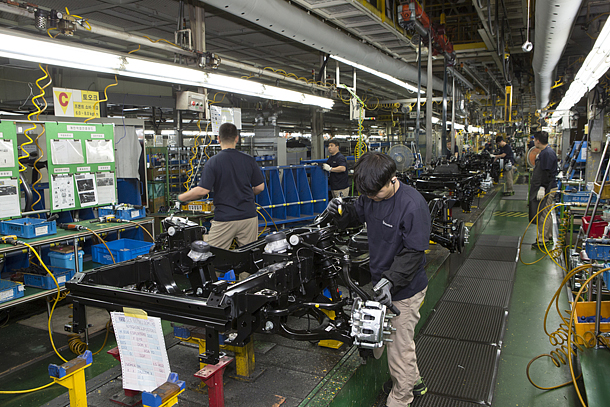
    SsangYong Motor said Monday that it has rehired 60 percent of workers who were sacked amid the carmaker’s restructuring efforts over a decade ago. The maker of the Rexton and Tivoli SUVs has been mired in protracted disputes with those who left the company against their will in 2009 after it was placed under court receivership. At that time, 900 workers who carried out a strike at the company’s main Pyeongtaek plant in Gyeonggi were ordered to choose between unpaid leave or voluntary retirement.

    Those who decided not to pick either option were later fired.

    In 2013, the 454 workers who had chosen unpaid leave were all reinstated, but the 165 fired workers were not permitted to return to work.

    After a series of negotiations in 2015, the company and its union agreed to gradually reinstate the fired workers, although some were left out of the agreement.

    In September 2018, the company and its union reached an agreement to rehire the remaining 119 fired workers by this year.

  • New Vietnam international airport welcomes first passenger flight

    New Vietnam international airport welcomes first passenger flight

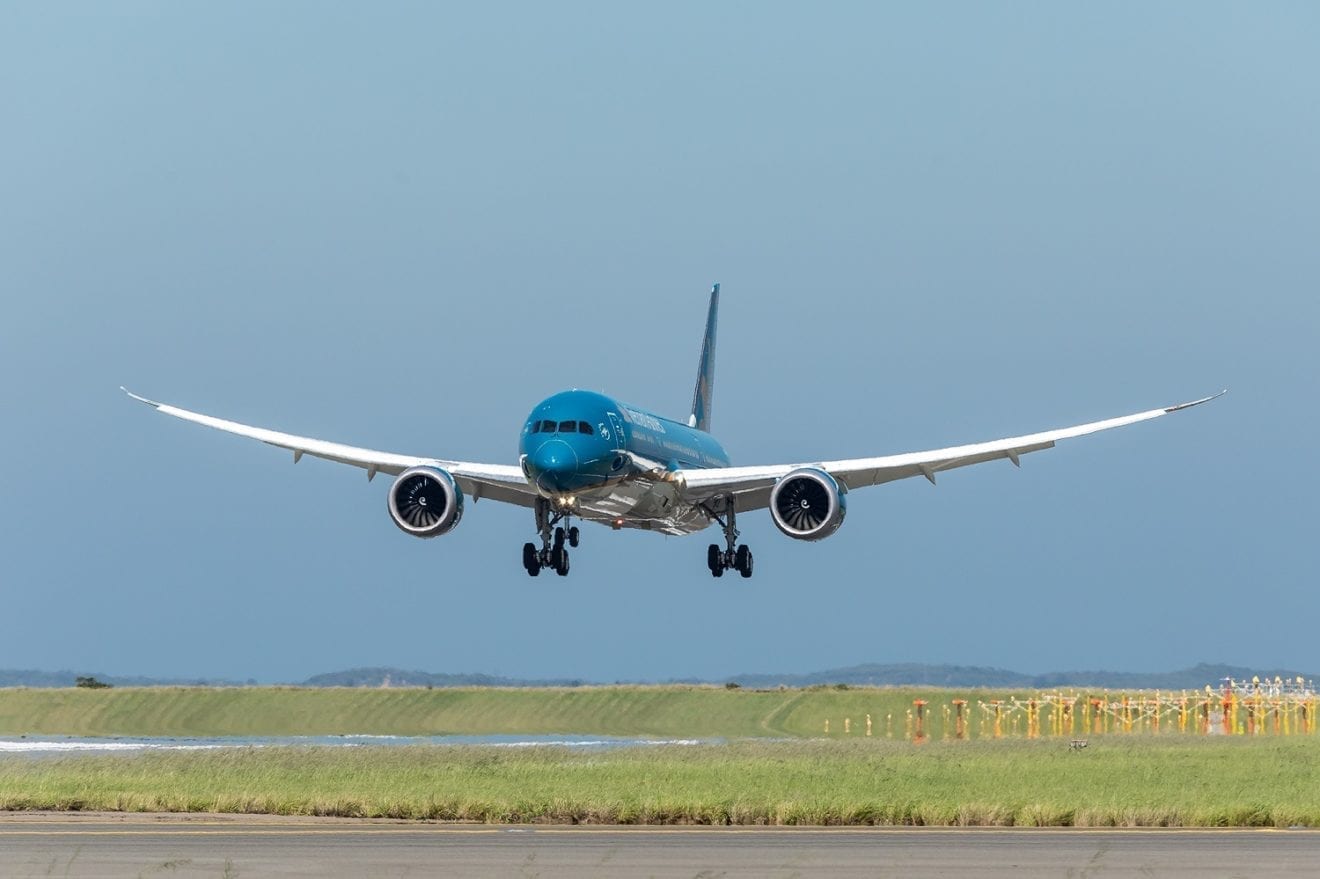
    An international airport that will be used for both commercial and military purposes was officially opened to traffic after two years of construction. A Vietnam Airlines Airbus A321 carrying Vietnam’s Prime Minister Nguyen Xuan Phuc and government officials made the first touchdown at the Van Don International Airport near the world-famous Ha Long Bay on Sunday morning, marking the opening of the first private airport in Vietnam.

    Construction of the airport, 50 kilometers away from Ha Long Bay in the northern province of Quang Ninh, began in 2015.

    The 325-hectare (803 acres) airport, owned by real estate giant Sun Group, costs VND7.7 trillion ($330 million) and can handle 2.5 million passengers a year equivalent to 1,250 passengers per hour. Its parking bay will have place for at least four aircraft by 2020 and seven by 2030.

    It is expected to focus on services to Northeast Asian destinations like South Korea, Japan, Taiwan, and mainland China and Southeast Asian ones like Thailand, Malaysia, Singapore, and Cambodia. Domestically, flights will mostly be to and from the southern and central regions.

    The airport now has four gates and the number will be increased to seven by 2030.

    Prime Minister Nguyen Xuan Phuc said at the airport’s opening ceremony that Quang Ninh has much potential to attract more tourists and the new airport would help the province raise the number of tourists from current 15 million to 50 million in the coming time.

    As Van Don District is home to one of the three special economic zones planned in the country, the airport is expected to open up opportunities for socio-economic development in the area, including tourism at Ha Long Bay, said Nguyen Duc Long, Chairman of Quang Ninh Province.

    The private airport is among a series of infrastructure projects aimed at boosting the tourism industry, including a new expressway between Ha Long and the proposed special economic zone in Van Don and the Ha Long International Passenger Port, which were both officially operational from December 30.

    The launch of the Van Don Airport made it easier for foreign tourists to touch down in Ha Long Bay, which was named among the world’s seven new natural wonders by Swiss organization New Open World in 2011.

    The bay was used to film the recent Hollywood blockbuster “Kong: Skull Island”, and has been raved about by many travel bloggers.

    Quang Ninh welcomed 7.5 million travelers in the first half of 2018, including 2.46 million foreigners, up 14 percent from a year ago. Tourism revenues for the period rose 31 percent year-on-year to VND12.8 trillion ($546.7 million), according to official figures.

    Vietnam’s aviation industry has experienced rapid growth in recent years. The country served some 106 million passengers this year, a 12.9 percent increase from last year and highest of all time.