Tag: asia

  • Korean Air’s jets get name of East Sea badly wrong

    Korean Air’s jets get name of East Sea badly wrong

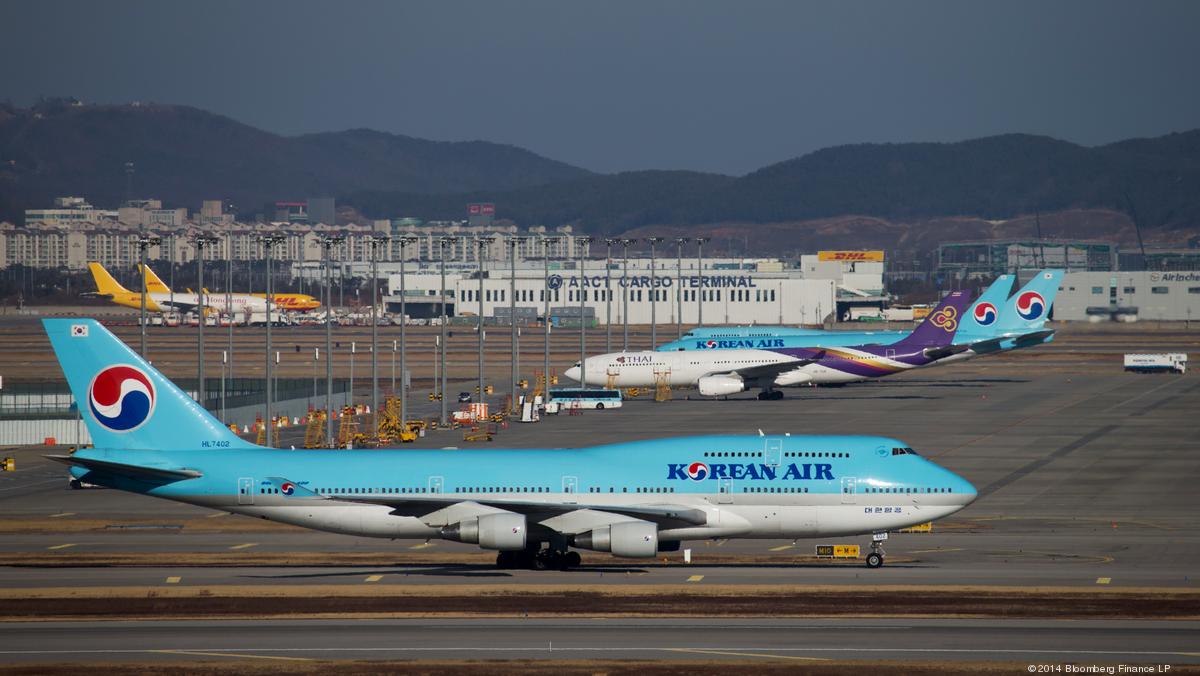
    Korean Air, the country’s flag carrier, displayed maps with the “Sea of Japan” aboard some its flights rather than the East Sea, the name supported by the Korean government. The Japanese name of the sea, which is opposed by Korea, was found on a number of passenger-entertainment monitors. According to news reports Sunday, 3-D maps on the displays aboard 787-9 Dreamliner aircraft were found to make the designation.

    Korean Air confirmed Monday that seven of its nine B787-9 planes had the problem. All other aircraft marked the location as the East Sea.

    A spokesman explained that a software upgrade was undertaken to change the maps into 3-D visuals, and that the company failed to notice the wording supplied by the developer.

    “The developer of the 3-D map is a company in the United States,” he said.

    Adjustments to replace the Sea of Japan by the East Sea in the seven aircraft were to be finalized Monday.

    “I was told that the modified version was sent to us today and delivered to the division in charge by 5 p.m,” added the spokesman, saying that the changes would be made by the end of the day.

    He said the company did not know why the other two B787-9 aircraft did not have the same problem.

    The controversy is the result of an ongoing dispute between Korea and Japan over the name of the sea located between the two countries. Both argue that their respective names had been used historically.

    Since South and North Korea first raised objection to the “Sea of Japan” name in 1992, the research on the subject has yielded conflicting conclusions.

    Korean Air received similar criticism in 2012, when its official homepage used the “Sea of Japan” name instead of the East Sea. The problem resulted from the company’s use of the Google Map service.

  • India eyes $100 billion FDI in next two years

    India eyes $100 billion FDI in next two years

    India will aim to receive $100 billion in foreign direct investments in the next two years and special industrial clusters are being created for countries like Japan, South Korea, China and Russia where their companies can invest and operate, Union minister Suresh Prabhu said. The commerce and industry minister said his ministry has also identified sectors and countries which holds huge potential for investments in India.

    “I have given a target. $100 billion of FDI should come from different sectors into India. It will not happen in one year. We have identified companies, sectors and countries and now we are going for road shows to attract investors,” Prabhu said.

    He said India would remain a top destination for foreign investors in 2019 and the ministry would look at all sectoral issues that may come come in the way to attracting overseas investments.

    “For countries like Japan, South Korea, China and Russia, we are creating industrial clusters where they can invest and operate,” Prabhu said.

    The minister said China has agreed to set up industrial parks in India and the Chinese authorities have been asked to give a list of companies that are willing to set up factories in India.

    Similarly, India would be happy to welcome firms from Europe and the US who want to move out of other countries and set up manufacturing bases in India, Prabhu said.

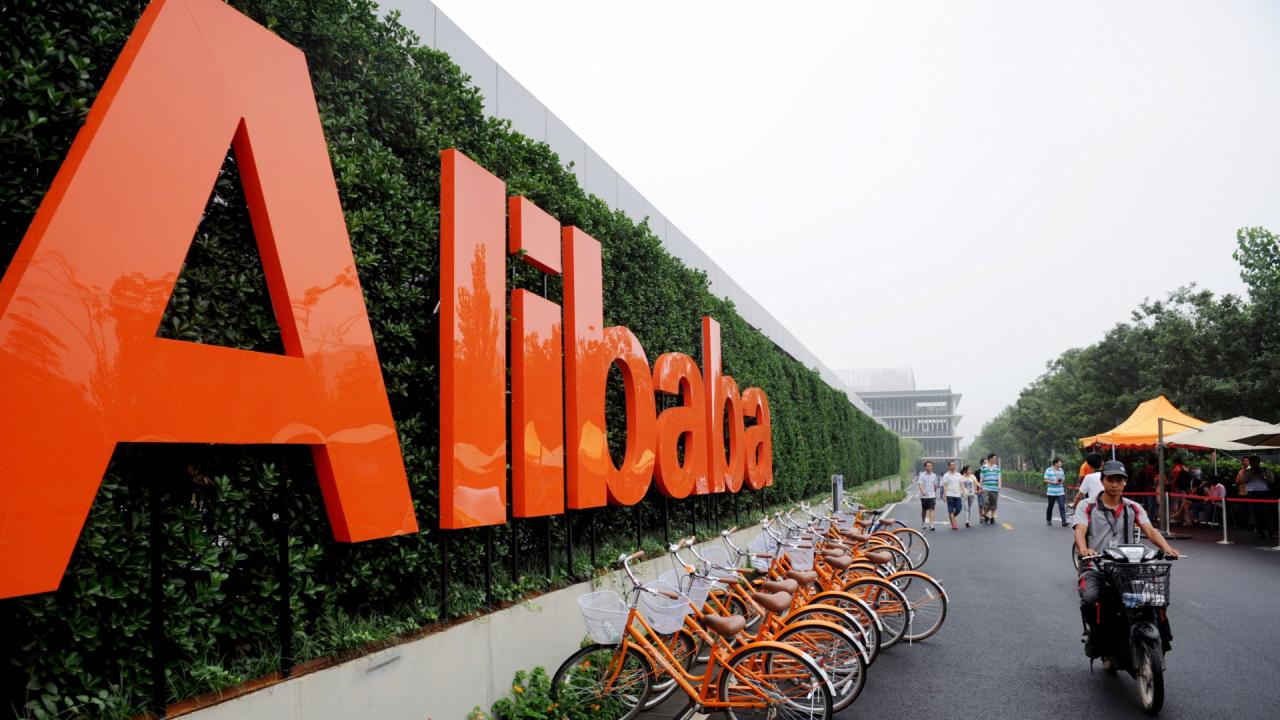
  • 2018 : Alibaba’s news about F&B, starting from Starbucks’ partnership

    2018 : Alibaba’s news about F&B, starting from Starbucks’ partnership

    Starbucks launched its first virtual store in China powered by technology from Alibaba Group, providing a unified, one-stop digital experience across the Starbucks app and mobile apps within the Alibaba ecosystem, including Taobao, Tmall, and Alipay. The first-of-its-kind virtual store leverages an online management hub developed specifically for Starbucks by Alibaba. It provides consumers integrated access to Starbucks’ digital offerings, including “Starbucks Delivers,” “Say it with Starbucks” social gifting and merchandise available from Starbucks’ Tmall flagship store.

    Alibaba’s technology streamlines the shopping process, pulling offers that were available in multiple digital apps into a single access point. Adopting a centralized approach to its mobile presence enabled by the Alibaba ecosystem, Starbucks now has a complete overview of its consumers’ actions online. Moreover, the integration of membership between Starbucks and the range of Alibaba apps is expected to fuel strong growth in Starbucks Rewards membership in China.

    The new virtual store steps up the collaboration announced by Alibaba and Starbucks in August 2018, when the companies agreed a deep, strategic “New Retail” partnership. Ele.me, China’s leading on-demand food delivery platform, owned by Alibaba, provides Starbucks delivery service for 2,000 stores across 30 Chinese cities.

    In October 2018, Starbucks also piloted its first “Star Kitchens” within two FRESHIPPO (previously known as Hema) supermarkets in Shanghai and Hangzhou. As the first retail brand to establish a dedicated back-of-house presence in FRESHIPPO locations, each Star Kitchen utilizes the distinct fulfilment and delivery capabilities on-site to complement the handcrafted beverages offered through existing Starbucks stores.

    The launch of Starbucks’ virtual store is also the latest example of how the so-called “Alibaba Operating System” empowering traditional retailers. After years of development in this digital age, Alibaba has created a unique system to support enterprises in the process of digital transformation that covers critical areas such as retail, marketing, finance and logistics.

  • Supermarket retailer Big C opens 147th hypermarket

    Supermarket retailer Big C opens 147th hypermarket

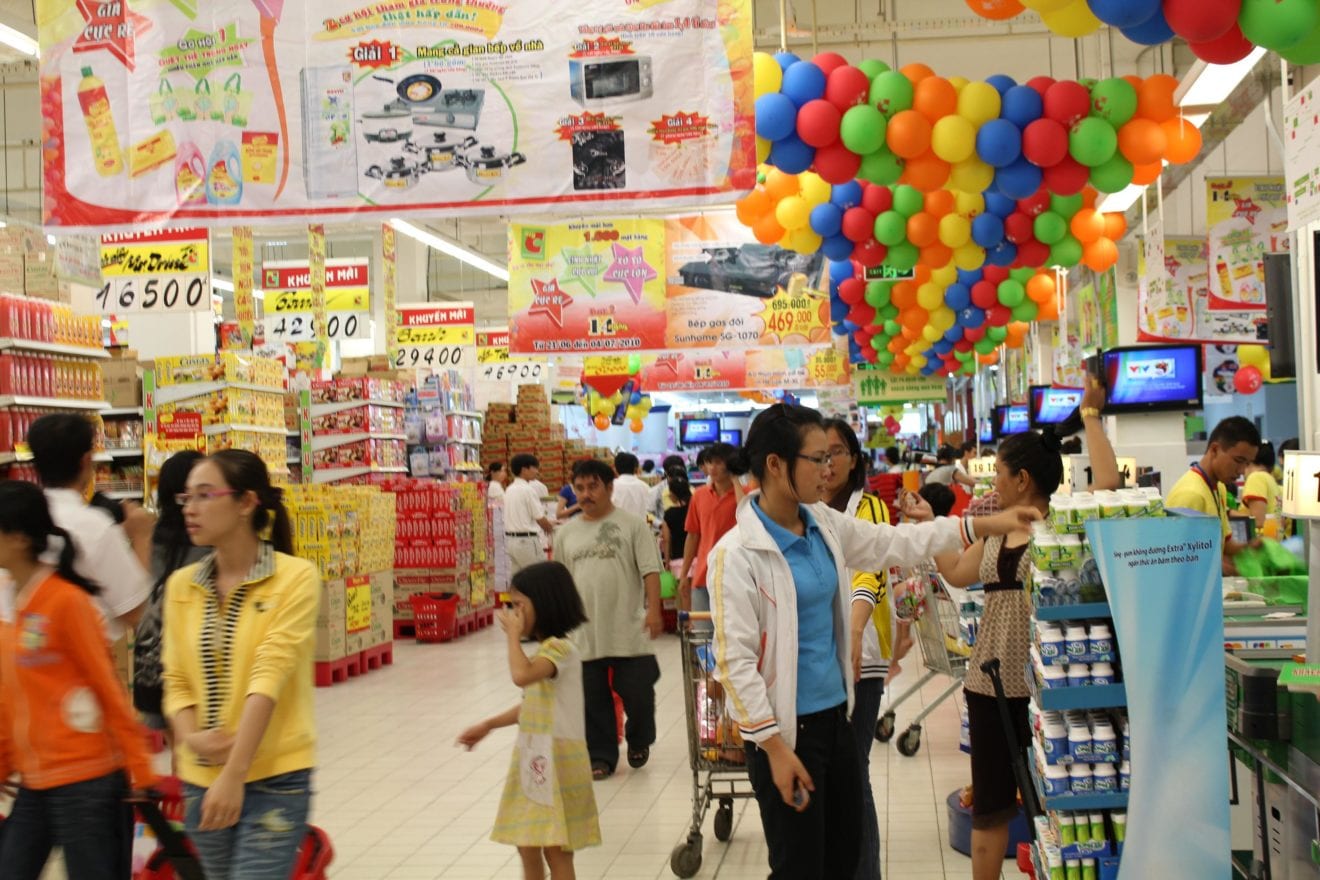
    Supermarket retailer Big C has launched its 147th hypermarket at Nakhon Si Thammarat. Big C Supercenter CEO Aswin Techajareonvikul said Big C’s business has continued to expand this year. “We are recruiting new employees to drive our promising business providing the best shopping experience to our customers. “In Nakhon Si Thammarat, we are offering the new shop-in-shop concept serving the variety of customers. We also focus on home appliance and electronic products responding to trend and consumers’ interests in electronics and IT products.”

    The new centre will employ more than 1000 workers and joins the firm’s network of hypermarkets, 60 markets, 671 Mini Big Cs, and 138 Pure Pharmacies, as well as e-commerce channel Big C Shopping.

  • Prosecutors drop charges against Samsung chairman

    Prosecutors drop charges against Samsung chairman

    Prosecutors dropped tax evasion and embezzlement charges against Samsung Group Chairman Lee Kun-hee on Thursday. The decision was based on the judgment that further investigation into the case was impossible due to Lee’s health issues. The investigation may resume if Lee recovers, but the possibility is slim. Lee has been hospitalized for more than four years now since a fall in May 2014.

    Lee was accused of avoiding taxes worth 8.5 billion won ($7.6 million) that involved multiple bank accounts under the names of Samsung executives. More than 1,700 accounts were found to have been used for this purpose since 2008, when the investigation started.

    Another charge against the chairman was the embezzlement of 3.3 billion won from Samsung C&T, which was used to pay for the interior renovation of Lee’s private home.

    The Seoul Central District Prosecutors’ Office, however, did decide to indict four Samsung executives who played a role in the two cases – one for the tax evasion scheme and three for the embezzlement case.

  • Thailand’s Supersports stores rebranded as fashion shops

    Thailand’s Supersports stores rebranded as fashion shops

    Thailand’s CRC Sports has rebranded its Supersports business as a sports fashion store in a move targeting millennials. Last month’s rebranding modernises the business’s image and transforms the performance store model into the fashion world. The logo has also been revised with green motifs to suggest environmental awareness.

    Three Supersports stores have already been updated with the new look, including the CentralWorld location, with 50 stores scheduled to follow early next year.

    President Tony Morton said: “Our new motto is ‘The new Supersports, where Sport is fashion’, in response to the trend of millennials being fashion-conscious, cool, healthy and cheerful.”

    The firm will also expand its online sales efforts in the coming year, with the total market size for sporting goods in Thailand expected to be worth THB30 billion (US$916.3 million) by the end of this year.

    Supersports drew in THB300 million ($9.163 million) in online sales last year – 3.5 per cent of Supersports’ THB8.5 billion ($259.78 million) total revenue – and expects online sales to reach THB500 million ($15.28 million) next year.

  • VN-Index ends year 10 percent lower

    VN-Index ends year 10 percent lower

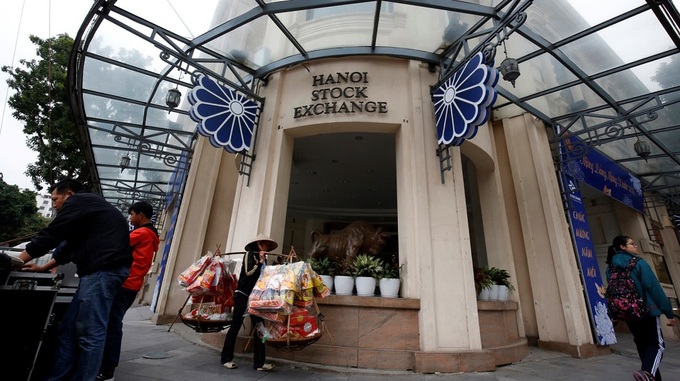
    The VN-Index closed the last trading day of 2018 at 892.54 points, down almost 10 percent from the year’s outset. This was a drop of 93 points from January 2, the first trading day of the year. The benchmark closed below the 900-point mark on Friday, a drop of over 25 percent from its peak at over 1,200 points in April. The VN30-Index, representing the 30 largest tocks in terms of capitalization, closed at 854.99 points, dropping 10.46 from Thursday, or 1.21 percent lower.

    Many stocks in the VN30-Index also ended in the red. Diary giant Vinamilk closed at VND120,000 ($5.2), 2.6 percent lower.

    Vietnam’s top petro importer and distributor Petrolimex fell 5.69 percent to VND53,000 ($2.3), while food company Masan dropped 1.9 percent to VND77,500 ($3.36).

    However, the HNX-Index on the Hanoi Stock Exchange and the UPCoM-Index for unlisted public companies ended in the green, up 0.24 percent and 0.46 percent respectively.

    Vietnam’s largest private firm Vingroup (VIC) ended the day at VND95,300 ($4.13), 6.93 percent lower. Vincom Retail’s VRE stock dropped almost five percent to VND27,000 ($1.17).

    Total market capitalization of all three stock markets, the Ho Chi Minh City Stock Exchange (HOSE), HNX and UPCoM, was VND4 trillion ($173.25 million).

    2018 has proved the most turbulent year for VN-Index since the 2008 crisis, ending an increasing run since 2016.

  • Miu Miu Siam Paragon boutique reopened

    Miu Miu Siam Paragon boutique reopened

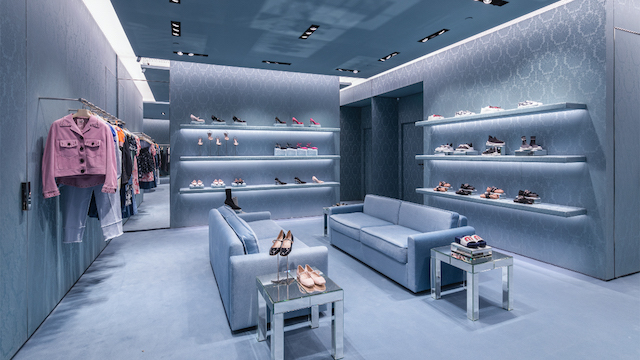
    Italian fashion brand Miu Miu is reopening its Siam Paragon boutique as the first Thai location to introduce its new concept store. The new 140sqm outlet strengthens the brand’s presence in Bangkok with a refreshed interior design and new collections of its signature accessories, bag, shoe and ready-to-wear collections.

    Among Miu Miu’s current offerings are evening dresses enhanced by Swarovski crystals and garments featuring 60’s-inspired elements.

  • Petronas buys 10% of Block 61 onshore Oman

    Petronas buys 10% of Block 61 onshore Oman

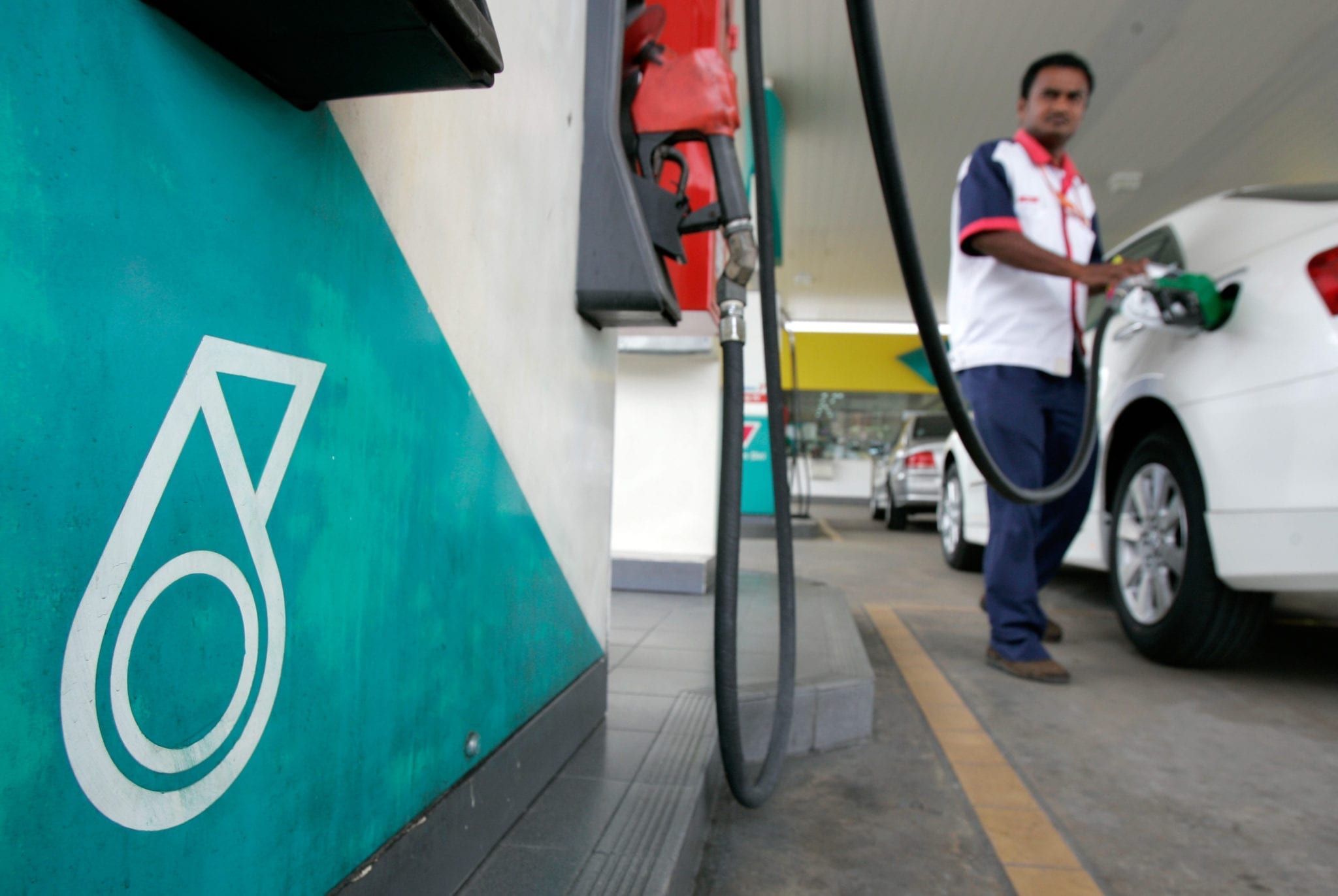
    Petroliam Nasional Bhd (Petronas), through its subsidiary, PC Oman Ventures Ltd (PCOVL) has acquired a 10% stake in Block 61, onshore Oman from Makarim Gas Development LLC (MGD), after the conditions for the completion of the transaction were fulfilled. MGD is a subsidiary of Oman Oil Company Exploration & Production LLC. Petronas said the completion of the transaction was formalised at an event held in Muscat, Oman on Dec 27.

    Following the deal, MGD’s stake in Block 61 will be reduced to 30%, while P Exploration (Epsilon) Ltd as the operator holds the remaining 60% stake.

    Petronas noted that the acquisition of Block 61 marks an important step in realising the group’s growth strategy in the upstream sector in the region and globally, as it aligns its activities to ensure sustainable energy supply.

  • Vietnam court orders Grab to pay Vinasun $208,000

    Vietnam court orders Grab to pay Vinasun $208,000

    Grab should pay Vinasun VND4.8 billion ($208,000) for damage it has caused the top taxi firm, a court ruled Friday.

    The People’s Court of Ho Chi Minh City said in its verdict that Grab had committed many mistakes in its operations in Vietnam, tantamount to unfair competition, which damaged Vinasun’s business.

    Before 2016, Grab had registered almost 300 contract cars in Ho Chi Minh City, which increased to 23,000 by the end of last year. This led to a decrease in the number of active Vinasun cars, causing damage worth VND4.8 billion, the court found.

    By June 2017, Vinasun had provided 1.1 million trips to its customers, while Grab had over 2 million. This shows that the number of Grab cars has continuously increased causing many Vinasun cars to stay unused in parking lots, the court said.

    Grab’s entrance into the Vietnamese market has also lowered Vinasun’s market share, a damage of VND81 billion ($3.49 million).

    Although its entrance has negatively affected Vinasun, the taxi firm could not prove that Grab was the only company to cause this damage, the court said.

    For this reason, the court only required Grab to pay Vinasun the sum of VND4.8 billion for unused cars.

    Change Grab’s status

    The court also proposed that Vietnamese authorities start defining Grab as a transport business.

    Grab has said in many documents to Vietnamese authorities that it is only a technology company and not a transport company. It has also said it only provides electronic transactions and free technology for customers via electronic receipts, which has been approved by the Ministry of Transport.

    But the electronic contracts that Grab mentioned did not confirm to definitions under Vietnam’s Law of Electronic Transactions, the court said.

    It noted that Grab’s contracts did not say who the parties to them were and there were no dispute resolution terms.

    “Grab claims to be a company which provides technology and does not conduct a taxi business nor manage the drivers. But in fact, Grab does manage the drivers and charges transport fees,” the verdict said.

    “When customers order a ride, they transfer their money to Grab or pay via the driver a sum from which Grab takes a percentage. Grab also determines the bonus and punishment for drivers,” it added.

    Furthermore, Grab’s business activities do not follow the law, which requires an automobile transportation business to ensure the number of vehicles and service quality, the court said. The law also requires the business to provide employees with labor contracts, traffic safety training and social security.

    Grab does not follow these regulations and does not pay the taxes it should as a transport business, the court said.

    Since 2016, the Inspectorate of the HCMC Department of Transportation has listed 29 violations committed by Grab concerning not having a business registration certificate, list of transport contracts, and taxi signs, the court said.

    Grab has also ignored twice the Ministry of Transport’s documents asking the company to stop its service with contracted vehicles, it said.

    The ride hailing firm has also violated the law in how it gives out promotions and increase and decrease transport fees multiple times a day, the court added.

    Vinasun had filed the suit against Grab in June last year. It said Grab’s illegal activities were responsible for nearly VND42 billion ($1.8 million) of the VND76 billion ($3.25 million) in losses it had suffered in 2016 and the first half of 2017.

    The trial began in February, but was adjourned a month later to allow for more evidence to be gathered. Grab had protested the valuation of Vinasun’s losses.

    Last October, prosecutors asked the court to accept Vinasun’s petition for compensation of nearly VND42 billion, rejecting Grab’s claim it was a tech firm and not a taxi company.

    Grab responded by writing to Prime Minister Nguyen Xuan Phuc, saying that identifying it as a taxi firm would be “a step backward from Industry 4.0.”

    The latest draft of a Ministry of Transport decree requires firms offering taxi services to register as taxi firms before they can apply ride-hailing technology.

    This means that Grab and other ride-hailing firms have to register afresh as taxi businesses and comply with legal requirements related to operating licenses, drivers’ profiles and taxes.

  • FamilyMart expands Bangkok delivery service with Kerry

    FamilyMart expands Bangkok delivery service with Kerry

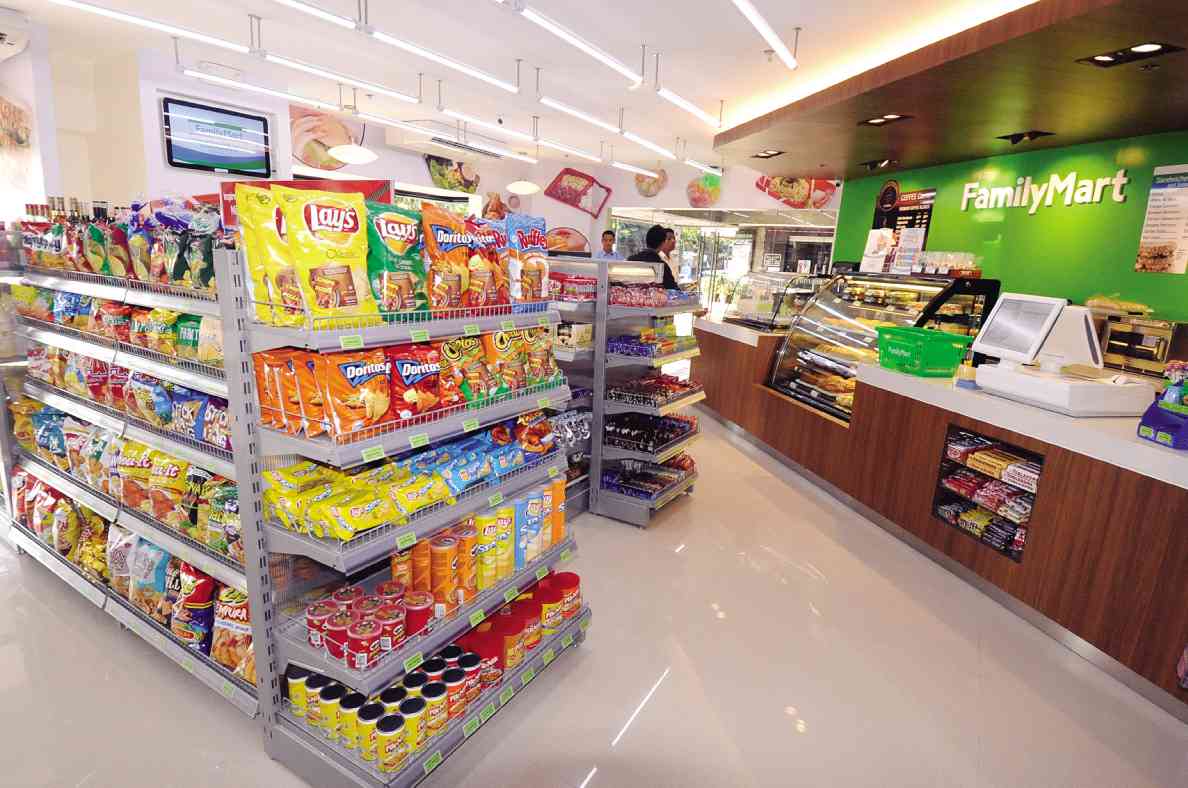
    Convenience store chain FamilyMart has partnered with logistics operator Kerry Express to expand its Bangkok delivery service. “Today, the e-commerce market has grown continuously for more than 20 per cent annually, and individual consumers have also had a greater demand for express delivery over the past three to five years,” said Central FamilyMart president Chiranun Poopat.

    “We have introduced Kerry Express, an express delivery service, available 24 hours a day at our FamilyMart stores in Bangkok and surrounding locations. The door-to-door express delivery will be provided to our individual customers so that they will be able to send their parcels to any locations throughout the Kingdom with fast and high-standard delivery process.”

    The new service is being promoted with a free limited-edition parcel delivery box available to customers during the Christmas period. The box will be provided to customer spending more than THB79 (US$2.42) via its express delivery service.

  • IDG Capital and Hong Kong-based I.T Group invests in Acne Studios

    IDG Capital and Hong Kong-based I.T Group invests in Acne Studios

    Acne Studios has sold minority stakes to China-focused investment firm IDG Capital and Hong Kong-based I.T Group, ending almost a year of speculation that the brand would be acquired by a larger rival.

    Acne, one of the earliest and most successful purveyors of the “Scandinavian cool” style that has since become popular across fashion and design, had held talks with potential buyers as far back as 2013, from French luxury conglomerate Kering to private equity firms. Earlier this year, the company was working with Goldman Sachs on a possible sale, at a valuation of up to €500 million ($570 million).

    Instead, IDG and I.T Group will acquire stakes of 30.1 percent and 10.9 percent respectively, from Öresund, Creades and PAN Capital, Acne said in a statement Sunday. Founder Jonny Johansson and executive chairman Mikael Schiller will remain majority shareholders in the business.

    When Acne began shopping itself around earlier this year, the M&A market for fashion and luxury was booming, powered by perceived growth opportunities and increasing market complexity that made it harder and harder for sub-scale players to compete without greater access to the capital — and expertise — that sophisticated and deep-pocketed strategic or private equity investors can bring to the table. Over the course of 2018, Dries Van Noten sold a majority stake to Spanish luxury group Puig for an undisclosed sum, and Missoni sold a 41.2 percent stake to FSI Mid-Market Growth Equity Fund in transaction worth €70 million. Most recently, Michael Kors acquired Versace for $2.1 billion.

    But in recent months, the temperature of the market has changed. The ongoing trade spat between the US and China has fuelled economic uncertainty and raised questions about the future of luxury demand. Shares of publicly traded luxury brands have plummeted.

    The Stockholm-based label, founded in 1996, launched as a niche denim brand and has since built a strong modern contemporary-luxury name, well known for its upscale ready-to-wear and a distinct Scandinavian vibe that is popular with streetwear-attuned millennials. While the brand has yet to develop a strong leather goods offering, its sneakers are gaining traction. Last year, it generated $221 million in sales revenue with Ebitda, a measure of operating profit, of $35 million. It has over 50 own-brand stores in 13 countries.

    However, sales growth slowed at the brand last year, rising just 9 percent, the slowest pace in at least a decade, according to a Goldman Sachs presentation to potential buyers. The brand still generates 43 percent of its sales through a network of 600 wholesalers, a potential point of vulnerability in a world where direct-to-consumer fashion is stealing market share from department stores.

    Acne’s two new investors are likely to give the brand a leg up in Asia, already a key source of growth (Asia drove one-quarter of Acne’s sales last year, second only to Europe, according to the Goldman presentation). I.T Group has served as Acne’s Asian retail partner since the early 2000s. IDG Group, which has also invested in Farfetch and Moncler, specialises in expansion opportunities in China and the rest of Asia (10 of the firm’s 13 offices are based in the Asia region).

    “Acne Studios will greatly benefit from their extensive know-how within fashion and the rapidly evolving universe of online and offline retail,” Schiller said in a statement.

  • Korean iPhone owners claim low trade-in prices

    Korean iPhone owners claim low trade-in prices

    iPhone users are accusing Apple of paying Korean customers less for their trade-ins than the devices are worth, while noting differences between promotions in other countries and those in Korea.  If an iPhone owner wants to return an older model when buying a new device, iPhone Korea said it will offer up to a 300,000-won ($268.56) discount on the latest smartphones, the iPhone XS and iPhone XR. Korean customers are outraged.

    They claim that the deal has been made available to them a full month later than in other countries. In the United States, Japan and China, trade-in opportunities started in late November. The amount in compensation is also said to be too low.

    Apple Korea announced on Dec. 24 that it is taking iPhone trade-ins at its retail store in Garosugil, Seoul, and will continue to do so until late January next year.

    If the user returns an older model, it is possible for them to buy the 990,000 won iPhone XR for 690,000 won and the 1.37 million won iPhone XS for 1.07 million won.

    Internet community Clien exploded with comments on Dec. 25, the day after the announcement. “I might as well sell it at the Gangbyeon Electronics Mart rather than returning it to Apple,” said one. Another added: “It is disrespecting the customers.”

    While iPhone Korea only compensates up to 300,000 won for an iPhone 7+ released two years ago, the price for an iPhone 7+ in the second-hand market near Gangbyeon and Sindorim is around 380,000 won, according to mobile community Cetizen.

    If the product is an S class with almost no cracks, the price goes up to 450,000 won.

    After typing in the serial number for a black iPhone 7 with 128 gigabytes into the trade-in page on Apple Korea’s website, a reporter received a quote of 174,000 won. In the second-hand market, users can sell the phone for at least at 289,000 won. Apple is offering 115,000 won less for the device.

    Lee Doo-hee, a programmer who enjoys using Apple products said, “I can get more money if I sell directly, so I do not feel any need to go to the Apple store in person and exchange my iPhone.”

    Apple U.S. announced that it is offering trade-ins of about $300 for those buying an iPhone XR and iPhone XS. This is about 10 percent more than in the Korean market.

    NTT Docomo, Japan’s No. 1 mobile company, is offering the iPhone XR for 25,920 yen ($235.05), around 260,000 won, for those signing a two-year contract. No similar discounts are offered in Korea.

    “For Apple, Korea is the home turf for Samsung Electronics, Apple’s old enemy,” according to a source in the sector.

    “Apple only has to get a fair amount of earnings from hard-core iPhone fans, which possibly account for 15 percent of all mobile communications users in Korea. That is why it is pursuing unfavorable policies, like excluding certain countries from promotions.”

    It is believed that the current promotion from Apple Korea is due to the slump in sales of recent iPhones. High prices are seen as the main cause of the recent slowing of sales growth.

    Kuo Ming-chi, a Taiwanese Apple expert as well as an analyst at TF International Securities, has revised his first-quarter 2019 sales volume estimate for iPhones from a 47 million to 52 million range to a 38 million to 42 million range.

    A report written by Kuo was titled: “Shipments of iPhones in 2019 could be below 190 million.”

    The market value of Apple exceeded one trillion dollars in September last year. It is now around $700 billion.

  • Raf Simons exits Calvin Klein

    Raf Simons exits Calvin Klein

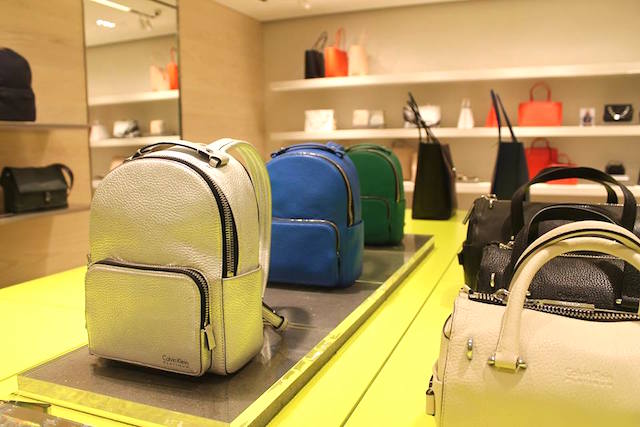
    Raf Simons is exiting Calvin Klein less than two years after his debut as its first chief creative officer and eight months before the end of his contract. The brand will not stage a runway show in February. The designer’s stint at Calvin Klein — coming after his turn as artistic director of women’s haute couture, ready-to-wear and accessory collections at Dior — won plaudits within the industry but failed to resonate commercially. His exit was widely expected after Calvin Klein parent PVH Corp. chief executive Emanuel Chirico last month criticised the brand’s uneven financial performance and skew toward “high-fashion” under Simons.

    “Both parties have amicably decided to part ways after Calvin Klein Inc. decided on a new brand direction which differs from Simons’ creative vision,” the company said in a statement. A representative for Simons declined to comment.

    Simons’ appointment in 2016 was met with much fanfare. The Belgian designer, as well known for his cult menswear label as his well-regarded stints at Jil Sander and Dior, was given a multi-million-dollar salary and the title of chief creative officer, with oversight over all aspects of marketing and design for the American megabrand, a degree of control he did not have at Dior.

    From the start, hiring a high-concept fashion designer for a brand best known to consumers for its denim, underwear and provocative marketing was a risky move. But PVH leadership saw competing businesses like Ralph Lauren stagnating for lack of creative innovation, while European stalwarts like Gucci soared after radical creative overhauls.

    With Simons, Calvin Klein hoped to not only generate a halo effect for its lower-priced products, but transform the label’s high-end ready-to-wear business, renamed 205W39NYC, from a marketing expense into a commercial powerhouse.

    But from the very beginning of Simons’ tenure, there was a disconnect between his personal aesthetic and the needs of a multi-billion-dollar, multi-tiered brand, driven less by high design and more by mass marketing, an area in which Simons had no experience. His first advertising campaign for the ready-to-wear collection, received mixed feedback. Shot by longtime collaborator Willy Vanderperre, it was arty and bloodless; far from the sexualised minimalism for which the brand was so well known.

    Yet there was plenty of industry praise for Simons’ catwalk shows. And in the first season alone, doors selling 205W39NYC jumped from 30 to 300. What’s more, Simons seemed committed to the cause of translating his designs into mass sales, visiting with Macy’s executives and hiring the Kardashian family to pose for underwear and denim advertisements.

    As recently as March, PVH appeared committed to the partnership as well, with Chirico touting the “credibility” that 205W39NYC would bring to the brand’s other lines. But PVH’s patience began to wear thin over the course of 2018, as the buzz generated by Simons failed to translate into consistent revenue growth.

    In September, a runway concept that required Simons to show off-site (recent catwalks have been held on the ground floor of the company’s headquarters) was scrapped due to budgetary constraints. Then, according to multiple sources, PVH expressed concerns that Calvin Klein’s extensive partnership with the Andy Warhol Foundation — which included merchandise — was too arty and high-brow for a mass audience.

    PVH, which also owns Tommy Hilfiger, missed sales projections in its most recent quarter. And Chirico last month called out the 205W39NYC ready-to-wear collection’s failures, adding that Calvin Klein’s recent denim collection had been a “fashion miss.” The brand’s revenue grew just 2 percent in the third quarter to $963 million. PVH shares are down 35 percent this year.

    “We will cut back on a number of these planned investments in the 205 collection business, and as we move forward, we will [be taking] a more … commercial approach to this important business,” Chirico said after PVH released financial results in November, adding that Calvin Klein will shift the focus of its marketing campaigns from high-fashion to more affordable items targeting a more mainstream audience.

    In recent months, the company had begun to dial back on some of Simons’ responsibilities, installing L’Oréal veteran Marie Gulin-Merle to be Calvin Klein’s new chief marketing officer, reporting not to Simons but to the brand’s chief executive Steve Shiffman.

    Simons earned multiple awards from the Council of Fashion Designers of America during his time at Calvin Klein and his absence will be keenly felt at New York Fashion Week, where he was one of the few designers who could command true international attention.

    “Raf brought a unique point of view to American fashion and the CFDA wishes him future success,” said CFDA chief executive Steven Kolb. “Calvin Klein is an iconic American brand that will continue to flourish under new creative direction.”

  • Bamboo Airways postpones maiden flight again

    Bamboo Airways postpones maiden flight again

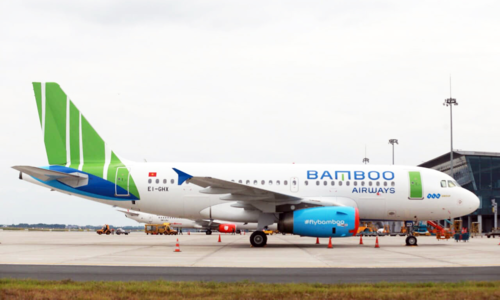
    Vietnam’s newest airline Bamboo Airways will not operate its maiden flight Thursday as scheduled, the second time it has been delayed. Its CEO Dang Tat Thanh said Bamboo Airways could not take off since it is going through “the most difficult examination ever.” “Bamboo Airways is currently going through the final stage of a tight examination by authorities before taking off,” he said, adding that the first flight would now be in mid-January. The airline aimed to launch the first flight on December 29, after failing to launch services in October as previously planned.

    The carrier, owned by conglomerate FLC, received a license last November but is still awaiting an aircraft operator certificate (AOC).

    It was established in May last year with a charter capital of VND700 billion ($30 million), which it increased two months later to VND1.3 trillion ($55.68 million).

    It has signed deals to buy 24 Airbus A320neo and 20 Boeing B787-9 Dreamliner aircraft worth a total of $8.6 billion. Earlier this month it took delivery of the first aircraft, an Airbus A319 leased from an Irish company.

    The airline plans to operate on 100 routes, connecting major cities and travel destinations in Vietnam with the rest of the world.

    FLC chairman Trinh Van Quyet said earlier that the first routes could be between Hanoi and Ho Chi Minh City and from the two cities to Quy Nhon.

    Vietnam has four other carriers still in operation: Vietnam Airlines, Vietjet Air, Jetstar Pacific, and VASCO.