Tag: asia

  • Retailers, mall operators embrace high technology

    Retailers, mall operators embrace high technology

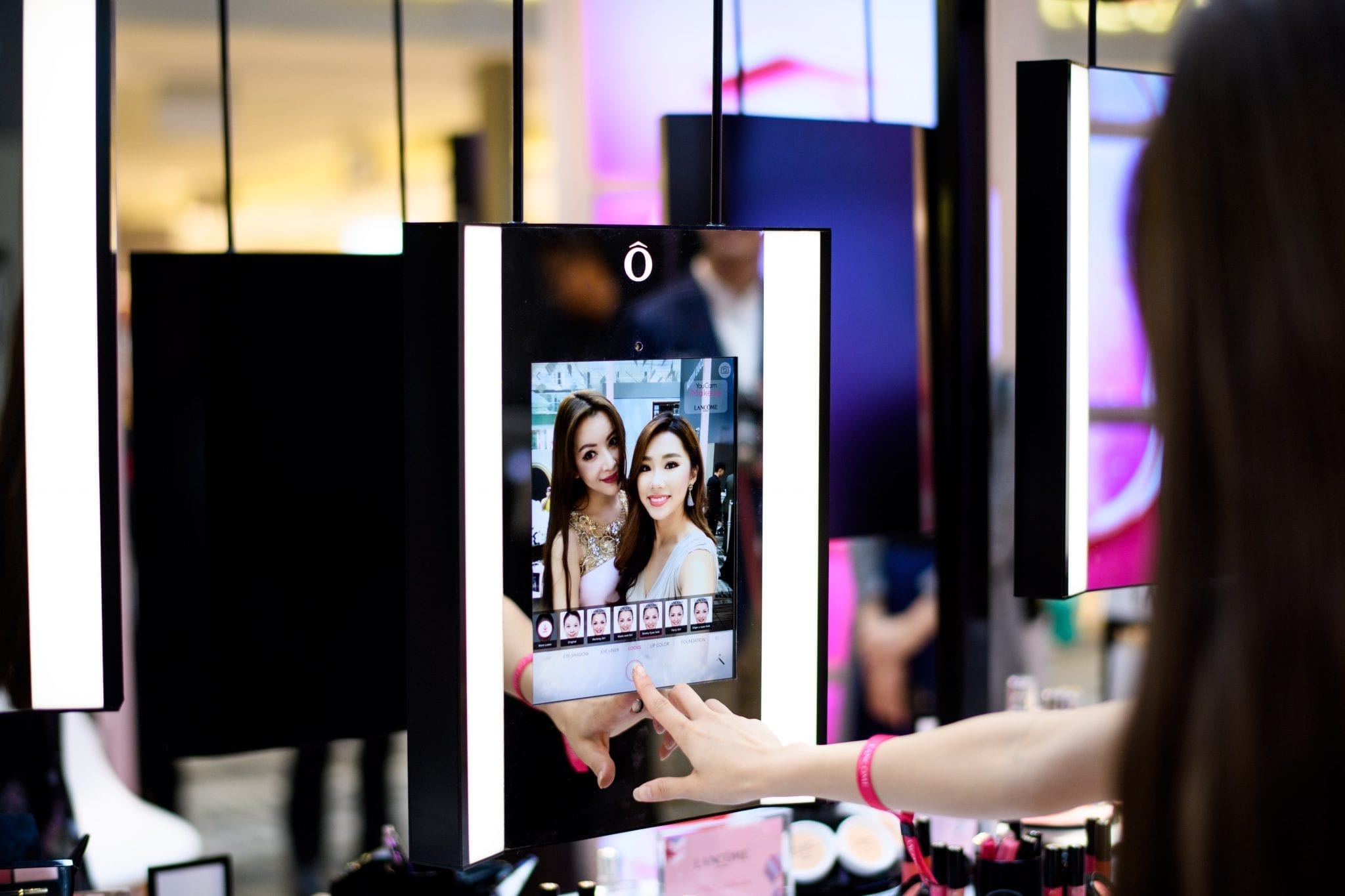
    Malaysian retailers and mall operators are jumping on the technology bandwagon, adopting technologies such as shopper tracking systems and facial recognition cameras, using data analytics to capture important shopper information. Sunway Velocity Mall general manager centre management Danny Lee said the mall completed the installation of its shopper tracking system in early December that identifies a unique ID of each mobile phone carried by shoppers, and is testing the system now.

    “It enables us to know how many times a person comes to the mall and where they go. At the same time it tells us the number of shoppers at the mall and is able to give us an accurate count of how many people visit the mall every week or month. This is phase one.

    “This will then later link into us getting data of who they are so that we can use that as an intelligence system to know our customers and to push promotion to them. For example, we’d be able to detect automatically if it’s your birthday today when you visit the mall, and if there’s a special promotion in certain outlets during your birthday, you’d get certain discounts. We’ll be working on that in phase two,” Lee said recently.

    “How the system works is that it will detect shoppers who carry smartphones. The shoppers’ travel history, traffic pattern will be recorded. Insights of shopper traffic flow in the mall, visit frequency (new traffic or returning traffic) and dwell time can be viewed on the online portal. There is also provision for integration with mobile application (to identify shopper profile to offer more personalised engagement), as well as additional reports based on user requirement.”

    Adding that it has a formula to include children and discount double counting, Lee said Sunway Pyramid had rolled out the shopper tracking system first, followed by Sunway Velocity.

    “It lets us know whether our campaign for a period of time is effective or not compared to other campaigns. In this mall (Sunway Velocity), we have 55-56 sensors throughout the mall. So it covers different zones and it can track where a person goes to, from one zone to another, and capture how many people are there. At what time, how many people are there in this atrium… we’re able to generate reports on that,” explained Lee.

    He revealed that the set-up costs for this system range from RM120,000 to RM150,000, with recurring costs of RM10,000 every month per mall.

    “Some malls have (this system) but not many have this in the Klang Valley, compared with malls in Singapore that have a lot more.”

    Meanwhile, MRCA Academy, the training arm of the Malaysia Retail Chain Association (MRCA), is promoting awareness on technology adoption, especially in the areas of facial recognition and data analytics, to help MRCA members be more efficient in running their retail businesses.

    MRCA Academy deputy chancellor Stan Singh-Jit, who is also National ICT Association of Malaysia councillor, said technology will be a catalyst that will help retailers grow their business and that it is a tool that retailers should take advantage of.

    Stan is the founder and principal consultant of Ironhorse Asia Sdn Bhd, which provides solutions for in-store point-of-sale requirement, head office merchandising needs, warehousing, supply chain management, web-store, internet business, social media consultation, maximising return on investment via customer analytics, harnessing on merchandising analytics, among others.

    He said while the recording of images is illegal due to the Personal Data Protection Act, there is another facial recognition technology that captures the identity of shoppers in a different way.

    “It tails the person… it tells you whether the shopper is a male or a female and gives you the person’s age group. If I have data today that tells me the people that come to my store, their age and gender groups, I’m able to do more of what I’m selling. This is an important factor that is missing in the retail scene.

    “Facial recognition can tell whether the person is a staff or supplier. If a customer walks past your store but doesn’t walk in, it can also tell you how many people didn’t come into your store. It’s a way to find out why people don’t come in. And if my store is here but you spend more time looking at the merchandise there, that tells me a story,” explained Stan.

    He said this method differs from a footfall counter machine, which counts every walk-in, walk-out and hence the latter may not produce accurate numbers.

    He disclosed that since this facial recognition technology is new, there are five proofs of concept for such technology in the Klang Valley at the moment, of which one is for a department store. He said that a camera may cost some RM130. A department store may have three to four floors and many cameras on each floor.

    “All good things about buying begins at the store and there are many touchpoints in the store. As a customer walks into the store, how do you capture those points… how do you prioritise the value…. we’re helping MRCA members to understand the technology and how they can use it,” he said.
  • Chow Tai Fook Jewellery Group, WeChat signed agreement deal

    Chow Tai Fook Jewellery Group, WeChat signed agreement deal

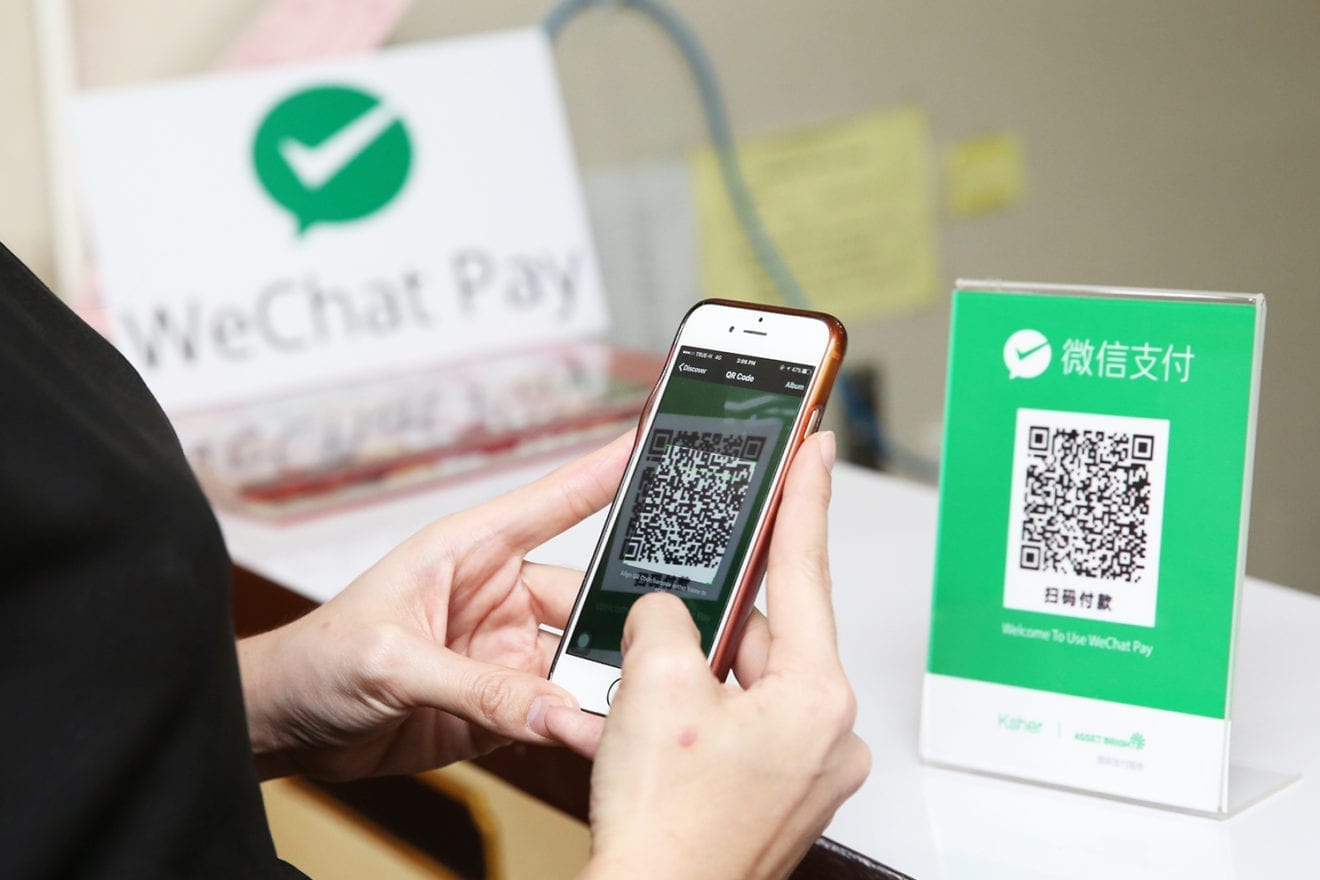
    Chow Tai Fook Jewellery Group has signed a memorandum of understanding with Chinese online platform Tencent to allow jewellery purchases using WeChat Pay. In a move to promote “seamless cross-border intelligent consumption”, the agreement allows Hong Kong WeChat users to use the platform’s digital payment solution to make purchases at specified Chow Tai Fook jewellery stores in Mainland China.

    The group is planning steps to activate WeChat Pay HK within more Chow Tai Fook Jewellery stores in the Greater Bay Area, as well as other cities throughout Mainland China. It is also seeking to extend the payment agreement to its other brands.

    “Striving for innovations and breakthroughs, we are committed to providing seamless and exceptional consumer experience through a wide range of innovative projects,” said Chow Tai Fook executive director Bobby Liu. “The introduction of advanced technology has made the convenience in offering cross-border consumption, online payments and an integrated online-to-offline shopping experience available to customers from Hong Kong.”

    Tencent Financial Technology VP Royal Chen said the collaboration with Chow Tai Fook Jewellery Group will fully make use of the available mobile payment technology.

    “Tencent Technology will vigorously promote cross-border financial cooperation. Leveraging financial and technological advancements, we aim to build a truly integrated service platform for those living in both Hong Kong and Mainland China.”

    Tencent Fin-Tech and Chow Tai Fook will also jointly explore and research proposals for ID verification in order to ease the flow of capital and manpower resources across the border.

  • Richemont joins Alibaba’s IP alliance on brand protection

    Richemont joins Alibaba’s IP alliance on brand protection

    Global luxury group Richemont has joined the Alibaba Anti-Counterfeiting Alliance, a partnership between the e-commerce giant and brands that works to protect intellectual property rights on Alibaba’s platforms. Geneva, Switzerland-based Richemont is now among the 115 members from 16 countries and regions that are a part of the IP alliance, as well as the latest from the luxury sector to partner with the e-commerce giant on brand protection. Richemont said it would share its technology, expertise and other information to support the Alliance’s efforts.

    Richemont owns 17 luxury brands, including Cartier, Montblanc, Piaget, Van Cleef & Arpels, Watchfinder & Co and Chloe, in addition to Yoox Net-A-Porter Group, the online retail platform. YNAP runs four different websites — Net-A-Porter, Mr Porter, lifestyle-goods destination YOOX and affordable-fashion seller The Outnet — as well as online flagship stores for leading fashion brands, such as Armani, Moncler and Valentino.

    The announcement comes a month after Alibaba and YNAP partnered to bring the site’s high-end goods to Chinese consumers. A joint venture between Alibaba and YNAP will launch a mobile app for the Net-A-Porter platform and menswear site Mr Porter, in addition to opening flagship stores for Net-A-Porter and Mr Porter on Tmall Luxury Pavilion, a channel that connects premier brands with China’s digital-first consumers.

    Richemont, along with New Balance, General Motors and McDonald’s, were the latest global brands to join the AACA. The alliance’s membership has more than tripled from the original 30 founding brands at its launch last year, and now includes  names, such as Bose, Canada Goose, Honda, Samsung, Mars, Adobe, Danone, Hasbro and L’Oreal, in 12 industry categories. They work with Alibaba in six key areas — proactive online monitoring and protection, a product test-buy program, offline investigations and enforcement actions, industry-law enforcement workshops, litigation tactics and public awareness campaigns — in the fight against IP infringement.

    In September last year, the AACA established an advisory board so that brands could provide feedback to Alibaba in areas related to IP enforcement. Alibaba has since upgraded its Intellectual Property Protection Portal as well, delivering faster navigation and a better user experience on the site, where rights holders report suspected infringing listing and share information with Alibaba. In addition, Alibaba’s Good Faith program, which is open to brands with a track record of accurate notice and takedown filings, has streamlined the reporting process.

    The IP alliance does not restrict its brand-protection efforts to the online space. Alibaba and its brand partners also work to find and eliminate fakes at their source. In the luxury sector, Alibaba and Louis Vuitton – one of the first members of AACA – conducted an offline investigation that resulted in the seizure in May of approximately RMB 100 million ($14.4 million) worth of counterfeit goods.

    “The protection of intellectual property rights requires all stakeholders to work closely together and share their expertise. The AACA will continue its efforts to establish industry best practices for IP protection by creating effective collaboration among brands, platforms and law enforcement,” said Michael Yao, Alibaba’s senior VP and head of Brand Protection and Cooperation.

  • Australian shopping app Booodl goes bankrupt

    Australian shopping app Booodl goes bankrupt

    Australian retail app Booodl has said goodbye officially in December, announcing it has started liquidating its assets to pay off creditors just before Christmas. Backed by media mogul James Packer and Westfield mall owner Scentre Group, Booodl first withdrew from the market last year, with the app – which connects shoppers to retailers in their immediate vicinity – filing as insolvent with the Australian corporate regulator.

    The company reported having AU$80,606 worth of assets and owed creditors $70,456, according to the recent filing.

    With creditors to be paid in full, company shareholders will not receive a return, said founder George Freney.

    “There is always a huge risk associated with technology ventures, and the unfortunate reality is that many fail,” Freney said.

    Founded by Freney in 2014, the $8 million start-up was conceived as a social media platform to play against photo pinning app, Pinterest, where users would curate personal profiles portraying their favourite things.

    Then, in 2015, Booodl evolved into a mobile shopping app, sourcing and directing shoppers to shops that they sought via the platform. In the same year, Scentre Group became a major shareholder, investing $2.85 million in Booodl to fund the research and development required to build its web and mobile platform. In particular, it funded the technology used to help consumers locate physical retail stores and in-turn see retail businesses be more easily discovered by shoppers.

    By August 2017, retail heavyweight Scentre group was using the app and website for its Westfield mall chains across Australia and New Zealand, effectively rolling out the app to 35 malls.

    “This latest milestone is validation of the role Booodl’s technology plays in the retail ecosystem. The platform now boasts $86.7 billion of shopping centre assets and is utilised by more than 150 Australian shopping centres to increase in-store visits,” Freney said, at the time of the Scentre Group news.

    Prior to this, Booodl had inked deals with shopping centre owners SCA Property Group, ISPT Super Property and QIC.

  • 7 Marvelous Shopify Apps That Can Change Your Life

    7 Marvelous Shopify Apps That Can Change Your Life

    According to https://profitindustry.com/ecommerce-statistics/, there are quite a lot of different ecommerce statistics and trends that you need to pay attention to. Even the slightest miscalculation or a miss could lead to big losses. As there are a lot of different platforms, people need to pick one that suits them the most. At the moment, there is hardly anything better than Shopify. This platform has been around for more than ten years now, but they have become known in the last few years or so.  One of the things that added more fuel to the fire, so to speak, is their constant app improvements. Whether it is an upgrade or something completely new, users can make full use of the advantages of the platform. The number of available apps can be a bit overwhelming. Therefore, we have decided to compile a list of 7 Shopify apps that you absolutely cannot miss!

    EXPORT OrderPro

    Even though reports orders Shopify provides for its users are useful, it was only a matter of time before we saw craving for more information. The more detailed data it is, the easier it is to plan. Everyone who has been in ecommerce for a long time should appreciate this app by MeneLabs. It has been around for a few years and continues to get more praise. With more than 80 different fields of information and live reporting, it would not be a stretch to suggest that this is one of the best apps on Shopify store overall. After all, most users need information on a daily bases. And there aren’t better tools that generate valuable data every day.

    Buymaxx

    Once you have to handle more than a few products in your store, you will begin to realize how difficult it is to deal with pricing. Bulk Price Editor by Buymaxx does exactly what you expect it to do. By using a smart interface you will be able to download the list of your products and quickly change prices, margins, etc. and import it back in without any problems.

    You do not need any coding skills to install the app to your store. It is as quick as it gets.

    Finally, it is also worth mentioning that developers are consistently releasing updates to the app, making it better over time.

    Pushflew

    This push notification app is one of the best on the market. Its main purpose is to inform you whenever there is an abandoned cart or something similar and help you refrain people from leaving the website. Since everyone is using notifications because they are effective, you should do the same. Scheduling, adding images, using the app for multiple domains, support for every browser, and live tracking. Seems more than enough to consider giving this a go, right? Wait no longer and start engaging with your audience and increase the traffic that every other e-shop is after.

    Opinew

    Are you looking to take things to the next level? If that is the case, you might want to consider connecting your shop to the likes of eBay and Amazon. How, you might ask? Well, it is simple. Get Opinew Shopify Product Reviews App and Importer and see the customers rolling in. Your products will showcase the reviews from the biggest online shops in the world. And this information is extremely valuable for people who like to research before clicking the “buy” button. You will be able to improve SEO and customize everything and keep track of how much of the sales occurred because of this app.

    DeepMarkit

    Promoting yourself through more than just sharing on social media is a good way to reach that next level. Of course, it does not mean that you should abandon the idea. Investing in Premium rewards and games the best Shopify conversion app is DeepMarkit. It will be entirely up to your imagination how you are going to manage the whole thing.

    Displaying a discount coupon, promoting a raffle or even coming up with a contest can drive more traffic that one expects. By installing this app you will also access 15 customizable games, another feature that can help you with the venture.

    Conversific

    The fact that there are so many tools for extracting data shows its importance. And since ecommerce is a very complicated thing, you need to gather as much information as possible. Ecommerce analytics from Conversific does just that. And then some.

    This particular app is especially good for those who have not had a lot of experience on Shopify, or managing e-shops in general. The reports are easy enough to understand even for beginners, and the amount of information is not overwhelming.

    As soon as you install Conversific to your Shopify store, you will no longer have to spend time analyzing every trivial thing. That in itself is more than enough to convince you giving this a try.

    Wholesale2b

    Given the number of available products to sell, people who start out tend to struggle quite a bit with making their choice. A possible solution to this? Dropship on Shopify with Wholesale2b.com – add thousands of dropship products to your Shopify store in just minutes. This means that you will be able to pick and add as many as you want. The process is automated, therefore it is easy. The app offers plenty of other great features, including daily updates, profit estimations, updating out-of-stock products, and so on. It is without a doubt a great addition to your Shopify store.

    The list of these 7 Shopify applications should give you more than enough to ponder on. If you are looking to get into ecommerce using one of the most popular platforms, you will need all the help you can get. And apps like these can make all the difference in the world.


  • Lifestyle-curation bookstores are changing

    Lifestyle-curation bookstores are changing

    In recent years, bookstores have been disappearing at a fast rate. Aside from major franchise bookstores in downtown areas, many small, neighborhood bookstores have closed, forced out in the digital era. But lately, bookstores have been returning in different forms. New bookstores sell more than just books, offering a wide range of goods from stationery, food and drinks to various merchandise — anything related to lifestyle.

    The trend started with the Kyobo Book Centre, the nation’s largest bookstore franchise, following the model of Tsutaya Books. The Japanese bookstore chain established a successful business model, attracting consumers who may not necessarily be interested in books with its retail products and in-store restaurants.

    The business went against the prejudice of a bookstore as a place where you a person just buys books. Providing comfortable seats for people to read, it helped create a larger reading population.

    Following Kyobo Book Centre’s success, more bookstores opened, offering more products and services than just books. They bill themselves as lifestyle-curation bookstores, or culture complexes.

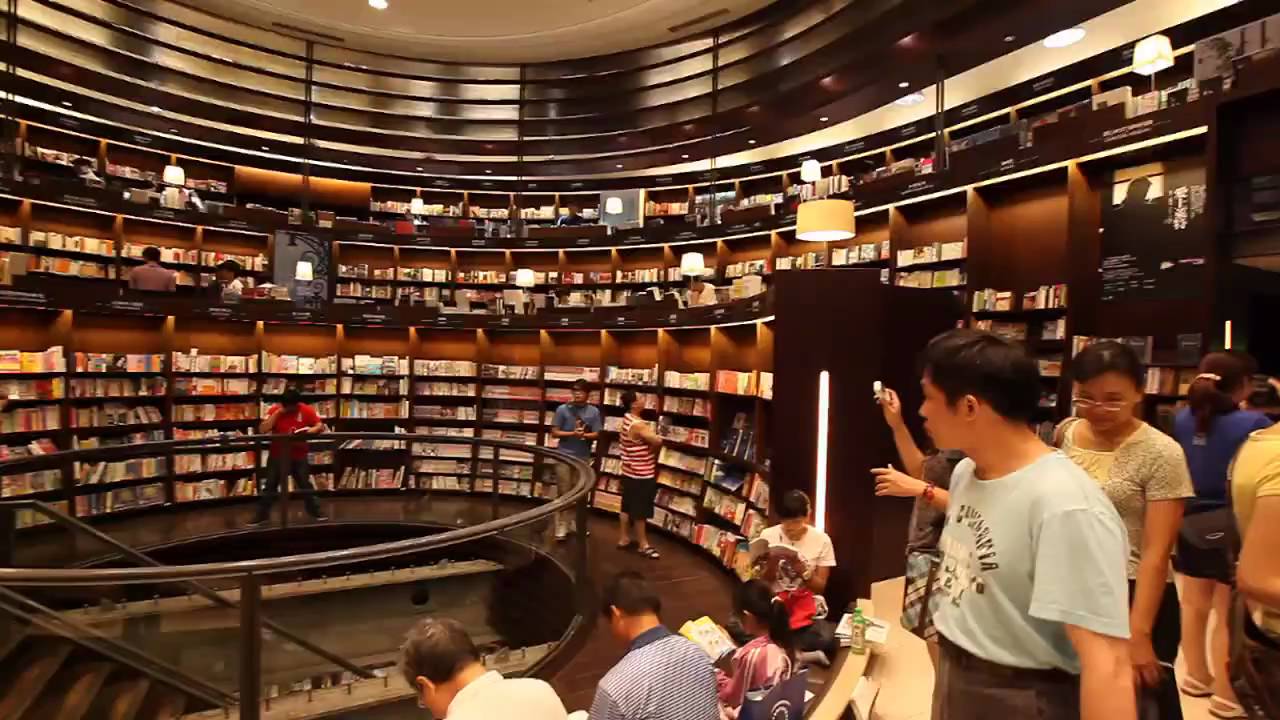
    Arc N Book, which opened last month in central Seoul, deems itself as a city culture complex that introduces books and lifestyles.

    The bookstore has four themed sections: Daily, Weekend, Style and Inspiration. The themed sections provide related products. For instance, the Daily section’s theme is currently black tea. Along with related books, the section displays tea leaves and tea bags for sale.

    On Dec. 15, the bookstore bustled with visitors. While some lounged with books in hand, others photographed the well-decorated space. The “Harry Potter”-styled archway, a book tunnel, was the hottest photo spot.

    “We are strong in foreign books. Foreign-language books take up 7 percent of our books, while it is usually around 2 percent at other bookstores,” said Kim Ji-in, a representative from OTD Corp., which operates Arc N Book.

    “We have around 30,000 books, which may not be big compared to other bookstores. But we are more about curating special books that cannot be found easily,” Kim said.

    Looking at the crowded bookstore filled with people reading, taking photos or sharing quality time with friends, a question popped into mind: Do people really buy books here? You could just grab a book, sit on a comfortable sofa and read for hours.

    According to Arc N Book, sales have been steadily growing since its opening. With encouraging results, the corporation will open another bookstore in Seongsu-dong in eastern Seoul in January. The bookstore, however, aims to be about more than just sales.

    “As a business, we, of course, have to create profit. But it’s not just about that,” Kim said. “We hope to curate a lifestyle, to show people a new way of living and reading.”

    Another question: Does the popularity of such bookstores really mean the reading population is increasing? At Arc N Book, it is clear not everyone comes to read. Some lay not even a single finger on the books.

    “At least these kind of places make people actually go to bookstores. Without these places, people will not be exposed to books at all,” said an official from GimmYoung Publishers, a big player in the publishing industry here.

    “Though they might not buy books right away, they experience the reading culture and learn that people read for leisure. In the long run, they can become future consumers,” the official said.

    Though a similar bookstore, the atmosphere at Choi Ina Books is quite different from that of Arc N Book. It is much quieter, less crowded — more of a library-like atmosphere.

    The bookstore in Seolleung, southern Seoul, is small in size but that doesn’t mean that its book curation ability is weak. Rather, it is all about professional curation here.

    In the publishing industry, Choi Ina Books is one of the most popular bookstores in Seoul. Choi, who retired as a copywriter at Cheil Worldwide, a major advertising firm in Korea, opened the bookstore to share her perspectives and inspirations with the wider public.

    Books in the curated section have been selected by Choi and professionals in the advertising industry. The books also come with handwritten cards that explain why the particular book was chosen and a simple profile of the recommender.

    Here, only purchased books can be brought into the in-store cafe upstairs.

    For those who don’t seek ownership, though, another reading space is available downstairs. It’s a library decorated like the private study of a well-cultured intellectual.

    The library can be used at a price of 14,000 won (US$12.40) for an hour or 22,000 won for two hours. The price includes a cup of coffee and snacks. Though a bit pricey, the space is frequented by office workers in the area seeking some alone time during the day, according to the bookstore.

    Another example of this ilk could be the Hyundai Card libraries. The credit card company currently operates four library-concept establishments across Seoul, each centered on different themes: cooking, travel, design and music.

    Built to be hubs of inspiration and thought in their respective fields, the establishments curate diverse books, including foreign specialty publications that cannot easily be found in Korea. They are open exclusively to Hyundai Card members.

    Though billed as libraries, the establishments neither lend books nor sell them. The books can only be read at the libraries, which also run various programs related to their respective themes.

    For instance, the Cooking Library runs cooking classes as well as self-cooking sessions. The Design Library and Travel Library offer talk sessions. At the Music Library, visitors can also learn to use the deejay booth.

  • Woowa Korea gets $320 million from overseas

    Woowa Korea gets $320 million from overseas

    Woowa Brothers, the operator of the popular food delivery app Baedal Minjok, said Thursday that it succeeded in securing $320 million from major foreign investors including Sequoia Capital, famous for investing in leading tech companies such as Apple and Google.

    According to Woowa Brothers, other major investors include China’s Hillhouse Capital – which is also known for investing in Chinese tech giants including Tencent and Baidu and led this round of funding – and the Singapore government-owned wealth fund GIC.

    The food delivery app developer said the investment has solidified its position as a unicorn company – an unlisted start-up worth over $1 billion – as its post-money valuation is now worth 3 trillion won ($2.66 billion).

    The company said it was able to secure such a large investment thanks to its exceptional growth.

    The Baedal Minjok app, normally referred to as Baemin, now processes nearly 27 million food delivery orders every month, up from 20 million in July. The app has 8 million monthly active users.

    Food delivery sales have more than doubled in the past three years. Baemin processed around 5 trillion won worth of food delivery orders this year, up from 2 trillion won in 2015.

    Since its founding in 2010, Woowa Brothers has received a total of 506.3 billion won in investment. Previous investors include Goldman Sachs, which invested 40 billion won, and Naver, which invested 35 billion won.

    “It’s significant that our company’s growth and future potential was recognized by reputable global investors,” said Oh Se-yoon, Woowa Brothers’ executive vice president and CSO.

    Woowa’s business interests go beyond food delivery. Its other projects include developing delivery robots powered by AI and self-driving technology and building an online system to help restaurant owners manage revenue and customers.

  • Vietnam GDP growth tops 7 pct, highest in a decade

    Vietnam GDP growth tops 7 pct, highest in a decade

    Vietnam’s GDP growth of 7.08 percent this year retained its status as one of the best performing economies in the world. It was the highest growth the country has experienced since 2008 and compared with the median estimate of 6.9 percent in a survey of 12 economists.

    The scale of the economy at present value is over VND5.53 quadrillion ($237.38 billion), with average GDP per capita at $2,587 per person, a $198 increase over 2017, Nguyen Bich Lam, head of the General Statistics Office, said Thursday afternoon.

    According the office, the agriculture, forestry and fisheries sector grew by 3.76 percent this year, and contributed to 8.7 percent to the country’s GDP. Corresponding figures for industry and construction sectors were 8.85 percent and nearly 49 percent; and that of the service sector, 7.03 percent and approximately 43 percent.

    Lam said that the consumer price index (CPI) in December 2018 fell by 0.25 percent compared to the previous month. On average, CPI in 2018 increased by 3.54 percent, well below the 4 percent target set by the National Assembly.

    Export turnover for the year is estimated at over $244.7 billion, up nearly 14 percent compared to 2017.

    The FDI sector (including crude oil) still accounts for nearly 70 percent of export turnover, at more than $175.5 billion.

    On the other hand, Vietnam imported more than $237.5 billion the whole year, up 11.5 percent over 2017.

    Overall, in 2018 Vietnam achieved a trade surplus of $7.2 billion.

    “The quality of economic growth has improved,” Lam said.

    The GSO director general explained that labor productivity this year saw an increase of nearly 6 percent compared to 2017, at VND102 million (nearly $4,512) per person.

  • The highs and lows of Indian retail real estate in 2018

    The highs and lows of Indian retail real estate in 2018

    2018 saw further liberalization of FDI policies, repositioning Indian retail on the global investment map and attracting a large number of global retailers into the country. In H1 2018, private equity investments into Indian retail swelled to over US$ 300 million, denoting a bracing growth of 54 percent over the previous year.

    Worryingly or encouragingly (depending on one’s viewpoint) online retail also witnessed exponential growth in 2018. In fact, online retailing is now expected to be at par with physical retail over the next 5 years. With India positioned to become the world’s fastest-growing e-commerce market, online retail in the country is driven by robust investments and deepening internet penetration in the country.

    As per ANAROCK data, the top cities with significant retail growth in 2018 included MMR, NCR, Bengaluru and Hyderabad
    New retail supply in 2018 was limited to 5.1 mn. sq. ft.
    Interestingly, apart from the top metros tier 2 & 3 cities played a significant role in India’s retail growth story in 2018

    Saturation of the metros due to limited space availability, mounting rental values and escalating infrastructure issues fuelled retail growth in smaller cities like Ahmedabad, Bhubaneshwar, Jaipur, Lucknow, Thiruvananthapuram, etc. New malls that became operational in the smaller cities in 2018 range from anything between 200,000 to 18,00,000 sq. ft. in size, amply vouchsafing the increasing appetite for organized retail in the hitherto underserved cities.

    In response to the huge potential in these markets, both domestic and international brands made deep forays into them via the online route, followed by more gradual offline presence. This disparity is hard to ignore and sends out a clear signal to investors and mall developers – physical retail deployment must pick up considerable pace in these smaller markets in the coming years.

    Other Sunshine Sectors

    The logistics and warehousing sector transformed rapidly in 2018 after the Government granted the coveted infrastructure status to logistics in November 2017. In fact, warehouse stock supply is expected to see substantial increase over the next two years owing to implementation of GST, the Government’s determined infrastructure push and increased interest from national and international investors. Overall, strong economic fundamentals, proactive reforms and increasing use of technology will continue to boost the sector.

  • Vietnam’s 2018 coffee exports at 1.88 mln tonnes, surges from last year

    Vietnam’s 2018 coffee exports at 1.88 mln tonnes, surges from last year

    Vietnam’s coffee export volumes for 2018 are expected to increase 20.1 percent from last year, while rice exports are estimated to rise 4.6 percent.

    Coffee

    Coffee exports from Vietnam will climb an estimated 20.1 percent this year to 1.88 million tonnes, equal to 31.37 million 60-kg bags, the General Statistics Office said in a report on Thursday.

    Coffee export revenue for Vietnam, the world’s biggest producer of the robusta bean, will edge up 1.2 percent to $3.54 billion in the year, the report said.

    December coffee exports were estimated at 160,000 tonnes, worth $287 million.

    Rice

    Rice exports in 2018 from Vietnam were forecast to rise 4.6 percent from last year to 6.09 million tonnes. Revenue from rice exports in the period was expected to grow 16 percent to $3.05 billion.

    December rice exports from Vietnam, the world’s third-largest shipper of the grain, were estimated at 450,000 tonnes, worth $220 million.

    Energy 

    Vietnam’s 2018 crude oil exports were seen plunging 39.5 percent from last year to an estimated 4.12 million tonnes. Crude oil export revenue in the year is expected to decline 21.2 percent to $2.27 billion.

    Oil product imports in the year were estimated at 11.35 million tonnes, falling 12.1 percent from the same period last year, while the value of product imports rose 7.8 percent to $7.61 billion.

    Vietnam’s 2018 liquefied petroleum gas imports were seen increasing 4.9 percent from last year to 1.43 million tonnes.

  • 2Bme launches new store in Acropolis Mall India

    2Bme launches new store in Acropolis Mall India

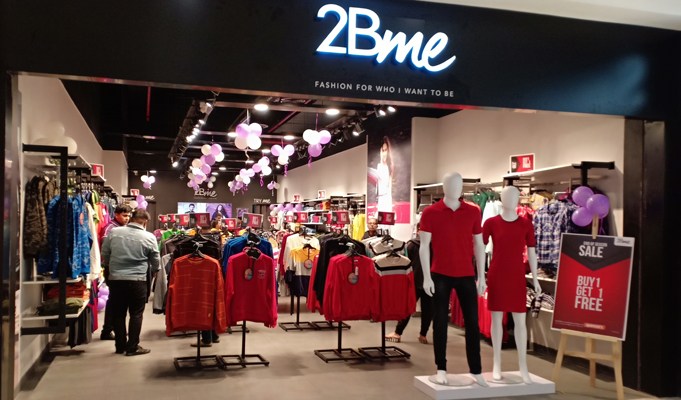
    2Bme, the private label apparel line from RP-Sanjiv GoenkaGroup, recently launched their second exclusive brand outlet at Acropolis Mall, Kolkata. The 2000 sq. ft. store on 2nd floor at Acropolis Mall, Kolkata is the latest addition to the retail network of 2Bme after the launch of the first EBO in Quest Mall last year.

    The store showcases an exclusive western casual clothing line from 2Bme embodying the brand’s vision of providing ‘contemporary fashion for your every day needs’.

    On the occasion of the store expansion, a 2Bme spokesperson said, “We will look at opening 10-12 EBOs of 2Bme in prime malls of Kolkata, Delhi-NCR and Hyderabad. Recently we also signed on Ranbir Kapoor and Shraddha Kapoor as brand ambassadors and this  is helping us create an exclusive entity for our brand.”

    Store Design, TG & Future Plans

    With a minimalist yet chic design, the EBO has a contemporary
    look and feel giving a comfortable shopping experience each time a customer walks in.

    Targeted at the age group of 22-35, the brand has everyday casual wear in a very affordable price range between Rs. 499 – Rs. 1,999. The store offers a huge collection of western clothing line including – tops, graphic t-shirts, dresses, trousers, denims, shorts, joggers, and light weight sweaters for both men and women.

    “2Bme has around 15,000 styles and we have sold more than 3 million pieces so far. The brand has already crossed the mark of
    Rs 100 crore within one-and-a-half-years of its launch and it is likely to garner a turnover of Rs 300 crore in next three-four years,” the spokesperson said.

    At a later stage 2Bme will be also made available through large format MBO’s and e-commerce platforms.

  • LG Household’s History of Whoo makes history

    LG Household’s History of Whoo makes history

    LG Household & Health Care’s skin care brand The History of Whoo generated 2 trillion won ($1.79 billion) in sales this year as of Thursday. This is the first time a Korean beauty brand has reached that threshold. The 2018 record is also a 40.8 percent increase from last year’s annual sales.

    “For us, the achievement is meaningful in that it’s a sign we’re nearly able to compete shoulder-to-shoulder with global beauty brands,” LG said in a statement.

    The 2 trillion won in sales figure is based on manufacturer price. Counting the consumer price tag, the figure jumps up to 3 trillion won. According to market research firm Euromonitor International, the top three global beauty brands – Lancome, Shiseido and Estee Lauder – generate between 4.4 trillion and 5.3 trillion won a year based on the same standard.

    The last time The History of Whoo set a record was in 2016, when the brand made 1 trillion won in annual sales, 14 years after its launch. Breaking the 2 trillion won threshold came just two years later.

    The rapid growth is notable in that Whoo successfully survived a widespread boycott of local brands in China last year, following the installment of the U.S.-led antimissile system Thaad. This is in contrast to a score of other beauty companies like local leader Amorepacific, which have suffered huge blows from the loss of Chinese customers and some have yet to recover to pre-Thaad revenue levels.

    A spokesman explained that the brand kept its positive image thanks to word-of-mouth marketing and repurchases from Chinese customers.

    In terms of strategy, LG believes Whoo’s positioning as a high-end beauty brand has proven effective. Among its wide brand portfolio, The History of Whoo is one of LG’s premium brands with a higher price tag.

    Its main concept is that the products are based on records from Korea’s past dynasties which use oriental medicine as main ingredients. The brand story is also reflected in its product packaging, which emphasizes gold and red, which industry watchers say fits well with Chinese consumers’ taste for glamor.

    “We also concentrated a lot of our marketing activities to target VIP customers that have buying power,” said an LG spokesman.

    For next year, the company plans to continue its drive to push premium brands. Another brand LG is hoping to develop in the price range is SU:M, which is less flashier than Whoo, but emphasizes the use of fermented plants. Although smaller than Whoo, SU:M is also expected to reach 440 billion won in sales this year, a 15.8 percent increase year-on-year. During this year’s third quarter, LG’s three luxury brands – Whoo, SU:M and O HUI – were responsible for more than 60 percent of its beauty revenue.

  • LG U+ says it can download things 10 times faster on 5G

    LG U+ says it can download things 10 times faster on 5G

    LG U+ said Wednesday that it has demonstrated 10 times faster download times compared to 4G LTE on its 5G network. While 4G LTE offers 133.43 megabits per second download speeds on average, according to data from the Ministry of Science and ICT, LG U+ said it realized 1.33 gigabits per second on its 5G network.

    LG U+ claims it is nearly the fastest speed consumers can practically experience on 5G. Next year, when 5G is commercialized for smartphones, the smallest carrier in the country projects data download speeds will increase to as fast as 2 gigabits per second when the 5G network will be coupled with the 4G LTE network.

    LG U+ believes 5G is its chance to move up the mobile carrier ranking, currently dominated by SK Telecom and KT.

  • Vietnam FDI disbursement in 2018 tops $19 bln

    Vietnam FDI disbursement in 2018 tops $19 bln

    Foreign direct investment disbursement in Vietnam reached a record $19.1 billion in 2018, a year-on-year increase of 9.1 percent. However, FDI pledges for new projects, capital supplements and stake acquisitions were down 1.2 percent from a year earlier to $35.46 billion, according to the Ministry of Planning and Investment.

    A total of 3,046 new projects have been granted investment certificates since the beginning of the year, with a total registered capital of nearly $18 billion. Nearly 1,170 projects registered to increase their capital by a total of $7.5 billion. The rest of the registered capital was reported in a total of 6,500 instances of capital contribution and share purchases by foreign investors.

    This year, foreign investors injected capital into 18 fields and sectors. The processing and manufacturing industry attracted the highest capital at $16.5 billion, followed by real estate with $6.6 billion, and wholesale and retail sectors with $3.6 billion.

    Japan ranked first in FDI contributions to Vietnam this year, followed by South Korea and Singapore. Localities that attracted the most FDI were Hanoi, Ho Chi Minh City and the northern city of Hai Phong.

    Meanwhile, Vietnam invested nearly $380 million abroad this year, mainly in banking and finance, forestry, and fishing. Vietnamese investors injected capital into 38 different countries and territories, with the highest investment in Laos, followed by Australia, the U.S. and Cambodia.

  • Yellow Tie Hospitality to bring Taiwan-based beverage brand Chachago in India

    Yellow Tie Hospitality to bring Taiwan-based beverage brand Chachago in India

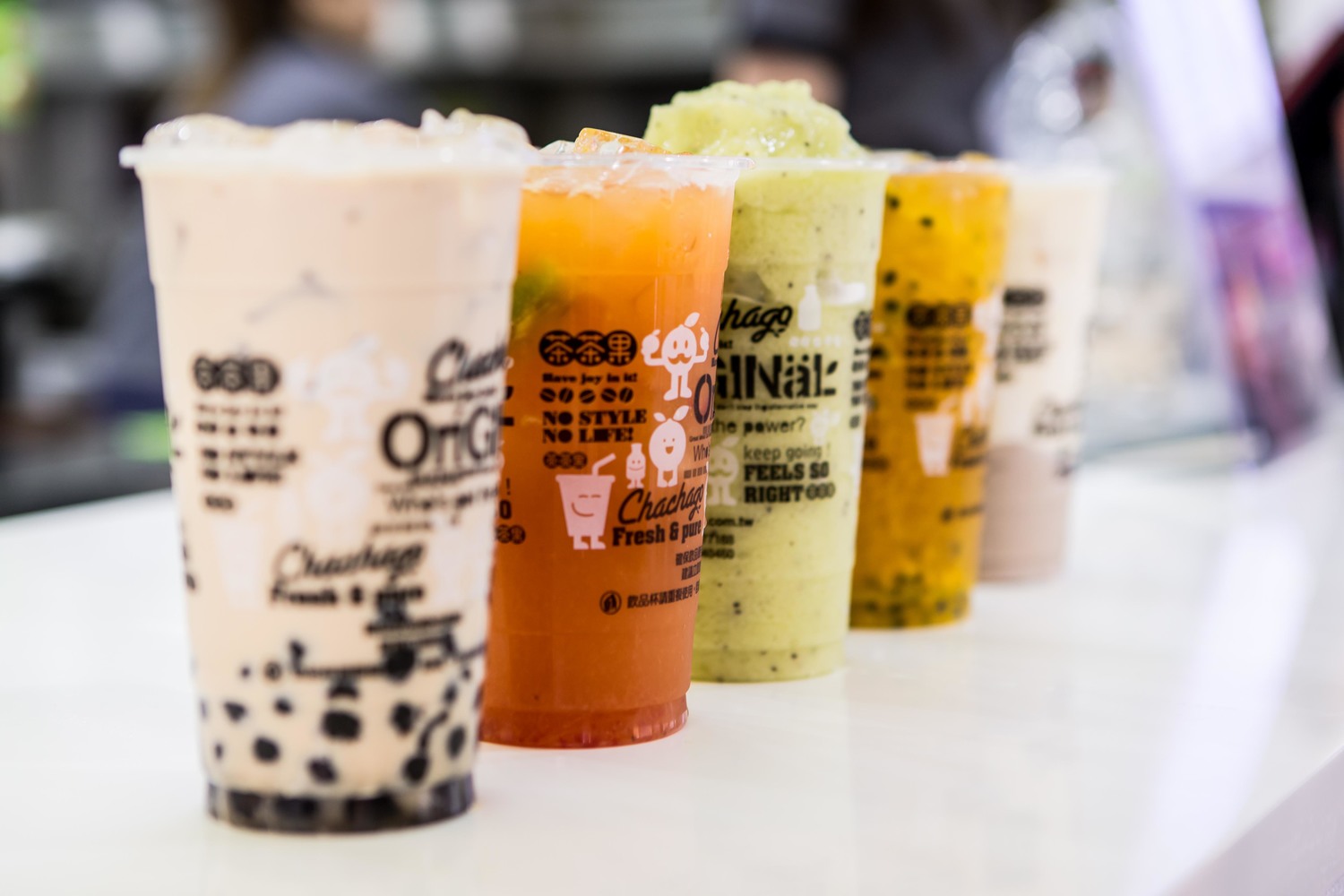
    Karan Tanna led Yellow Tie Hospitality, the leading food and beverage franchise management company, has tied up with Taiwan based beverage brand, Chachago to launch its first outlet in Bengaluru in January 2019. Yellow Tie has acquired the master franchise rights for the brand in India as well as UAE, Turkey, Kuwait, Lebanon, Jordan, Israel, Oman, Syria, Turkey, Iran, Iraq, Qatar, Bahrain & Afghanistan and plans to launch100 outlets in India by 2021, with an overall investment of USD 6 million in brand expansion and development in India.

    Chachago is a Taiwanese beverage brand known for its aromatic and delicious varieties of Taiwanese milk tea, bubble teas, fruit-infused beverage, cheese-based beverages, milkshakes, and other specialty beverages and desserts. This is the first time the brand is entering India after having established its presence in countries like Taiwan, Canada, Australia, Hongkong, Vietnam, and Phillippines. A typical Chachago outlet will be in malls, high street, and educational institutions, and will spread over an area of 100 to 500 square feet and a capex of INR 20-40 lakh will be invested in building each outlet.

    Commenting on the launch Karan Tanna, Founder CEO of Yellow Tie Hospitality said: “Chachago is a specialty beverage brand originated in Taiwan, a country also known as the ‘House of Milk Tea’. We felt Indian consumers would connect with these specialty beverages, as there is a high demand for them in a tropical country like ours. It is a well-known fact that specialty beverages are a large and growing segment in the QSR category. As the market evolves, niche offerings are becoming more popular, giving us confidence that a brand like this will go down well with Indian consumers. Chachago is positioned very well with a gamut of products ranging in various teas, fruit infusions, and milkshakes. Chachago will be a one-stop-destination for premium beverages. We are very sure that the finest product development capability of Chachago in Taiwan combined with their experience of over three decades and optimized operation to give more throughput, will enable very quick growth for them in India”.

    He further added that there is a plan to turn Chachago into a 300 outlet chain by 2023 across the franchise geographies, “Going forward, the company is also looking for strong growth in countries outside India, by the second half of 2019; and by the year 2023, we are expecting the total outlets of Chachago to contribute approximate Rs 120 crore in annual revenue.”

    “We have tasted success in the very competitive Taiwanese market because of our own capability of using the most premium ingredients with optimized results. These ingredients are not only appreciated in Taiwan but also in other countries like Canada and Australia. We are very sure that with our experience and the expertise of Yellow Tie Hospitality, Chachago will be able to grow aggressively in a market which is the second highest competitive market in the world. We look forward to our presence in India”, said Hseih Yu Yin, Owner, Chachago.

    To further streamline the franchising process for Chachago, the company will go through a master franchise and multi-unit franchise route wherein franchise selection criteria will be based as per International brand standards. The potential franchise owner’s credibility will be audited by Yellow Tie Hospitality.

    Economic growth and social change on the Indian subcontinent are causing the beverage, dairy and liquid food industry to boom. Euromonitor International forecasted that all beverage sectors will grow at double-digit rates in the next four years, which Drink Technology India (DTI) will also benefit from.