Tag: asia

  • GM Korea to cut prices after disappointing sales

    GM Korea to cut prices after disappointing sales

    GM Korea, the Korean unit of General Motors, said Tuesday it has cut the prices of mainstay models in an effort to revive lackluster sales. Starting Tuesday, GM Korea revised the prices of its major models — such as the Impala sedan, Trax, and Equinox sport-utility vehicles — by up to 3 million won ($2,700). The company expects its “customer-focused pricing approach” to strengthen the position of those key Chevrolet vehicles in the Korean market, Cesar Toledo, vice president in charge of sales, customer care and aftersales at GM Korea, said in a statement.

    “Winning more customers, growing market share and sustaining trust in our brand are all crucial ingredients in building a sustainable GM Korea for the long term,” he said.

    GM Korea struggled with weak sales in Korea due to a lack of new models and labor-management disputes over jobs last year.
    In the January-November period, GM Korea’s sales fell 12 percent to 420,447 vehicles from 479,058 a year earlier. Sales figures for December are set to be released today.

    To drive up sales, the carmaker plans to introduce 15 vehicles into the local market over the next five years. It has launched the U.S.-made Equinox and the upgraded Chevy Spark since June. The Traverse SUV will be the next model to be added to its lineup.

    GM holds a 77 percent stake in GM Korea, with the state-run Korea Development Bank and SAIC Motor controlling 17 percent and 6 percent, respectively.

  • Retail trends to look forward to in 2019

    Retail trends to look forward to in 2019

    Retail industry in India is undoubtingly one of the fastest growing retail industry in the world. It is the largest among all industries accounting to 10 percent of the country GDP and employs around 8 percent of the workforce. The retail industry is an experiential motley that is currently going through a robust transformation. Be it employing new technologies or exploring new store formats, revamping business strategies or creating personal experiences; retailers are indeed getting ready for the future by looking beyond conventional retail and evolving along with their modern consumers.

    India is also expected to become the world’s fastest growing e-commerce market, driven by robust investment in the sector and rapid increase in the number of Internet users.

    As the opportunities are immense, let’s take a look what retail trends the stalwarts think will rule in 2019:

    – Customization – The need for customized products and services is increasing thereby pushing the demand for personalized goods and services. With a pragmatic approach, the interface between companies, brands and customers will improve. Social media conversation tracing is going to be trending in 2019, which is a ground-breaking path to the future of handling customer behavior for tailor-made solutions. Also, studies reveal customers come down in favor of personalization — up to a point. They enjoy seeing products and deals personally relevant to them.

    – Brand Experience – It’s not just about selling the products to the customers but also providing them with the best experience too. Most retailers recognize this shift, but the majority struggle with strategies to transform their organization to deliver on consumers’ increasingly demanding expectations. Emerging online brands naturally seek to disrupt traditional ways of doing business and developed digital-first models that have created better experiences.

    On the other hand, established retail brands are burdened with legacy systems that are not optimized for today’s environment. The core – people, service, and experience – are strength to maintain and to satisfy today’s consumer they must integrate the flow of information and resources across the networks of employees, stores and partners.

    Hence, experiences will make a compelling occurance that consumers will always remember and be more than happy to share with one another.

    – Customer Retention – Customer retention is often far more effective and profitable than customer acquisition. An individual shopper want personal recognition. While loyalty programs offer rewards to existing customers the challenge is the acquisition of new customers. Innovation in content is the key to retaining and acquiring customers.

    – Retailers that step up their social media strategies will thrive – The rise of Instagram Stories, Facebook Live and messenger apps will fundamentally change how retailers interact with consumers online. Simply posting photos or updates on a brand’s social media handles won’t work anymore. Retailers will need to up their social media game and use social networks and apps to tell stories and engage with fans in real time.

    – Display – Retail displays is a strategic aspect of the business that can help attract customers, retain their interest, and increase sales. Visual merchandising helps to set a brand apart from competition by creating attractive and fascinating windows that can pull the consumer in to the store. Effective retail displays attract potential customers to the store. When designing displays, choose engaging colours, unique décor and stock arrangements to appeal both the head and the heart of customers.
    Once the brand has attracted potential customers, the brand can Improve chances of making a sale by doing research to see what works in other retail spaces, and keeping an eye on how customer traffic flows through the store.


  • Japanese cosmetics surges in export number

    Japanese cosmetics surges in export number

    Japan’s cosmetics exports are on track to surpass 500 billion yen ($4.53 billion) for the first time in 2018, marking a sixth consecutive record year, thanks to Asian tourists who continue to buy these products after returning home. Exports in the January-November period grew 44% on the year to 482.8 billion yen, according to a tally of 16 types of cosmetics compiled from trade data by Nikkei. Demand for gifts tends to boost exports in December, and with major cosmetics makers’ plants running at high capacities, the full-year figure is expected to reach around 520 billion yen.

    Mainland China was the top buyer from January through November, accounting for 34.9% of exports by value, followed by Hong Kong at 25.9%, South Korea at 10.3%, Taiwan at 7.3% and Singapore at 7.3%. Asia accounted for 90% of the total.

    Japan’s cosmetics exports have tripled in the last four years along with a rise in visitors to Japan. Exports exceeded imports for the first time in 2016 as inbound tourism creates new customers for high-quality Japanese goods who continue to buy them online or in stores upon returning home.

    Cosmetics exports are likely to keep climbing in 2019. China will implement in January its first e-commerce law, which will require domestic online platforms to register with the government. With the crackdown on illegal marketing, direct exports of Japanese cosmetics are expected to increase as smaller Chinese retailers that sell goods procured directly from shops in Japan decline.

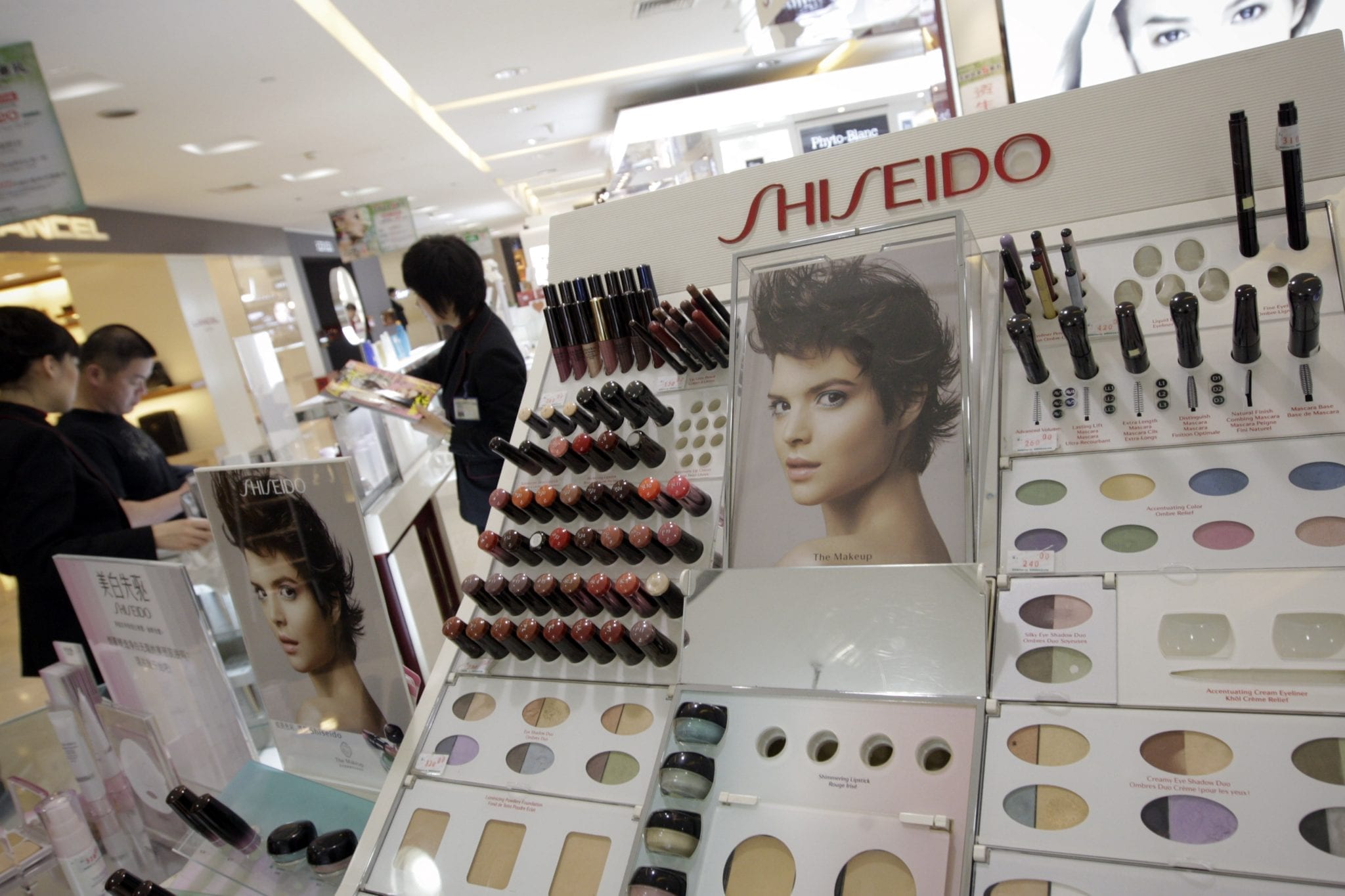
    Top cosmetics makers are also actively expanding their sales. Shiseido plans to begin in 2019 officially selling new products in China from its namesake mainstay brand, which launched worldwide this fall. The company will open a facility for collaboration with Alibaba Group in Hangzhou from January and jointly develop products with the Chinese e-commerce empire.

    Kao plans to double the number of stores in China carrying its popular Freeplus skin care brand to more than 2,000 by 2020. It will also cultivate sales for its makeup brand Kate, which launched a Chinese marketing campaign in December. Kose is accelerating the online sales campaign it began in China this autumn for its luxury brand Decorte.

    Japanese cosmetics makers are increasing the capacity of domestic plants to meet the surging export demand. Shiseido plans to bring a new domestic factory online in 2019 for the first time in 36 years, in Tochigi Prefecture, to produce more items like skin care products. It will also begin operations at a new facility in Osaka Prefecture in 2020.

    Kao will roughly double production for its Freeplus brand from 2017 levels, too, by investing in its main factory in Kanagawa Prefecture. Boosting domestic production is likely to encourage exports further by increasing supplies of “made-in-Japan” cosmetics.

  • Indonesia Posts Narrowest Budget Deficit in 6 Years in 2018: Finance Minister

    Indonesia Posts Narrowest Budget Deficit in 6 Years in 2018: Finance Minister

    Indonesia posted the smallest fiscal deficit in six years in 2018 and less than initially projected, despite turbulence in its financial markets due to capital outflows, Finance Minister Sri Mulyani Indrawati said in a Facebook post. The estimated budget deficit last year was equal to 1.72 percent of gross domestic product, narrower than both the government’s original plan of 2.19 percent and the latest estimate of 1.83 percent, Sri Mulyani said in a message posted late on New Year’s Eve.

    As a percentage of GDP, that was the smallest since 2012, the former World Bank managing director said.

    The 2018 budget also has a Rp 4.1 trillion ($283 million) surplus in its primary balance, or budget balance before interest payments, which Indrawati said was the first surplus since 2011.

    “We have done our duty to manage government finances well. The year 2018 was not an easy year with fluctuations in the global economy, commodity prices, capital flows and exchange rate,” she said, while also noting higher interest rates at home and globally.

    The rupiah plunged to its weakest in 20 years in 2018 due to capital outflows linked to worries about its twin deficits, US interest rate increases and concerns about the fallout for Asia from the US-China trade war.

    However, inflows towards the end of the year bounced it back and the currency closed the year 6 percent weaker compared with end-2017.

    Sri Mulyani said 2018 income from taxes and other revenue sources grew “high and healthy.” She previously said higher oil prices and a weaker rupiah had resulted in higher government revenues.

    The minister is expected to hold a news conference on budget realization on Wednesday.

  • Samsung Heavy lands $189 million LNG carrier deal

    Samsung Heavy lands $189 million LNG carrier deal

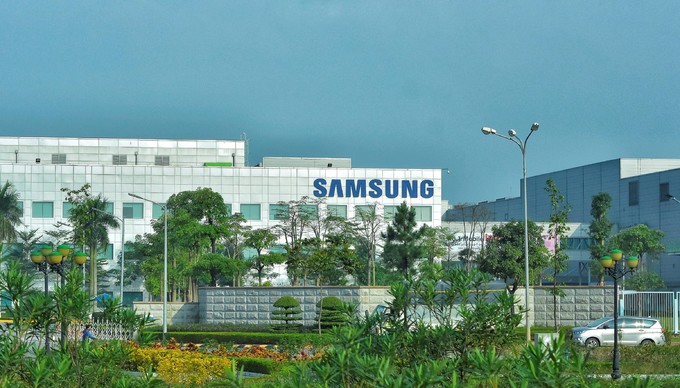
    Samsung Heavy Industries said Monday that it has clinched a deal worth 210 billion won ($189 million) to build a liquefied natural gas (LNG) carrier. The contract, with a European shipper, calls for Samsung Heavy to deliver the vessel by March 2021, the company said in a regulatory filing.

    With the latest contract, Samsung Heavy has clinched deals valued at a combined $6.3 billion so far this year to build 49 ships, including 18 LNG carriers and 13 container vessels.

  • Voon Seng Chuan is new AmBank Malaysia chairman

    Voon Seng Chuan is new AmBank Malaysia chairman

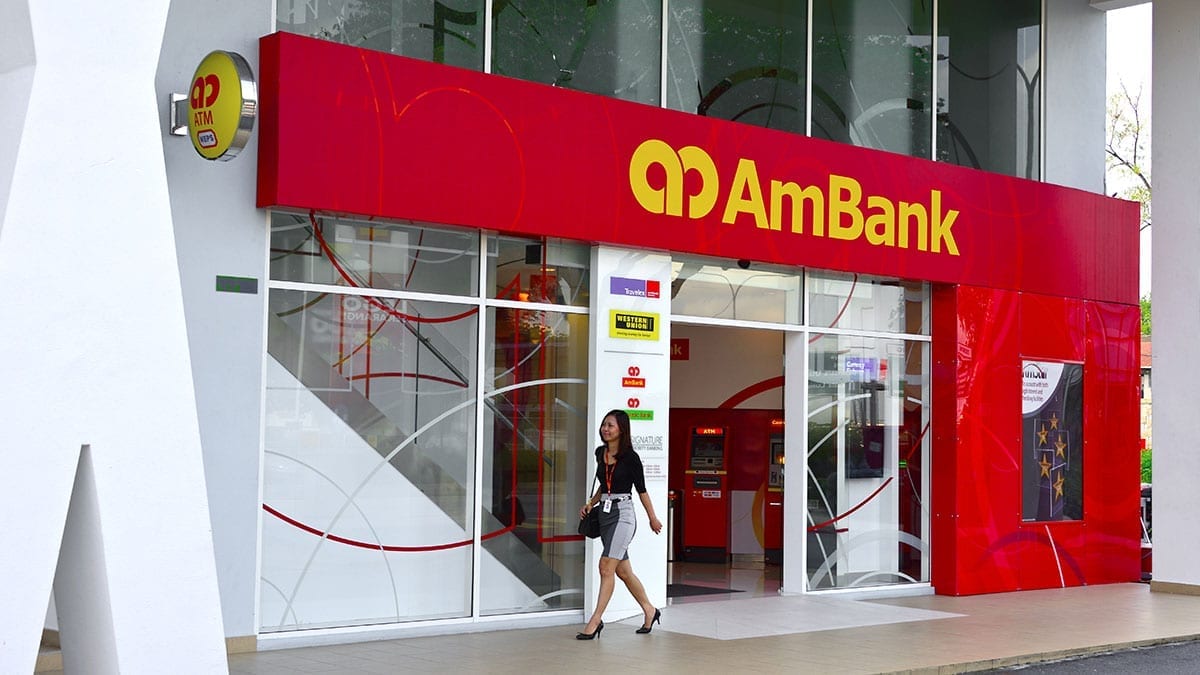
    AMMB Holdings Bhd has appointed Voon Seng Chuan (pic) as the new chairman of AmBank (M) Bhd with effect from Jan 1, 2019. “Voon, a Malaysian, aged 60, has been a member of the board of directors of AmBank since June 18, 2015. He is also a member of the board of directors of AMMB,” AMMB said in a stock exchange filing on its directorship/chairmanship transition plan.

    Voon replaces Tan Sri Azman Hashim, 79, who will be retiring from six entities in the AmBank group in stages over a two-year period announced last year.

  • 2.5 million buyers shop during Myntra, Jabong special sale

    2.5 million buyers shop during Myntra, Jabong special sale

    About 2.5 million shoppers ordered eight million products during four days of Myntra and Jabong’s special sale from December 22 to 25, a company statement said on Wednesday. “The ninth edition of End of Reason Sale concluded with Myntra and Jabong recording a massive surge in sale and traffic,” city-based Flipkart-owned Myntra said in a statement here. As a result of the sale, the fashion portals saw a 700 per cent surge in sales and 120 per cent increase in online traffic over normal business days, it added.

    American retail giant Walmart-owned leading e-commerce player Flipkart Group includes online fashion portals Myntra and Jabong.

    The Flipkart arms, however, did not disclose the combined value of goods sold in those four days.

    “Sports goods were the highest selling category with a total of eight lakh pairs of shoes sold across the country during the sale,” the statement added.

    The shopping carnival also saw 7.2 lakh new customers ordering through the portals.

    The two portals together sold 1,200 products per minute during the four-day sale.

  • Indonesia December Inflation Cools, Stays Within Bank Indonesia Target

    Indonesia December Inflation Cools, Stays Within Bank Indonesia Target

    Indonesia’s December annual inflation rate eased, but the pace was quicker than expected, data from the Central Statistics Agency, or BPS, showed on Wednesday. The annual inflation rate in December was 3.13 percent, the agency said, lower than November’s 3.23 percent, but quicker than the median forecast of 2.98 percent. The December rate was well within Bank Indonesia’s target range of 2.5 percent to 4.5 percent for 2018.

    On a monthly basis, the consumer price index rose 0.62 percent due to rising food prices and transportation fares.

    The annual core inflation rate, which excludes government-controlled and volatile prices, was 3.07 percent, matching the poll’s prediction and representing a slight acceleration from November’s 3.03 percent.

    The central bank raised interest rates six times last year to defend the rupiah, which hit its lowest in 20 years in October. However, the currency pared some losses closer to the end of the year due to capital inflows

  • Korea to ban plastic bags in supermarkets

    Korea to ban plastic bags in supermarkets

    Large supermarkets are banned from giving or selling plastic shopping bags to customers. The Ministry of Environment announced Monday that it will completely prohibit grocery franchises and supermarkets over 165 square meters (1,776 square feet) from selling or giving away single-use plastic bags from New Year’s Day. While it discouraged stores from providing plastic bags before, the ministry enforced a total ban through a revision to the Act on the Promotion of Saving and Recycling of Resources in an effort to cut plastic waste.

    Some 13,000 supermarkets are affected. If they offer disposable plastic bags, they risk fines of up to 3 million won ($2,690). The only kind of one-use bags stores can sell are the disposal bags accepted by district waste collectors. Stores will be encouraged to sell or offer paper and other non-plastic grocery bags instead.

    Supermarkets can continue to offer customers small plastic bags for wrapping items like fish and meat.

    The revision to the law also prohibits some 18,000 bakeries from handing out plastic bags free of charge.

    The ministry said it will give a grace period of around three months to help stores adjust to the change and work with local government bodies to ensure that the regulations are followed.

    Earlier this year, seven of Korea’s largest grocery and bakery franchises, including E-mart and Lotte Mart, signed voluntary agreements with the ministry to reduce disposable waste.

    That initiative has produced notable results. Paris Baguette and Tous Les Jours, for example, used 74 percent fewer plastic bags in November last year compared to the same period 2017, according to the ministry.

    “It’s necessary to reduce use of disposable waste for the environment and future generations,” said a spokesman from the ministry. “We request the people’s active participation to promote a green consumer culture.”

  • Goldwin tops sports market growth through store investment

    Goldwin tops sports market growth through store investment

    Marketing of sports brands has become increasingly retail-led in the last decade and a focus on retailing has enabled Goldwin to make serious gains while the two biggest domestic brands, Asics and Mizuno, have been distracted by overseas expansion. Goldwin took a close look at its beleaguered business 15 years ago and decided retail could be its salvation. At current rates it will catch up with Mizuno’s domestic sales in a few years.

    Goldwin was a struggling sports apparel distributor 15 years ago, floundering in declining wholesale channels, the implosion of the ski boom, and a fear of risking all on expensive retail investment, resulting in sales collapsing from a peak of ¥78 billion to less than ¥50 billion.

    No longer. The rights owner for The North Face and Helly Hansen in Japan posted another strong set of results in 1H2018: sales jumped 16.2% to ¥33.4 billion and operating profit doubled to ¥3.1 billion. The strong first half follows an equally good 2017 when sales rose 15.6%, the eighth straight year of growth. Operating profit reached ¥7.1 billion, up 81% and the highest for 25 years.

    Sales for FY2018 ending March are expected to come in 13.6% higher at ¥80 billion, with operating profit of ¥9.1 billion, up 28.1%. If these numbers turn out to be correct, Goldwin will have achieved it highest sales ever and met the goals set out in its medium-term plan ending March 2021, two years ahead of schedule. It has now updated the medium-term plan from ¥80 billion to ¥90 billion in sales, operating profit from ¥6.5 billion to ¥11 billion, and an ROE of 15% against a forecast 11.2% (the ROE in FY2017 was 15.4% and is forecast at 18% for FY2018).

    What has changed? The key factor is the success of its outdoor brands, which accounted for ¥49 billion, or 70%, of sales in FY2017, and in particular the change in management’s willingness to invest in retail stores in shopping centres a decade ago.

    Since the decision to invest in retail, Goldwin has opened well-executed stores in busy malls such as Lalaport and Lumine, as well as some very popular outlet stores. Today, its own directly operated stores account for 56% of sales. In addition, Goldwin garners another 5% of sales from e-commerce, still a small percentage but online sales were up 50% in a year. This performance is far better than either of the two largest domestic brands, Asics and Mizuno. Goldwin had little choice than to risk all given its dependence on the Japanese market for almost all its sales, forcing it to seek an alternative to its traditional wholesale model.
    Goldwin has focused investment on key brands rather than try to lift all boats at once.

    The growing appetite for outdoor fashions from both active consumers and those who just like the outdoor look, has helped propel The North Face and Helly Hansen in the last few years. In contrast, other Goldwin brands, like Ellesse, Canterbury and Speedo, which are sold at wholesale and through department store corners, have seen sales languish, falling 3.3% in FY2017.

    What is impressive about Goldwin’s stores is relentless effort to attract new footfall. In-store events are held regularly to pull in customers and deepen interaction, with customer feedback passed back to product planning and marketing teams. Goldwin also locates stores close to outdoor sports activities, such as its Nagano and Niseko The North Face Gravity stores which combine merchandise sales with ski rental services and even a library of books on outdoor sports. At the new National Stadium in Gaien-mae, it has opened an athletics complex/store called Neutralworks by Goldwin.
    On the supply side, Goldwin has worked to simplify supply chains through more direct contracts with factories, which in turn has helped streamline inventory management, resulting in a lower cost of sales, better sell-through and an increase in operating profit margins from 4.9% to 9.4%.

    Given the intense competition and the plethora of similar product from multiple sports brands, Goldwin has been investing in product innovation for both its own brands and licensed product. In 2017 it built a technical research centre in Toyama – where the company was founded – at which it develops new fabrics and performance functions using environmental chambers and motion capture systems. It has also partnered with other companies: it uses a synthetic, protein-based, petroleum-free silk developed by Spiber (in which it has invested ¥3 billion) for jackets and hoodies, and has licensed odour-reducing, sweat-absorbing fabrics originally developed by Jaxa for astronauts’ underwear.

    Goldwin is now investing in stores for other promising brands. It opened stores in Aoyama, Tokyo and Sapporo for the US brand Woolrich in October, and forecasts sales growth of 6.5% this year. Goldwin plans 10 stores for Woolrich through FY2020. For its eponymous Goldwin brand it opened the first flagship store in November in Nijubashi Square in Marunouchi.

    Going forward, plans for overseas expansion look promising for the first time. In the last two years, it introduced a new logo and updated merchandise for the Goldwin brand. It will transform what was a domestic skiwear label into a lifestyle sports label with global reach, similar to Descente’s plans for its own brand. In A/W 2019 a new lifestyle collection of sports apparel and accessories will be launched at home and overseas – this year the ‘hero’ product, a down parka using synthetic silk from Spiber, was gold winner at the European sports trade show, ISPO Munich.

    Last year, Goldwin acquired a stake in Woolrich International, a UK-based entity that owns the Woolrich brand, and plans to “participate actively” in its global development, particularly in Asia, including production – it has created a premium collection for the brand this year.

    Investment in sports retail stores will increase at home over the next couple of years, with all major sports brands looking to expand. The success of Japan in the soccer World Cup, big expectations for the Japan team in the 2019 Rugby World Cup, and the upcoming Olympics in 2020 all contribute to consumer interest in sports. Goldwin itself is hoping for an afterglow effect after the Olympics – what it calls “Golden Sports Years” – but the even more important trend is growing interest in health and well-being in general.

    What also makes the prospects for sports brands so bullish over the next decade is that interest in active sports, and the attire to go with this, is common to all age groups in Japan. This includes the fast growing population segment, the over 60s, ensuring sustained demand for many years to come. Sports and sports fashion is in many ways one of the few consumer categories to be largely immune to a demographically challenged market like Japan.

    Some local sports firms have been complacent in taking for granted customer loyalty to Japanese brands, but Goldwin has matched international brands in development of solid retail concepts, mixing innovative products with store entertainment and services, the basis of its new found success. Asics and Mizuno will be hoping that investment plans in the next few years will be enough to restore the balance.

     

  • New E-Comm Rules: Flipkart India for broad market-driven framework

    New E-Comm Rules: Flipkart India for broad market-driven framework

    India’s largest online marketplace Flipkart has requested New Delhi that a broad, market-driven framework for the e-commerce industry be put in place after consultations with the relevant stakeholders. The request came a day after the federal government announced changes in the foreign direct investment (FDI) policy for the sector. On Wednesday, New Delhi took a series of measures to tighten the norms for e-commerce companies, such as Flipkart and Amazon, barring them from selling products of the entities in which they have a stake. The altered norms also restrict them from mandating any seller to sell products exclusively on their respective platforms.

    Flipkart said that the e-commerce ecosystem has created thousands of jobs apart from fostering innovations in MSME manufacturing, supply chain, warehousing, packaging, and digital payments.

    “Government policy changes will have long-term implications for the evolution of the promising sector and the whole ecosystem. It is important that a broad, market-driven framework through the right consultative process be put in place in order to drive the industry forward,” the Bengaluru-based online retail giant said in a statement.

    Flipkart was acquired by the US retail giant Walmart for $16 billion earlier this year in what was the country’s largest acquisition and the world’s biggest purchase of an ecommerce company.

    Amazon’s India unit said that the company was still evaluating the policy changes. The new policy aims to restrict any kind of control on inventory by an e-commerce marketplace entity, thus impacting Flipkart and Amazon as they have structured their group companies in a way that would help retain control on pricing and inventory.

    “For Amazon and Flipkart, this policy change brings massive challenges. They have to not only make changes into the business model and structure of how they are selling goods, but this will also affect the profitability due to limitations on private label products,” said Satish Meena, senior forecast analyst at Forrester Research.

    “Apart from this, the planned investment in the offline channel is going to be recalibrated after this change. All these will have an impact on how they scale up the business in India,” Meena added.

  • Korean drug companies anticipate a strong 2019

    Korean drug companies anticipate a strong 2019

    Korean pharmaceutical companies are entering 2019 with high expectations as several domestic drugs are expected to gain approval from overseas regulators this year. Though the Samsung BioLogics accounting fraud scandal made 2018 a less-than-stellar year for the pharmaceutical industry, bio firms are ready to get back on their feet with new drugs and licenses.

    Daewoong Pharmaceutical is one firm hoping to get the green light for sales of a product in the United States and Europe this year. Nabota, a botulinum toxin, or botox product, was submitted for approval to the U.S. Food and Drug Administration (FDA) and the European Medicines Agency in 2017.

    Last August, Nabota became the first domestic botox product to gain sales approval in Canada after Daewoong acquired the necessary permit from the country’s health authorities.

    Green Cross is another company awaiting FDA approval. Its I.V.-Globulin SN, an immunoglobulin product that treats immune deficiencies, is being reviewed by the agency.

    Though the FDA postponed approval of the drug last September when it requested supplementary documents from the company, Green Cross is optimistic that it will eventually get the go-ahead since I.V.-Globulin SN is already being sold in both Korea and overseas markets, such as Brazil.

    SK Biopharmaceuticals is waiting for the FDA to approve Cenobamate, an antiepileptic drug. Cenobamate is the first drug for which a Korean company has applied for FDA approval independently without going through global partner companies.

    If the drug is approved, SK expects that Cenobamate will become a huge cash cow that can generate up to 1 trillion won ($898.8 million) in annual sales just in the United States. The United States is the world’s largest market for epilepsy drugs.

    Last Thursday, Hanmi Pharmaceutical filed a license application for Rolontis, a drug intended to treat chemotherapy-induced neutropenia, with the FDA through Spectrum Pharmaceuticals. Hanmi is hoping to gain approval by the first half of 2020.

    Korean drug makers are hoping to make progress with clinical trials and technology exports this year.

    Yuhan is currently working with Janssen Biotech to conduct clinical trials for lung cancer drug Lazertinib. Two months ago, Janssen purchased out-licensing rights from Yuhan for Lazertinib in a deal valued at $1.25 billion.

    One of Chong Kun Dang Pharmaceutical’s most highly anticipated drug candidates is the CKD-702 bispecific antibody, an artificial protein used for cancer immunotherapy. Given the growing interest in bispecific antibodies around the world, industry experts predict Chong Kun Dang will be able to export the drug technology as early on as the pre-clinical stage.

    Hanmi and Jeil Pharmaceutical are also expected to complete Phase 2 clinical trials for their obesity drug HM15211 and stroke treatment JPI-289 this year, while SillaJen is due to complete Phase 3 clinical trials for its cancer treatment Pexa-Vec in the coming months.

    “Domestic pharmaceutical firms have tried to venture into the United States, the world’s biggest drug market, and their efforts will lead to real results next year,” said one spokesman from a pharmaceutical firm.

  • Lulu Group opens Y Mall at Thrissur India

    Lulu Group opens Y Mall at Thrissur India

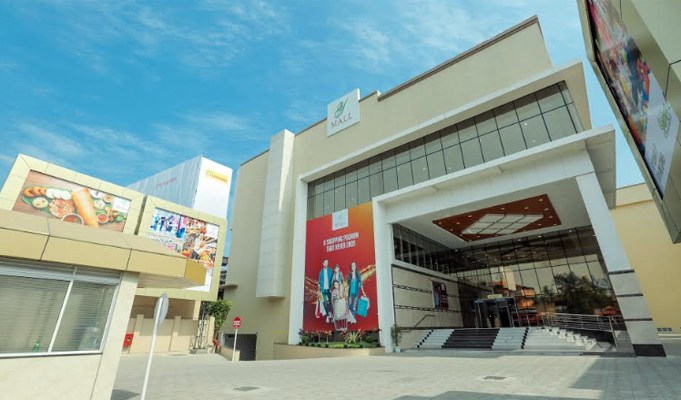
    Lulu Group Chairman and Managing Director, M.A. Yusuff Ali dedicated the newly-opened Rs 250 crore mall project – Y Mall to his home town on 29 December, 2018. M.A.Yusuff Ali’s grandchild, Ayan Ali cut the ceremonial ribbon, officially inaugurating the mall. Speaking at the inaugural event, M.A.Yusuff Ali said that the 2.5 lakh sq.ft Y Mall at Triprayar in the Thrissur district of Kerala and the 4.6 acres of land on which it has been constructed is his endowment towards worthy initiatives.

    He declared that Y Mall will be under the ownership of the ‘Y Foundation’ and the profits from the mall will be contributed towards various charitable activities under the foundation, including assistance for the places of worship in the town, who will collectively receive Rs 19 lakhs every year from the profits of Y Mall.

    This will be in addition to the various charity works under the Y Foundation, Y Mall will provide an incredible shopping, dining and entertainment experience for all the people in and around Triprayar. The Mall is within easy reach from Ernakulam, Calicut, Thrissur and almost all landmarks and prominent facilities.

    The mall features Lulu Xpress Freshmarket, which houses everything from food and grocery, ready to eat food, mobile and electronics to home décor. Home to over 40 international, national and local brands in the categories – watches; footwear; men, women and kids fashion, lingerie and innerwear, denims and casuals, accessories, eyewear, mobile and electronics,  books/gifts/toys; beauty and wellness; bags and more, the mall
    has everything to satisfy a shopper’s needs.

    Customers can visit Kerala’s first ToysRus store at Y Mall along with brands like 1946, Baby Care, Label M, My G, Jockey, Vismay, Wrangler, Sylcon, Lens and Frames, Arabian Souk, WCDI, Blackberrys Casuale, Ajmal Perfumes, La Femi, Blossom, American Tourister, Super 99 and Lulu Forex. Bank of Baroda and salon services are expected to commence within a month or two. Café Coffee Day is located on the ground floor of the mall and Chennai Ananda Bhavan on the second floor.

    The 225 seater food court is a food lover’s paradise with brands like Baskin Robbins, ChicKing, Burger Hub, Fujian Express, Dosa Tawa, Tea Stop, Pulp Factory and Chak De serving a variety of cuisines including Chinese; North and South Indian; Burgers and
    Fries, Arabic, Juices and ice creams.

    Half of the third floor is dedicated to the entertainment zone by Sparkys, which hasinnumerousvideo games; bump-a-car; carousel rides; a soft play area and many more fun-filled rides. The mall has basement parking provision and spacious open parking area for more than 800 vehicles.

    Equipped with prayer halls, feeding room, reserved parking spaces and washrooms for differently abled; special parking for pregnant women; bag, umbrella and helmet park zones;
    ambulance, ATM, money exchange and more, Y Mall is a destination for travellers and localities alike.

  • Indonesian Stock Exchange ends 2018 in the red

    Indonesian Stock Exchange ends 2018 in the red

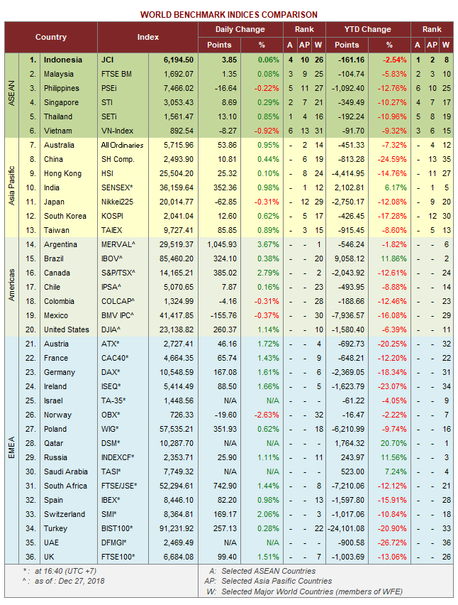
    Indonesia’s benchmark stock index declined 2.54 percent overall in 2018 amid a rough year for equities globally. Foreign investors sold a net Rp 50.75 trillion ($3.52 billion) in Indonesian stocks for the whole of 2018, compared with Rp 39.6 trillion in 2017. The market capitalization of Indonesia’s stock market meanwhile stood at Rp 7,023 trillion, compared with Rp 7,052 trillion a year earlier.

    The last trading day of 2018 on Friday last week saw the Jakarta Composite Index (JCI) closing 0.06 percent higher at 6,194.5.

    Inarno Djajadi, the new chief of the Indonesia Stock Exchange (IDX), said during Friday’s closing ceremony in South Jakarta, attended by President Joko “Jokowi” Widodo, that 57 companies listed their shares in 2018. This is a record high.

    Wimboh Santoso, chairman of the Financial Services Authority (OJK), expressed optimism during the event that the JCI would hit a level of between 6,500 and 7,000 next year.

    “We are still upbeat that the JCI has a chance to gain further. The OJK will provide stimulus to encourage more companies to list by offering various instruments,” he said.

    Wimboh said despite negative sentiment from external factors, such as the ongoing trade war between the United States and China, the business community remains optimistic about the Indonesian economy.

    Not Too Bad?

    President Jokowi also expressed optimism that the JCI may perform better next year. Citing IDX data, he said despite the 2.54 percent decline, the JCI was the second-best performer in Asia after India, which saw its benchmark stock index gain 6.17 percent this year overall.

    Jokowi said 2018 was not an easy year for the country’s economy, which was impacted by both external and internal factors.

    He said Indonesia’s large current-account deficit put pressure on the rupiah, which ultimately also affected the financial performance of listed companies. Meanwhile, normalization of US monetary policy, which caused capital outflows from emerging markets such as Indonesia, the US-China trade war and weak commodity prices also impacted Indonesian companies.

    “All of these have caused volatility in the JCI’s performance and dragged down the performance of listed companies,” he said.

    Jokowi said the government was fully committed to strengthening Indonesia’s stock market, as it should not only serve investors’ interests, but also function as a source of long-term funding for local companies to expand their business and help boost the country’s economy.

    According to Inarno, the number of registered investors on the IDX increased by roughly 222,000 to about 851,000, with 29 percent of them actively trading every day.

    The average daily trade for the whole year stood at Rp 8.5 trillion with an average frequency of 386,968. This is the biggest in Asia.

    Fundraising Down

    Fakhri Hilmi, deputy commissioner for capital market supervision at the OJK, said fundraising by Indonesian companies from capital markets in 2018 is estimated at Rp 163 trillion, which is 35.9 percent lower than last year.This figure includes initial public offerings, rights issuances and bond sales.

    “This year’s isn’t as much as last year; the value of IPOs were smaller,” he said.

    More Stocks Booking Losses

    More stocks booked losses in 2018 compared with last year. Of the 619 companies listed on the local bourse, 252 saw gains in their stock prices, while 327 booked losses. The remainder were stagnant.Of the shares that increased in value, 41 booked gains of more than 100 percent, while four increased by more than 1,000 percent.

    They are Super Energy, a company engaged in oil, gas and mining and petroleum transportation services, which saw its stock price rise by 1,450 percent this year, and financial services provider Pool Advista Finance, which saw its stock price jump 1,529 percent.

    The stock price of Prima Cakrawala Abadi, an exporter of fishing products, jumped 2,006 percent and Transcoal Pacific, a sea transportation and logistics service provider, saw its stock price skyrocket by a massive 3,714 percent.

    However, these are penny stocks. Indonesia’s shallow capital markets allow traders and brokers to trick the price of stocks that have low market values.

    Meanwhile, only 11 companies of Indonesia’s top 45 listed companies by market value, known as LQ45, booked gains in 2018.

  • Vietnamese banks deposit rates rise as usual at year end

    Vietnamese banks deposit rates rise as usual at year end

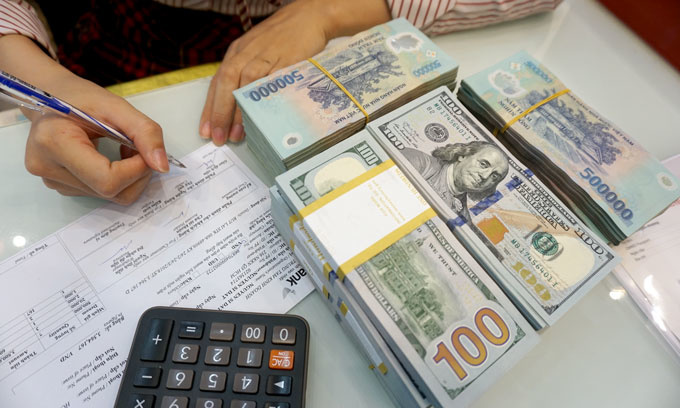
    Banks usually hike deposit interest rates and even offer promotions at the year end, and this year has been no different. On December 19 Sacombank announced a rise in interest rates on deposits of three months from 5.2-5.3 percent to 5.5 percent, and on deposits of 12 months from 6.9 percent to 7.7 percent. VPBank has increased its rates by 0.1-0.7 percentage points, with deposits of 18 months and more carrying the highest rate of 7.8 percent.

    State-owned banks such as BIDV and Vietinbank have hiked rates by 0.1 to 0.5 percentage points.

    The management of a joint-stock bank headquartered in the south said lending usually rises in the last quarter of the year to meet the rising demand for short-term credit to serve the working capital needs of companies.

    As a result, many banks increase their deposit rates, especially for short terms, it said.

    Besides, experts said lenders are running out of time to use 45 percent of short-term capital for medium- and long-term loans, with the ratio to be reduced to 40 percent on January 1.

    The National Financial Supervisory Commission has recently estimated that credit growth to have slowed significantly to 15 percent this year from 18 percent in 2017.