Tag: asia

  • Starbucks Tokyo Reserve opening date revealed

    Starbucks Tokyo Reserve opening date revealed

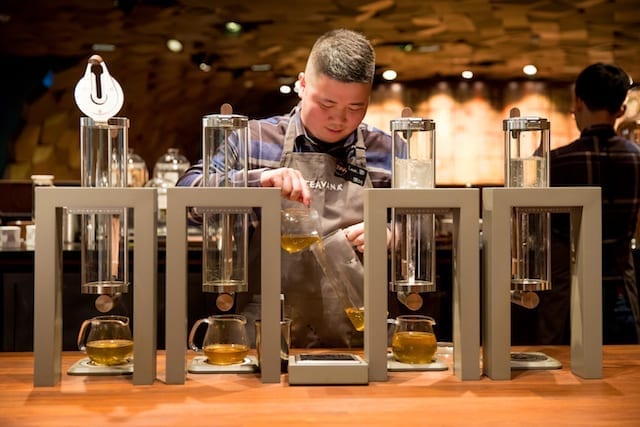
    The planned Starbucks Tokyo Reserve Roastery will open on February 28 next year. The outlet will launch in the Nakameguro district as the brand’s fifth global Reserve Roastery, designed and constructed in partnership with architect/Kuma Lab founder Kengo Kuma.

    Starbucks will build 100 new stores in Japan every year over the following three years, bringing its total stores to 1700 within the territory.

    Starbucks president and CEO Kevin Johnson said: “We continue to thoughtfully evolve within Japan’s elevated coffee culture to maintain a leadership position and achieve profitable growth for the long-term.”

    The firm recently launched a delivery program in Japan in partnership with Uber Eats, as well as a partnership with Japanese social media platform Line that is expected to result in a digital payment system.

  • Japan’s Shiseido formed Philippine unit with Luxasia

    Japan’s Shiseido formed Philippine unit with Luxasia

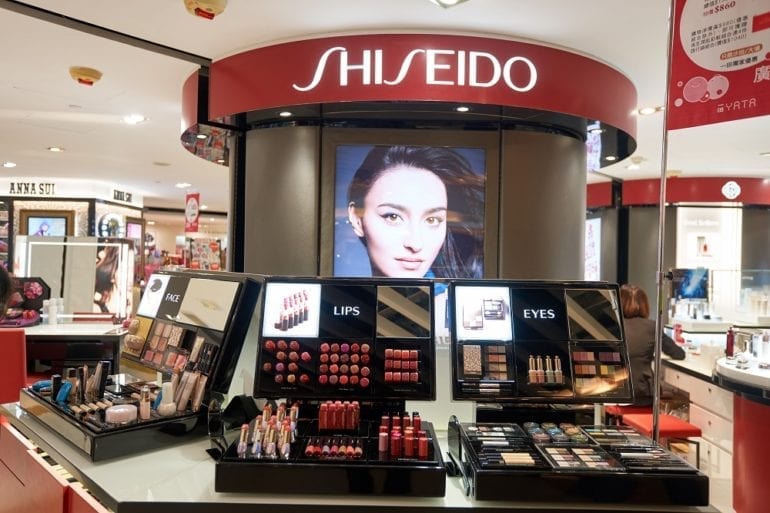
    Japanese beauty products firm Shiseido is partnering with Singaporean cosmetics agent Luxasia to expand into the Philippines market. The two firms will be setting up a partnership in the form of Shiseido Philippines Corp this December. Shiseido will retain the majority shareholding in the business, which will start operations next July once the sales channels of two local agents are integrated.

    According to the firm, the Philippine joint venture will enhance the product lineup of its prime brands in the market, Southeast Asia’s third-largest in the industry representing around US$3 billion in annual sales.

  • GU to Open Next-Generation Store “GU STYLE STUDIO”

    GU to Open Next-Generation Store “GU STYLE STUDIO”

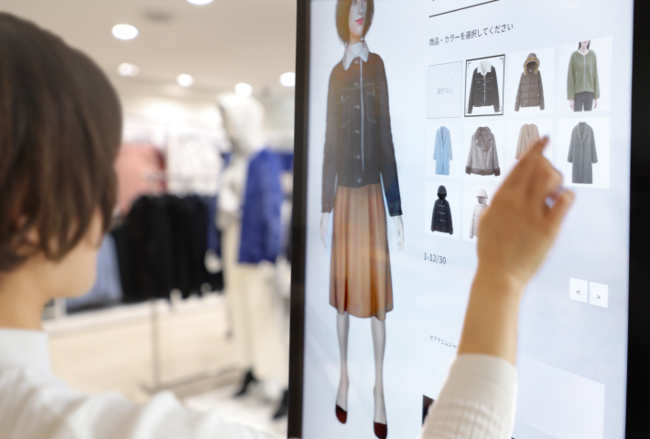
    Japanese casualwear retailer GU will open a “next-generation” Style Studio in Harajuku this month, merging physical retail and advanced technologies. The studio will feature digital signage and a style creator app in the high-end retail district of Tokyo for the Fast Retailing-owned fashion brand.

    A spokesperson for the brand indicated the store will bridge online and in-store shopping and “will offer a new type of personalised fashion experience, enabling customers to discover outfits that perfectly match their individual style, using the innovative technology of the GU Style Creator Stand” and the accompanying app.

    Customers can check out the suitability of garments by having them digitally fitted on a personalised avatar of themselves based on a photo taken in the store. The avatar can be used as a basis to try and develop new styles.

    The store will open on November 30.

  • Apple concerns hit supplier stocks

    Apple concerns hit supplier stocks

    Shares in Asian suppliers and assemblers for Apple fell on Tuesday after several component makers warned of weaker than expected results, leading some market watchers to call the peak for iPhones in several key markets. Following a poor forecast earlier this month, analysts and investors voiced concern over the state of Apple’s business, contributing to growing worries that iPhone sales were stagnating and could hurt suppliers.

    Fresh warnings on Monday from screen maker Japan Display, British chipmaker IQE and Lumentum Holdings, the main supplier of the Face ID technology in the latest generation of iPhones, hurt technology stocks in Asia on Tuesday.

    Taiwan-based assembler Hon Hai Precision Industry (Foxconn) dropped more than 3 percent. Rival Pegatron fell more than 5 percent but later recouped losses. Both companies count Apple as a major customer.

    The world’s largest contract chipmaker, Taiwan Semiconductor Manufacturing, fell 2.6 percent, while Flexium Interconnect was down 1.5 percent. The Taiwan Weighted Index was down around 1.6 percent.

    “Apple’s iPhone weakness has been a long-term issue for the Asia supply chain,” said Arthur Liao, an analyst at Fubon Research in Taipei.

    “For Apple, iPhone shipment has reached its peak. For tech suppliers facing the future, they have no other big client like Apple.”

    The company’s shares fell to their lowest level in more than three months on Monday.

    Last week, a media report saying the iPhone maker had told its smartphone assemblers to halt plans for additional production lines dedicated to its new lower-priced iPhone XR had pressured supplier stocks.

    Analysts said the lack of technological breakthroughs had put a cap on demand.

    “With no new technology in sight next year for the supply chain, this is not ideal for the companies involved,” said Nicole Tu, a Taipei-based analyst at Yuanta Investment Consulting.

    “Up through the first half of 2019, we likely won’t see any breakthrough.”

    Lumentum on Monday slashed its profit and revenue forecast for the current quarter, while IQE warned that current-year results would be lower. Japan Display lowered both sales and margin outlook for the year as well.

    Apple warned earlier this month that holiday sales would miss Wall Street expectations due to weakness in emerging markets.

  • Lazada’s CEO jumps to Vestiaire Collective

    Lazada’s CEO jumps to Vestiaire Collective

    Vestiaire Collective, the global resale site for authenticated pre-owned luxury and premium fashion, has announced the appointment of Maximilian Bittner as CEO.He will succeed Sébastien Fabre, the co-founder of Vestiaire Collective, from January 1, 2019 in Paris, where the core team is located.

    Sébastien Fabre will remain a Director of the Company and will continue to play a key role in defining Vestiaire Collective’s strategy.

    Maximilian Bittner was chosen to build Vestiaire Collective’s growth and international expansion.

    At 39 years old, he was, until March 2018, Founder and CEO of Lazada Group, one of Southeast Asia’s leading ecommerce company.

    Launched in 2012, the company is present in Indonesia, Malaysia, Philippines,  Singapore, Thailand and Vietnam and offers exposure and market access to over 155,000 merchants, 3,000 brands and 300 million SKUs and reaches over 560 million potential customers in the region.

    Alibaba Group acquired majority ownership of Lazada Group over 2016 and 2017.

    The company’s latest valuation was USD 3.15 billion.

    Maximilian began his career at Morgan Stanley’s Investment Banking division in London prior to joining McKinsey & Company and then Rocket Internet in Germany.

    He graduated with a degree in Economics and History from the University College of London and holds an MBA from the Kellogg School of Management.

  • Transport giant to withdraw capital from leading HCMC taxi firm

    Transport giant to withdraw capital from leading HCMC taxi firm

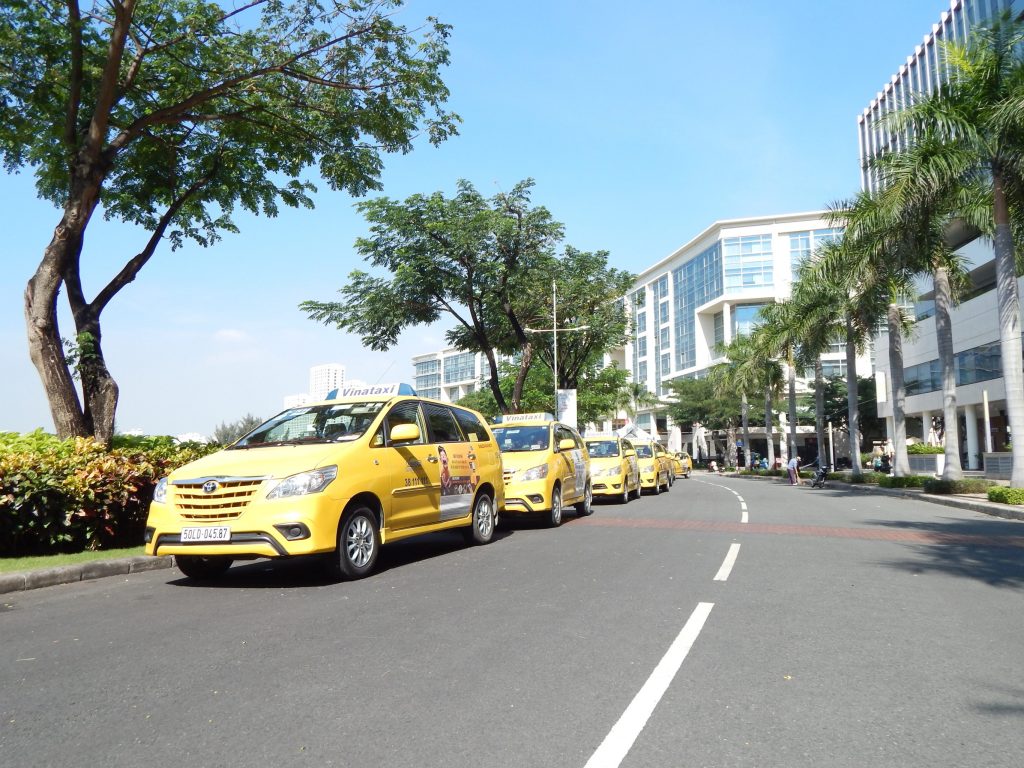
    In an apparent u-turn, transport giant Tracodi has approved divestment of its 30 percent stake in Vinataxi. Just months after saying it intends to increase its stake in Vinataxi, renew its fleet and install driver software, the Transport and Industry Development Investment Corporation (Tracodi) has decided to pull out.

    Tracodi has authorized Nguyen Thanh Hung, its general director and vice chairman, to seek investors and negotiate a transfer price not lower than the net present value of Vinataxi shares calculated according to book value.

    Vinataxi is a joint venture between Tracodi and electronic component distributor Tecobest Hong Kong, established in 1992. In 2003, Tecobest transferred capital management rights to ComfortDelGro, the leading public passenger transport operator in Singapore.

    According to the consolidated financial statement of the third quarter, Vinataxi occupied the third largest market share in Ho Chi Minh City with a chartered capital of VND113 billion ($4.84 million). Tracodi’s initial investment value was approximately VND34 billion ($1.46 million) in the joint venture.

    Tracodi’s capital withdrawal is in stark contrast to the plan announced by its board at its annual general meeting mid-June. Then, the corporation announced it wanted to negotiate raising its ownership ratio in Vinataxi to 49 percent, and coordinate with ComfortDelgro Savico Taxi, a joint venture between ComfortDelgro and Saigon General Service Corporation, to renew their fleets and install driver software.

    Tracodi’s management board estimates the firm will reap net profit of VND8 billion ($342,916) from its taxi business line this year with its combined fleet of over 300 cars.

    In 2017, revenues and after tax profit of Vinataxi reached over VND47 billion ($2.01 million) and VND1.2 billion ($51,431) respectively.

  • LG seeks AI, robotics, big data talent in Silicon Valley

    LG seeks AI, robotics, big data talent in Silicon Valley

    LG Electronics Vice Chairman Jo Seong-jin will be in Silicon Valley on Nov. 14 scouting employees with expertise in future technologies such as artificial intelligence, robotics, big data and the cloud. He will meet with job candidates – mostly those with doctoral degrees in the areas of interest – and introduce LG’s vision for growth and plans to staff up in research and development. He will then meet with academics focused on artificial intelligence, including professors at Stanford University, to discuss technological trends and future prospects in the field, according to LG.

    Jo will also visit San Diego, San Jose and Seattle to meet with corporate leaders in IT, finance and consumer goods to discuss the company’s blueprint for the future.

    “LG must hire global talent to become a leader in future businesses based on artificial intelligence, big data and the cloud,” Jo was quoted as saying by LG in a release.

    LG will continue investing in leading companies and cooperating with other businesses in related fields, he added.

    Inaugurated as chief executive of LG Electronics in 2016, Jo has been outspoken about the company’s future in artificial intelligence.

    Delivering a keynote speech at the opening of the IFA tech fair in Berlin in August, he said LG will be “pouring the company’s resources into artificial intelligence,” given that the technology will determine LG’s future.

    LG launched an artificial intelligence research center in June. It is led by the company’s chief technology officer and devoted to voice, video and bio recognition as well as deep-learning algorithms.

    Earlier this year, the country’s second-largest electronics appliance producer established another center connected to LG’s Silicon Valley lab. It is focused on deep learning and automobile technologies.

  • Tumi boosts Samsonite sales growth

    Tumi boosts Samsonite sales growth

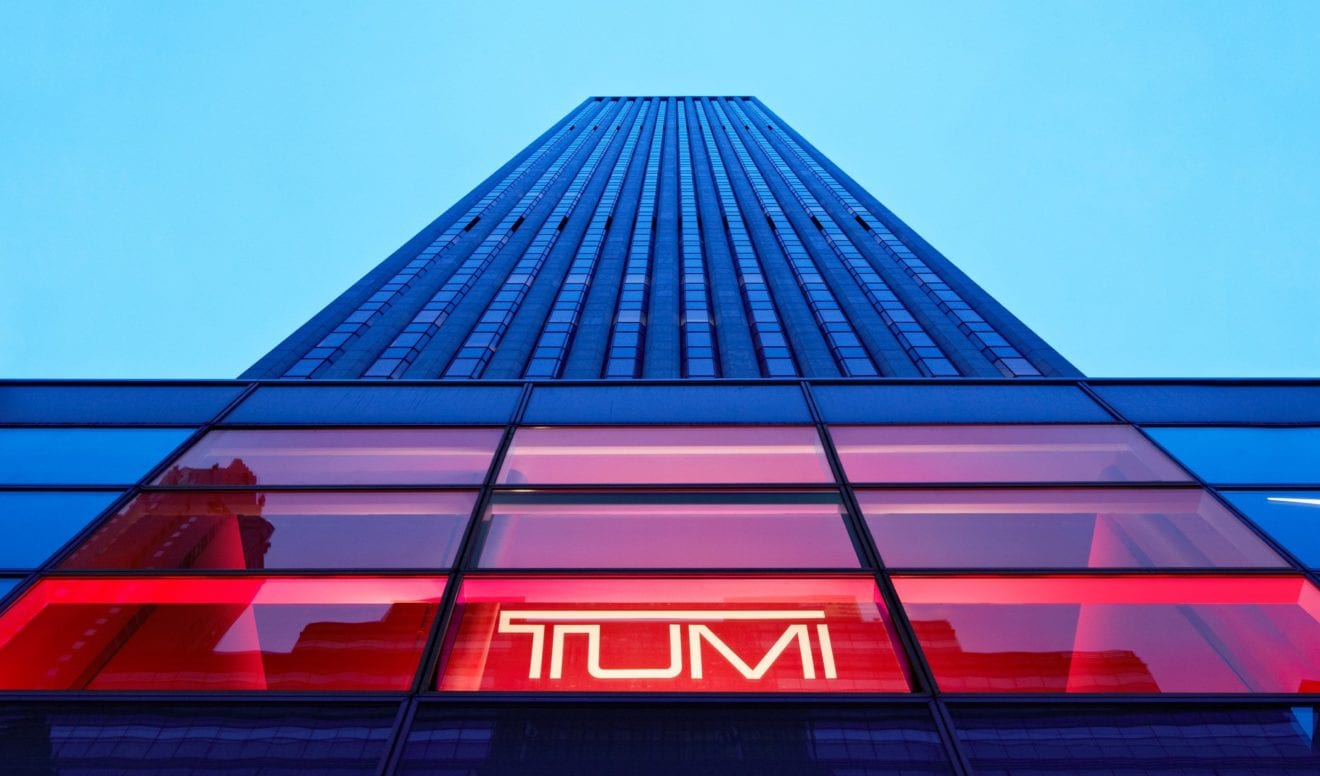
    Rapid Tumi expansion is powering solid sales growth for Hong Kong-listed luggage specialist Samsonite International. Group sales rose 5.2 per cent in the third quarter to US$945.2 million, with sales in Asia up 7.2 per cent to $324.2 million. Global sales for the first nine months were up 10.1 per cent.

    The company says the Asian sales growth was primarily driven by the Tumi, American Tourister, Kamiliant and High Sierra brands. Tumi sales in Asia surged 27.7 per cent year-on-year, driven by expansion in key Asian markets. Kamiliant, the group’s value-conscious, entry level brand, saw net sales increase by 31.8 per cent as the brand continued to gain market share, while the High Sierra and American Tourister brands grew by 22.2 per cent and 3.6 per cent respectively.

    In Japan, sales grew 12.5 per cent in the third quarter, driven by the Tumi and Samsonite brands.

    Net sales in Hong Kong increased by 23.5 per cent, driven by increased net sales from the Tumi and American Tourister brands, however Mainland China net sales decreased by 3.2 per cent due to weak consumer sentiment amid concerns about trade relations and a decrease in business-to-business orders. Excluding business-to-business orders for both periods, net sales in China increased by 4.1 per cent.

    The Samsonite, American Tourister and Kamiliant brands drove a net sales increase of 28.6 per cent in India. Sales in South Korea decreased by 4.1 per cent due to “continued challenging domestic market conditions”.

    CEO Kyle Gendreau said the group was pleased with the third quarter results and especially its continued progress in Asia.

    Sales in Europe rose 10 per cent and in Latin America by 13.4 per cent.

    Profit attributable to shareholders during the third quarter rose by $18.9 million, or 33.3 per cent, to $75.5 million, driven by a reduction in the group’s income tax expenses. For the nine months ended September 30, profit attributable to shareholders, excluding a non-cash charge to write-off the $53.3 million of deferred financing costs, increased by $42.9 million, or 30.6 per cent.

    Gendreau said the company is excited about the opportunities ahead, despite global concerns about the US-Sino trade war and subdued consumer sentiment in many markets.

    “With consumers still showing a strong propensity for travel, our industry continues to enjoy favorable long-term growth prospects. We will continue to invest in marketing, product innovation and development of our distribution channels, including direct to consumer. We are confident that we can continue to leverage our strong, diversified portfolio of brands to expand our global presence.”

  • Start-up fund to create 11,000 jobs in Korea

    Start-up fund to create 11,000 jobs in Korea

    Local banks have invested an additional 345 billion won ($303.8 million) into start-up support. Based on past results, the latest funding could yield 11,000 jobs, D.Camp said on Wednesday. In 2012, 18 local banks teamed up to create and invest 500 billion won into D.Camp, a non-profit organization that supports early-stage start-ups. They decided to pour another 345 billion won into the non-profit in April.

    A total of 320 billion won of the total is being allocated to a private investment firm, K-Growth, to create a fund specializing in local start-ups. K-Growth will pull in other investors to join the new fund, with the total size targeted at 1.6 trillion won.

    The remaining 25 billion won will be utilized by D.Camp for the running of its co-working space and for the organization of various training and meet-up sessions for start-ups.

    D.Camp analyzed the number of jobs created by start-ups that received investments from the non-profit and K-Growth in the past in order to calculate how many jobs the new investment is likely to create.

    “K-Growth’s fund will produce 10,080 new jobs, while D.Camp’s support can add 960 to that figure, so the total will come to about 11,000” in the next three years, said D.Camp head Kim Hong-il at a press event in southern Seoul.

    D.Camp began investing in and incubating early-stage start-ups in 2015. Among 121 start-ups it invested in, 86.4 percent, or 110 companies, managed to survive and expand from seed stage. This is higher than the local survival rate of 38.2 percent and the Organization for Economic Cooperation and Development’s average of 57.2 percent.

    The enterprise value of the companies increased an average of 282 percent after receiving D.Camp investment. Among the 110 surviving today, 37.3 percent weren’t generating any revenue at the time the non-profit decided to participate.

    Kim said a big factor in keeping D.Camp’s success rate high is its monthly demo day, in which start-ups compete and present their businesses in front of other start-up entrepreneurs and investment managers at D.Camp. For teams with good evaluation results, D.Camp recommends investment and support.

    “D.Camp started out as something more like a social responsibility program, but today, we see it as a long-term investment for the country’s economy,” he said. “Start-ups nowadays offer services and products that even customers didn’t know they needed. That kind of innovation is something large-sized companies can’t do.”

  • JD.com’s First Robot Restaurant Now Open in Tianjin

    JD.com’s First Robot Restaurant Now Open in Tianjin

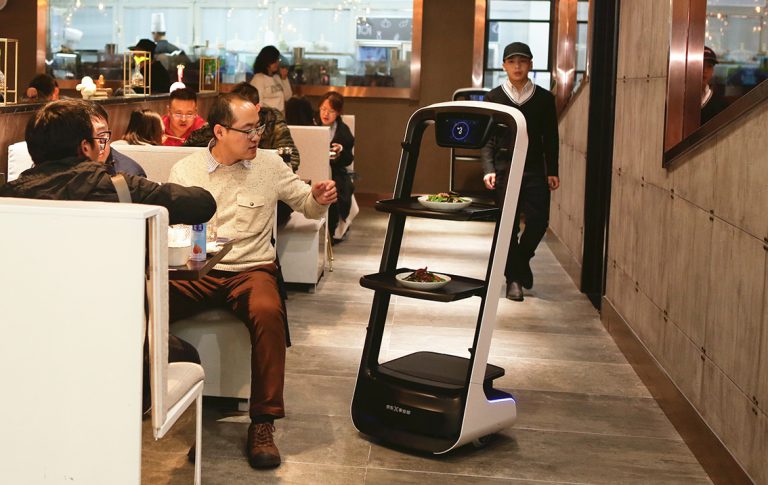
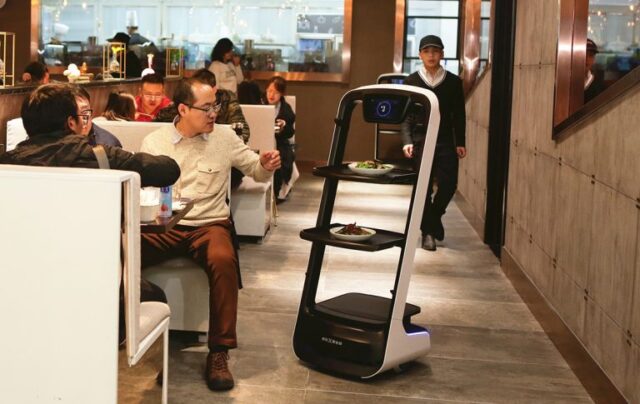
    Chinese online retailer JD has opened its first fully automated robot restaurant in Tianjin. The 400sqm venue has opened as “XCafe” at the Sino-Singapore Tianjin Eco-city, an area of Tianjin dedicated to environmental sustainability. XCafe is the first fully-automated restaurant in China, with all aspects of ordering, preparing, cooking, plating and serving performed by robots, which can work a full day on a single charge. Five or six human staff are still required to refill and position ingredients for the robot chefs.

    XCafe’s manager Tang Siyu said the restaurant can seat about 300 guests for dinner, with a table turnover rate of three turns per table during the lunch or dinner hour. It currently serves around 40 predominantly stir-fry dishes, with a potential full menu of more than 200 offerings.

    The restaurant also features VR interactive games and immersive dining experience areas.

    JD plans to open 1000 robot restaurants by 2020 and is seeking to promote the technology to other catering firms.

  • A look into Furla recent success strategy

    A look into Furla recent success strategy

    Furla Group continues to grow, with 252 million euros in turnover in the first half of 2018, a 10.6% increase at constant exchange. Turnover increased in the first part of the year across all markets. In particular, the Asia Pacific region registered a 28.6% increase at constant exchange, while Japan saw a 9.5% increase. The United States also registered an excellent performance, with a 24.2% increase.

    Figures from the first half of the year reveal that Italy now accounts for 15% of total turnover; the EMEA region (excluding Italy), 28%; the APAC region, 27%; Japan, 23%; and the U.S., 7%.

    Extensive worldwide distribution continues to be among the Italian company’s strong points: Furla is present in 100 countries, with 471 monobrand stores situated in the most prestigious international shopping streets. It also has over 1.200 multibrand and department store sales points.

    Over the past several months, Furla Group has assumed full control of its retail distribution in China, Hong Kong and Macau.

    Travel retail played a fundamental role in the company’s growth, with year-on-year sales up by 23% in the sector, which accounts for 8% of Furla Group’s total turnover.

    The company is present in the travel retail channel in 64 countries, with a total of 298 sales points, including boutiques, corners, shop-in-shops, aircraft and cruise ships.

    Furla is carrying out a major investment plan that aims to consolidate its impressive growth trajectory over the past several years and make it sustainable.

    Significant resources are being directed toward strengthening the supply chain through the implementation of a more sophisticated information system better suited to the company’s current size.

    The selection process for suppliers is ongoing and crucial to guarantee continued high-quality, on-time manufacturing.

    The company has also paid great attention to its new e-commerce platform, which saw sales increase by 24.1% in the first half of this year.

    Continual investments in human resources have allowed Furla Group to create new positions: today, the number of employees worldwide is 2.514, compared with 2.362 in December 2017.

    The company is also boosting its investments in marketing and communication, with ever-greater emphasis on digital and social media.

    A new, elegant monogram inspired by Furla’s “F” was created and introduced in Milan during the city’s women’s fashion week in September 2018.
  • Retail rents in Causeway Bay are the world’s most expensive

    Retail rents in Causeway Bay are the world’s most expensive

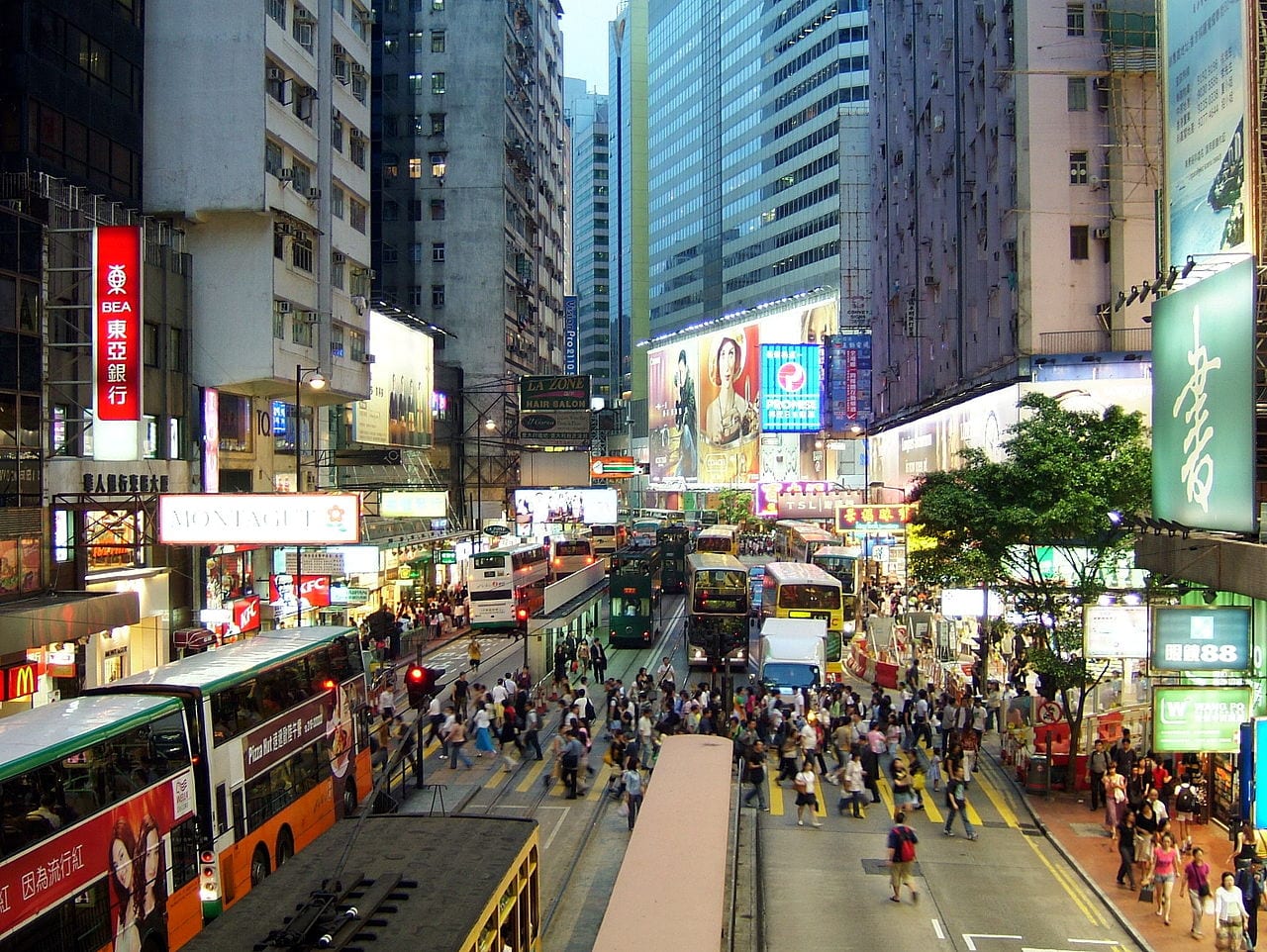
    Causeway Bay in Hong Kong is now home to the world’s most expensive retail space. According to the annual Cushman & Wakefield survey of high-street retail rents, Causeway Bay has overtaken New York’s Fifth Avenue for the top spot, with rents of US$2671 per sqft per year, or €24,606 per sqm per year.

    The calculations were completed during the second quarter of this year.

    What makes Causeway Bay’s performance on the list even more remarkable is that it was achieved as the retail rent market bottomed out after some three years of pressure from falling retail sales in the city. While that decline has turned around into positive growth over the past year, most property industry sources have said retail rents have not yet begun to climb again.

    Third place on the list of the world’s most expensive retail space – and the most expensive strip in Europe – is London’s New Bond Street.

    Of the Asia-Pacific locations, Japan’s Ginza takes sixth place this year, Sydney’s Pitt Street Mall seventh and Seoul’s Myeongdong district eighth. Those places are the same as last year. The only other change in the top 10 was Avenue des Champs Elysees in Paris overtaking Milan’s Via Montenapoleone into fourth place.

    The annual Main Streets Across The World report, celebrating its 30th anniversary, tracks 446 of the top retail streets around the globe and ranks the most expensive in 65 countries by prime rental value using Cushman & Wakefield’s proprietary data.


  • “Pink Legacy” diamond is sold at 50 million USD

    “Pink Legacy” diamond is sold at 50 million USD

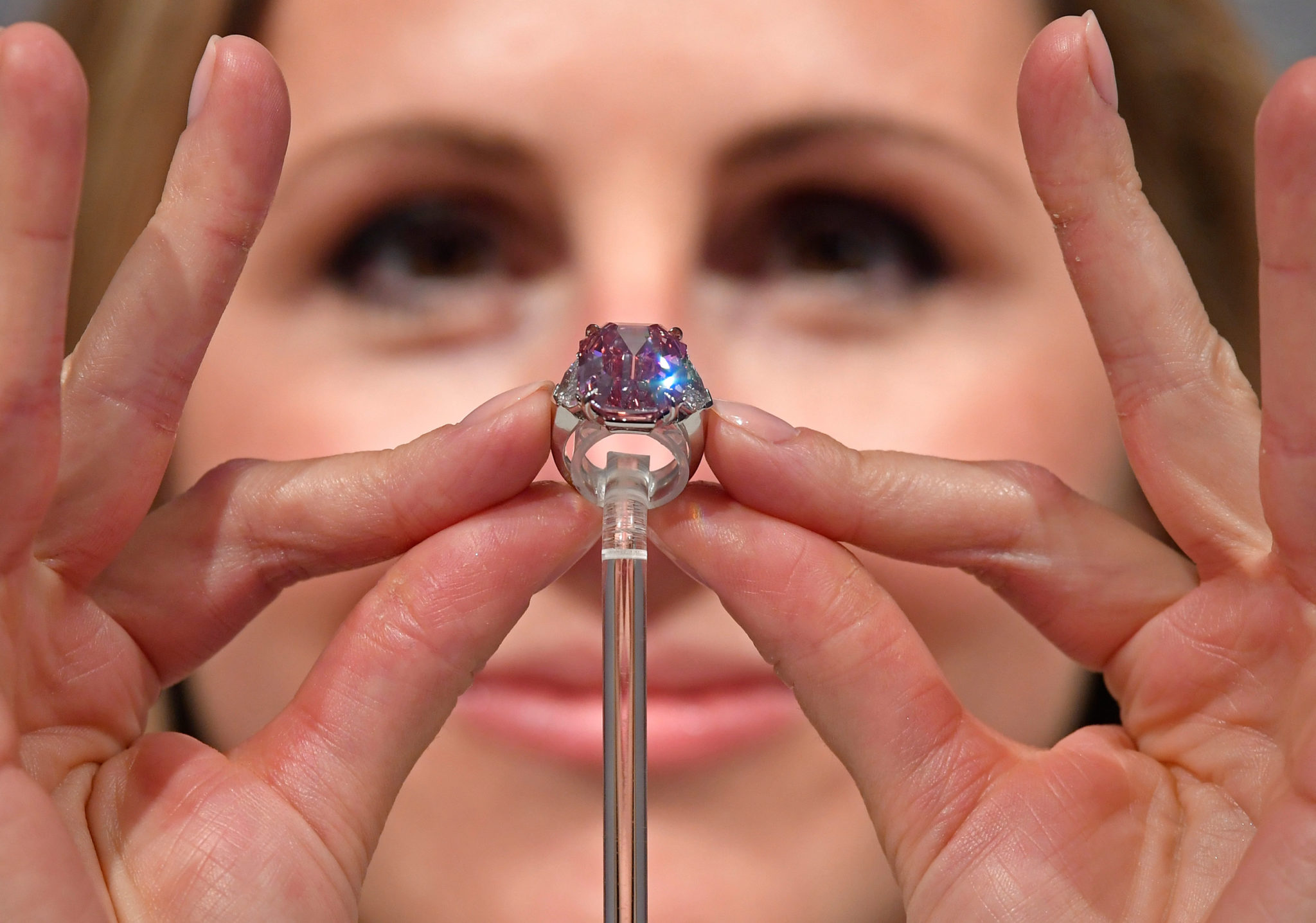
    An unusually large pink diamond sold for a record-breaking $50 million (about 50.3 million Swiss francs) this week at Christie’s auction house in Geneva. After five minutes of bidding, the 18.96-carat Pink Legacy became the world record holder for price paid per carat for a pink diamond at auction.

    Christie’s international head of jewelry, Rahul Kadakia, said it was purchased by American luxury brand Harry Winston, and will be renamed the Winston Pink Legacy.

    “You have to acknowledge first that the Pink Legacy diamond was a very special diamond,” Kadakia said. “It is one of the best and finest examples of pink diamonds at this size and color and it proved it with a new world record price per carat.”

    The diamond went under the hammer as part of the annual Magnificent Jewels auction and attracted a huge amount of interest because of its large size and impressive color grading.

    Pink Legacy is categorized as a “Fancy Vivid” diamond, the highest grade of color intensity. Only 1 in 100,000 diamonds receives the grading.

    The diamond is an even rarer find because of its size, as Fancy Vivid Pink diamonds larger than 10 carats are “virtually unheard of,” according to Christie’s.

    “This record-busting price fetched suggests the diamond trade is in good health and signals the market’s sensitivity to Australia’s Argyle mine’s imminent closure in 2020,” Eddie LeVian, CEO of jewelers Le Vian, said in a statement. “With Argyle producing 90% of the world’s pink diamonds, what do you think the value of this diamond will be in five years from now?”

    Christie’s did not identify the jewel’s latest owners but it once belonged to the Oppenheimer family, who ran the De Beers diamond mining company for three generations until selling their stake in 2011.

    The sale is the latest in a booming market for large pink diamonds.

  • Vietnamese banks report Jan-Sept rise in bad debts

    Vietnamese banks report Jan-Sept rise in bad debts

    Thirteen of 17 listed banks have seen their bad debts rise in the first 9 months of this year, according to banks’ financial reports. Experts blame this on recent credit growth, loose lending practices and accumulated old non-performing loans.

    Bad debts of VietinBank, the country’s second largest lender by assets, rose by 34.5 percent to nearly VND12.13 trillion ($519.82 million) in the first 9 months of this year.

    Group 5 debt, the worst category for potential loan losses, accounted for the largest proportion at 72 percent of the bank’s total bad debts. Group 5 debt was also the category with the biggest increase in the last 9 months, rising 68 percent to nearly VND8.74 trillion ($374.57 million).

    At BIDV, Vietnam’s biggest bank by assets, bad debts had totaled VND17 trillion ($728.65 million), a 21.1 percent increase over late 2017. However the bank’s bad debt ratio stood at 1.76 percent, well below the 3 percent danger limit set by the State Bank of Vietnam.

    The bad debt ratio of VPBank, meanwhile, rose to 4.7 percent by Q3, compared to 2017’s year-end figure of 3.39 percent. At the end of Q3, VPBank’s bad debt had increased by 52 percent compared to the beginning of the year, reaching VND9.4 trillion ($402.9 million)

    At Techcombank, total bad debt rose 33 percent between January and September, with Group 5 bad debt rising by 31 percent. Overall, the bad debt ratio on the bank’s loans rose to 2.05 percent from 1.61 percent at the beginning of the year. The bank’s bad debt is currently at VND3.43 trillion ($146.82 million).

    trillion VNDVietnamese banks’ bad debtas of September 201812.112.117179.49.43.43.4VietinbankBIDVVPBankTechcombank05101520BIDV● Bad debt: 17

    Banking expert Nguyen Tri Hieu said that the increase in bad debt was related to credit growth. New bad debt rises as banks increase lending and adopt looser lending practices, he said.

    The country’s credit growth in the first nine months of this year was 9.52 percent.

    Pham Hong Hai, CEO of HSBC Vietnam, said that from 2019 onwards, bad debt may re-emerge as a problem for banks after the recent credit growth and instability in global financial markets.

    State Bank of Vietnam Governor Le Minh Hung said recently that bad debts and potential bad debts of the sector amounted to 8.61 percent of total credit by the end of September.

    Vietnam’s banking sector posted an estimated 18.17 percent credit growth in 2017, according to the Ministry of Finance. It has targeted a credit growth of 17 percent this year.

  • SEA gives struggle to Dairy Farm International

    SEA gives struggle to Dairy Farm International

    “Significant challenges” across the Southeast Asian supermarket business are continuing to test Hong Kong-listed multi-format retailer Dairy Farm International. In a management statement discussing the company’s third-quarter performance – which did not include any figures – Dairy Farm said its businesses produced “mixed results” with a strong performance in health and beauty and good results from home furnishings and restaurants divisions. However, the performance of the Hong Kong supermarkets business has softened.

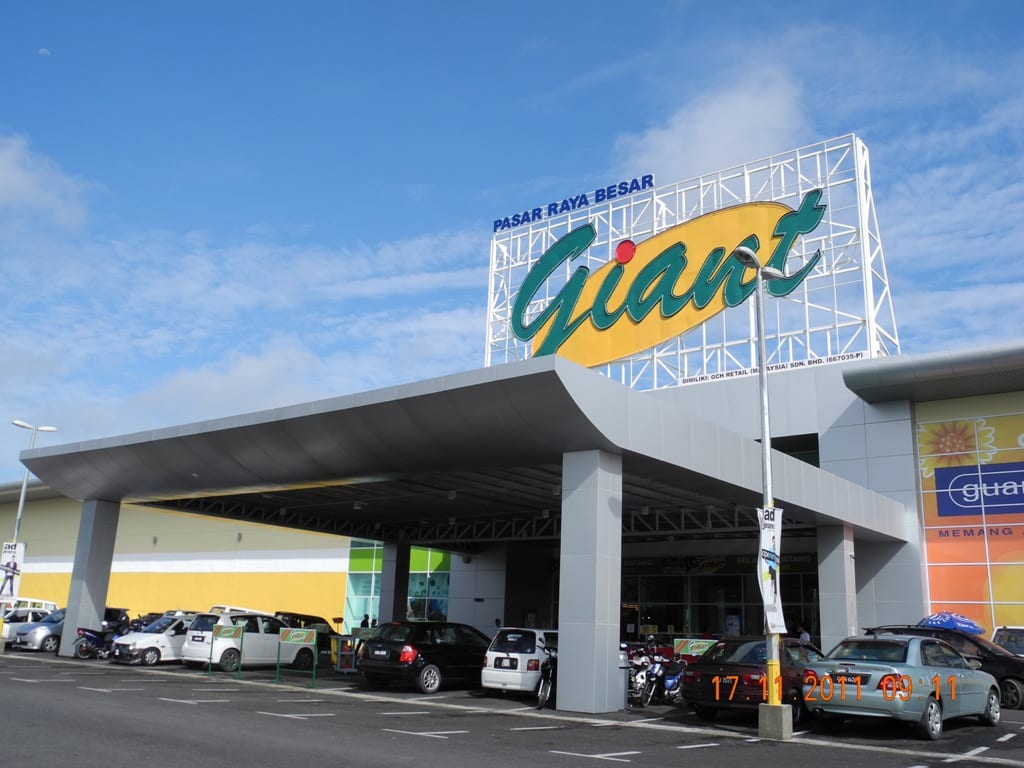
    The company said the Southeast Asian grocery store business – Cold Storage and Giant stores in Singapore and Malaysia – is expected to continue for the remainder of the year with the group’s full year results expected to be impacted by increasing costs from ongoing investment in technology, supply chain infrastructure, stores and people in order to improve the long-term performance of the business. Sales and profits fell in its supermarkets in both countries. Falling sales in Indonesia were mitigated by management action which resulted in reduced losses there.

    In North Asia, sales from the food businesses were slightly ahead of the same period last year, but profits were lower as a result of weakening margins and continued cost pressures, particularly from increased rents.

    However, the health and beauty businesses in Hong Kong and Macau (Guardian stores) delivered “strong sales and profit growth”.

    The Philippines food business showed good sales growth, benefitting from the opening of several new stores, but profit was slightly behind the prior year due to increased operating costs. There was continuing good sales and profit improvement in the group’s health and beauty businesses, notably in Malaysia and Indonesia.

    Ikea’s sales and profits were ahead of last year in Taiwan and Indonesia. In Hong Kong, sales were higher, supported by the new store which opened last year; however profits were lower as a result of higher operating costs.

    In Hong Kong, Maxim’s delivered another record-breaking mooncake sales performance during Mid-Autumn Festival, which was earlier than last year, and helped drive sales and profit higher during the period. Supermarket Yonghui reported strong sales growth in the quarter but profit was lower than the prior year due to investment in new formats and the additional costs of the new employee incentive scheme.

    Approval was received from the Philippines Competition Commission in August for the combination of Dairy Farm’s Food business in the Philippines with Robinsons Retail Holdings, with completion expected to take place within weeks.

    In early October Dairy Farm agreed to acquire the remaining 51 per cent interest in Rose Pharmacy in the Philippines, which is now subject to regulatory approvals.

    Dairy Farm, together with its associates and joint ventures, operate more than 7400 outlets, including supermarkets, hypermarkets, convenience stores, health and beauty stores, home furnishings stores and restaurants – employing more than 200,000 people. Total sales last year exceeded US$21 billion.