Tag: asia

  • Hyundai to offer connected cars in Europe

    Hyundai to offer connected cars in Europe

    Hyundai Motor is introducing its connected-car system in Europe in partnership with Vodafone next year. The carmaker and affiliate Kia Motors signed a memorandum of understanding with Vodafone at the company’s British headquarters on Monday to roll out the service, Hyundai Motor said.

    Its Blue Link connected-car platform will be available in cars launching in Europe in the latter half of next year. The system will utilize Vodafone’s network. Kia’s Uvo connected-car system will be available in new cars sold in Europe in the first half of 2019.

    The connected-car service will offer real-time traffic information as well as information about nearby parking lots. It will also enable the remote detection of the car’s location as well as anti-theft features.

    Voice-recognition will be available in partnership with Nuance, a U.S. company. In Korea, that service is available in partnership with Kakao.

    Vodafone is one of the leading telecom companies in Europe, with 120 million users on the continent. It is established in 51 countries globally.

    The Blue Link service offered in collaboration with Vodafone will be available in eight European countries, including Britain, Germany, France and Spain. Ultimately, it will be available in 32 European countries.

    Europe is the fifth region where Hyundai Motor has introduced its connected-car service. It is already available in Korea, the United States, Canada and China.

    In July, Hyundai Motor partnered with Chinese IT firm Baidu for the introduction of connected-car services. In the United States, it is working with AT&T, and in Canada it utilizes the Bell network.

    “The latest collaboration will enable European customers to use the high-tech service,” said Suh Jung-sik, senior vice president of Hyundai Motor’s ICT department in a written statement. “The connected-car service will launch from early next year and be expanded in the future.”

  • Victoria’s Secret apologises for ‘insensitive’ transgender model comment

    Victoria’s Secret apologises for ‘insensitive’ transgender model comment

    Following the backlash on social media, the chief marketing officer of L Brands, parent company of Victoria’s Secret and Bath & Body Works, has posted an apology on Twitter for comments he made about transgender models. Ed Razek, L Brands’s CMO, released a statement on Twitter clarifying a comment he made in an interview with Vogue magazine, which read:

    “To be clear, we absolutely would cast a transgender model in our show. We’ve had transgender models come to castings… And like many others, they didn’t make it.”

    Razek and Monica Mitro, vice president of public relations for Victoria’s Secret, sat down in an interview with Vogue which touched on the topic on the casting team’s choices. Razek, who is part of the casting team, mentioned the company had considered putting plus-sized models and transgenders in the show but had not acted on it, since the company “did not market to the whole world.”

    L Brands has recently announced it is expecting a third quarter loss per share of about US$0.17.  The reported loss per share includes a total charge of about US$0.32 per share, which consists of an approximate pretax cash charge of US$20 million related to the closure of its Henri Bendel business, and an approximate pretax non-cash impairment charge of US$80 million related to certain Victoria’s Secret store assets.

    Excluding the charges mentioned, the company expects adjusted third quarter earnings per share to be approximately US$0.15, compared to its previous guidance of US$0.00 to US$0.05, principally driven by outperformance at Bath & Body Works.

    The company has recently reported an 8 per cent increase in sales of US$860.5 million for the four weeks ending November 3 and a 4 per cent increase in same-store sales for the period. It has seen a 6 per cent increase for the 13 weeks ending November 3 of US$2.78 billion compared to the previous corresponding period.

    L Brands, is scheduled to report third-quarter earnings on November 21.

  • Korea’s car companies discuss challenges

    Korea’s car companies discuss challenges

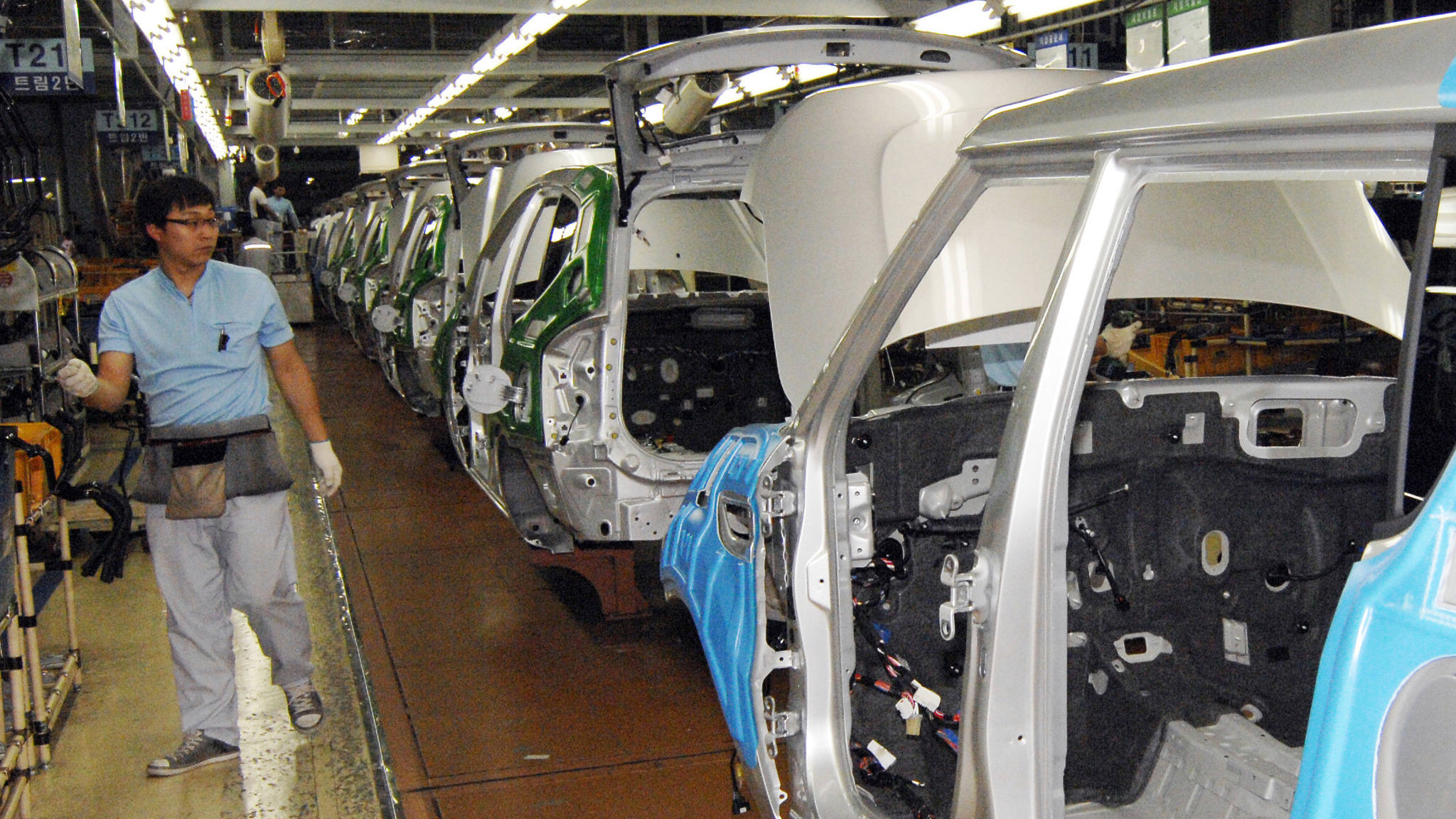
    Representatives of Korea’s major automakers and parts makers and industry officials gathered in Seoul Wednesday to discuss ways to breathe new life into the sluggish sector. The chief executives of the big five automakers — Hyundai Motor, Kia Motors, GM Korea, Renault Samsung and Ssangyong Motor — and their local parts makers and industry associations explored ways to tackle daunting challenges facing the industry.

    Korea’s auto industry is going through a hard time after GM Korea shut down its underutilized Gunsan plant in May, and Hyundai and Kia have been posting generally disappointing earnings this year.

    Small and medium-sized companies that make parts for the carmaker were more vulnerable to falling sales, with more than one-third of such Korean auto parts makers posting losses in the first half of this year, data by the think tank Korea Institute for Industrial Economics and Trade showed.

    They are also in the crosshairs as the United States is weighing slapping tariffs on foreign-made autos and auto parts on national security grounds.

    The participants called for the government to boost domestic demand, provide financial assistance to cash-strapped parts makers and lower regulations in emerging sectors, such as autonomous and electric vehicles.

    The automakers said they will seek ways to maintain over 4 million units in domestic car production and raise the number to 4.5 million by 2025.

    Hyundai Motor, the nation’s leading automaker, said it will invest 220 billion won ($193.8 million) over the next two years to develop an advanced lineup of its hydrogen-fuel electric car Nexo, with a goal of releasing over 30,000 units in the domestic market in 2022.

    GM Korea said it will hold trade shows to help its local contractors tap into the global market and supply 70 billion won in subsidies for small- and medium-sized contractors.

    Renault Samsung said it will operate a research and development fund worth 35 billion won by 2020 and form an alliance with Nissan and Mitsubishi to help its contractors make bids overseas.

    Ssangyong Motor promised to expand use of Korean-made parts and support its contractors in India.

    The Ministry of Trade, Industry and Energy said it will join industry efforts to overcome challenges and drive innovation in the sector.

    “If the auto industry and the government work together, we can come up with measures to deal with the hardship,” Industry Minister Sung Yun-mo said during a meeting with them.

    “We will gather opinions to prepare support measures, especially for parts manufacturers.”

    The ministry said it will unveil a comprehensive support package for the auto industry next month, which includes financial and R&D support as well as deregulatory measures.

  • China’s slowing economy also slows Singles Day

    China’s slowing economy also slows Singles Day

    China’s slowing economy was the primary reason for the slowing growth of sales on Alibaba’s Singles Day on Sunday. This year marked the 10th anniversary of the online shopathon, and while everyone expected a new record Gross Merchandise Volume (GMV) would be set, no-one was sure whether the spectacular 39 per cent growth rate of last year would be bettered. It wasn’t.

    While the total volume of transactions this year was 213.5 billion RMB (US$30.8 billion), the growth was a more moderate 27 per cent. Singles Day still dwarfs similar events in the US, such as Black Friday ($8 billion) and Cyber day ($6.6 billion). But are there early signs the gloss is starting to wear off?

    Pascal Martin, partner at OC&C Strategy Consultants, says the striking topline Singles Day numbers demonstrate Chinese consumers continue to love these big commercial events, which allow them to try new premium brands – normally out of reach – at more affordable price points. “Singles Day is therefore a great opportunity for brands to reach out to new customers and more and more of them are excited to join the party.”

    Martin says the reduced sales growth for Singles Day reflects a slowing Chinese economy, a view backed up by Alibaba’s recent announcement that its growth for the year would be 5 per cent lower than it initially forecast. The ongoing trade war and more cautious consumer sentiment were also factors, combined with growing competition from other big promotional events such as JD’s recent 618 shopping festival, which generated a GMV of $24.7 billion over 18 days (40 per cent growth year on year) and the high number of promotional opportunities during the year, such as Spring Festival, Labour Day in May, and Golden Week.

    Martin says growing competition from e-commerce sites that offer everyday super-low prices such as Pinduoduo, an upstart e-commerce company that went from zero to 350 million customers in just three years. “Prices on Pinduoduo are hard to beat round-the-year and the application has become hugely popular in China’s smaller cities and towns.”

    Three remarkable features

    Meanwhile, Martin says there were three remarkable features of Singles Day this year:

    New Retail: There were more brand partners this year, both online and offline, leveraging Alibaba’s New Retail ecosystem. “For example, Tmall’s 3000+ convenience stores, Hema and RT Mart supermarkets, Suning and Auchan, were all part of the event. Altogether 200,000 brick and mortar stores joined the party.”

    Globalisation: Singles Day has expanded beyond China through Lazada, the Southeast Asia platform owned by Alibaba. “We saw increased participation of international brands that are taking advantage of the Tmall Global platform – which is the number one by far among Chinese cross-border platforms – to get introduced to Chinese consumers without having to build a direct presence in China.”

    Diversification: The event is moving beyond just being about consumes purchasing products, it is also increasingly about purchasing a variety of services such as food delivery on Ele.com, videos on Youku to mobile games on UC, theatre tickets on Taopiaopiao, music on Xiami music and travel on Feizhu.

    Martin believes given China’s slowing economy Chinese consumers are becoming more cautious and the fact that Singles Day is now in its 10th year, it is less of a big news story. “There might be some consumer fatigue setting in.”

    Obstacles moving forward

    Martin believes three main challenges need to be addressed to sustain the growth momentum of massive commercial fairs like 11.11.

    Firstly, given the growing competition from other promotional events, Alibaba will have to continue to reach out to consumers earlier and earlier, and to expand the scope of the event even more broadly.

    “Another challenge is to continue to ensure flawless delivery for millions of parcels all over China in such a short amount of time. As the event grows, the logistical challenge becomes greater and greater. The number of parcels delivered during this year’s event hit 1 billion on Tmall alone. That’s a huge jump over last year’s 812 million parcels. Additionally, although brands don’t like to talk about it, there is a significant challenge in taking care of huge quantities of returned goods. Singles Day is a massive test bed for Alibaba’s backbone infrastructure: the network of partners that make it all possible, from payment to delivery to data management, as well as AI and cloud technologies that are put to work to ensure a successful event.

    “Finally, 11.11 has become much more than a commercial fair, it is now a major annual milestone in China’s cultural calendar. To keep the event fresh and exciting, Alibaba will need to continue to surprise Chinese consumers with entertainment and festivals around the event. This year, the double 11 gala event featured Miranda Kerr, Mariah Carey and Cirque Du Soleil, but no current big stars. Is this enough to continue to excite consumers, particularly younger generations?”

  • Shiseido establishes joint venture in the Philippines

    Shiseido establishes joint venture in the Philippines

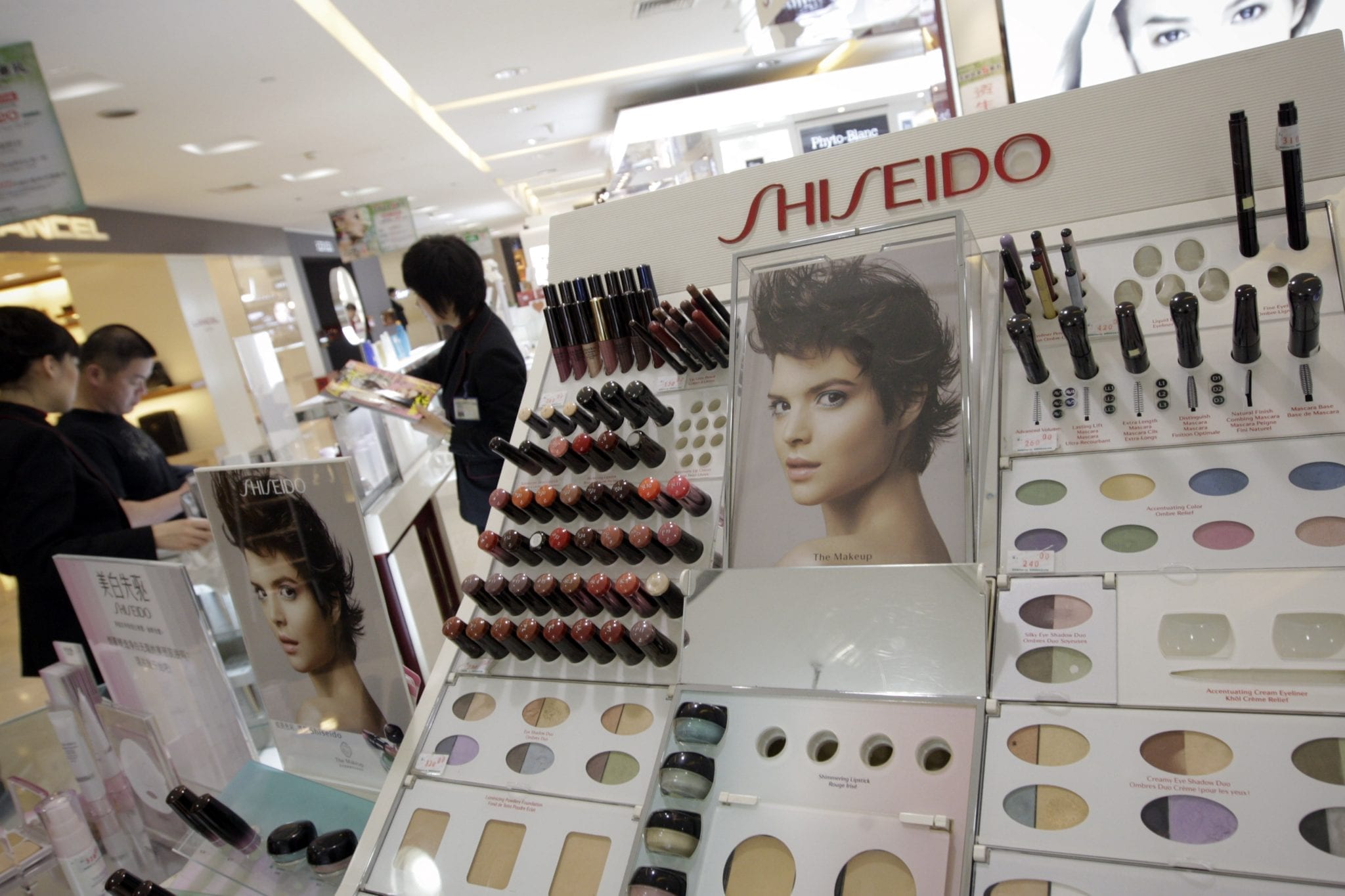
    Shiseido plans on establishing a joint venture, Shiseido Philippines Corporation, to strengthen its cosmetics business in the Philippines. Shiseido Asia Pacific Pte. Ltd. signed a contract for the joint venture with a Singapore based distributor, Luxasia Partners Pte. Ltd.

    The new company will start operations in July 2019, and Shiseido Asia Pacific will hold the majority stake in the company.

    Currently, Shiseido has two authorized distributors in the Philippines.

    However, the newly established Shiseido Philippines will sell products from all of Shiseido’s business categories across Prestige, Fragrance, Cosmetics & Personal Care to accelerate investments in marketing and increase sales.

    Under its “Prestige First” strategy, as part of the medium-to-long-term strategy “VISION 2020,” Shiseido is now aiming for global growth through marketing, with top priority placed on the prestige field.

    The Philippines boasts a population of more than 100 million, a high percentage of young people, and the third largest cosmetics market in rapidly growing Southeast Asia (approximately USD three billion based on our estimate).

    The prestige market is expected to continue its double-digit growth until 2020, and it has been undergoing a rapid expansion in the makeup category in particular.

    In addition, with the expanded rising middle class, Japanese brands have gained an advantage in the country, branding the market as one with high potential.

    The group plans on strengthening prestige brands such as “SHISEIDO,” “NARS,” and “Laura Mercier,” and roll out its cosmetics and personal care products that are popular in Asian countries at outlets including drugstores that have risen in the ranking of cosmetics sales channels for the middle-income class.

  • Korea’s snack prices increase as costs rise

    Korea’s snack prices increase as costs rise

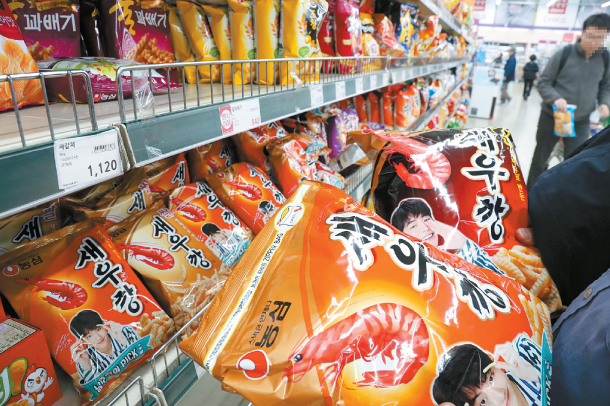
    Nineteen Nongshim snacks, including its famous Shrimp Crackers, will cost more beginning tomorrow, the company announced on Tuesday. “We have decided to raise prices in the face of accumulated pressure from rising production, labor and management costs,” said a Nongshim spokesperson. “We have tried to minimize the scope of the price rise in consideration of our consumers.”

    According to the company, Nongshim will raise the prices of 19 out of its 23 snacks by an average of 6.7 percent beginning from Nov. 15.

    A 90-gram (3.17 ounces) bag of Shrimp Crackers, one of the company’s iconic products, will now cost around 100 won ($0.08) more than the current 1,200 won. The prices of other favorites, such as Onion Rings, Honey Twist Snacks and Tako Chips, will rise by 6.1 percent, while the price of Pretzels will jump by 7.4 percent.

    Tomorrow’s hike will mark the first time in over two years that Nongshim has increased snack prices. It upped the price of 15 of its snacks by an average of 7.9 percent in July 2016. In Feb. 2014, it increased the price of Shrimp Crackers by 10 percent.

    Earlier this year, competitors Crown-Haitai Confectionery and Lotte Confectionery began charging more for some of their snacks, both citing rising production costs.

  • Toys R Us reopened in Brunei

    Toys R Us reopened in Brunei

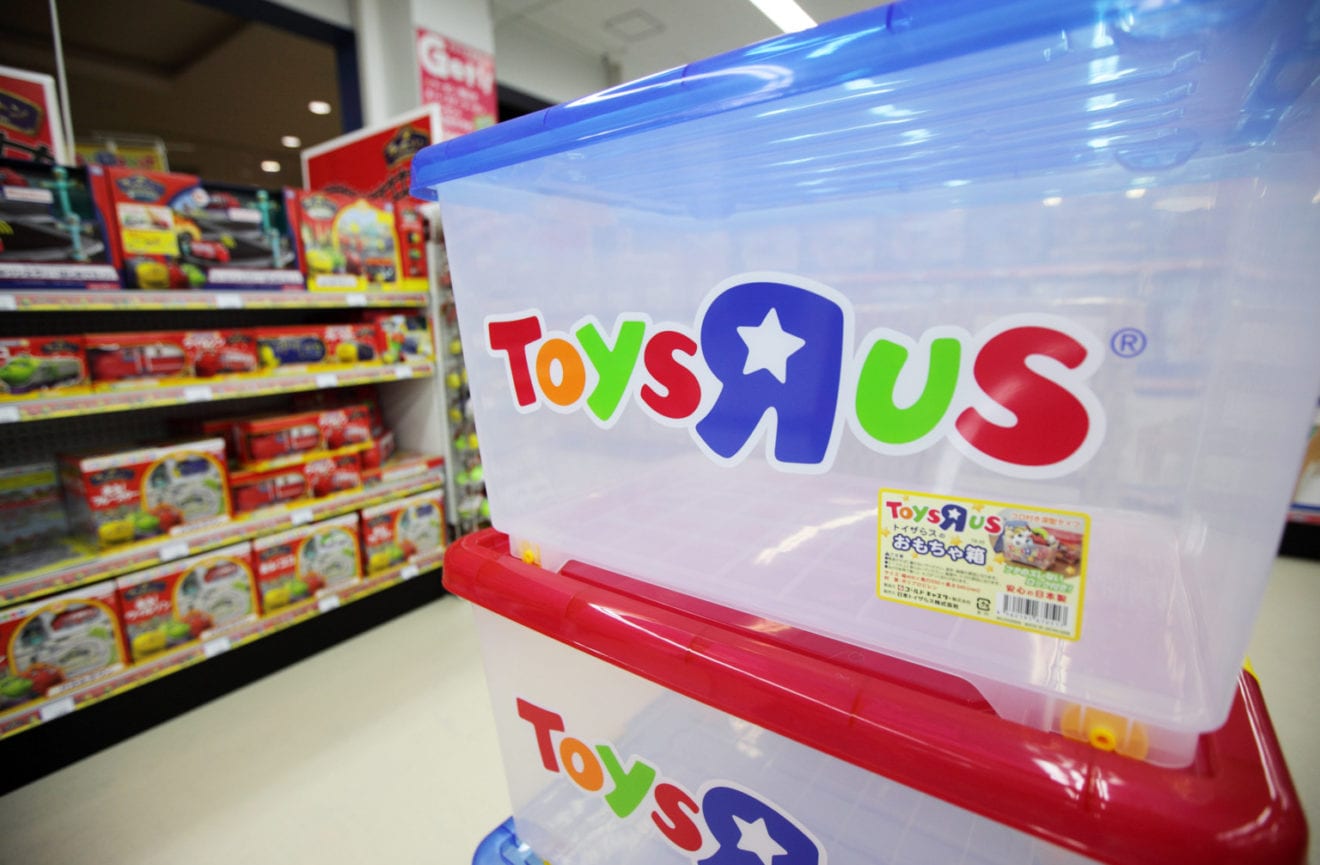
    Toys R Us Brunei has relaunched its Mabohai Shopping Complex store. The reopening, after extensive redesign and renovation works, attracted long queues of shoppers hoping to pick up special deals promoting the event. Along with the reopening, the store has expanded its product range by 70 per cent.

    Toys R Us (Singapore) group country director Raymond Burt reassured customers the brand is “here to stay”.

    “We have been in Brunei for around six years and we have re-signed our lease here at Mabohai Shopping Complex. We have also reinvested in the store and spent quite a bit of money to bring the latest design of the market to the store. We have renovated the store with a layout that is segmented by age for children, to make it easier for customers to shop.

    “We have updated the design and signage as well as added elements of interactive play that we didn’t have before.”

    Toys R Us operates 67 stores in Asia and has 18 new stores planned for launch by the end of the year, the majority in China. It is part-owned by Fung Retailing and not affected – as yet – by the collapse of the company in the US.

  • Hong Kong retail up in September despite massive growth slowdown

    Hong Kong retail up in September despite massive growth slowdown

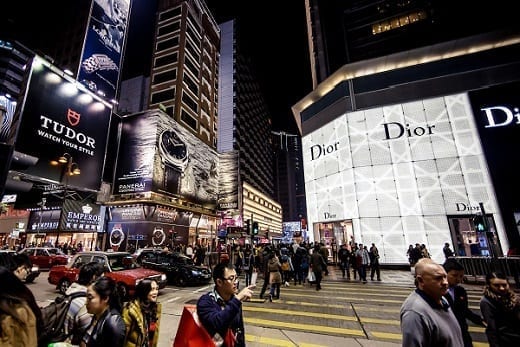
    Retail sales in Hong Kong rose 1.4% year-on-year in September, signalling a considerable retail sales slowdown in the Asian economy, following a downwardly revised 7.9% increase in August. According to industry figures released on November 1, the September uptick is the smallest annual gain in Hong Kong retail sales since June 2017.

    The Census and Statistics Department (CENSTAD) attributed the slowdown to two factors, with the first being the temporary drag on inbound tourism from typhoon Mangkhut.

    Also, local consumer spending was reportedly hindered by negative sentiment, in light of the US-China trade conflicts and stock market corrections.

    Looking at the results closer by category, September food, alcoholic drinks and tobacco retail sales fell 0.8%, compared to an increase of 2.4% in August.

    Hong Kong fuel sales were down 2.9%, widening in terms of loss, compared to a 0.6% decline in the month prior.

    Hong Kong’s clothing and footwear retail sales figures fell a whopping 6.5%, compared to 3.4% in August, with growth stalling in September at department stores, up 1.1% compared to 11% in August.

    Likewise, jewellery, watches and clocks gained 5.3%, but proved to be a soft growth result, compared to the 22% lift last month.

    But not all categories in September underperformed.

    Retail sales at supermarkets swung to a 0.6% increase, compared to a decrease of 3.4%, while consumer durable goods gained 3.3% compared to 2.1% last month.

    Based on seasonally adjusted data, retail sales decreased by 3% in the third quarter, compared to the second quarter.

    Hong Kong retail sales have been on annual upward trajectory since 2005.

    For the last thirteen years, sales have gained on average 5.67%, with a high of 30.6% in February 2010.

    The lowest recorded result was an 18.5% downswing in February 2016.

  • Chinese grocery market set for solid growth, says IGD

    Chinese grocery market set for solid growth, says IGD

    A report released by the international grocery research organisation IGD has forecast growth of 32.6 per cent in the Chinese grocery market by 2022, preserving its status as the largest grocery market in Asia. Grocery retail sales in China are set to rise to CNY 11.4 trillion (US$1.637 billion), more than India, Japan and Indonesia combined.

    The market is expected to see a CAGR of 5.8 per cent over the next five years, on par with Thailand but slower than markets such as India, Vietnam and Bangladesh, where the economy is growing faster.

    Globally, China will remain the second largest grocery market in the world by 2022, behind the US in terms of value.

    Shirley Zhu, programme director for IGD’s Asia-Pacific research, said China continues to be an exciting market to watch with its significant size and rapid growth. “Retailers with nationwide networks such as Sun Art, Yonghui, Walmart, CRV and Carrefour will reap rewards from ongoing expansion, partnerships with e-commerce players, improved efficiency and investment in small formats.

    “Similarly, e-commerce giants such as Alibaba and JD.com will see significant growth from both online and offline channels and become the second and third largest grocery retailers in China, respectively. Regional players such as NGS, Wumart and Bailian will continue on their journey of transformation and consolidation and focus on profitability.”

    Market share for hypermarkets and supermarkets will remain steady, close to 40 per cent of the market up until 2022. However, the supermarket channel will overtake hypermarkets as the largest sales channel with a market share of 20.7 per cent, says IGD.

    “Convenience will be the fastest-growing physical store channel”, said Zhu. “This will be driven by Alibaba and JD transforming traditional mom-and-pop stores, retailers opening smaller format stores and both local and overseas players expanding their networks through partnerships. Online and offline integration will drive online growth. As the fastest growing channel, we forecast online to contribute up to 11.1 per cent of sales in 2022.”

    Less than half of the grocery sales in China currently go through traditional trade. As the market continues to mature, traditional trade will keep losing share to modern trade, which currently accounts for about 57 per cent of total grocery retail sales and is predicted to grow to 66 per cent by 2022.

  • Owndays sets big expansion across Asia after capital injection

    Owndays sets big expansion across Asia after capital injection

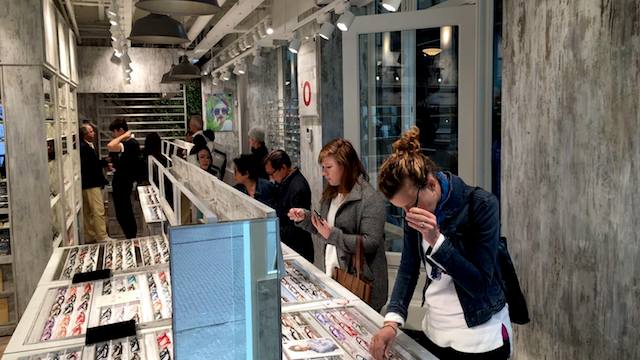
    LVMH-back private equity fund L Catterton Asia has partnered with Mitsui & Co to take an unspecified stake in fast-growing Japanese eyewear retailer Owndays. The funds will be used to accelerate the retailer’s across the Asia-Pacific region.

    Owndays, which began its Southeast Asia rollout in 2013 opening a store in Singapore, now has 115 stores in Japan and 142 stores in 10 other Asian markets, including Thailand, Vietnam and Hong Kong (where it is operated by Bluebell Group).

    In a statement, L Catterton Asia said the current management team will continue to retain “substantial equity interests” and manage the company.

    “Our ambition is to become Asia’s leading optical retailer and we plan to open more than 500 stores across the Asia Pacific region over the next five years,” said Owndays CEO Shuji Tanaka said.

    L Catterton Asia chairman and managing partner Ravi Thakran said the investment in Owndays marks the private equity company’s first foray into Japan.

    “The Owndays success story has been one of innovation, quality service and boldly exceeding customer expectations,” he said.

    “The company is poised to take advantage of the robust macro trends that are driving the market for private brand eyewear. Together, L Catterton and Mitsui & Co are committed to providing world-class operational and strategic support to propel Owndays to category-leading growth and profitability. With Japanese quality, purity and efficiency increasingly appreciated and desired around the world, we see tremendous market opportunities for Owndays.”

    President and CEO of Mitsui & Co subsidiary MCPI, Naoki Nakata, said Owndays is well placed for continued expansion, both domestically and abroad, while also improving profitability by fully leveraging Mitsui and L Catterton’s combined network, resources and demonstrable expertise in value creation.

    Since 2009, L Catterton Asia has invested in many leading consumer brands, including Gentle Monster and RM Williams and Pepe Jeans, and in lifestyle mall operator Sasseur, among others. L Catterton Asia, formerly called L Capital Asia, was formed through the partnership of Catterton, LVMH and Groupe Arnault.

  • Kylie to expand her makeup line

    Kylie to expand her makeup line

    Reality TV star Kylie Jenner has announced she is expanding her cosmetic line from online to in-stores. After launching her own makeup line in November 2015 and with the company nearly three years old, Kylie’s products can be purchased from all Ulta Beauty stores around the US.

    “So I’m going to be starting of with just my best lip kits first, and then I’m going to be expanding and adding a lot more things super fast,” the 21-year-old wrote on Instagram.

  • Foldable phone coming early 2019

    Foldable phone coming early 2019

    Samsung Electronics will make its foldable smartphone available by the first half of 2019, with initial shipments estimated at least at 1 million units, according to Koh Dong-jin, president of the IT and Mobile Communications division at the company.

    The comments were made Thursday in San Francisco on the day two of the Samsung Developer Conference, where he discussed the rollout of the new flagship phone with considerable confidence.

    “We will definitely introduce the phone before the end of the first quarter next year, although I cannot pin down the date at this moment,” he said. “And we will maintain the line each year.”

    His comments indicate that Samsung will be adding foldables to its existing two flagship lines, the Galaxy S – released most recently in February – and the Galaxy Note – released in the fall. But the foldables will be released in a limited number of countries, including Korea and the United States. Koh added that Samsung has yet to confirm the name of the lineup.

    Given Samsung’s status as the No.1 smartphone vendor in the world and the fact that its flagship models sell at least 1 million units, Samsung is gearing up to churn out over 1 million foldables from the outset “if the market reaction is positive,” he added.

    Koh’s meeting came a day after Samsung introduced the foldable phone. The company demonstrated what it calls the “Infinity Flex Display,” which measures 7.3 inches diagonally when the phone is open like a book. The screen is slightly larger than the largest smartphone screen and slightly smaller than those of a conventional tablet PCs.

    The company has so far declined to provide additional specifications, including thickness, weight and the battery power.

    “We showcased the display to show off Samsung having reached the stage of commercializing the device,” he said. “We have overcome several barriers, such as making the central hinge through the screen invisible. What remains to be done is working on the user interface to make it more concrete.”

    He went on to say that Samsung distributed the foldable device to developers before the event so that they could help in designing the best-possible user experience.

    Two months earlier, he met with Google CEO Sundai Pichai to launch a task force for foldable user experience.

    Beginning with foldables, Samsung is getting ready to revolutionize smartphone display form factors – to rollables as well as stretchables.

    “As much as foldables will have a huge technological impact, so will rollables and stretchables. That’s why we are studying them,” he said. “But the entire workforce is devoted to foldables at present.”

    Samsung has been grappling with declining sales and revenue from smartphone business. Operating profit for the division during the third quarter fell 29.8 percent year on year to 2.22 trillion won ($1.96 billion), while revenue slid 10 percent to 24.91 trillion won over the same period.

    Chinese rookie Huawei is rapidly catching up.

    Koh mentioned 5G connectivity, artificial intelligence and the Internet of Things as breakthrough technologies that will help Samsung compete.

    “While we have been maintaining leadership with 4G over the past decade, 5G, AI, IoT and augmented reality will offer a new opportunity in 2019.”

    He added that foldables will achieve another leap when such technologies become reality and are combined with the device.

    “Next year will be the 10th anniversary of Galaxy smartphones, and it’s very meaningful to me,” he said. “We will be coming up with an impressive Galaxy S10 as well.”

  • Crumpler plans expansion into Mainland China, Taiwan

    Crumpler plans expansion into Mainland China, Taiwan

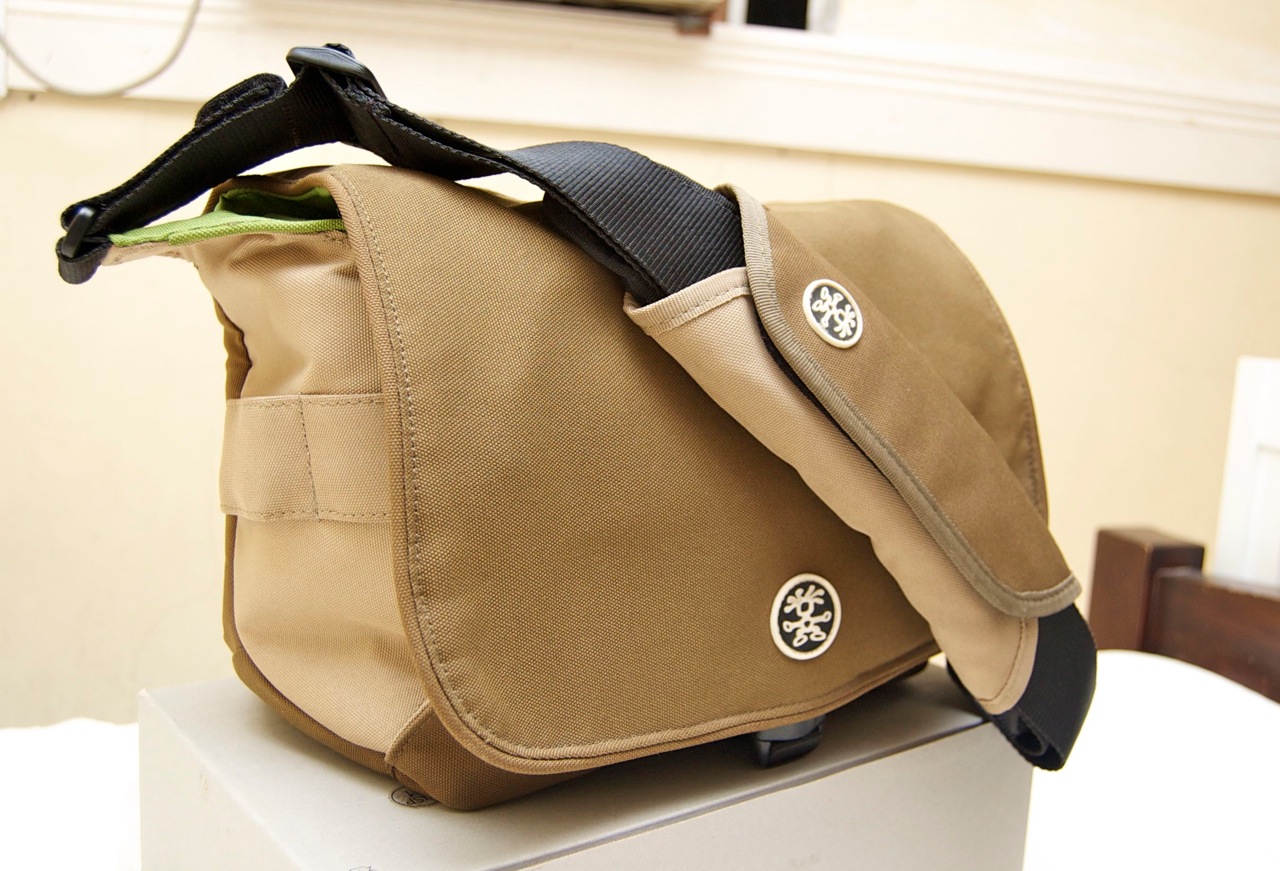
    Australian bag brand Crumpler has added distributors in Taiwan and Mainland China as it looks to expand sales in greater Asia and open new stores there. Crumpler CEO Adam Wilkinson says the region is the brand’s fastest-growing market outside Australia, so increasing its distributor network and retailer presence in Mainland China and Taiwan is “vital for us to meet the demands of current and new customers”.

    Sea to Summit has been appointed in Mainland China and HWA Yao Trading in Taiwan.

    Crumpler Asia now has five distributors in six Asian countries and at least six stores.

    “A lot of Chinese consumers are already fans of the Crumpler brand and with our middle-class rapidly growing, now is the time to re-introduce Crumpler’s premium travel, lifestyle and work bags and accessories to a wider market, with a particular focus on department stores and shopping malls,” said Barry Lin, sales director at Sea to Summit China.

    “Quality is our primary focus when aligning with a new brand which makes Crumpler a natural fit for HWA Yao. The retail market is evolving in Taiwan hence we’re excited to bring

    the reputable bagware brand into the market. We forecast it will be a successful ongoing partnership”, said Vincent Kao, CEO.

    Founded in Melbourne in 1995, Crumpler was created to address the needs of bicycle couriers looking for good-looking and cleverly designed messenger bags. The company has since expanded its range to include backpacks and a broad range of carrier solutions.

    Crumpler has a retail and online presence in Australia, the US and Asia, with more than 27 storefronts and distribution across 35 key department store and online retailers worldwide.

  • Time for travel agents to embrace “true retail”

    Time for travel agents to embrace “true retail”

    A recent report by eMarketer predicts that by 2021, Asia Pacific consumers will spend $3.001 trillion online, and ecommerce will make up 25.4% of total retail sales. Whilst this hasn’t been the death knell for bricks and mortar, it has forced retailers to re-think how to use their physical stores.

    Apple was one of the first to pioneer using their real estate as a way to drive brand ‘experience’ as much as sales.

    With their open-plan design, army of knowledgeable staff and regular, in-store seminars, Apple’s stores inspire and educate customers, helping the company achieve long-term loyalty.

    The fashion sector has been quick to follow suit too, adopting a range of technologies to transform how their stores are used by customers – recent innovations include ‘live’ mirrors that suggest matching items as the customer enters the dressing room and geo-targeted apps that alert shoppers to discounts and in-store promotions when they walk past.

    By comparison, APAC’s travel agents have been slower to spruce up their bricks and mortar models.

    However, with mobile travel sales accounting for 50% of online travel sales, and the number of online travel sales is only set to rise as more digital natives reach adulthood, now is the time for them to start.

    Rather than being a burden, when done right this is an opportunity for travel retailers to diversify; improve their success in cross- and up-selling; and engage the next generation of travelers who want very different things from the booking experience than their parents and grandparents.

    A good example is global travel group, TUI Travel.

    With a third of their sales still taking place in their physical stores, the company noticed that their customers’ purchase journey was becoming increasingly non-linear and multi-channel.

    In response, they piloted the use of in-store touch screens in the UK to enhance their customers’ store experience and invested in integrating their physical and digital channels for seamless shopping.

    By doing so, they were able to optimize interaction at every touchpoint, resulting in an overall increase in sales and average spend tripling in the stores that introduced interactive technologies.

    On the back of this success, they have since rolled these changes out in a number of their other physical stores too.

    Welcome to ‘true retail’

    ‘True retail’ is the notion of taking a 360-degree view of the customer, thinking beyond just the point of sale to consider all other brand touchpoints – from early inspiration to aftercare – and channels, whether they are in-store, on mobile, online or, as is increasingly the case, a combination of all three.

    ‘Inspiration’ is one of the biggest, and as yet largely untapped, opportunities for travel retailers to differentiate themselves by setting up their physical stores differently.

    Following the Apple model, store design is a good place to start – iPads loaded with relevant travel content, interactive displays and AI technologies can all be used to create a fun environment where customers can browse without sales pressure.

    The key is for travel agents to focus on the customer experience first and foremost – to create a space where people actively want to visit as part of their holiday planning.

    Automate the predictable to invest in the exceptional

    Another big, in-store asset for ‘inspiration’ is a travel agent’s staff.

    The more time that they can spend talking to customers, and the more knowledgeable and passionate they are about travel, the better.

    Historically in-store staff at travel agents were stuck behind their screens due to cumbersome systems and back-end processes.

    However, with the right technology, a lot of this can now be automated, giving staff the information they need at the touch of a button and in turn freeing up their time to walk the floor and focus entirely on customer service.

    Make it multi-channel

    Embracing ‘true retail’ also means acknowledging that there is no longer a single, linear purchase journey for travel bookings.

    Just as some customers will come into store to make a purchase having already done a lot of research online, others may prefer to get in-store inspiration then buy at a later date, through another channel.

    Retail travel agents need to ensure that they don’t lose this second group of shoppers to their competitors by continuing to follow-up with highly-tailored content, to whatever channels the customer prefers, after they’ve left the store.

    ‘Personalization’ and ‘relevance’ are essential to doing this successfully, so travel agents should use data capture across all of their touchpoints to build up a detailed, single-customer-view that is drawn from real behavioral insights rather than demographic assumptions.

    Applied in the right way, this intelligence can also be used to inform more tailored cross- and up-selling, with a much higher chance of conversion.

    Aftercare

    Finally, taking a truly 360 view of customer needs means keeping channels of communication open long after the sale itself.

    Successful fashion retailers do this well through convenient returns processes on online orders and hyper-relevant ‘you might also be interested in…’ content, designed to inspire the next purchase.

    This is an equally important opportunity that travel retailers shouldn’t ignore.

    In short, travel agents should have a post-purchase strategy for every customer, the more tailored the better.

    For best results, this should go way beyond the immediate post-sale window and should incorporate practical on- and even post-trip value-add services too, such as delay notifications, visa information, and discounts on services at the destination.

    Ultimately, traveler expectations are changing, which means retail travel agents today need to think beyond the booking.

    This will require a significant mindset shift for some, but also promises big rewards, and future-proofed customer loyalty, for those that get it right.

  • Italian Motorcycle Makers Tease Indonesian Enthusiasts With New Models

    Italian Motorcycle Makers Tease Indonesian Enthusiasts With New Models

    Italian motorcycle manufacturers are hoping the release of new or updated models would be enough to reinvigorate interest among Indonesian enthusiasts and boost sales, which have been subdued in the past few years amid a weakening currency and slowing economic growth in Southeast Asia’s biggest economy.

    From household names such as Ducati, Piaggio and Vespa, to niche brands like Motto Guzzi and Italjet, displayed their latest models at the International Motorcycle and Accessories Exhibition in Milan last week. Thousands of visitors from across the globe, including a dozen importers from Indonesia, attended the world’s most famous exhibition dedicated to two-wheelers.

    Ducati featured the Panigale V4R, its latest road-legal competition bike, along with its new Hypermotard 950 and Diavel 1260. The company also introduced updated versions of its Scrambler and Multistrada ranges.

    Moto Guzzi showed off its new adventure bike, the V85 TT, while Vespa introduced updates to its GTS and Primavera ranges, while also launching a new electric scooter, the Elettrica.

    The new models have invoked confidence among importers looking at expanding the luxury motorcycle market in Indonesia after years of slowing demand.

    “We are ready to bring the new Ducati motorcycles to Indonesia, including the three new ones,” said Faby Tsui, marketing director of Garansindo Euro Sports, the sole authorized distributor of Ducati in Indonesia.

    Next year, the company plans to add three Ducati stores from just one currently in Jakarta. “We are looking at opening another shop in Jakarta, one in Surabaya and one in Bali,” Faby said.

    Italjet Moto, a small motorcycle manufacturer based in Castel San Pietro Terme in Bologna, aired a similar sentiment. The company has just revived its iconic Dragster scooter with a new sporty design unique to its class.

    “We would like to enter the Indonesian market. It’s an exciting market, which I believe has many scooter enthusiasts. Indonesia will be the first country outside Europe for us to market the Dragster,” Italjet Moto managing director Massimo Tartarini said.

    The company has also laid out a long-term plan for Indonesia, viewing it as a production base in the Asia-Pacific region.

    “We will start production in April or May next year. For the first year, we want to produce it in Italy. For the second year, we want to start manufacturing it in Indonesia for the Asia-Pacific market,” Tartarini said.

    However, some importers were less optimistic, pointing out that demand for luxury motorcycles has yet to return to what it used to be several years ago, when the Indonesian economy still enjoyed a windfall from a commodity boom and a strong currency.

    Indonesia’s imports of motorcycles, spare parts and accessories from Italy only amounted to $1.3 million last year, half what it was in 2012, according to data compiled by UN Comtrade, the commodity trade section of the United Nations’ statistics division.

    The Indonesian economy has yet to return to the growth levels of above 6 percent it used to see between 2010 and 2012. The rupiah now trades at 16,700 to the euro, having depreciated more than 36 percent from the 2012 level, according to Bank Indonesia.

    Meanwhile, Indonesia’s efforts to root out corruption have effectively curbed the practice among officials of collecting luxury motorcycles over the past few years.

    “I used to see government officials in store bringing all cash in backpacks to buy luxury motorcycles. Today it’s not the case anymore,” one motorbike importer said.

    Other importers pointed to the government’s recent decision to raise import taxes on luxury motorcycles and accessories as part of the country’s broader efforts to curb a widening current-account deficit.

    Many view the move was ineffective to achieve the goal, considering the relatively small size of the luxury motorcycle market in Indonesia. Italian motorcycles and accessories, for example, only accounted for a tiny part of Indonesia’s $535 million imports of bikes and accessories last year, mainly from China, Thailand and Vietnam.

    “We hope the tax will only be temporary and that conditions would return to normal soon,” Faby said.