Tag: asia

  • UK Mulberry sales drop rescued by Asia growth

    UK Mulberry sales drop rescued by Asia growth

    Strong Asia performances helped mitigate falling UK Mulberry sales in the latest half year. While the UK fashion house’s total revenue was down 8 per cent to £68.3 million, international sales were up 13 per cent. Within that figure, new entities in South Korea and Japan saw the company’s retail chain expand to 29 stores, compared with just one a year earlier.

    And new digital partnerships in China with Toplife, Secoo and VIP.com also boosted sales. Mulberry says further such reseller agreements are planned.

    The core UK business was profitable, but the company was affected by the administration of House of Fraser and “soft retail conditions” in its home market. Overall UK retail sales were down 11 per cent during the six months.

    Globally, e-commerce sales rose 5 per cent and now representing 17 per cent of Mulberry sales, up from 14 per cent the same period last year.

    The company posted an underlying loss before tax of £3.6 million, compared with a £600,000 loss the previous year.

    However, after one-off costs for House of Fraser (£2.1 million) and the South Korea launch (£2.5 million), the company reported a loss pre-tax loss of £8.2 million.

    CEO Thierry Andretta said the company is delivering on a strategy to develop Mulberry as a global luxury brand and the new South Korean and Japan businesses, along with the creation of the China digital partnerships were big steps on that pathway.

    “We are confident that our focus on international growth is the correct strategy to develop Mulberry.”

  • JD.com to provide more imported product to China

    JD.com to provide more imported product to China

    JD.com, China’s largest retailer, will purchase nearly RMB 100 billion worth of products from overseas brands. As disposable incomes in China rise, consumers increasingly demand high-quality products, especially imported products.

    E-commerce has rapidly emerged as one of China’s most preferred channels for buying overseas brands. Last year, the number of users purchasing products from overseas brands grew by 37.1% compared to 2016.

    The volume of imported goods in 2018 to date has already skyrocketed 150% as compared with two years ago.

    JD’ “Retail as a Service” strategy has proved enormously appealing to household
    names from all over the world.

    Indeed, the growing family of leading international brands partnering with JD to facilitate their e-commerce strategy now includes the likes of Saint Laurent, Alexander McQueen, Dell, Nestle, Avène and many more.

    As China’s e-commerce transformation continues to unfold, consumers have gravitated especially towards premium, smart, and green products.

    According to JD’s data, the highest performing categories among its customers this year have been mobile phones, computer and office suppliers, home appliances, maternal and childcare, and digital products.

    Advanced economies such as the U.S., Japan, South Korea, Germany, and the Netherlands remain the most popular sources of imported goods.

    Chinese consumers buying online are mostly younger (26-45 years old), white-collar workers with middle-to-high incomes.

    China’s most developed regions, particularly the coastal cities, account for the largest uptake of imported goods.

    The growth rate for purchases of overseas brands, however, is now highest in fourth- and third-tier cities, where these brands are often not available in brick and mortar stores.

  • With China business back, Korean Air’s net triples in Q3

    With China business back, Korean Air’s net triples in Q3

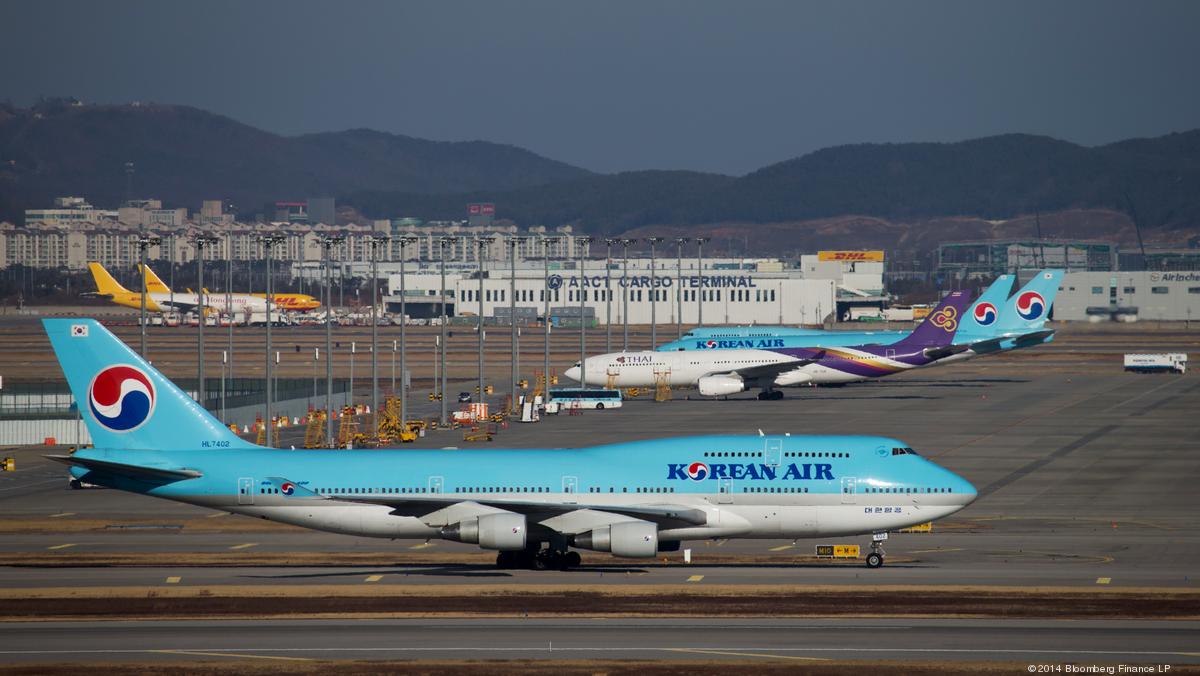
    Korean Air’s net profit in the third quarter more than tripled in comparison to last year largely due to increased sales of long-haul flight tickets and a business recovery in China, the company said in an earnings report on Tuesday. The company posted 267.8 billion won ($236 million) in net profit for the quarter that ended in September, more than three times the 75.7 billion won it earned last year when the airline suffered from China’s economic retaliation for the deployment of a U.S. anti-missile system in Korea.

    The airline posted a record 3.4 trillion won in revenue for the quarter, up 9.1 percent year on year. For operating profit, the company posted 392.8 billion won, up 3.7 percent year on year.

    Despite a rise in international oil prices and a deterioration in foreign exchange rates, the company said joint venture operations with Delta Air Lines launched in May contributed to an increase in transfer passengers. General increase in demand for travel in Korea also pulled up sales.

  • Courts Asia shows negative number after Malaysian woes

    Courts Asia shows negative number after Malaysian woes

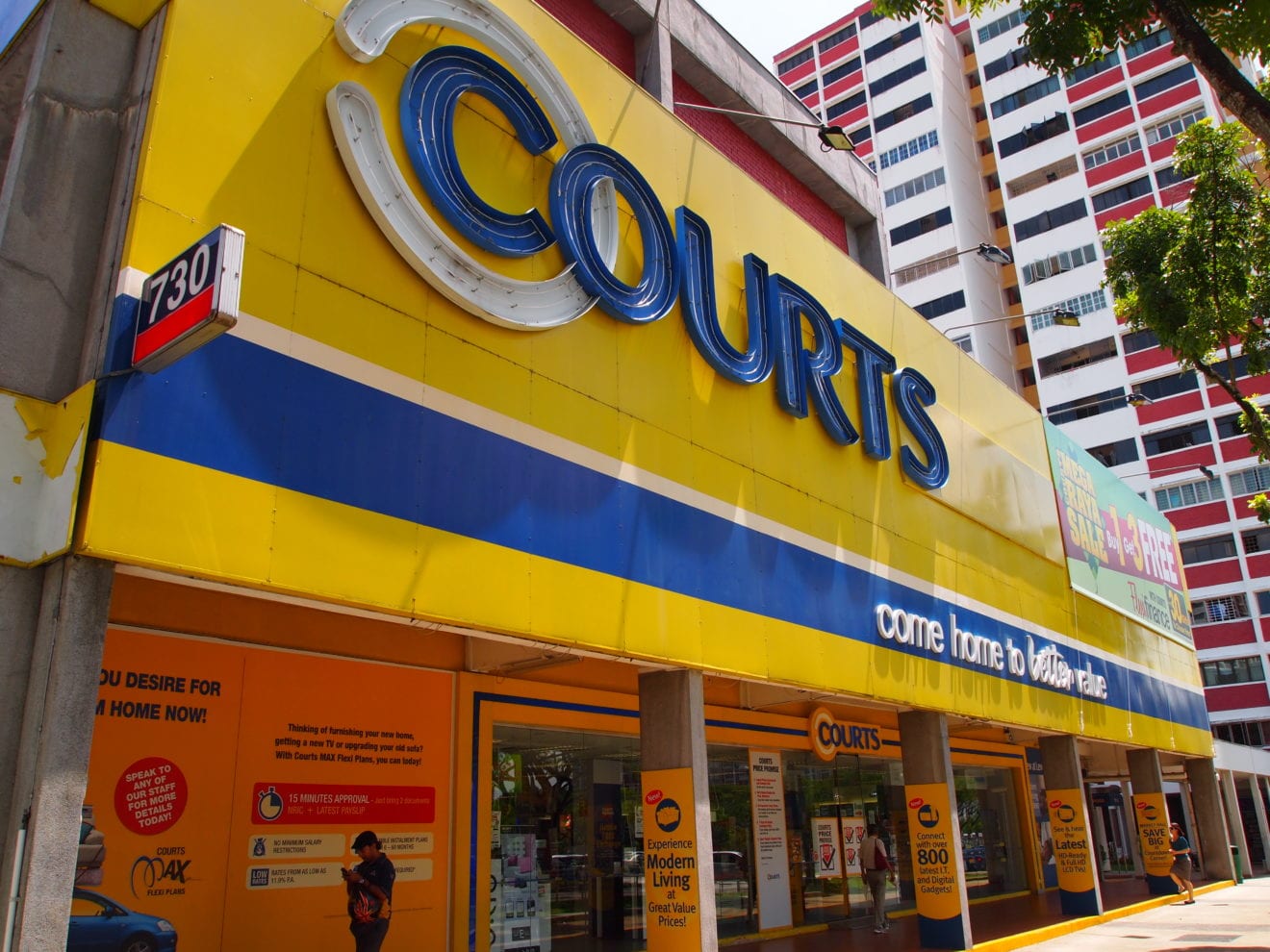
    Singaporean electronics and furniture retailer Courts Asia has posted a net loss of SG$3.1 million (US$2.25 million) in its second quarter.

    The result is a reversal of a net profit of $1.5 million (US$1.09 million) during the same period last year.

    Courts Asia said in a statement that Malaysia revenue came under pressure after the introduction of the Consumer Protection (Credit Sale) Regulations 2017 which saw consumer interest rates capped at 15 per cent per annum from January. However, ongoing transformation work with a persistent focus on cost and productivity efficiencies in Malaysia reaped results, with Malaysia’s PBT crossing into positive terrain after two consecutive quarters of loss.”

    Group CEO Terence Donald O’Connor said: “We are encouraged by the early signs of stabilisation in the Malaysia business. We have closed 10 underperforming stores since the start of our financial year in April and continue to review our store network performance. Impairment loss on trade receivables charged to the profit and loss statement has also been on a declining trend from the fourth quarter ended March.”

    The Singapore firm recorded $3.4 million profit before tax after starting out on its store transformation process, up from $3 million last year. It renovated its Ang Mo Kio outlet last month.

  • Maybank Asset Management sees AUM expanding US$50m in next 2 years

    Maybank Asset Management sees AUM expanding US$50m in next 2 years

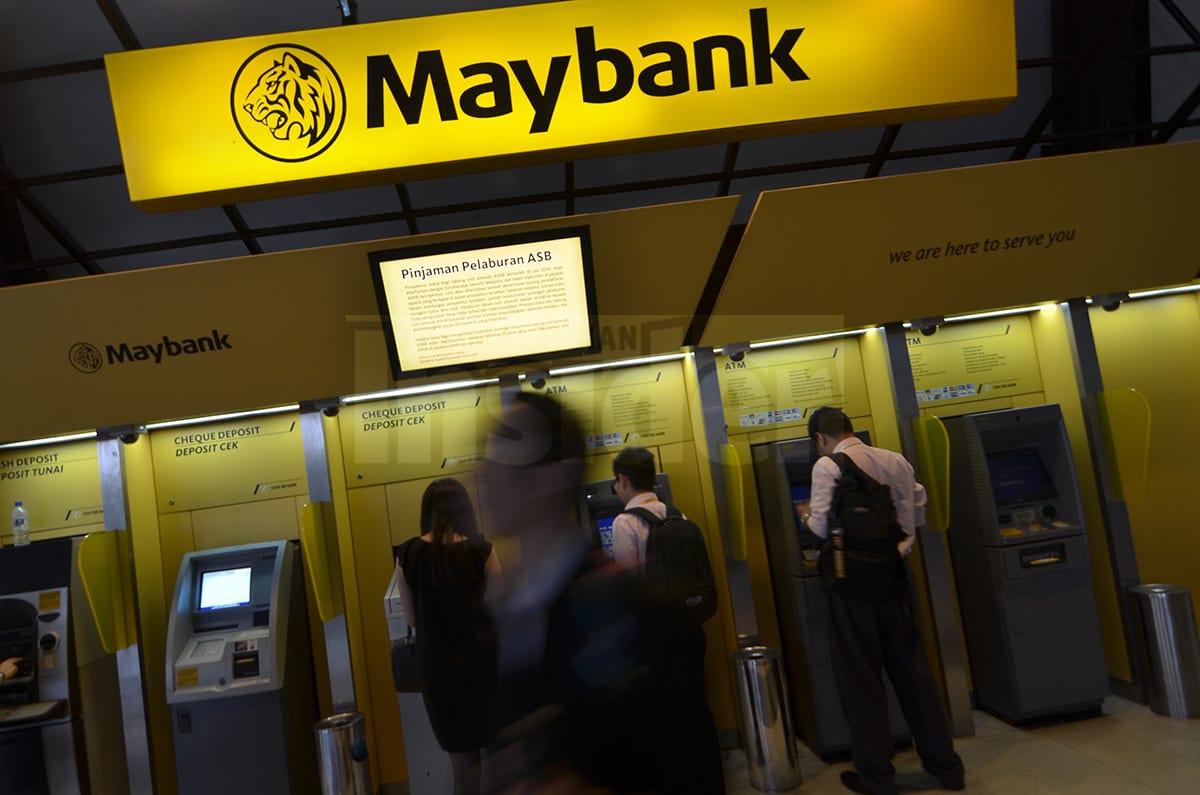
    Maybank Asset Management Group (MAMG) expects its assets under management (AUM) to increase between US$30 million (RM126 million) to US$50 million (RM209 million) in the next two years, following its collaboration with Schroder Investment Management (Singapore) Ltd to co-develop investment solutions for sophisticated investors.

    As of end September 2018, MAMG’s AUM stood at RM33.7 billion.

    MAMG and Schroders Singapore announced their first long-term strategic partnership with the launch of two discretionary portfolios, namely Global High Dividend Equity Portfolio and Global High Conviction Portfolio.

    These solutions will be managed by Maybank Asset Management (MAM) Malaysia, a unit of MAMG, with Schroders Singapore as the investment adviser.

    “This is a very targeted high net worth segment so we are leveraging on Maybank private banking customers,” MAMG CEO Badrul Hisyam said.

    “The (market) sentiment right now is quite weak generally, unless the sentiment improves, then we would see better response to this kind of product,” Badrul added, revealing that at least three more products would be available under this collaboration in financial year 2019.

    “By integrating our strength in local wealth management with their global investment capabilities, the resulting synergy will allow us to deepen our foothold in the Malaysian wealth market, through dedicated offerings designed to achieve investors’ desired outcomes.

    “We recognise the growing demand for sophisticated, outcome-oriented global investment solutions, particularly among the high net worth community. We are therefore committed to delivering a range of global investment strategies to cater to their evolving financial needs,” he noted.

    Meanwhile, Schroders Singapore country head Susan Soh said as part of the continuing partnership, both companies would undertake further collaboration projects to co-develop solutions across other asset classes, including Shariah-compliant investment and private assets.

    “We believe our ability to combine the key tenets of asset management and wealth management offers differentiated value proposition to MAM Malaysia’s clients,“ Soh said.

    According to Badrul, the Shariah-compliant investment is expected to be available to the market by third quarter of 2019.

  • Yoox Net-A-Porter acquisition boosts Richemont sales

    Yoox Net-A-Porter acquisition boosts Richemont sales

    Richemont sales in Asia Pacific surged 20 per cent in the first half of this year with the region the group’s single-largest market, accounting for 37 per cent of total sales.

    The increase was fuelled by the inclusion of the Yoox Net-A-Porter (YNAP) business into the Swiss-headquartered multibrand luxury retailers figures for the first time. Excluding YNAP and Uk online retailer Watchfinder, sales rose 14 per cent, driven by a net 20 new store openings and “high single-digit growth” in Mainland China and double-digit growth in Hong Kong, Macau and Korea.

    “Both the retail and wholesale channels saw double-digit growth, with strong performances in jewellery and watch sales,” the company said in a statement.

    In Japan, a 14 per cent growth in sales was driven by higher domestic and tourist spending, which benefited from a comparatively weaker yen. Excluding online distributors, sales in the region increased by 8 per cent, led by a double-digit growth in watch sales and the net opening of five directly operated boutiques. Japan represents 8 per cent of overall sales.

    Group-wide global sales rose by 21 per cent at actual exchange rates to €6.808 billion and by 24 per cent at constant exchange rates. Online retail sales, now reported separately following the e-commerce acquisitions, amounted to 14 per cent of group sales.

    Excluding YNAP and Watchfinder, sales rose by 6 per cent at actual exchange rates and by 8 per cent at constant exchange rates.

    Operating profit of €1.130 billion was down €36 million due to acquisition and disposal-related charges of €159 million, the company said. Excluding the impact of first-time consolidation of YNAP and Watchfinder, operating margin improved to 21.1 per cent. Profit for the period rose to €2.253 million primarily due to a post-tax non-cash gain of €1.378 billion on the revaluation of YNAP shares held prior to buy-out.

    Chairman Johann Rupert said offline Richemont sales growth was primarily driven by strong performance of the jewellery maisons and double-digit increases in the maisons’ directly operated boutiques and online stores.

    “Robust retail sales in jewellery and watches more than offset a 2 per cent decline in wholesale sales, which was mainly due to the specialist watchmakers’ ongoing prudent inventory management and upgrade of the wholesale distribution network,” said Rupert.

    “In our jewellery maisons, watch sales grew strongly in Cartier’s stores, benefiting from the successful Panthere and relaunched Santos collections. Jewellery pieces continued to outperform, notably with the iconic Cartier Love and Van Cleef & Arpels Alhambra collections.”

    He said while growth was muted for specialist watchmakers, retail was strong and there was good momentum at Vacheron Constantin, Roger Dubuis and JaegerLeCoultre.

  • LG Chem signs deal to distribute cancer drug

    LG Chem signs deal to distribute cancer drug

    LG Chem has partnered with U.S. bio company Cue Biopharma to develop immunotherapy drugs to treat cancer, the local company announced Monday. Immunotherapy drugs help patients fight diseases like cancer by enhancing their immune system. It is a relatively unusual form of cancer therapy that differs from the conventional approach of using medication to directly fight the cancer cells inside the human body.

    Based in Boston, Cue Biopharma is a Nasdaq-listed company that specializes in developing biologics for immunotherapy. The companies will co-develop and distribute three immunotherapy drugs which were previously developed by Cue Biopharma: its lead product CUE-101, currently in the preclinical stage, and two other cancer antigens that are at an earlier stage of development.

    Cue Biopharma’s core technology is the Immuno-STAT platform that inserts information about a specific cancer cell into a T cell, a white blood cell that will then find and attack the disease. Before the platform existed, T cells had to be pulled out of the human body to have the information injected into them, but Cue Biopharma’s technology allows the process to happen internally.

    Under the agreement, LG Chem will obtain exclusive distribution rights for the three treatments in Asia once they are fully developed. Cue Biopharma will take charge of distribution in other regions.

    LG will offer a maximum of $400 million to the U.S. bio company including milestone payments given at each stage of clinical testing in the development process. Once the treatments are commercialized, Cue Biopharma will additionally receive license fees proportional to sales in the Asia region while LG, in return, will receive royalties from the Asia sales.

    This is the first time in its three decades of history in the bio pharmaceuticals industry that LG Chem has partnered with another company to work on a new drug.

    “We are very pleased to enter this strategic collaboration with Cue Biopharma; it is more than a licensing deal, it is a partnership with a shared vision and great strategic fit,” said Dr. Son Jee-woong, president of LG Chem Life Sciences.

    For Cue Biopharma, the advantage of working with LG is its experience in developing and manufacturing bio pharmaceuticals in the past as well as its business know-how in the Asia region.

    Under the partnership, LG will also conduct development in mass production and quality control methods for the immunotherapy drugs.

  • Coach enters KL’s SkyAvenue Genting

    Coach enters KL’s SkyAvenue Genting

    U.S. luggage, leather goods and accessories maker Coach has unveiled a new Malaysian boutique at Kuala Lumpur’s SkyAvenue, Genting Highlands. Located inside the Malaysia capital’s innovative shopping precinct on Level 2, Coach’s SkyAvenue store spans approximately 2,002 square-feet and stocks the New York brand’s ready-to-wear collections for both women and men, as well as its iconic hand bags, small leather goods, footwear, accessories and jewellery.

    Coach Creative Director Stuart Vevers in partnership with William Sofield, designer and president of Studio Sofield, were the talent behind the store layout.

    Embellished in modern luxury, as seen in the leather and natural wood finishes that reflect the sophisticated yet playfulness of Coach, the Kuala Lumpur store boasts custom-made cabinets – made from natural and ebonised ash.

    Other texture and material plays come via the use of blackened steel, vintage bronze and wood trimmings.

    Customers will also appreciate the pinewood floor, made of custom wool carpeting, and the tasteful mid-century furniture.

    The new Kuala Lumpur store even has a ‘Craftsmanship Bar’, offering personalised monogramming in addition to leather care and cleaning.

    With more than 100 retail options, SkyAvenue is one of Kuala Lumpur’s most unique shopping experiences.

    The mall is located 6,000 feet above sea level, and is home to a huge range of retail and F&B establishments spanning across five floors. The opening comes at a time when Coach is focusing on Asia, namely China.

    Last week, the New York brand revealed it will stage its next Pre-Fall 2019 runway show in Shanghai, in celebration of the brand’s 15th anniversary.

    Titled “Coach Lights Up Shanghai,” the collection of ready-to-wear, sneakers and accessories is scheduled to show December 8, and will be the first show of its kind that Coach has done outside of New York.

    Global sales at Coach, which makes up over 70% parent company Tapestry’s sales, rose 4% in the three months ended September 29.

    For the quarter period, Tapestry net sales rose to $1.38 billion. Net income was $122.3 million, compared with a loss of $17.7 million a year earlier.

  • Vietnam brewer Sabeco lifts foreign ownership cap

    Vietnam brewer Sabeco lifts foreign ownership cap

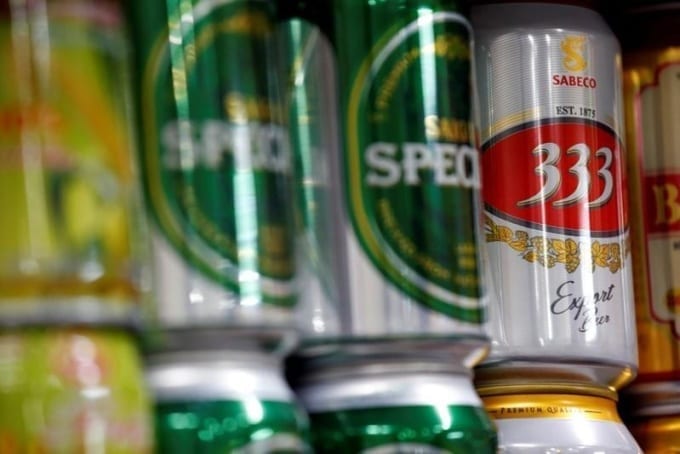
    Vietnam’s largest brewer Sabeco says it has removed its foreign ownership limit, in a statement on its website Monday. The company, known for its Bia Saigon and 333 brand, said that its board of directors had issued a resolution on Oct. 30 that approves “unrestricted foreign ownership percentage in Sabeco.”

    Last December, Thai Beverage acquired a 53.59 percent stake in Sabeco from Vietnam’s Ministry of Industry and Trade for $4.84 billion through a local entity, Viet Beverage (VietBev).

    Under the government’s Decree 60 dated June 26, 2015, listed companies, except those working in conditional business fields like banking, are allowed to determine their foreign ownership cap. They just need to register the limit with the State Securities Commission.

    The Ministry of Finance last week presented a draft securities law that would remove the current 49 percent foreign ownership cap in many sectors, except some conditional sectors.

    However, the draft has not been finalized and submitted to the National Assembly for approval.

    In Vietnam, conditional sectors refer to industries subject to additional regulations that would override limits set out by the securities law.

    Sabeco, formally known as Saigon Beer Alcohol Beverage Corp, recorded revenues of VND25.5 trillion ($1.1 billion) in the first nine months of this year, meeting 70 percent of its annual target.

    It occupies approximately 42.8 percent of the domestic beer market, according to the Ho Chi Minh City Securities Corporation. Last year, it produced nearly 1.8 trillion litres of beer.

  • Australia retail sales miss in September

    Australia retail sales miss in September

    Australian retail sales rose slightly in September 2018, missing industry expectations that the nation’s retail revenues would register a bigger increase for the first month of spring. Domestic retail turnover saw a 0.2 % gain in September, according to the latest Australian Bureau of Statistics (ABS) Retail Trade figures.

    While the growth remains positive, analysts were predicting a stronger result and forecast retail sales to climb 0.3%, on August’s 0.3% gain in the prior month.

    Year-on-year, September witnessed a rise of 3.67%.

    “Although September’s month-on-month figure isn’t as positive as we would have liked, we need to understand the year-on-year retail growth figure represents a better overview of the current state of Australian retail,” Russell Zimmerman, Executive Director of the Australian Retail Association said.

    “The ARA know personal tax cuts play a big role in discretionary spend, and believe a second round of personal tax cuts before the next election would certainly boost consumer confidence, and see an increase in retail sales in the new year.”

    For the month, café, restaurant and takeaway spending registered the highest growth in September, up 0.5%. This was followed by food retailing, up 0.4%, said the ABS.

    But the month of September was weighed down by lower sales across the clothing, footwear and personal accessories category, with three industries falling 1.2%. Household goods and department stores remained relatively flat from previous months.

    By state, sales were strongest in the state of Victoria and Tasmania, leading by 0.7%. New South wales fell 0.4%, while Western Australia and The Australian Capital Territory were relatively unchanged in September 2018.

    Online retail sales made up 5.6 % of total retail turnover in original terms in September 2018, an unchanged result from August, said the ABS.

    The ABS also released quarterly data that showed seasonally-adjusted retail sales rose 0.2%, a massive drop from the 1 per cent increase in the second quarter.

  • Will Bangladesh’s garment industry survive?

    Will Bangladesh’s garment industry survive?

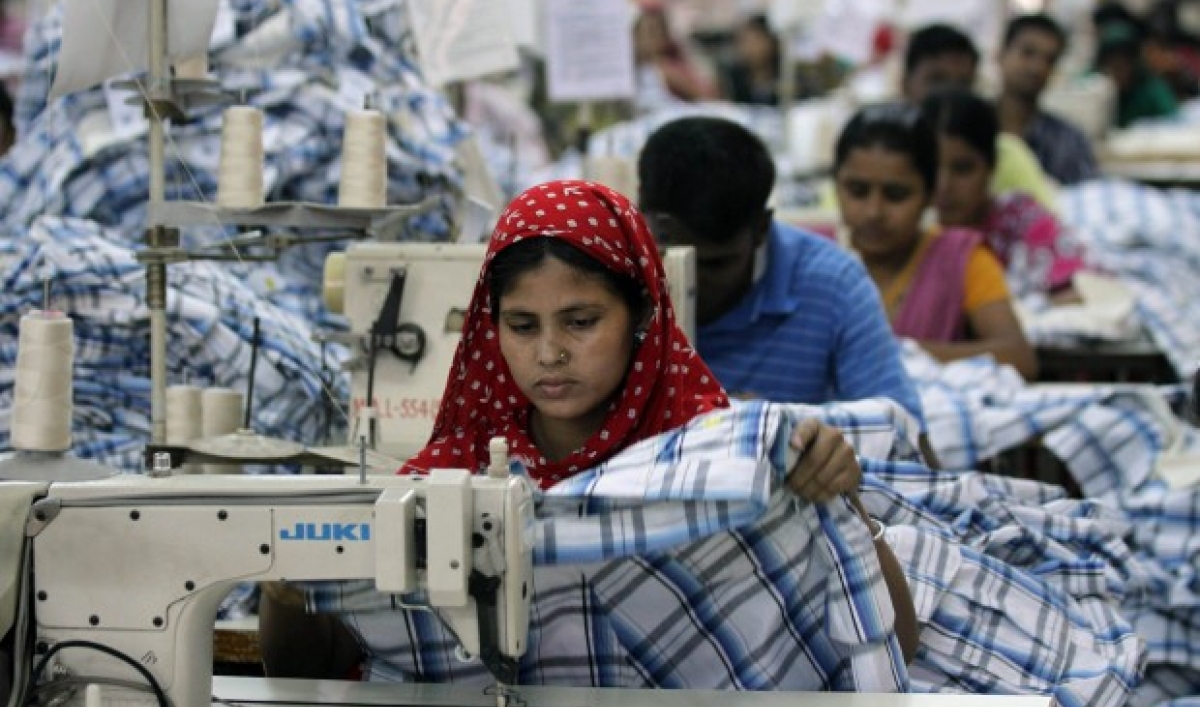
    Bangladesh is battling to keep its position as the world’s second-largest exporter of clothing after China, as it faces intensifying competition from Cambodia, Vietnam, Myanmar and now African countries like Ethiopia as global brands search for cheap labor.

    H&M, for instance, imports from an Ethiopian clothing factory it set up with Bangladeshi garment maker DBL.

    Japan’s Fast Retailing, operator of the Uniqlo casual clothing chain, is also eyeing a production base in the African country. Fast Retailing declined to comment for this story.

    The competitive pressure has sparked consolidation of what was once a mom-and-pop industry, reducing the number of factories 22% in the last five years to 4,560, according to the Bangladesh Garment Manufacturers & Exporters Association.

    Those who have survived gain market share, expand overseas and aim to go public.

    The industry is an engine behind the country’s more than 6% annual growth over the past decade.

    In the year ending in June, garment exports totaled $30.6 billion, up 8.8% and accounting for 83.5% of the country’s total exports, according to BGMEA.

    The country also increased its share of global clothes exports to 6.3% in 2016 from 4.0% in 2010, according to World Trade Organization data.

    But compared with China, which has a share of 34.5%, it is still a distant second along with countries like Vietnam, Italy and India.

    Labor in Bangladesh is still cheap.

    The average monthly wage is just $101, compared with $135 for Myanmar, $170 for Cambodia, $234 for Vietnam and $518 for China, according to surveys on select cities conducted by the Japan External Trade Organization between December 2017 and March 2018.

    But there are countries with even lower wages, such as Ethiopia with a monthly average wage of $50.

    Labor costs are rising across Asia, and Bangladesh is no exception.

    With general elections looming in December, the ruling Awami League has approved a 51% wage hike for garment workers, a decision that is weighing on the country’s garment industry.

    Companies operating in special economic zones, such as Universal Menswear, typically offer a 10% wage increase every year.

    But in election years, which come every five years, the government tends to promise more generous pay hikes.

    This has put the industry in a bind, as their Western customers, faced with online competition from Amazon and others, are demanding that prices be kept under control.

    Cost increases are not limited to labor.

    Garment makers in Bangladesh have been forced to make major investments in building safety, following a factory fire that killed 117 in November 2012 and the collapse of another known as Rana Plaza in April 2013, which left more than 1,100 dead. Since then, Western brands will not buy from Bangladeshi suppliers unless they are certified to be in compliance with stringent fire and building safety regulations.

    Factories in Bangladesh have grown in a haphazard fashion, some even operating on the upper floors of office or residential buildings.

    Western apparel makers feel more secure buying from countries like China and Vietnam, where manufacturing is better planned and organized.

    Today, most of the first-tier export-producing factories have been assessed for risk and have been improved or are in the process of being brought to a comfortable standard.

    A survey by McKinsey & Co. in 2013 found Bangladesh the No. 1 alternative to China as a manufacturing location.

    ILO’s Putiainen also says that Bangladesh could benefit as production leaves China due to cost and the U.S. trade dispute.

    But he added that global apparel brands will remain vigilant about the factory conditions in Bangladesh.

    Following the Rana Plaza accident, Ananta faced more price pressure from its customers, who demanded discounts in exchange for continuing to do business.

    That is one reason why Ananta, originally a jeans maker, is so keen to diversify into higher value-added items, such as men’s suits and lingerie.

    The strategy seems to be working. Annual sales have grown 20% to 30%. Sales in the current business year are projected at $300 million, up from $250 million in the previous year. Ananta aims for $1 billion dollars in sales within the next seven years.

    DBL, another Bangladeshi garment maker with an annual turnover of $450 million, is also branching out into sports wear and lingerie, according to company head M.A. Jabbar.

    DBL currently handles only cotton fabric, but “in the coming days, we are looking at man-made fiber,” Jabbar said.

    DBL is also adding upstream processes, such as spinning, dying, printing, fabric washing and embroidery production.

    Most garment makers in Bangladesh specialize in knitting operations, with fabrics and accessories imported mostly from China. With materials costs accounting for 65% to 70% of an item’s selling price, profit margin is razor-thin.

    “If Bangladesh focuses on the knitting business, it will eventually lose to even lower-cost producers like Ethiopia,” predicts Yoshiaki Kamiyama, senior researcher at the Japan Textiles Importers Association.

    “It has to innovate. It has to develop expertise other than just knitting.”

  • Bamboo Airways gets license, to start flying before year end

    Bamboo Airways gets license, to start flying before year end

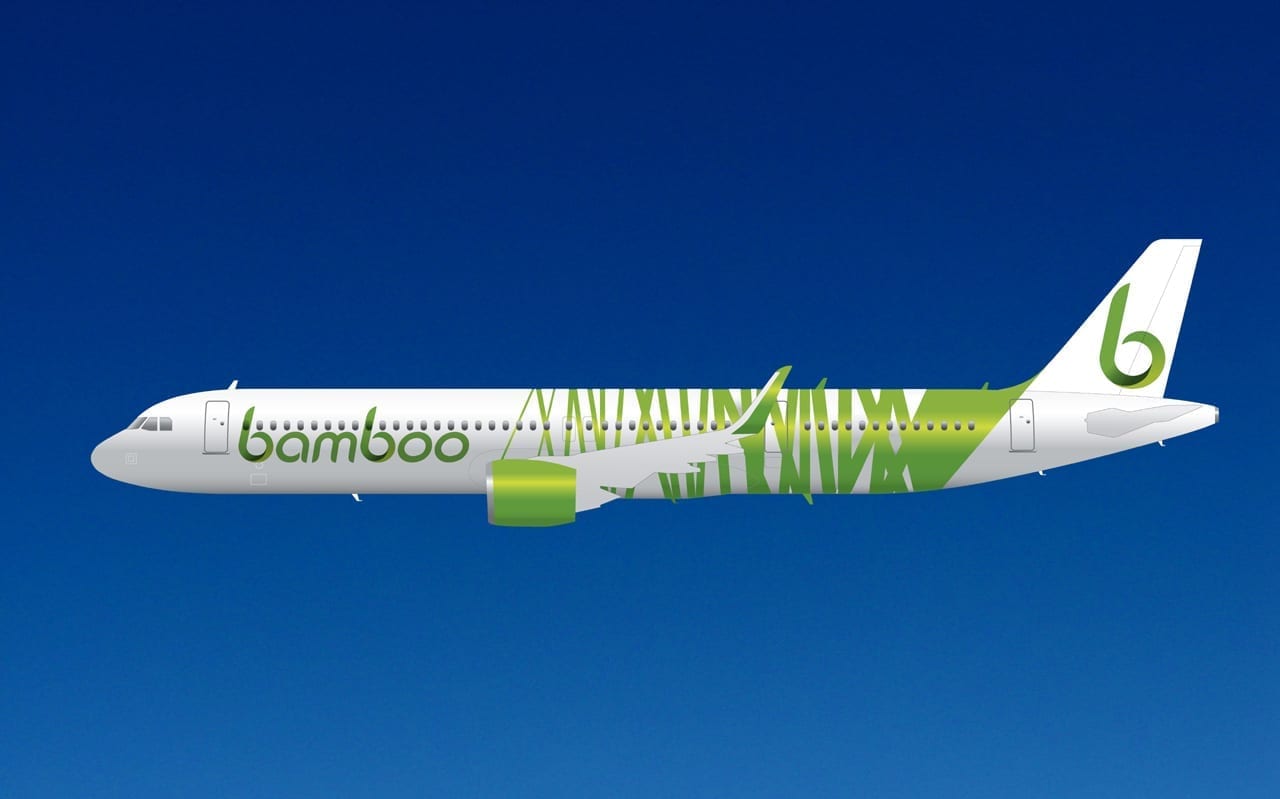
    Vietnam’s newest airline, Bamboo Airways, has received its long-awaited aviation license and plans to launch its first flight within the next 45 days. The carrier, the country’s fifth, is allowed to operate 10 aircraft on both domestic and international routes and to carry passengers and cargo on its flights.

    It plans to fly on 100 routes, connecting Vietnam’s major cities with popular domestic and international tourist destinations.

    But initially it is likely to only operate on certain sectors like Hanoi-Quy Nhon and Ho Chi Minh City-Quy Nhon. Quy Nhon is a city on the central coast.

    According to Bamboo Airways general director Dang Tat Thang, most of the preparatory works have been completed for the maiden flight to take off before the end of the year.

    It needs to obtain an aircraft operator certificate and obtain permission for parking and selling tickets, which are expected to take 30-45 days from the date of license issuance.

    Bamboo Airways was founded by Vietnamese private firm FLC in mid-2017 with a charter capital of VND700 billion ($30 million), which it increased to VND1.3 trillion ($55.68 million) recently.

    The airline has signed deals to buy 24 Airbus A320neo and 20 Boeing B787-9 Dreamliner aircraft worth a total of about $8.6 billion.

  • Hard Rock Cafe to be reintroduced in Philippines

    Hard Rock Cafe to be reintroduced in Philippines

    Bistro Group has acquired the exclusive franchise for Hard Rock Cafe in the Philippines, planning to reintroduce the brand in the region after a year’s absence. The Hard Rock group has high hopes for the partnership given the new local partner’s proven performance in the “Western-driven market.”

    Area franchise development VP Steve Yang said: “The Bistro Group is a strong industry player and with its robust portfolio of brands as well as its track record for more than 20 years, we are confident that they will be a strong partner to help us take Hard Rock Cafe in the Philippines to the next level.”

    The new Hard Rock Cafe will open next month in a 653sqm space at the Conrad S Maison mall in Pasay City, with four to five branches potentially in the works for Cebu and Bonifacio Global City.

    “Putting Hard Rock inside a mall is in response to the current lifestyle trend and is one of the best locations we’ve seen in our operations,” Yang said.

    Hard Rock’s VP for franchise operations and development Anibal Fernandez said the company wants to expand its presence in high-growth markets frequented by locals and tourists.

    “Last year alone we launched cafes in Spain, Austria, South Africa, Andorra, Bolivia, India, Cambodia, Myanmar, Argentina and Nicaragua. In 2018 we are developing in Africa, Middle East, Europe, North and South America, South Asia and China, among others.”

  • Alibaba breaks record Singles Day sales

    Alibaba breaks record Singles Day sales

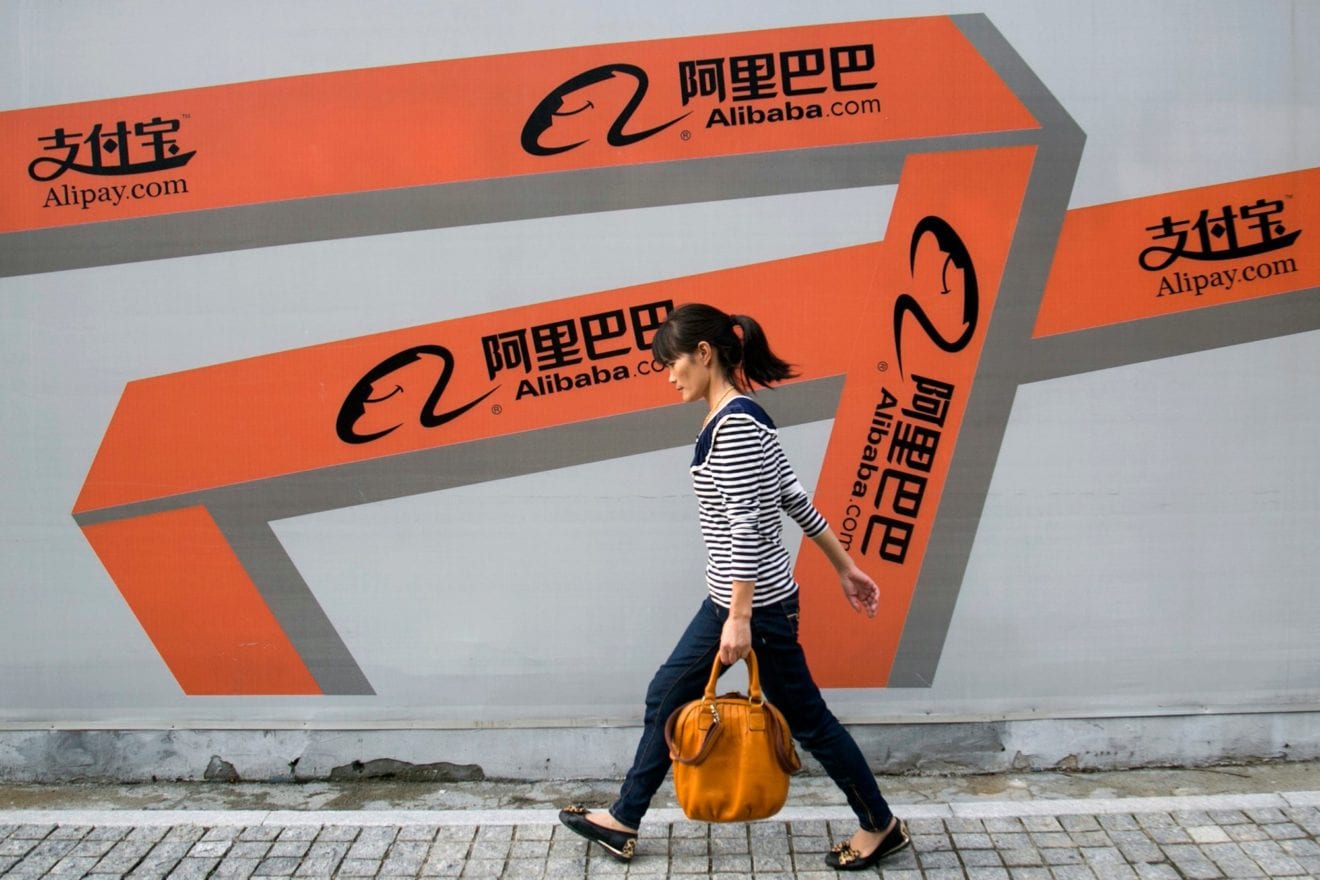
    E-commerce giant Alibaba has reported a 27 per cent increase in the gross merchandise value of goods sold during yesterday’s 11.11 shopping festival. Total GMV of Singles Day sales settled through Alipay reached RMB213.5 billion (US$30.7 billion), setting a much-anticipated record – with more than 40 per cent of consumers buying through international brands. Last year’s event brought in $25.3 billion in GMV.

    According to Alibaba, RMB6.9 billion ($992 million) of GMV was settled in the first one minute and 25 seconds, and RMB69.3 billion ($9.967 billion) in one hour and 48 seconds.

    Comparatively, Amazon’s recent Prime Day sales were estimated to have reached approximately US$4.2 billion by Wedbush Securities analyst Michael Pachter.

    Australia, Japan, the US, South Korea and Germany were among the top countries selling in the event, with 230 markets having participated.

    Australian supplement retailer Swisse ranked as the top brand imported into China through the promotion.

    “Today we witnessed the strength and rise of China’s consumption economy, and consumers’ continued pursuit to upgrade their everyday lifestyles,” Alibaba Group CEO Daniel Zhang said.

    “Participation from the entire Alibaba ecosystem enabled our brand and merchant partners to engage with consumers like never before.”

    According to Texas A&M University’s Professor Venkatesh Shankar, customers globally want to buy both online and in-store, from any device and through any payment method, while getting a high level of customisation and service.

    Singles Day’s popularity across the world suggests a new chapter of computer-enhanced shopping experiences has begun..

    As the Chinese middle-class grows, retailers around the world are offering their own Singles Day offering in order to service a burgeoning market.

    “The global retail market is adjusting to China’s rising economic power, and Chinese customer’s desire for AI-enhanced mobile shopping experiences,” Shankar wrote.

  • Vietnam’s Vietjet valued second in Southeast Asia

    Vietnam’s Vietjet valued second in Southeast Asia

    Vietnam’s largest private airline, Vietjet Aviation, is the second most valuable airline in Southeast Asia by market capitalization. Vietjet’s value is only behind Singapore Airlines, as reported last Thursday. Last Friday, the airline was valued at $3.02 billion while Singapore Airlines topped the region at $8.29 billion.

    On Thursday, Vietjet Air launched a new international route between Hanoi and Japan’s Osaka. It plans to open two more routes to Japan in December and January.

    Earlier this month, Vietjet signed a $6.5 billion agreement to buy 50 Airbus A321neo jets.

    The airline said that the order was in line with its growth strategies and will enhance its operational efficiency and capacity, especially on international routes.

    In Vietnam, Vietjet only has to contend with two domestic rivals: the state-run Vietnam Airlines and its low-cost arm, Jetstar Pacific Airlines.

    “There are only three airlines in Vietnam, and that arrangement facilitates profit generation domestically,” a representative at an international brokerage told the Nikkei Asia Review.

    In March last year, Vietjet’s market capitalization surpassed that of state-owned Vietnam Airlines only a week after it was listed.

    Vietjet currently operates 60 Airbus jets with more than 385 flights daily within Vietnam and to countries and territories such as mainland China, Hong Kong, Japan, Malaysia, Myanmar, South Korea, Singapore, Taiwan and Thailand.