Tag: asia

  • Automaker Mitsubishi eyes full-scale production in Vietnam

    Automaker Mitsubishi eyes full-scale production in Vietnam

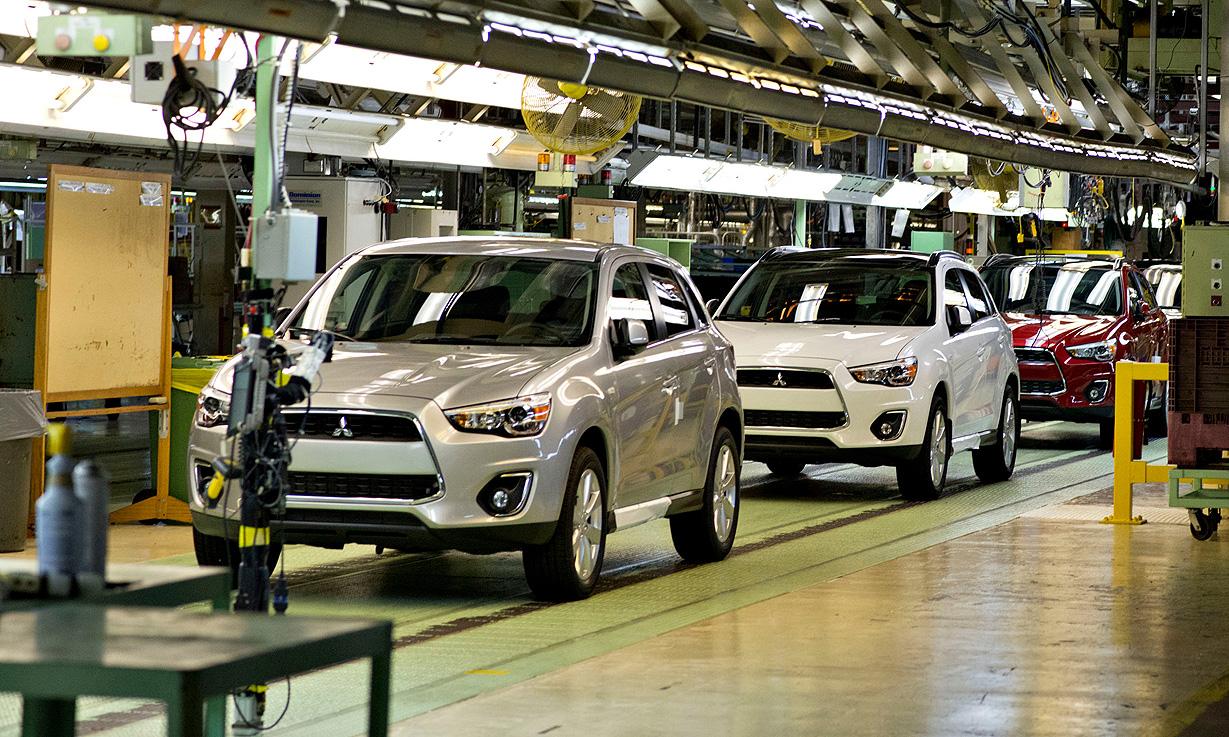
    Japanese automaker Mitsubishi Motors plans to expand its Vietnam operations by moving to full-scale production of parts within the country. The company’s CEO Osamu Masuko said at the global launching ceremony of the Mitsubishi Triton pickup truck in Bangkok that sourcing materials in Vietnam would let the company handle more upstream processes for components.

    “To be a true winner, we must develop production and exports to certain levels in each country,” Masuko said.

    He added that the Vietnamese operations will not simply be limited to assembling modules in a “knock-down kit” production method, referring to the method of manufacturing parts in one country and shipping them to another.

    The ASEAN region is the largest and most profitable market for Mitsubishi Motors, the company said in its annual report for fiscal 2017. Sales in the region went up by 33 percent last year to 275,000 units, while revenue from the region jumped 45 percent for the year to 506.2 billion yen ($4.45 billion).

    In Vietnam, Mitsubishi currently has an assembly plant in the southern province of Binh Duong with a capacity of 5,000 vehicles per year.

    It plans to increase production by having a second plant in the country by 2020, with a capacity of 30,000-50,000 vehicles per year.

    In the first nine months this year, a total of 230,958 automobiles were sold in Vietnam, according to Vietnam Customs. This figure could reach 300,000 by the end of this year, it added.

  • Snapdeal trims losses for FY18, exudes confidence on hitting profits

    Snapdeal trims losses for FY18, exudes confidence on hitting profits

    E-commerce firm Snapdeal has narrowed its consolidated losses substantially to Rs 613 crore for FY2017-18, as per regulatory documents. According to a report: The company, which competes with larger rivals like Amazon and Flipkart, had posted a consolidated loss of Rs 4,647.1 crore in FY2016-17, documents filed with the Corporate Affairs Ministry showed.

    The consolidated revenue from operations declined to Rs 436.1 crore for 2017-18 as against Rs 903.8 crore in the previous financial year.

    On standalone basis too, Snapdeal trimmed its losses to Rs 440.7 crore in 2017-18 from Rs 4,638.9 crore in the year-ago period. Total revenue was at Rs 514.6 crore in FY18 as against Rs 1,105.7 crore in the previous fiscal.

    Snapdeal, in its filing said, the company had embarked on its journey towards profitability last year.

    “This year, we continued on this path and focused on building a leaner and more capital efficient business. We substantially reduced our costs, both variable and fixed overheads,” it added.

    The company said it reduced its business promotion expense by 88 percent year-on-year, whereas fulfilment expenses were lower by 67 percent y-o-y.

    “We optimised the team structure and leveraged technology more efficiently, which was critical in trimming our employee expenses by 68 per cent y-o-y. While all of this has come at the expense of lower top line, your company is extremely proud of its achievements over the year and is absolutely confident that it is heading in the right direction to achieve profitability,” it said.

    When contacted, a Snapdeal spokesperson said, “Our prime focus last year was to maximize the operating efficiency of the marketplace ahead of implementing our planned growth initiatives. We are extremely pleased to see the incredible results from our disciplined execution with losses reducing by 88 percent”.

    In addition, parts of the revenue, which were disproportionately loss-making, were identified and curtailed during the year in order to realign the business for growth with healthy margins, the spokesperson added.

    Snapdeal, which had seen its business being impacted severely by the intense competition in the e-commerce segment, had last year dumped the US$ 950-million takeover offer from rival, Flipkart.

    It was then that Snapdeal Co-founders, Kunal Bahl and Rohit Bansal had said the company will pursue a fresh strategy in the Indian market.

  • Blue Bottle Coffee makes debut in South Korea

    Blue Bottle Coffee makes debut in South Korea

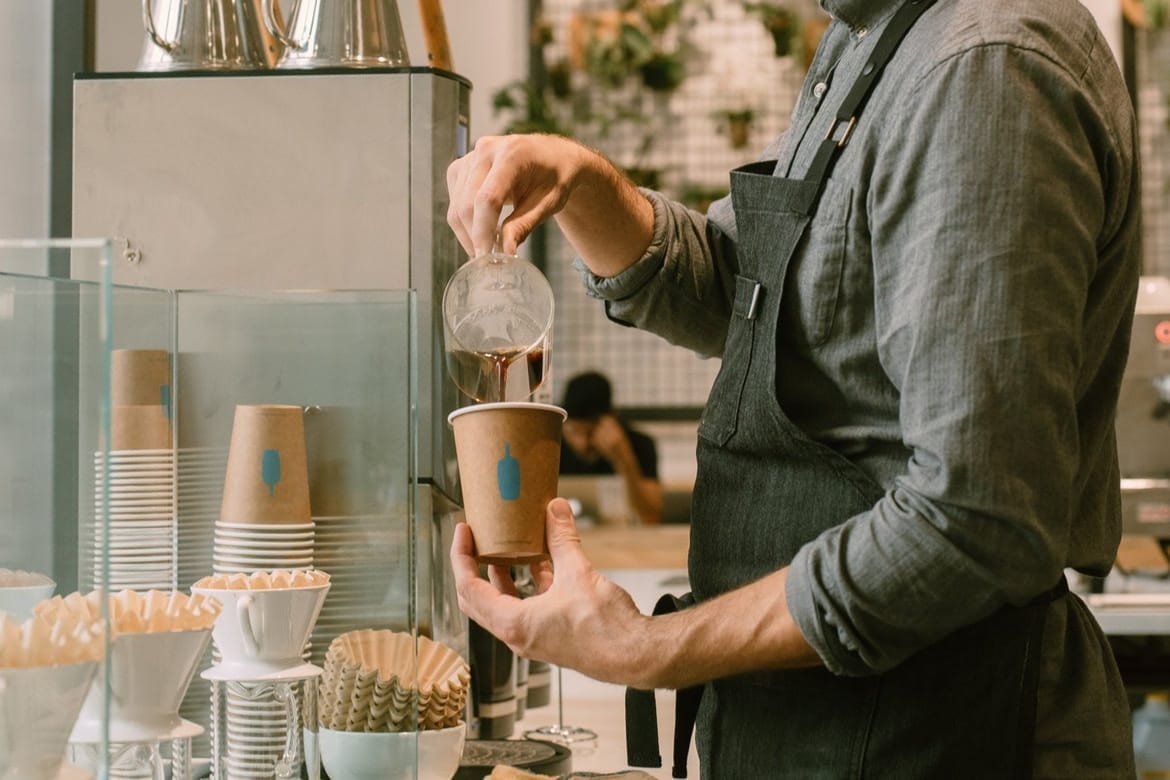
    Blue Bottle Coffee Co an upscale US coffee chain operator, says it will open its first South Korean shop in Seoul in the second quarter of next year as the company moves to expand its presence in the Asian market. It said the new cafe and a roastery will open in Seoul’s eastern Seongsu neighbourhood, a trendy hangout spot where young artists and designers have renovated existing buildings into art spaces, fine restaurants and cafes.

    The move will mark Blue Bottle’s second international launch since it opened its shop in Tokyo in 2015. Blue Bottle said it will directly enter the South Korean market as Blue Bottle Coffee Korea Ltd.

    “We feel very close to our South Korean guests, having known them for years in our cafes in the US and Japan and on social media,” said Bryan Meehan, CEO of Blue Bottle Coffee. “Now, Blue Bottle Coffee will no longer be just a tourist destination for them but a part of the fabric of Seoul.”

    Founded in 2002, the Oakland-based roaster now has 56 cafes in the US and 10 in Japan. Swiss food giant Nestle bought a 68 per cent stake in the company last year.

    According to government data, the size of South Korea’s coffee market stood at 11.7 trillion won (US$10.8 billion) in 2017, up more than threefold from a decade earlier.

  • Korea’s KT skips Huawei for 5G

    Korea’s KT skips Huawei for 5G

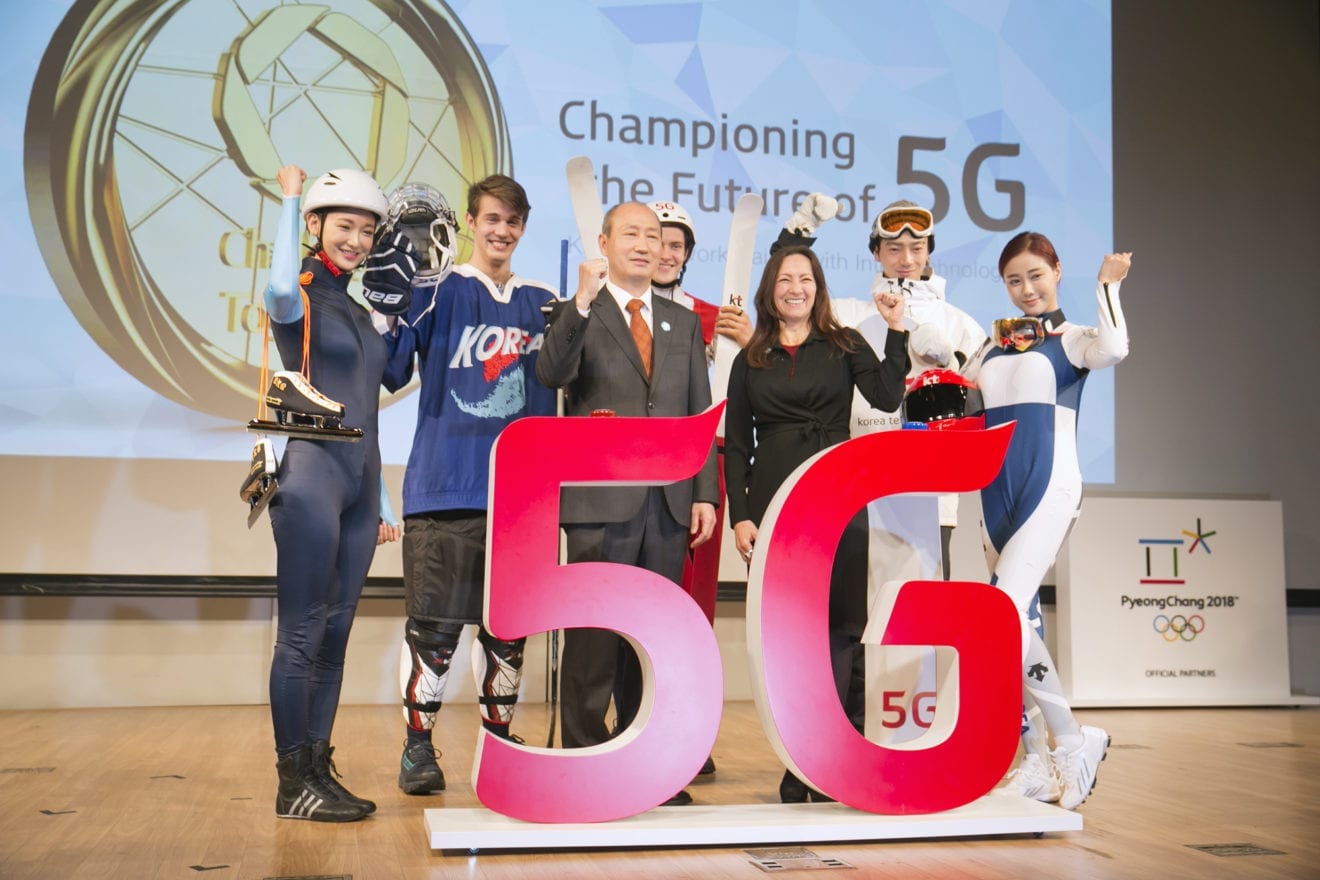
    KT has chosen Samsung Electronics, Ericsson and Nokia as suppliers of 5G network equipment. As expected, Huawei was excluded from the list.  “In choosing 5G equipment providers, the company considered a wide range of factors: the level of technology, investment costs and management stability based on the compatibility with the existing LTE network,” KT said in a statement.

    The bid results, announced by the company Thursday, come a month after SK Telecom named Samsung Electronics, Ericsson and Nokia as its 5G equipment providers.

    This is the second time Huawei was left out despite having participated in internal tests along with the three selected.

    SKT and KT’s choices were anticipated because both had used equipment from Samsung, Ericsson and Nokia for their 4G LTE networks.

    Compatibility of equipment is an advantage for mobile carriers in terms of cost and maintenance, especially in the early stages when 5G equipment is not fully installed nationwide.

    LG U+ is the only one among Korea’s three mobile carriers that has not yet announced 5G equipment suppliers. The smallest mobile carrier is likely to include Huawei on its list. It partnered with the Chinese company for its 4G LTE network, along with Samsung, Ericsson and Nokia.

    An LG spokesman said Thursday that the company “does not have plans to openly disclose selected bidders for 5G network equipment at the moment,” as it is not mandatory.

    However, LG U+ Vice Chairman Ha Hyun-hwoi gave a strong hint at the parliamentary audit late last month when he gave a positive answer to a lawmaker’s question on whether it was “unavoidable” to use Huawei’s 5G equipment as its 4G equipment was from the same company.

    The biggest advantage of Huawei’s 5G equipment is cost efficiency. The Chinese company is known to charge prices that are 20 to 30 percent lower than other global competitors for high-quality 5G equipment. A factor that argues against Huawei is security concerns.

    Due to its ties to the Chinese government, there have been worries that the company’s equipment is being used for spying. In August, the U.S. and Australian governments banned Huawei from supplying equipment for their 5G wireless infrastructure citing security reasons. Britain said in July it “is less confident” about the integrity of Huawei products.

    The concern is shared by some local customers as well. Online petitions at the Blue House’s official website have been posted since June requesting a stop to LG’s adoption of Huawei’s 5G equipment. Huawei has been denying such allegations.

    In a press release last month, the Chinese tech company highlighted that, despite ongoing security concerns, there has been zero cases of actual information leakage in the past.

    “We have supplied LTE equipment for LG U+ since 2013, and until now, there were no cases of security accidents,” said the statement. “After multiple verifications by the government, it has been proved that there have been no problems.”

  • Bank of Indonesia Signs $10b Financial Stability Deal With Singapore

    Bank of Indonesia Signs $10b Financial Stability Deal With Singapore

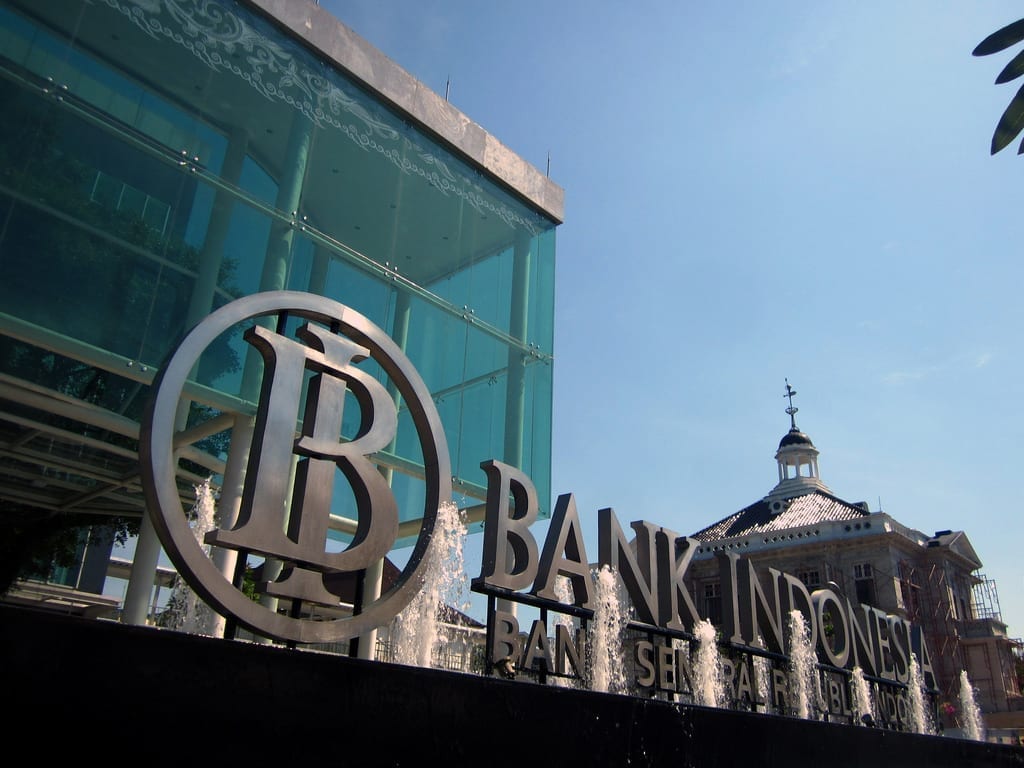
    The central banks of Indonesia and Singapore said last week that they had agreed to a bilateral deal for a $10 billion backstop to help maintain monetary and financial stability after a recent bout of turbulence in markets. The pact, which will be in place for one year, comprises a local currency swap agreement of around $7 billion equivalent and another $3 billion that allows for repurchase transactions between the two central banks to obtain United States dollar cash using government bonds of major countries as collateral.

    Bank Indonesia has been recently intervening to stabilize its rupiah, which fell to 20-year lows against the US dollar amid a global rout in emerging markets.

    “Economic fundamentals in the regional economies remain sound. But markets can sometimes overreact in the face of heightened uncertainty. This bilateral financial arrangement will instill confidence amongst investors,” said Ravi Menon, managing director of the Monetary Authority of Singapore.

  • Big C to open in Malaysia

    Big C to open in Malaysia

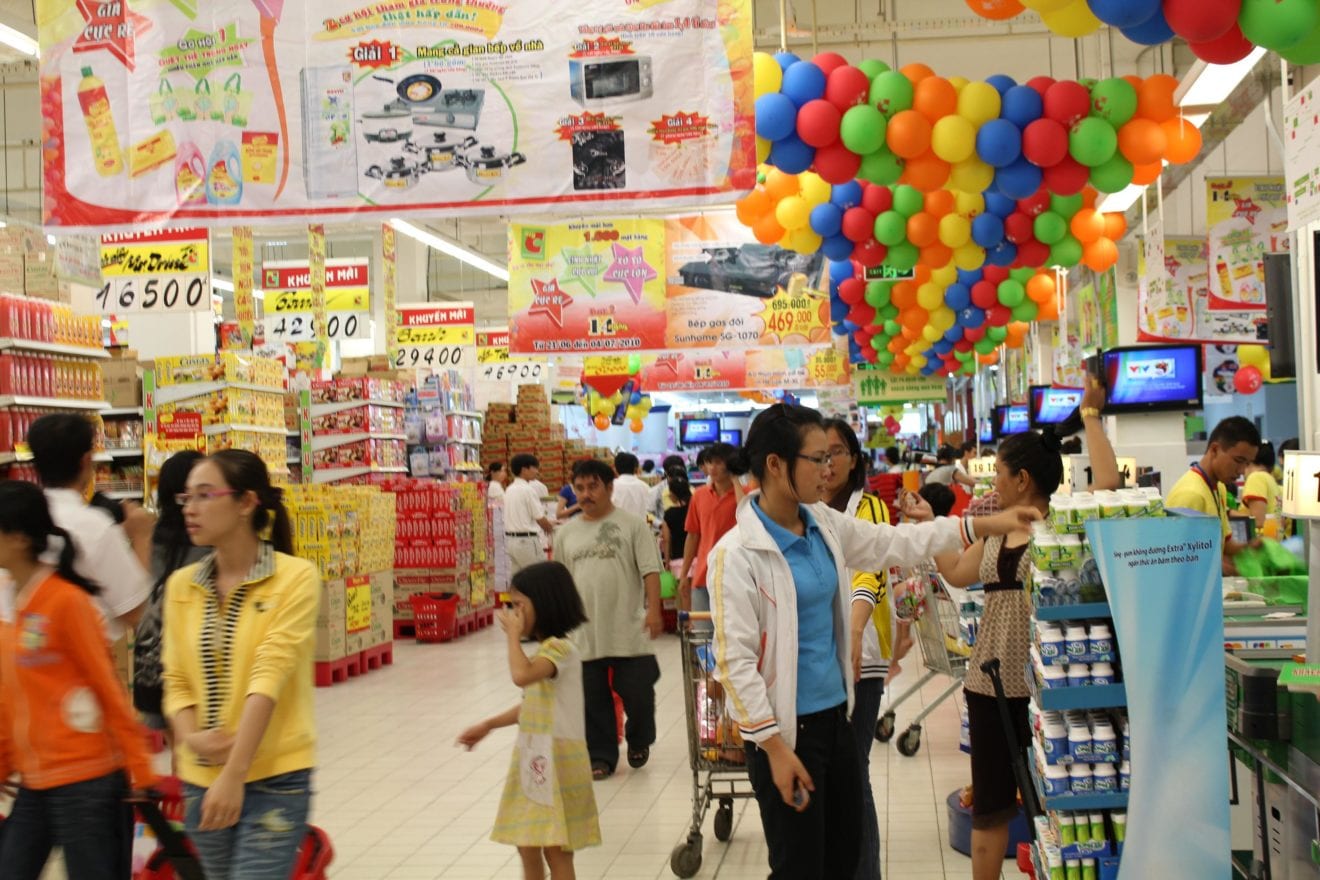
    Thai Hypermarket Big C appears to be preparing to enter Malaysia. According to several websites, Fraser and Neave, a subsidiary of billionaire Charoen Sirivadhanabhakdi’s TCC Group, is in the process of completing local regulatory requirements through Ministry of International Trade and Industry to prepare for the launch of Big C Malaysia.

    The target opening date has not been confirmed.

    However, the first Big C Malaysia Supercentre is expected to be located in Kedah in northwest Malaysia, near the Thai border.

    Big C currently operates in Thailand, Vietnam and Laos.

    Many Malaysians reportedly cross the border into Thailand to shop at the Big C hypermarket in Hat Yai, in Thailand’s south, giving the company confidence its offer would be popular among residents of its neighbouring country.

  • Chinese Singles’ Day courts Vietnamese consumers

    Chinese Singles’ Day courts Vietnamese consumers

    Promoted by Alibaba in China for more than 10 years, Singles’ Day is now courting Vietnam with great fervor. More than a week before “Singles’ Day’ which falls on Nov. 11, major shopping firms in Vietnam had begun to update their mobile applications with a range of games designed to ‘hype up’ consumers.

    These included shaking the phone to earn coins (shopping vouchers), discount lotteries and ‘easter eggs’ giving specific discounts, and many more.

    Few retailers explain why Nov. 11 was chosen as the date for this promotional event, which some hail as “the biggest discount of the year.”

    Consumers and online businesses both acknowledge, however, that the marketing race building up to the day has been very fierce.

    The most boisterous claims came from Singapore based e-commerce group Lazada, which announced that it will gift 110,000 vouchers worth $10 million.

    General manager of Lazada Vietnam, Zhang YiXing, said he had spent the last three months fine-tuning Lazada’s app and working with vendors for the Nov. 11 event.

    Although they have no reason or specific connection with Alibaba, other e-commerce sites are not missing the opportunity to profit from Singles’ Day. Industry insiders remark that with competition so fierce, the ‘big players’ are implementing emulation strategies to grab whatever advantage they can get at.

    In particular, businesses do not want to stand idle during an event which increases the traffic and revenue of its rivals. So they’ve all jumped on the Singles’ Day bandwagon and made it spread further.

    “E-commerce is the most developed industry in Vietnam and also the most competitive,” said Tran Ngoc Thai Son, founder and CEO of e-commerce company Tiki.

    On the Tiki website, the company hails Nov. 11 as the “legendary sales season”, introducing a lottery to win laptops, phones and shopping vouchers with a total value of up to VND10 billion ($431,980).

    Meanwhile, Shopee, a consumer Internet platform provider based in Singapore, has called this day the “Super Sale.” The company has also launched a game consumers can play to earn rewards and has been promoting a different product line each day to attract attention before the official event.

    Lotte.vn has also jumped into the fray in dramatic fashion, calling the event the “Nov. 11 shopping war”, while Adayroi, run by Vietnam’s biggest private conglomerate Vingroup, has launched a full week of promotions from Nov. 1-11 with its “Sale Season”.

    Experts say that in addition to price, this years’ competing retailers have also focused more on branded goods and after-sales service.

    “Technology is no longer a challenge for Vietnam’s e-commerce sector but consumer confidence. Now choosing products and discounts from a trusted retailer is also important, not just price,” said Le Hai Binh, vice president of the Vietnam E-commerce Association.

    “Delivery and after-sales services are competitive advantages that cannot be ignored in this race.”

    Lucrative day

    Although not as fierce as this year, last Nov. 11 had made ‘a killing’ for retailers, encouraging them to step up promotions this year.

    According to data released by France-based commerce marketing company Criteo, retail sales of online shopping sites in Vietnam during the last Single’s Day campaign increased 245 percent, compared with ordinary days in the year, and marked a 70 percent increase in traffic.

    Last Nov. 11, traffic increased the most in the evening, from about 9 p.m. onwards. Shopping time “peaked” at 11 p.m., which is one hour before promotions end, so consumers were rushing to finish their shopping.

    The two most popular items last year were home appliances and electronics, with sales soaring by over 276 percent and 266 percent respectively compared to ordinary days.

    Silvia Siow, Criteo’s chief customer strategy manager for Southeast Asia, Hong Kong and Taiwan, said that these two categories were best sellers because of their high value. People tended to wait for promotions to cash in on significant discounts in absolute terms. Siow also said that Nov. 11 was playing a growing role in Southeast Asia, not just Vietnam.

    He said the real gains from Nov. 11 were not in sales but an expanded customer base and increased market share.

    “Sales are important, but traffic is more important. Increased traffic may represent newcomers who arrive and discover or rediscover products. “

    The heat of the Nov. 11 race in Vietnam is expected to last many years as it is the second most dynamic e-commerce market in Southeast Asia, behind Indonesia.

    Economist Simon Baptis, CEO of Asia region for the Economist Intelligence Unit (Economist Group) said: “Vietnam will be one of the fastest growing economies in the region with real growth constant at a high level between 2019 and 2023.

    “Reinforcing consumer confidence in e-commerce and electronic payment systems is also a need of the period.”

  • Korean Air shifting most of its data to Amazon’s AWS

    Korean Air shifting most of its data to Amazon’s AWS

    Korean Air Lines said Tuesday it will transfer most of its data and applications to Amazon’s cloud computing platform as it overhauls its IT infrastructure over the next three years. The planned data migration to Amazon Web Services (AWS) is part of Korean Air’s broader plan to invest 200 billion won ($178 million) over the next 10 years to accelerate the company’s digital innovation and transformation, Korean Air said in a statement.

    “Leveraging cloud technologies means we will be able to provide faster and more efficient services that are tailored to the needs of our customers,” Korean Air President Walter Cho said in the statement.

    Cho, AWS Managing Director Ed Lenta and LG CNS Chief Executive Kim Young-seob signed a data center outsourcing agreement. LG CNS, one of Korea’s leading IT outsourcing providers, will help Korean Air move its data to the AWS system.

  • Pandora sales declining, relies on China

    Pandora sales declining, relies on China

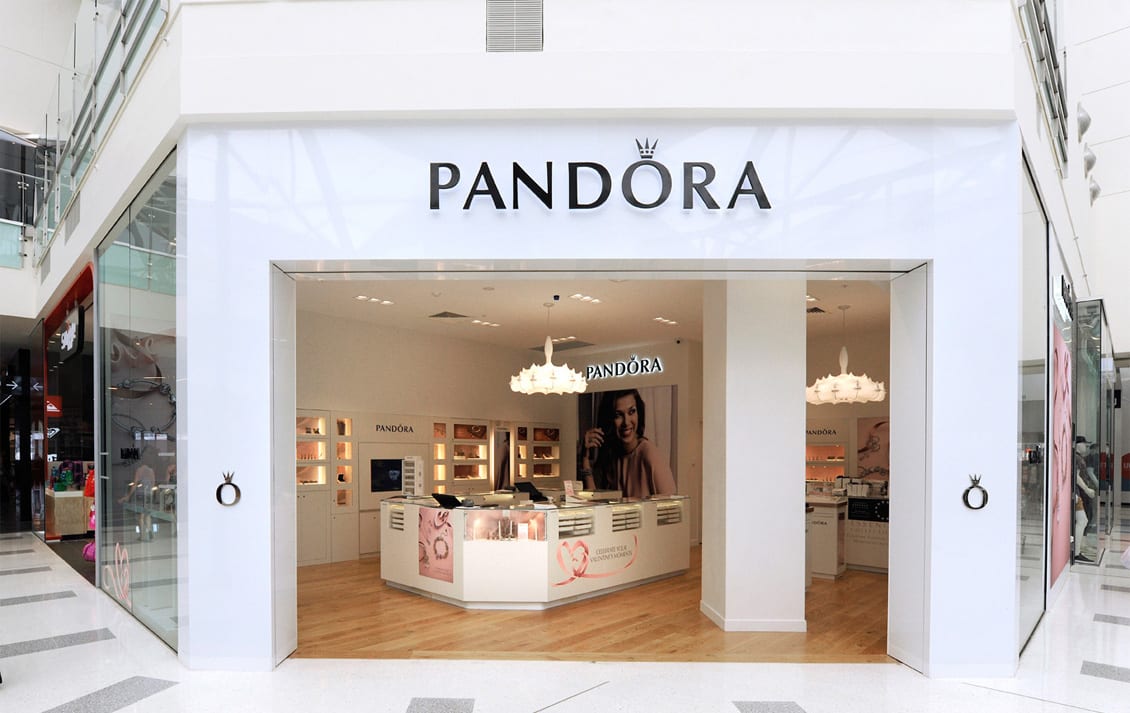
    Jewellery retailer Pandora is looking to China, India and Latin America to arrest a decline in global sales. The Danish company has unveiled an initiative that it hopes will reignite sustainable revenue growth, Programme Now, after group revenue dropped 3 per cent in the third quarter of this year.

    Under the program, Pandora will significantly reduce its franchise acquisitions and scale back new store openings. For the stores it does open, it will concentrate on growth markets, such as China, India and Latin America. It hopes the move will grow like-for-like sales, if not total sales.

    To achieve this, the business plans to enhance its marketing, personalisation, digital and e-commerce capabilities, as well as the in-store customer experience.

    Pandora also noted that part of its success moving forward lies in execution in all parts of the value chain, as well as more closely coordinating parts of the business to work in tandem, to reduce costs.

    The implementation of the program, as well as the weak third-quarter results, however, have led the company to revise its full-year earnings guidance. It has cut its annual revenue forecast from between 4 and 7 per cent to between 2 and 4 per cent, or DKK 1.2 billion to DKK 1.4 billion (US$184 million to $214 million).

    “The third quarter results were unsatisfactory and we adjust our full year guidance,” Pandora CFO Anders Boyer said.

    “We have taken the first major step in the programme today by changing our network expansion plan. We have confidence in a strong future for Pandora and will use this year and next to reset the business.”

    Pandora expects revenue and total like-for-like growth to be impacted through to 2020 by the planned reduction of mark-downs, though this is likely to cause a margin neutral result on the group level.

  • Robust demand for robusta to boost Vietnam’s coffee exports

    Robust demand for robusta to boost Vietnam’s coffee exports

    Vietnam’s coffee exports can hit a record high this year because of high global demand for the robusta variety. Coffee exports this year could top over 1.8 million tons, said Do Ha Nam, deputy chairman of the Vietnam Coffee and Cocoa Association.

    “The world market has consumed all the coffee shipments from Vietnam. Supply has been insufficient to meet demand,” Nam said.

    The shortage comes as global’s demand for instant coffee is expected to rise this year, especially in developing markets.

    Global consumption of robusta, mainly used by big companies including Nestle SA to make instant coffee, is forecast to climb to a record high this season.

    The worldwide market for instant coffee is set to expand 4.7 percent a year through 2023 to $14 billion from $10.4 billion in 2017, market research firm IMARC said in a recent report.

    Higher demand has boosted domestic coffee prices.

    The price of coffee in the Central Highlands, Vietnam’s major coffee-growing belt, hit VND35,300-36,100 ($1.51-1.54) per kilogram in early October, higher than that VND32,500-33,300 ($1.39-$1.43) per kilogram in early September.

    Coffee exports from Vietnam grew at an estimated 21.5 percent between January and October from a year ago to 1.58 million tons, according to the General Statistics Office.

    Coffee export revenues for Vietnam, the world’s biggest producer of the robusta beans, rose 1.1 percent to $2.98 billion in this year’s 10-month period, the office said.

  • Jins store opened a spectacular store in Shanghai World

    Jins store opened a spectacular store in Shanghai World

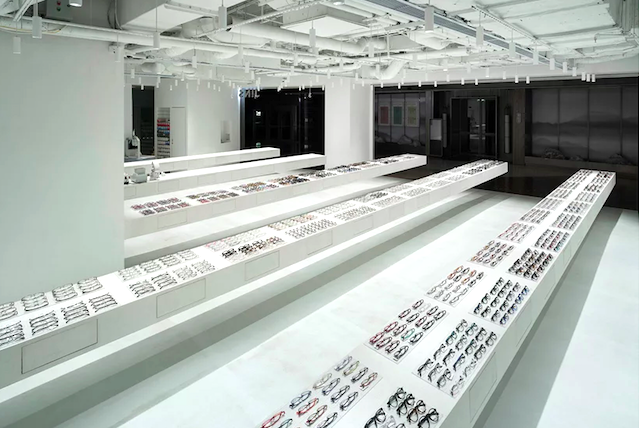
    Japanese eyewear brand Jins has opened a striking new store in the Shanghai World Financial Center. The Jins store was designed by Tokyo-based architect Junya Ishigami without any external entrance and features concrete counters that appear to float in the air, set against a stark, industrial setting, sporting hundreds of fashionable glasses frames. The counters are supported by heavy H-beams attached to a bowed steel sheet that covers the shop floor.

    The store is lit by strong 4000-Kelvin suspended luminaires that bring the bare walls into stark contrast. Ishigami commented, “I wanted to make a void space within a shopping mall.”

    Jins traditionally hires independent designers to fit out its retail areas.

    Jins founder and CEO Hitoshi Tanaka said: “I prefer working with architects on a space because they make more of an impact.”

  • Chinese white goods company Midea announces Rs 1,350 crore new plant in India

    Chinese white goods company Midea announces Rs 1,350 crore new plant in India

    Chinese consumer durables firm Midea aims to manufacture its products locally in the country by next year and is setting up a new facility in Pune at an investment of Rs 1,350 crore. “India is a strategic growth market and we expect our investments in this market to yield good growth. Considering the potential of the market we have committed over Rs 1,350 crore investment for a new facility,” Krishan Sachdev, Managing Director of Carrier Midea India and also Midea Group India region, told PTI.

    “We have a manufacturing facility at Bawal in Haryana and we are strengthening our base here with a second plant in Pune. By next year, 100 percent of our products shall be manufactured locally,” he further told PTI.

    According to a report: He further said that the company is evaluating prospects of exports from India.

    The new facility near Pune, with a technology park, will have three manufacturing units for home appliances, HVAC products and compressors and will also include a manufacturing facility for Carrier Midea India, a 60:40 joint venture between Midea and Carrier.

    The complex is likely to begin commercial operations at the beginning of 2020 and the technology park is expected to generate employment opportunities for over 2,000 people, both directly and indirectly.

    Over a period of five years, the facility will produce refrigerators, room ACs, washing machines, water purifiers, water heaters, commercial ACs and compressors.

    The company, which has been growing at a CAGR of 25 per cent over the last five years, said plans for manufacturing other home appliances categories in a phased manner have been completed.

    Sachdev further said the rupee depreciation has had an impact on their business.

    “Even though we manufacture 70-80 per cent locally, production cost has gone up because some of the components are imported,” he said.

    The company is expecting a good festive season this year with 25 per cent growth and by next year it plans to have IoT enabled product solutions for this market.

    South and East are the leading markets for the company, contributing significantly to the business, while non-metros contribute 30-40 per cent of the overall revenue.

    Midea India plans to double its footprint across the country.

    “For the RAC, which is the refrigeration and air conditioning category, and which contributes 80 per cent of revenues), we are targeting to be in around 5,000 retail outlets before next summer apart from 800 plus sales and service dealers.

    We are constantly looking to expand our reach to consumers. We are already present in more than 400 cities and towns of India,” he further said.

  • Moody’s downgrades Petronas LNG’s ratings outlook to negative

    Moody’s downgrades Petronas LNG’s ratings outlook to negative

    Moody’s Investors Service has downgraded Petronas LNG Ltd’s (PLL) ratings outlook to “negative” from “stable”, following the same outlook revision for its parent company Petroliam Nasional Bhd’s (Petronas) yesterday. At the same time, the rating agency has affirmed PLL’s A3 foreign and local currency issuer ratings.

    Moody’s said the changes reflects its negative outlook on Petronas’ ratings and its expectation of PLL’s continued strong support from and linkages with its ultimate parent.

    PLL is 100%-owned by Petronas, which is in turn wholly-owned by the government.

    Moody’s said given the negative ratings outlook, a ratings upgrade is unlikely and it will revise PLL’s ratings outlook to stable from negative only if Petronas’ ratings outlook is stabilised.

    It said that PLL’s ratings will be downgraded if: Petronas’ rating is downgraded; there is a decrease in Petronas’ ownership of PLL; there is a reduction in Petronas’ supervision of and operational and financial support to PLL; or there is a material increase in PLL’s risk appetite.

    PLL’s ratings were assigned using a top down approach by evaluating the company’s full ownership by Petronas, its strong operational and financial integration with Petronas, and the willingness and ability of Petronas to extend support to PLL in an event of distress.

    Meanwhile, Moody’s assistant vice president and analyst Rachel Chua said PLL’s A3 ratings are positioned two notches below the A1 ratings of its ultimate parent.

    She noted that PLL enjoys ongoing liquidity support from Petronas and it can draw from Petronas’ umbrella credit facility for liquidity management, adding Petronas has continued to support PLL financially through cash injections of almost $400 million over the past three years.

    “Petronas’ support for PLL extends beyond financial assistance. Petronas also provides PLL with significant management support and oversight, including monthly reporting on risk and governance to a committee chaired by Petronas.

    “PLL also has an integrated treasury function with Petronas, where its cash is held centrally by Petronas and cash flow requirements are shared with its parent,” she added.

  • New iPhones sell slowly in Korea

    New iPhones sell slowly in Korea

    A week after Apple introduced its latest iPhone series at stores in Korea, sales are only about 60 percent of those reported for the previous lineup over the same period of time. According to estimates compiled by local mobile carriers, a total of 170,000 iPhone XS, XS Max and XR models were purchased between Nov. 2 and Nov. 7. A total of 280,000 iPhones 8 and X models were sold in the first week of their release in November 2017. Sales of the two models began three weeks apart.

    Industry watchers assumed that Apple’s simultaneous release of the three models was designed to garner greater attention and boost sales in the early days.

    However, figures so far show that the latest iPhones are selling more slowly than earlier models.

    “It’s not doing that great,” said an employee at a brick-and-mortar phone shop in central Seoul on Friday when asked if the new iPhones are popular.

    “There’s the expensive price tag, but it also has to do with the fact that there aren’t dramatic function upgrades. To be honest, even I can’t really notice a big difference between the iPhone X and XS. Maybe the next series will come with more innovative features – we’ll see.”

    Price became an issue as soon as Apple introduced the new models. In Korea, the 512-gigabyte iPhone XS Max sells for nearly 1.97 million won ($1,745), while the 256-gigabyte XS retails at 1.56 million won.

    Even the budget XR model is priced slightly below one million won.

    Despite the price concerns, presales have been reasonably strong. SK Telecom, KT and LG U+ took orders between Oct. 26 and Nov. 1.

    Presales results for the three new models differed per company, but the general assessment was that demand was similar or stronger than for previous generation iPhones.

    Presale results don’t necessarily indicate success. Customers who preorder iPhones in Korea, even before actually touching the product, are likely to be loyal Apple fans.

    “The thing about Apple maniacs is that they will get their hands on the next iPhone no matter what,” said a source from one of the mobile carriers.

    “But success doesn’t just come from them. The general public, especially those switching between smartphone brands, should be attracted to buying it, too. The new iPhone seems to be failing in that respect this time.”

    Up until a few years ago, a few manufacturers like Apple and Samsung dominated the smartphone market. Customers nowadays have a much wider ranges of options in terms of price and style.

    Over the last decade, smartphone technology has advanced so much that even budget models priced at half that of the latest iPhones come with high-tech functions, such as face unlock.

    From Apple’s side, there are signs that the company is well aware of the slower demand.

    Japan’s Nikkei Asian Review reported on Monday that Apple told smartphone assemblers Foxconn and Pegatron to halt plans to bring on additional lines for iPhone XR production. All companies involved declined to comment.

  • Indonesia Will Not Cut Export Levy on Palm Oil: Minister

    Indonesia Will Not Cut Export Levy on Palm Oil: Minister

    Indonesia has decided not to make any changes to export levies on palm oil, Coordinating Economic Affairs Minister Darmin Nasution said on Thursday. “Even though we have had discussions on the issue, we prefer not to change the policy on this area. There is no change,” Darmin said at a press briefing in Kuala Lumpur.

    “In the long term, I cannot confirm, but in the short term there is no change,” he said.

    Darmin said at an industry conference in Bali last week that Indonesia was considering a move to reduce the levy.

    Indonesia, the world’s top producer and exporter of the edible oil, currently slaps a levy of $50 per metric ton on crude palm oil, and a range of $20-$40 for refined palm products.

    The Indonesian Palm Oil Association (Gapki) said last month that it had proposed cutting the palm oil export levy by $20 per ton until prices of the vegetable oil reach $700 per ton.

    The government’s reference price for crude palm oil has stayed below $750 per ton for over a year.

    Speaking in Kuala Lumpur, Darmin said Indonesia decided against the cut in export levy as such a move would result in lower prices that would benefit consuming countries, not exporters.

    The minister has in the past said Indonesia was considering reducing the levy to boost exports, which would then reduce stockpiles, but he said on Thursday that this would be achieved by boosting the use of biodiesel.

    “Our policy is to increase the utilization of biodiesel, so of course, it takes time but I believe the result will be there in six months,” Darmin said.