Tag: Australia

  • Australia Surpasses Who Sugar Guidelines: A Three-decade Journey To Healthier Diets

    Australia Surpasses Who Sugar Guidelines: A Three-decade Journey To Healthier Diets

    Australia has achieved the World Health Organization’s (WHO) sugar guidelines that suggest keeping sugar below 10% of daily energy intake. The Australian Bureau of Statistics (ABS) reveals that the country has reduced its consumption of sugar from food and beverages over the past three decades.

    In 1995, sugar constituted about 12.5% of our daily energy intake. This percentage fell to 10.9% in 2011-12 and further to 8.2% in 2023, even as our overall food and drink energy intake decreased by less than 5%.

    Reducing Sugary Drink Consumption

    Notably, Australians are consuming far fewer sugary drinks than in previous years. This includes beverages sweetened with sugar or artificial sweeteners, or both, such as soft drinks, cordials, fruit juices, and energy drinks.

    In 2011-12, approximately 42% of the population consumed at least one sugary drink daily. By 2023, this percentage had decreased to under 29%.

    In 1995, nearly three-quarters of children (72%) consumed a sugary drink every day. By 2023, this percentage had fallen to a mere 25%.

    Why Is Sugar Reduction Important?

    Consuming high amounts of sugar is detrimental to our health. Sugary foods and beverages are discretionary or occasional foods, offering little nutritional value while adding empty calories to our diet.

    Increased sugar intake can lead to obesity, type 2 diabetes, and tooth decay. Sweet beverages do not satiate us like regular meals do, making it easy to overlook the energy we are consuming.

    Average soft drinks contain about 40 grams (10 teaspoons) of sugar per serve, which is near the daily limit. Energy drinks may contain up to double that amount, while sports drinks may contain slightly less.

    Trends Over Three Decades

    Between 1995 and 2023, there was a 65.28% drop in children consuming sugary drinks. The percentage of adults consuming sugary drinks dropped from 40.2% in 2011-12 to 29.9% in 2023. However, adults still consume about 5% more sugary drinks than children.

    On average, Australians have less sugar in their diet than a decade ago. This shift isn’t just about soft drinks – we’re also reducing the sugar in our tea and coffee, eating fewer candies and desserts, and reaching less often for fruit juice.

    Children have seen the most significant changes. In the mid-1990s, children derived almost one-fifth of their daily energy from sugar. Today, that figure is closer to one-eighth, with our overall energy intake remaining quite similar.

    What’s Driving the Change?

    The new data suggests that efforts by individuals, families, communities, and some food manufacturers to reduce sugar intake over the past few years may be effective.

    A decline in sugary drink consumption may indicate growing awareness of the damaging effects of sugar, possibly due to social media campaigns, improved labelling on food and beverage products, increased public messaging, and industry changes, such as more brands offering lower-sugar alternatives.

    A Segment of the Larger Picture

    Despite a decrease in sugar consumption, obesity rates continue to rise among both children and adults.

    Research suggests that sugar is just one factor and that overall diet quality and broader eating patterns play a significant role in our health.

    Discretionary foods, including snacks, chips, convenience meals, chocolate, and other highly processed foods, still constitute around a third (31.3%) of the average Australian diet.

    This means many individuals are still regularly consuming sweet drinks and highly processed foods, which are sources of added sugars and excess energy, viewed as empty calories that pose their own health risks with little nutritional value.

    What’s Next?

    The new data shows progress in tackling the amount of sugar in our diets, but there’s still work to be done.

    To sustain these positive trends, we need to consider stronger government action to support all communities in addressing broader food system challenges, such as food insecurity and limited access to healthy food, which often results in people consuming more highly processed foods.

    Policies such as sugary drink taxes, restrictions on marketing junk food to children, and clear front-of-pack labels should be considered. Additionally, more incentives for industry to reformulate products to lower-sugar options where possible are needed.

    Education campaigns can help communities and schools where high-sugar habits are common to learn about healthier alternatives without stigma. Furthermore, collecting additional data to understand where dietary sugar comes from, beyond sugary drinks, is also necessary.

    Even though Australia may be shedding its historically high sugar consumption, ensuring a permanent change will require sustained effort.

    Questions & Answers

    What has been the trend in sugar intake in Australia over the past three decades?
    The Australian Bureau of Statistics reports a consistent decrease in sugar intake from food and drinks over the past thirty years in Australia.

    What are the health risks of high sugar intake?
    High sugar intake can increase the risk of obesity, type 2 diabetes, and tooth decay.

    What actions can be taken to sustain the positive trend in reducing sugar consumption?
    Actions that can help sustain the positive trend include stronger government action, implementing policies such as sugary drink taxes, clear labeling, promoting lower-sugar alternatives, educational campaigns, and further data collection.

  • Suntory Expands Rtd Portfolio With ‘minus 196’ Lemon Vodka, Eyes New Zealand Market By 2026

    Suntory Expands Rtd Portfolio With ‘minus 196’ Lemon Vodka, Eyes New Zealand Market By 2026

    Suntory Beverage and Food Oceania has recently announced the launch of its ‘Minus 196’ lemon vodka brand throughout Australia. This marks the firm’s debut rollout of a ready-to-drink (RTD) product line from its Queensland-based beverage facility.

    High-tech Brewing Method

    The lemon vodka range, boasting two distinct Japan-inspired double lemon options, is formulated using Suntory’s cutting-edge freeze technology. The choices, which include 4.5% and 9% alcohol by volume (ABV), offer consumers a unique twist on traditional vodka beverages.

    Extensive Product Line

    The ‘Minus 196’ lemon vodka introduction enhances Suntory Oceania’s existing fruit vodka range, which includes peach and grape flavors. These products are available for purchase in either single cans or packs of 10 cans at major retailers across Australia. This extends the company’s current offering of more than 20 RTD products, which includes a variety of branded beverages, now produced at their Swanbank manufacturing plant.

    Future Expansion

    Suntory Oceania also has an ambitious plan to expand its footprint to the New Zealand market by January 2026. This marks the fruition of a significant investment in a $3 billion multi-beverage powerhouse in Australia.

    Questions & Answers

    What is unique about Suntory’s new ‘Minus 196’ lemon vodka?
    The ‘Minus 196’ lemon vodka is unique as it is formulated using Suntory’s innovative freeze technology and offers two distinct Japan-inspired double lemon options with 4.5% and 9% alcohol by volume (ABV).

    What other products does Suntory Oceania offer?
    In addition to the ‘Minus 196’ lemon vodka, Suntory Oceania offers more than 20 other ready-to-drink (RTD) products, including various fruit vodka flavours like peach and grape.

    What are Suntory Oceania’s future plans?
    Suntory Oceania plans to expand its business to the New Zealand market by launching a new multi-beverage offering in January 2026. This move comes after significant investment in a $3 billion multi-beverage powerhouse in Australia.

  • Amazon Launches New AWS Cloud Region in Asia Pacific, Boosting New Zealand’s Tech Landscape

    Amazon Launches New AWS Cloud Region in Asia Pacific, Boosting New Zealand’s Tech Landscape

    Amazon’s announcement of the AWS Asia Pacific (New Zealand) Region marks a significant expansion of its global cloud framework, bringing new opportunities to developers, startups, enterprises, and nonprofits across various sectors including retail, education, and government. With the launch of this new location, users can now enjoy greater flexibility to run applications and engage their audiences through data centers firmly rooted in New Zealand.

    A Long-Term Investment in New Zealand’s Digital Future

    In a move that signals its long-standing commitment to New Zealand, Amazon plans to invest over NZD 7.5 billion into the construction, connection, operation, and upkeep of its data centers. Initial plans for the AWS Asia Pacific (New Zealand) Region include three Availability Zones, adding to a robust global tally of 120 Availability Zones across 38 regions, revealing a cloud network so extensive that even a flock of sheep might get lost in it — and that’s quite a feat in New Zealand!

    Enhancing AWS’s Role in Cloud Computing

    In addition to the new Kiwi expansion, AWS has ambitious plans to introduce ten more Availability Zones and establish three additional regions in Chile, Saudi Arabia, and its forthcoming European Sovereign Cloud. Designed with sovereignty at its core, the New Zealand region will provide secure and compliant cloud infrastructure, allowing customers to access a comprehensive suite of AWS services, including analytics, computing, content delivery, databases, generative AI (GenAI), machine learning (ML), networking, and storage.

    Empowering the Next Generation of Cloud Professionals

    To address the growing demand for cloud technology throughout the Asia Pacific, Amazon is also focusing on digital skills development, launching initiatives such as AWS Academy, AWS Educate, and AWS Skill Builder. Under a memorandum of understanding with the New Zealand government, AWS has pledged to train 100,000 individuals in cloud competencies, with over 50,000 already equipped with these essential skills. Moreover, AWS intends to hire and develop additional local talent to support this new region, further underscoring its dedication to New Zealand’s digital evolution and economic progress.

    Questions & Answers

    What are the key features of the AWS Asia Pacific (New Zealand) Region?
    The new AWS region will initially host three Availability Zones and will provide a wide range of services including analytics, computing, generative AI, and machine learning, tailored to secure and compliant cloud infrastructure.

    How much is Amazon investing in New Zealand’s cloud infrastructure?
    Amazon plans to invest over NZD 7.5 billion, focusing on the construction and operation of its data centers, reflecting a long-term commitment to the region.

    What initiatives is Amazon implementing to develop local cloud skills?
    Amazon has committed to training 100,000 individuals in cloud technology through programs like AWS Academy, with over 50,000 already trained, demonstrating a serious dedication to enhancing local expertise in the tech sector.

  • Marquise Baby Expands Retail Reach: Baby Essentials Now More Accessible In Australian Convenience Stores

    Marquise Baby Expands Retail Reach: Baby Essentials Now More Accessible In Australian Convenience Stores

    Marquise Baby, a well-known Australian baby care brand, is set to increase its retail reach by making its products more readily available in convenience store chains throughout the country.

    Expansion Into Convenience Stores

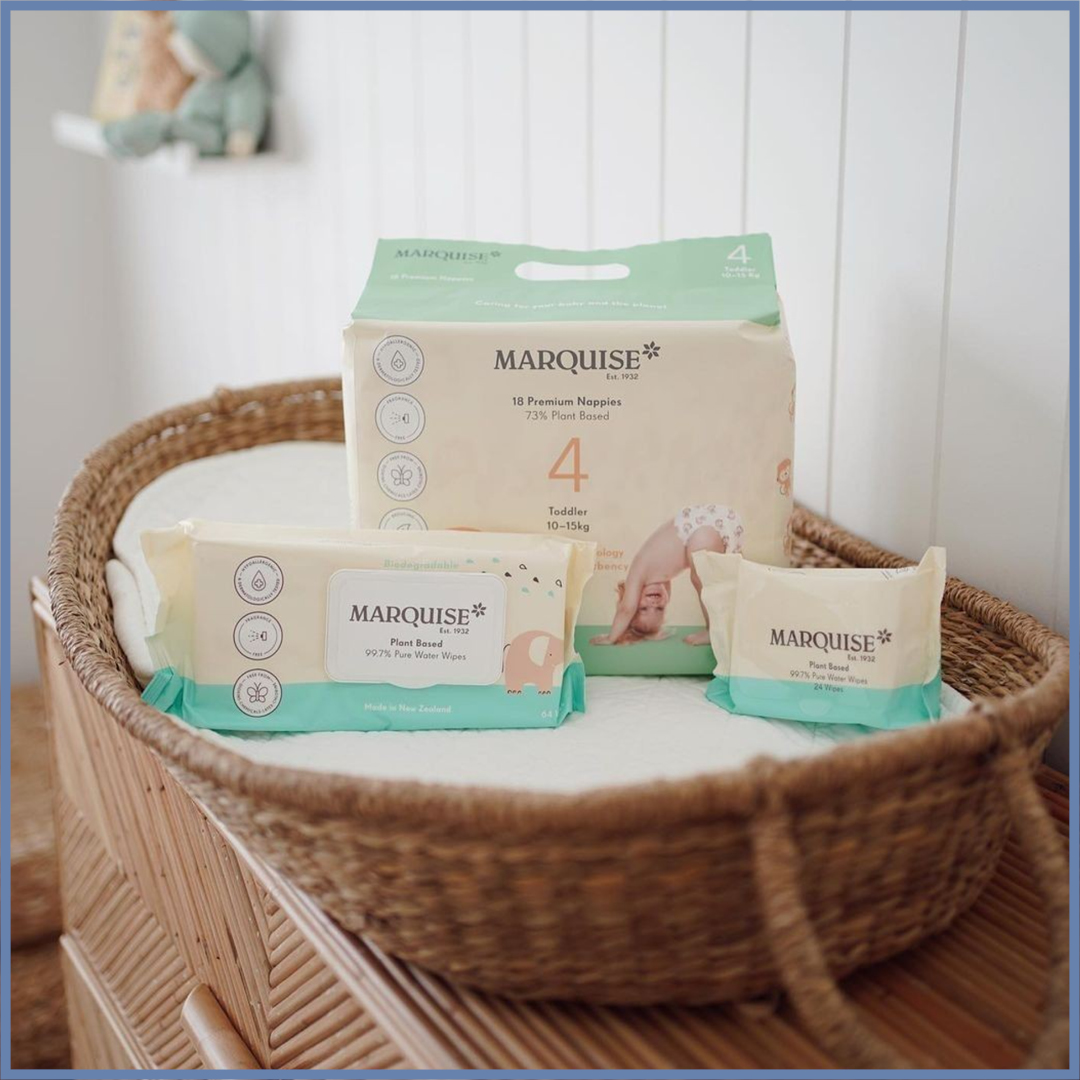
    The brand has initiated the distribution of its main line of nappies across Ampol service stations nationwide. The distribution expansion also includes the ongoing rollout of both nappies and wipes to as many as 700 7-Eleven stores across Australia.

    Meeting Customer Demand

    This strategic move by Marquise Baby is in response to a growing demand from parents for more conveniently accessible baby essentials.

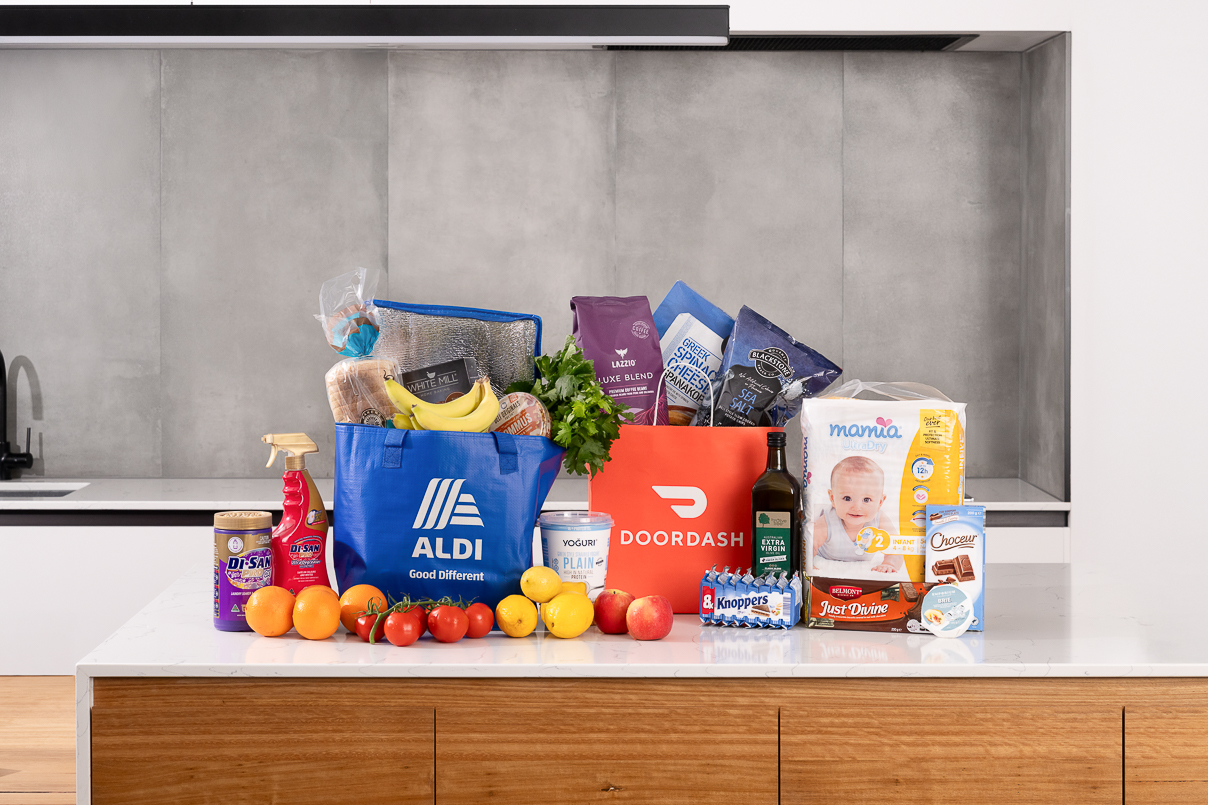
    Sam Griffin, the director of Marquise Baby, expressed the company’s commitment to catering to the evolving needs of today’s busy parents. He emphasized the brand’s dedication to being available to consumers wherever they need them the most. This includes offering services such as direct-to-consumer subscriptions, availability in thousands of convenience stores across the country, and delivery services through retail partners via platforms like Uber Eats and DoorDash.

    Brand Legacy and Recognition

    Having been in the market for over nine decades, Marquise Baby has built a reputation for its minimalist, sensitive skin-friendly products. Their baby wipes, composed of 99.7 percent water and manufactured in New Zealand, have become one of the brand’s most purchased products.

    The company’s commitment to quality has been acknowledged with several awards in the recent past. These include the Silver for Best Nappy at the 2025 Mum Central Awards, the Silver for Best Baby Wipes at the Clean & Conscious Awards, and two Expert Choice Awards at the Kiindred Awards.

    Questions & Answers

    What is the reason for Marquise Baby’s expansion into convenience stores?
    The company has noted an increase in demand from parents for easily accessible baby essentials, which motivated them to make their products more readily available in convenience stores nationwide.

    What are some of the other services offered by Marquise Baby?
    The brand is keen on meeting the needs of its customers wherever they are. As such, Marquise Baby offers direct-to-consumer subscriptions, availabilities in local convenience stores, and a delivery service through its retail partners via platforms like Uber Eats and DoorDash.

    What awards has Marquise Baby recently won?
    Marquise Baby has been recognized with several awards, including the Silver for Best Nappy at the 2025 Mum Central Awards, the Silver for Best Baby Wipes at the Clean & Conscious Awards, and two Expert Choice Awards at the Kiindred Awards.

  • Black Swan Rides Ranch Trend With New Dip Launch In Australian Market

    Black Swan Rides Ranch Trend With New Dip Launch In Australian Market

    Black Swan, an Australian brand, has recently launched two new ranch-style dips. This move is in response to the increasing popularity of ranch flavours in both domestic and international markets.

    New Range of Dips

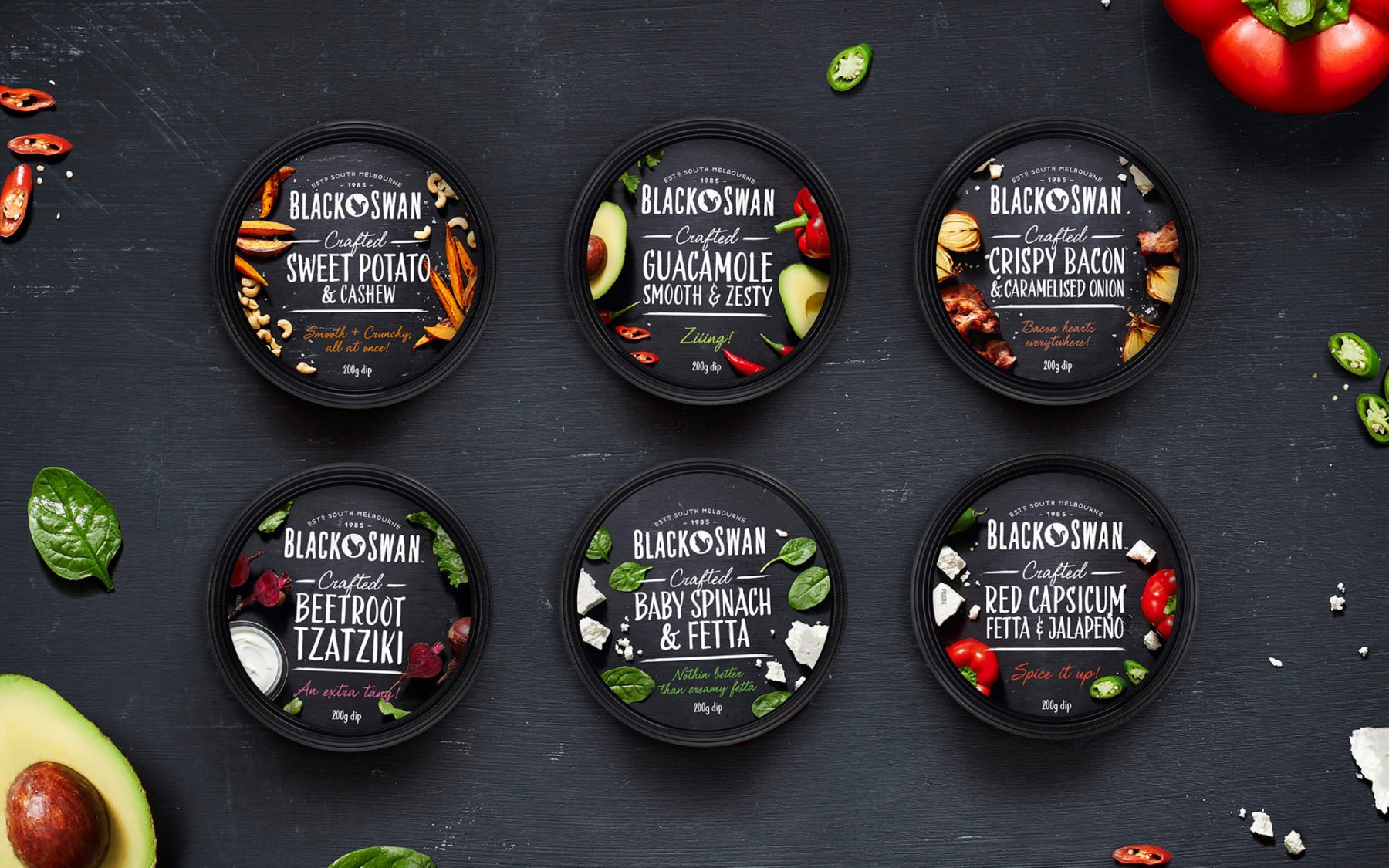
    The latest additions to Black Swan’s product lineup are a Creamy Ranch Dip and a Buffalo Ranch Dip. The Creamy Ranch Dip is a delightful blend of yoghurt, garlic, and various herbs. The Buffalo Ranch Dip, on the other hand, is a hot and spicy concoction, which combines hot sauce with a traditional ranch base. This product is a result of a collaboration with Frank’s RedHot.

    Australian Made and Widely Available

    The entire range of Black Swan’s products, including these new dips, are proudly Australian made. They can be purchased across the country at Coles supermarkets and select independent retailers. The dips are priced reasonably at $4.50, making them an accessible option for consumers nationwide.

    Riding the Ranch Wave

    The decision to launch these new products aligns with the increasing consumer interest in ranch-style condiments. This growing trend is driven in large part by social media. The hashtag #ranch, for instance, has been used over 590,000 times on the popular platform, TikTok, indicating the flavour’s surging popularity among younger demographics.

    These dips are versatile and can be used in a variety of ways. They serve as excellent accompaniments for sandwiches, wings, fries, and wraps, providing a burst of flavour to these popular dishes.

    Questions & Answers

    What are the new products introduced by Black Swan?
    Black Swan has introduced two new ranch-style dips: a Creamy Ranch Dip and a Buffalo Ranch Dip.

    Where can these new dips be purchased?
    These new dips are available nationwide at Coles supermarkets and selected independent retailers.

    Why have these new ranch-style dips been launched?
    The launch is in response to the increasing consumer interest in ranch-style condiments, a trend largely driven by social media.

  • Qantas Airways Hit with Historic $58M Fine Over Controversial Pandemic Layoffs

    Qantas Airways Hit with Historic $58M Fine Over Controversial Pandemic Layoffs

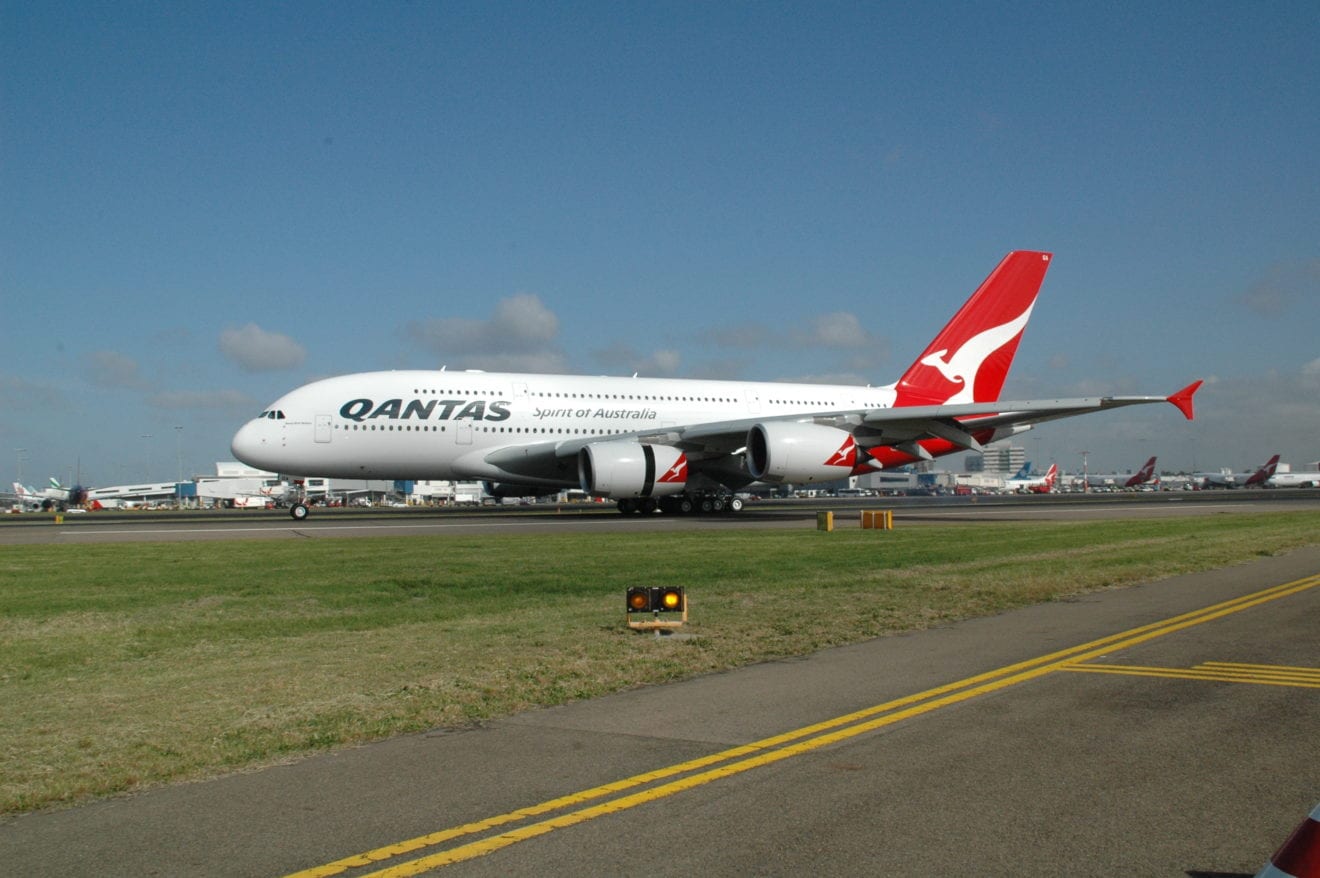
    In a landmark ruling, Australia’s Federal Court has imposed a staggering penalty on Qantas Airways, marking the largest fine ever levied on a company under the nation’s labor laws. Judge Michael Lee expressed his discontent with the airline’s litigation tactics and questioned whether its recent expressions of remorse were sincere or merely strategic maneuvers to mitigate damage.

    Qantas’ Controversial Layoffs Under Scrutiny

    While Qantas has made changes to its leadership team in light of the judgment, Judge Lee remarked that the company’s apologies appeared more focused on its own reputation rather than the genuine hurt caused to its workforce. “I accept Qantas is sorry, but I am unconvinced that this measure of regret is not, at least in significant measure … the wrong kind of sorry,” he stated.

    A Record-Breaking Fine

    The fine, which amounts to 75% of the maximum the court could enforce, aims to ensure it is seen not as a mere cost of doing business. A total of A$50 million will be directed to the Transport Workers’ Union (TWU), which spearheaded the case against the airline. TWU’s national secretary, Michael Kaine, provided a triumphant reflection post-verdict: “Against all the odds, we took on a behemoth … that had shown itself to be ruthless, and we won.”

    Compensation and Layoff Fallout

    This judicial decision follows a December agreement that set up a A$120 million compensation fund for the airline’s dismissed employees. The controversy began during the pandemic in 2020, when Qantas management opted to lay off 1,820 ground staff in favor of outsourcing their roles to contractors. Although the airline presented the layoffs as a commercial strategy, the court determined they represented “adverse action,” infringing on workers’ rights under Australia’s Fair Work Act.

    Cultural Critique and Legal Defenses

    Judge Lee highlighted concerns regarding Qantas’ corporate culture and its approach to public relations and litigation, labeling its strategy as reactive and dismissive. The judge referred to the airline’s swift announcement of its intent to appeal the 2021 ruling without allowing sufficient time to digest the 431-paragraph judgment.

    When its initial appeal failed, Qantas’ response was seen as an attempt to spin the narrative, neglecting the court findings that highlighted unlawful conduct. Lee also chastised the airline for its choice to keep its CEO, Vanessa Hudson, from taking the stand. “It is one thing for the ‘Qantas News Room’ to issue press releases by a CEO saying sorry; it is quite another for written assertions of contrition, recognition of wrong and cultural change to be tested in a courtroom,” he remarked.

    Implications for Labor Practices

    The penalty is not only a personal setback for the airline but also serves as a stark reminder to employers about the legal ramifications of disregarding labor rights. “This record-breaking penalty reflects the monumental scale of Qantas’ wrongdoing,” noted Josh Bornstein, a principal at Maurice Blackburn Lawyers, the firm representing TWU. Labor law expert Shae McCrystal from the University of Sydney added that such adverse action cases send a crucial message to employers that unlawful practices will not go unnoticed.

    In response to the court’s ruling, Qantas has stated its commitment to paying the fine as ordered and expressed remorse for the situation. “We sincerely apologize to each and every one of the 1,820 ground handling employees and to their families,” Chief Executive Vanessa Hudson conveyed in her statement. As markets reacted, Qantas shares dipped 0.4% to A$11.58 in early trading, a slice of the turbulence that now surrounds the airline’s future.

    Questions & Answers

    What was the ruling against Qantas about?
    The Federal Court ruled against Qantas for laying off 1,820 ground staff and outsourcing their work, determining it constituted “adverse action” against workers’ rights under Australia’s Fair Work Act.

    How much is the penalty imposed on Qantas?
    The penalty is A$50 million paid to the Transport Workers’ Union, marking the largest fine in Australia’s labor law history, which Judge Lee stated is significant enough to deter similar future violations.

    What steps has Qantas taken following the ruling?
    In the wake of the decision, Qantas has made changes to its management and reiterated its commitment to pay the imposed fine, while expressing apologies to the affected employees and their families.

  • Aussie yogurt brand Yo-Chi kicks off global expansion in Singapore

    Aussie yogurt brand Yo-Chi kicks off global expansion in Singapore

    Melbourne-based frozen yogurt and acai chain Yo-Chi has established its first international outpost, a 60-seat shop located in Singapore’s Orchard Central. This move represents Yo-Chi’s first venture outside of Australia, where it boasts over 30 locations.

    Yo-Chi was established in Melbourne in 2012 and has steadily grown on the strength of its customizable model. This model allows customers to create their own concoctions of frozen yogurt or acai bowls, adorned with a variety of toppings.

    Customization and Quality Ingredients

    The newly-opened Singapore branch has retained the pay-by-weight, self-serve method adopted by its Australian counterparts. This enables consumers to craft their unique bowls or cones using a selection of frozen yogurt or acai and a multitude of toppings.

    Another distinctive feature of Yo-Chi is its commitment to using authentic Australian cow milk instead of powdered substitutes in its yogurt production. The result is a 98% fat-free yogurt infused with beneficial probiotics.

    A Wide Range of Toppings and Flavors

    Patrons of Yo-Chi are spoilt for choice with approximately 35 toppings to choose from, including fruits, jellies, mochi, chocolates, and sauces. The Singapore branch offers local specialties such as coconut jelly and nata de coco. Seasonal rotations ensure that the topping offerings remain fresh and exciting.

    The Singapore outlet also delivers nine yogurt flavors to customers. These include the signature tart, salted butterscotch, cookies and cream, mango, matcha, strawberry cream, classic vanilla, chocolate, and coconut.

    Future Expansion Plans

    According to Yo-Chi’s brand director, Oliver Allis, the company views Singapore as a strategic launch pad for its Asian expansion. He expressed his belief that succeeding in Singapore would establish a solid foundation for further growth in other Asian countries, including Thailand, China, and Japan.

    Customers can enjoy Yo-Chi’s offering at a starting price of SGD$3.50 per 100 grams.

    Questions & Answers

    What is Yo-Chi’s business model?
    Yo-Chi operates on a pay-by-weight, self-serve model which allows customers to create personalized bowls or cones of frozen yogurt or acai, topped with a variety of ingredients.

    What differentiates Yo-Chi’s yogurt from others?
    Yo-Chi emphasizes the use of real Australian cow milk instead of powder in its yogurt production, resulting in a product that is 98% fat-free and contains probiotics.

    What are Yo-Chi’s expansion plans?
    Yo-Chi has identified Singapore as a strategic starting point for its expansion into Asia. Successful operation in Singapore will pave the way for growth into other Asian markets such as Thailand, China, and Japan.

  • Melbourne Police Bust $10 Million Shoplifting Syndicate In Operation Supernova

    Melbourne Police Bust $10 Million Shoplifting Syndicate In Operation Supernova

    In a significant police operation in Melbourne, 19 individuals, believed to be part of an organized shoplifting syndicate, have been apprehended. The arrested individuals are accused of stealing goods worth over $10 million.

    Operation Supernova

    The Box Hill Divisional Response Unit, through its ‘Supernova’ operation, arrested the group allegedly involved in the theft of high-demand items over a period of five months. The stolen products included baby formula, medicines, vitamins, skincare products, electric toothbrushes, and toiletries.

    The majority of the accused are reported to be Indian nationals, residing in Australia on temporary visas. They are believed to be part of a network that systematically stole items and funneled them to various sellers.

    The Accused

    The arrested group includes six men and one woman, ranging in ages between 21 and 54. According to police reports, the total value of items stolen individually by these suspects ranged from $25,000 to $136,000.

    Detective Acting Inspector Rachele Ciavarella described the operation as “one of the most significant” in recent history to target organised retail theft.

    Not Just Ordinary Shoplifting

    Ciavarella further stated that the apprehended suspects were not stealing for their own use. Instead, they were part of an orchestrated criminal enterprise that reaped financial benefits from the stolen goods.

    In collaborating with major retailers, the police force was able to identify the alleged perpetrators swiftly. This cooperation also enabled them to form a comprehensive intelligence picture, allowing for the successful targeting of the right individuals at the right time.

    Ciavarella concluded with a stern message that those who target the retail sector would, in turn, be targeted by law enforcement.

    The arrested suspects are expected to appear in court in the coming months.

    Questions & Answers

    What was the value of the goods stolen by the shoplifting syndicate?
    The syndicate is accused of stealing goods worth over $10 million.

    Who are the accused individuals?
    The accused are predominantly Indian nationals on temporary visas, including six men and one woman, aged between 21 and 54.

    What types of products were stolen?
    The group is believed to have stolen a range of high-demand products, including baby formula, medicines, vitamins, skincare products, electric toothbrushes, and toiletries.

  • Australia’s Bold Move: Aiming to Eliminate Card Surcharges for Shoppers Everywhere

    Australia’s Bold Move: Aiming to Eliminate Card Surcharges for Shoppers Everywhere

    Australia is currently in the throes of a significant debate regarding a proposal to ban surcharges on credit and debit card transactions. If enacted, this move could potentially save consumers a staggering 1.2 billion Australian dollars (approximately $781 million) each year. Given that cashless payments currently represent 76% of all retail transactions in the country, the stakes in this discussion are high.

    Retail and Banking Communities Rally Against Proposal

    Both the retail and banking sectors are pushing back against the central bank’s suggestion to eliminate these surcharges. Retailers argue that these fees often help them offset the costly processing fees imposed by banks and card companies. They fear that removing this revenue stream could dampen their profit margins, particularly in a recovering market still grappling with the aftereffects of the pandemic. As one retailer noted, it’s somewhat like asking a chef to cook a meal without ever buying groceries: the ingredients (or financial stability) simply aren’t there.

    The Central Bank’s Perspective

    The Reserve Bank of Australia contends that eliminating card transaction fees would enhance competition and potentially lead to lower prices for consumers. Advocates of the ban argue that it would foster a more equitable marketplace where businesses can’t pass unnecessary costs onto consumers. However, this perspective has not resonated universally, as evidenced by the spirited discussions unfolding in stores and boardrooms alike.

    Consumer Impact and Future Considerations

    For the average consumer, the potential ban could translate into significant savings. However, the complexities associated with transaction fees go beyond mere dollars and cents. As Australia adjusts to an increasingly digital economy, the ongoing dialogue underscores the delicate balance between consumer protection and the financial health of retail businesses and banks alike. With the potential for dramatic shifts in the economic landscape, the outcome of this legislative pursuit could very well reshape the way Australians handle their cashless transactions.

    Questions & Answers

    What are the potential savings for consumers if transaction fees are eliminated?
    Consumers could save up to 1.2 billion Australian dollars ($781 million) each year if surcharges on debit and credit card transactions are banned.

    Why are retailers opposed to the ban on transaction surcharges?
    Retailers argue that these fees help cover the processing costs imposed by banks and card companies, and removing this revenue stream may hinder their profit margins in a competitive market.

    What stance does the Reserve Bank of Australia take on this issue?
    The Reserve Bank believes that banning surcharges would boost competition and potentially lead to lower prices for consumers, fostering a more equitable retail environment.

  • My Food Bag Group Sees Profit Surge, Launches Innovative Non-subscription Platform Amid Continued Growth

    My Food Bag Group Sees Profit Surge, Launches Innovative Non-subscription Platform Amid Continued Growth

    My Food Bag Group, a prominent meal kit company, has experienced a favorable upward trend in growth during the second half of the fiscal year 2025 (FY25). This positive trajectory is reflected in the company’s increased profitability and the successful launch of its innovative non-subscription sales platform.

    For the financial year ending on March 31, the company reported a steady revenue of $162.1 million, mirroring the previous year’s figures. The second half of the financial year, however, saw a 5% growth in revenue compared to FY24, and an uptick of 1.9% from the first half of FY25.

    The company’s annual net profit surged by 5%, totaling $6.3 million. The Earnings Before Interest, Taxes, Depreciation, and Amortization (EBITDA) also experienced a slight increase, reaching $16.1 million. Concurrently, the margins improved and the net debt plunged from $11.8 million to $6.9 million.

    Strategic Developments and Partnerships

    The company’s CEO, Mark Winter, expressed his optimism about the company’s efforts translating into sustained business performance and renewed growth.

    A primary strategic progression was the launch of My Food Bag Shop in November, an online platform offering one-time meals and gift boxes catering to non-subscribers.

    The company also enhanced its primary brands, namely My Food Bag, Fresh Start, and Bargain Box, by relaunching its Gluten-Free range and incorporating new specialized options. These new offerings include Low Carb, High Protein, and a Diabetes Plan, which was designed through a collaboration with Diabetes New Zealand.

    FY25 marked digital advancements, such as a revamped website and application to augment user experience. The company joined forces with the NZ Olympic Team and Auckland FC to enhance brand engagement.

    According to Winter, the enhanced user experience on the web and app facilitates an easier navigation for customers to find suitable meals. The partnerships with the NZ Olympic Team and Auckland FC have strengthened the company’s local foothold and boosted its relevance among New Zealanders.

    Future Focus

    The company reported a positive start to the early FY26 trading. Its focus remains on personalization, expanding its Bargain Box offering, and broadening the Shop platform to cater to cost-conscious and flexible consumers.

    Questions & Answers

    What was a significant strategic move by My Food Bag Group in FY25?
    In FY25, My Food Bag Group launched My Food Bag Shop, an online platform that provides one-time meals and gift boxes to non-subscribers.

    How did My Food Bag Group enhance its brand offerings?
    The company reintroduced its Gluten-Free range and added new specialized options including Low Carb, High Protein, and a Diabetes Plan, which was developed in collaboration with Diabetes New Zealand.

    What are the company’s plans for FY26?
    The company plans to focus on personalization, expand its Bargain Box offering, and broaden the Shop platform to meet the demands of cost-conscious and flexible consumers.

  • Singapore’s Food Tech Startup Prefer Expands To Australia Through Strategic Partnership With The Coffee Ferm

    Singapore’s Food Tech Startup Prefer Expands To Australia Through Strategic Partnership With The Coffee Ferm

    Prefer, a Singapore-based food tech startup, is extending its reach to Australia, following the establishment of its debut domestic business collaboration.

    Expansion Down Under

    In a strategic move to expand its footprint in Australia and New Zealand, Prefer has formed a partnership with local coffee producer, The Coffee Ferm. This new alliance will see The Coffee Ferm acquiring a license for Prefer’s flavor intellectual property, enabling the firm to escalate manufacturing and distribution within the local market.

    Innovative and Sustainable Flavors

    Established in 2022, Prefer is making a name for itself in the market with its inexpensive and eco-friendly flavors and ingredients. These flavors are created using a unique fermentation and roasting technique, utilizing byproducts from food manufacturing processes, such as rice and soy. The company claims that their products deliver the same taste and operational attributes of coffee and cocoa, but with significantly lesser environmental impact.

    Supplies

    Prefer supplies its innovative flavors and ingredients to an array of businesses, from Fast Moving Consumer Goods (FMCG) brands and food manufacturers, to private label retailers, and flavor houses.

    Bean-free Coffee and Other Partnerships

    The startup has recently brought its ‘bean-free’ coffee products to the market via foodservice channels, in collaboration with the Singaporean food enterprise, Melvados. Moreover, Prefer has formed an alliance with Ajinomoto Thailand to generate sustainable innovations in the country’s coffee beverage sector.

    Funding and Future Plans

    This expansion comes in the wake of Prefer securing a successful fundraising round, which exceeded expectations at US$4.2 million. The fundraising was jointly headed by At One Ventures and Chancery Hill Capital, with Forge Ventures also participating. The influx of funds will contribute to the company’s plans to enhance their pilot production facility in key markets using toll manufacturers, further their research and development on cocoa flavor creation, and extend their global partnerships, with a continued emphasis on Asia.

    Questions & Answers

    What is the core business of Prefer?
    Prefer is a food tech startup that creates affordable and sustainable flavors from food manufacturing byproducts like rice and soy.

    What is the significance of Prefer’s partnership with The Coffee Ferm?
    The partnership will enable Prefer to expand into the Australian and New Zealand markets by licensing its flavor intellectual property to The Coffee Ferm, thus facilitating local manufacturing and distribution.

    What are Prefer’s future plans following the recent fundraising?
    Prefer plans to scale its pilot production facility, continue research and development on cocoa flavor, and broaden its global partnerships with a continued focus on Asia.

  • Australian Food Industry Shows Resilience With Robust Growth Amid Global Challenges

    Australian Food Industry Shows Resilience With Robust Growth Amid Global Challenges

    The food and grocery manufacturing industry in Australia has demonstrated robust growth, further solidifying its significance as the country’s biggest manufacturing sector and a crucial provider of regional employment opportunities.

    The Australian Food and Grocery Council’s (AFGC) State of the Industry 2023-24 report reveals that the sector’s turnover has experienced a 5.3 per cent growth, equating to a total of $173 billion.

    Employment and Exports

    Employment in the industry has also seen an increase of 4.4 per cent, resulting in almost 300,000 people now being employed in the sector, with over a third of these individuals located in regional Australia.

    Exports within the industry recorded a 5.2 per cent growth, while imports declined by 3.3 per cent. Interestingly, the US has surpassed China as the leading export market for Australia.

    Colm Maguire, CEO of AFGC, expressed his optimism for the sector’s future, emphasizing its “enormous potential”. He highlighted the need for policy and strategic backing as key for continued growth.

    Maguire added, “With the proper policy framework and strategic support, the food and grocery manufacturing sector can further enhance Australia’s economy – fostering regional employment, reinforcing Australia’s standing as a strong manufacturing nation, and securing our food and grocery supply amidst an increasingly complicated global landscape.”

    Challenges and Future Perspectives

    Despite the encouraging figures, the report also drew attention to certain challenges faced by the sector. These include an 11 per cent decline in capital investment, which currently stands at $3.8 billion, and ongoing cost pressures.

    As the Albanese Government progresses with its “Future Made in Australia” agenda, the AFGC argues that the food and grocery manufacturing industry is in a strong position to take the lead. This is reflected in their proposed seven productivity pillars, which concentrate on reducing bureaucracy, building resilient supply chains, and ensuring access to affordable, reliable energy.

    Questions & Answers

    What growth has the Australian food and grocery manufacturing industry seen recently?
    The industry has seen a 5.3 per cent increase in turnover, equating to $173 billion. Employment in the sector has risen by 4.4 per cent, with nearly 300,000 people now employed.

    Who is now Australia’s top export market?
    The US has now overtaken China as Australia’s top export market.

    What challenges does the Australian food and grocery manufacturing industry face?
    The industry faces challenges such as an 11 per cent decrease in capital investment and ongoing cost pressures.

  • StarHub Completes Acquisition of MyRepublic Broadband, Strengthening Its Position in the ISP Market

    StarHub Completes Acquisition of MyRepublic Broadband, Strengthening Its Position in the ISP Market

    StarHub Ltd. has made waves in the Singapore telecommunications scene by acquiring the remaining 49.9% stake in MyRepublic Broadband Pte. Ltd. (MR Broadband) through its wholly-owned subsidiary, StarHub Online Pte. Ltd. This strategic move not only brings the MyRepublic brand under the StarHub umbrella but also secures crucial operational assets from MyRepublic Group Limited linked to MR Broadband’s business.

    A New Era for StarHub’s Broadband Strategy

    The acquisition marks a decisive step for StarHub as it establishes sole ownership of MR Broadband, reinforcing its leadership position in Singapore’s competitive broadband market. With full control, StarHub can streamline its strategies and capitalize on valuable brand equity and operational resources that are vital to MR Broadband’s growth. This development enhances StarHub’s multi-brand and multi-segment strategy, allowing the company to deliver more value through distinct services and bundled offerings.

    Nikhil Eapen Talks Ambition and Acceleration

    Nikhil Eapen, Chief Executive of StarHub, expressed the significance of this acquisition, stating:

    This isn’t just an acquisition; it’s an acceleration. We’ve laid a strong foundation for growth, and with MR Broadband fully under our wing, we can move faster, go further, and serve customers with even greater clarity and care.

    Milestone in StarHub’s Transformation Journey

    This transaction is a pivotal milestone for StarHub, coming on the heels of its extensive transformation efforts aimed at digitizing, automating, and modernizing its core operations. With this robust groundwork, StarHub is poised to focus on ongoing innovation, enhancing customer experiences (CX) while fostering sustainable growth. As Singapore’s broadband landscape evolves, StarHub is taking a proactive role in shaping the next phase of consolidation, prioritizing customer outcomes.

    In a further reflection on market dynamics, Eapen noted:

    We’re in a phase of consolidation, and we’re not just watching it unfold; we’re shaping it. As the market shifts, scale, quality, and resilience matter more than ever. Smaller players may find it harder to sustain, especially without robust platforms. Our role is to step up to provide the reliability, performance, and consistency that customers deserve at a time when they need it most.

    Strengthening Customer Reliability

    This acquisition reaffirms StarHub’s commitment as the provider of choice for local consumers seeking superior services, ensuring that an increasing number of customers in Singapore can access reliable, high-quality broadband and mobile services—without sacrificing their user experience. With a splash of bold ambition, StarHub is not simply expanding; it’s redefining expectations in a rapidly changing market.

    Questions & Answers

    How does this acquisition affect StarHub’s market position?
    The acquisition solidifies StarHub’s leadership in Singapore’s broadband market, allowing for streamlined strategies and enhanced service offerings.

    What does Nikhil Eapen mean by ‘acceleration’ in the context of this acquisition?
    Eapen describes ‘acceleration’ as a way to emphasize that the full ownership of MR Broadband will enable StarHub to move more swiftly in its strategic initiatives, improving customer service.

    How is StarHub planning to innovate post-acquisition?
    StarHub aims to focus on enhancing customer experiences and fostering sustainable growth, adapting to the evolving broadband landscape while prioritizing customer needs.

  • Reimagining Australian Manufacturing: Navigating Challenges And Seizing New Opportunities

    Reimagining Australian Manufacturing: Navigating Challenges And Seizing New Opportunities

    The manufacturing sector in Australia is at a critical juncture, contributing approximately 5.9% to the national GDP and employing over 850,000 people this year. Despite rebounding from disruptions caused by the pandemic, the sector is grappling with new challenges. More than 60% of manufacturers are dealing with delays in receiving essential materials, and escalating energy costs and skill shortages are exacerbating operational hurdles.

    Opportunities Amidst Challenges

    However, this uncertain environment is presenting unexpected opportunities for Fast-Moving Consumer Goods (FMCG) manufacturers who are open to reimagining their sourcing tactics. The government’s $15 billion National Reconstruction Fund demonstrates a revitalized commitment to strengthening local manufacturing capabilities. Consequently, the question FMCG firms are grappling with is no longer whether to manufacture domestically or abroad, but rather how to devise intelligent hybrid models that leverage the benefits of both methods.

    The Relevance of Local Production

    It’s time to reconsider the long-standing belief about Australian customers’ allegiance to locally made products. In low-engagement, processed categories like confectionery and chocolate, the origin of the products usually takes a backseat to taste, brand, and value. In contrast, for fresh foods, the origin continues to be a significant factor influencing purchases. Retail buyers prioritize margin, volume, inventory performance, and innovation.

    Nonetheless, this doesn’t mean the end of local manufacturing. The Australian Government’s Modern Manufacturing Strategy is supporting businesses in repatriating operations and diversifying suppliers, thereby creating fresh opportunities for strategic local production.

    Local Manufacturing Advantages

    The vulnerabilities of supply chains exposed during recent global disruptions have fundamentally shifted the risk-reward equation of sourcing from overseas. What were once clear cost savings now include hidden expenses such as inventory buffers, expedited shipping, and lost sales from stockouts. Local manufacturing presents attractive benefits in this context. Shorter lead times enable quicker responsiveness to demand fluctuations and seasonal changes.

    Environmental Considerations

    When it comes to the environmental impact of local versus offshore manufacturing, the situation is more complex than it often appears. Manufactured inputs often account for 40-70% of a company’s carbon footprint, far outweighing transport. While local production may seem like a sustainability benefit, the impact largely depends on the energy mix.

    A Portfolio Approach to Manufacturing

    The most resilient FMCG firms are moving beyond the binary choice between local and offshore production. Instead, they are devising portfolio-based sourcing strategies, optimizing each product line based on specific needs and market dynamics.

    Future of Australian FMCG Manufacturing

    The progress of Australian FMCG manufacturing reflects larger shifts in how businesses compete in today’s world. It isn’t just about cost anymore. Speed, trust, sustainability, and adaptability have all emerged as critical competitive factors. The companies that will succeed are not those that choose between local or global production, but those that understand when, how, and why to utilize each method.

    Questions & Answers

    What challenges are the Australian manufacturing sector facing?
    The Australian manufacturing sector is experiencing delays in obtaining essential materials. Rising energy prices and a shortage of skilled labor are further compounding these operational challenges.

    What opportunities are emerging for FMCG manufacturers?
    The turbulent landscape is creating unexpected opportunities for FMCG manufacturers who are willing to rethink their sourcing strategies and develop intelligent hybrid models that combine the benefits of both local and offshore manufacturing.

    How is the future of Australian FMCG manufacturing being shaped?
    The future of Australian FMCG manufacturing is being shaped by a range of factors including speed, trust, sustainability, and adaptability. Government initiatives are also playing a significant role, with measures such as the National Reconstruction Fund helping to rebuild manufacturing capability.

  • Charlie’s Fine Food Expands Reach: Choc Chip Cookie Dough Hits Aldi Australia Shelves

    Charlie’s Fine Food Expands Reach: Choc Chip Cookie Dough Hits Aldi Australia Shelves

    The renowned Melbourne-based bakery, Charlie’s Fine Food, has recently made a significant splash with its products appearing on Aldi Australia’s shelves for the first time in over 20 years of operation.

    Expanding Product Reach

    The ready-to-bake Choc Chip Cookie Dough, which is the first product to be launched by the bakery in partnership with the supermarket chain, is now available in Aldi’s chilled dessert section across the nation. Priced at $6.49, the cookie dough is the result of 12 dedicated months of development. This launch is a significant achievement for the family-owned bakery.

    Jacky Magid, the director of sales and marketing, expressed her excitement about this fresh partnership with Aldi. “This is the first time we have collaborated with Aldi and the experience has been exceptional. We anticipate that this will be the first of many Charlie’s products we develop for Aldi’s shoppers to enjoy,” said Magid.

    Foundational History

    Charlie’s Fine Food was established in 2004 by Magid and her husband, Ken Mahlab. Over the years, the bakery has expanded its reach, with its products now being sold in major retailers such as Woolworths, Coles, Walmart, and Bunnings.

    In 2022, the bakery’s reputation grew even further with the popular launch of its Mini Melting Moments range in Woolworths Metro stores across the country.

    Questions & Answers

    What is the first product Charlie’s Fine Food has launched in Aldi?
    The first product from Charlie’s Fine Food to be launched in Aldi is their ready-to-bake Choc Chip Cookie Dough.

    Who are the founders of Charlie’s Fine Food?
    Charlie’s Fine Food was founded by Jacky Magid and her husband, Ken Mahlab.

    What is the significant product launch by Charlie’s Fine Food in 2022?
    Charlie’s Fine Food launched its Mini Melting Moments range in Woolworths Metro stores across the country in 2022.