Tag: Australia

  • Tic Tac Two: Doubling the Flavorful Fun with New Dual-Layer Mints in Australia

    Tic Tac Two: Doubling the Flavorful Fun with New Dual-Layer Mints in Australia

    In a move to appeal to the modern, adventurous consumer, iconic mint-based sweets brand, Tic Tac, has introduced a new product line in Australia, Tic Tac Two. This evolutionary version of the classic mint is dual-layered and twice the size of the original Tic Tac.

    The sugar-free Tic Tac Two comes in two exciting variants: Raspberry & Lemon and Peppermint Fresh Mild. The brand’s aim with this new range is to deliver a unique sensory experience, differing from the traditional Tic Tac products.

    New Flavours, New Experiences

    Azzura Puricelli, the head of business development for Ferrero Australia, expressed the company’s enthusiasm for the new product. “By introducing surprising combinations in a fun, fresh format, we’re blending the familiarity of Tic Tac with cutting-edge flavour innovation. Our goal is to cater to today’s adventurous consumers who are always seeking new taste experiences,” she said.

    According to the brand, the introduction of Tic Tac Two aligns with the rising consumer interest in flavoured, convenient confectionery products. It also resonates with recent trends towards larger portion sizes and multi-texture formats in the mint sweets category.

    Availability and Pricing

    Tic Tac Two is now available for purchase in major supermarkets and convenience stores across Australia. The recommended retail price is set at $4.

    Questions & Answers

    **What are the new variants of Tic Tac Two?**
    The new Tic Tac Two comes in two flavours: Raspberry & Lemon and Peppermint Fresh Mild.

    **How does Tic Tac Two differ from the original Tic Tac product?**
    Tic Tac Two offers a unique sensory experience with its dual-layer and twice the size of the original Tic Tac. It also introduces new flavours, creating a different taste to the classic Tic Tac mint.

    **Where can consumers purchase Tic Tac Two?**
    Tic Tac Two is now available in major supermarkets and convenience stores across Australia.

  • Emma & Tom’s Unveils Zesty Lemonade Range in Australia and New Zealand, Reinventing the Classic with a Healthy Twist

    Emma & Tom’s Unveils Zesty Lemonade Range in Australia and New Zealand, Reinventing the Classic with a Healthy Twist

    Emma & Tom’s, the health-focused beverage company, has expanded its product offerings by launching the Old Fashioned Lemonades range in Australia and New Zealand. The newly introduced range includes Classic Lemon and Pink Lemonade flavors, and is now available for purchase at major supermarkets, independent retailers, cafes, and lunch bars across both nations.

    In addition to the new lemonade line, Emma & Tom’s have also revamped their Quencher product line by introducing the Light Lemonade range. This range, which is free from added cane sugar and sweetened with white grape juice, is available in Light Lemon and Light Pink varieties. Consumers can find these products on the shelves of Coles Group supermarkets.

    Emma & Tom’s was established two decades ago, centering its business on the philosophy of self-care. Their extensive range of products is health-oriented, while maintaining a strong commitment to social and environmental responsibility. Last year, the company was integrated into the food and beverage group, Soulfresh.

    Questions & Answers

    What new products has Emma & Tom’s launched?
    Emma & Tom’s has introduced the Old Fashioned Lemonades range and the Light Lemonade range to its beverage lineup.

    Where can the new products be purchased?
    The new lemonade ranges are available at major grocery stores, independent retailers, cafes, lunch bars, and at Coles Group supermarkets in Australia and New Zealand.

    What is the unique feature of the Light Lemonade range?
    The Light Lemonade range is free from added cane sugar and is sweetened with white grape juice, aligning with Emma & Tom’s health-oriented business philosophy.

  • StarHub and NeutraDC Collaborate on Quantum-Secure Connectivity, Boosting Regional Digital Ecosystem

    StarHub and NeutraDC Collaborate on Quantum-Secure Connectivity, Boosting Regional Digital Ecosystem

    StarHub, in partnership with NeutraDC, a division of Telkom Indonesia specializing in data centers, has announced the signing of a Memorandum of Understanding (MoU). The agreement is set to improve their joint efforts on quantum-safe connectivity solutions, which incorporates quantum-resistant encryption, post-quantum cryptography, and secure network infrastructure for the next generation. The intention behind these efforts is to bolster the digital services ecosystem in the region.

    Enhancing Regional Connectivity

    As part of their strategy to enhance regional connectivity, StarHub plans to establish a point of presence (PoP) at NeutraDC’s SNG-3 location in Singapore. This entails the integration of StarHub’s Low-Latency Data Centre Connect solution within NeutraDC’s digital infrastructure network. The result of this would be the enablement of enterprises to enjoy low-latency interconnectivity between data centers, cloud platforms, and essential business applications.

    This joint effort further bolsters Singapore’s role as a regional digital hub, providing enterprises with seamless, efficient, and secure access to data resources across Southeast Asia.

    Low-Latency Data Centre Connect Solution

    In the current digital economy, enterprises require a high-performance data exchange system between multiple data centers, cloud platforms, and applications. StarHub’s Low-Latency Data Centre Connect solution offers ultra-low-latency interconnect in Singapore, featuring a path with less than one millisecond to cable landing stations (CLS) for extensive regional reach.

    Quantum Security Adoption

    With the rise in security threats, quantum security is progressively being adopted as a substitute for current encryption standards. The collaboration between StarHub and NeutraDC aims to encourage the broad adoption of quantum-encrypted connectivity.

    Through the PoP at NeutraDC’s SNG-3, customers can benefit from direct CLS connectivity. This includes a fully comprehensive regional access route from data center to CLS to subsea cable, as well as software-defined networking (SDN) features like network slicing, multi-tenancy portals, and bandwidth-on-demand for dynamic scalability with data-intensive workloads. Additionally, quantum-safe encryption using post-quantum cryptography offers future-proof data protection, along with service orchestration that enables faster service provisioning and improved network agility.

    Tan Kit Yong, Chief of Regional Enterprise at StarHub, said, “Enterprises are currently facing unprecedented data demands. They require infrastructure that can match their growth pace. By collaborating with NeutraDC, we aim to simplify the process for businesses to move, protect, and scale their data. This will help them gain real performance advantages and expedite their digital transformation across the region.”

    NeutraDC Singapore’s CEO, Sendang Praptomo, expressed excitement about the collaboration with StarHub. He stated, “This strategic initiative strengthens NeutraDC’s strategy of providing seamless, secure, and cloud-ready connectivity to our regional Neutra Compute GPU clouds. Quantum-secure connectivity represents the new frontier of security, overcoming the limitations of current encryption standards. This will empower our customers to stay ahead of emerging threats and meet evolving business requirements.”

    Questions & Answers

    What is the aim of the MoU signed between StarHub and NeutraDC?
    The Memorandum of Understanding (MoU) aims to enhance collaboration on quantum-safe connectivity solutions, with a focus on quantum-resistant encryption, post-quantum cryptography, and next-generation secure network infrastructure.

    How will the collaboration between StarHub and NeutraDC benefit enterprises?
    The collaboration will provide enterprises with low-latency interconnectivity between data centers, cloud platforms, and critical business applications. This will effectively strengthen Singapore’s role as a regional digital hub and offer efficient and secure access to data resources across Southeast Asia.

    What does the quantum-safe connectivity solution entail?
    Quantum-safe connectivity includes quantum-resistant encryption, post-quantum cryptography for future-proof data protection, and service orchestration for faster service provisioning and enhanced network agility.


  • Australia Paves the Way: Unprecedented Legislation for Nationwide Mobile Coverage

    Australia Paves the Way: Unprecedented Legislation for Nationwide Mobile Coverage

    The Australian government has put forth a draft bill that would mandate leading mobile carriers, including Telstra, Optus, and TPG, to ensure baseline outdoor mobile coverage countrywide. The bill, known as the Universal Outdoor Mobile Obligations (UOMO), is meant to extend voice and SMS services to regions currently devoid of such amenities.

    An Innovative Method for Broadening Mobile Coverage

    The proposed legislation, hailed as a pioneering endeavor by the government and interested parties, suggests blending present terrestrial networks with direct-to-device (D2D) services transmitted via low-Earth orbit (LEO) satellites. The desired outcome is to stretch mobile services to remote and regional zones where commercial mobile services have previously been nonviable.

    It is projected that UOMO would extend to an area of up to 5 million square kilometers of Australian territory. Baseline services under this legislation would commence with voice calls and SMS. The possibility of integrating data services in the future has not been ruled out, contingent on technological advancements and market dynamics.

    Benefits to Remote and Regional Australians

    The draft bill outlines a proposed commencement date of December 1, 2027. The introduction of UOMO promises to enhance access to vital services and emergency assistance for Australians in regional and remote districts. It also aims to foster competition in the satellite-aided mobile services industry.

    Anika Wells, the Minister for Communications, stated, “The Universal Outdoor Mobile Obligation, in ensuring Australians receive a mobile signal almost anywhere they can see the sky, proves that no Australian should be left behind. It will offer regional and remote communities better connectivity, access to essential services, and ensure safety for Australians by providing emergency aid when necessary.”

    Kristy McBain, the Minister for Regional Development, Local Government, and Territories, also voiced her support, stating, “This significant reform will enhance connectivity for individuals in regional and remote Australia. Mobile connectivity dead zones can not only be annoying but also obstruct basic tasks. Improved connectivity not just keeps people connected, but it also ensures safer roads, stronger businesses, and easier access to services.”

    Stakeholders, such as the National Farmers’ Federation, have applauded the initiative, recognizing its potential to enhance connectivity, safety, and productivity in rural communities. Hamish McIntyre, the National Farmers’ Federation President, emphasized that “Mobile connectivity is not a luxury for farmers and regional Australians; it’s a necessity for safety, businesses, connecting families, and staying safe in emergencies. Improved outdoor mobile coverage will help bring regional Australians in line with their urban counterparts. If we get this right, Australia could become the gold standard for regional communications.”

    However, the bill remains in draft form, and successful execution will hinge on the successful deployment and functioning of satellite-based technologies.

    Questions & Answers

    What is the primary goal of the UOMO bill?
    The primary goal of the UOMO bill is to extend mobile coverage to remote and regional parts of Australia that lack access to such services, using a blend of terrestrial networks and satellite technology.

    What services will the UOMO cover initially?
    The UOMO will initially cover voice calls and SMS services. The inclusion of data services may be considered in the future, depending on technological and market developments.

    What is the proposed start date for the UOMO?
    The proposed start date for the UOMO is December 1, 2027.

  • Google Cloud Boosts Asia Pacific Connectivity with TalayLink Subsea Cable and New Hubs in Australia and Thailand

    Google Cloud Boosts Asia Pacific Connectivity with TalayLink Subsea Cable and New Hubs in Australia and Thailand

    Google Cloud has unveiled TalayLink, an innovative subsea cable system that connects Australia and Thailand. This system represents a significant move towards bolstering digital infrastructure and network resilience throughout the Asia Pacific region.

    Strengthening Regional Network Resilience

    TalayLink is as an extension of the interlink cable previously introduced under the Australia Connect initiative last year. The cable system is designed to follow a diverse route through the Indian Ocean, positioned west of the heavily trafficked Sunda Strait. This strategic routing will not only provide Thailand with a new, resilient international gateway but will also enhance the integration of Google’s global network.

    Bikash Koley, Vice President of Google Global Infrastructure at Google Cloud, explains that TalayLink is named after the Thai word for sea or ocean, ‘talay’. The new subsea cable path will establish a more diverse linkage to Thailand through the Indian Ocean, west of the Sunda Strait. This route will contribute to further integrating future data centers and cloud regions in Thailand into Google’s global network.

    Future-Proof Connectivity Hubs

    Google has also declared plans to establish new connectivity hubs in Mandurah, Western Australia, and South Thailand, in its recent announcement. These hubs aim to secure future regional connectivity and support advanced digital and AI services by facilitating cable switching, content caching, and colocation capabilities. The Mandurah hub will diversify Western Australia’s landing points beyond Perth, while the South Thailand hub will take advantage of existing infrastructure in an essential subsea crossroads.

    Pratthana Leelapanang, Chief Executive Officer of AIS, commends the strategic partnership with Google in supporting the connectivity hub in Southern Thailand. The collaboration of Google’s diverse submarine cable path and AIS’s high-reliability colocation capabilities will enhance the region’s digital infrastructure and support the country’s AI strategy.

    Preeyaporn Tangpaosak, President of ALT Telecom, also expressed enthusiasm about the International Gateway Company (IGC), a subsidiary of ALT Telecom PLC, being a crucial Google partner in landing a new submarine cable in Thailand. This new piece of digital infrastructure is pivotal in accelerating Thailand’s ambitious digital economy development strategy.

    National Importance of Deployments

    The significance of these implementations for the nation’s long-term competitiveness is underscored by Thailand’s Board of Investment (BOI). Narit Therdsteerasukdi, Secretary General of the Thailand Board of Investment (BOI), highlights the role of the TalayLink cable as a key piece of digital infrastructure. It enhances Thailand’s connectivity and resilience and, in conjunction with Google’s upcoming Google Cloud region and data center in Thailand, will significantly expand regional network and computing capacity. These forward-looking investments position Thailand as a critical digital gateway for next-generation cloud and AI innovation in Southeast Asia.

    Upon completion, the TalayLink and new connectivity hubs will boost network resilience across Australia, Africa, and Southeast Asia. Coupled with previously announced hubs in the Maldives and Christmas Island, the new system will enhance onward connectivity across the Indian Ocean and the Middle East.

    Questions & Answers

    What is the TalayLink subsea cable system?
    TalayLink is an innovative subsea cable system developed by Google Cloud that connects Australia and Thailand, strengthening digital infrastructure and network resilience in the Asia Pacific region.

    How will the new connectivity hubs in Mandurah and South Thailand function?
    These hubs aim to enhance regional connectivity and support advanced digital and AI services. They will facilitate functions such as cable switching, content caching, and colocation capabilities.

    What is the significance of the TalayLink cable to Thailand?
    The TalayLink cable serves as a pivotal piece of digital infrastructure, enhancing Thailand’s connectivity and resilience. It will significantly expand regional network and computing capacity while positioning Thailand as a critical digital gateway for next-generation cloud and AI innovation in Southeast Asia.

  • Baileys Joins Forces with Melbourne’s Simply Mike’s Bakery to Unveil Limited-Edition Cinnamon Scroll Liqueur

    Baileys Joins Forces with Melbourne’s Simply Mike’s Bakery to Unveil Limited-Edition Cinnamon Scroll Liqueur

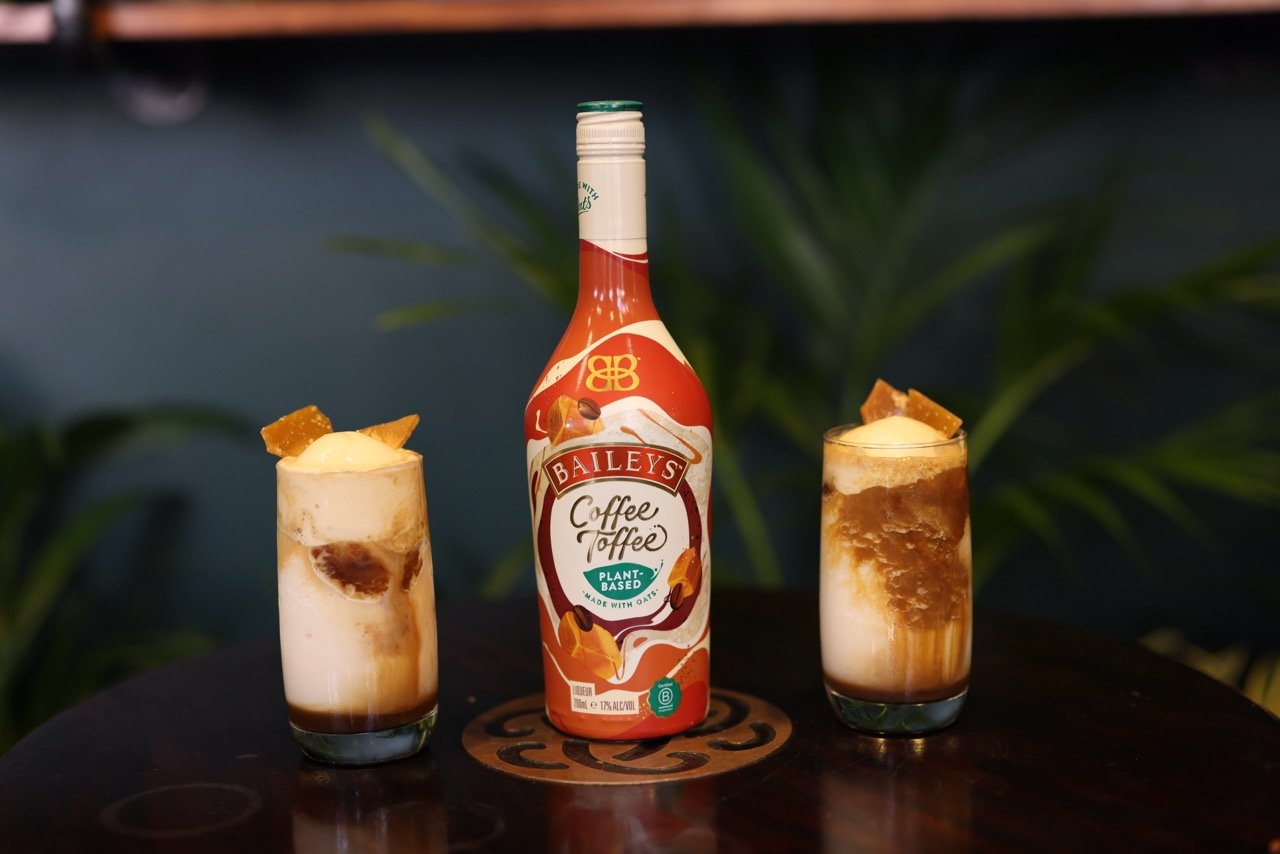
    In a unique pairing of flavors, Baileys has collaborated with the Melbourne-based bakery Simply Mike’s to bring to market a limited-edition Baileys Cinnamon Scroll. This creative concoction combines the warmth of cinnamon with the rich, creamy taste of Baileys Irish Cream, offering a festive delicacy that can be savored on its own, as a garnish on ice cream, or stirred into hot chocolate.

    Simply Mike’s: A True Master of the Scroll

    Simply Mike’s, which initially made its mark as a quaint French patisserie noted for its delectable croissants, subsequently earned accolades for its cinnamon scrolls. In its quest for a “true master of the scroll”, Baileys handpicked this bakery as the ideal partner for creating an innovative new flavor.

    Nishant Samuel, the head of whisky and liqueurs at Diageo Australia, expressed his excitement about the partnership. He stated, “We were seeking a partner who could encapsulate the very essence of Baileys in a way that was fun, local, and brimming with personality.”

    Limited-Edition Indulgence

    The Baileys Cinnamon Scroll will be available for a limited time only, marking another addition to Bailey’s innovative flavor explorations. In 2023, Baileys made waves with a festive tiramisu twist, introduced specifically for the Christmas season.

    Questions & Answers

    What is the Baileys Cinnamon Scroll?
    The Baileys Cinnamon Scroll is a limited-edition flavor that combines the spice of cinnamon with the creamy taste of Baileys Irish Cream.

    Who has Baileys collaborated with for this new flavor?
    Baileys has partnered with Simply Mike’s, a bakery based in Melbourne, known for its exceptional cinnamon scrolls.

    How can the Baileys Cinnamon Scroll be enjoyed?
    The Baileys Cinnamon Scroll can be enjoyed by itself, drizzled over ice cream, or stirred into hot chocolate for an added layer of flavor and richness.

  • Australian Kensington Pride Mangoes Skyrocket in Vietnam: 7.5 Times Costlier than Local Produce

    Australian Kensington Pride Mangoes Skyrocket in Vietnam: 7.5 Times Costlier than Local Produce

    Kensington Pride mangoes, originally from Australia, have been on sale in Vietnam at an astounding price — VND600,000 (US$22.8) per kilogram, which is 7.5 times more than the price of the local variety. A store owner in Dinh Bo Linh Street, located within the Binh Thanh Ward of Ho Chi Minh City (HCMC), revealed that a seven-kilogram box of these mangoes could bring in a whopping VND 3.7 million.

    Importing Exotic Fruits

    The store owner started importing these mangoes just recently, in late October, and has been conservatively buying only five boxes at a time due to the steep costs of transportation and storage. The Kensington Pride mangoes are characterized by their weight, approximately 500-600 grams per fruit, and their firm flesh and high sugar content that accounts for their exceptional sweetness.

    Similarly, an employee from a store in Hanoi’s West Lake region, which also sells the fruit at the same high price, mentioned that these mangoes need to be kept chilled at all times, which further adds to their cost.

    The Allure of Australian Mangoes

    The Australian mango variety, known for its brilliant golden flesh and gentle aroma, is primarily imported to Vietnam via air. It is also widely cultivated in the Mekong Delta region, specifically in the Tien Giang and Dong Thap provinces along with the Can Tho city. The locally grown variety is sold for VND20,000-25,000 per kilogram at the farm gate and VND80,000 at retail stores.

    In Australia, these mangoes flourish in dry climate regions like certain parts of Queensland and the Northern Territory. The harvest typically happens between October and December. Major Australian supermarkets such as Woolworths, Coles, and Harris Farm usually sell these mangoes for $6.7-8 per kilogram.

    Surge in Fruit and Vegetable Imports

    According to statistics from the customs department, the import of fruits and vegetables from Australia to Vietnam surpassed $100 million in the first nine months of this year, marking a 27% increase from the previous year. Mangoes, followed by cherries, grapes, mandarins, and oranges were the most imported items, each carrying a hefty price tag in Vietnam.

    Questions & Answers

    Why are Kensington Pride mangoes so expensive in Vietnam?
    The high cost is due to the import and cold storage charges, which makes the fruit more expensive than the local variety.

    What makes Kensington Pride mangoes different from other varieties?
    These mangoes are known for their bright golden flesh, mild aroma, and a distinct sweetness. They are also larger in size, weighing approximately 500-600 grams per fruit.

    Which fruits are the most imported from Australia to Vietnam?
    Mangoes top the list, followed by cherries, grapes, mandarins, and oranges. They all carry a high price tag in Vietnam due to import costs.

  • Optus Faces Hefty $826K Fine Over Coles Mobile Scam Breach: A Deep Dive into Australia’s Telco Scandal

    Optus Faces Hefty $826K Fine Over Coles Mobile Scam Breach: A Deep Dive into Australia’s Telco Scandal

    Optus Mobile, a renowned telecommunications firm, has been hit with another hefty fine of $826,320 for breaching anti-scam regulations. This recent violation pertains to its business operations under the Coles Mobile brand.

    Investigation and Breaches

    The Australian Communications and Media Authority (ACMA) served the penalty after a thorough investigation into the infractions committed by Optus. The probe revealed that the company had infringed anti-scam provisions on 44 separate instances during September and October of the previous year. These infractions were carried out through Coles Mobile, a collaborative venture enabling consumers to register for a mobile contract via the Coles supermarket chain.

    Investigators unveiled that scammers had managed to exploit a security loophole in a third-party identity verification system employed by Optus. This loophole permitted the fraudsters to sidestep certain parts of the obligatory verification procedure. As a result, these unscrupulous individuals managed to seize control of a minimum of four client mobile services and infiltrate their bank accounts. The reported losses from these scam activities totalled $39,000.

    Implications and Responses

    Samantha Yorke, a member of the ACMA, conveyed the severity of such fraudulent activities. She highlighted the resultant monetary losses and lingering trauma emanating from the task of reclaiming digital identities. Yorke stated that although this was a solitary issue that was promptly addressed, the lack of a sturdy customer ID verification system is unacceptable. This holds particularly true for a prominent provider in the industry such as Optus, which is currently Australia’s second largest.

    Yorke also pointed out that the imposed fine is the maximum monetary penalty that the ACMA has the jurisdiction to enforce in this case. The severity of the fine reflects the seriousness of the breaches committed by Optus.

    The recent penalty adds to the already considerable financial repercussions that Optus has faced this year due to regulatory contraventions. Earlier in September, the firm was directed by the Federal Court to pay a staggering $100 million for engaging in unfair sales practices. These unethical practices affected over 400 customers and were carried out at 16 Optus outlets between August 2019 and July 2023.

    Questions & Answers

    What led to the recent $826,320 fine imposed on Optus Mobile?
    Optus Mobile was fined for breaching anti-scam regulations, specifically in relation to its business operations under the Coles Mobile brand.

    How were scammers able to exploit Optus’s systems?
    Scammers exploited a security loophole in a third-party identity verification system used by Optus, which allowed them to bypass parts of the obligatory verification process and gain control of several consumer mobile services.

    What were the consequences of the scam activities?
    The fraudulent activities resulted in reported losses of $39,000 and caused distress to consumers who had to recover their digital identities.

  • Australia’s IoT Boom: 5G Evolution to Fuel 22.1 Million Connections by 2030

    Australia’s IoT Boom: 5G Evolution to Fuel 22.1 Million Connections by 2030

    The expansion and modernization of 5G networks, coupled with the increasing use of IoT/M2M connectivity and strong government backing for these ecosystems, is set to significantly increase M2M/IoT cellular connections in Australia. By the end of 2030, it’s projected that there will be 22.1 million such connections. This represents a robust compound annual growth rate (CAGR) of 8.7% from 2025 to 2030.

    5G Growth and Impact on IoT/M2M Market

    Forecasts for Australia’s mobile broadband landscape indicate that 5G mobile subscriptions will see a CAGR of 12.6% between 2025 and 2030. This growth will have positive implications for the M2M/IoT market. The higher capacity, lower latency, and greater scalability of 5G connectivity will enhance M2M/IoT deployments across a range of sectors.

    Telecom analyst Srikanth Vaidya notes that evolving M2M/IoT use cases across industries will also stimulate adoption. Examples of these use cases include telehealth & remote diagnostics, smart retail stores, smart manufacturing, fleet management & logistics, smart cities & infrastructure, automation in agriculture, and cybersecurity-enhanced networks. Dedicated connectivity plans offered by telecommunications companies will further facilitate this growth.

    Government Support and Industry Initiatives

    In 2025, the Australian government, together with IoT Alliance Australia (IoTAA), launched a Labelling Scheme for Smart Devices. This initiative, backed by funding of up to AUD 1.7 million (USD 1.07 million), is designed to improve security and standards in the IT industry. It focuses specifically on M2M/IoT consumer smart devices, opening up new opportunities for telecommunications companies in this sector.

    Telstra is anticipated to dominate Australia’s M2M/IoT market in terms of subscriptions through to 2030. This is largely due to its versatile IoT/M2M data plans, which cater to both low data sensors and high-usage connected devices. Optus also provides a variety of IoT solutions, including telematics, connected cars, emergency lift phones replacing PSTN, and digital signage, all designed to streamline and enhance business processes.

    Conclusion

    Vaidya concludes that the increasing demand for IoT solutions and connectivity will bring about significant changes in Australia’s mobile services market. Operators providing dedicated M2M/IoT connectivity plans and services that cater to emerging use cases will be in a solid position to benefit from this trend.

    Questions & Answers

    What is the projected growth rate for M2M/IoT cellular connections in Australia by 2030?
    The projected compound annual growth rate (CAGR) is 8.7% from 2025 to 2030, with total connections expected to reach 22.1 million.

    What initiatives have been introduced to support the growth of M2M/IoT technologies in Australia?
    In 2025, the Australian government and IoT Alliance Australia (IoTAA) introduced a Labelling Scheme for Smart Devices, an initiative designed to enhance security and standards within the IT industry, particularly for M2M/IoT consumer smart devices.

    Which company is expected to lead the M2M/IoT market in Australia?
    Telstra is expected to lead in terms of subscriptions through 2030, mainly due to its flexible IoT/M2M data plans.

  • Bacardi and Coca-Cola Europacific Partners: Brewing Success in Australia with New Distribution Deal

    Bacardi and Coca-Cola Europacific Partners: Brewing Success in Australia with New Distribution Deal

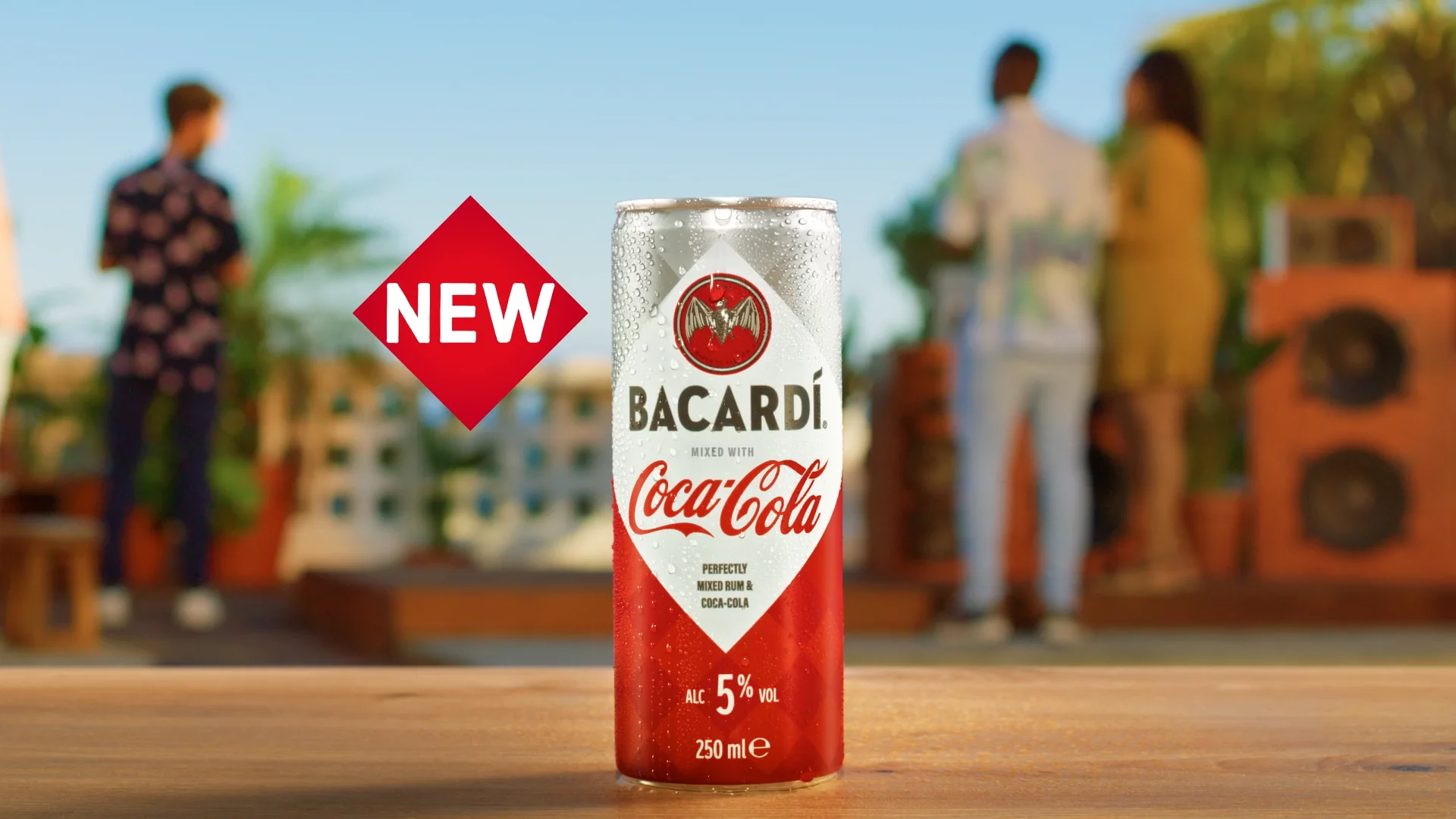
    On November 3, Bacardi-Martini and Coca-Cola Europacific Partners (CCEP) initiated a multi-year partnership in Australia. This strategic alliance between the two beverage leaders aims to broaden their influence in the local drinks industry.

    The Partnership Details

    The partnership, first publicized in August, allows CCEP the responsibility of distributing an array of well-known brands. These encompass Bacardi rum, Bombay Sapphire gin, Grey Goose vodka, Patrón tequila, Dewar’s Scotch whisky, Angel’s Envy whiskey, and Martini vermouth. Simultaneously, Bacardi-Martini will continue to manage marketing and brand strategies.

    Luiz Schmidt, the Managing Director of Bacardi-Martini Australia, emphasized the importance of this collaboration. “Our brands are incredible with fantastic equity, but we acknowledge that to fully exploit their potential in Australia, we need to collaborate with an organization that possesses the necessary resources to put them in consumers’ hands nationwide,” he stated.

    Schmidt further stated that not only does CCEP have tremendous scale, but it also possesses proven industry expertise that can ensure long-term sustainable growth for both companies.

    Strengthening CCEP’s Market Position

    This agreement solidifies CCEP’s position as a key contender in the local premium drinks market and mirrors broader consolidation trends in beverage distribution.

    Orlando Rodriguez, the Managing Director of Australia Coca-Cola Europacific Partners, expressed his enthusiasm about the partnership and its potential. “The Bacardi portfolio is iconic, and we at CCEP have the track record of operational excellence to best support it,” Rodriguez stated.

    He added that both companies are eagerly anticipating the accomplishments they can achieve in the vibrant and expanding alcohol category.

    Questions & Answers

    What does the partnership between Bacardi-Martini and CCEP entail?
    The partnership allows CCEP to distribute Bacardi-Martini’s renowned brands across Australia, including Bacardi rum, Bombay Sapphire gin, among others, while Bacardi-Martini will continue managing marketing and brand strategies.

    How does the partnership affect CCEP’s position in the market?
    The agreement strengthens CCEP’s position as a leading player in the local premium drinks market and reflects broader consolidation trends in beverage distribution.

    What are the expected outcomes of this alliance?
    The Managing Directors of both Bacardi-Martini Australia and Coca-Cola Europacific Partners have expressed optimism about the potential growth and achievements this partnership can bring to the dynamic and expanding alcohol category in Australia.

  • Lactalis Australia Enriches Pauls Dairy Line with Double Espresso Caramel and Summer Berries Flavours

    Lactalis Australia Enriches Pauls Dairy Line with Double Espresso Caramel and Summer Berries Flavours

    Lactalis Australia has recently introduced two novel tastes to their high-protein dairy line, Pauls. The fresh offerings, Double Espresso Caramel and Summer Berries, add an exciting twist for consumers.

    The introduction of Double Espresso Caramel and Summer Berries is a thrilling addition to Pauls’ high-protein dairy line. Sold in convenient 400ml bottles, each serving delivers an impressive 30g of protein. These new flavors not only promise a burst of taste but also health benefits, as the company maintains that Paul’s flavored milk range is low in fat and contains no added sugar.

    A spokesperson for Lactalis Australia expressed the company’s enthusiasm for the launch, acknowledging that the new flavors build upon the successful range, providing even more variety for Australians in search of tasty, functional dairy products.

    The representative reaffirmed the company’s commitment to innovation and growth, stating, “Here at Lactalis Australia, we’re proud to continue diversifying our product portfolio to respond to the shifting needs and preferences of our consumers.”

    Questions & Answers

    What new flavors has Lactalis Australia added to their high-protein dairy range, Pauls?
    Pauls has introduced two new flavors to their high-protein dairy line: Double Espresso Caramel and Summer Berries.

    What are the health benefits of Pauls’ flavored milk range?
    Each serving of Pauls’ flavored milk contains 30g of protein. The range is also low in fat and free from added sugars.

    What is Lactalis Australia’s commitment in terms of their product range?
    Lactalis Australia is committed to continually innovating and expanding their product portfolio to meet the evolving needs and preferences of their consumers.

  • Coopers Brewery Defies Downturn: Annual Beer Sales Soar Despite National Decline

    Coopers Brewery Defies Downturn: Annual Beer Sales Soar Despite National Decline

    Coopers Brewery, a family-owned independent brewing company, has experienced a slight rise in its annual beer sales, outperforming the overall market that has seen a downturn.

    Annual Sales Report

    In the 2024-25 fiscal year, Coopers Brewery reported total beer sales of 80.6 million litres, marking a growth of 2.4% compared to the preceding year. This contrasts the 0.9% contraction witnessed within the national beer market during the same period.

    Growth in Keg and Packaged Beer Sales

    Sales of kegs, which account for approximately 12.4% of Coopers’ total beer sales, saw a substantial increase of 5.9%. Additionally, the sales of packaged beers also saw a modest uptick of 1.8%.

    Product-Specific Sales Performance

    Sales of malted barley and wheat saw an increase of 3.4%. However, there was a 17% drop in DIY brewing product volumes, a result of reduced consumer demand and restricted space on supermarket shelves.

    Statement from the Managing Director

    Michael Shearer, the Managing Director of the brewery, noted that the figures indicate a resilient performance throughout their beer portfolio. He highlighted considerable consumer demand for Dry 3.5 and Australian Lager, both relative newcomers to their range. Traditional ale products also continued their growth trajectory at 1.2%, while Stout saw a resurgence with a 3.3% rise compared to the previous year.

    Shearer admitted that cost-of-living pressures have made consumers more selective in their purchasing decisions. However, he was optimistic about achieving another year of solid sales growth in a challenging market, expressing it as a testament to the team and their craft.

    Regional Growth and Profit

    Over the course of the year, the company saw sales growth across all states and territories. SA emerged as the largest market in terms of sales volume, while Queensland experienced the most substantial growth at 4.8%.

    International beer exports, excluding New Zealand, which make up around 1% of total sales, fell by 22.3%. Conversely, sales to New Zealand grew by 2.6%.

    In terms of profitability, Coopers Brewery witnessed a decrease in pre-tax profits, which fell from $32.8 million in the previous year to $22.5 million. This shift reflects the investment in a new $70 million visitor center and its associated costs.

    The Visitor Center

    The company described the visitor centre as a generational investment and an integral part of its long-term strategy. In addition to housing a restaurant, the facility also includes a microbrewery and a whisky distillery. Since its inauguration in August of the previous year, the centre has welcomed approximately 60,000 visitors.

    Questions & Answers

    What contributed to the decrease in Coopers Brewery’s pre-tax profits?
    The pre-tax profit decrease reflected the brewery’s investment in a new $70 million visitor centre and its associated costs.

    What sales growth was seen across different product ranges at Coopers Brewery?
    Keg sales rose by 5.9% and packaged beer sales increased by 1.8%. Malted barley and wheat sales grew by 3.4%, but DIY brewing product volumes fell by 17%.

    Which areas experienced the most growth in terms of beer sales for Coopers Brewery?
    In terms of sales volume, SA was the largest market. However, Queensland recorded the highest growth rate at 4.8%.

  • Supercharged Supermarket Sales Propel Coles’ First Quarter Success

    Supercharged Supermarket Sales Propel Coles’ First Quarter Success

    Coles, the prominent Australian supermarket chain, reported an increase in sales for the first quarter, primarily fueled by the robust performance of its supermarket division.

    Sales Increase in the First Quarter

    Coles experienced a 3.9% rise in sales for the 13 weeks ending September 28, totaling $10.9 billion. The supermarket division was the primary driver for this growth, where the sales surged by 4.8% reaching $9.9 billion.

    Dynamic Competitive Market

    Excluding tobacco, the supermarket sales increased by 7%, which was supported by a concentrated effort on product selection and value, enhanced availability, and a 28% increase in e-commerce sales. Amid an ever-changing competitive market, Coles has adjusted its pricing structure across various categories to adapt to the evolving landscape. The retailer has expanded the number of products in its everyday low price (EDLP) range to cater to customer needs.

    Decrease in Tobacco Sales

    The sales of tobacco drastically fell by 57% due to new legislation and growth in the illicit market. Excluding tobacco, the inflation of supermarket prices moderated to 1.2% from 1.5% in the previous quarter.

    Liquor Segment Sales

    Despite the overall sales growth, the liquor segment experienced a minor slip, with sales dropping 1.1% to $842 million. Additionally, the ‘other’ segment, related to the product supply agreement with Viva Energy, witnessed a 17.9% decrease in sales to $156 million.

    CEO’s Comments on Performance

    Coles Group CEO Leah Weckert expressed satisfaction with their performance, attributing the supermarket sales growth to the focus on value, quality, and customer experience. Noting the positive impact of major transformation projects, Weckert mentioned that availability had reached its highest levels since pre-Covid, with e-commerce sales penetration reaching 13.3%.

    Looking Forward

    As Coles enters the second quarter, supermarket sales growth remains at similar levels to the first quarter, whereas the liquor market continues to be challenging with customers staying budget-conscious. As the holiday season approaches, Coles aims to cater to every taste and budget with their Christmas range and continue to focus on improving the omnichannel customer experience.

    Questions & Answers

    What was the key driver for Coles’ sales growth in the first quarter?
    The supermarket segment was the primary driver for first quarter sales growth, accounting for a 4.8% rise.

    What changes did Coles make to adapt to the changing competitive market?
    Coles has adjusted its pricing structure across various categories and expanded the number of products in its everyday low price (EDLP) range.

    How has Coles been performing in the second quarter?
    In the early part of the second quarter, supermarket sales growth has remained at similar levels to the first quarter. However, the liquor market continues to be challenging with budget-conscious consumers.

  • Papa Salt And Fever-tree Launch Citrus-forward Spritz For Warmer Climates

    Papa Salt And Fever-tree Launch Citrus-forward Spritz For Warmer Climates

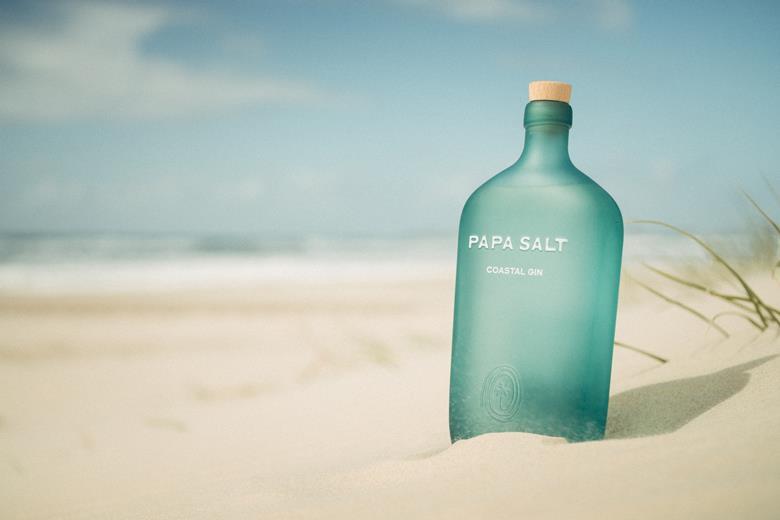
    Papa Salt Coastal Gin, an Australian gin brand, has joined forces with Fever-Tree Australia to introduce a new ready-to-mix beverage, Papa Salt x Fever-Tree Blood Orange Spritz. This enticing drink marries Papa Salt’s signature gin with Fever-Tree’s Blood Orange Soda to create a citrus-centric beverage that is ideally suited for warmer climates.

    Papa Salt x Fever-Tree Blood Orange Spritz

    This innovative product will be made available to the public at the end of the month at various independent retailers and venues. The drink aims to fill a gap in the market for a citrus-forward beverage that’s perfect to enjoy in warmer weather.

    Papa Salt Coastal Gin

    Papa Salt is a gin brand that was conceptualized and brought to life by five friends from the film industry. The brand particularly emphasizes the unique and subtle flavors of native Australian botanicals, making their gin distinct and palatable.

    Fever-Tree Brand

    Fever-Tree, a UK-based brand, has been in operation since 2005. The brand’s area of expertise lies in the creation of superior carbonated mixers for alcoholic spirits. Over the years, Fever-Tree has carved out a name for itself globally, and its products are distributed in over 75 countries across the globe.

    Earlier this year, Fever-Tree initiated a manufacturing collaboration with Remedy Drinks in a Melbourne facility. The main objectives of this collaboration were to increase the efficiency of the supply chain and lessen the production time. Additionally, it aimed to support the local industry, all while ensuring and maintaining the high quality of the ingredients and flavors in its products.

    Questions & Answers

    What is the new product launched by Papa Salt and Fever-Tree?
    The new product launched is a ready-to-mix drink called Papa Salt x Fever-Tree Blood Orange Spritz. It’s a mix of Papa Salt’s gin and Fever-Tree’s Blood Orange Soda.

    Who founded Papa Salt?
    Papa Salt was founded by five friends from the film industry.

    What was the purpose of Fever-Tree’s partnership with Remedy Drinks?
    Fever-Tree partnered with Remedy Drinks to commence manufacturing in Australia. The goal was to improve supply chain efficiency, decrease production time, and support the local industry while keeping the quality of product ingredients high.

  • Great Wrap Collapses Under Debt: Unfortunate End For Sustainable Plastics Innovator

    Great Wrap Collapses Under Debt: Unfortunate End For Sustainable Plastics Innovator

    Great Wrap, an emerging leader in the alternative plastics industry, has unfortunately been forced to cease operations due to mounting debts. The company has reportedly accumulated about $39 million in debts, culminating in an unexpected end almost six years after its inception.

    Company Shutdown

    The Australian Securities and Investments Commission (ASIC) has confirmed that administrators were named to handle the insolvency proceedings on September 17. The shutdown has led to a complete halt in the company’s operations and the dismissal of all employees.

    Jordy Kay, co-founder and CEO of Great Wrap, verified the company’s closure in a professional networking platform post. He acknowledged the end of the company’s journey and expressed his gratitude to all supporters. Kay affirmed his commitment to work with the administrators to liquidate all company assets and repay the creditors in full.

    Innovation and Challenges

    Great Wrap, which Jordy and Julia Kay established in 2020, enjoyed recognition for its compostable cling film and pallet wrap manufactured from potato waste and other organic materials. The business had positioned itself as a sustainable substitute to petrochemical-based plastics. Their target customers were retailers and fast-moving consumer goods (FMCG) companies as well as logistics providers aiming to decrease plastic waste.

    Regrettably, changing market situations and a decrease in demand for compostable packaging were key factors in the company’s downfall. Kay explained that retailers and FMCG companies had started to transition from using compostable alternatives to establishing their own plastic recycling operations. This shift led to a slow-down in their business and a weakening demand for their products.

    While the company had plans to expand into the US market, the persistent struggle to make the Australian plant profitable left them without adequate time or capital to continue. The inability to turn a profit from the Australian plant, combined with a depletion of time and capital for US expansion, ultimately led to the company’s collapse.

    Despite the unfortunate development, Kay remains hopeful that their journey would inspire others to continue exploring opportunities in the challenging domain of alternative plastics.

    Questions & Answers

    Why did Great Wrap cease operations?
    Great Wrap was forced to shut down due to financial struggles, including a reported $39 million in debt.

    Who were the primary customers of Great Wrap?
    Great Wrap’s primary customers were retailers, FMCG companies, and logistics service providers looking to reduce plastic waste.

    What led to the reduction in demand for Great Wrap’s products?
    A shift in strategy from retailers and FMCG companies led to a decline in demand. These companies transitioned from using compostable alternatives to setting up their own plastic recycling operations.