Tag: Australia

  • Comedian Andy Lee Champions Australian Made Products in 40th Anniversary Campaign

    Comedian Andy Lee Champions Australian Made Products in 40th Anniversary Campaign

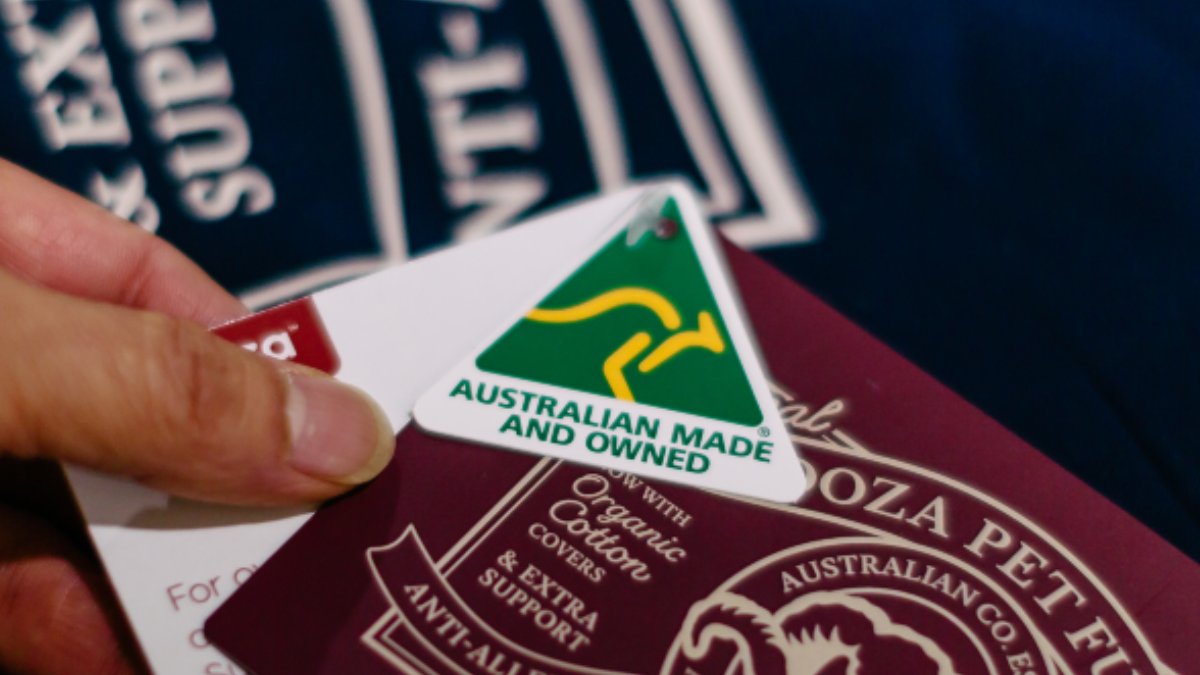
    Australian Made, an organization renowned for promoting and certifying Australian-made products, has recently announced the appointment of Andy Lee as its ambassador for the upcoming Australian Made Week. Scheduled for the week of the 18th to the 24th of May, Australian Made Week aims to encourage consumers to prioritize purchasing products adorned with the Australian Made logo.

    Andy Lee is a comedian, children’s book author, and a member of the renowned comedy duo Hamish & Andy. As an ambassador, Lee’s main role will be to spearhead a campaign promoting the economic benefits of choosing products made within Australia. To emphasize this, he will don the national colours of green and gold throughout the campaign. This year also marks a significant milestone for Australian Made as they celebrate 40 years since the Australian Made logo was first introduced as a national symbol of origin.

    Ben Lazzaro, CEO of Australian Made, revealed that Lee was chosen as the ambassador due to his unwavering support for local manufacturing throughout his career as a business owner and investor.

    Lee expressed his belief that choosing Australian-made products can have far-reaching economic impacts, including supporting local employment and supply chains. He hopes his role will inspire consumers both locally and internationally to support Australian producers.

    Lee said, “Nothing would make me happier than knowing my involvement in Australian Made Week had encouraged people to support our wonderful country and the incredible things our local makers create.”

    Interestingly, a recent survey conducted by Roy Morgan Research indicates a high level of support for domestic production among consumers. According to the survey, 87% of respondents believe buying Australian-made products is important, with 56% stating they ‘often’ or ‘always’ opt for them. Furthermore, an impressive 99% of those surveyed were able to recognize the Australian Made logo.

    Australian Made encourages consumers to prioritize Australian-made products in all their daily purchases. They stress that domestically produced options are available across a wide range of categories, including health and beauty products, industrial materials, furniture, and mattresses.

    In addition to promoting local products, Australian Made Week will also include a host of community activities and a programme recognizing businesses in the certification system used by more than 4500 companies.

    Questions & Answers

    Who has been appointed as the ambassador for Australian Made Week?
    Andy Lee, a comedian and children’s book author, has been appointed as the ambassador for Australian Made Week.

    Why was Andy Lee selected as the ambassador for Australian Made Week?
    Andy Lee was chosen for his long-standing support for local manufacturing and his work as a business owner and investor.

    What are the main objectives of Australian Made Week?
    Australian Made Week aims to promote the economic benefits of choosing domestically produced goods and to encourage consumers to prioritize products bearing the Australian Made logo.

  • Gap Eyes China Expansion: Plans 50 New Stores, Hong Kong Comeback and Australia Re-Entry

    Gap Eyes China Expansion: Plans 50 New Stores, Hong Kong Comeback and Australia Re-Entry

    Gap, the prominent American clothing retailer, is said to be significantly expanding its footprint in Greater China. The company’s plans include opening 50 fresh storefronts throughout mainland China during the current year, as well as reestablishing its presence in Hong Kong.

    This expansion initiative follows in the wake of Gap’s first-ever quarterly break-even performance in China. This success has been credited to Baozun, the local operator who assumed control of the business in 2022. Under Baozun’s leadership, the company completed a comprehensive overhaul of its supply chains, merchandising, and digital channels.

    The forthcoming new stores are not confined to the established business hubs of Shanghai and Beijing. Indeed, locations span from tier-one cities to tier-three cities, broadening the brand’s geographical reach.

    Baozun has set a target of approximately 30% annual growth over the coming two years. The strategy for achieving this ambitious goal blends physical retail development with a fortified online presence.

    Vincent Qiu, the chairman and CEO of Baozun, has publically expressed the brand’s readiness to “accelerate the business and scale it to a bigger size” within the next three-year period.

    In addition to its expansion in Greater China, Gap is also gearing up to make a return to the Australian market. The company will do so through a collaborative partnership with Myer. Despite forming part of its wider international strategy, this Australian venture remains secondary to Gap’s primary focus on Greater China.

    Questions & Answers

    What plans does Gap have for expansion in Greater China?
    Gap plans to open 50 new stores across mainland China this year and re-enter the Hong Kong market.

    What is Baozun’s growth target for the next two years?
    Baozun aims to achieve around 30% annual growth over the next two years by combining physical retail expansion with a stronger online presence.

    Is Gap planning to re-enter any other markets?
    Yes, Gap is preparing to re-enter the Australian market through a partnership with Myer as part of its broader international strategy. However, this remains secondary to the company’s focus on Greater China.

  • Revolutionizing Retail: Australia’s Innovative In-Store Avocado Ripeness Scanner Trial

    Revolutionizing Retail: Australia’s Innovative In-Store Avocado Ripeness Scanner Trial

    In the competitive world of retail, customer satisfaction is key, and the avocado industry is no exception. A common issue faced by both retailers and consumers is determining the ripeness of an avocado on a supermarket shelf. Avocados Australia, an industry association, has introduced a potential solution to this problem – an in-store ripeness scanner.

    Understanding Customer Frustration

    According to John Tyas, the CEO of Avocados Australia, one of the major frustrations faced by consumers is identifying the ripeness of an avocado. This is important because approximately 75% of consumers want to buy avocados that are ready to be eaten within two days. Tyas believes that helping consumers with this selection process can enhance their eating experiences, minimize bruising of the fruit, and strengthen the overall trust in Australian avocados.

    The Ripeness Scanner

    The ripeness scanner aims to minimize the physical handling of avocados, which often leads to bruising. Data shows that about 47% of consumers handle three or more avocados before making a purchase, resulting in product loss for both growers and retailers. The scanner, developed by the Dutch agri-tech firm OneThird, not only reduces the need for physical handling but also prevents potential damage to the fruit.

    The scanner utilizes near-infrared (NIR) spectroscopy to assess the firmness of the fruit without causing damage, thereby helping to estimate the fruit’s readiness for consumption. The device also provides storage guidance to help consumers make informed purchase decisions. This technology has undergone trials in Europe and Thailand, where it was well-received by retailers and customers.

    Benefits for the Supply Chain

    Beyond consumer use, the ripeness scanner provides retailers with valuable data on in-store conditions and purchasing patterns. This information, which includes metrics on shelf ripeness, purchasing behavior, and peak periods, can be used to optimize merchandising, inventory management, and waste reduction efforts.

    The early results are promising, with the device being used for approximately 45% of avocado sales per week in participating stores. The accompanying platform provides fresh produce managers with data to monitor product condition and support efficient stock management.

    John Tyas further emphasized that the Australian avocado industry is committed to investing in research and development to continually enhance product quality and improve the consumer experience.

    Questions & Answers

    What is the purpose of the avocado ripeness scanner?
    The scanner helps consumers select ripe avocados, reduces fruit handling and bruising, and enhances the overall shopping experience.

    How does the ripeness scanner work?
    The scanner uses near-infrared spectroscopy to assess the firmness of the fruit without causing damage. It also provides storage guidance to consumers.

    What additional benefits does the ripeness scanner provide to retailers?
    The scanner provides data on in-store conditions and purchasing patterns, which can be used to support merchandising, inventory management, and waste reduction efforts.

  • Coles Bids Farewell to Swaggle: The Unexpected Turn in Australia’s Pet Care Industry

    Coles Bids Farewell to Swaggle: The Unexpected Turn in Australia’s Pet Care Industry

    Swaggle, a pet care subsidiary of supermarket titan Coles, will be shutting down after a two-year run, it has been confirmed. Swaggle marked Coles’ entry into the thriving pet care industry which is currently valued at over $33 billion annually in Australia.

    Headquartered in Victoria, Swaggle was supervised by Chad Burke, previously a category manager at Coles Group. The online marketplace boasted an extensive inventory of items, featuring both niche and prominent brands in the industry.

    Despite its initial promise, Coles has decided to cease Swaggle’s operations beginning from April, just over two years after its inception.

    A representative from Coles praised Swaggle as one of the company’s most important innovation projects. The representative stated, “The venture demonstrated our ability to quickly ideate and trial in the market, and highlighted what a dedicated, nimble team can achieve when they stay attuned to the customer’s needs and are willing to experiment.”

    The company plans to investigate options for relocating Swaggle’s workforce within its group, while providing support to others during the transition.

    The representative further added, “It also serves as a reminder of the need to acknowledge market shifts and to redirect our focus and capital to ensure the continued execution of our strategy.” The spokesperson went on to express, “As the pet market’s demands have transformed and client needs have developed, we have made the difficult decision to close down our Swaggle Pet business from the beginning of April.”

    Questions & Answers

    Why is Coles closing down its pet care business, Swaggle?
    Coles is closing down its pet care business, Swaggle, due to evolving customer needs and shifting demand in the pet market.

    What will happen to the employees of Swaggle after its closure?
    Coles is exploring opportunities to relocate Swaggle employees within its group and promises to support others during the transition period.

    What was the significance of Swaggle to Coles?
    Swaggle was one of the most significant innovation initiatives at Coles, demonstrating the company’s ability to quickly create and test in the market, and highlighting the achievements of a small, talented team.

  • Exploring Australia’s Potential Crackdown on Infant Formula Ads: A Move to Protect Breastfeeding Rates

    Exploring Australia’s Potential Crackdown on Infant Formula Ads: A Move to Protect Breastfeeding Rates

    The Australian federal government is currently seeking public feedback on the possibility of enacting laws to regulate the marketing of infant formula in the country. This consultation process is open for submissions until the 10th of April.

    The Background

    Prior to February 2025, a voluntary agreement had been set in place in which Australian formula brands pledged not to advertise formula products for infants aged 12 months or less. This agreement was instituted as part of an effort to encourage and safeguard breastfeeding practices. However, recent statistics have shown that the rates of breastfeeding in Australia are not as high as desired. This has prompted the government to consider not renewing the voluntary agreement and instead, exploring more stringent measures.

    These proposed measures are not intended to explicitly promote breastfeeding. The main objective is to curb marketing practices that present formula as a better or equivalent alternative to breastfeeding.

    The Problem with Formula Advertising

    Breastfeeding offers numerous health benefits for both the mother and child. These include protection against gastrointestinal and respiratory infections for newborns, decreased risk of obesity and type 2 diabetes later in life for the child, and a lower risk of ovarian and breast cancer for the mothers.

    In light of these benefits, Australian guidelines propose exclusive breastfeeding for the first six months of a child’s life. Additionally, the World Health Organization recommends continued breastfeeding for the first two years.

    Despite high rates of breastfeeding at birth in Australia, these rates significantly decrease over time. In 2022, it was reported that only 37% of babies were exclusively breastfed by the time they reached six months.

    There are various reasons why mothers choose not to breastfeed, but the advertising of formula products is a key area of concern. It has been found to muddle parents’ understanding of the nutritional benefits of breastfeeding versus formula, reduce the initiation and duration of breastfeeding, and position formula as a more favorable solution to breastfeeding challenges.

    The Role of Online Advertising

    Online advertising operates differently from traditional forms of advertisement. Online ads target individuals based on their search history, browsing activities, or significant life events. As such, they can reach new or expectant parents at times when they may be most uncertain or susceptible to suggestions.

    Analysis of Infant Formula Ads

    An analysis of online formula advertisements targeting parents in Australia was conducted by the ADM+S Australian Ad Observatory. The study found that formula brands used various tactics to appeal to parents. These included highlighting positive customer reviews, offering free downloadable resources such as cookbooks and baby proofing guides, and partnering with prominent retailers to direct individuals to online shopping platforms.

    Potential Government Actions

    The government is contemplating several options, including maintaining the status quo with no regulation, introducing legislation that mirrors the former voluntary agreement, or introducing legislation that also restricts the marketing of toddler milk for children aged one to three years.
    Questions & Answers

    What are the benefits of breastfeeding for mothers and children?
    Breastfeeding offers significant health benefits, including protection against gastrointestinal and respiratory infections for newborns, decreased risks of obesity and type 2 diabetes later in life for the child, and a reduced risk of ovarian and breast cancer for the mother.

    Why is the advertising of infant formula products a concern?
    Advertising can confuse parents about the nutritional benefits of breastmilk versus formula, decrease the initiation and duration of breastfeeding, and present formula as a more favorable solution to breastfeeding challenges.

    What potential actions is the Australian government considering?
    The government is considering several options including maintaining the status quo with no regulation, introducing legislation that mirrors the former voluntary agreement, or introducing legislation that also restricts the marketing of toddler milk for children aged one to three years.
  • Will Australia Clamp Down on Infant Formula Ads? Exploring New Federal Consultation on Marketing Restrictions

    Will Australia Clamp Down on Infant Formula Ads? Exploring New Federal Consultation on Marketing Restrictions

    Australian Government Considers Infant Formula Marketing Regulations

    The Australian federal government recently invited public responses to a consultation paper, exploring the potential introduction of laws to limit or completely halt the marketing of infant formula across the country. This open consultation has been set to terminate by April 10.

    Since February 2025, manufacturers of Australian infant formula have been adhering to an agreement, albeit voluntary, to avoid advertising formula milk products for babies who have not yet reached their first birthdays. The unstated goal of this agreement was to encourage and safeguard the practice of breastfeeding.

    However, with recent statistics indicating a lower-than-expected rate of breastfeeding in the country, the government has decided against renewing the voluntary arrangement. Instead, it is now considering implementing stricter measures.

    While these new measures do not directly advocate breastfeeding, they are designed to curb marketing strategies that present formula milk as a similar or better alternative.

    Our evaluation of online ads for infant formula aimed at Australian parents shows that companies exploit parental fears. This also illustrates the issues arising from a voluntary arrangement.

    The Problem with Formula Advertising

    Breastfeeding offers substantial health benefits to both the mother and baby. These include safeguarding newborns from gastrointestinal and respiratory infections, lowering the risk of obesity and type 2 diabetes in later life, and reducing the likelihood that mothers will develop ovarian and breast cancer.

    For these reasons, Australian guidelines advise exclusive breastfeeding for the first six months after birth. The World Health Organization recommends continued breastfeeding for the first two years.

    In Australia, while breastfeeding rates are high at birth, they swiftly decline. Only 37% of babies were reported to be exclusively breastfed by six months in 2022.

    There are various factors contributing to a mother’s decision not to breastfeed, but advertising of formula products is a key concern. Such advertising has been shown to create confusion among parents about the nutritional benefits of formula versus breast milk, decrease breastfeeding initiation and duration, and present formula as a superior choice in the face of breastfeeding difficulties.

    Formula milk is crucial and often the only option for those who cannot breastfeed. However, it is also costly and can place financial stress on families, especially during the first year of a child’s life.

    Online advertising differs significantly from traditional ads. Online, ads are targeted based on people’s search and browsing histories or life events, reaching new or expecting parents at times when they may be most uncertain or susceptible to suggestion.

    Infant Formula Advertisements: What Are They Promising?

    The ADM+S Australian Ad Observatory, which we and our colleagues manage, collects data on ads encountered by Australians online in order to understand how digital advertising systems work.

    In 2022, we collected ads from 1200 Australian adults who voluntarily installed a plug-in on their browsers to capture ads while they browsed Facebook. Since 2025, we have been collecting ads from about 300 Australians who use an app to share ads that appear while they scroll through Facebook, Instagram, TikTok and YouTube on their phones.

    In this analysis, we studied ads collected in both years and identified 158 ads promoting formula products from local and international brands.

    We found brands used various tactics to attract parents. Some highlighted positive customer reviews or offered complimentary downloadable cookbooks and baby-proofing guides for homes.

    Other ads were in collaboration with prominent retailers, directing people to online shopping interfaces with “buy now” buttons.

    Most formula brands made some claims about the nutritional or behavioural benefits of their products. These claims exploit the anxiety parents often feel about their children meeting nutritional, sleep and developmental milestones.

    Some manufacturers claimed their product was fortified with vitamins and prebiotics that would “improve gut health” or help a toddler sleep longer at night.

    Others claimed their formula would give mothers “a moment of calm” or strengthen their toddler’s immune system. This is despite scientific evidence showing that breast milk can provide necessary antibodies to a sick child in real time.

    Starting early: The Problem with the Voluntary Advertising Agreement

    Many ads used images of very young toddlers who could easily be mistaken for infants aged 12 months or under. In one case, we found an ad explicitly promoting formula designed for babies under 12 months.

    This, along with the use of images of very young children to market ‘toddler milk’ (formula marketed for children aged one to three years), underscores some of the problems with a voluntary advertising agreement.

    Since toddler milk marketing was exempt, brands could target parents of newborns. This would generate brand awareness and consumer trust, potentially leading a parent to choose to start their child on formula instead – or earlier than they otherwise would.

    Enforcement has also been a challenge. The penalties for violating the agreement – listing the breach on the Department of Health website – have not been viewed as severe enough by the Australian Competition and Consumer Commission.

    Moreover, the digital advertising environment offers little visibility into what marketing is actually in circulation or who is being exposed to it.

    Outside of specialised research tools like our Ad Observatory and the Australian Internet Observatory, there is no systematic method for observing infant formula ads appearing on personalised social media feeds.

    Potential Government Actions

    The government is mulling over several options:

    Maintaining the status quo – no regulation.
    Introducing legislation mirroring the former voluntary agreement, preventing promotion of infant formula (for babies aged 12 months or under).
    Introducing legislation that also restricts toddler milk marketing (for children aged one to three years).
    We have provided all our data to the government to assist in the decision-making process. However, while the ads we discovered provide a glimpse behind the scenes, they likely underestimate the extent of formula marketing happening online.

    Infant formula can be a critical, sometimes life-saving, intervention for families in need. However, health interventions do not require persuasive advertising to fulfil their purpose.

    The essential policy question is whether a product designed to support infants should be promoted through the same marketing systems selling snack foods, cosmetics and financial products.

    Questions & Answers

    Why is the Australian government considering legislation to restrict infant formula marketing?
    The Australian government is considering this move due to concerns over lower-than-expected rates of breastfeeding in the country. There is a belief that marketing strategies by formula manufacturers might be presenting formula as a preferable choice to breastfeeding, potentially influencing parents’ decisions.

    What are the key issues with formula advertising?
    Formula advertising may cause confusion among parents about the nutritional benefits of formula versus breast milk. Ads may also suggest that formula is a superior alternative when facing breastfeeding challenges. Furthermore, these ads may exploit parents’ anxieties about their children’s nutritional and developmental needs.

    What are the potential options the government is considering regarding the regulation of infant formula marketing?
    The government is considering several options: maintaining the current situation with no regulation; introducing legislation similar to the former voluntary agreement that prevents the promotion of infant formula for babies aged 12 months or under; or introducing legislation that also restricts the marketing of toddler milk for children aged one to three years.
  • Mondelez Revives ’90s Classic: In A Biskit Crispy Potato Hits Australian Shelves Again!

    Mondelez Revives ’90s Classic: In A Biskit Crispy Potato Hits Australian Shelves Again!

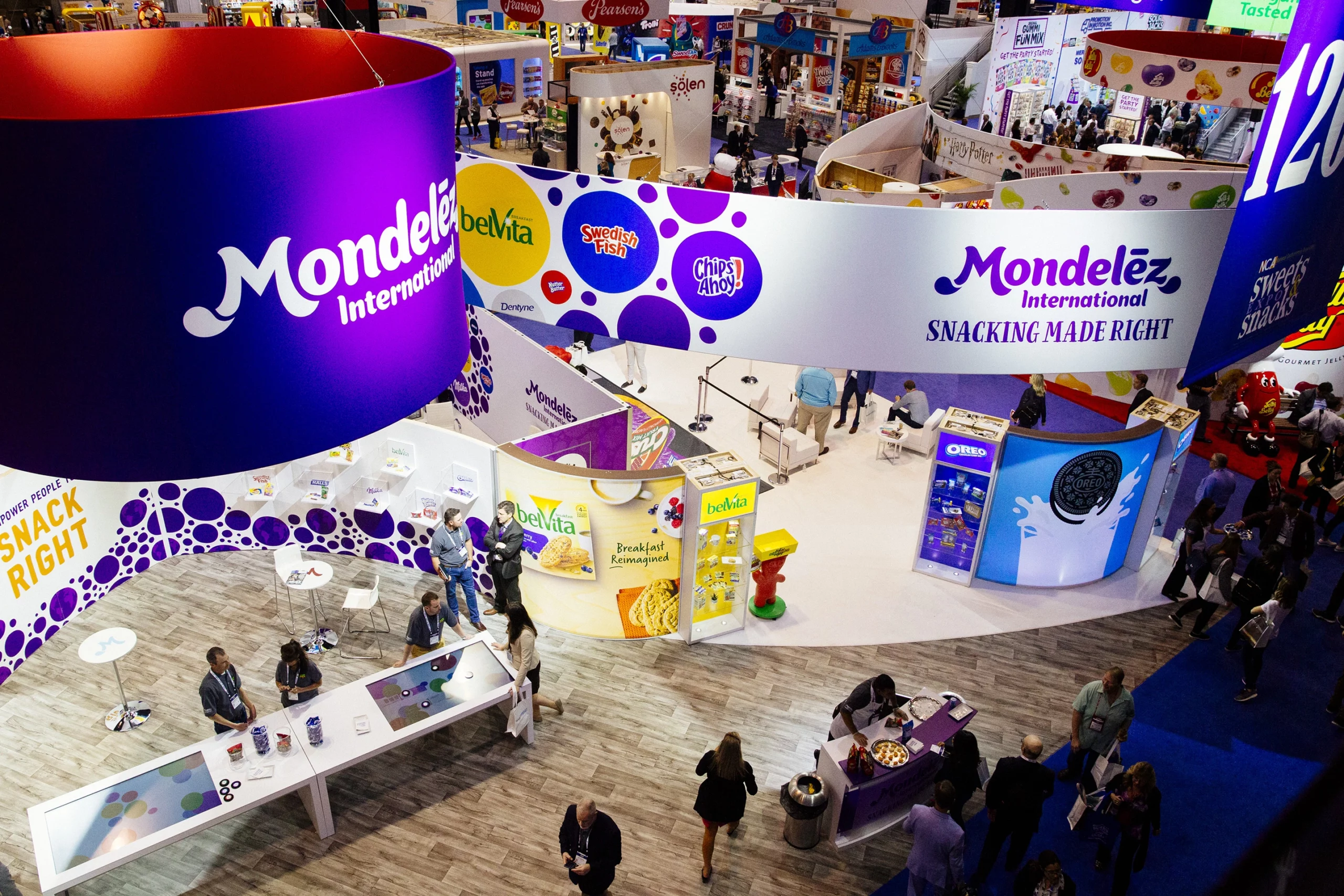
    Mondelez International, the multinational snack and food conglomerate, has reintroduced its In A Biskit Crispy Potato flavor into the Australian market, a product that first gained popularity in the 1990s.

    Reviving a Vintage Snack

    The revived snack is made from genuine potato flakes and has a thin, baked texture, offering consumers a delightful crunch with every bite. This classic flavor holds a fond memory for many Australians, serving as a favorite snack during leisurely afternoons spent solving Rubik’s Cubes or rewinding VHS tapes.

    Modern Packaging for a Classic Product

    In an effort to appeal to both original consumers and a new generation of customers, the product’s packaging has been updated to a more modern design. The classic snack is available in 145g packs with a recommended retail price of $4. The packs are available nationwide at IGA, Woolworths, and Coles retail stores.

    Mondelez Performance

    In the recent past, Mondelez has reported growth in its annual sales. However, this positive trend was somewhat offset by a decline in profit margins due to the high cost of cocoa, a key ingredient in many of the company’s products.

    Questions & Answers

    What is the key feature of the reintroduced In A Biskit Crispy Potato flavor?
    The reintroduced snack is made from real potato flakes and offers a thin, baked texture.

    How has Mondelez updated the product for modern consumers?
    Mondelez has modernized the packaging of the product to appeal to both original consumers and a new generation of snack lovers.

    What factors affected Mondelez’s recent financial performance?
    While the company reported growth in annual sales, its profit was impacted by the high cost of cocoa, a key ingredient in many of its products.

  • Perth Welcomes Australia’s First Buffalo Milk Ice Cream: A Delectable Quindanning Buffalo and Mica Creamery Collaboration

    Perth Welcomes Australia’s First Buffalo Milk Ice Cream: A Delectable Quindanning Buffalo and Mica Creamery Collaboration

    Western Australia is about to get its first taste of buffalo milk ice cream, thanks to a new collaboration between Quindanning Buffalo and Mica Creamery.

    The limited-edition dessert is set to hit Mica Creamery stores across Perth from March 13. The product is produced in small quantities, using buffalo milk sourced locally. Ice cream enthusiasts can look forward to two tantalising flavours, Classic Vanilla and Rich Hazelnut Chocolate.

    Buffalo Milk: A Creamier Alternative

    Buffalo milk is renowned for its natural creaminess, a characteristic that lends itself well to the creation of exceptional dairy products. Its higher fat content compared to cow’s milk results in a denser and creamier texture, enhancing the overall taste and experience.

    Speaking on the collaboration, Graeme Carthy, owner of Quindanning Buffalo, expressed his enthusiasm about the partnership with Mica. He stated that Mica shared Quindanning Buffalo’s commitment to quality and artisanal products, making them an ideal partner to bring this unique ice cream to the residents of Perth.

    This joint venture is more than just the creation of a new ice cream flavour. It represents an opportunity for buffalo milk, a less common ingredient in Australia, to be introduced to a wider retail audience.

    Questions & Answers

    What is unique about the new ice cream product?
    The new ice cream is unique as it is the first in Western Australia to be made from buffalo milk, which is known for its natural creaminess and higher fat content.

    Where and when will the buffalo milk ice cream be available?
    The buffalo milk ice cream will be available at Mica Creamery stores across Perth from March 13.

    Why did Quindanning Buffalo choose to partner with Mica Creamery for this product?
    Quindanning Buffalo chose to partner with Mica Creamery as they share a passion for quality and artisanal products. The collaboration aims to introduce buffalo milk to a wider retail audience through this unique ice cream product.

  • US Bourbon Brands Joseph Magnus & Fox & Oden Make Australian Splash: Unveiling Four Exceptional Expressions

    US Bourbon Brands Joseph Magnus & Fox & Oden Make Australian Splash: Unveiling Four Exceptional Expressions

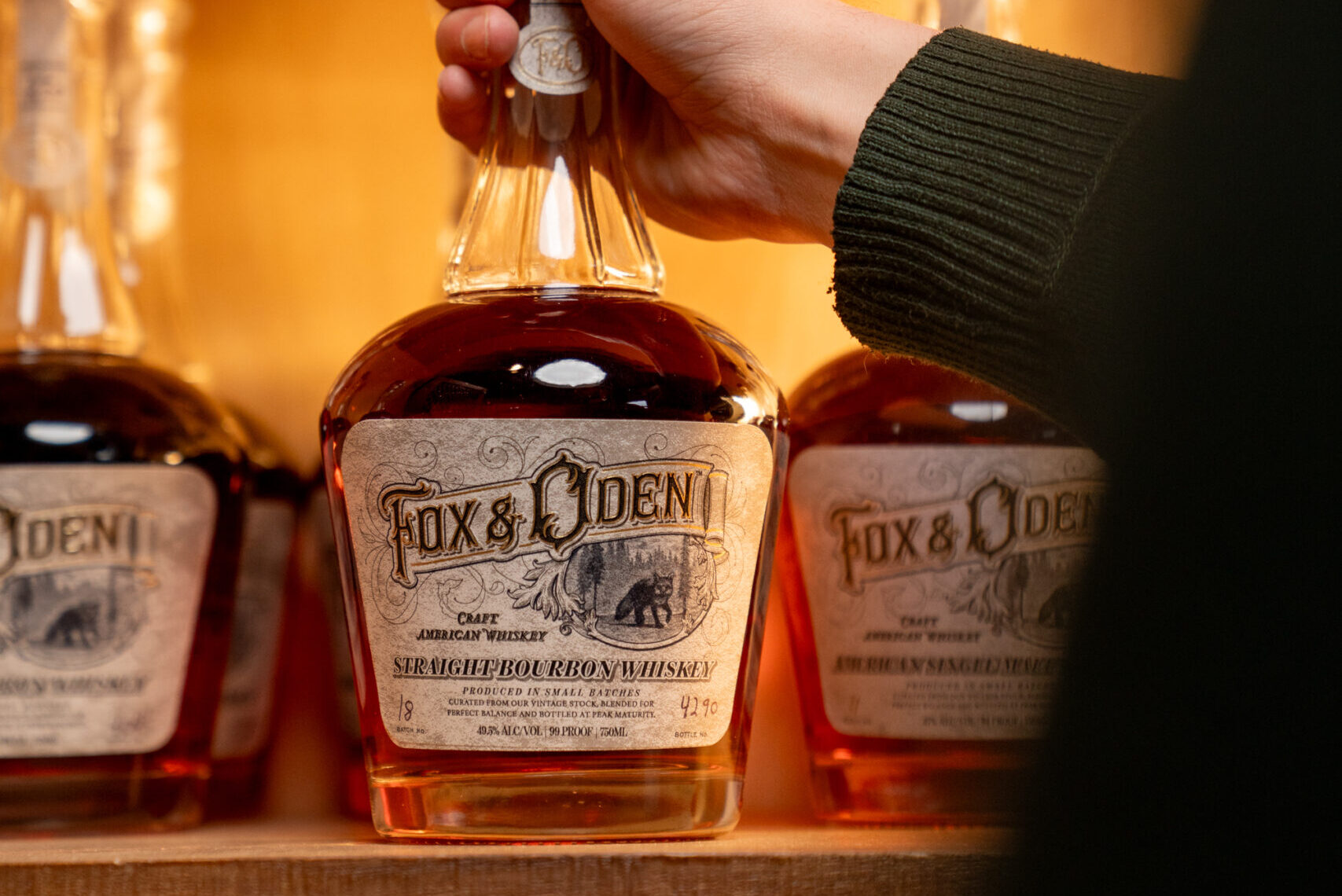
    CraftCo Brands, a renowned American spirits company, has announced plans to bring its prestigious bourbon labels, Joseph Magnus & Co and Fox & Oden, to Australian markets. The venture will be realized through an exclusive distribution deal with Honey Barrel.

    The first batch set to grace Australian shores includes four distinctive expressions: Joseph Magnus Cigar Blend Bourbon, Murray Hill Club Bourbon, Jos A Magnus Bourbon, and Fox & Oden Double Oak Bourbon.

    Strategic Entry into Australian Market

    Ali Anderson, the CEO of CraftCo Brands, revealed that the move into Australia is a calculated strategy, given the country’s deep-rooted whiskey knowledge and high standards. He stated that the entrance into the Australian market is far from casual, considering the heightened expectations and sophisticated whiskey knowledge present.

    The CEO further emphasized that Joseph Magnus and Fox & Oden are designed on a foundation of blending precision combined with expert finishing. He expressed his belief that the Australian consumers will highly appreciate this level of craftsmanship.

    Distinctive Flavors and Expert Craftsmanship

    CraftCo has an impressive reputation for its Joseph Magnus range, particularly for its blending and cask-finishing techniques. On the other hand, Fox & Oden Double Oak stands out for its intricate barrel selection process and secondary maturation, which significantly contributes to the development of its unique flavor profile.

    Honey Barrel’s Kia Rasteh and Jack Carter expressed their confidence in the brands and their anticipation for the collaborative endeavor with the CraftCo team. They disclosed their long-standing admiration for the brands and their reputation for crafting memorable, high-quality whiskeys through expert blending and finishing.

    The duo also acknowledged Australia’s world-class bar and whiskey culture, expressing their certainty that these expressions will secure their spot on top-tier back bars and retail shelves.

    Availability

    Starting this month, Joseph Magnus & Co and Fox & Oden will be readily available through select premium retailers and on-premise venues nationwide.

    Questions & Answers

    What is the strategy behind CraftCo Brands’ entry into the Australian market?

    CraftCo Brands views Australia as a strategic market due to its deep whiskey knowledge and high standards. The company believes the Australian consumers will appreciate the high level of craftsmanship in their products.

    What are the distinctive characteristics of the Joseph Magnus and Fox & Oden brands?

    Joseph Magnus is known for its expert blending and cask-finishing techniques while Fox & Oden Double Oak is renowned for its intricate barrel selection process and secondary maturation, contributing to its unique flavor profile.

    Where will Joseph Magnus & Co and Fox & Oden be available in Australia?

    Beginning this month, these brands will be available at select premium retailers and on-premise venues nationwide in Australia.

  • Coca-Cola Unveils New Absolut Vodka & Sprite Fusion: A Game Changer in Australia’s Ready-to-Drink Market

    Coca-Cola Unveils New Absolut Vodka & Sprite Fusion: A Game Changer in Australia’s Ready-to-Drink Market

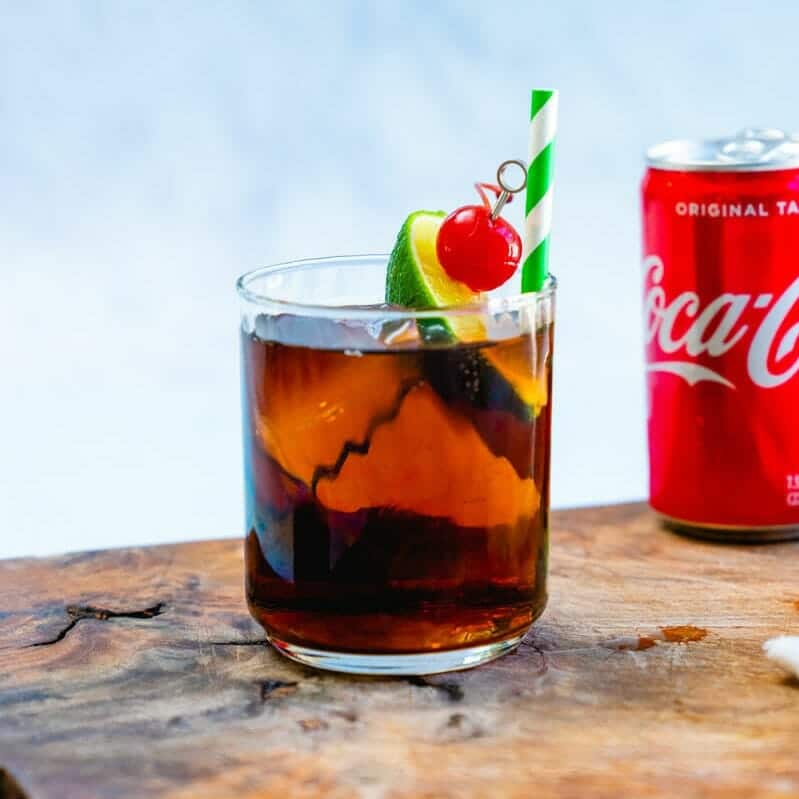
    Coca-Cola Australia has broadened its alcoholic ready-to-drink range with the introduction of mixed drinks featuring Absolut Vodka and Sprite.

    Varieties in the New Range

    The new product line includes two distinct variants: Absolut Vodka Mixed with Sprite and Absolut Vodka Mixed with Sprite Zero Sugar. Both the versions maintain a modest alcohol by volume (ABV) content of 5 per cent, offered in 330ml cans.

    Available Packaging Options

    Customers have the option to buy these beverages in 4-packs, 10-packs, or bulk 24-can cases. The range of packaging options caters to different customer needs, whether it’s for personal consumption or a social gathering.

    Developing a Premium, Refreshing RTD Option

    Matthias Blume, Vice President of ARTD at Coca-Cola Australia, spoke about the recent launch. He stated that the introduction of Absolut Vodka Mixed With Sprite is a fusion of two renowned brands, aiming to provide a high-quality, invigorating ready-to-drink option for consumers in Australia. He also emphasized that this product is a valuable addition to their expanding ARTD portfolio, as it mirrors the ongoing momentum of the category and responds to the increasing consumer demand.

    Notably, this isn’t Absolut Vodka’s first foray into creative flavor combinations. The brand had previously collaborated with Tabasco to introduce a spicy flavor variant to its range.

    Questions & Answers

    What are the two versions of the new product launched by Coca-Cola Australia?
    Absolut Vodka Mixed with Sprite and Absolut Vodka Mixed with Sprite Zero Sugar are the two versions introduced in the new range.

    What are the available packaging options for this new range?
    Consumers can purchase these beverages in 4-packs, 10-packs, or 24-can cases.

    What is the significance of this new product range according to Matthias Blume, VP ARTD at Coca-Cola Australia?
    Matthias Blume suggests that the introduction of Absolut Vodka Mixed With Sprite reflects not only the momentum of the category but also the increasing consumer demand. It is intended to provide a premium, refreshing ready-to-drink option for Australian consumers.

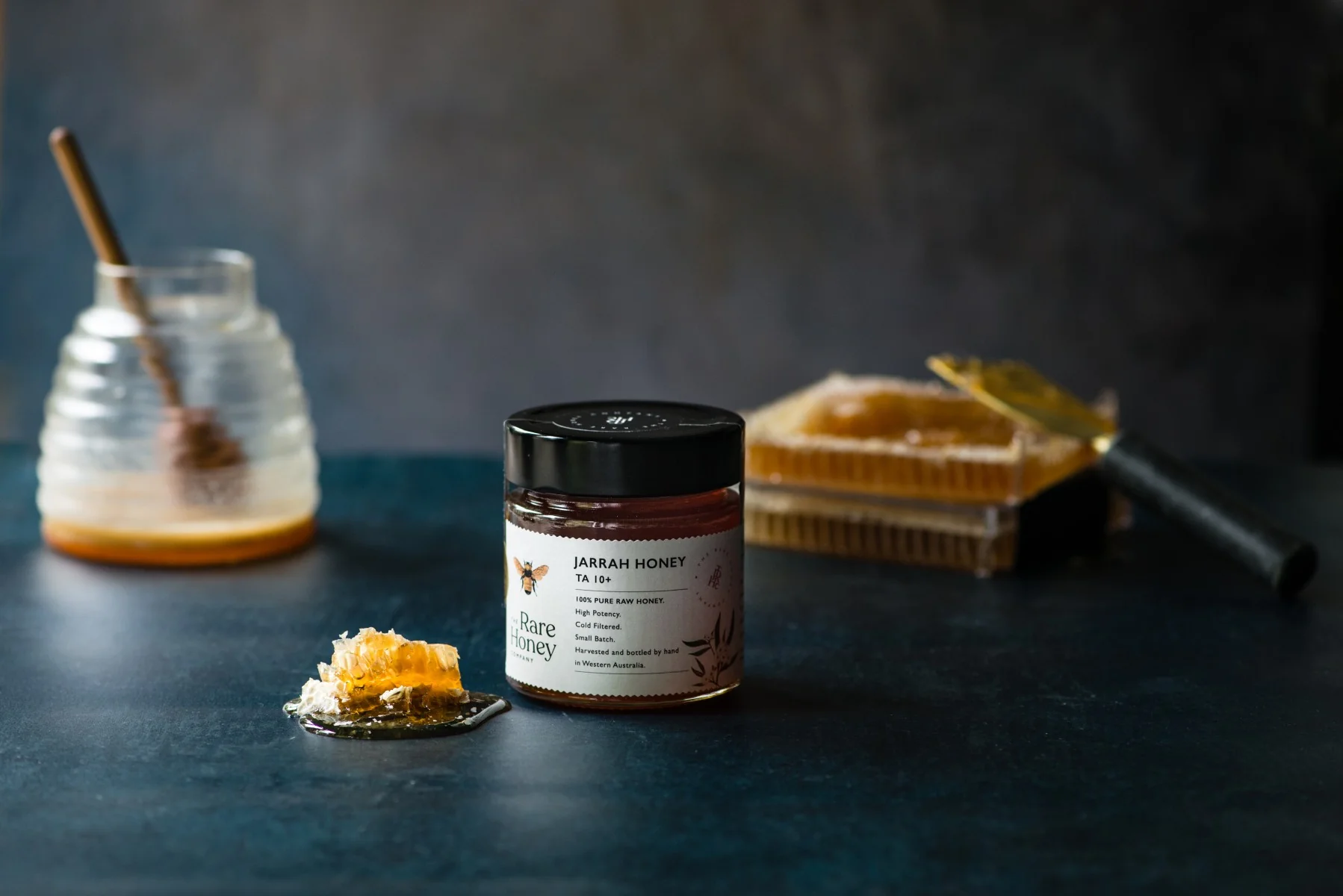
  • Sweet Success: Honey Australia Buzzes into Middle East Market with Exclusive Lulu Hypermarket Partnership

    Sweet Success: Honey Australia Buzzes into Middle East Market with Exclusive Lulu Hypermarket Partnership

    The family-owned Australian brand, Honey Australia, has recently extended its reach into the Gulf Cooperation Council (GCC) through an exclusive collaboration with the Lulu Group.

    Honey Australia’s premium products are now widely available across Lulu Hypermarket locations throughout the GCC. The launch of their partnership was celebrated with an in-store event in Qatar.

    Nick Maiolo, the co-founder of Honey Australia, expressed immense pride in this exclusive partnership with the Lulu Group for the brand’s GCC expansion. He stated, “As a family-owned enterprise that has been closely working with Australian beekeepers for several generations, it’s an honor to have our products included within Lulu’s premium Australian range, and being introduced to customers across the Middle East.”

    The regional introduction of Honey Australia is in line with the company’s participation at Gulfood, a leading food and beverage industry event. This provided the company an opportunity to connect with buyers and distribution partners to further fortify its market presence.

    Honey Australia’s expansion is not limited to the Middle East alone, as the company also has plans to extend its reach in other regions worldwide.

    Questions & Answers

    What is Honey Australia’s new partnership?
    Honey Australia has entered an exclusive partnership with the Lulu Group, helping them expand into the Gulf Cooperation Council (GCC) region.

    What event marked the launch of this partnership?
    The launch of the partnership was celebrated with an in-store event in Qatar.

    What is Honey Australia’s future expansion plan?
    While they have recently expanded into the GCC, Honey Australia intends to further increase their global presence by branching out into other regions around the world.

  • Retail Giant AS Watson Eyes Major Move into Australian Market with Potential $500M Pharmacy Acquisition

    Retail Giant AS Watson Eyes Major Move into Australian Market with Potential $500M Pharmacy Acquisition

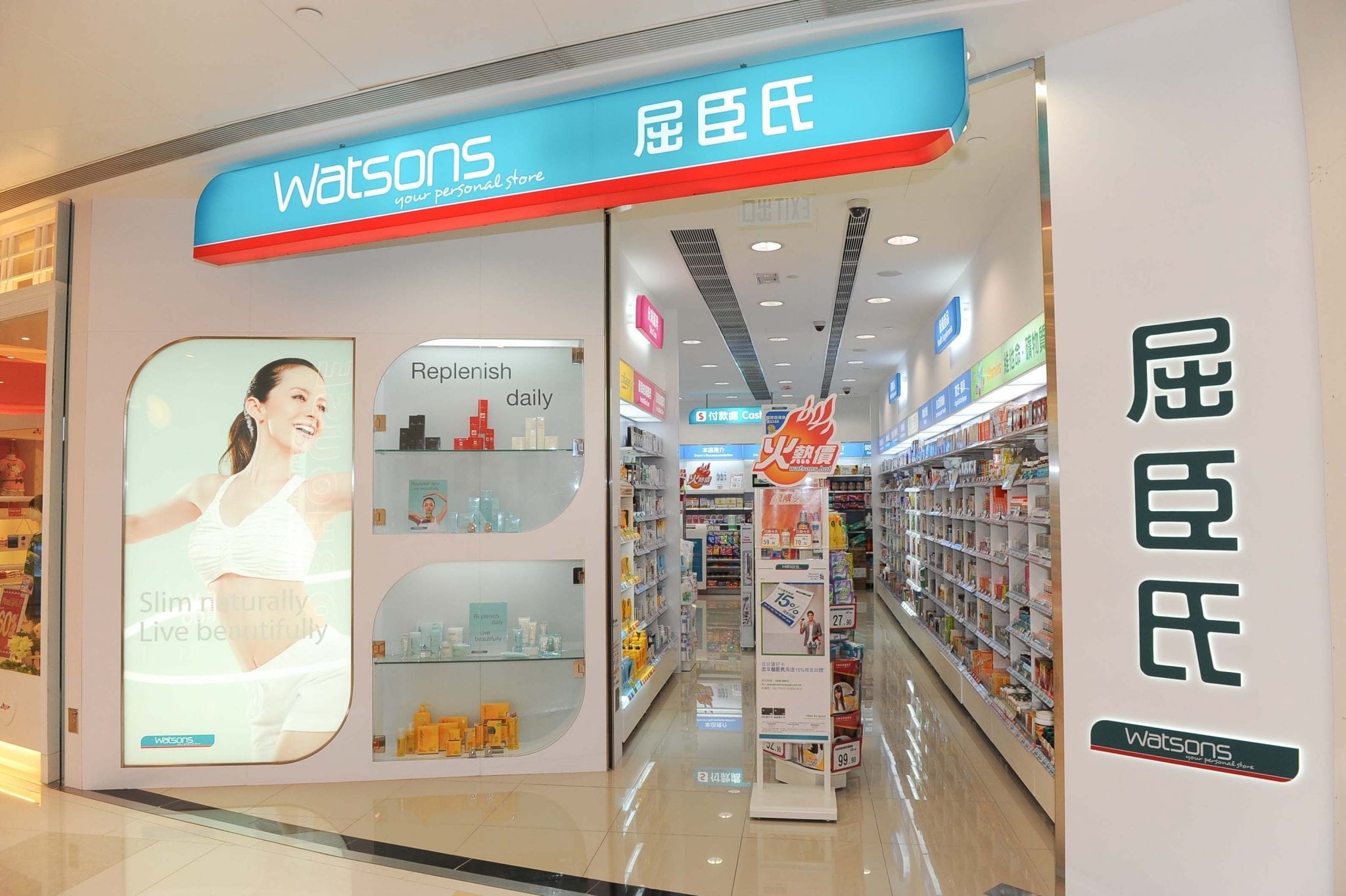
    AS Watson, a Hong Kong-based health and beauty retailer, is potentially planning a move into the Australian market. The company is believed to be considering an acquisition of over 90 pharmacies in Australia.

    Expansion into Australia

    The company’s interest is reportedly focused on 92 Priceline pharmacies, previously under the operation of Infinity Pharmacy Group. This move will represent AS Watson’s debut into the Australian market. The company is said to be planning a comprehensive review of these pharmacies, which indicates serious intent towards the acquisition.

    It is suggested that executives from AS Watson had visited Australia several years prior and had discussions with the founding partner of Infinity. These visits may well have laid the groundwork for the current acquisition proposal. However, a spokesperson for the group declined to provide any comment on these market speculations.

    The Players Involved

    AS Watson is a part of CK Hutchison Holdings – a major commercial conglomerate based in Hong Kong. On the other side of the equation, the Priceline brand is owned by Australian conglomerate, Wesfarmers, while Infinity Pharmacy Group functions as a franchisee of the chain.

    In a recent development, Wesfarmers placed approximately half of Infinity’s stores into receivership, following a period of enduring financial difficulties. These financial struggles have led to the sale of the 92 Priceline stores, managed by Infinity’s administrator, Teneo.

    The Sale Process

    Teneo, responsible for the administration of the sale process, is said to be seeking a minimum sale price of AU$500 million for these 92 Priceline stores.

    Questions & Answers

    What is the significance of this potential acquisition by AS Watson?
    The acquisition could mark AS Watson’s entry into the Australian market, expanding its global footprint.

    Who currently owns the Priceline brand and the affected pharmacies?
    The Priceline brand is owned by Wesfarmers, an Australian conglomerate. The affected pharmacies were previously operated by Infinity Pharmacy Group, a franchisee of the chain.

    What is the expected price for the sale of these 92 Priceline stores?
    The administrator overseeing the sale, Teneo, is reportedly seeking a minimum price of AU$500 million for the stores.

  • UBS Taps 30-Year Veteran Andrew Bird to Spearhead Australian Wealth Management Division

    UBS Taps 30-Year Veteran Andrew Bird to Spearhead Australian Wealth Management Division

    UBS, the multinational investment bank and financial services company, recently declared the appointment of Andrew Bird as its new Head of Global Wealth Management (GWM) for Australia. With a career spanning three decades and a previous tenure at UBS, Bird brings valuable experience and expertise to the role.

    New Head of Wealth Management

    Andrew Bird has officially taken over as Head of Global Wealth Management for UBS Australia, from April 27. In addition to his primary role, Bird is joining the bank’s GWM management team, overseeing operations in diverse regions including Southeast Asia, Japan, India, and Australia. He will also play a substantial part in the Australia Country Management Forum.

    Bird’s base of operations will be in Sydney, where he will report directly to Jin Yee Young, the Co-Head of GWM APAC. At the local level, Bird will coordinate with the Co-Country Heads of Australasia, Nick Hughes and Greg Peirce.

    Experienced Professional

    Bird’s professional journey spans over 30 years in wealth management and institutional markets. His most recent role was leading the wealth management division at National Australia Bank’s JBWere for the past decade. Bird is no stranger to UBS. Here, he previously served as the Market Manager for Melbourne in the wealth unit. Bird’s distinguished career also includes holding senior private banking positions at Credit Suisse and Citi.

    UBS has confirmed Bird’s appointment and his outlined responsibilities through a spokesperson.

    Questions & Answers

    Who has been appointed as the new Head of Global Wealth Management for UBS Australia?
    Andrew Bird has been appointed as the new Head of Global Wealth Management for UBS Australia.

    What other roles will Andrew Bird be undertaking at UBS?
    Aside from his chief role, Bird will join the GWM management team, responsible for Southeast Asia, Japan, India, and Australia. He will also participate in the Australia Country Management Forum.

    What is Andrew Bird’s professional background?
    With over 30 years of experience across wealth management and institutional markets, Bird has previously worked for National Australia Bank’s JBWere, Credit Suisse, and Citi. His prior role at UBS was as the Market Manager for Melbourne in the wealth unit.

  • Australian Fashion Powerhouse Zimmermann Debuts in Bangkok’s IconSiam: A New World of Style and Art

    Australian Fashion Powerhouse Zimmermann Debuts in Bangkok’s IconSiam: A New World of Style and Art

    Zimmermann, a renowned Australian fashion brand, has broadened its global presence with the inauguration of its debut store in Thailand, situated within IconSiam, Bangkok.

    Store Design and Highlights

    The boutique, created by Studio McQualter, is characterized by an expansive display of large windows, showcasing an array of ready-to-wear garments and accessories. Inside, the store encapsulates a 1970s Italian-inspired vibe, with Dutch Art Deco tables serving as the centerpiece.

    The boutique’s ready-to-wear selection is presented across wall-mounted rails, recessed displays, and individual wardrobes. Meanwhile, the accessory section, set beneath an unusually high ceiling, features muted green beams and custom aluminium shelves specifically designed to display bags.

    Customer Experience

    The store is divided into different zones, each aiming to provide a “layered spatial” experience for the customers. These areas are distinguished by unique colour schemes, patterns, and materials. Additionally, a tiled floor serves as a visual guide, assisting customers as they navigate the space.

    The store also houses two lounges, one being a public area and the other a private lounge reserved for special appointments.

    Art and Brand Identity

    The brand’s cultural roots and identity are reflected in the artwork displayed throughout the boutique. Pieces by Australian artists Angilyiya Mitchell, Laith McGregor, and Louise Paramor are featured prominently.

    Nicky Zimmermann, the brand’s creative director and co-founder, emphasized that the store is more than just a space to display clothing. She stated, “The store is a destination that fully embodies the spirit of Zimmermann, from the selection of textures and materials to the integration of art and furniture. Every element invites visitors to linger, explore, and truly inhabit the world of our brand.”

    Questions & Answers

    Where is Zimmermann’s first Thailand-based store located?
    The store is located in IconSiam, Bangkok.

    Who is responsible for the design of the store?
    Studio McQualter designed the boutique.

    What is unique about Zimmermann’s store design?
    Zimmermann’s store is meticulously designed to offer a layered spatial experience, with each area defined by specific colour palettes, patterns, and materials. The store also integrates artwork and furniture, creating a space that invites exploration and evokes the spirit of the Zimmermann brand.

  • Acclaimed Brix Distillers Enters Voluntary Administration: Future of Australia’s First Craft Rum Distillery Uncertain

    Acclaimed Brix Distillers Enters Voluntary Administration: Future of Australia’s First Craft Rum Distillery Uncertain

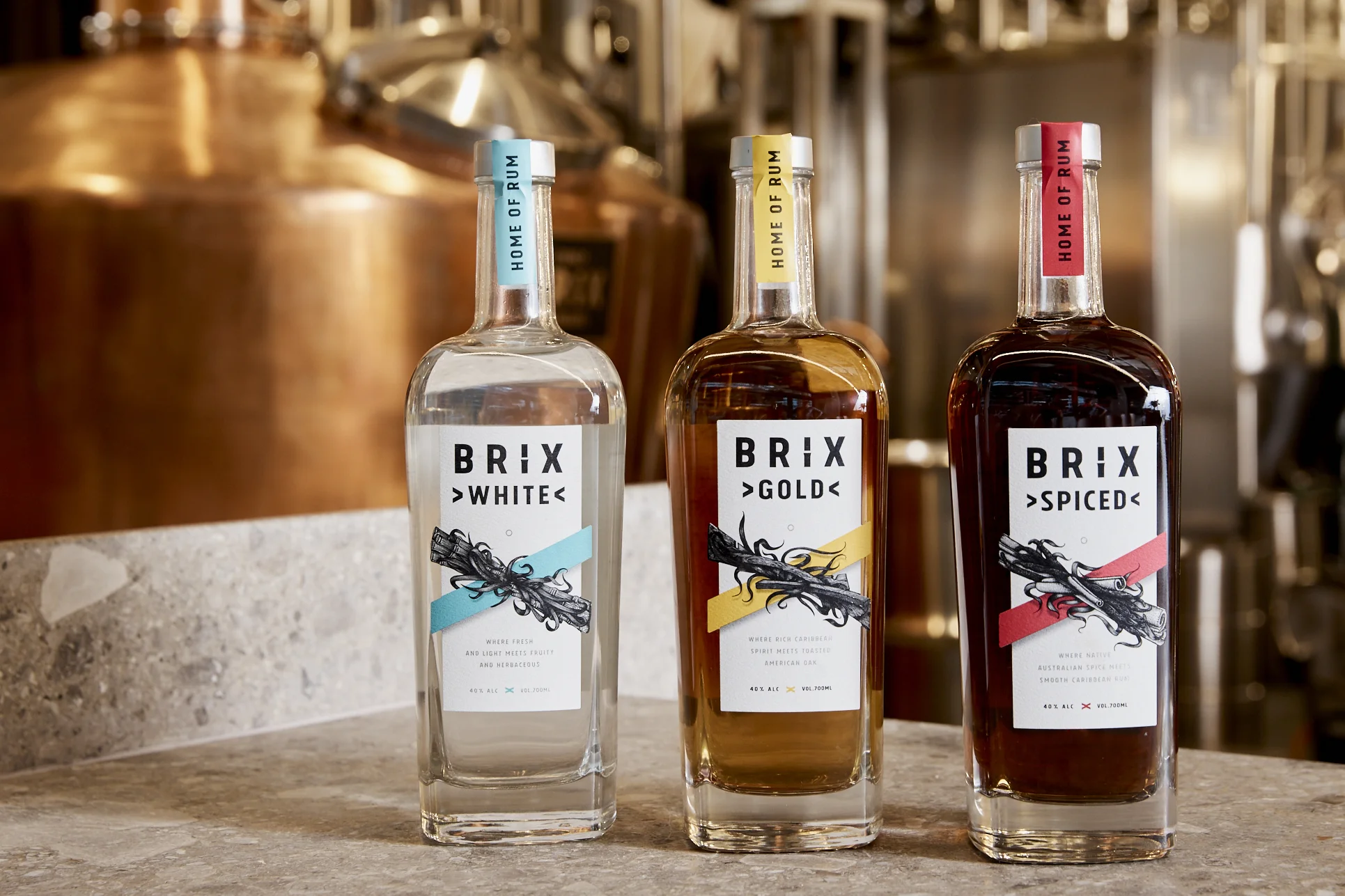
    The boutique rum manufacturer, Brix Distillers, formerly known as Sydney Distilling Co, has opted for voluntary administration.

    Appointing an Administrator

    RSM Australia has been appointed to manage the administration for the pioneer craft rum distillery in the country. The firm is presently considering all possible alternatives, including liquidating the company’s assets through a deed of company arrangement.

    Brix Distillers, which was established in 2017, ran a bar in Surry Hills.

    Exploring Options for the Distillery

    The primary responsibility of the administrators is to explore and identify all potential solutions to ensure the most favourable outcome not only for the creditors but also for the legacy of this Australian distillery brand. This includes exploring the sale of the business and its assets, according to Ben Carson, director at RSM.

    The administrators are currently in discussion with several parties who have shown interest in the future of this premium craft rum brand and its business operations.

    Seeking Potential Buyers

    Carson noted that the company boasts one of the largest private stockpiles of Australian rum in the country. He encouraged those who are interested in the business to get in touch with their proposals.

    Questions & Answers

    What is the current status of Brix Distillers?

    Brix Distillers has gone into voluntary administration, and RSM Australia has been appointed as the administrator.

    What are the future plans for the business and its assets?

    The administrators are currently exploring all potential solutions, which includes the possible sale of the business and its assets.

    Who could potentially acquire the business?

    The administrators are in talks with several parties who have expressed interest in the business. Interested parties are encouraged to get in touch with their proposals.