Tag: Australia

  • Red Bull Spices up Australian Market with Exclusive New Flavours: Lilac and Winter Editions

    Red Bull Spices up Australian Market with Exclusive New Flavours: Lilac and Winter Editions

    Red Bull, the globally recognized energy drink brand, is broadening its Australian beverage range with the introduction of two novel flavors. The new flavours, dubbed Lilac Edition and Winter Edition, are set to hit the market this month.

    The Lilac Edition

    The Lilac Edition is an exclusive offering earmarked for Woolworths stores and will come in a 473ml can size, to be available solely at Ampol outlets. The new variant presents a unique blend of grapefruit and blossom flavors. This flavor profile was initially presented to consumers at the prestigious Australian Open, where it was well received.

    The Winter Edition

    On the other hand, the Winter Edition is a limited-edition product that will be available in two sizes: 250ml and 473ml cans. The exclusive retailer for this novel flavor will be 7-Eleven stores. Red Bull has characterized this product as a passionfruit-flavored concoction, specifically crafted to complement the Australian winter season.

    Each can of both the Lilac and Winter Editions will contain 80mg of caffeine, providing the energy boost that Red Bull is renowned for.

    Questions & Answers

    What new flavours is Red Bull introducing in Australia?
    Red Bull is introducing two new flavours – Lilac Edition and Winter Edition – to its Australian market this month.

    Where can these new flavors be purchased?
    The Lilac Edition will be exclusively available at Woolworths and Ampol outlets, whereas the Winter Edition can be found at 7-Eleven stores.

    What is the main flavor profile of these new products?
    The Lilac Edition features a unique blend of grapefruit and blossom flavors. The Winter Edition, on the other hand, is infused with a passionfruit flavor.

  • International Students in Australia Grapple with Skyrocketing Living Costs and Tuition Fees

    International Students in Australia Grapple with Skyrocketing Living Costs and Tuition Fees

    Many international students in Australia are facing considerable financial strain, as they attempt to balance their academic commitments with part-time work to afford their living expenses. A key concern among these students is the high cost of food and other essentials.

    A Chinese student at the Australian National University, unwilling to be named, shared her experiences of eating instant noodles or fast food until she was able to find work. Although conscious of the need to study, she found herself working as many as 48 hours a fortnight, the maximum allowed under Australian student visas. This, however, led to immense stress and anxiety, affecting her sleep and overall wellbeing.

    Struggling to Afford Basic Necessities

    This student’s situation is far from unique. The 2024 State of Student Healthcare Report, issued by Allianz Partners Australia, indicated that nearly a third of international students regularly missed meals due to the high cost of groceries. Roughly one in four stated they could not afford fresh fruits and vegetables.

    Housing security has also become a major issue. Sean Stimson, a senior solicitor at the Redfern Legal Centre’s International Student Legal Service, highlighted an increase in homelessness among international students over the past 18 months, largely due to significant rent hikes.

    Erin Longbottom, nurse unit manager of the homeless health service at St. Vincent’s Hospital in Sydney, referred to international students as the emerging “hidden face of homelessness.”

    Overcoming Barriers in the Rental Market

    The 2024 Student Accommodation Council report found that international students faced particular challenges in the private rental market. Without a rental history in Australia and often lacking employment or income statements when applying for leases, they are at a significant disadvantage.

    While students are required to show access to A$30,000 (US$20,700) to obtain a visa, Stimson cautioned that these funds could be quickly depleted due to skyrocketing living costs.

    Rising Tuition Fees

    In addition to escalating expenses for housing and food, tuition costs have also surged. Immigration expert Dr. Abul Rizvi pointed out that fees for international students have grown significantly faster than inflation.

    More than 583 courses charge international students over $250,000, with 445 of those offered by the country’s top research universities. In some instances, the total cost of a degree can exceed A$850,000.

    Financial Stress Taking Its Toll

    The Allianz report further revealed that over 61% of international students surveyed said daily expenses were substantially higher than anticipated. Only 18.2% felt financially secure, while 40.2% were experiencing financial stress or hardship. Worryingly, 28.1% considered leaving their studies due to these pressures.

    Alan Morris, a professor focusing on urban and housing studies at the University of Technology Sydney, noted that many international students suffer enormous stress and anxiety as they try to juggle their academics and finances. This often results in academic performance suffering as students focus on making ends meet.

    The Need for Innovative Solutions

    Although Australia’s student visa work rules are generally quite generous, experts caution that simply increasing work hours may not alleviate the financial pressures faced by international students.

    Rather, innovative solutions may be of value. Morris suggested Australia might benefit from adopting a Canadian housing model that pairs international students with older residents for reduced rent in exchange for assistance with household tasks.

    In the meantime, many international students are finding their own ways to adapt to these financial challenges, developing practical skills such as cooking or driving to save money.

    Despite the difficulties, many students still consider studying in Australia to be a valuable experience.

    Questions & Answers

    What challenges are international students in Australia facing?
    They are dealing with rising living costs, high tuition fees, and restrictions on work hours, which are leading to financial stress and, in some cases, homelessness.

    What issues are they encountering with housing and food?
    Many international students are struggling to afford groceries and fresh food. Additionally, steep rent increases have led to issues with housing security, with homelessness on the rise among this group.

    What solutions are being suggested to alleviate these pressures?
    One suggestion is to adopt a Canadian housing model that pairs international students with older residents. The students would help with household tasks in exchange for reduced rent. This would help alleviate some financial stress and provide more secure housing.

  • E-commerce Boom in Australia Fuels Demand for Compliant Warehouse Racking Systems: Vinatech Rises to the Challenge

    E-commerce Boom in Australia Fuels Demand for Compliant Warehouse Racking Systems: Vinatech Rises to the Challenge

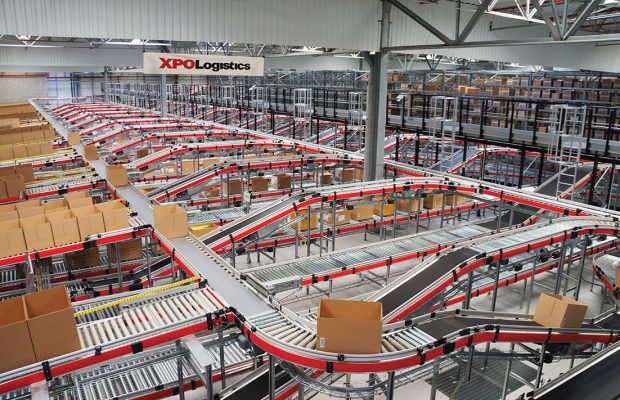
    Australia’s logistics and warehousing sector is experiencing robust growth, increasing the demand for storage systems that adhere to rigorous technical and safety standards. This has led suppliers to modify their products to align with the country’s stringent regulatory requirements.

    Booming Australian Warehousing Market

    The warehousing and logistics market in Australia is a foundational aspect of the national supply chain, currently estimated to be worth around AUD15 billion (US$10.1 billion). The rapid proliferation of e-commerce has been fueling this sector, with predictions suggesting a compound annual growth rate (CAGR) of approximately 6-7% over the next five to ten years.

    Entry of Vinatech Australia into the Market

    In response to this burgeoning market, Vinatech Australia has entered the scene not simply as a traditional supplier, but as a strategic partner providing comprehensive warehouse racking solutions. The company specializes in supplying industrial warehouse racking and storage solutions fine-tuned for the Australian market, aiming to provide top-quality warehousing systems that align with international standards while catering to the unique operational needs of each client.

    Vinatech Australia is supported by the Vinatech Group, a prominent Vietnamese manufacturer of industrial warehouse racking systems. Benefiting from extensive industry experience and state-of-the-art production infrastructure, the Vinatech Group has provided warehouse and storage solutions to numerous national and international clients, spanning logistics warehouses, manufacturing facilities, and large-scale distribution centers.

    The operational model of the company allows customers to maximize project budgets without sacrificing product quality, ensuring alignment with AS4084 standards and compliance with relevant Australian rules. Vinatech also offers full certification and technical documentation upon request, facilitated by engineering teams knowledgeable in both Vietnamese manufacturing standards and Australian compliance requirements. This capability underpins the company’s prevailing message: “Made in Vietnam – Used in Australia.”

    Comprehensive Industrial Solutions

    Vinatech Australia also provides a comprehensive range of industrial solutions, including consultancy and warehouse system design from the initial site survey stage, customized industrial warehouse and pallet racking solutions to meet specific operational needs, full project management from conception to operational deployment, and the capacity to deliver large volumes with consistent and reliable timelines.

    The company affirms its commitment to quality assurance and standards compliance as a vital element of its operations, addressing concerns regarding whether products sourced from Asia can meet the demanding standards of developed markets.

    All Vinatech products are designed and manufactured in compliance with international technical and safety standards. This ensures every industrial warehouse and pallet racking system fulfills strict criteria on load capacity, structural stability, workplace safety, and Australian fire protection regulations.

    Full Support from Planning to Operation

    Vinatech Australia positions itself not just as a product supplier but as a comprehensive solutions partner, aiding customers from the early planning stages through to real-world operation. This includes advising clients on long-term development strategies and integrating their warehouse racking systems seamlessly with advanced automation technologies.

    This strategy facilitates a phased approach to warehouse automation, allowing customers to commence with a fundamental solution such as pallet racking and progressively upgrade without the need to replace their entire warehouse racking infrastructure.

    Vinatech’s goal is not to become the largest supplier, but to be the most trusted provider of industrial warehouse racking solutions in Australia. They aspire to be the first name businesses consider when planning or upgrading their warehouse operations, not just due to competitive pricing but also their professionalism, reliability, and commitment to long-term partnerships.

    Questions & Answers

    What is Vinatech Australia’s specialization?
    Vinatech Australia specializes in providing industrial warehouse racking and storage solutions tailored for the Australian market.

    How does Vinatech assure adherence to technical and safety standards?
    Vinatech designs and manufactures all products in accordance with international technical and safety standards. They also provide complete certification and technical documentation upon request.

    What differentiates Vinatech Australia’s approach to customer support?
    Vinatech Australia positions itself not only as a product supplier but as a comprehensive solutions partner, supporting customers from early planning through to real-world operation.

  • Celsius Debuts Sparkling Raspberry Peach: An Exclusive 7-Eleven Flavor Revolutionizing the Australian Beverage Scene

    Celsius Debuts Sparkling Raspberry Peach: An Exclusive 7-Eleven Flavor Revolutionizing the Australian Beverage Scene

    Celsius, a renowned US energy drink brand, is introducing a flavour that will be exclusively available at 7-Eleven stores across Australia. This beverage, Sparkling Raspberry Peach, will be presented via the brand’s first-ever pop-up at the popular convenience store chain.

    The Sparkling Raspberry Peach flavour offers a delightful mix of succulent peach and a touch of zesty raspberry. A representative for Celsius anticipates that this new beverage will be popular among Australian consumers and could potentially become the preferred non-alcoholic drink of choice. This prediction comes on the back of a recent study which reported that roughly 40% of drinkers are seeking to reduce their alcohol consumption, creating an opportunity for non-alcoholic beverages like Celsius to fill the gap.

    The Sparkling Raspberry Peach flavour is currently available at 7-Eleven stores across the nation at a suggested retail price of $4.

    To commemorate the launch, a pop-up event was organised featuring Australian DJ and producer, DJ Cyril. Entry tickets were priced at $7.11 each, with limited availability.

    Adam Jacka, the General Manager of Marketing at 7-Eleven Australia, stated that their stores have consistently been a go-to spot for Australians to kickstart their day. Whether it’s a comforting oat latte, a chilly iced coffee, or a refreshing energy boost like Celsius, they cater to all preferences. Expressing his excitement about the partnership with Celsius, he added that the morning rave event was unconventional yet fitting. According to him, it encapsulates the spirit of 7-Eleven in its local, fun, and community-oriented approach.

    Celsius has recently broadened its product offerings in Australia.

    Questions & Answers

    What is the new Celsius flavor that is launching in Australia?
    The new flavor is Sparkling Raspberry Peach, a blend of sweet peach and tangy raspberry.

    Where will this new Celsius flavour be available?
    The Sparkling Raspberry Peach flavor will be exclusively available at 7-Eleven stores across Australia.

    What was the special event organised to celebrate the launch of the new flavor?
    A pop-up event featuring Australian DJ and producer, DJ Cyril, was organised to celebrate the launch.

  • Aussies Embrace Daily Luxury: Surge in Everyday Premium Ice Cream Indulgence Revealed

    Aussies Embrace Daily Luxury: Surge in Everyday Premium Ice Cream Indulgence Revealed

    Australia is witnessing a shift in the perception of premium ice cream, from being an occasional luxury to an everyday delight, according to recent research conducted by Haagen-Dazs.

    Ice Cream as an Everyday Indulgence

    The research found that nearly three out of every ten Australians, approximately 28 percent, now view premium ice cream as a regular indulgence. This trend is particularly noticeable in Victoria and New South Wales. Millennials and men are spearheading this increase, with 40 percent of Millennials and 33 percent of male respondents admitting to indulging in premium ice cream on a daily basis.

    Sacrificing Other Delights for Ice Cream

    Interestingly, the study reveals that four out of every ten Australians would rather forgo sweet beverages than give up ice cream, while three in ten would skip pastries and baked goods in favor of ice cream.

    Ice Cream and the Convenience Channel

    The study also emphasizes the growing importance of convenience stores as the preferred destination for consumers desiring quality, speed, and satisfaction from a single scoop of ice cream. Approximately 42 percent of respondents, predominantly those belonging to the Gen Z, Gen X, and Baby Boomers demographics, prefer to enjoy their ice cream in solitude.

    Changing Perceptions of Luxury

    Cavan Brady, the head of ice cream at Haagen-Dazs Australia, suggests that these findings denote a significant cultural shift in Australians’ understanding of luxury. He notes that consumers aren’t giving up on indulgence, but rather, they are reshaping it. He implies that the conventional ‘little treat’ has transformed into a pocket-sized form of self-care that people prioritize even in the face of tight budgets.

    Brady further explains that for retailers, this indicates that premium ice cream has evolved beyond being an optional treat. The rise of portion-controlled, single-serve, and impulse formats reflects the new pattern of daily indulgence, presenting an enticing growth opportunity for petrol and convenience stores.

    Questions & Answers

    What is the new perception of premium ice cream in Australia?
    Premium ice cream is being seen as an everyday delight rather than an occasional luxury in Australia.

    Who are mainly driving this increase in daily indulgence of premium ice cream?
    Millennials and men are primarily driving the daily indulgence in premium ice cream.

    What has the classic ‘little treat’ evolved into, according to Cavan Brady?
    According to Cavan Brady, the classic ‘little treat’ has evolved into a pocket-sized form of self-care that people prioritize, even when budgets are tight.

  • Australian Brand Naked Life Shakes Up the US Market with Non-Alcoholic Cocktails at Target Stores Nationwide

    Australian Brand Naked Life Shakes Up the US Market with Non-Alcoholic Cocktails at Target Stores Nationwide

    The Australian non-alcoholic cocktail maker, Naked Life, has broadened its footprint in the US by launching its products in 800 Target stores nationwide.

    Naked Life’s Unique Offering

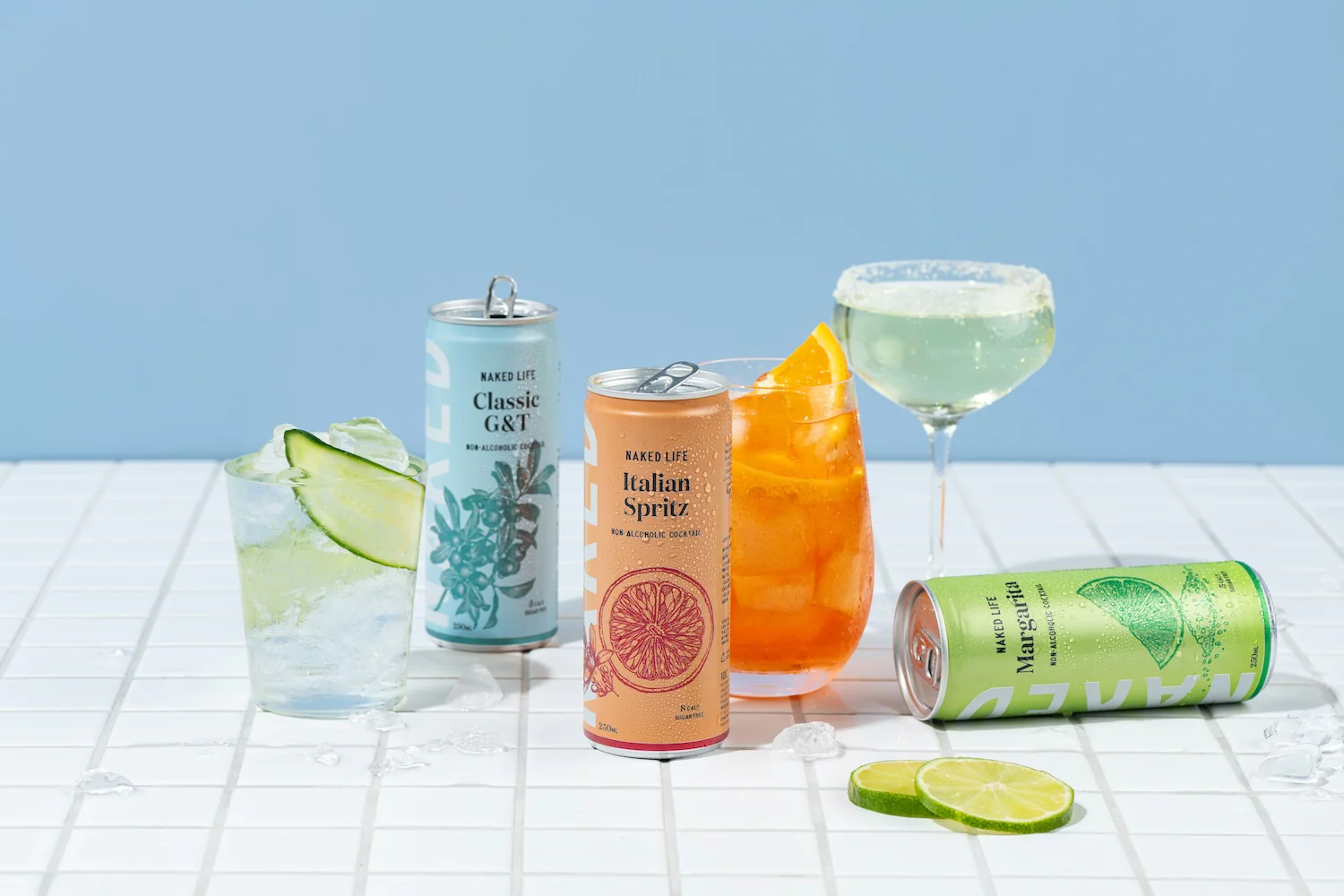
    Naked Life is renowned for their non-sugar, non-alcoholic beverages crafted from natural botanicals. This strategic move into the vast US market signifies the brand’s commitment to offering premium non-alcoholic and ready-to-drink cocktails. This expansion comes at a time when a growing number of consumers are leaning towards non-alcoholic alternatives in the market.

    The company’s top-selling flavours, Cosmopolitan and Margarita, each contain a mere five calories, appealing to health-conscious consumers. These popular flavours are available in four-packs at Target for a retail price of $8.49.

    Meeting Consumer Demand

    Tracey Bien Schenck, a spokesperson for Naked Life, reflected on the changing market trends and consumer preferences. “Gen Z and Millennials of legal drinking age are incorporating non-alcoholic cocktails into their evolving drinking habits. They are on the lookout for drinks that offer an elevated experience and stay true to classic recipes,” she said.

    The partnership with Target allows Naked Life to engage with consumers directly in their shopping environment. “This launch enables us to introduce Naked Life to more households across the US. It gives everyone the opportunity to join in the cheers,” added Schenck.

    Recognition for Quality

    Naked Life’s range of products has been recognised and awarded by major US spirit competitions including the USA Spirits Awards, SIP Awards, and Miami Global Spirits Awards. These accolades underscore the brand’s commitment to producing non-alcoholic cocktails that match the taste, complexity, and craftsmanship of their alcoholic counterparts.

    Questions & Answers

    What is Naked Life known for?
    Naked Life is known for its non-sugar, non-alcoholic cocktails made with natural botanicals.

    How is Naked Life addressing the changing consumer preferences?
    By introducing its non-alcoholic, low-calorie drinks to the US market, Naked Life is addressing the increasing demand for non-alcoholic options.

    Which Naked Life products are being launched in the US?
    Naked Life is launching its best-selling flavours, Cosmopolitan and Margarita, in the US.

  • “M&M’s Pop-Up Store Serves Up Sweet Surprise at Australian Open With Exclusive Flavours and Interactive Fun”

    “M&M’s Pop-Up Store Serves Up Sweet Surprise at Australian Open With Exclusive Flavours and Interactive Fun”

    The renowned M&M’s pop-up store is all set to make its return to the Australian Open, starting from January 12 to February 1. This comes as a follow-up to its successful debut in the previous year’s tournament.

    What to Expect

    The pop-up store will be strategically situated in Garden Square. It will feature an alluring chocolate wall, displaying two exclusive colours specially designed for the Australian Open – pink and light blue. Additionally, a new intriguing flavour, the Crunchy Cookie, will be introduced and available for on-site tasting for the very first time.

    Interactive Activities and More

    Visitors to the pop-up store can look forward to a host of exciting activities. These include appearances by beloved M&M’s characters, Red and Yellow. Aside from this, interactive activities like table tennis activations will be set up outside the store for visitors to engage in. There will also be photo opportunities inside the store, making it a memorable experience for attendees.

    Moreover, the brand will ensure a wider presence across the precinct. This includes the M&M’s-branded tram that transports fans to and from the tournament venue, enhancing the overall fan experience.

    A Highly-Visited Attraction

    As per the brand’s information, the M&M’s pop-up store was one of the top attractions at the Australian Open last year. It garnered a high visitor count, making it a must-visit destination for this year’s tournament attendees.

    Questions & Answers

    What are the new additions to the M&M’s pop-up store at the Australian Open this year?

    This year, the store will display two Australian Open-exclusive colours – pink and light blue. Additionally, a new flavour, the Crunchy Cookie, will be introduced and available for on-site tasting for the first time.

    What interactive activities can visitors expect at the pop-up store?

    Visitors can look forward to character appearances from Red and Yellow, table tennis activations set up outside the store, and photo opportunities inside the pop-up store.

    How is the brand ensuring a wider presence at the tournament?

    The brand will ensure a wider presence by including the M&M’s-wrapped tram that transports fans to and from the tournament, enhancing the overall fan experience.

  • Costco Australia Outperforms: Profits Soar by 40% Taking Top Spot Over Aldi

    Costco Australia Outperforms: Profits Soar by 40% Taking Top Spot Over Aldi

    Costco, the United States-based wholesale giant, continues to make waves in the Australian market. The company has seen a significant year-on-year profit increase of 39.4%.

    The financial report for the fiscal year ending on August 31, 2025, reveals an impressive annual income of $10.8 billion for the company. With a global footprint of 923 outlets, Costco currently provides employment to nearly 13,000 individuals.

    Australian Operations Showing Strength

    The Australian segment of Costco, which also oversees operations in Taiwan, has reported a profit increase from $279 million in 2024 to $389.1 million. This demonstrates the continuing growth and profitability of the company in the region.

    Costco has established 15 warehouses across Australia since launching its first location in Docklands, Melbourne, in 2009. The company’s expansion plans include the opening of another site in Victoria and a new location in Western Australia by 2027.

    Outperforming Competition

    Costco’s after-tax profits now surpass those of Aldi, which is currently the third-largest supermarket in terms of market share in Australia. This achievement indicates Costco’s aggressive growth strategy and successful performance in the competitive Australian market.

    Questions & Answers

    What is the recent growth rate of Costco in the Australian market?
    Costco has seen a significant year-on-year profit increase of 39.4% in the Australian market.

    How many Costco warehouses are there in Australia?
    As of now, Costco has established 15 warehouses across Australia.

    How does Costco’s after-tax profit compare with that of Aldi in Australia?
    Costco’s after-tax profits now surpass those of Aldi, which is the third-largest supermarket in the country in terms of market share. This indicates Costco’s strong performance in the competitive Australian market.

  • Veteran Citi Executive Carl Ashton Leaps to UBS, Boosting Australia’s Wealth Management Unit

    Veteran Citi Executive Carl Ashton Leaps to UBS, Boosting Australia’s Wealth Management Unit

    UBS Global Wealth Management has recently expanded its team, bringing in industry expert Carl Ashton. Stationed in the Singapore office, Ashton will be focusing on the Australia market.

    A Wealth of Experience

    Ashton is no stranger to the finance industry, especially in the sector of wealth management. He brings an impressive 19 years of experience from his time at Citi. During his tenure, Ashton was responsible for managing the investment business for the New Zealand and non-resident India market under Citi Private Bank.

    A Strategic Hire

    The addition of Ashton to the UBS Global Wealth Management team is a strategic move for the company. He will be positioned in the Singapore office, where he will be tasked with covering the Australia market. The bank has confirmed this new hire, further solidifying their commitment to enhancing their international team and expanding their reach in the Australia market.

    Questions & Answers

    Who is the latest addition to the UBS Global Wealth Management team?
    Carl Ashton, an industry veteran with 19 years of experience at Citi, has joined the UBS Global Wealth Management team.

    What will be the primary focus of Ashton’s role at UBS?
    Ashton’s main responsibility will be to cover the Australia market from his base at the UBS office in Singapore.

    What previous experience does Ashton bring to UBS?
    Ashton brings a wealth of experience from his previous role at Citi where he managed the investment business for the New Zealand and non-resident India market under Citi Private Bank.

  • Google Teams Up with Australia to Boost Papua New Guinea’s Digital Infrastructure with $120M Subsea Cables Project

    Google Teams Up with Australia to Boost Papua New Guinea’s Digital Infrastructure with $120M Subsea Cables Project

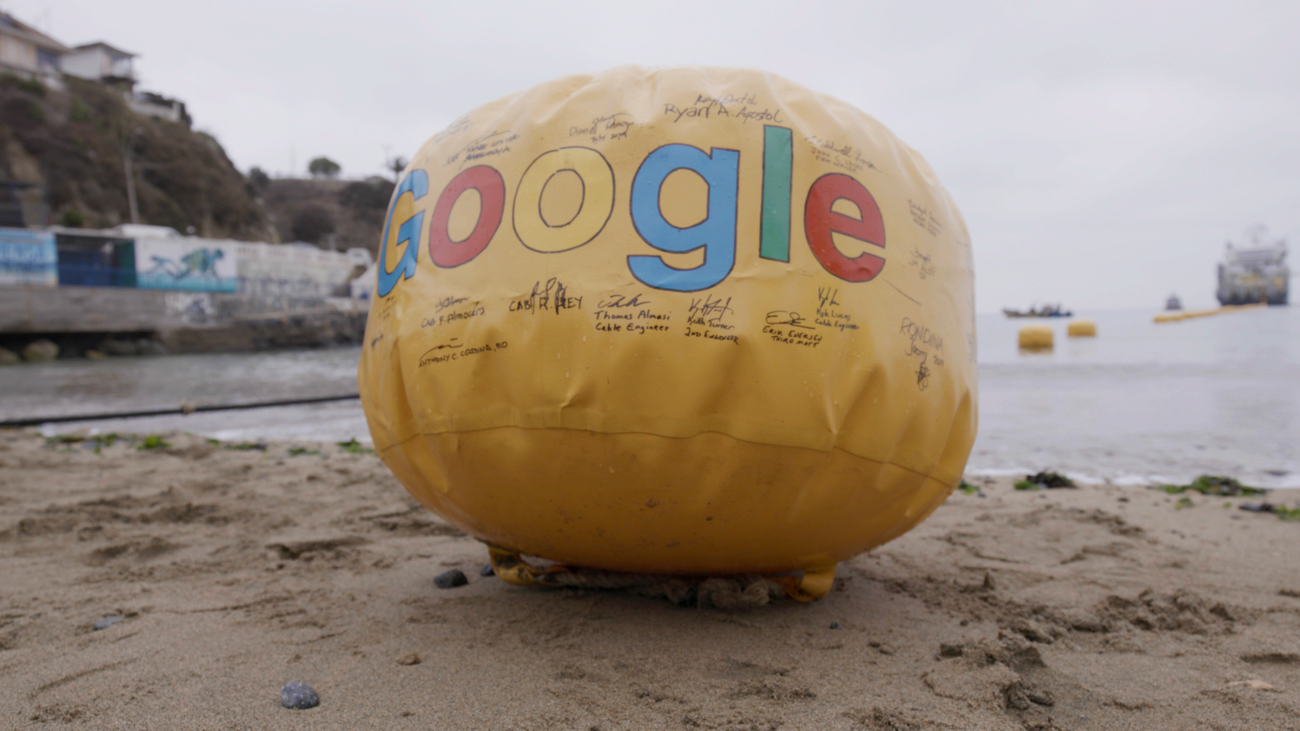
    Google is set to construct three subsea cables in Papua New Guinea, in a project funded by Australia as part of a mutual defense treaty. The initiative aims to boost the digital infrastructure of Papua New Guinea, which is the largest Pacific Island nation, and holds strategic significance for Australian and US military strategists due to its location north of Australia. This becomes particularly important in the context of China’s increasing influence in the region.

    Enhancing Connectivity

    The project, valued at USD 120 million, is set to link the northern and southern parts of Papua New Guinea, as well as the Bougainville autonomous region, with high-capacity cables. The plans were unveiled by Peter Tsiamalili, the country’s Acting Minister for Information and Communications Technology.

    According to Tsiamalili, the entire investment is being funded through Australia’s commitments under the Pukpuk Treaty, a mutual defense pact signed just last October. Australia and Papua New Guinea are demonstrating their joint commitment to enhancing digital security, regional stability, and national development through this project.

    Google is assigned to build the subsea cables, and discussions about the project have taken place between Tsiamalili, Australian diplomats, and US diplomats at Google’s Australian office.

    Boosting Economic and Educational Opportunities

    Australia’s foreign affairs department has indicated that the new cables will help to reduce internet costs for consumers, while also supporting economic growth and improving educational opportunities. Tsiamalili, who also serves as the Police Minister, highlighted the fact that these cables will place Papua New Guinea in an appealing position for investment from hyperscalers and global digital enterprises.

    The Pukpuk Treaty permits Australian defense personnel to access Papua New Guinea’s communication systems, including satellite stations and cables. Meanwhile, the United States is also strengthening its military ties with Papua New Guinea, having signed a defense cooperation pact in 2023.

    Australia and the United States have been funding various subsea cables across the Pacific Islands in recent years, in order to counteract China’s efforts to construct crucial communication links, which they perceive as a security risk.

    Australia’s Commitment

    Australia has pledged over AUD 450 million (USD 300 million) to support undersea cable connectivity throughout the Pacific and Timor-Leste. This includes the Coral Sea Cable, which connects Papua New Guinea, Solomon Islands and Australia.

    In a separate development, Google announced plans last November to build a data hub on Australia’s Indian Ocean outpost of Christmas Island, which is another strategic defense location. New cables are set to link the island with Australian cities that host key defense bases also used by the U.S. military. Two more cable systems are planned to extend westwards to Africa and Asia, thus reinforcing the resilience of Indian Ocean internet infrastructure.

    Questions & Answers

    What is the purpose of the new subsea cables in Papua New Guinea?
    These cables aim to enhance the country’s digital infrastructure, support economic growth, and improve educational opportunities.

    Who is funding the construction of the new subsea cables?
    The project is being funded by Australia as part of their commitments under the Pukpuk Treaty, a mutual defense pact.

    Why is Papua New Guinea’s digital infrastructure important to the US and Australia?
    Papua New Guinea is strategically significant due to its location north of Australia. Enhancing its digital infrastructure can also help to counteract China’s increasing influence in the region.

  • Western Australia’s New Liquor Law Reforms: A Toast to Hospitality Growth and Enhanced Tourism Experience

    Western Australia’s New Liquor Law Reforms: A Toast to Hospitality Growth and Enhanced Tourism Experience

    The recently approved revisions to liquor laws in Western Australia are set to streamline processes, reduce bureaucratic hindrances, and inject vitality into the region’s liquor, tourism, and hospitality sectors.

    Enhancements to Alcohol Service and Trading Hours

    The legislation overhaul permits licensed establishments such as hotels, taverns, small bars, and alcohol manufacturers to offer alcoholic beverages with or without an accompanying meal on notable public holidays such as Good Friday and Christmas Day. Furthermore, the trading hours on these holidays, as well as on Anzac Day, will see an extension of up to four hours, permitting operation from 10 am to midnight.

    Introduction of Digital ID Checks

    In alignment with modern technological trends, the Liquor Control Act 1988 will also integrate digital ID checks into its enforcement mechanism. However, the law stipulates that digital evidence such as photographs or screenshots of IDs will not be deemed acceptable.

    Reducing Paperwork and Boosting Growth

    As part of the drive to slash red tape, the new laws will eliminate the need to renew extended trading permits, thus reducing paperwork and related costs for business operators. Small bars stand to benefit from these changes, as the legislation raises their patron capacity limit from 120 to 150.

    Expanding Product Range and Strengthening Penalties

    The reforms also broaden the scope for spirit producers, enabling them to produce a wider array of products, including ready-to-consume beverages like hard seltzers. To address potential alcohol-related issues, the Banned Drinkers Register (BDR) will become a permanent measure in Kimberley, Pilbara, Goldfields, Carnarvon, and Gascoyne Junction. The law will also amplify penalties for unauthorized alcohol sales and distribution.

    According to Racing and Gaming Minister Paul Papalia, these reforms echo the government’s dedication to facilitating business operations in Western Australia. He underscored the legislation’s dual benefit for businesses and customers, stating, “We’re backing growth in tourism, hospitality and the night-time economy with a modern liquor licensing system that works for both businesses and patrons.”

    Questions & Answers

    What are the key changes in Western Australia’s new liquor law reforms?
    The primary changes include extended trading hours on public holidays, introduction of digital ID checks, eradication of extended trading permit renewals, increase in customer capacity at small bars, and expansion of the product range for spirit producers.

    How will the reforms affect small bars?
    The reforms will ease administrative burdens for small bars by dispensing with the need for extended trading permit renewals. They will also allow for an increase in customer capacity from 120 to 150.

    What measures will be taken to address potential alcohol-related issues?
    The reforms will make the Banned Drinkers Register (BDR) a permanent feature in certain areas, and also strengthen penalties for illegal alcohol sales and distribution.

  • Decoding Australia’s Health Star Rating: The Struggle for Parents Amid Confusion and Misinformation

    Decoding Australia’s Health Star Rating: The Struggle for Parents Amid Confusion and Misinformation

    Food labels are designed to facilitate healthier lifestyle choices. However, not all label systems are equally effective. Currently, a voluntary Health Star Rating system is in place in Australia, allowing food manufacturers to voluntarily label their products with a star, indicating how it compares to similar goods on the market. Yet, some manufacturers opt not to rate their products at all. There is an ongoing discussion within the Australian government about making these labels mandatory.

    The Health Star Rating system, while potentially useful, has proven to be often confusing and lacking credibility among consumers, according to new research on parenting and food in Australia. If it becomes mandatory, the system will require significant adjustments in order for consumers to trust and find it useful.

    Understanding How Health Star Ratings Work

    The Australian government, in association with the food industry, public health, and consumer groups, introduced the Health Star Rating system in 2014. Products are rated from an unfavorable half-star to a desirable five stars. Factors such as calories, saturated fats, sugars, and sodium lower the product’s rating, while fibre, protein, and the content of fruits, vegetables, nuts, and legumes increase it.

    The system works on a balance of good and bad factors. This allows companies to tailor their products strategically to enhance the rating, possibly obscuring unhealthy ingredients. The ratings do not take into account processing and additives like sweeteners, coloring, emulsifiers, preservatives, and artificial flavorings. Prior research has indicated that the ratings can inadvertently promote ultra-processed foods over unprocessed foods and misrepresent their healthiness.

    Consumer Confusion and Skepticism

    Recent interviews with 34 parents in Australia revealed that the Health Star Ratings are often perceived as “misleading,” “unhelpful,” and “misapplied”. Some even thought the ratings were a paid marketing tactic used by companies.

    One common issue is the positivity bias of the symbol. Stars are generally perceived as positive, causing confusion when applied to food ratings. Despite the product’s star rating, parents reported that they still had doubts:

    Another issue is the assumption that all packaged food rated five stars is healthy. Parents also expressed concern that some unhealthy foods were assigned stars, which they thought was misleading. This has led to many parents disregarding the rating system and relying on ingredient lists, apps, and extensive internet research to make healthier choices. However, this has also led to frustration as these parents feel that the burden of making healthy choices is being unfairly placed on them.

    Need for a Better Food Labelling System

    Despite these issues, the parents interviewed believed that a front-of-pack system is valuable but wished for transparency, trustworthy information, and food policies that prioritize consumer health. They expressed the need for government intervention, as they felt the food industry would not independently prioritize consumers’ health.

    Other nations like Chile, Mexico, Brazil, and soon Canada, have adopted a ‘stop-sign’ warning system to deter consumers from least healthy products. These large Black Octagons warn consumers about high sugar, sodium, and saturated fats, and ultra-processing. Evidence suggests these warning labels have had a positive impact on nutrition and public health in these countries and might be a viable option for Australia.

    To support healthier eating, a fit-for-purpose food labelling system needs to be mandated. Governments should prioritize consumers’ voices in these and other national food policies to ensure they function as intended.

    Questions & Answers

    What is the Health Star Rating system?

    The Health Star Rating system is a voluntary label system in Australia that rates food products from half a star to five stars. The rating is based on the nutritional content of the product.

    What are the issues with the current Health Star Rating System?

    The system has been found to be often confusing and lacking credibility among consumers. It doesn’t consider processing and additives, which can lead to ultra-processed foods being rated higher than minimally or unprocessed foods.

    How can the food labelling system be improved?

    The system needs to be more transparent and trustworthy. One approach could be adopting a ‘stop-sign’ warning system like in Chile, Mexico, Brazil, and soon Canada, which alerts consumers about high sugar, sodium, and saturated fats, and ultra-processing.


  • Aussie Kaimana Lychees: A Winter Delight in Vietnam at $30 per Kilo

    Aussie Kaimana Lychees: A Winter Delight in Vietnam at $30 per Kilo

    Australian-imported Kaimana lychees are fast becoming a hot commodity in Vietnam, fetching as much as VND800,000 (US$30.35) per kilogram despite a scarcity of local varieties during the off-season.

    High Demand Despite High Prices

    Phuong, a fruit vendor in the Nha Be Commune of Ho Chi Minh City, reveals that she had recently imported 30 boxes of this coveted fruit. Each box, with a total weight of five kilograms, is going for a whopping VND4 million per box.

    Significantly, these prices are 20% lower than the previous year due to an increase in overall supply. However, they remain seven times higher than premium local varieties such as the Luc Ngan lychees from the Bac Giang Province.

    The Allure of Kaimana Lychees

    As Phuong explains, Kaimana lychees hold a premium status in Australia. They are known for their vibrant dark red skin, thick and crisp flesh, petite seeds, and a refreshing, sweet flavor.

    The fruit is harvested with stems intact and air-transported for maximum freshness upon arrival. This method of transportation ensures the fruit remains fresh and crisp upon reaching consumers.

    Selling Like Hotcakes

    Another fruit seller, Lan Anh of Binh Thanh Ward, shares that her store has sold approximately 100 five-kilogram boxes of this fruit since mid-November. She plans to further import before the supply begins to wane in January.

    Despite the high demand for Kaimana lychees, sellers like Lan Anh only import a few dozen boxes at a time due to the fruit’s short shelf life.

    Australian Lychees in Vietnam

    In the Australian market, premium lychee varieties are typically sold in five-kilogram boxes for US$80 each. Among the country’s 40 lychee varieties, Kaimana is the most common one exported to Vietnam.

    The popularity of Australian lychees in Vietnam can be attributed to their arrival a few months after the local supply has been exhausted post the main season which runs from April to July.

    Questions & Answers

    Why are Kaimana lychees from Australia popular in Vietnam?

    These lychees are popular due to their premium status, unique flavor, and their arrival in Vietnam at a time when local lychee supply is low.

    How are Kaimana lychees transported from Australia to Vietnam?

    These lychees are harvested with stems intact and air-freighted to Vietnam to maintain their freshness.

    Why do sellers import only a few dozen boxes of Kaimana lychees at a time?

    Due to the fruit’s short shelf life, sellers import only a limited quantity at a time to avoid wastage.

  • Levi’s Makes a Fashion Statement: Weaving into the Cultural Fabric of Australia

    Levi’s Makes a Fashion Statement: Weaving into the Cultural Fabric of Australia

    At the 2025 National Gallery of Victoria (NGV) Gala, an unexpected element caught everyone’s attention – a denim carpet. This unusual red carpet replacement was not just a whimsical twist, but a calculated move by Levi’s, the clothing brand sponsor, showcasing its deep-rooted connections within the cultural matrix of today.

    The NGV Gala, one of Australia’s most esteemed events, is a grand celebration of art, fashion, and food. Levi’s participation in the grand event extended beyond a mere brand appearance. It signaled a strategic step in its plan to establish itself firmly at the confluence of culture in the Australasian region. Levi’s seized this opportunity to position itself not just as a heritage brand but as a proactive player in shaping modern creativity.

    A Strategy Rooted in Authenticity

    The General Manager of Levi’s ANZ, Michael Baer, had highlighted the crux of the partnership prior to the Gala. He stressed the importance of cultural credibility, maintaining that it had to be genuine and earned rather than contrived.

    Baer insisted, “It is of utmost importance that every partnership we form feels authentic and reciprocal.” This philosophy was at the heart of Levi’s strategy: forging ties that mirrored the brand’s ethos and resonated with its community.

    This authenticity was evident in every decision made during the Gala, starting with the Levi’s Denim Carpet. This innovative centerpiece replaced the traditional red runway with a deep indigo denim sprinkled with the iconic red tab, a subtle yet powerful homage to the brand’s heritage. It represented Levi’s 150-year-old legacy of turning workwear into something functional yet fashionable, ordinary yet iconic.

    Fashion, Music, and Art Fusion

    Levi’s aimed to transcend mere visibility. It sought to establish a presence where its audience already existed – in music, art, and fashion. The Gala offered the ideal environment for this.

    Manly-based musician Don West, known for his effortless cool and natural affinity for denim, was the star attraction of the night. He performed with his seven-piece band, all bedecked in bespoke Levi’s pieces fashioned in collaboration with designer Karen Walker.

    This performance highlighted Levi’s capacity to leverage live culture as a narrative medium – one that amalgamated sound, style, and substance.

    Complementing the concert was a fashion runway featuring designs by RMIT’s top fashion students. Their designs, a fusion of innovation and sustainability, mirrored Levi’s ongoing commitment to nurture young talent and advocate environmentally friendly design.

    Local Connections, Global Resonance

    The NGV Gala partnership reflected Levi’s broader regional strategy: forming meaningful collaborations with local creative communities to expand its cultural influence.

    Levi’s aspired to reflect the diversity and creativity of its consumers in Australia and New Zealand, from collaborating with visual artists to engaging musicians. This strategy aimed to solidify Levi’s enduring presence within Australia’s cultural institutions, ensuring the brand remained not just relevant, but central to the country’s creative dialogues.

    Heritage Melding with Modern Culture

    The NGV’s star-studded exhibition featuring Vivienne Westwood and Rei Kawakubo provided a fitting backdrop. Like Levi’s, both these fashion houses embody a rebellious spirit and a lasting impact on style and identity.

    By the end of the event, it was evident that Levi’s wasn’t merely a sponsor – it was a story weaver. Levi’s impact at the NGV Gala showcased a disciplined strategy founded on authenticity, creativity, and cultural partnerships.

    Questions & Answers

    What was the significance of the Levi’s Denim Carpet at the 2025 NGV Gala?
    The Levi’s Denim Carpet, replacing the traditional red carpet, signified the brand’s deep-rooted connection with the cultural fabric of society. It was also an homage to the brand’s heritage.

    What was the intention behind Levi’s partnership with the NGV Gala?
    Levi’s aimed to establish itself firmly at the crossroads of culture in the Australasian region, positioning itself as a proactive player in shaping modern creativity.

    How did Levi’s reflect its commitment to authenticity and creativity at the Gala?
    Levi’s showcased its commitment to authenticity and creativity by creating meaningful collaborations with local creative communities, nurturing young talent, advocating environmentally friendly design, and leveraging live culture as a narrative medium.

  • OMG Group Shatters Sales Record: Stellar November Performance Bolsters Year of Phenomenal Growth

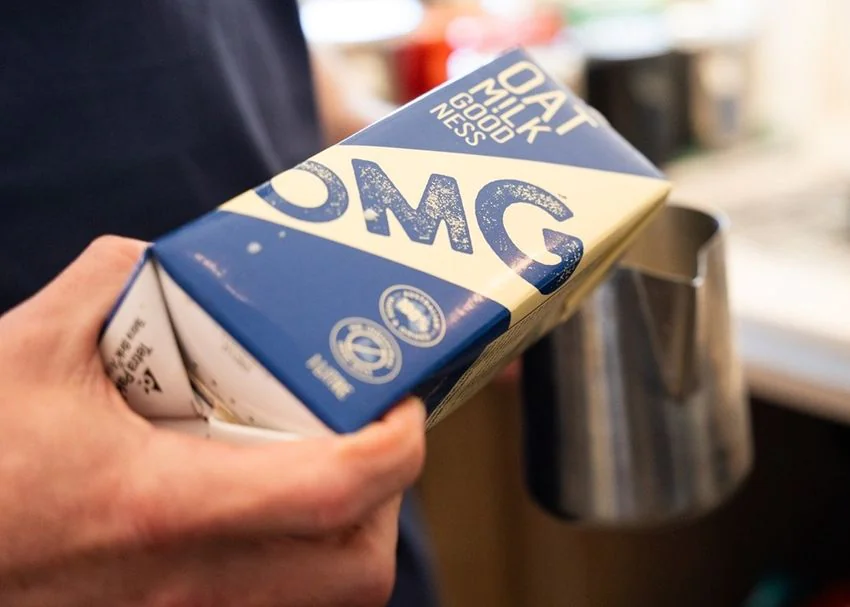
    OMG Group Shatters Sales Record: Stellar November Performance Bolsters Year of Phenomenal Growth

    In November, Australian health and wellness firm OMG Group reported its highest sales ever, surpassing the previous monthly revenue record by 20% with $720,000 in sales. This figure represents a 40% increase in sales compared to the same period in the previous year. According to OMG Group, this growth can be attributed to the expansion of their physical distribution networks and e-commerce channels. Blue Dinosaur and Oat Milk Goodness are among the company’s portfolio brands.

    Financial Year Sales

    In the financial year which ended on June 30, OMG Group achieved sales of $2.65 million, marking a 68% increase from the same period the previous year. On Black Friday, sales from Blue Dinosaur, one of the company’s brands, surpassed $318,000. This is the second-highest e-commerce total in the brand’s history and represents a 56% increase year-on-year.

    Future Growth Projections

    OMG Group is optimistic that this growth momentum will carry on through the Christmas period, following its ‘Summer of Cricket’ marketing campaign. The company believes this campaign presents a unique opportunity to leverage its market position. Furthermore, following the rise in sales across Woolworths stores, OMG Group is actively exploring opportunities to extend its physical stocking agreements to petrol and convenience stores across Australia.

    CEO’s Statement

    Alex Aleksic, the CEO of OMG Group, expressed his enthusiasm about the company’s performance. He said, “Announcing another record monthly sales result ahead of a potentially high-demand summer period is a clear demonstration of the robustness of our multi-channel brand portfolio.” Aleksic added that alongside the increasing momentum with major Australian retail partners, the company’s e-commerce business is generating over $2 million of annual turnover and is consistently on a growth path.

    Questions & Answers

    What were OMG Group’s sales in November?
    OMG Group’s November sales were its highest ever, with $720,000 in sales, surpassing its previous monthly revenue record by 20%.

    What is the projected growth for OMG Group?
    The Company expects to maintain its positive growth momentum through the Christmas period and beyond. This optimism is fueled by the success of its ‘Summer of Cricket’ marketing campaign and plans to expand its physical distribution networks.

    What is the status of OMG Group’s e-commerce business?
    OMG Group’s e-commerce business is generating over $2 million of annual turnover and continues to grow consistently. This growth is driven by the success of portfolio brands such as Blue Dinosaur.