Tag: Australia

  • Dollarama Australia Sales Reach $185.7M as Conversion Losses Widen

    Dollarama Australia Sales Reach $185.7M as Conversion Losses Widen

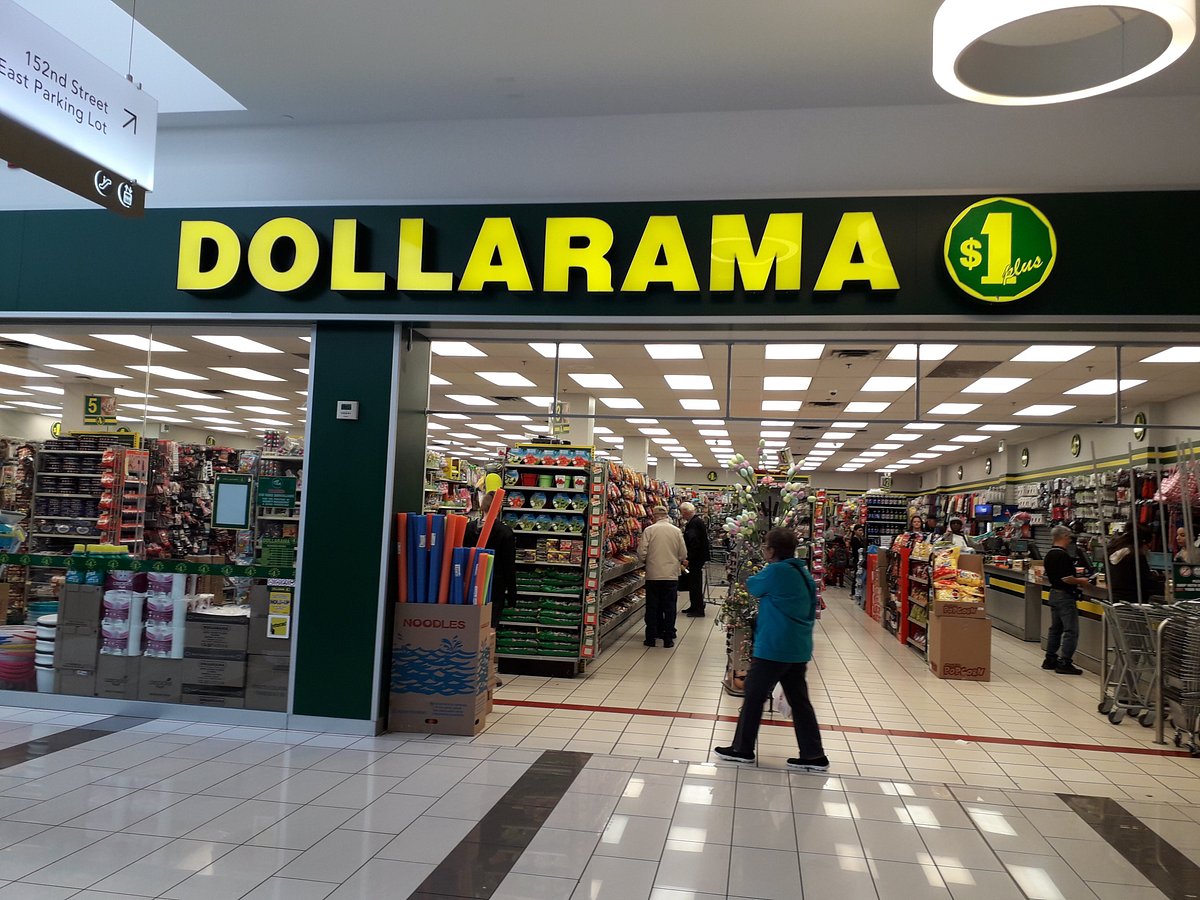
    Dollarama Australia posted a second-quarter net loss of $13.7 million for the period ended August 2 as costs from overhauling its local retail network accelerated.

    Sales rose to $185.7 million across 414 locations, up from $262,400 in net loss and a fraction of revenue a year earlier when accounts reflected only 13 days of ownership.

    Refitting The Reject Shop Network

    The Montreal-based value retailer took full control of The Reject Shop last July to establish a direct operating bridgehead in the Asia-Pacific region. Integrating those assets requires extensive capital work inside existing retail footprints.

    During the quarter, the company renovated 25 stores and opened four net new sites across the country. That pushed the total number of Australian locations operating with Dollarama standard layouts and fixtures to 60.

    Discount Margins Face Upfront Outlays

    Refurbishing discount outlets at speed exposes margins to immediate friction. Fit-out costs, supply chain realignment and temporary store disruption hit operating profit before new merchandising yields higher basket sizes.

    Rival value generalists in Australia operate lean supply chains and defend established suburban leases aggressively. Dollarama is betting that higher product density and proprietary sourcing can offset the conversion drag across its remaining 354 legacy stores.

    Full Year Loss Forecast

    The company acquired The Reject Shop in July 2025 to secure an instant national retail footprint rather than building real estate step by step. That transaction gave the Canadian group 414 operating sites across suburban centres and strip malls.

    Dollarama confirmed it expects the Australian business to remain loss-making for the entire fiscal year as refits continue across the balance of the 414-store fleet.

  • Investa and BGO Expand Australian Office Venture to A$1.8 Billion

    Investa and BGO Expand Australian Office Venture to A$1.8 Billion

    Investa and North American investment giant BGO expanded their Australian commercial property partnership to A$1.8 billion with an agreed A$715 million portfolio purchase across Sydney and Brisbane.

    The acquisition covers 123 Albert Street in Brisbane alongside 30-34 and 36 Hickson Road in Sydney, splitting ownership equally between BGO and the Investa Commercial Property Fund at the Queensland site.

    Alongside the joint portfolio purchase, the A$6 billion Investa Commercial Property Fund agreed last month to sell 1 Market Street in Sydney for A$450 million to the Investa Core Plus Office Partnership. Chief Executive Peter Menegazzo said the sale frees capital from a 30-year-old building to manage fund gearing following recent development outlays.

    “Office is back,” Menegazzo told the Mingtiandi Australia Forum in Sydney. “We operate in a cyclical sector and industry, and we knew it would come. It was just a matter of when.”

    Capital recycling and portfolio reshuffle

    The transaction at 1 Market Street relies on rental growth across roughly 50 tenants rather than cap rate compression, offering frequent windows to reset income to current market levels. Sydney has recorded consecutive quarters of net absorption, underpinning institutional demand for well-located assets with manageable vacancy risks.

    Investa signed 133,000 square metres of leases over the past 12 months. Tenants with lease expiries falling between 2029 and 2031 are already opening renewal negotiations early to lock in prime space ahead of projected shortages.

    Development barriers squeeze prime office supply

    Elevated construction costs and tight capital markets have stalled the supply pipeline across major Australian central business districts. New developments require asking rents between 30 and 50 percent above prevailing levels, alongside lower capitalisation rates, to reach commercial viability.

    Sydney faces a four-to-five-year development cycle, prolonging the shortage of modern office space. Institutional buyers are responding by acquiring standing premium buildings at prices below replacement cost rather than taking on greenfield construction risk.

    Brisbane displaces southern office capital

    Brisbane has emerged as one of the strongest office markets globally for effective rental growth over the past 18 to 24 months. Queensland’s commercial property market is drawing allocations away from Melbourne, supported by Olympic infrastructure preparations and tight physical supply.

    Offshore institutions are widening their presence in Brisbane. Recent transactions include Japanese investment into Central Plaza I, TPG’s venture with GPT on Central Plaza II, and Barings’ A$700 million acquisition of 480 Queen Street.

    Asian institutional backing expands into living sectors

    Japanese capital has expanded beyond traditional commercial towers into Australian living sectors. Daibiru bought 135 King Street in Sydney for A$600 million from Investa’s flagship fund last year, adding an ongoing management mandate.

    Tokyo-based groups JR West Real Estate & Development, Sotetsu Real Estate and Sumitomo Mitsui Trust Bank are financing Investa’s 251-studio co-living project at 140 Elizabeth Street in Sydney. The company is now seeking A$500 million in equity to back a co-living platform with A$1 billion in initial development capacity, with negotiations underway on the capital commitment.

  • Nespresso Pilots $5 Doorstep Capsule Recycling Service in Sydney

    Nespresso Pilots $5 Doorstep Capsule Recycling Service in Sydney

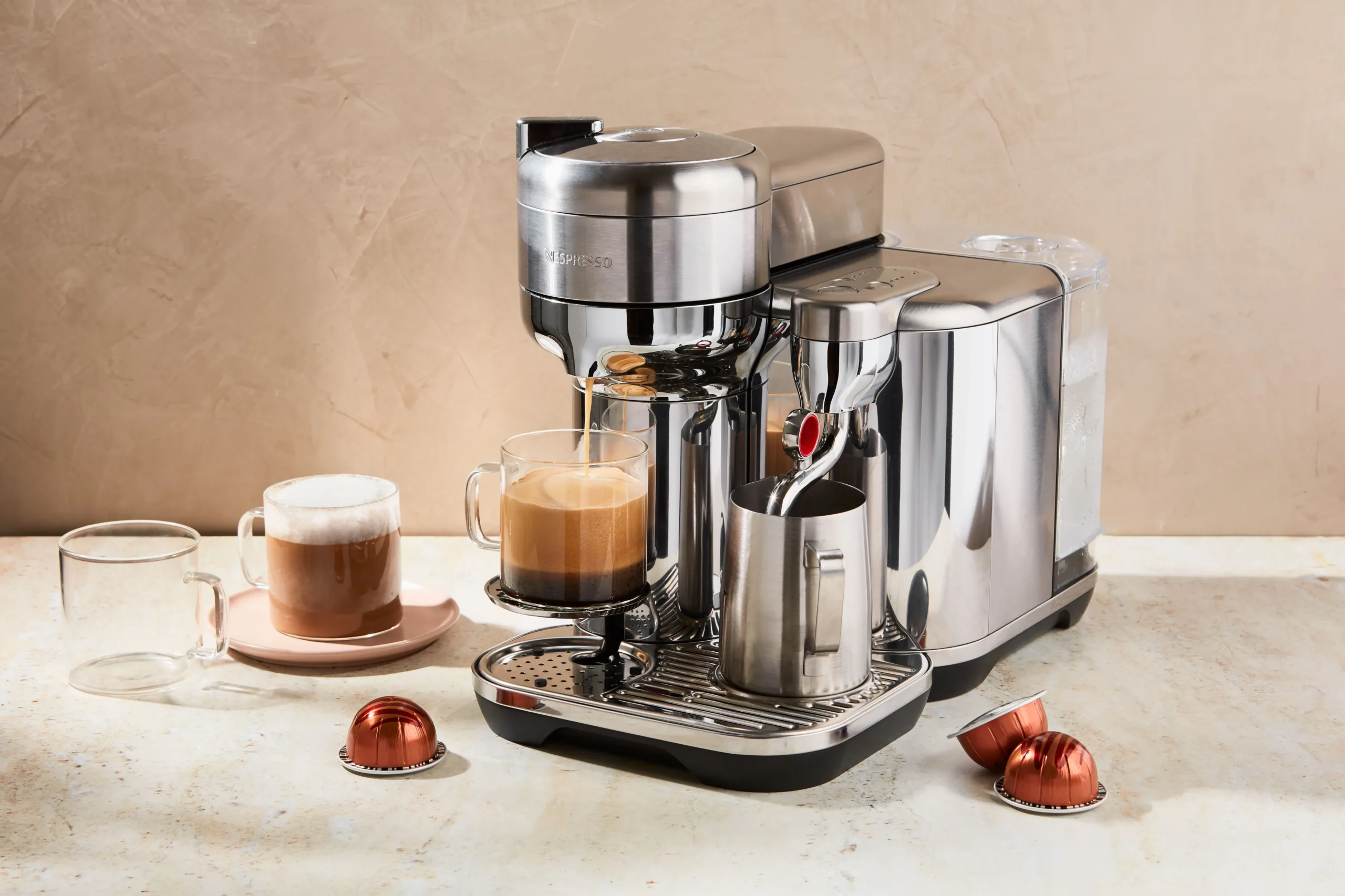
    In September 2026, Nespresso began piloting The Doorstep Collection, a new recycling service across metropolitan Sydney that allows customers to return used coffee capsules directly from their homes for $5.

    Each collection bag holds up to 180 Original capsules or 90 Vertuo capsules. Once filled, users can seal the bag and arrange a collection directly through the Nespresso app.

    How the collection model works

    The pilot tackles the main bottleneck in aluminium capsule recovery. Previously, consumers had to return used pods to brand boutiques or post offices. Folding collection into home delivery channels shifts reverse logistics costs onto willing buyers while defending the closed pod ecosystem.

    Recycling facilities separate the aluminium casings from residual coffee grounds. Smelters reprocess the metal. The organic waste goes to commercial composting facilities.

    Reverse logistics across regional markets

    Single-serve coffee brands across Asia-Pacific face mounting regulatory pressure to fund packaging waste management. In mature consumer markets like Australia, Singapore and Japan, drop-off rates consistently lag behind pod sales volumes without home collection infrastructure.

    Charging five dollars per bag tests how much financial responsibility consumers will shoulder for convenience. Competitors rely on third-party mail-back envelopes or retail bins that place the legwork on the shopper.

    What happens next

    Nespresso previously expanded drop-off points across postal networks and independent grocery stockists in Australia. Sydney now serves as the benchmark trial market ahead of a planned rollout across other Australian metropolitan regions.

  • PepsiCo Launches Nobby’s Protein Coated Almonds in 45G Packs

    PepsiCo Launches Nobby’s Protein Coated Almonds in 45G Packs

    PepsiCo Australia expanded its impulse snacking portfolio on September 16, 2026, with the launch of Nobby’s Protein Coated Almonds.

    The single-serve range comes in 45g packages featuring whole roasted almonds enclosed in a protein-enriched coating and seasoning.

    Functional Formats for Front-of-Store Displays

    The product enters the market in two flavours: Cacao, delivering 11g of protein per pack, and Salted Caramel, providing 10.8g of protein per pack.

    Traditional packaged nuts already carry a natural health halo, but multinational snack makers face rising competition from dedicated sports nutrition bars and fortified confectionery. Adding a concentrated protein coating lets PepsiCo position a heritage pub-snack brand like Nobby’s directly against specialized fitness snacks on convenience racks.

    Margin Pressure and Category Competition

    For convenience operators and grocers, the format offers higher revenue per square centimetre of impulse shelf space compared to conventional salted peanuts. The risk rests in repeat purchase behaviour: coated nuts carry a heavier processing load, and shoppers buying functional protein often scrutinize sugar levels and ingredient purity before committing to daily consumption.

    Rival consumer goods manufacturers in Australia and across broader Asia-Pacific markets have pursued similar line extensions, turning core confectionery and nut brands into macro-friendly alternatives. PepsiCo itself continues to tweak recipe formulations across its regional portfolio to counter slowing volume growth in traditional fried snacks.

    Shelf Performance Metrics to Watch

    The Australian launch follows wider category revamps across PepsiCo’s regional business, where the company has sought to offset shifts away from high-sodium savoury snacks with portion-controlled, higher-margin impulse items.

    Retailer uptake across nationwide fuel and grocery chains over the fourth quarter will indicate whether the brand can hold dedicated impulse real estate outside its traditional salted nut stronghold.

  • Melbourne Fashion Week Schedules 100 Events Across City Retail Precincts

    Melbourne Fashion Week Schedules 100 Events Across City Retail Precincts

    Melbourne Fashion Week will show more than 600 looks across seven runways next month as the annual municipal event rolls out over 100 commercial and cultural programs.

    The schedule features more than 300 designers and retailers occupying city streets, public venues, and commercial precincts under the theme Wear the Moment.

    Runways and retail capsules

    Organisers split the program across ticketed runway presentations, free public events, and retail activations. Participating Australian labels include Bianca Spender, Búl, Clea, Elk the Label, Perple, and Sean Rentero, alongside First Nations brands Clothing The Gaps, Gammin Threads, Grace Lillian Lee, and Ngali.

    Independent events woven into the lineup include a fashion dining session at Pastuso, an Amnesty International runway show, and a textile sustainability swap organized with the United Nations Association of Australia. A series of Fashion Capsules will run separately from September 28 to October 25, staging installations from over 30 local designers across five public sites.

    Melbourne doesn’t just follow the fashion trends; we create them. For a week, Melbourne becomes a runway.

    Commercial exposure and independent labels

    Municipal fashion programs in the Asia-Pacific region increasingly serve as direct-to-consumer sales engines rather than strictly trade-buyer shows. Melbourne’s decentralized model pushes foot traffic directly into central business district retail hubs, supporting domestic labels that rely on local brand engagement rather than wholesale department store orders.

    The mix of established commercial brands and independent micro-labels reflects the realities of the Australian apparel market. Rising operating overheads and tight consumer discretionary spending have pressured mid-tier retail networks, making high-visibility municipal stages critical for independent designers seeking consumer conversion without heavy marketing budgets.

    Industry dialogues and rollout dates

    Business discussions during the week will focus on commercial scaling and demographic representation. The Collarts-presented M/FW Conversations series, moderated by journalist Virginia Trioli, will cover the logistics of growing an apparel business alongside sessions addressing the representation of women over 50 in fashion retail.

    Melbourne Fashion Week begins its full calendar next month following the launch of the Fashion Capsules installations on September 28.

  • Woolworths and Coles Control 67% of Supermarket Sales, ACCC Finds

    Woolworths and Coles Control 67% of Supermarket Sales, ACCC Finds

    Independent grocery operators across Australia are capturing cross-shopping trade from Woolworths and Coles as the two dominant chains control around 67 per cent of national supermarket retail sales.

    Findings from the Australian Competition and Consumer Commission (ACCC) 2024-25 Supermarkets Inquiry reveal that nearly 70 per cent of consumers visit two or three grocery stores in a typical week to save money or seek out different products. The watchdog concluded that the two major supermarket groups offer largely undifferentiated ranges, pricing and promotions across their store networks.

    Scale Across Independent Networks

    Alternative grocery models in Australia are expanding by differentiating their assortments rather than competing purely on nationwide standardisation. The IGA banner now spans more than 1,200 independently owned supermarkets, operating under family ownership structures such as the three-generation Xyrakis family store in Canberra and the D’Anna family’s Boccaccio IGA in Balwyn.

    Regional fresh food specialist Harris Farm has expanded to 33 stores across New South Wales and Queensland since starting in Villawood in 1971. The family-owned grocer rolled out a delivery partnership with Amazon this year, distributing fresh produce on same-day and next-day delivery schedules across Sydney, Brisbane, the Gold Coast, Canberra and Newcastle.

    Operational Focus Over Duopoly Formats

    For suppliers and property owners across Asia-Pacific retail corridors, the Australian grocery structure demonstrates that high market concentration creates clear openings for agile specialty chains. Large grocers operating rigid supply contracts struggle to curate hyper-local merchandise, leaving regional producers to build volume through independent distribution channels.

    Landlords face shifted leasing economics as shoppers intentionally bypass generic anchor supermarkets in favour of destination fresh-market operators. The financial risk shifts toward mid-tier commercial centres that rely exclusively on duopoly supermarket foot traffic without distinctive secondary food anchors to keep dwell times up.

    Earlier Contractions and Format Shifts

    Format discipline has driven turnarounds elsewhere in the Australian consumer sector after earlier overexpansion. Starbucks entered the Australian market in 2000 and shuttered 61 stores in 2008 to leave 23 sites, before rebuilding its footprint around drive-through convenience and mobile ordering to post its first Australian annual profit in financial year 2023.

    Wholesale distributors and independent banners are now tracking whether multi-store grocery shopping rates will hold above the 70 per cent threshold as cost pressures continue across Australian metro centres.

  • Cue Clothing Enters Voluntary Administration 17 Months After Hilco Capital Takeover

    Cue Clothing Enters Voluntary Administration 17 Months After Hilco Capital Takeover

    Australian womenswear retailer Cue Clothing Co collapsed into voluntary administration and receivership on Tuesday, 17 months after private equity firm Hilco Capital acquired the business.

    The insolvency puts both the flagship Cue label and sister brand Veronika Maine under external control after nearly six decades of continuous trade in Australia and New Zealand.

    Staff received notice of the administration on Tuesday afternoon. Hilco Capital bought the business from the founding Levis family in April 2025 for an undisclosed sum, aiming to restructure operations across its standalone retail boutiques and department store concessions.

    Private Equity Turnaround Stalls

    Hilco stepped into Cue with a track record of distressed retail interventions in Britain and Australasia. The firm sought to stabilise operating margins while keeping local store footprints intact, yet cost pressures across domestic mall tenancies and softened discretionary apparel spending eroded working capital.

    Mid-market fashion labels across the Asia-Pacific region face intense margin compression. Fast-fashion platforms operating cross-border logistics out of southern China have captured younger demographics, while premium international labels squeeze traditional domestic department store brands out of top-tier foot traffic corridors.

    Landlords and Concessions Face Exposure

    Shopping centre landlords across Sydney, Melbourne and Brisbane face immediate lease renegotiations as administrators assess store profitability. Department store chains hosting Cue and Veronika Maine concession pads must now review floor allocations ahead of peak holiday trade.

    Supply chain partners across domestic cut-and-sew contractors and regional fabric mills face payment freezes under the administration process. Cue long differentiated its brand identity through local Australian manufacturing quotas, an operational model carrying higher unit production costs than peers relying entirely on offshore contract manufacturing.

    From Family Ownership to Receivership

    The Levis family established Cue in Sydney in 1968, guiding the label through multiple economic cycles, tariff reductions and the arrival of global apparel giants. The family retained full ownership until agreeing to the April 2025 sale to Hilco Capital.

    Appointed administrators will now run an urgent financial assessment of store operations while soliciting expressions of interest for brand assets and inventory before convening the first statutory meeting of creditors.

  • Jessica Locarnini Named Inaugural Seedlab Australia Churchill Fellow

    Jessica Locarnini Named Inaugural Seedlab Australia Churchill Fellow

    Australia’s only master honey sommelier, Jessica Locarnini, has won the inaugural Seedlab Australia Churchill Fellowship. She will use the award to build a national evaluation standard for the domestic honey sector.

    Her 2026 fellowship involves studying international grading systems. From there, she will develop formal training pathways for sensory experts and competition judges across Australia.

    Building sensory standards

    Locarnini has spent eight years in honey sensory analysis. She already judges regional and national competitions. Her research focuses on translating structured sensory methods into commercial benchmarks for Australian producers.

    Standardised tasting panels allow commercial apiaries to separate high-grade floral varietals from bulk blended honey. Clear sensory criteria give producers defensible data. That helps justify premium shelf pricing in domestic supermarkets and export markets across the Asia-Pacific.

    Value protection for commercial apiaries

    Domestic honey brands face stiff competition from cheap imported syrups and adulterated blended products on retail shelves. Independent sensory certification creates a verification layer. This protects premium mono-floral lines against category price erosion.

    Retail buyers in North Asia demand certified origin and flavour profiles for table honey. Accredited Australian judging and tasting standards give exporters a practical tool to defend margins in key accounts.

    National rollout targets

    Selected for the 2026 cohort of Churchill Fellows, Locarnini will conduct her research overseas. Seedlab Australia backed the food fellowship to build technical capability among boutique and mid-tier fast-moving consumer goods producers.

    The project findings will feed into a national curriculum. It aims to train the first accredited cohort of regional honey judges within two years.

  • Lion Expands Kirin Hyoketsu RTD Lineup in Australia with Two Flavours

    Lion Expands Kirin Hyoketsu RTD Lineup in Australia with Two Flavours

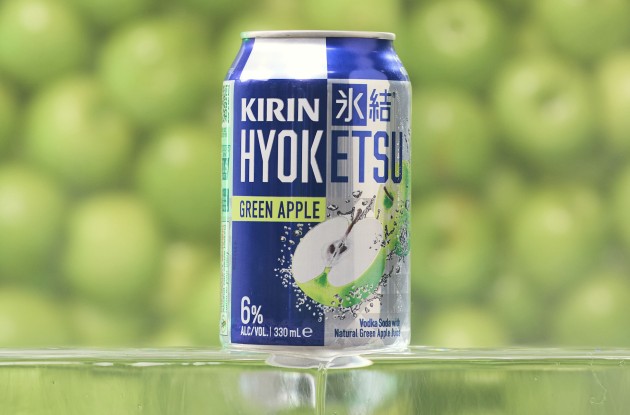
    Lion expanded its Kirin Hyoketsu ready-to-drink portfolio in Australia with two flavour additions, rolling out Mandarin in 330ml cans and Mango in a 440ml format.

    Mandarin enters the core lineup as a permanent fixture after a limited-edition trial run last year, while Mango introduces a larger volume designed for single-serve retail sales.

    Format Shifts in Premix Liquor

    The addition of the 440ml format for Mango shows how brewers are adjusting pack sizes to capture different drinking occasions outside standard multi-packs. Lion said the larger single-can design gives consumers more flexibility across outdoor and convenience settings where larger volumes sell at higher individual price points.

    Japanese premix chu-hi brands have gained steady ground across Australasia against traditional dark spirit mixers and craft seltzers. By bringing Kirin’s domestic Japanese recipes directly into local distribution networks, Lion captures higher manufacturing margins while bypassing third-party brand licensing costs.

    Building Out the Core Roster

    Competition in Australia’s pre-mixed alcoholic beverage aisle remains fierce, dominated by major domestic brewers and global spirits groups fighting for shelf space at major retail chains. The risk for brand owners lies in rapid consumer rotation across novelty flavours, which frequently leads to inventory markdowns if repeat purchases drop off after the initial seasonal surge.

    The current rollout follows Lion’s initial introduction of Kirin Hyoketsu to the Australian market, where it used Japanese citrus profiles to establish a foothold among younger adult consumers.

    Retailers will track off-premise sales velocity across both can sizes as inventory reaches store shelves ahead of the peak summer trading quarter.

  • Only 10 of 60 Top Independent Stores Make a Brand Argument

    Only 10 of 60 Top Independent Stores Make a Brand Argument

    A global review of 60 premier independent retail stores by Nick Gray in September 2026 found that only 10 build spaces enforcing a genuine brand argument.

    Standard retail metrics like sales per square metre and the ICSC occupancy cost benchmark of 8 to 15 per cent fail to capture whether physical rooms build customer loyalty or merely collect pre-decided transactions.

    The Limits of Square Metre Metrics

    Drawing on observations at Westfield Sydney between 2018 and 2022, retail property evaluations routinely confuse aesthetic execution with brand positioning. Apparel retailers commonly allocate more than 12 per cent of sales to occupancy costs, yet landlord scorecards measure space strictly by immediate financial yields rather than behavioural shift. Dwell time metrics count customer minutes without distinguishing between deliberate browsing and checkout friction, while year-one fitout uplifts inevitably register temporary newness rather than sustained productivity.

    High-conviction physical retail demands structural constraints that traditional finance departments often query. Andreas Murkudis in Berlin operates a former printing hall with museum-scale product spacing that permanently increases monthly floor holding costs per item. In Los Angeles, Maxfield operates without display windows and relies on unapproachable floor staff to filter casual traffic, while Dover Street Market executes a scheduled annual teardown where independent designers control internal pod architecture.

    Thresholds and Fixture Control

    Physical store performance splits across three operational choices: entry thresholds, fixture manufacture, and change cadence. Entry points represent low-cost positioning tools that select qualified buyers before entry. Los Angeles retailer Departamento routes shoppers through an active coffee shop entrance, while Darklands in Berlin operates unmarked doors strictly by appointment.

    Procuring standard fixtures from shared commercial shopfitters reduces a brand to generic category storage. Retail spaces function as commercial arguments only when bespoke display units cannot transfer into a competing tenancy. At the same time, scheduled annual teardowns keep retail floors on the same release cycle as seasonal buying, avoiding the delayed, reactive renovations common among regional department stores and mall tenants.

    Operational Gaps in Regional Malls

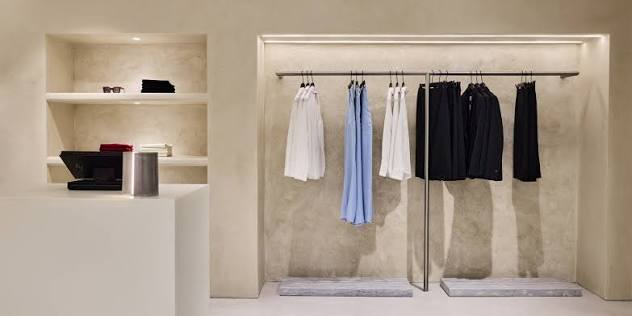
    For shopping centre operators across Asia-Pacific, the gap between landlord guidelines and store identity remains wide. Luxury activations and pop-up tenancies in prime centres frequently exhaust negotiations on ceiling heights, sightlines, and perimeter finishes rather than customer engagement. The result is uniform warm minimalism and portable design choices that fit generic landlord criteria but fail to distinguish rival brands.

    This disconnect originates early in commercial planning cycles. Corporate brand briefs routinely mandate broad concepts like modern luxury and effortless presentation, offering no actionable instructions for doorway thresholds, custom furniture, or thirty-second staff routines. Design partners consequently deliver attractive decorations because the initial brief provided no structural rules to engineer into the room.

    Between 2018 and 2022 at Westfield Sydney, Brand Space activations showed how strict fitout rules repeatedly prioritised aesthetic compliance over functional brand differentiation. Commercial landlords in prime Asian retail districts face the same recurring pattern across short-term luxury leases.

    Property directors tracking upcoming retail lease renewals will see whether tenant fitout budgets shift capital from decorative cosmetic upgrades into purpose-built spatial architecture.

  • Baiada Opens Tamworth Plant to Process 1.5 Million Chickens Weekly

    Baiada Opens Tamworth Plant to Process 1.5 Million Chickens Weekly

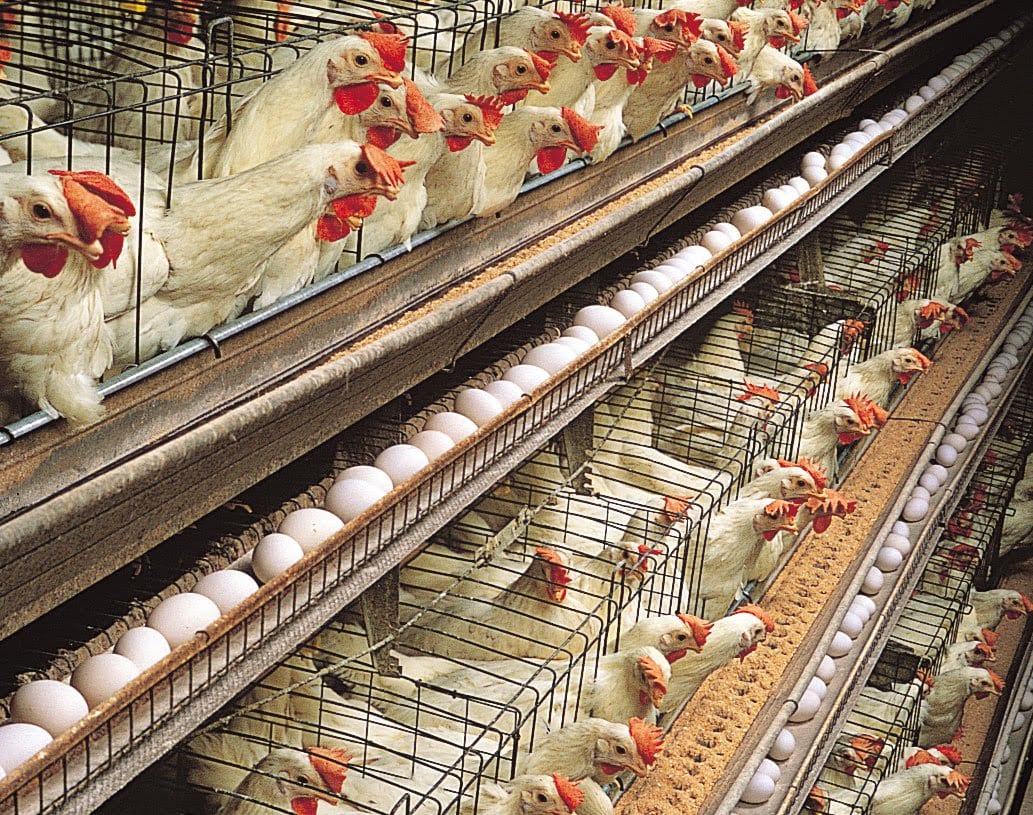
    Australian poultry producer Baiada opened its processing facility in Tamworth on September 16. The site began operations with a weekly capacity of 1.5 million chickens.

    The plant ranks among Australia’s largest regional food manufacturing investments. It supplies fresh poultry directly to domestic supermarket chains and commercial food service operators.

    Automation and Weekly Processing Volume

    Managing Director Simon Camilleri and Chairman John Camilleri launched the site as an integrated manufacturing hub. It combines automated processing lines, updated environmental controls and expanded worker facilities. These systems handle high-volume throughput with fewer bottlenecks.

    Processing 1.5 million birds every seven days gives Baiada immediate scale in northern New South Wales. The company built the site to centralise slaughter, cut-up and packaging closer to regional farming networks. That proximity cuts transit times for live birds.

    Supply Chain Pressure and Regional Competition

    Supermarket retailers Woolworths and Coles rely on Baiada for private-label and branded fresh poultry lines. By lifting throughput in Tamworth, Baiada adds capacity to protect volume commitments against rival processors like Ingham’s during peak seasons.

    Concentrating volume in a single regional facility raises operational exposure. Automated meat plants require uninterrupted cold-chain logistics and steady local labour pools to maintain target line speeds. Local disruptions can quickly ripple into retail distribution centres across eastern Australia.

    Long-Term Capacity Targets

    Baiada planned the Tamworth project to replace aging regional infrastructure and meet steady domestic consumption gains across wholesale and grocery channels. Past supply constraints across New South Wales pushed processors to build facilities that cut unit electricity and water usage per processed bird.

    Attention now turns to whether Baiada ramps line capacity beyond its initial 1.5 million weekly baseline toward peak engineered volume over upcoming processing cycles.

  • Cue Clothing Loses CEO and CFO as Hilco Puts 51-Store Retailer on Market

    Cue Clothing Loses CEO and CFO as Hilco Puts 51-Store Retailer on Market

    Cue Clothing Co is operating without a chief executive or chief financial officer as owner Hilco Capital attempts to sell the 51-store Australasian fashion retailer.

    CFO Josephine Barbaro departed during the sale process, followed shortly after by CEO Melanie Remai, leaving the Sydney-founded owner of Cue and Veronika Maine without top executive leadership.

    Executive Exits During FTI Advisory Mandate

    Advisory firm FTI Consulting is managing the sale on behalf of Hilco, which placed the retailer on the market just over a year after acquiring it. Both departing executives spent less than two years combined at the company.

    Hilco put the retail network on the market despite a 5 per cent annual sales increase that internal forecasts project will continue. The UK turnaround firm has not issued an official rationale for the rapid divestment.

    Operational losses at the business have narrowed over the past year. They remain substantial enough to weigh on cash flow, while inflexible long-term store leases across Australia and New Zealand restrict further rent reductions.

    Turnaround Friction and Portfolio Track Record

    For private equity buyers and turnaround specialists in the Asia-Pacific apparel sector, the breakdown highlights the structural risk of inherited retail footprints. High street landlords across major Australian shopping centres continue to enforce long lease terms, limiting the room private owners have to restructure cost bases without formal insolvency processes.

    Hilco has run into similar operational friction across its consumer portfolio in recent cycles. The firm placed UK homeware chain Homebase into administration in 2024, and it offloaded accessories brand Cath Kidston to Next Plc in 2025 for 16 million Australian dollars, equivalent to 8.5 million British pounds.

    Legacy Leases and the Next Ownership Phase

    The Sydney fashion house built its reputation over five decades on local design and premium department store distribution before selling to Hilco. The private investment firm took control with plans to stabilise the brand following post-pandemic trading shifts.

    Prospective bidders reviewing the FTI sale memorandum must now price in executive recruitment costs alongside fixed store lease commitments across the 51 operating locations.

  • Sunrice Launches Microwave Rice Range with 10G of Protein

    Sunrice Launches Microwave Rice Range with 10G of Protein

    Sunrice launched a ready-to-heat rice lineup infused with collagen across Australia in September 2026, delivering at least 10 grams of protein per pouch.

    The product roll-out targets the 28 per cent of Australian grocery shoppers who actively seek high-protein items during routine supermarket trips, according to Euromonitor consumer data.

    Collagen across three core grain types

    Branded as Sunrice Microwave Protein+, the range introduces functional ingredients to standard Jasmine, Brown, and Basmati varieties. Each pack heats in 90 seconds, keeping the standard shelf-stable pouch format intact while committing further to nutritional density per serving.

    Fortifying basic carbohydrates with animal-derived collagen shifts rice from a pure bulk filler into the higher-margin functional meal category. Food manufacturers across Asia-Pacific face steady consumer migration toward protein-dense diets, forcing commodity grain processors to reformulate mature product lines.

    Shifting staple grains into functional grocery

    Supermarket operators in Australia continue allocating more centre-store shelf space to enhanced staples, where suppliers command pricing premiums over unfortified private-label equivalents. For Sunrice, lifting product margins through functional fortification provides a hedge against volatile farmgate grain prices and competitive retail discounting.

    Similar functional grain launches across regional markets in Southeast Asia and Japan have relied on plant isolates rather than collagen. Sunrice chose collagen to hit double-digit protein grams without altering the grain texture or extending cook times for microwave prep.

    Category expansion targets pantry shoppers

    Category trials have previously paired microwave grain pouches with legumes, seeds, and ancient grains. By partnering with research institutions including the CSIRO on processing techniques, the company has worked to stabilize nutritional additives during commercial pouch sterilization.

    Supermarket distribution for Sunrice Microwave Protein+ begins across major Australian grocers this quarter, with retailers tracking rate-of-sale numbers against standard single-serve pouches through the end of the financial year.

  • Good Drinks Australia and Molson Coors Launch Miller Dry 3.5 per Cent

    Good Drinks Australia and Molson Coors Launch Miller Dry 3.5 per Cent

    Good Drinks Australia, in partnership with Molson Coors, launched Miller Dry 3.5 per cent in September 2026. The release targets Australia’s contemporary beer segment, which accounts for roughly 40 per cent of national volume.

    Bottles and cans in 355ml formats sell at a recommended retail price of $19 per six-pack. Distribution is national.

    Targeting Lower Alcohol and Carb Demand

    Formulated with a reduced-carbohydrate profile, the brew carries a 3.5 per cent alcohol-by-volume level. Molson Coors built the recipe for Australian drinkers. Consumer demand has swung sharply toward lighter options without losing standard lager characteristics.

    For bottle shops, the product fills a high-velocity gap between premium imports and domestic mid-strength beers. Shelf space has tightened. Category managers are pruning slow craft lines to give more room to lighter contemporary styles that move faster across high-traffic suburban networks.

    Shifting Margins in APAC Beverage Retail

    Brewers across the Asia-Pacific region face rising excise rates and softer drinking volumes. Lower-alcohol recipes help defend margins. Trimming the ABV reduces tax exposure in alcohol-tiered markets while holding retail price points, protecting gross margins for both distributors and store owners.

    The rollout tightens the commercial partnership between the two beverage makers in Oceania. Good Drinks Australia previously secured exclusive local manufacturing and distribution rights for Molson Coors brands, including Miller Genuine Draft and Coors. That shift brought production onshore to cut supply chain lead times and freight costs.

    Retailers will track rate-of-sale data through the initial summer trade period to determine permanent ranging allocations across national banner groups.

  • Chalk Hill Wines Names Former Top Shelf Chief Trent Fraser as CEO

    Chalk Hill Wines Names Former Top Shelf Chief Trent Fraser as CEO

    Australian producer Chalk Hill Wines named former Top Shelf International executive Trent Fraser as chief executive officer on Monday. He brings two decades of premium drinks leadership to the business.

    Fraser spent four years at ASX-listed distiller Top Shelf International, leading operations as chief executive for two years. He now takes charge of commercial strategy at Chalk Hill.

    Luxury drinks veteran takes charge

    Prior to joining Top Shelf in 2021, Fraser spent 11 years at French luxury conglomerate Moët Hennessy. He served as global chief executive for Volcan De Mi Tierra Tequila. He also worked as vice president of prestige champagne house Dom Pérignon. Those roles gave him direct oversight of international distribution channels across the Americas, Europe and Asia.

    At Chalk Hill, Fraser partners directly with managing director Tom Harvey. The family-owned wine business was established in 1964. It produces estate-grown wines across multiple vineyard sites in South Australia. The new leadership structure pairs traditional viticultural assets with an executive experienced in scale distribution and premium brand marketing.

    Shifting dynamics in premium wine

    Wine producers across Australia face tight domestic retail competition and shifting export patterns in major regional markets like China, Japan and Southeast Asia. Independent wineries rely on premiumisation to protect gross margins against rising production costs. Chalk Hill is aligning its executive team around commercial operators who understand high-end hospitality and overseas accounts.

    Fraser’s background in global spirits distribution changes how the South Australian maker can position its portfolio against corporate wine groups. Smaller independent labels frequently struggle to secure overseas shelf space without multinational sales networks. Bringing in an executive with Moët Hennessy credentials signals a sharper push toward premium tiering and select export programs.

    Building beyond spirits turnaround

    The appointment returns Fraser to the wine sector following a turnaround period at Top Shelf International. He relocated to Australia in 2021 to build out Top Shelf’s agave and whisky operations in Queensland and Victoria before taking the top post. His move to Chalk Hill shifts his focus from emerging Australian craft spirits to an established regional wine label.

    Next, the company plans to outline its initial joint operational priorities with managing director Tom Harvey before the vintage harvest cycle begins.