Tag: Australia

  • Australian Bakery Director Fined for Obstructing Inspectors, Targeting Visa Holders

    Australian Bakery Director Fined for Obstructing Inspectors, Targeting Visa Holders

    Legal proceedings have been initiated against Sinamon Pty Ltd, an Australian bakery chain, and two of its directors, including co-director Hui, by the Fair Work Ombudsman (FWO). The allegations include obstructing fair work inspectors and breaching Australian workplace laws, with a specific focus on the treatment of visa-holder employees.

    The FWO has accused Hui of physically preventing an inspector from accessing a back office during an unannounced inspection in October 2022. This incident occurred during an investigation that began after a Japanese visa holder sought assistance regarding their employment at Sinamon’s Victoria Park and Mount Lawley outlets.

    Allegations Include Obstruction and Misrepresentation

    Sinamon, which operates stores in Victoria Park, Mount Lawley, and Fremantle, and previously at Curtin University, is also alleged to have failed to comply with a Notice to Produce, as well as breaching record-keeping and payslip requirements. Former director Ahmed El Sayed Imam is separately accused of misrepresenting workplace rights to another visa holder, who was employed at the Curtin University outlet for less than a week in 2023. Imam allegedly told this worker that wages could be deducted to cover damages after their departure.

    Sinamon allegedly failed to comply with a Compliance Notice issued in August 2024. This notice followed the FWO’s belief that the company had underpaid two visa holders under the Fast Food Industry Award 2020 and Restaurant Industry Award 2020, with Hui and Imam allegedly involved in these breaches.

    FWO Prioritises Visa-Holder Protection

    Fair Work Ombudsman Anna Booth stated that intentionally obstructing inspectors is unacceptable conduct. She highlighted the FWO’s priorities: protecting visa-holder workers and improving compliance within the fast food, restaurant, and cafe sectors. The FWO is seeking significant penalties, up to A$93,900 per breach against Sinamon, and A$18,780 per breach against Hui and Imam. They also seek an order for the company to comply with the Compliance Notice and rectify outstanding entitlements, superannuation, and interest.

    A directions hearing is scheduled for September 4 in the Federal Circuit and Family Court in Perth. Hui and Imam have a history of previous penalties, having been fined over A$135,000 in three prior legal actions under Western Australian employment laws. The FWO has filed 171 proceedings involving employers of visa-holder workers in the eight financial years leading up to June last year, securing A$39 million in penalties from these cases.


  • Australian Retail Media Growth Needs Surgical Approach, Not Broad Strokes

    Australian Retail Media Growth Needs Surgical Approach, Not Broad Strokes

    Australian retailers and brands are being urged to adopt a more precise, data-driven approach to retail media, moving away from traditional broad-stroke advertising. Experts from Omnicom and Flywheel Australia highlight that significant growth in the Australian market is often missed by conventional spending, which fails to identify specific products, shopper segments, and critical moments that drive compounding sales.

    According to Mohammad Heidari Far, Managing Director of Flywheel Australia, the unit of precision required for effective retail media is much smaller than most current strategies allow. He emphasizes that treating diverse shopper groups, such as grocery, marketplace, and quick commerce customers, as a single audience is a misstep. Instead, surgical growth begins with identifying the initial product a customer buys, as this ‘point of market entry’ can predict their long-term value (CLTV) to the brand portfolio.

    Targeting Hidden Growth Pockets

    This refined approach relies on connecting product-level purchase data directly to a customer’s identity, transforming targeting from probabilistic guesswork into a near-deterministic process. An example cited involves a consumer health group with two related brands. Cross-purchase analysis revealed that 24 per cent of new-to-brand customers for the first brand bought a product from the second brand within three months, often on a different day, showing a sequential path that a single-brand view would not typically detect.

    Such insights allow brands to deliberately engineer customer journeys rather than leaving them to chance. Other insights reveal that shoppers who convert more than a day after seeing an advertisement tend to have larger basket sizes, indicating that plans solely focused on same-day returns may undervalue their most valuable customers.

    using Data and Automation

    In Australia, precision data access varies significantly. While Amazon offers self-service access to product and customer signals, similar insights from other major retailers typically require collaboration with their internal media teams, introducing potential delays and interpretation layers. Far suggests that brands should utilize mature environments like Amazon to develop frameworks and ‘muscle memory’ for precise targeting, preparing them to exploit similar capabilities as other retail media networks in the region evolve.

    Managing thousands of micro-segments manually would be overwhelming, so automation is key. Flywheel Commerce Cloud provides a standardized layer that handles repeatable decisions, freeing human teams to focus on critical judgement calls, such as identifying key ‘front door’ products or strategic cross-brand paths to fund. This blend of automation and human insight proved effective for the consumer health brand, which re-sequenced its plan around these signals for a major sales event. By retargeting first-brand buyers with the second brand at opportune moments and applying negative targeting at pharmacy retailers to ensure incremental sales, the brand saw new-to-brand sales rise by 47 per cent and return on ad spend more than doubled year-on-year. This precision also led to a fall in cost per click during peak trading due to hour-by-hour bidding adjustments.

    The Australian retail market is highly concentrated, with five major retailers commanding roughly a third of all sales. In this environment, brands that can surgically identify and pursue growth opportunities will gain a competitive edge over those with broader, less targeted spending. The focus shifts from simply measuring sales volume to understanding customer entry points that can build sustained growth over several years.

    Retailers across the Asia-Pacific region, many of whom are developing their own retail media networks, could benefit from similar data-driven strategies. As e-commerce penetration and digital advertising grow across markets like Southeast Asia and India, the ability to turn broad customer data into actionable, surgical campaigns will be a crucial differentiator for brands seeking to optimize their marketing spend and deepen customer relationships.

  • Asian EV Sales Surge Amidst Global Oil Price Hike and Policy Shifts

    Asian EV Sales Surge Amidst Global Oil Price Hike and Policy Shifts

    Electric vehicle (EV) sales are seeing a significant boost globally, with a record 29 percent of all new cars sold worldwide this year expected to be electric, including battery-powered models and plug-in hybrids. This marks a sharp increase from just 4 percent in 2020. The surge is largely attributed to spiking oil and gasoline prices, exacerbated by the U.S. Conflict with Iran and the closure of the Strait of Hormuz, which began in February 2026. Brent crude prices have climbed over 25 percent since the conflict started.

    While traditional internal combustion engine cars face a steady decline, with sales projected to hit their lowest level since the early 2000s this year, the shift towards EVs presents both opportunities and challenges across various markets, including Asia-Pacific. Analysts suggest that while short-term factors like oil prices play a role, the long-term economic benefits of EVs, such as falling battery costs and lower operational expenses, will continue to drive adoption.

    Asia-Pacific Markets See Accelerated Adoption

    Several Asia-Pacific nations are at the forefront of this EV acceleration. South Korea, Australia, and New Zealand have nearly doubled their EV share of total new car sales since the conflict in Iran began. Laos is experiencing a dramatic increase in battery-powered vehicle imports from China, while Indonesia, Malaysia, and Taiwan are also recording notable gains in EV market share between 2025 and 2026.

    Other Asian markets, including India, Singapore, and Thailand, have also witnessed a substantial rise in EV sales since the Iran war started. Singapore, for instance, saw its EV market share jump from 31 percent in July 2024 to 65 percent in July 2026. This rapid growth indicates a clear consumer response to fuel price volatility and a growing preference for electric alternatives.

    China’s Pivotal Role and Policy Impacts

    Despite China accounting for roughly half of global EV sales, its domestic purchases fell this year due to a weakening economy and reduced government subsidies. Nonetheless, China remains a dominant force in the global EV supply chain, with Chinese companies exporting approximately 2.4 million electric vehicles in the first half of this year, nearly matching their total 2025 exports. These low-cost Chinese EVs are increasingly welcomed in markets such as Argentina, Australia, Indonesia, New Zealand, and South Africa, where they constitute over 80 percent of electric car sales.

    Several Asian governments have introduced new policies to encourage EV adoption. Cambodia and Kenya have temporarily slashed tariffs on imported electric vehicles, while Laos went a step further by barring imports of gasoline-powered cars for the remainder of 2026 and cutting taxes on EVs, leading to a significant influx of Chinese models. These policy shifts demonstrate a concerted effort by regional governments to curb reliance on expensive oil imports and accelerate the transition to electric mobility. Retailers and distributors across the Asia-Pacific region are closely watching these developments, adapting their inventory and sales strategies to meet evolving consumer demand and capitalize on the growing EV market.

  • Australian Luxury Eyewear Brand Valley Eyewear Collapses, Assets Ordered for Urgent Sale

    Australian Luxury Eyewear Brand Valley Eyewear Collapses, Assets Ordered for Urgent Sale

    Valley Eyewear, an Australian luxury sunglasses brand based in Gold Coast, has been placed into liquidation following a Federal Court order. The court has appointed Worrells’ James Robba and Jason Bettles as liquidators, instructing them to proceed with an urgent sale of the business and its assets.

    These assets include approximately $600,000 worth of stock, optical equipment, intellectual property, customer databases, and digital and social media holdings. The company is permitted to continue trading until August 24, which has been set as the deadline for expressions of interest from potential buyers.

    Court Order Follows Internal Dispute

    Founded in 2011 by Michael Crawley, Tenielle Crawley, and Matthew Grippo, Valley Eyewear achieved significant international reach, selling in over 20 countries and maintaining more than 100 Australian stockists, alongside numerous overseas retail points. The brand gained recognition through endorsements by celebrities such as Chris Hemsworth and Margot Robbie.

    The collapse also impacts House of Valley, a related entity established to operate Valley Eyewear’s Burleigh Heads store and optometrist, which opened in 2024. The liquidation decision comes after a court battle between the company’s founders, with the Crawleys filing an order against the companies and Grippo. Financial records reportedly indicate that Valley Eyewear had outstanding debts to various suppliers, banks, utilities, and email service providers.

    Liquidators Seek Buyer For Remaining Assets

    The liquidators will provide further details to creditors, employees, and other stakeholders as their investigation progresses. The urgent sale aims to salvage value from the business, which had built a strong reputation in the eyewear market since its inception.

  • Woolworth’s Axes Farmers Own Brand: A Disappointment for Dairy Farmers Nationwide

    Woolworth’s Axes Farmers Own Brand: A Disappointment for Dairy Farmers Nationwide

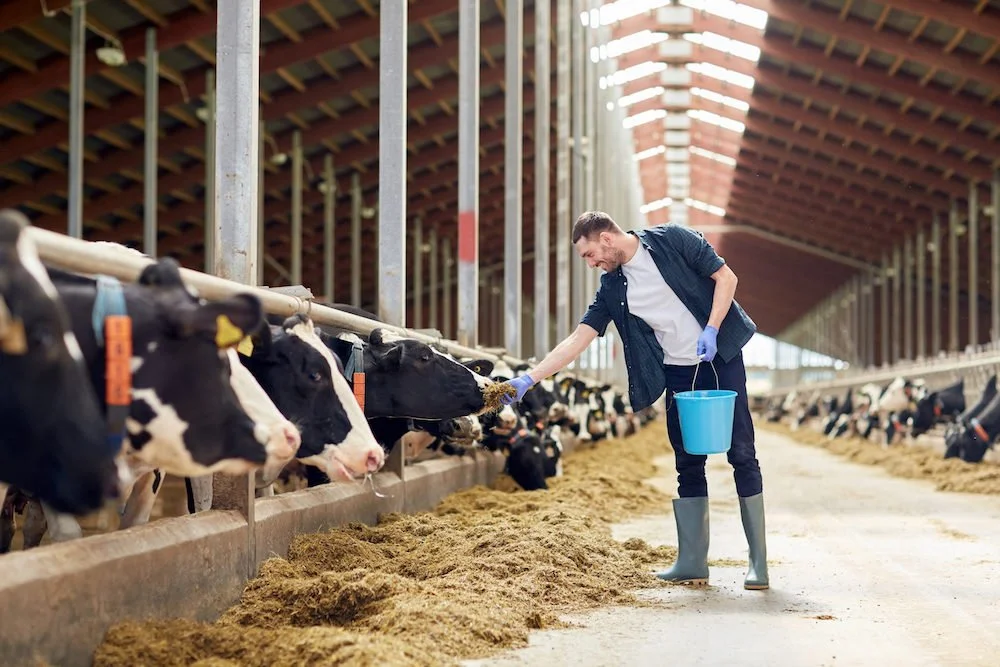
    Woolworths, the acclaimed supermarket chain, is gradually discontinuing its Farmers’ Own milk brand. This specialized product line will be eliminated from all national supermarkets as the existing contracts with suppliers reach their conclusion.

    The Farmers’ Own brand has already been removed from the supermarket shelves in South Australia. It is set to vanish from the stores in Western Australia, Queensland, New South Wales, and Victoria by the upcoming year.

    The Brand’s History and Evolution

    Farmers’ Own was first introduced to the market in 2013 as an initiative to aid and support Australian dairy farmers. It offered a platform for suppliers to negotiate better deals, thus fostering a stronger Australian dairy market.

    Tim Bale, a dairy farmer who was pivotal in establishing the brand, expressed his disappointment at its phasing out, observing that consumers are now left with the difficult choice between supporting local farmers and opting for cheaper milk alternatives.

    According to Bale, declining sales and limited marketing efforts made the brand increasingly challenging to sustain. An oversupply in the dairy market also exerted additional strain on processors and farmers.

    The Supermarket’s Response

    In response to the forthcoming end of the Farmers’ Own brand, Woolworths stated that they had recently consulted with the dairy suppliers about the impending contract expirations. The supermarket will honour existing contracts, and some suppliers have the option to extend their contracts for an additional year. Woolworths has not revealed why they have chosen to discontinue the brand.

    Questions & Answers

    What is the reason behind Woolworths phasing out the Farmers’ Own brand?
    The exact reason is not disclosed by Woolworths. However, declining sales and limited marketing, along with an oversupply in the dairy market, are cited as possible contributors.

    What was the purpose of the Farmers’ Own brand?
    Introduced in 2013, the Farmers’ Own brand was an initiative to support Australian dairy farmers by providing them with a platform to negotiate better terms with suppliers.

    What will happen to the existing contracts with dairy suppliers?
    Woolworths has affirmed that they will honour existing agreements, and some suppliers have the option to extend their contracts for an additional year.

  • Brownes Dairy Refreshes White Milk Packaging with Contemporary Artwork for 140th Anniversary

    Brownes Dairy Refreshes White Milk Packaging with Contemporary Artwork for 140th Anniversary

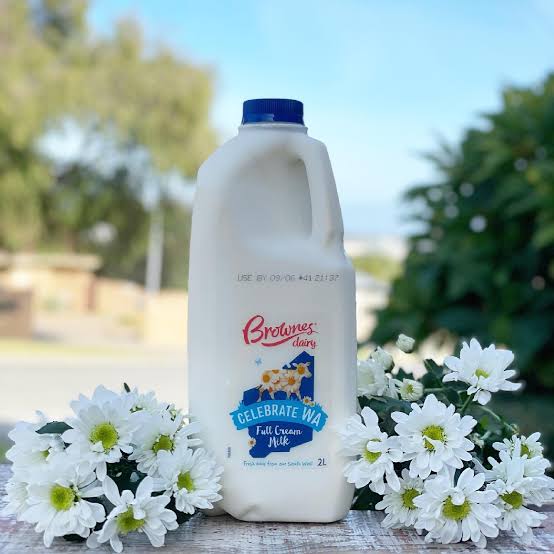
    Western Australia’s Brownes Dairy has embarked on a redesign of its white milk range’s packaging to coincide with a significant milestone- 140 years of operations.

    The new packaging has been brought to life by local artist Jordan Lee, who swapped traditional agricultural imagery for more contemporary, abstract botanical artwork. This design was inspired by the natural flora and landscapes of the South West region of Western Australia, an area from which Brownes Dairy sources its raw milk supplies.

    In a remarkable achievement, the company’s white milk range has secured its highest market share in three years, maintaining its position as the state’s leading branded white milk option. The revamped packaging now offers even clearer nutritional labelling, showcased on refreshed bottles and cartons.

    Nicole Ohm, the Head of Marketing at Brownes Dairy, shared insights behind the redesign. “Every day, our dedicated dairy farmers in the South West tirelessly supply us with top-quality products for Western Australian families. This significant redesign is a strategic business effort to increase premium value in our local agricultural sector”, she explained.

    In an effort to keep operational costs in check and prevent inventory wastage, the company rolled out the new packaging in phases starting last month. The launch began with the 2L and 3L milk bottle formats, with plans to update the carton product line soon.

    Ohm elaborated on the thought process behind the aesthetic of the packaging, saying, “We wanted to create the most beautiful, premium design in the market to show that 100% fresh, nutritionally rich Western Australian dairy is always worth paying for, more so when it directly supports our local farming communities.”

    This development comes after the company was put up for sale last year due to a Chinese lender calling in a $200 million loan.

    Questions & Answers

    What is the major change in Brownes Dairy’s white milk range packaging redesign?
    The major change is the shift from traditional agricultural imagery to contemporary, abstract botanical artwork that reflects the natural landscapes and flora of Western Australia’s South West region.

    Who was responsible for the creation of the new packaging design?
    The new packaging design was created by Western Australian artist Jordan Lee.

    What was the rationale behind the redesign of Brownes Dairy’s milk range packaging?
    The redesign aims to show that 100% fresh, nutritionally rich Western Australian dairy is always worth investing in, as well as to support local farming communities. It also marks the company’s 140th year of operations.

  • Golden Gaytime and Cinnabon Blend Nostalgia and Indulgence in New Frozen Treat for Australia

    Golden Gaytime and Cinnabon Blend Nostalgia and Indulgence in New Frozen Treat for Australia

    Golden Gaytime, a well-loved brand belonging to Streets Ice Cream, has teamed up with the renowned bakery chain, Cinnabon, to debut a co-branded frozen dessert in Australia. Named “Junior,” this innovative dessert fuses Cinnabon’s signature cinnamon and cream cheese flavors with Golden Gaytime’s chocolate coating and biscuit crumb outer layer.

    Meeting Consumer Demands with a Sweet Collaboration

    The launch of this novel frozen treat is in response to the increasing consumer preference for nostalgic food combinations and rich, indulgent products. The promotional campaign for the dessert humorously portrays a fictional romance between the two brands. This unique narrative is designed to not just attract but also engage consumers, sparking conversations and fueling a sense of camaraderie among fans.

    The single-serving of this dessert will be available at petrol stations and convenience stores across Australia. Furthermore, a four-pack variant of the treat is slated for release on August 24 in supermarkets throughout the country.

    Kalli Swaik, the Managing Director for Streets Ice Cream ANZ, said, “Golden Gaytime has always maintained a light-hearted brand image, so representing this collaboration as a love story seemed like the perfect way to generate buzz.”

    Cinnabon’s Growth Strategy

    For Cinnabon, which operates over 2,400 bakeries in 65 countries worldwide, this project aligns with its ongoing multi-channel licensing strategy. The bakery chain emphasizes on extending its growth beyond physical outlets by infiltrating commercial grocery channels.

    In a similar vein, Streets Ice Cream also previously partnered with home fragrance brand Dusk, broadening their product range to include home fragrances, bath, and personal care products.

    Questions & Answers

    What unique features does the new dessert from Golden Gaytime and Cinnabon offer?
    The dessert combines Cinnabon’s cinnamon and cream cheese flavors with Golden Gaytime’s chocolate coating and biscuit crumb outer layer.

    Where can consumers purchase this new frozen treat?
    The dessert can be purchased at petrol stations and convenience stores across Australia, and a four-pack variant will be available in supermarkets from August 24.

    What is Cinnabon’s approach towards growth?
    Cinnabon focuses on driving growth outside its physical storefronts by entering commercial grocery channels as a part of its multi-channel licensing strategy.

  • Avian Flu Outbreak: Mandatory Lockdown for Victorias Poultry Farms to Protect Public Health

    Avian Flu Outbreak: Mandatory Lockdown for Victorias Poultry Farms to Protect Public Health

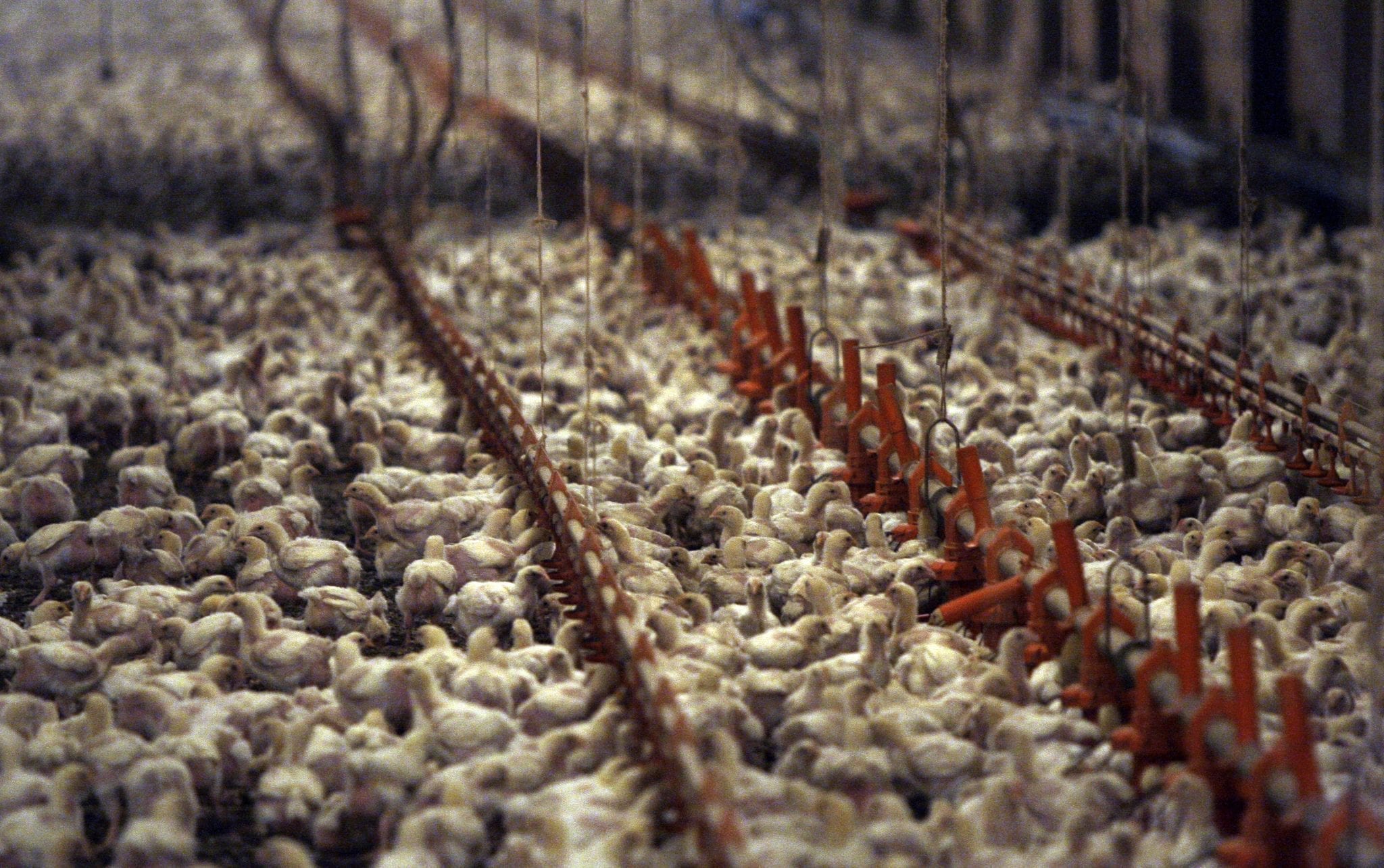
    The state of Victoria has implemented a compulsory housing mandate for certain chicken flocks due to the ongoing detection of H5N1 avian influenza in newly affected areas. This regulation will be in force for 14 days, until August 21, and will pertain to individuals, households, and businesses that own 50 or more chickens in metropolitan Melbourne, coastal regions, and neighbouring zones. The regulation stipulates that chickens must be housed or confined in a way that prevents them from interacting with wild birds or other wildlife off the premises.

    Mitigating the Risk of Disease Spread

    According to the Victorian Government, this action is designed to decrease the likelihood of the virus infiltrating chicken flocks. In areas not included in the local government’s mandate, while confinement is not obligatory, it is suggested where feasible. The goal is to ensure that farm animals are not in contact with wild fauna.

    Victoria’s chief veterinary officer, Graeme Cook, mentioned that the spread of bird flu in Yambuk, Apollo Bay, and Clyde necessitates an increased response in some areas. Beth Cookson, Australia’s chief veterinary officer, stated that testing had identified an additional 20 H5 positive cases in Victoria, all in larger crested terns from the Portland and Nelson regions. So far, Australia has documented 175 confirmed or probable positive detections. No occurrences have been reported in poultry or Australia’s agricultural production system, and the risk to humans remains very low.

    Repercussions of the Avian Influenza Outbreak

    Following the detection of H5 in a migratory bird near Esperance, a prominent poultry company decided to place its Western Australian operations into lockdown in June. The avian influenza outbreak has also led to disruptions in poultry exhibitions. The Royal Adelaide Show has called off its bird and poultry displays planned for the upcoming month, and the Victorian Government is contemplating comparable steps with the Royal Melbourne Show.

    In the meantime, the ACCC has permitted farmers to keep their chickens indoors, allowing them to continue using free-range egg cartons while avian influenza controls are operational. Victoria is the first Australian state to implement a compulsory chicken housing mandate.

    Questions & Answers

    What is the purpose of the mandatory housing requirement for poultry in Victoria?
    The requirement is designed to prevent contact between poultry and wild birds or wildlife, reducing the risk of avian influenza infiltrating poultry flocks.

    Who does this requirement apply to?
    The requirement applies to individuals, households, and businesses that own 50 or more chickens in metropolitan Melbourne, coastal regions, and some neighbouring areas.

    What measures are being taken regarding poultry exhibitions?
    The Royal Adelaide Show cancelled its bird and poultry displays, and the Victorian Government is considering similar actions with the Royal Melbourne Show.

  • Revolutionize Your Laundry Routine with Omo’s New Quick Wash Detergents for Sensitive Skin and Dazzling Whites

    Revolutionize Your Laundry Routine with Omo’s New Quick Wash Detergents for Sensitive Skin and Dazzling Whites

    Omo, the prominent laundry brand, has broadened its Wonder Wash product line in Australia through the introduction of two novel liquid detergent variants. The range, designed for quick 15-minute wash cycles, now boasts the Sensitive and Dazzling White variants. These new additions are not only suitable for both top and front-loading washing machines, but also augment Omo’s portfolio of short-cycle products, along with its existing Speed Clean and Odour Refresh items.

    Innovative Features Suiting Consumer Needs

    The new Sensitive variant caters to those with sensitive skin. It possesses a hypoallergenic fragrance that effectively eliminates invisible dirt and odours while being gentle on clothing. On the other hand, the Dazzling Whites variant is designed to tackle daily stains, simultaneously preserving and enhancing the brightness of white fabrics. Furthermore, both these formulations have been engineered to activate swiftly in cold water settings, even as low as 20 degrees Celsius.

    Omo’s internal consumer research has highlighted that about half of Australian consumers overlook garment care instructions. This trend underlines the need for simplified, multi-purpose laundry solutions that are compatible with short machine settings.

    Sara Shorter from Omo gives further insights, stating, “These newly introduced variants are tailored specifically to the present-day Australian laundry practices. Whether consumers are aiming for outstandingly bright whites or a gentle option for sensitive skin, these products assure fresh, revitalized clothes in a mere 15 minutes.”

    Availability and Pricing

    The fresh additions to the Wonder Wash line are available at Coles, Woolworths, and independent grocery retailers across the nation. Customers can purchase these in a 1.18L format for $21 and a 1.94L format for $32.

    Questions & Answers

    What is unique about the new Omo detergent variants?
    The Sensitive and Dazzling White variants are designed to activate quickly in cold water and are suitable for quick, 15-minute wash cycles. The Sensitive variant is tailored for individuals with sensitive skin, while Dazzling Whites is ideal for maintaining and brightening white fabrics.

    What consumer needs are these new products addressing?
    These products cater to the demands of a growing number of consumers who desire simplified, multi-purpose laundry solutions that can accommodate short machine settings, and deliver effective results within a short span.

    Where are these new detergent variants available for purchase?
    The new products are now available across Australia at Coles, Woolworths, and independent grocery retailers. They can be purchased in two sizes: 1.18L for $21 and 1.94L for $32.

  • Sydney Grocers Slapped with $706,000 Fine for Massive Staff Underpayment: Rights Watchdog Takes Action

    Sydney Grocers Slapped with $706,000 Fine for Massive Staff Underpayment: Rights Watchdog Takes Action

    Asian grocery chains Thai Kee Grocer Pty Ltd and G Grocer Kingsford Pty Ltd, both based in Sydney, have been imposed with a combined fine of $706,000. This fine resulted from underpaying a total of 146 employees, as discovered by investigations from the Fair Work Ombudsman (FWO).

    Investigation and Findings

    FWO launched investigations into Thai Kee Grocer and G Grocer Kingsford, also known as Gong Grocer World Square and Kingsford, last year. The investigation uncovered that the underpaid workers held positions as shop assistants and office administrators. Of these underpaid employees, 32 were on visas, and three were between 18 and 19 years of age.

    The two grocery firms were found to have underpaid their staff by a total of $657,469 over an 18-month period. Between August 2023 and February 2025, Thai Kee Grocer underpaid 104 of its employees $446,379, while Gong Grocer Kingsford underpaid 42 workers by $211,090.

    Thai Kee Grocer and G Grocer Kingsford have since corrected the underpayment issues.

    FWO’s Statement

    Fair Work Ombudsman, Anna Booth, emphasized that all employers must adhere to their obligations under relevant awards and the Fair Work Act. She stated, “Employees have a right to their full range of entitlements. For instance, increased pay rates on weekends are intended to compensate for working during hours that are typically inconvenient when most others do not work.”

    The FWO acknowledged Thai Kee Grocer and G Grocer Kingsford’s commitments to enhance their payroll process in the future, and expressed gratitude to the employees for voicing their concerns.

    Questions & Answers

    What were the companies under investigation for?
    The companies Thai Kee Grocer and G Grocer Kingsford were under investigation for underpaying their employees.

    How many employees were affected and what were their roles within the companies?
    A total of 146 workers were affected by the underpayment. These workers held roles as shop assistants and office administrators.

    What actions have the companies taken since the underpayments were discovered?
    Since the underpayments were discovered, both Thai Kee Grocer and G Grocer Kingsford have rectified the underpayment issues and have committed to enhancing their payroll process in the future.

  • DC Coffee Unveils New Fuel Your Creativity Range, Exclusively at Woolworths

    DC Coffee Unveils New Fuel Your Creativity Range, Exclusively at Woolworths

    DC Coffee, a specialty coffee roaster based in Melbourne, has broadened its unique range of offerings at Woolworths by introducing a new 600g variety under the ‘Fuel Your Creativity’ line.

    DC Coffee’s Growth and Expansion

    Established in 2004, DC Coffee had an impressive reach of over 200 wholesale cafe clients across the country by 2016. The brand’s exclusive move into Woolworths in the previous year was a significant landmark in its retail growth journey. This move allowed the coffee brand to bring its signature blends and distinctive packaging to regular supermarket shoppers in Australia.

    The latest addition to its collection, a 600g range priced at $23, enhances DC Coffee’s existing portfolio. This expansion portrays the brand as an easily accessible specialty coffee provider, reinforcing its sustained investment and commitment to the grocery channel.

    Supporting Campaign and Refreshed Brand Identity

    To augment the retail introduction, DC Coffee has launched its inaugural integrated campaign, bringing its ‘Fuel Your Creativity’ platform to life. This initiative aims to redefine coffee and applaud those who use it as a source of inspiration and motivation, interpreting and acting on it in their unique ways.

    In collaboration with the creative agency Hellions, the campaign will be implemented nationally across various channels such as BVOD, YouTube, out-of-home, paid and organic social, e-commerce, and emails.

    Commenting on the campaign, Trevor Simmons, CEO of DC Coffee, said that DC Coffee is the most dynamic and engaging coffee brand present today. The campaign perfectly encapsulates the brand’s unique, irreverent post-specialty attitude.

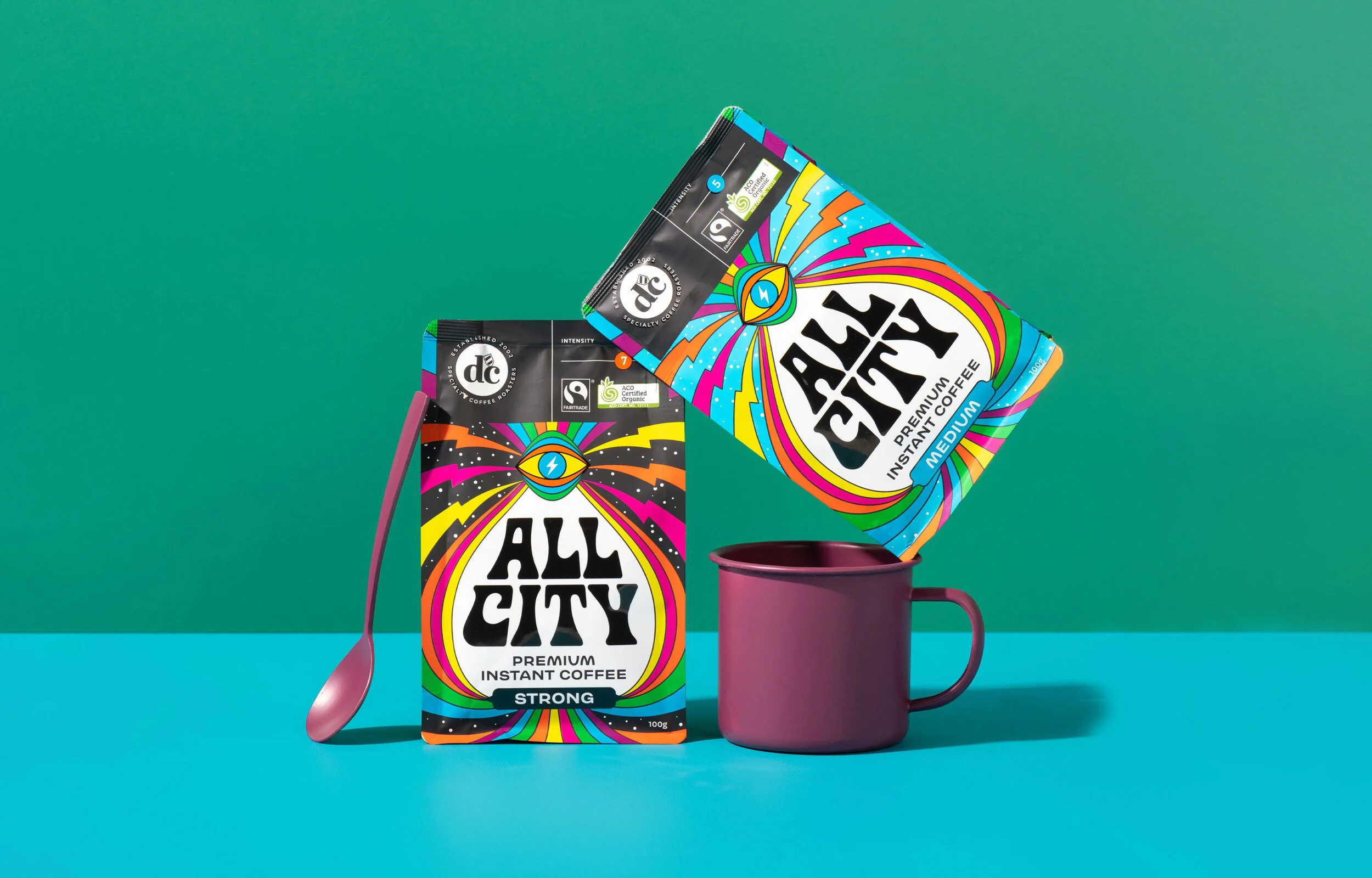
    The brand enhancement also includes an updated packaging design aimed at enhancing shelf impact and fortifying brand recognition. The new packaging continues to feature the brand’s artist-led creative direction across various elements like typography, illustration, colour, photography, and motion.

    “DC Coffee is synonymous with awesome coffee, unique packaging, and incredible value. It’s all about fuel and energy,” added Simmons.

    Questions & Answers

    What is DC Coffee’s new initiative ‘Fuel Your Creativity’ about?
    DC Coffee’s ‘Fuel Your Creativity’ is an integrated campaign aimed at redefining the perception of coffee. It celebrates individuals who use coffee as a source of inspiration and motivation to interpret and act uniquely.

    How will the new ‘Fuel Your Creativity’ campaign be implemented?
    In collaboration with the creative agency Hellions, the ‘Fuel Your Creativity’ campaign will be implemented nationally across various channels, including BVOD, YouTube, out-of-home, paid and organic social, e-commerce, and emails.

    How does the new packaging design impact DC Coffee’s brand?
    The updated packaging design, featuring various elements like typography, illustration, colour, photography, and motion, is aimed at enhancing shelf impact and strengthening brand recognition.

  • Australia’s Growing Craving for Authentic Italian Fare: A Boon for Local Importers

    Australia’s Growing Craving for Authentic Italian Fare: A Boon for Local Importers

    Italian food has consistently been a staple for Australian consumers, wholesalers, and retailers. However, the reasons for this popularity are shifting. While items like pasta, olive oil, and cheese continue to be popular, consumers are more interested in the origins, production methods, and authenticity of these products.

    This shift in consumer behavior is opening new avenues for businesses that can provide authentic ‘Made in Italy’ products. Simona Bernardini, Trade Commissioner and Director of the Italian Trade Agency (ITA) in Sydney, has noted these developments.

    Recent statistics indicate a growing demand for these products. Accounting data shows that Australia’s imports of Italian food and beverage products amounted to $1.47 billion in 2025, making up 5.5% of total imports in the category. This makes Italy Australia’s fourth-largest supplier of these goods.

    Bernardini mentioned that Italian products, including processed tomatoes, pasta, cheese, olive oil, sauces, wine, and premium bakery products, continue to perform well. This reflects a growing appreciation for authentic, high-quality food that is strongly connected to its origin.

    The recently concluded Australia-European Union Free Trade Agreement is expected to further bolster this bilateral trade by reducing barriers for exporters and creating more opportunities for Australian buyers.

    A Strategic Export Market and Premium Credentials

    Australia is not just a destination for Italian food exports, but also a gateway market for broader growth across the Asia-Pacific region. The country offers a stable economic environment, a sophisticated retail sector, and consumers with a growing appreciation for authentic, high-quality imported food products.

    As consumers pay greater attention to the origin and production methods of their food, premium, sustainable, and traceable food is in high demand. European quality schemes like Protected Designation of Origin (PDO) and Protected Geographical Indication (PGI) provide strong guarantees of authenticity, traceability, and production standards. These certifications are becoming increasingly valuable to Australian consumers looking for genuine and premium food experiences.

    Building Resilient Supply Chains and Supporting Long-term Partnerships

    Despite the growing demand, global supply chains are under pressure due to geopolitical uncertainty and increased freight costs. Italian exporters have responded by becoming more agile and collaborative, diversifying transportation routes, and investing in efficient supply chain management practices.

    For Italian businesses looking to enter the Australian market, understanding Australia’s regulatory environment and building local partnerships is crucial. Bernardini advises that companies must consider biosecurity requirements, labeling regulations, logistics costs, pricing strategies, and finding the right importer or distributor.

    The Italian Trade Agency’s Sydney office plays a vital role in this, providing market information, sector insights, guidance on local requirements, identification of potential business partners, and promotional opportunities.

    Trade exhibitions, such as Fine Food Australia, are effective ways for Italian producers to connect with Australian retailers, importers, distributors, and foodservice operators. The Italian National Pavilion, organized by the Italian Trade Agency’s Sydney office, promotes the diversity and innovation of the Italian food and beverage sector, further strengthening commercial and institutional relationships between Italy and Australia.

    The Pavilion, which will host 23 Italian companies, will give Australian buyers access to internationally recognised brands and smaller regional producers. Bernardini emphasizes that the Pavilion is not just a showcase of Italian products but also representative of the robust partnership between Italy and Australia in the food and beverage sector.

    Questions & Answers

    What has led to the change in Australian consumers’ preference for Italian products?
    Consumers are now more interested in the story behind the products – their origins, production methods, and authenticity.

    What role does the Italian Trade Agency’s Sydney office play for Italian businesses entering Australia?
    The agency provides market information, sector insights, guidance on local requirements, identification of potential business partners, and promotional opportunities.

    How do Italian producers connect with Australian buyers and retailers?
    Trade exhibitions, such as Fine Food Australia, are an effective platform for Italian producers to directly present their products to Australian buyers, distributors, retailers, and food service operators.

  • Aussie Swimwear Sensation Seafolly Dives into China Market: A Global Expansion Milestone

    Aussie Swimwear Sensation Seafolly Dives into China Market: A Global Expansion Milestone

    Seafolly, the renowned Australian swimwear brand, has officially entered the Chinese market, marking another significant milestone in its ongoing global expansion. This move trails closely behind the brand’s recent launches in the United States and the United Arab Emirates.

    Engaging the Chinese Market with a Tailored Strategy

    Recognizing the increasing demand for high-quality swimwear in China, Seafolly has developed a unique ‘go-to-market’ strategy. This approach is designed to facilitate consumer discovery and engagement with the brand while promoting its shopping experience.

    To bolster this expansion, Seafolly has laid the groundwork by inaugurating an office in Shanghai. This move equips the brand with an on-site team to manage local operations, forge partnerships, and steer the brand’s development in the Chinese market.

    In addition, Seafolly has marked its presence on popular Chinese social commerce platforms such as Rednote, Douyin, and Tmall. This digital outreach aims to leverage the advantages of these platforms to introduce the brand to potential customers and engage with them effectively.

    Creating Connections through Influencer Partnerships

    As part of its introductory phase, Seafolly has partnered with influencers and launched livestream campaigns. These initiatives have already garnered high engagement rates and positive consumer sentiment, paving the way for a successful official launch.

    Brendan Santamaria, CEO of Seafolly, commented on the expansion, stating that their international markets have demonstrated impressive momentum, and there is a growing affinity for premium Australian lifestyle brands in China. He further added that having a local base in Shanghai enables the brand to establish an authentic connection with its consumers and build the brand effectively.

    In the coming months, Seafolly plans to launch physical stores in China, providing a tangible, immersive experience to its customers.

    Questions & Answers

    What is Seafolly’s strategy for its expansion into China?
    Seafolly’s approach is a locally tailored ‘go-to-market’ strategy, aimed at helping Chinese consumers discover and engage with the brand. The company has also opened an office in Shanghai to manage local operations and brand development.

    How is Seafolly leveraging digital platforms in its Chinese market entry?
    Seafolly has marked its presence on multiple Chinese social commerce platforms, including Rednote, Douyin, and Tmall. It has also established partnerships with influencers and launched livestream campaigns, which have generated strong consumer engagement.

    What are Seafolly’s future plans in China?
    In addition to its digital outreach, Seafolly plans to establish physical stores in China later this year, providing customers with a more immersive, tangible brand experience.

  • OCBC and Australia Aim to Double Trade and Investment in Southeast Asia by 2030: A New Strategic Partnership

    OCBC and Australia Aim to Double Trade and Investment in Southeast Asia by 2030: A New Strategic Partnership

    Overseas-Chinese Banking Corporation (OCBC) and the Australian High Commission in Singapore have recently launched a five-year strategic alliance aimed at fortifying trade and investment flow between Australia and Southeast Asia. The partnership is designed to considerably boost these economic currents by 2030, with OCBC setting their sights on a surge of over 200%.

    Focus on Key Sectors

    The strategic partnership aligns with Australia’s ambitious Southeast Asia Economic Strategy towards 2040, known as ‘Invested’. The focus of the collaboration will be on pivotal sectors such as energy transition, infrastructure, green transportation, fintech, and digital innovation.

    The cooperation brings together OCBC’s robust regional banking network and formidable financing ability, alongside the policy know-how of the Australian government. It also encompasses collaboration with various Australian departments including External Affairs and Trade, Export Finance and the Australian Trade and Investment Commission. This synergistic effort aims to pave the way for Australian companies to grasp lucrative opportunities sprouting across Southeast Asia.

    Celebrating its 40th anniversary of operation in Australia this year, OCBC reported significant growth in its Sydney branch in recent times. The surge in growth can be attributed to thriving sectors such as real estate, energy, utilities, and digital infrastructure.

    Creating Opportunities for Expansion

    Elaine Lam, Head of Global Corporate Banking at OCBC, expressed that the strategic collaboration is set to form a potent platform for Australian enterprises and investors looking to spread their wings into Southeast Asia. She identified burgeoning opportunities in the region, particularly in energy transition, infrastructure development, and green transportation.

    Notably, big Australian players like Lendlease and Qantas are among the companies supported by OCBC. The bank has recently provided backing for Qantas’ fleet renewal financing programme and has also lent support to several Lendlease developments situated in Singapore, Sydney, and Kuala Lumpur.

    Questions & Answers

    What is the goal of the strategic partnership between OCBC and the Australian High Commission in Singapore?

    The partnership aims to substantially enhance trade and investment flows between Australia and Southeast Asia by 2030.

    What sectors will the cooperation focus on?

    Key sectors encompass energy transition, infrastructure, green transportation, fintech, and digital innovation.

    Which Australian companies are currently supported by OCBC?

    OCBC is currently backing major Australian companies such as Lendlease and Qantas.

  • A2 Milk Triumphs in Trademark Tussle: Historic Australian Court Victory Over Care A2 Plus

    A2 Milk Triumphs in Trademark Tussle: Historic Australian Court Victory Over Care A2 Plus

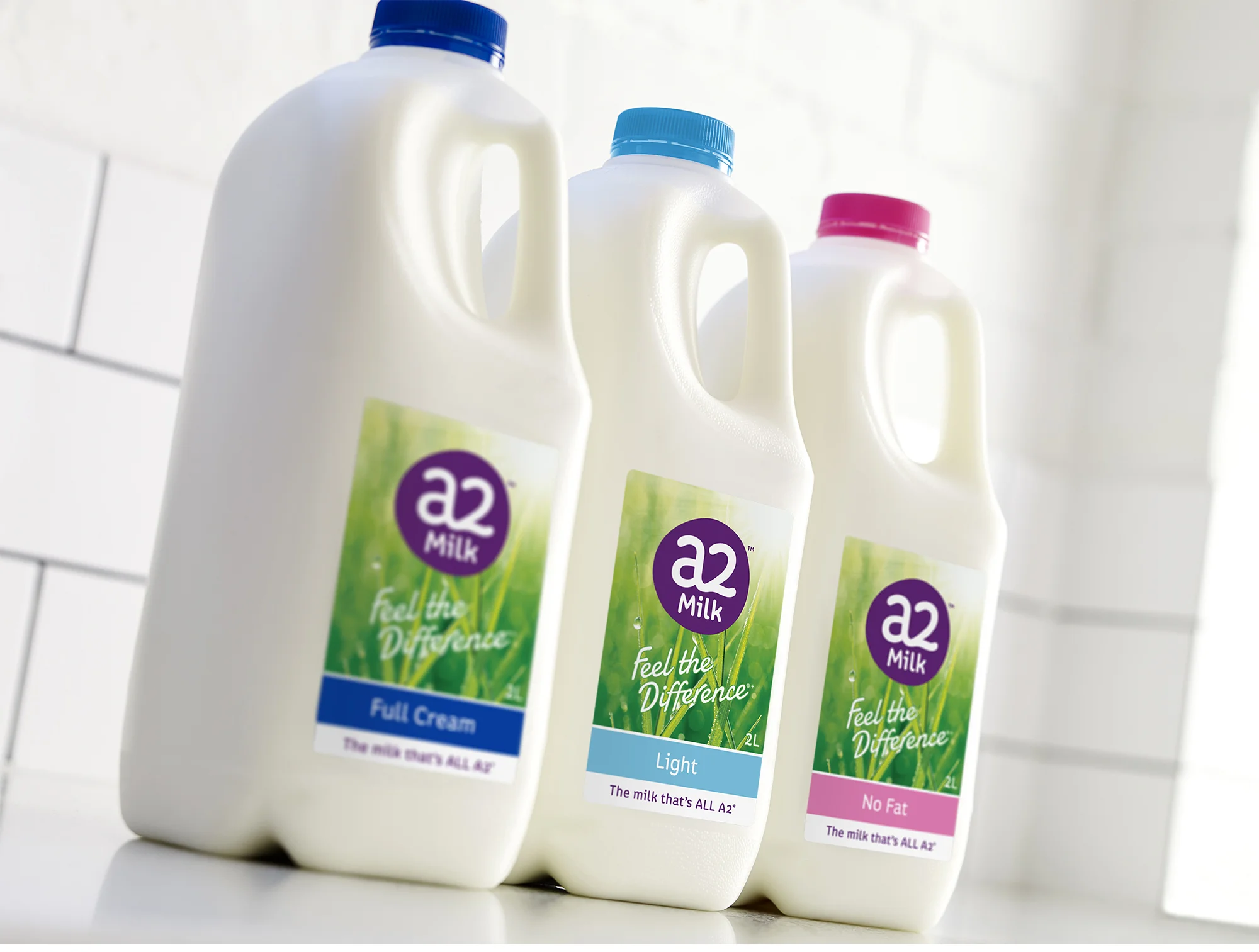
    The Federal Court of Australia has ruled in favor of The A2 Milk Company in a trademark lawsuit against its competitor, Care A2 Plus. The A2 Milk Company, a dairy company based in New Zealand, has several registered trademarks in Australia, including ‘A2 Milk’ and ‘A2’, that encompass a variety of products such as milk and infant formula.

    Care A2 Plus’s Alleged Infringement

    Care A2 Plus, another infant and toddler formula producer, markets its products in Australia under the branding ‘Care A2+’. The lawsuit was initially filed by A2 Milk against Care A2 Plus in 2023. The plaintiff accused Care A2 Plus of violating its trademark rights in contravention of the Australian Consumer Law.

    The A2 Milk Company asserted that Care A2 Plus consciously used the similar ‘A2/A2+’ branding even after requests to cease. The plaintiff also claimed that Care A2 Plus indulged in litigation strategies that escalated costs, and subsequently sought either damages or an account of profits.

    Court’s Stance on the Dispute

    At a hearing that took place this past Thursday, the court backed The A2 Milk Company. However, the court mandated both parties to present further submissions before it pronounces the final verdict concerning relief, including damages and costs.

    Despite Care A2 Plus’s claims that its packing was entirely distinctive, the court maintained that the conspicuous ‘A2/A2+’ branding could potentially indicate a connection to The A2 Milk Company.

    The court justified its ruling by stating that an average consumer encountering Care A2 Plus’s products for the first time would likely presume a connection with The A2 Milk Company. The consumer might even think that these products are part of The A2 Milk Company’s range or endorsed by the company.

    Questions & Answers

    What was the dispute between The A2 Milk Company and Care A2 Plus about?
    The dispute was about Care A2 Plus allegedly infringing on The A2 Milk Company’s registered trademarks by using a similar ‘A2/A2+’ branding.

    What did The A2 Milk Company seek from the lawsuit?
    The A2 Milk Company sought either damages or an account of profits from Care A2 Plus for using a similar branding and escalating litigation costs.

    What was the court’s ruling in the trademark dispute?
    The court ruled in favor of The A2 Milk Company, stating that Care A2 Plus’s ‘A2/A2+’ branding might lead consumers to believe that there is a connection between the two companies.