Tag: Australia

  • Lovisa Lifts Full-Year Profit 10.7 per Cent as Network Reaches 1,136 Stores

    Lovisa Lifts Full-Year Profit 10.7 per Cent as Network Reaches 1,136 Stores

    Australian fast-fashion jewellery retailer Lovisa increased net profit after tax by 10.7 per cent to $95.6 million for the 2026 financial year.

    Total revenue rose 17.6 per cent to $938.8 million, supported by 160 store openings and a 2 per cent rise in global comparable store sales. Gross margin widened by 60 basis points to 82.6 per cent, helped by lower sourcing costs and tighter promotional spending, while earnings before interest, tax, depreciation and amortisation grew 20.9 per cent.

    Offshore sales outpace domestic trade

    Western markets delivered the bulk of the growth. Sales in the Americas rose 29.6 per cent, while European revenue increased 29.5 per cent over the twelve-month period.

    The company accelerated its physical expansion by launching 160 locations and shuttering 43 underperforming sites. That netted 117 additions and lifted the total footprint to 1,136 stores across more than 50 markets. Lovisa relies on small-format stores with low fitout costs to enter new territories quickly, a model that allows it to exit unprofitable leases without heavy capital losses.

    Early momentum in the new financial year

    Trading in early fiscal 2027 maintained that pace. Total sales climbed 16.4 per cent over the first eight weeks of the new financial year, with comparable store sales up 3 per cent and momentum accelerating through August.

    Management plans to add further physical and digital stores across both established and new territories. Investors will track whether store opening targets hold as the group rolls into additional franchise and company-owned markets in the first half.


  • Champagne Bureau Australia Launches Education Prize for Wine Retailers

    Champagne Bureau Australia Launches Education Prize for Wine Retailers

    Champagne Bureau Australia has launched the Champagne Education Prize for early-career hospitality and fine wine retail staff. Australia ranks as the world’s seventh-largest Champagne export market.

    The training scheme targets frontline workers. It combines technical category study with direct travel to France.

    Focus on frontline wine sellers

    Organisers view sommeliers, bartenders and fine wine retail employees as the primary channel for introducing Australian consumers to the category. The program aims to deepen their technical knowledge through direct interaction with shoppers and restaurant diners.

    Selected participants will travel directly to the Champagne region for on-the-ground study.

    Australia holds seventh place globally

    Sustaining demand across Asia-Pacific liquor retail channels relies heavily on trade education. Premium wine distributors face stiff competition from domestic sparkling producers for shelf space and wine list placements.

    Intake dates and selection details for the inaugural cohort will determine when the first group of Australian trade professionals heads overseas.

  • Viva Energy Convenience Earnings Jump 86% in First Half

    Viva Energy Convenience Earnings Jump 86% in First Half

    Viva Energy lifted adjusted EBITDA in its convenience and mobility division by 86.4 per cent to $774.4 million in the first half ending June 30.

    The convenience and mobility arm contributed $138.7 million to underlying group earnings, supported by higher retail fuel margins and stronger customer footfall across its Australian service stations. Group EBITDA rose 154 per cent to $774.4 million, landing inside the company’s previously stated guidance range.

    Liberty Integration Adds Volume

    Acquisition volume drove a substantial share of the division’s gains. Viva Energy integrated the Liberty Convenience network in March, adding retail fuel throughput and boosting non-fuel convenience sales across company-operated sites.

    The group’s performance mirrors a broader trend across Asia-Pacific fuel retailing, where operators such as rival Ampol are pivoting heavily toward convenience store merchandising to offset volatile refining margins. Forecourt retailers across the region are redesigning site formats to capture higher-margin grocery and ready-to-eat food sales from commuter traffic.

    Network Optimization Continues

    Management continues to roll out convenience upgrades across the company’s retail footprint. The operational focus shifts to second-half store conversion targets and margin retention across the integrated Liberty and Shell-branded network.

  • On Opens First Sydney Store at Westfield Bondi Junction

    On Opens First Sydney Store at Westfield Bondi Junction

    Swiss sportswear company On has opened its first Sydney store at Westfield Bondi Junction. The launch brings its Australian retail network to two physical locations.

    Located on Level 3, the 493-square-metre space pushes the brand’s global corporate-owned store count past 70 units across major metropolitan centres.

    Footwear, Collaborations and Local Design

    The shop carries On’s core inventory across running, training, tennis, and lifestyle footwear, apparel, and accessories. Shoppers can also buy limited-edition collaborative collections with external partners, including Post Archive Faction, Sky High Farm Goods, and grocery brand Erewhon.

    Local design elements run throughout the interior. Builders fitted the unit with textured concrete, sandstone-style seating, regional tiles, and a bespoke accent wall created by Australian finish firm Pretty in Paint Australia to match coastal running corridors around Bondi.

    “It is a place that feels deeply connected to what On stands for,” said Lauren Portelli, commercial director for Oceania at On.

    Direct Retail Push in Asia-Pacific

    Direct retail expansion has become a primary channel for performance footwear labels seeking higher margins and greater control over brand presentation across Asia-Pacific. Wholesale distribution through specialty running shops gave On its initial market volume in Australia. Dedicated company stores now allow the business to show full technical lines alongside higher-priced lifestyle apparel that multi-brand stockists rarely carry.

    Founded in Zurich in 2010, the company now distributes products across more than 80 countries worldwide. Attention turns to whether the Swiss group will add direct retail sites in Melbourne and Brisbane as it scales regional store operations.

  • Balter Brewing Launches Dark Lager Exclusively with Liquorland in Australia

    Balter Brewing Launches Dark Lager Exclusively with Liquorland in Australia

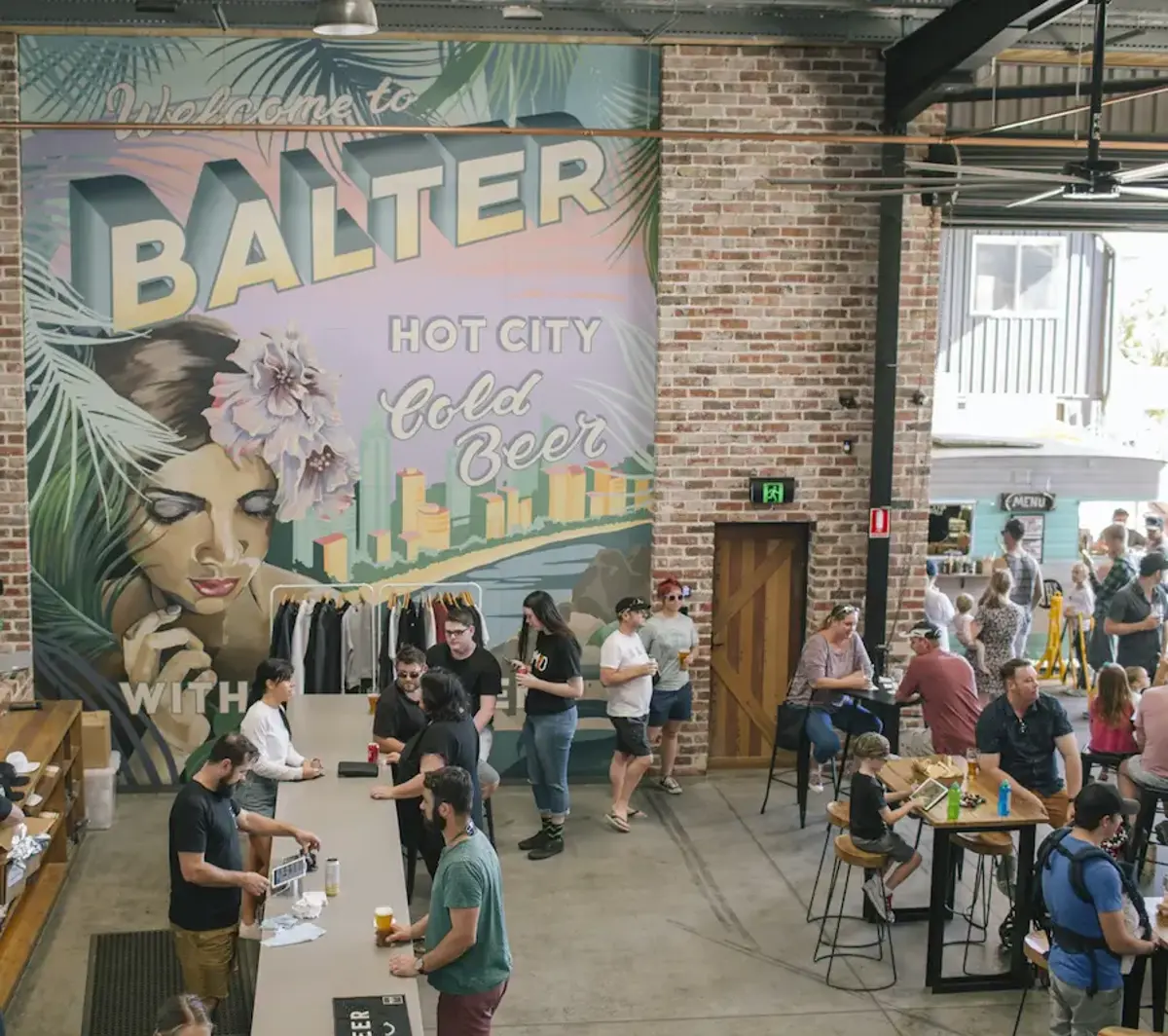
    Balter Brewing, an Australian craft beer producer, has unveiled its new dark lager, Balter Black. The product is launching as an exclusive retail offering through Liquorland, one of Australia’s prominent liquor retailers. This partnership highlights the growing consumer demand for diverse beer options, particularly in the dark brew segment.

    The Balter Black lager is designed to appeal to drinkers seeking an alternative to traditional heavy stouts. It combines the characteristic chocolate notes and mild roasted flavour of a dark malt with the lighter, crisp profile typically found in standard lagers. This approach aims to capture consumers who are drawn to the increasing popularity of dark beers, influenced by the resurgence of traditional varieties like Guinness.

    Exclusive Retail Partnership

    Initially developed as a limited-run special brew, Balter Black is now being brought to a wider market through its collaboration with Liquorland. This exclusive distribution model gives Liquorland a unique product in a competitive retail landscape, potentially driving foot traffic and sales for the retailer. For Balter Brewing, it secures significant shelf space and market penetration for their new product.

    Exclusive product launches and strategic retail partnerships are a common and effective strategy for brands seeking to gain market share or introduce new categories. In Asia, similar models are frequently seen, with craft brewers in markets like Japan and Singapore often partnering with specific supermarket chains or online platforms to launch new limited editions or seasonal brews. This allows brands to test market response while offering retailers a competitive edge. The trend for premium and craft alcoholic beverages continues to grow across the Asia-Pacific region, with consumers increasingly looking for unique flavour profiles and brand stories.

    Responding to Consumer Trends

    The introduction of Balter Black directly addresses evolving consumer preferences within the Australian beer market. The rising interest in dark beers, alongside a general appreciation for craft and specialty brews, indicates a shift from mainstream lagers towards more nuanced and experimental styles. By offering a dark lager that is both flavourful and approachable, Balter Brewing positions itself to capitalise on this trend, providing a product that caters to both seasoned dark beer enthusiasts and those exploring the category for the first time.

  • Kinrise Expands Poppin Snack Range with Maltesers Popcorn in Australia

    Kinrise Expands Poppin Snack Range with Maltesers Popcorn in Australia

    Australian food manufacturer Kinrise has launched Maltesers-flavoured ready-to-eat popcorn in retail aisles nationwide. The rollout extends its existing brand partnership with confectionery giant Mars Snacking.

    The product sells in a 110-gram sharebag format tailored for supermarket snack aisles across Australia. It blends traditional popped corn with malt and chocolate seasoning based on the Mars confectionery brand.

    Mars Snacking partnership and packaging updates

    This release builds on an established commercial licensing agreement between Kinrise and Mars Snacking. Alongside the new malted variant, Kinrise refreshed the packaging across its Mars Bar flavoured popcorn range.

    Kinrise also introduced a dedicated multipack format for that Mars Bar popcorn line. The pack contains smaller, single-serve bags designed for lunchboxes and on-the-go shoppers seeking portion control.

    Supermarket aisle brand crossover trends

    Confectionery licensing into adjacent grocery categories is gaining speed across Asia-Pacific supermarkets. Packaged food manufacturers lean on established sweet brand equity to attract impulse buyers facing higher grocery price points.

    Retail buyers in Oceania increasingly set aside shelf space for hybrid sweet snacks bridging savoury chips and premium confectionery. Kinrise and Mars Snacking will track scan data across major supermarket accounts as the 110-gram format moves through national inventory systems this quarter.

  • City Chic Lifts Underlying Earnings 92% to $12.3 Million Despite US Sales Drop

    City Chic Lifts Underlying Earnings 92% to $12.3 Million Despite US Sales Drop

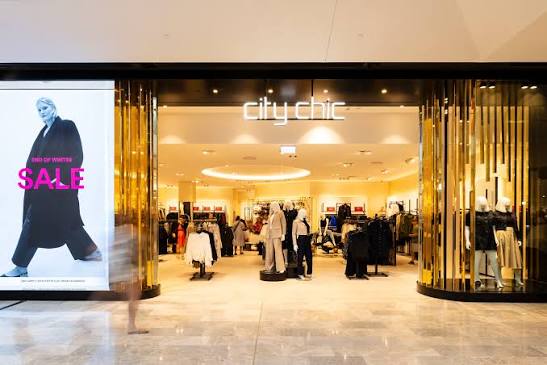
    City Chic Collective nearly doubled its underlying core earnings to $12.3 million in the fiscal year ended June 28, despite total group revenue slipping 3 per cent to $130.5 million.

    Margin expansion and strict operational discipline drove underlying earnings before interest, taxes, depreciation, and amortisation up 92 per cent from the previous year.

    Australia and New Zealand anchored the turnaround. Revenue across the home market rose 7.6 per cent to $113.8 million, with comparable sales lifting 5.6 per cent across physical stores and digital channels. Higher average selling prices and steady customer acquisition cushioned the group while its overseas operations took a hit.

    Retreat from American Tariffs

    The United States delivered a sharp contraction. US sales plunged 42 per cent after management deliberately throttled purchasing activity to limit exposure to import tariff volatility.

    To fix the unit economics, City Chic converted its US Amazon operation from a wholesale setup to a direct marketplace model. Group inventory fell 11 per cent to $24.1 million by the close of the financial year, reflecting reduced capital tied up in North American stock.

    The Sydney-based apparel retailer has deployed automated forecasting and software tools to sharpen buying decisions and lower product return rates. Chief executive Phil Ryan said the company has built a simpler and more resilient operating base after clearing out high-risk inventory channels.

    Trading Momentum in Early FY27

    Cross-border apparel brands have faced intense margin pressure across international channels over recent reporting cycles, forcing operators to protect local margins rather than chase unprofitable foreign volume. City Chic’s retrenchment in North America reflects a broader shift among Australasian specialty chains refocusing on core domestic trade.

    Early numbers indicate the strategy is holding. Comparable store sales in Australia and New Zealand rose 11.4 per cent through the first seven weeks of FY27, with management forecasting a return to revenue and margin growth in the US during the first half.

  • Mid-Market Retailers Risk Logistics Stalls as Growth Outpaces Warehouses

    Mid-Market Retailers Risk Logistics Stalls as Growth Outpaces Warehouses

    Fast-growing retailers risk capping their own expansion when warehouse operations and inventory models fail to adapt to higher order volumes, according to supply chain advisory firm Prological Consulting.

    Operational breakdowns typically surface when mid-market businesses reach national scale, creating sudden spikes in freight bills, warehouse labour hours, and fulfilment errors.

    Peter Jones, managing director and founder of Prological Consulting, said businesses frequently rely on informal employee knowledge and manual workarounds during early growth phases. While nimble setups support early trade, those same methods turn into severe constraints once product catalogues and sales channels multiply across regions.

    Warning signs in warehouse operations

    Operational friction usually appears first in financial metrics monitored by chief financial officers and operations heads. Unbudgeted transport charges, rising import costs, and climbing warehouse labour hours signal that existing facilities can no longer handle inventory flow efficiently.

    Fulfilment disruptions follow quickly. Split shipments, inaccurate stock counts, and delayed customer deliveries indicate that facility layouts and tracking methods have reached capacity limits.

    Jones cited a Sydney-headquartered retailer that expanded from a startup into a national store network and online business generating 45 million Australian dollars in annual turnover. The company operated out of an overcrowded warehouse where pallets blocked internal transit paths and inbound import processing slowed due to heavy reliance on a handful of veteran workers.

    The business resolved the bottleneck by shifting into a larger facility within six months. The transition allowed the retailer to surpass its revenue forecasts and restore reliability across its e-commerce fulfilment operation.

    Balancing automation and inventory compromises

    Competing effectively against automated logistics networks requires retailers to integrate machinery and digital tracking into their supply chain plans. Manual operations face higher unit handling costs and slower turnaround times compared to rivals using automated storage and retrieval systems.

    Across the Asia-Pacific region, mid-tier consumer brands encounter similar friction when transitioning from local store footprints to omni-channel distribution. Operators that delay warehouse redesigns often see fulfilment expenses consume operating margins before corrective capital investments are made.

    Retailers must evaluate trade-offs between inventory holding costs, distribution points, and lead times rather than pursuing unattainable logistics perfection. Merchandising teams, store networks, digital storefronts, and third-party logistics partners need coordinated forecasting to prevent misplaced stock across regional hubs.

    Prological expects automated picking systems and predictive replenishment tools to dictate cost competitiveness as regional freight and warehouse labour expenses remain elevated.

  • Shrinkflation Pushes Half of Australian Grocery Shoppers to Switch Brands

    Shrinkflation Pushes Half of Australian Grocery Shoppers to Switch Brands

    Eighty-five per cent of Australian grocery shoppers have noticed shrinkflation on supermarket shelves, driving half of them to seek out competitor brands when pack sizes shrink.

    The findings from the 2026 Australian Grocery Shopper Report show that reducing pack volumes rather than raising shelf prices carries immediate commercial risks for FMCG manufacturers. Overall price remains a decisive factor for six in 10 shoppers, but consumers now weigh cost directly against product volume, quality, and ingredient integrity.

    The cost of breaking consumer habits

    Consumer tolerance for stealth volume cuts has eroded sharply across grocery aisles. Focus Insights found that 60 per cent of shoppers do not believe packaged goods companies are transparent about size adjustments. When presented with the choice between a price increase or fewer biscuits in a pack, 59 per cent preferred the product to stay at its original size.

    Downsizing familiar products breaks repeat purchasing cycles. One in two consumers surveyed said they actively seek alternatives if a favourite item shrinks. One in three said they purchase the downsized product less often, and one in five said they stop buying the product altogether.

    The promotional trap for FMCG brands

    Price discounting adds another layer of margin pressure across the category. Nine in 10 shoppers said price promotions influence what they place in their baskets, with 57 per cent stating discounts almost always dictate their purchases. Frequent discounting cycles have conditioned 67 per cent of shoppers to defer purchases until products go on sale rather than pay full shelf price.

    For retailers and consumer packaged goods brands across Asia-Pacific markets, managing rising input costs requires explicit communication on shelf. Quietly trimming product weights threatens core volume share in high-frequency categories where private label substitutes are readily accessible.

    Focus Insights chief executive Deane Hubball and Believe You Me founder Blair Triplett will present the detailed category breakdowns and shopper sentiment data at industry briefings in Melbourne and Sydney next month.

  • Australian Retailers Face Margin Squeeze as 59% of Shoppers Shun Full Price

    Australian Retailers Face Margin Squeeze as 59% of Shoppers Shun Full Price

    Australian retailers must overhaul operational discipline as 59 per cent of shoppers now refuse to pay full price, according to Grant Thornton Australia’s 2026 Retail Dealtracker analysis.

    Data from Australia Post’s FY26 fourth-quarter e-commerce update shows 46 per cent of consumers will switch stores for a discount, while 32 per cent report increased price sensitivity.

    The advisory firm identified five interconnected capabilities required to protect margins: customer proposition, earnings quality, operating model, technology, and organizational capability. Mounting pressure on household budgets means customer retention, repeat visits, full-price sales ratios, and customer lifetime value now carry far more commercial weight than raw top-line revenue growth.

    Protecting Margins Beyond Top-Line Sales

    Converting sales into profit requires tighter control over inventory, customer acquisition costs, returns, and shrinkage. Tam Goldin, financial advisory partner at Grant Thornton Australia, noted that many merchants need to strengthen fundamental disciplines, including clearer pricing and operating models that scale without adding unnecessary overhead.

    Shrinkage remains a critical operational drain for large physical store networks, while changing wage settings require closer management of store labor deployment. Retailers must track where value is lost across working capital rather than relying solely on headline profit and loss statements.

    Restructuring Operations and Supply Chains

    Scaling businesses frequently outgrow founder-led workflows, creating operational bottlenecks across supply chains and merchandising. Kirsten Ridgway, management consulting partner and head of retail at Grant Thornton Australia, pointed out that the largest opportunities emerge when companies simplify decision-making and align capital spending with actual customer demand.

    Supply chain models require flexible sourcing and inventory visibility to handle fluctuating lead times and freight expenses. Technology investments must resolve specific operational problems, starting with foundational systems such as point-of-sale platforms, integrated inventory tracking, and clean customer data before deploying artificial intelligence for demand forecasting and pricing.

    Across Asia-Pacific markets, rising labor costs and deal-seeking consumer behavior have forced merchants to pivot away from rapid floor-space expansion toward customer lifetime value and strict loss prevention. Retailers now face the next reporting cycle with shrinkage rates, full-price sales percentages, and inventory turns serving as the decisive operational numbers to track.

  • Mondelēz Rolls Out Three Limited Oreo Flavours in National Consumer Vote

    Mondelēz Rolls Out Three Limited Oreo Flavours in National Consumer Vote

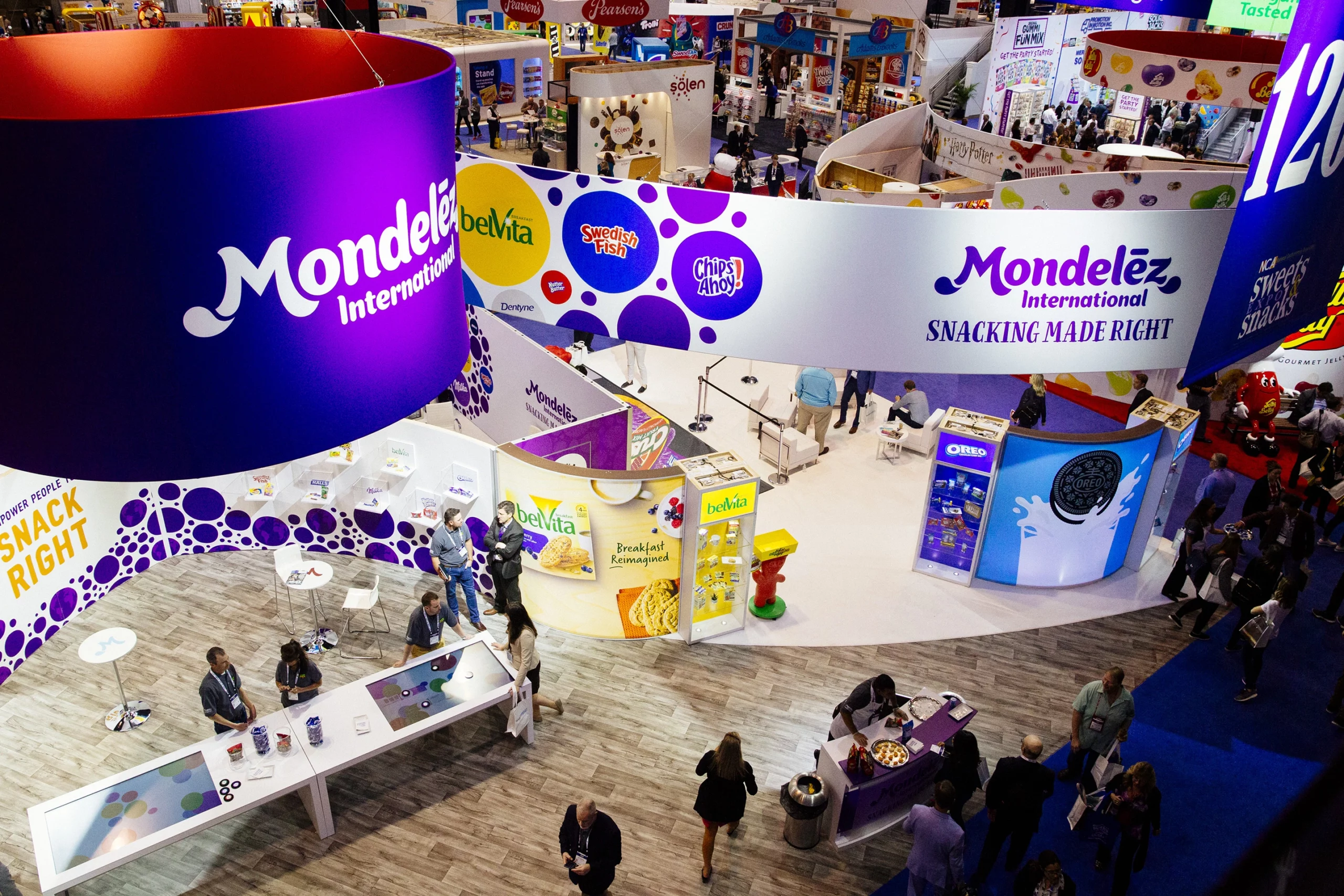
    Mondelēz International released three limited-edition Oreo flavours across Australia on August 24. Consumers will vote on which variant secures a permanent production run in 2027.

    The Twist, Lick, Vote promotion opened with an online presale before stock hit supermarket shelves nationwide. Banana Pudding, Deep Fried, and Chicken & Waffles make up the experimental trio.

    Flavour profiles and voting mechanics

    Banana Pudding combines banana and vanilla pudding flavoured creme in a dual layer between vanilla wafer cookies. The other two entries rely on savoury and novelty profiles to drive social engagement and trial purchases.

    Shoppers cast votes online after sampling the range. The flavour with the highest tally transitions to regular factory production next year.

    Crowdsourced menu strategy

    Packaged food manufacturers across the Asia-Pacific region frequently run voting campaigns to test unconventional formulations without committing to full manufacturing lines. The tactic limits inventory risk while driving retail footfall.

    Mondelēz has not disclosed production volumes for the limited batch or the exact closing date for voting. Tally results and the winning permanent flavour will follow once polling wraps up.

  • Australian Grape & Wine Chief Executive Lee McLean to Step Down

    Australian Grape & Wine Chief Executive Lee McLean to Step Down

    Australian Grape & Wine chief executive Lee McLean will step down next month after eight years with the national industry body.

    McLean took the helm in 2022 following five years as general manager of government relations. He brought more than a decade of background in agricultural policy, trade negotiations, and international relations to the peak industry group.

    Leadership transition

    The departure concludes McLean’s four-year leadership term as chief executive, during which he represented Australian grape growers and winemakers through complex regulatory and trade shifts across regional export markets.

    “I’ve given this role everything I have, and I know it’s the right time to step away and allow space for fresh thinking and leadership,” McLean said.

    Trade and policy tenure

    Prior to his appointment as chief executive, McLean directed government relations for five years, shaping industry advocacy on market access and domestic policy. His tenure coincided with major trade adjustments for Australian wine exporters, particularly across key destinations in the Asia-Pacific region.

    The organisation will outline its leadership succession plan ahead of McLean’s formal departure date next month.

  • Adairs Lifts FY26 Revenue to $641.7 Million Despite Furniture Slump

    Adairs Lifts FY26 Revenue to $641.7 Million Despite Furniture Slump

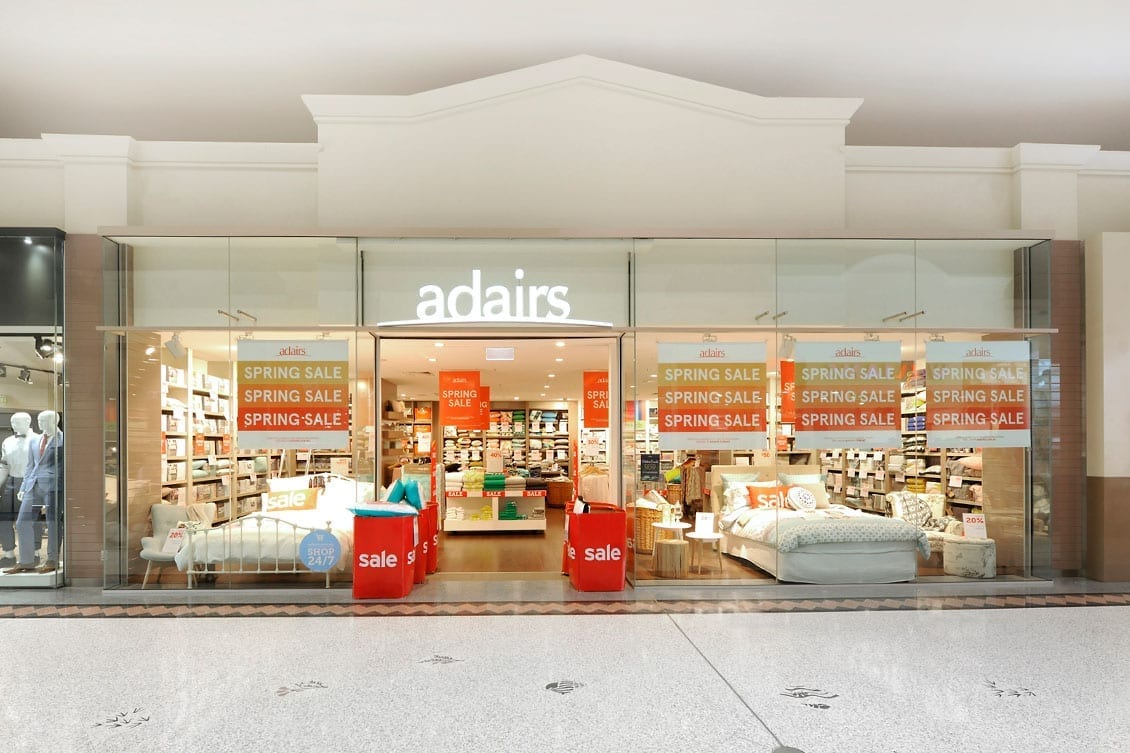
    Adairs Limited lifted group revenue 3.8 per cent to $641.7 million in FY26 as solid sales at its core homewares brand and Mocka offset a furniture slump.

    Underlying net profit after tax rose to $34.6 million, though non-cash impairment charges dragged the Australian retailer to a statutory net loss of $39.4 million.

    The flagship Adairs banner drove the performance. Sales grew 3.9 per cent to $459.2 million, lifting underlying earnings before interest and tax 14.9 per cent to $41.1 million. Gross margin reached 60.9 per cent, while EBIT margin widened 90 basis points to 9 per cent.

    Mocka expanded at a faster clip. Revenue jumped 22.9 per cent to $71.2 million and underlying EBIT climbed 32.1 per cent to $10.1 million, supported by catalogue expansion and pricing adjustments. The brand also opened physical trial stores in June.

    Supply snags hit furniture earnings

    Focus on Furniture weighed on group returns. Sales dropped 5.6 per cent to $111.3 million and underlying EBIT plunged 67.6 per cent after a third-quarter leadership transition disrupted inventory purchasing, thinned showroom floor stock and stretched customer delivery timelines.

    The group installed a new divisional chief executive and restarted supplier ordering in April and May. Inbound stock shipments are scheduled to rebuild availability through the second quarter of FY27, with fresh furniture collections arriving from October.

    Store network plans and debt reduction

    Discretionary retailers across Australasia continue to grapple with uneven consumer sentiment by tightening supply chains and defending gross margins. Adairs countered the furniture drag by trimming net debt by $20 million to $47.6 million, funding a 9.5 per cent increase in full-year dividends to 11.5 cents per share.

    Network changes will remain selective in the year ahead. The group plans to open seven to 10 stores, refurbish four to six, and shut between two and five underperforming sites, while Focus on Furniture will focus on relocations rather than adding new stores before earnings recover across FY28.

  • Brandpay Logs 65 Million Impressions Turning Retail Shoppers into Ad Channels

    Brandpay Logs 65 Million Impressions Turning Retail Shoppers into Ad Channels

    Australian retail technology platform Brandpay has logged 65 million organic impressions across 250 brands by turning regular shoppers into measurable advertising channels. The platform generated an average 4.2 times return on reward spend across 12,894 pieces of customer content.

    Instead of hiring professional creators, the system pays shoppers in store credit when they post authentic social media content about products they bought. That credit circulates back through existing checkout systems, encouraging repeat transactions.

    Micro audiences and store credits

    Brandpay co-founder and chief executive Dr Mike Haywood said the model distributes reach across regular buyers rather than concentrating budgets on a handful of high-profile influencers. More than 80 per cent of rewarded participants have between 100 and 5,000 followers.

    The mechanics produce measurable cost advantages over standard digital ad inventory. Brandpay reported an average cost per mille of $2.48 and a cost per click of $2.62 across its network.

    A brand’s own content describes itself. A customer’s content is evidence.

    RetailNews Asia has tracked a sharp regional pivot away from high-fee influencer contracts across Asia-Pacific e-commerce operators, as rising customer acquisition costs on major ad platforms force merchants to monetize their existing customer bases.

    Measuring return on reward spend

    Shoppers rewarded under the program return to buy twice as frequently as non-rewarded customers. The resulting data allows merchants to test specific reward tiers against basket size increases.

    Brandpay is now testing automated reward calibrations to determine how different credit amounts influence basket size and repurchase frequency across retail categories.

  • Ampol Convenience Earnings Rise 12% to $299 Million in First Half

    Ampol Convenience Earnings Rise 12% to $299 Million in First Half

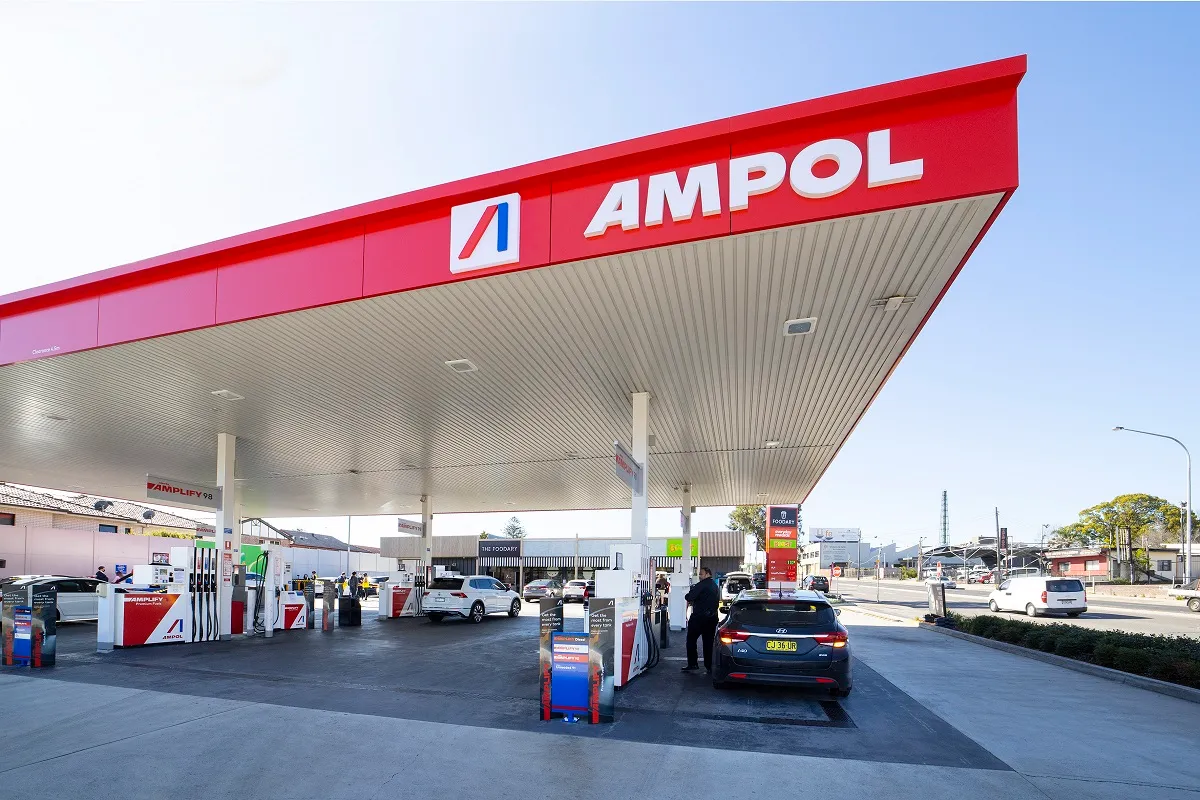
    Ampol Limited lifted its convenience division earnings 12 per cent in the first half of 2026, riding out global oil market volatility linked to Middle East tensions. Adjusted earnings before interest, tax, depreciation and amortisation for the retail network reached $299 million on a replacement-cost basis.

    Earnings before interest and tax in convenience climbed to $204.5 million for the six months ended June 30. Across the wider group, underlying net profit after tax on a replacement-cost basis reached $857.2 million.

    Volume Gains on the Forecourt

    Convenience fuel sales volumes rose 2.4 per cent during the half. Growth centered on base-grade petrol and standard diesel, helped by steady product availability across company-controlled forecourts while wholesale supply chains faced regional shipping constraints.

    Higher pump throughput carried additional foot traffic into store aisles. The shift toward value-oriented base fuels reflects tighter household budgets across Australian metro and regional markets, where motorists continue to trade down from premium fuel grades.

    Shifting Margins Across the Network

    Forecourt operators across Australia and Southeast Asia face a tricky balancing act between volatile wholesale procurement costs and sticky retail shop margins. Competitors such as Viva Energy and standard supermarket-aligned fuel sites have stepped up food and drink promotions to offset lower margins on refined fuel imports.

    Ampol relies on its domestic refining and supply infrastructure to keep supply steady when geopolitical shocks disrupt trade routes. The focus turns to whether retail shop baskets can hold their value into the second half as motorists watch day-to-day spending at the register.