Tag: Australia

  • Miniso Unveils Largest Melbourne Store, Showcasing Exclusive Collections And Broad Product Range

    Miniso Unveils Largest Melbourne Store, Showcasing Exclusive Collections And Broad Product Range

    Chinese consumer goods retailer, Miniso, recently revealed its latest store in Melbourne, situated within the bustling Highpoint shopping complex, marking the brand’s largest outlet in the city.

    Prime Location & Product Variety

    Occupying a prime location on the second level of the shopping center, in close proximity to the food court, Miniso’s latest store is set to draw high volumes of potential customers. The store offers an expansive range of products, including stuffed toys, stationery, beauty products, lifestyle necessities, and electronic accessories.

    Signature Collections & Exclusive Series

    The Melbourne flagship store showcases Miniso’s signature vinyl plush series, which features well-loved Disney characters, such as Winnie the Pooh and Mickey Mouse. Shoppers will also be able to find the exclusive Ufufy Fruit Collection, which is only available at the Highpoint shopping center outlet.

    Grand Opening

    The grand opening of the flagship store was a lively event, attracting many spectators. The festivities included a guest appearance by renowned Australian personality, Tahan Lew-Fatt, as well as live performances by local Kpop and Lion dance groups. The event was hosted by MC Ben McMahon and included a range of promotional activities.

    The Melbourne store marks the tenth Miniso outlet to launch in Australia since March, and the company has plans to unveil more stores throughout the remainder of the year.

    Questions & Answers

    What products does the new Miniso flagship store offer?
    The store offers a wide range of products, including plush toys, stationery, beauty products, lifestyle essentials, and electronic accessories.

    What unique features does the Melbourne flagship store have?
    The Melbourne flagship store houses Miniso’s signature vinyl plush series, with beloved Disney characters. It also offers the exclusive Ufufy Fruit Collection, only available at this location.

    How many Miniso stores are there currently in Australia?
    There are currently ten Miniso stores in Australia, with plans to open more throughout the year.
  • Umall Acquires Asian Grocer Online: A Strategic Leap In Multicultural Grocery Sector

    Umall Acquires Asian Grocer Online: A Strategic Leap In Multicultural Grocery Sector

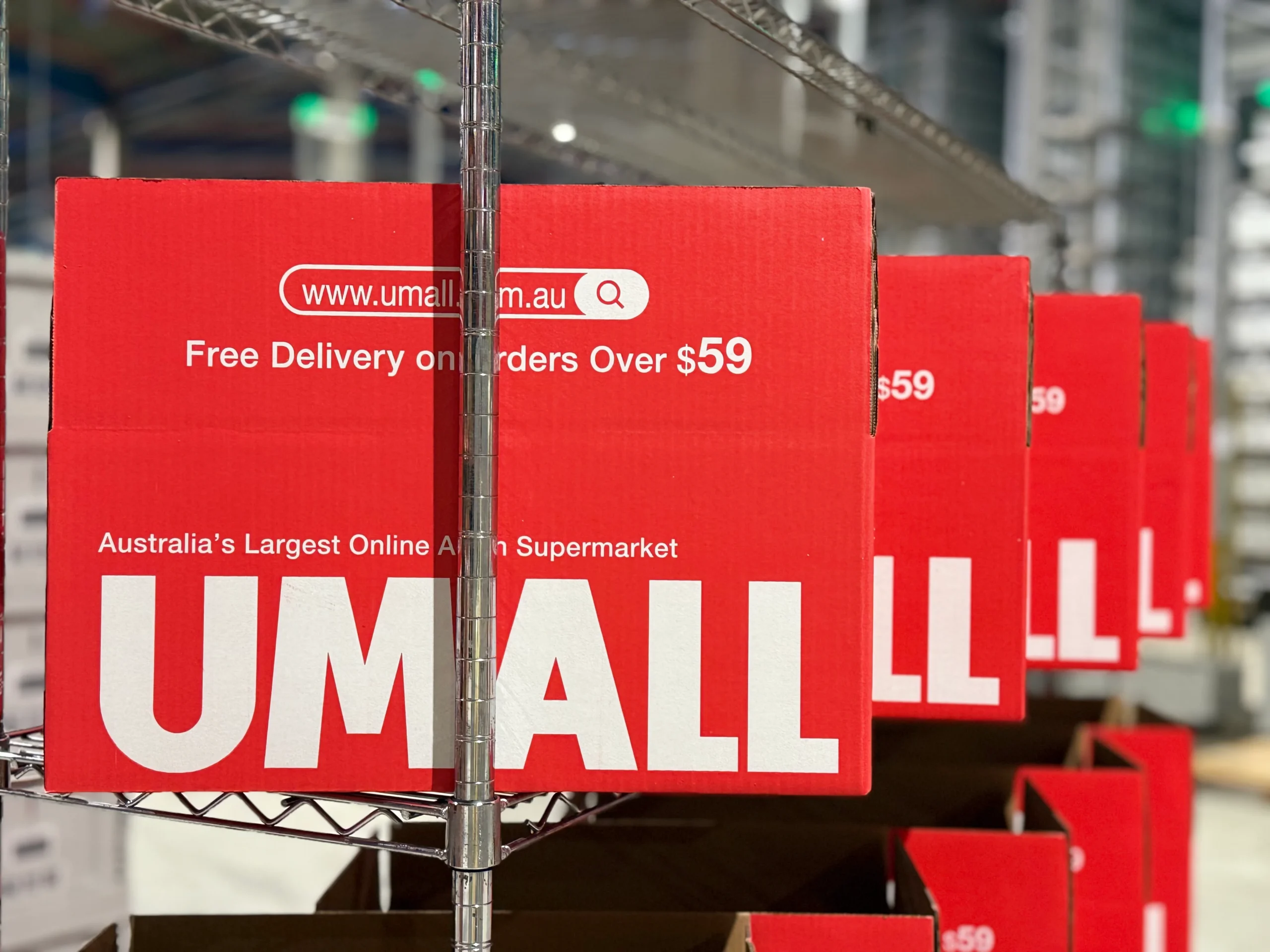
    Umall, an Australian e-commerce platform, recently announced its acquisition of Asian Grocer Online (AGO) in a bid to expand its presence in the multicultural grocery sector.

    Strategic Acquisition

    This acquisition represents a significant development in Umall’s ongoing expansion efforts. The company refers to this move as a “key milestone” in its growth trajectory. As part of this acquisition, AGO’s website is currently unavailable due to system enhancements. However, the company is working towards launching a fully refurbished, unified platform that combines the strengths of both brands.

    Expanding Reach

    With the integration of AGO’s category expertise and dedicated customer base, Umall aims to solidify its leadership position in the multicultural grocery space. The company intends to broaden its reach across Australia, providing a more diverse range of products to its customers.

    New Online Asian Supermarket

    The acquisition of AGO comes on the heels of Umall’s recent launch of a new online Asian supermarket. This venture seeks to provide a broader array of culturally diverse products, all delivered straight to customers’ homes.

    Investments in Technology

    Umall attributes much of its rapid growth to its significant investments in advanced technologies such as AI, automation, and robotics. The company maintains that these technologies have enabled it to provide faster, fresher, and more efficient service in comparison to traditional retailers.

    Questions & Answers

    What does Umall’s acquisition of AGO indicate?
    This acquisition suggests Umall’s strategic plan to extend its influence in the multicultural grocery sector and solidify its leadership position.

    What is the plan following the acquisition?
    The current plan is to launch a fully revamped, unified platform that leverages the strengths of both Umall and AGO. This integrated platform aims to provide a wider array of culturally diverse products.

    What has contributed to Umall’s rapid growth?
    Umall attributes a significant part of its rapid expansion to its substantial investments in AI, automation, and robotics. These technologies, according to the company, allow it to provide faster and more efficient service than traditional retailers.

  • Australia’s Big Four Banks Face Billions in Fossil Fuel Exposure – What It Means for Investors

    Australia’s Big Four Banks Face Billions in Fossil Fuel Exposure – What It Means for Investors

    Australia’s major banks, while reducing their project finance to fossil fuel companies, still maintain significant exposures in the billions, according to recent findings from the Institute for Energy Economics and Financial Analysis (IEEFA). The big four—Australia and New Zealand Banking Group (ANZ), Commonwealth Bank of Australia (CBA), National Australia Bank (NAB), and Westpac—continue to overlook a critical environmental risk: methane emissions during fossil fuel production.

    Overlooked Methane Risks in Fossil Fuels

    Anne-Louise Knight, IEEFA’s lead coal analyst for Australia, highlighted how these banks, despite recognizing methane risks in other sectors, tend to ignore them when it comes to their coal or oil and gas clients. This oversight is particularly alarming given that methane is responsible for approximately 30% of the post-industrial increase in global temperatures.

    Missing Methane Reporting

    According to Knight, none of the major banks differentiate methane emissions from carbon dioxide emissions in their reporting. Some institutions appear to rely on outdated International Energy Agency (IEA) scenarios regarding net-zero emissions when devising their plans. Alarmingly, none of the banks have committed to phasing out financial support for metallurgical coal mining, a sector known for its higher methane intensity compared to thermal coal.

    Calls for Action on Emissions

    IEEFA strongly advocates for the mandatory submission of climate transition plans by all fossil fuel clients and urges banks to integrate methane emissions into their accounting practices. Independent verification of self-reported methane emissions from clients in methane-heavy industries should also become a standard requirement.

    “Australia’s major banks have made substantial progress in tackling climate-related financial risks and establishing decarbonization goals,” Knight stated. “However, the credibility and effectiveness of these measures are undermined by critical shortcomings, particularly the inconsistent focus on methane emissions.”

    As the climate crisis mounts, one wonders: can Australia’s banks really afford to keep their heads in the sand over methane emissions, or will they wake up and smell the… well, gas?

    Questions & Answers

    What are the main findings of the IEEFA regarding Australia’s major banks and methane emissions?
    IEEFA’s findings indicate that while the big four banks in Australia have cut back on financing fossil fuel companies, they continue to have massive exposures. They also largely ignore the risks associated with methane emissions from these sectors.

    How has methane contributed to climate change according to the IEEFA?
    Methane is responsible for around 30% of the post-industrial increase in global temperatures, making it a significant concern in the context of fossil fuel production.

    What measures does the IEEFA recommend for banks to improve their environmental accountability?
    IEEFA recommends that banks should require submissions of climate transition plans from all fossil fuel clients, incorporate methane emissions into their accounting, and necessitate independent verification of self-reported methane levels.

  • CommBank Launches AI Bots to Combat Scams and Enhance Customer Security

    CommBank Launches AI Bots to Combat Scams and Enhance Customer Security

    The Commonwealth Bank of Australia (CBA) is leveraging the power of artificial intelligence to combat the rising tide of scams targeting unsuspecting Australians. In an innovative move, the bank has deployed “a fleet of thousands of AI-powered bot profiles” specifically designed to engage with scammers, gather crucial intelligence, and disrupt their illicit operations.

    AI Bots on the Frontlines Against Scams

    This impressive initiative comes from Apate.ai, a cyber-intelligence firm that evolved from Macquarie University. Each day, Apate.ai unleashes thousands of these smart conversational bots to thwart scammers who rely on text messages and voice calls to deceive their victims. The launch of this bot network follows a successful pilot program from late 2024, showcasing the potential of AI in consumer protection.

    A Honeypot System for Scammers

    At the core of Apate.ai’s operations is an innovative “honeypot” system, explained Dali Kaafar, the company’s CEO and founder. In collaboration with telecommunications partners, the firm maintains an expansive and ever-growing array of dedicated phone numbers that are specifically designed to attract scammers. “When a scammer dials or messages one of these numbers, they actually engage in conversations with one of our AI-powered bots and not a person,” Kaafar elaborated, emphasizing the ingenious trap set for fraudsters.

    The Evolution of Retail security

    The integration of such technology marks a significant step not just in banking but across the entirety of retail, as businesses grapple with the constant threat posed by scammers. While traditional methods of fraud prevention still have their place, the adoption of advanced AI technologies offers a fresh line of defense, transforming the way retailers and banks protect their customers and maintain their trust.

    With creativity and intelligence, CBA and Apate.ai are setting a precedent that may very well redefine how industries combat financial fraud in the digital age. In a world where scams are becoming as common as avocado toast on brunch menus, it pays to have sophisticated tools in your corner.

    Questions & Answers

    How is Commonwealth Bank using AI to combat scams?
    The Commonwealth Bank of Australia is utilizing a network of thousands of AI-powered bots to engage with scammers, gathering intelligence and disrupting their operations.

    What technology underpins Apate.ai’s scam-fighting strategy?
    Apate.ai’s approach is based on a “honeypot” system that employs dedicated phone numbers designed to attract scammers and engage them in conversations with AI bots.

    Why is the integration of AI significant for the retail industry?
    The use of AI in combating scams represents a revolutionary step for the retail industry, as businesses increasingly adopt advanced technologies to protect consumers and safeguard trust.

  • Bank Australia’s Merger with Qudos: A Strategic Move to Enhance Competitive Edge in Retail Banking

    Bank Australia’s Merger with Qudos: A Strategic Move to Enhance Competitive Edge in Retail Banking

    Bank Australia (BAL) has strengthened its foothold in the competitive banking landscape with its recent merger with Qudos Bank. The two entities joined forces on 1 July 2025, with Qudos transferring all its assets and liabilities to BAL, which will now operate under both the Bank Australia and Qudos Bank brands. This merger is seen as a significant step toward enhancing BAL’s capital position, which is projected to remain robust.

    Upcoming Australian Unity Bank Acquisition

    In an additional strategic move, BAL is set to acquire the assets and liabilities of Australian Unity Bank in fiscal 2026. Overall, these ventures are estimated to impact BAL’s risk-adjusted capital (RAC) ratio, which S&P Global Ratings predicts will decline to between 16.2% and 16.7% in fiscal years 2026 and 2027.

    Healthy Growth Amid Challenges

    S&P has expressed confidence in BAL’s stability, indicating the newly merged entity is unlikely to experience disruptions to its core activities. The agency believes that underlying loan growth will remain slightly above the average for the Australian banking sector. The RAC ratio serves as a critical metric for assessing a bank’s resilience against economic volatility.

    Navigating Integration Risks

    Of course, with growth comes challenges, particularly in the form of integration risks associated with the Qudos merger. S&P points out that as BAL works to consolidate systems, it must also contend with the financial strain posed by merger-related costs. The bank is anticipated to act as a price taker in the competitive Australian lending and deposit markets, facing pressure from larger regional and major banks.

    Following the merger, BAL will carve out a modest market presence, holding around 0.4% of Australia’s residential lending market. However, S&P remains optimistic, stating that the merger is unlikely to significantly raise the underlying risk in BAL’s consolidated lending and funding portfolios. The agency forecasts the bank’s credit losses to remain impressively low at approximately 0.05% of customer loans, which is below the systemwide average. This indicates a well-capitalized future for BAL, with expectations that its RAC ratio will stabilize between 16.2% and 16.7% until 2027.

    A Bright Future Ahead

    In a landscape marked by change, Bank Australia is poised to navigate its mergers while maintaining stability, a feat that may surprise even the most seasoned industry watchers.

    Questions & Answers

    What impact will the merger with Qudos Bank have on BAL’s capital position?
    The merger is expected to boost BAL’s competitive standing while maintaining a strong capital position, estimated to remain between 16.2% and 16.7% in the coming fiscal years.

    What challenges does BAL face post-merger?
    BAL must address integration risks associated with consolidating systems and manage costs related to the merger while remaining competitive in the Australian lending market.

    How does BAL’s market share compare after the merger?
    After the merger, BAL will hold about 0.4% of Australia’s residential lending market, a modest share that suggests it remains a small player amidst larger regional banks.

  • Mad Mex plans five-country Asian restaurant rollout

    Mad Mex plans five-country Asian restaurant rollout

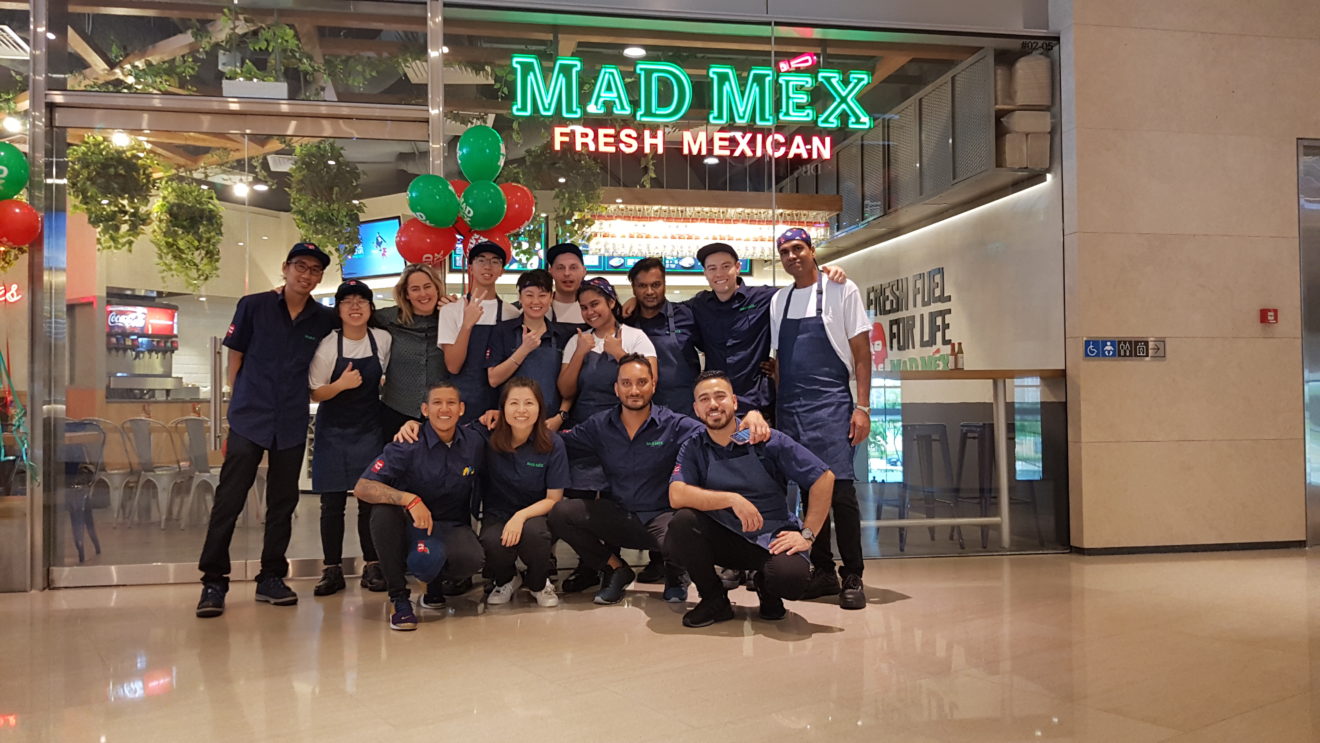
    Australian Mexican restaurant chain Mad Mex plans to expand into Asia, starting with its first Singapore restaurant this month.

    An inaugural Malaysian store is on track to open in December, and Indonesia and Thailand are also on the list.

    Mad Mex, which recently partnered with Singapore’s 4Fingers group, runs 70 restaurants in Australia and New Zealand and claims to have served up more than 4 million burritos within the last year.

    “Asia is a growth market with diverse cultures and adventurous appetites for great tastes and flavours, which is perfect for Mad Mex,” said founder Clovis Young.

    “The expansion into Asia Pacific comes at an exciting time for Mad Mex: we’ve launched our Fresh Fuel for Life brand positioning which highlights our continued commitment to best-quality Mexican food, packed with fresh and healthy ingredients to fuel our amigos’ lives and passions. We pride ourselves on providing real food with no nasties, and big bold authentic flavours to nourish real people on the go.”

    Young said Southeast Asia is in the midst of a food revolution towards healthy eating, and believes Mad Mex’s healthy, quality offer will resonate with local customers.

    “We are very excited by the opportunity and we have big plans for the next five years.“

    Mad Mex has opened in Singapore’s Marina Bay financial district. With 4Fingers the company plans to make the most of local market knowledge in growing both brands in Singapore, Australia, Indonesia, Thailand and Malaysia.

    Meanwhile, the company has reported like-for-like sales growth of 6.5 per cent this year and 70 consecutive weeks of sales growth in its core Australian market.

    “The results our team has delivered are truly remarkable and a demonstration of the passion and enthusiasm our restaurant teams have for the food and the brand. The last year has been very tough for retailers, so this performance really is exceptional.”

  • Grape Co fined for misleading consumers on grape origins

    Grape Co fined for misleading consumers on grape origins

    Grape Co Australia has been fined $34,920 by Australian Competition & Consumer Commission (ACCC) for making false and misleading representations on grape origins and breaching the Horticulture Code.

    In a statement on its website, Victorian table grape traders said: “Every single one of our grapes is personally hand-selected from the finest fruit on our family’s estate in Sunraysia Australia.”

    The statement later was found false and misleading under the Australian Consumer Law as it implied all grapes of Grape Co are grown in the family estate, however some of them are grown on third-party growers’ properties.

    “Food producers must ensure they do not mislead consumers with marketing statements about the place of origin of goods or produce,” said Mick Keogh, deputy chair of ACCC. “This not only impacts consumers but can also prevent other businesses who are careful about being accurate in their marketing from competing on a level playing field.

    “Consumers looking to support small businesses may make purchasing decisions based on representations that the produce is sourced from a family farm, and it is important they are not misled so they get what they pay for.”

    The company has also been alleged of breaching The Horticulture Code as it traded without written Horticulture Produce Agreements when acting as an agent for grape growers, and failed to prepare, publish and make publicly available its terms of trade.

    “Terms of trade allow growers to understand the services and aspects of trading provided by different traders so that growers can make an informed decision as to who they wish to supply produce to,” said Keogh.

  • New Zealand’s Finery zero per cent cocktails launch in Australia

    New Zealand’s Finery zero per cent cocktails launch in Australia

    Aussie consumers are to get more non-alcoholic choices as New Zealand’s cocktails brand Finery launches alcohol-free cocktails in Australia.

    Created by The Fine People, The Finery zero percent cocktails range consists of four flavors, using a blend of distilled extracts, tinctures, and natural flavors to deliver a collection of premium blend beverages, free from alcohol.

    The range is also free from sugar, carbohydrates, gluten, and preservatives, with vegan-friendly options.

    “With more people looking for non-alcoholic drink options than ever before, we wanted to offer a delicious drink without the sugary calories often associated with non-alcoholic drinks,” said Jane Allan, co-founder of The Fine People.

    “By removing the alcohol content we’ve made it even healthier than before, ensuring non-drinkers get to enjoy the taste of the original Finery, without the calories associated with alcohol.”

    Finery zero percent cocktails will be available across Dan Murphy’s stores across the country. The products are sold in packs of four with an RRP of AU$15.95.

  • Australian winemakers fight EU to retain Prosecco name

    Australian winemakers fight EU to retain Prosecco name

    Winemakers from Victoria’s King Valley traveled to Canberra on Tuesday to lobby parliamentarians to protect their use of the prosecco grape variety name. Australian winemakers are “not giving any ground” against the European Union, which does not want exporters to sell foods trademarked under geographical indicators as a condition in Australia’s free trade deal.

    Australian Grape and Wine is a producer representative organization leading the campaign against the name ban. Chief executive Lee Mclean said the European Union wanted to use the Australia EU Free Trade Agreement to ban Australian producers from using the variety name.

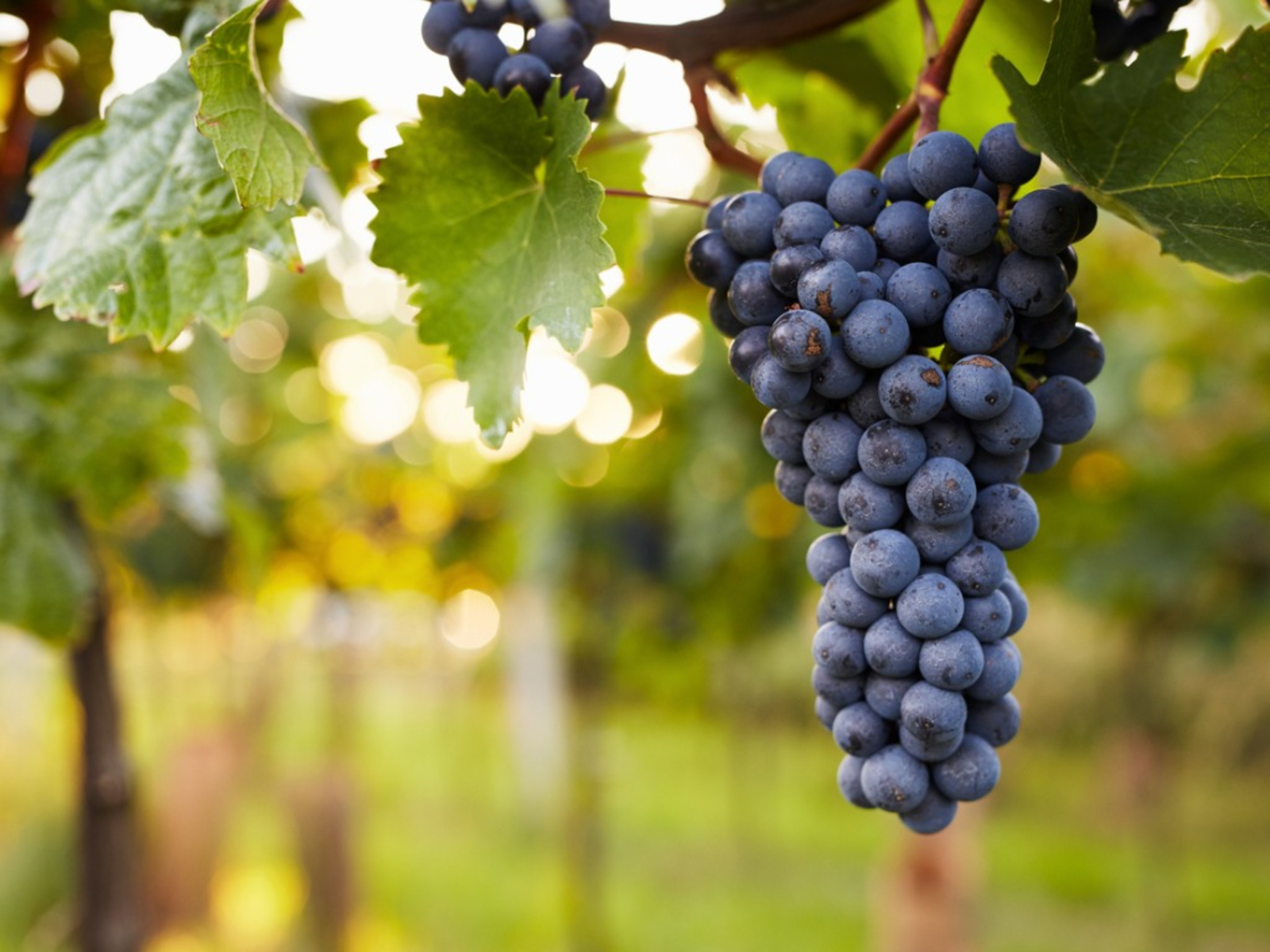
    “The fact is, prosecco is a grape variety name, just like chardonnay or cabernet sauvignon,” Mr McLean said.

    “The European Union’s approach to this issue is motivated by a desire to protect Italian producers from the competition and nothing more.”

    In 2009, Italy changed the name of the prosecco grape variety to “glera” within the European Union.nIf the condition is agreed upon as part of Australia’s EU free trade deal, Australian winemakers could have to use “glera” or “Australian prosecco” on labels. Most Australian prosecco is produced in Victoria’s King Valley and Murray Valley where many winemakers have invested heavily in the grape variety.

    Pizzini Wines owner Alfred Pizzini said this was not the first time winemakers had been to Canberra to state their case.

    “It’s been an ongoing conversation with government,” Mr Pizzini said.

    “This is coming to a pinnacle because the free trade arrangements are negotiated as we speak and could be finalized over the next six months.”

    Mr Pizzini estimated the King Valley needed to plant up to 50 hectares of prosecco each year to keep up with demand and the loss of the name would have economic impacts on exports.

    “In the short term it would be economically damaging, but we’ve got to be careful not to give any ground because it’s the use of the name of a grape variety,” he said.

    “I think one of the potential problems we will have, a lot of export of prosecco goes through Singapore ports.

    “If we lose that name, there’s a good chance we will lose the opportunity to send prosecco through Singapore.”

    Victorian winemakers fear the loss of the name prosecco could lead to further grape variety names being banned in Australia. Brown Brothers winemaker Katherine Brown told ABC Radio they would stand strong against Italy.

    “Champagne is a method and it’s made in a certain way and we understand the French want to keep that as their own, but prosecco is a grape variety,” Ms Brown said.

    “Italians have created a region in Italy called prosecco and they are claiming now that sparkling wine that comes from there is the only wine that can have prosecco on it and the rest of us who have been using prosecco grapes need to find another name.”

  • BeeBio aims to sweeten travel retail’s skincare offer

    BeeBio aims to sweeten travel retail’s skincare offer

    Key ingredients within the range include active medical grade Manuka honey – known for its healing properties – natural bee products (bee venom, Royal Jelly) and anti-oxidant botanicals from New Zealand. The products regenerate new skin cells by 80%, according to research conducted by the brand.

    BeeBio is performing strongly on the Australian domestic market, and earlier this year entered the inflight travel retail sector, with listings onboard Singapore Airlines, Hong Kong Airlines and Cathay Pacific. The brand is targeting a presence onboard 15 airlines by the end of the year.

    The BeeBio portfolio includes cleansing, moisturising and treatment lines. Star products include the Venomenous Bee Venom and Active Manuka Honey Anti-Aging Face Masque, Active Manuka Honey Eye Crème with Bee Venom, Royal Jelly Facial Crème and Active Manuka Honey Day Crème with SPF15. Body and hand care products are also available, while an anti-ageing serum is in the pipeline.

    “We believe we have a premium offer and want to go global,” Sales Director Liz Kolovos told The Moodie Report. “We are targeting travel retail expansion, and have already created special travel packs and exclusives for the channel.”

  • Subsea cable leaves Telstra customers with Apple download delays

    Subsea cable leaves Telstra customers with Apple download delays

    Customers on the Telstra network have complained about substantial delays in downloading Apple services for most of the week, with Telstra now acknowledging a subsea cable issue and claiming that it is working on resolving it.

    The issue, flagged on broadband enthusiast website Whirlpool and on Twitter, has seen Telstra customers attempting to download or update their operating systems or apps across the iTunes Store and the App Store, as well as use streaming services Apple Music and Apple Radio, experience severe delays.

     This has been the case across mobile, cable, ADSL, and business fibre connections, with app updates taking dozens of minutes rather than seconds, music streaming “impossible”, and updates to its newly launched OS X El Capitan taking more than a day.

    “I’m on 100Mbit cable and I’m lucky if I’m getting 20KB/sec from Apple,” complained Whirlpool user sebastiankong.

    “I couldn’t even purchase an app. My ADSL 2 plus is getting speeds of 1Mbps for a week compared to 14Mbps,” added worldcitizen.

    Circumventing the Telstra network with a VPN has been the only way that customers have been able to avoid the issue.

    “Same here too (in Brisbane), both with my home 100mb cable connection and over 4G across the city during the day,” said BurndtJam.

    “Downloads crawl and Apple Music streaming is impossible. Once I start running traffic through a VPN, there’s no issue. Whatever Telstra is doing with Apple traffic is very broken.”

    Telstra acknowledged the problem on Twitter, telling numerous customers who complained over the social network variations of: “There is an issue with the speeds to Apple servers that we are working to resolve. Apologise for the inconvenience.”

    Telstra has since identified a subsea cable as the cause of the issue.

    “We are experiencing issues with an undersea cable connecting Australia with Singapore. As a result, some customers are experiencing slow service when using mobile devices to download or update apps or stream music from some providers,” a Telstra spokesperson told ZDNet in a statement.

    “We are working to resolve this issue as quickly as possible, including utilising alternative paths while repairs are undertaken. We apologise for any inconvenience caused and as soon as we have an update on the current situation we will let our customers know.”

    Telstra upgraded its subsea cable connectivity to 100Gbps in January this year in order to cope with the increasing demand for high-definition video services.

    “The move to 100G is much more than just raw capacity. Alongside enhanced efficiency, 100G can help customers reduce operational expenditure and simplify network maintenance thanks to the service’s ability to consolidate bandwidths. It is also flexible enough to meet the requirements of most cable companies by offering landing station and point of presence options, too,” Telstra Global Enterprises and Services chief operating officer Darrin Webb said at the time.

    Telstra’s 100G wavelength service is available across its Telstra Endeavour, Australia-Japan cable, Asia-America Gateway, Reach North Asia Lop, and UNITY cable systems.

  • Bega Cheese Eyes Acquisition Of Fonterra Oceania: A Potential Boost For Australia’s Dairy Industry

    Bega Cheese Eyes Acquisition Of Fonterra Oceania: A Potential Boost For Australia’s Dairy Industry

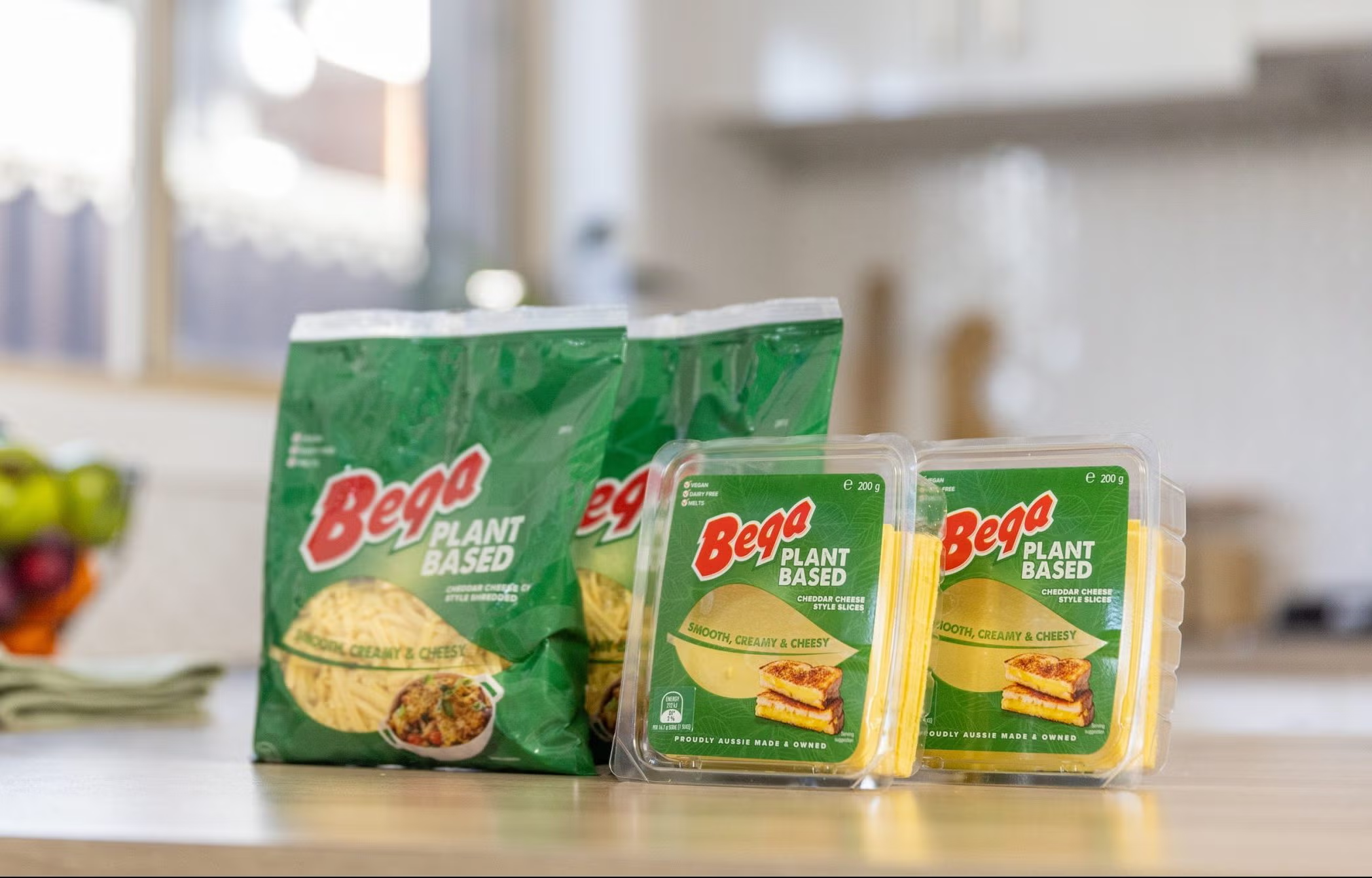
    Bega Cheese, an Australian dairy company, has indicated its intention to file an application with the Australia Competition and Consumer Commission (ACCC) seeking authorisation for its planned acquisition of Fonterra Oceania.

    Enhancing Outcomes through Acquisition

    Bega Cheese believes that the prospective acquisition would greatly improve the company’s performance and efficiency, and it would also have substantial benefits for the broader dairy industry. The company argues that combining its resources with those of Fonterra Oceania would result in improved efficiencies and outcomes for Australian dairy farmers, customers, and consumers.

    Bega Cheese is of the view that it is the most suitable acquirer of Fonterra’s Oceania businesses and is keenly interested in pursuing this opportunity. The company is hopeful of engaging in productive discussions with Fonterra Group on the sale of its Oceania businesses.

    Domestic Acquisition not Subject to Foreign Review

    As Bega Cheese is an Australian business, it expects that the potential acquisition will not require the approval of the Foreign Investment Review Board (FIRB).

    Fonterra’s Divestiture Strategy

    In November, Fonterra revealed its plans to divest by pursuing a trade sale and an initial public offering of its global consumer business, as well as its integrated businesses Fonterra Oceania and Fonterra Sri Lanka. The company believes that this divestment will allow it to concentrate its resources on the ingredients and foodservice businesses, thereby maximising value.

    Fonterra’s consumer business includes the operations and marketing of a variety of brands, such as Mainland, Anchor, Kapiti, and Anlene.

    Questions & Answers

    Why is Bega Cheese planning to acquire Fonterra Oceania?
    Bega Cheese believes that the acquisition of Fonterra Oceania would greatly improve its own business efficiencies and performance.

    Who needs to approve the acquisition?
    The Australia Competition and Consumer Commission (ACCC) needs to approve the acquisition.

    What is Fonterra’s rationale behind its divestiture strategy?
    Fonterra believes that by divesting, it will be able to concentrate its resources on the ingredients and foodservice businesses, thereby maximising value.

  • ASIC Revokes License of Financial Services Group Australia: What It Means for Retail Investors

    ASIC Revokes License of Financial Services Group Australia: What It Means for Retail Investors

    The Australian Securities and Investments Commission (ASIC) has made a significant move by canceling the license of Financial Services Group Australia Pty Ltd (FSGA), raising eyebrows across the financial sector. In a bold statement on its website, the regulator also announced the permanent ban of FSGA’s responsible manager, Graham Holmes, from any role in the financial services industry.

    Serious Allegations Against FSGA

    ASIC alleges that FSGA fell short in its duty to ensure that its representatives provided financial product advice suited to the needs of their clients. Failings in this area have led the commission to question FSGA’s commitment to acting in the best interests of its clientele. Additionally, the firm allegedly lacked adequate financial and human resources to deliver the services as mandated by its license.

    Failure to Comply

    FSGA has reportedly failed to submit crucial financial statements and auditor’s reports on time, neglected to lodge necessary breach reports with ASIC, and did not meet a key condition of its license concerning its total asset-liability ratio for the financial years 2022 and 2023. These serious oversights illustrate a troubling pattern of non-compliance.

    Holmes’ Troubling Tenure

    Holmes, who served as FSGA’s responsible manager, is accused of taking on the role “on paper” only, while still collecting RM fees without fulfilling his responsibilities. ASIC concluded that Holmes is unfit to participate in any financial services business, marking a severe blow to his professional reputation.

    In an industry where trust is the currency of success, these findings leave many wondering about the integrity of financial advising. As they say, when it rains, it pours — and in this case, it’s a torrential downpour for both FSGA and its former manager.

    Questions & Answers

    What led to ASIC’s decision to cancel FSGA’s license?
    ASIC concluded that FSGA failed to meet its regulatory obligations, including ensuring that financial advice was suitable for clients.

    What does the ban on Graham Holmes entail?
    Graham Holmes is permanently banned from providing any financial services and from holding any position that may influence a financial services business.

    How significant is this action for the financial services industry in Australia?
    This action underscores the stringent oversight by ASIC and serves as a warning to other firms about the importance of compliance and ethical standards in financial advising.

  • Australia And Eu Resume Free Trade Talks: Farming, Food Labeling, And Intellectual Property Rights In Focus

    Australia And Eu Resume Free Trade Talks: Farming, Food Labeling, And Intellectual Property Rights In Focus

    Trade Minister Don Farrell has announced that Australia and the European Union (EU) are set to resume negotiations for a free trade agreement immediately. This comes two years after Australia withdrew from discussions due to an unsatisfactory market access proposal for its beef, sheep, dairy, and sugar sectors.

    Changing Global Trade Landscape

    The global market has reshaped in unexpected ways due to the unanticipated tariff hikes imposed by the United States under President Donald Trump. As a result, the prospects for fruitful negotiations between Australia and the EU, specifically centered on enhancing access for select agricultural products and reducing bureaucratic hurdles, have considerably improved.

    One of Australia’s prime objectives is to amplify its beef and lamb exports to Europe. However, this is a task easier said than done, considering the significant political sway held by European farmers. An offer made by the EU in 2023 accounted for a scant 0.3% of its agricultural imports and was inferior to what it proposed to other trade partners.

    Contentious Discussion Points

    Another significant obstacle has been the EU’s insistence that Australia relinquish naming rights for hundreds of food and beverage products. The EU is pushing for Australia to adopt its system of controlling the names of region-specific food and spirits specialties, which, if agreed upon, could adversely affect Australian consumers, dairies, and boutique spirit manufacturers.

    The EU is advocating for Australia to implement its “geographical indications” model to safeguard the names of European goods. This includes a list of 170 food names and 236 spirit names that the EU wishes Australia to concede.

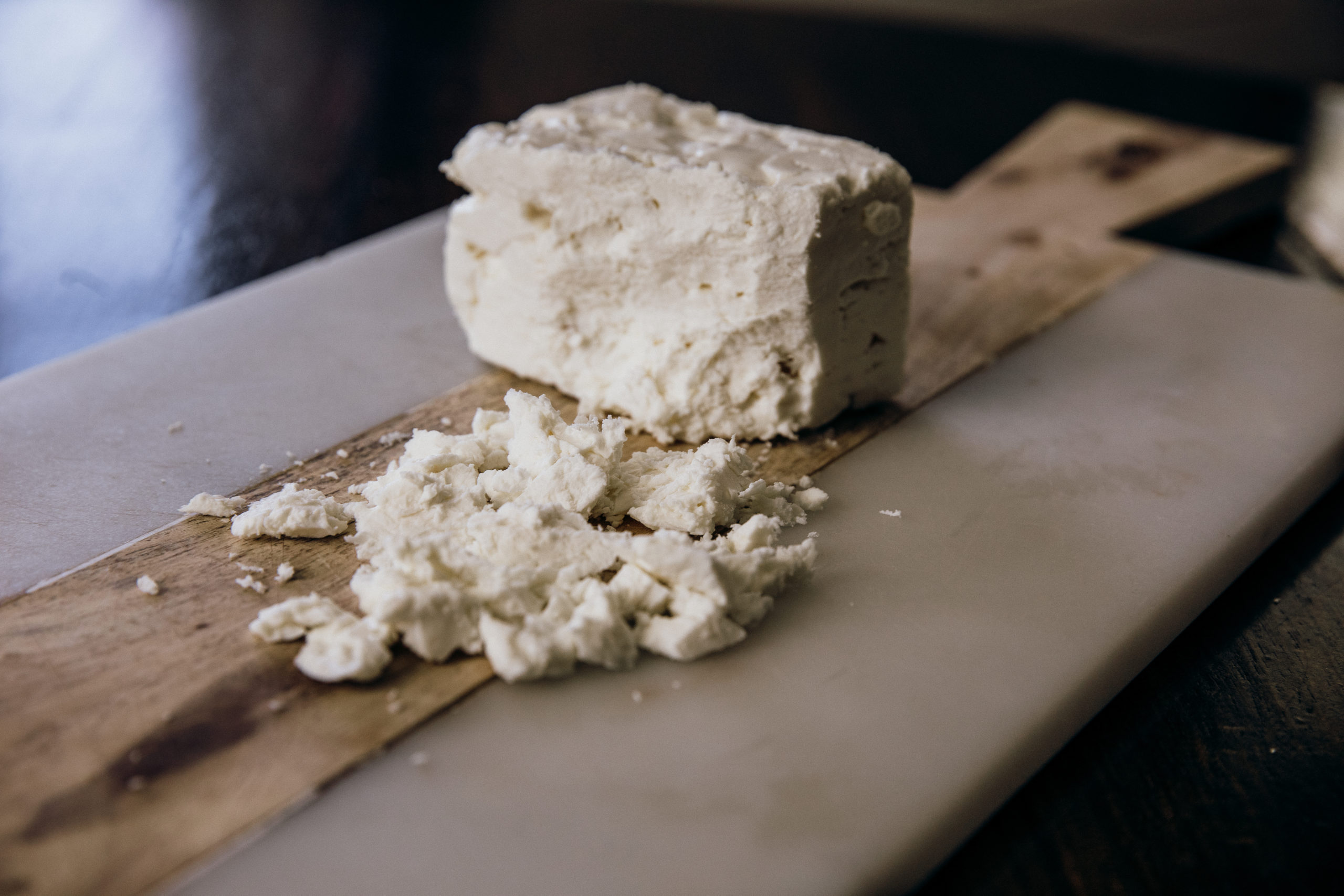
    The EU’s proposition is that only Greek feta should be allowed for sale in Australia; currently, Australian, Greek, Danish, and Bulgarian feta are sold nationally. It also seeks to reserve the names prosecco and parmesan exclusively for European manufacturers.

    Australia’s approach to food labeling is primarily driven by consumer protection laws and there is minimal history of fraud. By contrast, Europe initially introduced this system for wines due to rampant fraud, before extending it to food products.

    Intellectual Property Challenges

    Issues arise with the specific food and spirits names that the EU wishes to reserve for its producers. Australia contends that these are common names for the food items and it should not lose access to them. The country’s trade agreements allow for an objection process in situations where intellectual property rights limit what other producers can do. However, the government has thus far failed to offer a resolution process or feedback for those affected by the EU’s naming demands, hindering due process of law.

    Questions & Answers

    What impact could the EU’s naming demands have on Australian producers and consumers?

    It could negatively affect Australian dairies and boutique spirit manufacturers, as well as consumers who are accustomed to products with certain names.

    Why is Australia resisting the EU’s naming demands?

    Australia argues that these are common names for food items and that they should not lose access to them. The country also maintains that its approach to food labeling, driven by consumer protection laws, is adequate.

    What concessions could Australia potentially make to reach an agreement?

    Australia could follow the precedent set by Canada by accepting feta as a geographical indication while allowing existing Australian producers to continue producing and selling feta. Similar safeguards could be sought for other products.

  • Hecho En Mexico Debuts Ready-to-heat Packs At Coles Supermarkets Nationwide

    Hecho En Mexico Debuts Ready-to-heat Packs At Coles Supermarkets Nationwide

    The Melbourne-based Mexican fast-food chain, Hecho En Mexico, has made moves to broaden its horizons into the retail market by introducing two of its most popular dishes in ready-to-heat packs.

    The launch, resulting from a collaboration with cooked-protein provider Country Cooked, includes two of the chain’s fan favorites: Hecho En Mexico Chicken Fajitas and Hecho En Mexico Pulled Pork Tacos. The chicken fajitas consist of a 12-hour marinated chicken fajita mix, while the pulled pork tacos feature seasoned Mexican pulled pork.

    The convenient packs are inclusive of six flour tortillas and tomatillo salsa. Customers need only add shredded cheese and lime to have a well-rounded meal ready in under 20 minutes.

    Since making its first appearance in Fitzroy, Melbourne back in 2013, Hecho En Mexico has experienced rapid growth, resulting in the opening of over 20 restaurants across Australia.

    Loui Marcocci, the co-founder of Country Cooked, expressed his optimism about this new venture. According to him, this partnership illustrates the increasing opportunities for fast-service restaurants to venture into the retail sector.

    Marcocci highlighted that Hecho En Mexico had already been utilizing Country Cooked’s products in its restaurants. He expressed how this move is mutually beneficial, extending the brand’s reach to retail consumers and offering fans of the restaurant the convenience of purchasing their favorite dishes at their local Coles supermarket.

    The new Hecho En Mexico range is currently accessible at Coles supermarkets nationwide.

    Questions & Answers

    What is Hecho En Mexico’s new venture?
    Hecho En Mexico, in collaboration with Country Cooked, is launching two of its popular dishes in ready-to-heat packs for retail.

    What dishes are included in the ready-to-heat range?
    The range includes the Hecho En Mexico Chicken Fajitas, a 12-hour marinated chicken fajita mix, and Hecho En Mexico Pulled Pork Tacos, made with seasoned Mexican pulled pork.

    Where are the ready-to-heat packs available for purchase?
    The ready-to-heat packs are available at Coles supermarkets nationwide.