Retail News CRM

Tag: Australia

  • Australian Researchers To Study How Tesla Car Batteries Can Power Grid

    Australian Researchers To Study How Tesla Car Batteries Can Power Grid

    Australia’s University of Queensland (UQ) on Wednesday said it would recruit Tesla Inc car owners around the world to analyze if the vehicle’s spare battery capacity could support the energy grid and even power homes in the future. The university has partnered with analytics platform Teslascope for the research project, which it said would be a world-first trial that would check how owners of electric vehicles (EV) currently drive and charge their vehicles. For the first phase of the study, Tesla owners in Australia, the United States, Canada, Norway, Sweden, Germany, and Britain can apply. The program could be expanded later to include other electric vehicle companies.

    With increasing numbers of electric vehicles globally, scientists are looking to find how the batteries can provide other cleaner energy services besides helping lower emissions in the transport industry. Researchers at UQ said most EVs are driven only one-eighth of their daily driving range of 400 km (249 miles), providing opportunities to store energy and export power to the grid using vehicle-to-grid (V2G) chargers. “(The study) will not only help to inform EV policy internationally but importantly assess the feasibility of using EVs as batteries-on-wheels,” Jake Whitehead, Research Fellow at UQ, told Reuters.

    V2G technology is a connection between the EV and the grid through which power can flow from the grid to the vehicle and vice-versa. That potentially enables car owners to sell energy to the network, while utilities could use electric cars as a backstop during peak demand periods. The study, which aims to initially recruit 500 Tesla owners, will collect usage data through the vehicle’s software interface and in return users will be offered a free premium subscription to Teslascope for a year. Australia last week pledged A$178 million ($132 million) to ramp up the rollout of charging stations for electric vehicles but did not set targets to phase out petrol cars.


  • Barry Callebaut expands NSW chocolate plant

    Barry Callebaut expands NSW chocolate plant

    Barry Callebaut has completed the expansion of its Campbellfield factory in Melbourne, after the 11,000 m2 site was acquired in 2020.

    The expansion will cater for local industrial food manufacturers with new production lines to increase the total operating capacity and its range of chocolate offerings. The range will now include liquid chocolate, compound, buttons and chips, in addition to the products already produced at the site such as coatings and fillings.

    “This factory expansion underlines Barry Callebaut’s ongoing commitment to Australia. The facility further strengthens our regional footprint in Asia–Pacific, producing safe and high-quality products. The move is in line with our ambition to locate production close to our customers,” said Jo Thys, President of the Asia Pacific region for Barry Callebaut.

    The factory will be equipped with chocolate refining and conching lines, which will enable the company to serve the Australian food industry from artisans to global manufacturers.

    “I am proud that our Gourmet chocolates have been brought into the country for many years now. Today, I am even prouder that our high quality ‘Made in Australia’ products are available in higher volumes, creating more chocolate happiness for our local consumers,” said Denis Convert, Managing Director Australia at Barry Callebaut.

    “With the expansion of our Campbellfield factory, we are well-positioned to become the leading chocolate manufacturer in Australia.”

  • Global milk tea chain Gong Cha will add 17 stores in Australia

    Global milk tea chain Gong Cha will add 17 stores in Australia

    Global milk tea chain Gong cha is planning to expand in Australia with a further 17 stores this year.

    That’s adding to the 118 stores already operating.

    The plan for growth is part of a bigger international expansion goal, which sees the business focus on development in countries such as Japan, Mexico, New York, and the Philippines.

    Around the world Gong Cha had 1661 stores at the end of 2021, including 90 new outlets opened in Japan. The growth represents a 17 percent rise from the previous year.

    Also this year, another 25 stores planned to open under the guidance of the New York master franchise. South of the border in Mexico the plan is to almost double the number of stores to 51; while the Philippines store count is expected to grow by another 34 new milk tea venues.

    The Gong cha brand was founded in Taiwan in 1996 and is now owned by the Gong Cha Group, headquartered in London.

  • Danone becomes Australasia’s largest B Corp-certified company

    Danone becomes Australasia’s largest B Corp-certified company

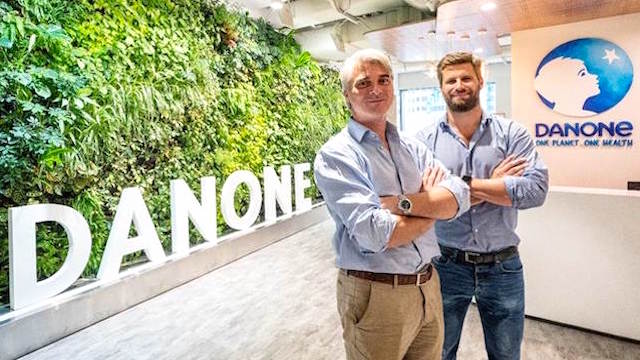
    Danone has become the largest B Corporation (B Corp) certified food and drink company in Australia and New Zealand, joining a growing list of over 400 businesses to achieve the certification in the region and over 4,700 globally. 

    B Corp is a growing global business movement committed to the highest levels of social and environmental performance, accountability, and transparency.

    The rigorous certification is independently administered by B Lab and awarded to companies that can demonstrate verifiable positive impact through policies and practices for employees, communities, customers, and the environment.

    The certification is part of Danone’s broader global commitment for all its business entities to become B Corp certified by 2025. Currently, more than 60 percent of the company’s global sales are covered.

    “We’re thrilled to have achieved B Corp certification across our wholly-owned businesses in Australia and New Zealand,” Danone head of Corporate Affairs Scott Pettet said. “The journey to certification isn’t an easy one and nor should it be. B Lab has rightly set the bar very high, which makes the achievement all the more rewarding for every Danone employee in Australia and New Zealand. We also know that increasingly, employees, customers, consumers, and broader society expect a much stronger stance from businesses and brands on important social and environmental issues.”

    B Lab, a not-for-profit organization, was founded in the US in 2006 with the idea that a different kind of economy was not only possible but necessary — and that business could lead the way towards a new, stakeholder-driven model. Some of the world’s best-known brands such as Patagonia, Inc., The Body Shop, and Ben & Jerry’s count themselves as part of the global B Corp movement.

    “I am so excited to see Danone Oceania joining over 4,700 Certified B Corporations worldwide — a truly diverse group of businesses unified by the idea of using business as a force for good,” B Lab Global co-founder and co-CEO Bart Houlahan said.

    “Globally, the Danone group has been a partner with us for many years, using its profile to add credibility and accelerate the growth of this movement. The success at Danone Oceania is part of this story and I look forward to continuing to work with Danone globally as we work to create an inclusive, equitable, and regenerative economy.”

    In Australia and New Zealand, Danone sells a broad range of specialized nutrition products to support healthy growth and development during the first 1,000 days, as well as products that address some of the world’s biggest health challenges. This includes faltering growth, food allergy and rare metabolic diseases, age-related conditions and chronic disease, frailty, cancer, stroke, and early Alzheimer’s disease.

    “To have a business the size and complexity of Danone achieve B Corp Certification is a huge step for us in Australia and Aotearoa New Zealand. It builds on the work of 400 local B Corps, large and small, who have led the way,” B Lab Australia & Aotearoa New Zealand CEO Andrew Davies said.

    “Danone’s certification also shows it is possible for big business to have a positive impact, to hold themselves accountable, and to grow whilst focusing on the stakeholders it impacts in all aspects of its value chain.”

  • Menulog expands services as demand grows

    Menulog expands services as demand grows

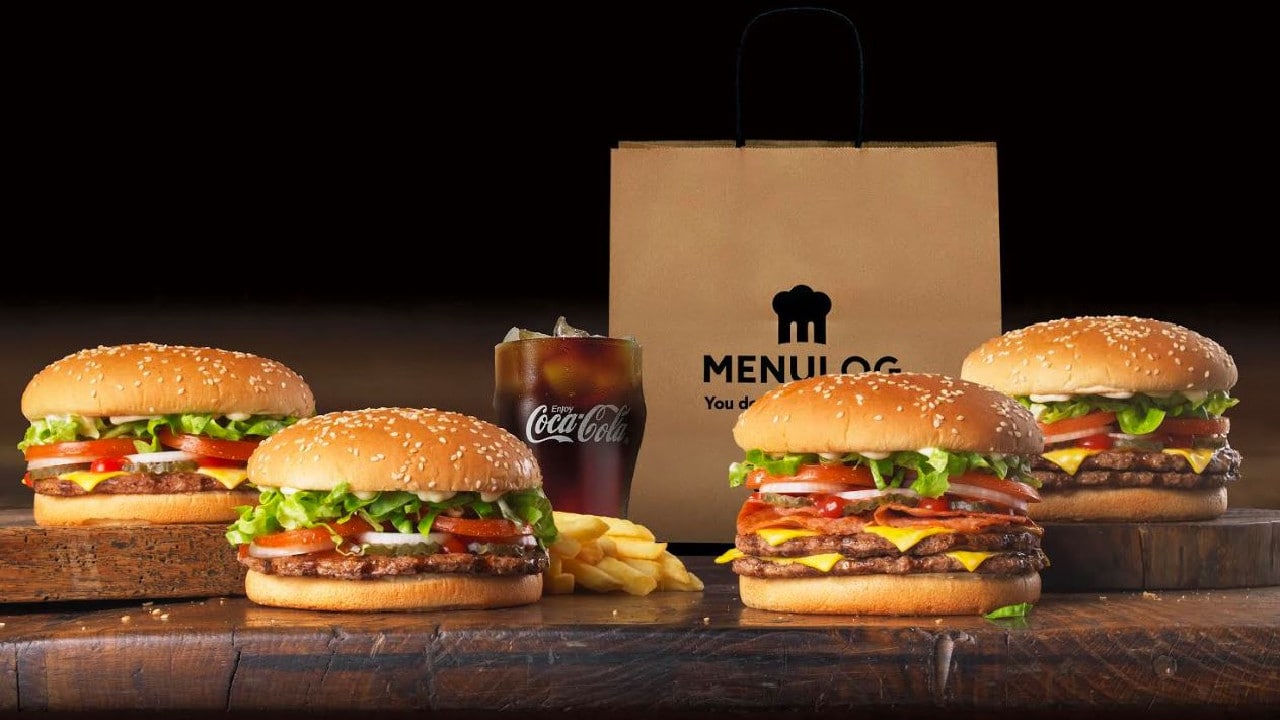
    Australian food-delivery service Menulog has added more than 2200 convenience and grocery partners as demand surges. The company says it has experienced 23-per-cent growth since January last year with demand booming in suburban and regional markets as well as metro cities. Independent businesses represent 37 per cent of Menulog’s grocery and convenience partners.

    Menulog has signed on IGA supermarkets, BP and Quickstop United Petroleum as new trading partners, with plans to add more in the near future as it continues to expand.

    Menulog MD, ANZ, Morten Belling, said Menulog’s point of difference had always been its breadth of coverage across Australia, fully serving metro areas, and with a strong courier and partner network spanning suburban, regional and rural areas.

    “We’re seeing exponential demand for convenience and grocery deliveries across all parts of Australia, in part driven by changes in consumer buying habits that started as a result of Covid restrictions,” said Belling.

    Customer demand is expected to rise this year and Menulog wants to prioritise its grocery and convenience delivery services even though retail trading restrictions have eased.

  • Slyp raises $25 million in Series A fundraising

    Slyp raises $25 million in Series A fundraising

    Digital receipts fintech Slyp has closed a $25 million Series A with the backing of Australia’s big four banks, and plans to use the fresh cash to launch new products and features on its platform.

    The oversubscribed funding round was supported by new investors such as advisory and investments firm Sayers Group, alongside additional investment from the nation’s largest banks.

    While NAB was the first bank to integrate the fintech’s software, Slyp is now working with other financial institutions, as well as buy-now-pay-later providers to get its tech in the hands of millions more Australians.

    “We’re delighted to officially announce our Series A. Thanks to the growing and unwavering support of our investors and partners, Slyp is on track to make Smart Receipts available to half of all Australians by the end of this year,” co-founder Paul Weingarth said.

    “The funds raised will be invested directly into our unique technology that enables Slyp to deliver the most seamless, intuitive, and sustainable proof of purchase in the world, while building new products to improve the entire purchase experience.

    “This year, we will be laser-focused on expanding our presence within the in-store retail and hospitality ecosystem, working closely with Australia’s retail network and leading banks to switch off the paper receipt and transform the customer checkout experience, for good.”

    Founded in 2017 by former PayPal executives Paul Weingarth and Spiro Rokos, alongside former ANZ group data officer Mike Boyd, the fintech delivers ‘smart receipts’ inside of banking apps, cutting out the need for paper in a transaction altogether.

    More than 880 stores and venues are now using the platform, including Chemist Warehouse, Mitre 10, JD Sports, Harris Farm and Hunter St Hospitality and Pacific Concepts.

    Slyp is also looking to expand beyond smart receipts by introducing a product that will allow customers to link their loyalty cards to their payment cards, which will be released later this year.

    Since launching smart receipts in late-2020, 1.2 million have been sent to a customer’s NAB app or via SMS in the last 12 months.

    “Creating seamless digital experiences for our customers is a key investment focus for NAB Ventures and Slyp Smart Receipts has been a perfect fit. The economy is becoming increasingly digitised and Slyp’s technology is creating a more convenient and sustainable experience for our customers,” NAB Ventures managing director Todd Forest said.

    “We’re proud to be an inaugural investor since 2018 and it’s been great to watch the company grow.

    “Since becoming the first major bank to integrate the Slyp solution into our mobile banking just over a year ago, the feedback from NAB customers has been overwhelmingly positive. It’s been really pleasing to see more and more partners sign-up to Slyp and it made the decision to reinvest our next natural move.”

  • The Australian Federal Court rejects Facebook’s argument that it couldn’t be sued

    The Australian Federal Court rejects Facebook’s argument that it couldn’t be sued

    There has been a new development regarding an Australian case against Facebook and the Cambridge Analytica scandal, in which the personal data of millions of people was collected without their consent. The Australian Federal Court rejected Facebook’s argument that it can’t be sued under Australian privacy laws since it doesn’t do business or collect personal information in Australia.

    The court’s opinion is that Facebook does business in Australia because it installs cookies on the devices of Australian users. This, according to the court, is ‘an important part of the operation of the Facebook platform.’ Also, according to the court, any website accessible in Australia is doing business in the country.

    But, according to Facebook, a cookie isn’t installed where it was placed but where it was sent from. Given that Facebook’s servers aren’t located in Australia, it means that Facebook doesn’t do business there. Facebook also explained that its data centers had delivered digital signals to user devices, which had resulted in a change in the digital status of those devices.

    The company also gave an example in which a person from overseas sends a letter to Australia. Upon receiving the letter, the reader decides to take action that has an economic impact. This could never be interpreted as the sender doing business in Australia.

    According to the court, Facebook’s explanation ‘proves far too much,’ and is ‘divorced from reality.’ The court also stated: “It proves too much because it has the consequence that no computer-based activity in one jurisdiction can ever amount to more than an effect in computers located in another.”

    The lawsuit against Facebook originated from the violation of the privacy of many Australian Facebook users in the Cambridge Analytica scandal, which happened more than four years ago.

    By using a personality test app called “This is Your Digital Life,” a consulting firm called Cambridge Analytica gained access to the personal data of millions of Facebook users without their permission. Although only 53 people in Australia had the app installed, the app managed to collect the data of approximately 311,074 other people in the country via these 53. The gathered information from the app was then used mainly for political advertising, like the Brexit and Donald Trump campaigns.

  • Vegan food platform VEats launches in Sydney

    Vegan food platform VEats launches in Sydney

    Founded by Australian duo Lara Young and Susan McCarthy, VEats is a new plant-based platform focussed on helping consumers looking for convenient plant-based options in the country. They describe the digital solution as a “first-of-its-kind” for the market, enabling users to explore all businesses with animal-free food options within a designated city. Whilst a user finds a restaurant they want to go to on the site, tables can be booked at restaurants, food can be ordered for delivery and takeaways can be queued.

    The Australian-based VEats platform is currently being piloted, with a Sydney-first rollout. Coordinating the launch to happen as part of Veganuary, the founding team is thinking on an international scale. U.K. expansion is in the planning stage, with Brighton and London as first targets. Bamford Capital is on board as an equity partner and business advisor for domestic and global ambitions.

    Young and McCarthy have more than three decades of combined business and marketing expertise. The two have worked together before, they created a joint digital marketing agency. VEats is being launched alongside as something of a passion project, particularly for Young.

    “Having grown up as a meat-eater all my life, it never crossed my mind that there was another way of living,” she explained in a press statement. “At the age of 36 I was overweight, overworked, managing being a wife, a mother of three, running two businesses, and everything else life had to throw at me. Food was always there to comfort me.

    “Being a massive foodie, I had to learn about a whole new way of eating. The journey wasn’t easy and I spent hours and days researching restaurants, checking menus, calling ahead to get them to accommodate me, and trying to veganise food through other delivery platforms. I knew that if it was hard for me, it would be hard for anyone trying to make the transition to plant-based eating. That’s when I had the idea for VEats.”

    Young and McCarthy say they have 600 businesses listed on the VEats platform already, spanning the breadth of Sydney. Included are fully plant-based companies, as well as any offering three or more animal-free food options. The two are confident that as Veganuary comes to a close, more than 50 directory inclusions will offer table booking and delivery options. Sydney was selected for the pilot launch due to its plethora of vegan hubs. Newtown has become synonymous with plant-based eating, with its ‘vegan mile’ reportedly growing by the week.

    Confirmed restaurant partners include KoshariKorner, Gigi Pizzeria and recently-opened Flave. Meal delivery service Just Add Vegan has linked up as well. In a coup for the founders, Australia’s leading online ordering platform Order Up! has come on board. It will give directory-listed businesses cost-effective access to ordering and pick-up functionalities. “We are proud to be partnering with the team at VEats to help make plant-based eating easy and accessible in your everyday life,” Clive Thorpe, CCO of Order Up! said in a statement.

    Australia is making strides to become a leading producer of animal-free products. Wide Open Agriculture is a perfect example of a domestic company seeking to disrupt the status quo. In this case, the dairy industry, which is the country’s fourth largest sector. Having bagged $20 million at the end of last year to ramp up production of plant milk, it represents a significant consumer mindset shift.

    Fellow Australian brand ProForm Foods received in the region of $5 million last year, from Harvest Road. With new facilities completed, expansion of a Sydney location is planned, alongside global distribution.

    It’s not all positive news, however. Australia’s meat industry has taken umbrage at the rise in popularity of animal-free foods. It claims that consumers are confused by packaging and are accidentally buying and eating plant-based meats. Supported by a survey paid for by various meat, seafood and poultry companies.

  • Royal Enfield Classic 350 Launched In Australia, New Zealand

    Royal Enfield Classic 350 Launched In Australia, New Zealand

    Royal Enfield is expanding the presence of the new Classic 350 across the world, and the Asia Pacific region, and has now launched the all-new Classic 350 in Australia and New Zealand. The new model will be available in four variants, the Halcyon, Classic Signals, Classic Dark and Classic Chrome, each offering unique color options and styling options. In recent days, the Classic 350 has been launched in the UK, and the Philippines, and now the company has launched its most popular model in Australia and New Zealand.

    Pricing for the 2022 Royal Enfield Classic 350 range will start at AUD 7,990 (approximately ₹ 4.21 lakh) in Australia for the Halcyon series. The Signals series has been priced at AUD 8,290 (approximately ₹ 4.37 lakh), while the Dark Series and Chrome Series will be priced at AUD 8,690 (approximately ₹ 4.58 lakh) and AUD 8,790 (approximately ₹ 4.63 lakh) respectively.

    The all-new Classic 350 is the second model to be based on the same platform as the Meteor 350, with the two models sharing quite a few components, including the new J-series Royal Enfield 350 cc single-cylinder engine. The new-generation Classic 350 was launched in India last year, and gets a complete makeover, with a new, more modern engine, new chassis, updated suspension, new wheels, and brakes.

    The 349 cc, the single-cylinder engine makes 20.2 bhp at 6,100 rpm, and 27 Nm at 4,000 rpm. The compression ratio has changed to 9.5:1 on the new 350 cc SOHC engine from 8.5:1 on the UCE 350 engine. The cam gears have been replaced with a timing chain, along with the SOHC system, which results in less noise and more efficient valve timings. The chain primary drive has been replaced with gear primary drive, which reduces transmission losses, and the primary balancer shaft reduces vibrations on the engine.

    The legacy of the Classic dates back to 1948 with the Royal Enfield Model G2, the first to have swinging arm rear suspension on a full production motorcycle. The Model G2 served as a strong design inspiration for the hugely popular Classic 500 and Classic 350 launched in 2008. The Classic 350, in fact, went on to become the highest-selling Royal Enfield model since then, accounting for 70-80 percent of the brand’s sales over the past decade or so. Even now, the Classic 350 accounts for 60-70 percent of the brand’s overall sales, but so far, these numbers have been limited to the domestic market of India.

    In the 12 years since the modern Royal Enfield Classic was first launched, it has built a legacy of its own, selling over 3 million (30 lakh) motorcycles. The Classic has also emerged as the motorcycle that redefined the middleweight motorcycling space and spawned the revival of Royal Enfield. And this time around, with the new Classic 350, Royal Enfield is positioning it as a global product, hoping to repeat some of its commercial success around the world.

  • Restaurant Brands sales exceed $1 billion, despite Covid-19 impact

    Restaurant Brands sales exceed $1 billion, despite Covid-19 impact

    Restaurant Brands NZ Limited reported a 19.7% increase in sales for the year ended 31 December 2021, making total sales of NZ$1.06 billion in 2021. While same-store deals stayed strong in the period, nearly NZ$100 million of the rise in annual sales came from the extra 8 months of trading from the California acquisition.

    The Group released sales numbers for Q4 FY21 on Thursday, reporting total sales of NZ$284 million for the period (+5.5% on pcp). All regions posted positive same-store growth despite the present COVID-19 impact.

    The Group faced COVID-19 impact strongly despite several government curbs, challenging trading atmosphere and altering consumer habits. Subsequently, RBD’s annual sales numbers surpassed NZ$1 billion, setting a robust footing for further growth in sales in all its 4 regions.

    RBD-owned store numbers increased by 11 in Q4 compared to the same period in the previous year to 359. This was majorly due to the purchase of 5 KFC stores in Sydney in early 2021as well as the present construction of new Taco Bell shops in Australia and NZ.

    Restaurant Brands is due to announce its year-end trading results on 28 February 2022.

  • Vietnam steps up dragon fruit exports to Australia

    Vietnam steps up dragon fruit exports to Australia

    Large volumes of dragon fruit are being exported to Australia though it is currently the harvest season there for the fruit.

    Twenty-eight tons were shipped to Western Australia and South Australia last week by 4 Ways Fresh and Australia Flower, according to the Vietnam Trade Office in Australia.

    Australia Flower is set to export another 14 tons this week.

    Several retailers like Dai Phat and MCQ are selling the fruit at the equivalent of VND200,000 ($8.84) per kilogram.

    The exporters said they are targeting young consumers in Australia. The Vietnam Trade Office is offering promotions to retail buyers that include air tickets, toys and other gifts.

    Last year Vietnamese dragon fruit exports to Australia grew by 14 percent despite the Covid-19 pandemic.

    Vietnamese farmers grow nearly 1.4 million tons of the fruit every year, and most of it ends up exported to China.

    However, industry insiders said China has been increasing its area under the fruit in the last three years and would become self-sufficient in another five years, meaning Vietnamese exporters need to look for other markets.

  • Bitmex Announces CEO for Swiss Business

    Bitmex Announces CEO for Swiss Business

    After announcing plans to expand in Switzerland, the trading crypto exchange has now found someone to lead its Swiss business.

    Seychelles-based Bitmex is appointing Ivo Sauter as chief executive of Bitmex Link Switzerland, according to his Linkedin profile. Sauter joins the crypto trading exchange from Gazprombank where he worked as a chief digital, transformation, and strategy officer.

    Bitmex is a platform for crypto asset trading. Bitmex Link is the exchange’s digital trading asset service, which includes spot trading, brokerage, custody, information products and a so-called academy for digital asset and crypto trading training.

    The company announced its intention to launch a Swiss office last year, along with plans to apply for a Finma license.

  • Australia’s love affair with boxed wine endures

    Australia’s love affair with boxed wine endures

    Boxed wine is one of Australia’s most extraordinary contributions to the wine industry, also known as cardboardeaux, bag-in-box (BiB), or more commonly.

    Australian winemaker Thomas Angove patented the design for a one-gallon polyethylene bladder in a cardboard box in 1965, inspired by the ancient method of storing wine in goat skins. The first model required drinkers to cut a corner of the plastic bag and reseal it with a special category peg (used to transport battery acid).

    Once a tap was designed in the 1970s goon climbed quickly to make up about 50% of wine sales in Australia. In the days when restaurants sold “house wine”, goon was known for being economical above anything else, and convenient, associated more with families on a budget and people on low incomes.

    Wine in the ‘70s was still perceived as for special occasions and casks may have helped change that. Thirty years later, between 2004-2014, there was a 30% drop in cask sales but a 40% increase in bottled wine during the same decade. As domestic sales had been dropping, the cask concept (and its contents) was also being exported.

    Goon has come a long way from its origins and reputation. The visual appeal of the box and the bag has evolved, along with the narrative the wine label communicates about history, geography, identity.

    As the environmental benefits of wine in a box have become more important to new consumers, the quality of its contents has also improved. Jilly Wine Company’s Chateau Cardboard Red at $71 for 3 liters, is a long way from the one-gallon packs of table white, table red, port, sweet sherry, and muscat launched in 1965.

    There are good reasons why Australians love goon, and there are strong reasons for the love to grow.

  • McDonald’s Yagoona store reopens, 50 years since first restaurant unveiled

    McDonald’s Yagoona store reopens, 50 years since first restaurant unveiled

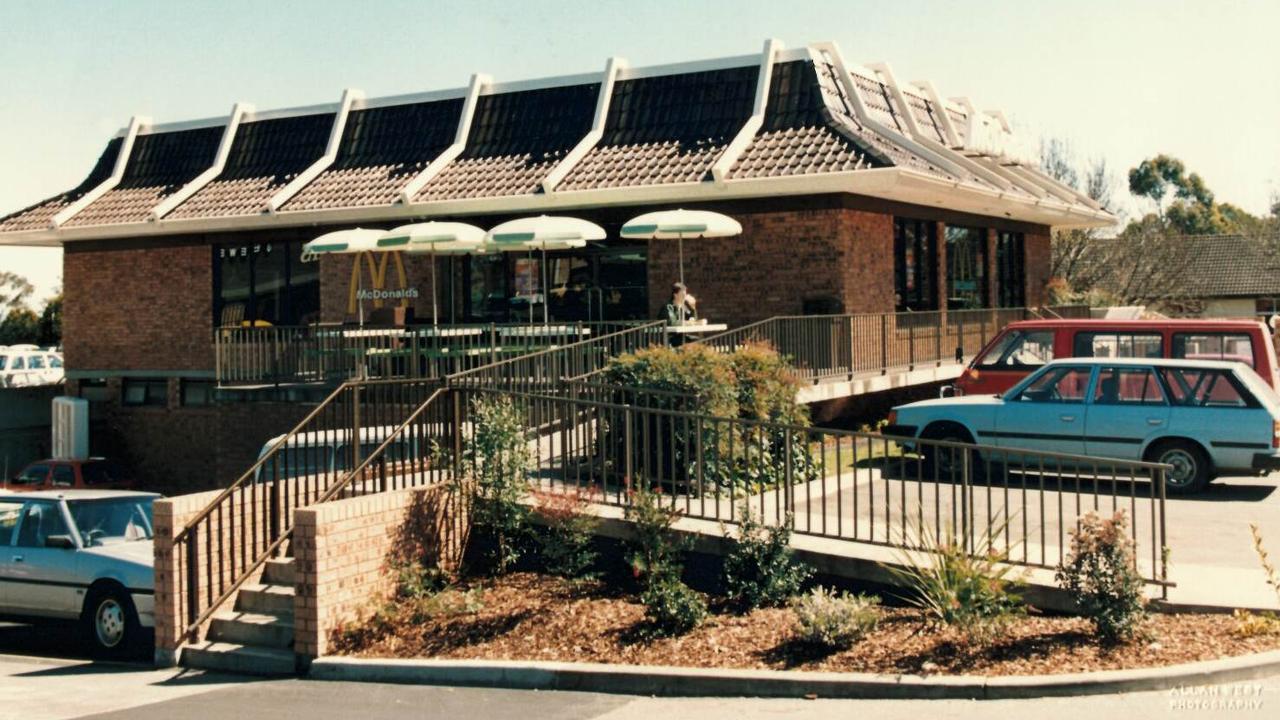
    McDonald’s is stepping back in time and reopening Australia’s first restaurant in Yagoona. Celebrating 50 years since the very first Macca’s opened its doors in December 1971, the new McDonald’s Yagoona will open on Friday and adopt its original 1970s prices. From 11 am to 1 pm on opening day the humble hamburger will be just 20 cents each, with a limit of four per customer, so you’ll need to get in quick to take advantage of the deal.

    Celebrating 50 years since the very first Macca’s opened its doors in December 1971, the new McDonald’s Yagoona will open on Friday and adopt its original 1970s prices

    The interior of the restaurant will reflect the original décor from half a century ago with a historic timeline on the wall, images of the 1971 restaurant, and a Happy Meal display with iconic toys from across the years.

    ‘We are incredibly proud to reopen McDonald’s Yagoona and recognize its important part of our history,’ Chief Executive Officer for McDonald’s Australia Andrew Gregory said.

    ‘Everything our customers know and love about McDonald’s Australia started at Yagoona from Happy Meals and birthday parties to first jobs and community contribution.

    The interior of the restaurant will reflect the original décor from half a century ago with a historic timeline on the wall, images of the 1971 restaurant, and a Happy Meal display with iconic toys from across the years

    ‘The reopening celebrates 50 years of supporting our customers, people, and communities in Australia. We look forward to once again serving the local community and welcoming back customers from the 70s, 80s, and 90s.’

    The new restaurant will operate 24 hours a day and feature a McCafé, dual-lane drive-thru, dedicated delivery partner room, and PlayPlace.

    In addition to the 20 cent hamburger, McDonald’s Yagoona will also sell $1 cheeseburgers and $2 coffee from December 17 to January 7 as part of a special promotion for customers.

  • Coles launches low-carb bread

    Coles launches low-carb bread

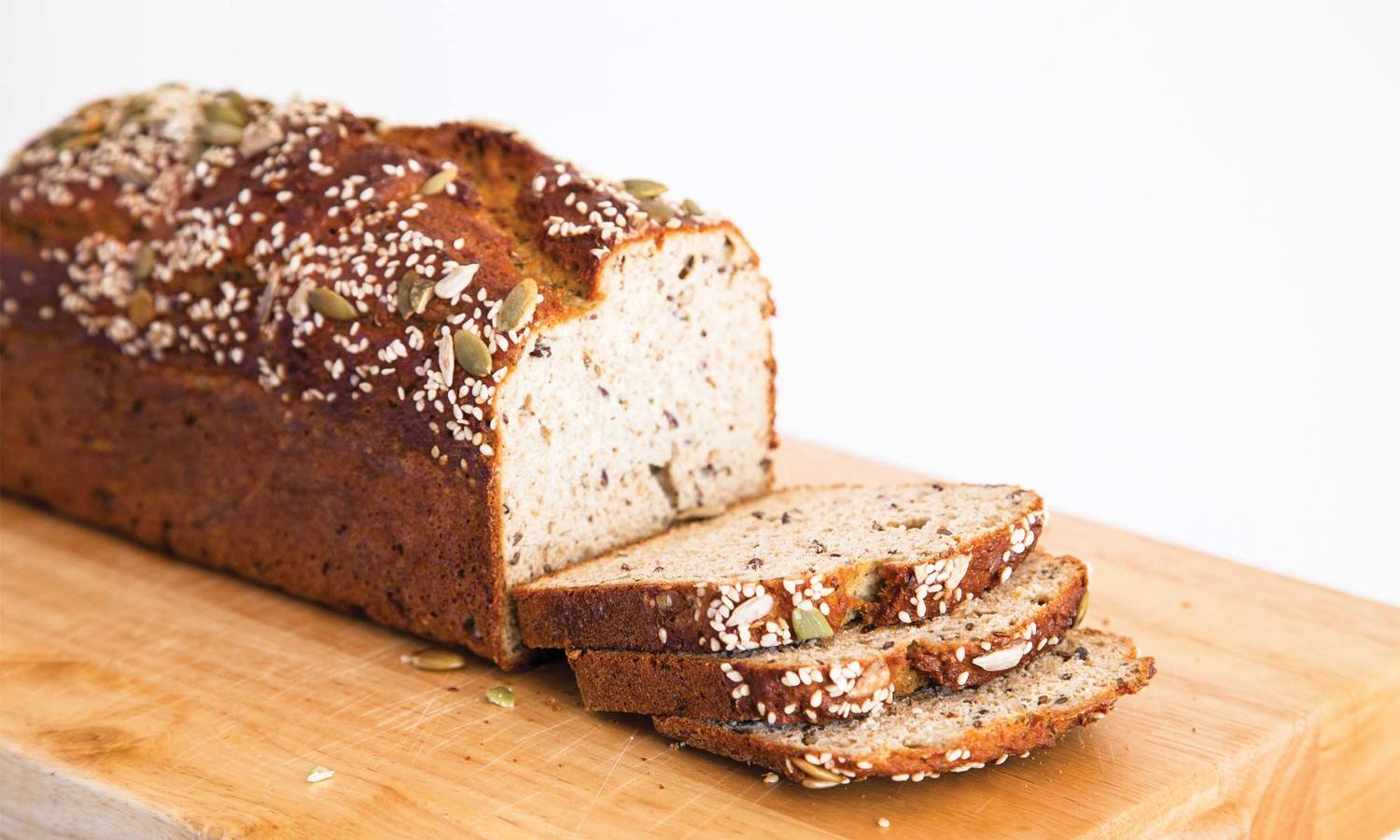
    Coles has launched a new range of low-carb bread after the demand for calorie-conscious bread surged this year. Priced at $4.80 a loaf, Coles 85 percent Lower Carb Loaf contains 21 grams of protein and 8.5 grams of fiber per serve, as well as being vegan-friendly and low in sugar.

    While it only launched in Coles supermarkets a fortnight ago it’s already gone on to become its third best-selling line in the “health bread” category.

    The multigrain loaf has got 85 percent fewer carbs than a traditional multigrain sandwich loaf and was given the tick of approval by Brisbane dietitian Leanne Ward. The bread has proved very popular with customers. Picture: Supplied.

    In a TikTok, which was sponsored by Coles, Leanne said it was “my favorite new high protein bread” and a “great option for those needing/wanting low carb and more protein and fibre”.

    As well as the Coles 85 percent Lower Carb Loaf, the supermarket has also launched a Coles Gluten Free Premiun White Loaf and Herman Brot Complete Protein Loaf exclusive to the supermarket chain.

    Demand for these “health bread” varieties has already grown by 40 percent since they were introduced.

    Coles general manager for bakery Andy Mossop said the new bread was part of the supermarket’s mission to provide new healthy options to customers.

    “At Coles, we want to sustainably feed all Australians to help them lead healthier, happier lives, and our Bakery team is constantly looking at ways we can expand our offering to cater to increasingly health-conscious Australians who are seeking healthier alternatives across the supermarket aisles,” he said.

    Brisbane dietitian Leanne Ward raved about the new bread on TikTok. Picture: TikTok/Leanne Ward.

    “Bread is a household staple and we sell more than 400 million Coles Bakery loaves and rolls from the in-store bakery each year.

    “We’ve worked hard to satisfy the increasing demand for healthier bakery products, offering a great tasting, nutritious and wholesome bread range.

    “Shoppers can feel confident they are not compromising on taste, value or convenience with these new options.”

    Earlier this year Coles announced it had reduced the salt content of its in-store bakery loaves and rolls by up to 25 percent.

    The supermarket also went viral back in July when one shopper spotted Coles was now selling white bread with 50 percent fewer carbs in its bakery section.

    TikTok user Jasmine Templin posted a video revealing how the bread had half the normal carbs and higher protein than a standard loaf of white bread, labeling it an “insane” find for those watching their caloric intake.