Retail News CRM

Tag: Australia

  • Australians set online shopping record

    Australians set online shopping record

    A record 9.3 million Australian households made online purchases in the year to March according to data released by Australia Post.

    The postal service said online spending increased by 12 per cent year on year and in the six months from July to December 2021, an average of 5.6 million households purchased online each month.

    The dominant categories were pet foods (38 percent), tools and garden supplies (29 percent) discount items (32 percent) athleisure (17 per cent) and baby products (18 percent).

    One in three purchases were directed to NSW, which recorded the highest participation among states, growing by 27 per cent year-on-year.

    Australia Post’s head of e-commerce analytics, Rose Yip, said the growth in online shopping has accelerated “beyond expectations”.

    “We’ve seen more than 900 million parcels delivered in the past three years alone, which says so much about how quickly e-commerce has grown in a short amount of time.

    “It’s now the norm for so many Australians, with more than 5 million households regularly shopping online every month, which is why we’ve not only increased our network capacity but we’re investing in more new facilities, technology and our fleet to set up a strong and sustainable network for the future.”

  • Nectar of the dogs expands into Southeast Asia

    Nectar of the dogs expands into Southeast Asia

    Australian pet supplement brand Nectar Of The Dogs – which launched in the Australian market in 2021– is now expanding to meet the needs of overseas dog owners. Through a partnership with Asia Pet World, Nectar Of The Dogs is now available for online purchase and distribution globally, with pet owners in Singapore able to purchase the products in store.

    The partnership marks a dramatic milestone for the Sydney based start-up, which until now has been available to purchase only within Australia. Partnering with Asia Petworld means Nectar Of The Dogs can now reach the distributor’s network of over 500,000 households, and will be stocked on the shelves of Singpet Superstore – Singapore’s largest pet store.

    Partnering with natural health experts, veterinarians, food technologists and dog lovers, Nectar’s range of medicinal water supplements are made in Australia with high-quality, human-grade, plant-based ingredients. Nectar’s formulations are aimed to assist pet parents with the top health concerns for today’s dogs, including joints, immune system, calming the nervous system, and supporting skin health, gut and digestive system. The five products from Nectar’s range will be available to dog owners throughout Singapore.

    The growth of the brand represents rising demand for high quality, natural supplements for dogs, not just in the Australian market. Formulated in Australia by a team of food technologists and complementary health experts, Nectar Of The Dogs offers human grade, plant-based supplements that dogs find delicious.

    “We’re experts in supplements for dogs and people,” shares Nectar of the Dogs Founder, Gabriel Perera. “With Nectar, we’ve created a range of products that we wanted for our own dogs, with each ingredient painstakingly formulated to deliver maximum benefit, based on clinical evidence in dogs that tastes amazing.”

    More than just a healthy dog supplement brand, plant-based and Australian-made Nectar is better for the planet. All of Nectar’s formulas are carefully packaged in recyclable and compostable packaging, avoiding any single-use plastics.

  • Metcash to invest $70 million in new Vic DC

    Metcash to invest $70 million in new Vic DC

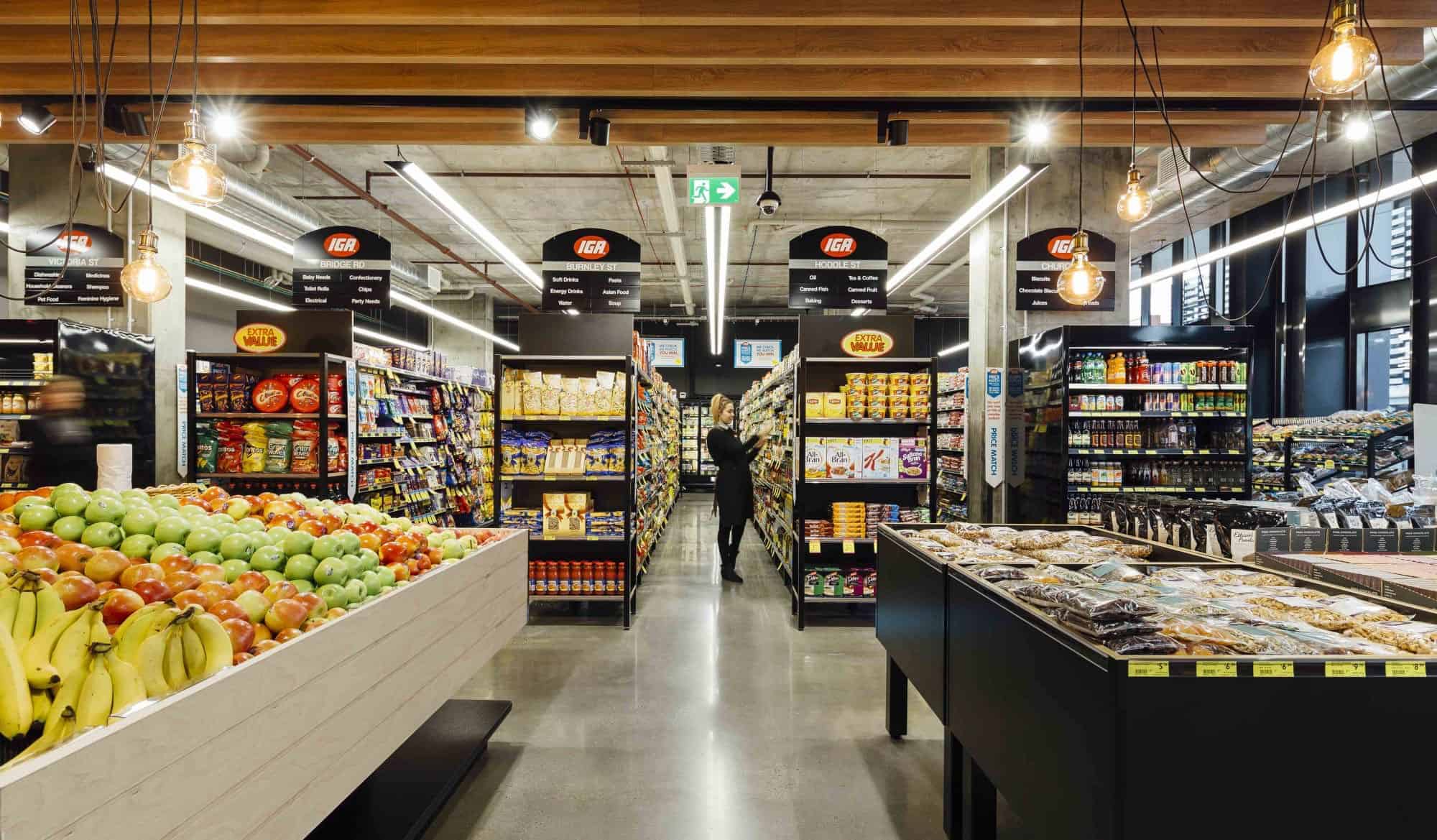
    Metcash, the Australian wholesaler and distributor for brands like IGA, Mitre 10, Foodland and more,  has today announced a new distribution centre (DC) planned for Truganina, Victoria alongside the release of its FY22 results detailing a rise in revenue and earnings.

    The approximately 115,000sqm DC will replace the company’s existing Laverton, Victoria facility and will cost Metcash around $70 million to set up, with $20 million scheduled to be incurred in FY23.

    Metcash, which signed a long-term lease with the Goodman Group (ASX: GMG) for the construction of the Truganina DC, says the facility will improve the competitiveness of its independent retailers in Victoria through delivery efficiencies and by providing them access to a wider range of products.

    The DC will house products for both MTS’ food and liquor pillars, and will be equipped with automation to suit the company’s retail network.

    “We are delighted to be able to announce this significant long term investment for our independent retailers in Victoria, which is a reflection of our continued focus on championing their success,” Metcash CEO Doug Jones said.

    “Supporting our decision to proceed was the success of our new DC at Gepps Cross in South Australia, which has been operational since December 2020, as well as strong growth in both our Food and Liquor pillars in Victoria and the recent renewal of a long term agreement to supply Foodworks stores.”

    The announcement coincides with the release of Metcash’s FY22 financial results, detailing an 18.6 per cent rise in underlying profit after tax to $299.6 million.

    In addition, earnings rose by 17.7 per cent to $472.3 million, while revenue grew by 5.9 per cent to $15.2 billion.

    On a statutory basis, MTS’ profit after tax was up by 2.7 per cent to $245.5 million which the company says was backed by strong sales and earnings in all divisions sustained by a shift in consumer behaviour.

    The large difference between underlying and statutory profit can be explained by $22 million for Project Horizon which includes refurbishing stores, expanding e-commerce and cutting costs, as well as $27.6 million in acquisition costs, primarily oriented towards the hardware division.

    Jones said he was pleased to present the FY22 results, his first as group CEO.

    “The results are outstanding, another record year, and represent continued progress on the exceptional performance in FY21,” Jones said.

    “The number of external challenges increased in the second half and our supply chain and retail operations, both our own and those of our retail partners, exhibited significant resilience and flexibility. There were more lockdowns due to the Omicron COVID variant, major supply chain challenges, flooding in South Australia, New South Wales and Queensland which resulted in supply route disruptions, and towards the end of the financial year challenges related to Russia’s invasion of Ukraine and lockdowns in China.

    “A strategic investment in inventory, the flexibility of our operations and the outstanding efforts of our people helped our retailers to keep their shelves stocked and continue serving their local communities through these challenges. A testament to our people and independent retailers is that our focus on keeping shelves stocked did not materially hinder the continued successful execution of our MFuture [growth project] initiatives.”

    Jones said the company’s retail networks in food, hardware and liquor performed well, with sales increasing approximately 3 per cent in the IGA retail network, 20.5 per cent across hardware (which includes Mitre 10, Home Hardware and Total Tools), and 8.7 per cent in the liquor network.

    “Importantly, retailers are increasingly reinvesting in their stores, further improving the quality of their network primarily through the various store upgrade programs we support,” Jones said.

    “We also further strengthened relationships with our independent retailers and were pleased to recently announce long term agreements to continue supplying Foodworks stores and Drakes Supermarkets in Queensland.”

    MTS says forward momentum going into FY23 has helped push group sales up 9 per cent in the first seven weeks of its new financial year commencing on 1 May, partly buoyed by the impact of inflation.

    “While elevated inflation has continued into 1H23, there is uncertainty over the level of inflation going forward, as well as how the impact of inflation and other cost of living increases may impact consumer behaviour in the retail networks of our pillars, and Metcash,” Metcash said.

    “We are continuing to work closely with our suppliers and retailers to help shoppers manage the impact of inflation by providing better value options through offering a wider range of products at competitive prices.”

  • Samsung Australia fined $14 million over false water-resistance claims

    Samsung Australia fined $14 million over false water-resistance claims

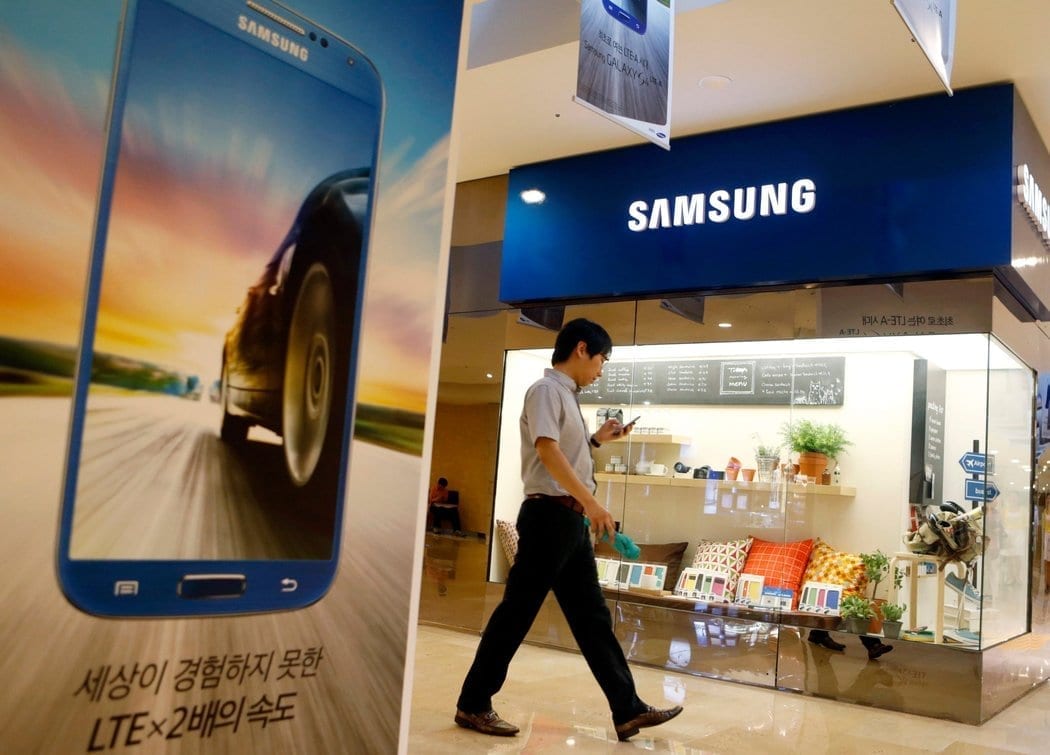
    Samsung Australia admitted to misleading buyers of some of its ‘Galaxy’ phones about the water-resistance level, the Australian Competition & Consumer Commission (ACCC) said. The regulator had first sued the company in July 2019.

    Samsung Australia said in a statement that this was not an issue in its newer, current models.

    The regulator said between March 2016 and October 2018, the company ran in-store and social media advertisements that claimed the phones could be used in pools or sea water.

    The ACCC, however, received hundreds of complaints from users saying the smartphones did not function properly or even stopped working entirely after being exposed to water.

    The claims “promoted an important selling point for these Galaxy phones. Many consumers who purchased a Galaxy phone may have been exposed to the misleading ads before they made their decision to purchase a new phone,” said ACCC Chair Gina Cass-Gottlieb.

    Samsung and the ACCC agreed that changes the company had made to newer models of the smartphones launched in Australia from March 2018 did not face such risks from water exposure, the company said.

  • Wine Australia shuts China office as exports slump

    Wine Australia shuts China office as exports slump

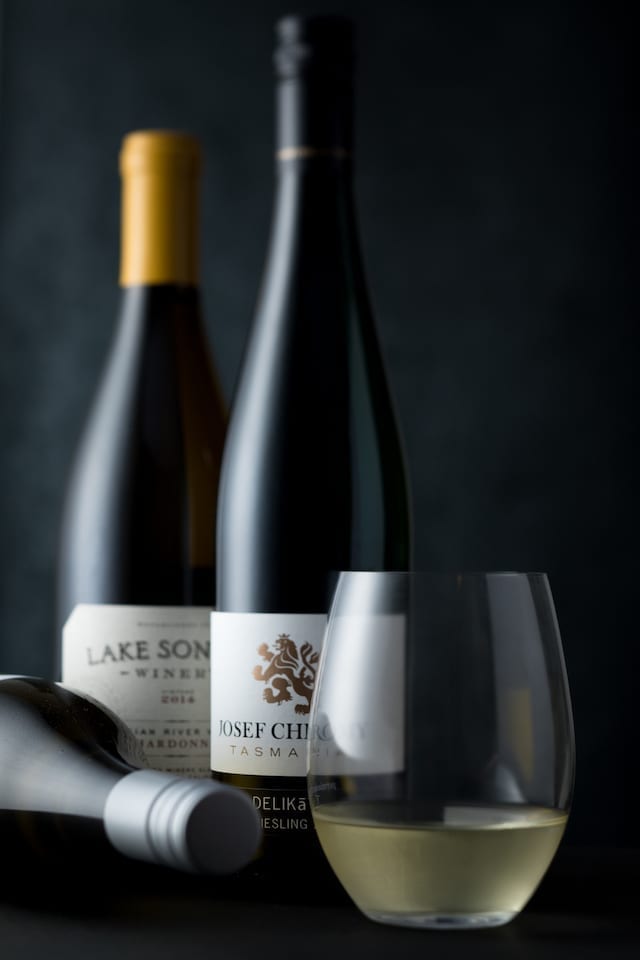
    Australian government-backed industry body Wine Australia said on Tuesday that it will shut its office in Shanghai, as Australian wine imports into the Chinese market continue to slump after Beijing levied hefty tariffs on the product.

    It was Wine Australia’s only office in China.

    “This decision follows extensive consultation with the Australian grape and wine sector and is based on the current environment and market opportunity,” a Wine Australia spokesperson said.

    “Wine Australia will continue to maintain our brand presence in China via our wine trade and consumer facing social media channels, and will continue to work closely with in-market trade representatives on brand building and marketing campaign.”

    China was Australia’s largest market for wine exports until the country in 2020 begun an anti-dumping probe into imports of Australian wine and imposed tariffs.

    The actions by Beijing came after its relations with Canberra had soured over issues such as Australia’s 2018 ban on Huawei Technologies from its 5G broadband network and Canberra’s call for an independent investigation into the origins of COVID-19.

    China also imposed tariffs on Australian commodities such as coal, beef and barley. Wine Australia last month said Australian wine exports to China in the year to March declined by $844 million due to the tariffs.

    In March, the World Trade Organisation (WTO) agreed to establish a dispute settlement panel after Australia said China’s anti-dumping duties of between 116.2 and 218.4 per cent were inconsistent with its obligations under the WTO Agreements.

  • Why mattress disruptor Koala is getting in bed with homewares

    Why mattress disruptor Koala is getting in bed with homewares

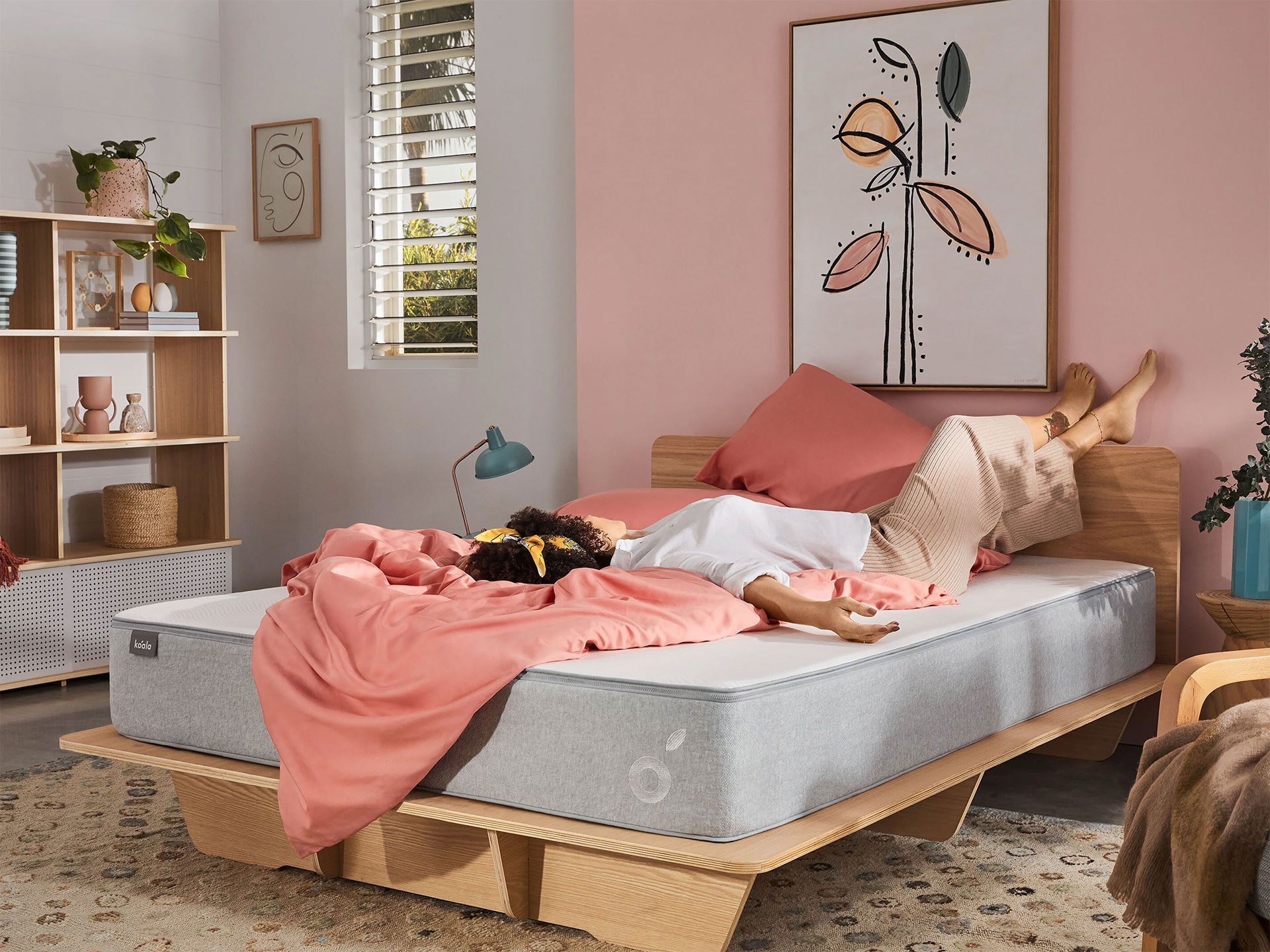
    After success with both its mattress and furniture ranges, Australian company Koala is now moving into homewares.

    Koala decided to add décor to its product staple to encourage consumers to consider more sustainable options. The homewares collection features 34 pieces, including cushions, throws and the first wool rug range in Australia to use certified responsible wool.

    Other sustainable materials used in the new products are 100 per cent organic cotton and recycled plastic bottles.

    These designs are all inspired by Australia’s flora and fauna, art, culture or lifestyle and designed in-house. This means the pieces feature neutral colours and earthy tones, as well as nature-inspired textures and patterns.

    Koala said years of research has gone into creating the range, which has been designed to stand the test of time.

    The homewares are also built to withstand our hectic and messy lives with the throws and cushions machine washable and the rugs easy to clean.

    “With homewares, we want to celebrate Koala’s uniqueness whilst doing something meaningful and timeless for the brand. We’ve created a real sense of something special you can’t get anywhere else, with all colours and material finishes inspired by the Australian landscape, from outback red dirt to beautiful coral reefs,” Alexandra Owen, Koala design director said.

    You can feel good about supporting the environment while refreshing your home with this rug. It is made from 100 per cent recycled bottles and is super soft to the touch. There are two sizes and four colours available, with each colour inspired by Australia’s native foliage.

  • Costco to invest $150m in three new Victoria stores

    Costco to invest $150m in three new Victoria stores

    Costco plans to open three new stores in Melbourne and Geelong within the next two years, investing up to $150 million.

    CEO Patrick Noone told The Australian in an interview that potential sites were identified near Melbourne’s CBD, and at Officer and Geelong. Each store will be allocated $50 million, with the projects now depending on zoning and council approvals.

    “We are growing quite nicely, and Melbourne is a big city. For us, business isn’t slowing down in Melbourne,” said Noone.

    “Melbourne is a growth area and we’d like build there as soon as we get the approvals.”

    During the Covid lockdowns, Costco remained a ‘destination shop’ for Melbournians as members travelled long distances to shop at the store, buying in bulk when regulations allowed.

    Costco currently boasts 200,000 members and sells a mix of goods from fresh food, groceries, meat, consumer electronics, clothing, diamonds and even coffins.

    According to The Australian, Costco Australia’s sales in the year to August rose from $2.6 billion in 2020 to $2.8 billion last year. Strong online growth helped the company double its profit to $46.39 million.

  • Amazon Australia invites dogs into the workspace

    Amazon Australia invites dogs into the workspace

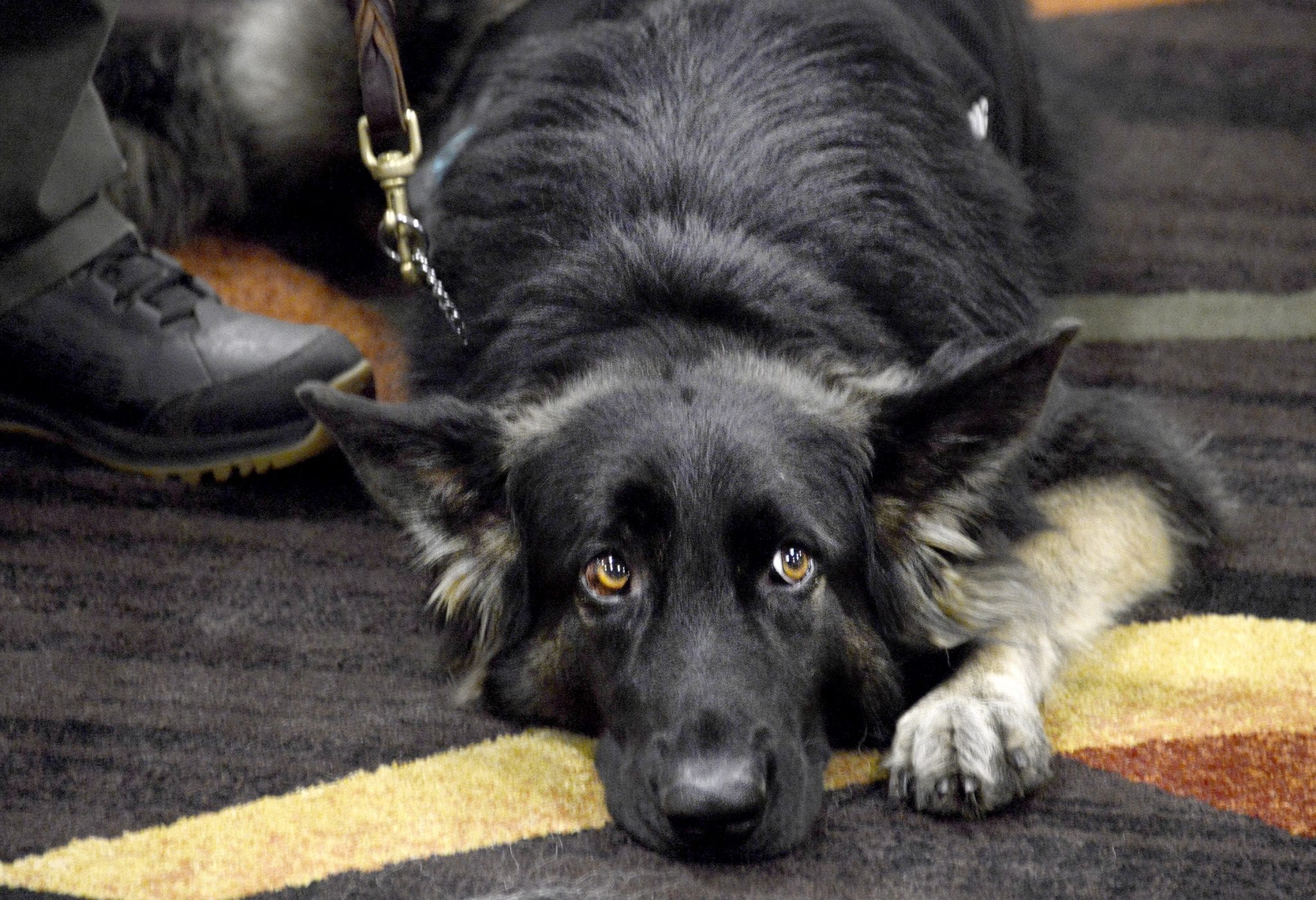
    Amazon Australia will now permit employees to bring their pooches to work at its Sydney, Melbourne, Perth and Canberra offices. The global Dogs at Work (DAW) program currently has 8000 registered pooches. Having dogs at the workplace is shown to reduce stress levels, increase interaction between employees and boost morale.

    Independent research commissioned by Amazon Australia found that 23% of Australians welcomed a dog into their family during the pandemic while seven out of 10 dog owners want to take their pets to work.

    One in two owners feels anxious to leave their pets at home while more than 57% think their dogs will struggle when they return back to the office.

    Senior human resources business partner Laura Nemaz said the DAW program is already proving a ‘massive hit’ with employees.

    “Dogs add to our dynamic and collaborative workplace and we’ve found they are an unexpected mechanism for connection.”

    The most popular dog breeds among Amazon Australia employees are Labradors and King Charles Cavaliers. Other breeds that have been registered include Samoyeds, Dachshunds, Miniature Schnauzers, Border Collies, French Bulldogs, Vizslas, and Boston Terriers.

    In order to participate in this workplace benefit, dogs must be registered. Employees need to provide the dog’s name and breed, registration form, microchip, and vaccination certificates.

    Once registered, DAW pooches will each receive a ‘Woof Pack’ that includes a branded bag, a doggy mat for them to lie down, a water bowl and a key chain along with treats at each reception.

    Dogs will also have their own designated lift from the loading dock of the facility in order to not impact the other residents/tenants of the building.

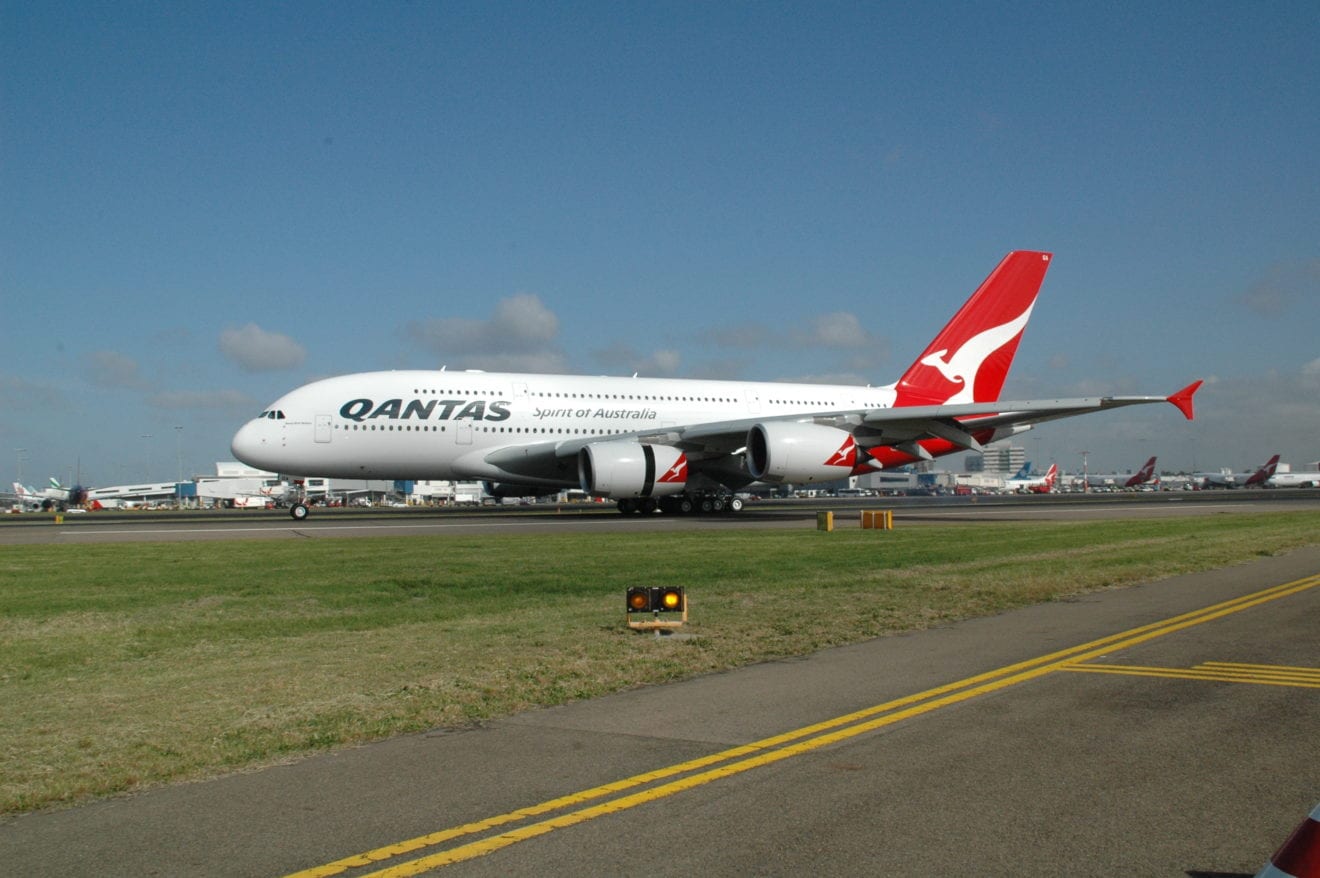
  • Apple iPhone gets stuck inside Qantas aircraft, earns frequent flyer miles

    Apple iPhone gets stuck inside Qantas aircraft, earns frequent flyer miles

    An iPhone was lost by its owner on a Qantas flight and the handset ended up stuck on the plane during several international flights. The action started on May 6th as detailed in an online forum called the Australian Frequent Flyer Community. That is when a member of the community using the handle “Rugby” asked for a phone number for Qantas’ lounge.
    He needed the number because his wife had apparently left her iPhone on a Qantas plane. Rugby wrote that thanks to the “Find My” app, he knew that the handset had boarded the plane with his wife, flying from Sydney to Auckland. It then flew back to Sydney, went from Sydney to Honolulu to Sydney, and then flew from Sydney to Auckland to Sydney again.
    Meanwhile, the Rugby family was able to follow the phone’s travels and there must have been enough battery life for the phone to continue sending out signals. The device was believed to be stuck in the seat that Mrs. Rugby had been sitting in during the original flight. You would have thought that this would have led Qantas to do whatever was needed to extricate the phone from the chair.
    That’s because the airline always makes announcements warning passengers that a phone stuck in a chair could catch on fire. Indeed, back in 2016 an iPhone stuck in a business class seat on a Qantas flight from L.A. to New York caught fire after the lithium battery inside the phone was crushed. The passenger tried to use the recliner to free the device and it ended up bending the battery and engulfing the phone in flames.
    Luckily, the onboard crew was able to put out the fire using fire extinguishers and Qantas decided to redesign the seats on its planes. You would have thought that the airline would have put forth a more serious effort to find and/or free Mrs. Rugby’s Apple iPhone considering the mid-flight fire that took place only a few years back. One person monitoring the thread suggested that the Rugby’s send an email to Qantas to let them know of the potential threat to the airplane.
    Another member of the community had a good point about how poorly Qantas is cleaning its planes between flights if it couldn’t find the phone. Also, the airline’s security checks between flights are also lacking.
    After the phone made three roundtrips and landed in Sydney for the third time, a member of the forum assisted Qantas with the retrieval of the phone. It wasn’t known whether this person was a passenger who had been following the forum or a Qantas employee who is a member of the forum. Regardless, the Rugby’s received a call from a Qantas employee who said that they had the phone and would be taking it to international baggage services.
    Mr. Rugby was in Auckland when he heard from Qantas that they had his partner’s iPhone. He picked up the well-traveled device the following week when he returned to Sydney. By the way, leaving your phone on a plane is not an isolated situation. A member of a forum called One Mile At A Time who goes by the name of “JD,” wrote, “Flew MEX-FRA first class (747) a couple of years ago. When I woke up I could not find my iPhone anywhere.”
    He continued. “After a perfect in flight, it was like an out of body experience… I couldn’t find it, the flight attendants couldn’t find it and the other poor passengers in first class were like “get over it”. I was so embarrassed but once everyone deplaned, mechanics came on board and finally was (sic) able to find it… we almost missed our connecting flight but was elated to have my iPhone back for our month long vacation in Europe.”
  • Singapore sneaker reseller Ox Street to launch in Australia, NZ

    Singapore sneaker reseller Ox Street to launch in Australia, NZ

    Singapore-based online sneaker resale marketplace Ox Street is launching a trans-Tasman expansion, opening an e-commerce store in Australia.

    “Australia is a perfect fit for the community we want to build in the long-term,” said Gijs Verheijke, founder and CEO at Ox Street. “We see a big supply gap when it comes to Australian buyers having access to the most coveted sneakers, whether they’re hot new drops or all-time classics.”

    Verheijke said the company, which was acquired by Carousell last October, has already built a large network of resellers across Australia and New Zealand during the past few years. Ox Street said the emphasis is on enabling faster delivery times and greater access to supply in an industry dominated by US and European megabrands.

    The Australasian launch is part of Ox Street’s ambition to build a “global hub for sneakerheads,” Verheijke said. The company’s short term plan is to build brand equity and a large part of that is being trusted to robustly authenticate the products before they reach buyers.

    Founded in 2019, Ox Street operates across eight Southeast Asian countries, targeting Gen Y and Z investors, collectors and fashion-conscious consumers. The brand reported sales growth surging more than four-fold during the past year.

    As part of the Australia launch, Ox Street has partnered with Sneaker Freaker in an Instagram-based sneaker giveaway worth more than $2000.

  • Singtel-owned ATN and AustralianSuper acquire Axicom

    Singtel-owned ATN and AustralianSuper acquire Axicom

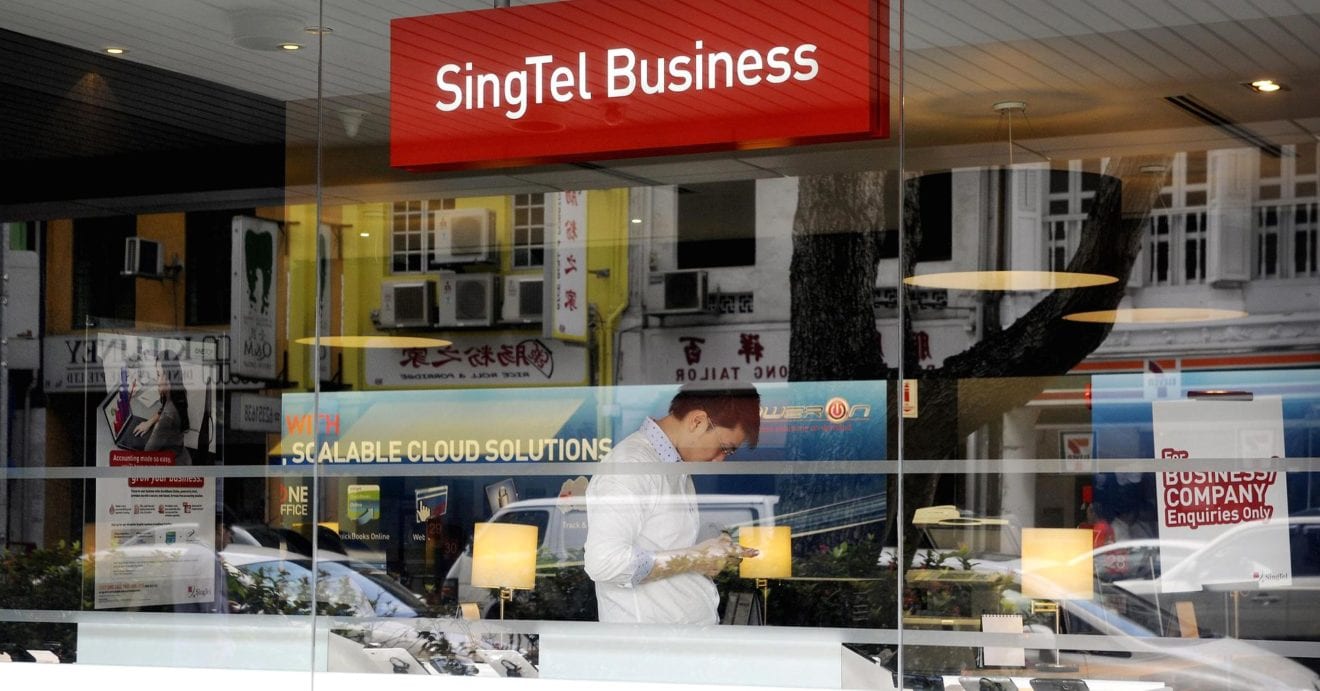
    Singtel-owned Australia Tower Network (ATN) and AustralianSuper have announced the acquisition of Axicom, one of Australia’s leading providers of telecommunications tower infrastructure, for A$3.58 billion.

    Axicom owns and operates approximately 2,000 telecommunication sites located in metro and outer-metro locations across all eight states and territories and major cities in Australia.As ATN’s shareholders, AustralianSuper and Singtel said the strong synergies between Axicom and ATN would provide exceptional growth opportunities which will benefit customers, employees, and the community in the long term.

    AustralianSuper head of infrastructure, Nik Kemp, said Axicom is a high-quality asset that will deliver long-term value to AustralianSuper members.

    “Axicom is complementary to our existing digital infrastructure portfolio and this acquisition will result in the creation of a provider with a truly national footprint that will connect the vast majority of Australian families and businesses,” Kemp said.

    “Axicom has all of the characteristics we are looking for in an infrastructure asset and there are strong synergies between the two organisations. We look forward to working with the great teams of both ATN and Axicom to bring these two strong businesses together and leverage the great opportunity we have to continue to deliver for customers and AustralianSuper members.”

    Singtel Group chief corporate officer, Lim Cheng Cheng said, “This acquisition is a unique opportunity to scale up ATN’s operations and expand its customer base. It also reinforces Singtel’s commitment as a long-term investor in the Australian telecoms space where our goal has always been to provide more options and build better communications for Australian consumers and businesses. In combining ATN and Axicom, AustralianSuper and Singtel will be working closely to realise the significant operational synergies created.”

    AustralianSuper acquired a 70% stake in ATN from Singtel in November last year. Following the Axicom acquisition, Singtel’s shareholding in the combined ATN/Axicom business will be 18%, with AustralianSuper at 82%.

    Kemp said AustralianSuper will continue to seek further opportunities in this sector both domestically and globally.

    “AustralianSuper is looking to double its infrastructure portfolio over the next five years from its current A$31 billion. We believe that there will be significant growth in demand for digital infrastructure and will actively consider future opportunities in this space.”

    ATN chief executive officer, Cameron Evans, said ATN was looking forward to broadening the relationship with Axicom’s customers and providing them with access to the over 2000 current ATN sites and more than 565 new sites under construction.

    “Bringing together Australia’s two largest independent wireless telecommunications infrastructure operators provides real strategic advantages and strong value creation opportunities. It will also provide greater support for our customers as they continue to deliver essential services to the community such as mobile coverage, internet services, broadcast and emergency services,” Evans said.

    “We look forward to working with the team at Axicom to bring our two businesses together and leverage the opportunities we have with our top-quality digital infrastructure to connect Australians for generations to come.”

  • McDonald’s Australia appoints new CEO

    McDonald’s Australia appoints new CEO

    McDonald’s Australia has named Antoni Martinez as its new chief executive to replace outgoing boss Andrew Gregory, who is moving to a global role as head of franchising at the fast food giant.

    Mr Martinez will move back to his native Australia at the end of the month to take up the new job on May 1 from Seoul, where he is currently managing director of McDonald’s Korea.

    Mr Gregory has worked at McDonald’s Australia since 1996, starting as a crew member and working his way up to chief financial officer before taking on the top job in 2014.

    Under his leadership, McDonald’s Australia has delivered consistent, record growth in sales, profitability, and market share. Coffee, delivery and digital sales have been among the most significant drivers of growth.

    “McDonald’s Australia is one of McDonald’s largest and most successful markets in terms of growth, employment, and economic impact,” Mr Gregory said.

    “I am proud to be handing the reins of this great company to Antoni at a time of strong, sustained performance.“

    “As I step up and into a global position, I have every confidence that he is the best leader to return home and drive the plans for our continued growth, innovation, and success.”

    Mr Martinez takes over at a difficult time as the chain makes a big push into regional areas. It is facing an uphill battle in attracting the right franchisees who are willing to move and invest upwards of $1.5 million cash in the business.

    “Macca’s” has about 100 new restaurants in the pipeline over the next three years, about one-third of which will be in regional areas.

    The group has 1020 McDonald’s restaurants across Australia and nearly 85 percent of those are franchise operations. It is a major employer with more than 110,000 people in restaurants and corporate offices, and is the largest employer of youth in the country.

    Mr Martinez will also be grappling with possible wage increases being determined by the Fair Work Commission’s wage panel, which would come into effect on July 1. Unions are pushing for a 5 percent increase in the minimum wage this year to more than $21 an hour to cope with the surging cost of living.

    Mr Martinez started at McDonald’s in Melbourne in 2000, before moving into senior leadership roles including development director and market director for the southern region, where he was responsible for operations, franchising and marketing for more than 300 restaurants.

    In February 2020, Mr Martinez relocated to Seoul to lead South Korea’s McDonald’s team.

    Mr Martinez said he was excited to return to Australia, where he planned to focus on providing opportunities for its people to develop their skills.

    “I stepped outside of the Australian market to gain valuable international experience and have watched with a great sense of homegrown pride the continued growth and innovation of the Australian business,” he said.

  • Ferrero recalls some Kinder products in Australia, NZ ‘as a precaution’

    Ferrero recalls some Kinder products in Australia, NZ ‘as a precaution’

    Italian confectionery group Ferrero has recalled several children’s chocolate products in Australia, having already recalled products in multiple European countries earlier in the week. The recalled products could potentially be contaminated with salmonella, Food Standards Australia New Zealand (FSANZ) announced on Thursday. The chocolates, including some Kinder products, were sold in large supermarket chains such as Coles and Woolworths.

    “Consumers should not eat this product and should return the products to the place of purchase for a full refund,” the FSANZ said in a statement. Ferrero’s Australian arm is recalling Easter baskets and some Kinder chocolate eggs.

    The Kinder Surprise 20g single and three-pack eggs are not affected. The European Food Safety Authority (EFSA) and the European Centre for Disease Prevention and Control (ECDC) have launched investigations into the salmonella outbreak and plan to publish an assessment next week. So far, 105 confirmed cases and 29 suspected cases of salmonella, most of them in children under the age of 10, have been recorded in Europe, according to the authorities. Almost half of the salmonella infections were recorded in Britain, with the first case being detected as early as January 7.

    Other countries affected by the recall include Germany, Belgium, France, Ireland, Israel, Luxembourg, the Netherlands, Norway and Sweden.

  • Vietnam to import coal from Australia amid power shortage fears

    Vietnam to import coal from Australia amid power shortage fears

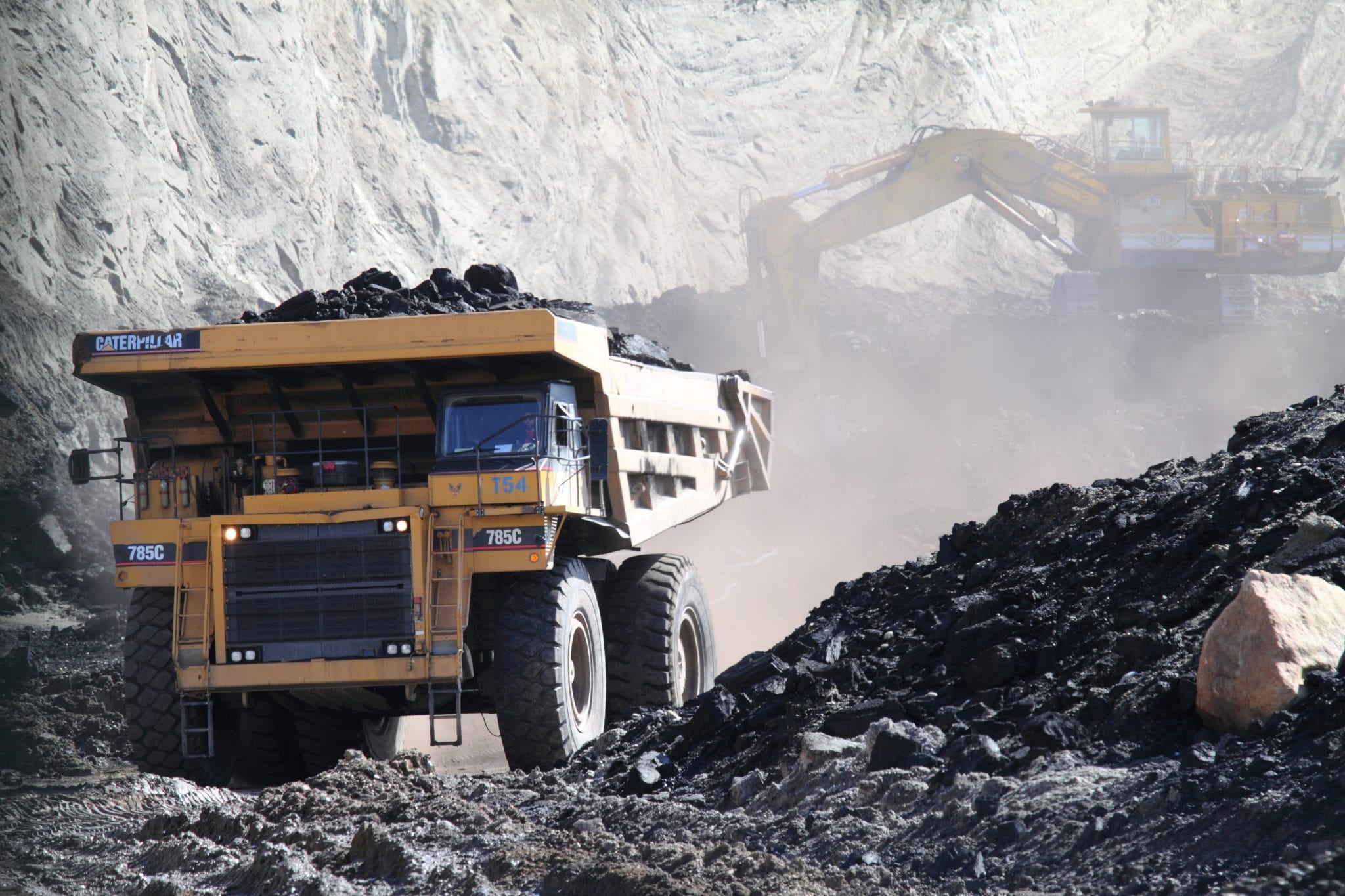
    Vietnam wants to import around five million tonnes of coal from Australia amid a domestic shortage that has forced power plants to cut production.

    Apprising Australian ambassador Robyn Mudie about this on Friday Minister of Industry and Trade Nguyen Hong Dien sought his help to link up Vietnamese companies with their Austrian counterparts so that they could start buying the coal this month.

    Australia is one of the world’s biggest coal exporters. The trade ministry is also looking for sources in South Africa. National utility Vietnam Electricity (EVN) said this week that several thermal power plants in the northern and central regions are cutting down production to 60-70 percent due to a coal shortage.

    It also warned of the risk of power shortages from this month. But the trade ministry has said there will be no power shortages this year. It is mobilizing around 3,700 megawatts from other coal- and gas-fired plants and renewable and hydropower sources.

    EVN said that by 2025 another 5,500 megawatts of renewables are needed to ward off power shortages. It has also called for incentives for rooftop solar. The company is seeking the government’s permission to build wind power plants in the north. Most plants now are in the central and southern regions.

    Coal-fired plants accounted for 43.6 percent of total power generation in February, according to EVN. Vietnam promised to achieve net-zero emissions by 2050 at the U.N. Climate Change Conference in the U.K. last November.

  • Australian Researchers To Study How Tesla Car Batteries Can Power Grid

    Australian Researchers To Study How Tesla Car Batteries Can Power Grid

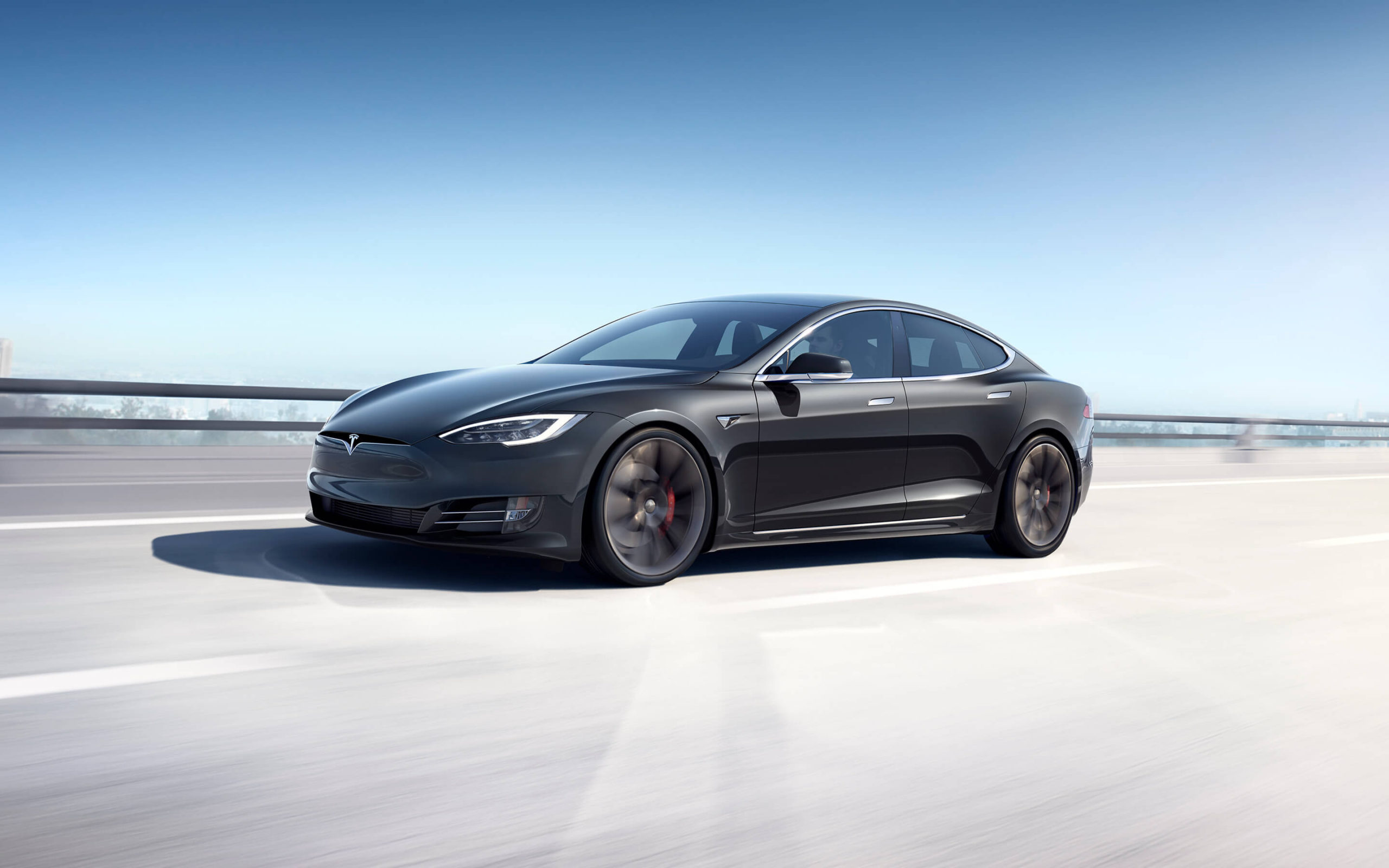
    Australia’s University of Queensland (UQ) on Wednesday said it would recruit Tesla Inc car owners around the world to analyze if the vehicle’s spare battery capacity could support the energy grid and even power homes in the future. The university has partnered with analytics platform Teslascope for the research project, which it said would be a world-first trial that would check how owners of electric vehicles (EV) currently drive and charge their vehicles. For the first phase of the study, Tesla owners in Australia, the United States, Canada, Norway, Sweden, Germany, and Britain can apply. The program could be expanded later to include other electric vehicle companies.

    With increasing numbers of electric vehicles globally, scientists are looking to find how the batteries can provide other cleaner energy services besides helping lower emissions in the transport industry. Researchers at UQ said most EVs are driven only one-eighth of their daily driving range of 400 km (249 miles), providing opportunities to store energy and export power to the grid using vehicle-to-grid (V2G) chargers. “(The study) will not only help to inform EV policy internationally but importantly assess the feasibility of using EVs as batteries-on-wheels,” Jake Whitehead, Research Fellow at UQ, told Reuters.

    V2G technology is a connection between the EV and the grid through which power can flow from the grid to the vehicle and vice-versa. That potentially enables car owners to sell energy to the network, while utilities could use electric cars as a backstop during peak demand periods. The study, which aims to initially recruit 500 Tesla owners, will collect usage data through the vehicle’s software interface and in return users will be offered a free premium subscription to Teslascope for a year. Australia last week pledged A$178 million ($132 million) to ramp up the rollout of charging stations for electric vehicles but did not set targets to phase out petrol cars.