Tag: bangkok

  • SCB Securities to use Thai Decide system for institutional customers

    SCB Securities to use Thai Decide system for institutional customers

    Decide is a state-of-the-art trading platform provided as a service and co-located at the SET Data Centre, which supports retail and institutional trading on both the Stock Exchange of Thailand and Thailand Futures Exchange.

    SCB Securities chief executive officer ML Thongmakut Thongyai said: “After the successful implementation for our institutional customers we look forward to exploiting the power of Thai Decide for our retail customers.”

    Thibaud Langlet, general manager of Serisys for Southeast Asia, said: “Leading financial institutions like SCB Securities need world-class platforms like Decide to allow them to win in today’s rapidly changing landscape. Providing Decide as a service allows us to ensure high quality and cost efficiency.”

    Coaching conference in May

    The “APAC2017 Coaching Conference” will be held in Bangkok from May 25-27, and its organisers promise it will be an inspiring place where coaches and leaders explore how coaching creates sustainable value within teams, corporations and society.

    The highlights include a leading-edge “East meets West” pre-conference day on May 25, featuring Dr Marshall Goldsmith, Venerable Vudhijaya Vujiramedhi, and the governor of the Bank of Thailand, Veerathai Santiprabhob.

    The conference programme features 35 speakers from five continents, including international coaching experts Goldsmith and Dr Stephen Murphy-Shigematsu.

    Thai cooking class

    Hospitality company Dusit International has rolled out a new Thai cooking class, giving participants the chance to learn how to make a selection of Thailand’s most famous dishes.

    Open to hotel guests and the general public at selected Dusit Hotels and Resorts worldwide, each hands-on session is conducted by a seasoned Thai chef and includes a choice of three authentic recipes, followed by a sit-down lunch or dinner.

    Among the available recipes are signature favourites such as khao pad gai (chicken fried with rice), pad thai goong (fried noodles with prawns), tum yum goong (spicy soup with prawns), massaman lamb shank curry, and chicken satay.

    FWD launches ‘Cancer Fighter’

    FWD Life Insurance has launched “Cancer Fighter”, a new insurance product that covers all stages of cancer from first diagnosis onwards.

    The package provides benefits at early diagnosis to cover medical treatments, including ongoing chemotherapy and radiotherapy recovery benefits, said chief marketing officer Aman Kapoor.

    The “Cancer Fighter” gives a significant lump sum (50 per cent of sum assured) when the cancer is detected early to help pay for the best medical treatments at the early stage to beat the disease.

    In cases where cancer is detected at a later stage, full benefit (100 per cent of sum assured) will be given to the customer. Moreover, an additional 40 per cent of sum assured will be provided for ongoing chemotherapy and radiotherapy treatments to help with full recovery.

    The “Cancer Fighter” plan can be bought with a main life-insurance policy from FWD, is available for customers aged 16-65 years, and can be renewed up to age 84 years.

  • SK Telecom, CAT to launch IoT network in Thailand

    SK Telecom, CAT to launch IoT network in Thailand

    SK Telecom has teamed up with Thai state-owned operator CAT Telecom for a project to deploy a LoRa-based IoT network and services in Thailand.

    Under the agreement, the operators plan to deploy a LoRa-based IoT pilot network in Bangkok and Phuket and launch IoT pilot services from April.

    SK Telecom will be responsible for deploying LoRa-based IoT networks in central areas of Bangkok and the entire Phuket province. The company has also been contracted to provide consulting services.

    In Phuket, SK Telecom and CAT will initially launch a LoRa-based vehicle location tracking service, and plan to follow this up with more IoT services including smart metering and smart street lighting services.

    In central Bangkok, the companies plan to offer an IoT-based location tracking service for tourists, designed to prevent children and the elderly from going missing near the Grand Palace during the mourning period recently deceased king Bhumibol Adulyadej.

    “SK Telecom will contribute to the growth of the ICT industry in Thailand by working together with CAT Telecom in the area of IoT, while nurturing a new ICT ecosystem by cooperating with many related companies,” SK Telecom EVP and head of IoT Cha In-hyok said.

    “Going forward, SK Telecom will collaborate with CAT Telecom in more areas to create more success stories in Thailand and other Southeast Asian markets.”

    SK Telecom and CAT also announced that Tree Pay, the joint venture established by the two companies as well as Korean digital payment company NHN KCP, has launched a payment gateway service in Thailand.

    Tree Pay will combine technologies from SK Telecom and NHN KCP to develop an innovative payment gateway supporting online, offline and mobile payment. CAT will meanwhile work with the Thai government to develop business opportunities for the new venture.

  • Thai airlines raise domestic fares

    Thai airlines raise domestic fares

    Thailand’s low-cost airlines are increasing fares on domestic routes in a respond to a massive increase in excise tax on jet fuel that came into effect last week. The government increased the fuel tax on all domestic flights from 20 satang to THB4  per litre, claiming it was overdue, while bringing the tax more inline with the THB6 a litre tax on diesel fuel.

    Nok Air, Thai Lion Air and Thai AirAsia issued statements, Tuesday, saying they would raise fares on domestic routes to reflect the “real cost increase by THB150 per sector”. It will increase roundtrip fares by THB300.

    This additional cost will be included in all fares posted on Nok Air’s website as of 6 February 2017 onwards, the statement read.

    Thai AirAsia and Thai Lion Air announced the same increase, effective 1 February (Air Asia) and 6 February (Lion Air).

    Bangkok Airways announced later in the day  that it would increase fares by THB200 per sector, effective 8 February.

    Excise Department  director general, Somchai Poolsavasdi, said the increase should generate more than THB4 billion from domestic jet fuel consumption, which is expected to reach 1.2 billion litres a year.

    Excise tax on lubricants has also been raised, to THB5 a litre from zero previously, he said.

    He noted that land transport companies pay THB6 in excise tax on a litre of diesel fuel, while airlines have enjoyed a 20 satang tax (100 satang = THB1) for years. The  tax is not applied to international flights originating or transiting in Thailand.

    The department hiked the fuel tax to create fairer competition in business, he said. It was a reference to rail and bus transport that has suffered a mass migration to airline travel.

    Inter-city bus fares will be slightly more competitive when compared with airline fares after the THB150 is added to air fares. By 2016,  jet fuel costs had declined by 36% since 2014 and this allowed low-cost airlines to quote fares that were almost identical to long-distance bus fares (air-conditioned buses).

    While offering a token helping-hand to bus operators, the government’s other hand will snatch THB4 billion in taxes ultimately from travel consumers.  It is unlikely  to persuade travellers to return to long-distance bus transport noted as the second most dangerous form of transport after the infamous Toyota commuter van.

    Thai aviation has been rising rapidly in recent years powered by low-cost airlines at the expense of land transport. Jet fuel consumption, will exceeds 1 billion litres this year, the director general reported.

    Association of Domestic Travel advisor, Yutthachai Soonthronrattanavate, told Voice TV media that the tax increase would impact badly on domestic tourism.

    “As airlines increase fares to compensate, the burden falls squarely on the consumer’s’ shoulders,” he said.

    “The tax measure will hurt airlines operating domestic flights flying about one hour and using 8,000 to 9,000 litres per trip …it will increase an airline’s costs…in turn passengers will then have to spend more on flights.”

    In the past when fuel prices were high, airlines immediately passed part of the cost to consumers in the form of a “fuel surcharge.”   They eventually were forced to include the surcharge as part of the base fare rather than lumping it with service fees and taxes at the close of the transaction.

    Thailand’s Ministry of Tourism and Sports is counting on domestic tourism to boost earnings and share the benefits of tourism beyond the main gateways.  Low-cost airlines are the main driver allowing urban Thais to explore their country safely and at competitive prices.

    Government officials will argue there are alternatives such as rail and road transport, but the standard and safety of those alternatives lags far behind air travel.

    It would take a massive investment to upgrade rail transport to offer fast inter-city rail travel that could be considered  a credible alternative to low-cost airline travel. It’s decades away which means for most travellers  low-cost airlines continue to be the only choice to get around the country quickly and safely.

    In the TV interview, Yutthachai said the excise department should have staggered increases step by step to give airlines a chance to adjust while cushioning the impact on consumers.

  • BMW to invest RM126mil to build PHEVs in Thailand

    BMW to invest RM126mil to build PHEVs in Thailand

    It appears that the production of BMW plug-in hybrid models in the region is set to increase, with BMW Group Manufacturing Thailand set to invest 1 billion baht (RM126.2 million) in the production of petrol-electric vehicles at its plant in the Amata City Industrial Estate, Rayong.

    The investment has been earmarked for the improvement of line operations there, in order to facilitate the increase of plug-in hybrid production. Of that amount, 488 million baht (RM61.6 million) has already been spent to kick off production of these vehicles last November. The company has spent 3.7 billion baht (RM467 million) on the plant from 2000 to 2015.

    The rest of the investment will be used to double the production capacity in Thailand this year; the company currently builds 20,000 BMW and MINI cars and 10,000 BMW Motorrad motorcycles a year. President of BMW Group Thailand Stafan Teuchert said that the two-year investment is meant to prepare for future demand both domestically and abroad, with Munich seeking any opportunity to export vehicles from Thailand.

    The company has exported a limited amount of cars to Malaysia since 2006 and around 1,000 motorcycles to Malaysia and China since 2015, but began shipping large amounts of completely built up (CBU) X3s and X5s to China last year. It aims to export 10,000 units of those models in 2017 – mostly to China – and is also eyeing other markets in ASEAN for opportunities.

    Locally, BMW plans to bring in more advanced technology to build plug-in hybrid batteries in Rayong by mid-2018, further reducing retail prices in Thailand. The company currently imports the batteries from Europe.

    Existing Thai-built BMW plug-in hybrids include the 330e Luxury and X5 xDrive40e M Sport, priced at 2.59 million baht (RM326,900) and 4.69 million baht (RM592,000) respectively – around 490,000 baht (RM61,800) and 690,000 baht (RM87,100) lower than if they were imported. Teuchert said that the company plans to produce the 740e this year and the 530e in 2018.

    In order to support the increase in the number of plug-in hybrid vehicles in Thailand, BMW plans to increase the number of charging stations in Bangkok to 12 this year, up from the current five. It expects sales of electric cars, mainly PHEVs, to rise from 5% of total car sales to 15% in 2017.

    Meanwhile, BMW currently assembles the 330e Sport, 330e M Sport and X5 xDrive40e in Malaysia, priced at RM248,800, RM258,800 and RM388,800 respectively, on-the-road without insurance. It also expects to export the 3 Series, 5 Series and 7 Series from Malaysia to Vietnam and the Philippines from next year.

  • Brandline – Bring Your Brands to Life

    Brandline – Bring Your Brands to Life

    Consumers are exposed to more than 3000 messages a day. The real question now is, what will make your brand stands out? As consumers only spend a few seconds in front of retailer shelf, are the in-store messages targeted properly and relevant? Hence, design solutions that boost the traffic and sales potential in retail environments are sorely needed.

    As the expert in merchandising and in-store communication, HL Display Thailand has the most innovative design and ideal solutions to create a more desirable shopping experience and brand awareness that includes

    • Creating a place where the consumers want to shop
    • Developing impulse buying and customer loyalty
    • Making differentiation from competition
    • Increasing basket size and footfall

    Communicate the brand values and product benefits with Brandline™, the collection of shelf liners, highlighters and accessories, specifically designed to create highly effective on-shelf communication and segmentation. Extending the message areas with additional accessories such as lighting is also reinforcing brand awareness and instantly adding positive disruption visually.

    https://www.youtube.com/watch?v=DUECYwjKfjA

    Health and Beauty category for instance, is a category characterized by many new products introductions coupled to variety of pack sizes and shapes. State of the art message conveyer, cosmetic front rails, sample tester holder, lighting accessories are becoming a must have in store environment, and this is when Brandline™ becomes even more important than ever.

    For further information, Bangkok based HL Display Thailand can be directly contacted during office hour at +66 2276 2445 with the attention to Mr. Thanasun Sakchuenyod, or e-mail to [email protected] or [email protected]. Visit the company website at www.hl-display.com/asia

  • NBTC plans to allocate 380 MHz more mobile spectrum

    NBTC plans to allocate 380 MHz more mobile spectrum

    Thailand’s telecoms regulator NBTC plans to release 380 MHz of additional spectrum to the industry to set the stage for 5G and accommodate burgeoning demand for mobile data and IoT services.

    The regulator is aiming to auction 180 MHz of 2600-MHz spectrum this year as part of this process, citing NBTC secretary-general Takorn Tantasith.

    According to the plan, this will be followed by auctions of 90 MHz of 1800-MHz spectrum and 20 MHz of 850-MHz spectrum by March 2018, then 90 MHz of 700-MHz spectrum by 2020.

    While to date up to 420 MHz of bandwidth has been allocated for mobile use, Takorn said this will not be sufficient to keep pace with rapid developments in network technology and online service innovation, let alone the eventual deployment of 5G and the new use cases it will bring.

    The planned auctions will bring the total bandwidth allocated for telecoms use up to 800 MHz, significantly higher than the 700 MHz recommended by the ITU, the report notes.

  • Thai MVNOs must use fingerprint SIM registration

    Thai MVNOs must use fingerprint SIM registration

    Thailand’s MVNOs will need to implement a new online fingerprint ID registration system for both prepaid and postpaid mobile SIMs by March, after regulator the NBTC declined to exempt them from complying with the new registration regime.

    The online registration system is being introduced as a requirement for both mobile operators and MVNOs as part of an NBTC decision from late last year.

    But MVNOs had been calling on the regulator to exempt them from the order on the grounds that it will impose additional costs that may make it difficult for them to compete with the major operators.

    NBTC secretary general Takorn Tantasith as stating that the regulator has decided that consumer interests must be put first, and a fingerprint system will be required to ensure greater security in mobile banking as Thailand moves towards becoming a cashless society.

    He also said operators will be able to deduct the costs of implementing the system from their annual universal service obligation fee.

    The new online fingerprint ID system will complement the existing compulsory SIM registration system. While operators are required to implement access to the system, end-users will choose whether to submit their fingerprints.

  • Thai tourism officials expect 10 percent growth in 2017

    Thai tourism officials expect 10 percent growth in 2017

    Thailand received a record 32.59 million foreign visitors last year, with revenue beating expectations and likely to exceed previous forecasts this year by growing 10 percent or more, officials said Monday.

    Thailand is proving popular even as terror scares, including a series of bombings in resorts towns killing four people, and the death of King Bhumibol Adulyadej had hotels and tour guides across the country on edge. Tourism fared better than expected after a bloodless coup deposed Thailand’s elected government in 2014 as well.

    The Tourism Authority of Thailand said Monday that the tourist industry earned 2.52 trillion baht ($71.4 billion) last year, up 11 percent from 2015.

    It said the country’s tourism industry is projected to bring in 733 billion baht ($20.8 billion) in the first quarter of this year, up 8 percent from the first quarter of 2016. Officials said their estimates, covering foreign and domestic tourists combined, indicate tourism revenue for all of 2017 may surpass earlier forecasts of 2.77 trillion baht ($78.5 billion).

    Thailand is the eleventh most-visited country in the world and boasted the sixth largest tourism industry by revenue in 2015, according to a U.N. report. Most travelers come from China, South Korea, and Japan, lured by Thailand’s year-round warm weather, as well as Western countries and Thailand’s neighbors in Southeast Asia.

    Foreign tourists are by far the most lucrative for the economy. Foreign arrivals are projected to total 9.3 million in the first quarter of this year, accounting for 490 billion baht ($13.9 billion) in revenue. In the same period, some 32.5 million Thai travelers accounted for 240 billion baht ($6.8 billion).

    “Thailand is still a popular destination,” Yuthasak Supasorn, governor of the Tourism Authority of Thailand, said at a news conference. “We have a lot of different things to offer our foreign visitors.”

    A steady economy and a growing number of travelers worldwide explain the boom, Yuthasak said.

    “Stability and improvements in the economy mean more foreign tourist arrivals,” he said. “So there’s clearly demand, and it’s up to us to accommodate everyone who wants to come.”

  • Services as a New Driver of Growth for Thailand

    Services as a New Driver of Growth for Thailand

    There’s a good chance you work in the service sector. Services account for 17 million jobs in Thailand, or approximately 40 percent of the Thai labor force. Service encompasses diverse industries such as tourism, retail, health, communications, and transportation, and many sought-after professions in architecture, engineering, law and medicine, for example. Many Thai parents aspire for their children to join the service sector, which carries many of Thailand’s economic hopes and ambitions.

    Industries that are likely to be important in the future such as medical and wellness tourism as well as logistics and aviation are in the service sector. Other key industries like robotics, food for the future and smart electronics will depend on services for critical inputs. Education services will also provide the training and skills necessary for any modern and innovative economy.

    Why do services matter for the Thai economy? A dynamic and growing service sector can become a critical engine of growth for Thailand. Advanced economies like the U.S. and the Euro area are dominated by the service sector, which makes up more than 70-80 percent of  GDP. Much of the value—even of manufactured goods—is derived from support services rather than manufacture itself. For example, approximately two-thirds of the value-added of smartphones, such as the Apple iPhone or Nokia N95, stem from internal support services, licenses, retailing, distribution and operating profit. Assembly accounts for less than 10 percent of their value.

    Even the value-added of a typical jacket made in China and sold in the U.S. is accounted for largely by invisible assets such as services, intellectual property and profits. While developing Asia accounts for most of the world’s manufacturing and assembly needs, most of the benefits go to service providers based in advanced economies.

    How does Thailand’s service sector fare? Thailand’s service sector share has remained static at approximately 50 percent over the last two decades. It is dominated by lower-productivity industries employing lower-skilled workers, and a low share of service exports which tend to be in ‘traditional’ sectors. Thailand has not shown sustained increase in the share of the service sector observed in ASEAN and non-ASEAN peers as well as in advanced economies. For example, China’s service sector as a share of GDP is growing rapidly and is close to catching up with Thailand.

    How can the potential of the service sector be unleashed? A number of examples from ASEAN countries highlight how a combination of private sector initiative and government support to enable businesses and monitor quality standards can increase service output and exports. For example, financial services in Singapore, higher education in Malaysia, health services in Thailand, and telecommunications-based services in the Philippines.

    Thailand’s commitment to structural reforms can unleash the potential of its service sector and lift income levels.

    For Thailand, a supportive regulatory environment for doing business, reduced policy restrictiveness both at the border and behind the border, greater competition and deeper trade integration through, for example, implementation of the ASEAN Economic Community commitments will be critical for fostering productivity growth and innovation, particularly in services. In addition, addressing skill gaps and ensuring quality education for all are also important for ensuring worker readiness.

    A global World Bank study finds that Thailand has a more restricted service market on average compared to ASEAN peers and other regions in the world, particularly in professional services such as accounting, legal, architecture, engineering and management consulting. For example, a dentist from the Philippines would have to take an exam in Thai to practice in Thailand.

    While Thailand has reaped the benefits of past liberalization in manufacturing, merchandise trade and imports of capital with tariff rates coming down from 40 percent in the 1980s to 9 percent in 2006, liberalization failed to encompass the whole economy. Many services, state enterprises and domestically oriented industries remained relatively sheltered from competition.

    For instance, foreign entry and investment into many of the service sectors, as well as delivery of some services by foreign firms, are restricted. Education and health facilities, for example, are required to be majority Thai-owned. In the financial services sector, liberalization has made progress despite apparently restrictive laws. Most, if not all, commercial banks are majority foreign-owned, but not necessarily foreign-controlled. So far, two foreign bank licenses for both wholesale and retail have been granted.

    Thailand’s economic growth is expected to attain 3.2 percent in 2017, from 2.8 percent in 2015. While there will be external challenges from more uncertain global economic prospects, Thailand’s continued commitment to structural reforms can unleash the potential of the service sector and lift Thailand’s long-term growth path above 4 percent per year and take the country from upper-middle to high-income levels.

    Thailand’s economy is on track to recovery, and further strengthening the service sector will help create new and better jobs, higher incomes and more opportunities for Thai people.  And who knows, perhaps you could be the next Jack Ma or Tony Fernandes.

  • Thai e-commerce sector expected to expand by 20 per cent this year

    Thai e-commerce sector expected to expand by 20 per cent this year

    The bullish forecast came as it was revealed the Southeast Asia e-commerce market in 2015 was worth US$900 million (Bt31.7 billion) and is forecast to grow up to 16 times that figure – about $11 billion – by 2025.

    Worawoot Ounjai, chief executive of Central Online, said that the e-commerce market in Thailand would grow more than 15 per cent this year because more consumers would shop online.

    He said only about 3 per cent of Thai consumers currently shopped online, so there was obviously massive growth potential for the market. While the e-commerce ecosystem, such as online payment transaction fees, Internet broadband and logistic, were changing dynamically, he said.

    He added that the use of e-wallets via mobiles and the convenience of online payments would drive more consumers to shop online.

    Only 1 per cent of Central Group’s retail revenue last year came from online.

    Worawoot said an e-commerce marketplace platform would with the next couple of months be provided for all shops in the Central Group and all shops that rent space at Central department store.

    Central will also invest over Bt1 billion in warehouses to support its online business and use of robot management, he said.

    “I think that online shopping will be a big change in behaviour for customers since the coming of the e-wallet via mobile phones, which will create convenience to customers,” he said.

    Thanawat Malabuppha is CEO of Priceza, a provider of shopping searches and price comparisons in six countries – Indonesia, Malaysia, Philippine, Singapore, Vietnam and Thailand.

    Thanawat said the e-commerce market in Southeast Asia was one of the fastest-growing and most promising, with it forecast to grow $11 billion in 2025.

    He said Thailand expected to post e-commerce growth of about 20 per cent this year – the driving factors increased Internet and mobile phone use, as well as improved logistics and e-payment systems. This would create heightened convenience and consumer confidence to shop online.

    He said the quality and reliability of online shopping services were another driving force impacting on the acceptance of e-commerce in the region.

    Thanawat added that Priceza provided a price comparison platform to enable shoppers to search for products from multiple categories offered by the many online shops, which promoted fair competition and empowered buyers with informed buying decisions from shop ratings and buyer reviews while giving them better shipping options.

    Priceza envisions being part of the efforts to make the retail ecosystem in the region as transparent as possible and deliver excellent market competition that benefits both buyers and sellers.

    Nuttawit Polwattanasuk, managing director of LnwShop, said the firm provided an e-commerce platform to support more than 460,000 online shops and had online transaction of over Bt1.8 billion last year. The online payment system will have an important role in driving e-commerce in Thailand in the next few years, Nuttawit said.

    The Electronic Transactions Development Agency has forecast that the total e-commerce market in Thailand this year will be worth Bt2.52 trillion.

    That comprises business-to-business transactions totalling Bt1.38 trillion (54.74 per cent), business-to-consumer transactions worth Bt729 billion (28.89 per cent) and business-to-government transactions valued at Bt413 billion (16.37 per cent).

    This would represent growth of 12.4 per cent from last year’s market value of around Bt2.24 trillion.

    The country has around 41 million Internet users, 41 million Facebook users, 33 million Line users, 7.8 million Instagram users and 5.3 million Twitter users, the agency reported.

  • UberEats Asia expands to Bangkok

    UberEats Asia expands to Bangkok

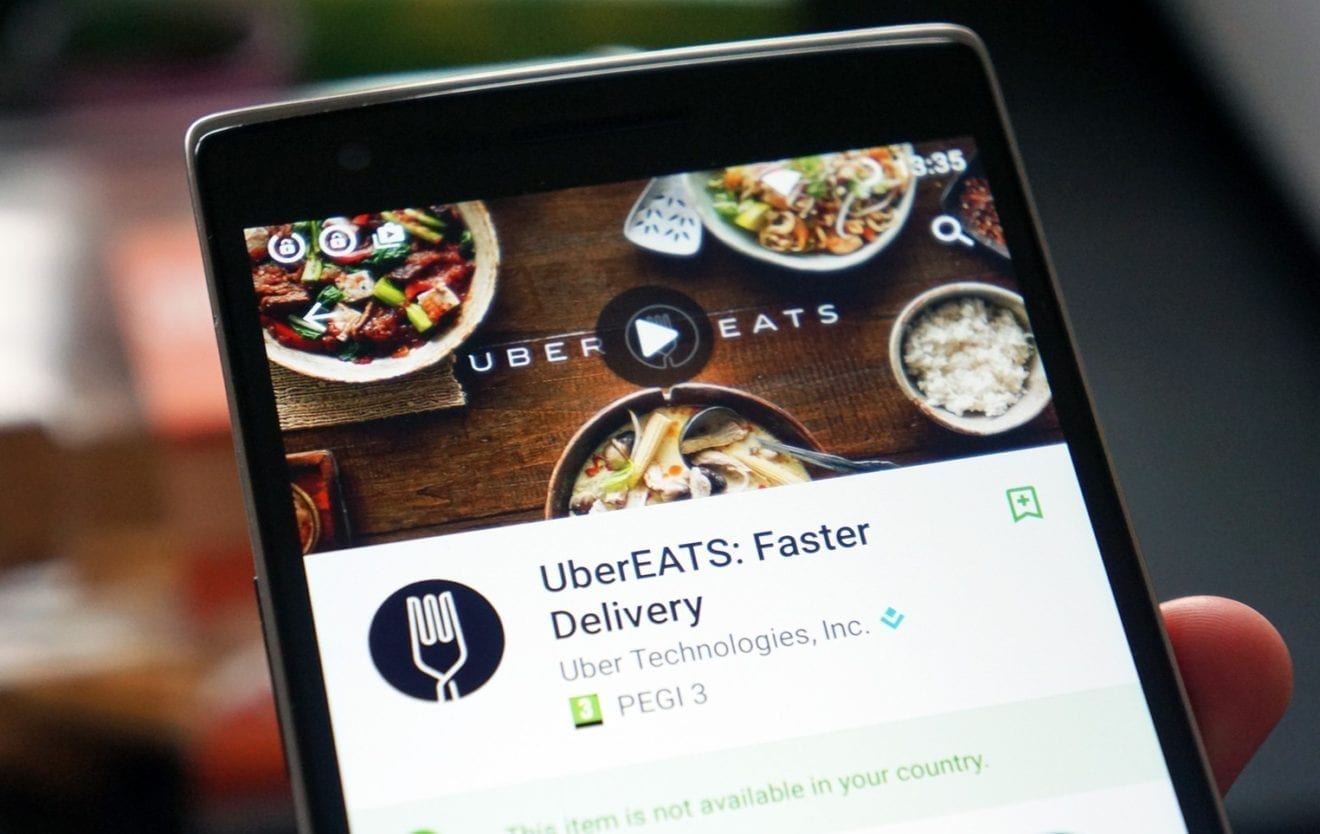
    UberEats Asia has introduced its stand-alone food-delivery app UberEats to Bangkok.

    It initially covers 100 restaurants and 24 cuisines, and users can track their orders from the moment they are placed until they arrive at their doors.

    “This app offers a window into what the future competition in the food-delivery industry could look like,” says UberEats Asia-Pacific GM Allen Penn. UberEats Asia is a business unit of US-based Uber Technologies.

    Already delivering food in Thailand are Berlin-based Foodpanda, Singapore-based GrabEat and Tokyo-based Line Man.

    After downloading the app, UberEats customers can order a meal and have it delivered in 30 to 45 minutes. The limited initial service areas include Asok, Chinatown, Ekamai, Nana, Pathumwan, Ploenchit, Phrom Phong, Sathorn, Silom and Thong Lor.

    The service will be available 10am to 10pm daily with no minimum price per order.

    “Bangkok has fantastic cuisine and the city has a large population with a strong base of smartphone users,” says Penn. “Most importantly, Thai people love to eat.”

    Bangkok is one of 57 cities in 20 countries where UberEats is available. It is the fifth city in Asia where Uber has launched its food delivery service, following Singapore, Tokyo, Hong Kong and Taipei.

    In other countries, UberEats restaurant partners have increased revenue by up to 50 per cent, says Penn.

  • AEON in collaboration with Thai Airways launch “Journey of Happiness”

    AEON in collaboration with Thai Airways launch “Journey of Happiness”

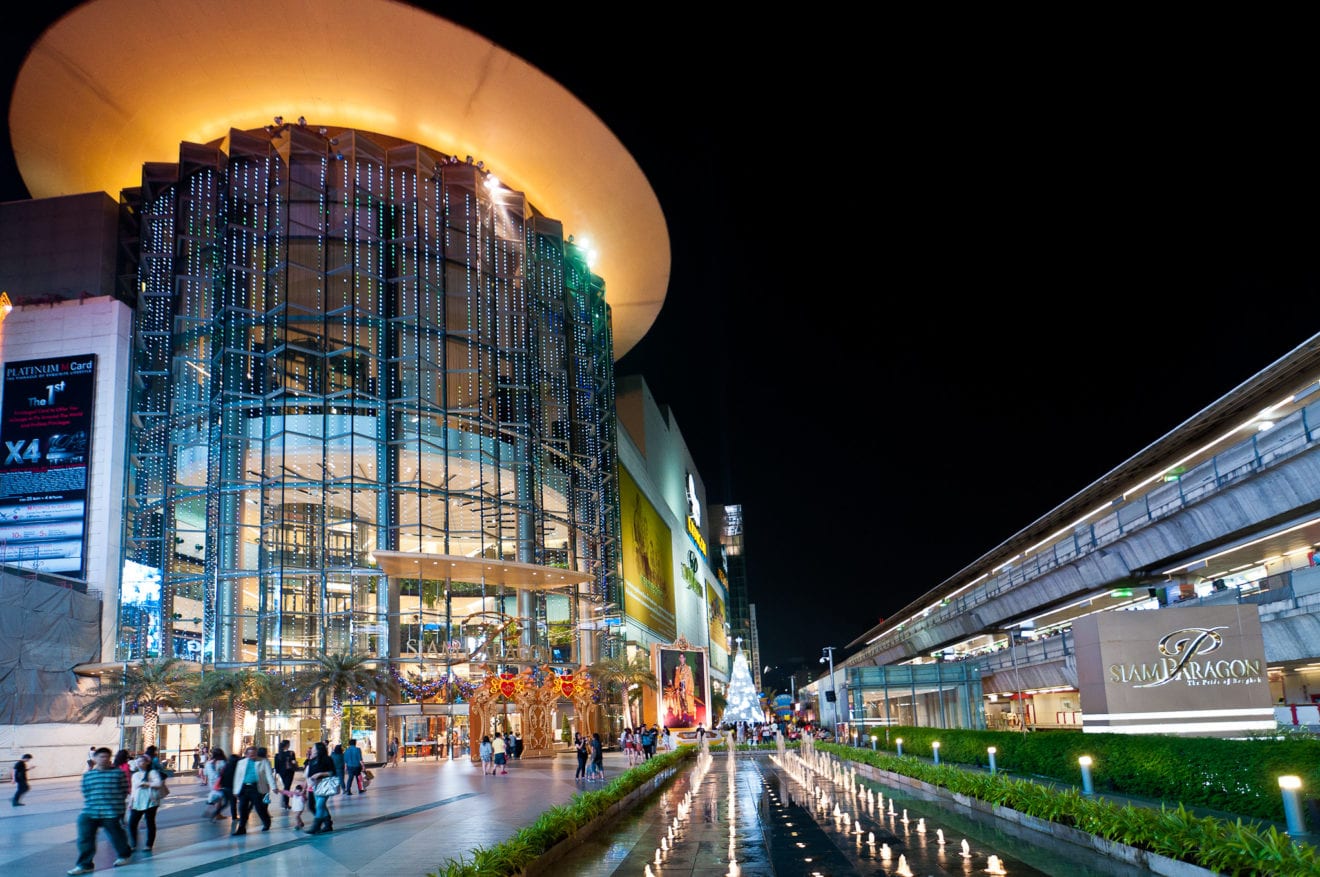
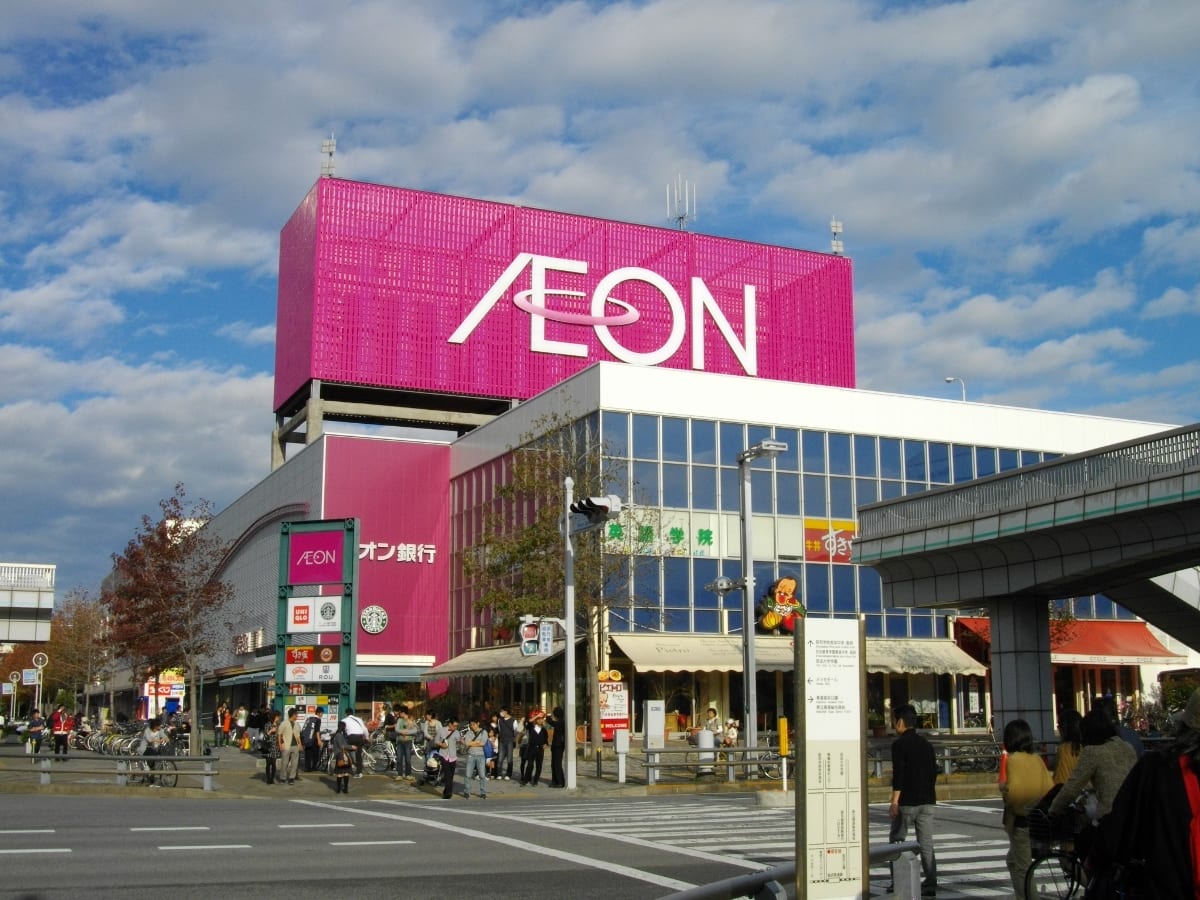
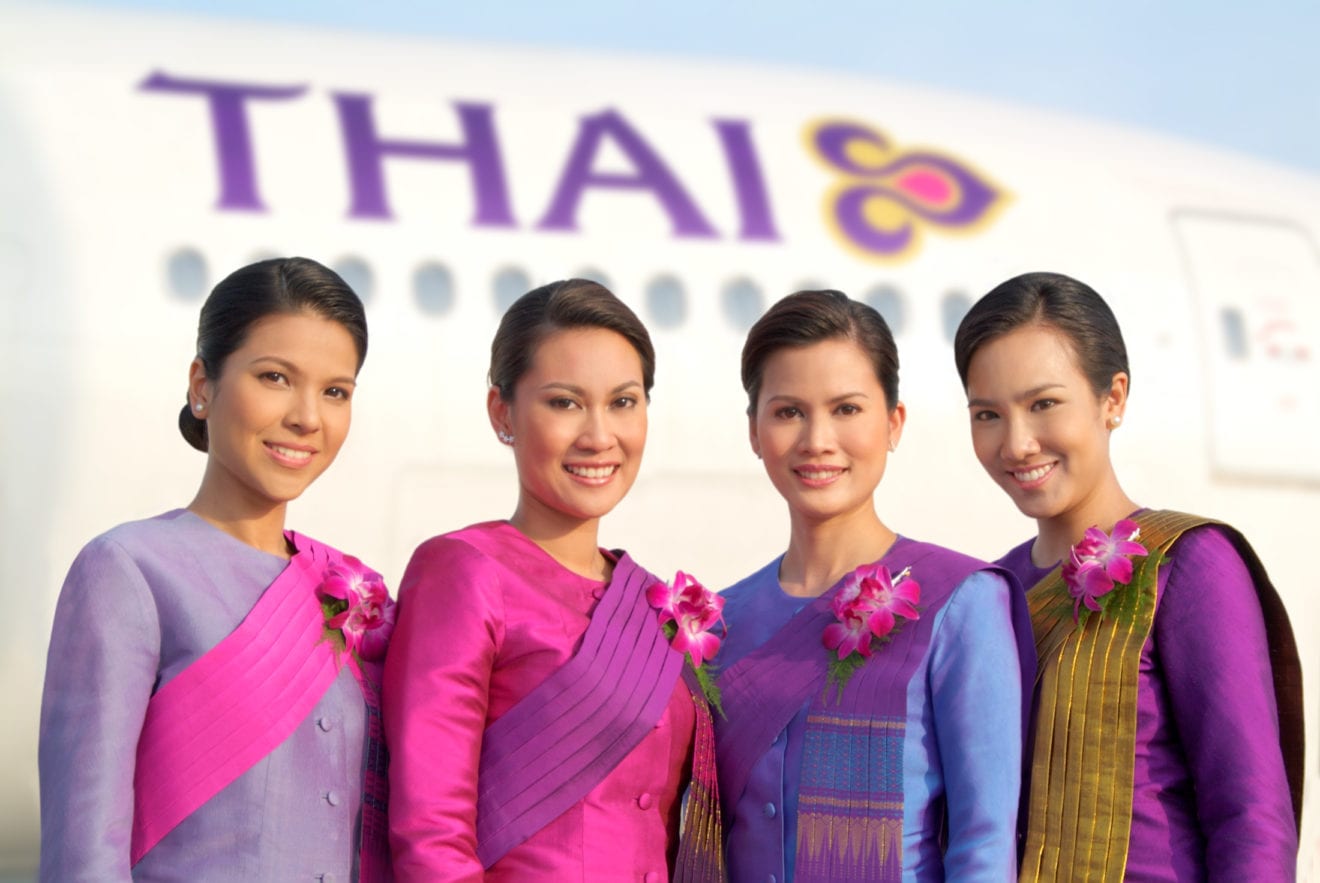
    AEON Thana Sinsap (Thailand) Public Company Limited together with Thai Airways International Public Company Limited launched “Journey of Happiness with Thai Airways 2017” campaign to offer privileges from AEON, Thai Airways and JCB partners such as special airfares from Thai Airways, great deals on tour packages from H.I.S and other special privileges from JCB partners to attendants. In addition, AEON Royal Orchid Plus Platinum cardholders, as well as other AEON credit cardholders, will be eligible for a credit refund of up to 10,000 baht on purchases made via AEON credit cards during the event. The event starts from 27-29 January at Fashion Hall, 1st floor, Siam Paragon.

  • Usher in the Auspicious Year of the Golden Rooster with an Exclusive Promotion for Tourists

    Usher in the Auspicious Year of the Golden Rooster with an Exclusive Promotion for Tourists

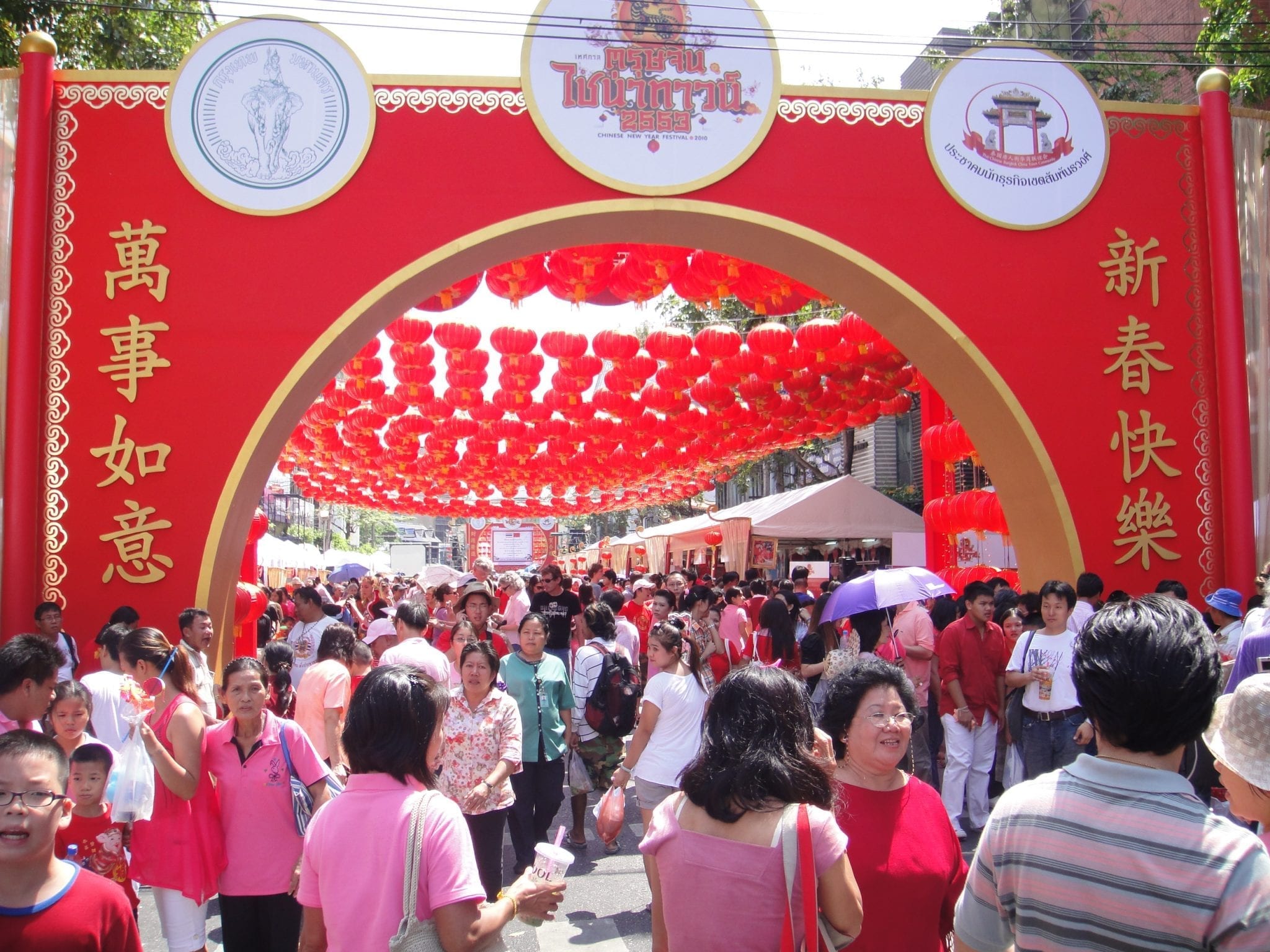
    Chinese New Year is one of the best chances for traveling as this festival provides the week-long national holidays and a unique vibe of traditional and colorful festivities. As Chinese community in Thailand is one of the largest in the world, the capital city of Bangkok is lit up in colorful festive ambiance and known as one of the most attractive places to visit during this Chinese holiday. Come experience the Thai version of Chinese New Year celebration at “Siam Magnificent Chinese New Year 2017” to be arranged at Siam Paragon, Siam Center and Siam Discovery and bring home a hassle-free, enjoyable memory of a lifetime while enjoying exceptional offers available only at this a must-visit “One Siam” destination.

    BRING IN A GLIMPSE OF CHINATOWN

    Marking the grandest event for Chinese people and expressing the appreciation of Chinese art and culture, we bring in a glimpse of Bangkok’s Chinatown to the all-in-one-place shopping destination as follows:

    • Siam Paragon is set to host “The Marvelous Music Harmonizing Two Realms” between 26 – 29 January in order to demonstrate the good relationship between Thailand – China using music as the links between the two countries’ art & culture. On the opening ceremony, there will be for the very first time music performance by Guzheng & Erhu, traditional Chinese music instrumentals played by Master Li Yang; the Guzheng teacher of Her Royal Highness Princess Chulabhorn Walailak and Master Li Hui, together with traditional Thai music instrumentals played by Korphai Ensemble and the Bangkok Symphony Orchestra (BSO) from 5.00 – 6.30 pm at Parc Paragon. Moreover, other interesting activities include the Chunlian and Duilian calligraphy (a form of auspicious greeting couplets expressing a prosperous year ahead), Chinese paper-cutting, traditional Chinese knotting, and Chinese auspicious painting are the highlights not to be missed at Hall of Fame, M Floor, Siam Paragon
    • Siam Center schedules to host “12 Lucky Shades 2017” exhibition updating 12 auspicious colors suitable for 12 zodiac signs by famous fortuneteller. By boosting more confidence in choosing the right clothing and accessories, the 4 renowned stylists will also give you helpful tips and tricks on how to mix and match your auspicious color with your style in the year of an energetic rooster. The exhibition will take place at 1st Floor, Siam Center from 26 January – 12 March 2017 with an opening ceremony and a Zodiac Sign Mini Fashion Show to be held on 26 January 2017 at 4.00 – 5.30 pm. Siam Center customers can also present their receipts to redeem for a Lucky Pouch with auspicious zodiac signs designed by Mr. Somnuek Klangnok (Kru Parn), a renowned Thai artist.
    • Siam Discovery introduces a “DIY Ceramic Bowl Screen Printing in Siam Discovery Style” workshop aiming to please customers with DIY favors. Those interested can choose their preferred bowl in 2 different sizes then have them screened with a lucky rooster pattern or an auspicious Chinese calligraphy text of their choice, making this DIY Ceramic bowl a limited, one-of-a-kind item in the world. The workshop will run from 26-31 January 2017 at Siam Discovery.

    CHINESE NEW YEAR SPECIAL FOR TOURISTS

    A trip can’t be completed without shopping, especially in Bangkok where shopping is a must activity. Siam Paragon, Siam Center and Siam Discovery offer unrivaled shopping experience suitable for travelers who love varieties and uniqueness. Dropping by this shopping landmark trio during the Chinese New Year 2017, holiday makers and souvenir hunters can rest assured that your splurge will worth every penny.

    Siam Paragon, Siam Center and Siam Discovery offer Tourist Privilege Card for tourists to shop across these three shopping centers with a discount from 5-20%. Tourists also enjoy a welcome package and a birthday privilege upon registration. The welcome package includes Thann Facial Sunscreen and Angbao vouchers valued more than 10,000 Baht from participating brands.

    Enjoy a lot of exclusive tourist offers from 23 January – 9 February 2017 including limited special gifts and promotions as follows:

    • NaRaYa Chinese New Year Collection when spending from 5,000 Baht
    • Thann Body Care Set and Siam Discovery Discount voucher when spending from 10,000 Baht

    Redemption points are available at Tourist Lounge, G floor of Siam Paragon and VIZ Counter, G floor of Siam Center and Siam Discovery.

    Additionally, keep your eyes peeled for a Golden Dragon Parade as they may approach you while shopping during 27-29 January 2017 with ranges of Angbaos, discounted vouchers and many more privilege cards to be enjoyed at more than 100 participating brands throughout Siam Paragon, Siam Center and Siam Discovery!

    DELIGHTFUL GASTRONOMIC JOURNEY

    After taking in these authentic cultural festivities, it is probably the perfect hour for a sumptuous meal. If you are thinking that Chinese New Year is all about a hearty meal with your loved ones, this shopping trio is the right destination to drop by especially during this Chinese New Year. Visa Card offers an exclusive privilege for its cardholders. Dine at participated restaurant using Visa Card and receive special discount and dishes.

    • Siam Paragon reinvents the whole new dining pleasure, with more than 30 globally-renowned restaurants and dessert outlets at The Gourmet Garden, G Floor.
    • Siam Discovery serves the need of Jamie Oliver’s fan anticipating a chance to try out his recipe by introducing the first restaurant of globally-renowned Jamie’s Italian in Thailand at Siam Discovery, G Floor. What’s more, experience the new dining excitement at My Kitchen on the 4th floor where 5 premium restaurants and a dessert outlet are ready to serve their signature dishes.
    • Siam Center offers limitless local and international dining selections at the Food Factory located on the 4th floor for people who love being among a bustling, vibrant surrounding while enjoying a wide variety of delicious food.

    As a must-visit “One Siam” destination, Siam Paragon, Siam Center and Siam Discovery welcome all travelers in the heart of Bangkok during this long holiday and all year round. If one visit is not enough to breathe in all these fulfilling excitements, the shopping landmark trio wholeheartedly welcome you back with a lot more adventures waiting out there.

  • Gazpromneft-Aero starts refuelling Thai Airways in Moscow under long-term contract

    Gazpromneft-Aero starts refuelling Thai Airways in Moscow under long-term contract

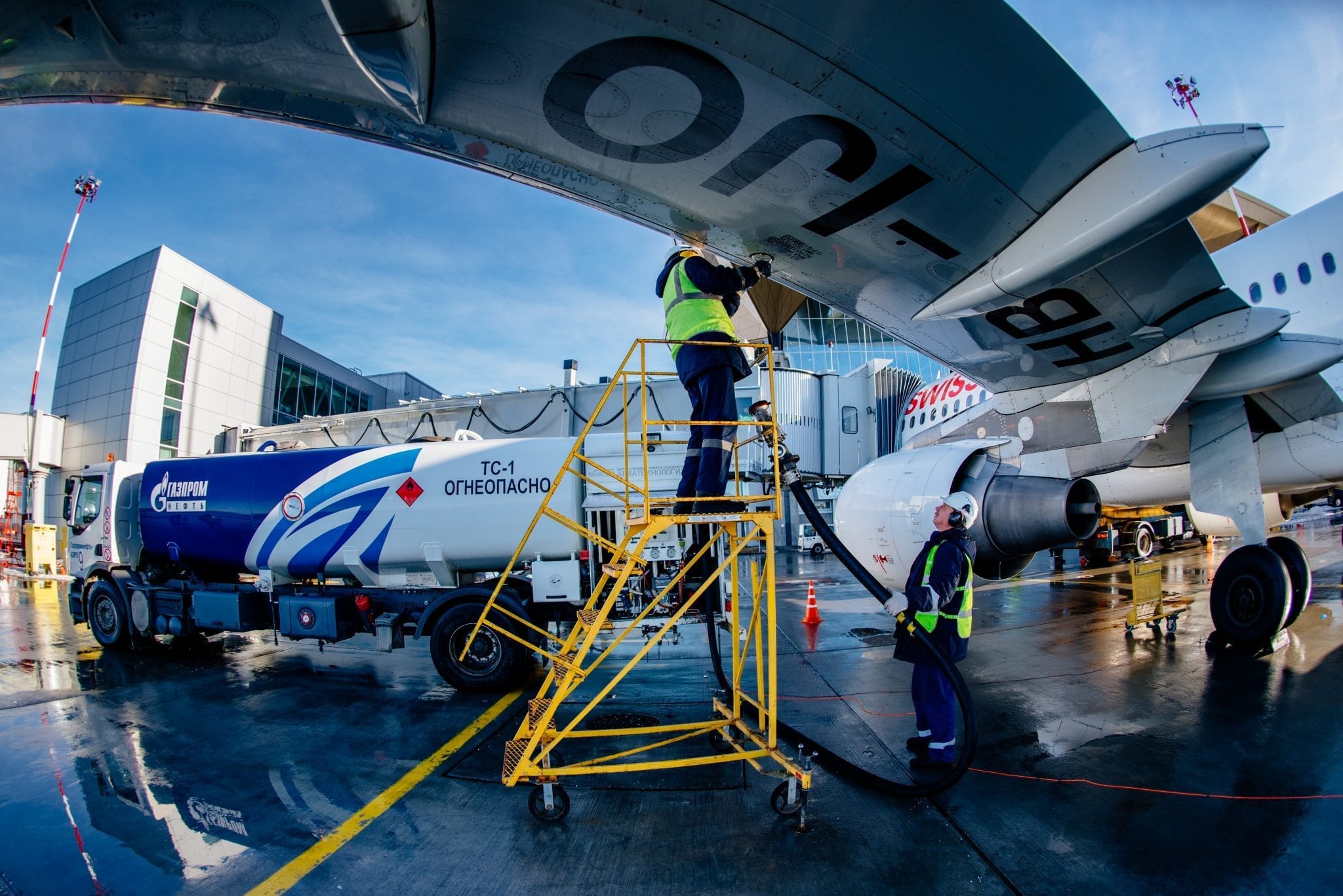
    Gazpromneft-Aero, the operator of Gazprom Neft’s aviation refuelling business, has entered into a new contract for refuelling scheduled flights of the Thai national carrier, Thai Airways, at Moscow Domodedovo Airport. Gazpromneft-Aero will supply aviation fuel for four weekly Thai Airways flights from Moscow to Bangkok. Total refuelling volumes will exceed 18,000 tonnes per year.

    Refuelling of the Thai Airways fleet will be carried out under an existing long-term agreement between Gazpromneft-Aero and Thai oil company PTT Public Company Limited. The agreement on collaboration, signed in 2012, envisages the reciprocal use of those airports at which both companies operate. The agreement provides for the refuelling of Gazpromneft-Aero’s Russian clients at Thai airports as well as the servicing of PTT clients at airports at which Gazpromneft-Aero has a presence, throughout Russia and CIS.

    Gazpromneft-Aero Director General Vladimir Egorov commented: “Gazpromneft-Aero is keen to develop partnerships with national aviation fuel suppliers throughout countries with high volumes of tourist traffic. Together with PTT we have put in place the most convenient and reliable refuelling processes possible for Russian and foreign airlines throughout those airports at which both companies operate. This new contract with Thai Airways demonstrates our partners’ confidence and the strengthening of our company’s position in the global aviation fuel supply market. The Thai national carrier’s flights from Moscow will provide our tourists with additional opportunities for connecting flights via Bangkok to resorts in Thailand, Malaysia, Philippines and Australia. We plan to further expand cooperation with Thai Airways, in the future.”

    Mr Songpon Thepnumsommanus, Vice President PTT, Aviation and Marine Marketing Department, added: “In working with Gazpromneft-Aero we have expanded our western market in aviation fuels. PTT is completely satisfied with Gazprom Neft’s international service standards in supplying aviation fuel for Thai Airways aircraft at Domodedovo. This agreement establishes a firm basis for further joint projects and initiatives.”

    Gazpromneft-Aero is a subsidiary of Gazprom Neft. The company has been providing aircraft refuelling services and selling aviation fuel at airports since January 1, 2008. Since December 2008, Gazpromneft-Aero has been a strategic partner of the International Air Transport Association (IATA) in the field of aviation fuel supply. Gazpromneft-Aero is the leading aviation fuel supplier on the Russian market in terms of its retail sales. The company’s operational activities are fully compliant with the highest safety standards in fuelling operations — “Green”.

  • EazyDiner plans to dig into online restaurant booking in Indonesia, Thailand

    EazyDiner plans to dig into online restaurant booking in Indonesia, Thailand

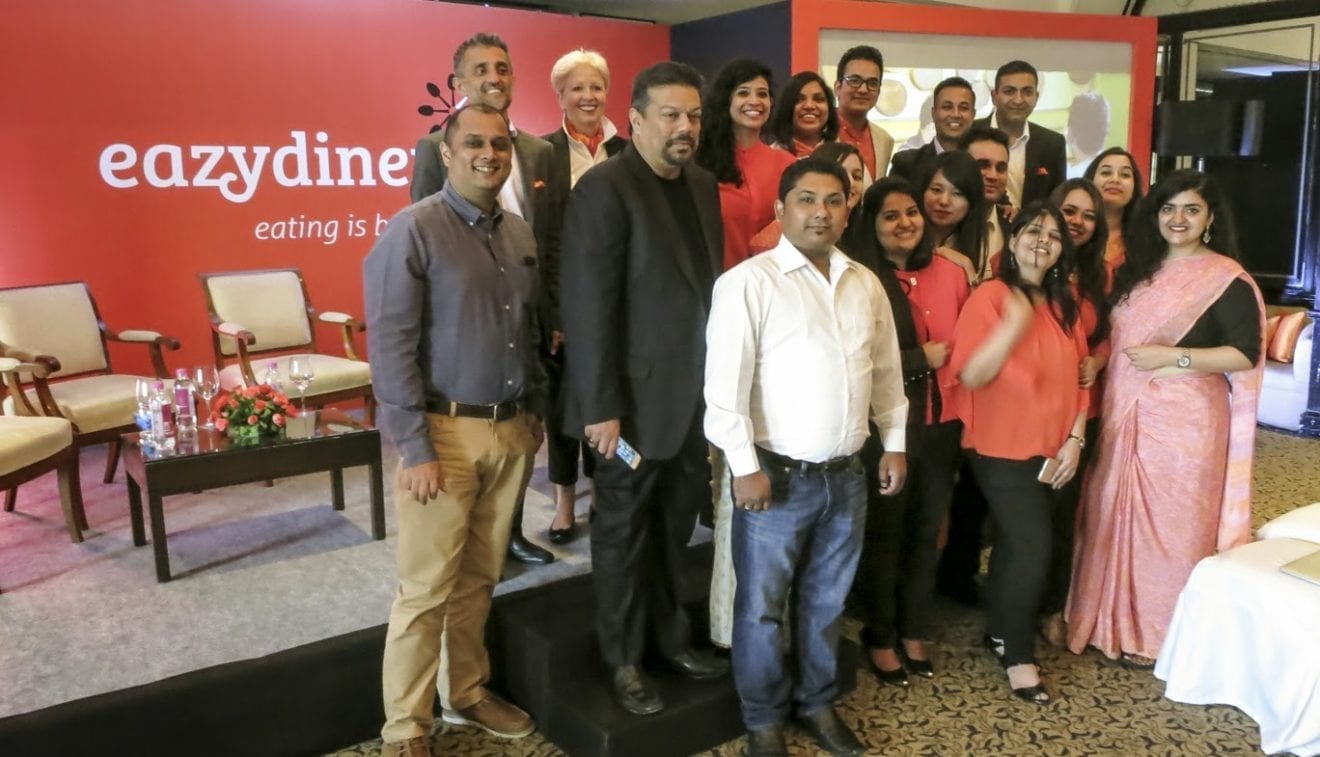
    EazyDiner, a restaurant booking and reviews platform, is in talks with potential investors to raise a fresh round of funding to expand its international footprint in the New Year.

    The two-year-old company, which was co-founded by media personality Vir Sanghvi and six professionals with a background in food, beverages and hospitality sectors, has targeted Indonesia and Thailand as its next two markets.

    While company officials declined to share details of the upcoming equity financing round, they confirmed plans of entering the South East and South Asian markets over the next 12 months.

    EazyDiner launched services in Dubai in December. The startup, which combines the services of Google-owned dining guide Zagat, NYSE-listed restaurant review firm Yelp and Priceline-owned restaurant booking service OpenTable, is also backed by two consumer-focused venture capital firms, DSG Consumer Partners and Saama Capital.

    The funding and expansion come when investor interest in India’s broader foodtech space has waned, with the startup ecosystem littered with the still-smoking embers of ventures that promised to deliver exceptional dining experiences to the notoriously fickle-minded and priceconscious Indian consumer.

    The combination of wafer-thin margins on offer, coupled with low entry barriers and lack of sustainable business models, saw investors curtail their appetite for the ventures.

    EazyDiner has charted a different path for itself. The platform, which also provides content and reviews, operates one of the country’s largest dining loyalty programmes as well. “We were never, and in fact, will never get into food delivery. The economics just don’t make sense, at least in a market like India…We believe it requires a very different skill-set,” pointed out Aman Kapur, one of the cofounders.

    EazyDiner has raised about $4 million in funding till date and counts Gurpreet Kohli, former managing director of Chrys Capital, as one of its early backers. The company operates in seven locations – the National Capital Region, Mumbai, Bengaluru, Kolkata, Pune, Chennai and Goa.

    “The focus is to go deeper into our existing markets and really establish our footprints in each of them rather than just go on an unrestrained growth across geographies,” pointed out Shruti Kaul, another cofounder.

    The platform lists about 2,000 restaurants, with more than 500 spread across NCR. EazyDiner has provided most establishments with its proprietary SaaS-based table reservation platform and has a guaranteed inventory with the rest, enabling them to provide bookings to consumers on an immediate basis.

    Gurgaon, where the company is headquartered and where it first launched operations, has played a critical role. The NCR’s startup hub, which rivals Bengaluru in its concentration of the country’s new economy ventures, has played a significant part in its growth.

    “Gurgaon, possibly, deserves its own mention alongside Mumbai and Delhi. It’s the third-largest contributor after the two metros,” said Kaul. According to her, Gurgaon contributes 15% of the company’s business across the country, outpacing Bengaluru. “For a small suburb, it’s huge. We have about 275 restaurants in Gurgaon on our platform, ranging from luxury establishments to budget restaurants,” Kapur said.

    According to both founders, emergence of the Haryana city as a startup destination has played a role in defining, as well as evolving, consumer behaviour, particularly when it comes to dining habits. “The ability to experiment there is phenomenal and probably much more than the other metros… We also see that people living to working in Gurgaon, while traveling, indulge in a lot more cross-dining than any other city in India,” Kaul said.

    Analyses drawn from consumer behaviour in one of its earliest markets has prompted the founders to look for similar characteristics in every new area it enters. “We’ve actually learned alongside the consumer and the company’s grown even as the consumer has evolved and experimented,” Kapur said.