Tag: bangkok

  • Thai Transport Authority Fines Uber, Grab Drivers

    Thai Transport Authority Fines Uber, Grab Drivers

    When U.S.-based Uber launched in Thailand in 2014, the Department of Land Transport said the company’s drivers were not properly registered or insured, and its payment system did not meet regulations. However, authorities did little to stop the service since it was so popular with tourists and locals.

    But the government is clamping down on the service now, with 23 Uber drivers fined in Bangkok this week alone. Grab drivers have also been fined, though not as many, with drivers caught working for one of apps now having their licenses suspended for up to six months and fined 2,000 baht ($57).

    Authorities are targeting Uber and GrabCar specifically because they are the only two services in Thailand where private car owners can use their own cars to pick up passengers. Uber has a site set up so drivers can sign up and start earning money through the app.

    The Department of Land Transport’s Deputy Director-General Nanthapong Cherdchu said the agency would ask the military government to use an emergency measure to shut down the apps if drivers don’t comply. Many taxi drivers in the country — angry over losing business to the two apps — have even launched their own investigations in an effort to turn Uber and Grab drivers over to the authorities. Uber, however, is hoping they can work with the government and convince them that these ride-hailing services are beneficial to the country.

    “Uber remains committed to creating reliable transportation for everyone,” Uber spokeswoman Amy Kunrojpanya said.

  • AEON Launches “365 Days… Enjoy Shopping with AEON Credit Card”

    AEON Launches “365 Days… Enjoy Shopping with AEON Credit Card”

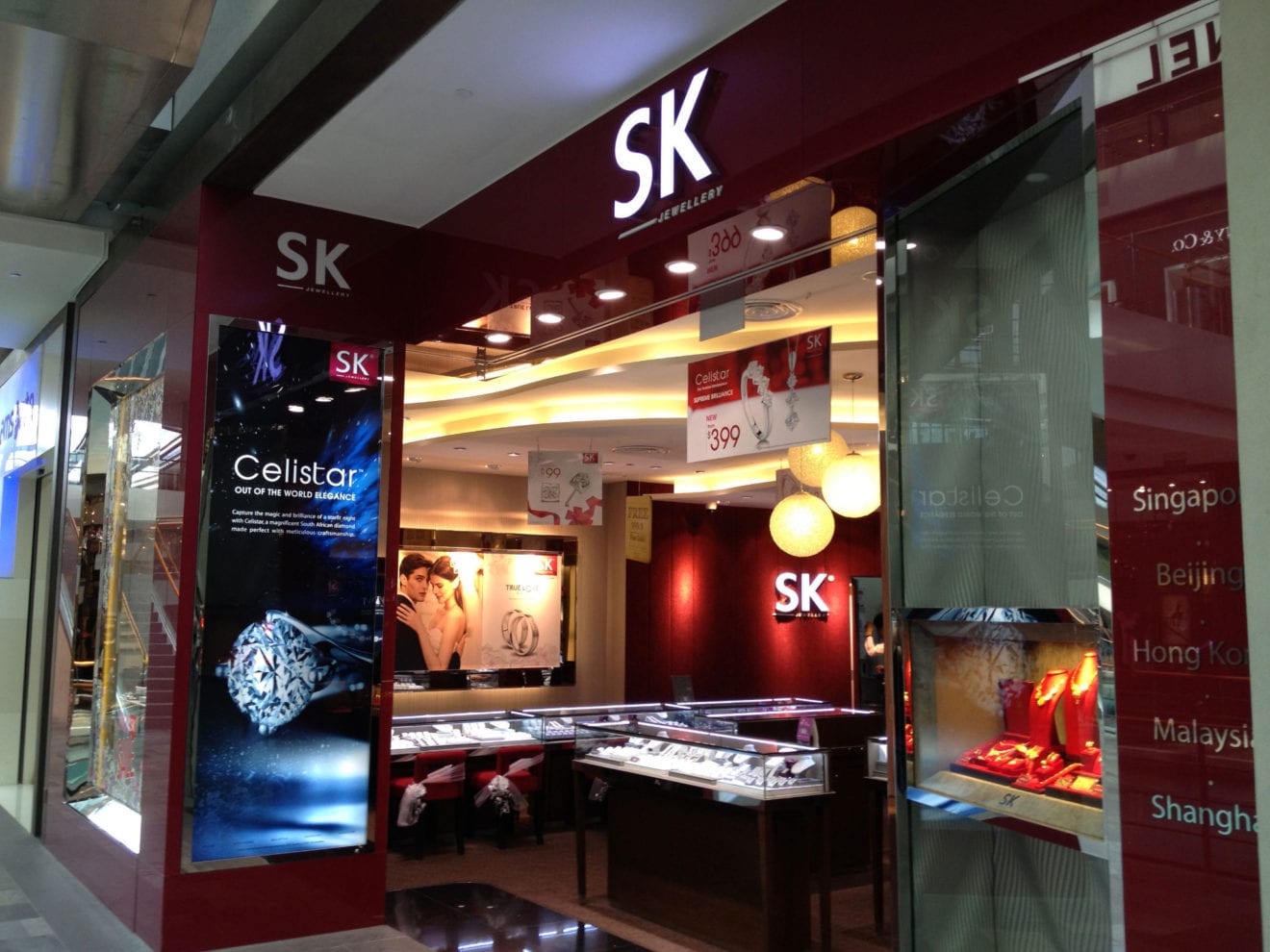
    Mr. Kiyoyasu Asanuma (left), Managing Director of AEON Thana Sinsap (Thailand) Public Company Limited, together with Mr. Nuntawat Chotvijit (right), Director of Marketing, AEON Thana Sinsap (Thailand) Public Company Limited, presided over the recent launch of “365 Days… Enjoy Shopping with AEON Credit Card” campaign. The campaign offers a range of special privileges to AEON Royal Orchid Plus Platinum cardholders, AEON Gold cardholders and AEON Classic cardholders throughout 2017. Cardholders will also be entitled to special promotions from AEON’s partners, including its newest partner, Pizza Hut.

    The first exclusive promotion available to all cardholders is a set of Extra Value Meals worth 79 baht from McDonald’s and a Buy One, Get One Free promotion from Pizza Hut when placing an order at the restaurant or using the delivery service. The second promotion entitles cardholders to a Buy One, Get One Free cinema ticket, or at a special price of 99 baht, when buying a cinema ticket at any Major Cineplex theatre.

    Moreover, for the third benefit, Get up to 500 baht cash back when spending an accumulated amount of 3,000 baht or over with AEON credit cards The fourth promotion entitles AEON credit cardholders to receive a 5% discount on items at MaxValu and MaxValu Tanjai every 1stand 15th of the month. The campaign runs from today until 28th February 2018.

  • Bangkok home to Asia’s first Playboy Cafe

    Bangkok home to Asia’s first Playboy Cafe

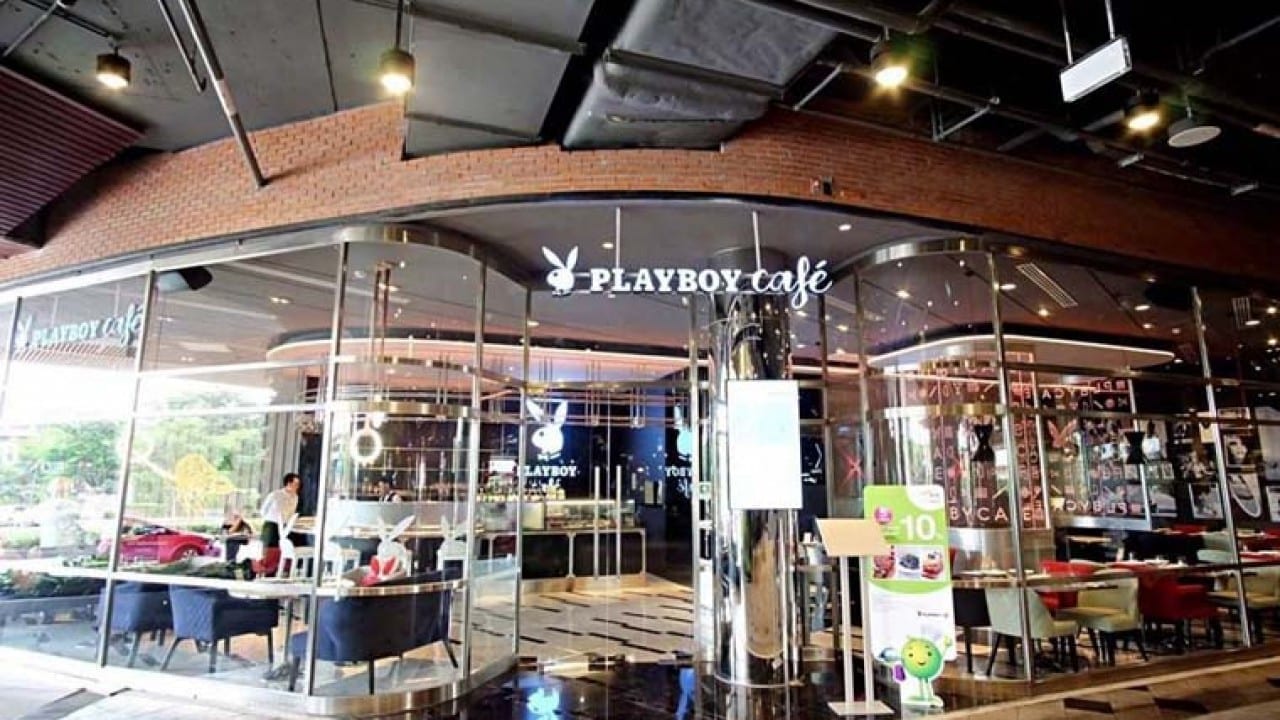
    Lam Yook Millenium Millennium (2002), the distributor of Playboy clothing in Thailand, has opened the first Playboy Cafe in Asia.

    It is in the Central Festival EastVille complex in Bangkok, with a second cafe scheduled to open in Central Marina Pattaya next month.

    Playboy cafe 1

    A budget of Bt30 million (US$856,000) has been earmarked for the opening of about 30 Playboy Cafes across Thailand within five years.

    Flying in from the US to preside over the opening, Playboy heir/chief creative officer Cooper Hefner says about 3000 Playboy outlets sell fashion accessories and clothes in such markets as China, India and Taiwan.

    She says Lam Yook has beenwith Playboy for more than 15 years in Thailand. It is the first company in Asia to gain a licence to run a Playboy Cafe.

    Lam Yook COO Pornpat Wangworawong says his company outlined its plans last year after setting up Playboy outlets in five department stores in Thailand. It plans to open a Playboy outlet at Central Plaza Korat this year and is introducing a business line to mark the Year of the Rooster. A Thai website will be launched in June.

    Playboy cafe 2

    “Before opening the cafe, we ran a market survey and learned that Thais like hanging out with friends and eating,” says Pornpat. Playboy Cafe’s signature item is the Bunny Burger.

    Covering 158 sqm in Central Festival EastVille, the cafe has capacity for 70 customers.

    Sales of the brand in Thailand have risen 30 per cent on average over the past few years, but last year’s growth was only 10 to 15 per cent because the global slowdown affecting the garment industry. To counteract this, the company plans to renovate its standalone shops and turn the outlets in department stores into unisex models.

  • DHL broadens logistics reach in Thailand

    DHL broadens logistics reach in Thailand

    DHL E-commerce, a unit of Deutsche Post DHL Group, has expanded its logistics service in the Thai market with nationwide coverage and price-competitive business-to-consumer (B2C) international shipping.

    There is also pick-up service for small e-commerce merchants and the 2.7 million small and medium-sized enterprises (SMEs) in Thailand where online sales are growing rapidly, according to top executives.

    Charles Brewer, CEO of DHL E-commerce, said Thailand has a huge growth potential for e-commerce because online sales currently account for only 2 per cent of total retail sales, compared with the global average of 9 per cent.

    Among Asean countries, Singapore’s online sales are the most developed, accounting for 4.5 per cent of total retail sales, compared with Indonesia’s 0.5 per cent of total retail sales.

    To support e-commerce growth, the Thai government needs to help develop the ecosystem for online transactions, e-payment as well as transport and other logistic services.

    Over the past year, DHL has branched into the so-called last mile service for e-commerce in Southeast Asia with a complete range of delivery, pick-up, warehousing and related services as high-volume e-commerce transactions boom in the region due to the high penetration rate of smartphones and other factors.

    Customer expectations on delivery time have also shifted towards the so-called “next day” delivery after placing their purchase orders online, prompting DHL to offer faster services in the Thai market.

    “The e-commerce market in Thailand is the second largest in Southeast Asia and expected to grow 22 per cent annually towards 2020. There are increasing demands for cost-effective and high quality logistic solutions to meet rising consumer needs,” said Kiattichai Pitpreecha, managing director of DHL E-commerce Thailand.

    For Thai SMEs, the expanded service will allow them to deliver products to customers with greater convenience and a faster process so that they spend less time travelling and waiting to drop off their goods.

    With a 3,222-square-metre e-commerce logistic centre in Bangkok, plus vehicles and other facilities, the firm is equipped to deliver 15 million shipments per year in Thailand.

    For merchants, DHL also offers a cash-on-delivery service with daily remittances plus access to a multilingual call centre and easy IT integration to handle online orders so that shippers can easily prepare orders for delivery into the DHL network.

    In addition, DHL offers cross-border services to help Thai customers expand into overseas markets at a competitive price based on a pay-per-use solution.

    Malcolm Monteiro, CEO of DHL E-commerce Asia Pacific, said the government’s recent initiative has boosted opportunities for businesses and industries, especially SMEs, to digitise their operations and services.

    With as many as 2.7 million SMEs, Thailand is seen as a high growth market where these firms will extend their business models into online marketplaces where DHL aims to enable their businesses to leverage the e-commerce potential both domestically and internationally.

    Besides the e-commerce service, DHL has long been a provider of international express delivery services which can help connect Thai SMEs to the global online market.

    At present, DHL has a network of fulfilment centres in the US, Mexico, Europe, Hong Kong, Australia and India, allowing merchandise to get to consumers in those regions faster.

    According to Brewer, the cross-border B2C, or retail e-commerce, is projected to grow to US$1 trillion in 2020 as the DHL operation in Thailand also witnesses a significant growth in this segment over the past year.

  • Lazada Thailand sent top five sellers to Alibaba Campus

    Lazada Thailand sent top five sellers to Alibaba Campus

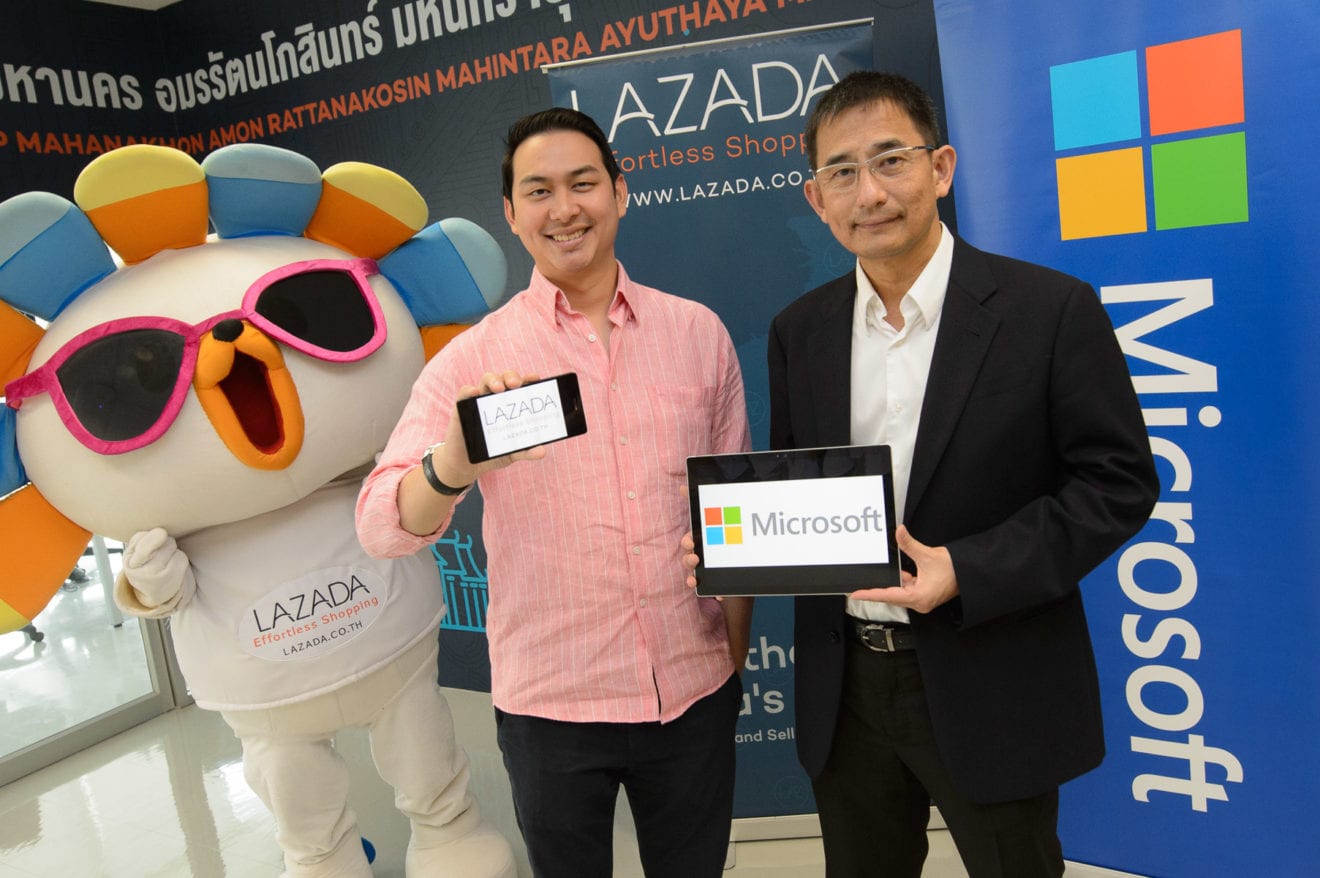
    Lazada Thailand sent five of its top performing sellers to Alibaba’s campus in Hangzhou. They joined a delegation of 34 Lazada sellers.

    Led by Lazada Group, the visit took place from 23 to 25 February 2017 and include a rare opportunity to hear from Jing Jie, Vice President of Strategic Partnership Development, Alibaba Group and Aimone Ripa di Meana, Chief Marketplace Officer, Lazada Group to gain insights on the eCommerce landscape development and best-practices of online selling. The delegates had the chance to visit and network with other successful sellers such as Semir from Alibaba’s Tmall platform as well as attended two training sessions on “Operations and Assortment Planning for Singles Day” and “Online Customer Management” conducted by Taobao University.

    Apart from Thailand, the sellers mainly originate from Indonesia, Malaysia, Philippines, Singapore and Vietnam; markets that Lazada operate in. These sellers worked closely with Lazada throughout the Online Revolution 2016 event, and have emerged as top in their respective product categories, such as fashion, electronics, and other fast-moving consumer goods (FMCG) categories.

    These top performing sellers experienced strong uplift in their sales during the month-long Online Revolution sale. In addition to their exceptional performance during the 2016 Online Revolution shopping event, these sellers offered great value to shoppers with their deals, efficient product dispatches as well as achieving minimal number of returns and cancellations on their products.                                                                               

    Alessandro Piscini, CEO, Lazada Thailand said, “Lazada is widely known as Southeast Asia’s number one online shopping site, but we are also the region’s top selling eCommerce marketplace. Today, we have about 55,000 local and international merchants and we are enabling them to achieve commercial success with Lazada.”

    “We empower our sellers and equip them with the best tools available to help them succeed. With this inaugural business trip for our sellers to Hangzhou, we have structured the trip to ensure our sellers can hear and learn from other successful examples, and scale their business in the future,” added Alessandro Piscini.

    Veraphon Ngamjarassrivichai, Chief Marketing Officer of Galaxy store, which sells household equipment, sports, games, and toys at https://www.lazada.co.th/galaxy/ shared, “working with Lazada has made our E-Commerce journey much quicker and easier. Since joining Lazada, we have managed to still grow our business, and last year we generated 4 times revenue from Lazada. Galaxy is excited to join the trip to Alibaba Campus in Hangzhou and take advantage of all the new opportunities the three day event will bring.”

    In addition to sending top five sellers to Alibaba Campus in Hangzhou, Lazada, as the brand holding by Alibaba Group, is committed to train over 30,000 SMEs following Thailand 4.0 model and collaboration with the Ministry of Commerce by organizing training workshop for SMEs at the New Economy Academy (NEA) starting from 2nd February 2017 onwards until the end of this year. This training workshop aims to cover practical trainings on how to sell products and services on an eCommerce platform. Lazada also offers sellers a comprehensive suite of tools and solutions to make their online business a success. The seller centre for instance gives sellers a comprehensive overview of their business with Lazada. It is also a mobile platform for sellers to manage their business on-the-go. Sellers also receive a weekly performance report from Lazada with details on areas they can improve for better sales.

  • The Wonder Room Unveils its Fresh New Look  on the 3rd Floor of Siam Center

    The Wonder Room Unveils its Fresh New Look on the 3rd Floor of Siam Center

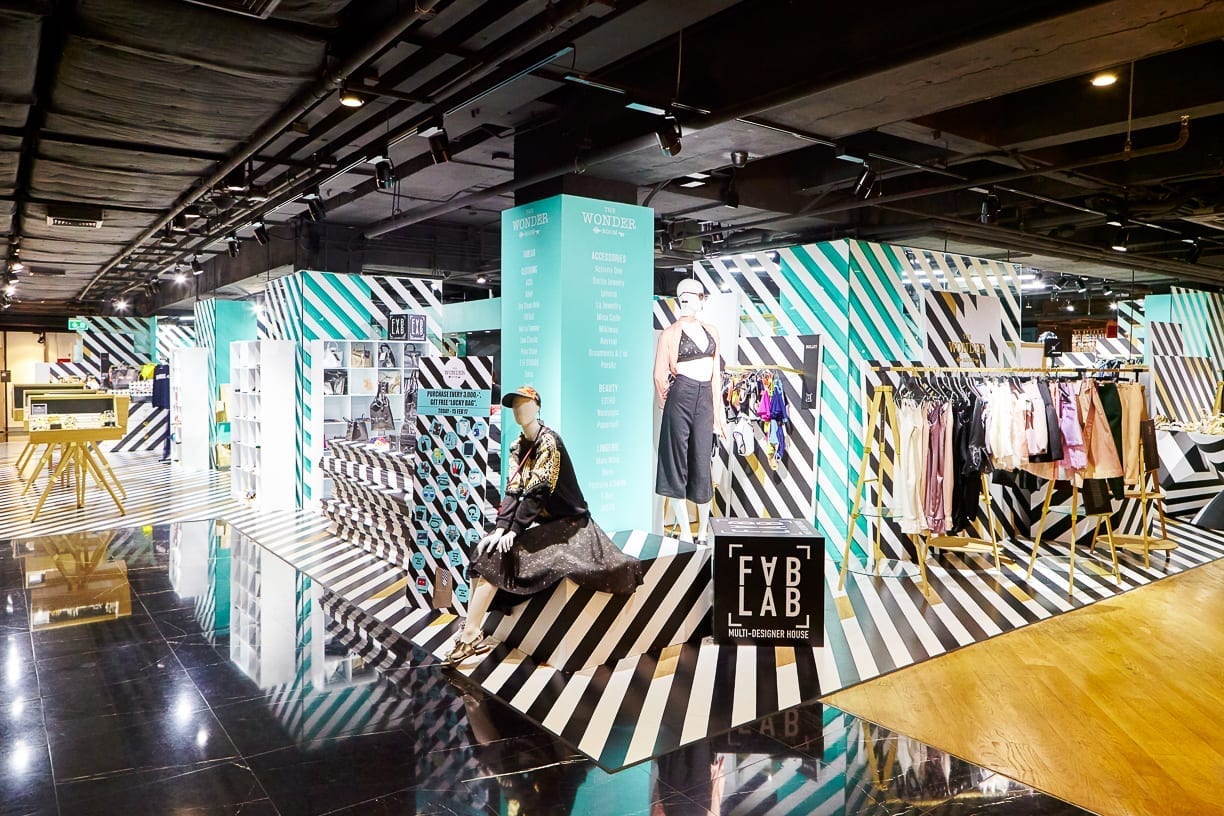
    “The Wonder Room”, women’s multi-brand store on the 3rd floor of Siam Center, opens the door to welcome fashionistas again after the refurbishment. Under the new look inspired by art studio, the store carries more than 40 Thai and international fashion brands to serve “hip and fashion-forward socialite with unique character”. To celebrate this re-opening, it launches The Wonder Room Collection” that offers ABSOLUTE SIAM items, available only at Siam Center, and welcomes the summer with “Future in The 80s” collection.

    Parisa Chatnilbhandhu Group Senior Vice President – Retail Business Development of Siam Piwat Co., Ltd., revealed that The Wonder Room has been the top choice for fashionistas who have a unique and distinctive sense of style and never follow trends because they always find one-of-a-kind items here. To better fulfill their needs, the store now adds the modernity and liveliness to the previously sophisticated decoration in black and gold thanks to “NENDO”, globally recognized design studio that transformed Siam Discovery.

    “In this transformation, The Wonder Room was expanded to 200 sqm, with completely new appearance. Mr. Oki Sato, chief designer and founder of “NENDO”, defined fashion items as pieces of art displayed by the wearers. Once stepping into the store, the shoppers will feel as if they were in an art studio where an artist crafts masterpieces. Every element like canvas frame, easel and photo frame, including the center table that displays products, are carefully placed to create this mood. The unexpected combination of green, black and white gives a sense of contrast, yet a modern and lively look,” added Parisa.

    The Wonder Room not only carries a wide selection of leading brands but also offers Absolute Siam collection available exclusively at Siam Center.  For the upcoming summer, more than 40 ready-to-wear brands of women’s wear, handbags, footwear and accessories will take fashionistas back to the 80s under concept of “Future in the 80s”.  The spring/summer collection 2017 incorporates distinctive pattern, bright spectrum, graphic, sailor stripes and metallic decoration to create a variety of looks, whether they are business look, casual look or party look.

    The fashion-forward ladies will find a wide selection of fashion brands such as DRYCLEANONLY, Tohns, HER La Femme, KANAPOT AUNSORN, VIPPY ROSE, TandT, Vinn Patararin, Mani Mina, FAFALU, PONY STONE, SEE and ACID while fans of Korean fashion will love LOW CLASSIC, Fleamadonna, SYZ and A.Bell. Moreover, the look will not be complete without an essential accessories from mikiwuu, Activity One, Darlin Jewelry, Revival, Porshz, la, Minacode, Iphforia and Ornaments & L’or and handbags and shoes from She, NATTAPONG, Ratthzart Studio, March and WALKIN.

    In this summer, SWIMWARE will raise the temperature with its hot and sexy swimwear while innerwear from Pattricia A. Garde, ZAZZIE, T-REX and NAVY can be perfectly matched with the outerwear to add sensuality. Lastly, ESTRO, Nostalgic and PAPERSELF will add the final touch and boost the fashionistas’ confidence with their beautiful cosmetics.

    To celebrate the new look of The Wonder Room, Vinn Patararin and jewelry brand la co-designed capsule collection. For the first time, “FABLAB” joins hands with The Wonder Room in offering a wide range of online fashion brands at FABLAB corner.

    Come visit The Wonder Room today on the 3rd floor of Siam Center. Under the new concept of art studio, this multi-brand store offers “ABSOLUTE SIAM” items, masterpieces in “The Wonder Room Collection”, which cannot be found elsewhere and will make you stand out from the crowd

  • Canterbury New Zealand opens in Bangkok

    Canterbury New Zealand opens in Bangkok

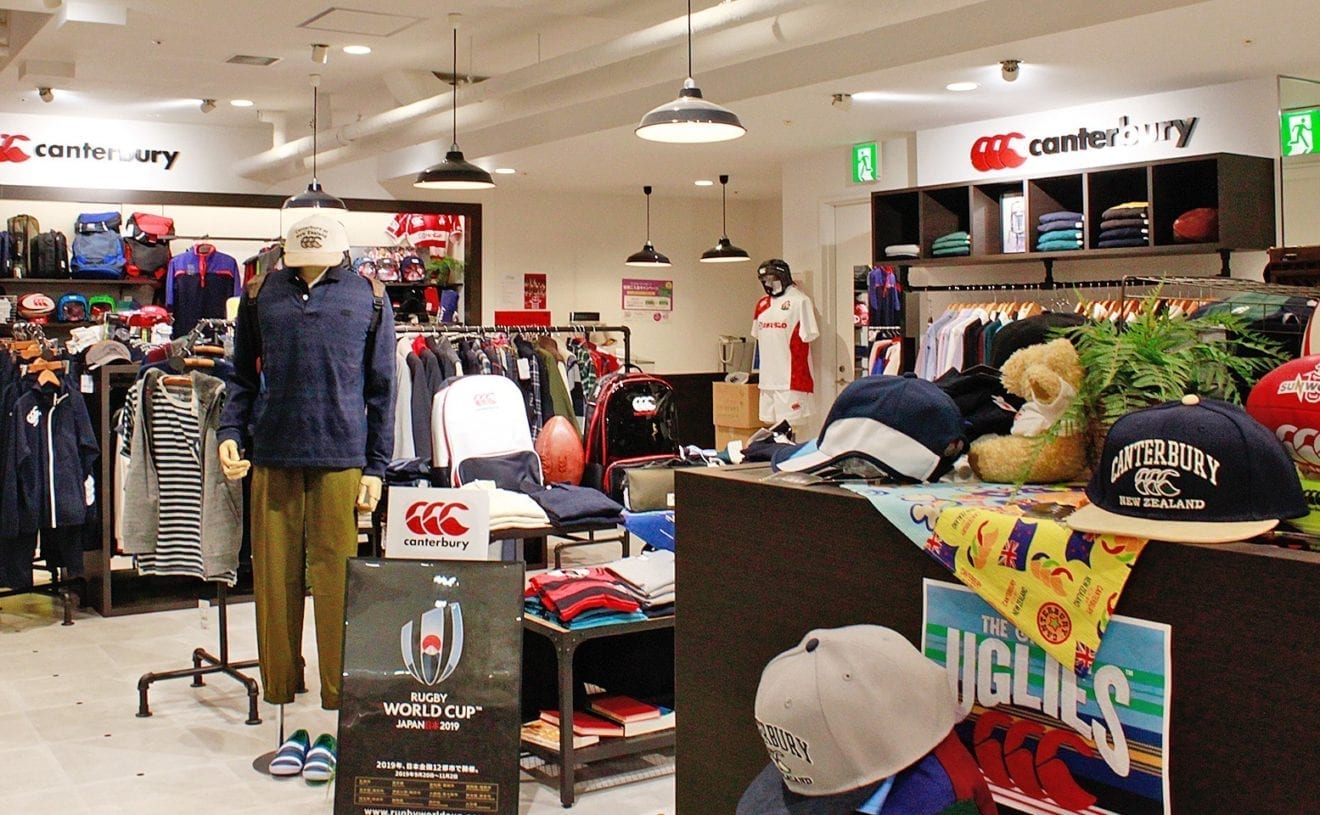
    Sports brand Canterbury New Zealand, established in 1904, has opened its first Thai flagship store in Bangkok.

    Located in the Phayathai Building, the 70 sqm shop offers 120 products in four major categories: men’s training, women’s training, on-field accessories and a British-Irish line. The retailer has kitted out some of the top sporting teams in the world.

    Silver Fern Holdings, the exclusive distributor for Canterbury in Thailand, has set a three-year expansion plan. This includes standalone stores in major tourist cities such as Chiang Mai, Hua Hin and Phuket, plus shop-in-shop outlets at major shopping malls in Bangkok including Emporium, Siam Paragon and The Emquartier.

    “We aim to increase annual sales of Canterbury products in Thailand from the Bt15 million [US$1.7 million] expected for this year to about Bt60 million in three years,” says Silver Fern Holdings MD Mark Bennett.

    The investment for standalone outlets will be about Bt1.5 million a store, each with about 70 sqm of retail space. Pop-up and shop-in-shop stores will have about 30 sqm of retail space.

    Canterbury claims to be the world’s original rugby brand, and is official kit supplier to a host of rugby teams globally. It says its clothing is designed for training, workouts and general fitness.

    “We see Thailand as a potential market for Canterbury sportswear products thanks to a growing middle class and the health-and-fitness trend,” says Bennett.

    The company will introduce its latest Control Gear and Compression Gear technologies into Thailand. Control Gear is engineered to optimise training performance, while the Compression Gear range provides graduated levels of constant compression in key zones to optimise sports performance.

    Canterbury products are also available through distributors in Japan, Hong Kong, Malaysia, Singapore and South Korea.

  • AMD Ryzen processor box art revealed by Thai retailer

    AMD Ryzen processor box art revealed by Thai retailer

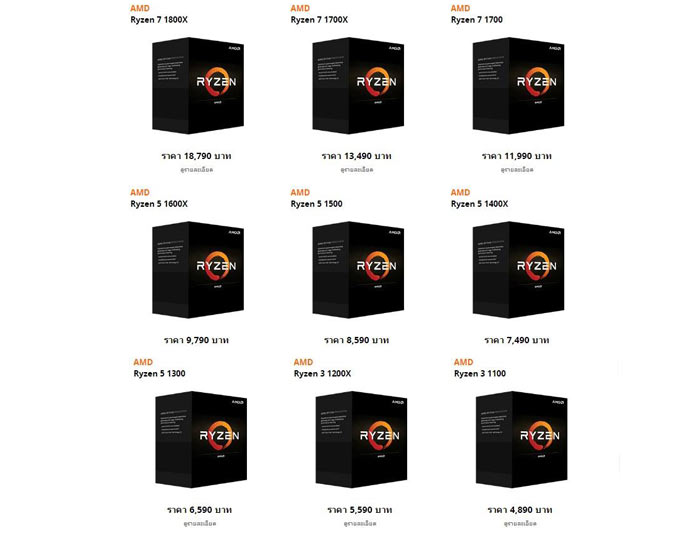
    Another day, another AMD Ryzen leak / rumour / news morsel… or two. Particularly interesting today we see what is claimed to be an AMD Ryzen box art matrix from Thailand. The web images don’t only show the products which will be soon on sale but the prices, in Thai Baht naturally. In a similar vein a Belgian online retailer has let slip its prices for the AMD Ryzen 7 range of CPUs.

    Looking at the single box art close-up we have available, above, via WCCFTech, the box design is rather simple and mainly black. Just because these have appeared on a Thai retailer site doesn’t mean they are representative of what AMD will ship either. It’s hard to know if the retailer images are overcompressed or just shoddily put together as placeholders, maybe by the retailer itself.

    Perhaps more important than the box images, if they are genuine, is another price indication at this time. Looking over the nine CPUs and prices in Thai Baht we see a price range from the Ryzen 7 1800X at 18,790 Baht (£430), down to the Ryzen 3 110 at 4,890 Baht (£112). Its possible to click through the above image matrix on the Thai retail site and get more details. You can find a full set of these pictures in the source article, one is included below for reference.

  • Krungsri gears up for return of investors from Japan

    Krungsri gears up for return of investors from Japan

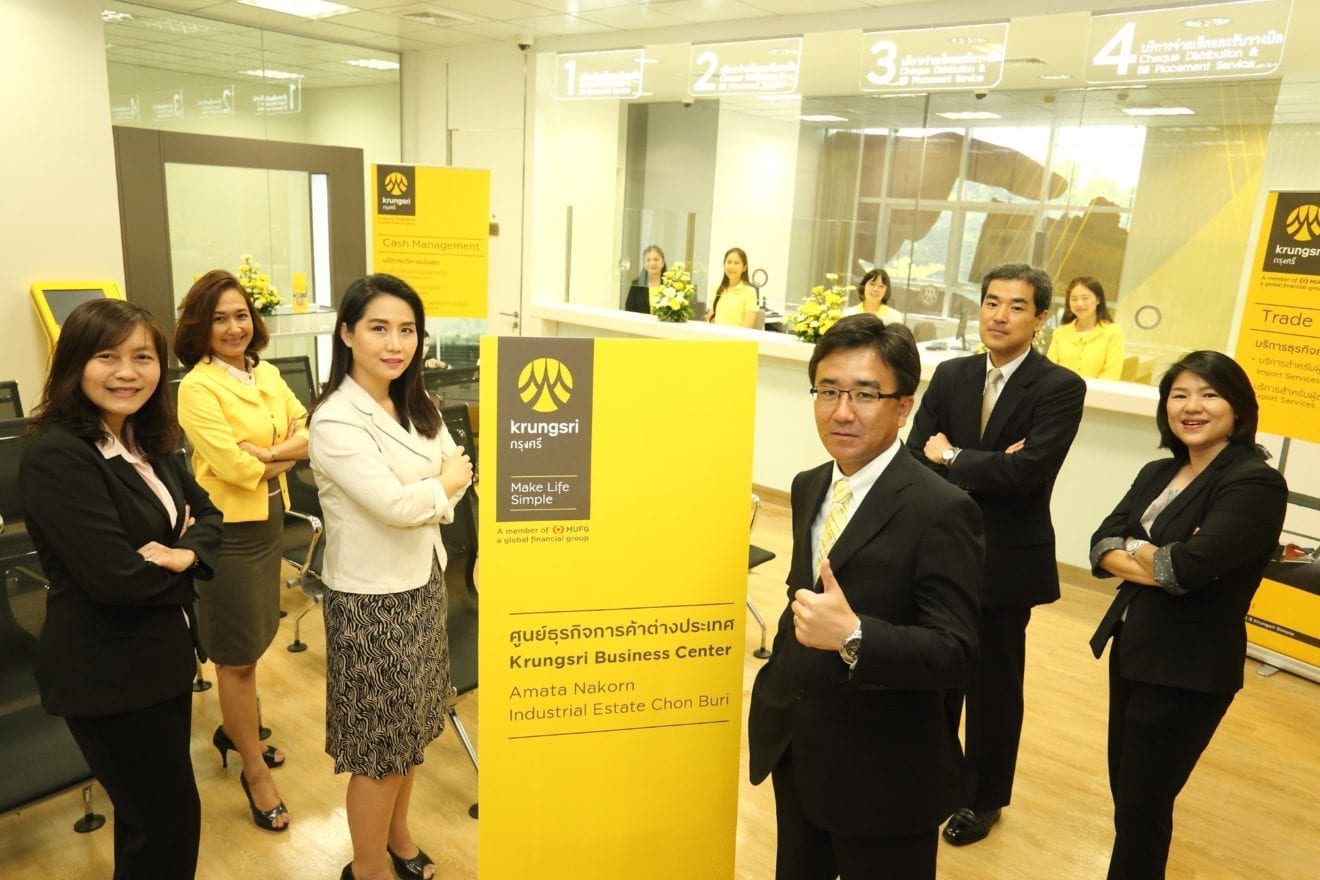
    Bank of Ayudhya, commonly known as Krungsri, is reinforcing its commercial banking after seeing a return by Japanese companies considering investment in the Kingdom in light of the government’s “Thailand 4.0” industrial goals.

    Pornsanong Tuchinda, head of commercial banking, said yesterday that healthcare and wellness and real estate were currently the priority focus of Japanese businesses looking to invest in Thailand again since the government announced the Thailand 4.0 industrial-development policy.

    The actual level of new Japanese investment will be seen when these companies have a clear picture of development plans under the policy, he added.

    Japanese companies invested in Thailand have been a crucial part of the customer base for Krungsri’s commercial-banking operations since 2015, reflecting the successful integration between the Thai bank and BTMU (Bank of Tokyo-Mitsubishi UFJ) Bangkok Branch, which is part of Japan’s MUFG (Mitsubishi UFJ Financial Group), he said.

    Pornsanong said Japanese investors were currently eyeing healthcare and wellness business in Thailand because of this country’s increasingly “greying” population.

    Japan has expertise in healthcare and wellness in light of its own ageing population, while real estate is another business that investors are keen on because of its being tourism-related.

    The bank will offer investors total financial solutions, catering to corporate customers that may not only require financing but also financial advice and business-matching services, he said, adding that Krungsri would therefore focus more on how to deliver a package of solutions to such clients.

    A number of medium-sized Thai hospitals also are interested in expanding their healthcare and wellness business, presenting a further opportunity for the bank’s commercial-banking arm, he said.

    Last year, the unit enjoyed loan growth of 11 per cent, with outstanding lending rising to Bt642 billion thanks to the financing of major deals involving Siam City Cement, which acquired a cement business in Sri Lanka; Central Group, which purchased a retail business in Vietnam; and Thai Union Group, which acquired a business in the European Union, Pornsanong said.

    Excluding those large deals, loan growth was 7-8 per cent.

    This year, while the bank’s commercial-banking arm targets 5-per-cent growth due to fewer big deals on the horizon, it should still outpace its peers thanks to the recovering Thai economy and Thailand 4.0-related business activity, he predicted.

    Moreover, with the unit’s customer base sufficiently large for the provision of improved total solutions, it wants to give more importance to the quality of customers and offer value-added solutions to its current clients, he explained.

    Commercial banking at Krungsri covers corporate customers with annual sales revenue of more than Bt1 billion, and small and medium-sized enterprises with annual revenue below that level.

    Based on the loan-growth target of 5 per cent, most lending this year will be contributed by medium-sized enterprises, a segment in which the bank has witnessed lending demand, he said.

    “These firms [mid-sized enterprises] are more confident in the Thai economy, and many of them are in retail, where there is purchasing power but consumer sentiment |has not yet returned. If sentiment improves, purchasing power will be released and SMEs will benefit.

    “On the other hand, most corporate customers are not requiring new lending at present, as they first want to see how the global trade situation settles,” the commercial-banking head said.

  • Thailand’s first 5G demo achieved 5.7Gbps speeds

    Thailand’s first 5G demo achieved 5.7Gbps speeds

    The first live 5G end-to-end demonstration in Thailand using Ericsson’s 5G test bed and 5G-ready core achieved 5.7Gbps throughput and 3 milliseconds latency.

    The three-day showcase was held in late January, and Ericsson said the demonstration marks a step towards realizing the Thai government’s vision of a Digital Thailand.

    “We expect to have broadband connectivity everywhere in Thailand, both big cities and over 75,000 villages nationwide by 2018,” commented Takorn Tantasith, secretary general of regulator NBTC.

    “Along with the fixed internet deployment, we plan to release more spectrum bandwidth of 380 MHz by 2020, which will add to the existing 420 MHz already allocated to the telecommunications industry.”

    Nadine Allen, Head of Ericsson Thailand, disclosed that according to Ericsson’s Digital Thailand report, Thai consumers are ahead of, or on par with, global peers when it comes to embracing ICT and they are ready for the Internet of Things.

    She said the multi-gigabit speeds afforded by 5G will ensure that the technology is a viable and cost-effective alternative to residential fiber connections.

    Other technology innovations presented in the showcase include advancements in Radio Network Evolution, Industrialized Cloud, Connected Industries, and Digital Business Solutions.

  • Thai start-up sector tipped to double in value as support grows

    Thai start-up sector tipped to double in value as support grows

    The size of the Thai start-up sector is expected to double this year, with especially high growth potential seen in the areas of fintech (financial technology) and tech for the healthcare, logistics and retail industries.

    Meanwhile, US tech giant Cisco is investing more than US$100 million (Bt3.5 billion) to support start-ups in Asia-Pacific.

    The Thailand Tech Start-up Association (TTSA) has predicted that the overall value of the start-up market in the Kingdom will double to more than Bt20 billion, with over 600 start-ups by the year’s end.

    The main factors driving this growth are people’s increasing access to information technology, government support for innovation and start-ups, and a rise in venture capital and private-sector support.

    Oranuch Lerdsuwankij, chief executive officer of start-up website Techsauce, said the sector would expand strongly this year due to collaboration and support from the private sector and government bodies such as the Bank of Thailand (BOT).

    The central bank has issued a consultation paper on “FinTech Regulatory Sandbox Guidelines”, with the purpose of the regulatory sandbox being to allow business operators to test their financial products or services in a live but limited environment, without being fully subject to all the requirements that are normally applicable.

    Through the sandbox, the BOT aims to facilitate new financial innovation while still ensuring consumer protection and financial-system stability.

    The central bank’s regulatory sandbox can offer its fintech products or services to consumers within the limited scope as approved by the BOT under somewhat lenient rules, as specified by the bank on a case-by-case basis.

    Start-up contests and events will also play an important role in driving the growth of start-ups as a whole, Oranuch said.

    Moreover, the banking industry this year will provide much more direct investment or create limited partnerships in fintech start-ups, she said, adding that the arrival of Alibaba in Thailand is another important factor that will benefit small local fintech developers.

    Corporate businesses such as banks and other financial institutions will increasingly develop accelerate programmes to support start-ups, and work with fintech start-ups to seek ways to provide better financial services to support their customers’ lifestyles and behaviour, the CEO said.

    The TTSA will also ask the government to support start-ups in terms of a capital-gains tax exemption to drive the growing sector as a whole.

    Vatsun Thirapatarapong, managing director of Cisco Systems (Thailand), said Cisco was investing over $100 million in Asia-Pacific start-ups with good potential via a venture-capital operation named Monk’s Hill Ventures (MHV).

    Besides investing in countries such as China, Singapore and Malaysia, MHV has invested in two Thai start-ups, one in the field of logistics and the other in gaming.

    The company will utilise a start-up’s solution and product, as well as bundled start-up services, application and platform, with Cisco’s own products to expand the business both locally and on the international market, the MD explained, adding that Cisco had started to invest in Thai start-up businesses a couple of years ago.

    Acting as an enabler

    “We want to see start-ups that utilise information technology to support disruptive business, such as in the logistics area by developing an application to support logistics optimisation. We are an enabler to support start-ups in terms of training and consulting, and as a marketing arm,” Vatsun said.

    Wiwat Wongwarawipat, president of InStep group – a product development services firm – said there was high growth opportunity for start-ups in Thailand catering to the financial, healthcare and retail industries, since user behaviour was rapidly changing in terms of people accessing new technology to support and improve their quality of life.

    Wiwat has personally invested in four Thai start-ups in the fintech and health tech areas.

    Moreover, his company is planning to set up a venture-capital operation to support local start-ups in in high-potential areas, including fintech, health tech and innovative tech for the logistics and retail industries.

  • Apple’s In-Store Story, Android Pay Goes Wearable And Samsung Open For Business In Thailand

    Apple’s In-Store Story, Android Pay Goes Wearable And Samsung Open For Business In Thailand

    Samsung’s global march added another stopping point this week, as Thailand became the latest nation to come online for Samsung Pay. That announcement comes as most of the global payments-watching community was watching Samsung Pay’s imminent foray into India.

    Speaking of watching — and watches

    After four months of waiting, Android Pay has finally made the leap onto an Android Wear-powered smartwatch — thanks to a bit of as assist from LG. It’s not Android Pay’s first foray onto a wearable, but it is the first time Android Pay will be open for business on a smartwatch not made by Samsung.

    Apple’s move this week is about merchants. New research suggests that Apple Pay has gone from being accepted at 16 percent of U.S. merchants to 36 percent of U.S. merchants — which said report notes is good enough to make it the most favored form of in-store mobile payment among American merchants.

    So how’d all the territory grabbing come out this week – and who gained the most ground? Well…

    Samsung Pay In Thailand

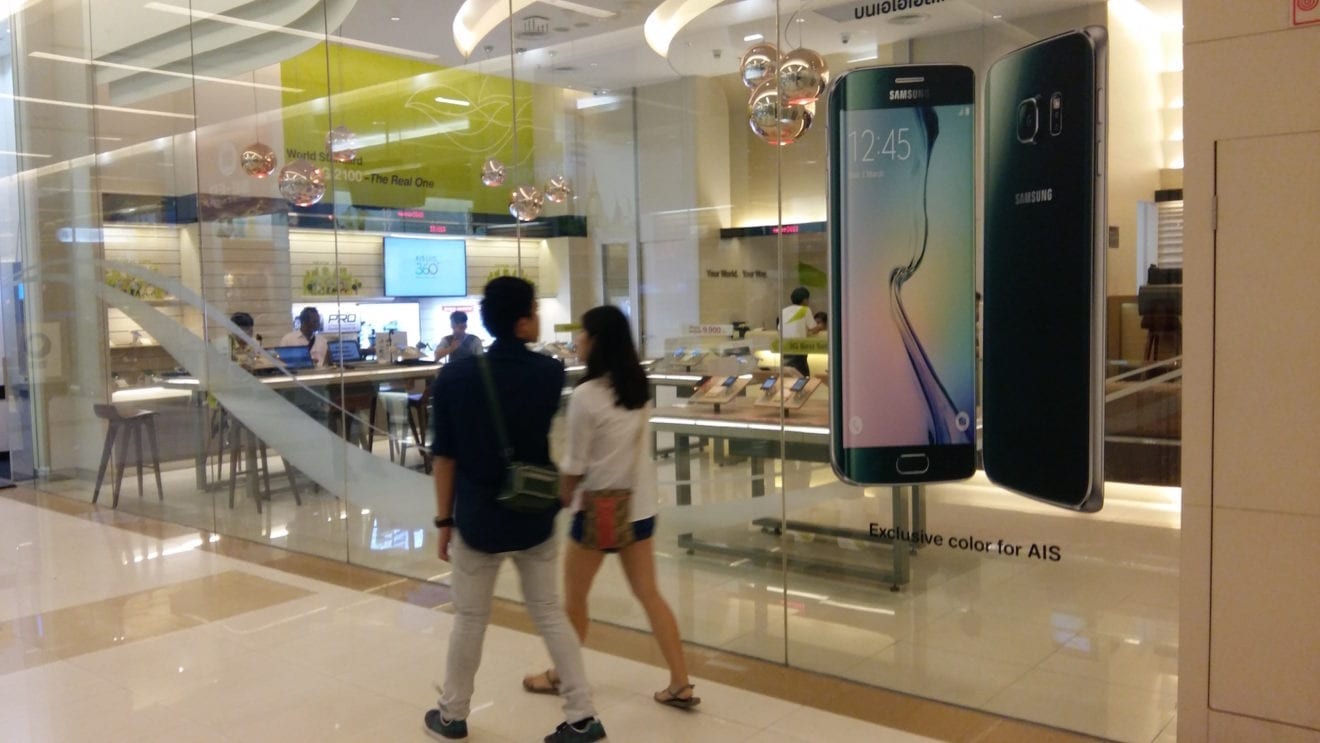
    Samsung Pay is not entirely new to Thailand — the service has been rolling out slowly under the radar since a November soft launch with about 100 retail partners — but as of Tuesday, Samsung Pay was out in full for any Thai customer interested in taking it for a smartphone spin.

    And, it should be noted, Samsung has great expectations for the Thai market and has set a goal of attracting 1 million users to the platform by the end of the year.

    “Thailand is the ninth country in 10 markets globally with which we have established our mobile payment presence, and the third country in Asia-Pacific apart from Singapore and Australia,” said Elle Kim, vice-president for the payment business group at Samsung Electronics.

    Kim noted that Thailand presents a natural opportunity for a mobile payments platform — given the government’s national e-payment scheme and the widespread use of smartphones and e-commerce.

    At launch, to use the service, customers must use a Visa or Mastercard issued by one of the nation’s six largest banks: Bangkok Bank, KTC Credit Card, Citibank, Siam Commercial Bank, Kasikornbank and Krungsri Consumer.

    Those six collectively cover about 70 percent of the cards issued in Thailand — Samsung has confirmed that by the end of the year it hopes to have upped that to covering 90 percent of the nation’s card holders.

    And it is a 90 percent that Samsung will compete for unopposed, since neither Apple nor Android Pay have any immediate plans to take on the Thai market. As of right now, mobile payment transaction value in Thailand is estimated to reach US$4 million in 2017. That figure is forecast to reach $36 million by 2021.

    Samsung is also widely expected to announce an expansion into India for Samsung Pay by the end of the quarter — with more international expansion slated for 2017.

    Android Pay And Android Wear – Better Together?

    After a very public announcement of Wear 2.0 last October that included Android Pay — the updated and enhanced version of Android OS for wearables — the world sort of had to wait a while to see it in action, since there was no wearable on the market sporting the feature.

    That changed this week with a pair of new watches from LG that marked a collaborative design effort with Google: the Watch Sport and the Watch Style.

    The big change involves making the watch a device capable of standing apart from a smartphone — a true computer for the wrist.

    And while that extends to many of the Wear’s various features, it is drawing praise particularly in relationship to the Android Pay support now available on the wearable.

    Unique to this version of wearable-based payment, however, is its level of independence. Android Pay runs as a standalone app on the watch — a connected smartphone is not necessary to pay for stuff (though a phone pairing is necessary to set up Android Pay on the watch for the first time). Android Pay on a watch does not actually even need an internet connection for a limited number of transactions (though to fully complete the transaction the watch must eventually go online).

    Android Pay is not entirely new to wristbased devices — Samsung’s smartwatches support it — but as of this week, Android Pay supported by Android’s wearable OS is now on the market for the first time — though not the last.

    Google has announced that many more Wear 2.0 watches will be out in the market by the end of the year — presumably to satisfy a consumer demand that will make itself apparent any day now.

    Apple’s Adding Merchants

    According to new published data from Boston Retail Partners, Apple Pay has garnered the largest percentage of U.S. merchants supporting mobile in-store payments, with 36 percent of said merchants accepting the 2.5 year old mobile payments app. The study further suggested that an additional 22 percent of retailers will accept Apple Pay in the next 12 months and 11 percent on top of that plan to do so within the next one to three years.

    Apple’s lead is notable — but also highly explainable by time. Apple Pay is the granddaddy of in-store mobile payments apps, so it’s had more time to add merchants to its roster. But as we’ve noted, being present at the POS is only half the battle for Apple Pay — consumers still have to chose to use it. So far, by our numbers here at PYMNTS, they aren’t — at least 19 out of every 20 who can.

    Which, as it turns out, maybe the lesson this week. More is good — more devices, more ground and more merchants — but only if at the end those things net more customers — and more transactions.

    We’ll keep you posted on how more turns into market share for transactions. By the way, we’ll be releasing totally new data on mobile payments adoption – based on what consumers actually do at the point of sale when they are paying for what they bought – at Innovation Project 2017. This new study will measure adoption for the major in-store “Pays” – Apple, Android, Samsung, and Walmart (at Walmart only, of course).

  • Soo Kee to add shine to Thai market in $1.2m joint venture

    Soo Kee to add shine to Thai market in $1.2m joint venture

    Home-grown jeweller Soo Kee Group is setting up a joint venture in Thailand. The collaboration is with leading Thai jeweller Aurora Design and will be set up with an initial paid-up capital of 30 million baht (S$1.2 million). Soo Kee will hold a 40 per cent stake and Aurora a 60 per cent stake, according to a memorandum of understanding signed yesterday.

    The joint venture firm will sell gold and diamond products under Soo Kee’s Love & Co brand, which was set up in 2007 to focus on bespoke engagement rings and wedding bands.

    Soo Kee will also license and supply intellectual property rights, products and support. Group chief executive Daniel Lim said after the signing ceremony at Soo Kee’s Changi Business Park headquarters that the plan is to take the bridal jewellery concept to Thailand, where there is a gap in the market.

    “Thailand is a huge market for jewellery. It’s also highly fragmented as far as diamond consumption is concerned,” he noted.

    “There are no decent business concepts yet to capture the diamond market, which is similar to what it was like in Singapore 20 to 30 years ago when people traditionally bought gold and the diamond market was underdeveloped.”

    He noted that last year, the Thai jewellery market, mostly consisting of diamond and gold, was worth more than 76 billion baht.

    Soo Kee started talks with Aurora, which has more than 170 stores across Thailand, last year as part of regional expansion efforts.

    Mr Lim said the initial plan is to have 20 retail points in Thailand in the first five years. Soo Kee expects to break even after the first year.

    Mr Lim added: “We will target key cities and strategic locations as part of the first phase.

    “We’re looking at concept stores and depending on the location, there are also opportunities in high-end department stores, where we can possibly open boutiques within them to exploit their traffic flow and footfall.”

    Aurora chief executive Aniwat Srirungthum said the firms are looking at cities such as Bangkok and tourist hot spots such as Phuket and Pattaya.

    Mr Aniwat said: “We are confident of Love & Co’s market potential, and this will widen our product offering and strengthen our capability to grow our customer base.”

    Soo Kee also said yesterday that it will be the first Asian partner of The International Institute of Diamond Grading & Research, part of diamond giant De Beers.

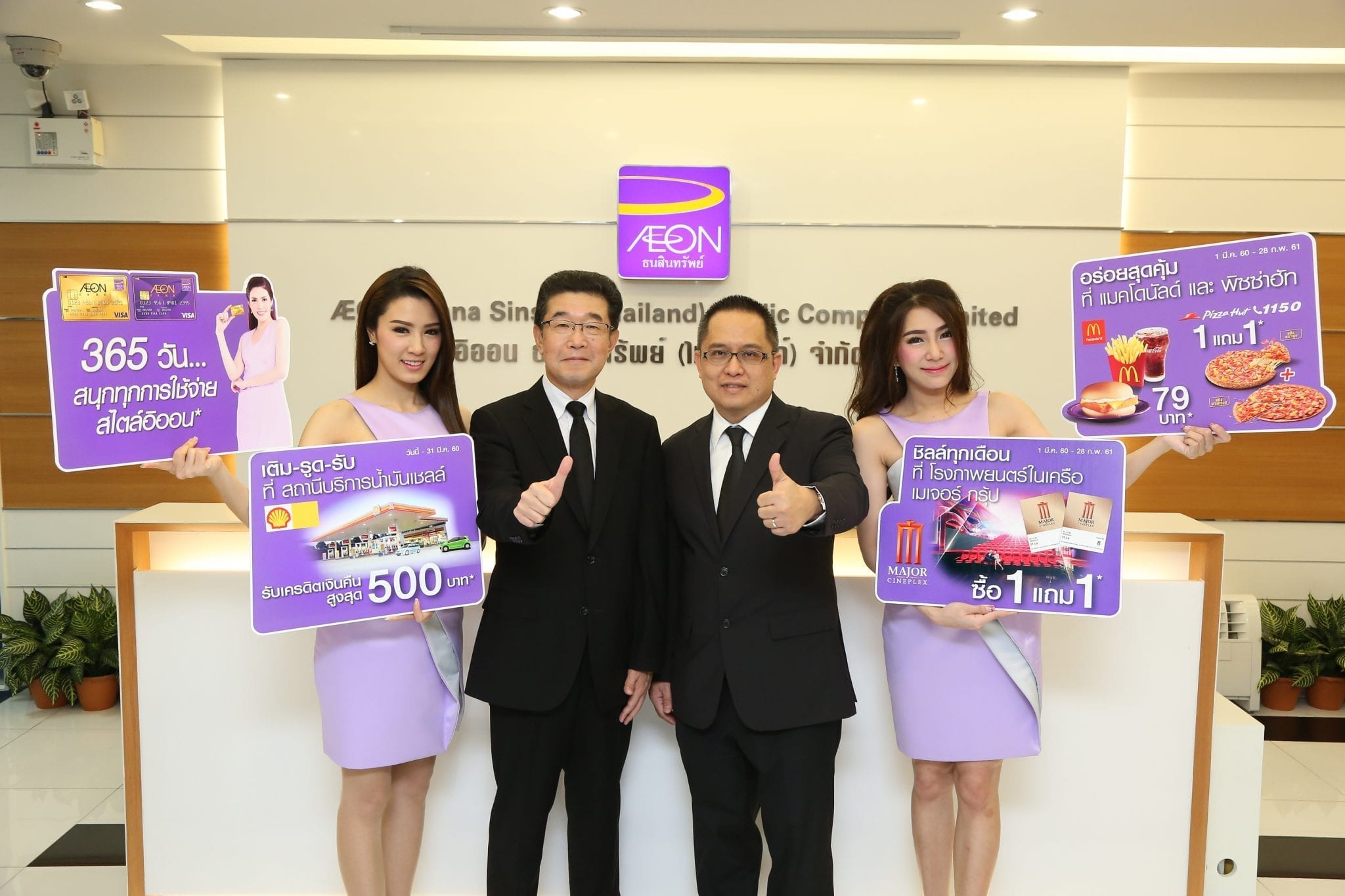
    Soo Kee, whose other brands are Soo Kee Jewellery, SK Jewellery and SK Bullion, is keen on growing in the region.

    Mr Lim said: “Thailand is important to us, but we will not stop here. Thailand is also recognised as the most important bullion market in the region.

    “Be it in the form of gold jewellery or bullion, we see other possible opportunities in Thailand. We are definitely interested in the regional markets and are constantly looking out for new opportunities.”

  • Samsung Pay Service Comes To Thailand

    Samsung Pay Service Comes To Thailand

    Similar to Android Pay from Google and Apple Pay from Apple, Samsung Pay works like other mobile payment platform by using NFC. Samsung Pay, which was made to build brand loyalty from consumers allows users to pay for things online with their smartphone or smartwatch.

    Samsung has fully unveiled the Samsung Pay in the Thailand. The company aims to entice at least one million users within this year. The mobile payment platform was already made available in Malaysia, Singapore and China a while ago. Samsung apparently already boasts a network of 100 retail partners found in Thailand following a soft launch just in November of 2016. Thailand has been working to adopt a more cashless society much like other Western countries.

    “Samsung is the first phone maker jumping into the mobile payment fray in Thailand,” said the Thai corporate Vice President for IT and Electronics of Samsung Electronics, Wichai Pornpratang. The company is expecting to bring in one million customers using Samsung’s Pay service by the end of the year.

    Consumers can use the Samsung Pay by just tapping their compatible Samsung smartphone on near field communication (NFC) or magnetic security transmission (MST). Doing this will allow them to proceed to making payments in stores.

    Samsung Pay is considered as one of the best mobile payment solutions but it can only be supported on the Galaxy S7 family, Galaxy S6 family, Galaxy Note 5, Galaxy A5 and Galaxy A7. Samsung Pay Mini, however, was reportedly just launched and what’s nice about the service is that it is not limited to just Galaxy smartphones. With an Android smartphone that has a 1280 x720 pixel resolution or higher than Android 5.0 Lollipop, the Mini version will function well. An offline payment option feature, however, that can be found on the Samsung Pay is nonexistent on the Samsung Pay Mini.

  • AEON cooperates with Thai Airways to organize “Journey of Happiness with Thai Airways 2017”

    AEON cooperates with Thai Airways to organize “Journey of Happiness with Thai Airways 2017”

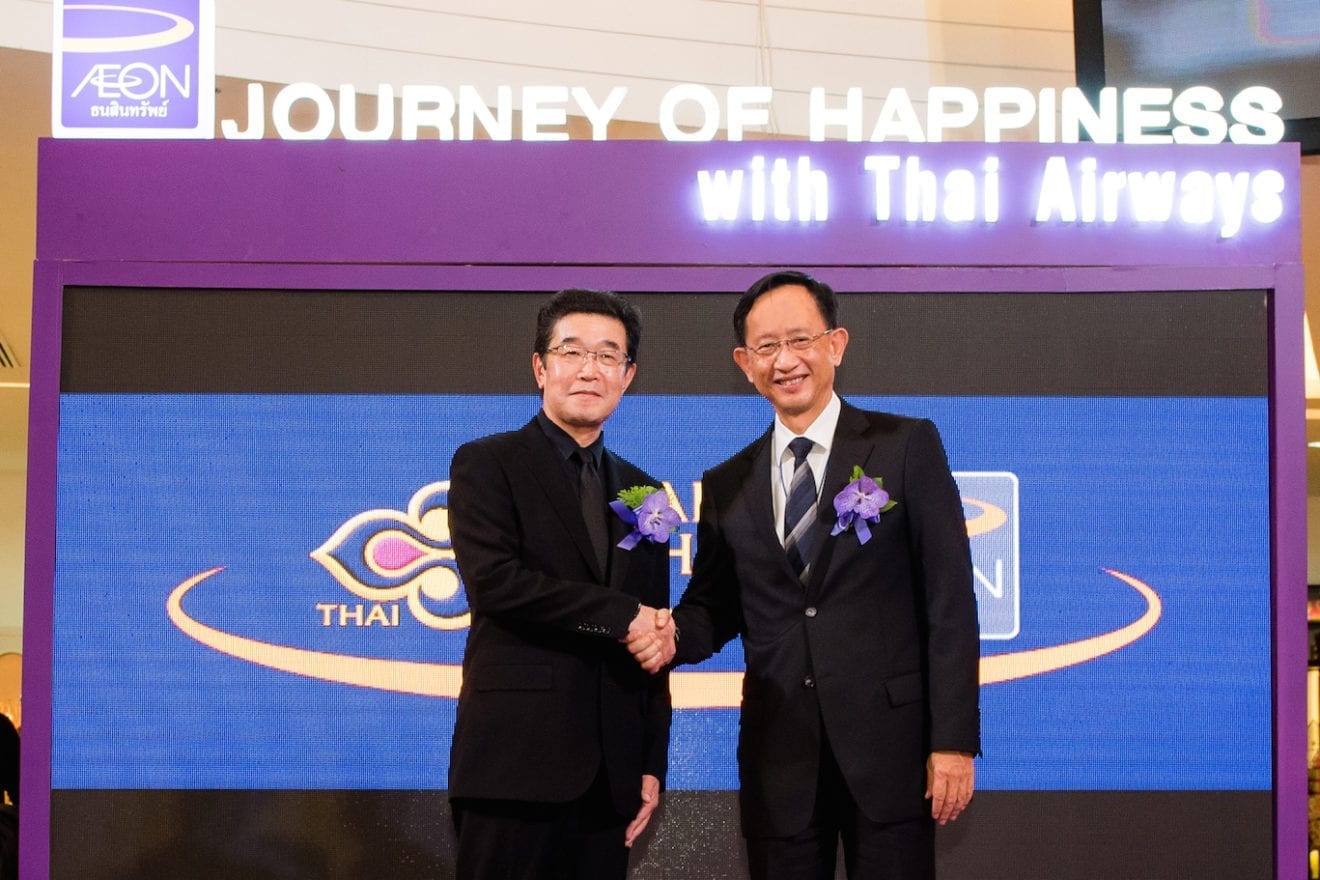
    Kiyoyasu Asanuma (left), Managing Director of AEON Thana Sinsap (Thailand) Public Company Limited together with Teerapol Chotichanapibal, Executive Vice-President Commercial of Thai Airways International Public Company Limited joined the recent launch of “Journey of Happiness with Thai Airways 2017” campaign at Fashion Hall, Siam Paragon. The campaign offers privileges to AEON credit cardholders from AEON, Thai Airways, H.I.S, and JCB partners.