Tag: Banking

  • HSBC Plans India Equity Broking Return After 13 Years

    HSBC Plans India Equity Broking Return After 13 Years

    HSBC is re-entering India’s equity broking business after a 13-year absence, seeking to capitalise on a robust pipeline of share sales and rising demand from wealthy clients.

    The move marks a reversal of the London-headquartered bank’s decision to exit the domestic retail brokerage and depository business in 2013.

    Rebuilding the Equities Platform

    HSBC has begun rebuilding its equities platform and is hiring senior executives for cash equities and institutional broking roles in Mumbai, using the licence held through HSBC InvestDirect Securities (India) to launch retail services over the next few months.

    Trading will focus on digital order execution for high-net-worth retail accounts. It will also handle cross-border trades routed through the Gujarat International Finance Tec-City financial free zone. HSBC walked away from its Indian retail brokerage and depository network in 2013 during a global retreat from non-core operations.

    Diverging from Foreign Peer Strategies

    This strategy sets HSBC apart from international rivals that spent the past decade shedding consumer banking in South Asia. Competitors including Citigroup, Standard Chartered and Deutsche Bank shrank their consumer footprints. They chose to concentrate capital on corporate advisory and transaction banking instead.

    By contrast, the bank retained its local consumer arm and expanded its physical reach. The Reserve Bank of India approved 20 new branch locations for the lender in January, taking its domestic network to 46 locations.

    Capturing Fee Revenue from Public Listings

    Robust public offerings and retail participation have created steady fee income for capital market intermediaries in Mumbai. Re-establishing equity distribution gives the bank direct placement power for primary offerings. It also captures secondary brokerage commissions from affluent private banking clients.

    Rival foreign institutions are attempting similar returns. London-based Barclays began preparations earlier this year to restart its Indian equity capital markets franchise, a decade after shutting the unit down during a restructuring drive.

    Branch Expansion and Earnings Trajectory

    Earnings in the group’s domestic franchise back the brokerage launch. HSBC India generated a 4 per cent year-on-year increase in net profit during the first half of 2026, lifted by higher fee volumes in corporate and institutional accounts.

    Group chief executive Georges Elhedery stated in recent broadcast remarks that the bank intends to deploy more capital across India. It will prioritise wealth management products designed for high-income domestic savers.

    What to Watch

    Next, the bank will finalise its senior equity trading hires before rolling out digital retail execution tools to wealth clients across its 46-branch Indian network.
  • HSBC Targets Thailand-Japan Corridor as FDI Stock Hits $104 Billion

    HSBC Targets Thailand-Japan Corridor as FDI Stock Hits $104 Billion

    HSBC expanded banking services across the Thailand-Japan corridor as Japanese foreign direct investment stock in the Southeast Asian economy reached $104 billion.

    Japanese capital represents more than a quarter of Thailand’s total foreign direct investment base, backed by more than 6,000 Japanese companies operating across the country.

    The push comes as Japanese corporations allocate fresh capital to Southeast Asian supply chains. Japanese firms invested $1.2 billion in Thailand in 2025 and committed another $1.1 billion through June 2026, targeting operations that serve both regional and global supply chains. Takeo Kaneko, chief executive and head of banking at HSBC Group Japan, visited Bangkok to meet commercial clients alongside Giorgio Gamba, chief executive and head of banking at HSBC Thailand.

    Shifting Capital Beyond Traditional Manufacturing

    Bilateral commerce between the two nations reached substantial volumes in 2025. Japan took $23.6 billion of Thai exports as Bangkok’s third-largest export destination and delivered $29.7 billion in goods as its second-largest source of imports. Trade between the two countries has more than tripled since 1998.

    Corporate investments are shifting away from basic assembly lines toward higher-value manufacturing and technology. Capital flows increasingly target electric vehicles, advanced electronics, smart appliances, digital infrastructure, and renewable energy transition projects. Both markets are pushing domestic industrial bases up the value chain to protect margins against rising labour costs elsewhere in Asia.

    For consumer brands and component suppliers, this migration changes factory floor requirements and vendor networks. Japanese automotive and electronics manufacturers in Thailand are retooling facilities for battery electric platforms and energy-efficient appliances, forcing local component vendors to meet stricter technological standards or risk displacement by regional competitors.

    Regional Networks and Multi-Market Expansion

    Kaneko’s Bangkok stop formed part of a regional tour covering Indonesia, Malaysia, Singapore, and Thailand. Japanese multinationals are no longer treating Thailand as a single standalone production outpost. Instead, corporate treasurers are linking Thai manufacturing hubs with logistics networks in Malaysia and regional treasury headquarters in Singapore.

    Managing operations across multiple Southeast Asian jurisdictions creates specific balance-sheet demands for corporate treasurers. Companies require cross-border cash pooling, trade finance, foreign exchange risk mitigation, and supply chain liquidity that function across multiple regulatory regimes simultaneously.

    What we are seeing now is a more complex expansion agenda: regional supply chains are being redesigned, technology and sustainability are reshaping production models, and companies are looking for partners who can support them across multiple markets, not just one.

    Long-Standing Ties and Industrial Reorganisation

    Decades of bilateral industrial integration laid the groundwork for the current investment volumes. Japanese automotive assemblers and consumer electronics groups began establishing Thai production clusters in the 1980s, turning the country into an export base for the broader Association of Southeast Asian Nations. HSBC has operated in both Japan and Thailand for more than 135 years.

    Commercial ties are expanding ahead of the 140th anniversary of formal Thailand-Japan diplomatic relations in 2027. Corporate treasurers and lenders are now tracking whether the $1.1 billion in commitments recorded in the first half of 2026 converts into completed factory retooling projects before year-end.

  • City Group Seeks Capital Market Pivot After Amassing Tk 26,000 Crore in Bank Debt

    City Group Seeks Capital Market Pivot After Amassing Tk 26,000 Crore in Bank Debt

    Bangladeshi consumer goods giant City Group is restructuring a portion of its Tk 26,000 crore bank debt after rapid expansion and currency headwinds left it squeezed across three dozen lenders.

    The maker of Teer flour, suji and soybean oil plans to raise up to Tk 1,500 crore from the capital market through an initial public offering, private equity, preference shares, corporate bonds or Sukuk.

    City Group built a household staple empire over decades, but a weaker taka, delayed factory utility hookups and aggressive capital expenditure pushed its balance sheet into trouble. Around 36 commercial banks now carry the exposure. Rather than relying entirely on bilateral bank roll-overs, the group announced in mid-August that it would tap outside investors for long-term equity and debt instruments to rebalance its funding base.

    The Imbalance in Corporate Funding

    The conglomerate’s liquidity squeeze exposes the structural fragility of private sector financing in Bangladesh, where commercial banks supply nearly 99 percent of corporate funds while capital markets generate just 1 percent. Industrial term-loan disbursements climbed to Tk 97,138 crore in fiscal 2025. By contrast, businesses raised only Tk 302 crore through initial public offerings and rights issues during the same twelve-month stretch.

    Equity markets remain sidelined across the country’s industrial sector. At the end of June, the Dhaka Stock Exchange market capitalization stood at 5.7 percent of national gross domestic product, ranking as the lowest ratio in South Asia. A World Bank survey showed that only 0.5 percent of local businesses view equity as a viable funding route, compared with 6.9 percent in neighboring India.

    Balance Sheets Under Borrowing Pressure

    Bank loans offer fast deployment, often clearing internal approvals within three months, whereas equity listings demand nine months or more alongside rigorous disclosure filings. That speed has created deep structural hazards for supply chain operators and consumer goods manufacturers across the domestic market. Defaulted loans across the banking sector exceeded Tk 600,000 crore by the end of June, representing 32.78 percent of total outstanding credit.

    Rising interest rates are accelerating the strain on operating margins. An assessment of 166 listed companies showed net finance costs surged roughly 26 percent year on year to Tk 8,871 crore in fiscal 2024-25. Perpetual loan rescheduling has shielded unhedged borrowers from formal insolvency, but it has locked commercial banks into carrying high corporate default risk on their balance sheets.

    Corporates do not stop borrowing because they do not face big problems if they default; rather, banks find ways to keep the corporates alive.

    Regional Lessons in Conglomerate use

    Heavy reliance on bank lending mirrors earlier developmental bottlenecks seen across East and Southeast Asia. South Korean chaebols expanded rapidly on bank use before the 1997 financial shock forced aggressive balance-sheet restructuring, reduced cross-guarantees and deeper capital market compliance. Indonesia faced a similar crunch during the same period, subsequently cutting corporate bank debt dependence down to 40 percent of business financing by 2007.

    Developing viable non-bank financing requires deep structural liquidity and verifiable reporting frameworks. Malaysia expanded its capital market to RM4.3 trillion in 2025 by creating active Sukuk and local corporate bond ecosystems with zero recorded defaults that year. Replicating that stability in Dhaka requires regulators to streamline listing timelines without compromising investor protections.

    Next Steps for Industrial Capital

    City Group’s Tk 1,500 crore fundraising rollout will serve as a test case for whether Bangladesh’s major private conglomerates can transition from short-term bank reliance to public and institutional capital. Regulators now face the task of tightening single-borrower exposure ceilings while speeding up bond and equity approvals. The key benchmark to track is whether domestic institutional funds step up to absorb the group’s planned issuance before the next debt restructuring cycle closes.

  • Philippine Cash Remittances Reach Seven-Month High of $3.2 Billion in July

    Philippine Cash Remittances Reach Seven-Month High of $3.2 Billion in July

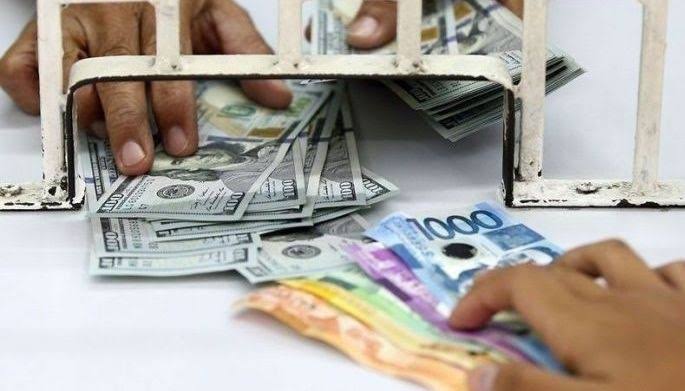
    Cash remittances sent home by overseas Filipinos rose 1.9 percent year on year to $3.2 billion in July, according to the Bangko Sentral ng Pilipinas.

    That is the highest single-month inflow since December 2025. Inflows reached $3.5 billion that month.

    Commercial bank transfers gained 2.3 percent through the first seven months to reach $20.4 billion. Full-year remittances should reach $36.6 billion under central bank projections. That would represent a 2.7 percent increase over 2025.

    Currency weakness and household purchasing power

    Growth came as the Philippine peso weakened toward 63 against the US dollar. A softer peso yields more local currency per transferred dollar. While that often prompts overseas workers to trim wire volumes, total dollar values climbed anyway.

    Retail chains and packaged goods suppliers rely on these monthly transfers to sustain basic basket sales. Headline inflation remains above the central bank’s 3 percent target. Because of that, grocers need family incomes bolstered by overseas cash to maintain volume growth.

    Top source markets and correspondent banking channels

    The United States generated the largest share of reported funds, followed by Singapore and Saudi Arabia. North America hosts major global remittance and correspondent banking clearing hubs. That concentration skews the reported US total higher, the central bank noted.

    These inflows anchor domestic private spending for mall landlords, department stores, and consumer goods distributors across Manila and regional urban centers. Retail foot traffic slowed in the third quarter due to Middle East tensions and severe monsoon storms at home. Steady foreign transfers kept merchant revenue afloat.

    Remittances continue to demonstrate resilience and remain a critical buffer for the Philippine economy.

    Rebound from second-quarter deceleration

    July’s 1.9 percent pace marked a rebound after remittance growth slipped to multi-year lows in June. Overseas workers continue to prioritize family allowances despite economic uncertainty across host countries.

    Banks and digital money platforms have cut cross-border transfer friction to boost deposit volumes. Faster processing sends household liquidity straight to local checkout counters without clearing delays.

    What to watch through year-end

    Monetary officials will track third-quarter figures to see if transfers match the $36.6 billion annual projection. Store operators will focus on whether fourth-quarter holiday transfers match the $3.5 billion seasonal peak recorded at the close of 2025.

  • US Dollar Dips to VND26,200 as State Bank of Vietnam Sets Record Rate

    US Dollar Dips to VND26,200 as State Bank of Vietnam Sets Record Rate

    Vietcombank trimmed its selling rate for the US dollar by 0.02 percent to VND26,200 on Friday, easing pressure on commercial foreign exchange counters across Vietnam.

    The State Bank of Vietnam lifted its daily central reference rate by 0.02 percent to a fresh peak of VND25,637. That adjustment set the official trading band for commercial lenders while unofficial street trade moved in the opposite direction.

    Divergence Between Official Banks and Street Trade

    Unofficial money changers pushed the greenback up by 0.23 percent to trade near VND25,880. The gap left street desks pricing dollars below the headline counters at major state lenders, reversing the usual premium seen during periods of sharp currency volatility.

    Trading desks in Ho Chi Minh City and Hanoi handled the adjustments without disruption to trade settlement. Commercial importers purchasing intermediate goods face stable landed costs at these levels, though the high central baseline keeps financing charges elevated across foreign currency credit lines.

    Regional Pressures and Central Bank Policy

    Currency desks across Southeast Asia monitored broader central bank actions as policymakers continued tightening cycles to curb imported inflation. The Bank of Japan raised its benchmark rate to 1.25 percent, marking a 31-year peak for Japanese borrowing costs.

    That policy tightening softened the yen by 0.5 percent to 156.75 per dollar, even as Tokyo’s currency retained a month-to-date gain of nearly 2 percent. A fluctuating yen shifts sourcing calculations for Vietnamese consumer electronics assemblers and industrial component suppliers that invoice contracts in Japanese currency.

    Global Dollar Index Softens Against Major Pairs

    International foreign exchange trading saw the broader US dollar index slide 0.1 percent to 100.1900. The slight retreat gave Asian central banks room to adjust baseline pegs without triggering sharp outflows from local debt markets.

    European currencies notched modest gains during the session. The British pound strengthened 0.1 percent to $1.3374 while the euro rose by the same margin to trade at $1.1491, offering mild relief to Vietnamese apparel and footwear exporters booking revenue from European retail orders.

    Operational Risks for Importers and Retailers

    Consumer goods distributors in Vietnam operate on tight margins where small exchange fluctuations determine quarterly profitability. Sustained rates near the VND26,000 threshold force brand owners to choose between absorbing currency conversion losses or raising shelf prices across imported grocery, cosmetics and packaged foods.

    Inventory planners heading into the final quarter will track the State Bank of Vietnam’s daily fixings against commercial bank ceilings. The immediate figure to watch is whether commercial selling rates stay anchored near VND26,200 as global central banks complete their latest policy reviews.

  • Standard Chartered Creates Dedicated Yuan Unit as Offshore Bond Issuance Surges 60 Percent

    Standard Chartered Creates Dedicated Yuan Unit as Offshore Bond Issuance Surges 60 Percent

    Standard Chartered appointed Jerry Zhang as global head of RMB commercialisation in Hong Kong, targeting cross-border corporate trade as offshore dim sum bond issuance jumped 60 per cent.

    Panda bond sales in mainland China rose 69 per cent during the first half of 2026, prompting international lenders to centralise their currency desks to capture corporate transaction flows. Zhang retains her position as global head of banks and broker dealers alongside the new role. The bank currently offers yuan-denominated account, remittance, foreign exchange, and trade financing services across 35 markets, spanning Southeast Asia, the Middle East, Europe, and Africa.

    Fixing Corporate Balance Sheets

    Corporate balance sheets across Asia show a persistent structural mismatch between day-to-day revenue and underlying liabilities. Internal research from Standard Chartered shows that multinational corporations generate 23 per cent of their revenue and pay 25 per cent of their procurement costs in yuan, yet denominate only 14 per cent of their debt in the currency. This exposure leaves cross-border supply chains vulnerable to sharp foreign exchange fluctuations against the US dollar.

    For consumer goods manufacturers and electronics suppliers across Asia, closing that gap requires shifting working capital facilities directly into yuan. Refinancing through local currency instruments reduces conversion costs when purchasing mainland inputs. The risk sits with corporate treasurers who delay adjusting their liability mix while cross-border trade settlements in the Chinese currency continue to rise across more than 130 partner markets.

    Liquidity Backstops and Digital Clearing

    Central bank facilities are expanding offshore liquidity pools to meet corporate credit demand. The Hong Kong Monetary Authority raised the quota for its RMB Business Facility in stages during 2026 from 100 billion yuan to 500 billion yuan. That expansion allows commercial banks to extend larger working capital loans directly to regional corporate clients operating outside mainland China.

    Clearing infrastructure is also shifting toward digital platforms. Standard Chartered joined the People’s Bank of China Cross-border e-CNY Transfer Services platform in June as a direct foreign participant, testing blockchain architecture to settle international digital yuan payments faster. The pilot connects with mainland capital market pipelines, where international investors access onshore assets through the established Stock Connect and Bond Connect routes.

    There is a natural and strong demand for greater use of the RMB internationally, not only in the traditional payment trade, but also in financing, risk management and asset allocation.

    Cross-Border Read Across for Asian Supply Chains

    International commercial banks in Hong Kong and Singapore are reorganising their debt syndication and trade desks to defend market share against Chinese state-owned lenders. Industrial and Commercial Bank of China and Bank of China have long dominated primary panda bond issuance and trade settlement clearing. By deploying a single coordination head across global transaction banking and institutional dealer desks, Standard Chartered is pitching unified pricing on cross-currency swaps, trade letters of credit, and offshore bond distributions.

    Retail importers, regional contract manufacturers, and commodity buyers in Southeast Asia face practical consequences from this banking shift. When international lenders provide integrated yuan debt alongside digital settlement rails, regional operators can negotiate direct pricing with mainland vendors without paying dollar conversion margins. Financial institutions that fail to integrate local clearing pipes risk losing corporate cash management mandates across ASEAN supply chains.

    What Regulators and Treasurers Watch Next

    Policy momentum built through mid-2026 following the Lujiazui Forum in June, where People’s Bank of China governor Pan Gongsheng launched an offshore foreign exchange trading pilot inside the Shanghai Free Trade Zone. Pan followed with 11 financial connectivity measures in Hong Kong in July, while the central bank held bilateral currency-swap agreements with more than 30 countries valued above 4.3 trillion yuan.

    Market participants are now tracking regulatory approvals that would permit offshore institutional investors to pledge onshore Chinese bond and equity holdings directly as collateral for international repo financing. Implementation dates for expanded collateral frameworks across the Bond Connect channel will determine how quickly corporate treasurers shift their liquidity buffers into yuan assets.

  • Blackstone-Backed AirTrunk Seeks S$2 Billion Loan for Singapore Reit IPO

    Blackstone-Backed AirTrunk Seeks S$2 Billion Loan for Singapore Reit IPO

    Blackstone-backed data centre operator AirTrunk is in talks with commercial banks in September 2026 to raise approximately S$2 billion in debt to fund the Singapore listing of an asset-backed real estate investment trust.

    The package spans multiple debt tranches ranging from three to seven years, structured in Singapore dollars and Japanese yen to match the underlying portfolio.

    Refinancing Assets and Securing Liquidity

    Proceeds from the loan will go directly to the planned real estate investment trust. The vehicle will use the funds to purchase operational hyperscale assets from AirTrunk and refinance existing credit facilities across its regional footprint. Pricing and final terms remain under negotiation with participating lenders.

    Regional lenders have extended nearly US$29 billion in data centre debt across Asia since the beginning of 2025. As balance sheet limits tighten at major regional institutions, banks have grown stricter on underwriting criteria, favoring sponsors with institutional backing over smaller regional competitors.

    Asset-Backed Structures and Bank Limits

    Carving operational facilities into a publicly traded trust lets AirTrunk release balance sheet capacity while retaining operational control. The transaction also offers regional banks a route to distribute their credit exposure rather than holding long-term project loans to maturity on their books.

    Sponsors across Asia face higher power costs and tighter underwriting requirements for server real estate. Moving cash-generating properties into a yield-focused vehicle provides an alternative pool of public capital, insulating the development pipeline from tightening private credit markets.

    Building Out the Listing Roadmap

    The borrowing plan follows an aggressive regional expansion by the operator. AirTrunk recently completed a US$2.3 billion green loan to fund its hyperscale campus development in Johor, Malaysia, expanding its footprint across Southeast Asia.

    Preparations for the public offering have advanced over recent months, with the company preparing confidential filings for the trust. The planned Singapore listing aims to raise roughly US$1.5 billion in equity once terms and regulatory approvals are settled.

  • Japan’s Positive Rates Lift Major Bank Earnings

    Japan’s Positive Rates Lift Major Bank Earnings

    Japan’s return to positive rates is supporting major banks’ ability to generate more sustainable earnings from domestic banking activities, according to Fitch Ratings.

    The positive rates remove banks’ long-standing constraint on profitability and internal capital generation, the credit rating company said in a September 2026 commentary.

    Fitch expects this benefit to outweigh higher bond valuation losses, rising deposit costs and gradually higher borrower debt-servicing burdens over the next one to two years.

    Asset Yields Outpace Funding Costs

    Lenders are reallocating liquid assets into higher-yielding domestic instruments as negative interest rate policies recede. Rising income from domestic loans and newly purchased government bonds provides immediate relief to net interest margins, counteracting the initial portfolio write-downs caused by falling bond prices.

    Deposit costs are edging higher across commercial networks, but the pace of increase remains disciplined. Major lenders retain large pools of low-cost retail deposits that adjust more slowly than wholesale market funding, preserving a profitable spread on new corporate loans.

    “We expect this benefit to outweigh higher bond valuation losses, rising deposit costs and gradually higher borrower debt-servicing burdens over the next one to two years,” Fitch said.

    Corporate Balance Sheets and Debt Burdens

    Borrower balance sheets entering this cycle look stronger than in previous tightening eras. Japanese corporations spent years reducing use, leaving balance sheets insulated against gradual rate increases and enabling them to fund working capital from domestic cash flow.

    Household finances show similar resilience despite the initial repricing of floating-rate home loans. Large household savings balances, combined with real wage increases across major metropolitan employers, prevent an immediate spike in non-performing retail loans.

    Credit costs at the largest financial groups will remain contained, though vulnerability is concentrated in specific corners of the market. Small domestic enterprises operating on tight margins face cash flow pressure, while regional lenders with heavy exposure to real estate and floating mortgages face higher delinquency risks than the national megabanks.

    Shifting Away From Negative Rates

    The transition marks the end of an era where Japanese lenders sought returns overseas to offset stagnant margins at home. For years, domestic institutions deployed capital into foreign syndicated debt and offshore commercial property to sustain profitability, absorbing currency hedging costs that frequently eroded net yields.

    Domestic lending has now reclaimed its role as the primary driver of core banking profits. Higher base rates give institutions the headroom to price credit based on borrower risk rather than competing in a race to zero, reshaping commercial lending across Tokyo, Osaka and regional manufacturing hubs.

    Attention now shifts to the credit performance of used small businesses as quarterly repayments reset, alongside plans by Japanese megabanks to roll out joint digital-currency transaction platforms by March 2027.

  • Japan Gold Bar Scam Losses Hit 8.13 Billion Yen in First Half of 2026

    Japan Gold Bar Scam Losses Hit 8.13 Billion Yen in First Half of 2026

    Scammers in Japan extracted 8.13 billion yen in physical gold bars from victims during the first six months of 2026. The six-month total already exceeds the 6.02 billion yen lost across the entire previous year.

    How Fraudsters Extract Physical Bullion

    Data from the National Police Agency shows two primary methods drove the surge in bullion-related theft. Fake police inquiries generated roughly 5.3 billion yen, or nearly two-thirds of the total losses. In these operations, callers tell victims that their bank accounts were implicated in criminal activity and instruct them to buy and deliver gold bars to accelerate official investigations.

    Social media investment schemes made up the second major channel. Victims bought gold bars after online solicitations promised structured investment returns, accounting for roughly 2 billion yen in lost assets during the first half.

    Shifting Tactics in Consumer Finance

    The pivot to physical bullion reflects tighter controls inside traditional banking rails. Japanese retail banks have added transaction monitoring, automated transfer limits, and stricter account screening over the past three years. Fraud syndicates bypass electronic freezes by steering victims to over-the-counter bullion dealers and delivery couriers instead.

    For precious metals retailers and pawn operators across Tokyo and Osaka, the surge places customer onboarding under immediate scrutiny. Store clerks face higher compliance burdens to identify distressed or coerced buyers before bullion leaves the counter, shifting retail risk from payment gateways directly onto storefront staff.

    Tracking the Surge Past 2025 Totals

    The sharp acceleration follows a full-year 2025 tally of 6.02 billion yen in gold bar scam losses across Japan. Rising domestic bullion prices and heightened consumer interest in gold as an inflation hedge have made physical bars easier for criminals to pitch as safe stores of value.

    Police departments across Japan are preparing updated guidance for precious metals dealers, focusing on point-of-sale interventions when first-time retail buyers make large cash or card transactions for delivery to third parties.

  • State Bank of Pakistan Holds Benchmark Interest Rate at 11.5%

    State Bank of Pakistan Holds Benchmark Interest Rate at 11.5%

    The State Bank of Pakistan kept its benchmark interest rate at 11.5 per cent on Monday, pausing monetary adjustments after a divided committee vote.

    Seven of the ten Monetary Policy Committee members backed the hold. They resisted calls for an increase after annual headline inflation accelerated to 11.1 per cent in August from 9.2 per cent in July.

    Officials attributed the decision to Middle East geopolitical friction, which lifted global oil prices and strained supply chains. Domestic core inflation came in slightly below central bank expectations. Remittance flows and external financing helped stabilize the balance of payments.

    Inflation Pressures and Factory Output

    Consumer and corporate sentiment deteriorated heading into September as both groups reported higher price expectations. Industrial production softened at the end of the fiscal year. Large-scale manufacturing output fell 3.5 per cent in June, capping cumulative growth for the year ended June 2026 at 5 per cent.

    For retail chains and consumer goods manufacturers in Pakistan, elevated borrowing costs continue to weigh on inventory financing and store expansions. Policy settings remain adequate to steer inflation toward the medium-term target band of 5 to 7 per cent, the central bank said.

    High interest rates and rising energy tariffs continue to squeeze household disposable incomes in urban retail centers. Consumer businesses face an ongoing margin crunch. Production and transport expenses are climbing faster than shelf prices can adjust.

    Foreign Reserves and Fiscal Buffers

    State finances found temporary relief through higher non-tax revenue and sovereign debt operations. Moody’s upgraded Pakistan’s sovereign credit rating to B3 with a stable outlook after a 3 billion dollar Eurobond issuance lifted foreign exchange reserves above 21 billion dollars.

    Fiscal consolidation beat initial targets after the central bank transferred 1.9 trillion rupees in profit to the federal government, against a budgeted 1.4 trillion rupees. Revenue collection by the Federal Board of Revenue also met targets during July and August.

    Shifting Policy Trajectory

    Monday’s pause follows a 100-basis-point rate hike in April, the central bank’s first monetary tightening in nearly three years. Before that increase, the benchmark rate held at 10.5 per cent through the first quarter after a surprise 50-basis-point cut in December 2025.

    The benchmark rate sits well below the peak of 22 per cent recorded in June 2023. That reflects 1,050 basis points of cumulative easing since mid-2024 as price spikes receded from record highs.

    Committee members will review the policy stance again at the next meeting, tracking crude import bills and the September consumer price index.

  • Vietnam Weighs First Sovereign Dollar Bond Sale Since 2014

    Vietnam Weighs First Sovereign Dollar Bond Sale Since 2014

    Vietnam’s finance ministry is in talks with international investment banks to issue its first sovereign dollar bond in over a decade. Proposals on the table include a 10-year note raising between $500 million and $1 billion, carrying an estimated coupon of around 7 per cent.

    Hanoi plans to channel the proceeds into ports, transport corridors and industrial infrastructure to support an official target of at least 10 per cent annual economic expansion through 2030. Officials are weighing borrowing costs against elevated global yields before making a formal commitment.

    Bank Proposals and Pricing Pressures

    One foreign lender pitched a $1 billion 10-year dollar bond during discussions in Hanoi. Another bank recommended a flexible issue size starting at $500 million at roughly a 7 per cent coupon, reflecting current international borrowing benchmarks.

    Domestic debt issuance has reached over $9 billion so far this year. While the total volume matches last year’s pace, the average local 10-year yield climbed to 4.2 per cent from 3.1 per cent, raising the price tag of funding public works purely through local auctions.

    Corporate Borrowing Clears the Path

    State planners have eased limits on external commercial debt while government ministries negotiate terms. The State Bank of Vietnam lifted the annual ceiling for private-sector offshore borrowing to $6.1 billion this year, up from $5.5 billion in 2025, and officials are already reviewing requests to push that threshold higher.

    Commercial borrowers have moved fast to secure offshore liquidity. VPBank closed a $1.44 billion syndicated foreign loan facility in June, while conglomerate Vingroup listed a $350 million five-year bond on the Vienna Stock Exchange in April at a 5.75 per cent coupon. Vingroup has also filed to sell 455 billion won, or about $338 million, in three-year notes yielding 8 per cent to institutional investors in South Korea.

    For supply chain operators and consumer goods distributors across the country, a sovereign benchmark establishes a clear pricing floor for long-term project debt. Without sovereign paper in circulation, corporate issuers face wider risk premiums when raising hard currency for distribution hubs, cold storage networks, and factory expansions.

    Relieving Domestic Lending Strains

    Local commercial banks have carried the load of infrastructure and industrial loans for years. Credit expansion in Vietnam has outstripped domestic deposit growth continuously since 2021, creating balance-sheet friction that constrains private business lending.

    Vietnam last accessed the offshore sovereign bond market in 2014, when it sold a $1 billion 10-year note with a 4.8 per cent coupon. The country has kept public debt low, at approximately 37 per cent of gross domestic product, but bilateral development loans from Germany and Japan signed earlier this year confirmed a shift toward tapping external balance sheets.

    The next signal will come from the finance ministry’s formal syndicate mandate, which will determine whether Hanoi proceeds with the $1 billion issuance before global debt markets close out the fiscal year.

  • Global Finance Names Winners of 19Th Annual Stars of China Awards

    Global Finance Names Winners of 19Th Annual Stars of China Awards

    Global Finance revealed the winners of its 19th annual Stars of China Awards on Thursday. The program recognizes commercial banks, fintech providers, and asset management firms across the mainland.

    The annual index benchmarks institutions navigating domestic economic adjustments. It measures operational strength, capital stability, and credit deployment to key industrial sectors.

    Lending Shifts Toward Industry and Tech

    State-owned lenders and regional commercial banks have redirected credit lines away from traditional real estate developers. Capital now flows toward high-end manufacturing, small businesses, and technology ventures. This shift mirrors policy directives from Beijing aimed at stabilizing production while consumer spending recovers at an uneven pace.

    Retail and consumer brands operating in China find their working capital tied directly to these institutional priorities. Supply chain operators, logistics networks, and hardware developers continue to secure competitive borrowing terms. Purely consumer-facing discretionary merchants face tighter credit underwriting from regional lenders.

    China’s resilient economy continues to face challenges from weak domestic demand and the property sector, but policy support, steady industrial activity, and efforts to stimulate lending provide reasons for cautious optimism. The country’s largest banks remain well capitalized and are expanding lending to manufacturing, technology, and small businesses.

    Balancing Property Drag and Small Business Credit

    Asset managers and commercial banks operate amid subdued domestic demand and persistent liquidity stresses in commercial real estate. Even with those pressures, core tier-one capital ratios at China’s top commercial institutions remained steady throughout the year.

    Evaluators assessed cross-border capabilities alongside domestic performance, tracking how Chinese firms handle outbound trade and currency settlement across the Asia-Pacific region. Trade corridors linking mainland suppliers with Southeast Asian retail networks serve as a primary growth driver for trade finance desks.

    Full Report Slated for November Release

    Global Finance founded the China-focused evaluation 19 years ago to track performance inside the world’s second-largest economy. The publication reaches 50,000 corporate and financial decision-makers across 196 countries.

    Full winner lists and the ranking of the Safest Banks in China will run in the November print and digital editions, ahead of an in-person awards ceremony in Beijing later this autumn.

  • Thai Mortgage Rejections Hit 60 per Cent as Banks Tighten Debt Checks

    Thai Mortgage Rejections Hit 60 per Cent as Banks Tighten Debt Checks

    Thailand’s state-owned Government Housing Bank approved only about 40 per cent of home loan applications across January and February 2026, rejecting the remaining 60 per cent as lenders scrutinised borrower balance sheets.

    Kasikorn Research Center expects full-year mortgage lending in 2026 to range between zero growth and a 0.5 per cent contraction. That stall comes even after regulators extended relaxed loan-to-value rules through June 2027 to help developers clear unsold residential inventory.

    Household Debt Limits Borrowing Capacity

    Elevated consumer obligations remain the primary hurdle for prospective buyers. Kasem Praphan, Bangkok district office branch 1 area manager at GH Bank, said elevated household debt, unverified income streams, and inconsistent banking records drive most rejections.

    High debt loads leave little room for new commitments. Under GH Bank criteria, total monthly debt servicing must generally remain within 60 per cent of a borrower’s income. Applicants carrying auto financing, personal loans, and credit card balances frequently exceed that ceiling even when base salaries seem adequate.

    Income verification poses an equal challenge for self-employed applicants, freelancers, and online sellers, who now form one of the largest applicant demographics. GH Bank has started reviewing digital transaction histories, including QR code payment receipts from micro-merchants, but requires documented consistency over several months rather than irregular cash lump sums.

    Pre-Approval Programmes Target Unsold Housing

    To rehabilitate unqualified applicants, GH Bank established a Financial School programme. The scheme targets four specific segments: salaried new graduates, gig workers, informal earners, and individuals working through past loan delinquencies.

    Seventeen property developers have also partnered with the bank under a linked Financial School Extra initiative. Under that arrangement, prospective buyers make regular monthly deposits directly to GH Bank for up to 12 months, which the lender then transfers to developers as accumulated down payment installments.

    Borrowers who clear outstanding debts using funds from third parties must also document the money trail. If funds come from friends or informal partners without clear paper records, the bank imposes a mandatory 90-day waiting period before reassessing the application to verify that the liability was genuinely settled rather than temporarily moved.

    Lenders continue to evaluate total household use rather than property equity alone. Housing developers in Bangkok are watching the June 2027 expiration of loan-to-value relief measures as commercial banks keep credit criteria tight through the remainder of the year.

  • Hawala Networks Tap Asian Fintech Platforms and Crypto to Move Funds

    Hawala Networks Tap Asian Fintech Platforms and Crypto to Move Funds

    Underground hawala networks are tapping instant payment rails, digital wallets and crypto assets to launder funds across Asia, a joint FATF and OECD study shows. More than 80 per cent of surveyed jurisdictions identified these unlicensed services as primary conduits for professional money laundering, with single operations clearing upwards of €500 million within months.

    The study, compiled with data from 45 jurisdictions including India and Pakistan, details how informal value transfer systems have shifted into commercial, scalable operations. Operators increasingly rely on encrypted messaging apps, digital banking logins and stablecoins to settle balances across borders without physical cash.

    Digital Wallets and Cross-Border Corridors

    Nearly 70 per cent of responding jurisdictions reported a sharp transition toward digital hawala. Hawaladars advertise currency exchange and transfer services in private groups on WhatsApp, Telegram and Signal, offering lower transaction fees than regulated money transfer operators.

    In one case cited by the Central Bank of Oman, an unlicensed ring moved money to Pakistan by having expatriates transfer funds via cash or mobile services. The operators then used payment apps and domestic instant payment systems such as Raast in Pakistan to settle the recipient side, capturing profits through currency differentials while running $72,293 in tracked flows over 12 months.

    Operators also deploy purpose-built mobile applications, virtual international bank account numbers (IBANs) and artificial intelligence tools to coordinate complex payment flows across multiple countries.

    Gambling Rings and Shadow Rails

    In India, investigators identified an illegal online wagering ring that used an extensive network of panel operators to process player deposits and withdrawals. The scheme routed transactions through the Unified Payments Interface (UPI), online bank accounts and digital wallets opened with stolen identities or run by money mules.

    Organisers converted portions of the proceeds into cash and routed them through underground hawala channels to the United Arab Emirates. The money was subsequently funneled back into India disguised as legitimate foreign investment.

    For legitimate fintech operators and digital banks across Asia, the findings signal heightened regulatory pressure to monitor micro-transactions and peer-to-peer flows on retail payment rails. National regulators and standard-setters are preparing stricter registration requirements and oversight rules for digital wallet providers and payment service intermediaries.

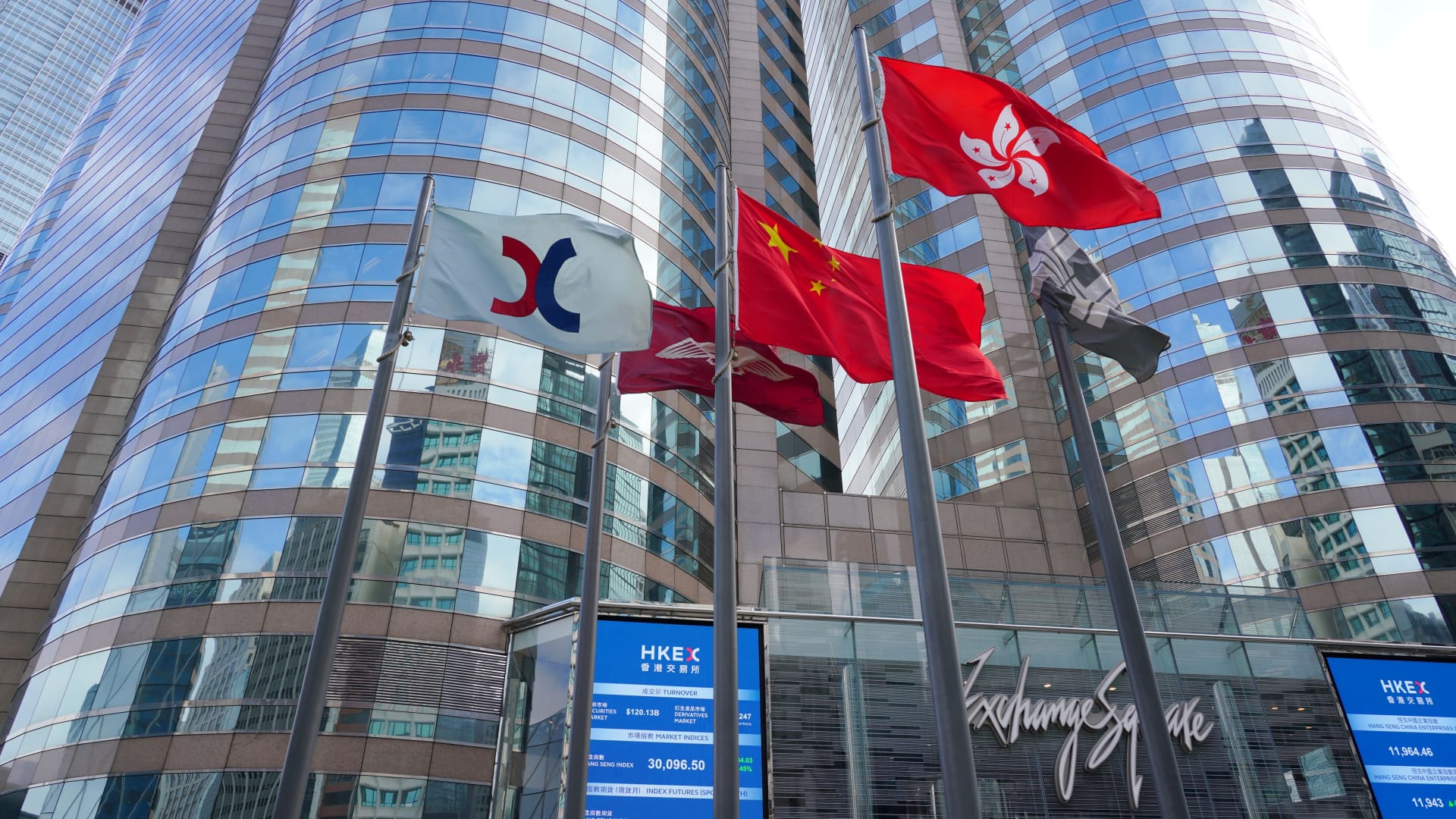
  • Hong Kong Narrows Gap on London and New York in Global Financial Index

    Hong Kong Narrows Gap on London and New York in Global Financial Index

    Hong Kong is closing in on London and New York in global financial centre rankings, trailing the front-runner by just two points.

    In the March edition of the Global Financial Centres Index compiled by London think tank Z/Yen Group and the China Development Institute, Hong Kong placed third, one point behind London and two behind New York. Michael Mainelli, chairman of Z/Yen Group, said a structural shift toward Asia, which now commands roughly 40 per cent of global finance, will eventually push an Asian city into the top spot.

    Legal Stability and Fiscal Discipline

    Mainelli pointed to the territory’s common law framework and predictable tax structure as decisive factors against Western competitors. Government spending accounts for approximately 15 per cent of gross domestic product in Hong Kong, compared with 19 per cent in Singapore and more than 40 per cent across European economies.

    Survey results from the March index showed that financial institutions prize regulatory predictability above processing speed, cost flexibility, or tax adjustments. Mainelli warned that frequent policy revisions designed to match competitor incentives risk undermining investor confidence over the long term.

    Infrastructure and Physical Gold Assets

    Competition from mainland Chinese centres has not eroded Hong Kong’s standing. Shanghai held sixth place and Shenzhen ranked ninth in the same survey, functioning as feeder markets into Hong Kong rather than direct replacements.

    Physical trading logistics continue to expand across the territory. A centralized precious metals clearing and settlement system started trial operations in July, backed by plans to expand airport vault capacity beyond 2,000 tonnes.

    For corporate treasurers and commercial operators tracking regional capital flows, the steady ranking shows that Hong Kong retains its institutional pull despite regulatory friction across other international hubs. The next edition of the Global Financial Centres Index will be published later this month.