Retail News CRM

Tag: Banking

  • Singapore FinTech Festival 2025: Blueprint for Next Decade’s Financial Technology Revolution Begins This Week

    Singapore FinTech Festival 2025: Blueprint for Next Decade’s Financial Technology Revolution Begins This Week

    The Singapore FinTech Festival (SFF) 2025, the country’s premier annual financial technology event, is set to begin this week. The highly anticipated conference will feature over 800 speakers covering a myriad of topics within the industry.

    Looking Ahead to a Decade of Innovative Finance

    This year’s theme, “Technology Blueprint for the Next Decade of Finance,” aptly underscores the forward-looking spirit of the event. Scheduled for November 12 to 14, the festival marks its 10th year of being a central hub for fintech thought leadership and innovation. The event is a collaborative effort between the Monetary Authority of Singapore (MAS), the Global Finance & Technology Network (GFTN), Constellar, and the Association of Banks in Singapore (ABS).

    Across more than 400 sessions, over 800 speakers will discuss topics such as artificial intelligence, tokenization, settlement assets, quantum technology, and financial inclusion. In addition to these speakers, the event will host over 500 sponsors and exhibitors, creating a truly global platform with over 40 international pavilions spread across six exhibition halls.

    Insights Forum and Beyond

    Before the main conference, the Insight Forum will take place from November 10 to 11. This pre-event will include Public-Private Roundtables, the second annual Layer 1 Summit, and Thematic Spotlights.

    Kenneth Gay, Chief FinTech Officer at MAS, reflected on the significance of this milestone. He noted that SFF 2025 presents a pivotal moment in the financial technology industry, setting the stage for the next decade of fintech growth and transformation.

    Similarly, Sopnendu Mohanty, Group CEO of GFTN, highlighted the importance of responsible AI utilization, safe scaling in tokenization, and the readiness for a quantum future. According to Mohanty, these areas will be critical in shaping resilient and innovative financial infrastructures.

    Chua Wee Phong, Group CEO of Constellar, shared that apart from the exhibition, the festival will also offer immersive experiences, such as a new interactive digital engagement initiative powered by Ant International’s Antom. This, along with elements like the SFF Gallery, live-streamed sessions, and after-party celebrations, will contribute to a unique festival atmosphere centered on discovery, networking, and innovation.

    Questions & Answers

    What is the theme of the Singapore FinTech Festival (SFF) 2025?
    The theme for SFF 2025 is “Technology Blueprint for the Next Decade of Finance.”

    What topics will the speakers at SFF 2025 cover?
    The speakers will cover a range of topics, including artificial intelligence, tokenization, settlement assets, quantum technology, and financial inclusion.

    What are some highlights beyond the exhibition at SFF 2025?
    Beyond the exhibition, the festival will feature immersive experiences like a new interactive digital engagement initiative, the SFF Gallery, live-streamed sessions, and after-party celebrations.

  • OCBC Maintains Steady Q3 Profit Amid Lower Interest Income: A Balance Sheet Analysis

    OCBC Maintains Steady Q3 Profit Amid Lower Interest Income: A Balance Sheet Analysis

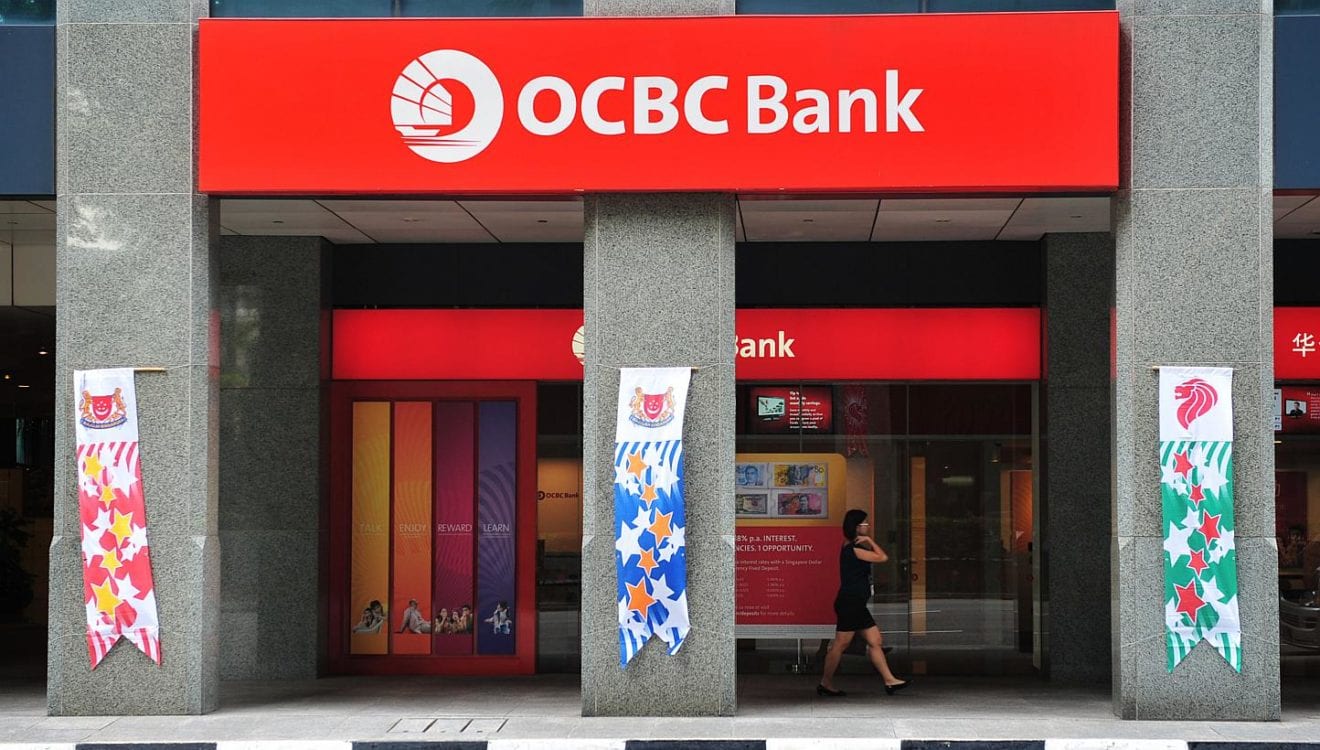
    OCBC, the Singapore-based banking corporation, has reported that its profits remained stable in the third quarter of 2025. The bank’s net earnings for the period matched the previous year’s figures, standing at approximately S$2 billion ($1.5 billion).

    Income and Expenditure Details

    The results showed that the bank’s non-interest income experienced a growth of 15 percent. It rose to S$1.6 billion, an increase driven by diversified earnings from fees, trading, and insurance. However, this upturn was balanced out by a drop in net interest income. Lowered by 9 percent due to contracting margins in a weakening interest rate environment, the net interest income fell to S$2.2 billion.

    The report also indicated a rise in operating costs, with an increase of 4 percent taking total expenses to S$1.5 billion.

    Year-To-Date Profits

    Considering the performance over the year to date, the bank’s net profit is reported to be S$5.7 billion. This signifies a decrease of 4 percent, indicating a drop in earnings from previous periods.

    Future Outlook

    Looking forward, the prospects appear challenging due to the dynamic policy environment and geopolitical tensions. Despite these complexities, OCBC’s strong balance sheet and robust capital position provide the flexibility to navigate these uncertain times. In the words of OCBC group CEO Helen Wong, their solid financial standing allows them to manage risks while continuing to serve their customers and invest in future growth.

    Questions & Answers

    What is the reported net profit of OCBC for the third quarter of 2025?
    The bank reported a net profit of S$2 billion, which is equivalent to $1.5 billion.

    How do changing dynamics in the policy environment and geopolitical tensions affect OCBC’s future prospects?
    These factors complicate the external environment, creating potential risks. However, OCBC’s robust capital position and strong balance sheet provide the flexibility to manage these uncertainties.

    What factors contributed to the 15 percent growth in OCBC’s non-interest income?
    The growth is attributed to diversified earnings from fees, trading, and insurance income.

  • Malaysia’s Digital Banking Revolution: The Race to Modernize Amid a Surge in Fintech Innovations

    Malaysia’s Digital Banking Revolution: The Race to Modernize Amid a Surge in Fintech Innovations

    As the Malaysian payments market surpasses the $90 billion mark, a significant challenge confronts traditional banking institutions – the urgent need to modernize to keep up with the rapid digital transformation and evolving consumer demands. The question then arises as to what strategies will help them stay ahead of the curve.

    The Digital Challenge

    While consumers in Malaysia are rapidly embracing digital payments, many banks are struggling to keep pace. Cards and digital wallets have become ubiquitous, fintech start-ups can offer a virtual card in minutes, and regulatory bodies are increasingly opening up the market to new players. However, banks operating on outdated systems risk being left behind in this rapidly-evolving market.

    By 2025, it is projected that card payments in Malaysia will reach MYR 422.4 billion ($92.6 billion), an increase from MYR 387 billion in 2024. This growth is largely driven by credit and charge cards, which make up nearly 60% of expenditures, with Malaysians using them more than twice as often as debit cards. Moreover, the use of contactless payment methods is now commonplace, with over 63% of consumers owning and using a contactless card.

    Regional Shift

    Despite the rise of digital payments, cash still accounts for nearly half of daily transactions in Malaysia. This is partly due to habit and partly because not all merchants and consumers are ready to completely let go of cash. As a result, banks are tasked with balancing different customer expectations – catering to the digital-savvy younger generation while also servicing traditional segments of the market.

    According to a recent study by Visa, about six out of ten consumers in Southeast Asia now prefer to go cashless, while more than seven out of ten reported having gone cashless for over a week as they experimented with new payment methods. In this context, cards continue to be the preferred payment medium, mainly due to their widespread acceptance by merchants and their use in funding digital wallets.

    Fintechs Lead the Charge

    The impact of this dual-speed market is most discernible in consumer behavior. Younger Malaysians, having grown up in the digital age, are more likely to use e-wallets and super-apps before applying for a traditional bank card. They expect financial services to be instantaneous, integrated, and accessible through familiar apps. Fintech companies have been quick to meet these demands.

    Companies like BigPay, Wise, GoPayz, and MAE offer instant virtual cards and integrate payments into everyday apps. Utilizing cloud-based systems allows them to roll out services such as multi-currency wallets and spending insights faster and more affordably than traditional banks. Moreover, lower fees on international spending and transfers make them more appealing to consumers.

    Regulatory Responses

    Regulatory bodies are also driving change. In 2022, Bank Negara Malaysia issued five licenses for digital banks under its new framework, which was updated in 2024 to enhance capital requirements and consumer safeguards. The central bank also introduced DuitNow QR as the national QR code standard, compelling banks and non-bank providers to adopt the same system. This initiative has facilitated the wider adoption of QR code-based transactions and reduced barriers to cashless transactions for consumers.

    Setting the Bar Higher for Banks

    These regulatory reforms have spurred innovation and raised the standards for banking institutions. They are part of the Financial Sector Blueprint 2022-2026, which envisions a more digital, inclusive, and fraud-protected financial system. Far from inhibiting progress, these regulations are actually accelerating it, with objectives that extend beyond convenience to include financial inclusion, resilience, and cross-border connectivity.

    Meeting Consumer Expectations

    For banks, the challenge lies in leveraging their scale and trustworthiness to gain a competitive edge in the digital realm. This necessitates direct attention to modernizing their legacy systems. Modern card management platforms can accommodate credit, debit, and digital credentials from a unified system.

    Such platforms also support instant issuance, thereby reducing the cost of maintaining multiple outdated platforms and enabling seamless integration with digital wallets and super-apps. They further offer enhanced features such as real-time fraud detection, flexible repayment options, and personalized card controls.

    Winning Customer Loyalty

    Modern platforms also open up a broader range of possibilities. They offer analytical capabilities that enable banks to detect and prevent fraud, and facilitate the design of products like ‘buy now, pay later’ schemes, which are gaining popularity among younger consumers.

    Moreover, these platforms enable banks to tailor offers and limits to individual consumer behavior, converting transaction data into personalized services. In a competitive market, these capabilities can be the key to winning customer loyalty and keeping up with fintech competitors.

    From Plans to Action

    Some banks have already commenced their digital transformation journey. For instance, Co-opbank Pertama implemented a new fraud management system to comply with stricter Bank Negara regulations and enhance online customer protection. This initiative highlighted how modern platforms can deliver regulatory compliance and a superior customer experience simultaneously.

    Further, banks that have replaced their outdated systems have been able to introduce flexible credentials – allowing a single card to switch between debit, credit, installment, or rewards – while extending fraud protection across all channels. These examples demonstrate that the shift towards digitalization is not just possible, but practical.

    Questions & Answers

    What is the projected growth of card payments in Malaysia by 2025?
    By 2025, card payments in Malaysia are expected to reach MYR422.4 billion ($92.6 billion), up from MYR387 billion in 2024.

    What steps are traditional banks taking to modernize their services?
    Many banks are adopting modern card management platforms that can issue credit, debit, and digital credentials from a single system. These platforms also offer features like real-time fraud detection, flexible repayment options, and personalized card controls.

    How are regulatory bodies in Malaysia driving the digital transformation in the banking sector?
    Regulatory bodies in Malaysia are issuing licenses for digital banks and introducing initiatives like DuitNow QR – the national QR code standard. This is part of a larger push towards a more digital, inclusive, and fraud-protected financial system.

  • Tokyo: The New Fintech Frontier Poised for $30.2 Billion Boom by 2033

    Tokyo: The New Fintech Frontier Poised for $30.2 Billion Boom by 2033

    Tokyo is spurring efforts to establish itself as a leading hub for financial technology (fintech), capitalizing on the exponential growth of digital finance in Asia. The city’s fintech market is predicted to hit an impressive $30.2 billion by 2033, growing at a steady rate of 14.1 percent annually. Leading the city’s drive to attract the most innovative fintech companies globally is FinCity.Tokyo, a financial promotion body that offers tangible support to startups seeking to penetrate the Japanese market and form enduring partnerships.

    Spotlight on Tokyo

    In a bid to showcase Tokyo’s potential, FinCity.Tokyo will host a Fintech Insight Session at the Singapore Fintech Festival (SFF) on 13 November 2025. The event, themed “Unlocking Tokyo: The Next Wave in Fintech and DeFi,” will delve into how global and ASEAN fintech enterprises can tap into Tokyo’s regulatory sandbox, burgeoning venture capital operation, and its function as a conduit for Japanese capital into Southeast Asia.

    A New Home for International Fintechs

    Tokio Morita, Executive Director of FinCity.Tokyo, announced that “ASEAN’s fintech sector is gaining strong momentum and cross-border expansion is the natural next step in its evolution.” He further noted that Japan offers more than just capital- it brings the credibility of a well-established regulatory environment and deep institutional trust. The organization’s aim is to assist fintechs from Singapore, ASEAN, and other global regions to create their secondary base in Tokyo. With the ASEAN fintech market projected to surpass $150 billion by 2030, the timing for such international collaboration is ideal.

    Enhancing Collaboration and Accelerating Web3

    The Financial Services Agency (FSA) in Japan has made strides in welcoming both local and international startups by opening its regulatory sandbox. This move allows businesses to experiment with new models in a flexible, low-barrier setting, thus facilitating smoother market entry and sparking innovation in fields like digital assets, Web3, and decentralized finance.

    Japan’s Ministry of Internal Affairs and Communications predicts that the country’s Web3 economy will grow over 20 times to 2.4 trillion yen by 2027, a testament to the strong institutional and governmental dedication to digital transformation.

    Bridging the Gap between Singapore and Tokyo

    ADDX, a Singapore-based digital securities platform, is one of FinCity.Tokyo’s success stories. The platform now collaborates with Japanese investors and key institutions. Another successful example is Lydia.ai, a healthtech startup that leverages AI to extract insights from unconventional data sources. The Co-Founder, Christina Cai, credited their successful entry into Japan’s financial ecosystem to the support they received from FinCity.Tokyo.

    Transforming Tokyo into a Fintech Launchpad

    FinCity.Tokyo’s mission goes beyond mere promotion. In collaboration with the Tokyo Metropolitan Government’s Invest Tokyo platform, the organization provides practical aid to foreign fintechs, ranging from licensing assistance to venture capital introductions. Under the Attraction U Project, eligible fintechs can receive subsidies of up to 30 million yen (approximately $200,000) to establish and expand their business in Japan.

    Building a Global Financial Hub

    Tokyo is positioning itself as a global launching pad for fintech innovators by offering regulatory clarity, institutional trust, and access to extensive Japanese capital. As the fintech landscape in Asia matures, Tokyo aims to play a crucial role in linking global innovation with one of the world’s largest and most advanced financial markets.

    Questions & Answers

    What is Tokyo’s projected fintech market value by 2033?
    The predicted value of Tokyo’s fintech market by 2033 is $30.2 billion.

    How is FinCity.Tokyo supporting fintech startups?
    FinCity.Tokyo is providing hands-on support to fintech startups by helping them enter the Japanese market and form lasting partnerships. It also offers tangible aid ranging from licensing advice to venture capital introductions.

    What is the purpose of Japan’s regulatory sandbox?
    Japan’s regulatory sandbox allows businesses to test new models in a flexible, low-barrier setting. This facilitates smoother market entry and fosters innovation in various fields, including digital assets, Web3, and decentralized finance.

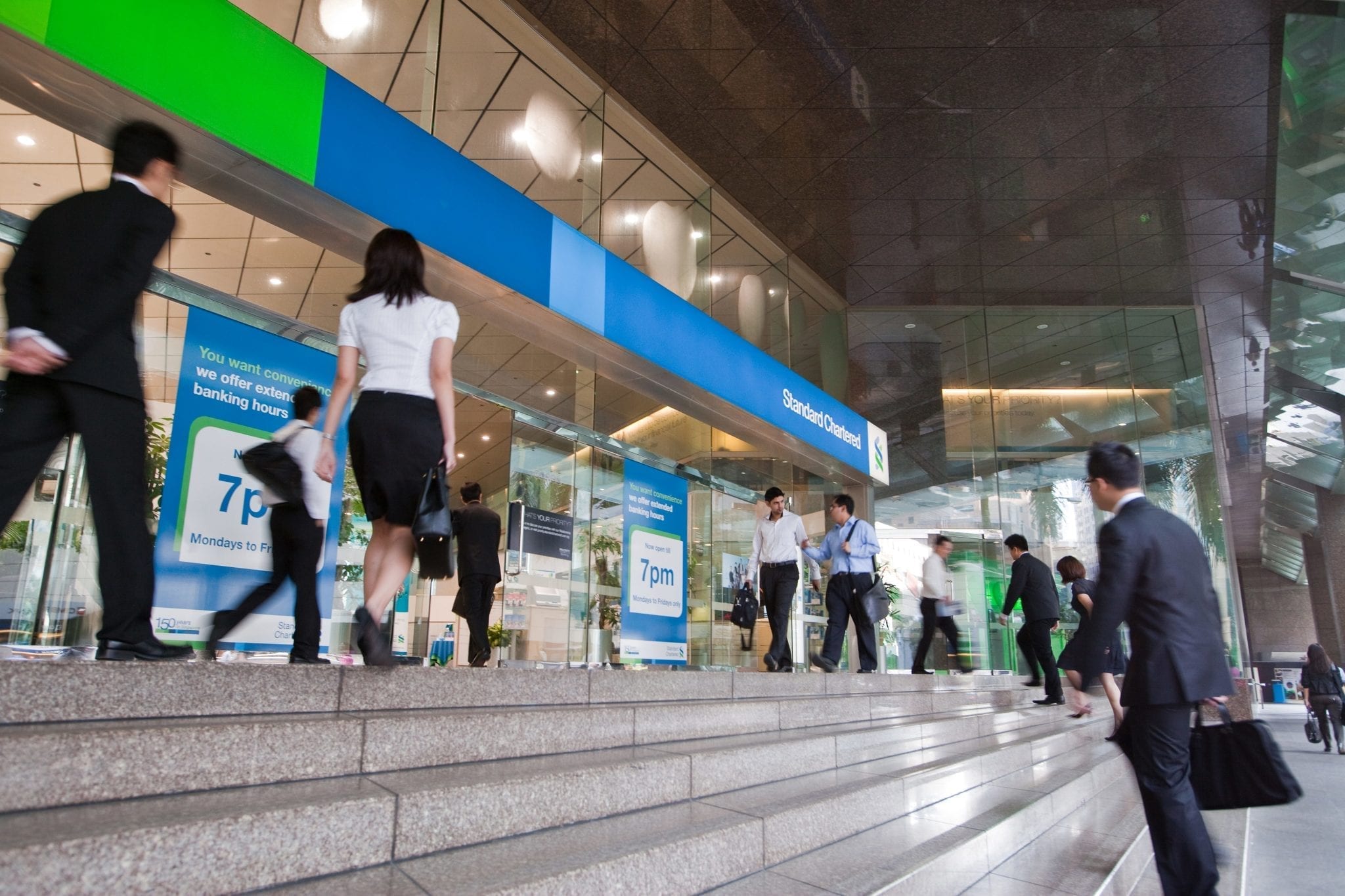
  • Standard Chartered Gears Up for Early RoTE Target Triumph Amid Q3 Profit Surge

    Standard Chartered Gears Up for Early RoTE Target Triumph Amid Q3 Profit Surge

    Following a prosperous third quarter, Standard Chartered Bank, noted for its focus on emerging markets, has reported a rise in profits. The bank now anticipates meeting its return on tangible equity (RoTE) goal ahead of its original schedule by one year.

    Financial Success in Q3

    Standard Chartered’s pre-tax profit for the third quarter of 2025 saw a 10% increase from the previous year, growing to just shy of $2 billion. This is according to the bank’s own recently released financial results.

    An increase of 5% was also noted in operating income, reaching $5.1 billion. Simultaneously, net interest income fell by 1% to $2.7 billion. However, non-interest income demonstrated a significant climb of 12% to $2.4 billion. The majority of this remarkable growth can be attributed to a record-breaking quarter experienced by wealth solutions, in conjunction with global banking. These sectors witnessed respective income growth of 27% and 23%. Meanwhile, operating expenses rose by 4% to $3 billion as a result of strategic investments intended to stimulate business development. Efficiency-related savings helped to partially offset this increase.

    The bank’s year-to-date pre-tax profit similarly displayed a promising trend, increasing by 16% to approximately $6.7 billion.

    Upward Revision of Projections

    Given these promising outcomes, Standard Chartered has revised its projections upwards. The bank now expects its operating income to demonstrate a compound annual growth rate of 5-7% from 2023 to 2026. Notably, the year 2025 is predicted to reach the upper end of this bracket, barring any remarkable items. This represents a shift from the bank’s previous forecast, which placed expectations towards the lower end of the range.

    In addition to these adjustments, the bank has also forecasted that its return on tangible equity (RoTE) will stand at roughly 13% in 2025. This indicates that the bank is on track to achieve its target one year sooner than initially planned.

    Strategic Focus Leads to Growth

    Standard Chartered’s CEO, Bill Winters, commented on the financial results, stating that the progress seen was widely distributed. However, he attributed a significant proportion of the bank’s success to a refined strategic focus on meeting the cross-border and affluent banking requirements of their clients. This stance has shown fruitful results, with substantial double-digit growth being observed in Wealth Solutions and Global Banking. There is also positive momentum in the bank’s Global Markets flow business.

    Questions & Answers

    What has led to Standard Chartered’s increase in profits in Q3?
    Standard Chartered saw a rise in profits due largely to a record-breaking quarter in wealth solutions and global banking, leading to a 10% increase in pre-tax profit for Q3.

    How has the bank revised its future projections?
    Standard Chartered now expects its operating income to demonstrate a compound annual growth rate of 5-7% from 2023 to 2026, with its return on tangible equity (RoTE) estimated to be approximately 13% in 2025.

    What strategic focus does CEO Bill Winters believe is paying off?
    Winters attributes the bank’s recent success to a strategic focus on meeting the cross-border and affluent banking needs of their clients. This has led to substantial growth in the Wealth Solutions and Global Banking sectors.

  • HSBC Amplifies Asian Venture Ecosystem with $1.5 Billion Innovation Banking Hub in Singapore

    HSBC Amplifies Asian Venture Ecosystem with $1.5 Billion Innovation Banking Hub in Singapore

    HSBC is making a significant stride into the Singaporean market with the establishment of its Innovation Banking division. This move is marked by a considerable investment of $1.5 billion, aimed at promoting rapid expansion firms and improving the local venture ecosystem.

    Services and Leadership

    The department is structured to cater to venture-supported enterprises and investors by offering specialized products and sector knowledge. Additionally, it will provide access to the vast global network of HSBC. Neil Falconer, freshly appointed as the Head of Innovation Banking in Singapore, will lead a committed team to assist current clients and broaden coverage. Concurrently, he will maintain his role in managing the Consumer, Healthcare, and TMT sectors within the International Mid-Market segment of HSBC.

    Establishment of Credit Solutions Team

    In line with the new initiative, HSBC has also founded a Credit Solutions team. Shaun Sakhrani, the Head of Credit Solutions for Singapore and the Asia Head of Platform Lending, will lead this team. The group will offer a range of financial structures to Innovation Banking clients, including venture debt and platform finance.

    Singapore, A New Addition to HSBC’s Innovation Banking

    HSBC’s Innovation Banking launch in Singapore marks the third expansion within the Asia-Pacific region in the current year. This addition bolsters its presence across the globe, joining branches in the US, UK, Australia, New Zealand, Israel, Continental Europe, India, Hong Kong, and mainland China.

    Since its launch in 2023, HSBC’s Innovation Banking has witnessed a remarkable growth in its clientele, with an increase of nearly 60 percent. The bank now boasts of a robust team of over 900 innovation finance experts with a global connection.

    In Singapore, HSBC has been backing new-economy businesses since 2021, achieving double-digit revenue growth and supporting companies such as Atome Financial, Glife Technologies, and Tickled Media.

    Singapore: A Thriving Start-Up Hub

    Singapore houses over 4,000 start-ups and flaunts a pulsating network of accelerators, incubators, and investors. As Gilbert Ng, Head of Banking – Singapore, Corporate and Institutional Banking at HSBC, stated, the city-state is an attractive hub for the start-up ecosystem in Asia-Pacific.

    Questions & Answers

    What is the main aim of HSBC’s Innovation Banking division in Singapore?
    The division aims to support high-growth companies and enhance the venture ecosystem in the region.

    Who will lead the newly established Credit Solutions team?
    Shaun Sakhrani, the Head of Credit Solutions for Singapore and the Asia Head of Platform Lending, will lead the Credit Solutions team.

    How has HSBC’s Innovation Banking grown since its launch?
    Since its inception in 2023, the client base of HSBC’s Innovation Banking has grown by nearly 60 percent. It now includes more than 900 globally connected innovation finance experts.

  • UBS Eyes Nationwide Expansion in US: A Game-Changer in Wealth Management Services

    UBS Eyes Nationwide Expansion in US: A Game-Changer in Wealth Management Services

    UBS, a Swiss multinational investment bank and financial services company, has signaled its plans to significantly expand its footprint in the United States’ financial market. This move demonstrates UBS’s dedication to deepening its presence across the American financial landscape.

    Existing Limitations and Expansion Plans

    With its current state-level charter, UBS has been able to offer its wealth management clients in the US a variety of banking services, including cash management, credit cards, and securities-based lending. However, the state-level charter also imposes certain limitations on the range of services the bank can offer.

    To expand its wealth management arsenal, UBS Bank USA, a subsidiary of UBS, has applied to the Office of the Comptroller of the Currency (OCC). The approval of this application would allow UBS to provide a more comprehensive portfolio of banking and lending services, including traditional checking and savings accounts.

    In essence, UBS is striving to deliver a full suite of banking services to its wealth management clients in the United States. This will make it easier for these clients to manage their finances in one location. The license is expected to facilitate a gradual expansion of the bank’s current range of services.

    A Testament to Long-Term Commitment

    UBS anticipates gaining regulatory approval in 2026, a process which is subject to review by the US authorities. This strategic move comes at a time when UBS is strengthening its status as the world’s largest wealth manager. This followed its acquisition of Credit Suisse and reflects its effort to balance its global scale with a deeper penetration in key markets, including the United States.

    Questions & Answers

    What does UBS’s application to the OCC imply?
    It signifies the bank’s intent to offer a broader range of banking and lending services, including traditional checking and savings accounts, to its wealth management clients in the US.

    What factors have provoked UBS’s decision to expand its services in the US?
    The decision is a reflection of UBS’s strategy to strengthen its position as the world’s largest wealth manager, following its acquisition of Credit Suisse, and to deepen its roots in key markets such as the US.

    When does UBS anticipate gaining regulatory approval for the expansion?
    UBS expects to gain regulatory approval by 2026, a process that is subject to a review by the US authorities.

  • Deutsche Bank Appoints Hsbc Veteran Cora Chiu As Head Of Investment Management, North Asia

    Deutsche Bank Appoints Hsbc Veteran Cora Chiu As Head Of Investment Management, North Asia

    Deutsche Bank Private Bank has recently welcomed an experienced HSBC FX specialist to its team. Cora Chiu has been designated as the Head of Investment Management, North Asia, a development that came into effect on December 16 and is pending regulatory approval. Chiu’s role will be to lead investment sales operations for the North Asia region, while also managing local supervisory functions over FX advisory and wealth planning resources. She will be stationed in Hong Kong, reporting to both Gian-Maria Piccolo and Fred Fong locally.

    Chiu brings with her a wealth of experience, spanning nearly two decades in various sectors including FX and commodity advisory, multi-asset trading, and product strategy. Her most recent role was as the Head of FX & Commodities, North Asia at HSBC. Chiu has a rich history of working at esteemed organizations like Citi, where she was instrumental in shaping the regional FX strategy for ultra-high net worth clients and family offices. She also has experience working at UBS, where she contributed to their wealth management and FICC (fixed income, currencies and commodities) divisions.

    Chiu will be taking over from Cedric Ko, who has chosen to explore new opportunities outside the bank. A representative from the bank confirmed the details of the internal memo.

    Questions & Answers

    Who is Cora Chiu?
    Cora Chiu is an experienced professional with nearly 20 years of experience across various sectors such as FX and commodity advisory, multi-asset trading, and product strategy. She has worked for prominent financial institutions like HSBC, Citi, and UBS.

    What is Cora Chiu’s new role at Deutsche Bank Private Bank?
    Cora Chiu has been appointed as the Head of Investment Management, North Asia at Deutsche Bank Private Bank. Her responsibilities will include leading investment sales operations for the North Asia region, and supervising FX advisory and wealth planning resources.

    Who did Cora Chiu succeed at Deutsche Bank Private Bank?
    Cora Chiu succeeded Cedric Ko in the role of Head of Investment Management, North Asia. Ko has decided to pursue new opportunities outside of the bank.

  • UBS Announces Major Executive Reshuffle; Aims For Streamlined Operations And Technological Advancement

    UBS Announces Major Executive Reshuffle; Aims For Streamlined Operations And Technological Advancement

    Swiss banking powerhouse, UBS, has recently disclosed several alterations to its executive board, including new appointments for the roles of compliance and operations.

    The reshuffling of the executive board comes after the proposal of Markus Ronner, the group’s chief compliance and governance officer, for the position of vice chairman.

    Michelle Bereaux, previously serving as the Group’s Chief Integration Officer, will step down and take on the new role of Group Head Compliance and Operational Risk Control. UBS accredits Bereaux for her significant contribution to the integration of Credit Suisse. The completion of this merger is forecasted to be by the end of 2026, and includes the transition of clients outside Switzerland and approximately two-thirds of Swiss clients.

    Beatriz Martin, currently the Head of Non-Core and Legacy, has been appointed as the Group’s Chief Operating Officer. Her new role will encompass her existing duties as the Sustainability and Impact Lead and Head of Non-Core and Legacy. Martin will also take on additional responsibilities such as overseeing the completion of the Credit Suisse integration, managing group operations, and supervising the internal consulting and governance teams. Martin will continue her duties as the EMEA President and UK Chief.

    Group Chief Technology Officer Mike Dargan will pivot his focus onto advancing the bank’s technology platforms with the objective to ensure they remain efficient, robust, and responsive to the organization’s changing needs. Dargan will also work on capitalizing on the opportunities that rapid technological advancements, particularly in AI and digital assets, present.

    Responsibilities related to governmental and regulatory affairs will be transferred to Group CFO Todd Tuckner. Meanwhile, group security will be integrated into the group’s human resources and corporate services organization under the leadership of Stefan Seiler.

    Following the announcement, UBS CEO Sergio Ermotti congratulated his colleagues on their new roles and expressed optimism about the bank’s positioning. “With these changes, UBS is ideally positioned to complete the integration, focus on growth opportunities, and continue to deliver in the best interest of all our key stakeholders,” Ermotti said.

    The new appointments are set to take effect from 1 January 2026.

    Questions & Answers

    What changes have been made to the executive board of UBS?
    Several changes have been made including the appointment of Michelle Bereaux as Group Head Compliance and Operational Risk Control, Beatriz Martin as Group Chief Operating Officer, and the transfer of responsibilities related to governmental and regulatory affairs to Group CFO Todd Tuckner.

    Who will oversee the completion of the Credit Suisse integration?
    Beatriz Martin, appointed as the new Group Chief Operating Officer, will oversee the completion of the Credit Suisse integration.

    What will be the new focus of Group Chief Technology Officer Mike Dargan?
    Mike Dargan will focus on advancing the bank’s technology platforms and capitalizing on the opportunities presented by rapid technological advancements, particularly in AI and digital assets.

  • HSBC To Acknowledge $1.1b Provision Following Luxembourg Court Ruling Tied To Madoff Scandal

    HSBC To Acknowledge $1.1b Provision Following Luxembourg Court Ruling Tied To Madoff Scandal

    HSBC, a London-based financial institution, is set to acknowledge a significant provision following a court ruling in Luxembourg, in relation to an ongoing lawsuit tied to the infamous Bernard Madoff scandal.

    The Madoff Scandal Impact

    HSBC is expected to make an accounting provision amounting to $1.1 billion in its third quarter financial results. This move comes as a consequence of the Luxembourg court’s ruling on Bernard Madoff’s fraudulent investment scheme, as stated in an official report.

    The lawsuit dates back to 2009, when Herald Fund SPC sought legal action against HSBC’s Luxembourg division. The fund sought the recovery of assets it asserted were lost in the Madoff fraud scandal. It is important to note that the British bank served as a service provider to several investment funds involved with Bernard L. Madoff Investment Securities LLC.

    HSBC’s Legal Battle

    The Luxembourg court, on October 24, 2025, rejected an appeal by HSBC Securities Services Luxembourg (HSSL) regarding the recovery of securities. Nevertheless, the court accepted HSSL’s appeal related to a separate cash recovery claim. In response, HSSL plans to file another appeal. If this appeal is unsuccessful, the firm will challenge the sum to be paid in subsequent legal proceedings.

    Implications for HSBC

    The sizable provision is estimated to affect HSBC’s common equity tier 1 (CET1) capital ratio by approximately 15 basis points. However, it is expected to have no impact on the yearly return on tangible equity, excluding notable items, nor on the distribution of dividends.

    Questions & Answers

    What is the value of the provision HSBC is expected to recognize?
    HSBC is expected to recognize a provision of $1.1 billion in its third quarter results.

    Why is HSBC recognizing this provision?
    This provision is a result of a Luxembourg court ruling tied to the Bernard Madoff investment fraud scandal.

    What will be the impact of this provision on HSBC’s financials?
    The provision is estimated to affect HSBC’s CET1 capital ratio by about 15 basis points, but it will not impact the yearly return on tangible equity, excluding key items, or the distribution of dividends.

  • Veteran Banker Chelsea Chu Takes Helm At Citi’s Corporate Banking Division In Taiwan

    Veteran Banker Chelsea Chu Takes Helm At Citi’s Corporate Banking Division In Taiwan

    Chelsea Chu, a veteran banking executive, has been appointed to head the corporate banking division of the American financial institution, Citi, in Taiwan. Based out of Taipei, Chu is expected to leverage her considerable experience in banking to enhance the bank’s performance across various customer segments within the market.

    Chu brings a formidable banking background to her new position. She has amassed 28 years of experience in the industry, with her most recent role being the head of corporate coverage for Taiwan at ANZ. Chu is no stranger to Citi, having spent two decades of her career at the bank, dealing with large corporate clients from a wide range of industries in Taiwan.

    Christie Chang, the chair of Citi Taiwan Limited, expressed the bank’s delight at welcoming Chu back into the fold. Chang highlighted Chu’s comprehensive experience and proven success as invaluable assets that will contribute to the strengthening of client relationships and solidify the bank’s leadership in Taiwan’s corporate banking sector.

    Kaleem Rizvi, Citi’s head of corporate banking for Japan, Australia, and North Asia, also shared his confidence in Chu’s ability to lead. Rizvi believes that under Chu’s leadership, Citi’s preeminent corporate banking franchise in Taiwan will continue on its robust growth trajectory.

    Since 2020, Citi has been instrumental in raising over $30 billion from global capital markets to assist Taiwanese corporate clients, underscoring the bank’s significant influence and commitment to the corporate sector in Taiwan.

    Questions & Answers

    Who has been appointed as the new head of corporate banking for Citi in Taiwan?
    Chelsea Chu has been appointed to head Citi’s corporate banking unit in Taiwan.

    Can you provide some information about Chelsea Chu’s professional background?
    Chelsea Chu has an extensive background in banking with 28 years of experience. She recently served as the head of corporate coverage for Taiwan at ANZ. Before that, she spent 20 years at Citi, handling large corporate clients across various industries in Taiwan.

    What is expected from Chelsea Chu in her new role at Citi?
    In her new role, Chelsea Chu is expected to use her vast experience to improve the bank’s performance across all customer segments in Taiwan. She is also expected to strengthen client relationships and enhance Citi’s leadership in Taiwan’s corporate banking sector.

  • UBS Expands Middle East Presence: Launches Advisory Office In Abu Dhabi Amidst Projected Wealth Boom

    UBS Expands Middle East Presence: Launches Advisory Office In Abu Dhabi Amidst Projected Wealth Boom

    UBS, the Switzerland-based banking institution, continues to broaden its reach in the United Arab Emirates (UAE) with a newly inaugurated advisory office in Abu Dhabi. This establishment is an extension of UBS AG and will deliver direct consultation services to clients from its base in the Abu Dhabi Global Market (ADGM). The institution will book its clients’ assets in Switzerland. This new office marks UBS’s second footprint in the UAE, complementing its other presence in Dubai.

    Projected Wealth Growth in the Middle East

    UBS’s expansion comes amidst projections of significant wealth growth in the Middle East. According to a report by the bank, the region’s personal wealth currently stands at a formidable $5.7 trillion. UBS, having been in the area for over six decades, is strategically positioning itself to take advantage of this wealth growth.

    Beatriz Martin, the president of UBS EMEA, remarked on this move, “Our expanded presence in the country puts us in a strong position to continue driving growth and delivering the full value of our One Bank offering to clients in Abu Dhabi and across the region.”

    Abu Dhabi as a Global Wealth Management Hub

    UBS’s presence in ADGM is a testament to Abu Dhabi’s growing status as a leading hub for global wealth management and family offices. Arvind Ramamurthy, the Chief Market Development Officer at ADGM, expressed his delight at UBS’s setup within the market. He stated that ADGM offers a perfect platform for firms like UBS to connect with regional and international investors. This connection aligns with Abu Dhabi’s aspiration to become a leading global financial hub.

    Questions & Answers

    What is the significance of UBS’s new advisory office in Abu Dhabi?
    The opening of this advisory office reinforces UBS’s presence in the UAE and positions the bank to capitalize on the projected wealth growth in the Middle East.

    What is UBS’s ‘One Bank’ offering?
    The ‘One Bank’ offering refers to UBS’s comprehensive suite of services provided to clients, which aim to fulfill all their financial needs under a single institution.

    How does UBS’s presence in ADGM align with Abu Dhabi’s vision?
    ADGM is positioning itself as a leading hub for global wealth management and family offices. UBS’s presence in the market supports this positioning and contributes to Abu Dhabi’s vision of becoming a key global financial hub.

  • Trust Bank: US Fractional Trading Comes to Singapore

    Trust Bank: US Fractional Trading Comes to Singapore

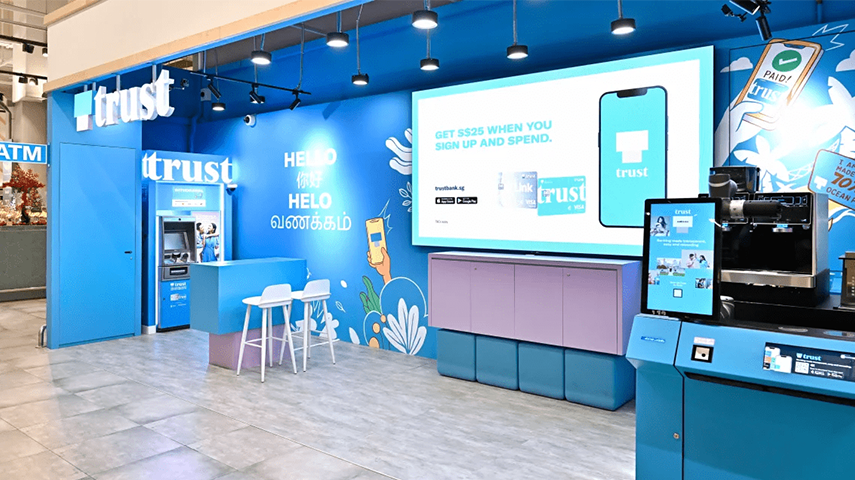
    Trust Bank is stepping into a new territory with the introduction of a trading platform for US stocks and exchange-traded funds (ETFs). This development makes Trust Bank the first in Singapore to offer fractional trading, thus offering everyday investors an easier gateway to the global marketplace.

    TrustInvest and Beyond

    In the early part of this year, Trust Bank rolled out TrustInvest, a tool aimed at simplifying the investing process and making it universally accessible. The digital banking institution is taking this promise a step further by launching a trading platform for US-listed stocks and ETFs within the Trust App.

    This innovative feature enables users to purchase and sell global equities directly within the app, creating an effortless path to investment, tracking, and increasing wealth all in one location.

    Leveraging Fractional Shares

    Trust Bank’s latest offering includes an outstanding feature: fractional trading. This facility allows customers to invest in fractions of high-priced stocks, thereby eliminating the need to invest large sums of money to own shares in their preferred companies.

    Trust Bank observes that some popular stocks and ETFs are priced over S$500 per share, but with fractional trading, even small investments can lead to building a diversified portfolio. This provision broadens the chance to access big-league entities like Netflix, Meta, or Apple for a wider range of investors.

    Diversification with ETFs and Sector Plays

    In addition to individual stocks, investors will have the opportunity to trade ETFs, offering a simple route to diversify their holdings. These funds amalgamate multiple assets – ranging from index trackers to sector-focused or digital asset portfolios – into a single investment. This strategy allows users to distribute risk while targeting specific themes or markets.

    All transactions take place within the Trust App, eliminating the need to transfer funds between different platforms. The entire experience is built to be straightforward, smooth, and secure.

    Open for Waitlist

    The waitlist for the new TrustInvest trading platform is now open for interested investors. Current Trust Bank customers can register directly within the app, while prospective users can open a Trust Savings account within a few minutes to start the process.

    Those on the waitlist will receive invitations to open trading accounts in the next few weeks.

    Empowering Every Investor

    Reflecting on the success of the initial TrustInvest launch, Dwaipayan Sadhu, CEO of Trust Bank, expressed enthusiasm about expanding the offering to allow customers to trade US stocks and ETFs. He emphasized that offering fractional trading will enable all customers to access a wide range of investments via a user-friendly and seamless banking app.

    This initiative positions Trust Bank as a pioneer in Singapore’s digital banking scene, drawing Wall Street closer to the everyday investor.

    Questions & Answers

    What is the new feature introduced by Trust Bank?
    Trust Bank has launched a trading platform for US stocks and ETFs within its app, making it the first in Singapore to offer fractional trading.

    How does the fractional trading feature benefit investors?
    Fractional trading allows investors to buy fractions of high-priced stocks, thus eliminating the need for large investments, and making the process accessible to a wider range of investors.

    How can investors join the waitlist for the new TrustInvest trading platform?
    Current Trust Bank customers can join the waitlist directly within the app, while new users can open a Trust Savings account to get started.

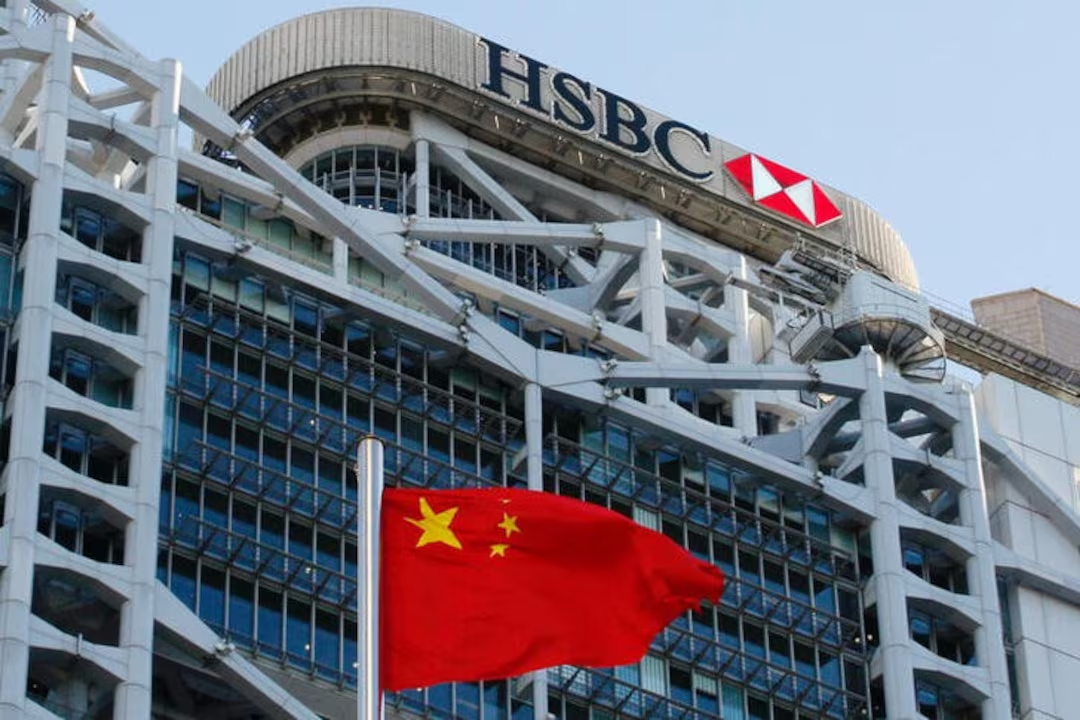
  • HSBC’s Hang Seng Deal Bets on Long-Term Gains Beating CRE Risks

    HSBC’s Hang Seng Deal Bets on Long-Term Gains Beating CRE Risks

    HSBC’s recent proposal to purchase Hang Seng has raised questions due to the potential commercial real estate risk in Hong Kong. However, some experts believe that possible long-term advantages such as cost synergies may offset these concerns.

    Deal Details

    HSBC last week proposed to take over its Hong Kong-based subsidiary, Hang Seng Bank, by purchasing the remaining 37% stake currently held by minority shareholders for HK$106 billion ($13.6 billion). This transaction values Hang Seng at $155 per share, representing approximately a 30% premium at the time of the announcement. Hang Seng is expected to maintain its individual brand, banking license, and board.

    The acquisition will be entirely financed by HSBC, which plans to restore its CET1 ratio to its target operating range of 14-14.5% by generating capital organically and pausing any further buybacks for three quarters.

    Post-announcement, Hang Seng’s share price saw an increase of approximately 26%, while HSBC’s shares dropped by nearly 8%.

    Potential Bailout Concerns

    One of the most significant concerns surrounding the deal is Hang Seng’s exposure to Hong Kong’s commercial real estate (CRE) sector, which has been experiencing a sustained decline due in part to reduced rental demand and enduring vacancies. Close to half of HSBC’s Hong Kong CRE exposure is linked to Hang Seng, which reported HK$25 billion of impaired loans in the sector as of the first half of 2025.

    Reports indicate that Hang Seng was in the initial stages of selling more than $3 billion worth of property-backed loan portfolios following HSBC’s directive to its London-based global chief corporate credit officer and the head of its special credit unit to initiate such a process three months prior. Additionally, HSBC’s Hong Kong CEO Luanne Lim was appointed as Hang Seng CEO in September, replacing Diana Cesar who was promoted to Hong Kong vice chair at HSBC.

    However, HSBC CEO Georges Elhedery maintains that the deal aims to stimulate growth. He has stated that the Hang Seng transaction was not motivated by pressure to rescue the local lender and added that the British firm would consider further acquisitions in Hong Kong, with transaction banking and wealth identified as priority growth areas.

    Analysts’ Take

    The business community has offered mixed reactions to the deal, which is yet to receive approval.

    According to a UBS report, benefits could arise from increased exposure to the high return on tangible equity (ROTE) market in Hong Kong and simplified operations. However, concerns about provisions for CRE loans persist. Jefferies downgraded HSBC from a “buy” to a “hold” status after the planned $8.5 billion share buyback plan was scrapped, noting that the Hang Seng deal would have a neutral impact on earnings per share before synergies.

    Michael Makdad, a senior equity analyst at Morningstar, stated that “parent-subsidiary double listings are inherently problematic in terms of governance and in this sense, it’s a positive and long-overdue move. Of course, HSBC will need to pay a premium so it likely wouldn’t be positive in terms of my fair-value estimate for HSBC but there should be some opportunities for cost synergies.”

    Questions & Answers

    Q: What is the potential impact of the HSBC and Hang Seng deal?
    A: While increased exposure to the high ROTE market of Hong Kong and reduced operational complexity are expected benefits, there are concerns about provisions for CRE loans.

    Q: Has HSBC’s stock been affected by the announcement to buy Hang Seng?
    A: Yes, the announcement has led to an approximately 8% drop in HSBC’s share price.

    Q: Is there a risk of a bailout related to the HSBC and Hang Seng deal?
    A: There have been speculations about a potential bailout due to Hang Seng’s significant exposure to Hong Kong’s declining commercial real estate sector. HSBC’s CEO, however, maintains that the purchase is aimed at driving growth.

  • Standard Chartered Pushes Bank-Wide Skills Revolution

    Standard Chartered Pushes Bank-Wide Skills Revolution

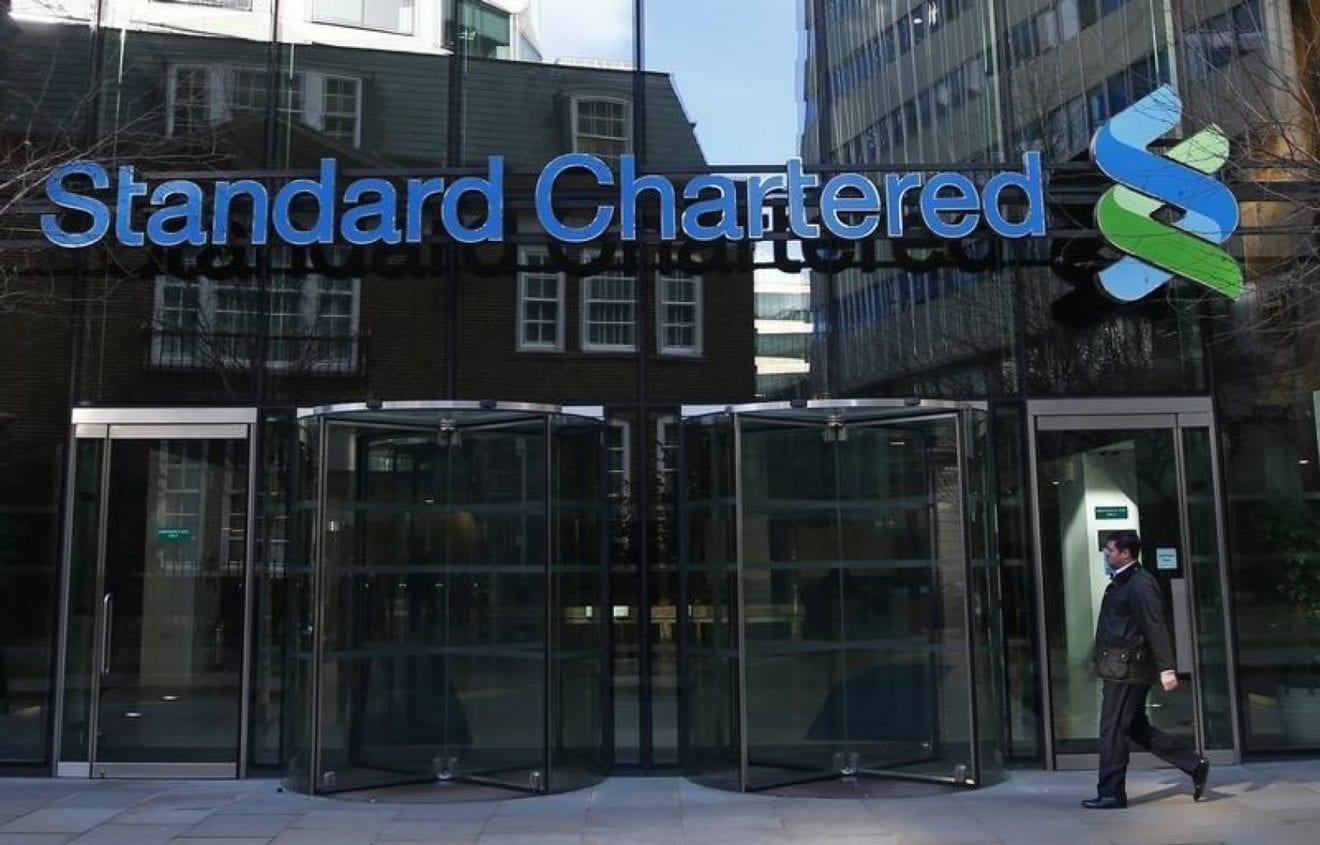
    Standard Chartered, the British banking heavyweight, is investing heavily in an initiative aimed at fostering a skills-based approach within the organisation. This multi-million-dollar venture is focused on generative AI and data literacy, intending to ensure that each employee is equipped with the necessary tools to excel in an increasingly digitized, rapidly changing financial environment.

    Investing in Future-Ready Skills

    Since its inception, Standard Chartered has invested over S$4.5 million in the initiative, which is dedicated to expediting training in emerging technologies such as generative AI and data analytics. The goal, according to Patrick Lee, CEO for Singapore and ASEAN, is to empower every employee to work more efficiently, think more creatively, and adapt rapidly to the evolving landscape. The aim is to transform the work they do and help the bank achieve its business and personnel objectives.

    Structured Learning and Recognition

    To actualise its vision, the bank established a comprehensive learning ecosystem, incorporating an AI Learning Hub and an array of IBF-accredited training programmes. The AI literacy course, which aligns with the Institute of Banking and Finance’s (IBF) Future-Enabled Skills Framework, has already been taken up by more than 15 percent of the Singapore workforce.

    SkillsFuture@SC, an initiative aimed at deepening employees’ expertise has been rolled out. Moreover, tools like SC GPT, one of the largest enterprise deployments in banking of its kind, are being employed to enhance efficiency and customer interaction.

    Data Management and Generative Intelligence

    Standard Chartered’s latest innovation is the Data Management Learning Marathon (DMLM), a program providing employees with a thorough understanding of concepts such as data quality, the data life cycle, and responsible AI.

    Used alongside SC GPT, the DMLM underscores the bank’s dedication to integrating digital intelligence into every aspect of its operations.

    Recognition for Skill Development

    Standard Chartered’s commitment to skills development has earned them the IBF Advance Award. Three of their senior leaders, Jaclyn Dove, Lee Woei Shiuan, and Richard Sykes, have been named IBF Fellows in recognition of their contributions to Singapore’s financial sector.

    CEO Patrick Lee asserted that the bank would continue to invest in talent in Singapore as a crucial global market.

    Skills Transforming Work

    Employees have already begun to see the benefits of the skills-based initiative. A senior manager in Technology & Operations now uses AI tools to streamline decision making. Similarly, a Product Wealth Specialist has incorporated GenAI capacity into an advisory platform to customize client emails and detect portfolio gaps. A business analyst is using SC GPT to decipher complex data and enhance code development.

    Commitment to a Digital Future

    With a 166-year history in Singapore and significant presence across ASEAN markets, Standard Chartered continues to demonstrate its commitment to innovation and talent development. Being awarded the “Significantly Rooted Foreign Bank” status by the Monetary Authority of Singapore (MAS) furthers the bank’s belief that transformation begins with people.

    Questions & Answers

    What is the primary goal of Standard Chartered’s training initiative?
    The main objective is to equip every employee with the skills necessary to succeed in a rapidly evolving, digital financial environment.

    What is the Data Management Learning Marathon (DMLM)?
    The DMLM is a program that offers employees a comprehensive understanding of important concepts such as data quality, the data life cycle, and responsible AI.

    What recognition has Standard Chartered received for its skill development efforts?
    The bank received the IBF Advance Award for Skills Development and three of its senior leaders were named IBF Fellows for their contributions to Singapore’s financial sector.