Retail News CRM

Tag: Banking

  • Hang Seng Bank Coo Vivien Chiu Breaks Record With $5.14 Million Hong Kong Luxury Apartment Purchase

    Hang Seng Bank Coo Vivien Chiu Breaks Record With $5.14 Million Hong Kong Luxury Apartment Purchase

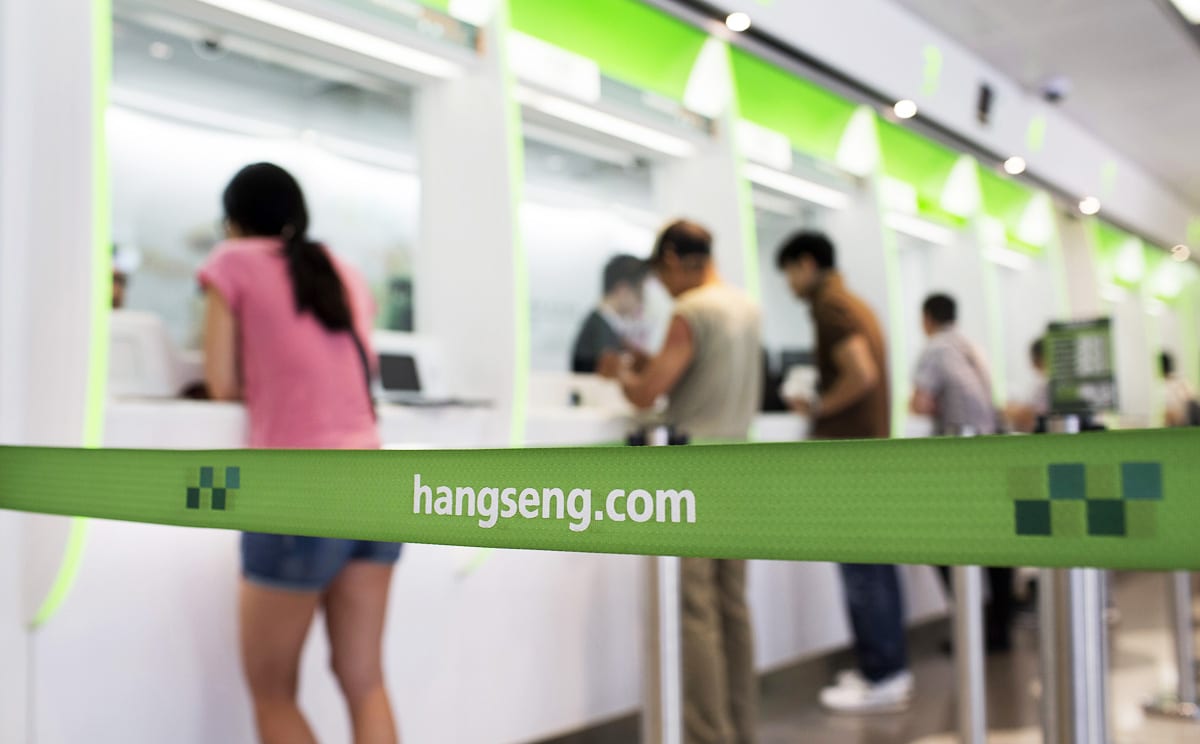
    Vivien Chiu, the Chief Operating Officer of Hang Seng Bank, has recently acquired a deluxe apartment in Hong Kong for HK$40 million, equivalent to around US$5.14 million. The cost per square foot of the 1,651 square-foot property amounted to HK$24,228, or US$33,517 per square meter, making it a record-setting purchase for the property in the current year.

    Property Details

    The luxury apartment is situated in the Beverly Hill project located in the Happy Valley area of Hong Kong. The property last changed owners in 2014 for a sum of HK$16 million. The recent handover took place on Monday, as per the Land Registry records.

    Chiu previously held positions in various departments at HSBC prior to her tenure at Hang Seng, which began in 2022.

    In a similar vein, Diana Cesar, the CEO of Hang Seng at the time, bought a flat in the upscale Flora Garden complex located in the Tai Hang Mid-Levels area in August, for a sum of HK$26.63 million.

    HSBC to Acquire Hang Seng

    Recently, HSBC announced its plans to acquire Hang Seng Bank for a staggering sum of HK$106.1 billion. Despite the bank’s recent struggles, Hang Seng will retain its own license, governance, and brand after the acquisition.

    This move comes as Hong Kong’s banking sector battles the most significant real estate slump since the late 1990s. Home prices in the city have dropped by approximately 30% from their peak in 2021.

    Housing Sector Recovery

    Despite the downturn, the housing sector has shown promising signs of recovery. According to data from the Rating and Valuation Department (RVD), the official index for second-hand home prices has increased by 1.26% since April. The index saw its fifth consecutive month of growth in August, reducing the overall decline in the year to just 0.24%.

    In August, some 5,291 homes changed ownership, representing an 8.2% decrease from July, but a 44.8% increase compared to the same period in the previous year. The total transaction value reached HK$42.2 billion, a decrease of 8.9% from the previous month but an increase of 48.2% year-over-year.

    Between January and August, the combined sales of new and existing homes increased by 10% from the previous year to 42,379 units. This is the highest level for this period in the past four years, as reported by property agency Midland Realty.

    Questions & Answers

    What is the total cost of the luxury flat purchased by Vivien Chiu?
    The total cost of the flat purchased by Vivien Chiu is HK$40 million, equivalent to around US$5.14 million.

    Who is the former owner of Hang Seng Bank, and what are the terms of the bank’s acquisition by HSBC?
    HSBC is the new owner of Hang Seng Bank. Despite the acquisition, Hang Seng will retain its own license, governance, and brand.

    What are the recent trends in Hong Kong’s housing sector?
    Home prices in Hong Kong have seen significant declines, but recent data shows signs of recovery with the index for second-hand home prices increasing by 1.26% since April.


  • HCMC Soars in Global Financial Center Rankings, Surpassing Bangkok to Claim an Impressive 3rd Place!

    HCMC Soars in Global Financial Center Rankings, Surpassing Bangkok to Claim an Impressive 3rd Place!

    Ho Chi Minh City (HCMC) has reached a significant milestone, achieving its highest ranking in the Global Financial Centers Index (GFCI) since its inception in 2022. This notable rise, documented in the latest GFCI report released last week, sees HCMC score 664, a jump of 10 points from March’s assessment.

    A Comprehensive Evaluation of Financial Hubs

    The GFCI evaluates 135 financial centers worldwide, using a nuanced matrix of indicators that includes business environment, reputation, infrastructure, human capital, and development of the financial sector. Each city’s score is derived from inputs provided by reputable third-party organizations such as the UN, World Economic Forum, and Transparency International, complemented by feedback from 4,877 financial services sector professionals.

    Forecasting Financial Growth

    With its burgeoning score, HCMC is among the 15 financial centers anticipated to exhibit robust growth over the next two to three years—a promising outlook that contrasts with Bangkok’s decline from 96th to 102nd place.

    Vietnam’s Ambitious Financial Hub Plans

    In a bold move to enhance its financial stature, Vietnam is developing an international financial hub that spans HCMC and Da Nang. Announced in a government resolution passed in June, the hub will feature a diverse array of services, from banking to capital markets associated with asset and fund management. Notably, experimental mechanisms for fintech innovation, specialized trading platforms, and derivatives are also part of the plan. The government aims to have the HCMC section operational by 2025, with full completion expected within five years—making HCMC not just another city, but a potential playground for financial progress.

    Regional and Global Financial Rankings

    Other Southeast Asian cities making their mark in the rankings include Singapore at a respectable 4th, Kuala Lumpur at 45th, Jakarta at 91st, and Manila at 104th. Meanwhile, the global top 10 list remains steadfast, with New York maintaining its lead with a score of 766, cushioning its position against the competition from London, Hong Kong, and Singapore.

    Questions & Answers

    What factors contribute to HCMC’s rise in the GFCI ranking?
    HCMC’s improved ranking is attributed to its competitive business environment, strong infrastructure, and ongoing developments in human capital and financial sector growth.

    When is the financial hub in HCMC expected to be operational?
    The HCMC section of the new financial hub is projected to be operational by 2025, with the entire development completed within five years.

    How does HCMC’s ranking compare to other Southeast Asian cities?
    HCMC ranks significantly higher than other Southeast Asian cities like Bangkok, which dropped to 102nd, while Singapore remains the leader in the region at 4th globally.

  • Bankers Association Sounds Alarm as UBS Stands Firm on New Big Bank Regulations

    Bankers Association Sounds Alarm as UBS Stands Firm on New Big Bank Regulations

    Rethinking Banking Regulations: The SBA Takes a Stand

    Amid the fallout from the Credit Suisse crisis, the Swiss Bankers Association (SBA) has raised its voice against the Federal Council’s aggressive plans to overhaul capital requirements for foreign subsidiaries. The SBA argues that the issues at play were not the low capital requirements themselves, but rather the extensive exemptions granted by the financial regulator Finma to various institutions.

    “The lesson is clear: we must eliminate these exemptions moving forward,” the SBA stated in a recent announcement. “Yet the Federal Council intends to substantially increase capital requirements for foreign subsidiaries—a move that lacks international precedent and is divergent from practices in other financial hubs like the U.S. and Europe.”

    New Rules, New Risks: Impact on Competitiveness

    The SBA warns that the Federal Council’s proposed changes could diminish the attractiveness of conducting international business from Switzerland—a significant concern given that approximately half of the 9.3 trillion francs in assets managed in the country originates from foreign clients. The association contends that it is naive to think the burden of increased costs can simply be offloaded onto international clients. Ultimately, it would be the entrepreneurs, customers, and local clients who pay the price through more expensive loans and diminished services, triggering a decline in Swiss competitiveness.

    Calls for Deliberation: Assessing Economic Impact

    In light of these proposals, the SBA is advocating for a balanced, internationally coordinated approach to regulatory changes. They insist that a thorough economic impact assessment is crucial before implementing any drastic measures. The association noted that while the Federal Council recognizes regulatory relief as a critical economic objective, this vision must also extend to banking regulations. The message is clear: finance and industry are intertwined, and the SBA pledges its commitment to contribute constructively to this ongoing discussion.

    UBS Takes a Stand: Concerns Over Proposed Capital Increases

    UBS has weighed in on the matter, expressing that while they are reviewing the government’s latest documents, they generally support most of the proposals put forth by the Federal Council on June 6, 2025, provided these changes are implemented in a “targeted, proportionate, and internationally aligned” manner.

    However, UBS draws the line at the proposed hikes in capital requirements, labeling them “extreme” and misaligned with global standards. The bank argues that the lessons from Credit Suisse’s collapse have not been adequately prioritized. UBS elaborated that compliance with the new requirements would mean adding an additional USD 24 billion in CET1 capital to the already mandated USD 18 billion, resulting in a total of USD 42 billion. This scenario would push UBS’s CET1 ratio to around 19 percent, soaring above the average required for globally systemic banks—by at least 50 percent.

    Questions & Answers

    What are the main concerns of the Swiss Bankers Association regarding the Federal Council’s proposals?
    The SBA is particularly concerned that the increased capital requirements for foreign subsidiaries will make international business less appealing, which could ultimately lead to higher costs for entrepreneurs and clients in Switzerland.

    How does UBS view the proposed capital increases following the Credit Suisse crisis?
    UBS firmly rejects the proposed hikes, calling them extreme and not aligned with international standards. They argue that they would force UBS to hold an unsustainable amount of capital, significantly above the average for global banks.

    What does the SBA suggest for future regulatory changes?
    The SBA calls for a comprehensive economic impact assessment before implementing drastic policy shifts and stresses the need for international coordination to ensure that regulatory relief is genuinely achieved in banking.

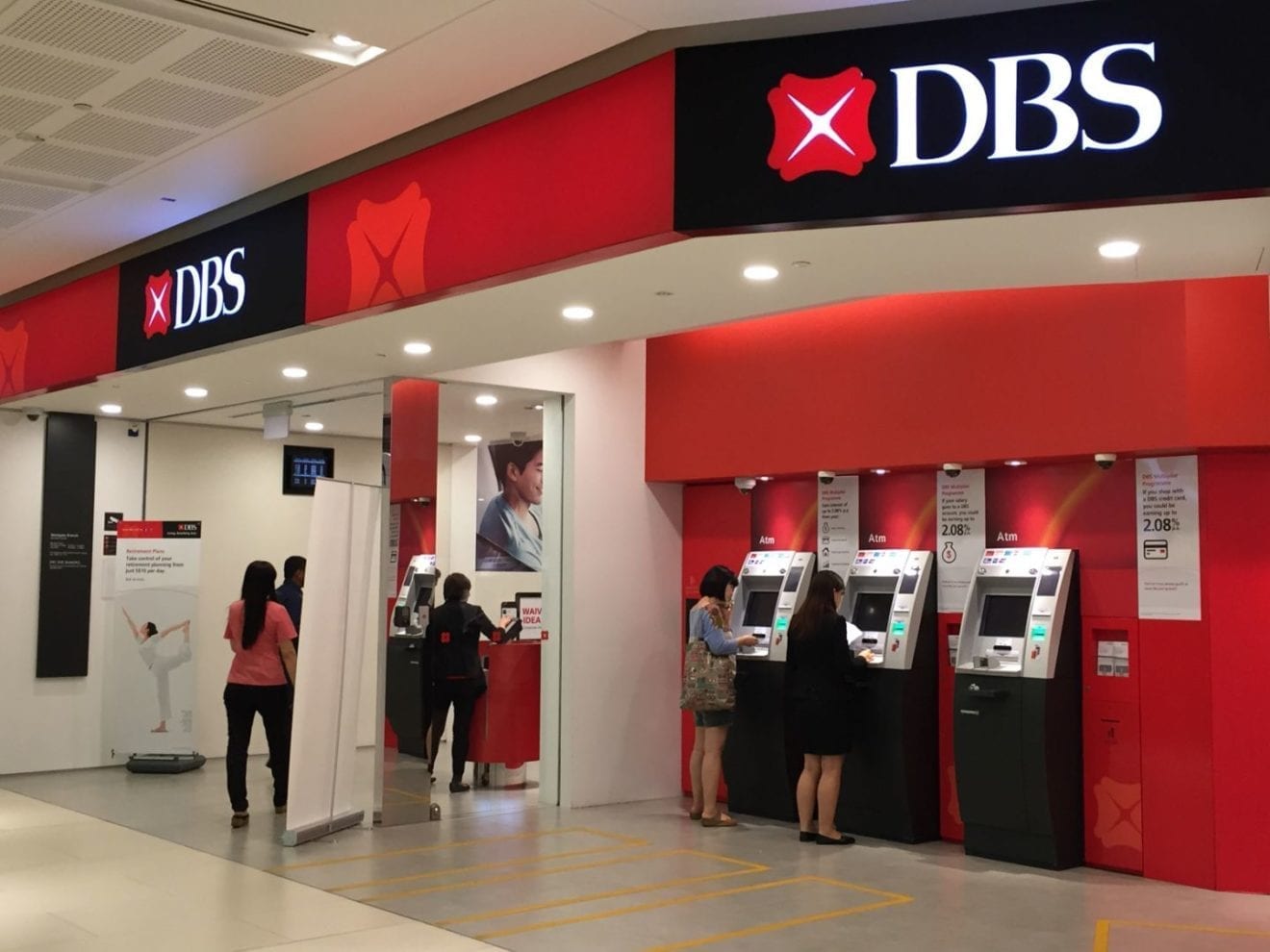
  • DBS’s Multi-Family Office VCC Reaches Milestone with S$1 Billion in Assets Under Management!

    DBS’s Multi-Family Office VCC Reaches Milestone with S$1 Billion in Assets Under Management!

    In a remarkable feat, DBS Private Bank’s multi-family office has soared to a record S$1 billion in assets under management (AUM) merely two years post-launch. The DBS Multi Family Office Foundry VCC (DBS MFO), which debuted in 2023, proudly claims the title of the world’s first bank-backed multi-family office. Since its inception, this financial innovator has attracted 25 ultra-high-net-worth (UHNW) families from across the globe, according to a press release from Singapore’s largest bank issued on September 23, 2025.

    Intriguingly, many of these families initially contemplated establishing their own single-family offices (SFO) in Singapore. However, DBS has successfully enticed them with appealing features including “cost optimization, manpower benefits, and streamlined administration” offered by the DBS MFO.

    Among the appealing services provided is a “plug-and-play” solution that allows families to set up a sub-fund through DBS. This arrangement automatically qualifies for tax incentives through the Variable Capital Company (VCC) structure. Furthermore, DBS takes care of ongoing regulatory reporting, ensuring that capital is professionally managed within the bank’s robust framework.

    To join this exclusive club, clients need an investment of just S$15 million, and intriguingly, there’s no requirement to invest exclusively in DBS products. This flexibility has clearly resonated with clients: as of September 2025, DBS has a hand in more than one-third of Singapore’s established SFOs, showcasing significant growth as its Family Office AUM has more than doubled in just two years.

    Lee Woon Shiu, group head of wealth planning, Family Office & Insurance Solutions at DBS Private Bank, noted that client interest in succession planning and wealth preservation is surging. DBS is currently engaging with over 15 prospective clients who are exploring the potential of the DBS MFO as an attractive solution to their financial needs. “We are on track to achieve our goal of doubling our AUM by the end of 2026,” Lee confidently asserted.

    Questions & Answers

    What is the DBS Multi Family Office offering that differentiates it from traditional family offices?
    DBS MFO provides a bank-backed model that includes streamlined administration, cost optimization, and a “plug-and-play” sub-fund setup benefiting from tax incentives.

    How much do clients need to invest to qualify for DBS MFO?
    Clients are required to invest a minimum of S$15 million, which opens the door to a range of tailored wealth management services.

    What future targets does DBS aim to achieve with its multi-family office?
    DBS is aiming to double its assets under management to S$2 billion by the end of 2026, propelled by increasing client interest in succession planning and wealth preservation.

  • Revolut Unveils Ambitious Multi-Billion Expansion Plan to Revolutionize Retail Banking

    Revolut Unveils Ambitious Multi-Billion Expansion Plan to Revolutionize Retail Banking

    Revolut Embarks on Bold Expansion Journey

    The British fintech giant Revolut marked a significant milestone this Tuesday with the unveiling of its new global headquarters in London, paired with an ambitious growth strategy that promises to reshape the financial landscape.

    Over the next five years, the company aims to channel a remarkable 11.5 billion euros into its operations, a move set to create 10,000 new jobs worldwide. This investment includes a substantial 3.4 billion euros earmarked for the United Kingdom and an additional billion for France, signaling a strong push in key European markets.

    Europe and Latin America: A Dual Focus

    Revolut is reinforcing its foothold in Europe with a newly established hub in Paris and plans for new branches in Portugal and Belgium. This strategic expansion marks an exciting phase for the fintech, effectively connecting it to a larger audience across the continent.

    Turning its gaze to Latin America, Revolut is gearing up to operate as a bank in Mexico by early 2026, with intentions to extend its reach to Colombia and Argentina soon after. The company is also actively seeking new banking licenses in the Asia-Pacific, Middle East, and African regions. Recently, it secured approval to provide payment services in the United Arab Emirates, a noteworthy step in its global ambitions.

    Innovative Marketing and the Buzz Around Switzerland

    Beyond its financial endeavors, Revolut is making waves in the marketing arena with its newly announced collaboration with the Audi F1 Team. This partnership, which includes plans for limited edition co-branded cards, is likely to create a buzz among motorsport enthusiasts and financial fans alike — imagine driving down the track with your banking details at the speed of light!

    However, the company remains tight-lipped about its plans for the Swiss market. Despite ongoing speculation over the past few years about obtaining a banking license in Switzerland, there’s still no official confirmation from Revolut on this front.

    Questions & Answers

    What is Revolut’s total investment plan over the next five years?
    Revolut plans to invest a staggering 11.5 billion euros worldwide over the next five years.

    Which new markets is Revolut targeting in Latin America?
    In Latin America, Revolut aims to begin banking operations in Mexico by early 2026, with future expansions planned for Colombia and Argentina.

    What marketing partnership is Revolut pursuing?
    Revolut has partnered with the Audi F1 Team, planning to roll out limited edition co-branded cards as part of its marketing strategy.

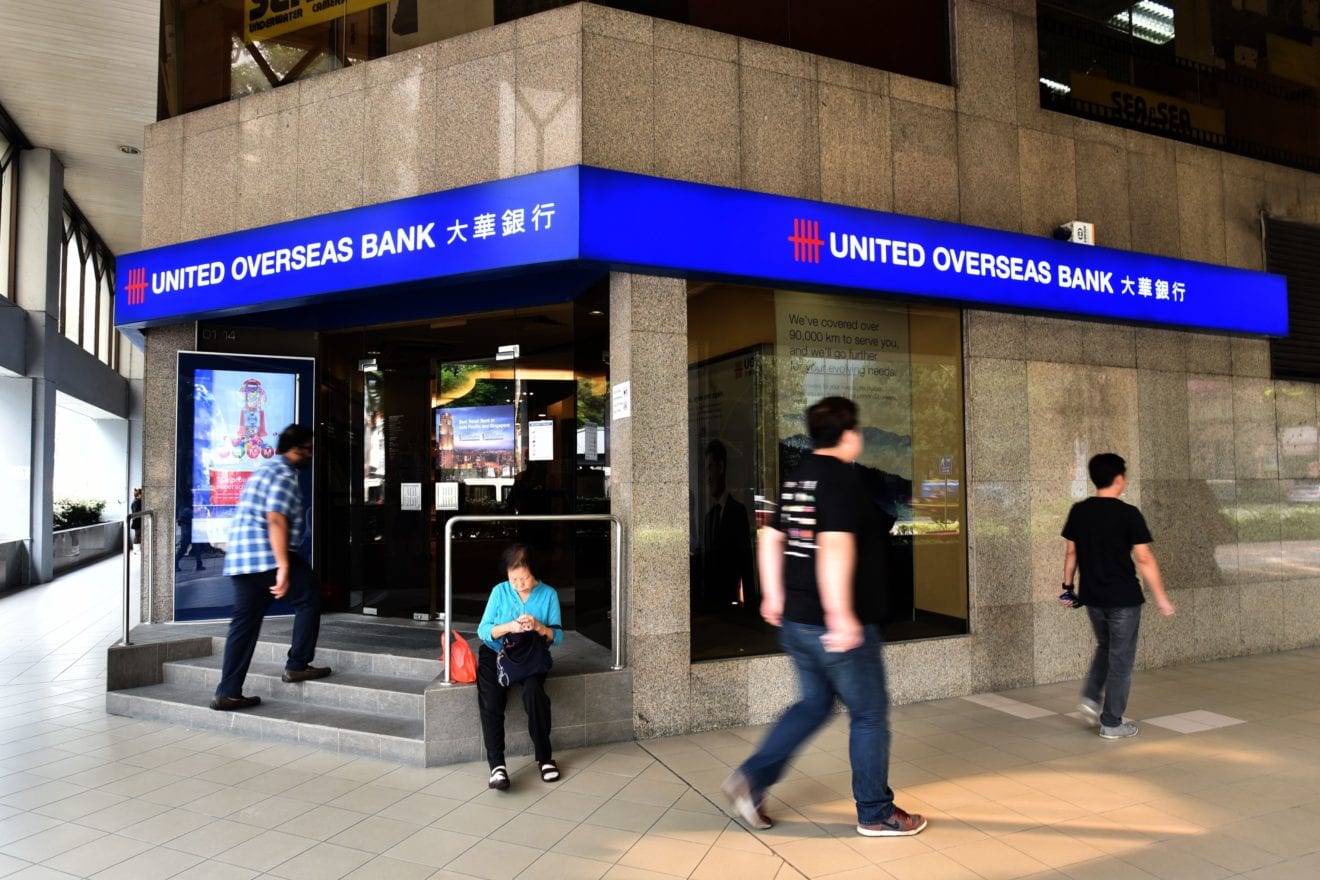
  • UOB Joins Forces with Hengfeng Bank and Shangao Holdings to Propel Chinese Firms’ Global Expansion

    UOB Joins Forces with Hengfeng Bank and Shangao Holdings to Propel Chinese Firms’ Global Expansion

    UOB has embarked on an exciting collaboration with Hangfeng Bank Co. Ltd. and Shangao Holdings Group Limited, marking a significant stride toward fostering green development and infrastructure. Announced on September 18, 2025, this tripartite memorandum of understanding aims to enhance financial solutions that empower Chinese businesses seeking to extend their reach overseas, particularly in areas tied to sustainable transformation.

    Empowering Cross-Border Trade and Investment

    The partnership will focus on a myriad of financial services, including cross-border trade financing, investment banking, and tailored advisory services that resonate with the goals of the Belt and Road initiative. As the global focus shifts towards sustainability, UOB’s initiative underscores a pivotal blend of finance and environmental consciousness.

    Profiles in Investment: Shangao and Hangfeng

    Shangao Holdings, a subsidiary of Shandong Hi-Speed Holdings Group, has carved a niche in industrial investments revolving around new energy and infrastructure. The company plays a crucial role in managing vital transportation assets like toll roads, bridges, and rail transit facilities. Meanwhile, Hangfeng Bank, rooted in Shandong province, is celebrated for its transaction banking prowess and cross-border capabilities—ideal complements to UOB’s expansive regional network and Shangao’s investment acumen.

    A Remarkable Signing Event

    The memorandum was officially signed at the opening ceremony of the 2025 Singapore-Shandong week held at Marina Bay Sands, a fitting venue for such an ambitious partnership. UOB’s executive director for corporate wealth management, Janice Leong, represented the bank, joined by Shen Zhenghua, general manager of Hangfeng Bank’s transaction banking department, and Li Tianzhang, chairman of Shangao Holdings Group. The trio’s signatures symbolize a commitment to not only growth but also to a greener future, proving that when money talks, it can also advocate for the planet.

    Questions & Answers

    What are the main objectives of the partnership between UOB, Hangfeng Bank, and Shangao Holdings?
    The primary goals include providing financial solutions that support Chinese enterprises expanding internationally, with a focus on sectors aligned with green transformation, such as sustainable infrastructure.

    How will the collaboration benefit businesses in China?
    This partnership will facilitate cross-border trade financing and investment banking services, thereby easing international expansion for Chinese businesses while promoting sustainable practices.

    Where was the memorandum of understanding signed?
    The MOU was signed during the opening ceremony of the 2025 Singapore-Shandong week at the prestigious Marina Bay Sands in Singapore.

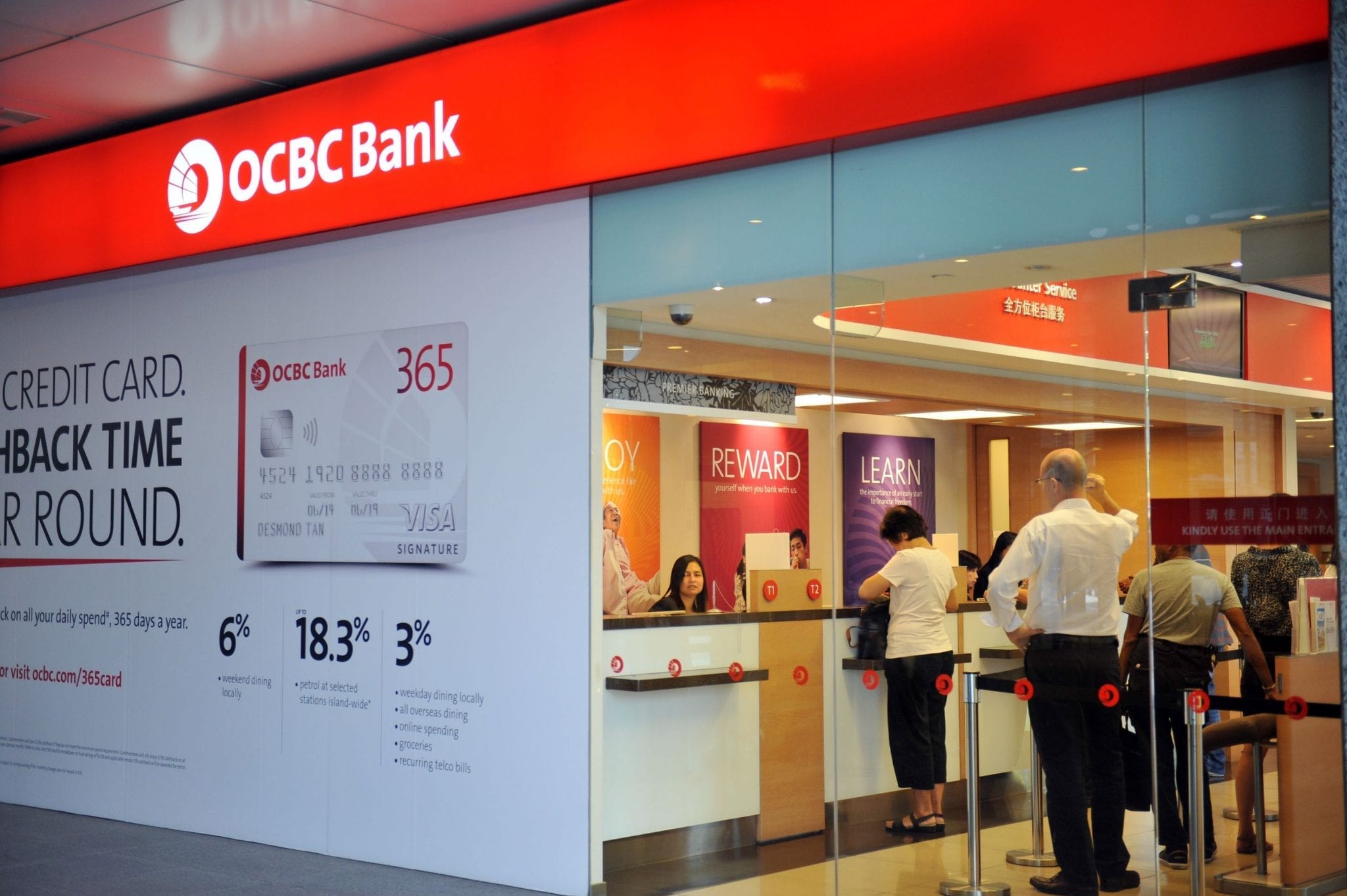
  • OCBC Commits to Empower 10,000 Women Entrepreneurs with Social Loans by 2030

    OCBC Commits to Empower 10,000 Women Entrepreneurs with Social Loans by 2030

    In a bold move to empower female entrepreneurship across Southeast Asia, OCBC Bank has set its sights on a big goal: to provide social loans to 10,000 women entrepreneurs by 2030. This initiative, aimed at small and medium enterprises (SMEs), spans Singapore, Malaysia, Hong Kong, and Indonesia, marking a significant commitment to fostering economic growth among women-owned businesses.

    Achievements So Far

    As of June 2025, OCBC has made impressive strides, supporting over 2,000 women-owned SMEs with social loan commitments nearing $600 million. This support is part of a larger vision to increase financial accessibility for women entrepreneurs, who often face unique challenges in securing funding.

    Tailored Programs for Women Entrepreneurs

    OCBC’s initiatives include the OCBC Women Unlimited Programme, which was launched in Singapore in April 2024 and introduced in Malaysia in August 2025. In Indonesia, the initiative takes the form of the Women Warriors Programme, which has been operational since 2020. These programs don’t just provide capital; they aim to cultivate an ecosystem where women entrepreneurs can thrive.

    Understanding the Challenges

    The data paints a compelling picture: one in three of OCBC’s SME customers across Singapore, Malaysia, Indonesia, and Hong Kong are women. However, it also highlights a stark reality — women-owned SMEs in Singapore report approximately 30% lower sales turnover growth in their first three years compared to their male counterparts. Fortunately, those who secure financing through OCBC’s initiatives have shown the capacity to close this gap, demonstrating the transformative power of financial support.

    The Road Ahead

    With ambitious plans to extend its reach and enhance the financial landscape for women entrepreneurs, OCBC is not just banking on numbers; it’s betting on the untapped potential of women-led businesses in Asia. In a future where every woman entrepreneur can dream big, OCBC aspires to be the catalyst that turns those dreams into reality.

    Questions & Answers

    How many women-owned SMEs has OCBC supported so far?
    OCBC has supported over 2,000 women-owned SMEs across Southeast Asia as of June 2025.

    What kind of financial assistance does OCBC offer to women entrepreneurs?
    OCBC provides social loans of up to S$100,000 for women-owned SMEs within their first two years of incorporation, with waived processing fees for these loans.

    How do sales turnovers compare for women-owned SMEs versus male-owned ones?
    Women-owned SMEs in Singapore typically experience about 30% lower sales turnover growth in their first three years compared to male-owned SMEs, however, those that secure financing can bridge this gap.

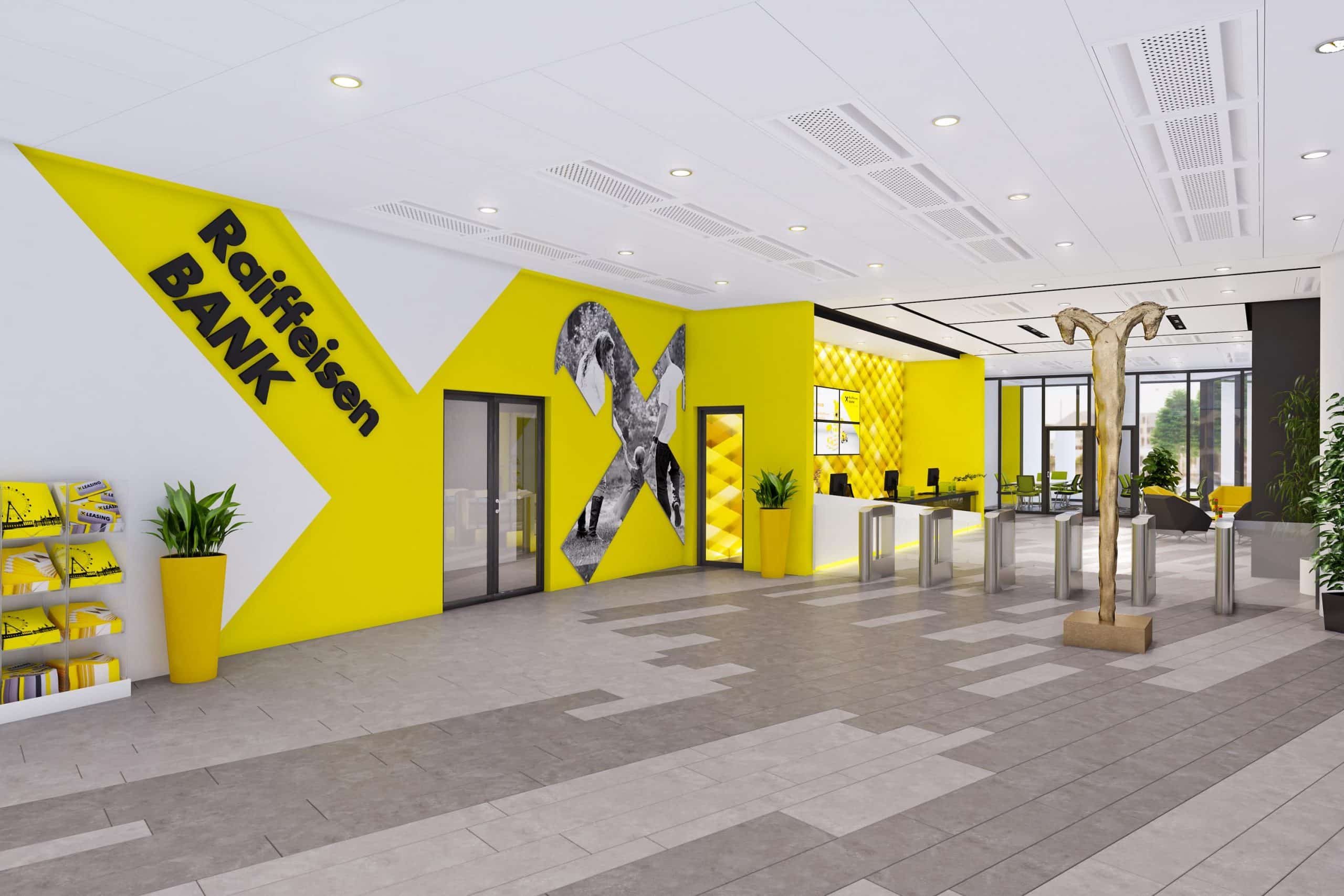
  • Raiffeisen Unveils Exciting Strategy Extension: A New Chapter for Growth!

    Raiffeisen Unveils Exciting Strategy Extension: A New Chapter for Growth!

    Raiffeisen Delays New Strategy: Aiming for Cohesion at the Top

    Raiffeisen has announced a significant shift in its strategic planning timeline, opting to unveil a new group strategy at the end of 2026 instead of the previously anticipated date. This one-year delay is a strategic move to ensure that both the incoming chair of the board and the newly appointed CEO, Gabriel Brenna, have a hand in shaping the bank’s future direction, as the institution stated in a recent release.

    The new board chair is set to be elected during the general meeting scheduled for June 2026. Current chair Thomas Müller has confirmed he will not seek re-election, leaving the board in search of a successor—a process that is still actively underway. In a game of musical chairs, the position has become particularly crucial, with the leadership baton passing hands in a race against time.

    Turning the page, Brenna will officially step into the CEO role in December 2025, succeeding Heinz Huber, who announced his resignation in December 2024. By synchronizing these changes, Raiffeisen seems keen on building a cohesive leadership team—one that can navigate the complex landscape of the banking sector, perhaps hoping to avoid any hiccups that could lead to strategic misalignment. After all, in the world of retail banking, an indecisive leader can be like an empty shopping cart: lacking direction and prone to drift.

    Questions & Answers

    Why has Raiffeisen decided to delay its new group strategy?
    Raiffeisen has postponed its strategy rollout to ensure that both the new CEO and the incoming chair of the board can participate in the development process, fostering a more cohesive leadership vision.

    When will the search for a new board chair be resolved?
    The election for the new chair is set for June 2026, with the current chair, Thomas Müller, opting not to seek re-election.

    What changes are expected with the new CEO Gabriel Brenna?
    Gabriel Brenna is set to take over in December 2025, succeeding Heinz Huber, marking a pivotal moment in Raiffeisen’s leadership and strategic direction as he shapes the future of the bank.

  • UOB Upgrades Vietnam’s 2025 GDP Growth Forecast to an Optimistic 7.5%

    UOB Upgrades Vietnam’s 2025 GDP Growth Forecast to an Optimistic 7.5%

    Vietnam’s economy is on a remarkable upswing, with the latest data from UOB’s Global Economics & Markets Research unit indicating a booming GDP expansion of 7.52% in the first half of the year—the fastest growth for this period since 2011. This vibrant increase is largely driven by a notable 14% surge in exports, fueled further by a boost in market sentiment following U.S. President Donald Trump’s temporary reduction of reciprocal tariffs to a baseline rate of 10% for 90 days.

    Tariff Landscape and Future Projections

    The elimination of tariff uncertainties in the second half of the year has set the stage for Vietnamese exports, with specific rates now locked in ahead of the August deadline. Vietnam faces a 20% levy but remains hopeful; UOB forecasts a solid 10% growth in exports for 2025, building on last year’s impressive 14% growth.

    Manufacturing and Foreign Investments Flourish

    Additional indicators reflect Vietnam’s economic resilience. The Manufacturing Purchasing Managers’ Index (PMI) rebounded to 52.4 in July, emerging from three months of contraction. Meanwhile, industrial output surged by 9% year-on-year, indicating robust manufacturing activity amidst fluctuating global conditions.

    Foreign direct investment (FDI) has also shown signs of vitality, reaching $13.6 billion as of July, a rise from $12.6 billion the previous year. Analysts suggest that full-year inflows could exceed $20 billion, although this would still trail last year’s total of $25.4 billion.

    A Bold Infrastructure Investment Plan

    In a bid to solidify growth, Vietnam’s government announced an ambitious $48 billion infrastructure investment plan in mid-August, encompassing 250 projects. This plan prioritizes urban development and transport, with 129 projects financed at a cost of $18 billion, while the remaining 121 projects—valued at $30.5 billion—will attract financing from foreign entities.

    Glimmers of Optimism in Monetary Policy

    UOB maintains its outlook for 2026 at a consistent 7% growth rate, with the Vietnamese government aiming for a target GDP growth of 8.3-8.5% for the current year. UOB analysts suggest that the strong second-half outlook, coupled with ongoing pressures on the Vietnamese dong, will likely keep the central bank’s refinancing rate steady at 4.5%. If drastic weakening of business conditions occurs, a reduction to a pandemic-era low of 4% could be considered—though this scenario remains unlikely.

    On the currency front, the dong may find itself struggling to capitalize on a potential weakening of the U.S. dollar, likely to occur once the Federal Reserve begins to cut rates. Nevertheless, UOB forecasts that dollar exchange rates will ease gradually, projecting VND26,300 in the last quarter of this year, VND26,200 in the following quarter, and VND26,000 by the third quarter of 2026.

    Questions & Answers

    How is Vietnam’s GDP growth in the first half of this year compared to past years?
    Vietnam’s GDP grew by 7.52% in the first half of the year, marking the fastest expansion for that period since 2011.

    What are the key drivers behind this growth?
    The robust growth is primarily attributed to a significant 14% increase in exports, supported by positive market sentiment following tariff reductions announced by the U.S. government.

    What steps is the Vietnamese government taking to sustain economic growth?
    Vietnam unveiled a $48 billion infrastructure investment plan covering 250 projects, with a focus on urban development and transport, showing a strong commitment to enhancing economic foundations.

  • Bank of Commerce Philippines Enhances Service with Upgraded Systems for 140 Branches and ATMs!

    Bank of Commerce Philippines Enhances Service with Upgraded Systems for 140 Branches and ATMs!

    In a bold step towards modernizing its operations, Bank of Commerce (BankCom), a prominent Philippine bank, has successfully migrated to a new core banking system. This significant upgrade, which encompasses the bank’s 140 branches and expansive ATM network, was officially announced on September 15, 2025.

    A Collaborative Triumph

    BankCom’s ambitious project was brought to fruition through a partnership with Infosys, a leader in digital banking solutions, and IBM, renowned for its expertise in global hybrid cloud services and artificial intelligence. BankCom president and CEO Michaelangelo R. Aguilar highlighted the collaborative effort behind the migration, noting that it was completed in just one weekend due to the seamless coordination among employees, vendors, and partners.

    Enhancing Customer Experience

    Aguilar emphasized the importance of these advancements, stating, “These enhancements are a significant part of our digital transformation, as we continue to innovate to help ensure we’re delivering better banking experiences for our customers.” As part of the upgrade, BankCom aims to enhance flexibility in its product and service offerings while significantly improving the efficiency, reliability, and security of its banking experience.

    Financial Strength and Industry Position

    BankCom is not just any bank; it’s a publicly-listed universal institution and an affiliate of the San Miguel Corporation (SMC). The bank reported an impressive unaudited net income of PHP 1.86 billion as of June 30, 2025, further solidifying its position as a key player in the Philippine banking landscape.

    Questions & Answers

    What motivated BankCom to upgrade its core banking system?
    BankCom aims to innovate and enhance customer experiences through improved flexibility, efficiency, and security across its banking services.

    How long did the migration take and what facilitated its success?
    The migration was completed in just one weekend, thanks to the close cooperation among employees, vendors, and partners.

    What is BankCom’s recent financial performance?
    As of June 30, 2025, BankCom reported an unaudited net income of PHP 1.86 billion, strengthening its market presence and financial stability.

  • Dollar Experiences Slight Dip Against Dong in Black Market Trading

    Dollar Experiences Slight Dip Against Dong in Black Market Trading

    The U.S. dollar fell against the Vietnamese dong on the black market Saturday morning despite a global gain.

    Dollar Moves in Unexpected Ways

    The U.S. dollar dipped by 0.24% to VND 26,950 at unofficial exchange points on Saturday. This drop occurred even as the greenback gained globally, highlighting the fluid dynamics at play in foreign exchange markets.

    Official Rates Hold Steady

    Meanwhile, Vietcombank maintained its official exchange rate at VND 26,476, while the State Bank of Vietnam opted to keep its rate unchanged at VND 25,216. This stability in local rates contrasts sharply with the movements observed in the black market, where traders often respond more acutely to shifts in sentiment and market conditions.

    A Global Context

    In the broader global landscape, the dollar had a mixed day on Friday, recovering slightly after experiencing a downturn fueled by a rise in U.S. jobless claims and a slight increase in inflation. As anticipation builds ahead of next week’s Federal Reserve meeting—where analysts speculate a potential interest rate cut could take place after a substantial pause—the currency faces additional scrutiny.

    Yen and Dollar Dynamics

    The dollar gained 0.2% against the yen, reaching 147.53 yen. This marks three consecutive weeks of growth against the Japanese currency. The latest U.S.-Japan joint statement emphasized the importance of allowing markets to dictate exchange rates, urging against excessive volatility. Traders have keenly absorbed this messaging, further influencing market behavior.

    Trends on the Dollar Index

    The dollar index remained relatively stable at 97.59, yet it is poised for its second straight weekly decline, with a 0.1% drop over the week. This slight shift signals traders’ cautious approach as they navigate uncertainties ahead in the market.

    Questions & Answers

    How did the U.S. dollar perform against the Vietnamese dong on the black market?
    The U.S. dollar fell by 0.24% to VND 26,950 at unofficial exchange points, contrasting with its global gains.

    What exchange rates did Vietcombank and the State Bank of Vietnam set?
    Vietcombank maintained its rate at VND 26,476, while the State Bank of Vietnam kept its rate unchanged at VND 25,216.

    What context surrounds the dollar’s performance globally?
    The dollar experienced mixed results as it recovered from a decline caused by increased U.S. jobless claims and an uptick in inflation ahead of a Federal Reserve meeting that might lead to interest rate cuts.

  • Revolut Sets Up Camp in the Emirates: What This Means for Retail Innovation

    Revolut Sets Up Camp in the Emirates: What This Means for Retail Innovation

    Revolut has taken a critical stride in its Middle East expansion with the acquisition of initial approval to offer payment services in the United Arab Emirates. This marks a significant leap for the British neobank, which boasts a customer base exceeding 60 million globally, as it prepares to tap into one of the region’s most promising financial markets.

    In a recent statement, Revolut announced it received in-principle approval from the Central Bank of the UAE (CBUAE) for “Stored Value Facilities” and “Retail Payment Services (Category II)” licenses. This regulatory green light paves the way for the launch of a diverse range of financial products aimed at retail customers, underlining the UAE’s potential as a catalyst for growth due to its vibrant economy, robust digital adoption, and established position as a global financial center.

    A Vision for Financial Empowerment

    Ambareen Musa, CEO GCC at Revolut, expressed enthusiasm regarding the approvals, stating, “Receiving these in-principle approvals from the Central Bank of the UAE is a pivotal step for Revolut in the region.” She highlighted the company’s commitment to equipping individuals with innovative financial tools that prioritize transparency, flexibility, and user control, aiming to address pressing issues within the current financial landscape. For Musa, whose fintech journey began with founding Souqalmal.com, Revolut’s mission extends beyond just service provision; it’s deeply rooted in advancing financial literacy and consumer empowerment across the UAE.

    Ambitious Hiring Plans Unveiled

    In tandem with its expansion plans, Revolut is gearing up for a hiring spree in the UAE. Embracing a “remote-first” strategy allows the company to attract a diverse talent pool from across the region while fostering an environment of flexibility and inclusivity. This fresh wave of recruitment is essential as Revolut seeks to strengthen its foothold in a market where fintech innovation is booming and competition is fierce.

    As the company sets its sights on establishing a formidable presence in the UAE, it continues to expand its international reach. Revolut is already operational in various countries, including Australia, Brazil, Mexico, Japan, New Zealand, Singapore, the US, and India, and aims to rank among the top three financial apps in every market it enters. With this ambitious roadmap, one can’t help but wonder: could Revolut’s next product launch include a feature that teaches users the art of not overspending—with a satirical twist, of course?

    Questions & Answers

    What services will Revolut offer in the UAE?
    Revolut plans to launch a suite of financial products tailored for retail clients, including Stored Value Facilities and Retail Payment Services.

    How is Revolut approaching recruitment for its UAE expansion?
    The company is implementing a “remote-first” approach to attract talent from across the region while promoting a culture of flexibility and inclusion.

    What is the strategic importance of the UAE for Revolut?
    The UAE is viewed as a key growth market by Revolut, thanks to its dynamic economy, high digital adoption rates, and its standing as a global financial hub.

  • Revolut Taps Former SocGen CEO to Spearhead Expansion in Western Europe

    Revolut Taps Former SocGen CEO to Spearhead Expansion in Western Europe

    In a strategic expansion move, Revolut has appointed banking heavyweight Frédéric Oudéa to chair its newly established Western Europe operation, intensifying its focus on growth in France and beyond.

    The fintech powerhouse, valued at an impressive $75 billion, is ramping up activities in Paris where it is in pursuit of a French banking license. The company plans to hire up to 200 staff and allocate a substantial €1 billion investment to support its expansion efforts.

    From Société Générale to Fintech Innovator

    Oudéa, a seasoned leader who guided Société Générale through 15 transformative years post-global financial crisis, sees his new role as an exciting avenue to participate in a bold venture combining cutting-edge technology with robust financial backing. With ambitions to double its French customer base to 10 million by next year, Revolut is gearing up to launch mortgage and savings products tailored for the French market.

    Globally, the neobank now caters to approximately 60 million customers, eclipsing traditional banking giants like HSBC. The company reported an impressive 72 percent revenue increase last year, which amounted to £3.1 billion. Its bid for a banking license in France adds to its existing EU authorization from Lithuania, though its UK banking license remains under regulatory scrutiny since 2024.

    Swiss Operations Remain Unchanged—For Now

    Despite Oudéa’s new moniker as Western Europe chairman, Revolut reassured that operations in Switzerland will remain unaffected in the immediate term. The company indicated in a communication “For our Swiss customers, nothing changes for now.” With whispers of a possible Swiss banking license in the air, the company is clearly not resting on its laurels.

    The leadership team for Revolut’s Western Europe board is taking shape and currently features Oudéa alongside independent member Brigitte Cantaloube, Western Europe CEO Béatrice Cossa-Dumurgier, group risk and compliance chief Pierre Décoté, group banking chief Siddhartha Jajodia, and independent member Pascal Pincemin.

    Questions & Answers

    What is Frédéric Oudéa’s new role at Revolut?
    Oudéa has been appointed as chairman of Revolut’s Western Europe operation, where he will oversee the expansion of the company in France and other parts of the region.

    What are Revolut’s expansion plans in France?
    Revolut aims to double its French customer base to 10 million next year while launching new mortgage and savings products, supported by a €1 billion investment and the hiring of up to 200 new staff.

    Will the changes in Western Europe affect Revolut’s operations in Switzerland?
    Currently, Revolut has stated that its operations in Switzerland will remain unchanged despite the new Western Europe setup, although there are speculations about a potential Swiss banking license in the future.

  • Philippine Banks Experience Robust 11.8% Surge in Loans for July

    Philippine Banks Experience Robust 11.8% Surge in Loans for July

    Outstanding loans from universal and commercial banks experienced an 11.8% year-on-year increase in July 2025, as reported by the Bangko Sentral ng Pilipinas (BSP). This figure, although slightly tempered, still builds on the robust growth seen in June, where loan growth reached 12.1%.

    Consumer Loans Remain Robust

    Loans extended to residents rose by 12.4% in July, just shy of June’s 12.6% growth. Interestingly, consumer lending, which encompasses credit cards, motor vehicles, and general-purpose salary loans, surged by 23.6% in July, a tad less than the 24% registered in June. Clearly, the appetite for personal credit remains strong—perhaps indicative of consumers gearing up for that much-anticipated summer getaway.

    Business Loans Show Mixed Trends

    However, not all sectors are firing on all cylinders. Loans to non-residents fell by 8.1% in July, a sharper decline compared to the 6.4% drop noted the previous month. On the brighter side, loans designed for business activities saw an increase of 10.8%, cooling slightly from June’s 11.1% growth. Real estate lending also showed resilience, climbing by 10.7%.

    Sector-Specific Lending Insights

    Among the standout performers, loans connected to electricity, gas, steam, and air-conditioning supply skyrocketed by an impressive 30.3%. Additionally, the wholesale and trade sector, along with repairs of motor vehicles and motorcycles, benefited as loans rose by 8.5%. In the spheres of financial and insurance activities, lending increased by 13.1%, while the information and communication sector witnessed an 8.5% growth.

    Questions & Answers

    What was the overall trend in loan growth in July 2025?
    Loan growth in July 2025 was 11.8%, a slower pace than June’s 12.1% growth, but still indicative of a continuing upward trend.

    How did consumer loans perform in July?
    Consumer loans expanded by 23.6% in July, reflecting strong demand for credit despite a slight decrease from June’s 24% growth.

    Which sectors experienced notable growth in lending?
    Lending for electricity and utility services surged by 30.3%, while real estate loans grew by 10.7%. Additionally, loans for financial activities climbed by 13.1%.

  • Sygnum Targets Institutional Investors with Germany Expansion

    Sygnum Targets Institutional Investors with Germany Expansion

    Swiss crypto bank Sygnum is accelerating its growth by offering asset management solutions in Germany and Liechtenstein, tapping into two key European markets to attract institutional investors with a promise of impressive double-digit returns.

    On Tuesday, Sygnum, which has established a stronghold in Switzerland and Singapore, announced its plan to extend its investment offerings to these nations as it eyes a broader European strategy. This move allows institutional and wholesale investors in Germany and Liechtenstein to access a carefully curated segment of Sygnum’s crypto investment solutions.

    Laying the Groundwork in Liechtenstein

    The firm’s recent registration in Liechtenstein, achieved in September 2024, has paved the way for its entry into the German market. This expansion underlines Sygnum’s ambition to provide professional investors across Europe with trustworthy access to digital assets. Central to their appeal is a non-directional, low-volatility investment strategy that seeks to capture yield opportunities in the dynamic crypto market while skillfully managing associated technological and platform risks. Remarkably, this strategy has consistently produced annualized double-digit returns since its launch.

    Responding to Surging Institutional Demand

    Fabian Dori, Chief Investment Officer at Sygnum, emphasized the significance of this move, stating, “Our expansion into Germany and Liechtenstein reflects strong demand from institutional investors seeking trusted access to sophisticated crypto investment strategies.” He added that these markets represent substantial growth potential as investors increasingly regard digital assets as essential components for diversification in their portfolios. Indeed, as interest in crypto investment flourishes, you might just find that even the most traditional investors are warming up to this unconventional asset class!

    Building Strong Local Partnerships

    To facilitate distribution, Sygnum is implementing a liability umbrella solution in collaboration with Reuss Private Access. This partnership will ensure that Sygnum Europe manages distribution across the EU, enabling investors in both Germany and Liechtenstein to access its innovative solutions through authorized distribution partners. Plans for further expansion into additional European markets are already in development.

    A Global Player in the Financial Landscape

    With a Swiss banking license and significant regulatory presence in Singapore, Abu Dhabi, Luxembourg, and Liechtenstein, Sygnum is strategically positioned as a bridge between traditional finance and the emerging digital asset economy. This unique regulatory footprint supports Sygnum’s model of what they refer to as “Future Finance.”

    Questions & Answers

    What prompted Sygnum to expand into Germany and Liechtenstein?
    The expansion is driven by strong demand from institutional investors seeking reliable access to sophisticated crypto investment strategies, alongside the goal of enhancing Sygnum’s European growth strategy.

    What kind of investment strategy does Sygnum offer?
    Sygnum provides a non-directional, low-volatility investment strategy aimed at capturing yield opportunities within the crypto market while managing risks associated with technology and platforms, boasting annualized double-digit returns since inception.

    How is Sygnum facilitating distribution in these new markets?
    Sygnum is using a liability umbrella solution in partnership with Reuss Private Access to oversee distribution within the EU, allowing investors in Germany and Liechtenstein to access its asset management services via authorized partners.