Retail News CRM

Tag: Banking

  • Australian Banks Set to Refund $60.5 Million to Customers Affected by Excessive Fees

    Australian Banks Set to Refund $60.5 Million to Customers Affected by Excessive Fees

    The Australian banking sector is facing significant scrutiny as over 920,000 customers are set to receive refunds totaling more than $60.58 million (A$93 million) for excessive charges on their transaction accounts. This revelation, outlined in a report by the Australian Securities and Investments Commission (ASIC) released on July 29, 2025, highlights an ongoing issue where banks have levied high fees on those least equipped to shoulder them.

    Massive Refunds in the Works

    To date, more than $21.49 million (A$33 million) has been refunded to approximately 150,000 customers, with an additional $39.09 million (A$60 million) earmarked for over 770,000 others. The ASIC report indicates that over 1 million customers have transitioned to low-fee accounts, collectively expected to save around $32.57 million (A$50 million) each year. Talk about a victory for consumer rights!

    A Bank’s Responsibility to Its Customers

    ASIC’s earlier findings revealed a troubling trend: at least two million low-income Australians, many reliant on Centrelink payments, were stuck in high-fee accounts. “It should not take an ASIC review to force A$93 million in refunds or push banks to reassess their practices,” said Joe Longo, chair of ASIC. He emphasized that although some improvements have been made, there’s a pressing need for ongoing vigilance in how banks design and distribute their products.

    Industry Response and Changes

    Significantly, three of the four banks highlighted in ASIC’s initial report have stepped up to extend refunds not just to select customers, but to a wider demographic of low-income account holders facing high fees. In addition, seven banks have revamped their processes, and nine others have made accessing low-fee accounts more straightforward. These changes signal a shift in the banking industry’s approach, but the road ahead remains long.

    This evolving narrative in Australia’s banking landscape raises questions on how much longer consumers will need to advocate for fair practices, but one thing is clear: transparency and accountability are taking center stage.

    Questions & Answers

    What is the total amount being refunded to Australian bank customers?
    Authorities report that more than $60.58 million (A$93 million) will be refunded to over 920,000 customers due to excessive fees.

    How have banks responded to ASIC’s findings?
    Three of the four banks featured in ASIC’s report have committed to extend refunds to a broader range of low-income customers, while several others have improved processes for accessing low-fee accounts.

    What steps has ASIC suggested for banks moving forward?
    ASIC chair Joe Longo has urged banks to regularly assess both product design and distribution to ensure that customers receive appropriate product options and necessary support.


  • UBS Leads the Charge: Transforming Retail with Seamless Integration and Innovative AI Solutions

    UBS Leads the Charge: Transforming Retail with Seamless Integration and Innovative AI Solutions

    UBS has reported impressive financial results for the second quarter and the first half of 2025, showcasing a strategic blend of client account integrations and a bold entry into generative AI. With invested assets reaching a staggering $6.6 trillion, the bank is not just keeping pace but positioning itself as a formidable global leader.

    The bank revealed a net profit of $2.4 billion for Q2 and $4.1 billion for the first half of the year, slightly surpassing analyst expectations. “We sustained robust momentum during a quarter marked by extreme volatility by staying close to our clients and executing our integration plans,” remarked UBS CEO Sergio Ermotti.

    Client engagement has flourished even in a turbulent market, with Global Wealth Management (GWM) attracting $38 billion in net new assets and achieving record revenues in Prime Brokerage. Notably, transaction-based income in GWM rose by an impressive 12 percent year-over-year, driving invested assets to an all-time high of $6.6 trillion. It seems UBS is so good at making money, they might as well come with a “money magician” title!

    On Track for Full Client Migration by Early 2026

    In a significant milestone, UBS confirmed that about one-third of the targeted client account migrations from Credit Suisse to UBS Switzerland have been completed, with the entire migration expected to conclude by Q1 2026. The bank also reported meaningful progress in legal entity simplifications across both the US and Europe.

    “We are positioning for long-term success by further enhancing our global capabilities, investing in our future infrastructure and AI, and actively engaging in the debate on future regulation in Switzerland,” Ermotti stated, indicating an ambitious vision for the bank’s future.

    During Q2, UBS realized an additional $0.7 billion in gross cost savings, reaching a significant 70 percent of its $13 billion savings target. Among reductions, approximately 700 applications, representing 56 percent of the former Credit Suisse systems, have been phased out.

    A Robust Financial Strategy

    The Group also executed $0.5 billion in share buybacks in Q2 and anticipates repurchasing up to $2 billion by year-end. “We maintained a balance sheet for all seasons while delivering on our capital return plans. Our ability to generate capital is funding investments and sustainable shareholder returns,” the CEO emphasized, showcasing confidence in UBS’s fiscal health.

    With a loan-to-deposit ratio standing at a conservative 81 percent and a cost of risk as low as 10 basis points, UBS continues to underline its commitment to the local economy, with credit issuance in Switzerland during the quarter reaching 4.0 billion francs.

    Generative AI: The New Frontier

    UBS is ramping up its investment in generative AI, having decommissioned over 1,100 legacy business applications in 2025 alone. The bank processed an eye-popping 8 million AI tool prompts in Q2, and its proprietary AI assistant, “Red,” is set to be fully implemented across 52,000 employees by early 2026.

    Additionally, UBS has initiated a firm-wide AI leadership campaign in collaboration with Oxford University, focusing on over 250 senior leaders to advance AI integration and promote ethical transformation. With more than 280 active AI use cases in business—an increase of 10 percent since Q1—the bank is clearly committed to staying ahead in the technology curve.

    “This allows us to fulfill our commitment to support all the communities where we live and work,” Ermotti stated, emphasizing a balance between innovation and corporate responsibility.

    Looking to the Future: Stable Outlook Amidst Change

    As UBS gazes into the future, it anticipates stable net interest income in Switzerland along with a modest increase in dollar terms. Despite normalization of trading activities since the turbulence of Q1, UBS expects approximately $0.4 billion in revenues to help offset integration costs.

    With a diversified business model and a focus on growth, integration, and innovation, the bank maintains confidence in achieving its financial targets for 2025 and 2026. “We are actively engaging in the debate on future regulation in Switzerland while fulfilling our responsibility to communities and clients alike,” Ermotti concluded.

    Questions & Answers

    How has UBS’s performance changed in Q2 2025 compared to previous quarters?
    UBS reported a net profit of $2.4 billion for Q2 2025, reflecting solid growth driven by strong client engagement and record revenues in Prime Brokerage, surpassing analyst expectations.

    What are UBS’s plans regarding client account migrations from Credit Suisse?
    UBS has completed about one-third of its targeted client account migrations from Credit Suisse and expects full migration to finish by Q1 2026.

    How is UBS incorporating AI into its operations?
    UBS is significantly investing in generative AI, with plans to roll out its proprietary AI assistant “Red” to 52,000 employees by early 2026 and has initiated an AI leadership initiative in partnership with Oxford University.

  • BlackRock Empowers Swiss Investors with New Voting Options in Innovative Move

    BlackRock Empowers Swiss Investors with New Voting Options in Innovative Move

    In a significant move for institutional investors in Switzerland, BlackRock has rolled out its global Voting Choice program, allowing clients to directly influence voting rights in funds valued at approximately $5.8 billion. This initiative, announced on Tuesday, marks a pivotal moment, as it extends voting rights beyond clients with separately managed accounts for the first time.

    Your Investment, Your Voice

    The Voting Choice program enables investors to select from 16 third-party voting policies or to continue relying on BlackRock’s Investment Stewardship (BIS) team for proxy voting. This empowers institutional clients—such as Swiss pension funds that collectively serve more than 4.7 million people—to gain greater leverage in the oversight of their capital.

    A Global Perspective

    Globally, the program encompasses over $2.7 trillion in assets, making up more than 90 percent of BlackRock’s index equity assets under management, with $662 billion actively managed by clients under this initiative.

    Words from Leadership

    Amra Balic, Co-Head of BlackRock Investment Stewardship, expressed enthusiasm about the program’s reception among clients. “We are pleased that Voting Choice resonates with interested clients and are delighted to now extend the program to the Swiss market,” she stated. Dirk Klee, BlackRock’s Country Manager for Switzerland, emphasized the program’s efficiency: “With the introduction of Voting Choice for the institutional share classes of ten Switzerland-domiciled funds, we offer our clients simple and efficient options to actively participate in the voting process according to their preferences.”

    In an age where every vote counts, this initiative reminds us that even the largest players in finance believe in empowering their clients—one vote at a time.

    Questions & Answers

    What does the Voting Choice program allow institutional clients in Switzerland to do?
    The Voting Choice program enables institutional clients to directly exercise their voting rights in selected funds, allowing for greater influence over investment decisions valued at approximately $5.8 billion.

    How does this program enhance client participation in corporate governance?
    Clients can either choose from 16 third-party voting policies or have BlackRock’s Investment Stewardship team manage proxy voting, thus tailoring their involvement in governance according to their preferences.

    What is the global scale of the Voting Choice program?
    Globally, the program encompasses over $2.7 trillion in assets, making up more than 90 percent of BlackRock’s index equity assets under management, with $662 billion actively managed by clients under this initiative.

  • UBS Welcomes New Leader for Wealth Management Operations in Israel

    UBS Welcomes New Leader for Wealth Management Operations in Israel

    UBS Restructures Leadership in Wealth Management for Israel

    Change is afoot at UBS as the bank streamlines its Wealth Management division in Israel. Following the departure of Ido Ben Haim, who is stepping away from the firm to explore new horizons, UBS is positioning itself for a new era of unified leadership.

    The decision comes from an internal memo authored by Katya Lehmann, Sector Head for Wealth Management in Eastern Europe, Israel, and Africa. According to the memo, the integration of business areas necessitated consolidating the leadership under one umbrella to enhance efficiency and strategic alignment.

    Taking the reins as interim Market Head for Wealth Management in Israel is Yariv Shaphyr, a seasoned professional with over 25 years in investment advisory, trading, and structuring under his belt. Shaphyr’s impressive credentials include a decade of experience at Credit Suisse and UBS, where he specialized in servicing Ultra High Net Worth clients across both Europe and Israel. Fluent in both English and Hebrew, he recently held the position of Head of Global Family and Institutional Wealth in EMEA. The memo emphasizes that Shaphyr’s deep expertise will be crucial as UBS navigates this transitional phase.

    As the dust settles on this leadership change, one thing remains clear: UBS is keen to maintain strong client relationships and continue its commitment to excellence in service, ensuring its wealth management remains a competitive force in the region.

    Questions & Answers

    What sparked the leadership change at UBS in Israel?
    Ido Ben Haim’s departure from UBS to explore new opportunities triggered the restructuring in UBS’s Wealth Management division to unify leadership.

    Who is taking over as interim Market Head of Wealth Management in Israel?
    Yariv Shaphyr has been appointed as the interim Market Head, bringing over 25 years of experience in investment advisory and a strong background working with Ultra High Net Worth clients.

    What are the next steps for UBS following this leadership transition?
    UBS plans to focus on integrating its business areas under unified leadership, aiming to enhance operational efficiency and strengthen client relationships in the region.

  • UnionBank Completes Citibank IT Integration in Just Nine Months: A Remarkable Achievement for the Philippines’ Banking Sector

    UnionBank Completes Citibank IT Integration in Just Nine Months: A Remarkable Achievement for the Philippines’ Banking Sector

    UnionBank of the Philippines is making waves in the banking sector after its strategic acquisition of Citibank’s consumer banking operations in the country. In just nine months, the bank has successfully integrated Citibank’s IT systems and unveiled a new Credit Decision Engine (CDE) that is reshaping its customer onboarding and credit approval process.

    This sophisticated new system has automated over 80 percent of applications for credit cards and personal loans, slashing the onboarding time to under 15 minutes per customer. At its peak, UnionBank has been able to book an impressive 50,000 new credit card and loan accounts each month. The seamless blending of systems is a testament to UnionBank’s commitment to enhancing customer experience while maintaining service continuity.

    Since completing the acquisition in 2022 for over SGD 900 million (US$700 million), the bank has absorbed nearly one million new customers. Manoj Varma, UnionBank’s head of consumer banking, acknowledged the pivotal role of the FICO Platform in this transition, noting that it has not only improved operational efficiency but also fostered financial inclusion across the Philippines.

    Credit Decision Engine: A Game Changer for Lifestyle Banking

    The new CDE is a groundbreaking tool designed to evaluate applicants through a combination of bureau data and alternative sources. This advanced system allows UnionBank to extend credit to previously underserved demographics, including gig economy workers and customers with limited credit histories. By implementing risk-based verification, the CDE expedites approvals for low-risk applicants while applying stricter checks for higher-risk segments. The result? Nearly 40 percent of the credit decision-making process has been automated, leading to fewer manual interventions and errors.

    This shift towards automation not only boosts accuracy and speed but is also in lockstep with UnionBank’s mission to promote financial inclusion. “UnionBank has shown how technology isn’t just about algorithms and efficiency, it’s about empowering people,” remarked Nikhil Behl, FICO’s head of software. He further commended UnionBank for building a scalable, inclusive onboarding experience that is both efficient and customer-centric.

    Last year marked another significant expansion for UnionBank, as it extended its use of the FICO Platform to manage credit card limit decisions and real-time authorizations. This strategic move has enhanced its customer management capabilities and fortified its standing as a forward-thinking player in the retail banking landscape.

    Questions & Answers

    What innovations has UnionBank introduced following its acquisition of Citibank’s consumer banking business?
    UnionBank has integrated Citibank’s IT systems and launched a new Credit Decision Engine that automates over 80 percent of credit card and loan applications, significantly reducing onboarding time.

    How does the Credit Decision Engine support financial inclusion in the Philippines?
    The CDE allows UnionBank to evaluate applicants using both bureau data and alternative sources, making it possible to extend credit to underserved populations, like gig workers, and those with limited credit histories.

    What impact has the automation of credit decisions had on UnionBank’s operations?
    The automation has reduced manual interventions and errors by nearly 40 percent, improving accuracy and speed while aligning with UnionBank’s strategy to enhance customer experience and financial accessibility.

  • Swiss Banks Face Growing Concerns: A New Challenge on the Horizon

    Swiss Banks Face Growing Concerns: A New Challenge on the Horizon

    The New Challenge Facing Swiss Banks: Operational Resilience

    Swiss banks are currently grappling with a pressing issue: operational resilience. This concern has intensified, not only due to tightening regulations emanating from the EU but also because of real-world events that have shaken confidence in banking infrastructure. A recent blackout in Spain and Portugal highlighted vulnerabilities in modern banking systems, shifting the conversation from hypothetical scenarios to stark realities.

    Operational resilience, while a cumbersome term, has become a focal point in the IT departments of Swiss financial institutions. These banks are now tasked with shielding themselves from an array of technical risks, such as cyberattacks—think DDoS attacks targeting e-banking—outdated legacy systems, and a growing reliance on cloud providers. As new regulatory requirements for data protection and overall resilience come into effect, the pressure is mounting.

    Blackout: A Wake-Up Call for Banks

    The implications of power outages have taken on new significance. Historically viewed as an unlikely disaster, the blackout that struck Spain and Portugal on April 28 changed the game. “This is no longer a theoretical risk; banks have finally realized such an event could very well occur in our region,” says Henning Gebert, a digitalization expert at Capco, a management and technology consulting firm that assists financial institutions in their digital transformation efforts.

    Since the blackout, numerous Swiss banks have sought Gebert’s expertise. They urgently require stress tests to assess their vulnerabilities. The incident underscored several critical shortcomings:

    Firstly, many branches either lacked adequate uninterruptible power supplies (UPS) or were not prepared for short outages, leading to significant disruptions. With cash availability being a crucial backup during severe crises, it’s vital that contingency plans for cash logistics are established ahead of time. Secondly, during the blackout, redundancy systems seemed to be the privilege of larger institutions; many branch offices were left paralyzed when mobile and internet connections failed, crippling point-of-sale systems. Finally, while banks’ core payment infrastructure remained intact, customer access was gravely limited, effectively nullifying cash withdrawal capabilities at ATMs and branches.

    “In such situations, it’s critical that systems can autonomously restart without relying on external authentication, which typically falters during a blackout,” Gebert explains, emphasizing the need for robust internal systems.

    New Regulations Adding Pressure

    The stakes are high for banks that fail to bolster their IT security measures. Not only do they risk operational outages, but they also face the potential of hefty fines and substantial reputational damage. The Digital Operational Resilience Act (DORA) implemented in January, has brought forth stricter regulations for banks, insurers, and asset managers across the EU. It mandates rigorous ICT risk management, standardized incident reporting, resilience testing, and stringent guidelines for outsourcing IT services.

    Swiss Banks Caught in the Crossfire

    Though Swiss banks are not directly bound by DORA, they are nevertheless affected. They must adapt their governance frameworks, IT contracts, and processes to comply with these evolving standards or risk exclusion as third-party providers in the future. DORA’s cross-border implications are undeniable, even without a direct EU mandate.

    Gebert notes a marked increase in awareness among banks post-blackout. The clarion call for action has become too loud to ignore, and it appears Swiss institutions are finally ready to plot a more resilient path forward. After all, in the world of finance, it’s always wise to be prepared for the unexpected—even if that means wrestling with the jargon of operational resilience.

    Questions & Answers

    Why is operational resilience becoming a critical issue for Swiss banks?
    Operational resilience is under scrutiny due to increasing regulatory pressures, highlighted by recent power outages that exposed vulnerabilities in banking infrastructure.

    What were some key challenges faced by banks during the recent blackout?
    Banks struggled with inadequate uninterruptible power supplies, reliance on outdated systems, and failed connectivity that left many customers unable to access cash or banking services.

    How are new EU regulations impacting Swiss financial institutions?
    The Digital Operational Resilience Act (DORA) compels Swiss banks to adapt governance and IT protocols to avoid exclusion as third-party providers, even though they are not directly mandated to follow it.

  • UBS Launches Review of Client Advisors Amidst Rising Standards in Wealth Management

    UBS Launches Review of Client Advisors Amidst Rising Standards in Wealth Management

    The Ripple Effect of Risky Currency Derivatives

    The fallout from the sale of high-risk currency derivatives is prompting UBS to scrutinize the actions of several of its client advisors. Reports from Bloomberg reveal that the bank is investigating six relationship managers who allegedly sold these complex financial products to Swiss clients, many of whom may not have grasped the risks involved.

    Sources indicate that the advisors are under the microscope due to concerns they did not ensure clients fully understood the intricacies and potential consequences of their investments. While some of the advisors have already departed from the institution, the fates of those remaining hang in suspense as the review unfolds.

    UBS previously communicated its proactive stance on this issue, confirming that it conducted a thorough examination of each individual case. “We have completed a review of this matter and found that a very small number of clients at a few locations in Switzerland experienced unexpected effects due to tariff-related market volatility in the U.S. in April 2025,” a spokesperson for UBS stated. The bank emphasized its commitment to addressing the situation seriously.

    In response to the concerns, UBS has reportedly settled with some clients, offering “goodwill payments” in approximately 100 cases, according to the Financial Times. It seems the only thing winding tighter than financial markets these days is the internal oversight at UBS.

    Questions & Answers

    What prompted UBS to review the actions of its client advisors?
    The review is a response to the sale of high-risk currency derivatives to Swiss clients, whom the advisors allegedly did not adequately inform about the risks involved.

    How many client advisors are under investigation?
    UBS is currently examining the activities of six relationship managers linked to the sale of these complex financial products.

    What measures has UBS taken regarding client settlements?
    The bank has reached settlements with some clients, making “goodwill payments” in around 100 cases as part of its efforts to address concerns stemming from the situation.

  • Morgan Stanley MD Invests $18.8M in Two Luxurious Hong Kong Apartments

    Morgan Stanley MD Invests $18.8M in Two Luxurious Hong Kong Apartments

    In a striking display of resilience in Hong Kong’s luxury real estate market, two units within the Deep Water Pavilia development, nestled in the Wong Chuk Hang neighborhood, recently changed hands for a remarkable average of HK$45,440 per square foot (US$62,300 per square meter). According to data from the Land Registry, the combined saleable area of the units totals 3,242 square feet, further highlighting the pent-up demand in a city known for its sky-high property prices.

    A Snapshot of Luxury Real Estate Deals

    One of the prime properties, spanning 1,706 square feet, features four bedrooms with two en-suites and sold for HK$81.89 million. The second unit, a slightly smaller four-bedroom flat at 1,536 square feet, fetches HK$65.43 million. Such transactions depict a vivid picture of high-end demand even as the city grapples with an ongoing market downturn.

    Developer’s Strong Showing Amid Market Fluctuations

    Deep Water Pavilia, developed by a consortium led by New World Development—one of the so-called “big four” developers in the city—has been a powerhouse in attracting buyer interest ever since the launch of its first phase last month. The initial batch of 138 units, featuring a mix of two- to four-bedroom flats, sold out within hours, with an average launch price that set a record low for new homes in the area at approximately HK$21,000 per square foot (US$28,800 per square meter), as noted by Bloomberg.

    Looking Ahead: More Units on the Horizon

    Following this strong debut, New World Development is now collecting expressions of interest for the second phase of sales, poised to hit the market possibly as early as next week. Many speculate that these new offerings may command higher prices, stoking further excitement among would-be buyers.

    Market Dynamics: Navigating the Downturn

    Despite this buzz, the broader market remains in a challenging position, with home prices having plummeted nearly 30% since their peak in 2021. Factors contributing to this downturn include escalating mortgage rates, a dwindling number of professionals living in the city, and an overall weak economic outlook, according to Reuters.

    Heroic Investments in Luxury

    Investor sentiment may be shifting, however; notable figures like Wraight are seizing opportunities presented by discounted luxury prices. Following a research note from Morgan Stanley in June predicting a four-to-five-year upward cycle for the market, expectations for a rebound are creeping back, particularly in the latter half of the year.

    In a poignant example of bold investing, Jeremy Wong, the son of Peter Wong, chairman of HSBC’s Asia subsidiary, recently purchased two connected units for a staggering HK$121.5 million at Hong Kong Parkview, a sought-after apartment complex in the Southern District. This brings his total investment in luxury flats this year to at least HK$231 million, underscoring a trend among wealthy investors eager to capitalize on the current climate.

    Questions & Answers

    What notable property transactions have taken place recently in Hong Kong?
    Two luxury units at the Deep Water Pavilia development sold for an average of HK$45,440 per square foot, with one fetching HK$81.89 million and another at HK$65.43 million.

    Who developed the Deep Water Pavilia project?
    The project was developed by a consortium led by New World Development, part of Hong Kong’s “big four” property developers.

    How are current market trends affecting luxury property sales in Hong Kong?
    While home prices have dropped nearly 30% since peak levels in 2021, there is a renewed interest among investors, spurred by lower prices and forecasts of an impending market rebound.

  • Bangkok Bank Set to Fall Short of 2025 Net Interest Margin Goals: What This Means for Investors

    Bangkok Bank Set to Fall Short of 2025 Net Interest Margin Goals: What This Means for Investors

    Bangkok Bank is bracing for a challenging financial landscape as it navigates potential interest rate cuts in the latter half of 2025. According to a recent report by UOB Kay Hian, the esteemed Thai bank is expected to fall short of its target net interest margin (NIM) as it faces the prospect of two rate reductions: a 25 basis point cut in October and another in December.

    A Daring Forecast Amid Rate Cuts

    While Bangkok Bank is forecasting that the December cut will hold its NIM steady above 2.8%, UOBKH analysts predict a dip, projecting the ratio to settle at approximately 2.7% by year-end. For context, the NIM reflects the net interest income from loans after accounting for interest paid to depositors, a crucial metric for banks in assessing profitability.

    A Mixed Bag of Earnings Results

    In its latest financial report, the bank announced a flat year-on-year earnings result for Q2 2025, logging THB11.8 billion—a figure that was also down by 6% compared to the previous quarter. Surprisingly, this outcome beat UOBKH’s estimates, offering a glimmer of hope amid the forecasted challenges. Corporate loans stood as the sole bright spot in an otherwise stagnant loan growth landscape, revealing a complex interplay of sectors within Bangkok Bank’s operations.

    Non-Interest Income Shows Resilience

    On a more upbeat note, the bank’s non-interest income surged by 22% year-on-year to THB12.7 billion. However, it did experience an 8% decline quarter-on-quarter, illustrating the pressure on various income streams. Adding to the caution, credit costs and the nonperforming loan (NPL) ratio registered an uptick in the second quarter, compelling Bangkok Bank to set aside THB10.7 billion in provisions.

    Looking Ahead With Caution

    UOBKH analyst Thanawat Thangchadakorn expressed a cautious outlook on the rising NPL trend, suggesting it might mirror last year’s patterns. Although Bangkok Bank maintains its credit cost target at 1% for 2025, it acknowledges the possibility of exceeding this level, estimating a year-end credit cost of approximately 137 basis points. As the bank charts its course through an uncertain financial environment, all eyes will be on its ability to adapt and navigate these impending challenges.

    Questions & Answers

    What interest rate cuts is Bangkok Bank anticipating for late 2025?
    Bangkok Bank is expecting two rate cuts in the final months of 2025, specifically a 25 basis point cut in October and another in December.

    How did Bangkok Bank’s earnings perform in Q2 2025 compared to expectations?
    The bank reported a flat earnings outcome of THB11.8 billion for Q2 2025, surpassing UOBKH’s estimates despite being 6% lower than the previous quarter.

    What challenges is Bangkok Bank facing regarding its nonperforming loans?
    Bangkok Bank is experiencing an increase in nonperforming loans, prompting it to set aside THB10.7 billion in provisions to address this issue, aligning with a trend seen in the previous year.

  • HSBC Global Private Banking Expands Teams to Elevate Services in Southeast Asia and Australia

    HSBC Global Private Banking Expands Teams to Elevate Services in Southeast Asia and Australia

    HSBC Global Private Banking (GPB) is making waves in Southeast Asia and Australia with exciting leadership changes designed to strengthen its client services. The firm has appointed Joanne Ng as the new desk head for its Singapore operations, a strategic move that signals its commitment to the region.

    A Dynamic Trio Takes the Helm

    Joanne Ng, a seasoned professional with 22 years of experience, transitions from OCBC Premier Private Client to lead a dedicated team of relationship managers focused on high-net-worth clients in Singapore. Her extensive background in the financial sector positions her well to elevate HSBC’s private banking offerings.

    Joining Ng in this leadership expansion is Tim Morse, who steps in as senior business development manager for HSBC GPB in Australia, set to begin in August 2025. With a wealth of experience from top-tier financial institutions like Citi, J.P. Morgan, and Deutsche Bank, Morse will be pivotal in fostering collaboration between HSBC’s onshore services and offshore private banking teams.

    New Faces in Private Banking

    Completing this dynamic trio is Tom Kinnear, appointed as a relationship manager to oversee operations in Australia and international markets. Kinnear will report directly to Kapil Khanna, contributing his expertise to enhance client relations across the board.

    Moreover, HSBC is not just focused on leadership in Singapore and Australia—there are also significant additions in Indonesia and Malaysia. Le Hong Sie joins as a senior relationship manager in Indonesia, bringing more than three decades of experience at HSBC. Her transition from Corporate and Institutional Banking to private banking coverage promises to enrich the firm’s offerings in the region.

    Leonard Eggert also steps into the Indonesia team as a relationship manager, having previously worked at KfW, while in Malaysia, Rayner Wong joins from Julius Baer and Samuel Chi Hao Kee makes the move from HSBC Premier, both taking on the role of relationship managers.

    With these strategic appointments, HSBC is clearly positioning itself to not only meet but anticipate the needs of its affluent clientele in a rapidly evolving market landscape. After all, who wouldn’t want a financial institution that knows you better than your favorite barista?

    Questions & Answers

    What experience does Joanne Ng bring to HSBC?
    Joanne Ng has 22 years of experience in the financial sector, most recently serving at OCBC Premier Private Client, and will lead a team focused on high-net-worth clients in Singapore.

    What role will Tim Morse play at HSBC GPB in Australia?
    Tim Morse is appointed as senior business development manager, responsible for fostering collaboration between HSBC’s onshore franchises and offshore private banking teams, starting in August 2025.

    Who are the new relationship managers joining HSBC in Indonesia?
    Le Hong Sie, with over 30 years of experience at HSBC, and Leonard Eggert, formerly of KfW, are the new additions to the relationship management team in Indonesia.

  • Indonesia’s Consumer Loan Growth Faces Headwinds as Banks Reinforce Risk Management Strategies

    Indonesia’s Consumer Loan Growth Faces Headwinds as Banks Reinforce Risk Management Strategies

    As Indonesia moves into the second half of 2025, the outlook for consumer loan growth appears to be weakening. A recent report from CGS International emphasizes that banks are tightening their lending practices, which could spell trouble for borrowers seeking loans. Stakeholders are taking note as rejection rates for applications rise and down payment requirements for auto loans increase.

    Banking Sector Tightens Lending Practices

    According to CGS International, raw data from their on-the-ground checks reveals a noticeable tightening in risk parameters across banks. “We have also seen consecutive increases in mortgage rates from Bank Central Asia (BBCA), the market leader in consumer loans, over the past few months since end-FY2024,” noted analysts Handy Noverdanius, Owen Tjandra, and Elizabeth Noviana. When a bank as influential as BBCA adjusts its rates, it’s usually a signal that something larger is at play in the economy.

    Non-Performing Loans on the Rise

    The issue of non-performing loans (NPLs) is becoming increasingly pressing. CGS International reports that NPLs for consumer loans have crept up since 2024, with Q1 2025 figures showing an increase to 2.08%. This marks a rise of 28 basis points compared to Q1 2024 and a 19 basis points uptick year-to-date. Disturbingly, mortgage NPLs are experiencing an even sharp uptick, reaching their highest levels since October 2020, which calls into question the stability of this segment.

    In the broader banking landscape, a similar trend is evident among major banks, albeit at a lower magnitude, with an increase of 22 basis points year-on-year and 14 basis points year-to-date as of Q1 2025. CGS International attributes this to soft macroeconomic conditions, fueling fears of a knock-on effect within the consumer loan sector.

    Future Implications for Consumer Loans

    The analysts forecast a lag of 6 to 12 months for the repercussions of rising NPLs to fully express themselves, potentially constraining growth in consumer loan segments significantly. As the landscape evolves, growth in consumer loans was recorded at 1.9% year-to-date and 8.7% year-on-year as of May 2025. However, as lending conditions tighten, these figures could soon morph from optimistic to fraught with caution, making the future of consumer spending on borrowed money in Indonesia uncertain.

    Questions & Answers

    What key changes in lending practices have been observed by CGS International?
    CGS International has noted a tightening of risk parameters among banks, leading to increased rejection rates for loan applications and higher down payment requirements for auto loans.

    How are non-performing loans affecting the consumer loan market in Indonesia?
    Non-performing loans in the consumer segment have risen to 2.08% as of Q1 2025, with mortgage NPLs experiencing significant increases, reaching levels not seen since October 2020.

    What are the projections for consumer loan growth moving forward?
    Analysts estimate that the impact of rising NPLs will cause a slowdown in consumer loan growth over the next 6 to 12 months, with current growth rates at 1.9% year-to-date and 8.7% year-on-year as of May 2025.

  • UBS Clients Explore Legal Action to Amplify Their Demands for Change

    UBS Clients Explore Legal Action to Amplify Their Demands for Change

    In the wake of UBS’s goodwill settlements with select clients affected by losses on dollar derivatives, a wave of discontent is surging among other investors, leading some to consider legal action. The Financial Times recently reported that UBS has made goodwill payments to a subset of these clients, yet many are finding the resolution far from satisfactory, as highlighted in a report from the NZZ.

    Sources indicate that a few hundred clients in Switzerland have been impacted, with negotiations still underway for additional goodwill payments. Yet, as frustrations mount, several are moving toward legal recourse. The Zurich public prosecutor has acknowledged receiving criminal complaints citing violations of the Unfair Competition Act, and these are currently under preliminary review. Simultaneously, three law firms are gearing up to file civil lawsuits against the bank.

    A Case of Unfinished Business

    Attorney Dominik Elmiger from the law firm Lalive, representing several disgruntled UBS clients, asserts, “The bank is acting as if the matter is nearly resolved, when in fact it is just beginning.” Many of the clients seeking recourse are elderly investors, staring down the barrel of significant losses that could run into millions of dollars if they are forced to sell their financial instruments without proper compensation. Alarmingly, these clients have yet to receive any settlement offers from UBS, prompting fears they might be left high and dry.

    Pressure Builds for UBS

    This environment of rising tension has led clients to escalate their response legally. The very threat of litigation could compel UBS to revisit its negotiating stance. Elmiger explains, “If UBS’s negotiations with clients are not successful, the clients will have to pursue the matter in court.” At the heart of the complaints is the allegation that UBS and its advisors did not sufficiently inform clients about the inherent risks associated with loss and margin calls tied to these products.

    Questions & Answers

    What prompted UBS clients to seek legal action?
    Frustrated by unsatisfactory goodwill settlements, several clients affected by losses on dollar derivatives are now preparing to initiate legal proceedings against UBS.

    How many clients in Switzerland are impacted by the situation?
    Reports indicate that a few hundred clients in Switzerland have been affected, with ongoing negotiations for additional goodwill payments.

    What are the primary allegations against UBS?
    Clients claim that UBS and its advisors failed to adequately inform them about the risks associated with loss and margin calls linked to their financial products.

  • Revolut Challenges Swiss Banks with New Euro Accounts Tailored for SMEs

    Revolut Challenges Swiss Banks with New Euro Accounts Tailored for SMEs

    Revolut Business is stepping up its game in Switzerland, unveiling a suite of new financial features aimed squarely at small and medium-sized enterprises (SMEs). Effective immediately, Swiss companies can access euro-denominated savings accounts offering an attractive annual interest rate of up to 1.75 percent. These accounts come with the flexibility of daily payouts, no minimum deposit, and the freedom of free withdrawals anytime.

    But that’s not all. Revolut is also introducing support for QR-bill payments, a popular invoicing standard in Switzerland. In the near future, the neobank plans to roll out forward foreign exchange contracts, enhancing its appeal to businesses navigating the complexities of international trade.

    Seizing on Rising Demand

    The latest innovations are a direct response to the surging demand from SMEs. Revolut has reported an impressive 76 percent annual increase in business client deposits, alongside a staggering 123 percent uptick in monthly transactions. Such growth indicates that Swiss SMEs are eager for modern banking solutions that accommodate their dynamic needs.

    This rollout builds on Revolut’s current offerings, which include virtual IBANs and investment solutions tied to money markets. The anticipated forward contracts promise to equip companies with effective tools for hedging against currency risks, a service historically dominated by larger firms.

    Ambitious Plans for Expansion

    James Gibson, head of Revolut Business, hinted at the company’s ambitious expansion plans in Switzerland during a recent interview. He identified the Swiss SME sector as ripe for disruption with digital-first banking solutions. Gibson also mentioned that Revolut is actively considering the introduction of physical point-of-sale payment terminals, a move that would further broaden its service portfolio in the region.

    Globally, Revolut boasts over 60 million personal accounts and several hundred thousand corporate customers. Within Switzerland alone, the company claims to have over 1 million personal users and thousands of businesses tapping into its innovative offerings, proving that they are indeed shaking up the banking landscape.

    Questions & Answers

    What new features is Revolut introducing for Swiss SMEs?
    Revolut is launching interest-bearing euro-denominated savings accounts with an attractive 1.75 percent annual interest rate and support for QR-bill payments. Forward foreign exchange contracts are also set to follow soon.

    How significant is the demand for Revolut’s services from SMEs in Switzerland?
    The demand is substantial, as revealed by a 76 percent year-on-year rise in business client deposits and a 123 percent growth in monthly transactions.

    What are Revolut’s broader plans for expansion in Switzerland?
    James Gibson indicated that Revolut is looking into offering additional payment tools, such as physical point-of-sale terminals, further enhancing its digital-first approach to banking for Swiss SMEs.

  • Bank of America Unveils New Leadership for Global Payments Solutions across APAC Region

    Bank of America Unveils New Leadership for Global Payments Solutions across APAC Region

    Bank of America’s (BofA) Global Payments Solutions (GPS) is ramping up its game in the Asia Pacific region with the recent appointment of three key leaders. Lin Guo has taken the reins as the head of GPS China, while Kitty Yen has been designated head of GPS Taiwan.

    In addition to her new position, Lin will continue her oversight of GPS corporate sales for China and Hong Kong, along with her role as deputy branch manager in Beijing. With a career at BofA that began in 2013, Lin boasts over 20 years of comprehensive experience in the financial services sector, including sales, client coverage, and management.

    Meanwhile, Kitty Yen, who joined BofA in 2012, will maintain her leadership of GPS corporate sales for Taiwan. Her impressive nearly 30 years of experience spans treasury sales and corporate banking, reinforcing her capacity to steer the firm’s ambitions in her new role.

    Both Lin and Kitty will report to Aziz Parvez, head of GPS Asia Pacific Corporate Sales, as well as to Winnie Chen, head of GPS APAC. They will also connect with their respective local management teams as they join the GPS Asia Pacific Senior Leadership Team.

    In another significant move, Olivia Anceau has been appointed the head of GPS Asia Pacific Specialized Product Sales (SPS). Based in Singapore, Anceau is expected to shape BofA’s strategy across various pivotal domains, including trade, card, core cash, sales readiness, bid management, and advisory services.

    With over 20 years in the financial services arena, Anceau previously held a position at Citi Commercial Bank, where he focused on cash and trade, as well as corporate and commercial banking. He will report to Galen Robbins and Tracy Stover, co-heads of GPS Specialized Product Sales, and to Winnie Chen.

    As the old adage goes, “A smooth sea never made a skilled sailor”—and with these appointments, it appears BofA is ready to navigate the fluctuating waters of Asia’s financial markets.

    Questions & Answers

    What roles have Lin Guo and Kitty Yen been appointed to at BofA?
    Lin Guo has been named head of GPS China, while Kitty Yen has been appointed head of GPS Taiwan.

    What experience do Lin Guo and Kitty Yen bring to their new positions?
    Lin Guo has over 20 years of experience in financial services, including roles in sales and management, while Kitty Yen brings nearly 30 years of experience in treasury sales and corporate banking.

    Who did Olivia Anceau replace at BofA, and what will his focus be?
    Olivia Anceau has been appointed head of GPS Asia Pacific Specialized Product Sales, where he will concentrate on strategy across trade, core cash, and advisory services.

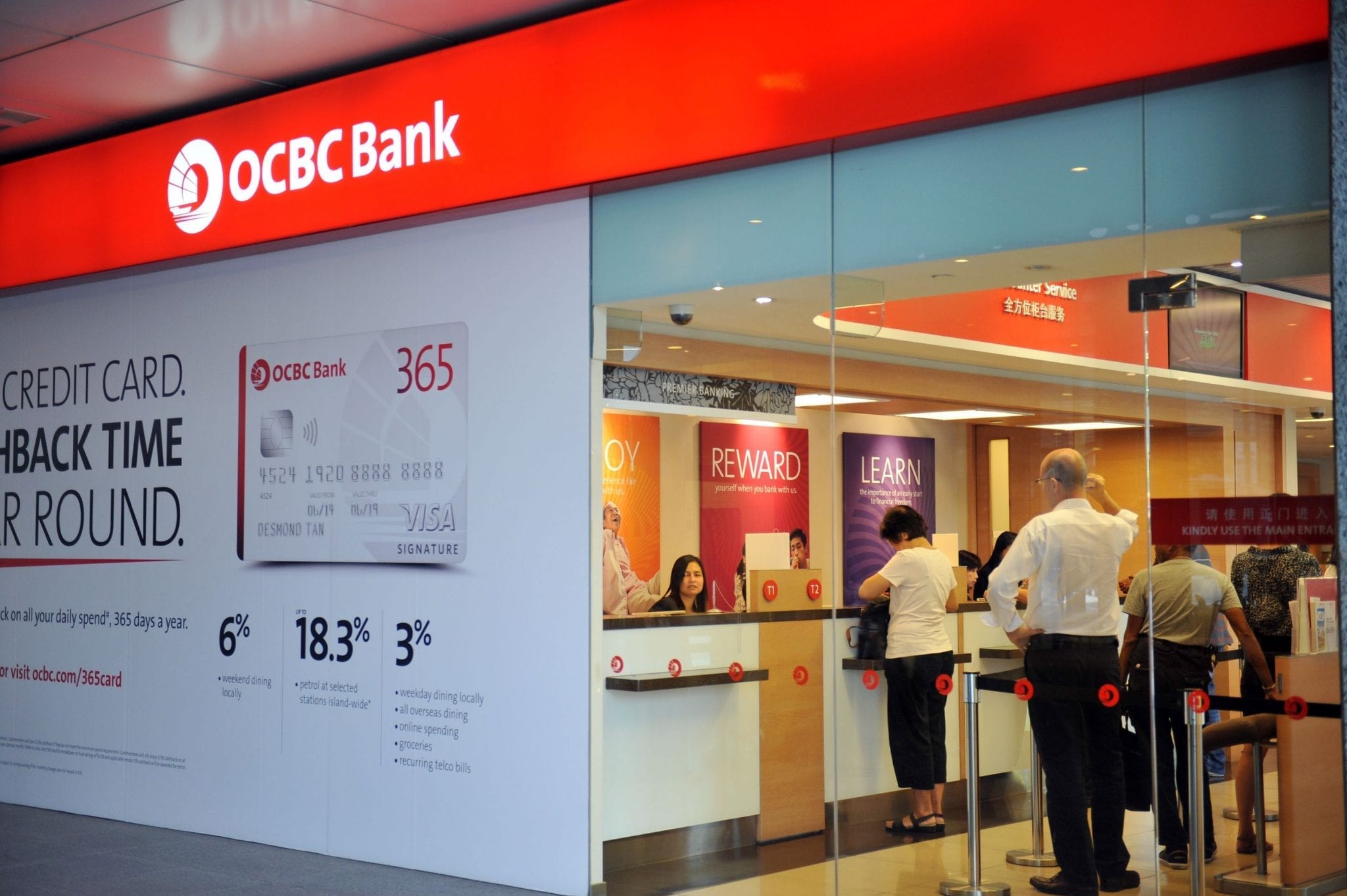
  • OCBC Bank Hong Kong Launches Dedicated Team to Empower Local Entrepreneurs

    OCBC Bank Hong Kong Launches Dedicated Team to Empower Local Entrepreneurs

    OCBC Bank (Hong Kong) has embarked on an ambitious journey, establishing a new department dedicated to providing loans for serial entrepreneurs in the bustling city. This strategic move aims to bolster support for the thriving entrepreneurial ecosystem in Hong Kong, with expectations to launch a comprehensive financing proposition by the end of 2025.

    A Holistic Approach to Entrepreneurial Lending

    In a bold departure from traditional banking practices, OCBC Hong Kong plans to assess potential borrowers through a holistic lens, considering their entire portfolio, including operating experience, track record, and strategic vision. This not only highlights the importance of individual entrepreneurial journeys but also allows the bank to tailor its offerings to meet diverse needs.

    Comprehensive Support Network for Entrepreneurs

    Entrepreneurs who secure financing from OCBC will find themselves supported by an integrated network that features a dedicated relationship manager and specialists in areas like cash management, corporate advisory, and wealth management. This multifaceted support is designed to empower entrepreneurs to navigate the complexities of business growth seamlessly.

    Sector-Specific Solutions on Offer

    OCBC’s offerings extend beyond standard loans, encompassing working capital loans, venture loans, cross-border expansion assistance, sustainable finance options, and corporate finance advisory services, particularly for mergers and acquisitions. It’s a buffet of financial solutions that aims to cater to the unique challenges faced by entrepreneurs, proving that financing can be as nuanced as the ventures themselves.

    Ambitions for the Future

    This initiative is part of OCBC’s broader goal to lend S$5 billion to the serial entrepreneur segment across Singapore, Hong Kong, Malaysia, and Indonesia by 2028. To date, since 2019, the bank has successfully financed 1,800 entrepreneurs in Singapore and Malaysia, disbursing S$1.5 billion. Looking ahead, an impressive S$3.5 billion in loans is expected to be extended between 2025 and 2028.

    A Commitment to Fostering Entrepreneurial Growth

    Ruby Yiu, head of emerging business at OCBC Hong Kong, articulated the bank’s commitment to facilitating entrepreneurs in navigating their journeys: “This new banking initiative showcases our dedication to enabling founders to expand and manage their ventures with ease.” Yiu further emphasized that the newly established department, created in July, is focused on providing tailored support necessary for the ongoing success of serial entrepreneurs.

    “Through this initiative, we hope to set a new standard in the market and gain widespread recognition for our efforts in fostering entrepreneurial growth,” she added, hinting at OCBC’s ambition to not just be a lender but a key player in enhancing the entrepreneurial landscape.

    Questions & Answers

    What is the main focus of OCBC Bank’s new department in Hong Kong?
    The new department is dedicated to providing tailored financial support to serial entrepreneurs, evaluating their entire portfolio to tailor solutions effectively.

    How much does OCBC aim to disburse in loans by 2028?
    OCBC aims to lend S$5 billion to serial entrepreneurs across Singapore, Hong Kong, Malaysia, and Indonesia by 2028.

    What kinds of financing options are available for entrepreneurs?
    Entrepreneurs can access working capital loans, venture loans, cross-border expansion support, sustainable finance, and corporate finance advisory services through OCBC.