Tag: Brand

  • India’s  jewellery brand opens new outlet

    India’s jewellery brand opens new outlet

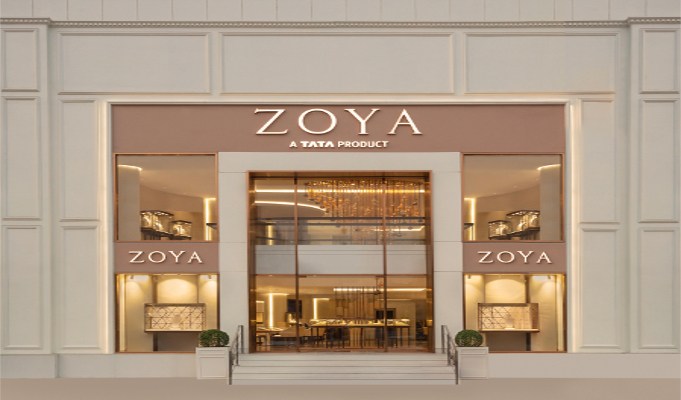
    Zoya, the exquisite diamond boutique from the House of Tata, has reopened its flagship store in Delhi, amidst a glittering celebration, graced by connoisseurs of design from Delhi’s high society. Located in the iconic South Extension neighbourhood, the new boutique of India’s homegrown luxury brand spreads luxuriously over 4,600 sq.ft. Designed as a minimalist gallery of fine art, where each piece resonates with reflections of Zoya’s inspirations from its journey around the world, the boutique is home to Zoya’s rare masterpieces.

    In keeping with the brand’s unwavering focus on fine design and impeccable craftsmanship, celebrated designer Gauri Khan was guest of honour for the evening and joined CEO of Titan’s Jewellery Division, CK Venkatraman, and guests, in raising a toast to the boutique’s many treasures.

    A splendid, two-part, fashion showcase by Zoya in collaboration with ace couturier Monisha Jaising showcased her elegant designs and a spectacular array of Zoya’s collections. Embellished gowns and cocktail dresses were paired with Zoya’s dramatic ‘6299 Hollywood Blvd.’, a collection that draws design direction from the panache of three iconic Hollywood eras translating the undying glamour of film into an absolutely unique take on jewellery.

    Fusion lehengas and sarees in pleasing pastels highlighted the mood for Whispers from the Valley, a collection that captures the poetic beauty of Kashmiri seasons and picturesque icons of the land, from the gentle shikara to falling chinar leaves.

    Stark black and navy created dramatic flair for the presentation of ‘Musee Du Luxe’ – Museum of Luxury, a collection that looks towards the sublime architecture, rich culture and inherent joie de vivre of Paris, blending a modern style palette with vintage charisma while summery whites paired with Zoya’s Pezzo D’Arte,a versatile line of 37 pieces inspired by rich Italian history and style. As visionary as art, the collection uses geometry in design, to create an edgy fashion statement, imbued with a distinctly modern vibe.

    The evening gave guests a chance to explore the purposefully planned navigation of the boutique and opportunities to appreciate each splendid piece. With three floors in Zoya’s signature tones of mushroom, champagne and orange, the store opens onto the ground floor presenting guests with its newer collections. A wide staircase or elevator leads to the basement unveiling a gallery of Zoya’s most iconic pieces. The first floor reveals the breadth of Zoya’s fine collections with an exclusive presentation of high value jewellery.

    Zoya travels the world to seek varied inspirations for its fine collections in the culture and art of historic periods like Awadh, Rajputana or the Romanov era. Iconic destinations like Banaras, Kashmir, Italy, Paris, Greece and Spain, are Zoya’s muse as much as legends and myths such as those of Krsna. Guided by a personal jewellery specialist, an indulgent walk-through of the thoughtfully-designed boutique is a tryst with luxury quite unlike any other; an opportunity to be regaled with tales of lands far and near, as the inspiration behind every creation of Zoya is brought vividly to life.

    The showcasing of jewellery with storytelling, visual merchandising, and varied lighting enhances the intricacy and beauty of each piece. Panels and partitions have been created by local artisans to tell the Zoya story, and clean, uncluttered lines and display units, showcase the treasures of this exclusive gallery of fine design.

    Thoughtful touches to make the customer feel special are a hallmark of luxury, and the store is designed to ensure valued guest experience the highly personalised service Zoya is known for. Private viewing areas with sheer curtains add softness while allowing customers to peruse the collections at leisure and with discretion, or to converse intimately with Zoya’s master designers at call to help them customize their favourite pieces. Once seated for a private viewing, chosen pieces of Zoya are individually showcased with an expert designer in attendance to fulfil bespoke desires. All while personally-curated gourmet hors d’oeuvres and sparkling flutes of bubbly flow in abundant luxury.

    CK Venkatraman, CEO, Jewellery Division, Titan Company, says “Zoya is a home-grown luxury brand, with an Indian heart and an eye on the world. It holds a cherished spot in the Titan story. With the aesthetic value of unique design and refined craftsmanship becoming sought after benchmarks of selection, we see great potential in Zoya’s growth. Delhi has always been a very important market for all of Titan’s jewellery brands, and we are delighted to offer our customers this beautiful new space to explore Zoya’s splendid treasures.”

    Added Gauri Khan, “Zoya’s products are very artistic. They are thoughtfully designed and meticulously crafted. This attention to detail and commitment to quality is similar to my own approach to design. I am happy to be here for the opening of Zoya’s new boutique in Delhi.”

  • Will Condé Nast’s paywall work?

    Will Condé Nast’s paywall work?

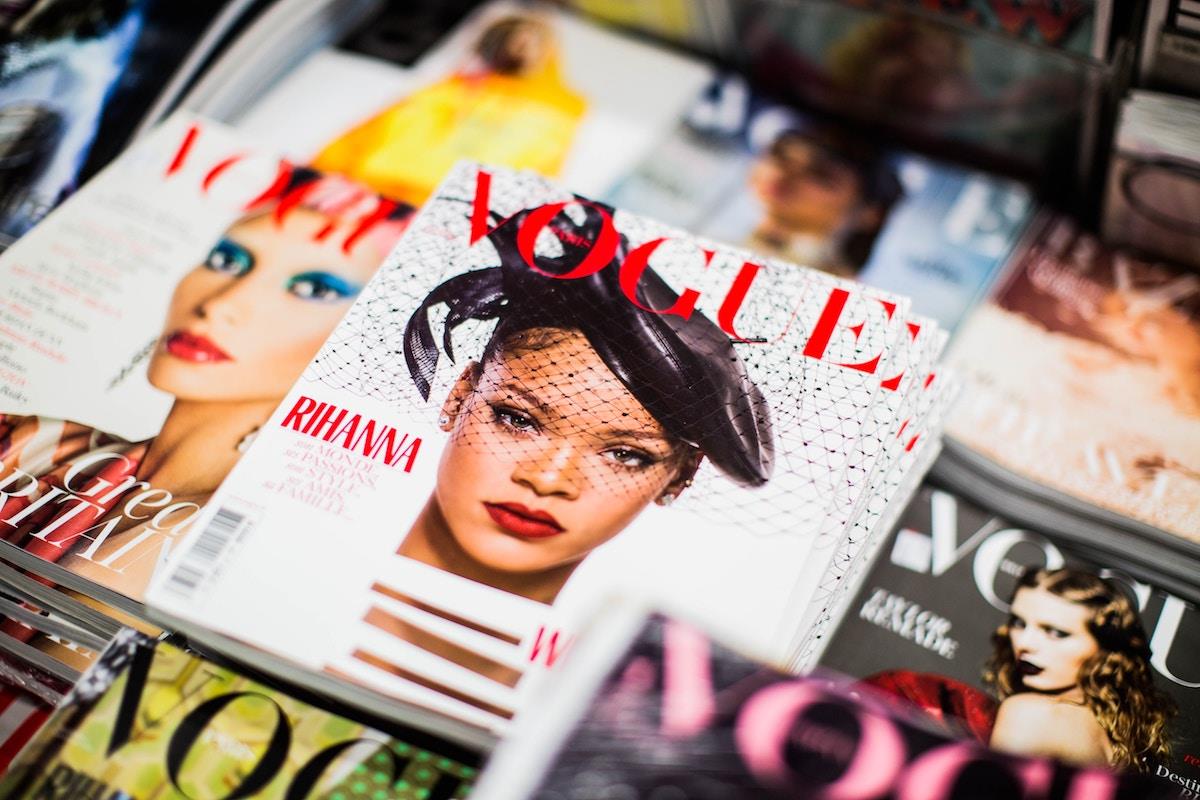
    Earlier this week, legacy publisher Condé Nast announced sweeping plans to implement digital paywalls across its titles in the United States, including Glamour, Vogue and GQ. Currently, The New Yorker, Wired, and Vanity Fair have metered paywalls, with The New Yorker’s paywall driving $115 million in subscription revenue in 2018, up 69 percent from 2015, according to a report in the Wall Street Journal.

    With annual subscriptions to The New Yorker ranging from $89.99 for a digital-only subscription to $119.99 for a digital and print subscription, this implies more than 1 million paying subscribers who drive almost enough revenue to cover the reported $120 million that Condé Nast is said to have lost in 2017, faced with a rapid and sustained decline in advertising revenue. No wonder the company is taking a closer look at digital subscriptions to secure its future.

    Condé Nast is not alone. Paywalls are the latest trend among publishers looking fill the hole left by advertisers, which are spending more of their marketing budgets on creating their own content as well as advertising on digital platforms like Facebook, Google and Instagram where consumers spend huge amounts of time and they can micro-target the audiences they want to reach.

    In addition to selling access to articles, there are no doubt interesting opportunities for Condé Nast to turn some of its content into paid services. For instance, Bon Appétit might leverage its bank of recipes to create an indispensable cooking resource; the NYTimes Cooking App, for which users can pay $5 a month or $40 a year to access, has been a hit for the paper of record and has amassed more than 120,000 subscribers.

    The Vogue Runway archive of reviews and images from fashion shows is an essential research tool, used by stylists and other fashion industry executives who may be willing to pay a fee to access it.

    But not every Condé Nast title has very high-quality content like The New Yorker or a must-use product opportunity. Indeed, for a paywall to work, a publication needs to have must-use products, must-read stories or must-follow writers — and ideally a combination of all three. Trade and business publications often have these attributes, and they also have a leg up because consumers can write off those subscriptions as a business expense.

    In a recent podcast, Condé Nast International president Wolfgang Blau spoke to Digiday about the opportunity in B2B subscriptions as well as “that whole ecosystem of conference and consulting and everything you can build around that.”

    “The borders are really blurry between B2B and B2C,” he added. “I’d say most of our conferences for instance are B2B, most of our current thinking goes more towards B2B, most of our editorial products — if not all — are B2C. They’re being sold as B2C while now the Vogues have a high share of B2B readers and in print it’s learnt behaviour to know which story is B2B or B2C. Digitally we want to untangle that a little bit over the course of this year.”

    Perhaps Blau was referring to the imminent launch of Vogue Business, a new title that the company says will fill “the gap in the market for industry decision-makers, from start-ups to CEOs,” according to a press release, which will be issued next week. Vogue certainly has a sizable following within the fashion industry, but the decision to use the consumer facing brand for a B2B title is curious and raises plenty of questions when it comes to the traditional influence held by Vogue advertisers and the real ability to do independent reporting.

    Then, there is the slew of publications in the Condé Nast portfolio such as Glamour, Self and Teen Vogue, which are fundamentally consumer propositions and will also have to compete with primary news sources like The New York Times and The Washington Post for share of wallet, as well as subscriptions to other consumer services, like Netflix, in a market where people spend only a small fraction of their total media-technology consumption time on publisher websites.

    It is likely that these other Condé Nast subscriptions will cost nowhere near the price of a subscription to The New Yorker — which will soon charge $149 per year for a print and digital subscription — and will be more in line with Vanity Fair and Wired which currently charge $30 per year for a print and digital and will soon bump up their prices to $49 per year.

    The fundamental question is: how many people will pay? Condé Nast will need to convert a good portion of casual web browsers into paying readers, while retaining what’s left of its print subscribers. It has already started to reduce its print issues for publications like Allure, W and Bon Appétit, and cut them altogether for Glamour and Self.

    Magazine subscription figures were inflated for years, based on heavy consumer promotions which were used to acquire readers, similar to paid traffic acquisition online. (The department within Condé Nast long responsible for upping circulation was called “Consumer Marketing.”) The company could use equivalent tactics to up subscription numbers online, but to make the subscription model work it will also need to retain users to make paid acquisition tactics worthwhile over the long term.

    But again, none of this gets to the core issue, which is that these businesses may never be as big as they once were. We no longer live in a culture where the likes of Vogue are singular bibles in their verticals and today’s consumers have a vast universe of media and technology platforms competing for what is ultimately a finite amount of attention.

    For Condé Nast to make online subscription models work, they will have to construct entirely different businesses focused on delivering true excellence and value to their readers — not just pleasing their advertisers. Whether Condé Nast can pull off the pivot remains to be seen.

  • China’s SMCP tops 1 billion euros revenue for first time

    China’s SMCP tops 1 billion euros revenue for first time

    Chinese-owned SMCP Group said that total company sales exceeded 1 billion euros in 2018, marking a revenue-first for the French fashion group. “With double-digit sales growth in 2018, SMCP posted a remarkable performance and continued to deliver on its strategic roadmap,” said Daniel Lalonde, SMCP’s Chief Executive Officer. For the year ending December 31, SMCP recorded sales increasing 13%, in line with its previously upgraded full-year 2018 guidance.

    Lalonde said the achievement signalled rapid sales increase was fuelled by online and digital, with the company working hard to fight market headwinds, which have taken out other European retailers in 2018.

    “Our performance throughout the year, and more particularly over the last quarter, demonstrates that SMCP is built on strong foundations and further illustrates the resilience of our business model in the midst of unprecedented market headwinds,” said Lalonde, in a press release.

    “I would also like to place a special emphasis on our significant progress in digital: it has been growing consistently and strongly over the past years and now represents nearly 15% of our total sales,” he added.

    The sales growth included a solid like-for-like sales growth of 3.7% for the twelve-month period “despite challenging market conditions in the fourth quarter,” which saw sales climb less, up 8%.

    Full-year reported sales were up 11.5%, including a negative currency impact of -1.6% reflecting the appreciation of the euro.
    Over the last twelve months, SMCP net openings reached 134 points of sale, including 102 directly operated stores, surpassing its annual target. By region, 59 stores were opened in APAC alone, the zone receiving the most new outlets compared to the Americas and Europe.

    In APAC, the group posted a strong double-digit sales growth of 18.2% at constant currency, driven by mainland China which generated over 20% of sales growth.

    The operator of French fashion brands Sandro, Maje and Claudie Pierlot said Sandro sales grew 6% in 2018, while Claudie Pierlot recorded a 7% increase. Maje was the biggest grower, up 10% for the year.

    For 2018, SMCP confirmed its adjusted EBITDA margin guidance at around 17%.

    Evelyne Chetrite and Judith Milgrom founded Sandro and Maje in Paris, in 1984 and 1998 respectively, and continue to provide creative direction for the brands. Claudie Pierlot was founded in 1984 by Claudie Pierlot and acquired by SMCP in 2009.

    SMCP was acquired China’s Shandong Ruyi in 2016.

  • Avery Baker resigns from Tommy Hilfiger

    Avery Baker resigns from Tommy Hilfiger

    Tommy Hilfiger will jettison the chief brand officer role following the departure of incumbent Avery Baker in June, the fashion label has confirmed. Baker has announced plans to step down from the job in June. The marketer will then rejoin the company on a consulting basis, primarily as part of a new brand advisory board staffed by external advisors and chief executive officer Daniel Grieder.

    Baker’s C-suite brand responsibilities will be divided among other senior members of staff. She is currently responsible for global marketing, communications, brand strategy, creative direction for product design, global licensing and creative services.

    The marketer joined the PVH-owned company in 1998. She landed the chief marketing officer title in 2011 after a stint as executive vice-president of global communications and marketing.

    She was named chief brand officer in 2014.

  • LVMH’s 2018 sales revenue hits record high

    LVMH’s 2018 sales revenue hits record high

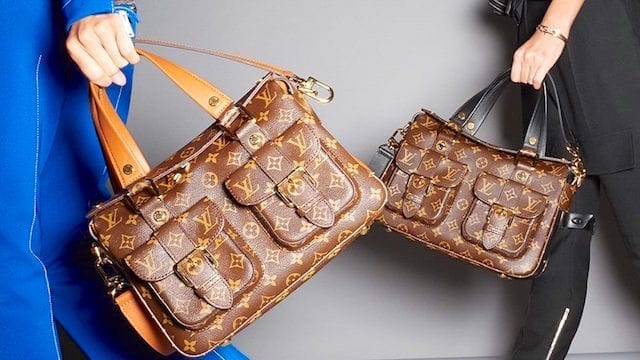
    Following a record-breaking year of sales in 2017, LVMH recently announced that it has surpassed its earnings record in 2018. The French multinational luxury goods conglomerate revealed that it made an incredible €46.8 billion EUR (approximately $53.4 billion USD) last year. Additionally, the impressive feat comes with a record net profit growth of 18 percent.

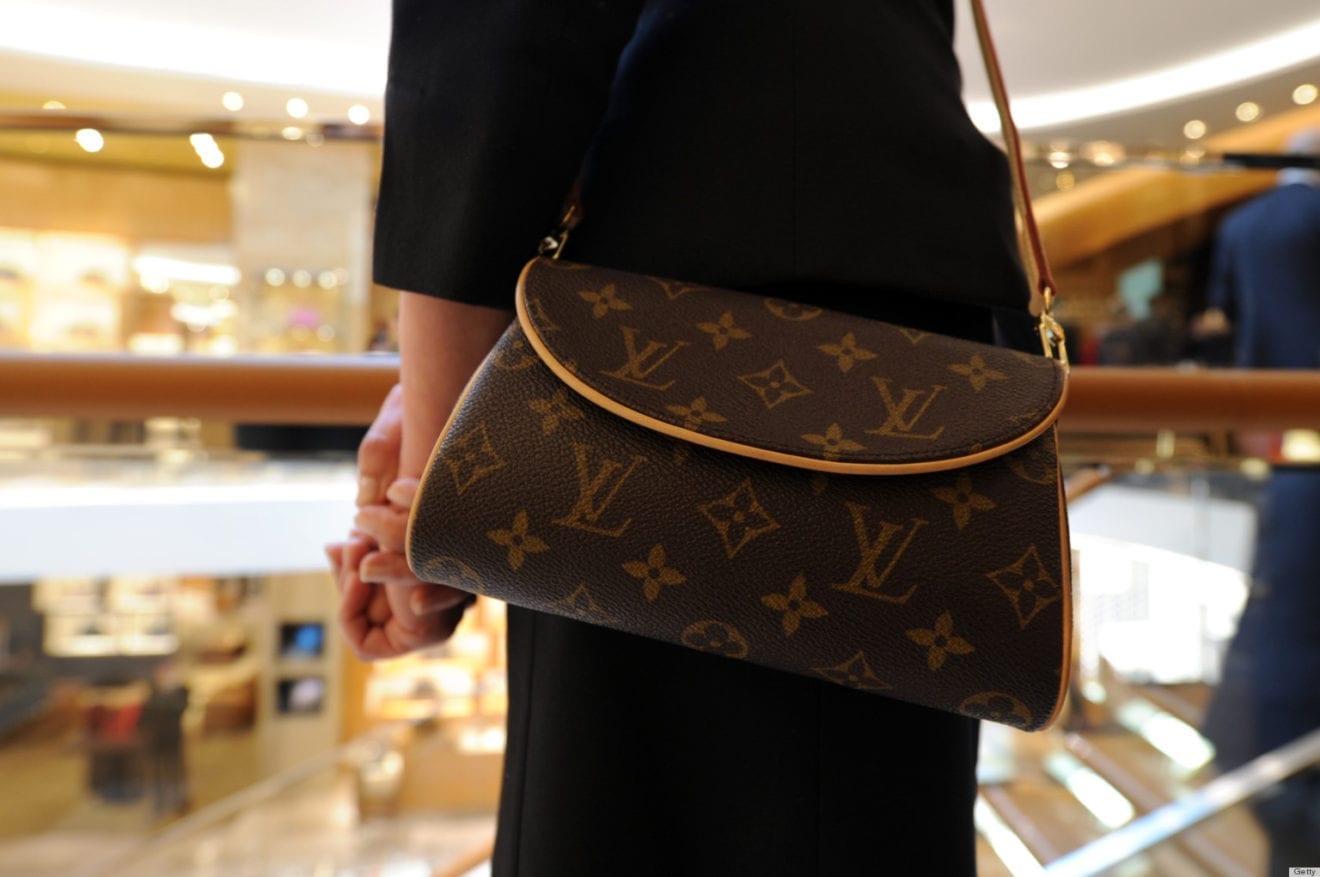
    LVMH is noting that it was the profitability of Louis Vuitton and Dior that lead to its strong 2018 earnings. The fashion and leather offerings from the two labels has been credited with driving the double-digit increase in both revenue and profit.

    Moving into 2019, it is expected that Virgil Abloh and Kim Jones will be amplifying the popularity of the two houses.

    LVMH also noted a state of reorganization of the Marc Jacobs label, and looked back on the global response to Hedi Slimane‘s inaugural collections for CELINE.

    Aside from a mixed critical reception, LVMH is ambitiously looking towards Slimane’s place at CELINE.

    The results were roughly in line with analysts’ forecasts.

    Bernard Arnault, chairman and chief executive, said LVMH expected its brands and companies, which include Louis Vuitton, Christian Dior and Moët & Chandon champagne, to deliver continued progress in 2019 in spite of “an environment that remains uncertain at the start of the year”.

    Sales growth was steady in all regions in the fourth quarter except the US — similar to the performance earlier in the year, according to Jean-Jacques Guiony, finance director.

    Organic growth in Asia, excluding Japan, was 15 per cent compared with last year. Sales in Europe were up 7 per cent on the same measure, while in the US they climbed 8 per cent.

    “We see no particular sign of a slowdown in the China market,” he said, although purchases by Chinese customers had shifted slightly to the mainland from Hong Kong and other east Asian markets, perhaps because of a weaker renminbi. “The market sees the glass as half empty. We see it as half full.”

    Luxury goods companies and other exporters dependent on sales to China are bracing for the impact of the country’s economic slowdown and for possible fallout from any worsening of the US-China trade conflict.

    In recent days, companies including US chipmaker Nvidia and Caterpillar, which sells earthmoving equipment, have blamed China’s slowing growth for disappointing profit predictions.

    Mr Guiony said luxury goods consumers tended to be affected more by sudden shocks than by gradual changes in economic conditions. “If there was to be real trade war between the US and China — and we’re not there yet — that would have an effect,” he said.

    The company also performed well in Europe, Mr Guiony said. Although LVMH had to close early on several Saturdays because of the gilets jaunes protests in France, many customers had switched to Sunday shopping and there was no obvious impact on LVMH’s numbers in the latest quarter.

    LVMH said it was stockpiling champagne and cognac in the UK in case of severe disruption from a “no-deal” Brexit.

    “We’ve added four months of stock in the UK,” said Philippe Schaus, head of Moët Hennessy, the wines and spirits part of the group.

    Profit from recurring operations in fashion and leather goods, the core of LVMH’s business, rose 21 per cent last year, accounting for €5.94bn of the total. The highest growth in profit from recurring operations came from watches and jewellery, at 37 per cent, and the slowest from wines and spirits, at 5 per cent.

    The company said it planned to lift the total dividend by 20 per cent for the year to €6.

  • Louis Vuitton celebrates the launch of Virgil Abloh’s SS19 collection

    Louis Vuitton celebrates the launch of Virgil Abloh’s SS19 collection

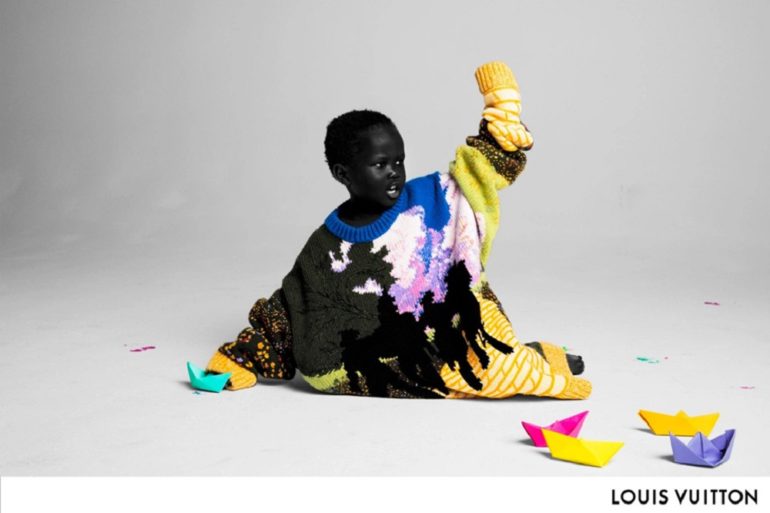
    For those that have been patiently waiting to get their hands on Virgil Abloh‘s debut Louis Vuitton collection, the highly anticipated Spring/Summer 2019 offerings are now available online. The online release comes shortly after Virgil opened up an exclusive pop-up at Chrome Hearts’ New York City flagship.

    The Yellow Brick Road Hand-Knitted Crewneck, Poppies Dorothy Graphic Windbreaker and colorful Calfskin Cut Away Vest serve as notable garments from the collection. Standout carrying options include the iridescent take on the classic Keepall Bandouliere 50, Soft Trunk Messenger Bag, Mini Polochon Messenger Bag and a host of holster-style utility pouches. Rounding things up is Virgil’s take on LV’s iconic Millionaire Sunglasses, early Jordan Brand model-inspired LV Trainer Sneakers, and the LV Creeper Ankle Boot Timberland homage.

    Check out some of the items above and head over to louisvuitton.com now to shop Louis Vuitton’s SS19 collection.

    In case you missed it, Virgil Abloh recently launched a comprehensive archive of his work.

  • Handsome markets brands in Paris Fashion Week

    Handsome markets brands in Paris Fashion Week

    Handsome, a Korean fashion brand owned by Hyundai Department Store, brought two of its labels to Paris Fashion Week in an effort to expand on the global stage. System for Women and System Homme, the two Handsome brands, showcased their fall and winter collections in a rented showroom for eight days starting from Jan. 17. The Handsome event included a presentation of the collections followed by showroom events, where item were modeled for clients.

    The brands are presenting their new collection one season early to major buyers in the fashion industry.

    In addition to 180 buyers, the event was attended by the Wall Street Journal, Vogue and GQ as well as by fashion influencers.

    It was the first time Handsome has taken its brands to a foreign showroom since being founded in 1987.

    System for Women debuted in 1990 and System Homme in 2008. The company has also introduced other names, including Time, Mine and SJSJ.

    Handsome was acquired by Hyundai Department Store Group in 2012.

    At the Paris event, which featured 200 items for men and women, around 40 department stores from 14 countries participated. Samples were purchased ahead of possible quantity orders.

    It was a buyers’ who’s who. The list included representatives from Bloomingdales, France’s Le Bon Marche, Hong Kong’s Lane Crawford, Japan’s Isetan and Shanghai’s 10 Corso Como. Inquiries also came in from parties in Switzerland and Israel.

    “We predicted the number of businesses that would visit our showroom would be 40 at maximum. But since System Homme was introduced via major media outlets and social media after the presentation on Jan. 18, a great number of fashion businesspeople visited,” said a source from Handsome.

    The company said that visitors appreciated the designs as being unique and set apart from other major Asian brands.

    “In the case of businesses that received the samples, they will decide on quantity purchases in February, and in June, the main products of System [for Women] and System Homme will be sold at department stores and in multibrand shops of each country,” said a source from Handsome.

    Handsome is planning to use the Paris showroom event as a stepping stone for its international expansion efforts.

    In line with the strategy, it will complete its product development earlier and present new design concepts to the market one season ahead.

    It is rare for a ready-made brand to utilize this sort of advanced development.

    “Our brand is still new in the global fashion market, but we will elevate awareness to the point where we could open an exclusive fashion show at a foreign fashion week,” said Kim Hyung-jong, the CEO of Handsome.

  • LVMH is “eyeing stakes” in OFF-WHITE‘s parent company

    LVMH is “eyeing stakes” in OFF-WHITE‘s parent company

    LVMH is “eyeing stakes” in OFF-WHITE‘s parent company, New Guards Group, WWD reports. If the rumors are true, the move would bring LVMH Moët Hennessy Louis Vuitton even closer to fashion’s main man, Virgil Abloh, the founder of OFF-WHITE and artistic director of menswear at Louis Vuitton.

    New Guards Group Holding SpA is a Milan-based holding company that also looks after OFF-WHITE as well as Palm Angels, Heron Preston, and Marcelo Burlon County of Milan.

    This is not the only venture on the cards over at LVMH at the moment, either. The company is reportedly also making moves to create Rihanna her own luxury fashion house.

  • Record results for LVMH in 2018

    Record results for LVMH in 2018

    The world’s largest luxury retailer LVMH shrugged off broader market pessimism overnight reporting record revenue of €46.8 billion last year, up 10 per cent over 2017. Excluding the closure of the unprofitable Hong Kong airport duty-free business in December 2017, the group’s organic growth was 12 per cent. Every business division delivered what the company described as “excellent performances”.

    Group profit rose a staggering 21 per cent to €10 billion with operating margin reaching 21.4 per cent, an increase of 1.9 percentage points.

    “LVMH had another record year, both in terms of revenue and results,” said chairman and CEO Bernard Arnault. “The desirability of our brands, the creativity and quality of our products, the unique experience offered to our customers, and the talent and the commitment of our teams are the group’s strengths and have once again made the difference.”

    Arnault said this year the company would continue to innovate and target investments combining tradition and modernity.

    “In an environment that remains uncertain, we can count on the appeal of our brands and the agility of our teams to strengthen, once again, our leadership in the universe of high-quality products.”

    The company’s flagship Louis Vuitton business was a standout for the group, contributing much of the 15 per cent organic sales growth of the fashion and leather goods business division where profit from recurring operations was up 21 per cent.

    “Christian Dior had an excellent first full year within LVMH thanks to the creativity of Maria Grazia Chiuri for the women’s collections and to the arrival of Kim Jones, the new artistic director of Dior Homme,” the company said in its earnings statement.

    “Fendi and Loro Piana continued to assert their know-how throughout their collections. Celine entered a new and ambitious stage of its development with the arrival of Hedi Slimane as artistic, creative and image director of the brand.”

    Givenchy, Loewe and Kenzo “progressed well” while the other brands, Berluti and Rimowa continued to gain momentum.

    Watches and jewellery profit soars

    LVMH’s watches and jewellery business recorded organic revenue growth of 12 per cent – and a stunning 37 per cent increase in profit from recurring operations.

    “Bulgari performed very well and gained market share. Its iconic jewellery and watchmaking lines Serpenti, Diva’s Dream, B.Zero1, Lvcea and Octo grew strongly.”

    Chaumet’s growth was driven by the success of the Liens and Joséphine collections, particularly in Asia.

    In the watchmaking sector, Tag Heuer continued to expand its range and Hublot enjoyed strong growth, partly due to high visibility as the FIFA World Cup official timekeeper.

    DFS returns to profit

    A return to profitability for the travel-retail business DFS after it exited its Hong Kong airport concessions at the end of 2017 was a highlight of LVMH’s ‘selective retailing’ business unit last year. The business group achieved a 12 per cent improvement in organic revenue growth (excluding the airport business from the 2017 base comparison) and a 29 per cent improvement in profit.

    “DFS progressed strongly thanks to a particularly good performance in Hong Kong and Macau. The recently opened Gallerias in Cambodia and Italy also grew rapidly,” said LVMH.

    Sephora enjoyed unspecified growth in sales and market share, with strong online sales growth in Asia and North America. About 100 new stores opened worldwide, including the new Nanjing Road store in Shanghai and the first Sephora-branded stores in Russia.

    Scents of success

    The perfumes and cosmetics business division achieved organic revenue growth of 14 per cent, driven by the performance of its flagship brands, with profit from recurring operations up 13 per cent.

    “Parfums Christian Dior experienced remarkable growth and increased its market share in all regions of the world. The launch of its new perfume Joy and the exceptional worldwide success of Sauvage and the other iconic perfumes J’adore and Miss Dior are behind the strong growth of the Maison,” said LVMH.

    “Makeup and skincare also grew rapidly. Guerlain progressed well, driven in particular by the success of Abeille Royale in skincare and Rouge G in makeup. Benefit strengthened its leading position in the eyebrow segment and Parfums Givenchy accelerated its performance, thanks in particular to makeup and its new perfume L’interdit. Fresh and Fenty Beauty by Rihanna continued their exceptional growth.”

    Strong spirits

    The wines and spirits business group achieved organic revenue growth of 5 per cent and profit from recurring operations also increased by 5 per cent.

    “The business group reaffirmed its leadership position by pursuing its value strategy and balanced geographic development.”

    The Hennessy business enjoyed “strong momentum” in Mainland China, LVMH said.

  • Lanvin names Bruno Sialelli as its new creative director

    Lanvin names Bruno Sialelli as its new creative director

    Luxury fashion house Lanvin announced the appointment of Bruno Sialelli to the role of creative director. A relative unknown in the fashion world, Sialelli has worked for other luxury companies including most recently, Loewe, where he was head of menswear, under the guidance of the Spanish company’s creative director, Jonathan Anderson. Chinese conglomerate Fosun, who acquired Lanvin in 2018, said that the 31-year-old Frenchmen was hired to take the company in a “pivotal new direction,” a crucial call for the world’s oldest couture house.

    Lanvin’s chief executive Jean-Philippe Hecquet harmonised the sentiment.

    “We’re thrilled to welcome Bruno as the new creative director of Lanvin,” commented Hecquet. “His singular and very personal vision, his audacity, his culture, his energy and ability to build a strong creative team definitely convinced us. I can’t wait to discover Bruno’s first collections which will fully bring back to life this beautiful and unique fashion house, and once again inspire a passion among our customers.”

    In what has been a rollercoaster of a ride for the high-end French brand, Sialelli will take the top design spot as the fourth creative director to work at Lanvin in just four years.

    In 2015, Lanvin announced the shock departure of the label’s acclaimed designer Alber Elbaz, who was let go after disagreements with its previous owner, Taiwanese media magnate Shaw-Lan Wang. Elbaz had worked as Lanvin’s creative director for 14 years prior.

    Since then, it has been a tough slog for the 130-year-old company, which at its peak in 2012, was reportedly made 235 million euros, but sales have been steadily dropping ever since.

    In 2016, Lanvin reported a massive 18.3 million euro loss, after ten years of profitability.

    Following Elbaz’s departure, Bouchra Jarrar joined Lanvin, but quit as creative director after just a year-and-half, making way for Olivier Lapidus, who also quit, making way for Siaelli, the brand’s ray of hope.

    Before coming to Lanvin, Sialelli has also held design roles at brands like Paco Rabanne and Balenciaga. He is a fashion graduate of Studio Berçot in Paris.

  • Time for South Korean cosmetics to face challenges

    Time for South Korean cosmetics to face challenges

    South Korean cosmetics stores that have been the drivers of the ‘K-Beauty’ industry for the past 15 years are facing a crisis, exposing their limitations. The cosmetics industry is undergoing a series of transformations due to decreased demand from China and a change in distribution structure resulting from stagnant domestic demand and increased competition.

    Nowadays, it is common to see health and beauty shops (H&B) such as Olive Young and LOHBs reorganise and shift their main focus online.

    According to cosmetics industry analysts, the size of the South Korean cosmetics stores’ market was 2.29 trillion won (US$2.05 billion) in 2017, which reflects a rapid decrease since the peak in 2016. It is estimated that total sales last year decreased by 15 per cent from the previous year.

    With sales decreasing, the industry is closing down branches. The number of South Korean cosmetics stores began to shrink in 2017 and is estimated to have fallen to 5200 last year.

    Popular brand Skinfood is facing an imminent crisis. The company, once a huge hit with the phrase “Don’t eat, give it to your skin” entered corporate restructuring last October, after encountering difficulty securing liquidity due to excessive debts.

    Those who suffer the most in the process are franchise owners, who are protesting that the company is trying to avoid the worsening situation without taking responsibility.

    The causes of the decline of the retail shop are numerous. The first reason is the excessive competition within the industry.

    Add to this, China’s retaliatory actions as part of the THAAD missile crisis in 2017 led to huge decrease in sales.

    Changes in distribution structure have also played a role. H&B shops are now leading the market, offering a variety of brands in one place, instead of a closed structure.

    These types of stores are a gaining competitive edge as they can sell occupy low and medium-priced brands and new venture brands as well as establish strategic products.

    Retail shops became a mainstream cosmetics market in the early 2000s. Amid the economic slump, retail shops continued to grow in number as brands gradually added fast product launch strategies and functional products aligned with trends based on affordable prices.

    Chinese tourists clearing out the shops in the wake of the Korean wave contributed to the growth of retail shops. However, in the current situation, retail shops are only beginning to restructure.

    While some chains of South Korean cosmetics stores are choosing to downsize their branches, others have chosen to invest aggressively.

    Those who chose aggressive investment plans in a bid to become global cosmetics companies hope to achieve economic success despite the difficult situation and uncertain prospects for the future.

  • Burberry sales saved by Mainland China

    Burberry sales saved by Mainland China

    A mid-single-digit rise in Burberry sales in Mainland China in the third quarter helped produce a solid result for the luxury fashion retailer. The strong China performance helped mitigate reduced footfall in the Americas and a subdued European market where tourist spending showed only a small improvement. Global same-store sales rose just 1 per cent.

    However, CEO Marco Gobbetti said the company was buoyed by improvements and ongoing customer excitement ahead of new product delivery – the launch of new creative director Tisci Riccardo’s first runway collection which will hit stores next month.

    “I am pleased with our progress in the quarter as we continued to build brand heat around our new creative vision and shift consumer perception of Burberry. Excitement is growing ahead of next month’s launch of Riccardo’s debut collection,” said Gobbetti.

    “We will continue to manage the business dynamically as we reposition the brand. We confirm our outlook for the full year.”

    He said the company was seeing a continued shift in consumer perceptions of the brand, driving increases in digital engagement and drawing endorsements from key influencers. Increased Burberry sales can only follow.

  • How to deal with centennials

    How to deal with centennials

    All eyes are on Southeast Asia as the world’s next consumer powerhouse, with its young population and increasing purchasing power. Almost 280 million centennials – those born since 1995, also known as Generation Z, currently call this region home. While the size of this new generation alone makes them attractive prospects for retailers, their distinct behaviours set them apart as the ones to watch to crack Asia’s hyper-competitive retail landscape during the next few decades.

    Born into the digital age and mobile natives, centennials will soon be one of the world’s most demanding consumer groups with high standards and expectations of the online-shopping experience.

    Here’s what we know about the centennials….

    Webrooming vs showrooming

    Almost all centennials in Southeast Asia use the internet as part of their buying journeys, but their route is much more converged than other generations. Latest research commissioned by Dentsu Aegis Network, Here Comes the Centennial reveals that centennials like to use both online and offline channels – 97 per cent browse for products online before purchasing online (‘webrooming’) and 90 per cent look for products in store before buying online (‘showrooming’). Detailed research is a key part of their buying decisions – whether online or offline – to ensure they get the best price, as well as the best quality by going into stores to experience the product. Some 70 per cent browse online to find the best price, while 67 per cent use the internet for checking out product details and specifications and 65 per cent are checking out reviews.

    Smartphones have also created an environment where centennials can browse products wherever they are, whatever they are doing – multi-tasking to the extreme. For example, 52 per cent look at products online while eating, watching TV or hanging out with friends or family, while 38 per cent do so while commuting, and 34 per cent browse products while at school or college.

    Centennials use social-media platforms differently to previous generations, as an important and intimate touchpoint in their purchase and decision-making journey.  Social media applications (47 per cent) such as Facebook and Instagram are the second most popular place for them to shop in, while 49 per cent turn to such platforms for research on their future purchases, rather than asking friends (45 per cent) or family (27 per cent). Even a good reputation with friends and family does not feature highly as a motivator to purchase – just 15 per cent choose this as an option.

    Digital natives

    As digital natives, centennials expect technology to be an integral part of the experience, and are highly optimistic about the use of technology.

    Eighty-two per cent of centennials are excited about futuristic shopping technology such as virtual reality. They demand fast-and-easy experiences that allow them to research and buy products with minimal frustration.

    To this audience, commerce has moved beyond “buying something on a website” to a series of interactions, from enticing them to view a product to providing a personalised purchase experience, to where and when the product should be delivered. In this context, online retailers need to focus on understanding the centennial customer journey, specific to the category being sold. This can be done by incorporating relevant technologies which seamlessly enhance engagement along the path to purchase. For example, the research showed that “Good customer service/reliability” ranks third among qualities of an online store with this audience, with delivering a superior and excellent customer service option using chatbots rather than call centres a more significant differentiator than low prices and free/fast delivery that every other marketplace claims to offer.

    Brand irrelevance

    Brand name and image are no longer a priority of centennials. Only 11 per cent of centennials cite having a prestigious or famous brand as one of their top three attributes when choosing where to shop online. Instead, personalisation and convenience are key, as 76 per cent of respondents are happy to share data with websites, if it makes more relevant recommendations.

    E-commerce payments provide a unique example of this; despite being digital natives, the concept of a cashless society has yet to fully take off for centennials in the six countries surveyed, with 56 per cent of respondents still preferring to pay cash on delivery for their purchases. Whilst preferring digital shopping experiences, the next generation of online shoppers enjoy having a variety of payment methods to choose from, and 43 per cent of centennials will readily abandon their purchases because their preferred payment option is not available.

    This is also accompanied by a shift towards values-based purchasing, with 82 per cent agreeing that they “prefer to buy products from ethical or sustainable brands,” while 70 per cent express a preference for local brands.

    With centennials less responsive to traditional campaign and brand-based purchasing, and increasingly influenced by disparate sources of dynamic information and opinions, retailers can no longer just rely on well-designed stores or brand campaigns to drive sales. Instead, driving a unified brand experience across multiple touchpoints will be key to unlocking the centennial consumer opportunity.

    This year

    So what does this all mean for retail this year and beyond?

    Southeast Asia’s internet economy is expected to exceed US$240 billion by 2025, according to research from Google and Temasek. One in two of centennials surveyed are already spending more than $30 per month online. Nine per cent indicated that they spend more than $100 a month – and as the centennial generation comes of age and joins the workforce, their disposable incomes will increase further.

    This combination of large populations, high connectivity and smartphone penetration rates, and increasing online spending power means the centennial opportunity in Asia is large and growing. We will increasingly see e-commerce technology accelerating this year to help create innovative and memorable brand experiences of the consumer.

    Centennials represent tomorrow’s consumer. They are looking for integrated solutions and a seamless experience that will allow them to purchase anywhere, anytime, and on their own terms. As this new group of consumers become increasingly elusive and multi-channel savvy, retailers need to harness creativity and technology in new ways. Combining new media and technology to deliver innovative and memorable brand experiences is the key to success – and brands are learning quickly in order to tap the huge centennial opportunity here in Asia.

    For example, in Thailand, Cotton USA worked with Vizeum and Isobar to launch the Cotton USA online store through an experiential shopping campaign “Shop the Runway”, partnering e-commerce marketplace 11Street.

    Targeted at the Centennial audience, Shop the Runway was the first real-time online shopping fashion show in Thailand which streamed the live programme on 11Street, while clothes from the catwalk were displayed in real time – within the same page – so viewers could purchase their favourite looks direct from the runway.

    At the heart of the campaign was a unique offline-to-online (O2O) feature within the 11Street mobile application which allowed fashion-show attendees to simultaneously view and shop the runway outfits.

    Shopping coupons were also given to all customers who downloaded and registered their details on the app to further encourage conversions. The campaign drew close to 500,000 campaign visitors, a 13 per cent increase in 11Street app downloads following the campaign, and ultimately boosted Cotton USA sales and brand awareness amongst the target centennial audience.

    Shop the Runway is one example demonstrating how brands can leverage technology and O2O features in innovative ways to reach consumers in today’s competitive e-commerce environment. Combined with a seamless shopping experience, and varied account and purchase options to suit different consumers, moments like these will attract tomorrow’s consumers on their terms, arrest their attention in a hyper-competitive commerce landscape, and allow brands to win in Asia’s digital-led retail landscape.

  • Hugo Boss Asia-Pacific boosted sales

    Hugo Boss Asia-Pacific boosted sales

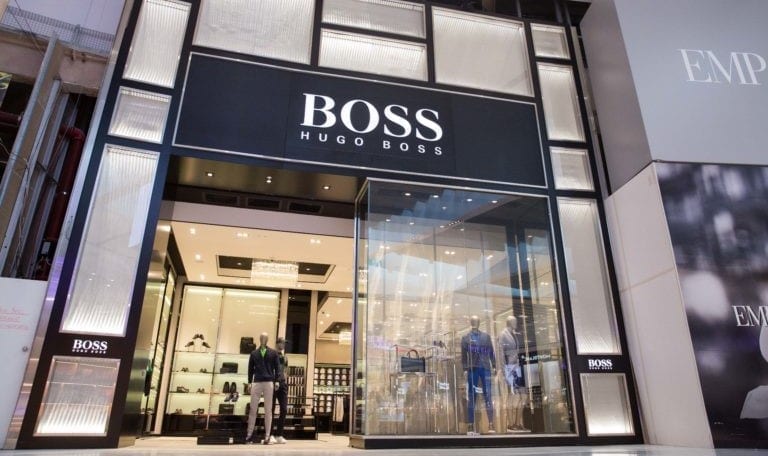
    German menswear retailer Hugo Boss has seen sales growth accelerate in the fourth quarter of 2018, driven by Asia. Comparable-store sales rose 4 per cent compared to the previous corresponding period and online sales rose 37 per cent, marking the fifth consecutive quarter of double-digit e-commerce sales growth. Group sales also grew 6 per cent in the fourth quarter, adjusted for currency differences, to €783 million – compared to €735 million in the previous corresponding period.

    On a comparable-store basis, Asia Pacific was the fastest growing region for the brand, with China achieving high single-digit currency-adjusted store-sales growth for the period.

    Europe and the Americas saw comparable-store sales growth in the mid-single-digit and low-single-digit rates respectively, while sales in the business’ wholesale division increased 15 per cent.

    The brand issued a preliminary full-year total sales figure of €2.79 billion for 2018 – an increase of 2 per cent compared to 2017 – with the “dynamic growth” of the brand’s retail business seen as the key contributor.

    Hugo Boss expects operating income to remain flat at approximately €491 million – the same figure seen in 2017.

    “We look back on a successful 2018. We increased our pace of growth and achieved our full-year targets, supported by a very good fourth quarter,” Hugo Boss CEO Mark Langer said.

    The brand is to focus on sustainable growth and profitability this year, according to Langer, who notes that the new year will be focused on the execution of the business plan until 2020.

    “We will personalise our offerings even more and accelerate important business processes. In doing so, we drive brand desirability and set an important milestone for achieving our mid-term targets,” Langer said.