Tag: Brand

  • Fashion Brand Alexander McQueen joins Tmall

    Fashion Brand Alexander McQueen joins Tmall

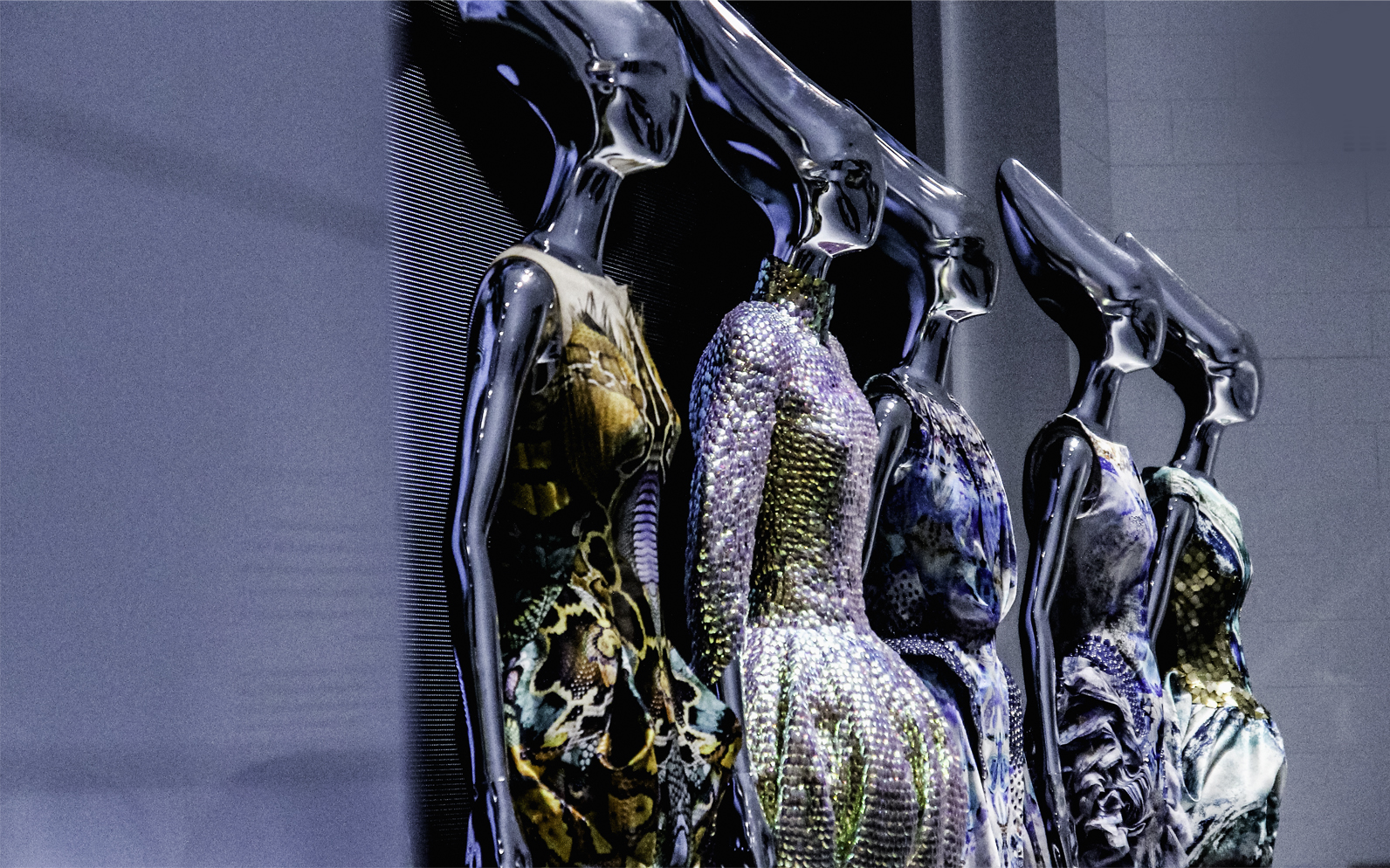
    British fashion house Alexander McQueen — known for its unique tailoring and audacious designs — has soft-launched a virtual store on the Tmall Luxury Pavilion, Alibaba Group’s platform for luxury and premium brands.

    It will be the first online store in China that’s directly run by the house itself, rather than through a local partner, giving it full creative control over the look and feel of the site, the Pavilion said.

    The luxury brand was founded in 1992 by the late Lee Alexander McQueen, known for combining a respect for traditional craftsmanship with provocative, darkly romantic designs. Today, his eponymous label remains hugely influential, seen as synonymous with modern British couture. Following his death in 2010, Sarah Burton was appointed creative director of the house. Burton, who worked alongside McQueen for 14 years, currently oversees the creative direction of all the brand’s collections.

    The Alexander McQueen brand oversees a network of 73 directly operated brick-and-mortar boutiques, as well as several franchises and specialty stores worldwide, with flagships stores due to open in Shanghai and Hong Kong in 2019, per its parent Kering Group.

    The Tmall Luxury Pavilion Alexander McQueen store will officially launch on April 16, featuring items that incorporate images from the John Daekin Archive as part of the designs. The archive manages the work of John Daekin, the 20th-century British photographer who captured the lives of his artist and poet friends in London’s bohemia, Soho.

    Alexander McQueen is the third Kering-owned luxury brand to join the Pavilion, following Hong Kong-based jeweller Qeelin and Italian fashion house Bottega Veneta. Launched in 2017, Tmall Luxury Pavilion now offers more than 100 brands, ranging from apparel and beauty items to watches and luxury cars, including Valentino, Burberry, Tod’s, Versace, Stella McCartney, Moschino, Giuseppe Zanotti, MCM, La Mer, Maserati, LVMH-owned Rimowa, Guerlain, Givenchy, Tag Heuer and Zenith.

    Sherry Lang, MD of Tmall’s luxury division, said the Pavilion helps maisons and premium brands engage with China’s younger generation of consumers, delivering the same brand exclusivity and tailored shopping experience online that they would get in a brick-and-mortar store.

    “We also want to help luxury brands expand their reach in smaller cities and rural areas, where purchasing power is growing, but offer limited access to luxury goods,” said Lang. “The Pavilion is well-positioned to fill that gap.”

    The growth of the Pavilion comes as Chinese consumers drive global high-end spending, with Mainland China’s luxury sales growing 20 per cent to €23 billion ($25.8 billion) last year, according to Bain & Co. The consulting firm forecasts that by 2025, Chinese consumers will account for 46 per cent of the global market, up from 33 per cent last year.
  • Fritz Hansen Opens First Store in China

    Fritz Hansen Opens First Store in China

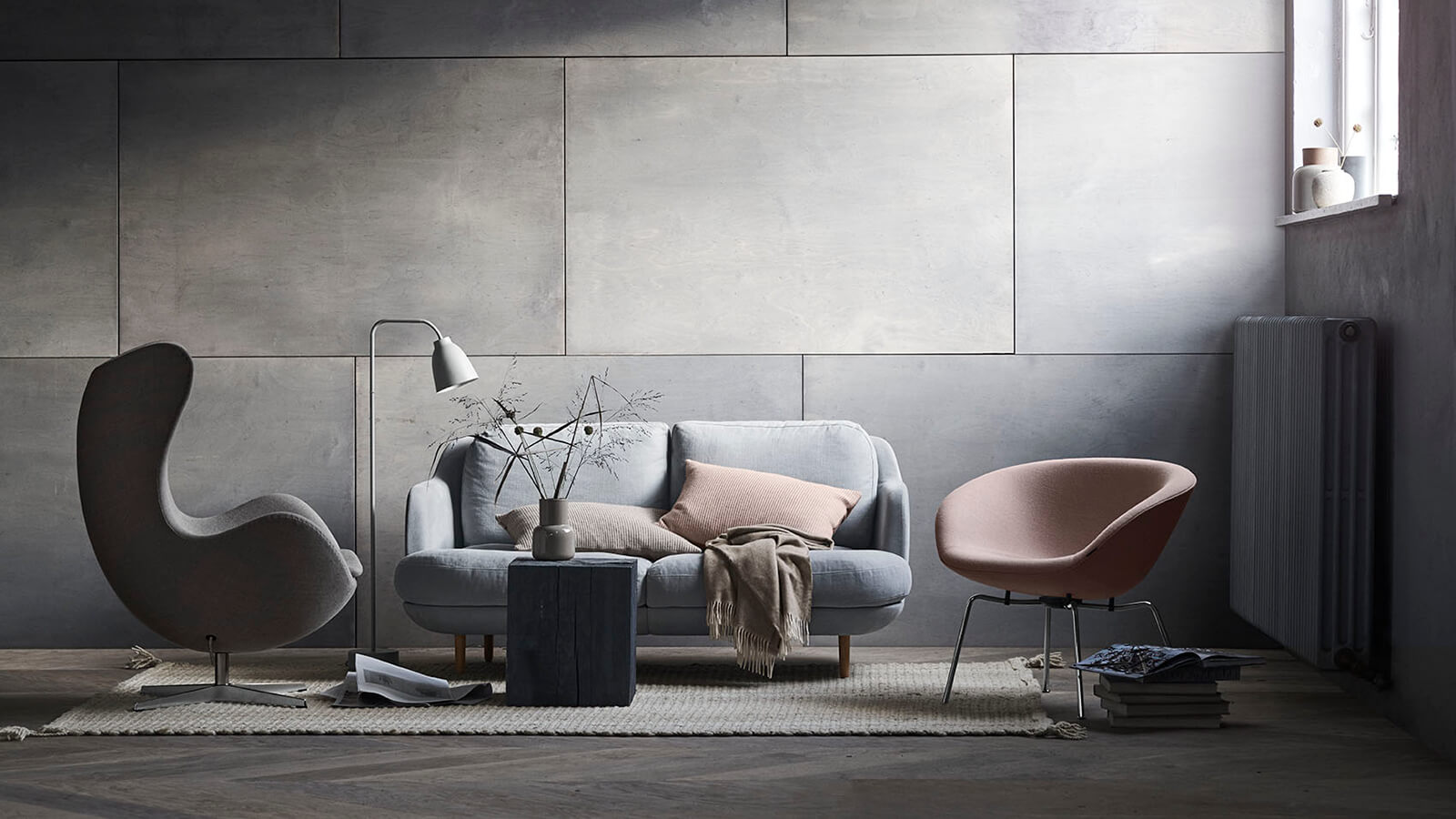
    Furniture firm Fritz Hansen has launched a Jaime Hayon-designed showroom in the Chinese city of Xi’an.

    The new 1000sqm gallery, represents a stage in the brand’s ambition to become the largest Danish brand in China, is Fritz Hansen’s first store in China and its largest in the world.

    “You always need to find a way to be new, never done before – you need to create an experience,” said Fritz Hansen’s Asia CEO Dario Reicherl in an interview with Dezeen. “Through a series of steps, I believe we can be the biggest Danish brand in China in a couple of years.”

    The gallery/store is designed to resemble a temple with high ceilings, warm-hued walls and vaulted walkways created by the Spanish designer. Furniture on display is arranged in living room-style set-ups. Fourteen more intimate show spaces are accessible by a grand staircase.

    “Like in a labyrinth, you start to discover the little areas and each one has the furniture of Fritz Hansen,” said designer Jaime Hayon, “from the historical ones to the new ones I have designed, and pieces from other designers. The lighting and everything has been composed together with some art, carpeting, plants and small objects. So in this way we can inspire the client.”

    “China is the second biggest luxury market in the world, soon overtaking the US,” according to the brand’s executive VP of sales and marketing Lars Hardboe Galsgaard. “It will definitely be the biggest market and economy in the world in terms of private consumption and commercial consumption within a few years. So if you look at that marketplace, we needed to move here. We need to be part of that and we need to be part of defining design, furniture and lifestyle in China.”

  • Police smash massive China counterfeiting gang

    Police smash massive China counterfeiting gang

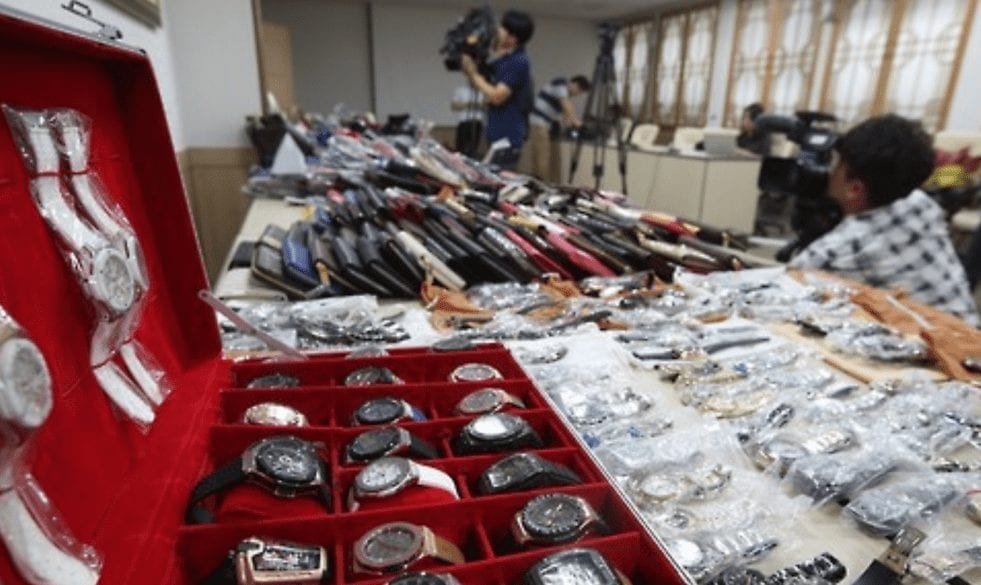
    Police have shut down a huge China counterfeiting ring estimated to have raked in some US$15 million.

    Chinese police have arrested 32 people believed to be part of the operation, which focused on counterfeiting luxury-branded goods.

    The Shanghai raid led to the seizure of more than 4000 items of luxury apparel and accessories bearing Louis Vuitton, Kenzo and Loewe labels, among other top brands. Two assembly lines producing the counterfeit items were shut down.

    The raid was in response to a tip-off to the Shanghai Qingpu district public security bureau that fake Louis Vuitton bags were selling on Chinese social media platform, WeChat.

    Estimates held that the ring had sold more than 100,000 fake luxury items at a value of around RMB100 million (US$14.9 million). Each item would have cost around RMB200 ($30) to produce.

    The rise of online markets all over the world has been blamed for a general increase in fake products sold globally. The counterfeit industry is now worth an estimated $590 billion a year, and accounts for around 3.3 per cent of total international trade.

    According to customs officials, the most frequently seized fakes are items of footwear, clothing, leather goods and IT equipment. China is by far the world’s largest source of pirated goods.

  • Ericsson to provide 5G NR equipment for KT

    Ericsson to provide 5G NR equipment for KT

    South Korea’s KT has awarded Ericsson a 5G contract aimed at allowing the operator to launch commercial 5G services early next month.

    South Korean operators have agreed to launch 5G services at the same time in April at the request of regulator KCC.

    Under the contract with Ericsson, the vendor will provide 5G new radio hardware and software for KT’s 3.5-GHz non-standalone 5G network.

    KT selected Ericsson as a key 5G supplier in November last year as part of its preparations for a commercial launch.

    “Having worked successfully with Ericsson on 4G LTE, we are pleased to continue that partnership to make our 5G ambitions a reality with Ericsson’s leading 5G technology,” KT VP of access network design Jinho Choi said.

    “Korea is one of the most competitive and technology-advanced markets in the world. By taking a global lead to enable nationwide commercial 5G services through commercially available 5G smartphones, KT is demonstrating our commitment to our customers and showing how we can drive a global 5G ecosystem where Korea plays a key role.”

  • Qualtrics Empowers Companies to Take Control of Brand Strategy

    Qualtrics Empowers Companies to Take Control of Brand Strategy

    Qualtrics, the leader in experience management announced the launch of Qualtrics Brand Tracking, a breakthrough brand monitoring solution on the Qualtrics XM PlatformTM that promises to transform how companies manage their brand strategy across their organisation.

    Built on the Qualtrics Experience Management (XM) PlatformTM, Brand Tracking integrates with Qualtrics’ customer, employee, and product experiences to enable a comprehensive view of insights and actions that shape the core experiences of any organisation.

    In today’s fast-moving market, companies are now looking to own their brand tracking programme with insights that are instant, embedded, and adaptable. Qualtrics Brand Tracking arms organisations with the technology necessary to fully leverage one of their most valuable assets – their brand.

    “Over the past year, we’ve been partnering closely with hundreds of brands across the world to help design and run their brand tracking programs on the XM Platform. With built-in expert methodology, guided program set-up, and dashboards on every device, Qualtrics Brand Tracking is now available to empower every organisation from startups to billion dollar enterprises, making tracking and optimising their brand easier than ever,” said Kelly Waldher, vice president of Brand Experience, Qualtrics.

    With Qualtrics Brand Tracking, SoFi – one of the fastest growing financial services companies in the industry – is transforming the way they use brand insights to drive growth in their business. As SoFi continues to grow, the company is able to quickly and easily design their brand tracking programme, constantly monitor key brand indicators, combine response data with social media feedback, and embed prescriptive actions in their business processes.

    • Brand Tracking provides instant results. With Brand Tracking, results are instant through live, automated mobile and web dashboards. Organisations no longer have to wait months for critical insights. With Qualtrics’ pre-built programmes and dashboards, anyone in the organisation can launch a powerful, world-class brand tracker and start seeing results within hours.
    • Brand Tracking empowers companies to connect their entire organisation to one platform with embedded technology.Breakthrough insights are available through embedded technology allowing companies to connect their entire organisation to one platform. From social reputation data, campaign data, media buy data, and other brand-related data subsets, Qualtrics Brand Tracking makes it faster to act on detailed insights that will drive top-line growth.
    • Brand Tracking is adaptable and flexible. Like all projects on XM Platform, Qualtrics Brand Tracking is adaptable to evolving business needs and is easily customisable. Making edits to existing methodology and programmes no longer require expensive change orders. Companies now have the ability to customise studies, across their organisation, with a few clicks.
  • Ihop Pakistan franchise deal got signed

    Ihop Pakistan franchise deal got signed

    Dine Brands Global has announced a deal with several principals of Gerry’s Group, a leading logistics and F&B group, to launch Ihop Pakistan.

    The deal calls for 19 Ihop locations throughout the country over the next nine years, nine of which will be franchised by the principals of Gerry’s Group with the other 10 sub-franchised. The first location is expected to open in Karachi by the end of this year and continues the brand’s expansion into the Asia-Pacific market.

    Ihop, founded in 1958, has been a global brand since 1969. It already has a presence in India, Thailand and Guam as well as 11 other countries and Puerto Rico.

    “My commitment as CEO of Dine Brands Global was to return it to a growth company, and our international development is certainly a major component of that growth,” said Steve Joyce. “Key to our international strategy is identifying and entering new markets, such as Pakistan, that have a rapidly growing economy, are contiguous to existing markets to offer an economy of scale, and above all, have an appetite for Ihop’s unique guest experience of warm hospitality with world famous pancakes, breakfast and other menu items.

    “The opportunity to partner with principals from Gerry’s Group as franchisees was also a major factor in our decision. Under their ownership, Gerry’s Group is an experienced, established company based in Pakistan with multinational experience across a broad number of industries as well as food and beverage, including operating and owning 40 Costa Coffee locations in the UK.”

    “The principals of Gerry’s Group bring a strong track record of success with global brands,” added the firm’s regional VP and GM, Asia Pacific and the Middle East Gary Moore. “They bring an infrastructure – and the shared values and commitment to excellence – that will be key to introducing Ihop in this exciting new country for us.”

    “We have had a lot of interest in Pakistan from potential franchisees and while it fits perfectly with our expansion strategy in the region, we wanted to be sure we found the strongest partner in the country to take that step,” said Dine Brands executive director, international, development Dan Lecocq. “Gerry’s Group brings exactly the qualities and qualifications we look for in every franchisee as we look to continue our expansion here and in our other international areas of opportunity.”

    MD for Gerry’s Group, Akram Wali Muhammad, said that while Ihop will be a new brand in Pakistan, there is already significant awareness of and excitement about the brand. “We look forward to the opening of our first location later this year.”

    Asia Pacific has been targeted as a key area of growth for Dine Brands, along with Latin America, Canada and the Middle East. The company has already signed deals to bring the Ihop brand to South America this year in Peru and Ecuador, and to expand its presence in Canada to Atlantic provinces of New Brunswick, Prince Edward Island, Nova Scotia, and Newfoundland and Labrador.

    Dine Brands is also actively exploring opportunities to take the Ihop brand to the UK.

  • Iuiga defends use of Muji brand on its website

    Iuiga defends use of Muji brand on its website

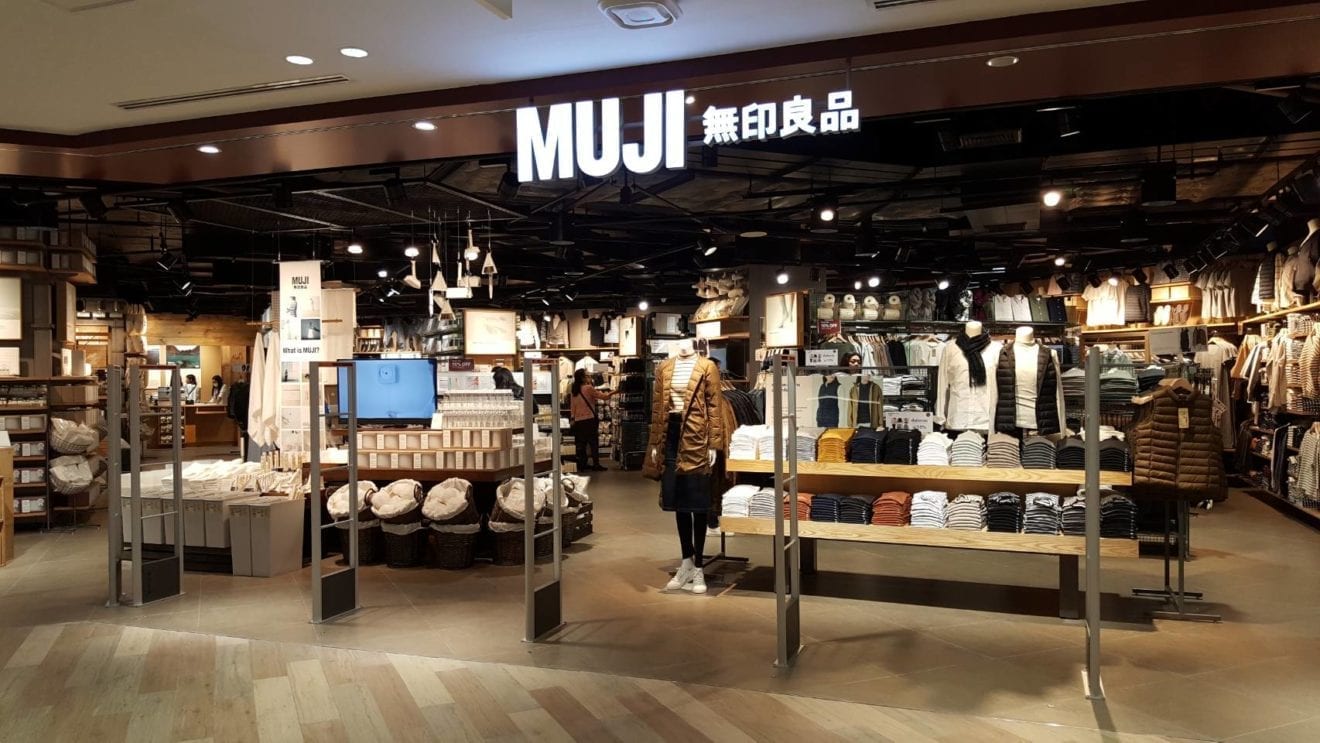
    Singaporean retailer Iuiga says it has done “nothing wrong” using the Muji brand name on its website.

    “The information on our website is factually accurate and our manufacturing processes are legal,” said Jaslyn Chan, Iuiga chief growth officer.

    Iuiga says it works directly with Original Design Manufacturers (ODM), who produce for large international brands including Muji. Under the ODM business model, the exterior, aesthetics, materials, dimensions and patented technologies are developed by the ODM and these product and design rights belong to them.

    “There is no direct ownership of the product by any single brand entity, allowing the ODM to produce for more than one brand. This is what Iuiga means when it says a certain product is from the “same manufacturer as Brand A”.

    Based on this, Iuiga maintains it is working with ODMs that also work with Muji.

    “Iuiga is also preparing a list of manufacturers that both Iuiga and Muji work with to be released to the media later,” Chan added.

  • BMW And MINI Lifestyle Collection Now Will Be Available On Amazon

    BMW And MINI Lifestyle Collection Now Will Be Available On Amazon

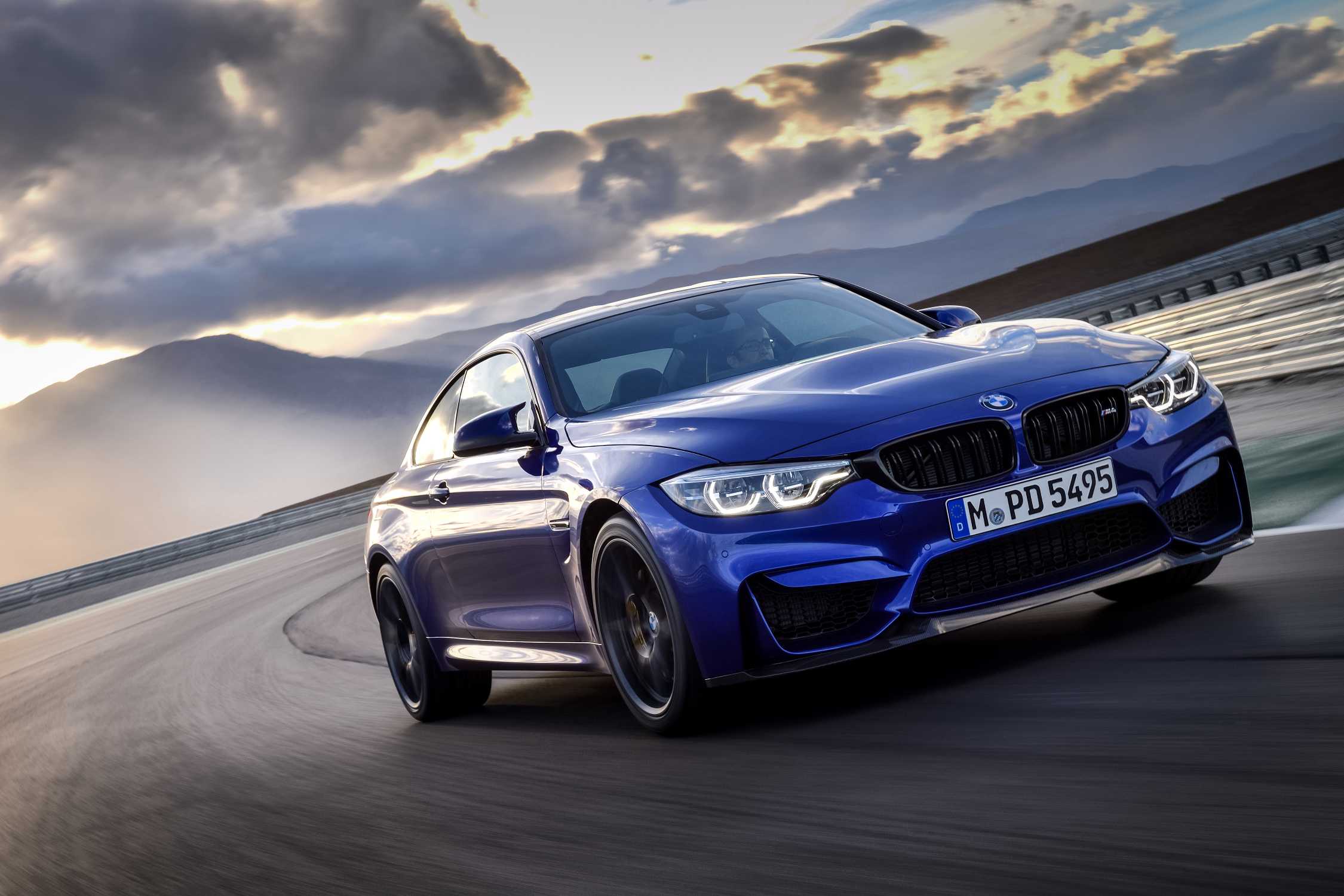
    In a bid to make its original lifestyle collection more accessible to automotive enthusiasts in India, BMW India today announced launching the latest range of BMW and MINI branded products on Amazon India. Customer now have access to a wide range of original BMW and MINI branded clothing, accessories, luggage, and many other types of merchandise, which can now be purchased online.

    Customers now have access to wide range of original clothing, accessories, luggage, and more

    Hans-Christian Baertels, President, BMW Group India said, “The fascinating BMW and MINI Lifestyle Collection is created to add a touch of style, sophistication and inspiration to everyday life. We are thrilled to introduce the unique BMW and MINI Lifestyle Collection for our customers on Amazon India. This will enhance the reach and accessibility of our authentic and aspirational range of lifestyle products beyond the existing retail area in our showrooms. Be it golf equipment, bags, wallets, watches, t-shirts, jackets or even miniature cars, there is always something for everyone.”

    The collection will include products themed after the multiple branches within the BMW family like – BMW M Collection, BMW Motorsport Heritage Collection, BMW i Collection, Montblanc for BMW Special Edition, the BMW Iconic Collection and BMW Miniature Collection. A similar collection of MINI-branded clothing and bags to luggage, accessories and mobility items will also be on offer.

  • American Eagle expands Aerie lingerie brand

    American Eagle expands Aerie lingerie brand

    Global apparel retailer American Eagle is boosting its Aerie lingerie brand, with plans to open 60 to 75 stores this year.

    The strategy, which coincides with rival brand Victoria’s Secret’s declining sales and series of store closures, involves both standalone locations and side-by-sides with American Eagle, predominantly in Texas and California. The company currently operates 1055 stores.

    “Aerie is a game changer by staying at the forefront of body positivity and women’s empowerment,” said Aerie’s global brand president Jennifer Foyle. “Our new cast of role models are even more inspirational. They embrace the Aerie lifestyle and were chosen for their influential voices, unique stories and commitment to increase the power and empowering our community.”

    The firm reported US$431 million in earnings for the last financial quarter, a 1 per cent rise over the previous year’s figures. Its total net sales also rose 1 per cent to $1.24 billion.

    “Strong execution by the teams drove a record fourth quarter and fiscal 2018, as we reached a milestone of $4 billion in annual revenue with increased operating profit,” said American Eagle’s CEO and chairman Jay Schottenstein.

    “Eagle and Aerie continued to deliver consistent performance by combining product innovation and great merchandise with an improved customer experience across channels. As we head into 2019, we will continue to leverage the strength of our brands, selling channels and the team’s commitment to continually raising the bar for our customers. The strength of our balance sheet and free cash flow enables us to make important investments in our business to fuel market share gains, future growth and returns to our shareholders.”

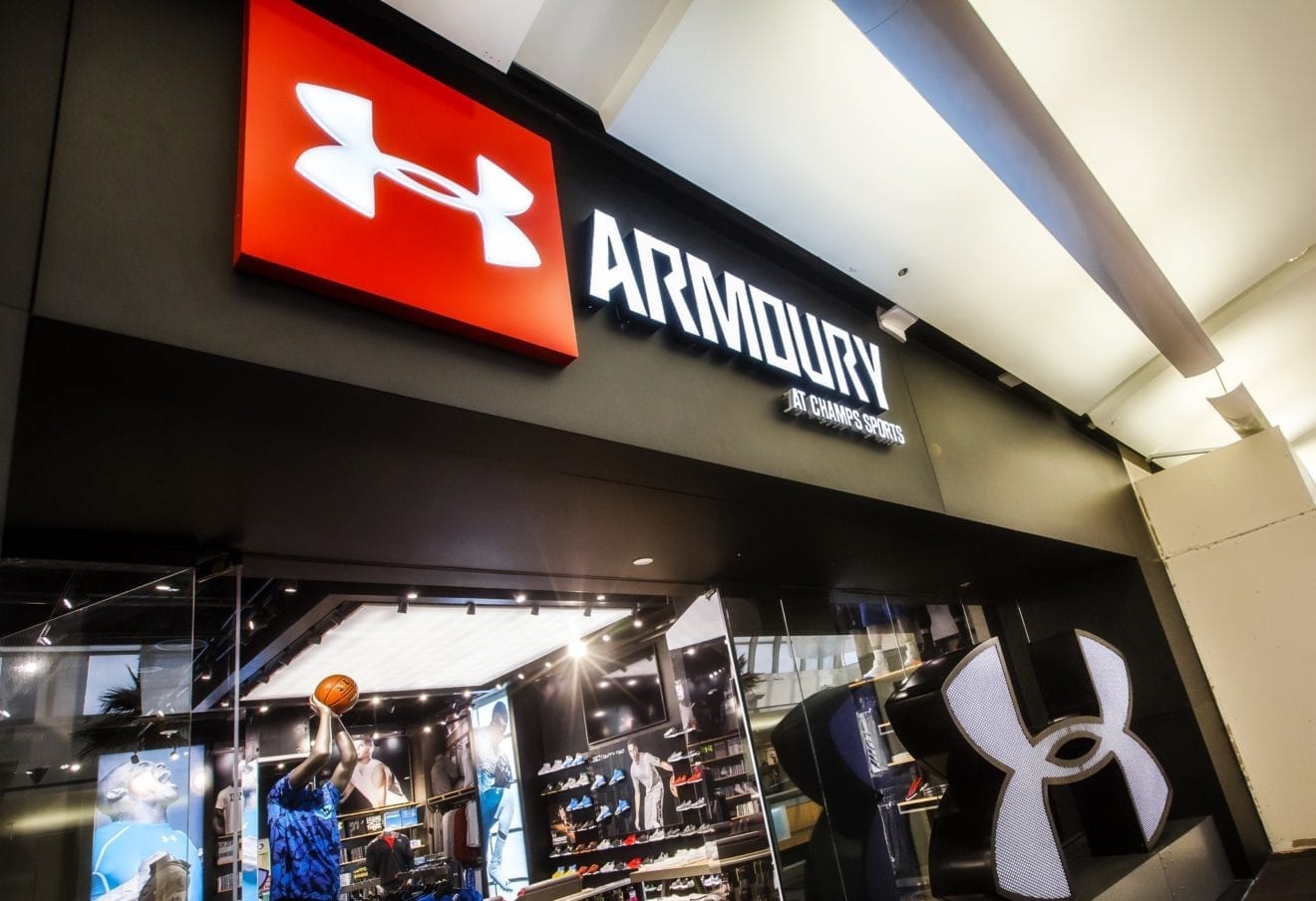
  • Under Armour Thailand eyes 20 per cent sales growth

    Under Armour Thailand eyes 20 per cent sales growth

    Under Armour Thailand is targeting a 20-per-cent sales increase in the kingdom, according to the brand’s exclusive Asian distributor Triple Pte Ltd.

    The company is focusing on footwear sales to follow up on its gains in the apparel sector in a sporting goods market expected to see 5–7 per cent growth this year. It will also offer a wider range of branded products, including sleepwear.

    “Under Armour is a relatively new brand in Thailand, and it has huge potential to spread its wings here,” said company CEO Michael Binger during a visit to Thailand last week. “We want to grow our footwear business at a faster pace than in the past and expect footwear sales to increase to 35 per cent of total sales by 2020, up from 25 per cent last year.”

    As part of this year’s expansion plans, Triple Pte is planning exploratory Under Armour Thailand outlets in the country’s north, with a shop-in-shop scheduled for the Mall Nakhon Ratchasima as well as a potential new shop in popular tourist destination Chiang Mai. It will also launch another branch in suburban Bangkok.

    “We see huge potential in the sporting goods business in Thailand,” said Binger, “and we feel confident in our capability to propel Under Armour to success here because we are an alternative brand for people looking for innovative performance shoes.”

    Thailand is Under Armour’s second fastest-growing market in Southeast Asia after Singapore.

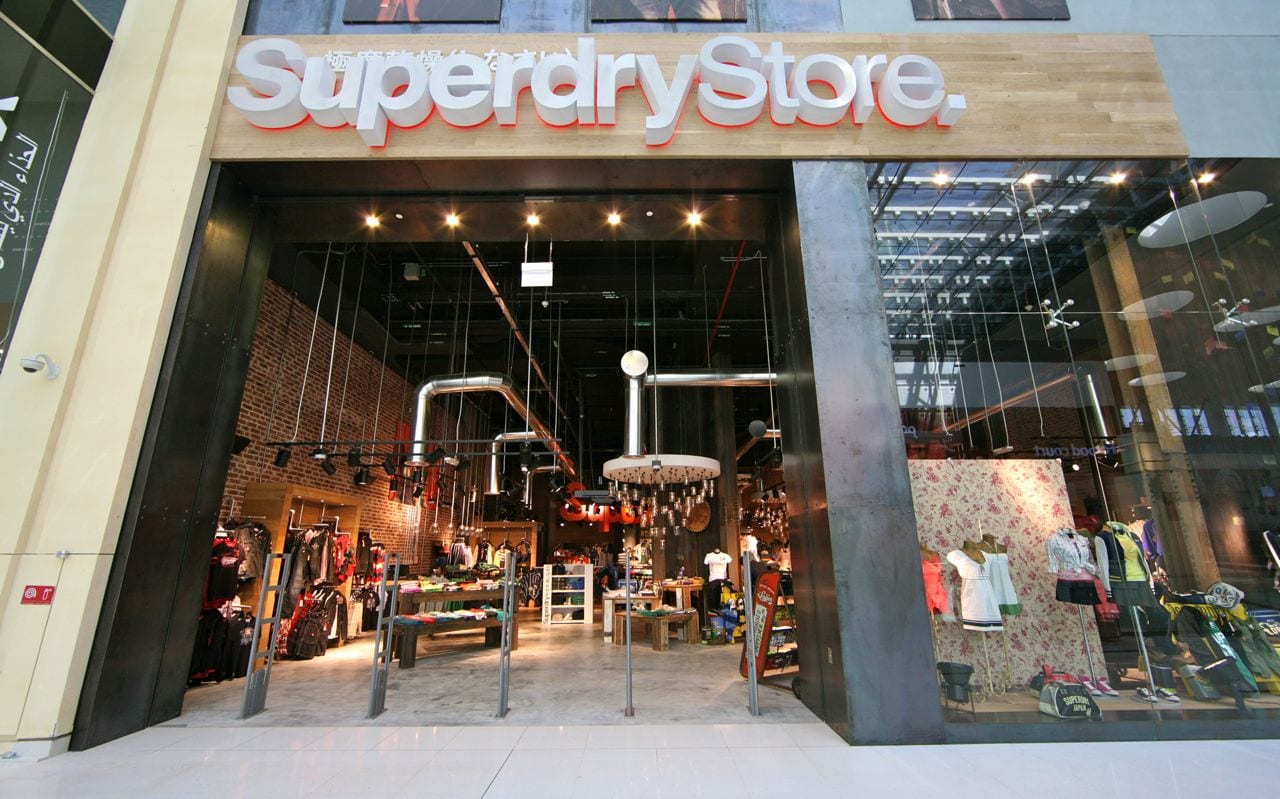
  • Superdry opens the first New Zealand store

    Superdry opens the first New Zealand store

    Sports fashion brand Superdry will open its first store in New Zealand next month in the heart of Auckland’s Queen Street shopping district. The new store, which will feature Superdry’s iconic jackets, menswear, womenswear, accessories and snow gear categories, will be the 18th Superdry store opened by Brand Collective, which first secured the international licence in 2007.

    Coinciding with the store announcement, the brand on Wednesday launched an online offering in New Zealand, catering and shipping to local customers.

    Antony Hampson, brand general manager, said the expansion in New Zealand is a natural step for the brand.

    “With a population of 4.7 million, New Zealand offers a significant opportunity for the Superdry brand,” Hampson said.

    Superdry has over 500 stores worldwide in over 40 countries. New Zealand is the 47th country the brand has entered.

  • Build-A-Bear to open more stores in next 10 years in India

    Build-A-Bear to open more stores in next 10 years in India

    For more than 21 years, U.S. based personalized experiential toy retail brand Build-A-Bear has been sharing hearts and bear hugs globally, and after a long wait, Tablez – the retail arm of LuLu Group International, has launched the first Build-A-Bear store in India, at Toys”R”Us, Phoenix Marketcity in Bangalore. Build-A-Bear is a global customized stuffed-animal retail entertainment brand that aims to reach as many as 9 million households in the top 15 cities in India by 2025. Besides standalone stores, shop-in-shop formats of Build-A-Bear would be launched within Toys“R”Us.

    On this special occasion, Adeeb Ahamed, MD, Tablez said: “The Build-A-Bear concept is a one-of-a-kind retail experience, and we are thrilled to open the first store in Bangalore. Build-A-Bear is synonymous with creativity and novelty for children. I am sure that each child that enters our store will cherish their experience and leave with an indelible memory.

    “From standalone stores to shop-in-shop formats, Build-A-Bear is ready to reach out to families and kids in India and help loved ones create memories and spend more time together. We plan to open 20 standalone stores of Build-A-Bear across key cities in India over the next 10 years, along with shop-in-shop formats across all our Toys”R”Us stores as well.”

    Dorrie Krueger, Build-A-Bear Workshop Chief Strategy Officer, said, “Together with Tablez India, we are excited to open the first Build-A-Bear store in India and continue to expand into this important global market. We look forward to introducing the Build-A-Bear brand and sharing the joy of making a new furry friend with millions of families.”

    Build-A-Bear is a global brand that kids love and parents trust for fantastic family experiences. The ‘Choose Me’ wall at every Build-A-Bear store is where the empowerment journey begins as each guest chooses an unstuffed animal to bring to life. Accessories give customers the freedom to customize their creation. The heart ceremony is where one can add special wishes to their friend. During the stuffing process, a heart is placed in the bear along with special wishes, and the guest promises to care for their new furry friend once they are given the birth certificate. This signature ceremony brings each stuffed animal to life in a personal way, further ensuring a greater attachment.

    Established in 1997, Build-A-Bear has helped millions find their own meaning in a new furry friend. The brand has nearly 500 stores worldwide and more than 180 million furry friends have been made globally in its 21-year history. Build-A-Bear helps guests mark special occasions, start friendships, and inspires people to make their own adventures. At Build-A-Bear, one is empowered to feel that anything is possible.

    Further, a Build-A-Bear shop-in-shop format will follow in Vega City Mall, Bangalore; City Centre Mall, Mangalore and Phoenix Marketcity, Pune. Build-A-Bear plans to expand to as many as 65 shop-in-shop format stores and 20 standalone stores in India over the next 10 years.

  • H&M launches collection with artist Nathalie Lete

    H&M launches collection with artist Nathalie Lete

    H&M has unveiled a collaboration with Paris-based artist Nathalie Lete on a children’s clothing and accessories capsule collection. The collection, which will be available online and in selected stores worldwide from March 7, features several of Lete’s fantasy-land-inspired artworks as prints.

    The H&M collaboration is a childrenswear collection for babies and children with a wide range of t-shirts, jackets, jeans, dresses, jumpsuits, shorts and swimsuits. The colourful animal and floral prints created by artist Nathalie Lete start with paintings in acrylics by hand, which are then artfully arranged together to create an imaginative story. For this collaboration, Lete brought a tropical jungle to life with chameleons and tigers, along with her iconic representation of flowers with cats, birds and rabbits.

    “In my work, I create a fantasy land for myself,” said Lete. “A land that I want to share with other people to make them dream. It’s all about flowers, animals, birds, naivety and colors. I want to create a cocoon that brings happiness and harmony all around. The relationships between the different elements tells stories, stories that create a beautiful atmosphere. I ‘m happy to share my world through this collaboration, all around the world, together with H&M.”

    “Natalie Lete and her work is something we have admired for a long time, and we are thrilled to be collaborating with her for this kids’ collection,” said H&M kids’ division designer Jennifer Helmer.

    “The collection is playful and inviting and the pieces truly makes you feel like you’re in a botanical dream. We cannot wait to share this collection with our youngest fans.”

  • Puma pips rivals, becomes top sportswear brand in India

    Puma pips rivals, becomes top sportswear brand in India

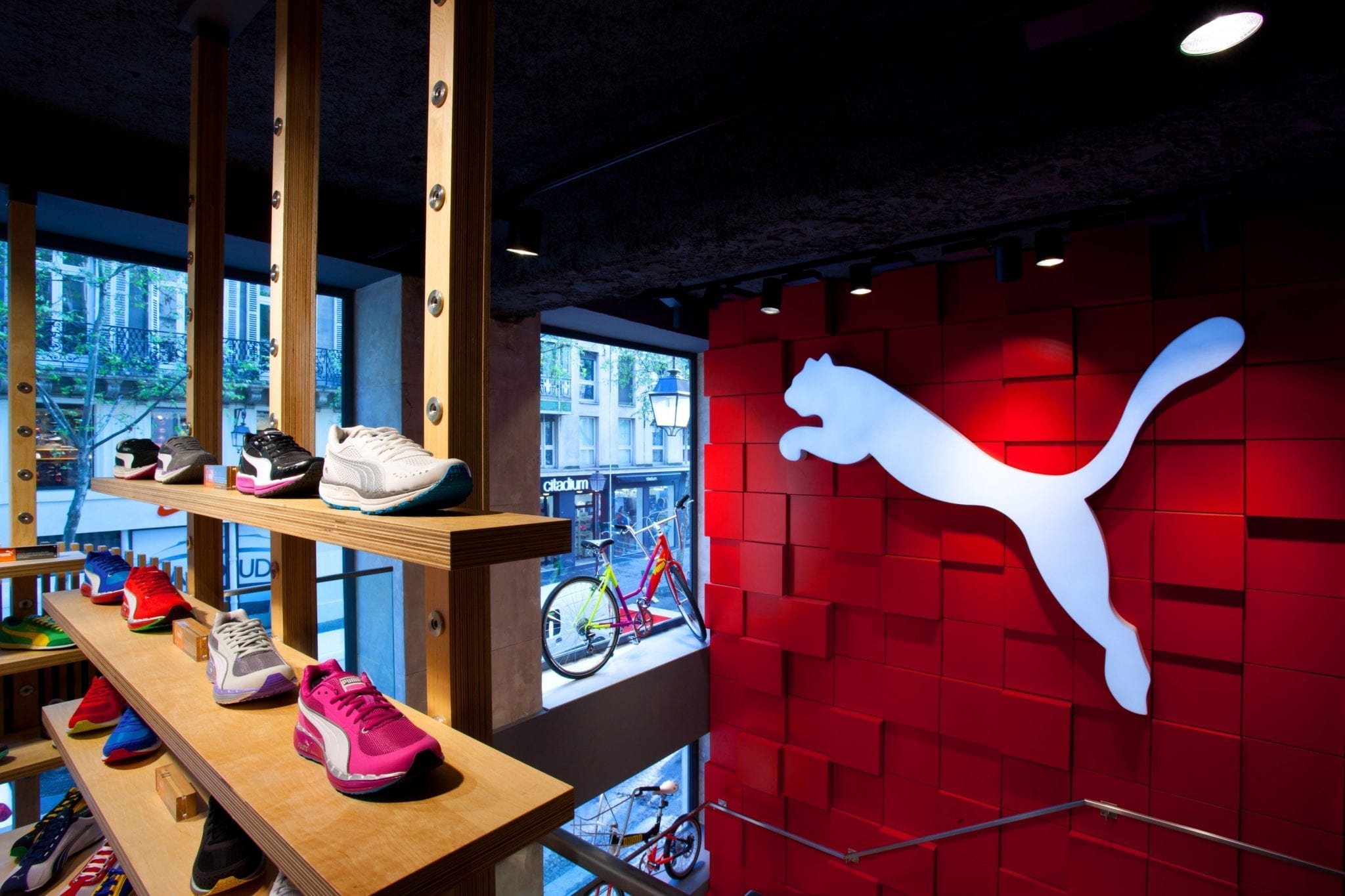
    German sportswear major Puma on Monday claimed that it has become the top sportswear retailer in India, surpassing rivals such as Nike, Adidas, Skechers and Reebok in terms of yearly sales. Puma, the third-largest sportswear manufacturer in the world, has reported sales of Rs 1,157 crore for the 12-month period ending December 2018 against Rs 958 crore reported in the year ago period.

    The company follows the January-December calendar year, while its Nike, Adidas, Skechers and Reebok go by the April-March financial year (FY) cycle.

    In FY 2017-18, Puma’s compatriot Adidas had registered sales of Rs 1,132 crore, up from Rs 1,100 crore reported in FY 2016-17.

    During the same period, American sportswear giant Nike reported sales of Rs 828 crore against Rs 807 crore reported in the previous fiscal.

    Reebok, which is owned by Adidas, saw its sales drop from Rs 416 crore in FY 2016-17 to Rs 391 crore in FY 2017-18.

    Another American brand Skechers, which is relatively new in the Indian market, reported sales of Rs 440 crore in FY 2018-19, up from Rs 282 crore reported in FY2016-17.

    “We are making strong progress in both sports performance and sport style categories,” Puma India Managing Director Abhishek Ganguly was quoted as saying.

    Interestingly, India is the only country where Puma’s sales have crossed the sales of other sportswear giants such as Adidas and Nike.

    Over the past few years, India has rapidly caught up with the wider global fitness trends. From 2015 to 2016, the Indian sportswear market grew 22 per cent, outpacing the segment’s global increase of 7 per cent, according to Euromonitor International. By 2020, it is expected to grow an additional 12 per cent CAGR (compound annual growth rate) with sales expected to reach $8 billion.

    The bitter rivalry between Puma and Adidas goes beyond mere corporate competition. It was in fact a sibling fallout that created two of the world’s biggest sportswear brands.

    In the 1920s, German brothers Adolf and Rudolf Dassler launched a shoe company together. Their business picked up after Dassler shoes were used by medal-winning Olympians through out the 1930s.

    But along with sales, tension also spiked between the Dassler brothers, which reached a boiling point during World War II. While it was not clear what exactly caused the rift, it was said to be a result of miscommunication.

    The brothers eventually split in 1947 with Rudolf forming a new firm that he called Ruda – from Rudolf Dassler – later rebranded Puma, while Adolf, who preferred to be called Adi, named his business Adidas.

  • Fosun Fashion Group launches company to help brands launch in China

    Fosun Fashion Group launches company to help brands launch in China

    Hong Kong-listed Chinese trading group Fosun has launched Fosun Fashion Brand Management Company (FFBM) to serve brands with ambitions to expand in the Greater China market. The new firm is offering full brand management services, covering retail and wholesale operations, merchandising, marketing and communications management, human resources and complete back office support. With an average of more than 15 years of operational experience in China, the FFBM team has successfully grown a number of fashion brands in China over the past two decades.

    “We are excited about FFBM. This is a major milestone for us at this critical stage in FFG’s development as we continue to expand our in-house operating capabilities,” said Joann Cheng, Fosun Fashion Group’s chairman. “The FFBM team brings a comprehensive set of operational experience spanning retail and digital in fashion, which will be invaluable as we enter this new phase of execution. This new platform provides FFG with a wider scope of competencies, and allow us to maximise control over brands’ performance in our own backyard enabling us to create incremental value for brands outside of their home markets.”

    FFBM’s CEO James Chen said that in recent years, China has become one of the core markets for many brands, and it will continue to thrive to become one of world’s top consumer markets.

    “Having lived and worked in China for the last 20 plus years, I am excited, now more than ever for the vision of Fosun Fashion Group as well as the fashion landscape in China.”

    The news comes less than a week after Fosun’s announcement of a takeover bid for German-listed fashion retailer Tom Tailor.