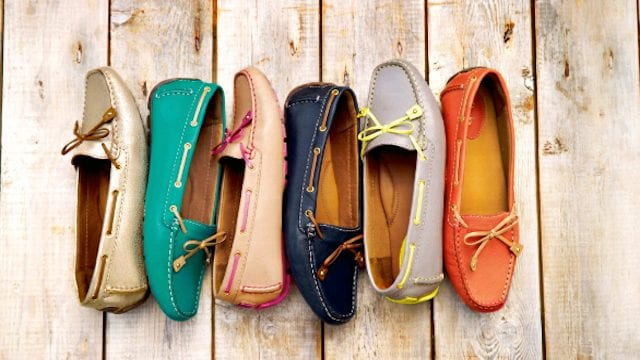
Online shoes-from-plastic brand Rothy’s is opening its first physical stores in four key US locations.
The brand creates women’s shoes from recycled materials, including plastic bottles, and has a burgeoning following in the territory. Its new stores will open in downtown Manhattan, Los Angeles, Boston and Washington DC.
A further five locations are planned to open in the US next year. To date Rothy’s has operated just one store – in its home city of San Francisco. But it has sold online across the US and internationally.
The shoes are all flats with knitted materials, retailing from $125–165. The popularity of the footwear has rested on the Rothy’s marketing savvy and advertising investment on social media. The firm has thus far raised $42 million and earnt $140 million in revenue last year. It has recycled around 32 million plastic bottles.
E-commerce giant Amazon has clinched the top spot in the world’s most valuable brand ranking, surpassing Google and Apple, according to a recently released ranking of global companies.
The Seattle-based retailer has been valued at US$315.5 billion, up 52 per cent on last year with tech giant Apple coming in second, valued at $309.5 billion and Google in third place at $309 billion, Brand Z’s Top 100 Most Valuable Global Brand 2019 ranking (compiled by WPP research agency Kantar) revealed.
Google and Apple had spent a combined 12 years at the top of Brand Z’s list, with Google taking the top spot last year.
“Amazon’s smart acquisitions that have led to new revenue streams, excellent customer service provision and its ability to stay ahead of its competitors by offering a diverse ecosystem of products and services, have allowed Amazon to continuously accelerate its brand value growth,” Brand Z’s report indicated.
Chinese e-commerce company Alibaba has overtaken Tencent for the first time to become the most valuable Chinese brand, moving up two places to number seven, growing 16 per cent to $131.2 billion.
Tencent dropped three places to number eight, declining by 27 per cent to $130.9 billion year-on-year.
Social media platform Facebook has retained its sixth spot while Instagram, at number 44, was named as this year’s fastest riser, climbing 47 places with a massive 95 per cent growth in brand value with $28.2 billion.
Athleisure retailer Lululemon was named the second fastest riser, showing a 77 per cent growth year-on-year to $6.92 billion.
“We’re seeing a move from individual product and service brands to a new era of highly-disruptive ecosystems,” said David Roth, CEO of The Store WPP EMEA and Asia and chairman of Brand Z.
“Brands need to understand the value this type of model can create and should embrace its approach to be successful in the future,” Roth said.
Swee!, a hyper-local brand under the Private Label umbrella of RedMart, Singapore’s leading online grocery retailer, has been awarded Gold in the New Brand category at the 2019 Vertex Awards. The annual Vertex Awards celebrates and recognises the best in private brand packaging design across the globe.
Other Gold Award winners this year include renowned overseas retailers such as Woolworths Supermarkets in Australia, 7-Eleven in the US, Sobeys in Canada, Albert Heijn and SPAR in the Netherlands, El Corte Inglés in Spain, and German supermarket chain Aldi.
Launched in February 2018, the Swee! brand is a celebration of Singaporean tastes and preferences, offering entry-level, everyday groceries and household items ranging from oyster sauce and sesame oil to sausages and scourers for Singapore shoppers. It is one of three brands under RedMart’s Private Label range, along with RedMart Label and World’s Cellar. Launched in May 2015, the three brands together house more than 320 products across 13 categories, all sold exclusively on RedMart.
Richard Ruddy, Chief Retail Officer and Head of Grocery for Lazada Singapore, said, “We launched our RedMart Private Label range in May 2015 with the aim of delivering value for money to customers with no compromise on quality or innovation. Since then, the range has grown by leaps and bounds – we have experienced 80 percent year-on-year growth and more than tripled our Private Label revenue since June 2017, and almost 50 percent of RedMart shoppers now buy RedMart Private Label products.”
Nupur Agrawal, Private Label Lead at RedMart, said, “We are thrilled to receive this award with Anthem Singapore for RedMart’s Swee! Label, which is under our Private Label umbrella. We will continue to expand our offerings to provide Singapore grocery shoppers with the best product range and quality regardless of price point, as well as look for ways to enhance the online-to-offline experience, such as through innovative and iconic packaging designs.”
Anthem, the global creative agency responsible for Swee!’s packaging design, was challenged by RedMart to deliver a brand story with local relevance and ultimately attract more traditional shoppers who are more comfortable buying from their regular brick-and-mortar supermarket. RedMart and Anthem’s goal was to create a brand proposition that connects with the local consumer and answers their need for a range of simple, fit-for-purpose items.
Spencer Ball, Creative Director of Anthem Singapore, said, “It is a proud moment seeing Swee!, a brand born out of Singapore’s heartland, being honoured on the world stage. This is a perfect example of the shared belief in a simple, strong idea, from a talented creative team and a bold client.”
As a strictly online brand, packaging presentation and branding is paramount. RedMart and Anthem collaborated to create a brand with a ‘chirpy’ personality, but with a familiar simplicity. Drawing on inspiration from Singapore’s heartland, with a nod to the utilitarian aesthetics of high-rise public housing estates and the unpretentious language of the neighborhood wet market, Anthem landed with the brand name ‘Swee!’ – a Hokkien expression that roughly translates to ‘works perfectly’. Since its debut on RedMart, the line has continued to grow with a diverse range of products.
Anthem is known for choosing to collaborate exclusively with retailers and brand owners who share their company values in ensuring the highest quality products. The brand development partnership with RedMart was a great fit, as RedMart’s Private Label is built on stringent quality guidelines with a deep commitment to supporting sustainably and responsibly sourced products.
Anthem, part of SGK group, had previously won Vertex awards for other projects. This year, the group has also won Gold Vertex Awards for the work developed for Woolworths Supermarkets.
The 2019 Vertex Awards received a record number of entries from 33 countries representing the absolute best in packaging design from across the globe.
RedMart is fully owned by Lazada Group, Southeast Asia’s leading eCommerce and shoppertainment platform.
If you think about what your home was like even just a few years ago, life was very different.
Think about what grocery shopping was like. You’d open your fridge door to check out what’s missing, scribble down on a notebook a shopping list of what you need, turn off the aircon and switch on the alarm before you left the house and leave.
Now, your smart fridge automatically knows when you’re running low on milk and will order the specific brand and size that you prefer and have it delivered to your front door. Left home and forgot to switch the aircon or alarm on or off? Simply view the app on your smartphone and tap your appliances on or off.
Known as the Internet of Things (IoT), people are consuming information from more connected devices and as a result, marketing practices are rapidly changing. Retailers need to learn how to speak to customers through more channels than before.
As IRI’s product solution director Adam Fisher explains, while more devices are creating more communication, marketers are getting blocked where they weren’t before. What happens when your fridge starts ordering groceries for you? Where a marketer could previously capture customers at the shelf in a grocery store, they now need to work out how to get your attention when the fridge automatically orders milk to your doorstep.
“From a marketer’s standpoint, there are so many devices vying for people’s attention —How do you get the right person’s attention at the right time?” Fisher says.
According to Fisher, one of the biggest challenges for retailers is knowing how to turn all the data into actionable information.
“It’s knowing how do I bring [the information] in, how do I make sense of it, but on top of that, how do I know when I need to do something when it’s signalling something?” he points out.
Marketing automation can give brands more insights and data into how people are responding to these different channels and how they should be approached, suggests Fisher. It’s one of the biggest trends in retail today
and can help businesses engage with their customers by programmatically finding the optimal marketing and promotional activities for defined customer segments.
A major benefit of IoT is the fact that based on all this new information from devices, brands and retailers are able to bring products to market faster, allowing them to keep up with the ever-changing retail landscape.
However, it is vital that businesses have the right infrastructure in place in order to deliver real business growth.
Fisher says: “It is important that they have the technology and right partner in place. In order to do this, brands and retailers will have to combine mobile and cloud technology infrastructure and go entirely digital to build a new business model by connecting people, things, processes, and data to keep up with technological innovation. That is the essence of what we do at IRI, is connecting the dots to help make faster and stronger business decisions.”
Switzerland-based fashion house Philipp Plein has opened its first single-brand store in Singapore.
Located at Marina Bay Sands, the two-level flagship store spans 236sqm with separate entrances for the men’s and women’s areas.
Menswear is located on the first floor, which is decorated with the brand’s distinctive crystal skull design. Clothing is arranged on the right-hand side of the shop, with accessories on the left.
The womenswear collection of clothing and accessories is located on the second floor.
The store is part of a broader expansion by the fashion house in Asia: more new stores will soon be opening in Seoul and Bangkok and another in Kuwait.
Founded in 2008, Philipp Plein now has 250 single-brand stores worldwide.
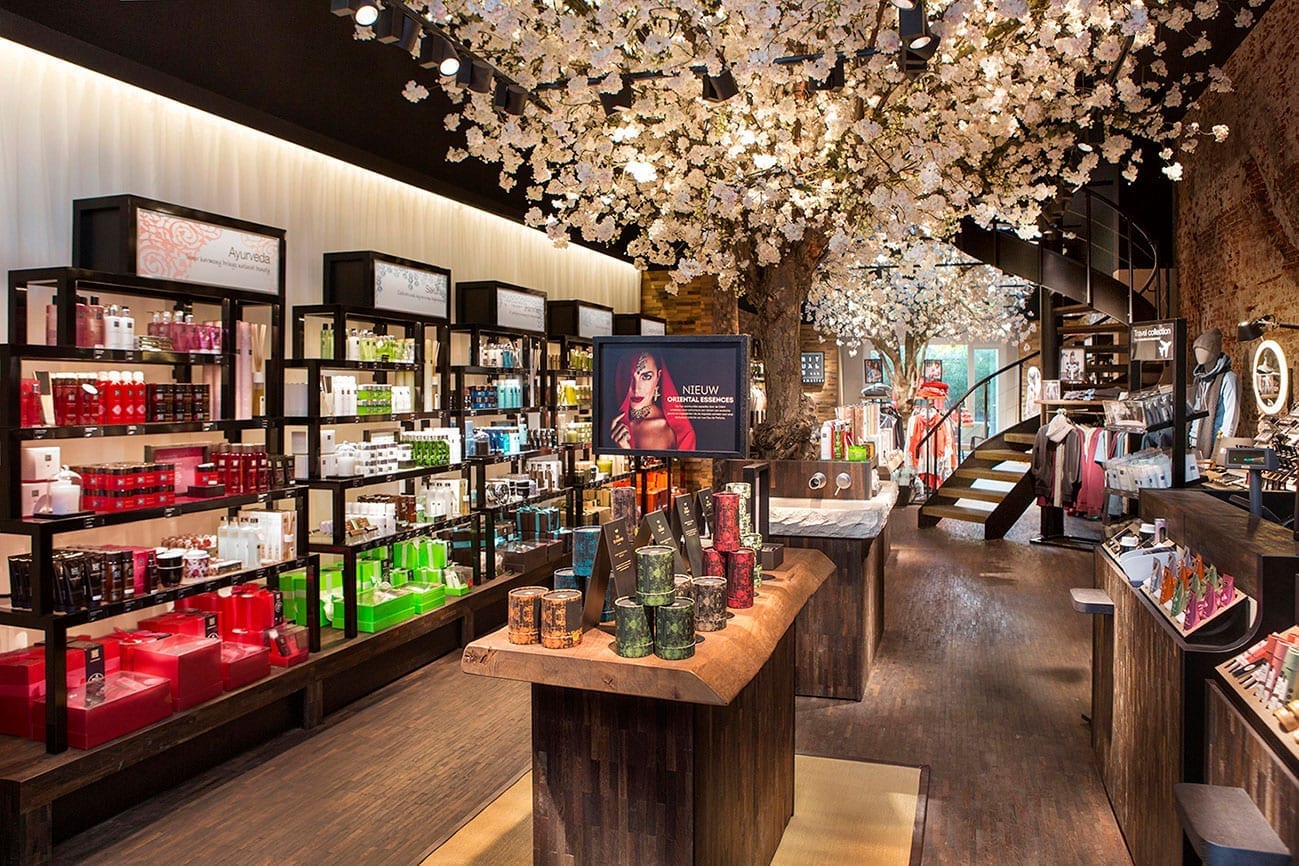
The first standalone Rituals Hong Kong store is slated for opening in July as the Dutch cosmetics retailer ramps up its presence in Asia.
The company has promoted business development manager of travel retail, Marjet de Vlieger, as head of travel retail Apac. She will take up the newly created role on July 1 and relocate to the city in January. A Rituals Hong Kong office and warehouse are set to open next month.
Until now, Rituals has only been sold in the region through concessions, including one at the T Galleria by DFS stores on Kowloon’s Canton Road. But that is about to change. Along with the Hong Kong store, the first in Asia, Rituals plans 10 new points of sale in the region, including a debut in South Korea.
“Opening the Hong Kong office and warehouse facility is a major investment and steps forward as we look to convert the Asia opportunity,” said Rituals director of travel retail Neil Ebbutt.
“For Rituals, travel retail is leading the way in building the brand’s presence in Asia, which not only shows the power of the channel but also allows airports and retailers to better differentiate themselves by being the gateway into the Rituals world.
“Our vision is to build a truly global lifestyle brand and we’re ready to capitalize on this travel retail-first approach,” he said.
Rituals has a five-year plan to build sales across Asia encompassing travel retail, standalone stores, and e-commerce. It will seek partnerships with airlines and hotels through a network of distributors.
No prize for guessing who tops the list, but some surprises come further down.
There is no prize for guessing which brand is China’s most valuable… but there are surprises further down the top-10 list. Alibaba tops the list of China’s most valuable brands for the first time, recording annual growth of 59 percent to US$141 billion.
The accolade was awarded in the annual BrandZ Top 100 Most Valuable Chinese Brands ranking, published by WPP and Kantar. In the past five years, Alibaba has outperformed the WPP/Kantar Top 100 overall, with it’s brand value climbing 136 percent, compared to the Top 100’s 92 percent rise.
In the second spot on the list of China’s most valuable brands was Tencent, parent of WeChat. Perhaps the biggest surprise was JD which managed only 10th. (The full table is published below)
Despite China’s slower economic growth and international trade tensions, the total value of the BrandZ Top 100 increased 30 percent to $889.7 billion, the highest annual rise since the ranking launched in the year 2011. The growth has been fuelled by brands accelerating their expansion into China’s lower-tier cities, which have seen rapid development and rising consumer buying power, and increase positive attitudes to Chinese consumer brands with a global presence.
On this year’s list of China’s most valuable brands, 13 of the 24 categories increased in value, with entertainment seeing the largest year-on-year growth of 186 percent, followed by education (57 percent) and retail (55 percent). Technology accounted for the most brands out of the Top 100 (11), contributing 26 percent of the ranking’s total value and dominating the top 10 leaders in terms of overseas presence with six brands – double the number last year.
Innovators in AI, e-commerce, New Retail, and social media performed strongly in the study. The success of many high-performers, according to BrandZ, has been driven by a mobile-centric, convenience-driven Chinese lifestyle.
There is vast potential for further brand growth overseas as China moves beyond the industrial focus of its Belt and Road initiative towards establishing leadership in areas including AI, robotics, Internet of Things and green energy. The report also shows the investments brands make to build value are measurably rewarded in the stock market.
“China’s stock market volatility over the past year has provided a real-life stress test for valuable brands, which continued to outperform the market,” said WPP CEO David Roth. “Put simply, valuable brands deliver superior shareholder returns. $100 invested in the MSCI China Index in 2010 would be worth around $128 today. That $100 invested in the BrandZ China Top 100 would now be worth $211.
“The threshold to enter the BrandZ China Top 100 has more than doubled from $311 million in 2018 to $681 million this year, demonstrating the continued pace of growth for Chinese brands increasingly recognized as leading the way in innovation. Against a backdrop of heightened competition and disruption, building stronger brands is what it takes to stay in the game.”
Since first appearing in the ranking in 2015 following its IPO, Alibaba’s rise to the number one spot in 2019 reflects the growth of a brand which has contributed to transformational changes in the Chinese market.
In BrandZ’s ‘Brand Power’ metric of brand equity, Alibaba scored particularly strongly for being ‘meaningful’, suggesting the brand known for coining the term ‘New Retail’ has successfully created closer connections with its consumers.
The Brand Power metric also looks at how brands perform in being different (distinctive), and salient (coming to mind at the moment of consideration). While Chinese brands generally score well for being meaningful and salient, they do not perform as well in being viewed as truly distinctive from the competition or as trendsetters.
“Whether going abroad or expanding domestically, the potential for brand growth is huge for China’s most valuable brands,” said the global head of BrandZ at Kantar Doreen Wang, “but realizing it requires the knowledge and expertise needed to surmount new challenges. This report highlights the importance of Chinese brands to build a difference in the domestic and global marketplace.”
Palladium, K-Swiss and Supra brands sold by South Korean’owned E-Land Footwear USA.
Hong Kong-listed sportswear giant Xtep International has bought three US footwear brands from South Korea’s E-Land USA.
The Chinese company will pay US$260 million for all the outstanding shares in E-Land Footwear USA Holdings, which owns the K-Swiss, Palladium and Supra brands. Settlement is due by the end of July.
Xtep chairman and CEO Ding Shui Po said the purchase marked the company’s move into “a new era of business” following a three-year strategic transformation.
He said the brands would complement Xtep’s product portfolio “and elevate us as one of the leading global multi-brand sportswear companies”.
“Not only will it strengthen Xtep’s foothold in the expanding Chinese sportswear market, but will also provide us with growth opportunities in untapped overseas markets such as Southeast Asia. In other words, Xtep has what it takes to speed up business growth both domestically and overseas in the years to come.”
All three brands have global name recognition and are target the high end of the market.
K-Swiss, a heritage athletic shoe brand which was founded in California in 1966, offers performance tennis footwear, lifestyle and fitness footwear targeting athletes and trendsetters. Palladium is one of the best-known global pampa boot brands established in France in 1947. Between them, the brands have a global presence covering more than 80 countries and territories.
Ding Shui Po said the brands’ distinctive positioning and different target customer groups are highly complementary to Xtep’s brand portfolio.
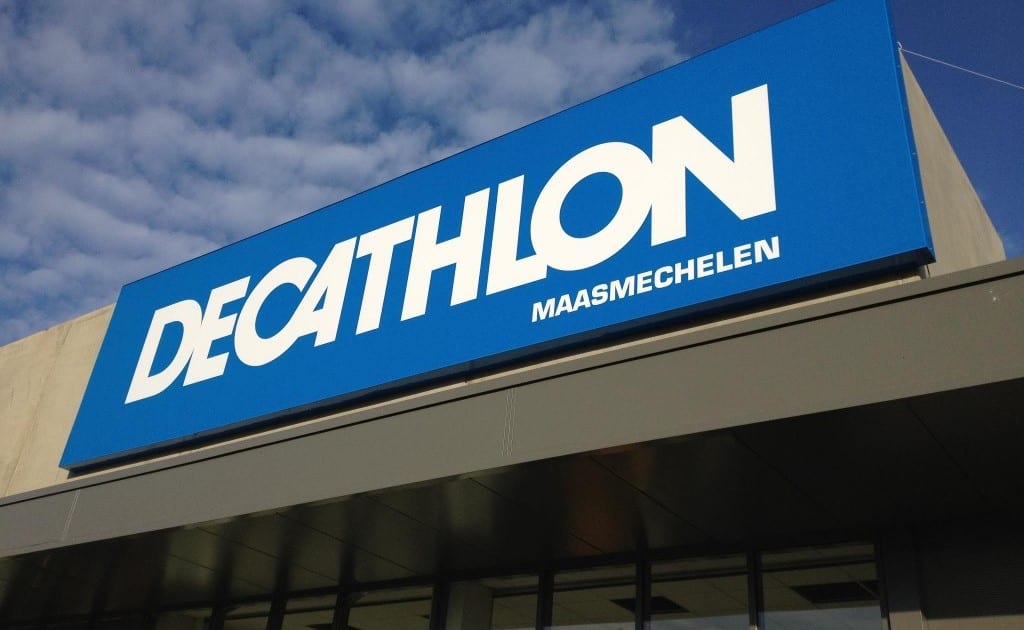
Decathlon Vietnam has opened its first store, at Vincom Mega Mall Royal City in Hanoi. Located on level B1, the store spans 4300sqm, offering more than 14,000 items covering 70 sports for all levels of player.
Prices meet the market for local customers, such as a VND63,000 (US$3) backpack, or a US$10 tennis racquet.
Customers can also test products designed for activities like hiking, jogging or basketball at the store before making a purchase.
“We want our customers to feel satisfied when choosing Decathlon,” said Manu Pirenne, Decathlon Vietnam’s Hanoi CEO.
“We are willing to exchange to new products or refund if our customers are not satisfied, within six months. Decathlon also has an at least two-year warranty on all products.”
The second store which spans 2600sqm will be opened in Ho Chi Minh City on May 25, at Aeon Tan Phu.
Decathlon Vietnam launched as an online-only store, with several Collect Points located in Ho Chi Minh City and Hanoi.
To cut the prices, the company has set up its factory in Thai Binh province, and partnered with more than 100 retailers and brands.
Established in 1976, the France-based sports retailer now has 1513 stores in 53 countries.
It opened the largest store in Singapore earlier this year.
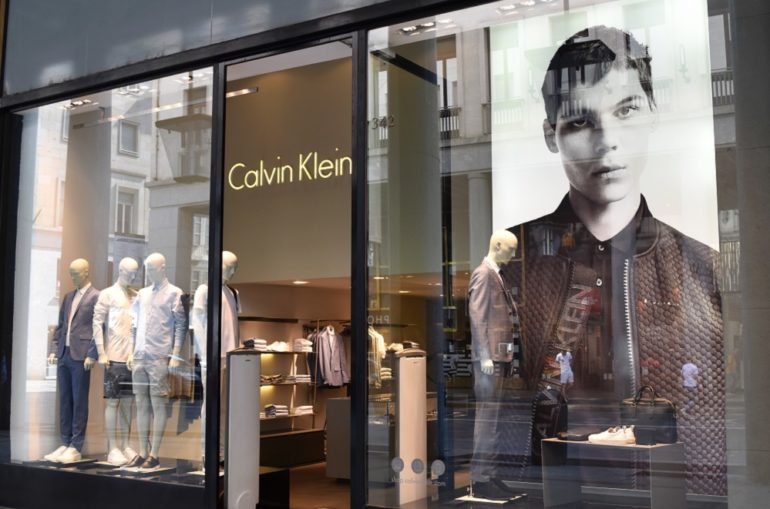
The first store bringing together the entire Calvin Klein offering in Australia opened over the Easter long weekend at Queensland’s Sunshine Plaza. Spanning over 310sqm and offering a full range of men’s and women’s underwear, jeans, performance, accessories, as well as kid’s underwear, the store is the Calvin Klein’s 32nd in Australia, and reflects the brand’s minimal, modern aesthetic.
Sunshine Plaza recently finalised a $440 million redevelopment, boasting over 345 retail stores to become the first ‘super regional’ shopping centre North of Brisbane.
Calvin Klein’s presence in Australian and New Zealand had previously been run by Gazal Corporation, but the brand’s US-based owner, PVH Corporation, recently outlined plans to purchase Gazal.
The deal, which also impacts the Tommy Hilfiger brand and is expected to be finalised in the second quarter of 2019, will give PVH a more direct hand in the brand’s Australasian operations.
“I’m pleased that we have agreed to acquire Gazal. PVH currently – and for many years – has had a successful business relationship with our Australian partners and would be pleased to bring them into the larger PVH family,” Emanuel Chirico, PVH Corporation’s chairman and CEO said.
“Gazal has enhanced the market position of our brands in Australia and New Zealand and we believe the region continues to offer significant growth over the next five years and aligns with our strategic priority to expand our direct control of businesses operated under the Calvin Klein and Tommy Hilfiger brands worldwide.”
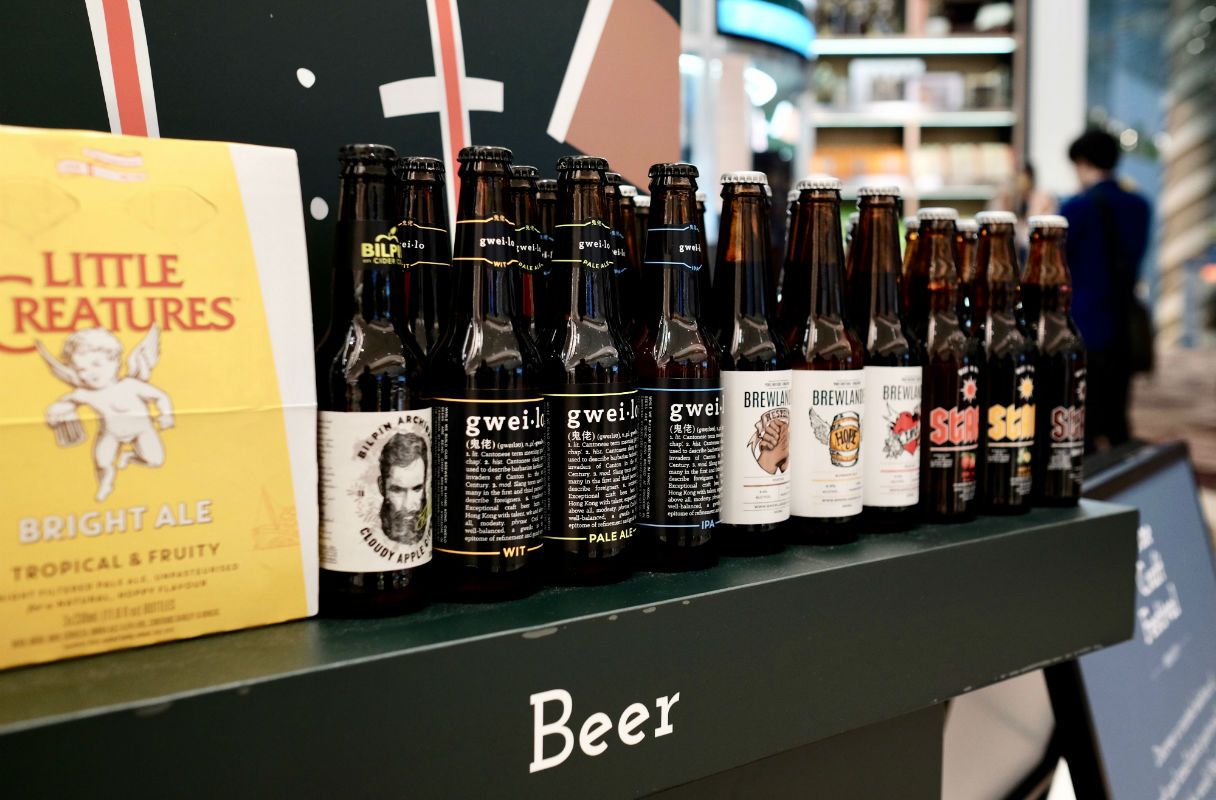
Tiger creates experiential space. Tiger Beer has unveiled Tiger Street Lab at Singapore’s Jewel Changi – billed as the brand’s first global experiential concept store.
Tiger Street Lab expands the brand beyond beverages into food, fashion and design, in an ‘open-air’ space overlooking the world’s tallest indoor waterfall at the heart of the new shopping centre.
“As a brand born and brewed in Singapore, we are excited to debut the Tiger Street Lab concept at Jewel, which we believe is set to become the next Singapore icon,” said Faye Wee, marketing director at Asia Pacific Breweries Singapore.
“Jewel will be a place where Singapore meets the world and the world will meet Singapore, and we are proud to be one of the local brands that will fly Singapore’s flag high. With Tiger Street Lab, we have created an experience that represents Singapore that locals can be proud of on an international stage, leaving it up to Singapore talents to decide what that should look like,” she said.
The Tiger Street Lab menu was created in collaboration with local music and F&B group, Timbre and Zi Char mainstay, Keng Eng Kee (KEK) Seafood.
In addition to the beer and food, visitors can get creative at Tiger Street Lab.
Featuring interactive touchscreens powered by digital print innovation, customers can select a series of unconventional designs exclusive to Tiger Street Lab to personalise their own beer bottle labels. The customisation station is equipped with on-the-spot printing, enabling visitors to make their picks an instant reality.
The overall experience will be complemented by contemporary local designs featuring the iconic tiger motif. Recruited via Tiger Beer’s Roar Collective platform, emerging local artists Cyntherea Tan, Esther Goh, Chris Chai, and creative studio Tell Your Children, created artwork to provide an inspirational ambience at the Tiger Street Lab.
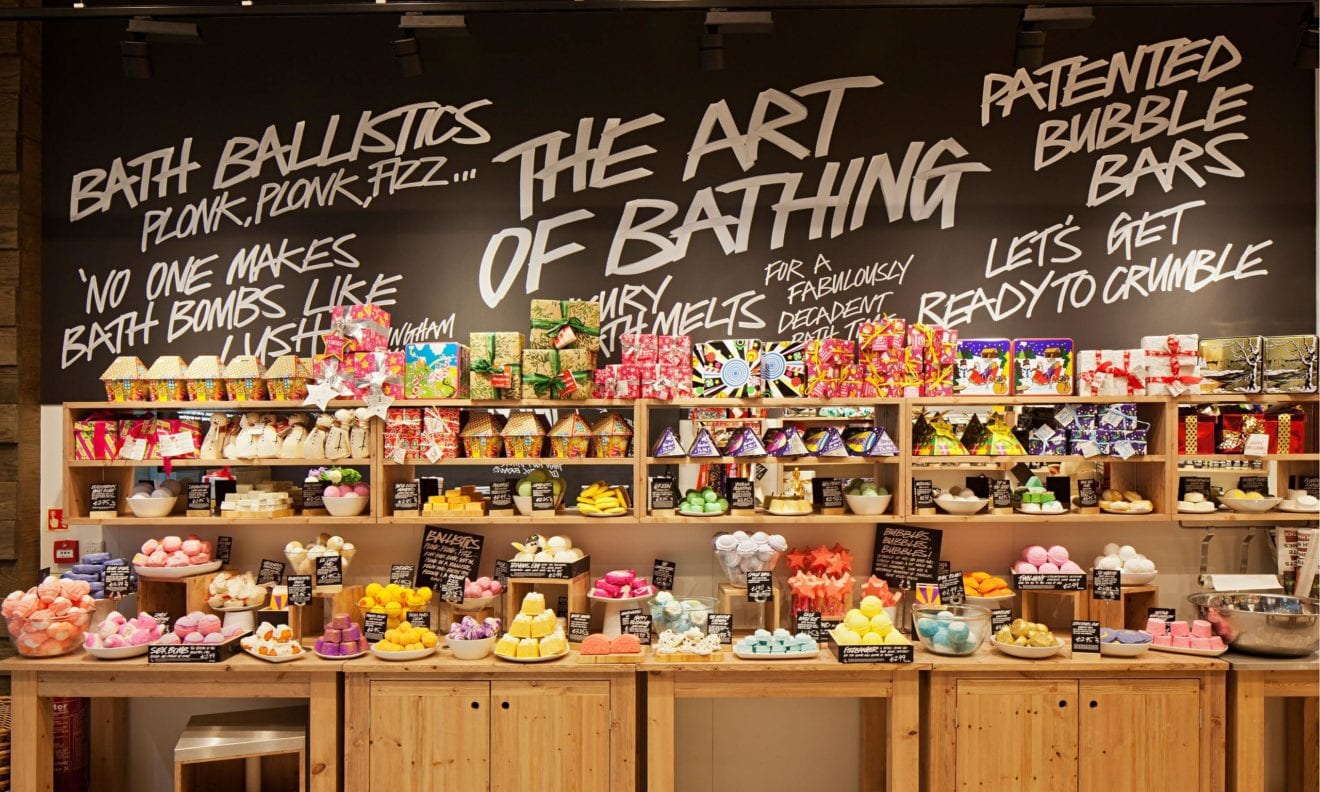
Beauty and well-being retailer Lush UK will close its social media accounts this week, citing disillusionment with the algorithms and pay-to-display policies determining how they appear in their customers’ feeds.
The firm will shut down Lush UK, Lush Kitchen, Lush Times, Lush Life, Soapbox and Gorilla across Facebook, Twitter and Instagram. US accounts will remain active for the time being.
Lush will instead attempt to connect with followers via its website chat feature or through more traditional means of communication, although it may still work with social media opinion leaders to provide “an opportunity for our customers to connect one-on-one with people within Lush”.
The shutdown will silence Twitter, Facebook and Instagram channels followed by hundreds of thousands of fans.
“We don’t want to limit ourselves to holding conversations in one place, we want social to be placed back in the hands of our communities – from our founders to our friends,” the firm announced.
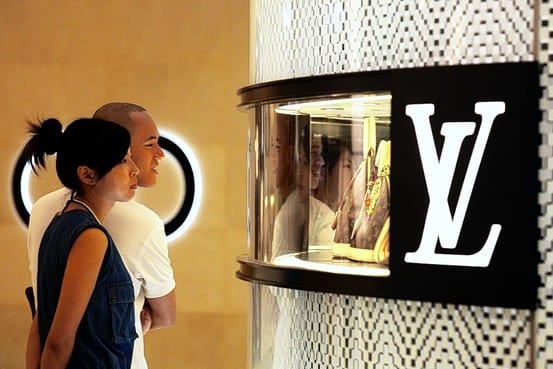
LVMH global revenue rose 16 per cent in the first quarter of this year, with Asia and every other geographical market fuelling growth.
Organic growth – excluding acquisitions – was 11 per cent higher than the same period last year.
The fashion-and-leather-goods business saw organic sales rise 15 per cent.
“Louis Vuitton continued its remarkable growth across all of its businesses. Its performance was exceptional, its creativity ever more striking and innovative, and its men’s and women’s Autumn-Winter fashion shows were universally acclaimed,” the company said in a statement.
“The transformational upgrade of its distribution network continued with highly successful and iconic re-openings, including Florence, London’s Sloane Street, Monaco and Shanghai IFC. Christian Dior Couture performed exceptionally well across all its product categories and regions. At Celine, the new Men’s and Women’s ready-to-wear collections arrived in stores as the new concept starts to be rolled out. Fendi, Loewe and Berluti are growing fast. Loro Piana’s vicuna and shoe collections performed well. The other Maisons continued to progress.”
In selective retailing, organic revenue rose 8 per cent, with Sephora recording strong revenue growth and market share gains during the period.
Online sales grew strongly and DFS grew “at a steady pace”.
“The Gallerias of Hong Kong and Macao performed particularly well,” the company reported.
Wine and spirits business sales rose a more modest 9 per cent in the quarter, however Hennessy cognac volumes increased by 11 per cent, driven largely by China and the US.
In perfumes and cosmetics, organic revenue increased by 9 per cent in the quarter.
Parfums Christian Dior had a standout quarter, helped by the launch of its new fragrance Joy.
Louis Vuitton global revenue from watches and jewellery grew the slowest, at just 4 per cent, with watches lagging.
Customers in New Zealand are less likely to be “fans” of brands, and are more likely to be “disappointed” by their shopping experience than customers in Australia.
This is the finding of a recent comparison of New Zealand and Australian customer insights by TruRating, a customer feedback provider that launched in New Zealand this week.
The company found that 64 per cent of Australian customers were “fans” of a brand after shopping with them. This means they gave the brand a rating of 8 or 9, which is correlated with loyalty and higher spending.
But based on data from its nine-month soft launch in New Zealand with several local retailers, including Kathmandu and Bendon, only 54 per cent of Kiwis were “fans”.
When it came to bad experiences, 18 per cent of Australian customers said they were “disappointed” and gave a business a rating of 0-3. This could impact average transaction value, TruRating said.
In comparison, 24 per cent of customers in New Zealand gave a brand such a poor rating.
The feedback company also noted a key difference in what drives customers to spend in New Zealand compared to Australia. While “overall in-store experience” was the most important factor in both countries, “product range” was the second-most important factor in New Zealand, while “service” was second-most important in Australia.
“In Australia, customers are happiest on weekday mornings, and in New Zealand, Wednesday is the happiest day for shoppers,” TruRating said.
“In general, New Zealand customers are least happy with their experience on Sundays, which is unfortunate as they are likely to spend more on this day.”