Tag: Brand

  • Lavazza launches with a strong partner with with Yum Brands

    Lavazza launches with a strong partner with with Yum Brands

    Fast-food and QSR-restaurant operator Yum China has partnered with Italian coffee company Lavazza to develop a network of coffee shops across the country.

    The companies have opened a Lavazza Flagship store in Shanghai, first outside Italy, as the first step in the new partnership.

    The flagship is located in Jing’an, Shanghai’s historic downtown district, offering what the companies describe as “an immersive Italian coffee shop experience that is almost identical to what they could expect to find in Italy”. High ceilings, artistic murals and marble furnishings help deliver the Italian ‘feel’ and the coffee is complemented with a “gastronomic cafe” serving traditional Italian-inspired snacks.

    “We see great potential for coffee in China and Lavazza shares this enthusiasm,” said Joey Wat, CEO of Yum China. “Leveraging our deep understanding of Chinese consumers, we look forward to working together with Lavazza to explore the coffee market in China.

    Antonio Baravalle, CEO of Lavazza Group, described Yum China as “a prestigious partner with in-depth knowledge of the market and the needs of Chinese consumers”.

    “China is an important market with huge untapped potential for coffee consumption. We have been searching for the right opportunities to establish Lavazza in China and Asia, and this partnership is an important first step,” he said.

    The 125-year-old family-owned Lavazza positions itself as a premium brand offering high-quality coffee. It has a strong presence across Asia at the retail level and as a supplier of beans to independent cafes, which must meet strict standards of coffee-making to be allowed to serve the brand.

    Lavazza has created a blend exclusively for the China market: Bel Paese Coffee, which it says offers tastes from across the different regions of Italy, including using historic espresso recipes and local interpretations.

    A range of ‘Coffee Design’ specialty coffees is also available at the Lavazza Shanghai Flagship Store.

    The food menu was created in partnership with an unnamed Michelin-starred chef to provide an authentic Italian offer.

    Yum China says its brands – including Pizza Hut, KFC and a growing portfolio of Chinese food chains – sold 130 million cups of coffee to consumers last year

  • Burberry management take pay shave as luxury brand keeps staff on payroll

    Burberry management take pay shave as luxury brand keeps staff on payroll

    Senior management of British luxury fashion house Burberry has taken a voluntary pay cut and the company has opted to retain base pay for all its employees during the Covid-19 crisis, without relying on UK government support for jobs.

    During the past three months, the firm has temporarily closed retail stores and implemented strict social-distancing protocols.

    As reported last month, Burberry has converted its Castleford trench coat factory into a manufacturer of personal protection equipment (PPE) for medical and care workers during the pandemic.

    “While we continue to take mitigating actions to contain our costs and protect our financial position, we are also committed to safeguarding jobs and supporting the relief efforts during this global health emergency,” said Burberry CEO Marco Gobbetti.

    “I would like to thank our teams for their continued determination and resilience as we continue Thomas Burberry’s legacy of protecting others and caring for the community.”

    Savings on executive salaries between now and June will be contributed to support communities in need globally is additional to the financial donations Burberry has made to vaccine research and charities alleviating food poverty – with monies going towards procuring and distributing PPE, helping food banks and supporting healthcare charities around the world.

  • Shiseido kicked off Baum retail brand

    Shiseido kicked off Baum retail brand

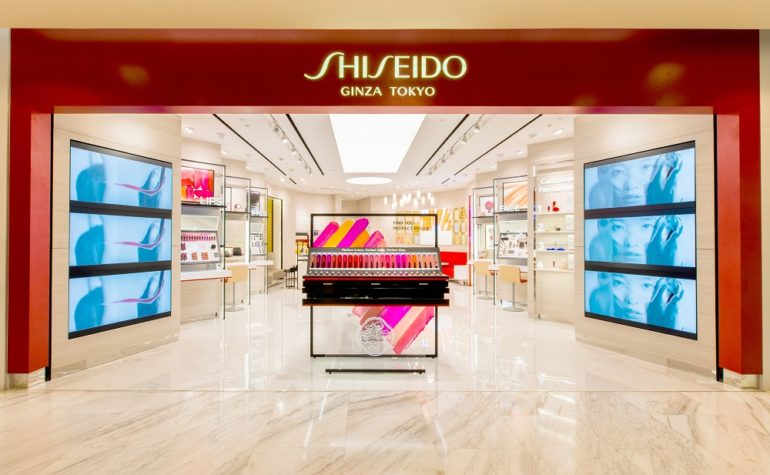
    Japanese cosmetics label Shiseido has released a new skincare brand, called Baum.

    In response to consumers placing greater importance on companies’ and brands’ attitudes toward social responsibility and environmental considerations, Baum focuses on sustainability. It features a range of 27 products to be released on May 30 via Shiseido’s Prestige business category.

    The products are formulated to support healthy skin regardless of age or gender, with a focus on three key characteristics found in trees – water storage, growth, and environmental defense. The brand is positioning itself as focusing on the “power of trees, gracefully harmonizing with environmental changes and living for hundreds of years”. It ascribes to a sense of coexistence with nature that it asserts has been “valued by Japanese people for centuries”.

    Production of the Baum range is particularly attentive to sustainability concerns, with the use of upcycled wood in product packaging; actively offering to refill products; using bio-based plastics and recycled glass and participating in forest conservation activities – with plans to plant and grow oak trees scheduled to begin next year.

  • Anta Sports hits sales and profit record

    Anta Sports hits sales and profit record

    Chinese sports shoe retailer Anta Sports has delivered its sixth consecutive year of sales growth, reaching a record US$4.8 billion in 2019, 40 percent up on the prior period.

    Hong Kong-listed Anta Group owns many Chinese and international sports brands, including Anta, Fila, Descente and Kolon Sport.

    Sales of the Anta brand surged 21.8 percent, and for Fila by 73.9 percent.

    Profit attributable to shareholders was a record $757 million, up 30.3 percent, marking the third consecutive year of 30-per-cent-plus growth for the company.

    Anta ended last year with 12,943 stores, 10,516 of those across Mainland China bearing the Anta or Anta Kids banners. Another 1951 Fila stores are located on the mainland and in Hong Kong, Macau, and Singapore and there are 136 Descente stores in China.

    The company said a policy of pursuing “high-quality growth, organic operation, and strong cost management” over recent years had laid a solid foundation for the group to cope with market uncertainties especially in times of challenges posed by the global Covid-19 outbreak.

    “Prior to the outbreak, brands under the group have already realized strategic plans of both online and offline development,” the company said in a statement.

    “In the early stage of the outbreak, the group has also reacted promptly to offset the blow from coronavirus – implementing strict cost management, exercising community marketing, building more flexible supply chains, maintaining on-time logistics and deliveries, and promoting e-commerce innovation are all among concrete moves that Anta Group has made.”

    The company is predicting a “low double-digit” decline in sales for the first half of the current year as a result of the coronavirus crisis impacting retail, but anticipates a return to growth in the second half given the rebounding Chinese economy.

    “Therefore, the group is confident to achieve positive annual growth by the end of 2020.

    “From a long-term perspective, the Covid-19 outbreak will not last for an indefinite period of time and consumers’ needs for health and fitness products will definitely be heightened, which will contribute to the group’s swift recovery after the crisis.”

  • How e-sports apparel will help brands differentiating

    How e-sports apparel will help brands differentiating

    The popularity of sports apparel with Millennial and Gen Z consumers makes partnerships with esports teams a likely emerging trend, according to a new report.

    The recent Sportcal analysis, Sponsorship in the Apparel Sector, showed that esports apparel deals tripled last year within the industry, citing significant deals made by Adidas and Nike with a combined value of US$600 million.

    “Esports continues to defy expectations,” said Wiacek Sportcal, head of analysis and consulting at GlobalData’s Sportcal. “With brand sponsorship already a crucial part of the sports revenue, it is perhaps no surprise to see that esports has followed traditional sports in exploring the viability of kit deals.”

    He said that while Nike and Adidas make for natural partners, esports apparel opportunities are appealing beyond the traditional ‘kit suppliers’ with the likes of Louis Vuitton building partnerships in this space.

    “With nearly half the esports audience based in Asia, many brands see esports as a way of reaching this fan base. While Louis Vuitton is already present in China specifically, the ability to partner with esports engages both the younger audience and the countries’ growing middle class.”

    Wiacek concluded that developing technological solutions to engage modern audiences could prove a game-changer for the sector.

  • Loss-making Bauhaus to close 10 stores, axe 100 staff

    Loss-making Bauhaus to close 10 stores, axe 100 staff

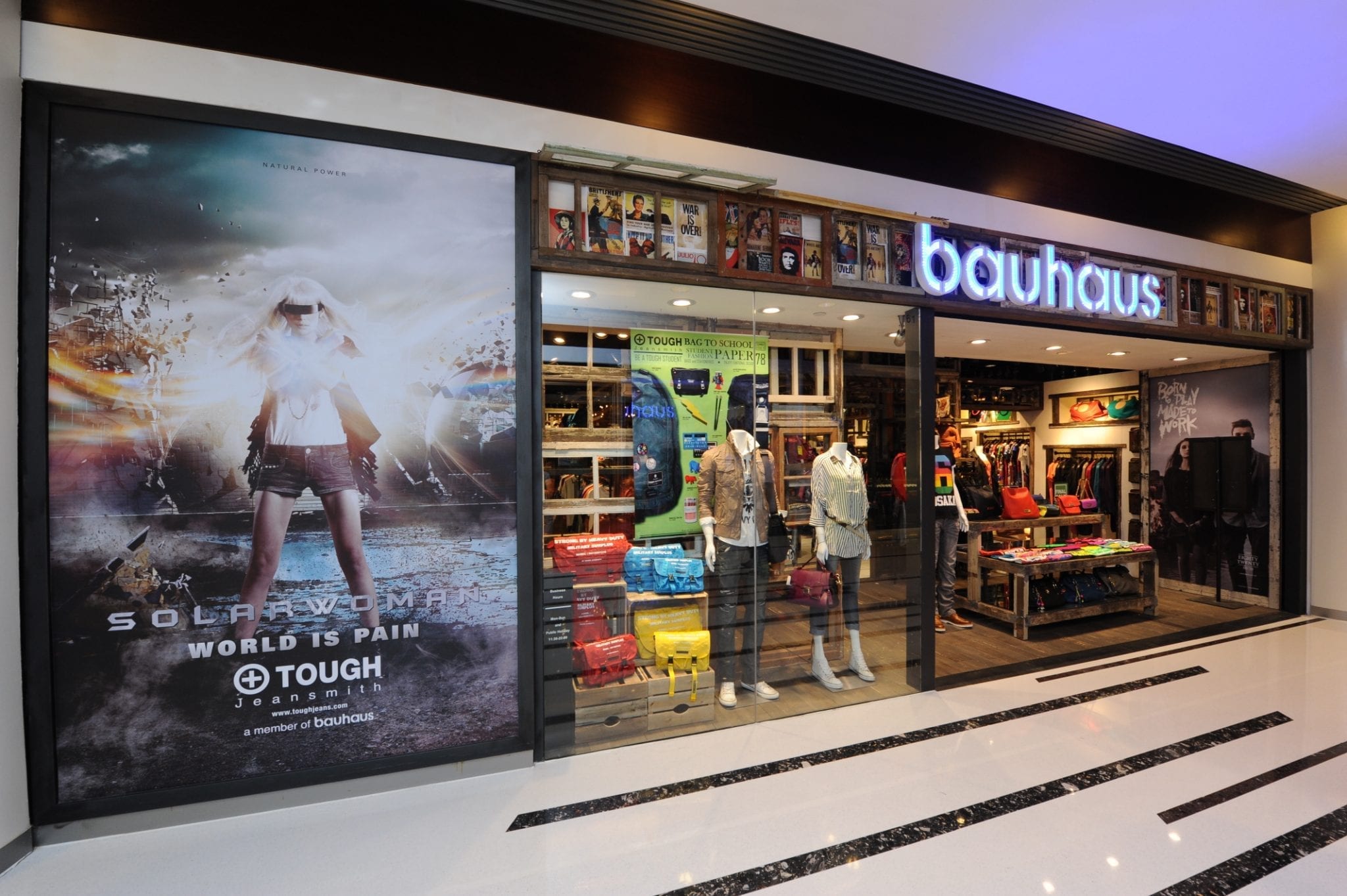
    Hong Kong fashion group Bauhaus International says it will close up to 10 loss-making stores in Hong Kong.

    The closures will lead to the laying off of 100 staff, over and above the 200 jobs it culled between April and September last year.

    Bauhaus retails under several of its own labels – Tough, Jeansmith, Salad and 80/20 – across 66 stores in Hong Kong, Macau and Taiwan. The company is also the franchisor for struggling British brand Superdry in Hong Kong.

    The company has blamed the closures on the coronavirus outbreak, which comes on the heels of six tough months for retailers during the anti-extradition bill protests.

    Closing stores before their leases are up is expected to result in a one-off write-off and/or impairment losses of between HK$16 million and HK$50 million, subject to the final results of negotiations between the group and the relevant landlords.

    Bauhaus had announced its exit in China markets just last month but will continue to retail on Tmall and JD.

    Besides its Hong Kong closures, the company is evaluating the closure of as many as half of its retail stores in Taiwan by the end of the 2021 fiscal year. Bauhaus has been recording losses abroad for the last two consecutive years.

    The brand’s net loss was at HK$95.2 million for the six months to September last year, nearly double that of the previous year. The cause of its performance were attributed to the then intensifying China-US trade ware, depreciation of the Renminbi and social unrest.

    The group will continue to focus on rationalizing its operations, reducing structural costs and reinforcing its financial resilience. Meanwhile, 50 Hong Kong retailers with a combined 200 shops are on strike against landlords, demanding for leniency on rent during struggling times.

  • Fashion brands urged to ‘tread carefully’ over veganism claims

    Fashion brands urged to ‘tread carefully’ over veganism claims

    Brands and retailers have been warned to tread carefully when embracing the growing veganism trend.

    “Veganism is increasingly becoming a lifestyle choice for many people, with the number of vegans in Great Britain quadrupling between 2014 and 2019, according to The Vegan Society,” says Beth Wright, apparel correspondent at GlobalData. “With this rise comes a likely surge in demand for vegan-friendly clothing and footwear.”

    Wright says it should come as no surprise that apparel and footwear companies want to be seen to be embracing veganism. But she warns that there are many issues brands and retailers must consider before declaring products free from animal-derived materials or ingredients.

    “While there are a great many gains to be made from entering the vegan fashion market, industry players must do their homework and identify the risks before joining the fray.”

    Sourcing vegan fashion products goes further than simply bypassing wool, leather and natural silk as raw materials, says Wright. Retailers must also take care to guard against the use of a number of dyes, glues and chemicals that are derived from animals.

    To help address and tackle these complexities, the British Retail Consortium (BRC) has created new guidelines to help retailers and brands sourced vegan fashion products, setting out steps and questions to ask both internally and of suppliers. The ‘Voluntary Guideline on Veganism in Fashion’ sets out a sequence of steps brands and retailers should take to verify their raw material ingredients.

    It aligns with previous advice from testing, inspection and certification specialist SGS Softlines Services, which notes the materials used in the production of vegan products must be robust and maintain the qualities of the animal-based materials they are replacing.

    Among the companies that have launched vegan products are Topshop, Asos and New Look, which last summer became the first high-street fashion retailer to register ranges with The Vegan Society’s Vegan Trademark.

    “Fashion brands and retailers must heed the advice from industry bodies such as the BRC in sourcing vegan products and do their due diligence,” says Wright.

    “Building a relationship between internal sourcing and buying teams and suppliers is key in not only instilling confidence along the supply chain but among consumers too.”

  • Bose shutting stores across Australia, North America, Europe, Japan

    Bose shutting stores across Australia, North America, Europe, Japan

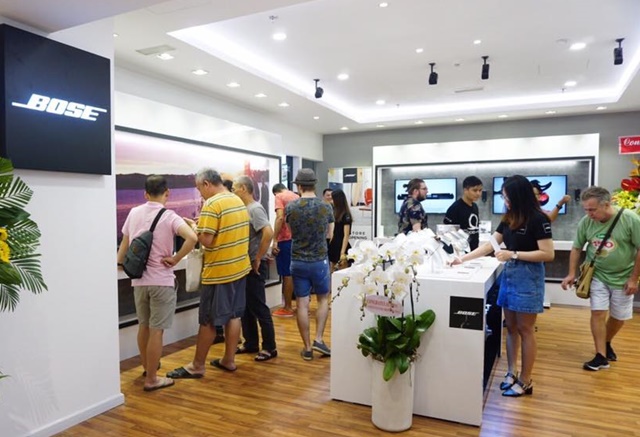
    Electronics retailer Bose is shutting down its 19 Australian retail stores over the next few months, with the intent to focus on its e-commerce offer in the region.

    Locations across North America, Europe, and Japan will also be affected, putting hundreds of people out of work across the store network.

    The business said in a statement that the approximately 130 stores located across Greater China, the United Arab Emirates, India, Southeast Asia, and South Korea will remain open.

    “Originally, our retail stores gave people a way to experience, test, and talk to us about multi-component, CD and DVD-based home entertainment systems,” Colette Burke, vice president of global sales for Bose said.

    “At the time it was a radical idea, but we focused on what our customers needed, and where they needed it – we’re doing the same thing now.  It’s still difficult because the decision impacts some of our amazing store teams who make us proud every day.”

    According to the brand, it will be offering assistance and severance packages to affected employees.

    Bose joins a list of retailers who have committed to closing stores over the next few months, with EB Gamesshutting 19 stores, Harris Scarfe closing 21, Bardot closing 58, and Curious Planet’s closure seeing 63 doors shut.

    In total, this brings the number of guaranteed store closures to 180 – not taking into account what Jeanswest’s voluntary administration will mean for its 146 stores across Australia.

    While consumer sentiment has been historically low recently, the added pressure on the economy and public sphere due to the unprecedented bushfires burning across the country has raised fears that the Christmas period may not have lived up to retailers’ expectations.

    Australian Retailers Association executive director Russell Zimmerman warned that the consensus for December and January trade is still out, to expect the fires to have an impact on trade figures.

  • Pomelo appoints Anders Heikenfeldt as CRO

    Pomelo appoints Anders Heikenfeldt as CRO

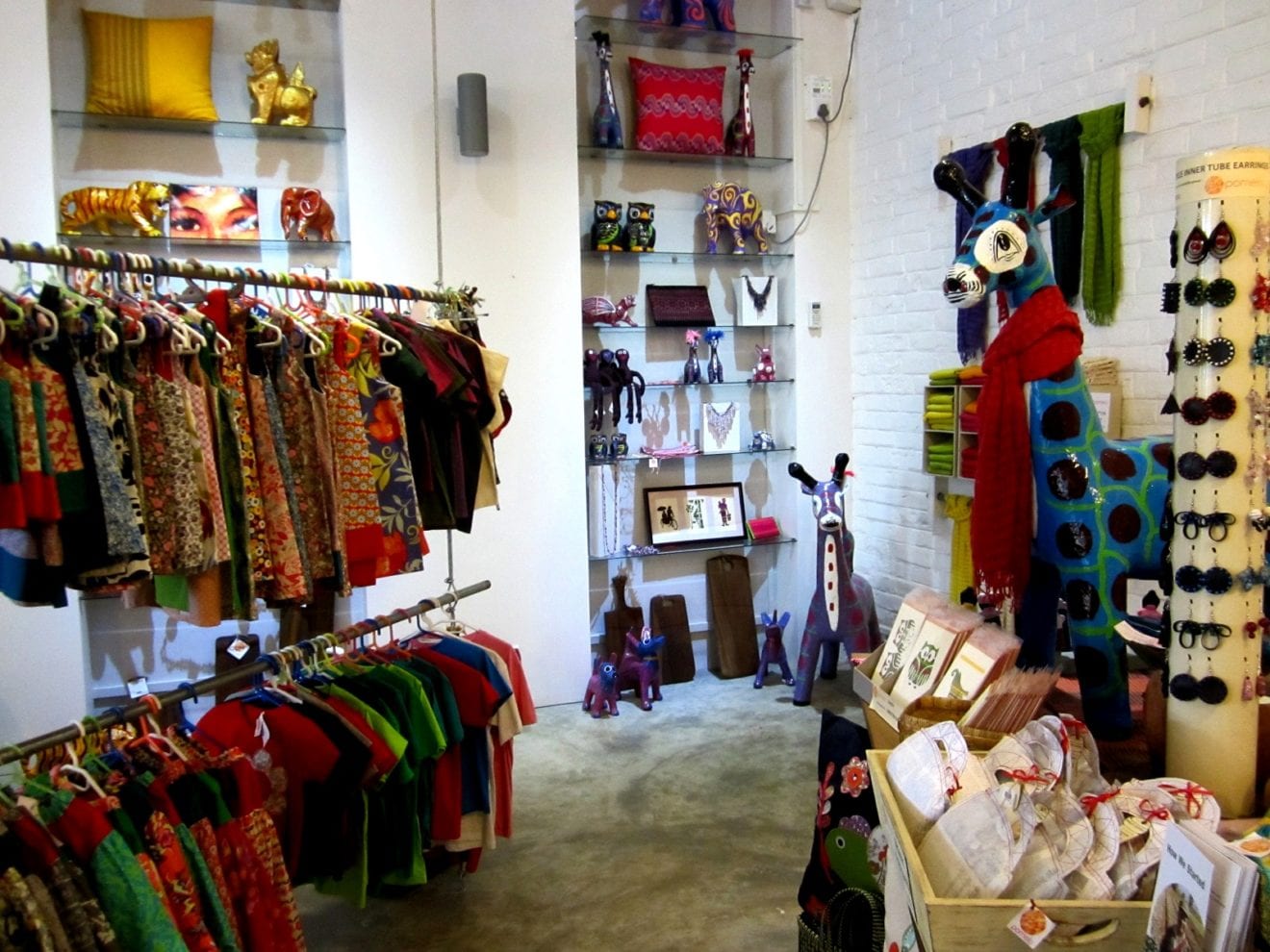
    Asian digital-fashion brand Pomelo has appointed Anders Heikenfeldt as Chief Retail Officer to lead the firm’s retail expansion plans across Southeast Asia.

    Formerly holding senior roles with lingerie chain 6ixty8ight in Hong Kong and with H&M, Heikenfeldt is now responsible for Pomelo’s retail division and is expected to further develop the brand’s omnichannel strategy, establishing seamless experiences across its retail network and online platform.

    Heikenfeldt has more than 10 years of experience in strategic development and refining strategies to enhance the retail experience across various fashion brands, and specializes in expansions into emerging markets.

    “Southeast Asia is an incredibly fast-growing, unique market with so much potential,” said  Anders Heikenfeldt. “I’m excited to be a part of this journey as we continue to expand Pomelo’s retail footprint across the region and provide customers with an innovative, omnichannel shopping experience.”

    Pomelo announced a $52 million Series C financing last September, in order to continue its expansion plans. The firm recently hired more than 200 new employees and is expanding in Thailand and Singapore, opening 10 new retail stores last year.

  • Why brands should embrace the second-hand luxury market

    Why brands should embrace the second-hand luxury market

    New research shows that global sales in the second-hand luxury market are expected to grow at an average rate of 12 percent year-on-year, compared to a 3 percent average for the core luxury market.

    The figures were released in a Boston Consulting Group (BCG) and Vestiaire Collective survey, entitled “Why Luxury Brands Should Celebrate the Pre-Owned Boom”, revealing three key drivers behind the rapid growth and detailing how luxury brands can benefit from the explosion of the resale market.

    According to the survey, the resale industry is forecast to increase turnover from US$25 billion in 2018 to $36 billion in 2021, representing around 9 percent of the luxury market.

    Millennials and Gen Z are disrupting the market and placing greater importance on the social and environmental impact of their purchases than previous generations.

    The BCG-Altagamma study revealed that the purchasing behavior of 59 percent of luxury customers in both the primary and secondary markets is influenced by sustainability, while 17 percent of customers in the second-hand market purchase pre-owned because they consider it “truly sustainable behavior.” The survey of Vestiaire Collective customers reveals similar data, with more than 70 per cent trying to shop ethically and 13 per cent saying that sustainability is extremely important to them. Of those that shop ethically, 57 percent say that environmental impact is their primary concern.

    Most second-hand luxury clients are attracted by affordable prices: 96 per cent of Vestiaire Collective members surveyed said they buy second-hand luxury pieces partly because they are looking for value for money. Another major advantage of the second-hand market is that 62 percent of buyers are searching for pieces that are either out of stock, from previous season collections, or from limited-edition releases, while 83 percent stated they are drawn by the wide selection of products and brands which may no longer be available in the firsthand market.

    Brick-and-mortar lagging online

    The traditional brick-and-mortar luxury resale industry has produced very few players of any significant size as they focused on a specific product category or geographic footprint. By contrast, online resale platforms have won over consumers by offering far greater brand and product assortment.

    In addition, each platform has developed a series of unique services such as curation, authentication and personalized marketing strategies driven by data insights. The increased professionalization of the market has also attracted major venture capital investment.

    Pre-owned luxury buyers are usually consumers who don’t have access to the primary luxury market, as 71 percent of the pre-owned buyers surveyed lean towards items and brands they could not afford firsthand.

    The second-hand market is thus a powerful way for luxury brands to connect with and anchor their brand in the minds of potential future primary customers. As second-hand luxury customers mature, their purchasing power tends to increase, making them ready to shift to the primary market. Of those surveyed, 62 percent said that they bought a brand they like for the first time second-hand on Vestiaire Collective, and almost all of that 62 per cent said they would consider buying that brand again. Research also shows that 57 percent would either definitely buy or would consider buying the item first-hand – making them solid prospects for the first-hand market.

    Second-hand sellers typically use resale to recoup some of their money back on firsthand purchases, often so they can reinvest in new, full-priced luxury products. Of those sellers surveyed, 32 per cent said they were primarily selling because they wanted to purchase new firsthand goods. In addition, most pre-owned sellers do not tend to make many second-hand purchases.

    For example, of total pre-owned sales on the Vestiaire Collective platform, 70 per cent are generated by sellers who rarely purchase second-hand. Forty-four percent of sellers stated that they purchase more expensive luxury items than they would have bought without a resale market.

    Furthermore, customers purchase more frequently, investing around the same amount on individual items but buying again once they free up their budgets. Pre-owned sales clearly boost these sellers’ purchasing power for new items and therefore create an opportunity to increase primary market sales, benefiting luxury players.

    The pre-owned market extends the lifetime of luxury products – most products sold o

  • Ted Baker appoints Sojitz Infinity as its partner for Japan

    Ted Baker appoints Sojitz Infinity as its partner for Japan

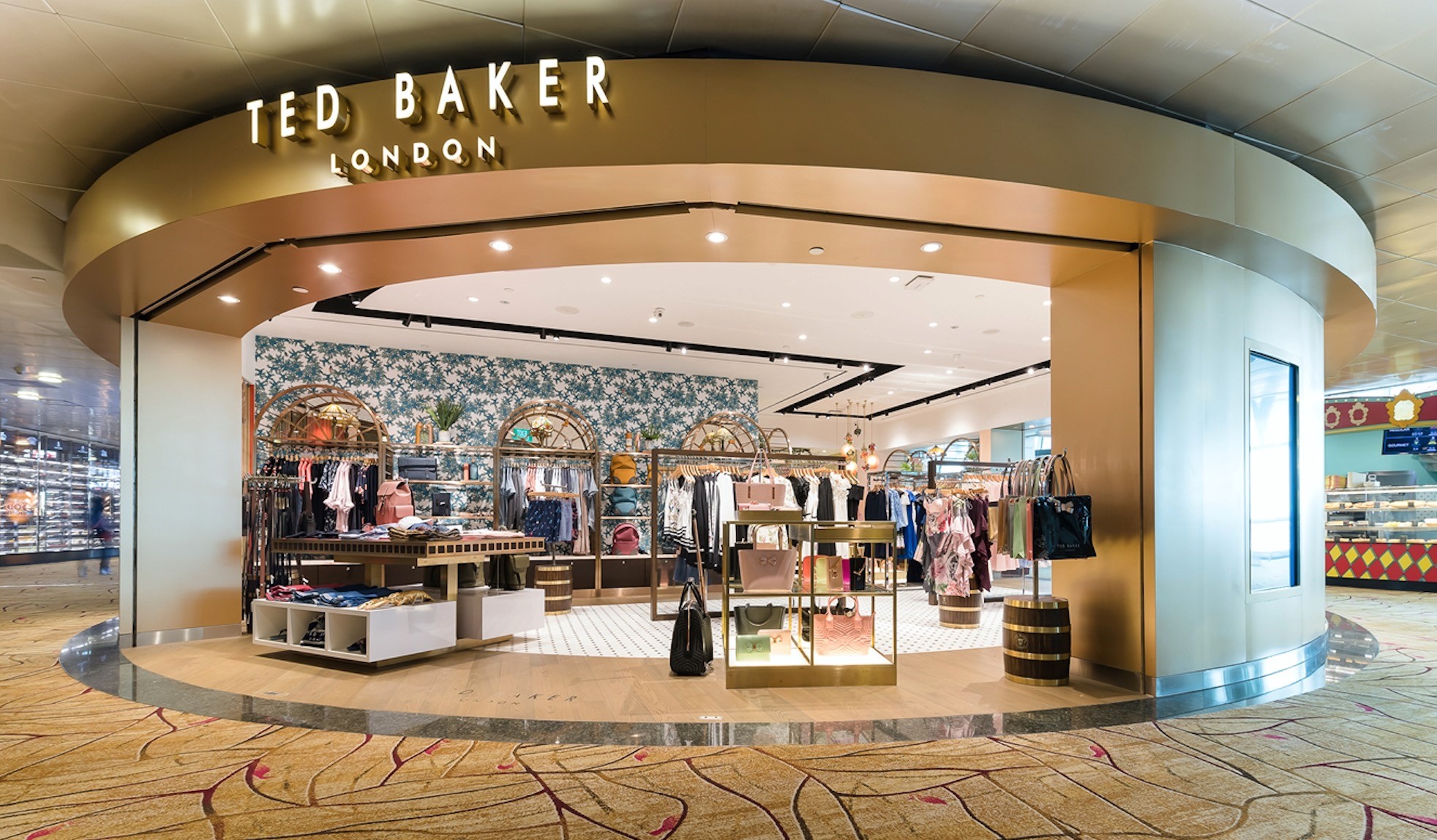
    Lifestyle fashion brand Ted Baker has signed an exclusive retail license deal for Japan with local apparel manufacturer and distributor Sojitz Infinity, initially for five years.

    Sojitz Infinity will drive the long-term expansion of the Ted Baker brand in the region, combining its local expertise – especially within the department store sector – with the buying, merchandising and brand-building expertise of Ted Baker.

    The licence, expected to commence on October 1, marks Ted Baker’s 17th retail license partner globally.

    Over recent years, the firm has invested in introducing and developing the Ted Baker brand in the Japanese market, having opened five stores in the territory to date. Sojitz Infinity intends to build on Ted Baker’s existing store portfolio, expanding the concession network and investing in Ted Baker’s online presence.

    The deal will kick off the brand’s next growth phase in Japan, said Ted Baker CEO Lindsay Page. “Over recent years, we have invested in introducing Ted Baker to Japanese customers and we are confident that our new Japanese retail-license partner will build on this platform and deliver meaningful long-term growth.

    “In Sojitz Infinity, we have an extremely capable partner that brings local market expertise to our brand alongside our already well-established design, buying and merchandising skillset. This combination will drive an acceleration in the performance of the business. We firmly believe that Japan has the long-term potential to be an important market for the Ted Baker brand.”

    As part of the appointment, Ted Baker will transfer certain existing assets relating to its Japanese business (which includes existing non-current stock, fixed assets, and leases) to Infinity at nil value to support the successful transition of the operations.

    As a consequence, Ted Baker anticipates exceptional transaction-related costs of approximately £4 million (US$4.88 million); the costs include onerous lease expenses, restructuring charges, and deal-related costs. The non-cash charges of about £1 million ($1.22 million) include the transfer of non-current stock and fixed assets. Current season stock is being transferred on commercial terms.

    It is expected that the appointment of the license partner will be accretive to the group’s pre-tax profit in the current financial year. The positive impact of profit will increase during the later years of the contract.

    Sojitz Infinity CEO Kohei Ono said Ted Baker is a brand the company has followed since its arrival in Japan.

    “We believe it has the potential to appeal to more consumers in this market. Our knowledge and experience in building fashion brands through stores, concessions and online should add value to Ted Baker and we look forward to working together.”

  • Peu a Peu opens new flagship in Hangzhou

    Peu a Peu opens new flagship in Hangzhou

    Hangzhou-based Chinese design firm So Studio has created a retail space for sporting goods brand Peu a Peu featuring a system of pulleys, steel racks, and large metallic spheres.

    The store’s 70sqm interior, which was recently celebrated in a Designboom report, is inspired by the movement and interaction observed on a sports field as well as contemporary pop artist Jeff Koons’ balloon series.

    Peu a Peu, owned by JNBY, a designer brand focused on contemporary apparel, footwear and accessories.

    The retail space shows off metal finishes alongside grey coloured floors and walls, attempting to create a futuristic and industrial atmosphere. The detachable racks serve to divide up the room as well as supporting the metallic spheres that move around the shop area.

  • Chinese brand ambassadors severe ties citing sovereignty

    Chinese brand ambassadors severe ties citing sovereignty

    Chinese brand ambassadors of fashion labels from Coach to Givenchy have severed ties with the companies over products which they said violated China’s sovereignty by identifying Hong Kong and Taiwan as countries.

    The brands are the latest to get into hot water over political issues in China, which has been more assertive in its territorial claims and how it expects foreign companies doing businesses in China to describe them.

    Italian luxury label Versace and its artistic director, Donatella Versace, apologised on Sunday after one of its T-shirts, depicting the territories of Hong Kong and Macau as countries, was criticised on Chinese social media.

    Coach’s China ambassador, supermodel Liu Wen, said on Weibo on Monday that she had severed her endorsement deal with the New York-based label over a similar T-shirt, which also listed Taiwan as a country even though Beijing says the self-ruled island is a renegade province.

    “I apologise to everyone for the damage that I have caused as a result of my less-careful choice of brand!” she said in a Weibo post that was ‘liked’ hundreds of thousands of times.

    “I love my motherland, and I steadfastly safeguard China’s sovereignty.”

    Coach, whose parent is Tapestry, said it had found the “serious inaccuracy” in May 2018 and had immediately pulled the T-shirts from all its global channels. It added that it “deeply” regretted the design.

    “We also reviewed our assortment to ensure compliance, and have strengthened our internal product development process to avoid the occurrence of a similar issue in the future,” it said.

    “Coach respects and supports China’s sovereignty and territorial integrity.”

    The topic “Coach” was the hottest item on China’s Twitter-like Weibo on Monday morning, receiving 1.2 billion views.

    Separately, popular Chinese boy band idol Jackson Yee said on Weibo he had severed ties with LVMH’s Givenchy after pictures of one of the brand’s T-shirts, which also listed Hong Kong and Taiwan in a similar way, received criticism.

    Givenchy was not immediately available for comment on Monday when contacted by Reuters.

    Foreign brands are under increasing pressure from Chinese consumers and regulators to fall into line on contentious issues around Chinese sovereignty and its territorial claims.

    Taiwan is self-governed and has a democratically elected leadership, but China claims the island as a breakaway province and has not ruled out the use of force to ensure unification. The question of Taiwan’s formal independence is one of Beijing’s most sensitive political concerns.

    Beijing is also facing one of its most popular challenges to Chinese leader Xi Jinping since he came to power in 2012 in Hong Kong, where demonstrators say they are fighting against the erosion of the “one country, two systems” arrangement enshrining some autonomy for Hong Kong when China took it back in 1997.

  • RFG director taking on operational role

    RFG director taking on operational role

    Retail Food Group director Jessica Buchanan has resigned from her position in order to transition to an operational consulting role.

    The move, announced in a statement to the ASX on Thursday, will enable Buchanan to execute some of the strategic initiatives she has helped to formulate in her capacity as a director.

    These include a strategy for the rollout of 62 new product campaigns, which are now being delivered to franchise partners by the company’s brand general managers.

    The first of these campaigns are showing significant improvements, a company spokeswoman said.

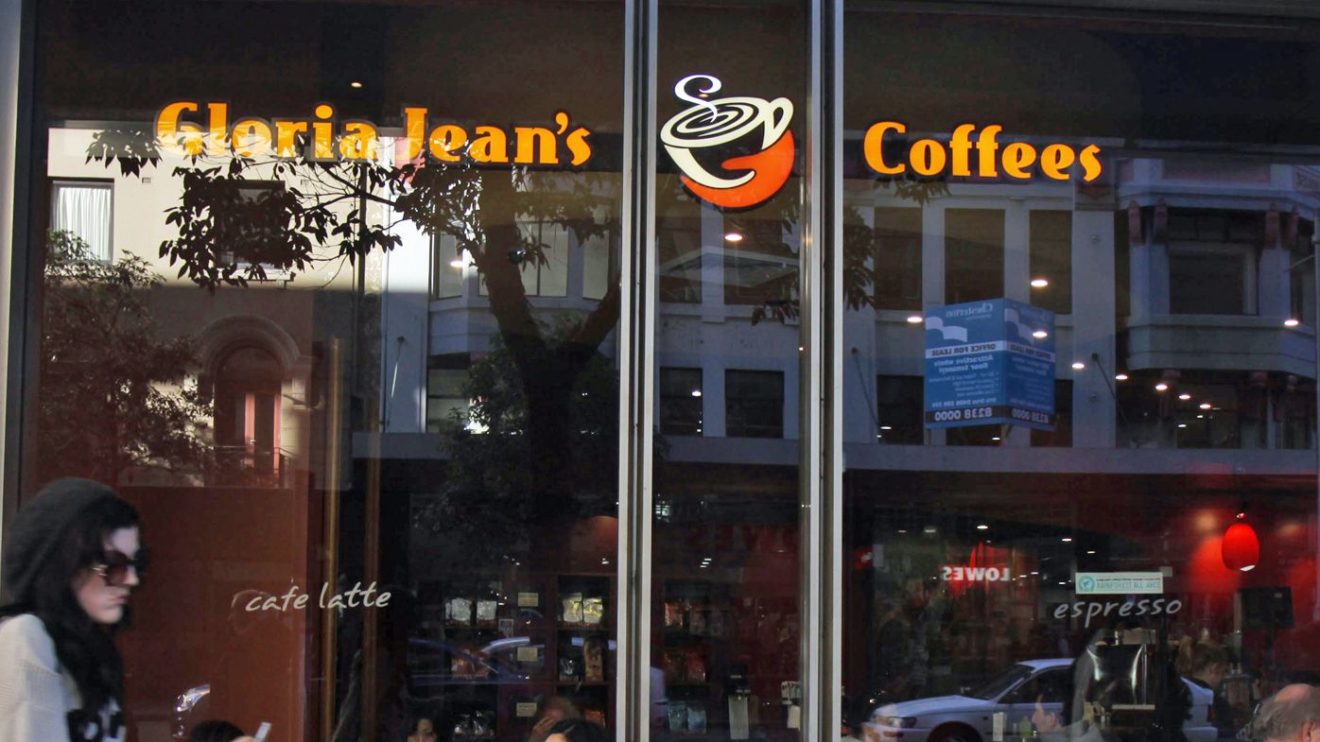
    According to RFG, the new Gloria Jean’s ‘Kit Kat Chiller’ promotion so far has lifted sales by 9 percent, and the Brumby’s ‘Gourmet Donut’ campaign has lifted sweet category sales by 8 percent.

    Buchanan, who founded consumer research agency Consumerology, which counts Autograph, Katies, Millers, and Crossroads as clients, has many years of experience in consumer product marketing and retail franchising.

    She was also a non-executive director of Banjo’s Bakery Cafes for four years from 2008 to 2012, according to LinkedIn.

    Earlier this month, The Age and The Sydney Morning Herald reported that Buchanan had sought to stock products from Naytiv, a food brand she started in 2017, in some of RFG’s franchises.

    The company ultimately decided not to move forward with the idea, according to a statement given to the publications.

    “Jessica has served on the RFG Board for eight years and as we close out the end of another financial year, she has decided the best use of her time at this point is to step into the company and commit more of her time to help drive the successful execution of these campaigns for our franchisees,” the spokeswoman said about her transition to operational consultant.

    RFG executive chairman Peter George thanked Buchanan for her contribution as a director and said he looks forward to working with her as a contributor.

    “Innovative product offerings and campaigns will be critical to the revitalization of the RFG’s franchisee network which will, in turn, underpin the operational turnaround of RFG,” he said.

    The franchisor, which owns the Gloria Jean’s, Donut King, Crust, Pizza Capers and Brumby’s Bakery businesses, has faced ongoing challenges since it got caught up in the parliamentary inquiry into the franchising sector.

    In March 2018, the company revealed plans to close more than 200 stores and posted a $306.7 million loss later in the year, after it was forced to make impairments and provisions to the tune of $402.9 million to cover store closures and restructuring and a reduction in brand value and assets.

    Over the last 12 months, RFG has renegotiated its financial covenants with lenders, gaining some breathing room while it seeks to reduce debt levels, including the potential sale of its Crust, Pizza Capers and Donut King businesses.

    The company’s stock price spiked in early July after it received a $160 million refinancing proposal subject to various conditions from Soliton Capital Partners, which it did not make public despite the ASX’s continuous disclosure rules.

    The company defended this decision, citing the fact that it has said numerous times that it is exploring various ways to reduce its debt.

  • Suning.com ranked China’s most-valuable retail brand

    Suning.com ranked China’s most-valuable retail brand

    Suning Holdings’ retail subsidiary Suning.com has been ranked China’s most valuable retail brand, finishing 13th on World Brand Lab’s 16th “China’s 500 Most Valuable Brands” list.

    This was the second consecutive year Suning finished in 13th place with its brand value totaling RMB269.198 billion (US$39.093 billion), an increase of 17 percent compared to last year. Its listed brand value has increased by a factor of six since 2009.

    In the past year, Suning.com announced operational revenue of RMB244.96 billion ($36.479 billion), up 30.35 percent year on year; and a sales volume of RMB336 billion ($50.16 billion), an increase of 38.39 percent.

    By the end of March this year, the company owned 12,329 offline brick-and-mortar stores in Mainland China, Hong Kong, Macao and Japan, covering diversified consumption scenarios that include Suning Retail Cloud Franchise Stores, SuFresh (fresh food supermarkets), Suning Xiaodian (providing neighbourhood products and services) and Redbaby (maternal and child supplies stores).

    Last February, the company announced the acquisition of 37 Wanda department stores nationwide and in June, it acquired 80 percent of Carrefour China to improve its full-scenarios ecosystem and expand its all-categories merchandise retailing by reinforcing its market competitiveness in fast-moving consumer goods operations.