Tag: Brand

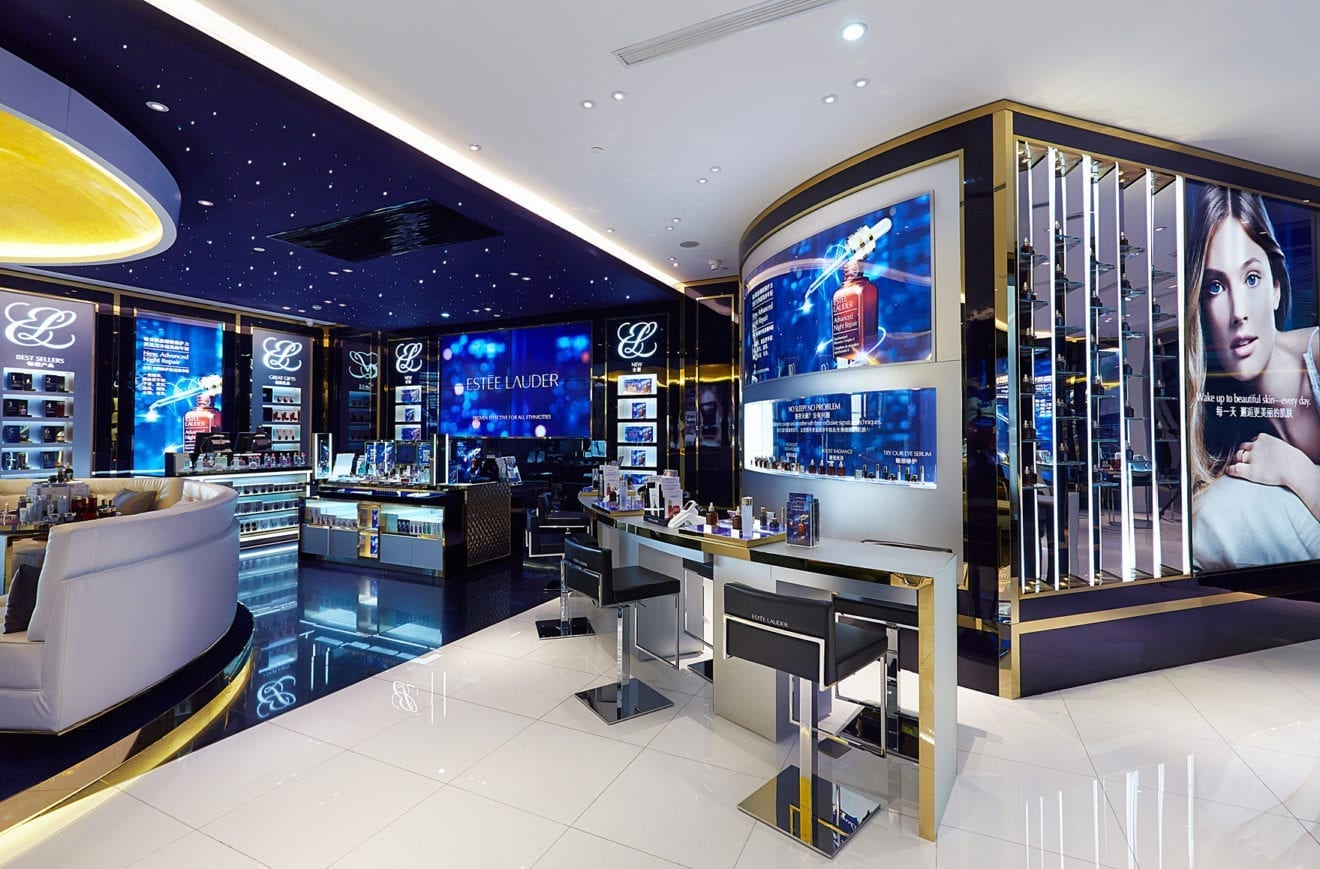
  • Estee Lauder appoints Lisa Sequino as new president of makeup brand cluster

    Estee Lauder appoints Lisa Sequino as new president of makeup brand cluster

    Esteé Lauder has welcomed Lisa Sequino into a new leadership role as the President of its makeup brand cluster, part of the company’s initiative to enhance innovation. Sequino’s mission will be to bolster consumer recruitment efforts and increase localized relevance within the brand.

    Esteé Lauder’s executive vice president and chief brand officer, Jane Hertzmark Hudis, described Sequino’s distinct blend of strategic and abstract thinking, entrepreneurial spirit and operational efficiency as the perfect fit for the role. Hudis believes Sequino is ideally equipped to lead the makeup cluster’s progress and growth trajectory.

    Prior to her appointment, Sequino held the position of Senior Vice President and General Manager of Esteé Lauder in North America. In this capacity, she spearheaded the brand’s flagship store’s go-to-market strategy. Sequino subsequently assumed the position of Senior Vice President of brands in the same region.

    In this latest role, Sequino directed a diverse brand portfolio, supervising skincare, makeup, and fragrance. She was also entrusted with the responsibility of harmonizing brand synergies across various channels and categories in North America.

    Questions & Answers

    What is Lisa Sequino’s new role at Esteé Lauder?
    Lisa Sequino has been appointed as the new President of Esteé Lauder’s makeup brand cluster.

    What are the objectives of Sequino’s role?
    Sequino will aim to expand consumer recruitment and boost local relevance for Esteé Lauder’s brands.

    What are Sequino’s previous roles within Esteé Lauder?
    Sequino served as the Senior Vice President and General Manager of Esteé Lauder in North America, as well as the Senior Vice President of brands in the same region.

  • Diverse Product Options Shift Brand Loyalty Landscape in Vietnam

    Diverse Product Options Shift Brand Loyalty Landscape in Vietnam

    Kantar data shows Vietnam’s surge in options fuels consumers’ shifting brand preferences.

    In Vietnam, brand loyalty is becoming a relic of the past as consumers grow increasingly price-sensitive, a trend fueled by inflation and an explosion of choices. Peter Christou, General Manager of Kantar Vietnam’s Worldpanel Division, notes that shoppers are re-evaluating their brand allegiances, complicating efforts for companies to win their hearts.

    “Brand loyalty is being challenged not because consumers don’t care, but because they wield more power, face greater pressure, and encounter an unprecedented array of options,” Christou remarked. As economic pressures intensify, Vietnamese shoppers are opting for budget-friendly decisions, making it imperative for retailers to pivot.

    Kantar’s analysis reveals that the number of products on the market has doubled in the past decade, yet the success rate of these new offerings has plummeted by half. This paradox underscores the need for retailers to rethink their strategies in a landscape where standing out is tougher than ever.

    The evolution of online, offline, and hybrid shopping channels has transformed the way consumers engage with the market. “I can now explore so many shopping avenues—online and offline—which makes comparing deals and prices incredibly easy,” Christou emphasized.

    Retailers are now navigating a reality in which brand loyalty is elusive. Christou offers a roadmap for survival in this “low loyalty environment,” suggesting that retailers prioritize a data-driven approach, a deep understanding of consumer needs, and the delivery of personalized value.

    Looking into the future, Christou identifies key e-commerce trends that retailers must monitor closely. He highlights the burgeoning realm of social commerce platforms like TikTok, the significance of hyper-personalization driven by AI, the increasing appetite for quick commerce, and the prospective impact of augmented and virtual reality on the retail experience.

    In a world where shoppers are armed with options like never before, the question remains—how will retailers evolve to keep pace?

    Questions & Answers

    What is driving the decline in brand loyalty in Vietnam?
    The decline in brand loyalty is primarily driven by inflation, price sensitivity, and an explosion of choices available to consumers.

    What does Kantar’s data indicate about the proliferation of products in Vietnam?
    Kantar’s data suggests that while the quantity of products has doubled in the last decade, the success rate of these products has halved, indicating fierce competition for consumer attention.

    What future e-commerce trends should retailers in Vietnam be aware of?
    Retailers should monitor the rise of social commerce, the importance of hyper-personalization via AI, the demand for quick commerce, and the potential of augmented and virtual reality in the shopping experience.

  • Bae Juice Energy: Clean, Natural Boost from Australian Brand

    Bae Juice Energy: Clean, Natural Boost from Australian Brand

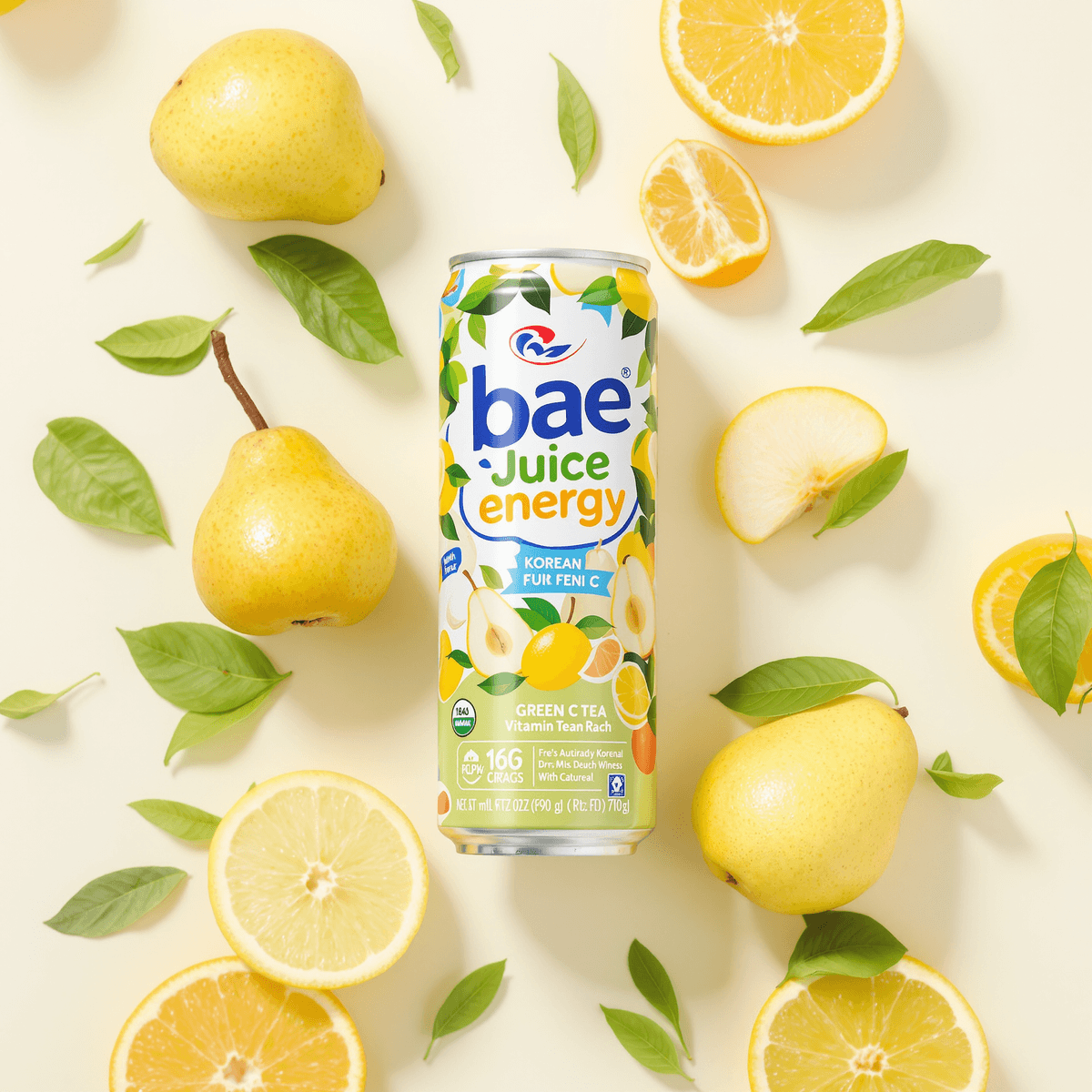
    Bae Juice, an Australian beverage maker, has disrupted the energy drink market with their innovative new product line, Bae Juice Energy. The brand, known for its pioneering work in hangover-prevention drinks since 2019, brings a fresh perspective to the energy drink category.

    Bae Juice Energy stands out with its clean, functional approach to providing sustained energy. The drink combines traditional Korean ingredients with modern wellness trends, creating a unique beverage that appeals to health-conscious consumers seeking natural energy alternatives.

    “This isn’t just another energy drink. It’s the first of its kind in Australia – and the cleanest option on the shelf” – Tim O’Sullivan, Bae Juice co-founder

    The product targets busy professionals, fitness enthusiasts, and wellness-focused individuals looking for an energy boost without the drawbacks of conventional energy drinks. By prioritizing natural ingredients and avoiding excessive sugar content, Bae Juice Energy positions itself as a revolutionary player in Australia’s competitive beverage market.

    Key Ingredients in Bae Juice Energy

    Bae Juice Energy stands out with its carefully selected blend of natural ingredients designed to deliver sustained energy and wellness benefits:

    Korean Pear Juice

    • Natural sweetness and refreshing taste
    • Rich in antioxidants and flavonoids
    • Known for its digestive health properties
    • Traditional Korean remedy for hangover prevention

    Green Tea Extract

    • Natural caffeine source without the jitters
    • Contains L-theanine for focused energy
    • Packed with polyphenols and catechins
    • Supports metabolism and mental clarity

    Vitamin C

    • Boosts immune system function
    • Acts as a natural antioxidant
    • Supports collagen production
    • Enhances iron absorption

    The combination of these ingredients creates a synergistic effect. Green tea’s natural caffeine works alongside L-theanine to provide steady energy without crashes. Korean pear juice adds essential nutrients and a subtle sweetness, while Vitamin C strengthens your body’s natural defenses.

    You’ll find no artificial sweeteners or excessive sugar content in Bae Juice Energy. Each ingredient serves a specific purpose, from energy enhancement to immune support, making it a functional beverage that aligns with modern health-conscious lifestyles.

    The Clean Energy Drink Concept

    Bae Juice Energy redefines the traditional energy drink market with its revolutionary clean energy approach. The brand’s commitment to functional energy stands in stark contrast to conventional energy drinks loaded with artificial ingredients and excessive sugar content.

    Key Differentiators of Bae Juice Energy’s Clean Concept:

    • Natural Energy Source: The drink uses green tea extract for sustained energy release, avoiding synthetic caffeine alternatives
    • Minimal Sugar Content: Unlike traditional energy drinks containing up to 20 teaspoons of sugar, Bae Juice Energy keeps its sugar content low
    • No Energy Crashes: The natural ingredient blend helps eliminate the common “jitters” and energy crashes associated with conventional energy drinks

    The clean energy drink concept aligns with growing consumer demand for healthier beverage alternatives. Bae Juice Energy positions itself as a daily wellness companion rather than just another sugary energy boost. This approach resonates with health-conscious consumers seeking functional benefits without compromising their dietary preferences.

    Market Expansion Strategy

    Bae Juice’s remarkable growth stands as a testament to its market success. Since its 2019 launch, the brand has achieved an impressive $10 million in total revenue, with $2.5 million generated in the current fiscal year alone. This substantial financial performance highlights the strong consumer demand for innovative beverage solutions in Australia.

    Strategic Partnerships and Retail Presence

    The brand’s distribution strategy focuses on strategic partnerships and widespread retail presence. A key milestone in this expansion came through the partnership with Ampol Foodary, securing placement in over 400 locations across Australia. This collaboration has significantly enhanced Bae Juice’s accessibility to consumers, particularly targeting on-the-go customers seeking healthier energy drink alternatives.

    Diverse Distribution Network

    Bae Juice’s distribution network encompasses:

    • Major retail chains
    • Independent stores
    • Convenience outlets
    • Specialty beverage retailers
    • Service station networks

    The brand’s success in securing these diverse retail channels demonstrates its appeal to both mainstream consumers and health-conscious individuals. This multi-channel approach has enabled Bae Juice to capture different market segments while maintaining its premium positioning in the energy drink category.

    Aligning Distribution with Product Innovation

    The company’s distribution strategy aligns with its product innovation, ensuring that its unique Korean pear-based beverages reach consumers through convenient and familiar retail touchpoints. This calculated expansion has established a strong foundation for the brand’s continued growth in the Australian beverage market. Bae Juice’s strategy mirrors some of the successful elements seen in larger companies like Coca-Cola, which have mastered global dominance through similar strategic approaches.

    Positioning Bae Juice Energy in the Market

    Bae Juice Energy stands out in Australia’s competitive beverage market by combining two separate markets: hangover prevention and energy drinks. This strategic positioning allows the brand to leverage its established reputation in hangover prevention while attracting health-conscious energy drink consumers.

    The brand’s unique value proposition stems from its dual-functionality approach:

    • A clean energy boost without the typical sugar overload
    • Natural hangover prevention properties from Korean pear juice

    This positioning sets Bae Juice Energy apart from traditional energy drinks that often rely on synthetic ingredients and excessive sugar content. The brand’s commitment to using natural ingredients resonates with health-conscious consumers seeking functional beverages that align with their wellness goals.

    By introducing an energy drink variant, Bae Juice expands its market reach beyond its original hangover-prevention customer base. This strategic move allows the brand to capture daily consumption occasions rather than limiting itself to specific use cases.

    Future Growth Projections for Bae Juice Energy

    Bae Juice’s expansion strategy signals remarkable growth potential in the Australian beverage market. The brand’s target to reach 5000 stores nationwide by year-end demonstrates its aggressive scaling approach and strong market confidence.

    This ambitious distribution plan includes partnerships with:

    • 1000+ independent retailers
    • Major retail chains
    • Convenience stores
    • Health food outlets

    The rapid store expansion builds on Bae Juice’s existing success with its hangover prevention drinks. Market analysis suggests the functional beverage sector continues to grow, driven by health-conscious consumers seeking alternatives to traditional energy drinks.

    The brand’s distribution strategy aligns with changing consumer preferences for clean-label products. You’ll find Bae Juice Energy positioned alongside premium beverages in retail locations, targeting demographics willing to pay for quality ingredients and functional benefits.

    This strategic placement and wide-reaching distribution network position Bae Juice Energy to capture a significant share of Australia’s growing functional beverage market.

    Conclusion

    Bae Juice Energy represents a new era in the energy drink market – one that prioritizes clean ingredients and functional benefits. You’ll find a refreshing blend of Korean pear juice, natural caffeine from green tea, and immune-boosting Vitamin C in every can.

    The beverage landscape is evolving, and consumers like you are seeking smarter alternatives to traditional energy drinks. Bae Juice Energy answers this call with its innovative approach to all-day energy without the sugar crash or jitters.

    Ready to transform your daily energy boost? Give Bae Juice Energy a try – it’s where great taste meets functional benefits in a clean, natural energy drink that works with your body, not against it.

    FAQs (Frequently Asked Questions)

    What is Bae Juice Energy and who makes it?

    Bae Juice Energy is a new energy drink product created by Bae Juice, an Australian beverage maker known for innovative and natural beverage options.

    What are the key ingredients in Bae Juice Energy?

    Bae Juice Energy contains Korean pear juice, green tea extract, and Vitamin C. These ingredients provide a natural source of caffeine and support immune health.

    How does Bae Juice Energy differ from traditional energy drinks?

    Unlike traditional energy drinks, Bae Juice Energy emphasizes a clean energy concept with low sugar content and focuses on delivering a functional energy boost without excessive additives.

    What is Bae Juice’s market strategy for expanding Bae Juice Energy in Australia?

    Bae Juice has generated $10 million in revenue and expanded distribution through partnerships with Ampol Foodary locations across Australia to increase accessibility.

    How is Bae Juice Energy positioned in the hangover-prevention drink market?

    Bae Juice Energy targets the hangover-prevention drink market by offering a unique functional beverage designed to support recovery and provide clean energy.

    What are the future growth plans for Bae Juice Energy?

    Bae Juice aims to have Bae Juice Energy available in 5000 stores nationwide by the end of the year, reflecting ambitious plans for national expansion.

    Powered by junia.ai. To remove branding, please upgrade to a paid plan.

    In addition to expanding its retail presence, Bae Juice Energy plans to invest in targeted marketing campaigns to raise brand awareness and educate consumers about the benefits of their product. The company also has plans to explore partnerships with fitness influencers and health-focused events to further promote their brand and reach their target audience.
  • Hoka opens its first store in Vietnam

    Hoka opens its first store in Vietnam

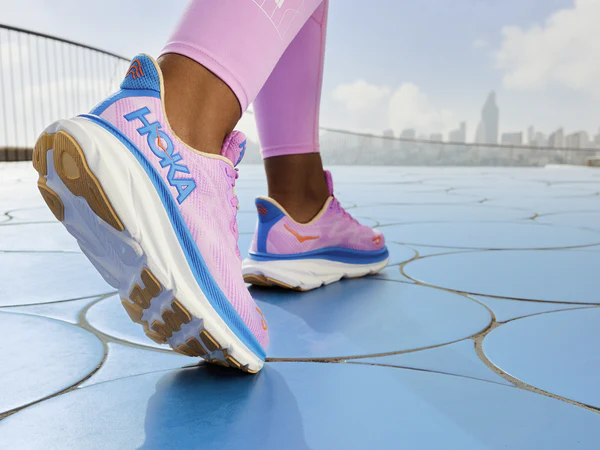
    Footwear retailer Hoka has launched a store in Vietnam, marking its first physical presence in the market.

    Located at Ho Chi Minh City’s Saigon Centre, the store is in partnership with distributor Central Brand & Specialty Group (CBS) and offers a full range of products, from road and trail running to street-ready styles.

    The shop features 3D foot-scanning technology, which analyses consumers’ foot shapes and offers personalised shoe recommendations.

    “We chose Saigon Centre – the most strategic and vibrant location in Ho Chi Minh City – because it not only reflects the position of a leading brand like Hoka, but also perfectly fits CBS’s commitment to enhancing everyday lifestyle,” said Ty Chirathivat, CEO of Central Brand & Specialty Group (CBS), during the brand’s opening ceremony.

    Hoka was first launched in Vietnam four years ago, sold through Supersports retail channels.

    Earlier this year, Hoka opened its Bondi 9 pop-up in Hong Kong to mark the latest generation of its ultra-cushioned road-running shoe.

  • Hermes achieves double-digit sales growth in fourth quarter

    Hermes achieves double-digit sales growth in fourth quarter

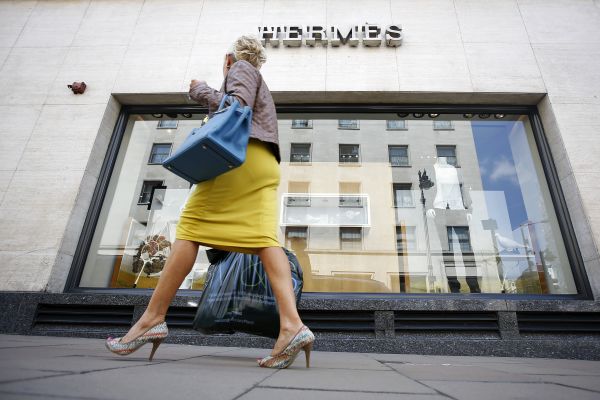
    Hermes has posted double-digit sales growth for the fourth quarter and the full fiscal year, which management described as a solid performance in an “uncertain” environment.

    The company’s revenue surged 18 percent to €4 billion (US$4.2 billion), both on a reported and constant currency basis, during the quarter ended December 31. This extended the 11.4 percent uplift in the third quarter.

    Sales in Asia excluding Japan were up 10 per cent despite the downturn in traffic in Greater China. In Japan, sales jumped 20 per cent driven by the loyalty of local clients.

    The Americas rose 21.4 percent, while Europe increased 16.9 percent.

    For the full year, revenue rose 13 percent (15 percent in constant currency) to €15 billion, and consolidated net profit increased 7 percent to €4.6 billion.

    “In 2024, in a more uncertain economic and geopolitical context, the solid performance of the results attests to the strength of the Hermes model and the agility of the house’s teams,” said executive chairman Axel Dumas.

    “While preserving the group’s major balances and its responsibility as an employer, the house is staying the course, attached more than ever to its fundamental values of quality, creativity and savoir-faire,” he added.

    The company expects to record continued revenue growth in the medium-term despite the economic, geopolitical and monetary uncertainties.

  • Dior opens reinvented Galaxy Macau boutique

    Dior opens reinvented Galaxy Macau boutique

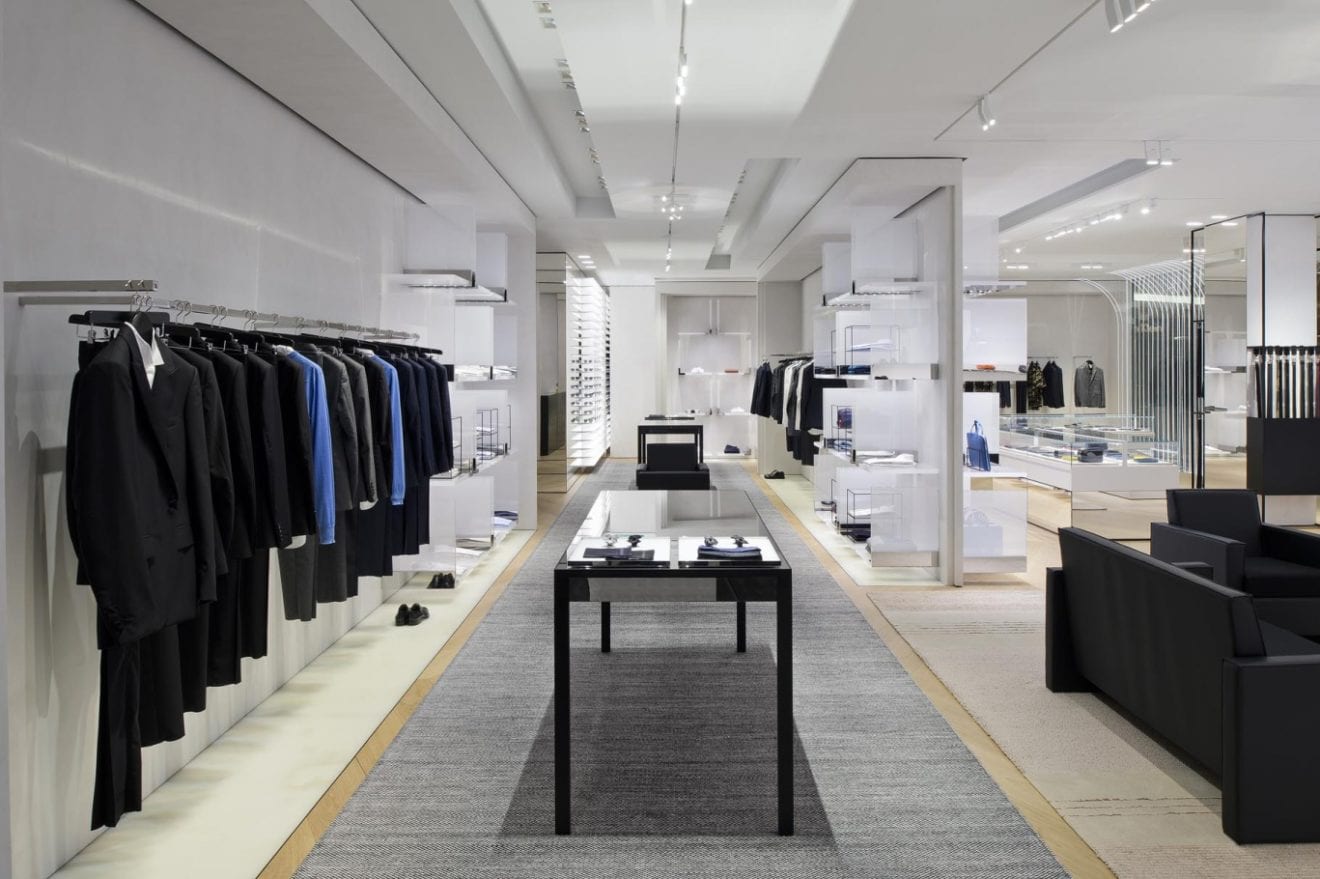
    Luxury fashion house Dior has launched its revamped Galaxy Macau boutique, offering more exclusive shopping experiences.

    The store, located at one of the finest shopping locations, Galaxy Promenade, has two floors and offers a varied range of items such as ready-to-wear and accessories designed by Maria Grazia Chiuri and Kim Jones, as well as watches and jewellery.

    The venue also features the My Dior fine jewellery line, the Dior autumn-winter 2024-2025 ready-to-wear collection with 30 Montaigne models, and Victoire de Castellane’s Rose des Vents and My Dior designs.

    The second store features men’s clothes from the Dior Winter 2024-2025 collection, as well as the Lifestyle Capsule, which focuses on board sports.

    In addition, the boutique offers VIP private shopping spaces.

  • Hermes reopens Lee Gardens store in Causeway Bay

    Hermes reopens Lee Gardens store in Causeway Bay

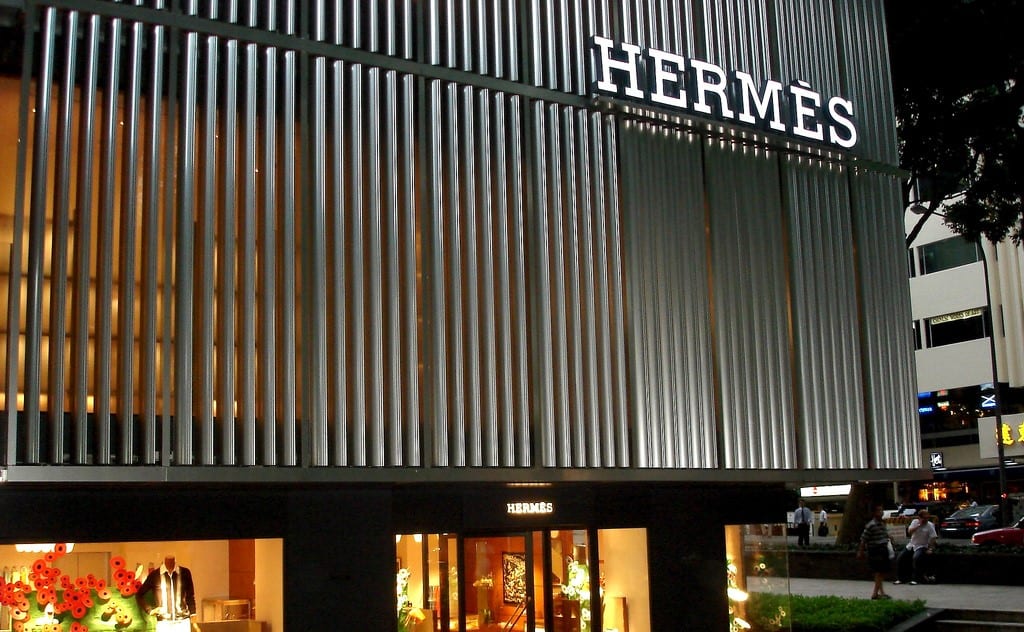
    Hermes has reopened its expanded store at Lee Gardens in Causeway Bay, Hong Kong.

    The store first opened in 1997 and is one of the luxury brand’s six stores in the metropolis.

    Hermes partnered with Parisian architecture agency RDAI for the expanded store’s design, which draws inspiration from nearby natural landscape.

    The expanded store now features three storeys, with its curves and ridges inspired by Hong Kong’s masonry wall trees and the interior showcasing metallic panels.

    A triptych of horses in motion by Japanese artist Ryu Mitarai is displayed at its three windows, which can be seen from the outside.

    The lower floor flaunts Hermes’ men’s and women’s ready-to-wear items, equestrian goods, home collection, and has two private rooms.

    A wooden cocoon on the first floor presents leather, watches, and jewellery metiers.

  • Thai fashion brand Pomelo opens in Cambodia

    Thai fashion brand Pomelo opens in Cambodia

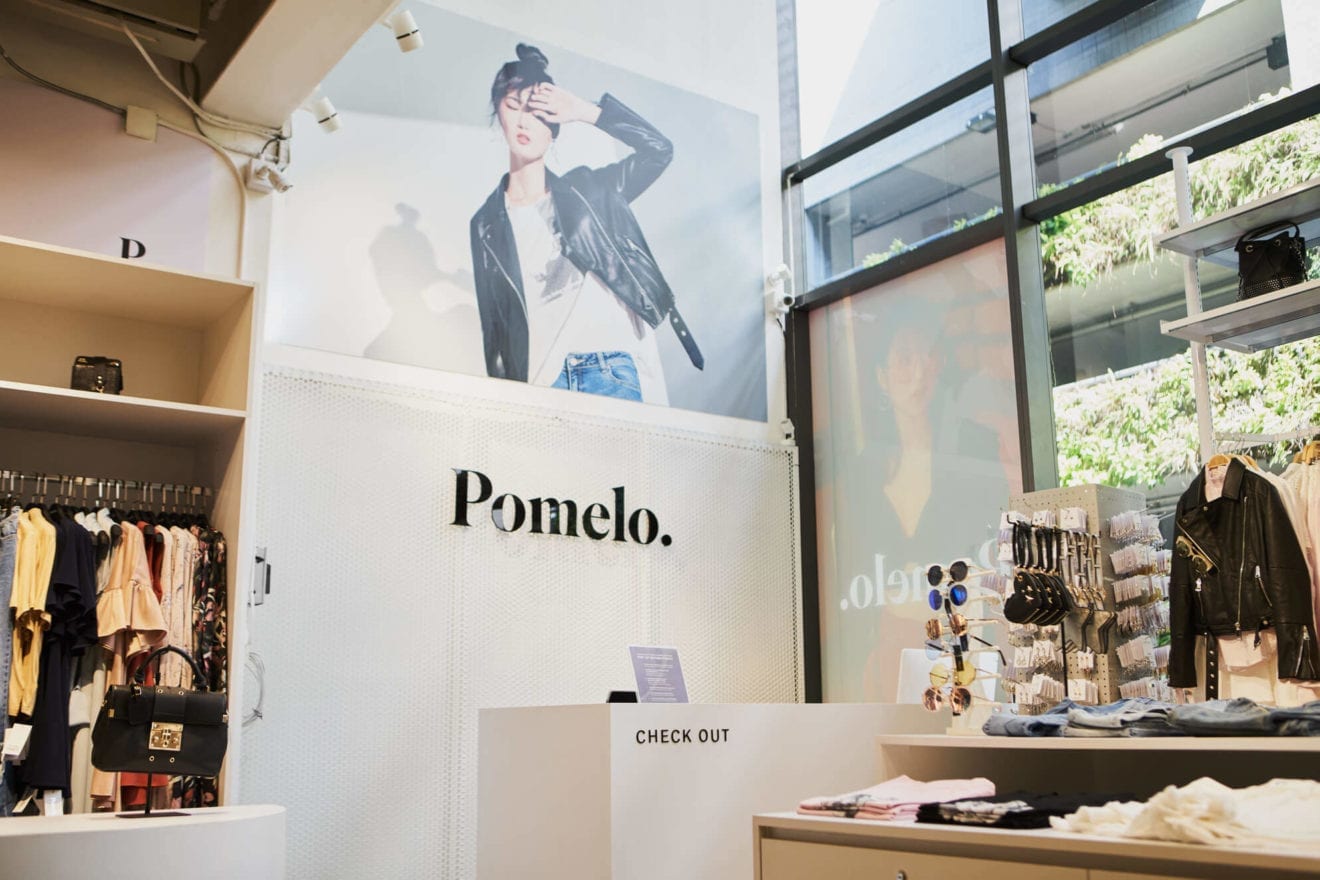
    Thai omnichannel fashion retailer Pomelo will launch in Cambodia in the first quarter of next year with physical stores and an e-commerce platform.

    The company has signed a partnership agreement with local distributor Zando Group to make its Cambodian debut and the launch is also part of a strategy to expand further within Southeast Asia.

    Pomelo, founded in 2013 by David Jou and Casey Liang, has developed from an internet-only fashion firm to a major Southeast Asian omnichannel retailer, with physical stores in Thailand, Singapore, Malaysia, and Indonesia, as well as online shipping to 50 countries.

    The brand opened its first store in Thailand in 2018 with the Tap, Try, Buy concept, which allows customers to order an infinite number of things online without paying anything upfront.

    Due to its growing economy, rising middle class, and increased demand for high-quality products, Cambodia’s retail sector has attracted major foreign labels in recent years.

    MLB, a South Korean streetwear brand, also opened its first physical store in Cambodia earlier this year, in collaboration with Vietnamese distributor Maison Retail Management International (MRMI).

  • Skechers granted an injunction against Dockers for alleged patent infringement

    Skechers granted an injunction against Dockers for alleged patent infringement

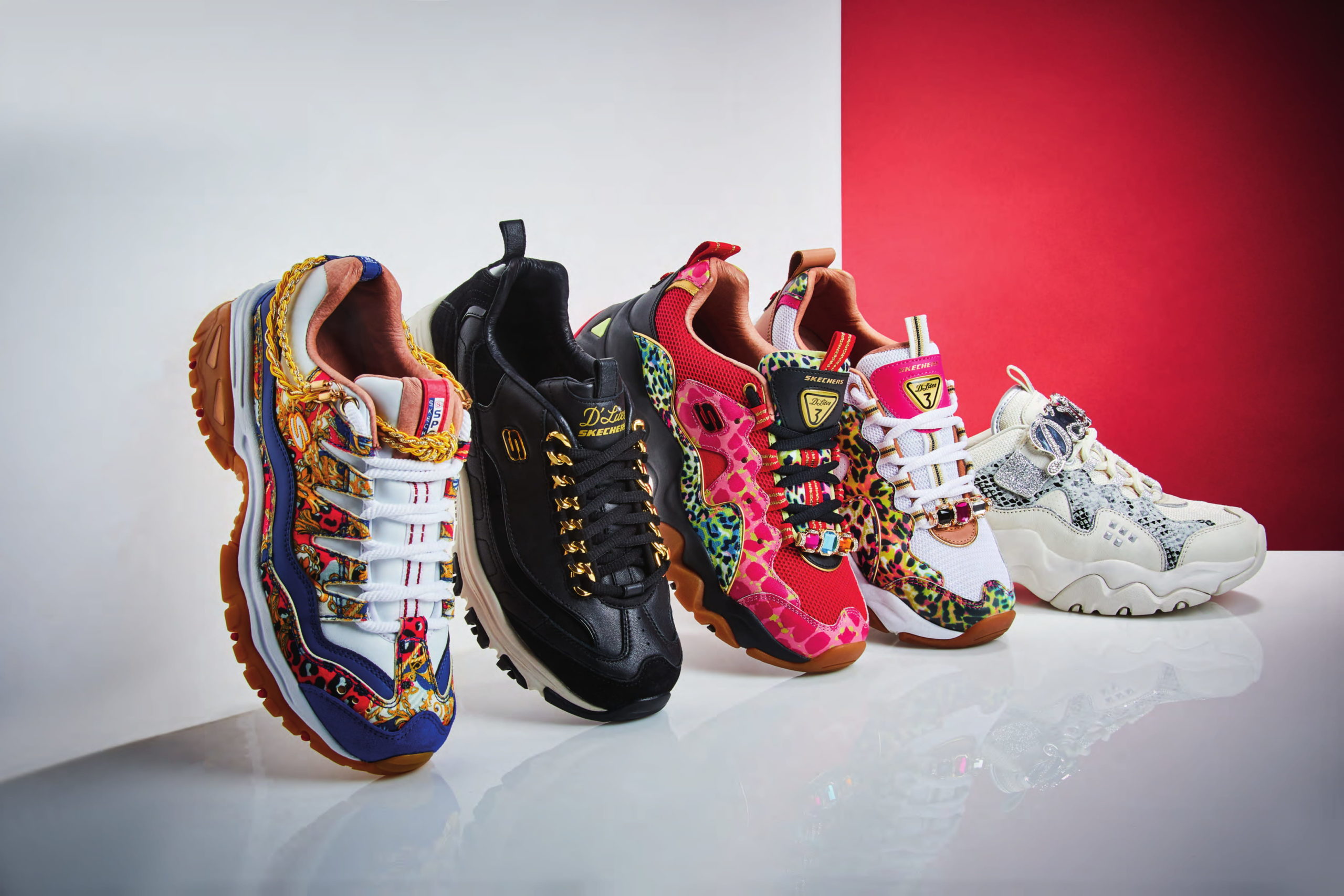
    In August, Skechers sued nonslip shoemaker Laforst Shoes over the alleged infringement of the slip-in-heel design. These shoe styles were the subject of high-profile Super Bowl ads earlier this year featuring Martha Stewart and Snoop Dogg, and Skechers says it’s sold millions of pairs of the hands-free shoe.

    On October 5, the Düsseldorf Regional Court in Germany found that Dockers had infringed on one of Skechers’ heel pillow designs, per the Skechers release.

    In a news release on the ruling, Skechers President Michael Greenberg said the company would “continue to aggressively police and enforce” its proprietary rights for the sneaker design.

    “While the ruling can be appealed, we are very pleased that the German court in the first instance acknowledged Skechers’ rights and immediately stopped the sale of the offending shoe style throughout the European Union,” Greenberg said. “Skechers invests tremendous resources into product development to introduce fresh, unique, and exciting footwear to its customers year in and year out.

    While Skechers always prefers to compete in the marketplace rather than the courtroom, the Company has no choice but to seek legal recourse when competitors infringe on our intellectual property rights.”

    Skechers’ legal complaint against Laforst is ongoing, though court documents show the parties have engaged in settlement discussions. As of Sept. 26, a judge in the United States District Court Central District of California gave Skechers 30 days to finalize its settlement with Laforst.

    In April, Skechers settled a patent dispute with French luxury brand Hermès over its Massage Fit sole.

  • Minor International acquires Sizzler brand

    Minor International acquires Sizzler brand

    Minor International Plc (Mint), an operator in the hospitality, restaurant and lifestyle sector, on Tuesday announced it would acquire a 100% stake in Singco Trading Pte, the intellectual property holder of the restaurant brand Sizzler, except in the US, Guatemala and Puerto Rico.

    The acquisition is valued at 546 million baht (S$21 million).

    Dillip Rajakarier, group chief executive of Minor, said the strategic move marks a milestone in Minor’s ambitious growth plans worldwide and reinforces its position as an industry frontrunner.

    According to Mr Rajakarier, the company expects to close the deal by the third quarter of this year.

    With the acquisition planned through MFG International Holding (Singapore) Pte, a subsidiary of Minor, the parent will gain control over Sizzler’s portfolio of franchises, including 64 restaurants in Thailand and another 10 in Japan. After the acquisition, Singco Trading Pte will be a subsidiary of Minor.

    “The acquisition comes at an opportune time for Minor as we continue to build on our track record of success and strengthen our position in the global marketplace,” Mr Rajakarier said.

    Minor has been operating Sizzler outlets for decades, but the acquisition is part of Mint’s three-year strategy called “Back to Growth”, as the pandemic is over and the company is moving head-on towards continued expansion, said Mr Rajakarier.

    “This acquisition sends a clear signal to the global market that Minor Food, like our hotel business Minor Hotels, is back on a trajectory of remarkable growth and we’re constantly seizing opportunities on the international scale through expansion of our own well-recognised brands in various countries either through partnership or acquisition,” he said.

    “We have a proven track record of successfully expanding our own brands in various countries, including some of the most difficult countries to dominate like China and Singapore. By gaining the ability to shape Sizzler’s development, we can replicate our proven past achievements and unlock the full potential of the brand.”

    With Minor’s deep industry knowledge, operational expertise and international partnership, Mr Rajakarier said the company looks set to introduce Sizzler to new audiences in other fast-growing markets around the world, such as Asean and the Middle East.

    He said the acquisition is earnings accretive and is made possible by Minor’s robust financial standing and healthy balance sheet. With Sizzler’s annual royalty income of S$3.5-4 million and full profit contribution without royalty payments from its Thailand operations, the investment offers an attractive double-digit percentage return, demonstrating Minor’s commitment to delivering accretive value to its stakeholders, said Mr Rajakarier.

    “We hope to be able to leverage our presence in the regions we have already strongly made a mark in, especially in Southeast Asia, as there has been interest from potential partners and existing franchisees of ours in those countries,” he said.

    The firm can now explore new markets to capture new customers in other regions. Apart from owning and operating the restaurants, expansion can also occur through joint ventures or franchising, said Mr Rajakarier.

    Following the acquisition, there will not be any drastic changes in operations because Thailand has always led the brand in terms of innovation and marketing, he said. The team in Thailand fully understands Sizzler’s value proposition that has proven it can differentiate the brand from competitors, said Mr Rajakarier.

    “We are constantly revitalising our brand to stay most relevant and up to date to promptly respond to market change, and with this comes customisation in each market to meet the needs of different groups of customers,” he said.

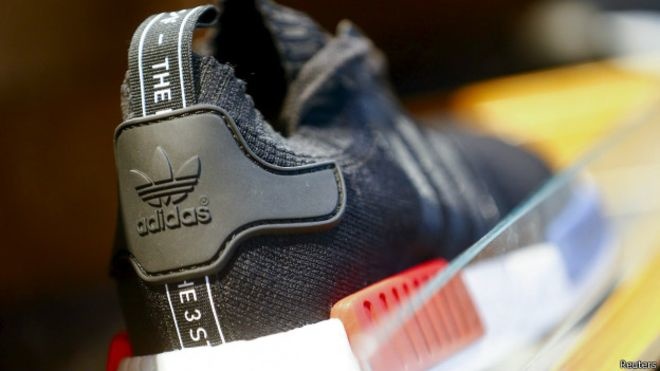
  • Adidas’s biggest brand centre in SEA launches at Sunway Pyramid

    Adidas’s biggest brand centre in SEA launches at Sunway Pyramid

    Adidas Malaysia has unveiled its largest brand center in Southeast Asia at Sunway Pyramid. Spanning 1575sqm and two stories, Adidas Sunway Pyramid worked with renowned Malaysian graphic designer, Valen Lim, to create localized experience zones in the store.  The brand incorporates Malaysian design elements, such as prominent local landmarks in the store interior, representing the Adidas Trefoil logo that mimics an authentic old-school local shop front. Adidas also collaborated with Sunway Pyramid.

    The brand incorporates Malaysian design elements, such as prominent local landmarks in the store interior, representing the Adidas Trefoil logo that mimics an authentic old-school local shop front. Adidas also collaborated with Sunway Pyramid to celebrate the launch with the medal of honor bestowed on Sunway Pyramid’s lion head.

    “The ongoing business expansion journey we are in is in line with our mission to be the best sports brand in Malaysia,” said Sharmin Photographer, country manager at Adidas Malaysia. “Despite the pandemic having been very tough for most of us, we emerge stronger as we continue to persevere with our consumer-first mindset.”

    The brand offers a range of sports performance and sports style products, together with an in-store customization zone.

    Meanwhile, the ‘sustainability zone’, designed to educate consumers on marine plastic pollution, is furnished with structures that are produced using reclaimed wood and recycled yarn to support our commitment.

    “The adidas Brand Center has been designed to meet the needs across all age groups and highlights the breadth and depth of the brand,” said Photographer.

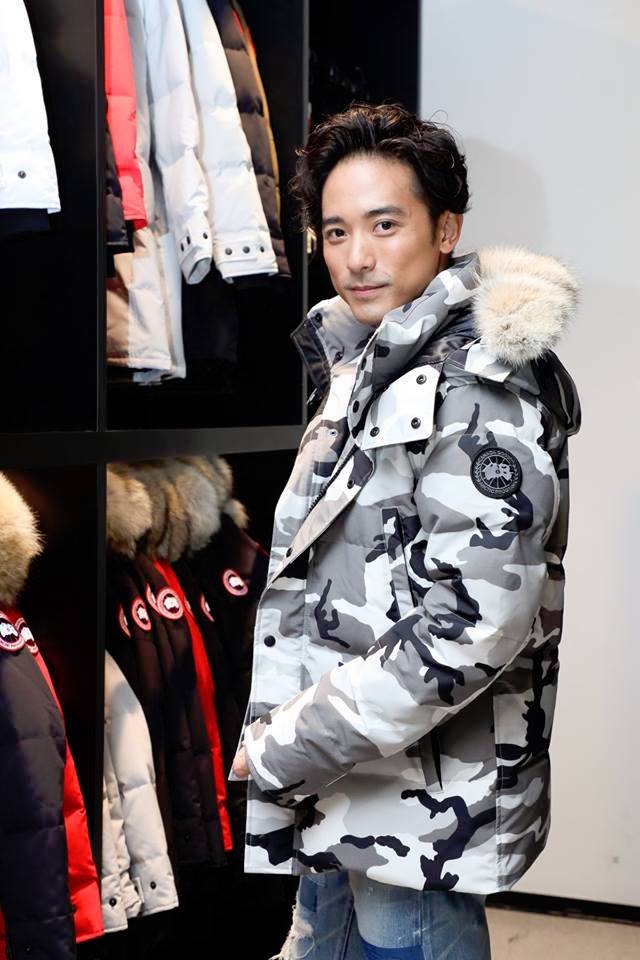
  • Canada Goose under fresh fire in China over no-return policies

    Canada Goose under fresh fire in China over no-return policies

    China’s top consumer protection organization has warned Canada Goose Holdings Inc against “bullying” customers in China with its return policies, just three months after the winterwear brand was fined for false advertising.

    The premium down jacket manufacturer has been a hot topic on Chinese social media in recent days over its handling of a case involving a customer who wanted a refund of her purchases amounting to 11,400 yuan (US$1,790.17) after finding quality issues.

    She said she was told by Canada Goose that all products sold at its retail stores in mainland China were strictly non-refundable, according to her account which went viral online.

    State-backed media such as the Global Times newspaper later cited Canada Goose as denying that it had a no-refund policy and that all products sold at its retail stores in mainland China were refundable in line with Chinese laws. The company did not respond to Reuters’ request for comment.

    That has not failed to quell criticism of the brand.

    “No brand has any privileges in front of consumers,” the government-backed China Consumer Association (CCA) said in an opinion piece posted on its website on Thursday morning.

    “If you don’t do what you say, regard yourself as a big brand, behave arrogantly and in a superior way, adopt discriminatory policies, be condescending and bully customers, you will for sure lose the trust of consumers and be abandoned by the market,” the CCA said.

    Representatives of the brand were summoned for talks on Wednesday by the Shanghai Consumer Council to explain its refund policy in China.

    The dressing-down of Canada Goose comes as tension between China and Western countries has fuelled patriotism and driven some shoppers to turn to home-grown labels.

    Canada Goose was also fined 450,000 yuan in September in China for “misleading” consumers in its ads.

  • Italian brand Frette opens doors in Singapore

    Italian brand Frette opens doors in Singapore

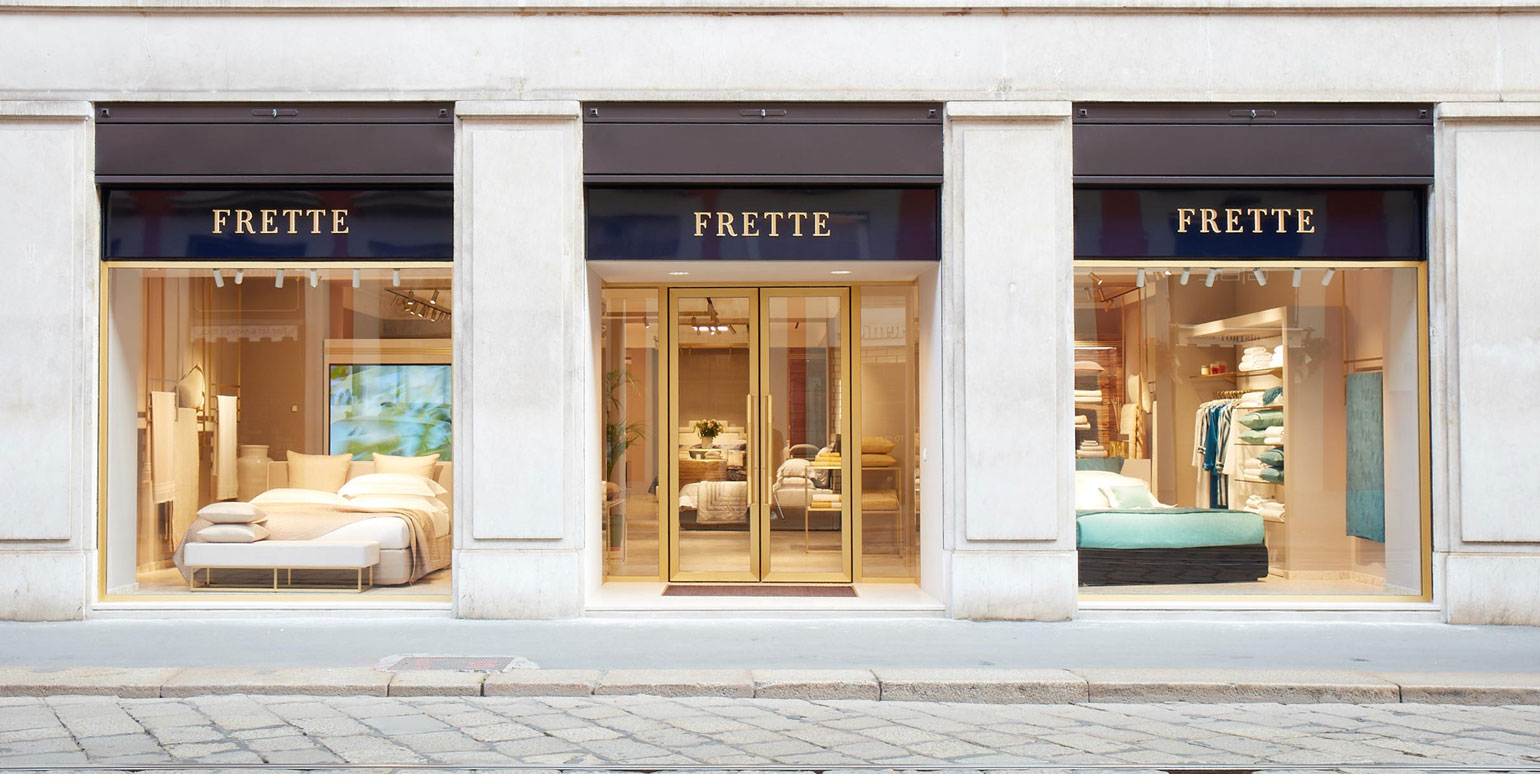
    Italian home accessories and lifestyle brand, Frette, has expanded its footprint in Singapore with its first boutique in Marina Bay Sands.

    The store also marks the brand’s first mono-brand boutique in the territory. Designed by Milan-based architecture studio Archibrando, the new Frette store features elements used in the brand’s global flagship boutique on Milan’s Via Manzoni and custom furnishings crafted from natural Afara wood, “encapsulating the luxurious ambience and timeless elegance and essence of the brand”.

    Frette Singapore occupies a 65sqm area of the shopping centre, offering crafted linens and decorative home accessories, ranging from embroidery bedding, bath towels, to men’s and women’s loungewear. The Marina Bay Sands boutique also offers custom embroidery and personalisation, bedroom styling as well as installation.

    The 160-year-old brand is known for its “chic, original designs and inimitable finish and feel”. Frette operates nine retail locations in the US and 25 in Asia. The brand has flagship stores in China, South Korea, Taiwan, Vietnam and Cambodia.

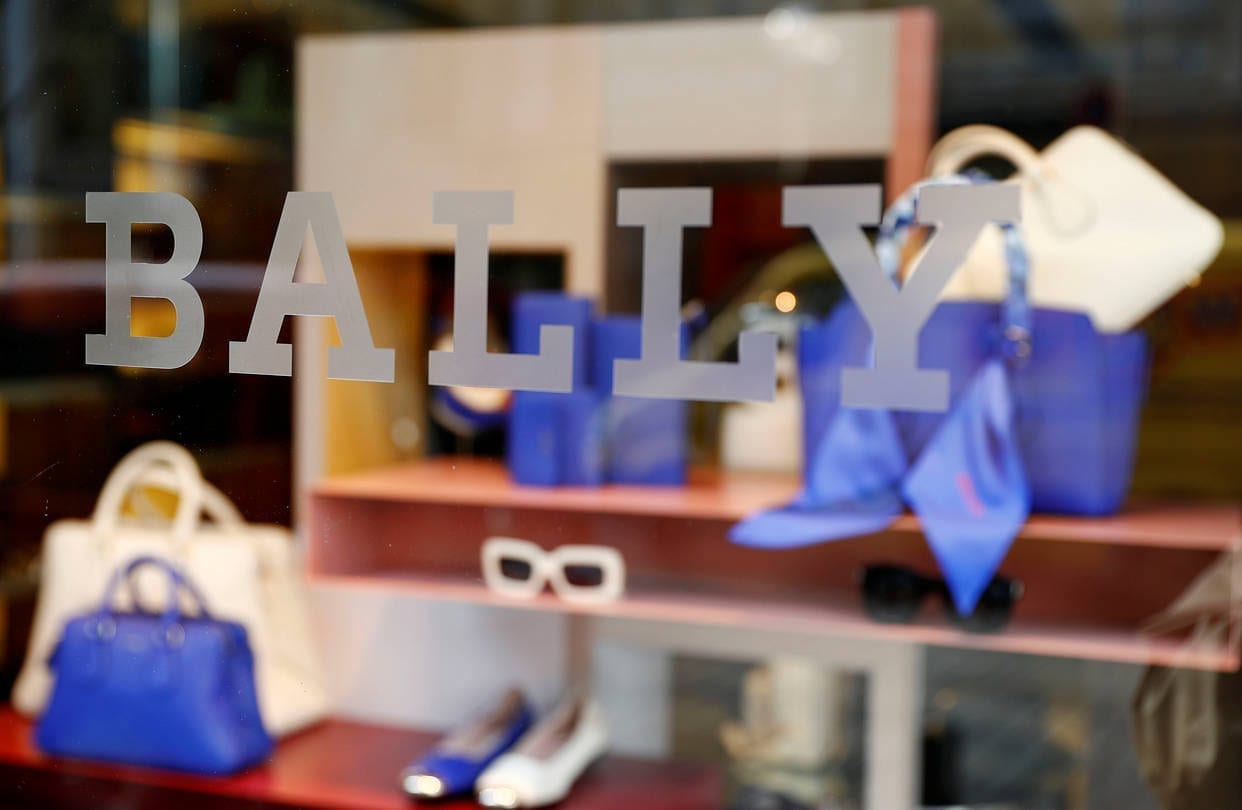
  • Bally signs up Johnny Huang as brand ambassador

    Bally signs up Johnny Huang as brand ambassador

    Bally is underlining the strength of the Chinese consumer with its latest campaign as it has signed up Chinese actor and model Huang Jingyu, also known as Johnny Huang, as the campaign’s star and as its brand ambassador more widely.

    “The award-winning Chinese actor will reinterpret our pioneering spirit with his signature style and edge,” the company said. In its 170th anniversary year, it’s also planning plenty of major activities with the celebrity.

    The company has 60 stores in China and a dedicated webstore there, as well as a prominent presence on e-tail sites like Tmall and on local social media.

    Buit it’s not all about China, of course, with the actor also being known internationally. In fact, his appointment is the first time a Chinese personality has acted as global face for the label.

    The company said its new spokesmodel is “a formidable actor” with a “dynamic personality and modern sense of style” that works well with Bally.

    As well as fronting the AW21 campaign alongside model Zhao Jiali, he will continue as the brand’s ambassador for its SS22 imagery and will appear at Bally events such as store openings like that for the planned Bally Hike pop-up in Beijing. That store will feature a dedicated hiking clothing and accessories collection.

  • Campos picked up by Dutch coffee giant for undisclosed sum

    Campos picked up by Dutch coffee giant for undisclosed sum

    Australian coffee chain Campos will be acquired by international pureplay JDE Peet for an undisclosed sum, with the transaction expected to be completed next month.

    Campos serves customers through direct-to-consumer, retail, and its own flagship cafes, as well as being available in over 600 cafes nationwide – channels that complement JDE Peet’s Australian retail operations.

    “We’re incredibly proud of what we have achieved from our humble beginnings on the streets of Newtown in Sydney,” said Campos founder Will Young.

    “We are confident that Campos can and will continue to grow under JDE Peet’s stewardship by continuing to focus on what made us Australia’s number one specialty coffee brand – high-quality coffee and great service.”

    JDE Peet’s general manager in Australia and New Zealand Albert Moncau said the Campos business is the “perfect fit” for the pureplay giant.

    “We look forward to welcoming the Campos team to our world of coffee and tea, learning from each other’s expertise and building on their award-winning coffee experience,” Moncau said.

    JDE Peet also owns and operates the L’OR, Moccona, Harris, Piazza Doro, Espresso di Manfredi, Two Seasons and Pickwick coffee and tea brands in Australia