Retail News CRM

Tag: Brand

  • Reliance Industries Expands Consumer Durables Reach With Electrolux’s Kelvinator Acquisition

    Reliance Industries Expands Consumer Durables Reach With Electrolux’s Kelvinator Acquisition

    Reliance Industries, a prominent Indian retailer, has recently acquired Swedish firm Electrolux’s Kelvinator, which is known for selling electronics such as refrigerators, washing machines, and air conditioners. This acquisition was carried out by the retail division of Reliance, demonstrating its ongoing expansion in the rapidly growing consumer durables market.

    Boosting Presence in Home Electronics and Appliances

    Reliance Retail is not only widening its presence in the consumer durables market but also extending its private-label portfolio of home electronics and appliances. This growth has been propelled by increased income levels, urbanisation, and sharpening competition in the market.

    The Background of Kelvinator

    Kelvinator, originating in the United States, had a significant international presence during the 1970s and 1980s, including a strong foothold in India. However, the brand experienced a downturn around the 1990s due to increased global competition and shifts in consumer preferences.

    Electrolux’s Profit from the Divestment

    Electrolux, in its latest quarterly report, disclosed that it had realised a profit of US$18.5 million from the sale of the Kelvinator brand.

    Questions & Answers

    What is the significance of Reliance Industries’ acquisition of Kelvinator?
    The acquisition signifies Reliance Industries’ commitment to expanding its presence in the burgeoning consumer durables market.

    What contributed to the expansion of Reliance Retail’s private-label portfolio?
    The expansion of Reliance Retail’s private-label portfolio has been driven by rising incomes, urbanisation, and increased competition in the market.

    What led to the decline of Kelvinator’s prominence in the market?
    Kelvinator’s market prominence declined around the 1990s due to heightened global competition and shifts in consumer preferences.

  • Chinese Milk Tea Giant Chapanda Breaks Into Singaporean Market With Two Prime Location Outlets

    Chinese Milk Tea Giant Chapanda Breaks Into Singaporean Market With Two Prime Location Outlets

    ChaPanda, a renowned Chinese milk tea brand, is making its daring entry into the Singaporean market by launching two new stores in prime locations.

    The First Two Outlets

    The brand’s inaugural outlet in Singapore has already opened its doors at Scape, a shopping complex located on Orchard Link. The second store is also set to make a grand entrance soon at Northpoint City South Wing, a popular shopping mall in northern Singapore.

    These new outlets continue the brand’s tradition of featuring adorable panda mascots and offering an impressive range of drink options. Customers can look forward to indulging in popular favourites such as Taro Ball Milk Tea and Mango Pomelo Sago.

    ChaPanda’s Rapid Growth

    ChaPanda, also known as ChaBaiDao, was established in 2008 in Chengdu, China. Following its inception, the brand has experienced tremendous domestic and global growth.

    Today, ChaPanda is recognized as the third-largest freshly made milk tea chain in China. The company operates an expansive network of over 8000 stores across the globe, enjoying a significant presence in several key markets including Hong Kong, South Korea, Australia, Malaysia, and Thailand.

    Major Milestone for ChaPanda

    In a significant achievement in 2020, ChaPanda’s founder, Wang Xiaokun, ascended to the prestigious ranks of the world’s billionaires. This significant milestone followed a successful funding round that catapulted the company’s valuation to an impressive US$2.1 billion.

    Questions & Answers

    What is ChaPanda?
    ChaPanda, or ChaBaiDao, is a Chinese milk tea brand established in 2008. It is the third-largest freshly made milk tea chain in China with over 8000 stores globally.

    Where will the ChaPanda stores be located in Singapore?
    The first ChaPanda store in Singapore is located at Scape on Orchard Link, and the second outlet is set to open at Northpoint City South Wing soon.

    Who is the founder of ChaPanda?
    ChaPanda was founded by Wang Xiaokun, who became a billionaire following a funding round that valued the company at US$2.1 billion.

  • Inditex’s Budget Brand Lefties Makes A Comeback In France Amid Rising Online Competition

    Inditex’s Budget Brand Lefties Makes A Comeback In France Amid Rising Online Competition

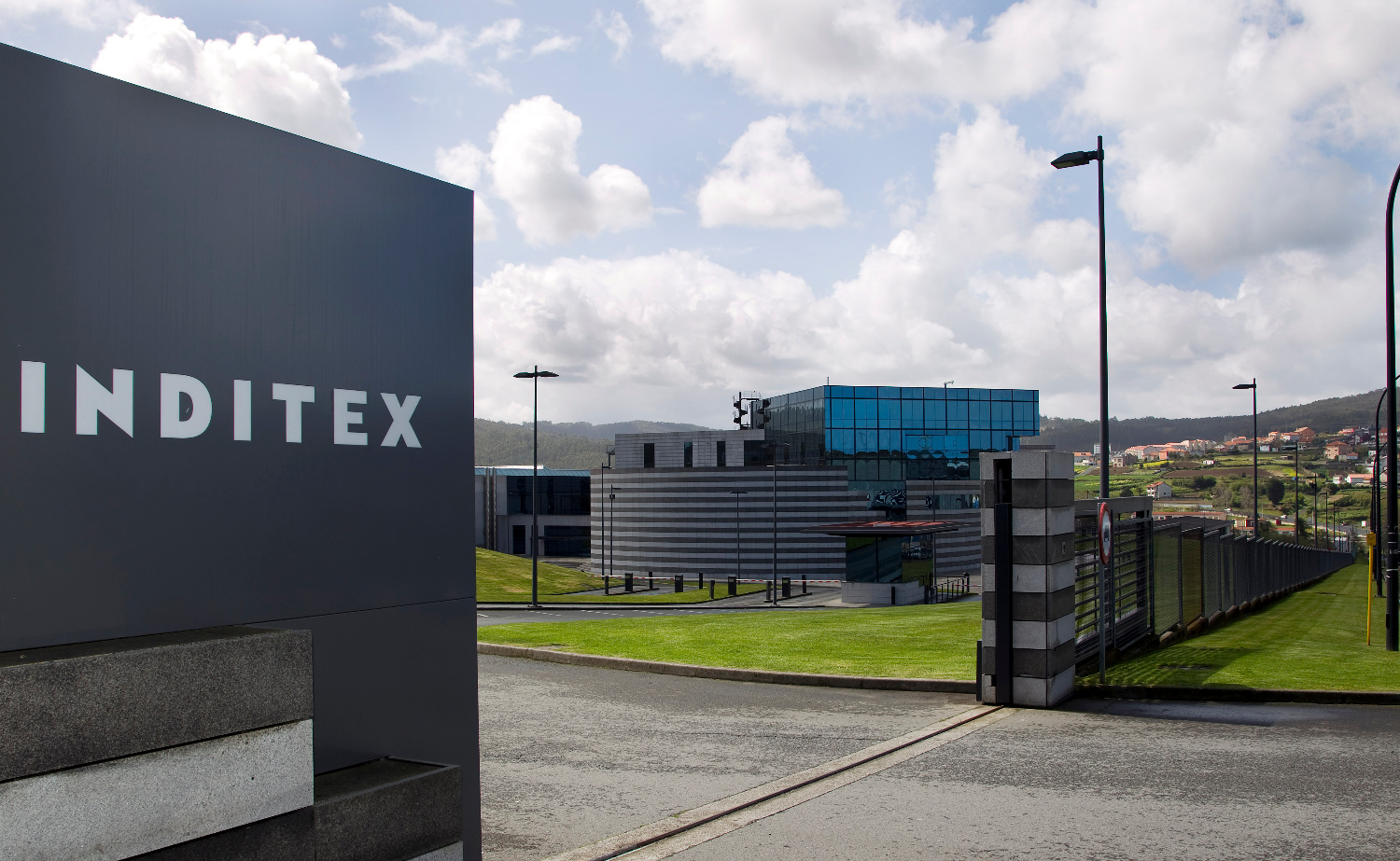
    In a recent announcement, the CEO of Inditex, the parent company of renowned fashion brand Zara, revealed plans to expand the company’s budget brand, Lefties, into France. The move is seen as an attempt to appeal to younger consumers and increase competition with low-cost rivals, including the popular online retailer Shein.

    Lefties Returns to France

    This new development signifies Lefties’ re-entry into the French market after a previous launch in 2009 that saw the closure of all its French outlets by 2012. Lefties, which was established a quarter of a century ago, began as an outlet for Zara’s leftover items. It has since blossomed into a significant player in the industry with a presence in 18 countries. The brand’s growth comes amidst increasing competition from online-only retailers such as Shein, known for their ultra-low prices.

    As part of its recent rebranding efforts, Lefties unveiled a new, all-capital letters logo in May alongside the slogan, “Lefties everywhere, on everyone.” While the brand’s main focus remains Spain and Portugal, Inditex CEO Oscar Garcia Maceiras recently stated that Inditex is currently “testing Lefties in new markets.”

    Pricing Competitive to Market Rivals

    Lefties offers competitively priced items, with dresses costing as low as 9.9 euros (US$11.55) and jeans at 12.99 euros. These prices are on par with those of Shein and Primark, and offer a more affordable alternative to Zara, which has seen price hikes in recent years.

    Expansion of Inditex’s Other Brands

    In addition to the expansion of Lefties, Inditex is also extending its range of other brands, as announced by Garcia Maceiras at the firm’s annual shareholder meeting. Bershka is slated to open its first stores in Denmark, Stradivarius in Austria, Oysho in the Netherlands, and Massimo Dutti in Brazil. In the United States, the Zara Man label is set to launch with a store in Costa Mesa, Los Angeles.

    The planned store openings, including Lefties’ expansion into France, are scheduled to occur this year and next, according to an Inditex spokesperson.

    Questions & Answers

    What are the expansion plans of Inditex for its budget brand Lefties?
    Lefties, the budget brand of Inditex, is set to expand into France as part of a strategy to attract younger consumers and compete with low-cost rivals.

    When did Lefties first launch in France and what happened?
    Lefties initially launched in France in 2009, but by 2012 all its French outlets were closed. The current plan signifies a re-entry of the brand into the French market.

    What other brands are Inditex planning to expand and where?
    Inditex is also planning to expand other brands, including Bershka in Denmark, Stradivarius in Austria, Oysho in the Netherlands, and Massimo Dutti in Brazil. Furthermore, the Zara Man label is set to make its U.S. debut with a store in Costa Mesa, Los Angeles.

  • The Ordinary Debuts Flagship Store On Alibaba’s Tmall, Leveraging Ai For Personalized Skincare Experience

    The Ordinary Debuts Flagship Store On Alibaba’s Tmall, Leveraging Ai For Personalized Skincare Experience

    Canadian skincare label, The Ordinary, has recently announced the launch of its inaugural flagship store on Tmall, Alibaba’s e-commerce platform. This comes not long after it first ventured into the Chinese market in February of this year.

    Embracing Science-Led, Ingredient-Driven Formulations

    The Ordinary has built its reputation on its commitment to science-based, ingredient-focused products at affordable prices. With this new online store, the company hopes to extend its reach to a wider customer base in China.

    The digital shop also incorporates AI-driven technology, with the aim of helping shoppers identify the skincare products that will suit their specific needs.

    Co-founder of The Ordinary, Nicola Kilner, expressed her excitement about this new venture, highlighting its significance in the brand’s mission to make quality skincare more available to Chinese consumers. Kilner further iterated the brand’s intent to strengthen its ties with the Chinese market by embracing innovative practices and imparting vital skincare knowledge.

    Event Celebrating the Launch

    In celebration of the store’s launch, The Ordinary organized a gathering in Shanghai last month. The event saw the attendance of Kilner, Lulu Chang from Estée Lauder China, and high-level personnel from Tmall. The primary focus of this event was to discuss the pivotal role of technology and transparency in shaping the future of skincare.

    The Ordinary’s Growth and Expansion

    The skincare brand’s expansion comes on the heels of Estée Lauder Companies’ successful acquisition of Deciem, the parent company of The Ordinary, in the previous year. The transaction, worth US$1.7 billion, has given Estée Lauder full ownership of Deciem Beauty Group, a Canadian firm.

    Questions & Answers

    What is The Ordinary’s approach to skincare?
    The Ordinary is known for its science-led, ingredient-driven formulations. Their products are designed to address specific skincare needs at accessible price points.

    What is the purpose of the AI-powered tools on The Ordinary’s online store?
    The AI-powered tools are designed to help consumers identify the right skincare products for their specific needs.

    What was the primary focus of the event held by The Ordinary in Shanghai?
    The event centered around discussions on the role of technology and transparency in shaping the future of the skincare industry.

  • Savage Rabbit Vodka: Eastern European Tradition Meets Australian Market

    Savage Rabbit Vodka: Eastern European Tradition Meets Australian Market

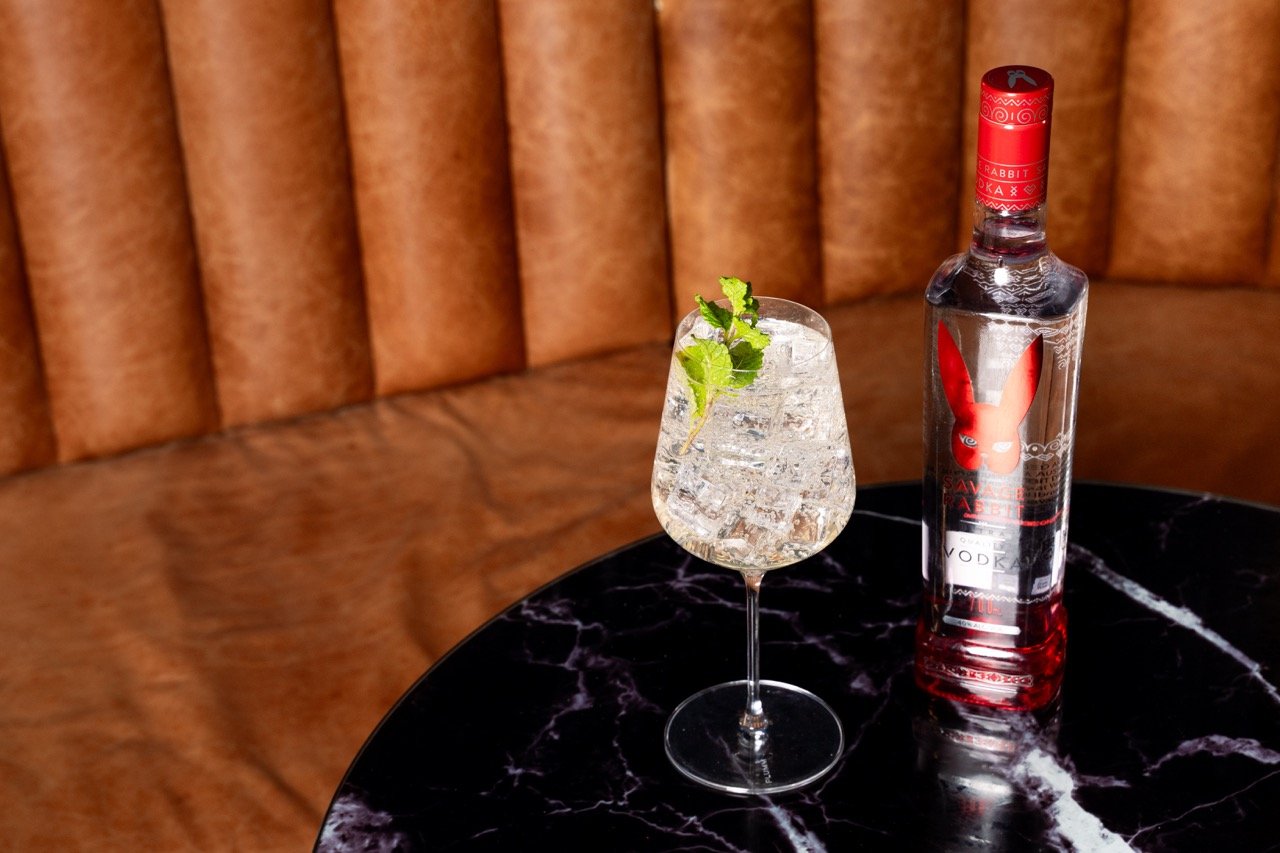
    Slovakia-based Savage Rabbit has officially introduced its premium vodka into the Australian market.

    The Vodka’s Unique Composition

    Savage Rabbit’s vodka is a harmonious blend of winter wheat and rye, paying homage to Eastern European vodka-making traditions while incorporating modern practices. The spirit is noteworthy for its distinct taste profile, featuring notes of apple and juicy melon, underscored by almond with a touch of white pepper.

    Ian Head, the co-founder of Savage Rabbit, noted that the brand aims to combine a premium product’s purity and smoothness with a playful and social appeal in tune with modern consumers’ preferences.

    Inspired by Nature

    The vodka, distilled in Slovakia, draws inspiration from the glacial spirit of the Tatra Mountains. It offers a unique aromatic bouquet of grapefruit and pecan, culminating in a smooth, silky, buttery mouthfeel.

    Exceptional Production Process

    The production process of Savage Rabbit vodka involves a meticulous triple-filtration process. After cooling the spirit to below three degrees Celsius, it’s filtered through charcoal, silver, and platinum to ensure a pristine final product.

    Availability

    Savage Rabbit Vodka is now available for purchase in selected stores and venues across Australia, retailing at a standard price of $69.

    Questions & Answers

    What is the flavor profile of Savage Rabbit Vodka?
    Savage Rabbit Vodka combines taste notes of apple and juicy melon, layered with almond and a hint of white pepper. It also features aromatic tones of grapefruit and pecan.

    What is unique about Savage Rabbit’s production process?
    Savage Rabbit Vodka undergoes an intricate triple-filtration process through charcoal, silver, and platinum after being cooled to under three degrees Celsius, which contributes to its purity and smoothness.

    Where can Savage Rabbit Vodka be purchased in Australia?
    Savage Rabbit Vodka is available in select stores and venues across the nation.

  • Ribena Reveals Bold New Brand Identity: Striking Balance Between Heritage And Modernity

    Ribena Reveals Bold New Brand Identity: Striking Balance Between Heritage And Modernity

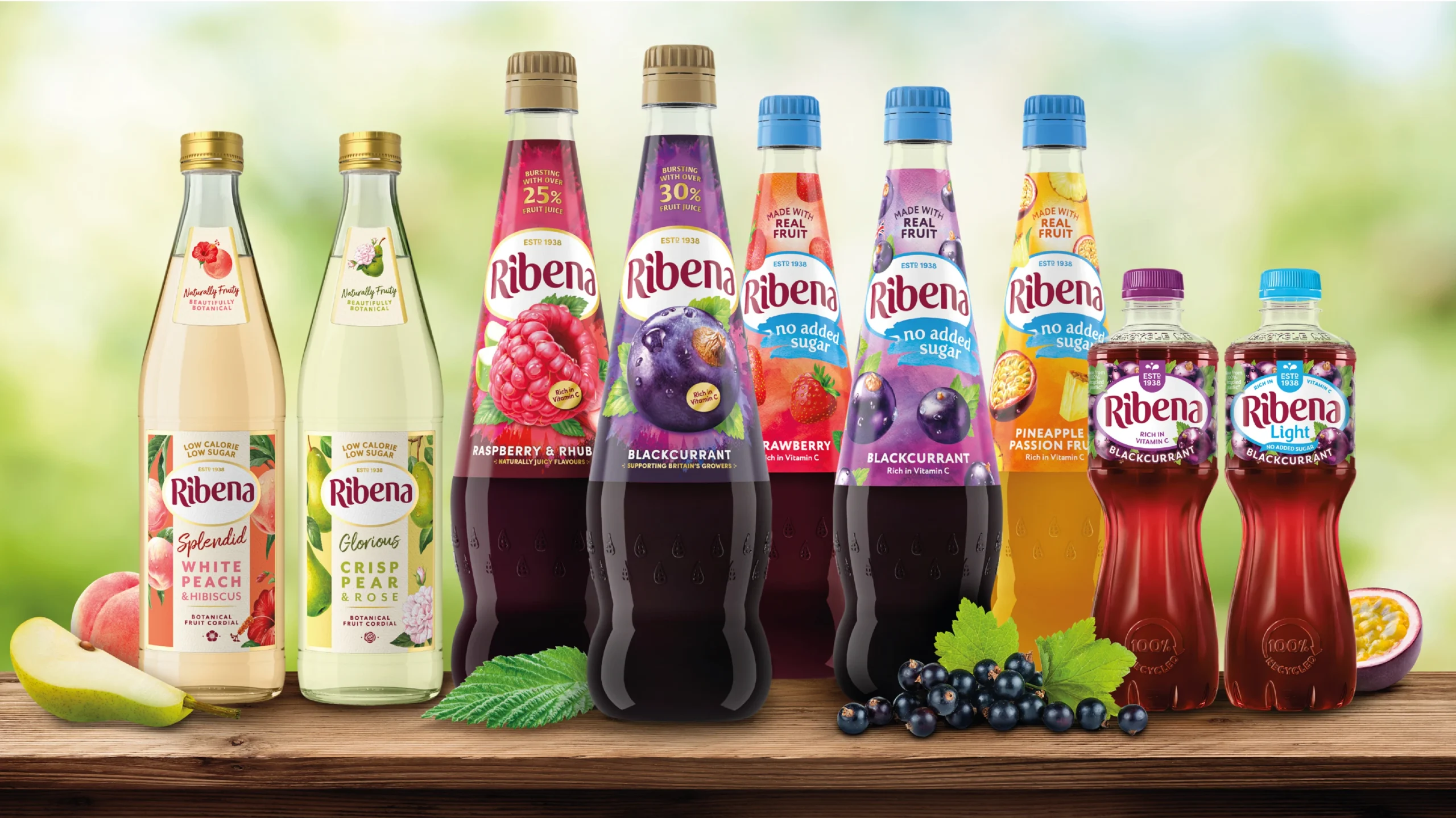
    Iconic beverage label Ribena has recently introduced a new brand identity, developed with help from the renowned creative team at Elmwood. With the aim of maintaining the brand’s familiarity while enhancing its shelf appeal, the revamped identity features a bold new logo while retaining key elements of its heritage.

    A New Twist to An Old Favorite

    The updated visual identity for Ribena features a reimagined logo where the traditional blackcurrant-colored wordmark is replaced by a bolder red hue. The curvature in the old lettering has been transformed into a more streamlined and clean baseline. The alterations also extend to the letterforms, which have been molded to look more “plump and juicy”, further emphasizing the brand’s fruity image.

    Striking the Balance Between The Old And The New

    Charlotte Distefano, Elmwood’s Creative Director, explained that their mission was to strike a balance between ‘familiar difference’. They observed that despite customers’ love for Ribena’s taste, the brand was often overlooked on store shelves. Therefore, the goal was to create a design that was immediately recognisable as Ribena, whilst boosting brand visibility and establishing a consistent look and feel.

    The Blend of Heritage and Modernity

    Key, heritage-linked elements, such as Ribena’s blackcurrants, have been retained in the rebranding, but are now subtly positioned in the background. A fresh “juicy droplet icon” has been introduced beneath the fruit, complemented by a vibrant purple backdrop and gold accents to further augment the brand’s aesthetic appeal.

    Elmwood confirmed that in trials, the refreshed packaging showed significant improvements across measures such as purchase intent, recall, and perceived taste, while still being easily identifiable as Ribena. Ribena, a company established in 1938, is currently held by Suntory Beverage & Food GB&I.

    Questions & Answers

    What are the key changes in Ribena’s new logo?
    The former blackcurrant-hued wordmark has been replaced by a bolder red logo and the curved old lettering has been simplified into a cleaner, straight baseline.

    What was the goal of Ribena’s redesign?
    The aim was to create an instantly recognisable yet distinctive design that enhanced the brand’s visibility and created a consistent look and feel.

    How has the reaction been to the new packaging?
    The new design performed well in trials, showing improvements in purchase intent, recall, and perceived taste, while maintaining its recognisability as Ribena.

  • Indian lingerie Clovia eyes international expansion over 5 years

    Indian lingerie Clovia eyes international expansion over 5 years

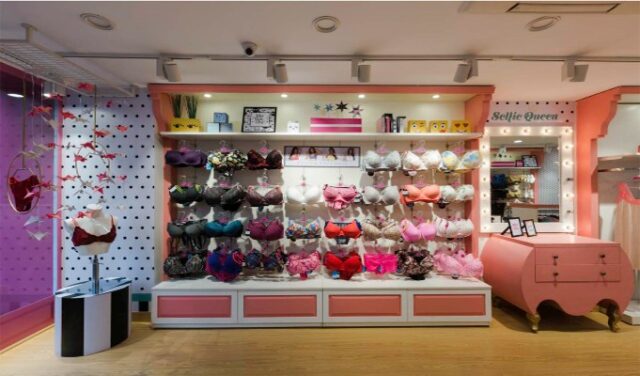
    Founder and Director, Neha Kant, says that apart from the 10 EBOs in Delhi, the brand has 2 EBOs in Gujarat and 1 in West Bengal. The average size of a Clovia store is between 275 and 400 sq. ft. “Aside from this, we are also present in 50+ shop-in-shops in these three states in India.” “We have also introduced a new distribution model – Clovia Partnership Program. Under this program, we invite women around the country to educate other women about sizing and fits and run their enterprise by selling Clovia products from the comfort of their home. At present, we have around 3,000 members on board,” she adds.

    Operating Model

    The lingerie brand sells through direct sales channels including exclusive brand e-store, partner websites like Myntra, Jabong, Flipkart and Amazon among others and also through offline retail outlets.

    “As a brand we want to be present at every customer touch point and offline was a natural progression for us. The intent was to make product touch-points that can be brand builders and self-sustaining at the same time. While online continues to grow profitably, offline helped us capture a completely complementary user base, while continuing to build the brand,” asserts Kant.

    “Our Noida office is also the central design hub. Designs and raw materials are shipped out to exclusive third party manufacturing units which have been incubated by us and work exclusively with us. Our skillful use of technology helps us ensure the industry’s most efficient mind-to-market and extremely tight inventory management. On the online front, we’ve innovated to deliver some of the best sales conversion rates. These innovations have ensured the company is operationally profitable since inception,” she adds.

    TG & Product Portfolio

    The brand’s target audience includes working women between the ages of 25-35 years and young girls aged between 18 to 24 who are either in college or have just entered the workforce.

    The brand designs, manufactures and sells premium fashion lingerie, innerwear, nightwear and shapewear. Tier II and III contribute to over 60 percent of Clovia’s orders.

    “Clovia has redefined the lingerie market by going beyond standard fits, colours and sizes. We offer customers a wide variety of choices in ‘everyday essentials’, along with ‘fashion solutions’ keeping up with customer’s evolving wardrobes,” says Kant.

    “As a brand which lives on feedback, and iterates its entire portfolio basis that, we are focused on a few major categories for now and have been slowly expanding our category focus. Clovia, started predominantly as a ‘bra & brief’ brand which extended into nightwear, shapewear and loungewear with time and demand. Within the categories, we’ve identified a lot of verticals for example: in bras, we have ranges for beginners and nursing mothers, as well as sizes till 44F. We launch 200+ new options including colours and prints per month across women’s bras, briefs, nightwear, shapewear, lounge wear, resort wear, swim wear, leisure wear and active wear categories,” she explains.

    The brand, which produces all its products in India, offers 2,000+ plus styles across categories.

    Supply Chain & Production Capacity

    Clovia is a full stack lingerie brand that controls every part of its supply chain from mind-to-wardrobe.

    “We procure raw material, design in-house, manufacture in third-party facilities working exclusively for us, ensure our own 4-level quality control and sell through a host of direct sale channels. Every product we create is first made in small quantities, monitored via state-of-the-art backend technology, which predicts future sales (based on sales patterns and customer feedback) and recommends what further quantities should be produced,” states Kant.

    At the moment, the brand is manufacturing almost a million units per month and ship close to 2 million units in a quarter.

    “We deliver pan India across 970 cities and to over 13,000 pin codes,” she says, adding, “Clovia has an established operating infrastructure with a 30,000 sq. ft. capacity warehouse and a wide distribution network with logistic partners pan India.”

    A Technology Forward Company

    Clovia uses smart technology and big data analytics for smart management of inventory ensuring that they have a highly consumer-relevant range all times with high sell-through rates resulting in industry best inventory holding.

    “We have set up a unique distribution system (both online and offline) which is based on direct interaction with customers, getting their direct feedback and using the same in planning the next product range. Big data played a big role here and this led to an extremely strong connect with our customers, leading to creation of a brand on the back of experience and not pure-play marketing,” she says.

    “We use smart technology and big data analytics to plan consumptions and purchase patterns. We stock the maximum number of SKUs in the industry with minimum inventory holding. Also, using technology for geographical understanding of tastes, we’re bringing structure to a traditionally unorganised market,” she further states.

    Future Plans

    The lingerie brand is expanding both in the online and the offline space with equal vigour. The brand is putting in the effort to understand audiences and nuances of each channel to ensure a true Omnichannel experience for customers and sellers. This is the key focus for Clovia over the next five to six quarters.

    “We have been operationally profitable,” she says.

    The brand currently generates around 15 percent of its revenue from offline channels and expects the revenue to witness a 50 percent growth in the current financial year.

    “Clovia gets over 55 percent of its total online sales through its own website which will maintain its share. The rest comes from online marketplaces such as Amazon,” Kant concludes.

  • Adidas, Reebook supplier to sack 6,000 workers

    Adidas, Reebook supplier to sack 6,000 workers

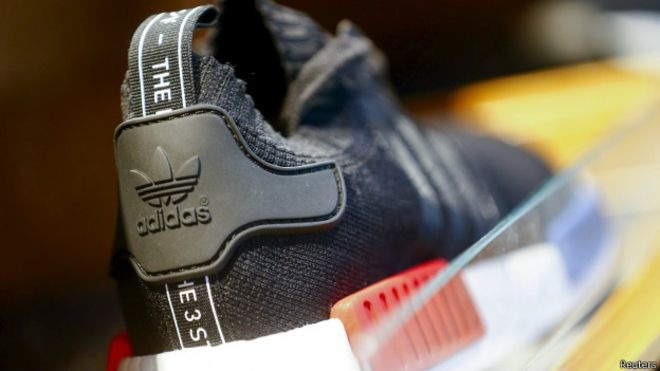
    Footwear maker Pou Yuen Vietnam, the largest employer in HCMC, will lay off nearly 6,000 workers, or 10% of its workforce, amid a decline in orders.

    This is the biggest layoff of the Taiwanese company, a supplier to Adidas and Reebok, since its operation in HCMC in 1996.

    At a recent meeting with city authorities, the company’s management said with orders plummeting their factories are forced to reduce staff.

    Since the end of last year they have been adjusting production plans, furloughing workers and rearranging them between factories.

    They expect to lay off 5,744 workers in two batches on June 24 and July 8. The discharged staff will be paid compensation at the rate of 80% of their last drawn salary for every year they worked.

    During the notice period, workers not coming to work will still be paid full wages.

    Pregnant workers, on maternity leave, having kids under 12 years, from poor households, disabled, and facing other disadvantages will not be laid off.

    Pou Yuen had laid off 2,358 workers in February and over 2,800 in June 2020 just after Covid broke out.

    Layoffs are also happening in many other companies due to the bleak economic situation.

    A survey by the city Department of Labors, Invalids, and Social Affairs of 4,000 firms in Q1 found 31% had reduced their workforce and only 19% increased it.

    Layoffs often occur in footwear, garments, construction, and food processing sectors.

  • Indian leggings brand Go Colors has international debut in Dubai

    Indian leggings brand Go Colors has international debut in Dubai

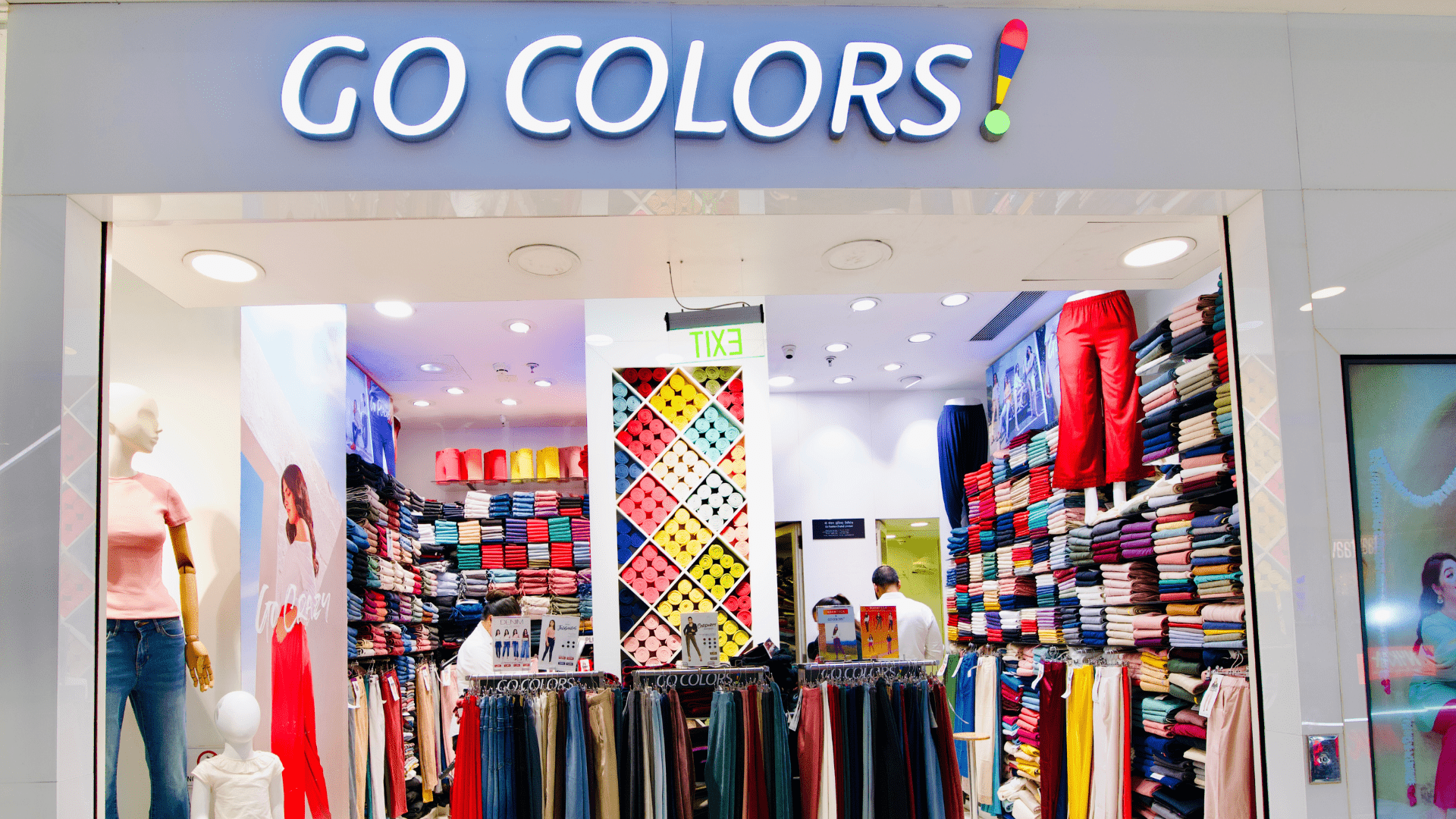
    Go Colors, a leading Indian retailer specializing in women’s pants and leggings, is set to launch its first overseas store in Dubai’s Silicon Central Mall.

    Partnership with Apparel Group

    Go Fashion India, the parent company of Go Colors, is collaborating with the UAE-based retail giant, Apparel Group, to bring its extensive collection of leggings, jeans, pants, joggers, and other women’s basic clothing items to the international market. The collaboration marks the brand’s first expansion outside of India.

    Gautam Saraogi, CEO of Go Fashion, expressed his excitement over the expansion, acknowledging the significant role of Apparel Group in this endeavor. “Collaborating with Apparel Group, with their extensive retail experience and strong presence in the region, makes them the ideal partner for this exciting milestone,” Saraogi stated.

    Store Design and Features

    The store’s design will incorporate vibrant, attention-grabbing displays with clear product categorization, which will enable customers to effortlessly navigate through seasonal collections, casual apparel, and accessories.

    Moreover, the store will leverage technology to enhance the shopping experience. Customers will have the ability to scan QR codes for easy access to product details and promotions, thereby bridging the gap between physical and digital retail experiences.

    Onwards and Upwards for Go Colors

    Back home in India, Go Colors boasts a robust network of over 750 exclusive brand outlets. This extensive presence not only testifies to the brand’s popularity but also lays a strong foundation for its international expansion.

    Questions & Answers

    What is Go Colors?
    Go Colors is a leading Indian retail brand specializing in women’s pants and leggings. It is owned by the parent company, Go Fashion India.

    Where is Go Colors opening its first international store?
    Go Colors is opening its first international store in Dubai’s Silicon Central Mall.

    Who is Go Colors partnering with for its international expansion?
    Go Colors has partnered with the UAE-based retail conglomerate, Apparel Group, for its international expansion.

  • Estee Lauder appoints Lisa Sequino as new president of makeup brand cluster

    Estee Lauder appoints Lisa Sequino as new president of makeup brand cluster

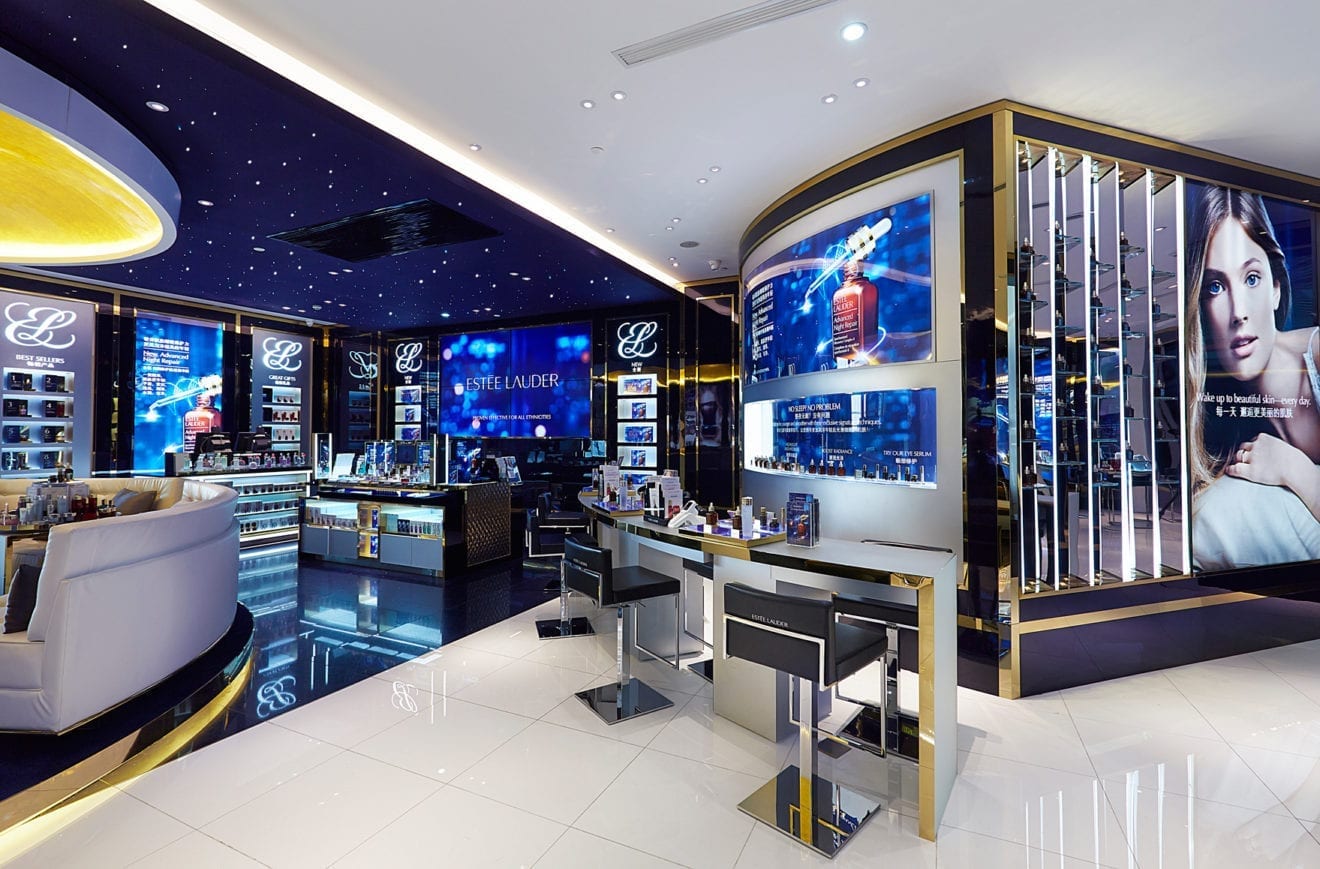
    Esteé Lauder has welcomed Lisa Sequino into a new leadership role as the President of its makeup brand cluster, part of the company’s initiative to enhance innovation. Sequino’s mission will be to bolster consumer recruitment efforts and increase localized relevance within the brand.

    Esteé Lauder’s executive vice president and chief brand officer, Jane Hertzmark Hudis, described Sequino’s distinct blend of strategic and abstract thinking, entrepreneurial spirit and operational efficiency as the perfect fit for the role. Hudis believes Sequino is ideally equipped to lead the makeup cluster’s progress and growth trajectory.

    Prior to her appointment, Sequino held the position of Senior Vice President and General Manager of Esteé Lauder in North America. In this capacity, she spearheaded the brand’s flagship store’s go-to-market strategy. Sequino subsequently assumed the position of Senior Vice President of brands in the same region.

    In this latest role, Sequino directed a diverse brand portfolio, supervising skincare, makeup, and fragrance. She was also entrusted with the responsibility of harmonizing brand synergies across various channels and categories in North America.

    Questions & Answers

    What is Lisa Sequino’s new role at Esteé Lauder?
    Lisa Sequino has been appointed as the new President of Esteé Lauder’s makeup brand cluster.

    What are the objectives of Sequino’s role?
    Sequino will aim to expand consumer recruitment and boost local relevance for Esteé Lauder’s brands.

    What are Sequino’s previous roles within Esteé Lauder?
    Sequino served as the Senior Vice President and General Manager of Esteé Lauder in North America, as well as the Senior Vice President of brands in the same region.

  • Diverse Product Options Shift Brand Loyalty Landscape in Vietnam

    Diverse Product Options Shift Brand Loyalty Landscape in Vietnam

    Kantar data shows Vietnam’s surge in options fuels consumers’ shifting brand preferences.

    In Vietnam, brand loyalty is becoming a relic of the past as consumers grow increasingly price-sensitive, a trend fueled by inflation and an explosion of choices. Peter Christou, General Manager of Kantar Vietnam’s Worldpanel Division, notes that shoppers are re-evaluating their brand allegiances, complicating efforts for companies to win their hearts.

    “Brand loyalty is being challenged not because consumers don’t care, but because they wield more power, face greater pressure, and encounter an unprecedented array of options,” Christou remarked. As economic pressures intensify, Vietnamese shoppers are opting for budget-friendly decisions, making it imperative for retailers to pivot.

    Kantar’s analysis reveals that the number of products on the market has doubled in the past decade, yet the success rate of these new offerings has plummeted by half. This paradox underscores the need for retailers to rethink their strategies in a landscape where standing out is tougher than ever.

    The evolution of online, offline, and hybrid shopping channels has transformed the way consumers engage with the market. “I can now explore so many shopping avenues—online and offline—which makes comparing deals and prices incredibly easy,” Christou emphasized.

    Retailers are now navigating a reality in which brand loyalty is elusive. Christou offers a roadmap for survival in this “low loyalty environment,” suggesting that retailers prioritize a data-driven approach, a deep understanding of consumer needs, and the delivery of personalized value.

    Looking into the future, Christou identifies key e-commerce trends that retailers must monitor closely. He highlights the burgeoning realm of social commerce platforms like TikTok, the significance of hyper-personalization driven by AI, the increasing appetite for quick commerce, and the prospective impact of augmented and virtual reality on the retail experience.

    In a world where shoppers are armed with options like never before, the question remains—how will retailers evolve to keep pace?

    Questions & Answers

    What is driving the decline in brand loyalty in Vietnam?
    The decline in brand loyalty is primarily driven by inflation, price sensitivity, and an explosion of choices available to consumers.

    What does Kantar’s data indicate about the proliferation of products in Vietnam?
    Kantar’s data suggests that while the quantity of products has doubled in the last decade, the success rate of these products has halved, indicating fierce competition for consumer attention.

    What future e-commerce trends should retailers in Vietnam be aware of?
    Retailers should monitor the rise of social commerce, the importance of hyper-personalization via AI, the demand for quick commerce, and the potential of augmented and virtual reality in the shopping experience.

  • Bae Juice Energy: Clean, Natural Boost from Australian Brand

    Bae Juice Energy: Clean, Natural Boost from Australian Brand

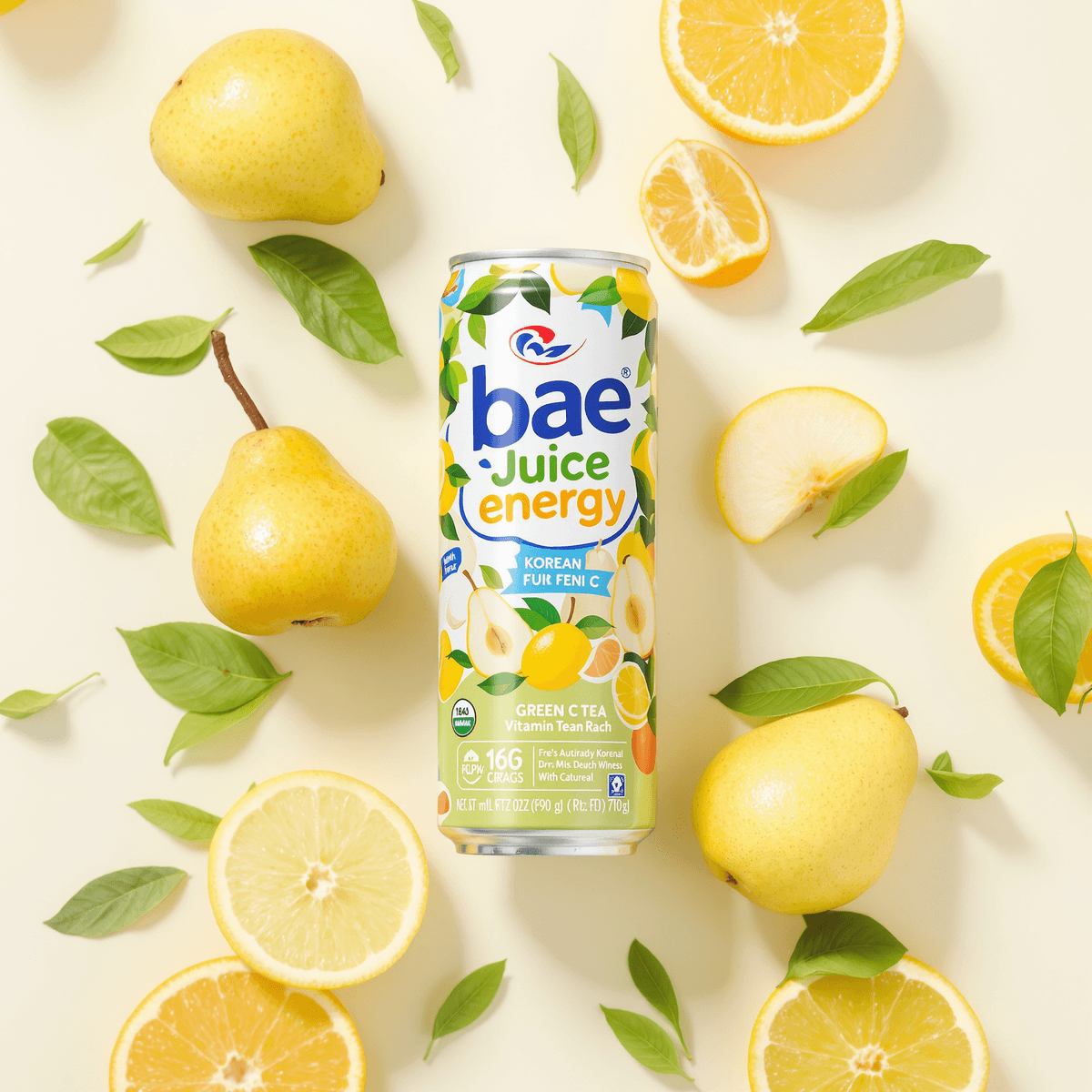
    Bae Juice, an Australian beverage maker, has disrupted the energy drink market with their innovative new product line, Bae Juice Energy. The brand, known for its pioneering work in hangover-prevention drinks since 2019, brings a fresh perspective to the energy drink category.

    Bae Juice Energy stands out with its clean, functional approach to providing sustained energy. The drink combines traditional Korean ingredients with modern wellness trends, creating a unique beverage that appeals to health-conscious consumers seeking natural energy alternatives.

    “This isn’t just another energy drink. It’s the first of its kind in Australia – and the cleanest option on the shelf” – Tim O’Sullivan, Bae Juice co-founder

    The product targets busy professionals, fitness enthusiasts, and wellness-focused individuals looking for an energy boost without the drawbacks of conventional energy drinks. By prioritizing natural ingredients and avoiding excessive sugar content, Bae Juice Energy positions itself as a revolutionary player in Australia’s competitive beverage market.

    Key Ingredients in Bae Juice Energy

    Bae Juice Energy stands out with its carefully selected blend of natural ingredients designed to deliver sustained energy and wellness benefits:

    Korean Pear Juice

    • Natural sweetness and refreshing taste
    • Rich in antioxidants and flavonoids
    • Known for its digestive health properties
    • Traditional Korean remedy for hangover prevention

    Green Tea Extract

    • Natural caffeine source without the jitters
    • Contains L-theanine for focused energy
    • Packed with polyphenols and catechins
    • Supports metabolism and mental clarity

    Vitamin C

    • Boosts immune system function
    • Acts as a natural antioxidant
    • Supports collagen production
    • Enhances iron absorption

    The combination of these ingredients creates a synergistic effect. Green tea’s natural caffeine works alongside L-theanine to provide steady energy without crashes. Korean pear juice adds essential nutrients and a subtle sweetness, while Vitamin C strengthens your body’s natural defenses.

    You’ll find no artificial sweeteners or excessive sugar content in Bae Juice Energy. Each ingredient serves a specific purpose, from energy enhancement to immune support, making it a functional beverage that aligns with modern health-conscious lifestyles.

    The Clean Energy Drink Concept

    Bae Juice Energy redefines the traditional energy drink market with its revolutionary clean energy approach. The brand’s commitment to functional energy stands in stark contrast to conventional energy drinks loaded with artificial ingredients and excessive sugar content.

    Key Differentiators of Bae Juice Energy’s Clean Concept:

    • Natural Energy Source: The drink uses green tea extract for sustained energy release, avoiding synthetic caffeine alternatives
    • Minimal Sugar Content: Unlike traditional energy drinks containing up to 20 teaspoons of sugar, Bae Juice Energy keeps its sugar content low
    • No Energy Crashes: The natural ingredient blend helps eliminate the common “jitters” and energy crashes associated with conventional energy drinks

    The clean energy drink concept aligns with growing consumer demand for healthier beverage alternatives. Bae Juice Energy positions itself as a daily wellness companion rather than just another sugary energy boost. This approach resonates with health-conscious consumers seeking functional benefits without compromising their dietary preferences.

    Market Expansion Strategy

    Bae Juice’s remarkable growth stands as a testament to its market success. Since its 2019 launch, the brand has achieved an impressive $10 million in total revenue, with $2.5 million generated in the current fiscal year alone. This substantial financial performance highlights the strong consumer demand for innovative beverage solutions in Australia.

    Strategic Partnerships and Retail Presence

    The brand’s distribution strategy focuses on strategic partnerships and widespread retail presence. A key milestone in this expansion came through the partnership with Ampol Foodary, securing placement in over 400 locations across Australia. This collaboration has significantly enhanced Bae Juice’s accessibility to consumers, particularly targeting on-the-go customers seeking healthier energy drink alternatives.

    Diverse Distribution Network

    Bae Juice’s distribution network encompasses:

    • Major retail chains
    • Independent stores
    • Convenience outlets
    • Specialty beverage retailers
    • Service station networks

    The brand’s success in securing these diverse retail channels demonstrates its appeal to both mainstream consumers and health-conscious individuals. This multi-channel approach has enabled Bae Juice to capture different market segments while maintaining its premium positioning in the energy drink category.

    Aligning Distribution with Product Innovation

    The company’s distribution strategy aligns with its product innovation, ensuring that its unique Korean pear-based beverages reach consumers through convenient and familiar retail touchpoints. This calculated expansion has established a strong foundation for the brand’s continued growth in the Australian beverage market. Bae Juice’s strategy mirrors some of the successful elements seen in larger companies like Coca-Cola, which have mastered global dominance through similar strategic approaches.

    Positioning Bae Juice Energy in the Market

    Bae Juice Energy stands out in Australia’s competitive beverage market by combining two separate markets: hangover prevention and energy drinks. This strategic positioning allows the brand to leverage its established reputation in hangover prevention while attracting health-conscious energy drink consumers.

    The brand’s unique value proposition stems from its dual-functionality approach:

    • A clean energy boost without the typical sugar overload
    • Natural hangover prevention properties from Korean pear juice

    This positioning sets Bae Juice Energy apart from traditional energy drinks that often rely on synthetic ingredients and excessive sugar content. The brand’s commitment to using natural ingredients resonates with health-conscious consumers seeking functional beverages that align with their wellness goals.

    By introducing an energy drink variant, Bae Juice expands its market reach beyond its original hangover-prevention customer base. This strategic move allows the brand to capture daily consumption occasions rather than limiting itself to specific use cases.

    Future Growth Projections for Bae Juice Energy

    Bae Juice’s expansion strategy signals remarkable growth potential in the Australian beverage market. The brand’s target to reach 5000 stores nationwide by year-end demonstrates its aggressive scaling approach and strong market confidence.

    This ambitious distribution plan includes partnerships with:

    • 1000+ independent retailers
    • Major retail chains
    • Convenience stores
    • Health food outlets

    The rapid store expansion builds on Bae Juice’s existing success with its hangover prevention drinks. Market analysis suggests the functional beverage sector continues to grow, driven by health-conscious consumers seeking alternatives to traditional energy drinks.

    The brand’s distribution strategy aligns with changing consumer preferences for clean-label products. You’ll find Bae Juice Energy positioned alongside premium beverages in retail locations, targeting demographics willing to pay for quality ingredients and functional benefits.

    This strategic placement and wide-reaching distribution network position Bae Juice Energy to capture a significant share of Australia’s growing functional beverage market.

    Conclusion

    Bae Juice Energy represents a new era in the energy drink market – one that prioritizes clean ingredients and functional benefits. You’ll find a refreshing blend of Korean pear juice, natural caffeine from green tea, and immune-boosting Vitamin C in every can.

    The beverage landscape is evolving, and consumers like you are seeking smarter alternatives to traditional energy drinks. Bae Juice Energy answers this call with its innovative approach to all-day energy without the sugar crash or jitters.

    Ready to transform your daily energy boost? Give Bae Juice Energy a try – it’s where great taste meets functional benefits in a clean, natural energy drink that works with your body, not against it.

    FAQs (Frequently Asked Questions)

    What is Bae Juice Energy and who makes it?

    Bae Juice Energy is a new energy drink product created by Bae Juice, an Australian beverage maker known for innovative and natural beverage options.

    What are the key ingredients in Bae Juice Energy?

    Bae Juice Energy contains Korean pear juice, green tea extract, and Vitamin C. These ingredients provide a natural source of caffeine and support immune health.

    How does Bae Juice Energy differ from traditional energy drinks?

    Unlike traditional energy drinks, Bae Juice Energy emphasizes a clean energy concept with low sugar content and focuses on delivering a functional energy boost without excessive additives.

    What is Bae Juice’s market strategy for expanding Bae Juice Energy in Australia?

    Bae Juice has generated $10 million in revenue and expanded distribution through partnerships with Ampol Foodary locations across Australia to increase accessibility.

    How is Bae Juice Energy positioned in the hangover-prevention drink market?

    Bae Juice Energy targets the hangover-prevention drink market by offering a unique functional beverage designed to support recovery and provide clean energy.

    What are the future growth plans for Bae Juice Energy?

    Bae Juice aims to have Bae Juice Energy available in 5000 stores nationwide by the end of the year, reflecting ambitious plans for national expansion.

    Powered by junia.ai. To remove branding, please upgrade to a paid plan.

    In addition to expanding its retail presence, Bae Juice Energy plans to invest in targeted marketing campaigns to raise brand awareness and educate consumers about the benefits of their product. The company also has plans to explore partnerships with fitness influencers and health-focused events to further promote their brand and reach their target audience.

  • Hoka opens its first store in Vietnam

    Hoka opens its first store in Vietnam

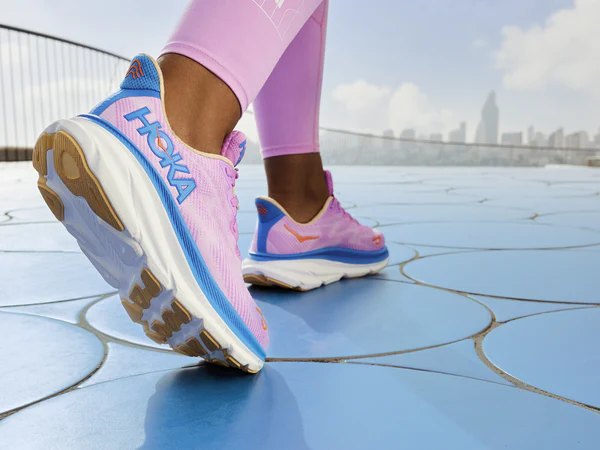
    Footwear retailer Hoka has launched a store in Vietnam, marking its first physical presence in the market.

    Located at Ho Chi Minh City’s Saigon Centre, the store is in partnership with distributor Central Brand & Specialty Group (CBS) and offers a full range of products, from road and trail running to street-ready styles.

    The shop features 3D foot-scanning technology, which analyses consumers’ foot shapes and offers personalised shoe recommendations.

    “We chose Saigon Centre – the most strategic and vibrant location in Ho Chi Minh City – because it not only reflects the position of a leading brand like Hoka, but also perfectly fits CBS’s commitment to enhancing everyday lifestyle,” said Ty Chirathivat, CEO of Central Brand & Specialty Group (CBS), during the brand’s opening ceremony.

    Hoka was first launched in Vietnam four years ago, sold through Supersports retail channels.

    Earlier this year, Hoka opened its Bondi 9 pop-up in Hong Kong to mark the latest generation of its ultra-cushioned road-running shoe.

  • Hermes achieves double-digit sales growth in fourth quarter

    Hermes achieves double-digit sales growth in fourth quarter

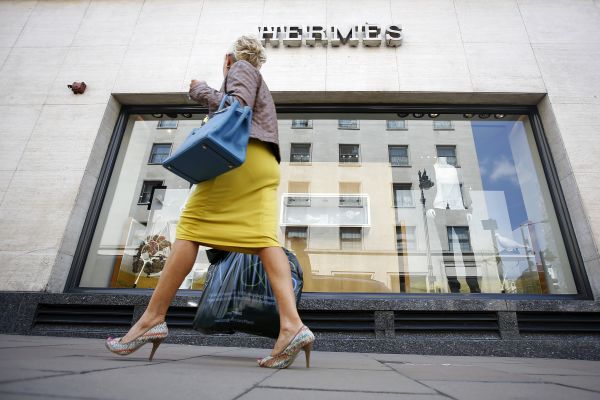
    Hermes has posted double-digit sales growth for the fourth quarter and the full fiscal year, which management described as a solid performance in an “uncertain” environment.

    The company’s revenue surged 18 percent to €4 billion (US$4.2 billion), both on a reported and constant currency basis, during the quarter ended December 31. This extended the 11.4 percent uplift in the third quarter.

    Sales in Asia excluding Japan were up 10 per cent despite the downturn in traffic in Greater China. In Japan, sales jumped 20 per cent driven by the loyalty of local clients.

    The Americas rose 21.4 percent, while Europe increased 16.9 percent.

    For the full year, revenue rose 13 percent (15 percent in constant currency) to €15 billion, and consolidated net profit increased 7 percent to €4.6 billion.

    “In 2024, in a more uncertain economic and geopolitical context, the solid performance of the results attests to the strength of the Hermes model and the agility of the house’s teams,” said executive chairman Axel Dumas.

    “While preserving the group’s major balances and its responsibility as an employer, the house is staying the course, attached more than ever to its fundamental values of quality, creativity and savoir-faire,” he added.

    The company expects to record continued revenue growth in the medium-term despite the economic, geopolitical and monetary uncertainties.

  • Dior opens reinvented Galaxy Macau boutique

    Dior opens reinvented Galaxy Macau boutique

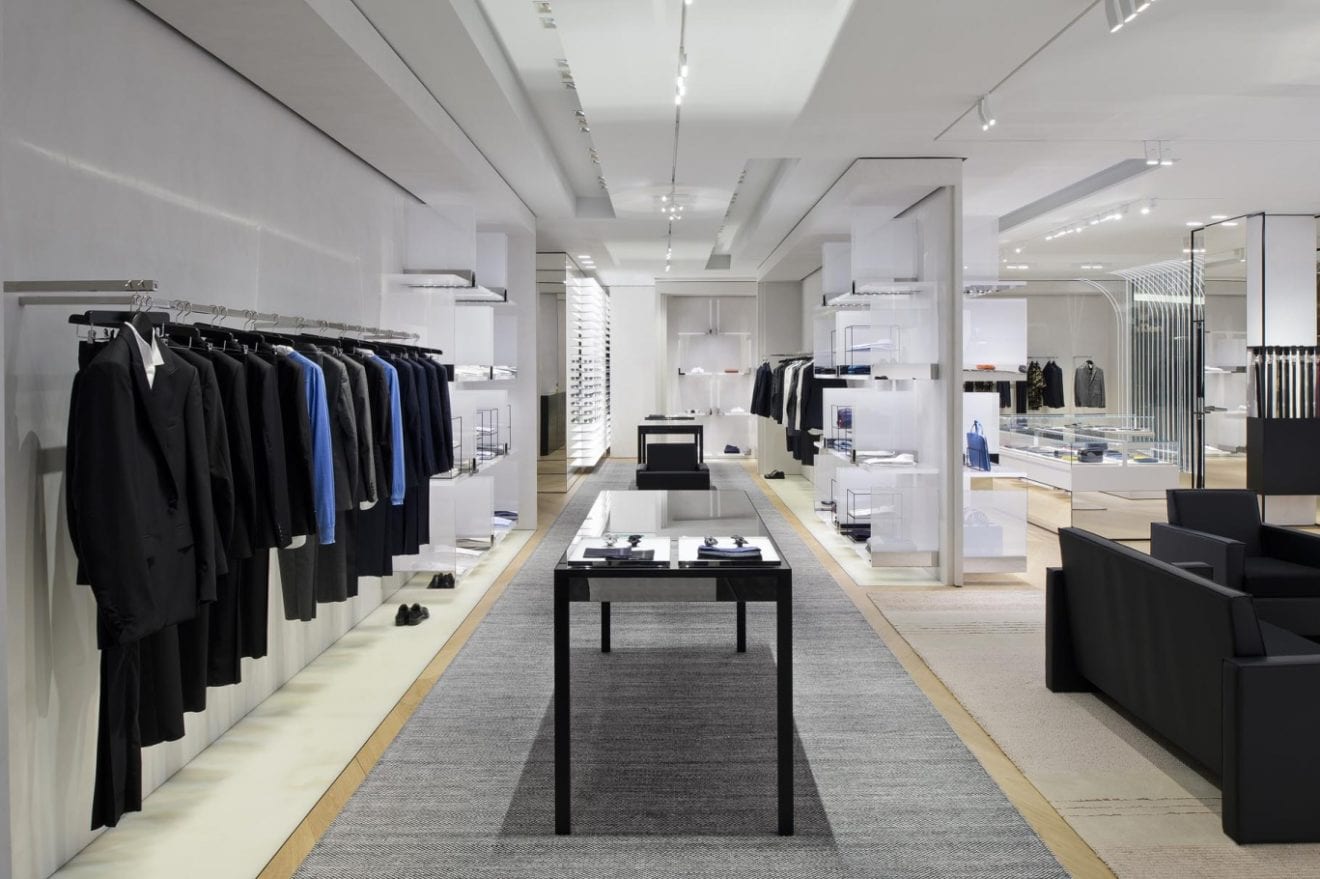
    Luxury fashion house Dior has launched its revamped Galaxy Macau boutique, offering more exclusive shopping experiences.

    The store, located at one of the finest shopping locations, Galaxy Promenade, has two floors and offers a varied range of items such as ready-to-wear and accessories designed by Maria Grazia Chiuri and Kim Jones, as well as watches and jewellery.

    The venue also features the My Dior fine jewellery line, the Dior autumn-winter 2024-2025 ready-to-wear collection with 30 Montaigne models, and Victoire de Castellane’s Rose des Vents and My Dior designs.

    The second store features men’s clothes from the Dior Winter 2024-2025 collection, as well as the Lifestyle Capsule, which focuses on board sports.

    In addition, the boutique offers VIP private shopping spaces.