Tag: Brand

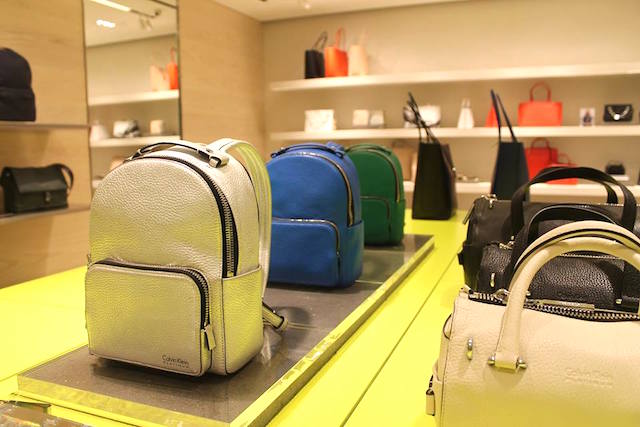
  • Raf Simons exits Calvin Klein

    Raf Simons exits Calvin Klein

    Raf Simons is exiting Calvin Klein less than two years after his debut as its first chief creative officer and eight months before the end of his contract. The brand will not stage a runway show in February. The designer’s stint at Calvin Klein — coming after his turn as artistic director of women’s haute couture, ready-to-wear and accessory collections at Dior — won plaudits within the industry but failed to resonate commercially. His exit was widely expected after Calvin Klein parent PVH Corp. chief executive Emanuel Chirico last month criticised the brand’s uneven financial performance and skew toward “high-fashion” under Simons.

    “Both parties have amicably decided to part ways after Calvin Klein Inc. decided on a new brand direction which differs from Simons’ creative vision,” the company said in a statement. A representative for Simons declined to comment.

    Simons’ appointment in 2016 was met with much fanfare. The Belgian designer, as well known for his cult menswear label as his well-regarded stints at Jil Sander and Dior, was given a multi-million-dollar salary and the title of chief creative officer, with oversight over all aspects of marketing and design for the American megabrand, a degree of control he did not have at Dior.

    From the start, hiring a high-concept fashion designer for a brand best known to consumers for its denim, underwear and provocative marketing was a risky move. But PVH leadership saw competing businesses like Ralph Lauren stagnating for lack of creative innovation, while European stalwarts like Gucci soared after radical creative overhauls.

    With Simons, Calvin Klein hoped to not only generate a halo effect for its lower-priced products, but transform the label’s high-end ready-to-wear business, renamed 205W39NYC, from a marketing expense into a commercial powerhouse.

    But from the very beginning of Simons’ tenure, there was a disconnect between his personal aesthetic and the needs of a multi-billion-dollar, multi-tiered brand, driven less by high design and more by mass marketing, an area in which Simons had no experience. His first advertising campaign for the ready-to-wear collection, received mixed feedback. Shot by longtime collaborator Willy Vanderperre, it was arty and bloodless; far from the sexualised minimalism for which the brand was so well known.

    Yet there was plenty of industry praise for Simons’ catwalk shows. And in the first season alone, doors selling 205W39NYC jumped from 30 to 300. What’s more, Simons seemed committed to the cause of translating his designs into mass sales, visiting with Macy’s executives and hiring the Kardashian family to pose for underwear and denim advertisements.

    As recently as March, PVH appeared committed to the partnership as well, with Chirico touting the “credibility” that 205W39NYC would bring to the brand’s other lines. But PVH’s patience began to wear thin over the course of 2018, as the buzz generated by Simons failed to translate into consistent revenue growth.

    In September, a runway concept that required Simons to show off-site (recent catwalks have been held on the ground floor of the company’s headquarters) was scrapped due to budgetary constraints. Then, according to multiple sources, PVH expressed concerns that Calvin Klein’s extensive partnership with the Andy Warhol Foundation — which included merchandise — was too arty and high-brow for a mass audience.

    PVH, which also owns Tommy Hilfiger, missed sales projections in its most recent quarter. And Chirico last month called out the 205W39NYC ready-to-wear collection’s failures, adding that Calvin Klein’s recent denim collection had been a “fashion miss.” The brand’s revenue grew just 2 percent in the third quarter to $963 million. PVH shares are down 35 percent this year.

    “We will cut back on a number of these planned investments in the 205 collection business, and as we move forward, we will [be taking] a more … commercial approach to this important business,” Chirico said after PVH released financial results in November, adding that Calvin Klein will shift the focus of its marketing campaigns from high-fashion to more affordable items targeting a more mainstream audience.

    In recent months, the company had begun to dial back on some of Simons’ responsibilities, installing L’Oréal veteran Marie Gulin-Merle to be Calvin Klein’s new chief marketing officer, reporting not to Simons but to the brand’s chief executive Steve Shiffman.

    Simons earned multiple awards from the Council of Fashion Designers of America during his time at Calvin Klein and his absence will be keenly felt at New York Fashion Week, where he was one of the few designers who could command true international attention.

    “Raf brought a unique point of view to American fashion and the CFDA wishes him future success,” said CFDA chief executive Steven Kolb. “Calvin Klein is an iconic American brand that will continue to flourish under new creative direction.”
  • Shanghai Tang goes back to its roots

    Shanghai Tang goes back to its roots

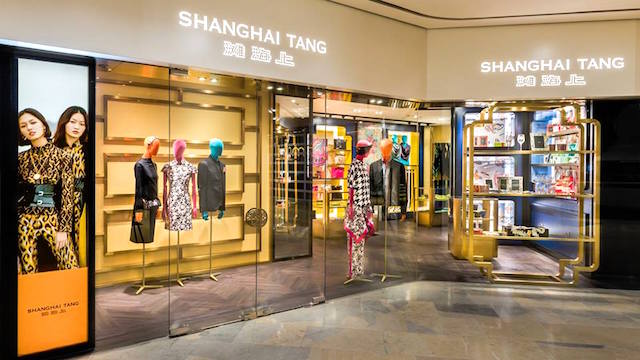
    Shanghai Tang, recently acquired by Chinese entrepreneur Chen Danxia and Lunar Capital, goes back to its roots with the appointment of Victoria Tang-Owen, the daughter of the visionary founder David Tang, as Creative Director.

    Together with the appointment of Victoria to rebuild on her father’s legacy, the brand will continued to be led by the CEO Maurizio De Gasperis, former Managing Director of the brand.

    The headquarters will remain in Hong Kong, and has just welcomed a new General Manager of Global Retail, Elisabetta Bazzini, with extensive experience in Asia working with a number of luxury fashion companies including Gucci, DFS, Versace and Max Mara.

    Leveraging the heritage of the Chinese luxury brand, Victoria is set to reinterpret Shanghai Tang’s unique brand aesthetics.

    Shanghai Tang is the first Chinese authentic contemporary luxury brand founded in 1994 by Sir David Tang, and thereafter under Richemont’s ownership for almost two decades.

  • Genesis starts by-the-month car subscriptions

    Genesis starts by-the-month car subscriptions

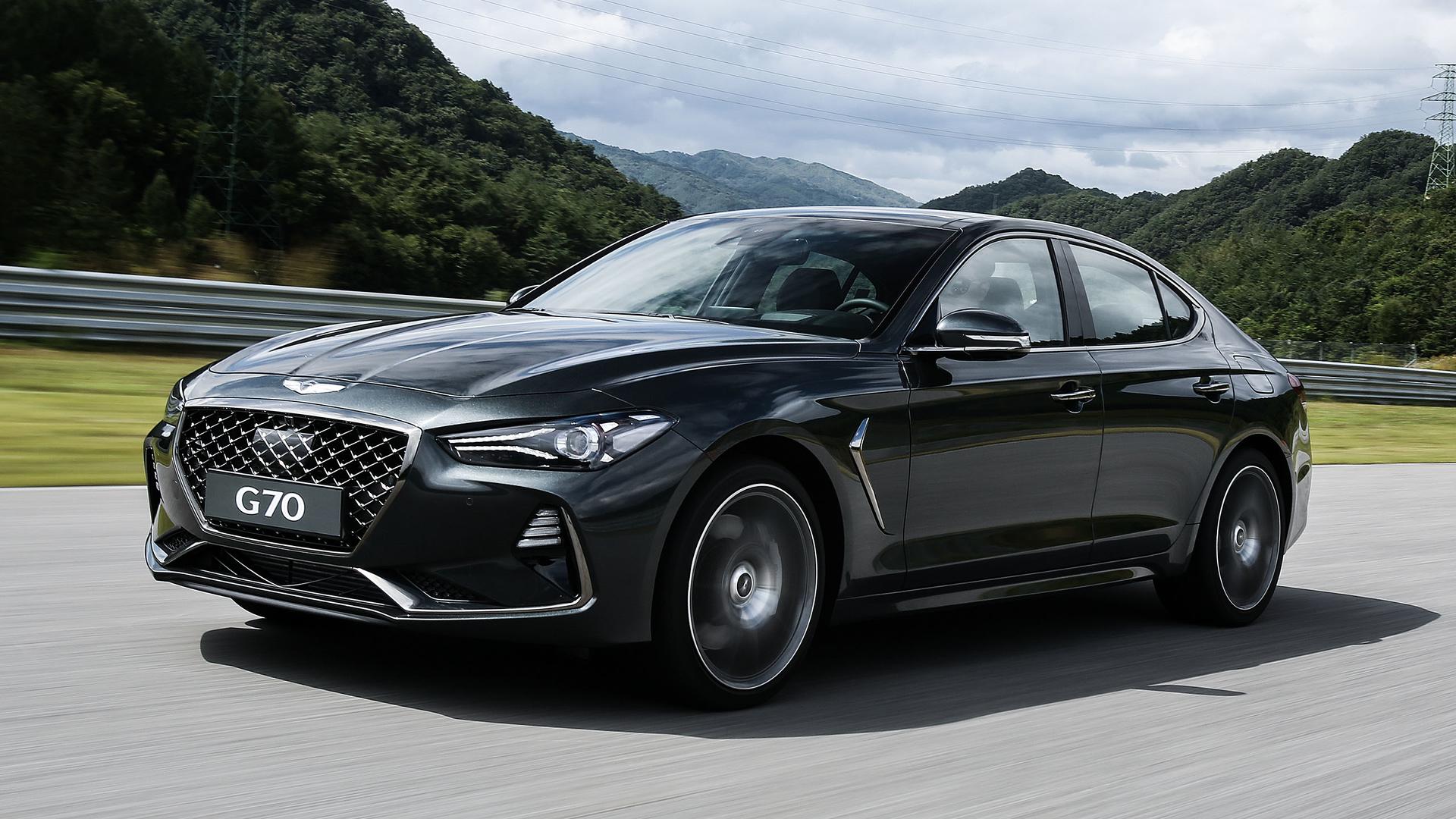
    Hyundai Motor luxury brand Genesis is starting a car subscription service, the first such effort by a domestic automaker in Korea. The company Thursday announced its Genesis Spectrum program. Under the program, subscribers can drive Genesis vehicles – including the G70, G80, G80 Sport and G90 – for 1.49 million won ($1,330) per month. The service is in collaboration with domestic rental-car companies and Hyundai Capital’s Deal Car.

    The fleet of available cars includes the 2018 G70 3.3 Sports Supreme, the G80 3.3 Premium Luxury, the 2019 G80 Sports 3.3T Premium Luxury and G90 3.8 Premium Luxury. The provided cars are relatively new, with fewer than 10,000 kilometers (6,213 miles) of accumulated driving, according to the carmaker. For those using the G70, G80 and G80 vehicles, cars can be switched twice a month. The G90 is available to subscribers only for test driving 48 hours a month.

    Subscribers will not have to pay any maintenance costs, including after-sales service and the purchase of replacement parts. They will have to renew their subscription every month, but no fee is charged for early termination of membership. The program offers pick-up and delivery in Seoul as long as the vehicles are reserved three days in advance.

    “Genesis has been researching opportunities our brand could offer customers,” an official at Genesis said. “One of the results of the survey is a subscription program, which is globally emerging as trend.”

    Genesis added that the subscription service will allow the brand to collect data about its customers and drivers, such as preferred models for certain age groups and car replacement cycles.

    While subscription services for cars are a global phenomenon, as fewer people opt for ownership, the concept hasn’t taken off in Korea yet.

    Hyundai Motor’s finance affiliate Hyundai Capital America has already launched a subscription service in the United States called Hyundai PLUS, where subscribers can use the Sonata, Tucson, Santa Fe and other models for a monthly fee. Other carmakers have been offering subscriptions in certain markets. Porsche runs Porsche Passport, Mercedes-Benz has Benz Collection and BMW has Access by BMW.

    Swedish carmaker Volvo recently started Care By Volvo, and has rolled out its “Don’t Buy This Car” campaign to promote the new service.

    “Subscription services are suitable especially for younger people who want to enjoy a diverse range of driving experiences while avoiding the financial burden of buying the car and then maintaining it,” said Kim Pil-soo, an automotive engineering professor at Daelim University.

    The Mini brand launched a subscription service in partnership with connected-car platform Epikar last month in Korea. Its membership fee is 1.79 million won, but it charges more depending on which model the customer wants to drive.

    The Genesis service started Thursday and will run for 10 months.

  • Glossier’s president and CFO quits

    Glossier’s president and CFO quits

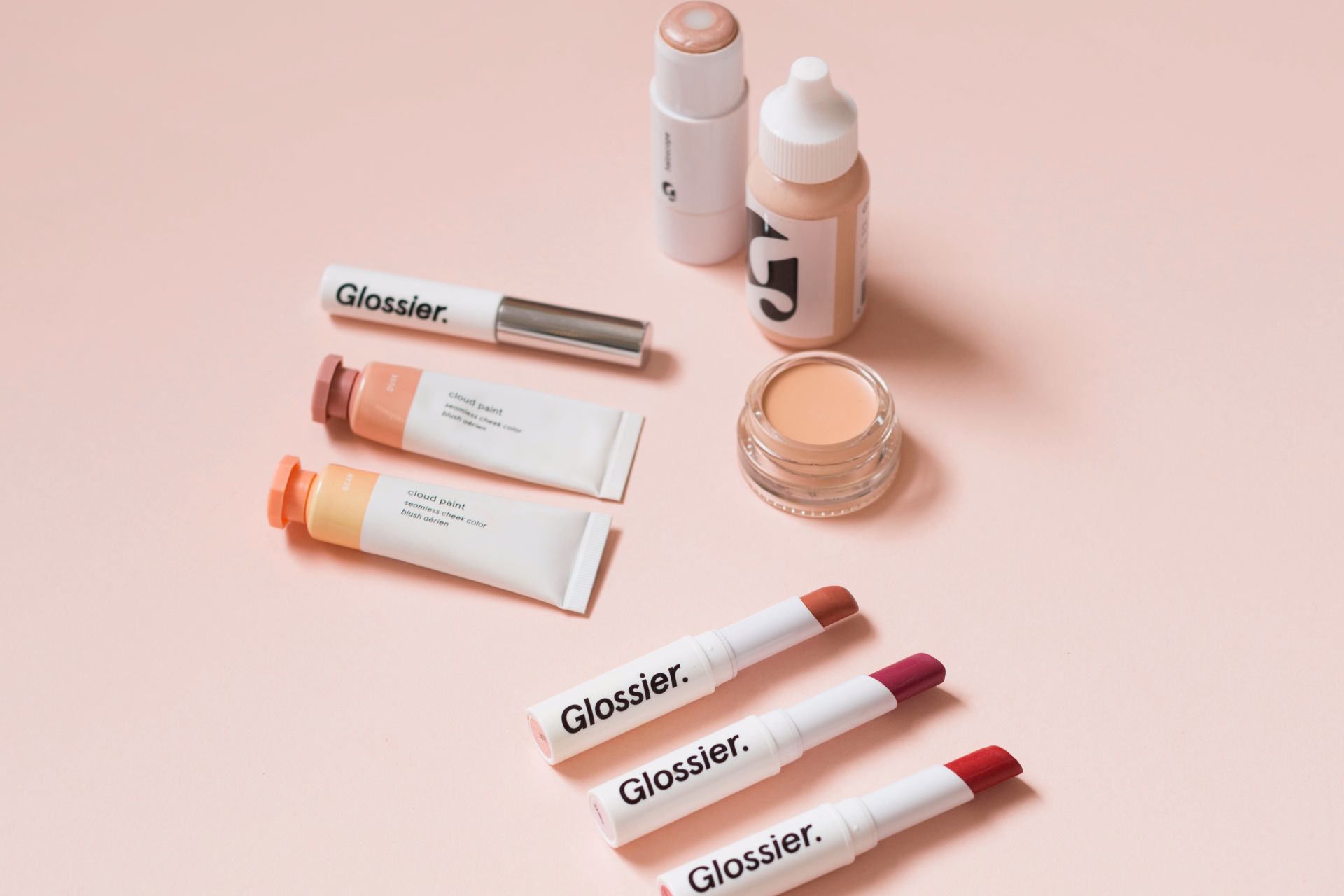
    One of Glossier’s earliest executives is leaving. Henry Davis, president and chief financial officer, is exiting the direct-to-consumer beauty brand after almost five years to pursue his own entrepreneurial opportunities. This comes weeks after Davis’ position changed from chief operating officer to chief financial officer, a role the company has been trying to fill since former vice president of finance Matthew Weiler departed the company earlier this year.

    In addition to Davis and Weiler, former creative director Helen Steed left Glossier a year ago to join New York-based branding and design agency Aruliden as vice president and creative director. Glossier confirmed Davis’ departure. His last day will be December 31.

    “Henry has been my partner since the earliest days of Glossier. He was one of the first people to understand the opportunity to build a new kind of company — one that leverages technology to create in collaboration with its customers,” Emily Weiss, founder and chief executive, told BoF. “I’m excited for him as he begins his own entrepreneurial journey.”

    After Weiss, Davis was the most public face of the business. He was one of the first executives hired by Weiss and joined the brand in June 2014, three months before launching in October of that year.

    Previously, Davis worked at Index Ventures, an early investor in Glossier that also led, along with Institutional Venture Partners, a $52 million Series C round of funding in February.

    A changing of the guards in upper management follows a handful of new hires including Marie Suter, who left Condé Nast after a 13-year tenure to join Glossier as creative director in March.

    Facebook alum Maykel Loomans is now head of digital product design, and Kym Davis, formerly of Fenty Beauty, is leading product development.

    Ashley Mayer, who came from Silicon Valley-based venture firm Social Capital, is head of communications, and former head of communications, Amy Snook, recently became chief of staff.

    The company, which has almost 200 employees, has raised $86 million and, according to a source close to the company, is on track to do over $100 million in revenue this year.

    In November, Glossier opened a flagship location in New York City that by customer accounts was one of the most bustling stores in the area.

    To date, the brand has only sold its range of skincare, cosmetics and body care through direct channels, an anomaly for direct-to-consumer lines that have begun to rely on retail partnerships to scale. Since inception, Weiss’ mission has been to retain complete control of its brand experience by creating a direct retail network to support the digital first line.

    And even though this may have resulted in the brand not yet scaling to the size of many other heavily funded startups, Weiss’ — and by extension Glossier’s — influence is outsized. Weiss has stayed true to her direct roots and in doing so has managed to build a cult following and community of engaged consumers willing to buy anything put forth by the brand, from its best-selling Boy Brow grooming pomade to its Milky Jelly Cleanser.

    The brand’s most engaged consumers have become ambassadors that are treated like influencers — some unpaid and others receive cash and shopping credits for their efforts in spreading the word.

    Weiss has been thoughtful about international expansion. Despite global demand from the onset, she took three years to sell outside the US. Glossier started selling in Canada and the UK last year and this year entered Ireland, Sweden, Denmark and France. The brand now sells across seven countries.

    “This team has proven that building a business alongside your customers is the future — not only in the world of beauty, but for all internet-first brands,” Davis said. “I couldn’t be more bullish about Glossier’s future as I embark on founding my own company.”

    Nabil Mallick, a partner at Thrive Capital and Glossier board member, will serve as interim CFO. A search for a full-time CFO is underway.

  • Steve Madden has launched in Malaysia

    Steve Madden has launched in Malaysia

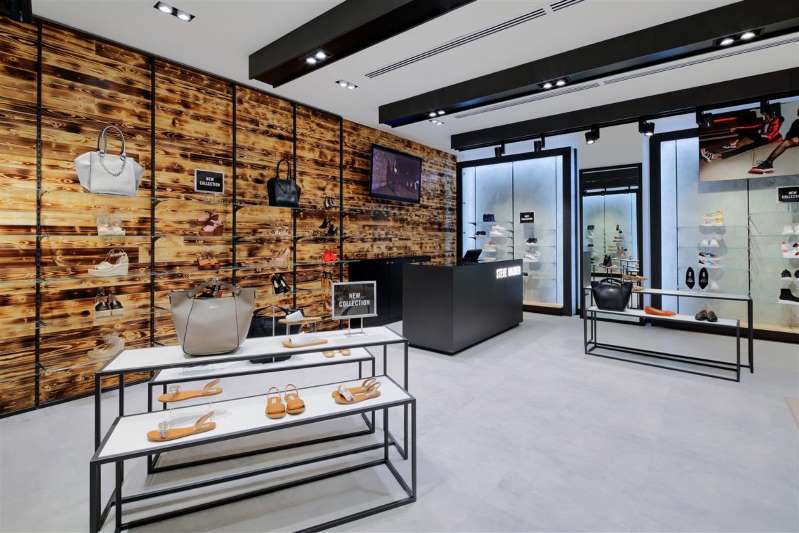
    American footwear brand Steve Madden has opened its first store in Malaysia. The new location at Mid Valley Megamall in Kuala Lumpur is the second Steve Madden store launched by the brand’s retail partner Valiram after the first opening in Takashi­maya Singapore.

    A statement from the brand that describes the new store’s aesthetic as “distilled urban” reads: “Making use of several materials, the intention is to stage the stars – shoes and accessories – in a way that allows each of them to tell their style story.”

    Featured in store is the brand’s Holiday 2018 collection for women, as well as its signature rock-n-roll-inspired shoes and leather goods.

  • Remodeled M&M’S World Shanghai reopened

    Remodeled M&M’S World Shanghai reopened

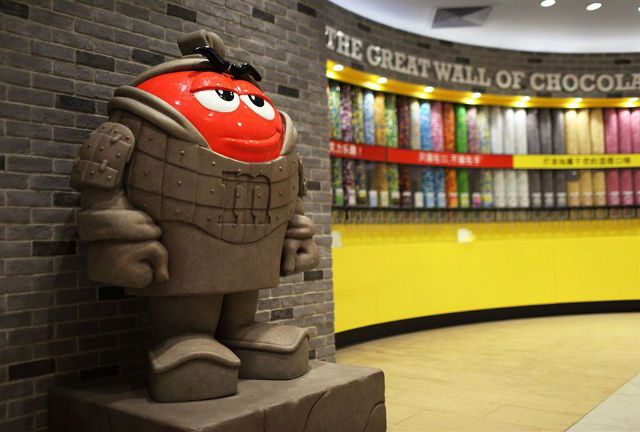
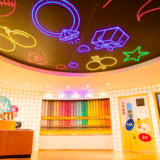
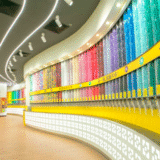
    M&Ms World Shanghai reopened yesterday in Shanghai Shimao International Plaza. The newly remodeled 1600sqm interactive store, which offers an immersive, personalised experience with the M&M brand to residents and tourists, remains the only one based in Asia.

    The store is part of the global M&Ms retail business, which includes My M&Ms’ e-commerce sites and a B2B channel in the US and Europe.

    The M&Ms World Shanghai experience store features a “Great Wall of Chocolate” made out of more than 1 million M&Ms, a personalised printer, and a device that scans customers to create a personalised M&Ms avatar. It also features an improved checkout experience that allows mobile payment options from Alipay, WeChat and Apple Pay.

  • Valentino and Dior Men to run show in Japan?

    Valentino and Dior Men to run show in Japan?

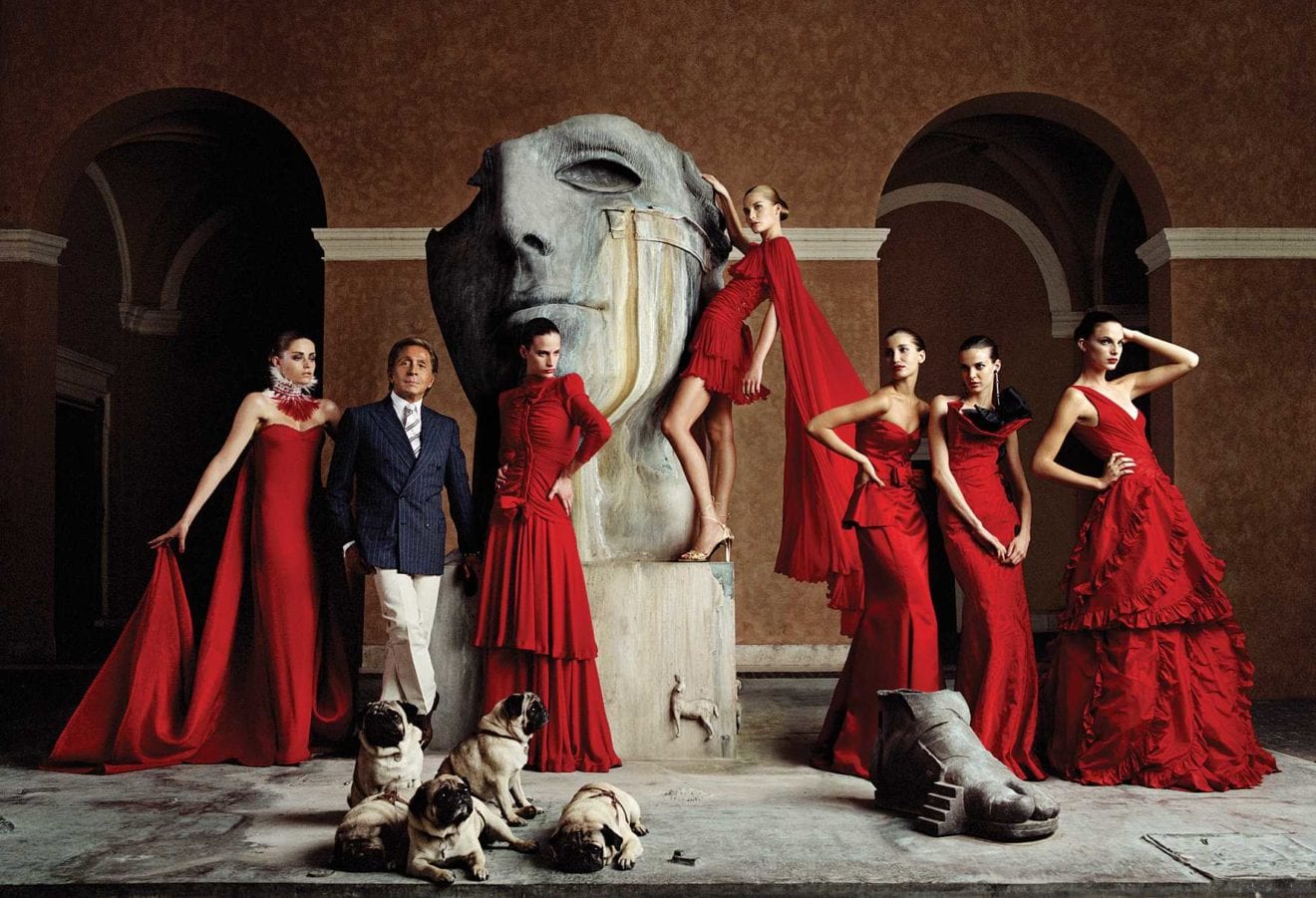
    Pierpaolo Piccioli, creative director of Valentino, was in Tokyo last week to celebrate the brand’s Ginza Six store opening and its Pre-Fall 2019 runway show, titled “Valentino TKY,” of which Japan’s wabi-sabi aesthetic was credited as one inspiration.

    Kim Jones was also in town to present Dior Men’s Pre-Fall 2019 collection and a pop-up store Thursday evening, although his nod to Japan was a fraction subtler, having mined the Dior womenswear archives for Japanese influences to reinterpret as men’s garments.

    It’s not the first time that luxury brands have turned to Japan: Last October, Tokyo was also the site of Valentino’s Resort 2018 pop-up, while Dior’s haute couture Spring/Summer 2017 show bowed in April. In May 2017, Louis Vuitton took their cruise collection a few hours away to Kyoto.

    It’s also not unexpected that most designers who stage their collections in Japan find a way to reference the country on the catwalk, however fleetingly.

    The nation is home to inspiration galore: eclectic street style subcultures, unparalleled artisanship, a thriving beauty industry and icons of design and architecture all makes the country a mecca for creatives of all persuasions.

    But beneath the surface of very real enthusiasm that fashion creatives harbour for Japan, there is of course a carefully calculated business rationale for their choice of locale.

    As Asian markets now account for a disproportionately large share of luxury sales, it is clear that brands need to find ways to launch meaningful marketing activations in the region on a regular basis. Such shows have become a tried-and-tested formula.

    Unlike Korea, whose popularity as a location for pre-collection shows appears to have peaked, Japan is emerging as a perennial favourite. And although China continues to attract many brands looking for a place to present their catwalk shows in the world’s largest luxury market, recent examples tend to be repeats of shows that already had a debut elsewhere like last week’s re-staging of Miu Miu Resort 2019 in Shanghai or Chanel’s Cruise 2018 collection reappearing in Chengdu after also debuting in the French capital.

    Japan, by contrast, is not in the habit of staging re-runs.

    The value that luxury brands gain by using Japan as a staging post between their shows in Europe comes from several sources.

    Logistical efficiency is one not-so-romantic reason for its popularity as a transseasonal show location. By bringing their pre-collection activation to Japan, brands embellish a requisite part of their global marketing strategy while creating an opportunity to meet local partners and management in Asia’s most mature luxury market — and the world’s third largest.

    Piggybacking off the show in this way sends an important message at the consumer level too.

    Having been eclipsed by the Chinese, Japanese consumers are no longer the object of affection and attention to the degree that they once were. Luxury brands are increasingly stretched, unable to devote as much time to Japanese activations as they once were. With so many emerging markets in Asia and around the world to tend to, they are less able to provide Japanese kokyaku (VIP consumers) with intimate access to designers or face time with the press.

    With China consuming a third of the global luxury market, brands have been investing in strategic WeChat campaigns, optimising retail channels and desperately finding new ways of understanding the proverbial Chinese luxury consumer.

    Yet unlike China, where brands are rapidly opening retail and digital storefronts, online luxury sales are less developed in Japan, with only 7 percent penetration, according to McKinsey & Co. With consumers preferring to shop offline, Japan’s department stores remain dominant luxury distributors.

    The icing on the cake is that Japan remains one of the most attractive destinations for other Asians — and Asian fashion industry leaders are no different.

    Whether they be the brands’ joint-venture partners from Vietnam, distributors from Singapore, fashion editors from Indonesia or influencers from Thailand, Japan has the magnetism needed to draw in brand stakeholders in a way that other markets can’t emulate across the continent.

    Omotenashi — the philosophy of Japanese hospitality — usually tips the scales for potential show-goers in the region who may be wavering over an invitation.

    According to the latest report by Bain & Company, luxury purchases in Japan softened slightly this year, pushing brands to find new solutions to bring consumers back to stores. Retail sales in Japan grew at 3 percent at current exchange rates to €22 billion ($25 billion).

    Bringing an olive branch in the form of a pop-up or capsule collection to Japan is a way of balancing out the China-heavy luxury narrative, and assuring local consumers that they are still a priority for foreign brands and retailers. It’s also worth noting that Japan is a favourite holiday destination for Chinese luxury consumers.

    In light of the 2020 Tokyo Olympics, tourists are expected to further boost the luxury market — especially if the Japanese government takes key measures to improve the nation’s attractiveness.

    However, following Beijing’s latest efforts to boost domestic consumption of imports, Chinese shoppers’ holiday purchases may see a drop. How this affects travel hotspots such as Japan remains to be seen.

  • “The Marc Jacobs” is launched

    “The Marc Jacobs” is launched

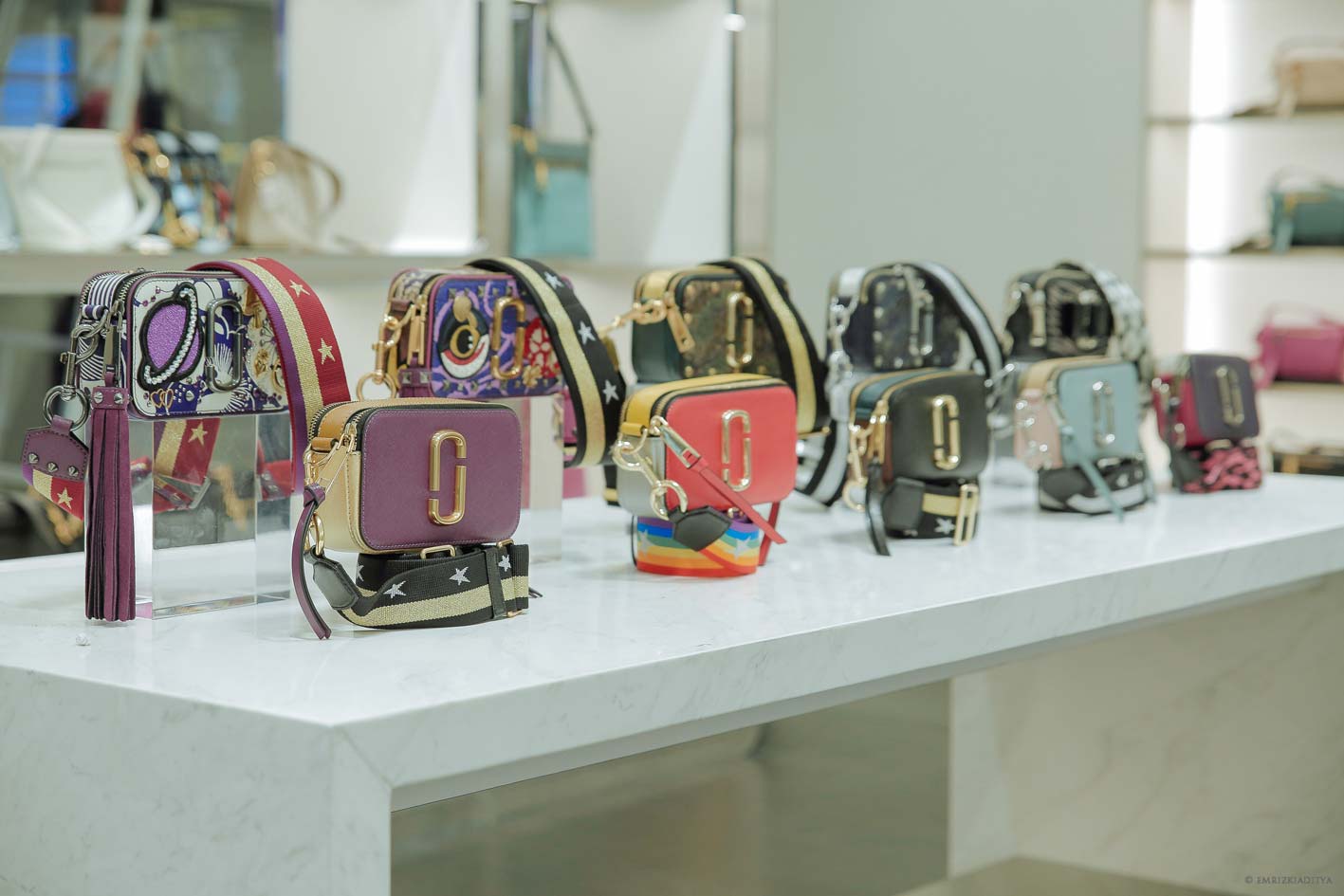
    A new era of Marc Jacobs is coming. Marc Jacobs is launching a new affordably priced label called “The Marc Jacobs.” The line will be introduced for pre-fall 2019. According to WWD, which saw an image from the line’s new look book, The Marc Jacobs will feature such items as colourful rugby sweaters, corduroy pants, and accessories.

    The designer also hired Russian stylist Lotta Volkova to style the look book, which was shot by Hugo Scott.

    While not much else is currently known about the new “democratically priced” label, a spokesperson for the brand did tell WWD that more images would be published in May – and that the line is part of a collection that also includes a “Runway” component.

    On Instagram, Jacobs acknowledged the existence of the new collection, writing that the image of the line was leaked.

    “Consider it a taste of things to come,” he wrote, before referring to the collections as “fantastic and fresh.”

    Although there has been no confirmation, The Marc Jacobs may resemble the former lower-priced Marc by Marc Jacobs label – which was discontinued in 2015.

    The announcement of the new brand comes after increasing speculation that the designer would leave his namesake brand amidst declining sales.

    In the beginning of the year, it was announced by Business of Fashion that the LVMH-owned company Jacobs would close its London store, as well as other European brick-and-mortar locations.

    This year the designer also announced the re-release of the Redux Grunge collection, a collection of 1993 looks that got him fired from Perry Ellis, and a collaboration with Dr Martens to create a range of limited-edition boots.

  • Samsonite to support global fight against plastic bottles

    Samsonite to support global fight against plastic bottles

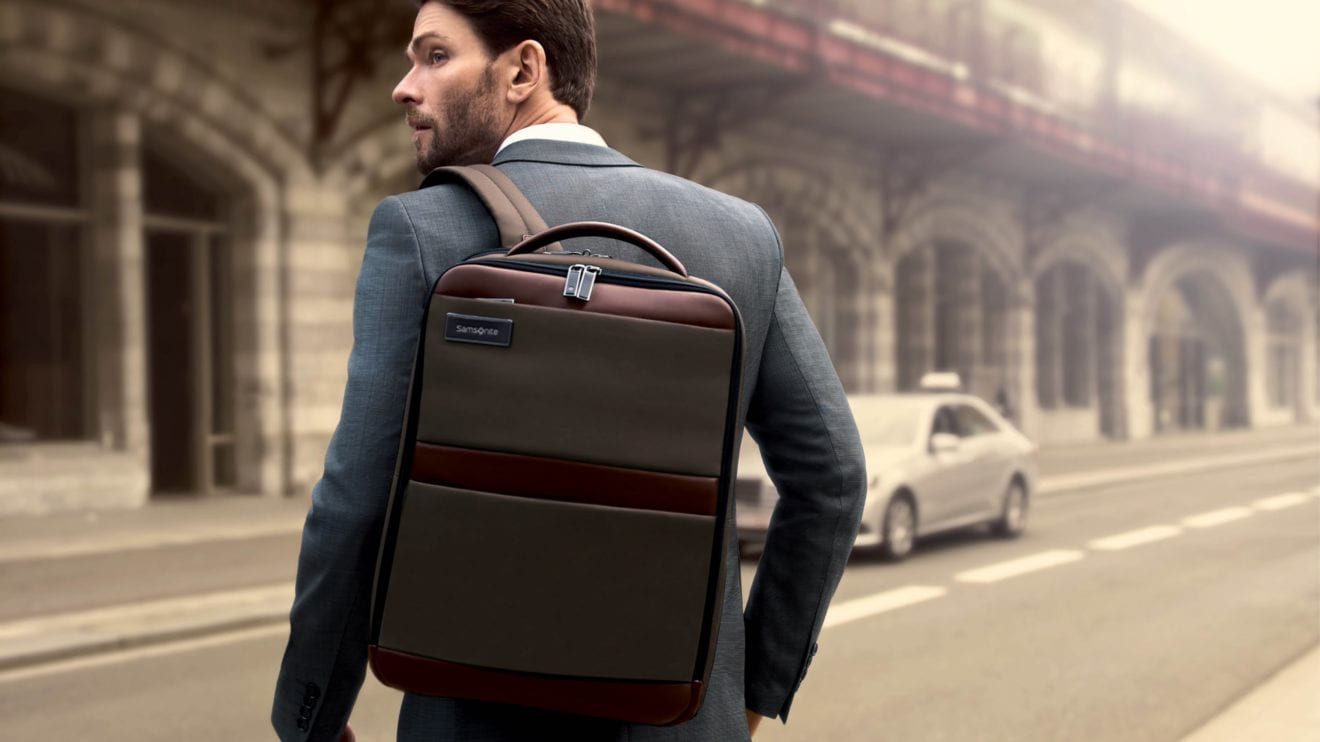
    Samsonite has launched an eco luggage collection for Asia made of Recyclex, a material comprising 100 per cent post-consumer recycled plastic (PET) bottles. As part of its public-facing environmental program, Samsonite has been working with one of its suppliers to create sustainable materials suitable for travel and lifestyle products. The company claims its new innovation Recyclex is as durable and reliable as Samsonite’s polyester fabric made from virgin materials, with the added benefit of reducing plastic waste.

    Subrata Dutta, president of Samsonite Asia Pacific said sustainability is a priority that runs through Samsonite’s products.

    “We recognise that travellers are increasingly aware of environmental protection and looking for ways to reduce their environmental footprint … We expect to generate stronger awareness of environmental protection in the market, and will continue to seek opportunities to maximise the use of recycled and recyclable materials in our products and packaging.”

    The products consumed more than 400,000 recycled plastic bottles in Asia. On some items, cork serves as an alternative for the polyurethane trim on the carry handles, logo, ID tag and back protection.

    Over the next two years, Samsonite will launch at least 30 product lines worldwide made from recycled materials such as rPET and recycled polypropylene.

  • Lazada to tackle counterfeit Korean products more seriously

    Lazada to tackle counterfeit Korean products more seriously

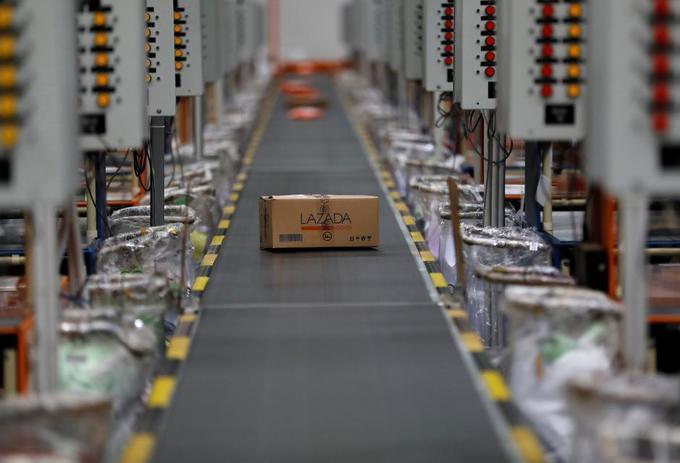
    Lazada has pledged to remove any counterfeit South Korean goods from its platform in a Memorandum of Understanding signed with the Korea Intellectual Property Protection Agency (KOIPA). It is reportedly the first time a Southeast Asian e-commerce company has reached an agreement with the Korean IP regulator and reflects the growing popularity of Korean beauty and fashion products online across Asia.

    Korean brands online and considered at risk from counterfeit products include Etude House, Innisfree, Laneige, Mamonde and 3CE.

    “The combined followers for [those brands’] Lazada flagship stores are more than 200,000,” Gladys Chun, general counsel and head of government affairs at Lazada Group said.

    “Laneige, Mamonde, Innisfree and 3CE were top search terms in Malaysia, Singapore, Thailand, and Vietnam during the recent Lazada 11.11 Shopping Festival.”

    Lazada has undertaken to remove any counterfeit goods from sale on its platform when alerted by brand owners, once it has confirmed authenticity. Sellers caught trying to sell copy goods on its site face blacklisting.

    “Such measures to curb illicit trading of goods on Lazada are aimed at boosting the confidence and preserving the trust of shoppers on our platform,” Chun said.

    “At Lazada, we respect and collaborate with rights holders in safeguarding their IP through a combination of proactive and reactive measures. It is incumbent on us to create that trusted space for shoppers and brands, giving them the peace-of-mind that we will always be acting in their best interests.”

  • Innisfree lands in the Philippines

    Innisfree lands in the Philippines

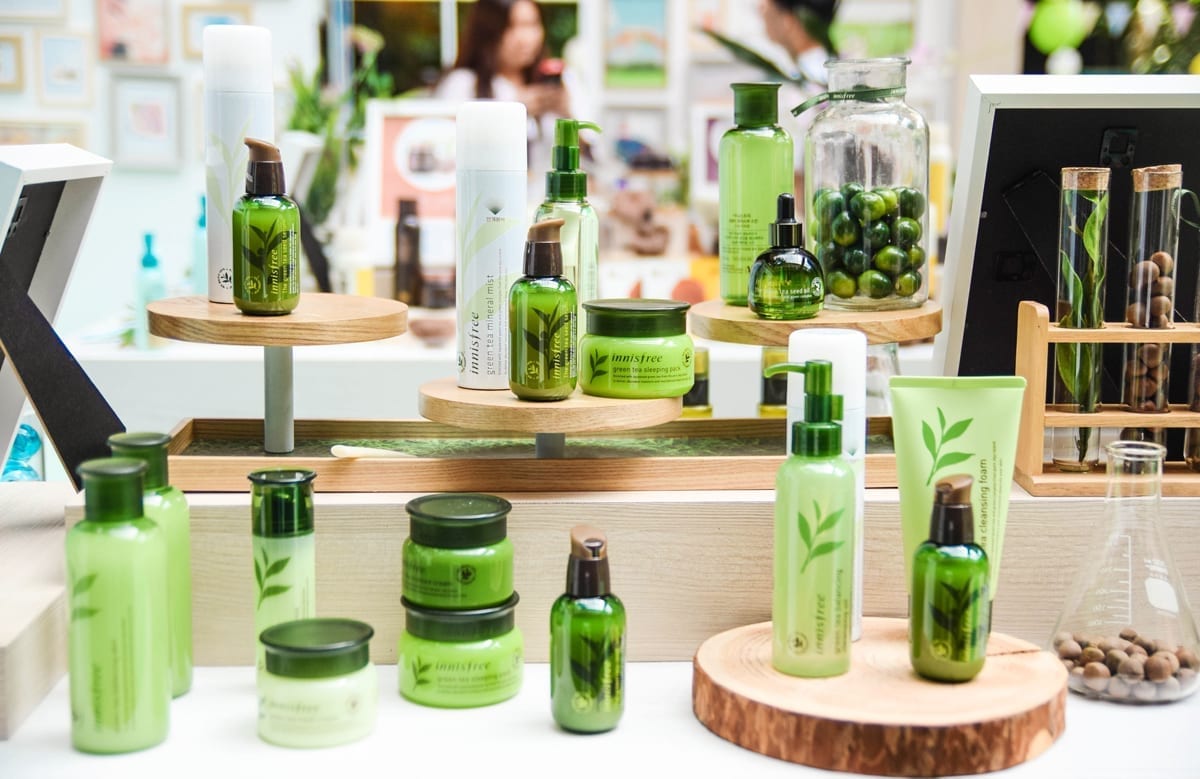
    Innisfree Corp., budget cosmetics manufacturer under South Korea’s beauty powerhouse Amorepacific Group opened its first store in the Philippines with hopes to expand its presence in the bourgeoning Southeast Asian market. According to the company, the 148-square-meter store opened at SM Mall of Asia, the largest shopping mall in Manila.

    The naturalism-oriented brand plans to introduce skin-care products made of natural ingredients from Jeju Island such as green tea and volcanic pine mushroom and their effectiveness to consumers in the Philippines to satisfy beauty demand and experience.

    The Philippines is considered a potential market due to the high ratio of young people in their 20s and 30s interested in hallyu, or Korean wave, and Korean beauty.

    An unnamed official from Innisfree said that the company will introduce not only its flagship beauty items but also pore- and oil-treatment mask and powder products tailored for humid and hot climate. The official added that the company will also pursue its environmentally-friendly green life campaign in the Southeast Asian country.

    Innisfree, meanwhile, manages 655 outlets overseas including the latest store in the Philippines.

    The skin-care brand, which opened its first overseas store in China in 2012, has outlets in Hong Kong, Taiwan, Singapore, India, Thailand, the United States, and Japan.

    Innisfree also plans to open stores at three major shopping malls in Metropolitan Manila next year and launch online channel

  • Alcis Sports opens its two new stores in India

    Alcis Sports opens its two new stores in India

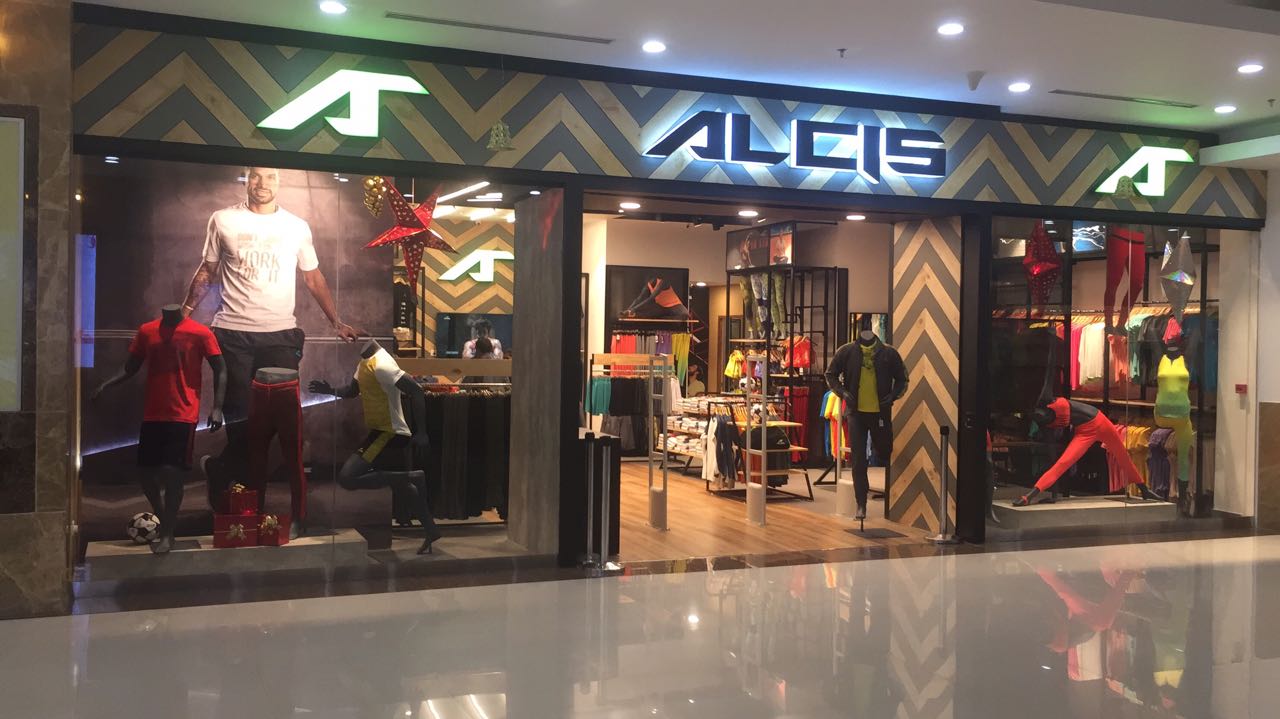
    Alcis Sports, a cutting-edge Indian performance wear brand, unveiled two new stores in Bagru in Rajasthan and Kurukshetra in Haryana. With these two new additions, Alcis Sport has now 11 exclusive brand outlets (EBOs) in India, and aims to have 15 by the year-end and 30-40 stores by 2019.

    Bagru and Kurukshetra get firsthand experience of a premium performance wear at an affordable price. Alcis Sports is a homegrown affordable Indian sportswear brand which is at par with international brands in terms of quality and also in sync with Indian sensibilities.

    The stores house Alcis Sports’ range spanning not only athleisure range but specific clothing for running, training, yoga, football, cricket and racquet sports. Alcis Sports is a home-grown, premium cutting-edge performance wear apparel brand, formed to tap into the emerging sportswear segment in the country.

    Roshan Baid, Managing Director, Alcis Sports said, “We are elated at the response of customers in both the outlets especially in Bagru. Touching Rs 1 lakh in sales in just two days in a new locality without much advertisement shows the awareness, acceptance and trust about the brand. We are committed to our customers in terms of international quality and affordable price without any compromise in our products.”

    Alcis is present at large format stores such as Shoppers Stop, Lifestyle, Globus, Central, Sports Station, Walmart, RS Brothers, Sarvanas, Pothys, JC Brothers and M&M and online retail channels such as Myntra, Jabong, Amazon, Flipkart, TataCliq, Ajio, etc. Besides, being present in over 700 multi-brand stores across the country, Alcis Sports is aggressively looking to open exclusive stores through franchise across the country. Alcis plans to open up about 15 exclusive brand stores, covering all the major cities of India, within this year.

    Alcis Sports has tie-ups with leading sports entities such as the hugely popular Pro Kabaddi League (Haryana Steelers and all match referees), among others. The company has secured an investment from Singapore based Venture Capital firm RB Investments, which has a strong portfolio of startups in India, including The Beer Cafe, Swiggy, Bluestone.com, Fab hotels, Faasos and PropTiger to name a few. Alcis Sports has also appointed celebrated Indian cricketer Shikhar Dhawan as the brand ambassador.

    Alcis Sports is a performance wear brand launched by the promoters of Paragon Apparels Pvt. Ltd., the largest manufacturer and exporter of sportswear in India. Alcis prides itself for being the first Indian brand to have the capability and production ability to manufacture technologically advanced sportswear at affordable price-points to enhance the performance of the wearer.

    Produced in India with the latest technologies such as Dry-Tech (moisture management), Anti-Odour, Anti-Static, Anti-UV and Light X, the products are specifically designed keeping Indian lifestyles and weather conditions in mind. The product range consists of clothes to wear while running, training, yoga, football, racquet sports and other athletic and leisure activities.

    Today, Alcis products which have international quality but Indian prices, are available in over 700 outlets across the country including all leading large format stores such as Lifestyle, Shopper Stop, Central, Globus, Sports Station, etc and online retail websites and 11 exclusive brand stores at New Delhi, Mumbai, Kochi, Jaipur, Guwahati, Bangalore, Goa, Bagru and Kurukshetra.

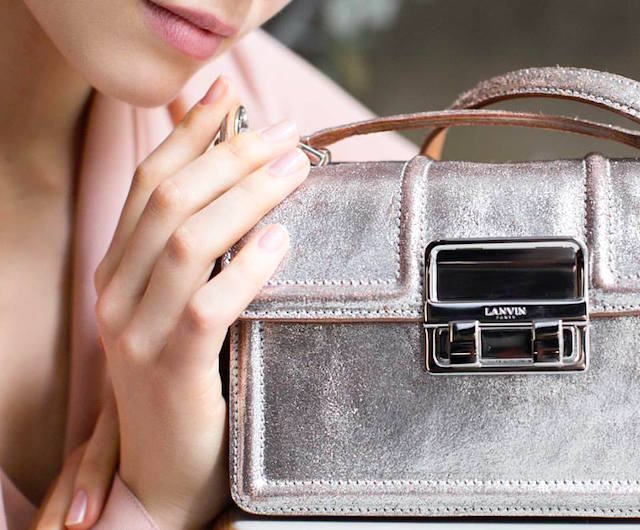
  • Lanvin creative director departs the company

    Lanvin creative director departs the company

    Lanvin has announced the departure of its menswear creative director, Lucas Ossendrijver, adding to a turbulent few years for the French label. Appointed under the mentorship of former creative director Alber Elbaz, Dutch designer Ossendrijver served as the creative chief of the 129-year-old brand’s menswear department for 14 years.

    Elbaz, creative director of Lanvin’s women’s wear since 2001, left the house in October 2015 after falling out with majority shareholder Shaw-Lan Wang over the direction of the brand.

    In February this year, Wang sold the title to Chinese conglomerate Fosun International.

    French designer Bouchra Jarrar, who was Elbaz’s replacement, left Lanvin after just 16 months before her successor, Olivier Lapidus, stepped down after only eight months.

    Bruno Sialelli, former head of Loewe menswear, is reported to the front runner to replace Ossendrijver.

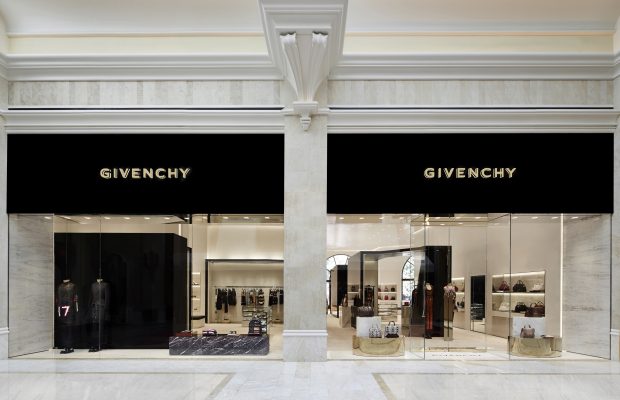
  • Celine and Givenchy joins Paris menswear show schedule

    Celine and Givenchy joins Paris menswear show schedule

    After Hedi Slimane premiered Celine menswear via a co-ed catwalk show on September 28, the brand has announced that it will join the Paris menswear calendar in January 2019. Celine is currently negotiating a show date with the Fédération de la Haute Couture et de la Mode, and it is not yet known whether the brand will present solely menswear, or whether Slimane will pepper the offering with womenswear as per his debut.

    The move is indicative of the fact that Celine’s parent company LVMH has got its sights set on the burgeoning menswear market.

    When Slimane took the helm in February 2018, it was made clear that the new category will be a key sales driver, along with leather goods, accessories and fragrances.

    “The objective with him is to reach at least two billion to three billion euros, and perhaps more, within five years,” LVMH chairman and CEO Bernard Arnault said of Slimane’s appointment.

    In the last year, LVMH has appointed new head designers at Berluti, as well as the menswear divisions of Louis Vuitton and Dior. And, just weeks ago, Givenchy, another brand within the French conglomerate’s stable, announced that it will rejoin the menswear calendar for the autumn/winter 2019 season.

    As a growing number of brands, including Maison Margiela, Stella McCartney, Balenciaga, Haider Ackermann and Sonia Rykiel, merge their menswear and womenswear for the sake of presentations, LVMH is making great strides to make a splash on both schedules and to take a hold of both markets.

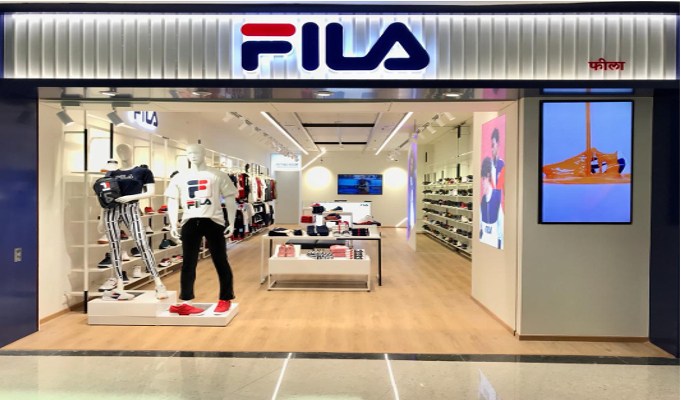
  • FILA India collaborates with Streetwear Label Norblack Norwhite

    FILA India collaborates with Streetwear Label Norblack Norwhite

    The Italian sports-fashion brand Fila has announced its first ever Heritage collaboration with indie streetwear brand Norblack Norwhite which are now available in its stores. FILA India’s partnership with Norblack Norwhite pays homage to a heritage of textiles from Italy and to the age-old traditions of Indian textile makers, debuting with this India-only exclusive collaboration.

    Fila India’s Creative Director, Abdon Lepcha worked closely with NBNW for almost a year to design a limited edition collection that fuses iconic FILA silhouettes with their signature prints and patterns. The collaboration is a fusion of Indian streetwear with sports fashion. The collection was created applying the NBNW love for pattern and color, keeping it breathable within the sporty space. The styles focus on comfort, playing off some of Norblack Norwhite’s textile styles applied in a new way to work with Fila fabrics.

    Speaking on the collection, Mriga Kapadiya & Amrit Kumar said, “NBNW celebrates textiles and colors and patterns so creating within the FILA form and brand has taken us out of our comfort zone and pushed the boundaries on our design capacity. Fila is a brand we grew up on and we were super excited when Fila India approached us to collaborate on this capsule collection. We’ve never got to design athletic wear and it’s been super fun and also challenging to apply our style and aesthetic in this form! It’s important for our process to stay true to things we feel comfortable and empowered in while balancing the visual story of our favorite elements of India combined with our guiding feelings of classic streetwear.”

    Rohan Batra, the MD of Cravatex Brands, the Licensee for Fila in India, says, “This collaboration is one that is very special for us. It is the first time a global brand has collaborated on an entire collection with an Indian streetwear label. The limited India-only drop for the collaboration is part of our commitment to building and nurturing the streetwear fashion culture in India.”

    The collection comprises of baseball jerseys, tracksuits, fanny packs, tees and a special edition Disruptor. The price points for apparel, footwear and accessories start from Rs 1,999 and go up to Rs 8,999.